Secret Government Projects That Stayed Classified for Decades
There’s something genuinely unsettling about the idea that the world you think you understand has a second layer underneath it — one with its own budgets, its own personnel, its own rules. Governments have always kept secrets, and that’s not really the controversial part.
The controversial part is what some of those secrets turned out to be: human experiments, fake wars, mind control programs, aircraft that looked like something from another planet. These weren’t fringe conspiracy theories.
They were real, documented, eventually declassified — and in most cases, far stranger than anything people had imagined while they were still hidden. Here’s a look at some of the most consequential classified programs in American and world history, and what it took to bring them into the light.
Project MKUltra
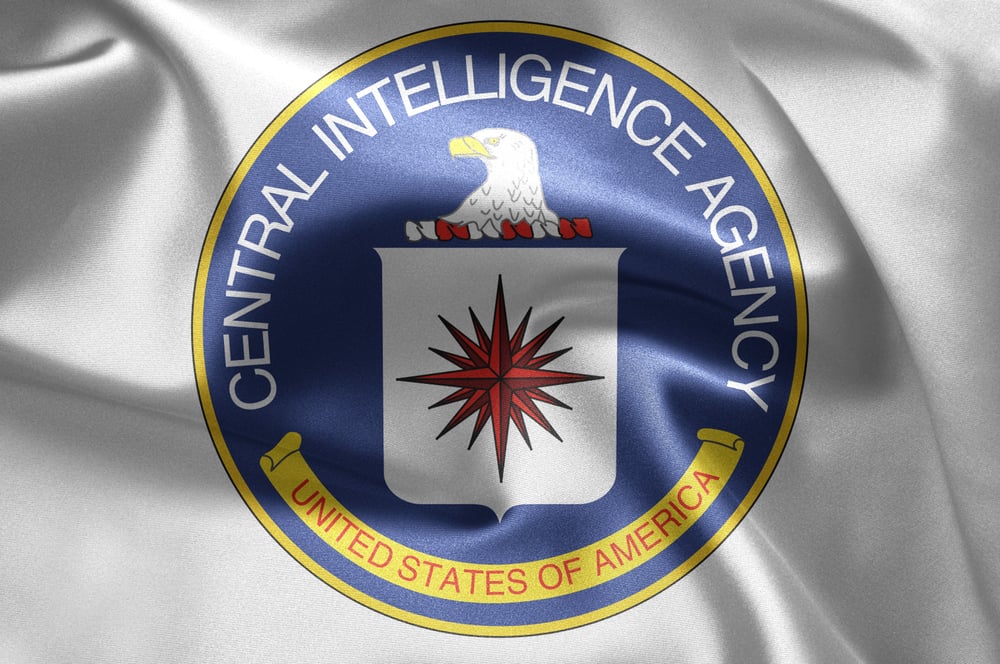
The CIA ran a covert mind control program for over two decades, and when it finally surfaced in 1977, the Senate had to hold hearings to confirm that yes, the United States government had been dosing unwitting citizens with LSD. MKUltra began in 1953, born from Cold War paranoia and a genuine belief that the Soviets had already cracked the code on mind manipulation.
So the agency funded experiments at universities, hospitals, and prisons — sometimes with the full cooperation of researchers who knew exactly what they were doing, sometimes without the knowledge of the people being experimented on.
Operation Paperclip
The U.S. government recruited over 1,600 German scientists after World War II, many of them with deep ties to the Nazi regime, and quietly installed them in American research programs. Wernher von Braun — the man who would later be celebrated as the architect of the Apollo program — had used concentration camp labor to build V-2 rockets.
And yet, the paperwork got sanitized, the histories got rewritten, and men who should have faced tribunals ended up with security clearances and government salaries.
COINTELPRO
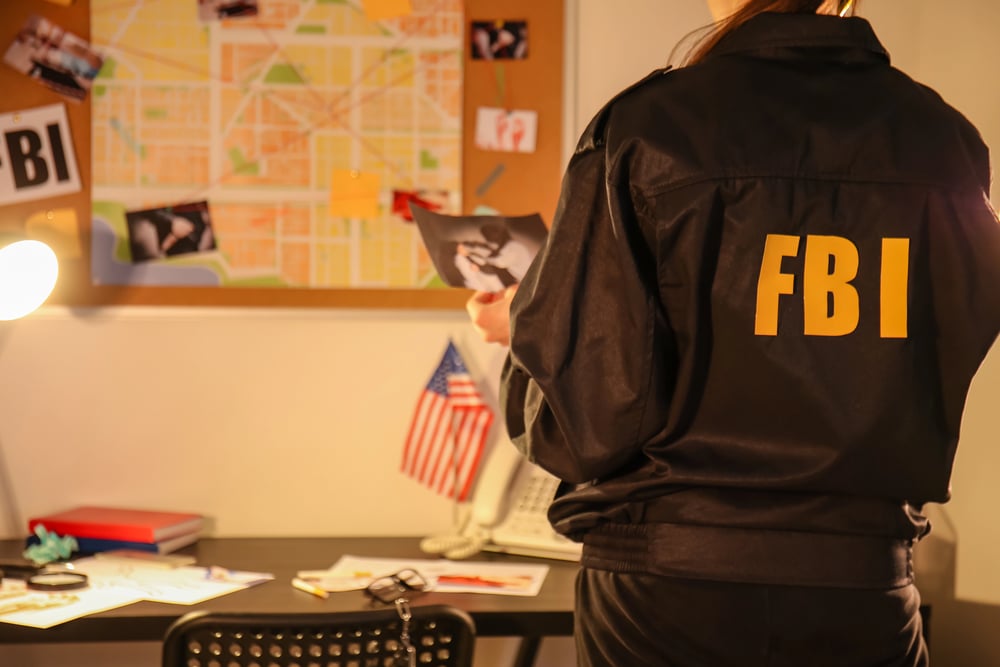
The FBI’s counterintelligence program, which ran from 1956 to 1971, wasn’t about foreign threats — it was about domestic ones, or rather, people the bureau decided were domestic threats. Civil rights leaders, socialist organizations, journalists, and activists found themselves surveilled, harassed, and in some cases, actively set up by federal agents.
Martin Luther King Jr. was a primary target; the bureau sent him an anonymous letter that historians widely interpret as an attempt to push him toward taking his own life.
Project AZORIAN
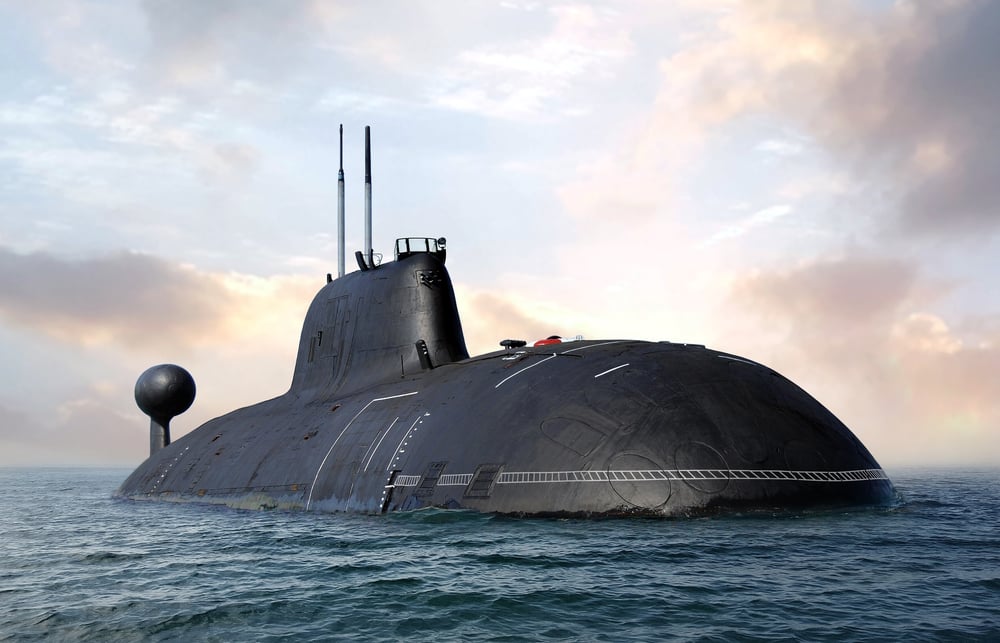
Lifting a sunken Soviet submarine from the floor of the Pacific Ocean — more than 3 miles down — is the kind of plan that sounds invented, and yet the CIA pulled it off in 1974. The cover story involved Howard Hughes and a deep-sea mining operation called the Glomar Explorer, which was built specifically for the mission and sold to the public as a commercial venture.
The recovery was partial, the Soviets eventually found out, and the whole operation stayed classified until 2010 — thirty-six years after the ship came back up.
The Manhattan Project

There is something almost incomprehensible about the scale of secrecy that surrounded the Manhattan Project — entire cities built in the desert and the Tennessee hills, populated by thousands of workers who had no idea what they were building, in a program that consumed roughly $2 billion (about $28 billion in today’s dollars) without appearing in any public ledger. Oak Ridge, Tennessee became one of the largest cities in the state virtually overnight, and the people living there genuinely did not know the nature of their work; they ran centrifuges and monitored gauges and were told, firmly, that asking questions was not part of the job.
So the bomb got built, and the world found out all at once.
Project Sunshine
The name sounds almost pastoral, which makes the reality of it land harder. Starting in the early 1950s, the U.S. Atomic Energy Commission began secretly collecting human tissue — bones, stillborn babies, amputated limbs — from around the world to measure strontium-90 contamination from nuclear testing.
The program operated without consent, and families whose relatives’ remains were sampled had no idea it was happening. Britain ran a parallel version called Project Sunshine as well, and when it came to light in the 1990s, the revelations rattled both governments.
ECHELON

Long before Edward Snowden made mass surveillance a dinner table topic, there was ECHELON — a signals intelligence network operated jointly by the United States, the United Kingdom, Canada, Australia, and New Zealand that intercepted phone calls, faxes, and emails on a global scale. The network dates back to a 1946 signals intelligence agreement, grew through the Cold War, and by the 1990s was picking up an estimated 3 billion communications per day.
Governments denied its existence for years; a European Parliament report in 2001 confirmed it in considerable detail, which is the kind of confirmation that arrives slightly too late to feel satisfying.
Operation Northwoods
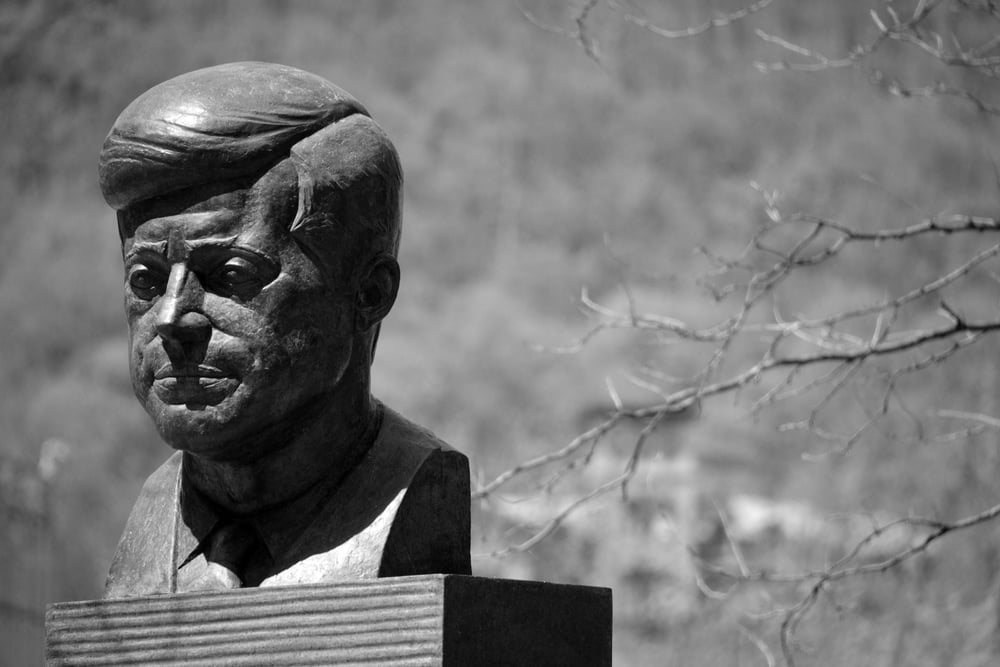
In 1962, the U.S. Joint Chiefs of Staff signed off on a proposal to stage terrorist attacks on American soil and blame them on Cuba, as a pretext for military intervention. The plan included hijacking American aircraft, sinking boats carrying Cuban refugees, and orchestrating attacks in cities like Miami and Washington.
President Kennedy rejected it, and the documents stayed buried until 1997, when they were declassified as part of the JFK Records Act. Thirty-five years is a long time for a proposal of that nature to stay out of public view.
Area 51
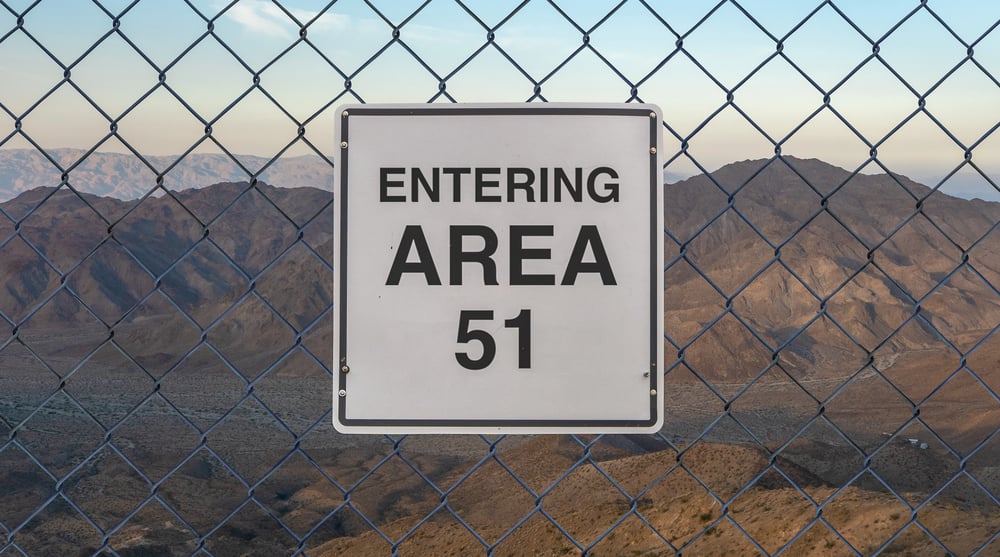
Area 51 is the rare classified site that became famous before it was officially acknowledged. The CIA didn’t formally admit the facility existed until 2013, despite the fact that satellite imagery had shown it for years and former employees had been speaking publicly about it since the 1990s.
What was actually being developed there — the U-2 spy plane, the SR-71 Blackbird, the F-117 stealth aircraft — was genuinely remarkable, and the extreme secrecy surrounding the test flights produced most of the UFO reports that made the base legendary. The truth was strange enough without the extraterrestrial embellishment.
Operation Gladio
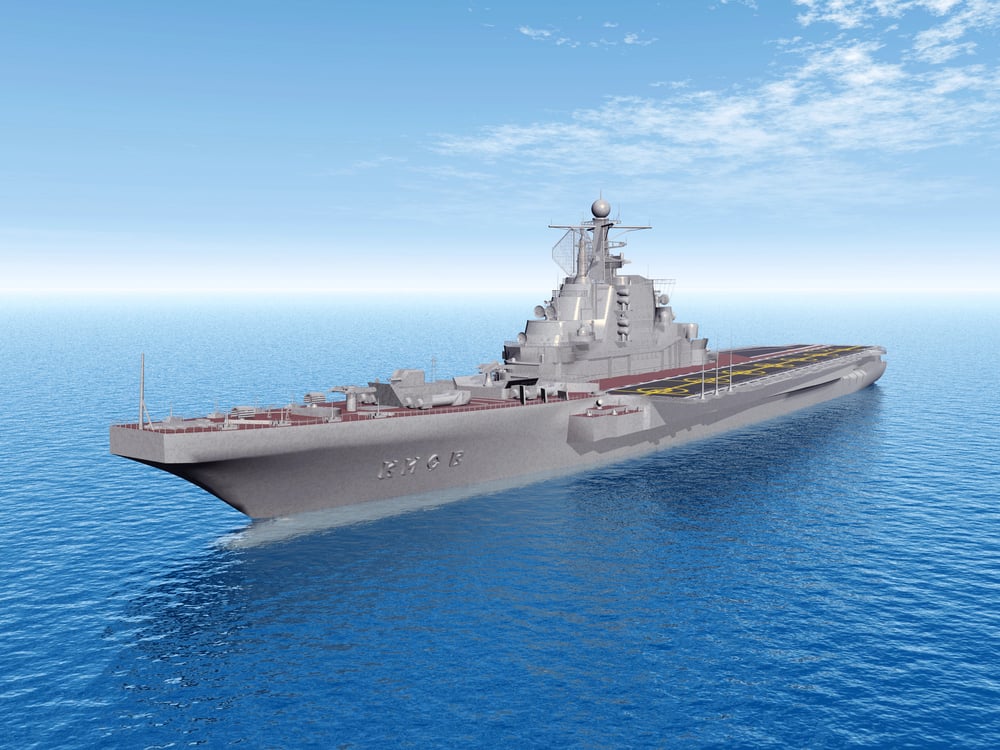
NATO ran a network of stay-behind paramilitary units across Western Europe throughout the Cold War, designed to conduct sabotage and resistance operations in the event of a Soviet invasion. What emerged after Italian Prime Minister Giulio Andreotti disclosed the program in 1990 was something considerably darker: evidence linking Gladio operatives to political assassinations, bombings, and false-flag attacks across the continent.
The “strategy of tension” — manufacturing fear to keep populations politically compliant — turned out to be more than a theory.
Project 112 and SHAD
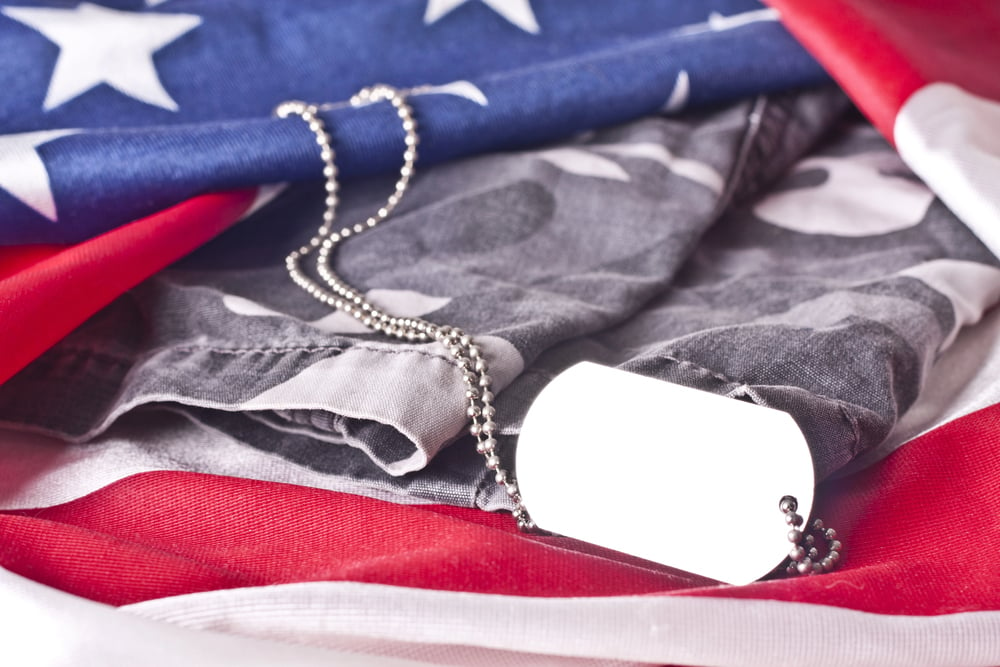
Between 1962 and 1973, the U.S. military conducted chemical and biological weapons tests on its own soldiers — sometimes without their knowledge — in a program called Project 112, with the shipboard component known as SHAD (Shipboard Hazard and Defense). Sailors were exposed to nerve agents, bacteria, and other substances while aboard Navy vessels, told only that they were participating in training exercises.
The Pentagon didn’t acknowledge the program until 2000, and veterans spent decades trying to connect their health problems to exposure events that the government insisted, for years, simply hadn’t happened.
The Tuskegee Syphilis Study

This one didn’t just stay classified — it stayed active. Beginning in 1932, the U.S. Public Health Service enrolled 399 Black men with syphilis in Macon County, Alabama, and told them they were being treated for “bad blood.”
They weren’t. Researchers withheld treatment, including penicillin after it became the standard of care in the 1940s, to observe the disease’s natural progression.
The study ran for forty years, until a whistleblower named Peter Buxtun leaked documents to the press in 1972. It is one of the most morally catastrophic episodes in the history of American medicine.
Project Acoustic Kitty
The CIA spent roughly $20 million in the 1960s attempting to train cats as surveillance operatives — implanting microphones in their ears, antennae in their tails, and transmitters in their bodies, then releasing them near Soviet embassies to eavesdrop on conversations. The first operational cat wandered into traffic almost immediately and was struck by a taxi.
The agency quietly terminated the program and classified it until 2001, which is — to be fair — a reasonable amount of time to wait before admitting that the United States government lost an intelligence asset to a cab.
HAARP
The High-frequency Active Auroral Research Program launched in Alaska in 1993 as a joint military-university project studying the ionosphere, and for years the government was distinctly unenthusiastic about discussing what it was actually doing. The Air Force and Navy ran the facility together, using a 180-antenna array to beam high-frequency radio waves into the upper atmosphere.
Declassified documents confirmed research into disrupting enemy communications and navigation systems. The program transferred to the University of Alaska Fairbanks in 2015 and now holds open houses, which is a very specific way to rehabilitate a reputation.
Operation Mockingbird
Starting in the early 1950s, the CIA cultivated relationships with journalists, editors, and media executives to shape the news — placing stories, suppressing others, and maintaining a network of compliant reporters at major American outlets. The Church Committee investigations in 1975 confirmed the program’s existence, and the agency acknowledged using over 400 journalists as assets at its peak.
The full scope — which publications, which reporters, which specific stories were planted — has never been fully released.
Project Mogul

The Roswell incident of 1947 has spent seven decades generating more heat than light, but the classified explanation is actually interesting in its own right. Project Mogul was a top-secret program using high-altitude balloon arrays to listen for Soviet nuclear tests, and it was a Mogul balloon train that came down near Roswell, New Mexico.
The military’s initial press release called it a “flying disc,” then walked that back within days — but the damage, or the mythology, was already in motion. The Air Force didn’t formally attribute the debris to Project Mogul until 1994.
The Venona Project
For nearly three decades, a small group of American cryptanalysts quietly decoded thousands of Soviet intelligence cables — and what they found reshaped U.S. history. The Venona project, running from 1943 to 1980, confirmed the existence of extensive Soviet espionage networks inside the U.S. government, the Manhattan Project, and the State Department.
Names that had become political footballs — Alger Hiss, Julius Rosenberg — appeared in the decrypted cables. The project wasn’t declassified until 1995, which meant the evidence that would have settled several of the most contested espionage cases of the century sat in locked files while the arguments raged on.
Operation Sea-Spray
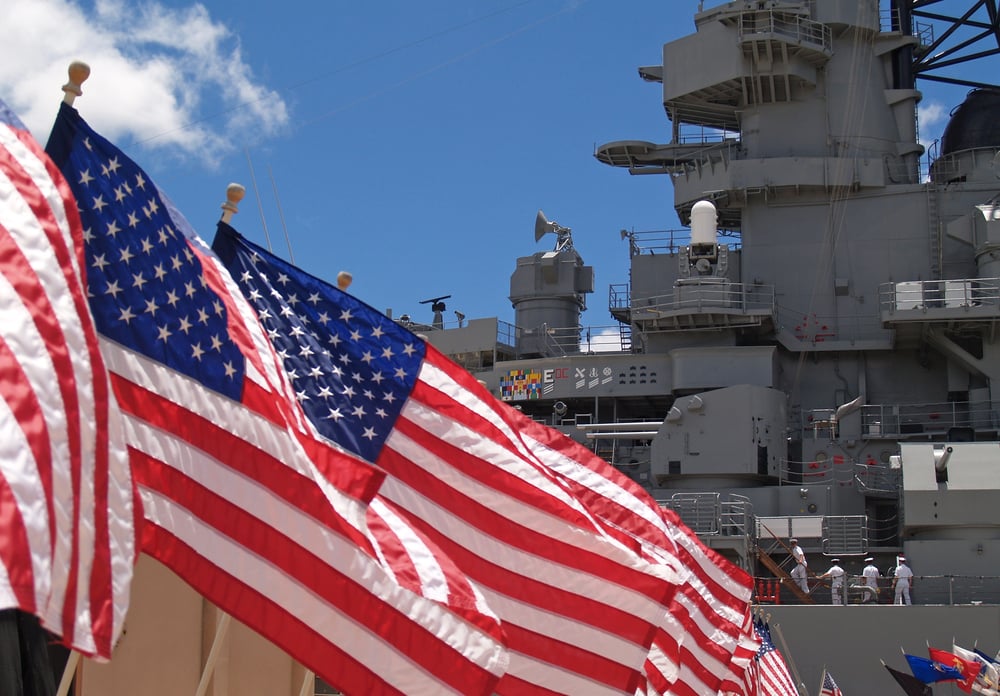
In 1950, the U.S. Navy sprayed the city of San Francisco with Serratia marcescens bacteria from a ship offshore, as part of a biological warfare study testing how vulnerable American cities might be to a covert attack. Eleven people were hospitalized in the weeks that followed, and one — a retired pipe fitter named Edward Nevin — died.
The Navy maintained the bacteria was harmless; epidemiologists later disputed that claim. The experiment remained classified for more than two decades, and the government successfully argued it was immune from liability when Nevin’s family sued in the 1970s.
The Black Budget
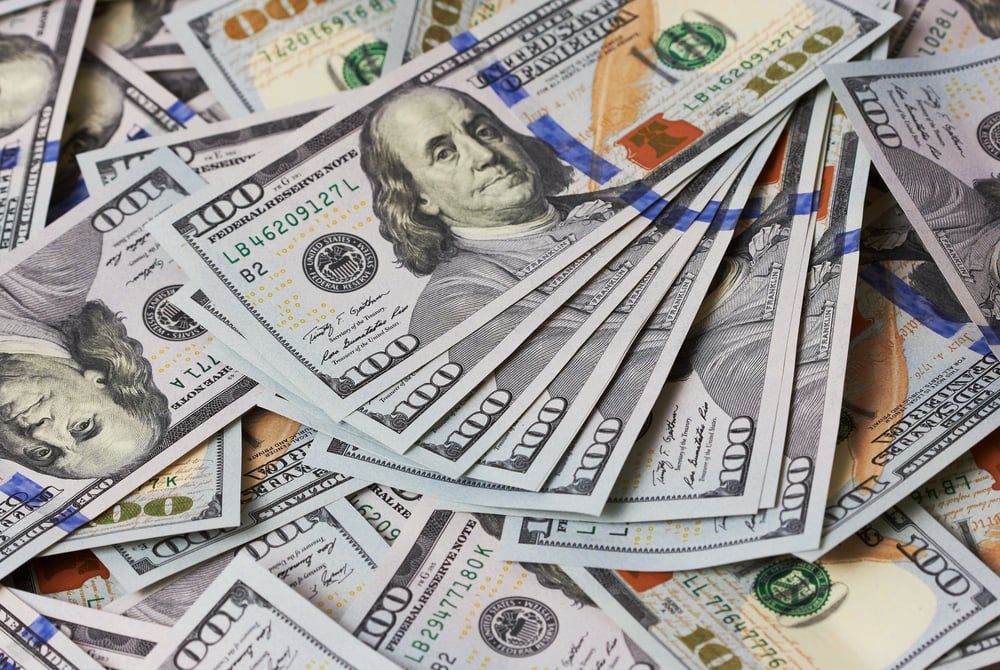
Every year, a portion of the U.S. federal budget — running into the hundreds of billions of dollars — is classified. It funds the intelligence community, classified military programs, and operations that Congress authorizes but the public never sees itemized.
The existence of a “black budget” became more concrete after Edward Snowden leaked a top-level summary in 2013 showing $52.6 billion in classified intelligence spending for fiscal year 2013 alone. That figure covers only the civilian intelligence agencies — the military’s classified programs are budgeted separately, and their totals remain unknown.
Project 57
In 1957, the Atomic Energy Commission deliberately detonated a conventional explosive fitted with a plutonium core in the Nevada desert — not a nuclear explosion, but a “safety test” designed to see what would happen if a nuclear weapon was accidentally triggered without the full detonation sequence. What happened was a significant dispersal of plutonium across roughly 895 acres of Nevada desert.
The site, known as Area 13, was cordoned off and left contaminated. The test was classified for decades, and the cleanup — such as it was — didn’t begin until 1986.
STARGATE Project

The Defense Intelligence Agency and CIA jointly funded research into “remote viewing” — the purported ability to perceive distant locations through extrasensory perception — from 1972 until 1995. The program, which cycled through several names before landing on STARGATE, cost approximately $20 million and involved psychics who were asked to locate Soviet submarines, describe foreign facilities, and identify hidden objects.
A declassified 1995 review concluded the program had produced no actionable intelligence. Twenty-three years is a long time to run an experiment with those kinds of results.
Operation Ranch Hand

Between 1962 and 1971, the U.S. military sprayed approximately 20 million gallons of herbicides — including Agent Orange — over roughly 4.5 million acres of Vietnamese jungle, farmland, and villages. Operation Ranch Hand was known to military planners but the full scale of what was being sprayed, and the health consequences for both Vietnamese civilians and American veterans, stayed buried under layers of classification and institutional denial.
Veterans who developed cancers and other conditions tied to dioxin exposure spent decades fighting for recognition that the military was slow and reluctant to provide.
The Continuity of Government Programs
During the Cold War, the U.S. government built an elaborate secret infrastructure designed to survive a nuclear attack — underground bunkers, shadow governments, pre-positioned supplies, and classified protocols for which officials would assume authority and in what order. The facility beneath the Greenbrier resort in West Virginia, built to house Congress and discovered by a Washington Post reporter in 1992, was just one node in a much larger network.
The full architecture of these programs — who was on the lists, what the protocols actually said — remains partially classified to this day.
Operation Chaos
While COINTELPRO went after domestic activists, Operation CHAOS was the CIA’s program targeting Americans abroad — specifically antiwar activists and protest movements that the agency suspected of receiving foreign support. Running from 1967 to 1974, CHAOS built files on over 7,200 American citizens, indexed 300,000 names, and infiltrated domestic protest organizations in direct violation of the CIA’s charter, which prohibits domestic operations.
The program was exposed during the Church Committee hearings, and the agency’s director at the time acknowledged it had been, in his words, “improper.”
Project SHAD’s Forgotten Ships
Separate from the broader Project 112 program, individual SHAD tests have their own specific histories that took years to surface. The USS George Eastman and USS Granville S. Hall were among the vessels used in trials where sailors were exposed to agents including VX nerve agent and various biological simulants.
Veterans from these ships filed claims for decades, often denied on the grounds that the government had no record of the tests having occurred — which is a particular kind of institutional cruelty, denying a record you classified yourself.
The Weight of What Gets Buried

Declassification is a strange kind of reckoning — it arrives long after the people most affected have stopped waiting, long after the decisions that were made have calcified into history. What these programs share isn’t a single ideology or motive; some were born of genuine Cold War fear, some of bureaucratic arrogance, some of something harder to name.
But the pattern is consistent: the more insulated a program is from oversight, the further it tends to drift from anything recognizable as acceptable conduct. The lesson isn’t really about government secrets in the abstract — it’s about what happens when accountability gets classified along with everything else.
More from Go2Tutors!

- The Romanov Crown Jewels and Their Tragic Fate
- 13 Historical Mysteries That Science Still Can’t Solve
- Famous Hoaxes That Fooled the World for Years
- 15 Child Stars with Tragic Adult Lives
- 16 Famous Jewelry Pieces in History
Like Go2Tutors’s content? Follow us on MSN.