27 Songs That Defined Prom Night Across Multiple Decades
There’s something almost archaeological about prom music. Every generation swears their era had the best soundtrack — and every generation is at least partially right.
The songs that played while you stood in a gymnasium decorated with silver streamers or slow-danced under rented chandeliers didn’t just underscore the moment; they became the moment. Decades later, a single opening chord can drag you back to a specific Friday night in April or May, corsage pinned, camera pointed at you, wondering if the night would turn out to be everything you’d imagined.
These 27 songs didn’t just get played at prom — they got felt there.
“Stairway to Heaven” — Led Zeppelin
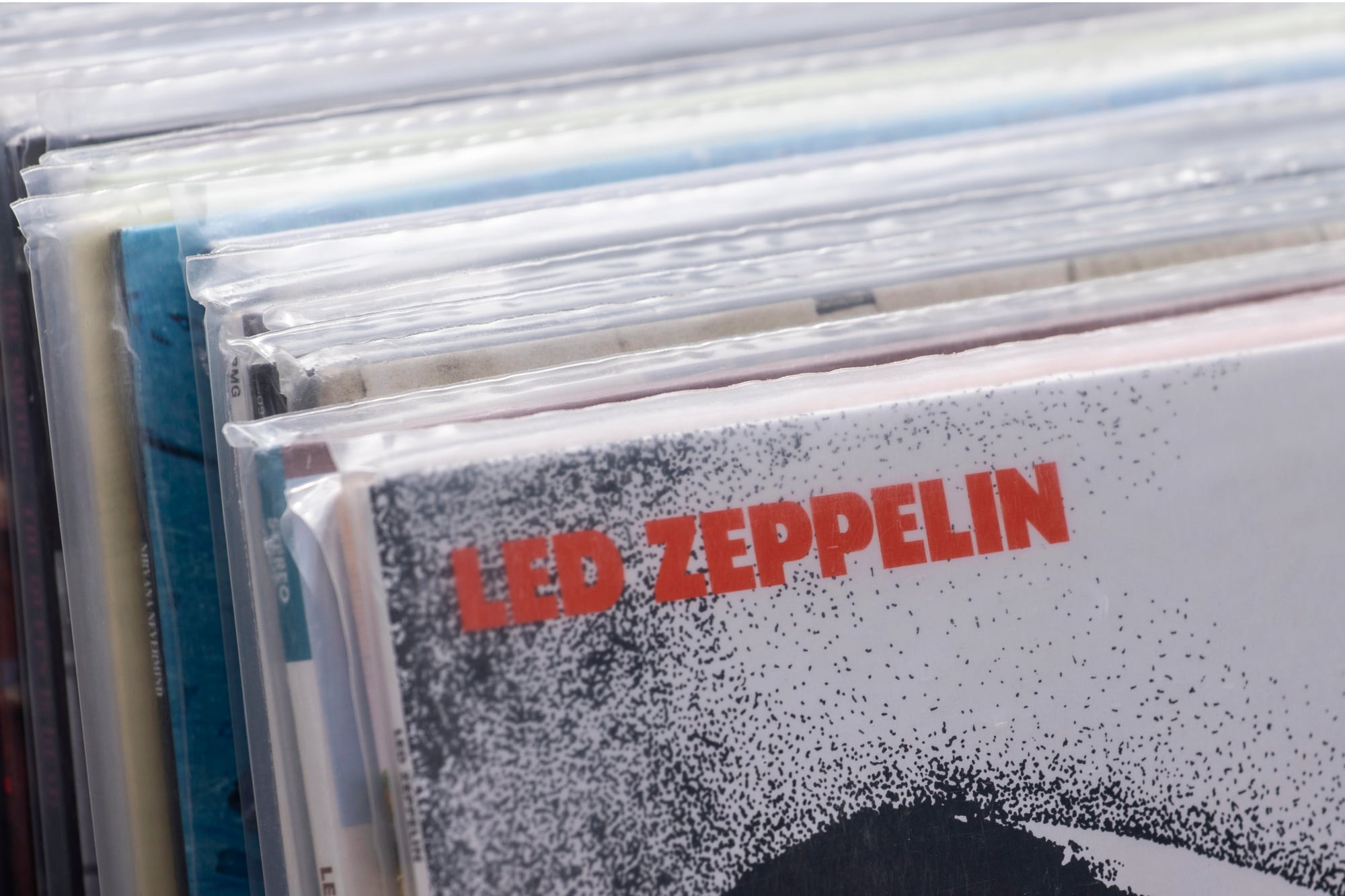
This one owned the slow dance slot for an entire decade. Eight minutes long, building from a whisper to something enormous — it was the architectural blueprint of what a prom song was supposed to do.
Every DJ who played it in the 1970s understood the assignment perfectly.
“Wonderful Tonight” — Eric Clapton
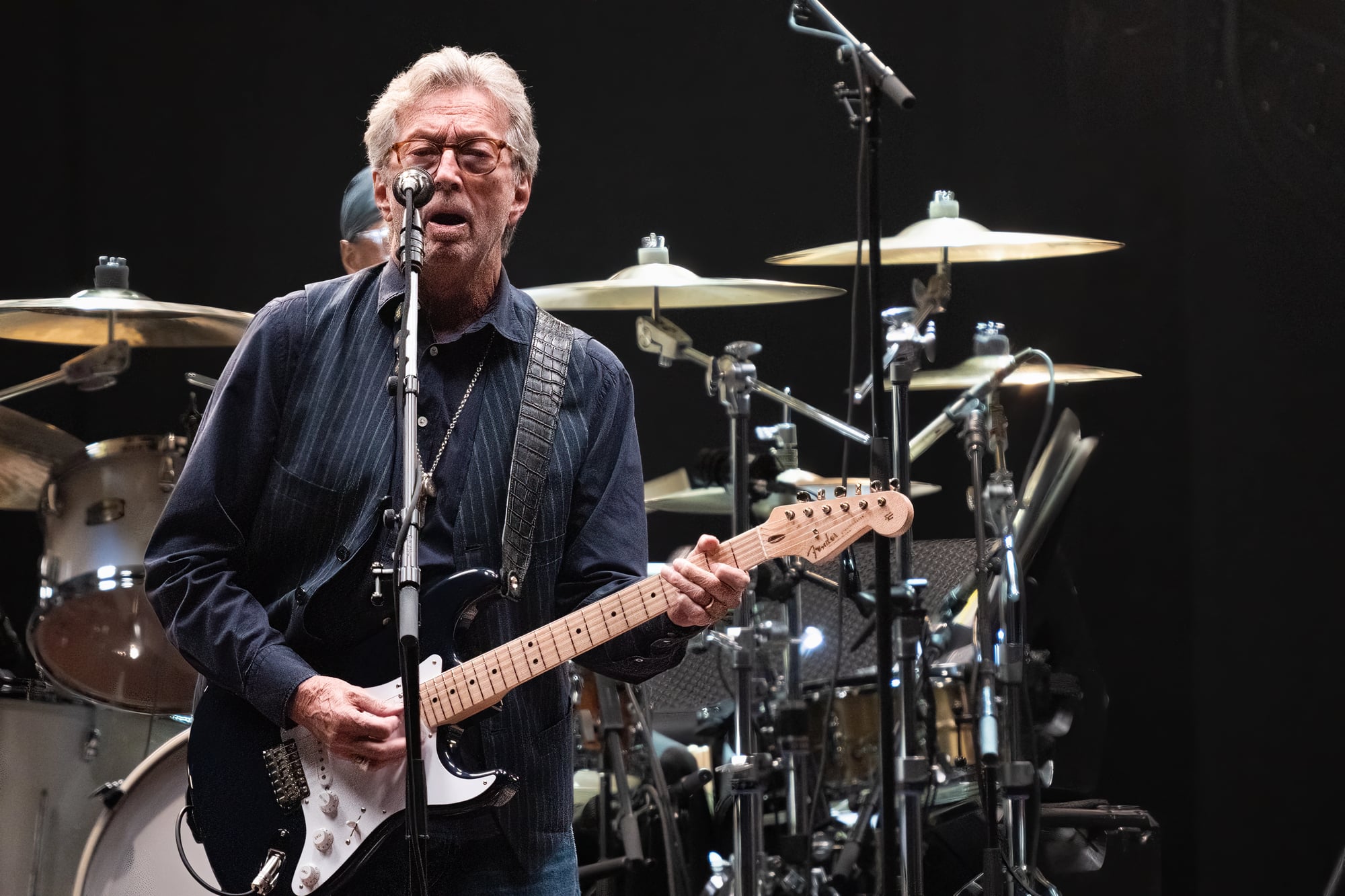
Released in 1977, this song had a kind of slow, almost indifferent grace to it — not the grand romantic gesture, but something quieter: the feeling of looking at someone across a room and thinking, without drama, that they look wonderful tonight, and meaning it completely. Clapton reportedly wrote it in about fifteen minutes while waiting for Patti Boyd to finish getting ready (which, as origin stories go, is either deeply romantic or mildly passive-aggressive, depending on your read).
So it became the anthem for every teenager who couldn’t articulate what they were feeling: the song did the articulating for them. And it still does.
“I Will Always Love You” — Whitney Houston
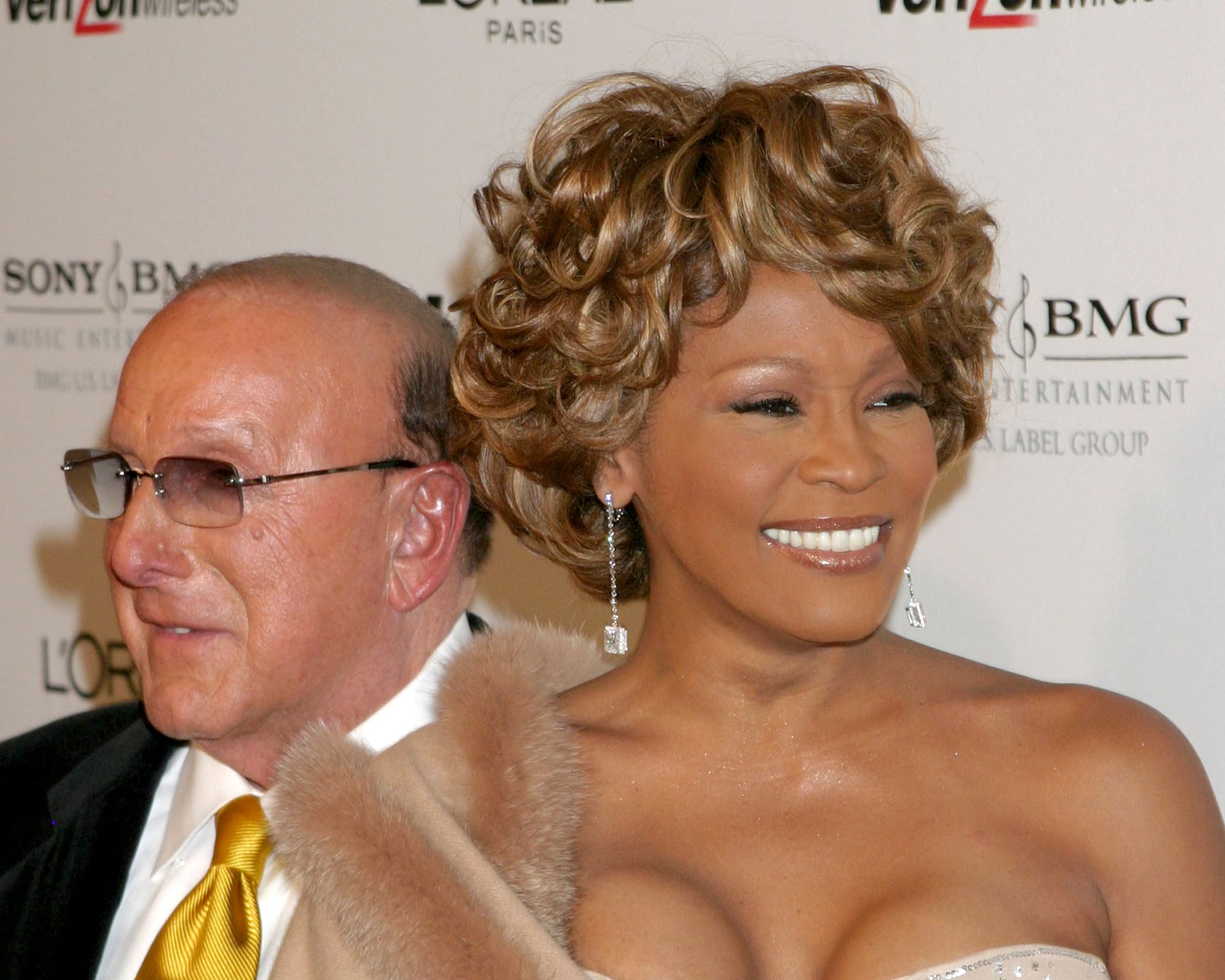
Whitney Houston’s 1992 recording of this song arrived at prom like weather — not something you chose but something you stood inside. The original was Dolly Parton’s, written as a business farewell, and yet Houston’s version wrung something far more operatic from those same notes, transforming a polite goodbye into a declaration so enormous it left the room feeling smaller.
Every couple that slow-danced to it in 1993 or 1994 believed, at least for four minutes and thirty seconds, that the feeling they had was the feeling the song described.
“End of the Road” — Boyz II Men
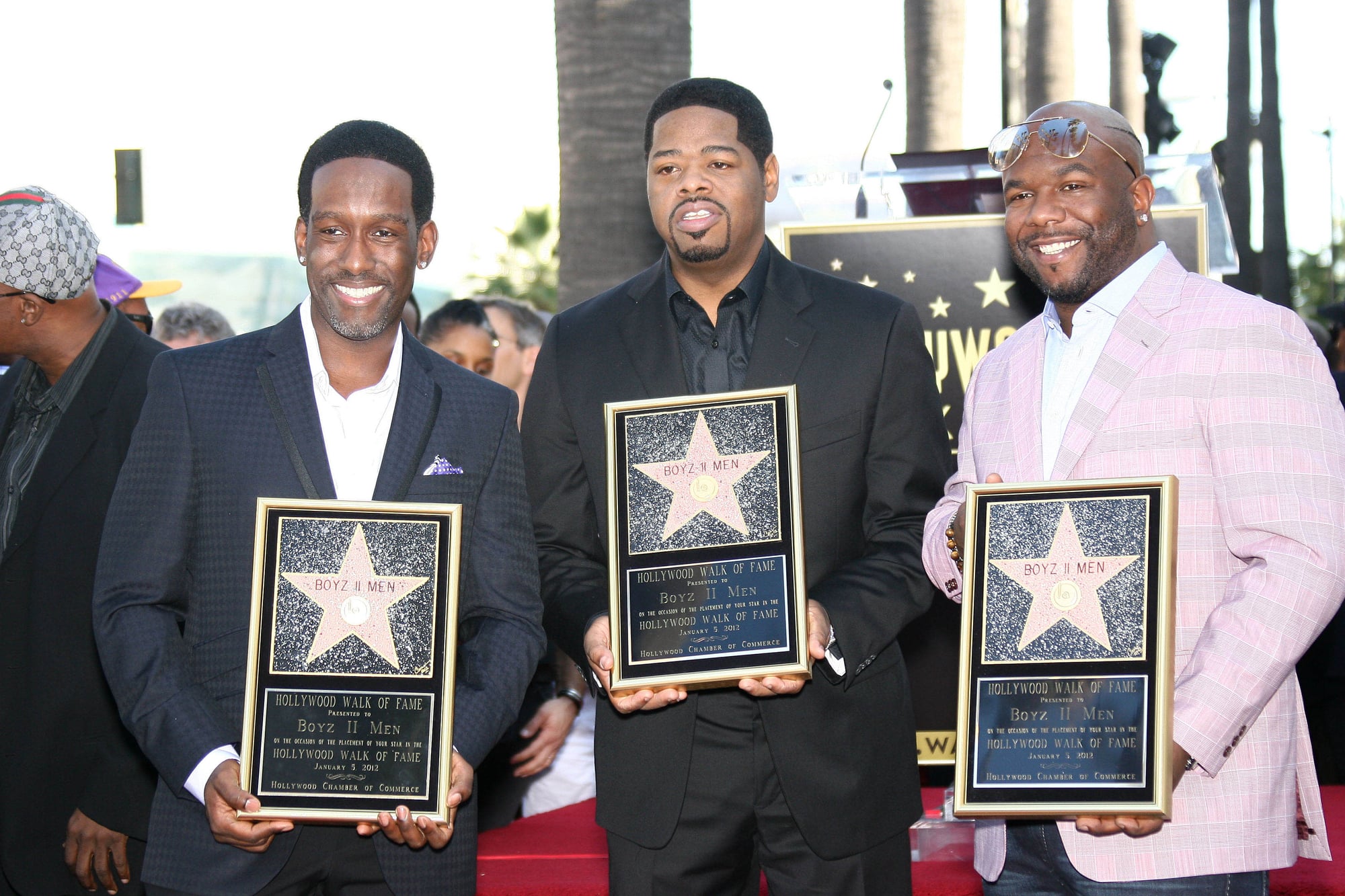
“End of the Road” is the most accurately named prom song ever recorded. It came out in 1992, sat at number one for thirteen consecutive weeks — a record at the time — and became the default soundtrack for every high school junior and senior who needed a song to make the night feel permanent.
To be fair, it’s a breakup song, which means a statistically significant portion of the couples who danced to it were already in trouble. That irony apparently did nothing to slow down its popularity.
“Purple Rain” — Prince
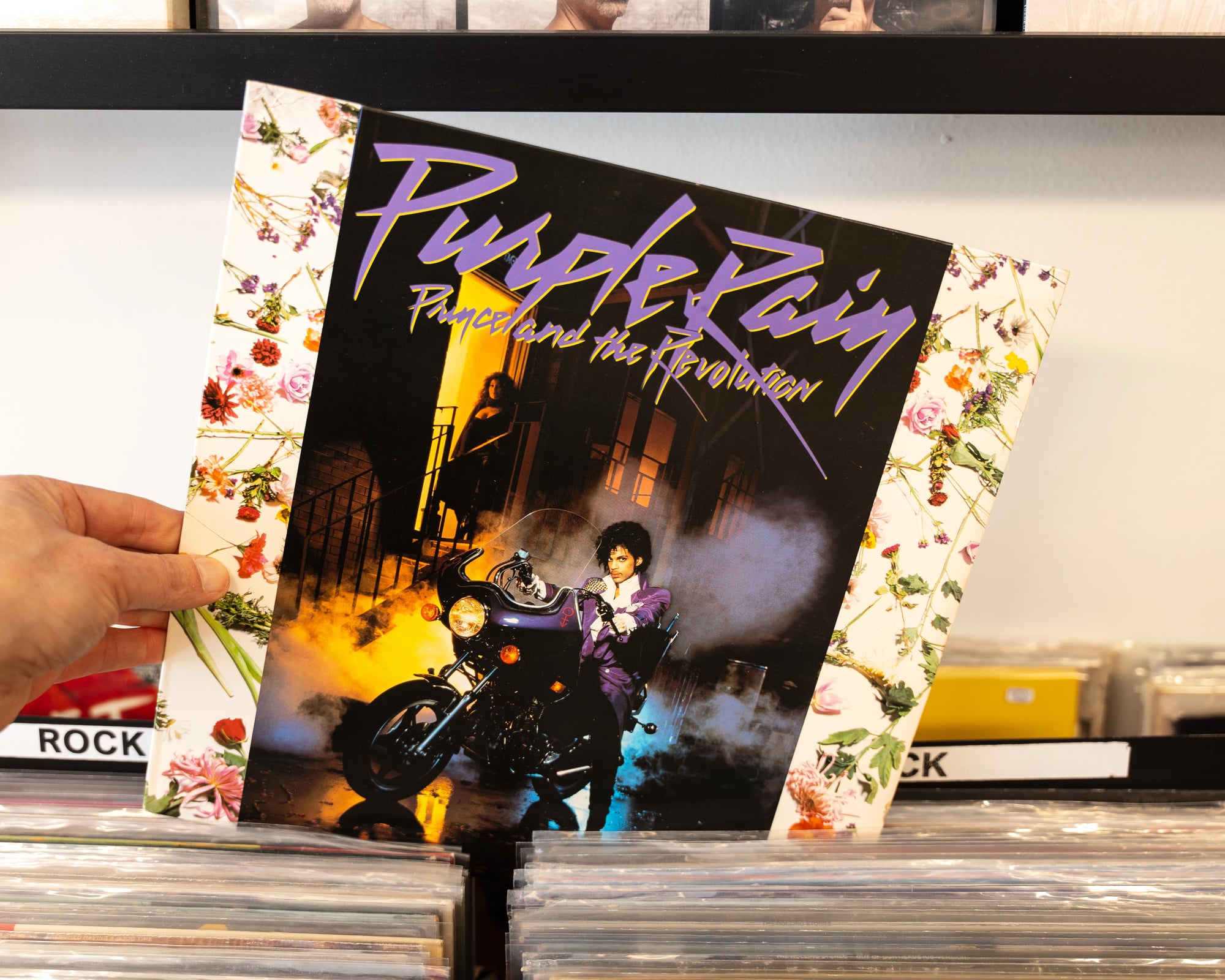
Prince released this in 1984, and it immediately became too big for a gymnasium. And yet, there it was anyway.
Eight-plus minutes of guitar and longing, played over speakers that were never designed for it.
“Time After Time” — Cyndi Lauper
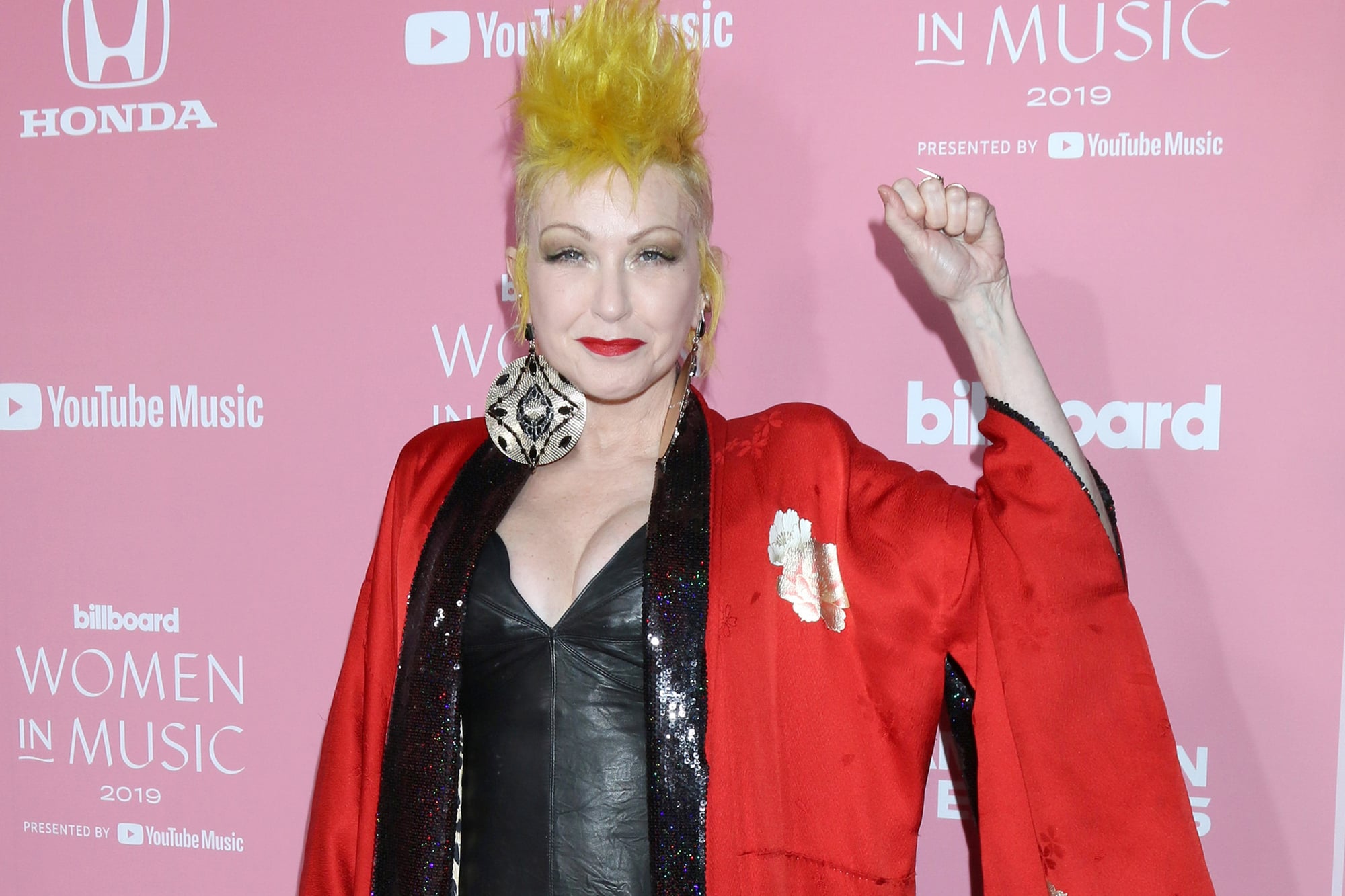
There’s something specific about this song — the way the synthesizer opens it, unhurried, almost hesitant — that locates you immediately in 1984, in the particular emotional register of a teenager who has read too much into a look from across a cafeteria, and the song somehow validates all of that reading, refuses to call it excessive. Lauper’s voice (warm, slightly unsteady in the best sense) carries a tenderness that never tips into saccharine, which is rarer than it sounds.
And the line about falling behind and someone waiting — that one landed differently at seventeen than it does at thirty-five, which is saying something.
“In Your Eyes” — Peter Gabriel
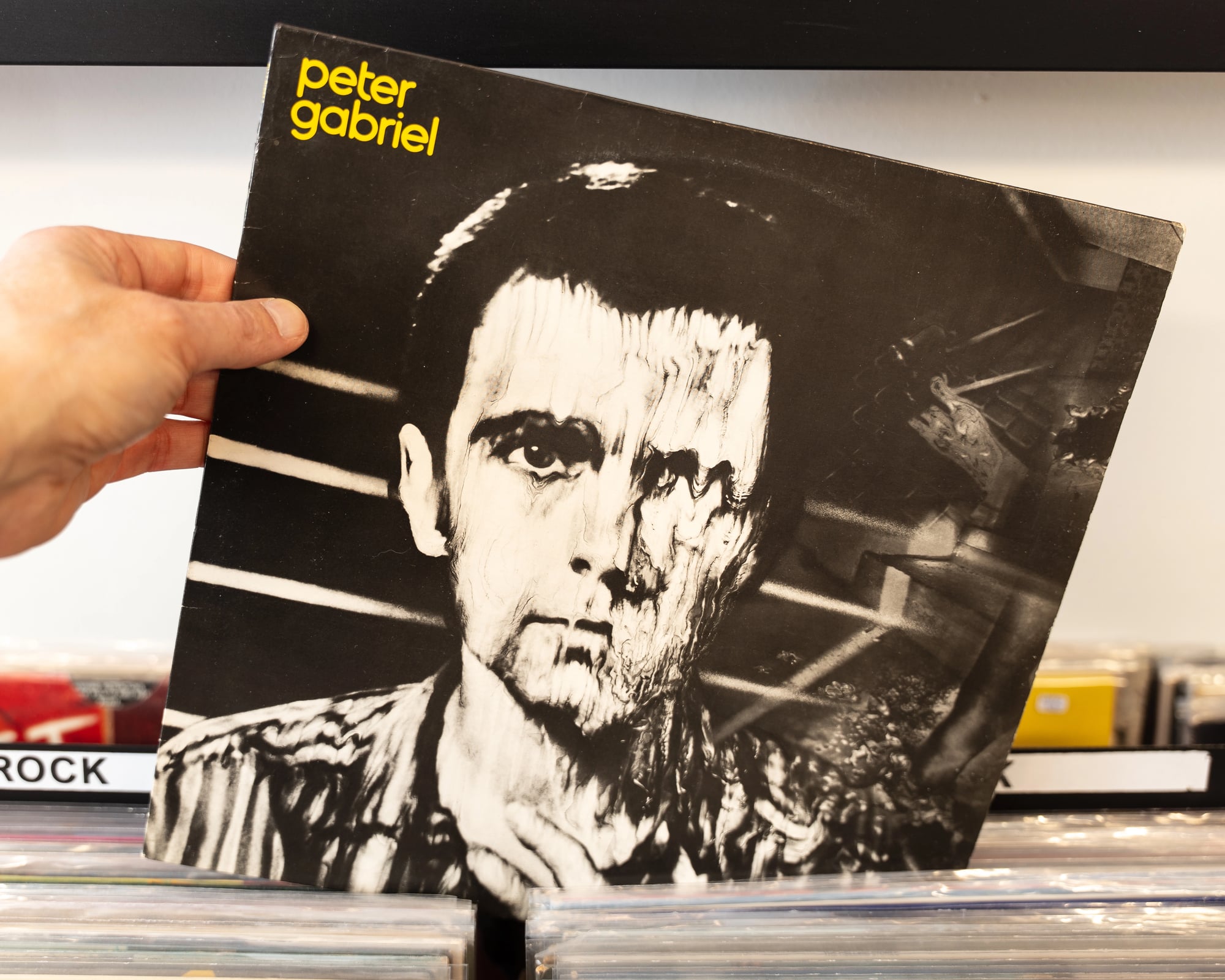
Peter Gabriel wrote this song as a love letter, and it arrived at prom already carrying a scene: John Cusack on a sidewalk, a boombox raised over his head, a girl looking out an upstairs window in Say Anything. Music rarely gets that kind of assist.
But even stripped of the film, “In Your Eyes” does something unusual — it treats devotion as geography, as a place you arrive at inside another person, and that’s not a metaphor most teenagers would invent on their own, but they recognized it the moment they heard it.
“Unchained Melody” — The Righteous Brothers
This song is from 1965 and it refuses to age, which is either a compliment or a haunting, depending on how you feel about the 1990s Ghost revival. It showed up at proms in the ’60s, again in the ’80s, and then again with renewed force after Patrick Swayze and Demi Moore made pottery romantic.
Turns out “Unchained Melody” doesn’t need context — it supplies its own. Every generation adopts it fresh, completely convinced they discovered it.
“Can’t Help Falling in Love” — Elvis Presley
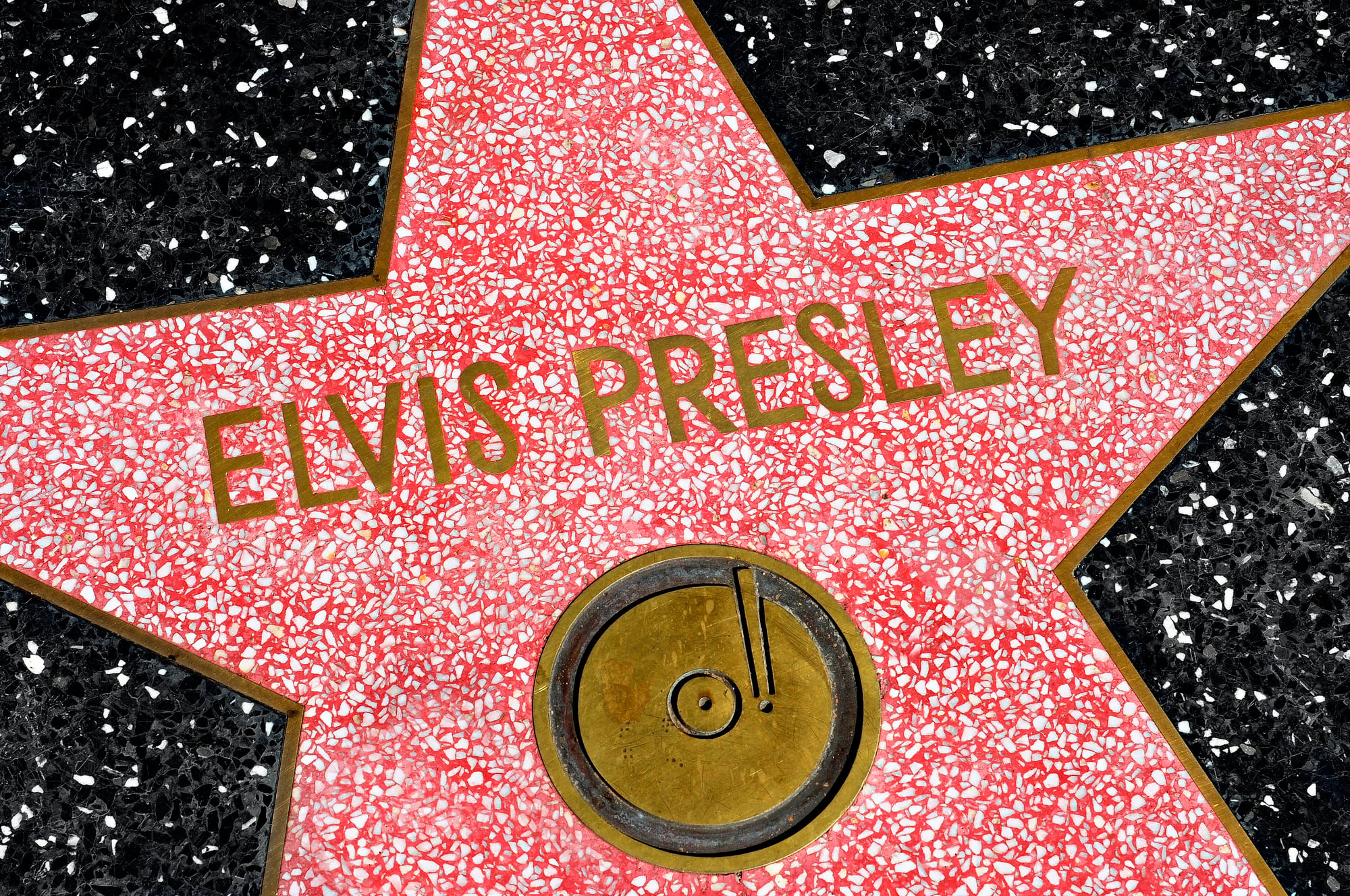
Elvis recorded this in 1961, and it never left. Simple melody, simple words, completely impossible to argue with.
It’s been played at proms in every decade since without anyone questioning whether it still applies.
“Every Breath You Take” — The Police
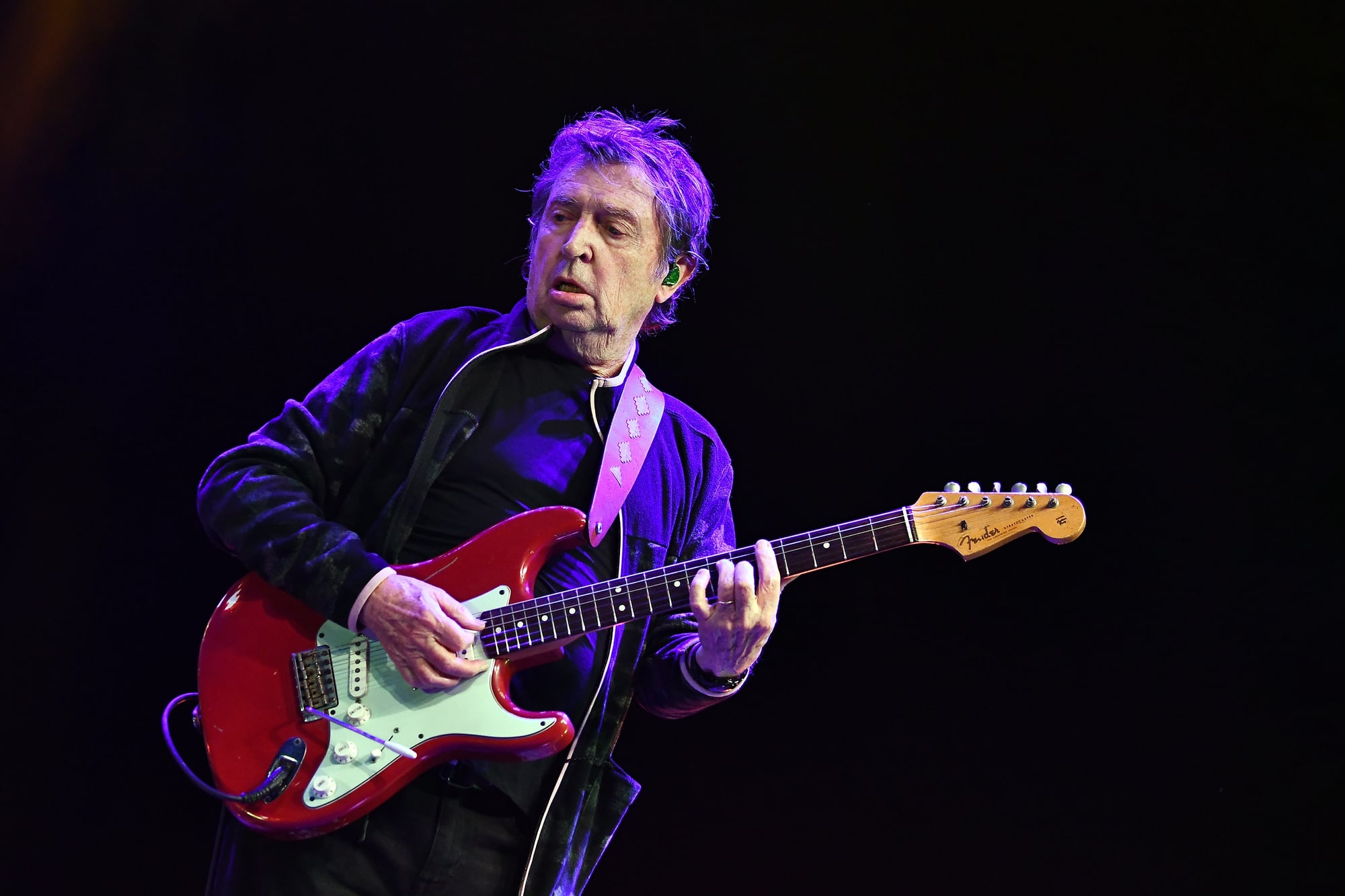
Sting has said, repeatedly and with some frustration, that this song is not a love song — it’s a song about obsession, about surveillance, about the particular menace of someone who watches and waits — and yet, for forty years, couples have leaned into each other and swayed to it at proms, weddings, and anniversary dinners, entirely convinced they’ve chosen something tender. The mismatch is almost instructive: the yearning in the melody is so convincing, so genuinely affecting, that the words (which are right there, audible) get overwritten by the feeling the music produces.
And so it kept appearing on DJ playlists through the ’80s and ’90s, a surveillance anthem wearing a tuxedo.
“Open Arms” — Journey
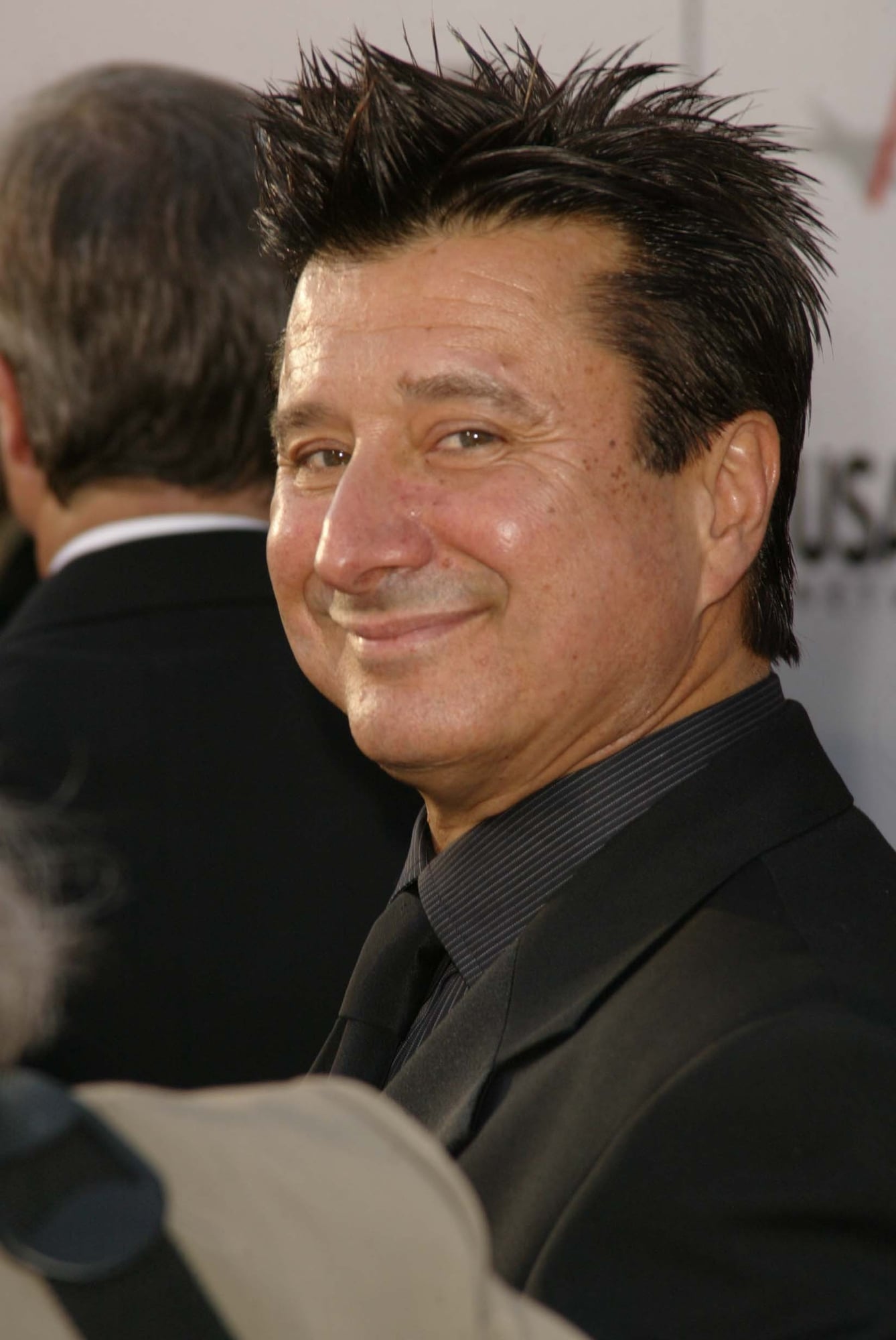
Journey’s 1982 ballad is the musical equivalent of a slow exhale after a long argument — not triumphant, not tragic, just honestly relieved. Steve Perry’s voice on this track has the particular quality of something that’s been through something, and that quality doesn’t go unnoticed by seventeen-year-olds who are, by definition, going through something themselves.
The song doesn’t promise everything will be fine; it only promises that someone is there with arms open, which at prom — with graduation looming and everything about to change — was exactly the right promise and no more.
“Waiting for Tonight” — Jennifer Lopez

Jennifer Lopez released this in 1999, and it became the song that defined the transition from slow-dance proms to proms where the DJ actually mattered. It is genuinely one of the best pure pop songs of its era — euphoric, precisely produced, built for a specific kind of anticipation.
Every late-’90s prom that played it got the energy right. To be fair, the bar was sometimes low, but “Waiting for Tonight” cleared it at altitude.
“A Thousand Miles” — Vanessa Carlton
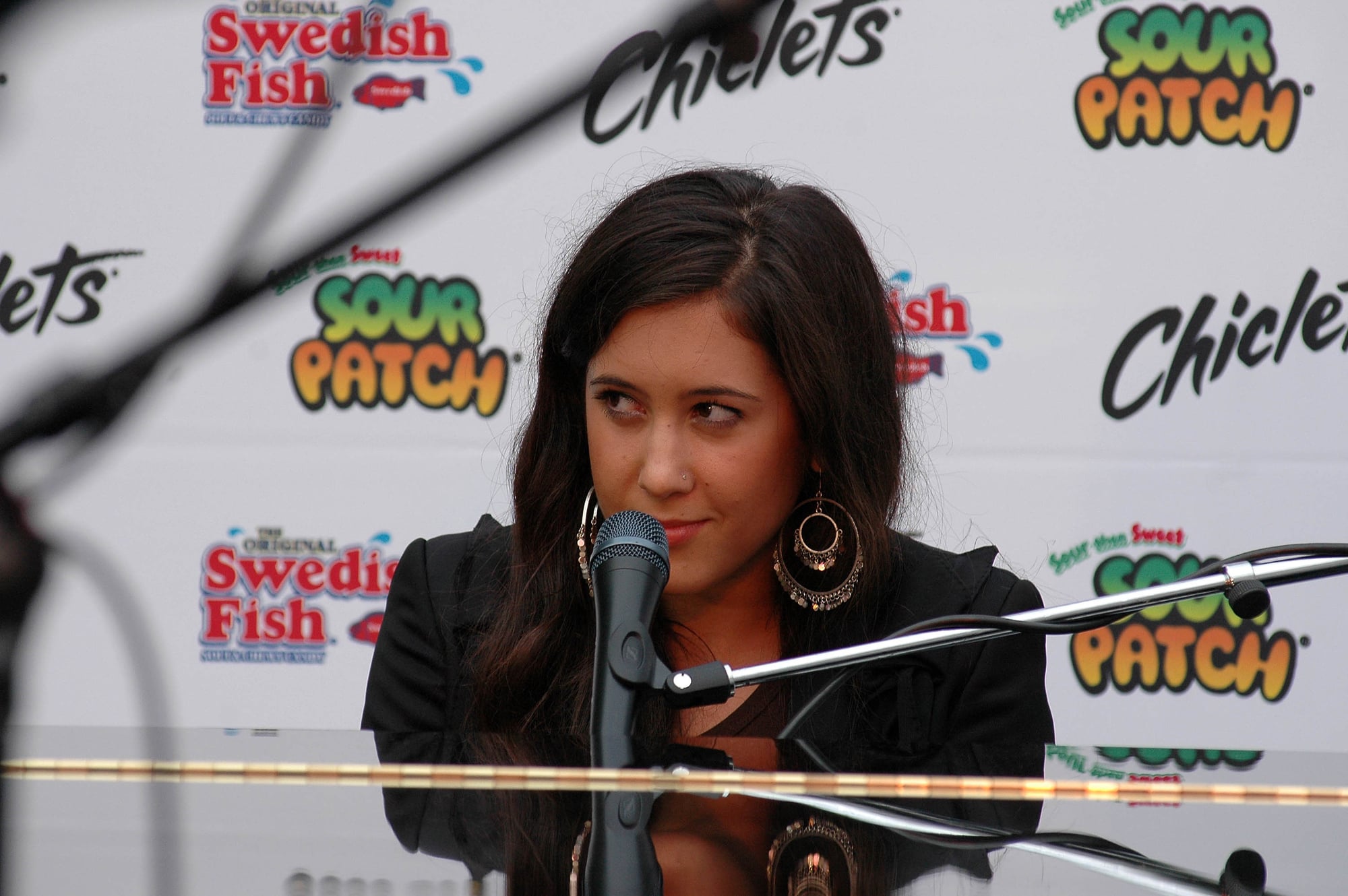
The piano intro is unmistakable. Vanessa Carlton released this in 2002, and it became a fixture on every prom playlist within months.
It’s a song about longing and distance, played for people who were nervous about the future — which is every person at every prom, always.
“My Heart Will Go On” — Celine Dion
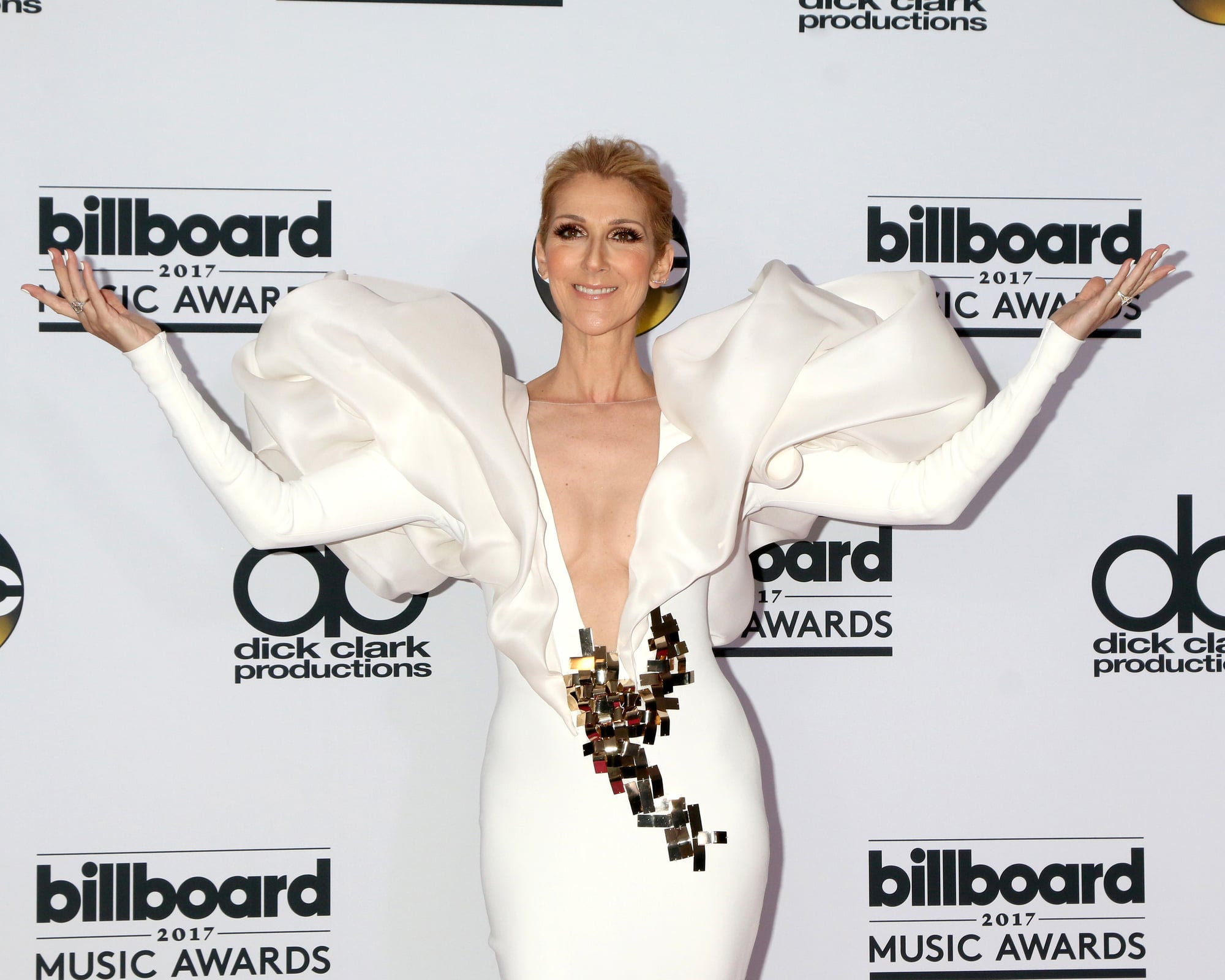
Titanic opened in December 1997, and by the spring of 1998 — prom season — Celine Dion’s theme had settled into the cultural consciousness with the stubborn permanence of something that was simply not leaving, no matter how often radio stations played it (which was: constantly). The film had already done the emotional heavy lifting — the frozen Atlantic, the door, the recurring debate about whether there was enough room — so when the song played at prom, it arrived pre-loaded with feeling, borrowed and enormous.
So couples who had seen the movie three times in theaters danced to it with a kind of secondhand heartbreak, entirely real despite being technically fictional.
“Iris” — Goo Goo Dolls
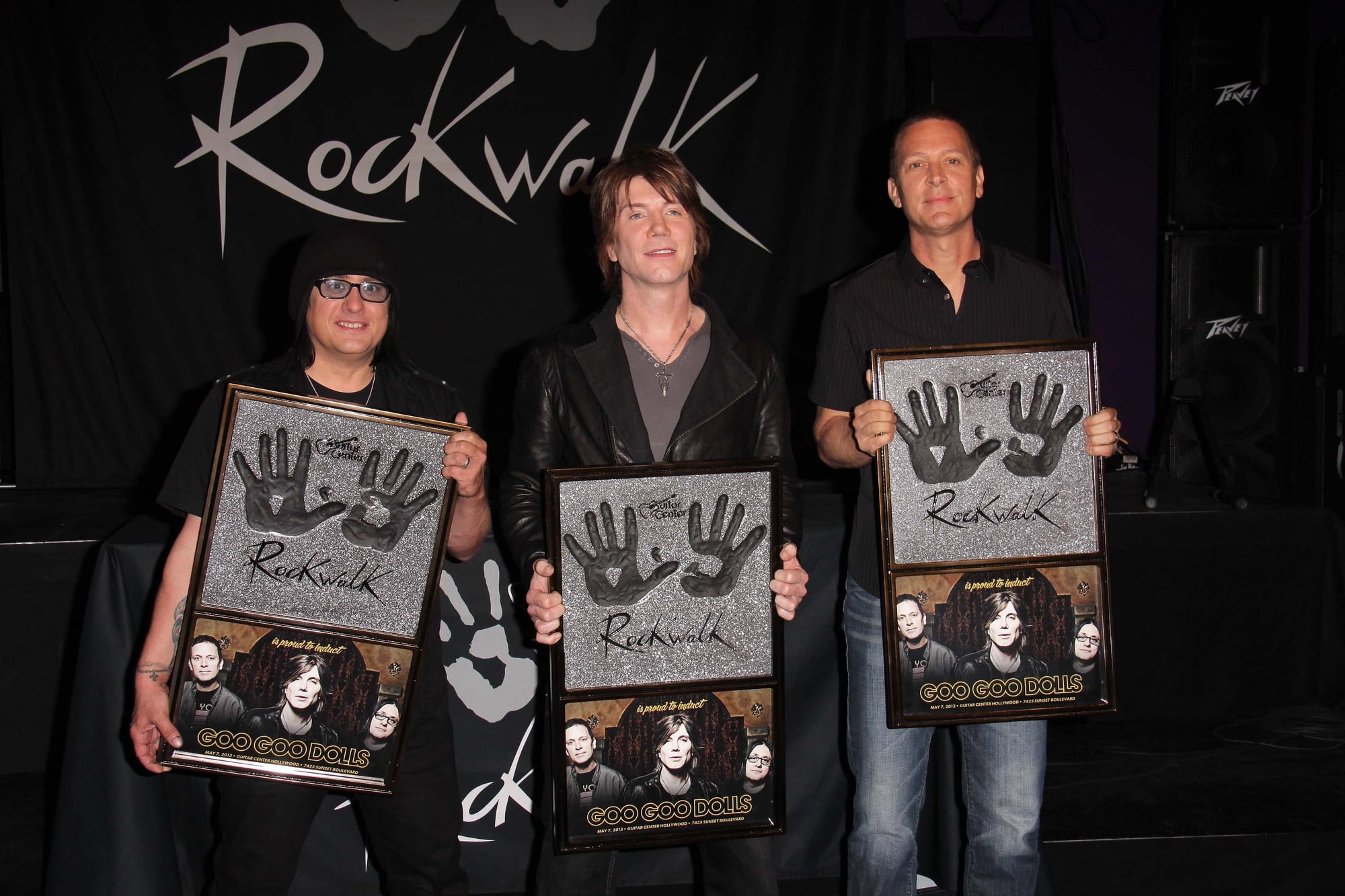
“Iris” appeared on the City of Angels soundtrack in 1998 and immediately outgrew it. The lyric “I don’t want the world to see me / ‘Cause I don’t think that they’d understand” is the closest any pop song has come to writing the internal monologue of a teenager at a formal event — armored in formalwear, terrified of being seen through.
The song circles around the longing to be known by one person while remaining invisible to everyone else, and prom, with its strange combination of spectacle and privacy, was exactly the right room for it.
“At Last” — Etta James
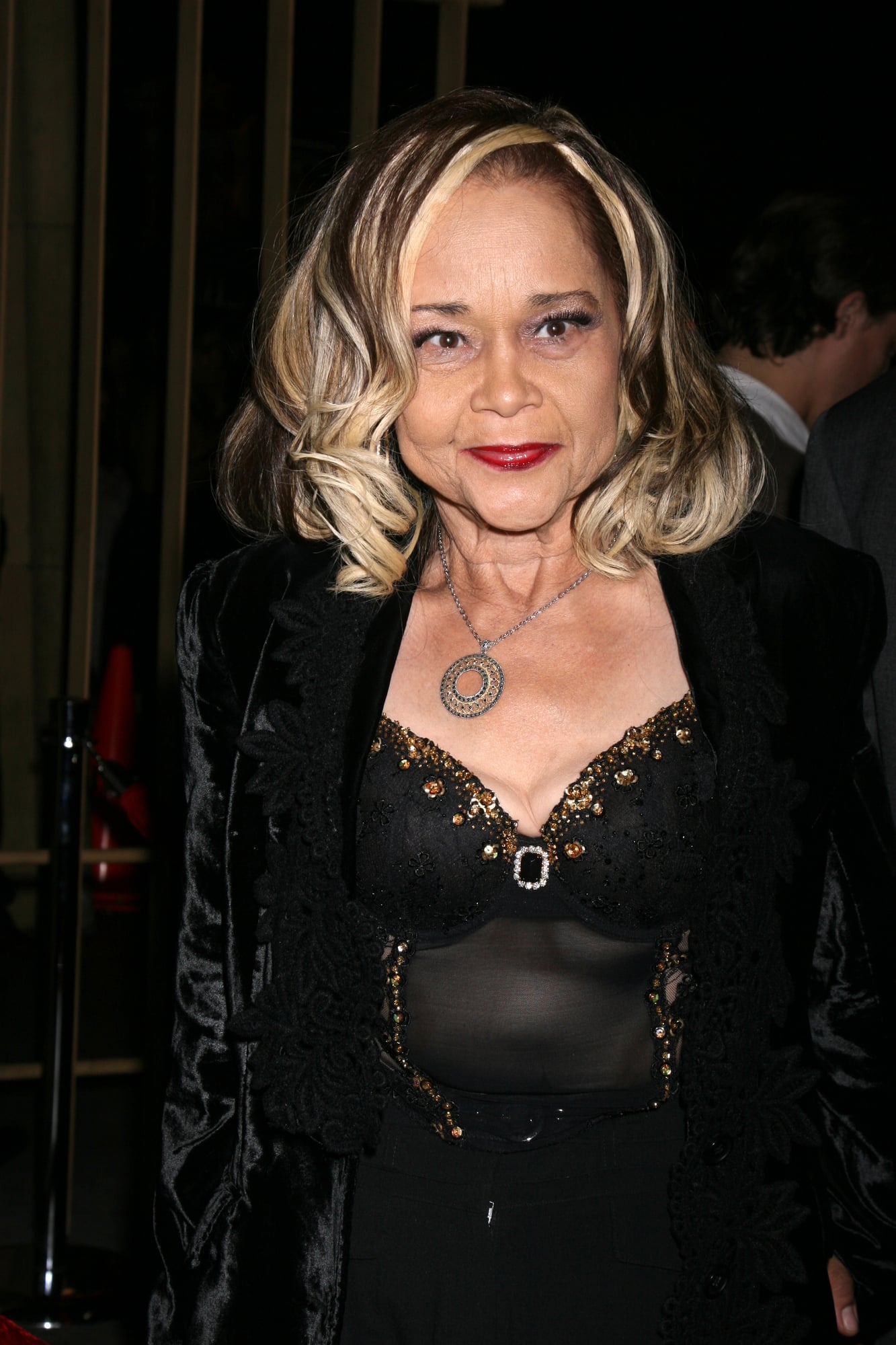
Etta James recorded “At Last” in 1960, and it has aged so gracefully it almost seems unfair to other songs. It shows up at proms because nothing else does what it does — which is make a slow dance feel genuinely significant rather than just awkward.
The brass arrangement alone carries more weight than most entire setlists. Calling it timeless is the laziest possible compliment, but it also happens to be correct.
“Everything I Do (I Do It for You)” — Bryan Adams
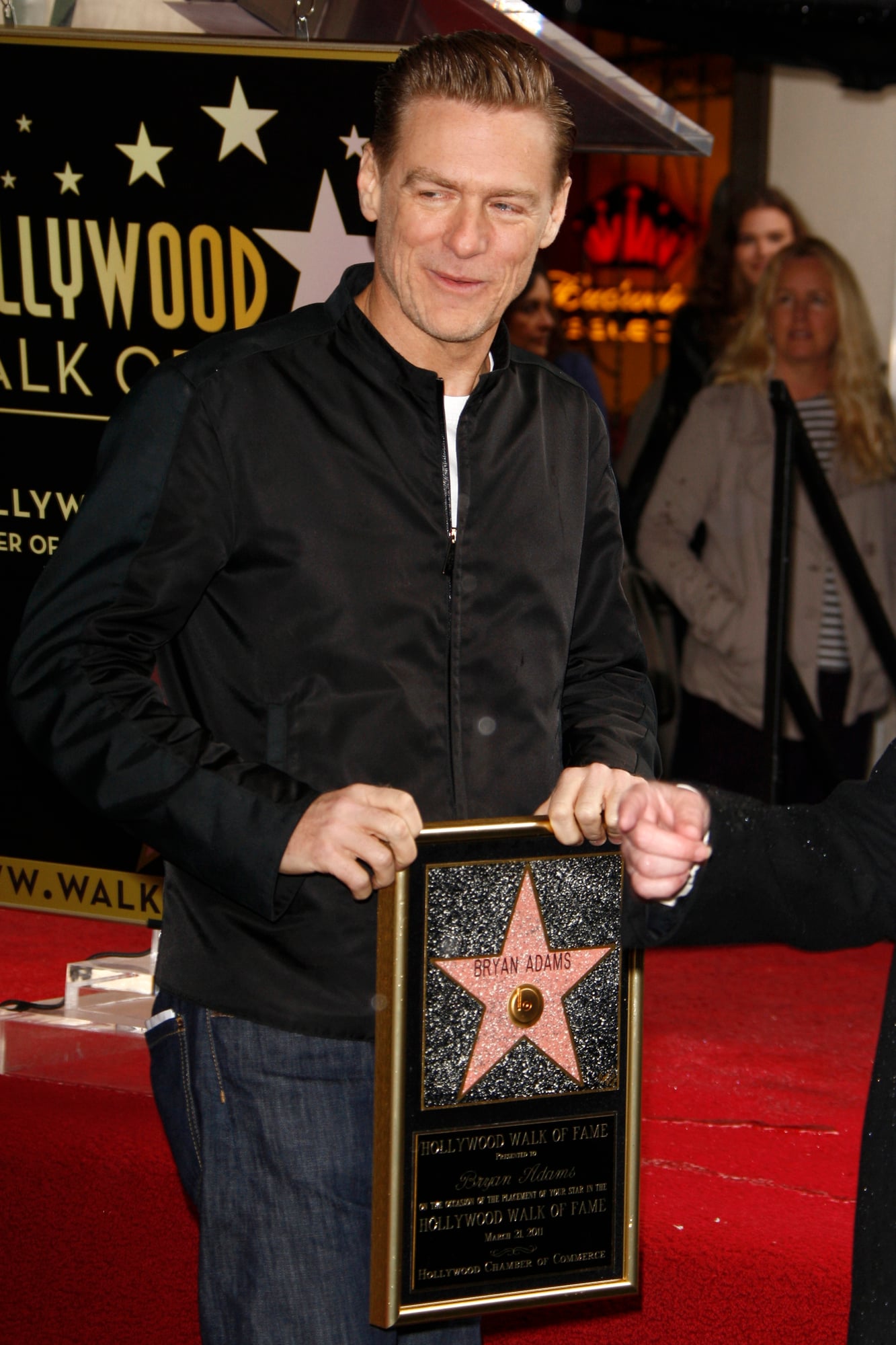
Bryan Adams wrote this for Robin Hood: Prince of Thieves in 1991, and it spent seven consecutive weeks at number one in the United States. It then appeared at essentially every prom for the next three years.
The film is mostly forgotten now; the song is not.
“Forever Young” — Rod Stewart
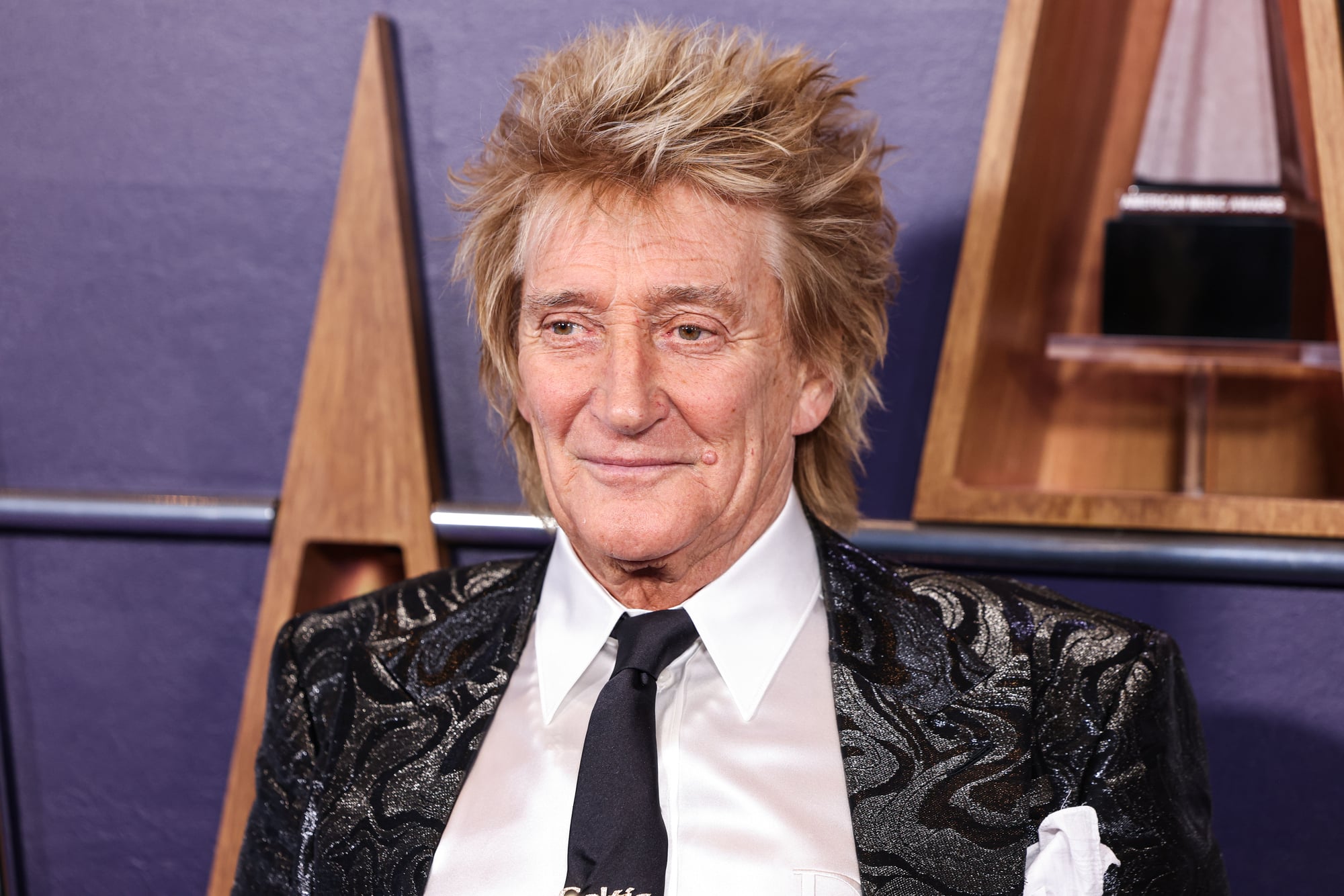
Rod Stewart’s 1988 recording is a strange artifact — a lullaby dressed as an anthem, a song that seems to be blessing someone even as it acknowledges that the moment is already ending — and it arrived at prom graduation season with a timing so precise it felt almost engineered, though it wasn’t. The original “Forever Young” is by Alphaville (1984), and that version has its own cold, synth-soaked beauty, but Stewart’s recording wrapped the sentiment in something warmer, more parental, less European, and American high schools responded accordingly.
So for years, it played as graduating seniors stood in gymnasiums and felt the particular vertigo of finishing something large.
“Crazy in Love” — Beyoncé
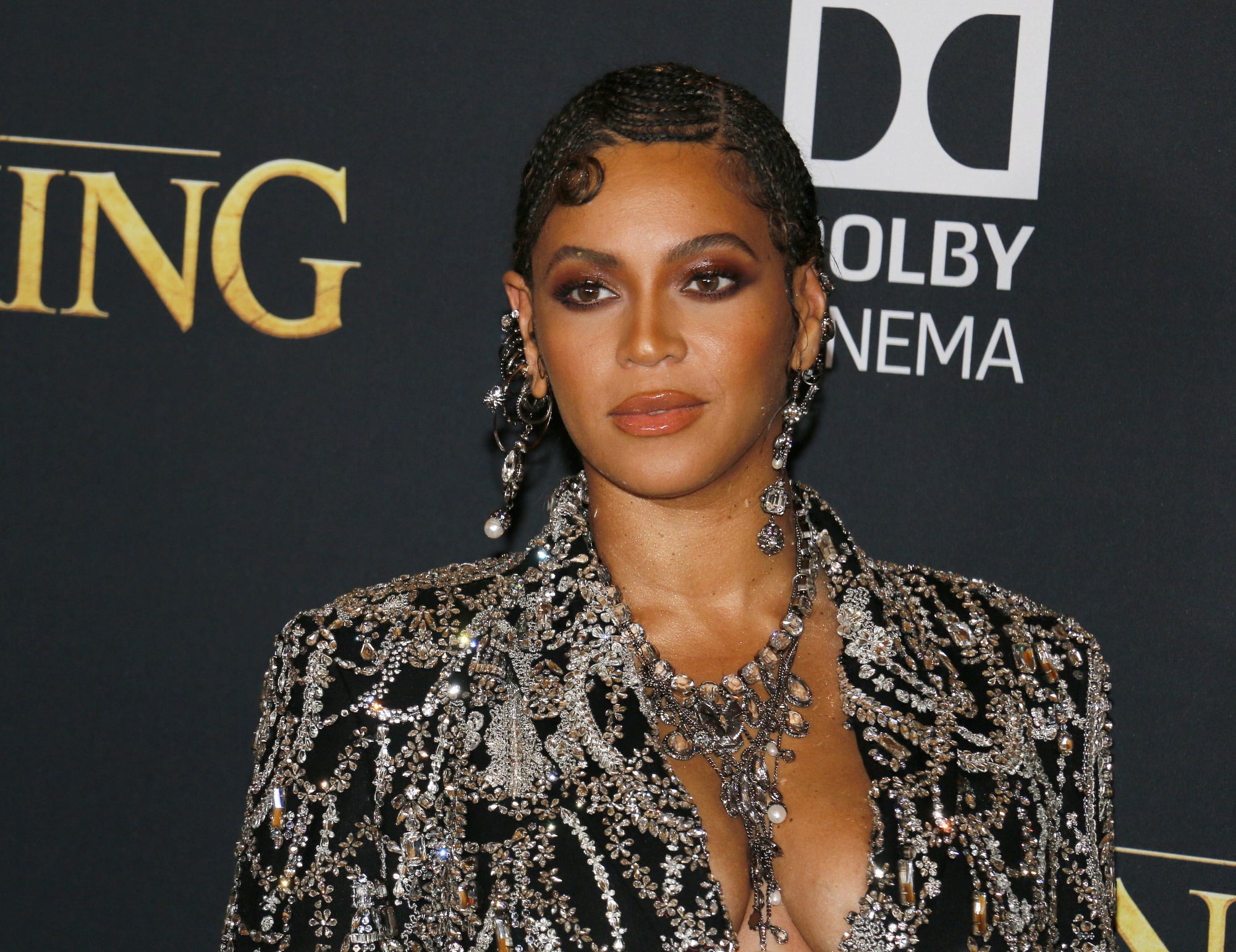
When “Crazy in Love” arrived in 2003, prom playlists had to reorganize around it — it didn’t settle in quietly, it rearranged the furniture. The horn sample borrowed from the Chi-Lites’ “Are You My Woman” gave the track an insistence that felt both vintage and entirely new, like a conversation picking up mid-sentence from somewhere decades back.
Dancing to it at prom in 2003 or 2004 was a way of arriving inside a particular cultural moment, one of those songs that didn’t just document excitement but manufactured it, cleanly and at full volume.
“The Way You Look Tonight” — Frank Sinatra
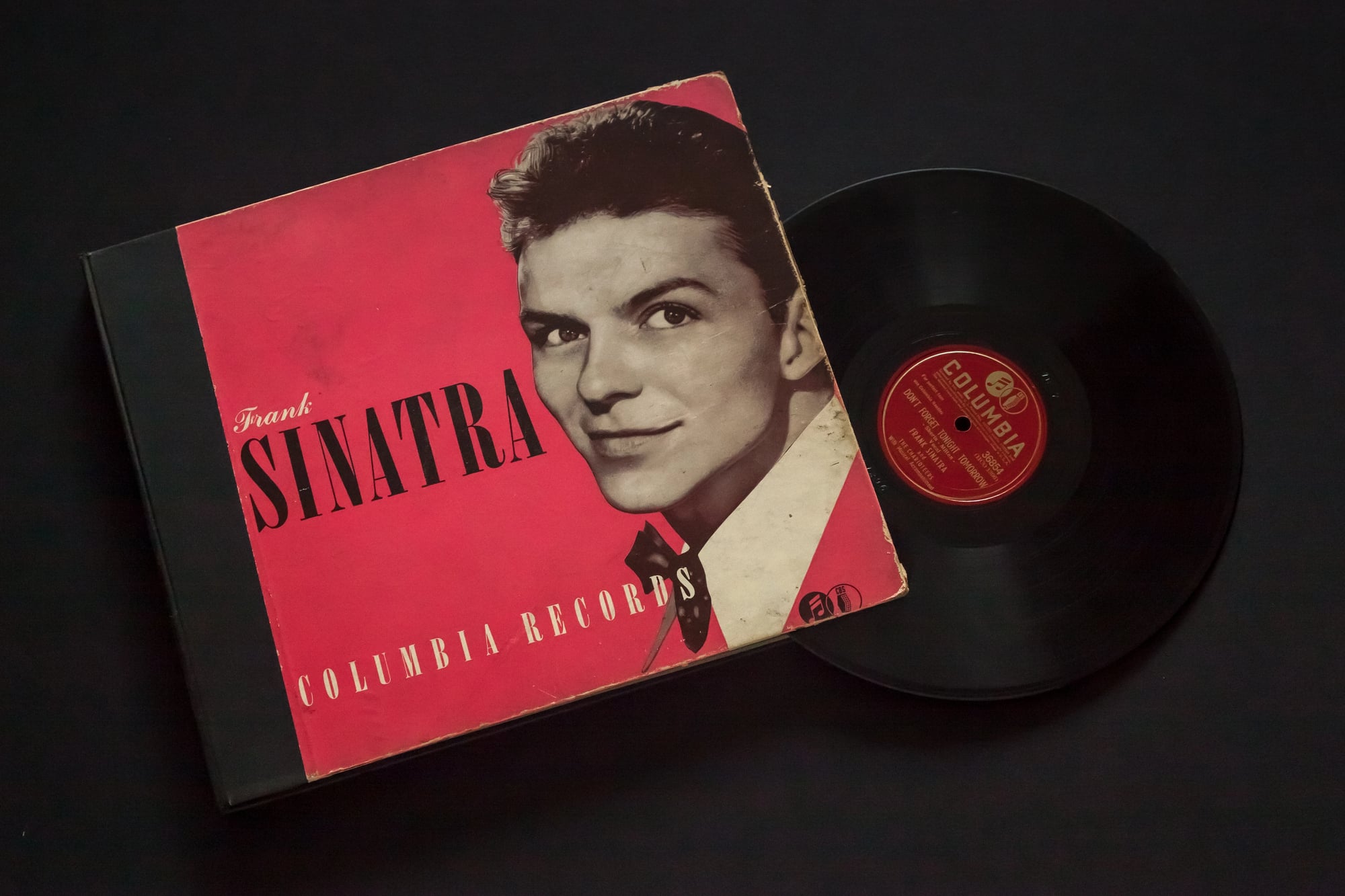
Frank Sinatra’s recording of this standard has been showing up at proms since there were proms. It belongs to no single decade, which is either its greatest quality or proof that some things simply refuse to be retired.
Any DJ who plays it earns the room’s immediate goodwill. And any DJ who doesn’t include it on a prom night slow-dance list is making a decision they’ll have to defend.
“Save the Last Dance for Me” — Michael Bublé / The Drifters
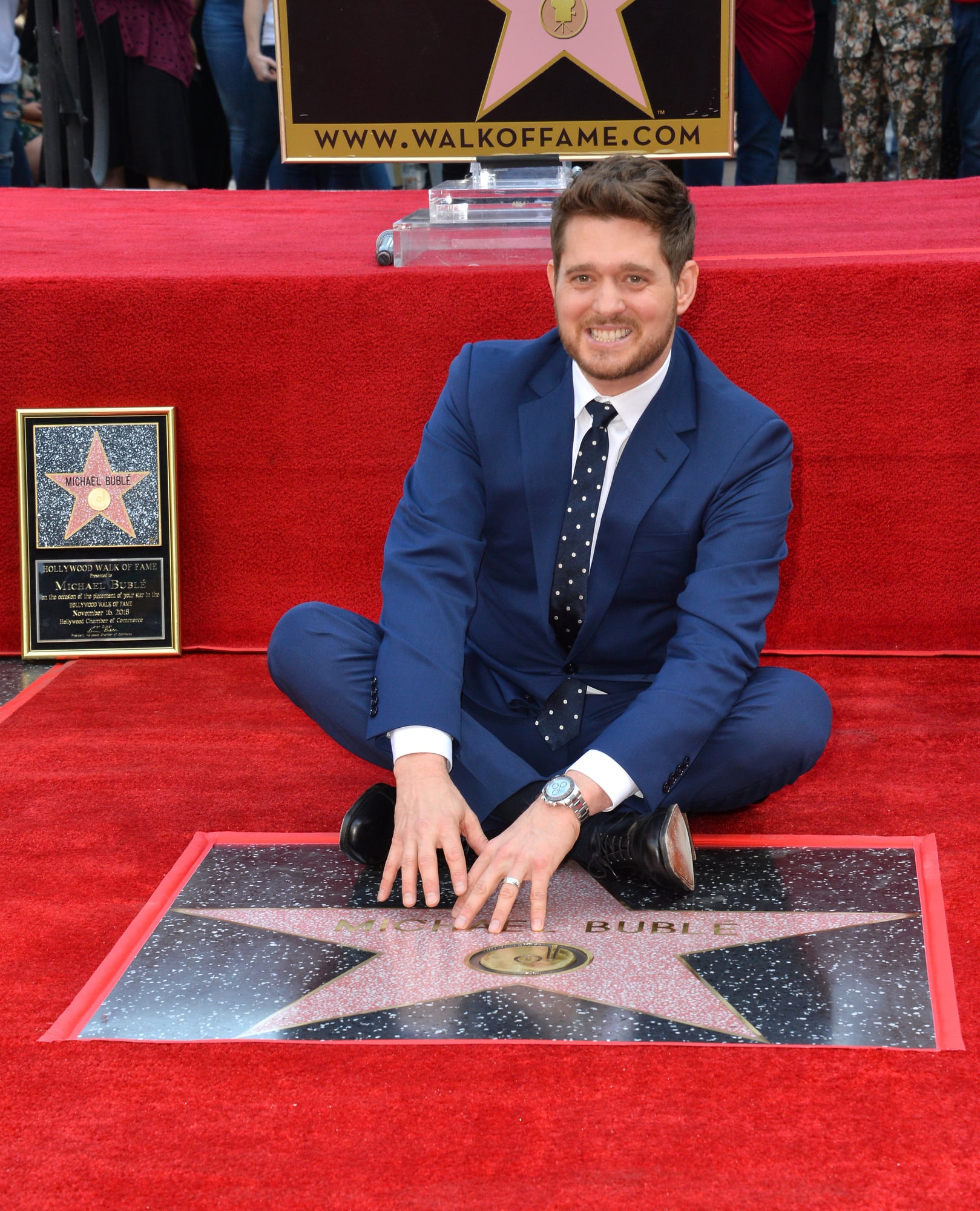
The Drifters recorded this in 1960. Michael Bublé brought it back into formal-night rotation in the 2000s.
Both versions work because the premise — save that one dance, just one — is exactly what prom nights run on. The whole night is a negotiation between who you want to be seen with and who you end up next to at the end.
“I Don’t Want to Miss a Thing” — Aerosmith
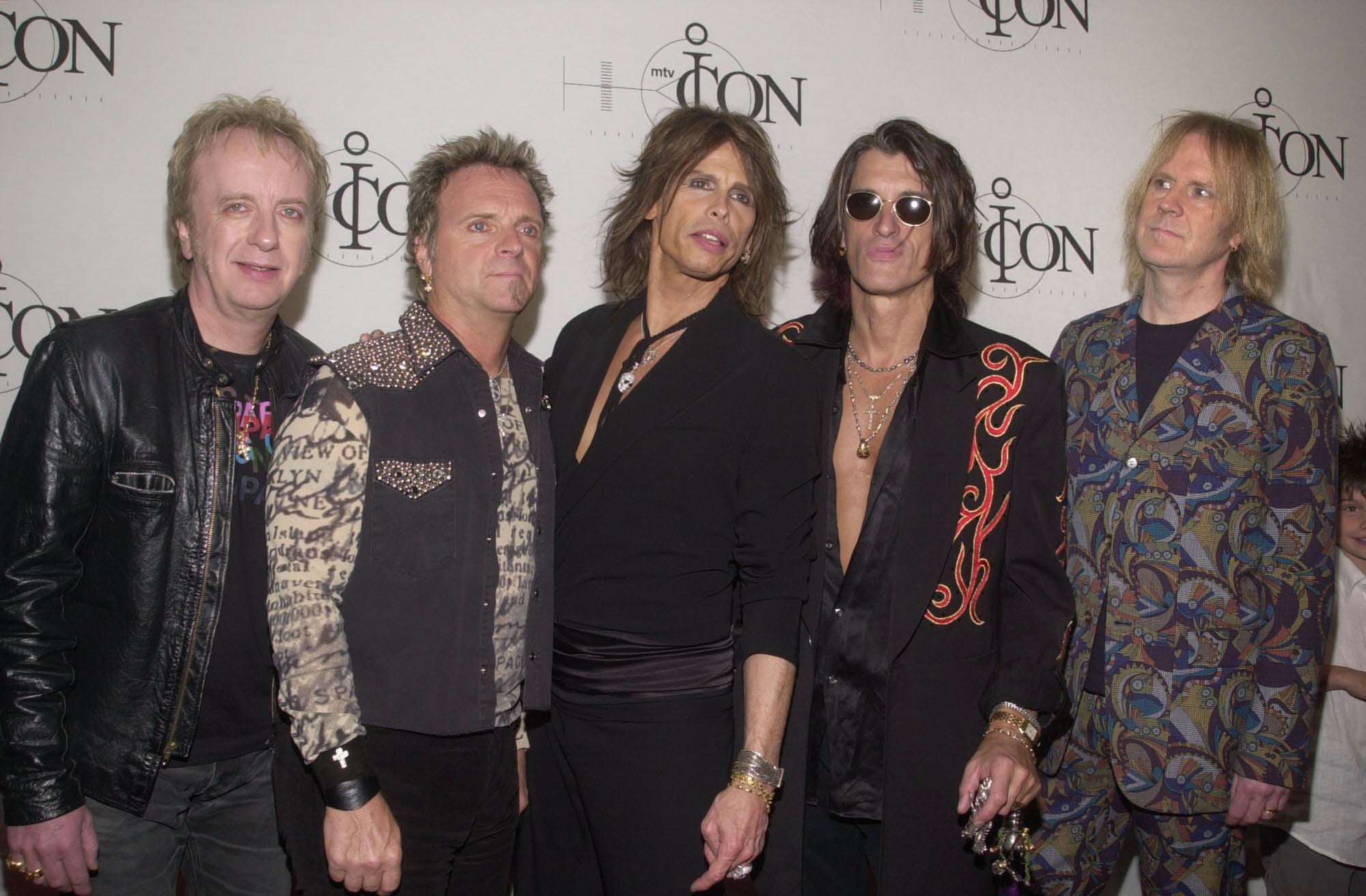
This was written by Diane Warren for the 1998 film Armageddon — a movie about destroying an asteroid by drilling into it, which is not obviously the emotional terrain of a prom ballad — and yet the song (which Aerosmith performed with a conviction that suggested they had entirely forgotten the film’s context) became one of the defining slow-dance tracks of the late 1990s, a song so determined to feel enormous that it succeeded purely through force of will. Steven Tyler’s voice crests through the chorus with the specific intensity of someone who genuinely does not want to miss a thing, asteroid or otherwise.
So you danced to it in 1999 and felt, briefly and completely, that the night was worth staying awake for.
“Thinking Out Loud” — Ed Sheeran
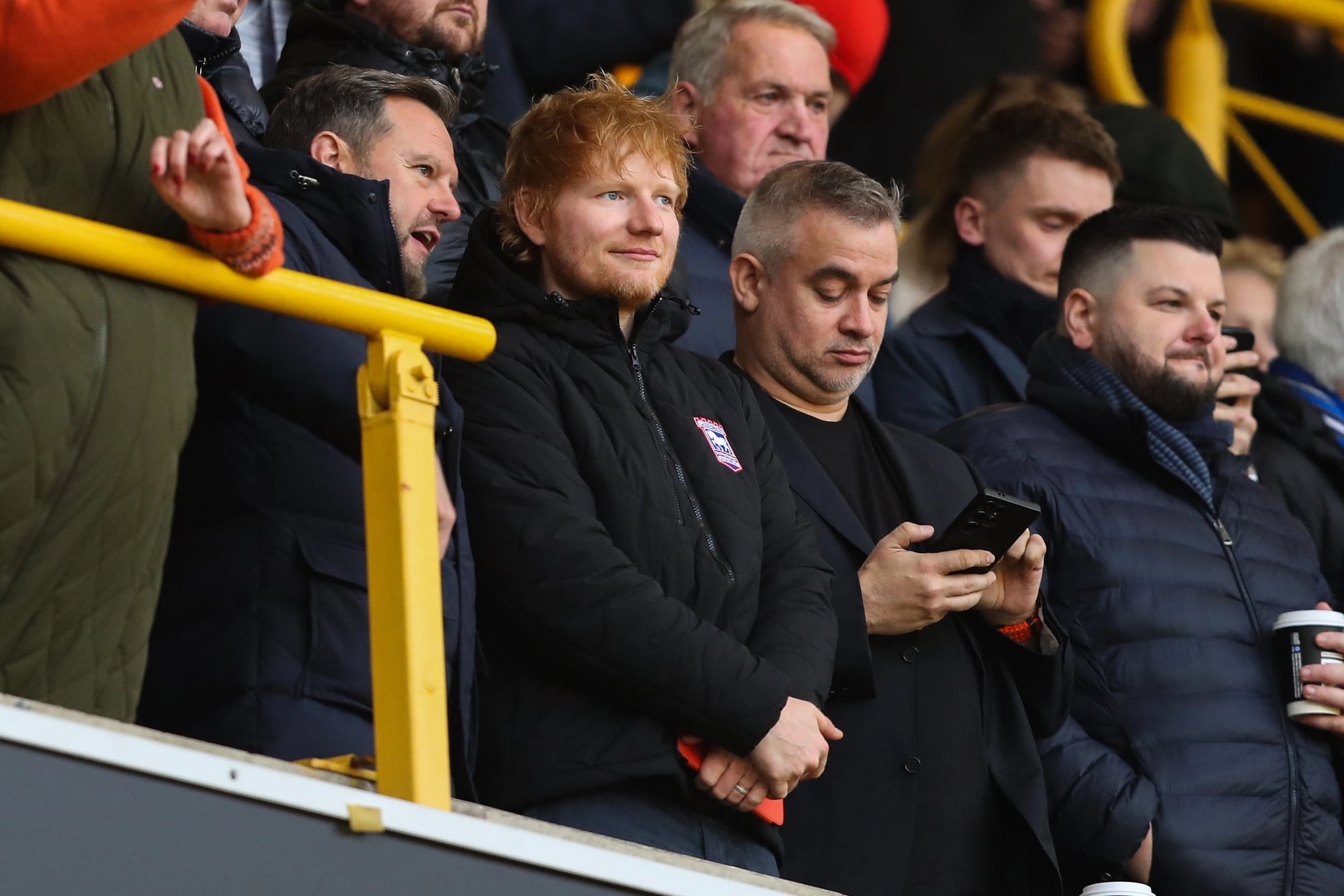
Ed Sheeran released this in 2014, and it moved into prom season with the ease of something that had always been there, like it was filling a gap the playlist had been waiting to fill for years. The song’s central image — taking someone by the hand, still, at seventy — asks teenagers to imagine a kind of love measured in decades, which is either beautiful or completely absurd at seventeen, and somehow it manages to be both at once.
The guitar is patient, the melody is unhurried, and the whole thing arrives not as a statement but as a quiet offer.
“Don’t Stop Believin'” — Journey
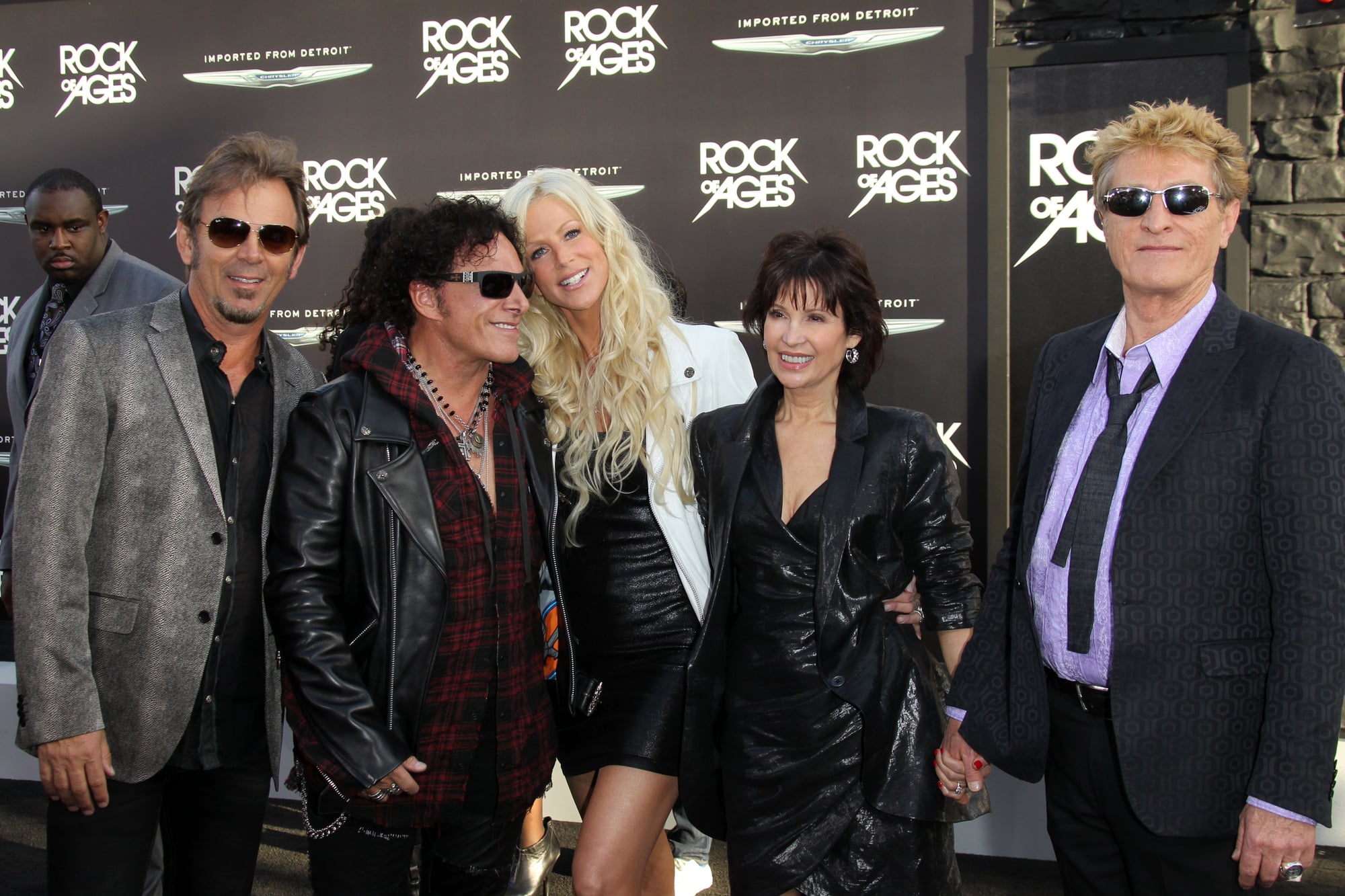
This is not a prom song in any technical sense — it’s about a stranger on a midnight train going anywhere, not a teenager in a rented tuxedo. It became one anyway.
Turns out the feeling of standing on the edge of something and choosing to believe it will work out is precisely what prom is for, and Journey articulated that feeling better than anyone who was actually trying to write a prom song ever managed. Go figure.
“Perfect” — Ed Sheeran
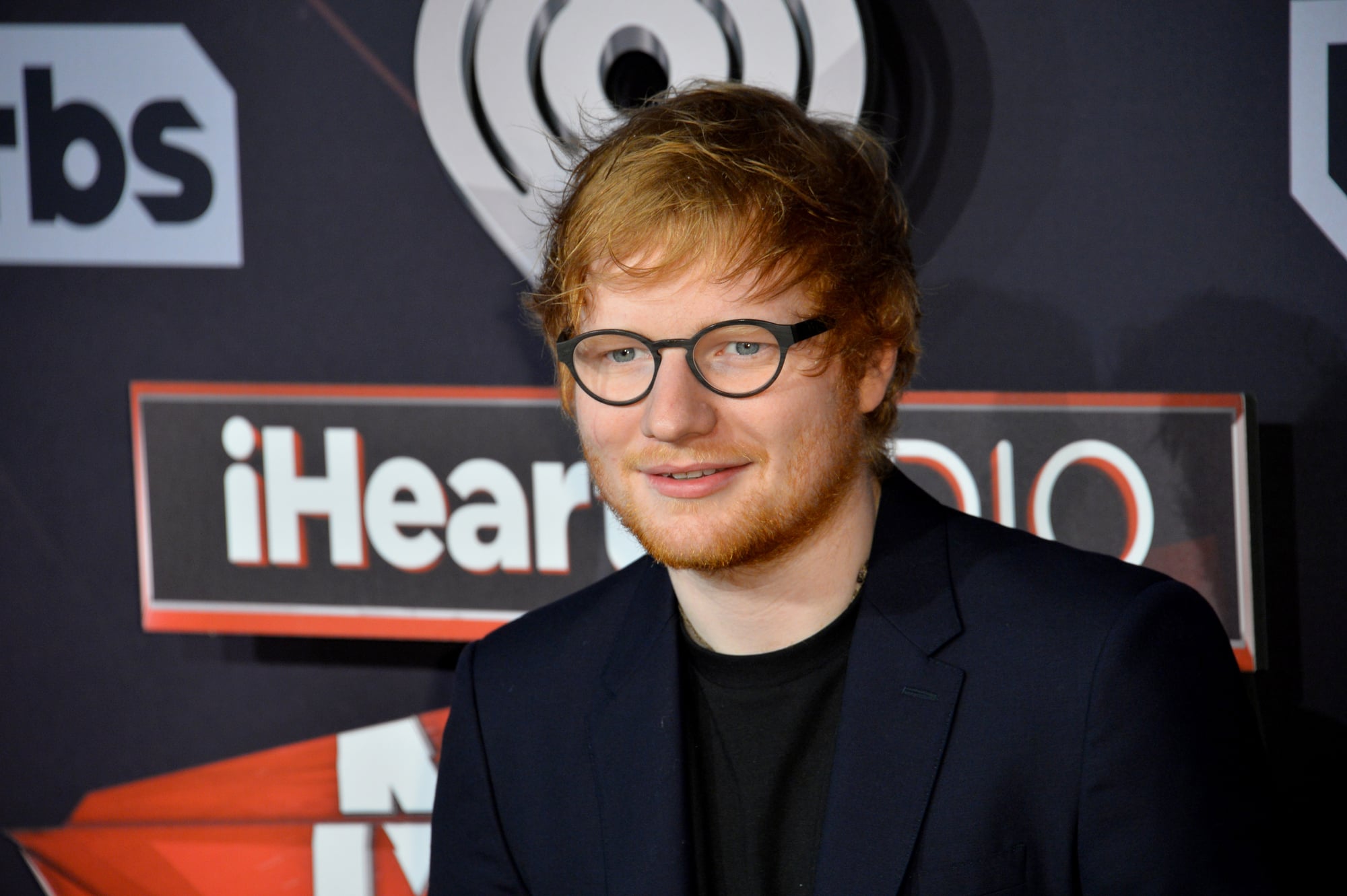
Ed Sheeran released this in 2017, and prom playlists absorbed it almost immediately. It’s direct, unhurried, and built entirely around the premise of one person seeing another person clearly.
For a night when everyone is trying to look like their best version of themselves, that’s not a small thing to offer.
“Can’t Stop the Feeling!” — Justin Timberlake
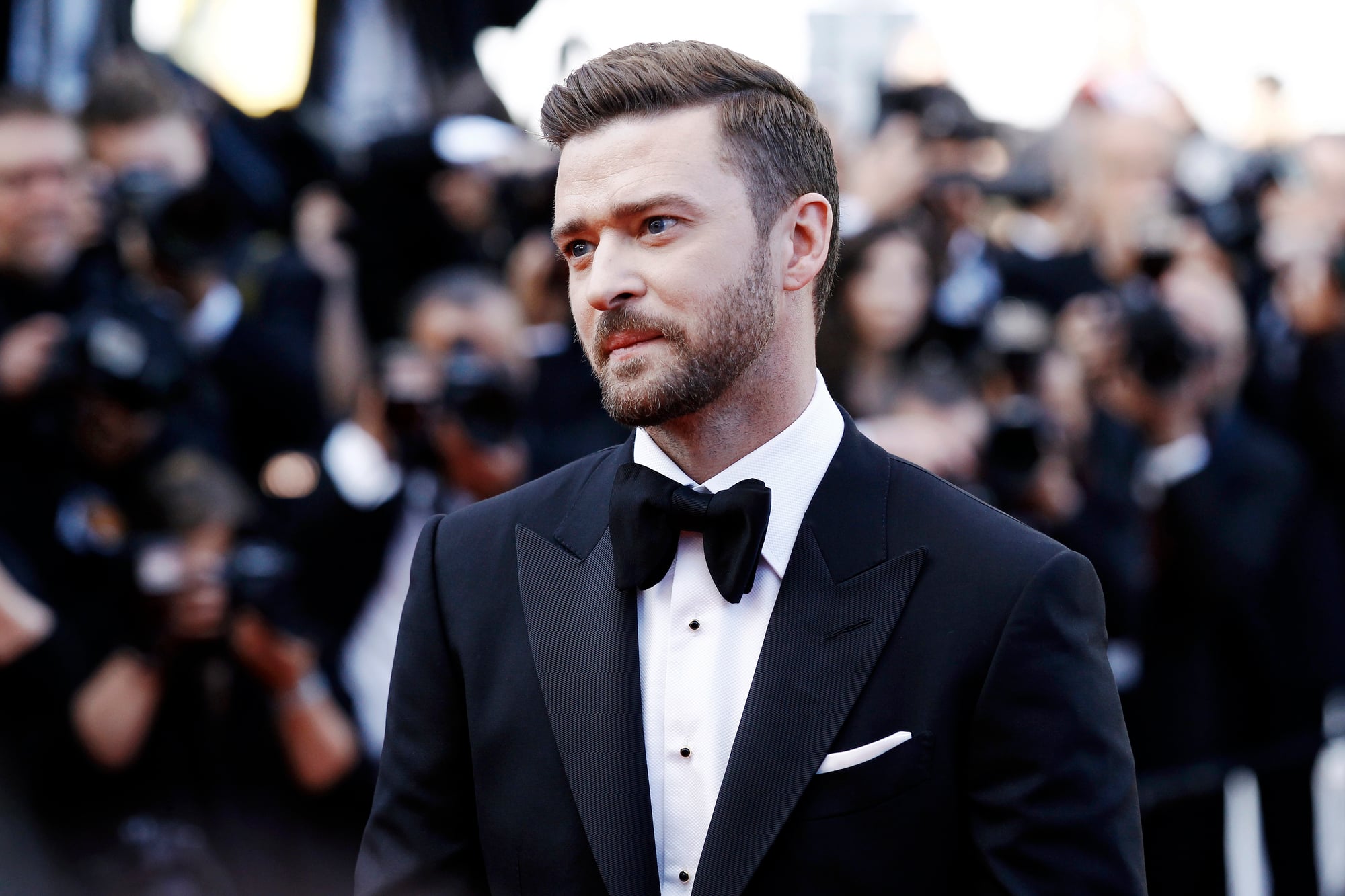
Written for the Trolls soundtrack in 2016 — technically a children’s film, which nobody at any prom seemed to hold against it — this song arrived at the point in the night when slow dances give way to something looser, when the formal part of the evening starts to dissolve into something more like actual fun. Justin Timberlake built it around a groove so relentlessly cheerful it almost dares you to resist it, and the resistance rate, across every prom floor it’s ever touched, appears to be effectively zero.
And there’s something genuinely useful about that: not every song on a prom playlist needs to carry weight; some of them are just permission to stop being nervous for four minutes.
“Shallow” — Lady Gaga and Bradley Cooper

“Shallow” arrived in 2018 carrying the full weight of A Star Is Born, a film built on the premise that music can rearrange a person from the inside — and the song itself makes a reasonable case for that claim. The way it moves from restrained to fully open, from murmur to full-throated declaration, mirrors something about prom night itself: the careful beginning, the formal choreography, and then the moment when none of that matters anymore and you’re just somewhere entirely present.
Couples who slow-danced to it in 2019 felt something real. The film helped, but the song didn’t need the film.
The Thread That Runs Through All of It

What’s striking, looking across all 27 of these songs, is how consistent the underlying feeling is — regardless of decade, genre, or production style. Every one of them is about the same thing: the terror and exhilaration of a moment you know you won’t be able to hold.
Prom doesn’t last. Everyone in attendance on any given night already knows that, at some level, and these songs are how they process it — not by preparing for the ending, but by insisting, for three or four minutes at a time, that the present is enough.
The song changes. The feeling doesn’t.
More from Go2Tutors!

- The Romanov Crown Jewels and Their Tragic Fate
- 13 Historical Mysteries That Science Still Can’t Solve
- Famous Hoaxes That Fooled the World for Years
- 15 Child Stars with Tragic Adult Lives
- 16 Famous Jewelry Pieces in History
Like Go2Tutors’s content? Follow us on MSN.