Why Certain Cookie Jars from the ’50s Sell for Thousands
There’s something quietly strange about a cookie jar selling for more than a used car. And yet, at auction houses and estate sales across the country, that’s exactly what happens — not occasionally, but with enough regularity that serious collectors have built entire storage rooms around these ceramic pieces. Most people grew up with a cookie jar on the kitchen counter, something cheerful and round and completely taken for granted.
The idea that one of those objects could be worth $2,000, $5,000, or even more feels almost absurd until you understand what actually drove the market — and why the 1950s produced so many of the pieces that collectors chase hardest today.
The American Kitchen as a Stage
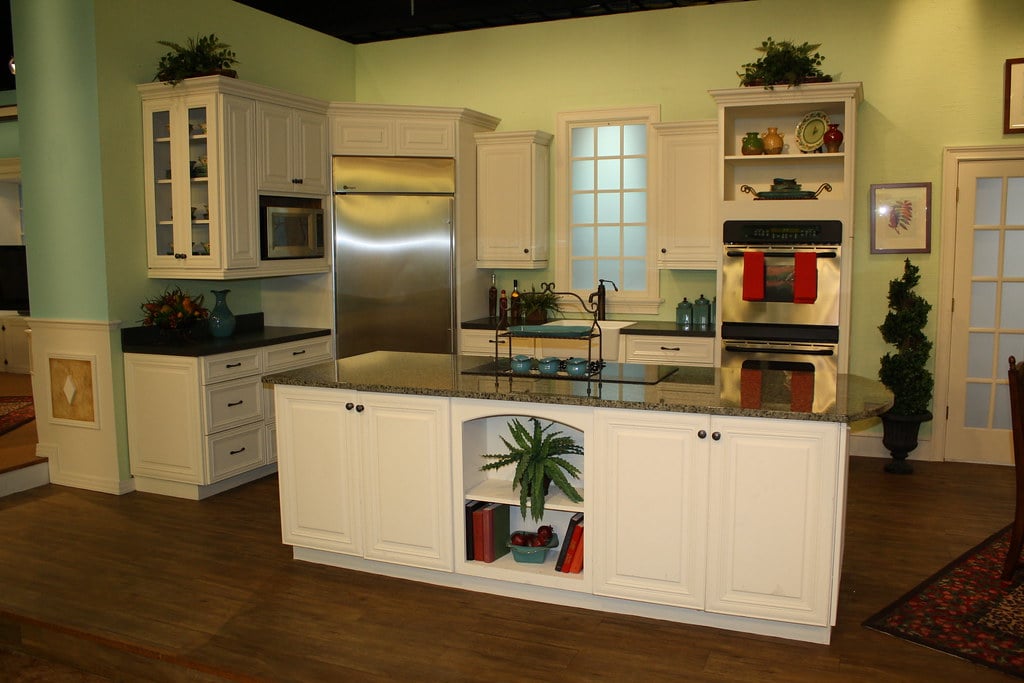
The 1950s kitchen wasn’t just a place to cook. It was a performance space — a room designed to broadcast optimism, prosperity, and personality all at once.
A cookie jar sitting on the counter was part of that performance, and manufacturers knew it.
American Bisque
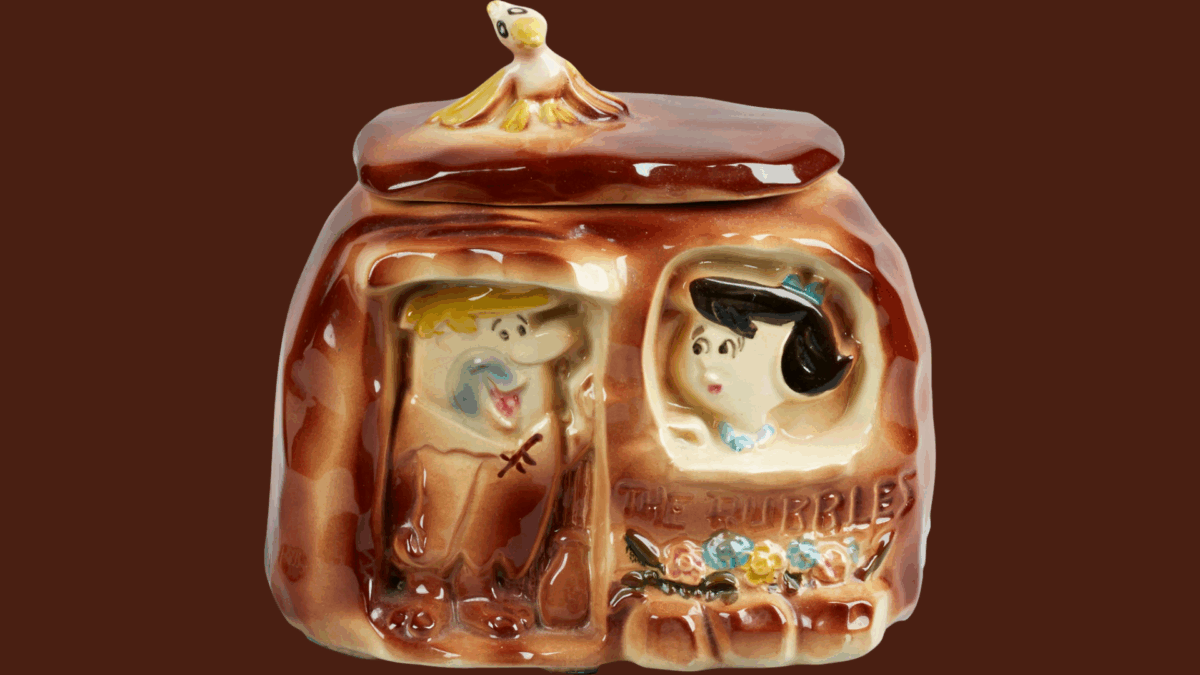
American Bisque, a pottery based out of Williamstown, West Virginia, produced some of the most recognizable cookie jars of the entire postwar era — and what’s interesting, when you look closely at their output, is how deliberately whimsical each piece felt, as though the designers understood that a jar shaped like a baby bear or a train engine wasn’t just functional but aspirational. Their “Casper the Friendly Ghost” jar (a licensed piece from the late 1950s) routinely sells for well over $1,000 in good condition, which says less about Casper and more about how deeply these objects are entangled with childhood memory.
So the nostalgia isn’t incidental to the price — it’s structural.
Metlox Potteries
Metlox Potteries out of Manhattan Beach, California, made cookie jars the way a good set designer makes props — every detail weighted, every glaze chosen with the finished picture in mind, not just the individual object. Their “Poppytrail” line had a warmth that cheaper competitors couldn’t replicate, the kind of warmth that comes from craft rather than speed.
A Metlox “Corn” jar, ears of maize rendered in near-absurd detail, sits in collections today like a small monument to an era when manufacturers still thought slowness was worth it.
McCoy Pottery
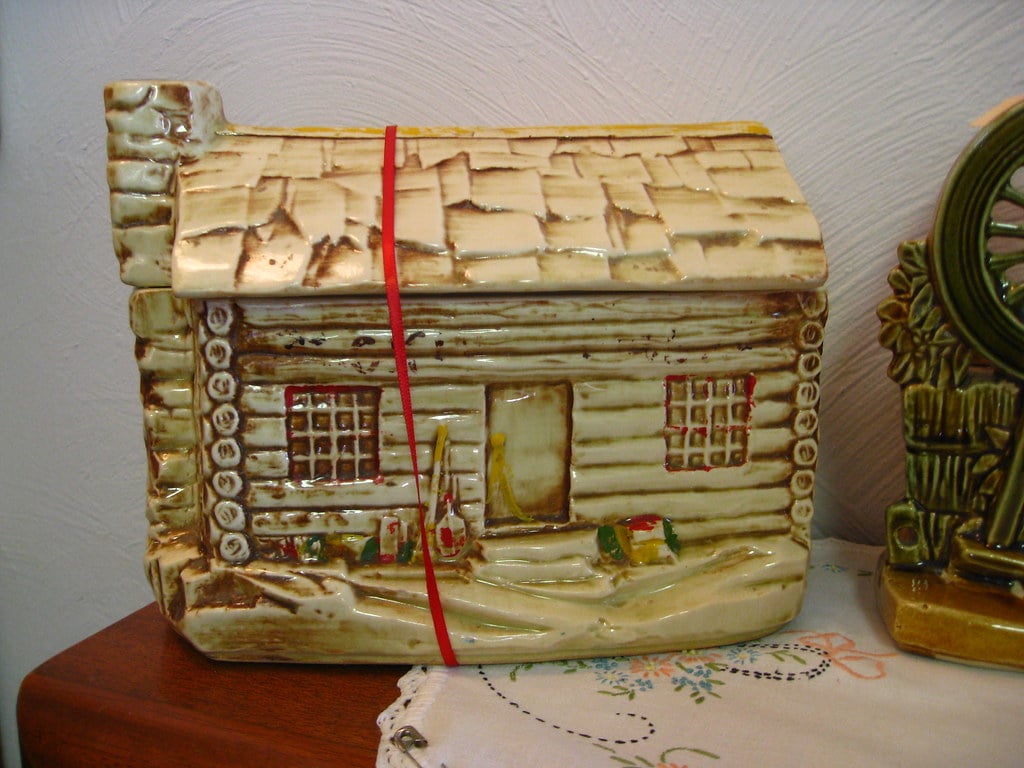
McCoy Pottery is the name that comes up first in almost every cookie jar conversation, and that reputation is entirely earned. Based in Roseville, Ohio, McCoy produced jars from the late 1930s through the 1980s — but the 1950s pieces are the ones that actually move collectors.
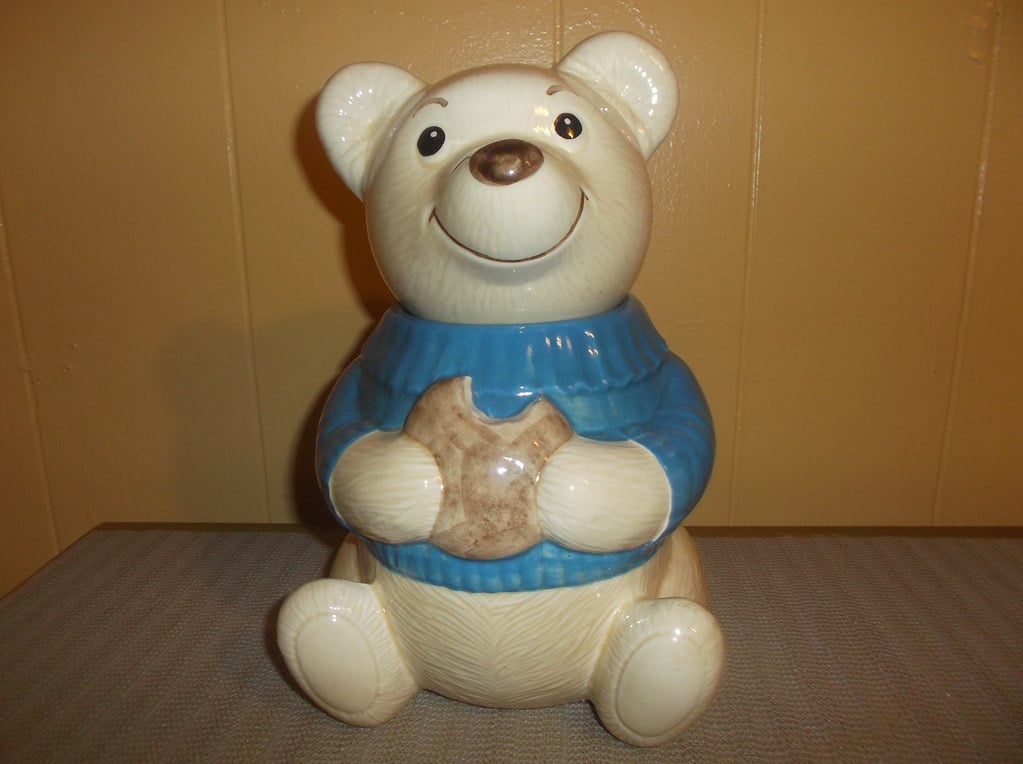
Their “Hamm’s Bear” jar, their “Thinking Puppy,” their “Smiley Face” — these aren’t objects people stumble across accidentally; they’re objects people search for with spreadsheets, which is saying something.
Shawnee Pottery
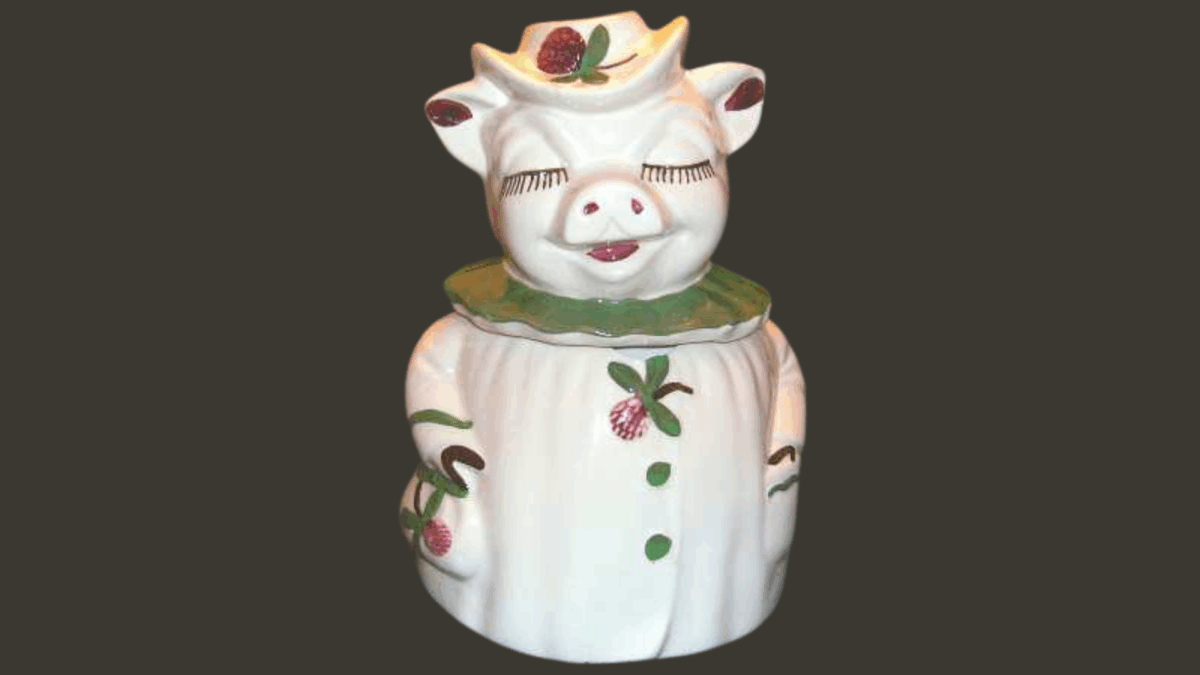
Shawnee Pottery ran out of Zanesville, Ohio, and its “Winnie the Pig” and “Smiley the Pig” jars became two of the most coveted pieces in the entire category. Gold-trimmed variants fetch significantly more than standard versions.
The difference between a $200 jar and a $2,000 jar is sometimes just that gold trim.
The Little Red Riding Hood Problem
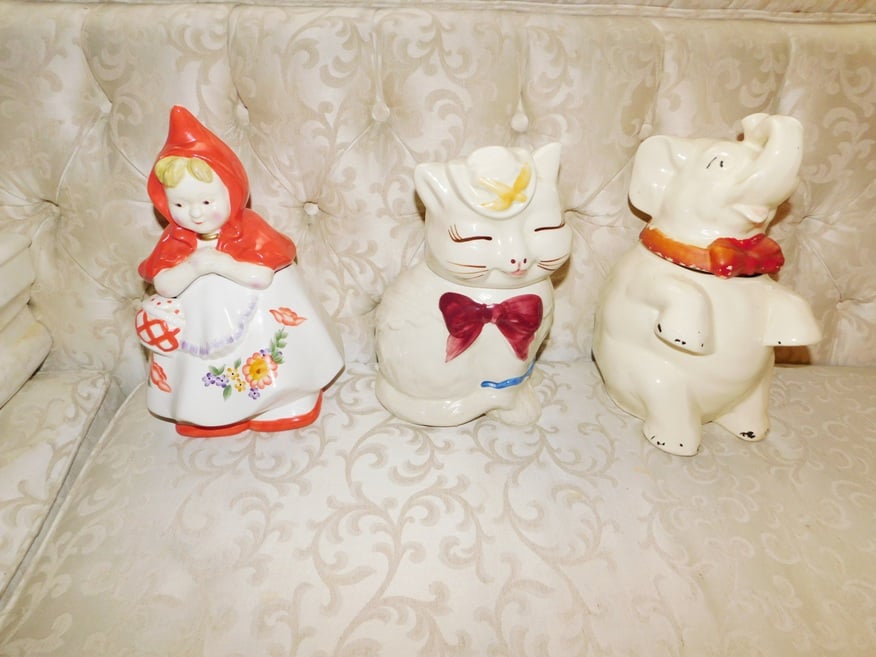
The “Little Red Riding Hood” cookie jar — produced originally by Hull Pottery starting in 1943 and then made under license by several other manufacturers throughout the late 1940s and 1950s — has become one of the most aggressively collected pieces in the market, and the pricing on certain variants (particularly the rarer “open basket” versions or those with unusual colorways) has climbed high enough that casual buyers routinely get burned by reproductions. What makes the Hull version specifically so desirable is partly the design itself — a figure mid-story, cape drawn, basket in hand — but it’s also the sheer number of variations that Hull introduced, which turned a single cookie jar into an entire sub-collecting discipline.
And sub-disciplines, as it happens, are where obsession really compounds.
Character Jars and Licensing
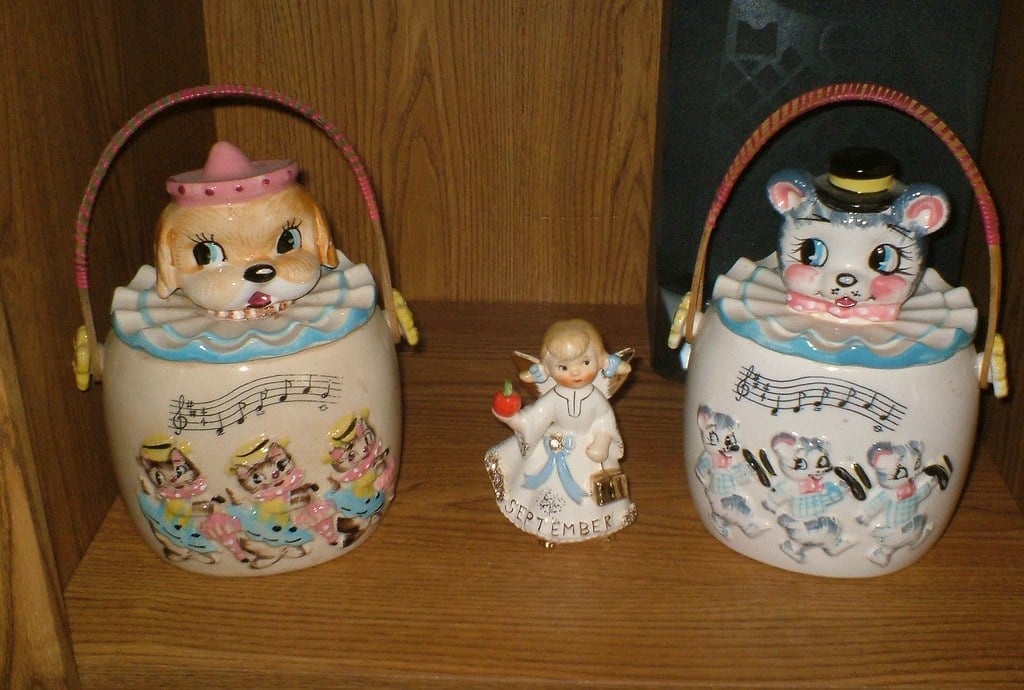
Licensed character jars from the 1950s occupy a peculiar space in the collectibles market — they’re equal parts nostalgia artifact and legal history, the physical record of which cartoon properties were popular enough that pottery companies paid for the right to put them on kitchenware. A jar shaped like Howdy Doody or Woody Woodpecker isn’t just a jar; it’s a timestamp, fixed to a specific cultural moment the way amber fixes a fly.
Collectors who grew up with those characters on Saturday morning television aren’t buying pottery — they’re buying a version of the Saturday morning they remember, which is a far more stubborn impulse than mere aesthetic appreciation.
The Mammy Jar Controversy
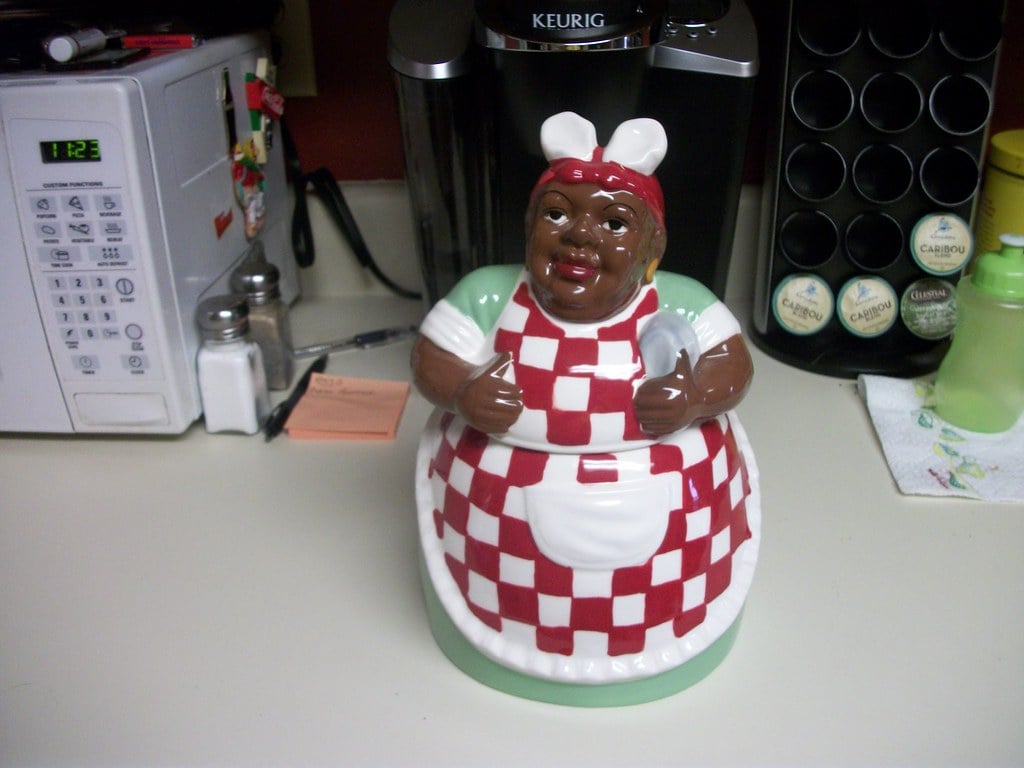
“Mammy” cookie jars — depicting a stereotyped Black woman in an apron — are among the most contested objects in American collectibles, and pretending otherwise isn’t honest. They sell, sometimes for significant amounts, and that market exists in uncomfortable tension with their deeply offensive history.
To be fair, some collectors pursue them specifically as artifacts of American racism worth preserving and contextualizing — but that distinction gets lost quickly in a marketplace that doesn’t always ask questions.
Color as Collectibility
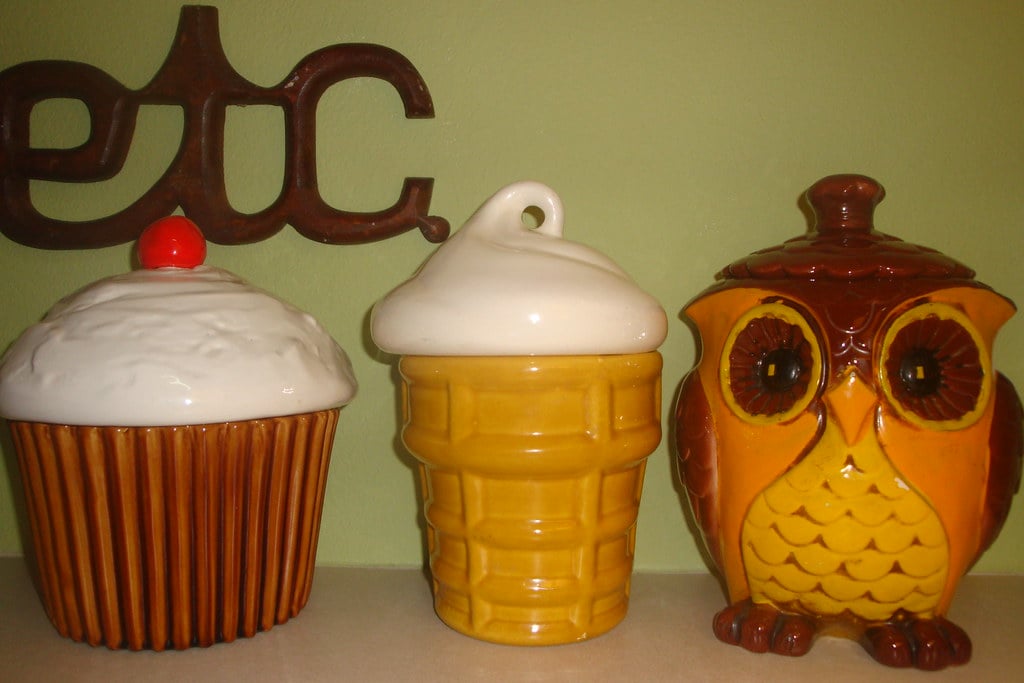
Color variants are one of the least understood price drivers in the cookie jar market. The same mold in an unusual glaze can be worth three to five times the standard version.
Manufacturers sometimes ran test colors in tiny batches, never intending them for wide release, and those pieces now circulate like rarities because they essentially are.
Condition Above All Else
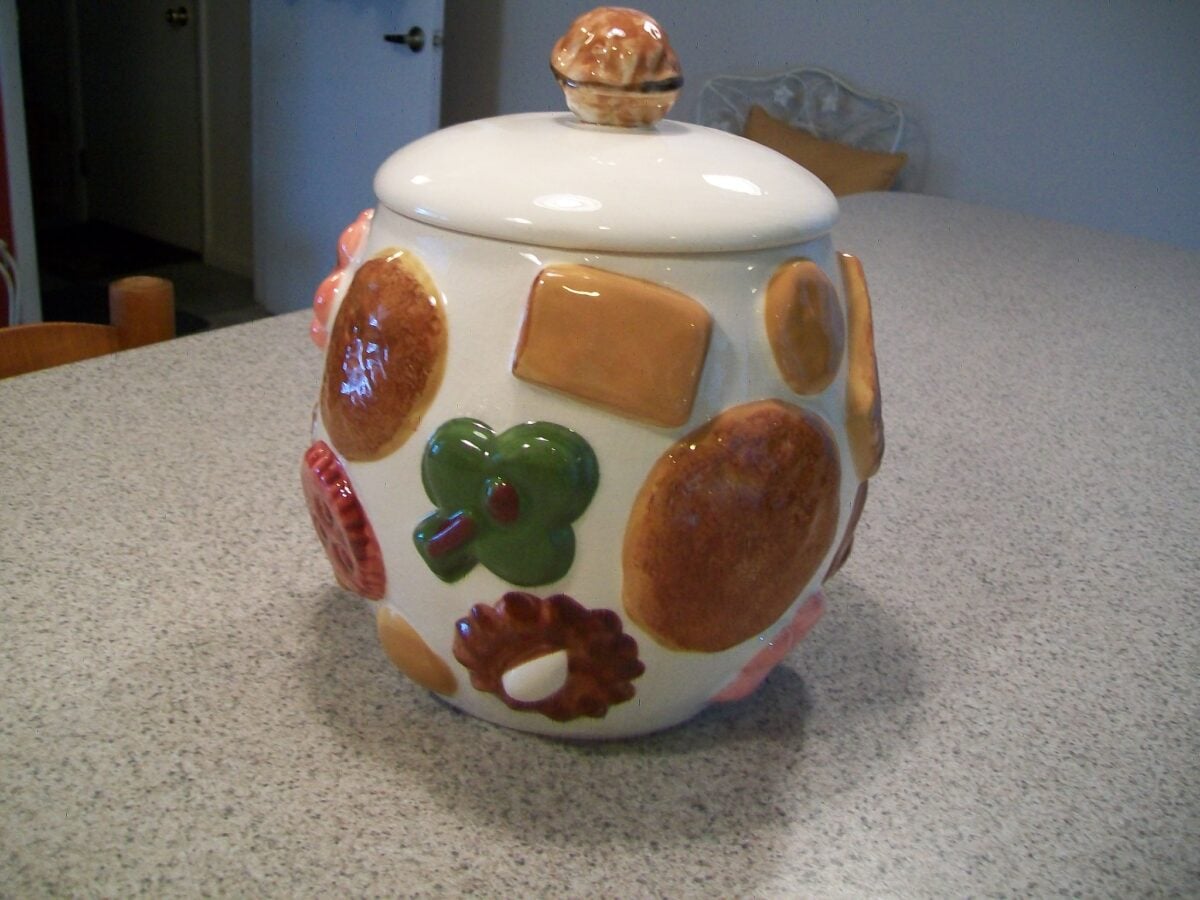
Condition is not one factor among several in the cookie jar market — it’s the factor that everything else orbits around, and a crack, a chip, or even a faded glaze can cut a jar’s value by fifty percent or more, which sounds harsh until you realize that these pieces were designed for daily kitchen use and most of them were handled by children. What survives in genuinely pristine condition survived because of luck: a family that moved rarely, a shelf positioned away from foot traffic, a grandmother who kept the cookies somewhere else entirely.
So the price isn’t really for the design — it’s for the design plus sixty years of physical grace.
The Lid Factor
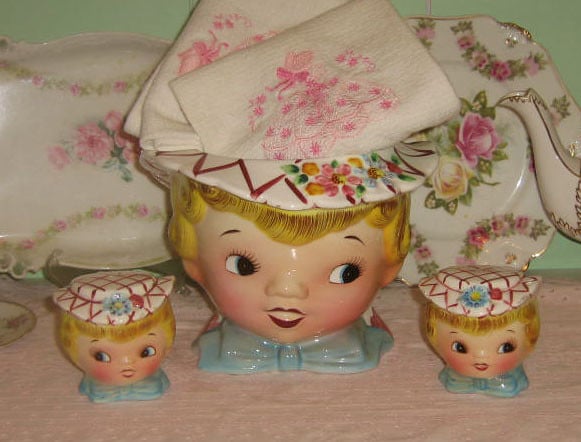
The lid is where most cookie jars go wrong, the way a story goes wrong in its final chapter — the rest of the piece intact and confident, and then the lid missing, chipped, or replaced with one that doesn’t quite match. Collectors speak about original lids with the kind of quiet reverence usually reserved for things much more consequential, because in this market, a lid that’s correct to the piece isn’t a detail; it’s a credential.
Without it, the jar becomes a different object entirely.
Rarity vs. Desirability
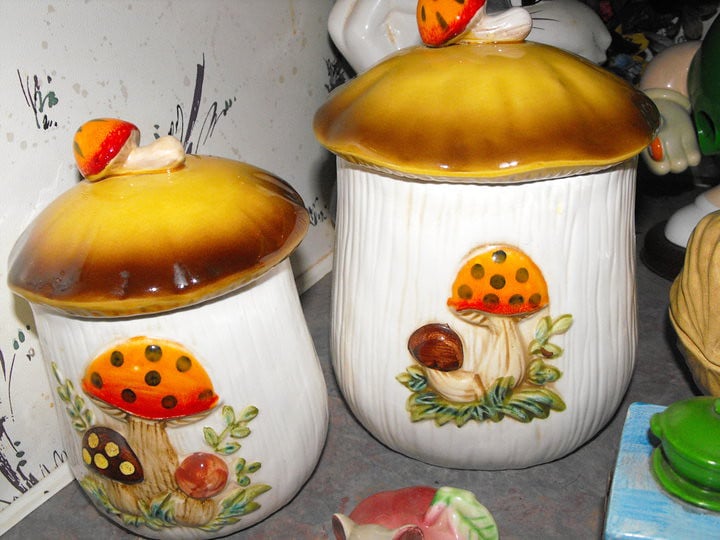
Rarity and desirability are not the same thing, and confusing them is the most expensive mistake a beginning collector makes. A jar can be genuinely scarce and completely uninteresting to buyers — and a jar can be mass-produced and still command strong prices because enough people want it.
The jars that sell for thousands are almost always both rare and desirable, and that overlap is narrow, which is exactly why it’s valuable.
The Andy Warhol Effect
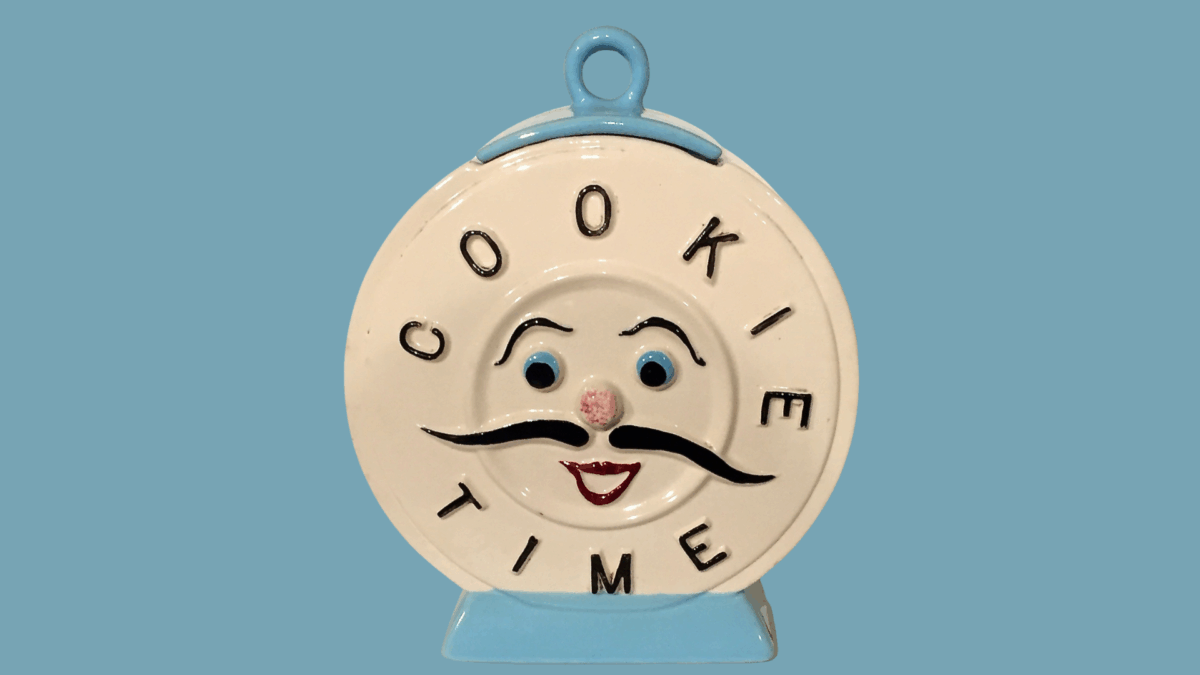
When Andy Warhol died in 1987, his estate included over 175 cookie jars. The collection sold at Sotheby’s and generated enormous press coverage.
That single auction did more to legitimize cookie jar collecting as a serious pursuit than any number of trade publications could have managed.
Reproductions and Fakes
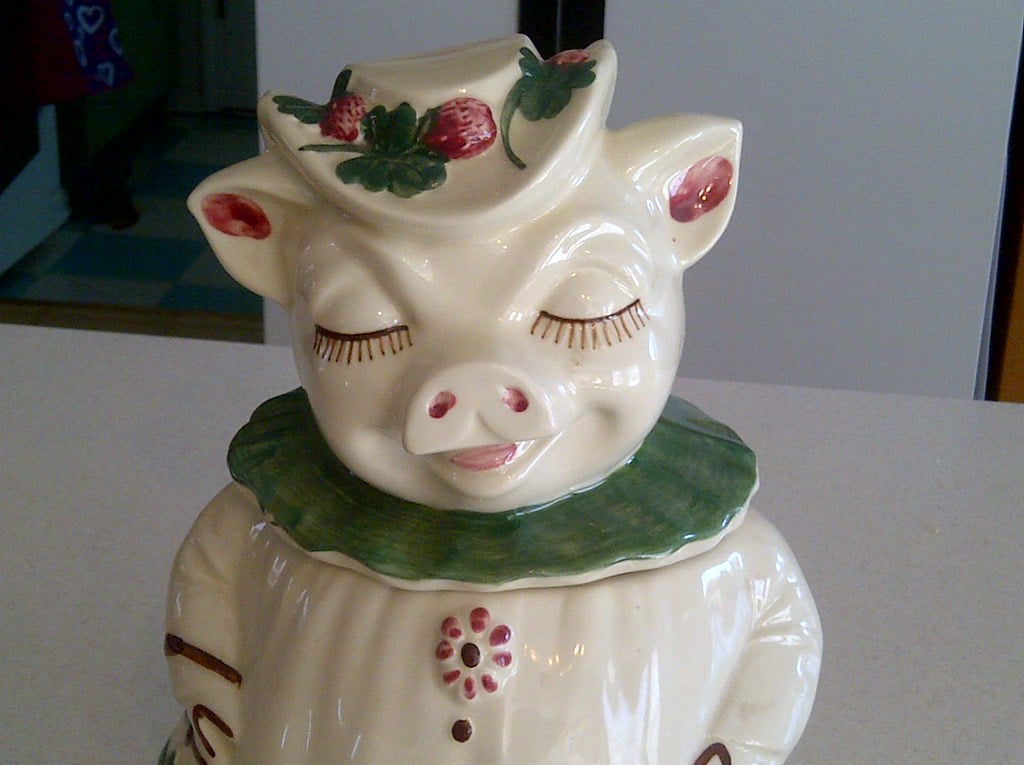
The reproduction problem in the cookie jar market is genuinely serious — not in the way that antique furniture faking is serious, where skilled craftsmen invest years replicating patina and construction, but in the more insidious way where molds get copied, jars get artificially aged, and provenance gets quietly invented by sellers who know exactly what they’re doing. A buyer without specific knowledge of a pottery’s original production marks (the depth of a stamp, the particular shade of the backstamp ink, the weight of authentic versus modern clay) is operating largely on trust, which is a bad position to be in when prices are this high.
And reproduction “Winnie the Pig” jars, to pick one well-documented example, have been circulating the secondary market for decades.
Regional Pottery Towns
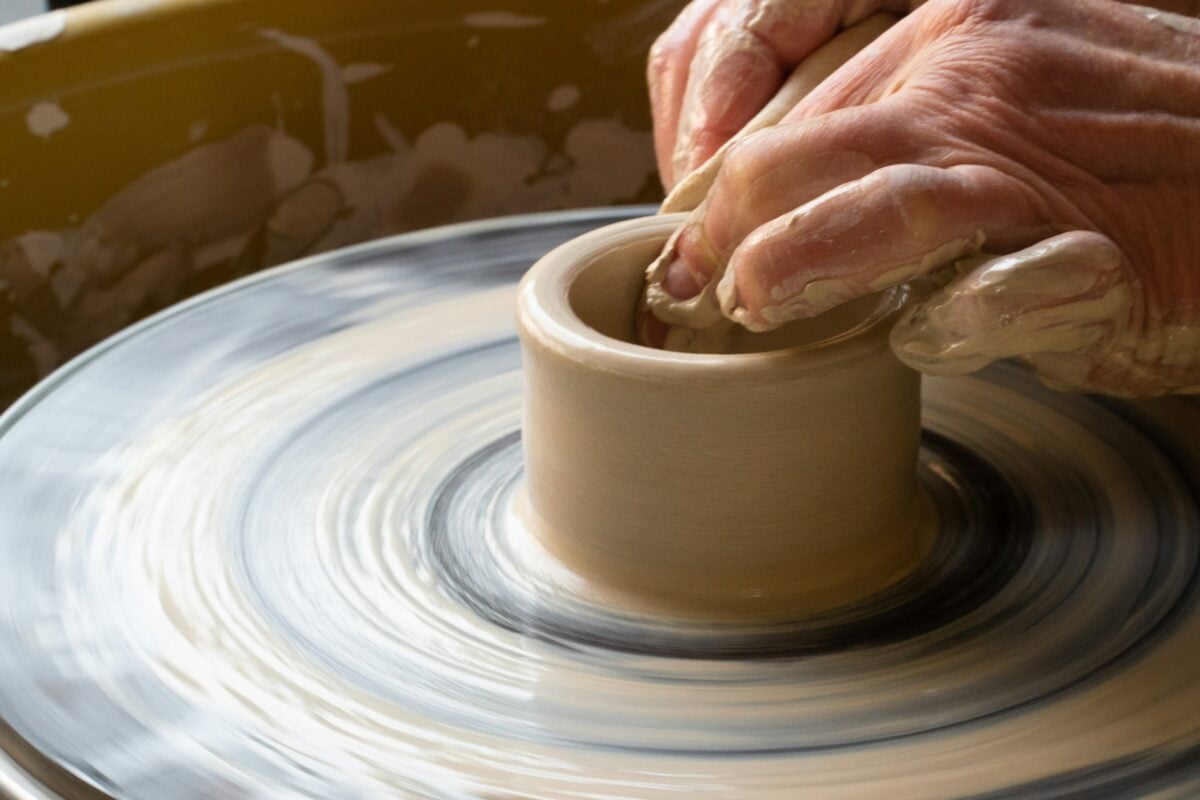
There’s a geography to American art pottery that most people don’t notice until they look — a rough band through Ohio, West Virginia, and Kentucky where clay deposits, railroad access, and cheap labor converged in the early twentieth century and produced dozens of competing potteries within miles of each other. Roseville, Zanesville, and East Liverpool, Ohio alone birthed more significant American ceramics companies than the rest of the country combined, which makes that corner of the Midwest feel, in retrospect, less like an industrial accident and more like something the land was quietly arranging all along.
The cookie jars that sell for thousands today were, in almost every case, made within roughly 200 miles of each other.
The Jar You Might Already Own
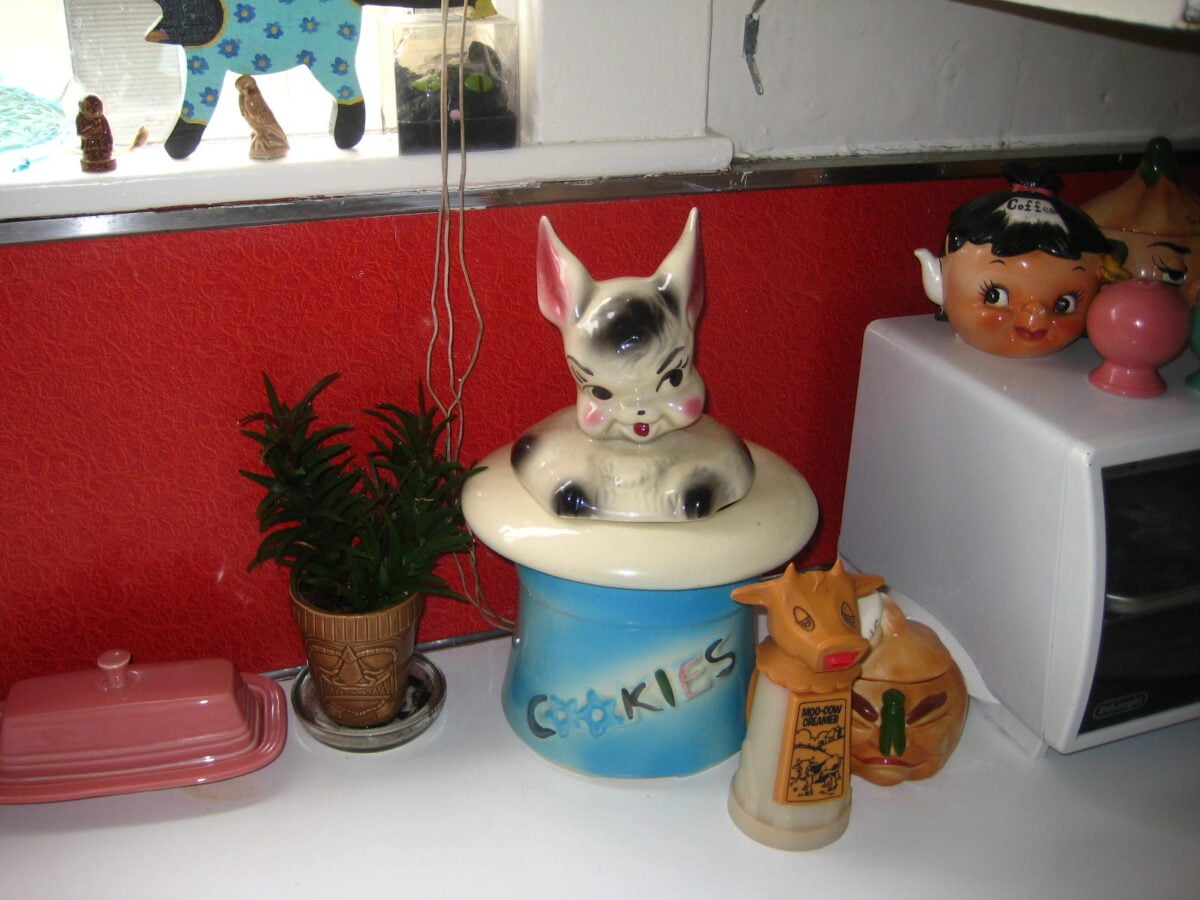
There’s a reasonable chance that somewhere in a relative’s kitchen, or at the back of a cabinet that hasn’t been properly sorted in thirty years, there’s a cookie jar from this era sitting quietly and being spectacularly underestimated. Most of them won’t be worth much — most never were. But the specific combination of maker, mold, color, condition, and lid that turns a piece of painted clay into a four-figure object is not always obvious from the outside, and the number of people who have donated a valuable Metlox or McCoy to a thrift shop without a second thought is, in all likelihood, higher than anyone in the collecting community likes to admit.
It might be worth looking at.
More from Go2Tutors!

- The Romanov Crown Jewels and Their Tragic Fate
- 13 Historical Mysteries That Science Still Can’t Solve
- Famous Hoaxes That Fooled the World for Years
- 15 Child Stars with Tragic Adult Lives
- 16 Famous Jewelry Pieces in History
Like Go2Tutors’s content? Follow us on MSN.



