Why Old Yearbooks Are Becoming a Hot Collectible
There’s something disorienting about flipping through a stranger’s high school yearbook. The signatures in the margins, the inside jokes that made perfect sense in 1967, the black-and-white portraits of teenagers who had no idea what was coming — it all adds up to something that feels almost too personal to hold.
And yet people are hunting these things down at estate sales, on eBay, and in thrift store back rooms with genuine urgency. Old yearbooks have quietly crossed over from sentimental keepsake into legitimate collectible, and the reasons behind that shift say a lot about what people actually want from the objects they collect.
The Nostalgia Economy
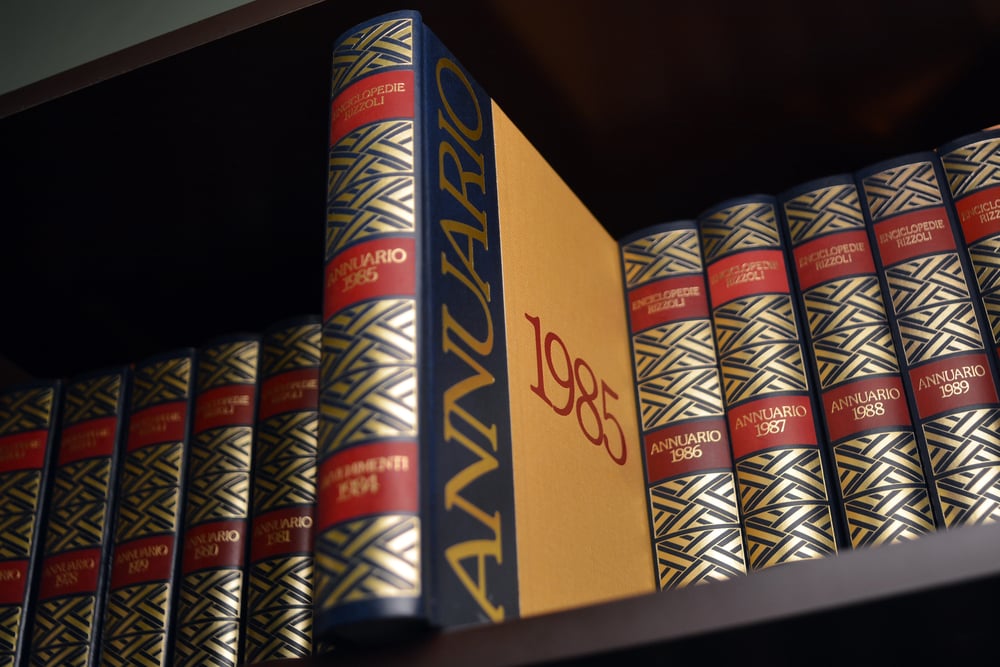
Nostalgia is currency right now, and yearbooks are one of its purest forms. A 1955 high school annual from a small town in Ohio isn’t just a book — it’s a compressed archive of a specific place and moment that exists nowhere else in quite the same way.
Collectors aren’t buying sentiment; they’re buying specificity.
Famous Names Before They Were Famous

Yearbooks featuring celebrities before they were recognizable command serious prices. A copy of a yearbook containing a young Barack Obama, Bruce Springsteen, or Meryl Streep — before any of those names meant anything — turns an ordinary school annual into something closer to a primary document.
The appeal isn’t just novelty; it’s the strange thrill of seeing a famous life in its unremarkable beginning.
The Thrift Store Pipeline
Most yearbooks that enter the collector market come from exactly where you’d expect: estate sales, Goodwill bins, and the kind of flea markets where everything costs a dollar until it doesn’t. The pipeline is chaotic and largely unsupervised, which means genuinely rare finds still surface regularly — a 1940s rural Southern high school annual, say, or a yearbook from a school that no longer exists.
That unpredictability is half the draw.
Schools That No Longer Exist

A yearbook from a demolished, consolidated, or otherwise vanished school carries a particular weight that’s hard to explain and easy to feel. It’s the last surviving record of a community’s image of itself — the clubs, the teachers, the basketball team that went 4-and-12 and got a full page anyway.
When the building is gone and the institution dissolved, the yearbook becomes something closer to archaeology than memorabilia.
The eBay Effect

Online resale platforms didn’t create the yearbook market, but they scaled it in ways that a regional flea market never could. A yearbook from a 1962 Houston high school can now find a buyer in Portland, Maine, or outside of Austin, Texas, within hours of being listed — connecting supply and demand that previously just missed each other entirely.
Prices that would have seemed absurd twenty years ago are now routine.
Condition as the Deciding Factor

Condition separates a $5 yearbook from a $200 one, and the gap between them is often just a matter of whether someone wrote their name inside the front cover. Collectors weigh spine integrity, page yellowing, and the presence or absence of signatures — though heavily signed copies sometimes command premiums of their own, depending on who did the signing.
A pristine, unsigned 1959 annual from a notable school is a different object entirely from a battered one pulled from a garage.
The Genealogy Connection
Genealogists have been quietly propping up the yearbook market for years, long before collectors arrived. A family tracing roots to a specific county in Virginia or a mill town in Pennsylvania will pay real money for a yearbook that might contain a photograph of a great-grandparent — one of the only photographs of that person that exists anywhere.
It’s less about collecting and more about evidence.
Regional and Cultural Rarity

A yearbook from a segregated Black high school in the Jim Crow South is not the same kind of object as a yearbook from the white school three miles away — not historically, not culturally, and not in terms of what it preserves. Many of those schools were underfunded and their records poorly maintained, which makes surviving annuals genuinely scarce.
Collectors and historians both recognize the difference, and the market reflects it.
The Photography Angle

Mid-century yearbook photography is having a quiet moment among people who care about American vernacular photography — the kind made not by artists but by school portrait studios trying to move efficiently through a gymnasium. The lighting setups, the poses, the backdrop choices that seemed completely ordinary in 1954 now read as a distinct visual grammar of their own.
Some collectors buy yearbooks almost purely as photography objects.
Pop Culture and Media Coverage

Every time a documentary, a podcast, or a true crime series surfaces old yearbook photographs, interest spikes. The yearbook becomes a prop in a larger story, and suddenly people who had never thought about collecting them are searching eBay at midnight.
Pop culture has an outsized ability to redirect attention toward overlooked categories of objects, and yearbooks have benefited from that more than once in the last decade.
The Autograph Market Overlap

Signed yearbooks from athletes, musicians, or public figures who later became famous occupy a strange middle ground between yearbook collecting and autograph collecting — and buyers from both worlds compete for them. A yearbook signed by a future Hall of Fame baseball player during his senior year carries authentication challenges that a signed trading card doesn’t, which makes the whole category feel more like a gamble and, for some collectors, more interesting because of it.
Small Town Americana
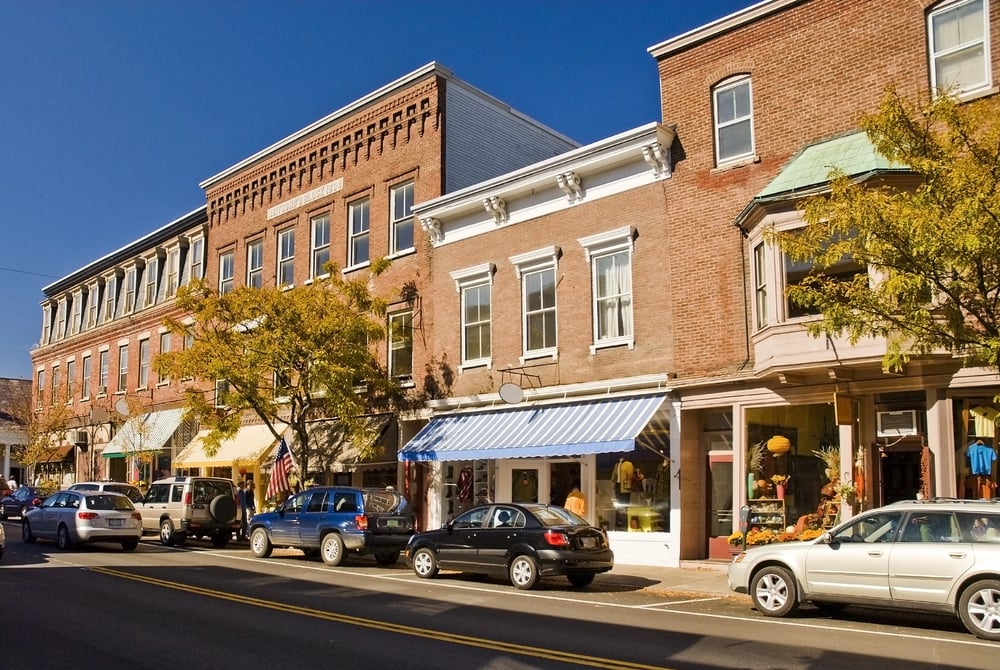
There’s a specific hunger in the collector market for objects that document small-town American life before chain stores, interstate highways, and demographic shifts reshaped it beyond recognition. A 1948 yearbook from a farming community in rural Kansas, complete with Future Farmers of America club photos and advertisements from businesses that haven’t existed in fifty years, is a window that exists nowhere else.
Collectors who chase Americana in any of its forms tend to find their way to yearbooks eventually.
The Decades That Sell Best
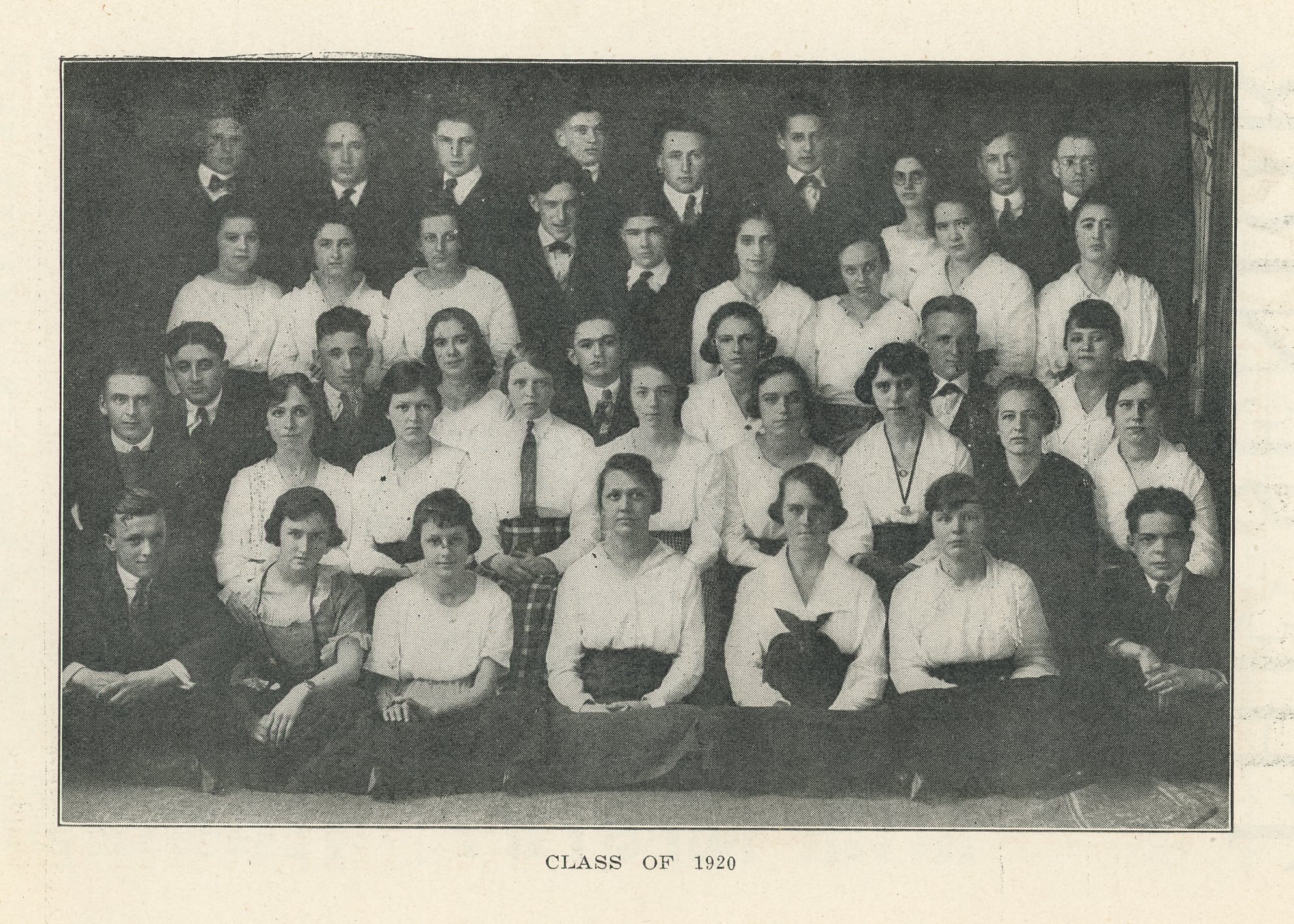
Not all decades perform equally in the yearbook market. The 1940s and 1950s sell consistently well, partly due to scarcity and partly because the visual aesthetic of that era — the hairstyles, the clothing, the layout design — has become genuinely iconic rather than just dated.
The 1970s and 1980s are rising steadily as the generation that lived them enters peak collecting age, which is a predictable but real pattern.
Printing and Design as Artifact
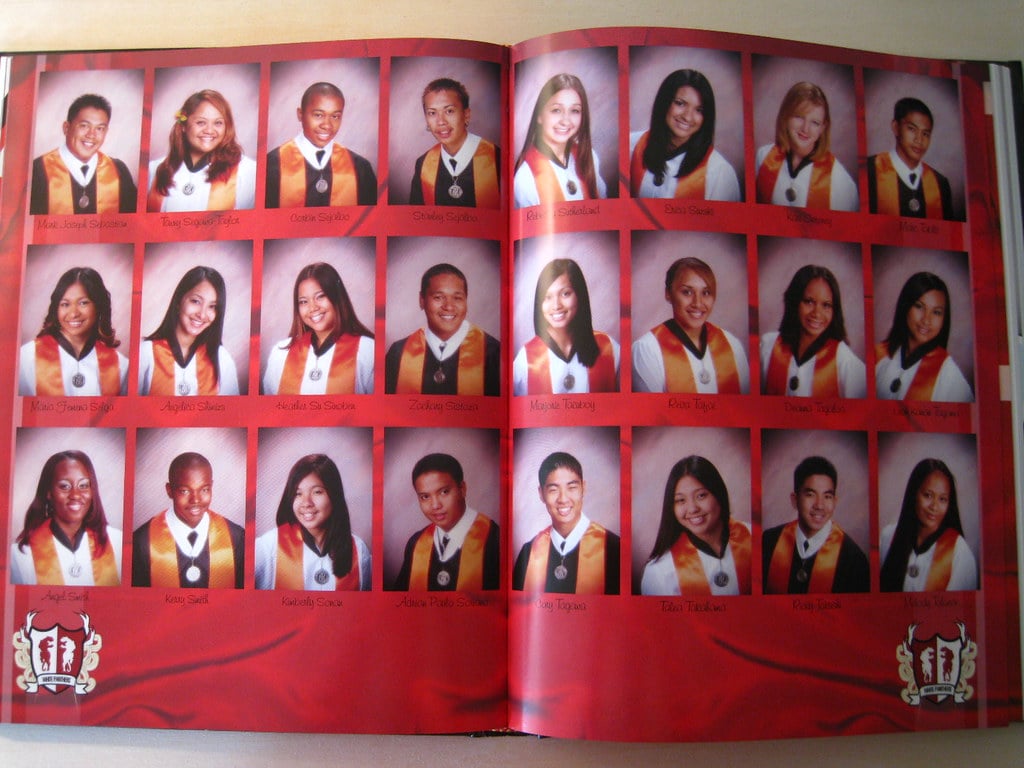
The physical production of yearbooks changed dramatically decade by decade, and collectors who pay attention to design history find those shifts genuinely interesting. A 1930s yearbook often has letterpress printing, art deco layout choices, and a level of craft that was quietly expensive even then — while a 1980s annual might feature early desktop-publishing decisions that now look almost touchingly earnest.
The book as a designed object tells its own separate story.
Storage and Preservation Challenges
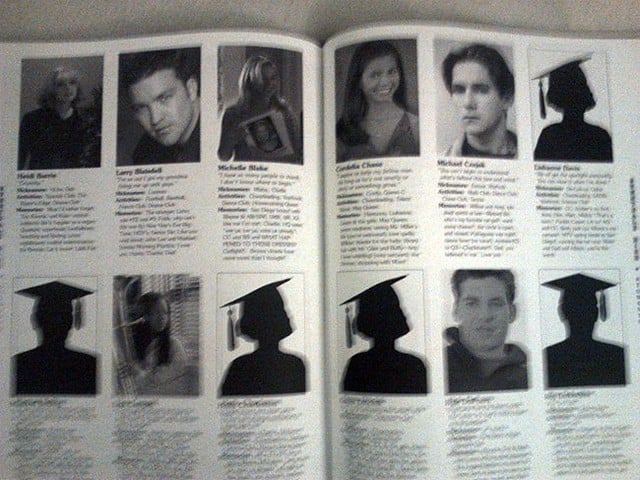
Yearbooks are made from materials that were never really designed to last — acidic paper, cheap binding glue, inks that fade unevenly. Serious collectors learn quickly that storage matters: acid-free boxes, climate control, and keeping volumes flat rather than stacked vertically.
A well-preserved 1940s annual is rarer than the number of surviving copies suggests, because most of the surviving copies were not well preserved.
The Institutional Archive Gap
Many schools have no organized archive of their own annuals. A high school might have one copy of each year’s yearbook locked in an administrator’s closet, or none at all.
That institutional indifference is part of why private collectors end up holding historically significant copies — and why libraries and historical societies have quietly started competing with collectors at estate sales to fill their own gaps.
What Drives the Price Up
A yearbook’s value climbs when multiple desirable factors converge: a famous attendee, a historically significant school, a decade with high collector demand, excellent physical condition, and ideally a regional scarcity that limits how many copies could have survived. Any one factor alone produces a modest price; two or three together produce something that serious collectors will actually argue over.
The overlap of conditions is what creates the genuinely surprising auction results.
The Community Reconnection Factor

People buy yearbooks from their own graduating class, obviously — but they also buy yearbooks from schools they attended without graduating, schools their parents attended, and schools in towns they grew up near without ever attending. The yearbook functions as a community document as much as a personal one, and the buyer doesn’t need to be in it to feel connected to what it preserves.
That wider emotional radius expands the potential market considerably.
Digitization and Its Paradox

Various organizations have worked to digitize old yearbooks and make them searchable online, which turns out to have a complicated relationship with the physical collector market. Digital access makes yearbooks more discoverable and sparks interest — but it also makes people aware that a specific physical copy exists somewhere, and that awareness sometimes accelerates demand for the tangible object rather than satisfying it.
A scan of a 1952 yearbook is not the same as holding one.
The Unexpected Investment Angle

Yearbooks are not a financial instrument, and anyone buying them primarily as an investment is probably going to have a bad time. And yet, fair enough: a copy of a Hawaiian high school yearbook from Obama’s time at Punahou School sold for thousands of dollars, which is not nothing.
The specifics of such sales are often obscured by privacy or authentication uncertainty, but the principle holds: rare yearbooks with famous attendees command premium prices. The collector market rewards patience and specificity, not volume purchasing — which is a useful distinction that keeps the unsophisticated money out.
Where the Pages Land

The cover that closes on a worn yearbook isn’t really an ending — it’s more like a held breath, the moment between one era and everything that followed it. What collectors are actually chasing, underneath the auction prices and the condition grades, is proximity to a moment that existed completely and then became permanently unreachable.
The yearbook doesn’t bring that moment back. But it proves, in a way nothing digital quite manages to, that it happened.
More from Go2Tutors!

- The Romanov Crown Jewels and Their Tragic Fate
- 13 Historical Mysteries That Science Still Can’t Solve
- Famous Hoaxes That Fooled the World for Years
- 15 Child Stars with Tragic Adult Lives
- 16 Famous Jewelry Pieces in History
Like Go2Tutors’s content? Follow us on MSN.



