14 Strangest Mysteries About the Eiffel Tower
The Eiffel Tower stands as one of the world’s most recognizable landmarks, but beneath its iron lattice lies a collection of bizarre stories, unexplained events, and strange mysteries that most visitors never hear about. From ghost sightings to con artists, secret bunkers to tragic experiments, the Iron Lady has witnessed more than her fair share of peculiar happenings since 1889.
Here is a list of 16 of the strangest mysteries surrounding this iconic Parisian monument.
A Secret Apartment Hidden at the Top
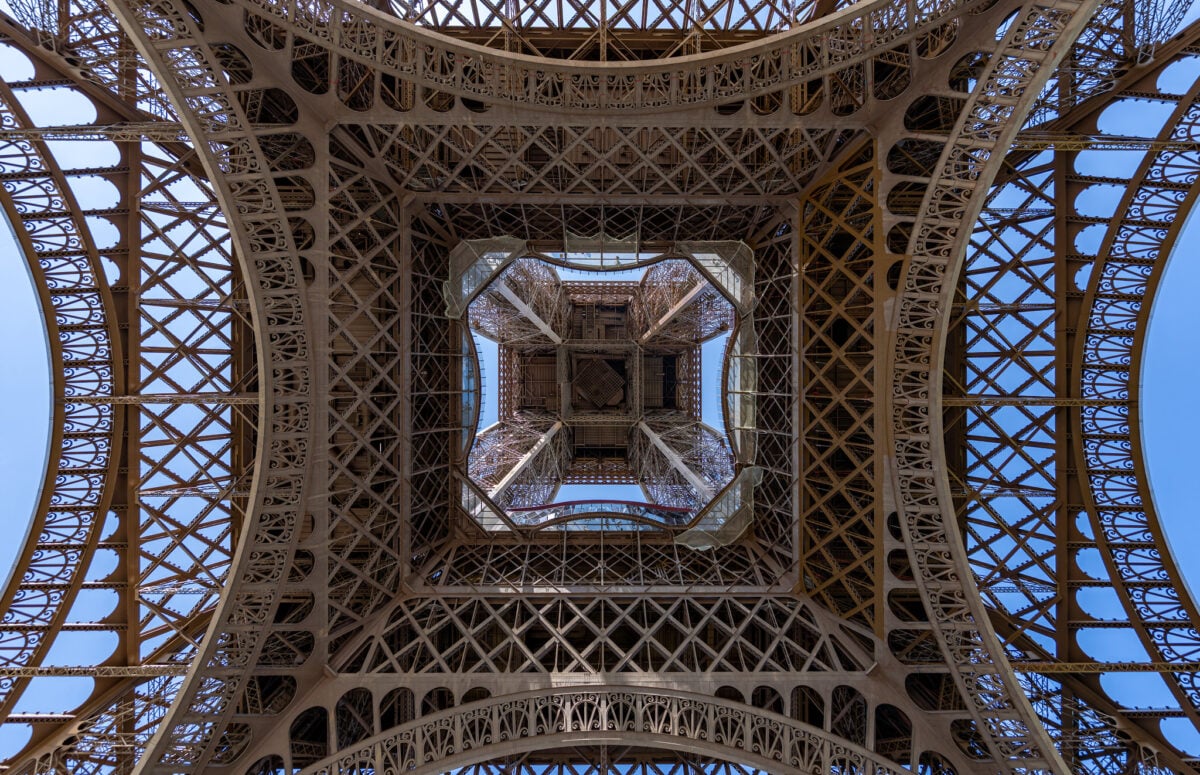
Gustave Eiffel built an apartment at the summit of the Eiffel Tower, and he reserved it for personal use. However, the space didn’t have a bedroom, and he never lived there. This exclusive hideaway became the source of endless speculation among Parisians who desperately wanted invitations.
The apartment contained a laboratory, office, living room, kitchen, and restroom, complete with plush rugs and oil paintings. Only a few VIPs were allowed to visit, such as superstar scientist Thomas Edison.
Today, most of the space serves technical purposes, but visitors can peek through windows at wax figures recreating Eiffel’s meetings with Edison and his daughter.
The Phantom Woman in 1920s Clothing
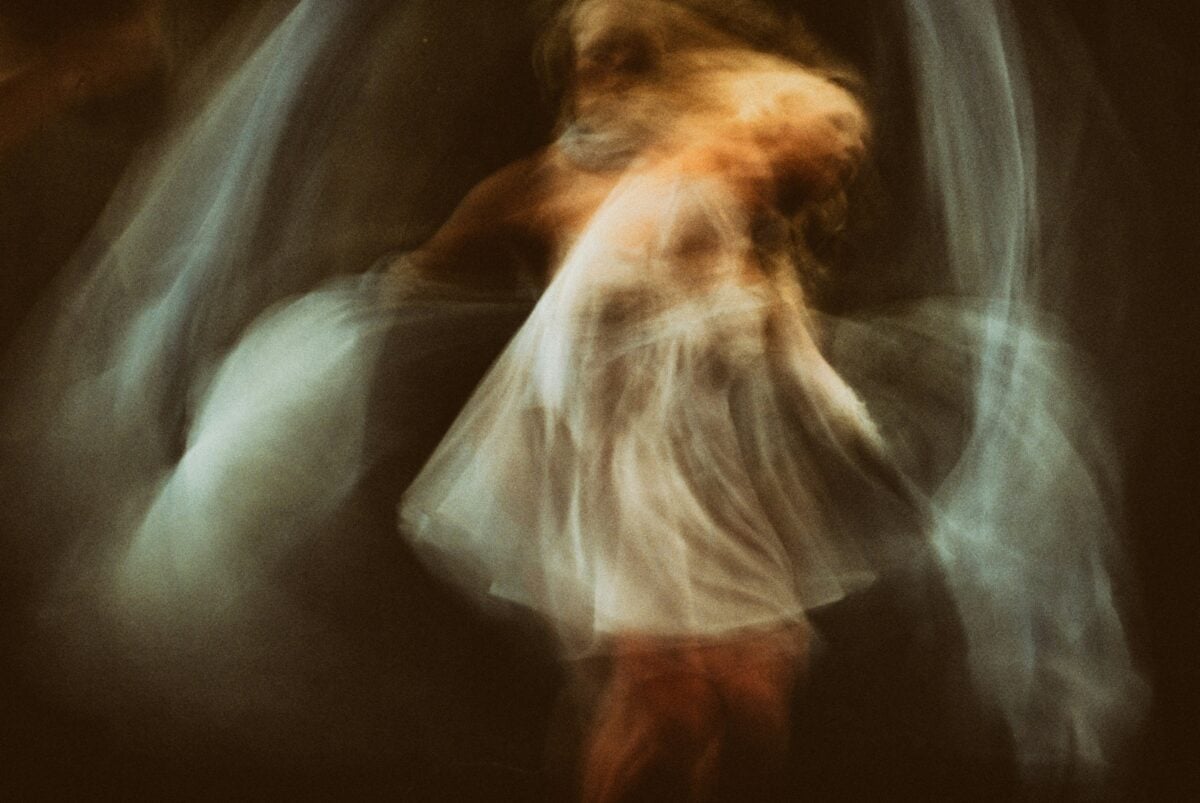
Many people who have visited the tower have claimed to have seen a woman dressed in typical 1920s clothing walking around the upper areas before disappearing into thin air. The ghost stories surrounding the Eiffel Tower often center on tragic love stories from the 1920s.
Witnesses describe seeing this mysterious figure gliding through the upper levels, only to vanish when approached. Some believe she’s connected to a heartbroken woman who supposedly fell from the tower decades ago, though the exact details remain shrouded in mystery.
Hitler Had to Walk Up the Stairs

During WWII when Hitler visited Paris, the French cut the lift cables on the Eiffel Tower. This meant that Hitler had to walk the steps if he wanted to reach the top.
This act of subtle resistance was designed to discourage the dictator from ascending, as the French assumed he’d be too lazy to climb 1,710 steps. Surprisingly, Hitler did make it to the top, though the sabotaged elevators sent a clear message about French sentiment toward the occupation.
Victor Lustig Sold It Twice

Legendary con artist Victor Lustig had a knack for making strangers trust him. So much so that in the 1920s, Lustig convinced two separate investors to buy the Eiffel Tower, which he claimed was being sold off for scrap metal.
Posing as a government official, he held meetings with scrap metal dealers and received a $70,000 bribe from one victim. After fleeing to Vienna with the cash, he waited four years before attempting the same scam again. The second time, he nearly got arrested.
Franz Reichelt’s Fatal Parachute Test
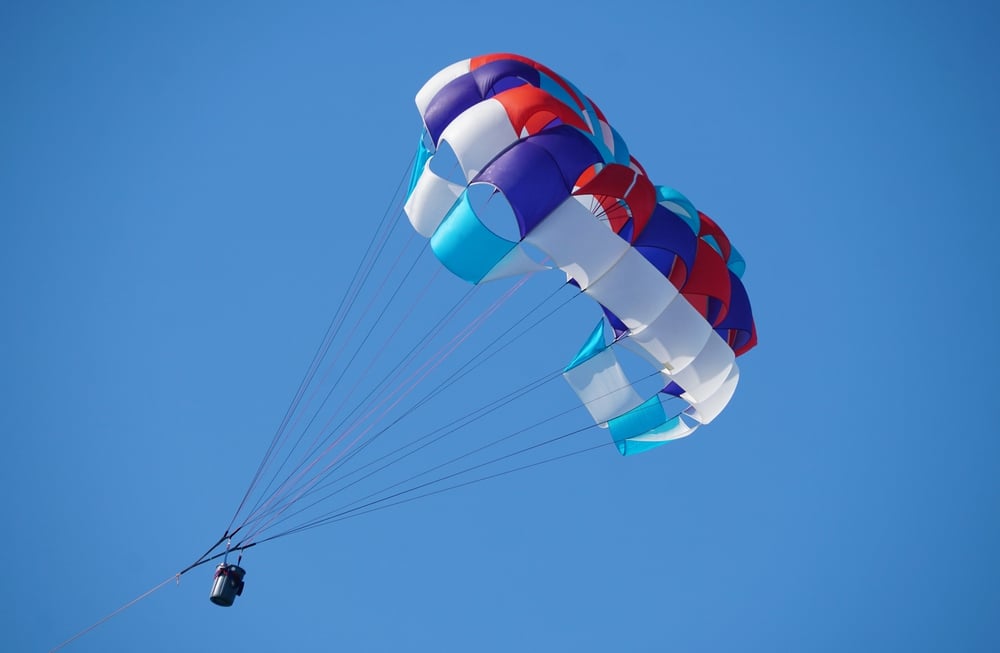
In 1912, the inventor jumped from the first story of the Eiffel Tower to test his product – a suit with a nine-kilogram, 32-square-meter parachute stitched inside the arms and legs. Franz Reichelt, an Austrian tailor, had been testing his wearable parachute design using dummies from smaller heights.
Police initially gave Reichelt permission to use a dummy to test his wingsuit, but he decided to test it personally. The wings never opened during his jump from 187 feet, and the tragic event was captured on film.
The Underground Military Bunker
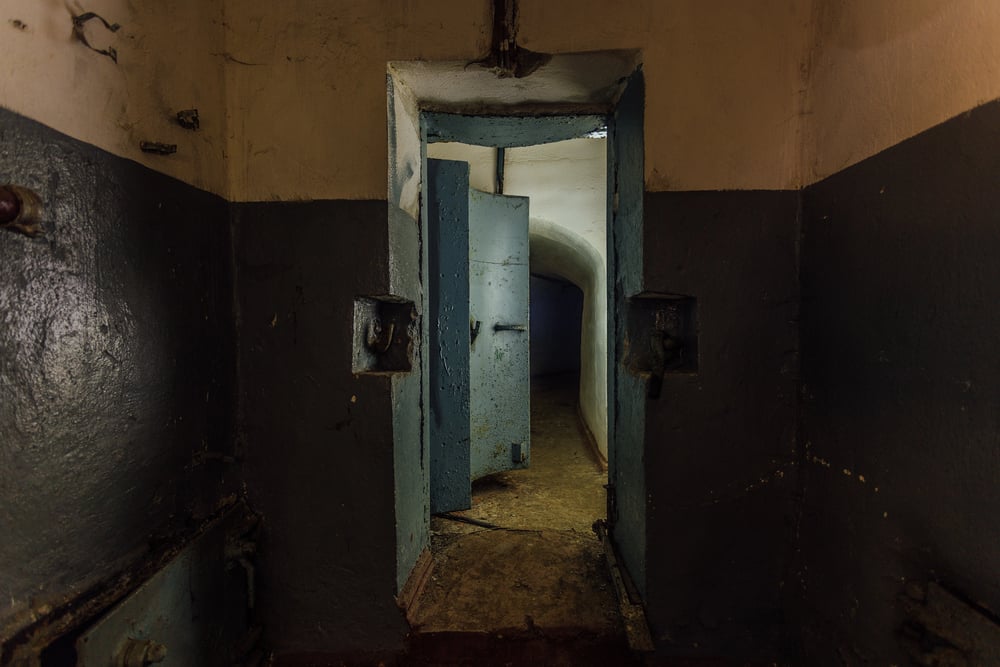
Underneath the Eiffel Tower is a bunker and – according to rumors – a network of secret tunnels. This military bunker sits beneath the Champ de Mars and was once part of a larger network of wartime installations.
There are unsubstantiated rumors of tunnels connecting to the nearby Ecole Militaire. While the bunker itself is no longer entirely secret, the full extent of any connecting underground passages remains a mystery, with access strictly limited to special tours.
Someone Actually Married the Tower

In 2007, American archer Erika Labrie held a symbolic commitment ceremony with the Eiffel Tower and even changed her last name to Eiffel. This unusual romantic attachment led to a documentary about her relationship with the monument.
An American woman named Erika LaBrie visited the Tower in 2004 and literally fell in love with it. When faced with public ridicule, she eventually moved on to a new relationship with the Berlin Wall.
The Tower Was Built for Barcelona First
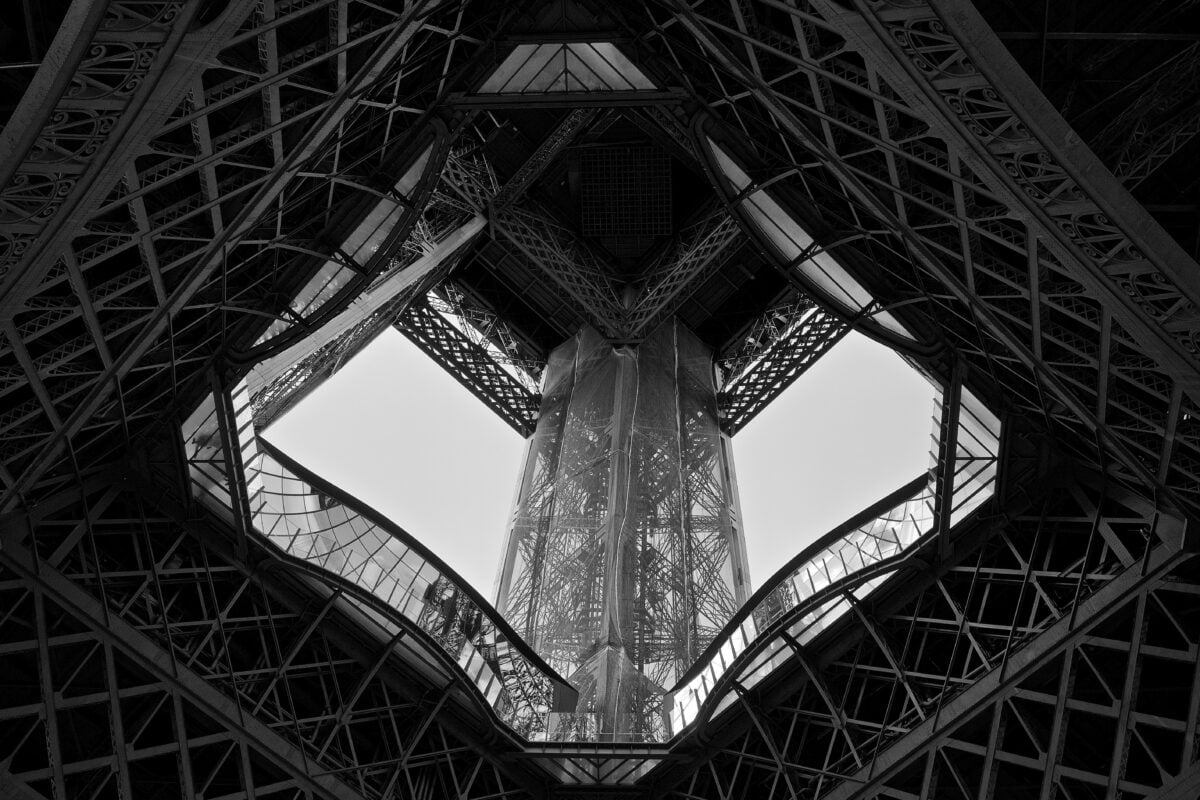
Before Paris said yes, Barcelona said no. Eiffel initially proposed the tower to city officials in Barcelona, but the idea was rejected.
Historical records suggest Barcelona turned down the proposal due to budget concerns or lack of interest in such an unconventional design. This rejection proved costly for Spain, as the tower is now worth over 400 billion euros – more than six times the value of Rome’s Colosseum.
The Copyright Mystery of Night Photography

A clause in the EU copyright act states that because the lights are considered an artwork in itself, taking and sharing photos of the Tower at night needs to comply with copyright regulations. While it’s perfectly legal to take personal photos of the illuminated tower, commercial use requires authorization and potentially payment of fees.
This unusual copyright protection on the lighting display creates ongoing confusion for photographers and tourists who don’t understand the legal distinction.
Montreal Almost Stole the Tower
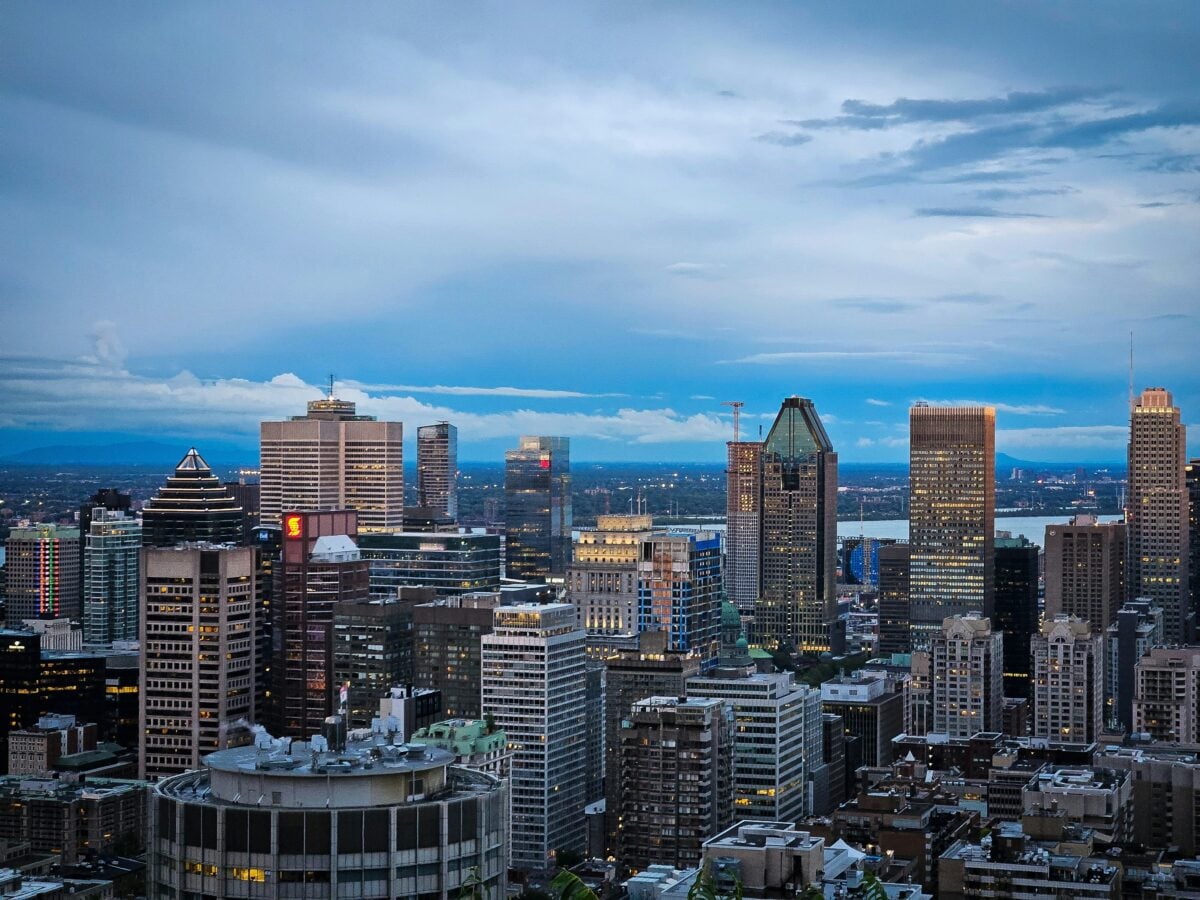
Montreal’s Mayor, Jean Drapeau, did in fact want to bring the Eiffel Tower to Montreal for the duration of the World’s Fair in that city in 1967. An official request was sent to France and the city of Paris, but that’s as far as it went.
The ambitious plan would have temporarily relocated the entire structure to Canada for Expo 67. While the official request was real, French authorities never seriously considered dismantling and shipping their national symbol across the Atlantic.
The Elephant That Climbed the Tower
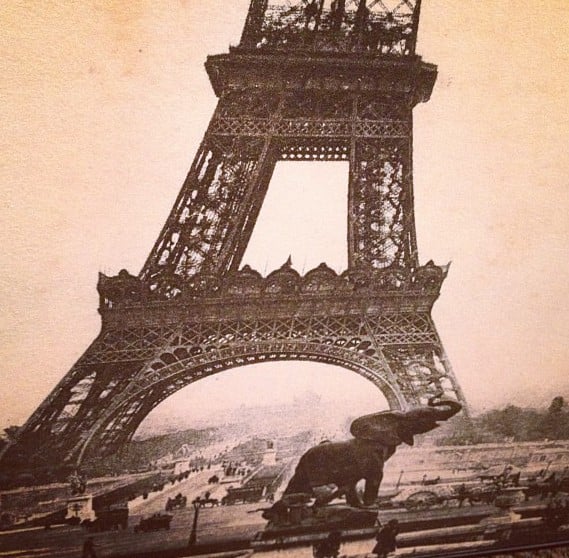
In 1948, an 85-year-old elephant arrived at the Eiffel Tower to test its resilience but only made it to the first floor due to exhaustion, unable to ascend any further. This bizarre stunt was designed to demonstrate the structural strength of the tower by having one of the heaviest land animals climb its stairs.
The elephant’s journey ended at the first level, providing an unusual footnote in the tower’s history and raising questions about who approved such an odd experiment.
The Fake Flower Extension Project
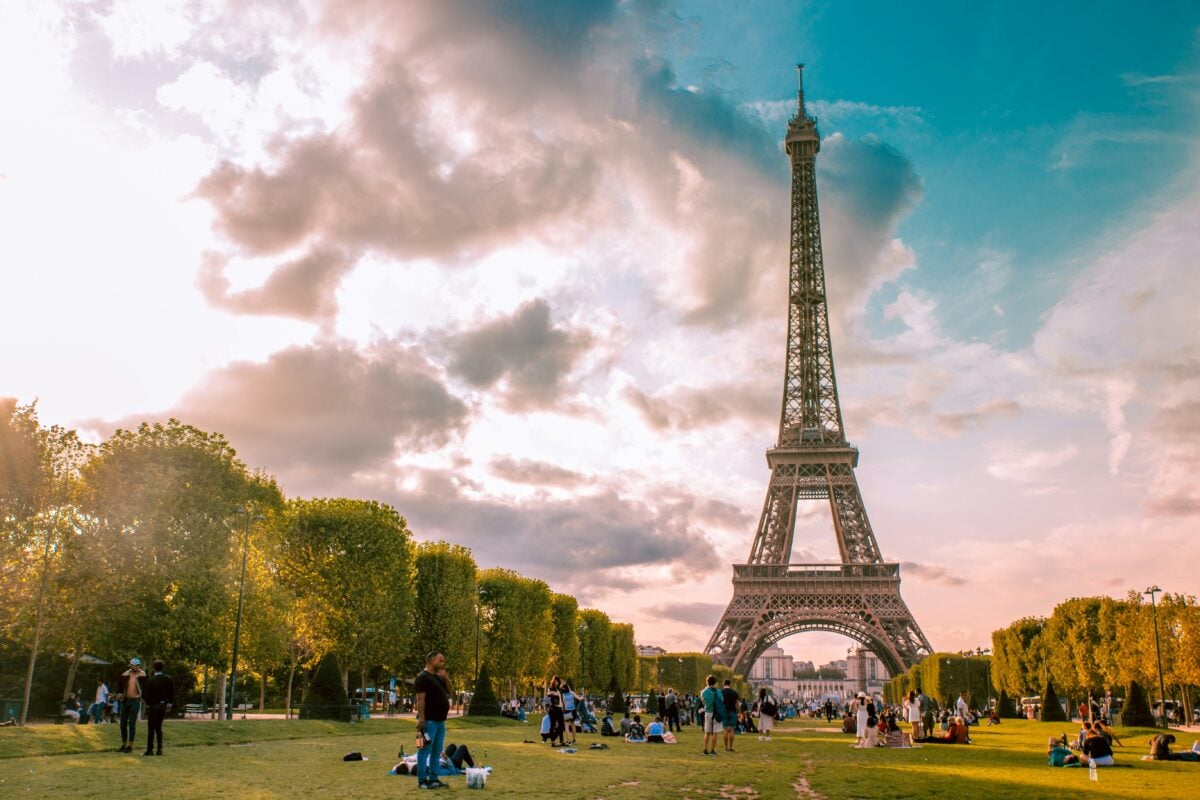
In 2008, the media reported massively on an architectural project to extend the top of the Eiffel Tower in the form of a huge flower. The project, called ‘Eiffel DNA’ and designed by Serero Architects, captured widespread media attention despite being purely conceptual.
This project, called “Eiffel DNA” and imagined by Serero Architects, was neither solicited nor envisaged by the Société d’Exploitation de la Tour Eiffel and existed only in their imaginations.
The Tower’s Role in Catching Mata Hari

During World War I—a worldwide conflict that lasted from 1914 to 1918—the French military used the tower’s radio and telegraph center to communicate with ground troops and battleships. It also intercepted enemy messages. The tower’s communication equipment played a crucial role in wartime intelligence.
In 1916 the tower picked up a message about a female spy known as the Mata Hari. Using the captured information, the French military tracked down and arrested the agent. This interception directly led to the capture of one of history’s most famous spies.
The Great Iron Lady’s Hidden Purpose

The most enduring mystery surrounds why the tower wasn’t demolished after its intended 20-year lifespan. The Eiffel Tower was supposed to be destroyed only 20 years after its construction.
To remedy the situation, Gustave Eiffel had the ingenious idea of crediting it with a scientific purpose – the Tower was saved! Eiffel strategically positioned the tower as essential for wireless telegraphy and scientific research, transforming a temporary exhibition piece into an indispensable communication hub. This calculated move turned what many considered an eyesore into an irreplaceable national treasure.
The Iron Lady’s Enduring Enigma
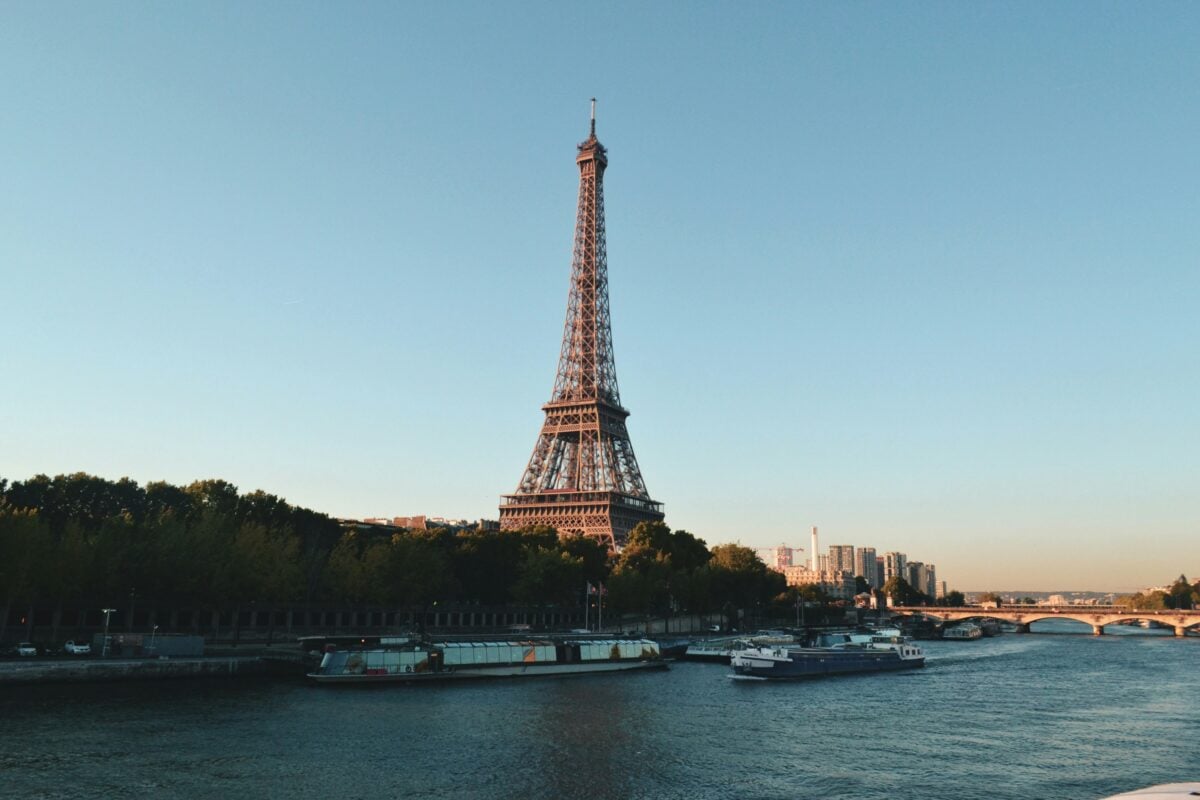
The Eiffel Tower continues to accumulate strange stories and mysterious incidents more than 130 years after its construction. From ghost sightings to government secrets, con artists to scientific breakthroughs, the tower has witnessed an extraordinary collection of bizarre events that seem to multiply with each passing decade.
What makes these mysteries even more intriguing is how they’ve become part of the tower’s identity, transforming a simple iron structure into a monument that’s as famous for its secrets as it is for its engineering. Perhaps that’s the greatest mystery of all – how a temporary exhibition piece destined for demolition became the eternal keeper of so many strange and wonderful stories.
More from Go2Tutors!

- The Romanov Crown Jewels and Their Tragic Fate
- 13 Historical Mysteries That Science Still Can’t Solve
- Famous Hoaxes That Fooled the World for Years
- 15 Child Stars with Tragic Adult Lives
- 16 Famous Jewelry Pieces in History
Like Go2Tutors’s content? Follow us on MSN.