How Sunday Dinners Went from a Weekly Tradition to a Rare Occasion
There’s a particular kind of quiet that settles over a house on a Sunday afternoon when something is cooking low and slow. The smell reaches every room.
Time slows down in a way it doesn’t on any other day of the week. For decades, that slow Sunday rhythm was almost universal in American households — a weekly ritual built around a table, a meal, and whoever happened to show up.
Somewhere along the way, that ritual started slipping. It didn’t vanish overnight.
It just got easier and easier to skip, until skipping became the norm and showing up became the exception.
The Postwar Peak
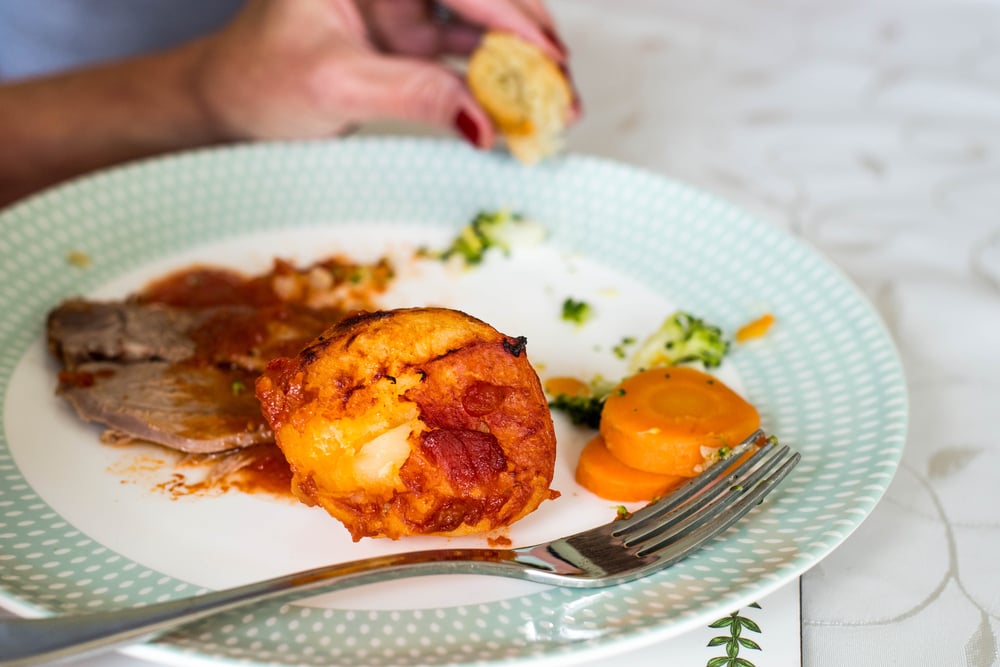
Sunday dinner wasn’t always a tradition so much as a structural fact — the week had a shape, and Sunday was its anchor. After World War II, as families settled into suburban neighborhoods and five-day workweeks became standard, the Sunday meal became the gravitational center of domestic life.
Everything else orbited it.
The Church Connection

Sunday dinner and Sunday service were functionally the same tradition wearing different clothes. Across Christian-majority communities throughout the 20th century, church attendance pulled families out of bed, dressed them up, and deposited them back home by noon — which meant someone was already in the kitchen before the congregation had finished singing.
The meal wasn’t separate from the ritual. It was the second half of it.
What Was Actually on the Table
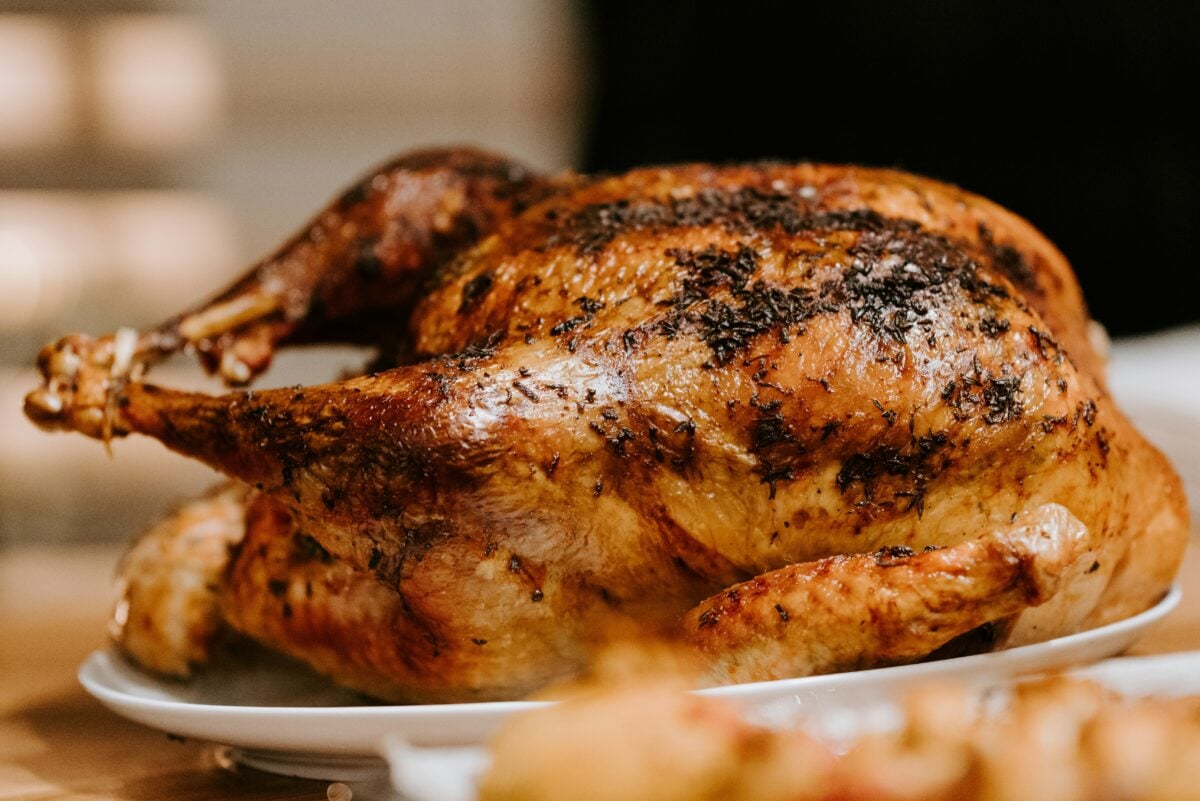
Roast chicken. Pot roast. Mashed potatoes. Green beans cooked until they gave up. The Sunday meal in mid-century America had a recognizable vocabulary, and most households spoke some version of it — regional accents aside, the grammar was the same.
Sunday dinner wasn’t experimental. It was the most repeated, most practiced, most expected meal of the week.
The Women Who Made It Happen

Sunday dinner ran on unpaid labor, and that labor was almost entirely female. The grandmother who started the pot roast Saturday night, the mother who peeled potatoes while everyone else watched football — the tradition was real and warm and genuinely meaningful, and it also depended entirely on one person in the kitchen doing most of the work without anyone particularly noticing.
That arrangement was always going to crack once the people doing the work had more options.
When Women Entered the Workforce
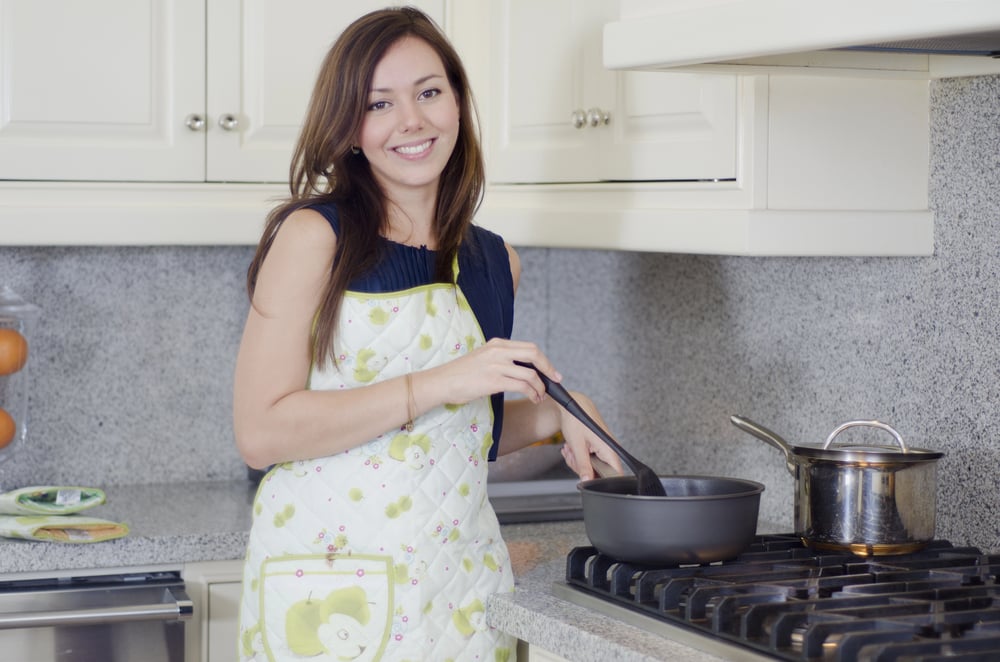
The large-scale entry of women into full-time employment across the 1970s and 1980s didn’t just change weekday routines — it redistributed the entire week. Sunday, which had quietly been the day of recovery and preparation, became just another day needed for rest, errands, and catching up on everything the workweek had swallowed.
The elaborate midday meal didn’t disappear immediately, but it got shorter, simpler, and less frequent with each passing year.
The Decline of the Extended Family Gathering

Sunday dinner at its peak wasn’t usually just the nuclear family — it was grandparents, aunts, uncles, cousins, neighbors who’d been coming for so long they were practically relatives. That gathering model depended on geographic proximity: everyone living within a reasonable drive of each other, anchored to the same neighborhood or town.
As American families became more geographically scattered across the latter half of the 20th century, the extended table got smaller and harder to fill.
How Television Rewired Sunday

Television didn’t kill Sunday dinner outright — it just made the table compete with something more compelling. By the 1960s, the living room had its own gravitational pull, and Sunday afternoons came loaded with programming designed to keep people exactly where they were.
The meal migrated toward the couch, got eaten faster, and eventually stopped requiring much preparation at all. Convenience didn’t feel like a loss at the time. It rarely does.
The NFL Effect

Professional football turned Sunday afternoons into appointment viewing in a way no other sport quite managed. What had been the natural window for Sunday dinner — roughly 1 to 4 p.m. — became prime game time, and the culture around it shifted accordingly.
Chips replaced pot roast. Beer replaced sweet tea. The gathering survived, but the table didn’t always make it.
The Rise of Brunch
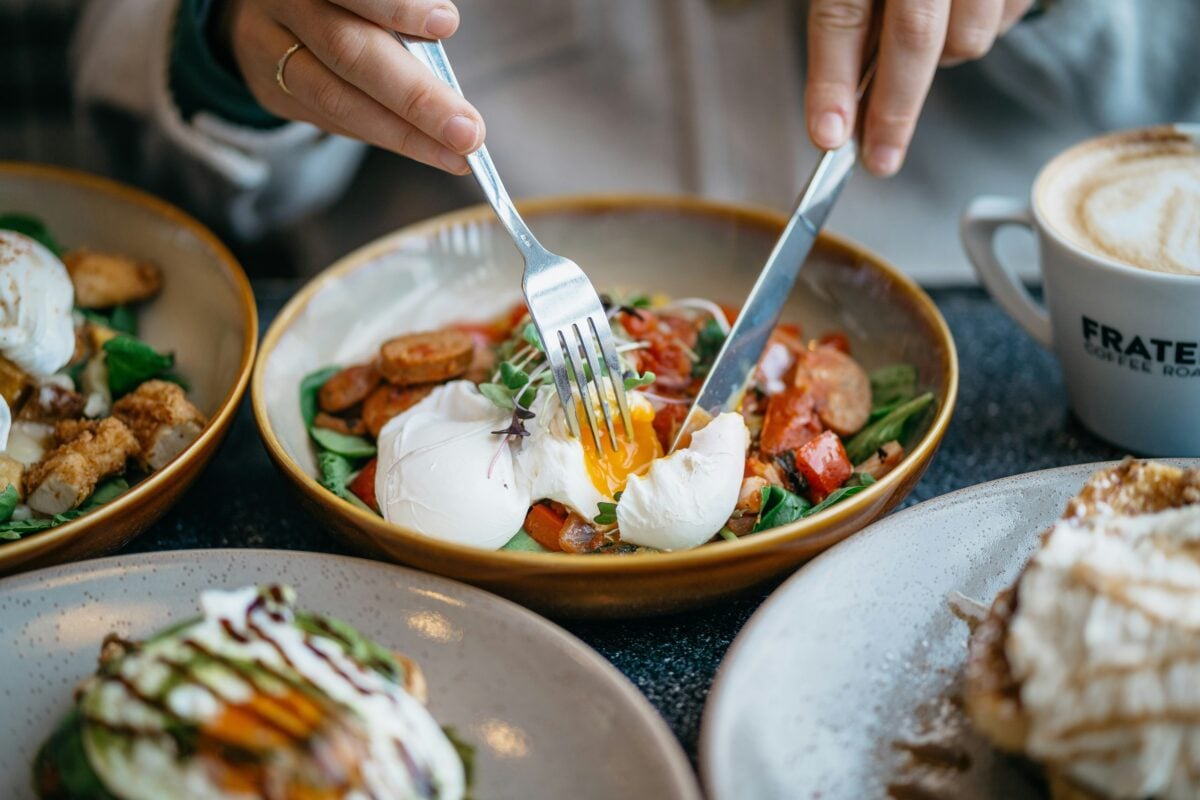
Brunch is, in a certain light, Sunday dinner’s more photogenic replacement — it occupies a similar time slot, it performs community, it signals that the day is special. But brunch is optimized for restaurants and social media rather than home kitchens, and it disperses the moment the check arrives rather than lingering for hours in someone’s living room.
It kept the aesthetics and quietly discarded the substance.
Fast Food and the Convenience Reflex

By the 1990s, the infrastructure of convenience had become so thoroughly embedded in daily life that cooking a large meal from scratch on a Sunday started to feel almost eccentric. Drive-throughs were open.
Delivery existed. The idea that Sunday required a special domestic effort began to feel less like tradition and more like an optional personality trait — something some families did, not something families did.
Changing Family Structures

The traditional Sunday dinner assumed a traditional family structure: two parents, children at home, extended family nearby. As divorce rates rose, blended families became more common, and single-parent households multiplied, the logistical foundation of the Sunday gathering got more complicated to arrange.
It’s hard to host a family dinner when the family is split across two households, two zip codes, and two different custody schedules.
The Suburban Sprawl Factor

American suburbs expanded dramatically from the 1970s onward, and with that expansion came a particular kind of distance — not just miles, but the kind of sprawl that makes a 20-mile drive feel like a genuine commitment on a Sunday afternoon. When grandma lived two streets over, showing up for dinner was effortless.
When she lives 45 minutes away on a highway, it becomes a project that requires planning, energy, and a reason that feels worth the trip.
What Happened to Sunday as a Concept

Sunday itself changed — and not just the dinner. The cultural weight of the day, that particular slow-moving quality that made a big meal feel appropriate, eroded as retail hours expanded, recreational options multiplied, and the weekend started functioning more as an extension of productivity than a pause from it.
A day that once felt structurally different from every other day started to feel, for many people, like a shorter version of Saturday.
The Cooking Skills Gap

Sunday dinner was a tradition that passed itself on through participation — children watched, helped, absorbed. When the tradition broke down, so did the transmission of those skills.
Generations that didn’t grow up standing next to someone making gravy from scratch simply never learned, and the absence of that knowledge made the prospect of reviving the tradition feel more daunting than nostalgic. You can miss something and still not know how to bring it back.
Social Media’s Strange Role

Social media has a complicated relationship with the Sunday dinner tradition — it performs it constantly while contributing to its disappearance. Beautifully photographed roast tables appear all over Instagram, tagged and filtered and admired by people who are, at that moment, eating alone with their phone.
The image of the tradition stayed visible even as the practice quietly hollowed out.
The Pandemic Interruption

The COVID-19 pandemic created an unexpected reversal — for a period, Sunday dinners came back, because nowhere else to be and nothing else to do meant people cooked more, gathered in smaller groups, and rediscovered what a slow Sunday afternoon actually felt like. The revival was real and documented in grocery sales, recipe searches, and conversations about what had been missing.
Whether it lasted is a different question.
Why Some Families Never Stopped
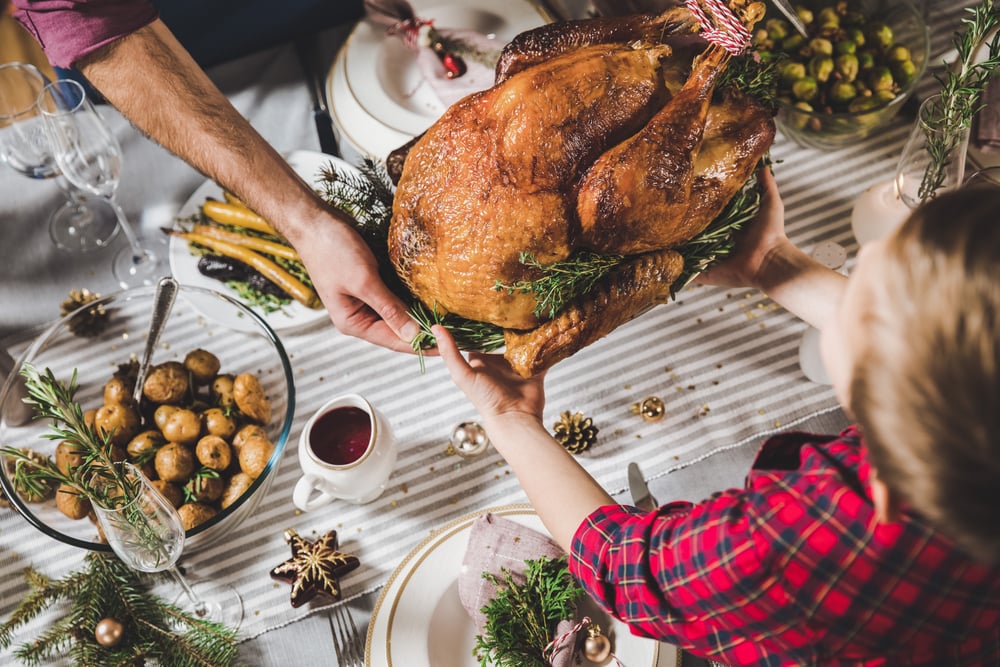
Not every family let the tradition go, and the ones that didn’t tend to share something in common: someone in the family treated it as non-negotiable rather than optional. Traditions don’t survive on sentiment — they survive on stubbornness.
The grandmother who simply expected everyone to show up, the parent who kept cooking even when attendance got spotty — these are the people who kept Sunday dinner from becoming purely historical.
What the Research Suggests

Studies on family meal frequency consistently show correlations between shared meals and stronger family cohesion, better outcomes for children, and higher reported sense of belonging among adults. Sunday dinner specifically — with its unhurried structure and extended duration — captured something that a quick weeknight meal couldn’t replicate.
The data is quiet but insistent on this point.
The Nostalgia Industry Around It
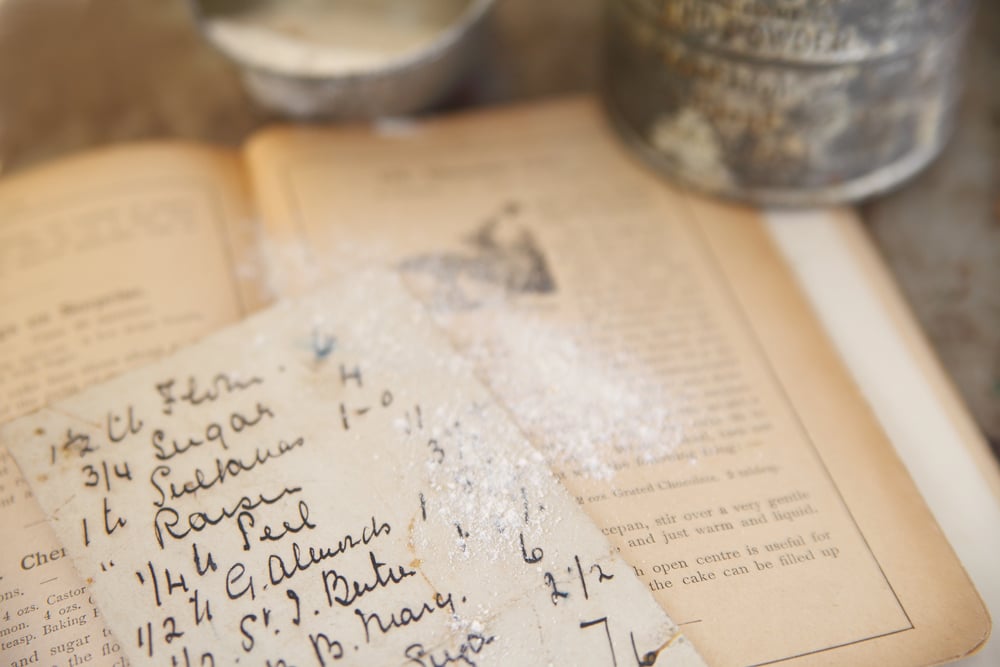
Sunday dinner has become a cultural commodity — something sold back to people in the form of cookbooks, food television, lifestyle content, and restaurant concepts built around the aesthetics of a grandmother’s kitchen. There’s a reason “Sunday supper” appears on so many menus.
The feeling the tradition produced is still deeply wanted — it’s just been outsourced to professionals rather than practiced at home.
Generational Attitudes Toward the Kitchen
Younger generations have, on balance, a more complicated relationship with the idea of spending three or four hours cooking a meal that gets eaten in forty-five minutes. To be fair, that’s a reasonable calculation.
The effort-to-outcome ratio of a traditional Sunday dinner only makes sense if you’ve experienced what the gathering itself produces — and if you grew up in a household where that tradition had already faded, you have no particular reason to resurrect it.
The Table as Architecture

A proper Sunday dinner required a table large enough to seat everyone — and that table was often the largest piece of furniture in the house, treated accordingly. As homes got designed around open-plan living and smaller dining areas, the physical infrastructure for a large gathering quietly disappeared from new construction.
A kitchen island and four bar stools are genuinely not the same thing, no matter how stylish the fixtures.
What Gets Lost With It

Sunday dinner wasn’t really about the food. The food was the mechanism — the reason everyone was in the same place at the same time, without an agenda, without somewhere else to be.
What the meal actually produced was unhurried conversation, the kind that doesn’t happen in scheduled calls or group chats, the kind where someone mentions something small and it turns into an hour-long story. That kind of time doesn’t get manufactured.
It has to be structured into the week on purpose.
Signs of a Quiet Revival
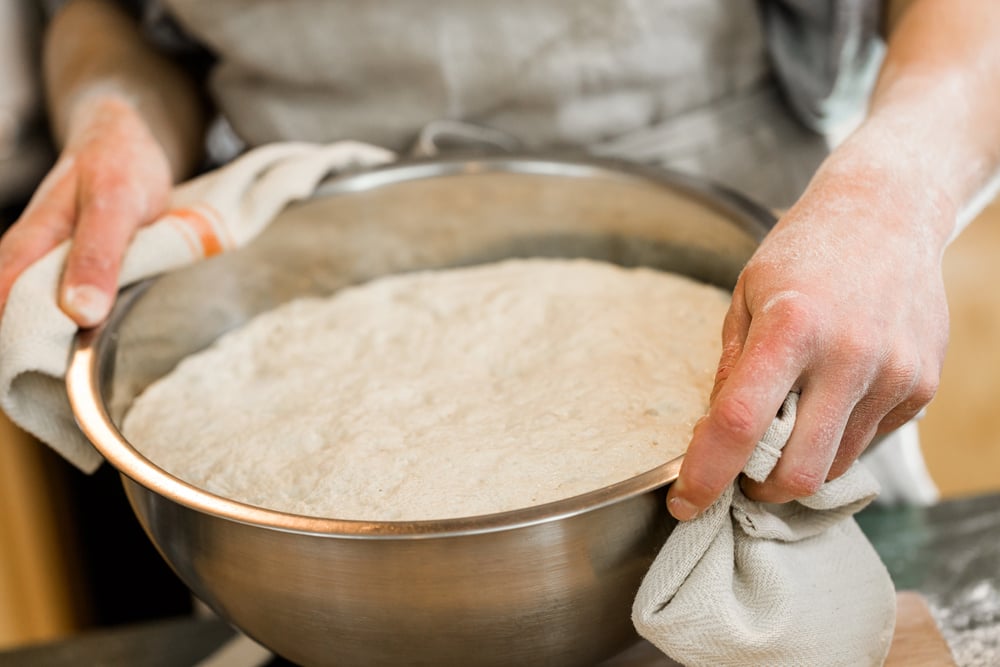
Across the country, there are signals — small, scattered, but real — that something is turning back. Farmers markets have expanded Sunday hours and built small community cultures around them.
Sourdough, slow cooking, and heritage recipes trended hard through the 2020s. Young adults who grew up without the tradition are sometimes the most deliberate about starting one, driven by a specific hunger for the kind of belonging the tradition once provided almost automatically.
The Table Doesn’t Have to Look the Same
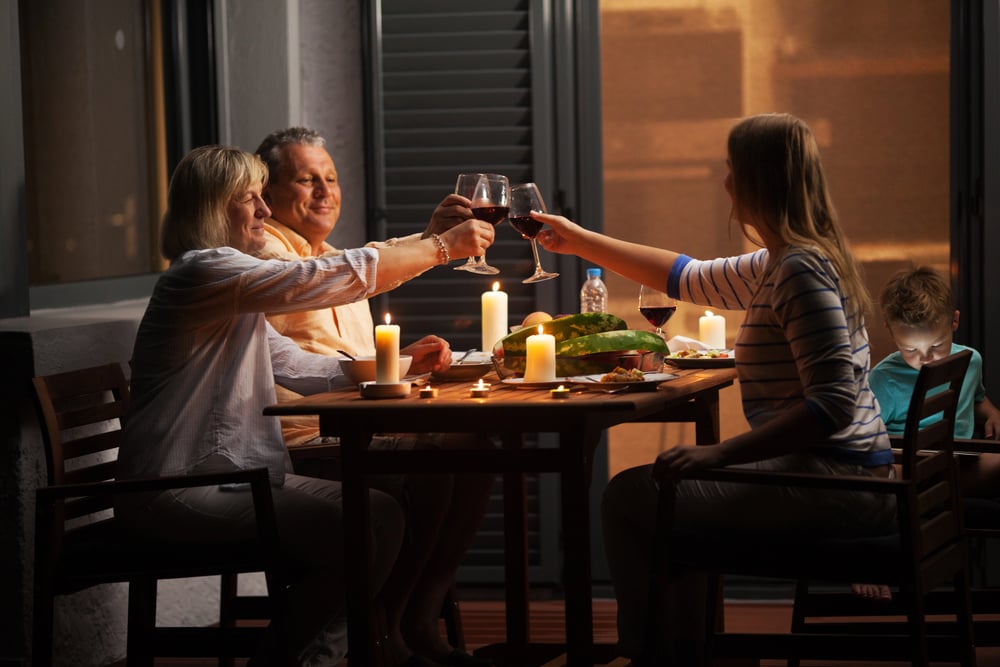
The Sunday dinner worth reviving doesn’t have to be a recreation of 1962. It doesn’t require a roast, a tablecloth, or a grandmother presiding at the head.
What it requires is a recurring commitment to being in the same place, with the people who matter, without the day being optimized for productivity. The specific food is almost beside the point — the structure is what does the work.
What the Quiet Table Knows
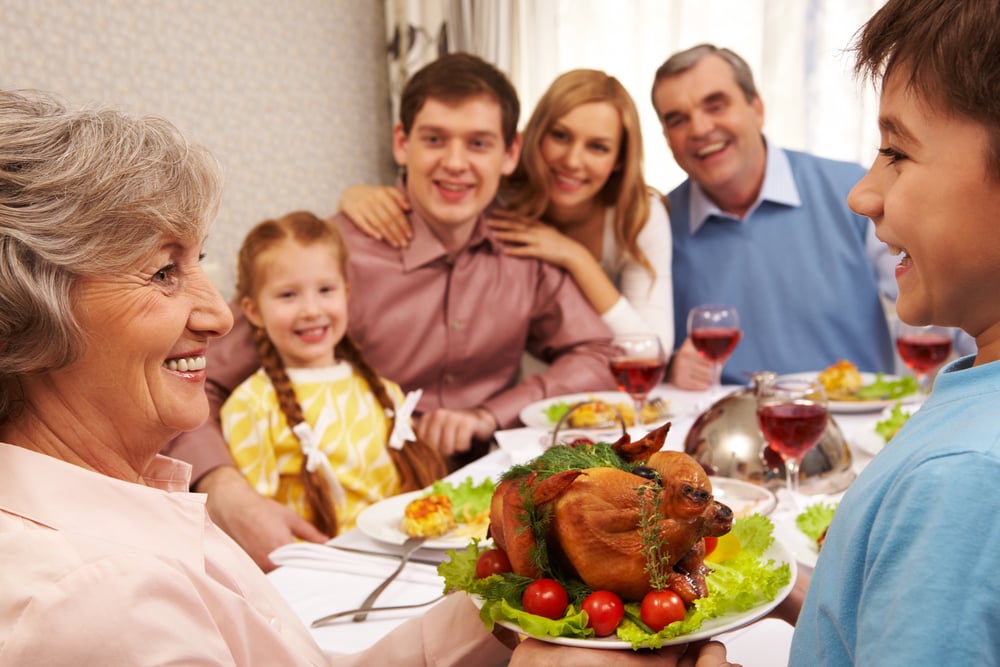
Some things don’t announce their importance while they’re happening. Sunday dinner was like that — ordinary enough to take for granted, significant enough to leave a durable absence when it stopped.
The table didn’t disappear dramatically. It just got smaller, then less frequent, then occasional, then something you did when someone came to visit from out of town.
And somewhere in that slow drift, something that once organized people around each other got quietly, almost accidentally, let go.
More from Go2Tutors!

- The Romanov Crown Jewels and Their Tragic Fate
- 13 Historical Mysteries That Science Still Can’t Solve
- Famous Hoaxes That Fooled the World for Years
- 15 Child Stars with Tragic Adult Lives
- 16 Famous Jewelry Pieces in History
Like Go2Tutors’s content? Follow us on MSN.