Why Certain Historical Figures Were Quietly Written Out of Textbooks
There’s a version of history that’s told in textbooks, and there’s the version that actually happened — and the gap between them isn’t accidental. The figures who got written out weren’t typically removed for lack of records or absence of impact.
They were removed because the story being built around them didn’t fit the story that someone, somewhere, needed the next generation to believe. That’s not a comfortable thought, but it’s a verifiable one.
The most useful thing you can do with any history textbook is treat it as a starting point rather than a verdict — a rough sketch of a much larger, stranger, more populated world than the one printed between its covers. The people who were edited out are still in the record. They’re just waiting for someone to go looking.
Bayard Rustin
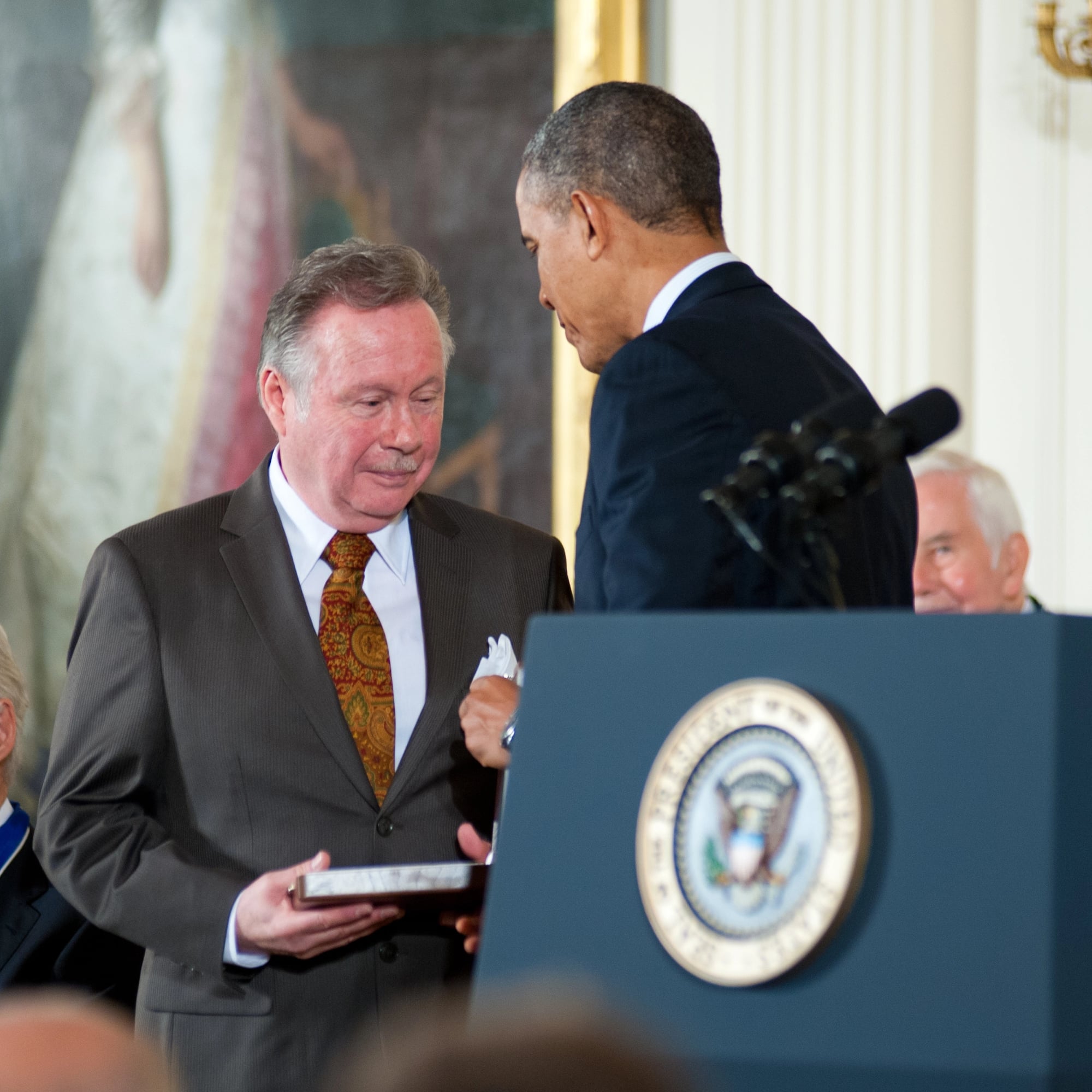
Bayard Rustin organized the 1963 March on Washington. Every logistical detail — the buses, the permits, the sound system — ran through him.
He was erased from the official story not because he failed, but because he was gay, and the movement’s public handlers decided that was a liability they couldn’t afford.
Sybil Ludington
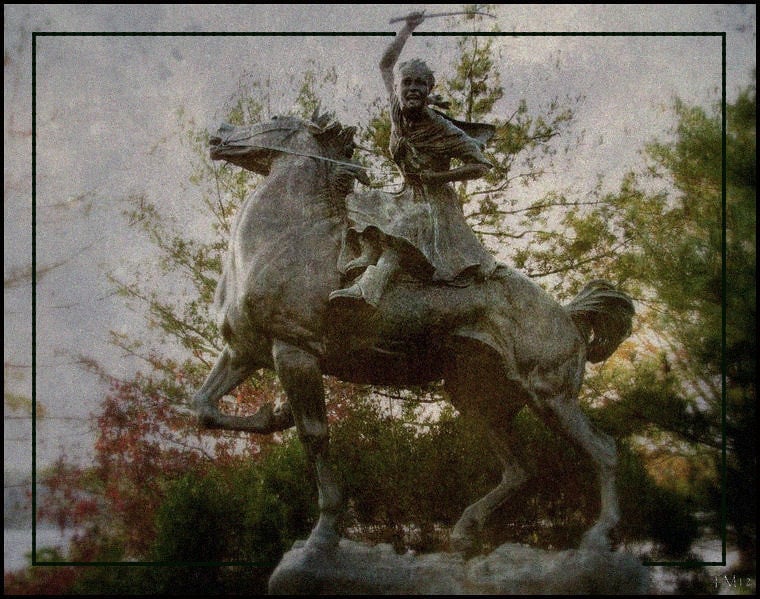
Paul Revere’s midnight ride gets its own poem, its own paintings, its own permanent slot in the American mythology — and yet Sybil Ludington, who rode twice as far (40 miles to Revere’s 20) through worse terrain and in the dark of April 1777, gets maybe a paragraph in a regional history textbook if she’s lucky, and nothing at all in most national curricula.
She was sixteen years old and riding to muster the militia, which — to be fair — is the kind of detail that should make every Revere story feel slightly incomplete. So it does.
It just doesn’t, for most people, because most people were never told she existed.
Bass Reeves
— Photo by rose.mosteller@gmail.com
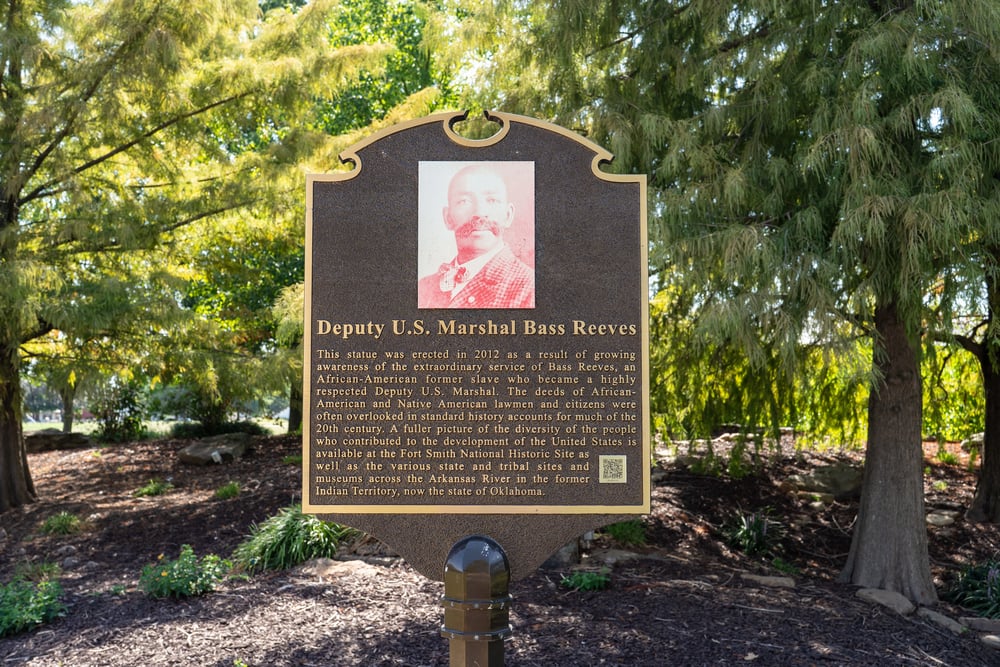
There’s a particular kind of erasure that works not by denying someone existed, but by letting the myth grow tall enough to cast a shadow over the real person. Bass Reeves — a formerly enslaved man who became one of the most effective U.S. Marshals in the history of the Oklahoma Territory, arresting over 3,000 felons and surviving decades of dangerous work without once being shot — is widely believed to be the real-world inspiration for the Lone Ranger.
The legend got the silver bullet and the white horse. Reeves got a footnote, eventually, if at all.
Claudette Colvin
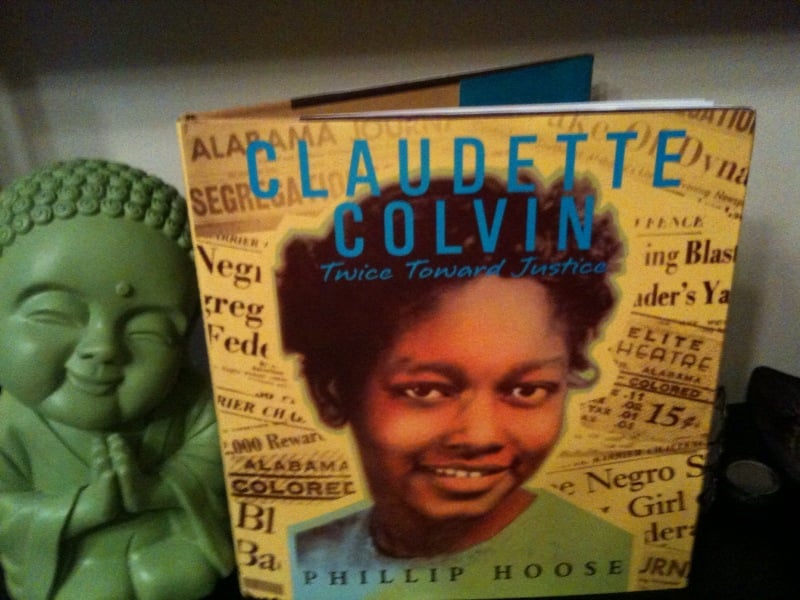
Claudette Colvin refused to give up her seat on a Montgomery, Alabama bus nine months before Rosa Parks did — same bus, same law, same act of refusal. The NAACP made a strategic decision not to build the movement around her because she was fifteen, unmarried, and pregnant, and they wanted a plaintiff who fit a tidier image.
To be fair, movements have always needed narratives the public can hold onto, but turns out “tidier image” is a strange criterion for deciding whose courage gets remembered and whose gets filed away.
Ching Shih

Ching Shih commanded over 1,800 vessels and roughly 80,000 sailors at the height of her power. She defeated fleets sent by the Portuguese, the British, and the Qing dynasty.
Western textbooks just didn’t have a category for a female Chinese pirate commander who retired on her own terms, so they skipped her.
James Armistead Lafayette
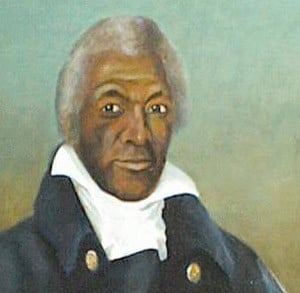
James Armistead was an enslaved man who served as a double agent during the American Revolutionary War — feeding false information to the British while passing genuine intelligence to the Marquis de Lafayette — and his work at the siege of Yorktown is considered by historians to have been genuinely pivotal, not decorative, not symbolic, but operationally significant in a way that shaped the outcome.
The Marquis himself (who, it should be noted, named the man as a key reason for the American victory) wrote a personal letter of recommendation that helped Armistead secure his freedom from Virginia’s legislature. And yet the story of the Revolution, as most American students receive it, has room for Valley Forge and the Declaration but apparently not for the spy who helped make both of those things matter.
Zitkála-Šá
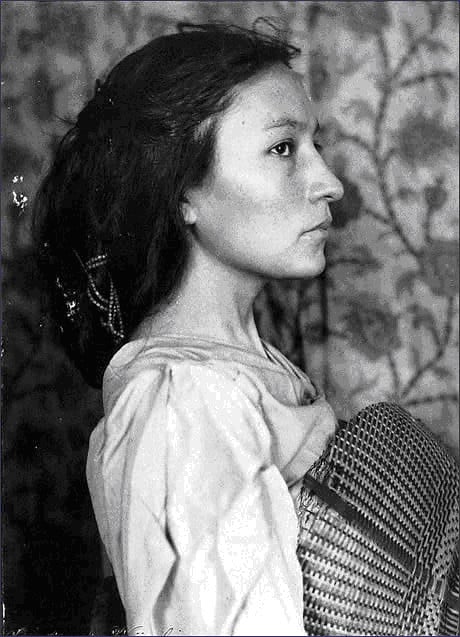
Zitkála-Šá wrote, composed, and argued with a precision that made people uncomfortable — a Yankton Dakota woman who published essays in The Atlantic Monthly in 1900, co-wrote the first Native American opera ever performed, and spent decades fighting U.S. government policies that were stripping Indigenous people of land, citizenship rights, and children.
Her writing has the quality of a scalpel: it doesn’t describe injustice so much as expose the architecture underneath it. Textbooks that include her at all tend to reduce her to a brief reference under “Native American activism,” which is a little like summarizing a surgeon by noting they once held a knife.
Ibrahim Al-Sahili

The trans-Saharan exchange of knowledge, architecture, and wealth in the 14th century was genuinely world-altering, and Ibrahim Al-Sahili was one of its most significant figures. He traveled from Granada to Mali with Mansa Musa in 1324, introduced new architectural techniques to West Africa, and helped shape the built environment of cities like Timbuktu that were intellectual centers of the medieval world.
Western curricula have historically been stubborn about treating African scholarship as peripheral rather than central, which is why Al-Sahili rarely appears — not because the record is thin, but because the frame was set long before accuracy became the priority.
William James Sidis
William James Sidis entered Harvard at eleven years old and could reportedly read and write in over forty languages. The press hounded him for being a prodigy, then mocked him when he chose obscurity over fame.
His serious intellectual work — particularly on cosmology and what amounted to an early theory of reversible entropy — was never given a fair academic hearing during his lifetime.
Smedley Butler
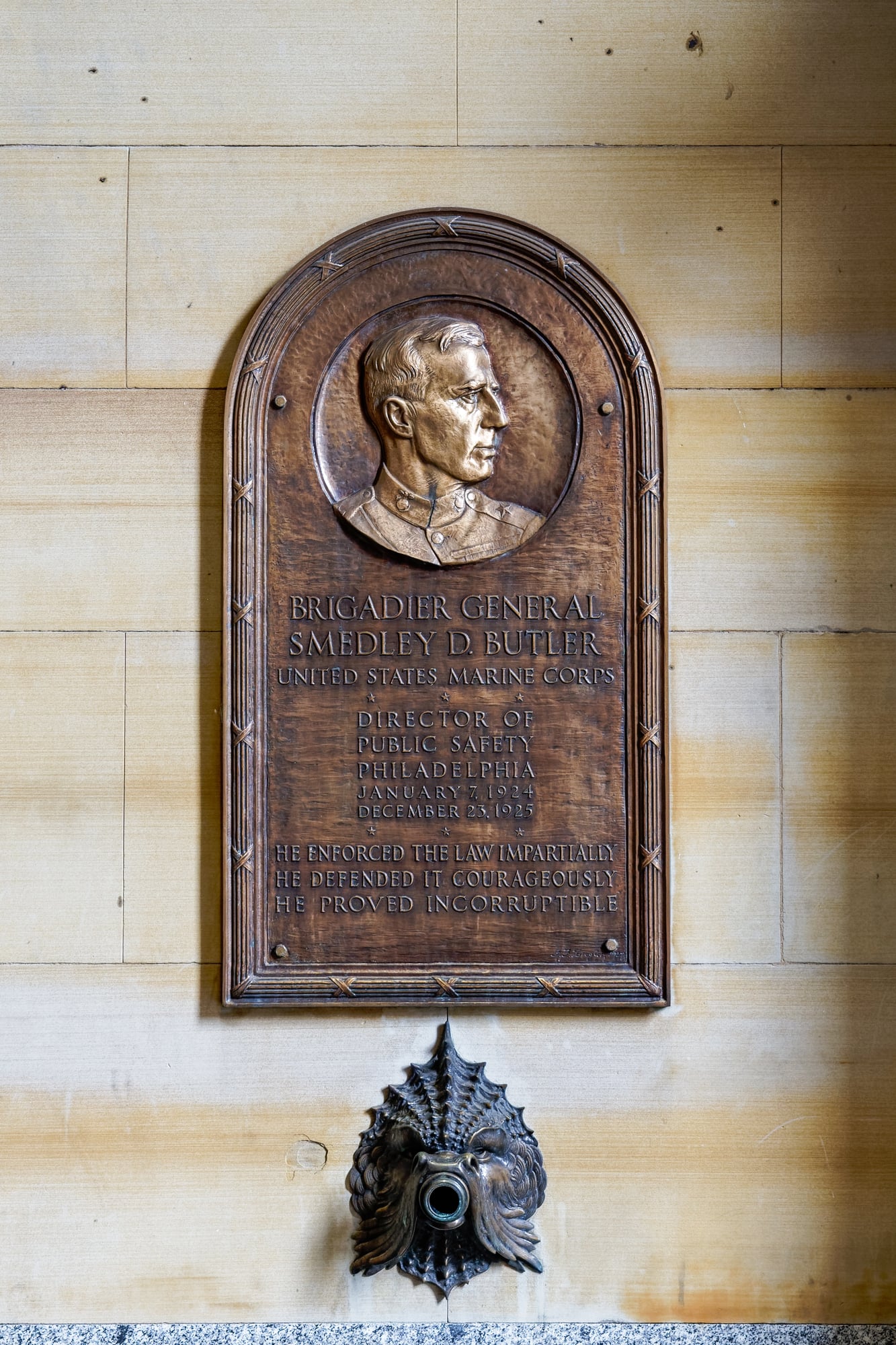
Smedley Butler was, at the time of his death in 1940, the most decorated Marine in American history — two Medals of Honor, a career spanning three decades — and he spent the last years of his life publicly arguing that the wars he’d fought were conducted in the service of corporate profit rather than national security, which (given that he’d actually fought them and could name names) made his testimony considerably harder to dismiss than the typical anti-war pamphlet.
His 1935 book laid out a case that American military interventions in places like Nicaragua and Haiti were essentially collection operations for Wall Street banks, and it did so with the specificity of someone who had personal knowledge of each engagement. That perspective — decorated soldier, systemic critique, institutional memory — is precisely the kind of thing that tends to vanish from the textbook version of 20th-century American history.
Susie King Taylor
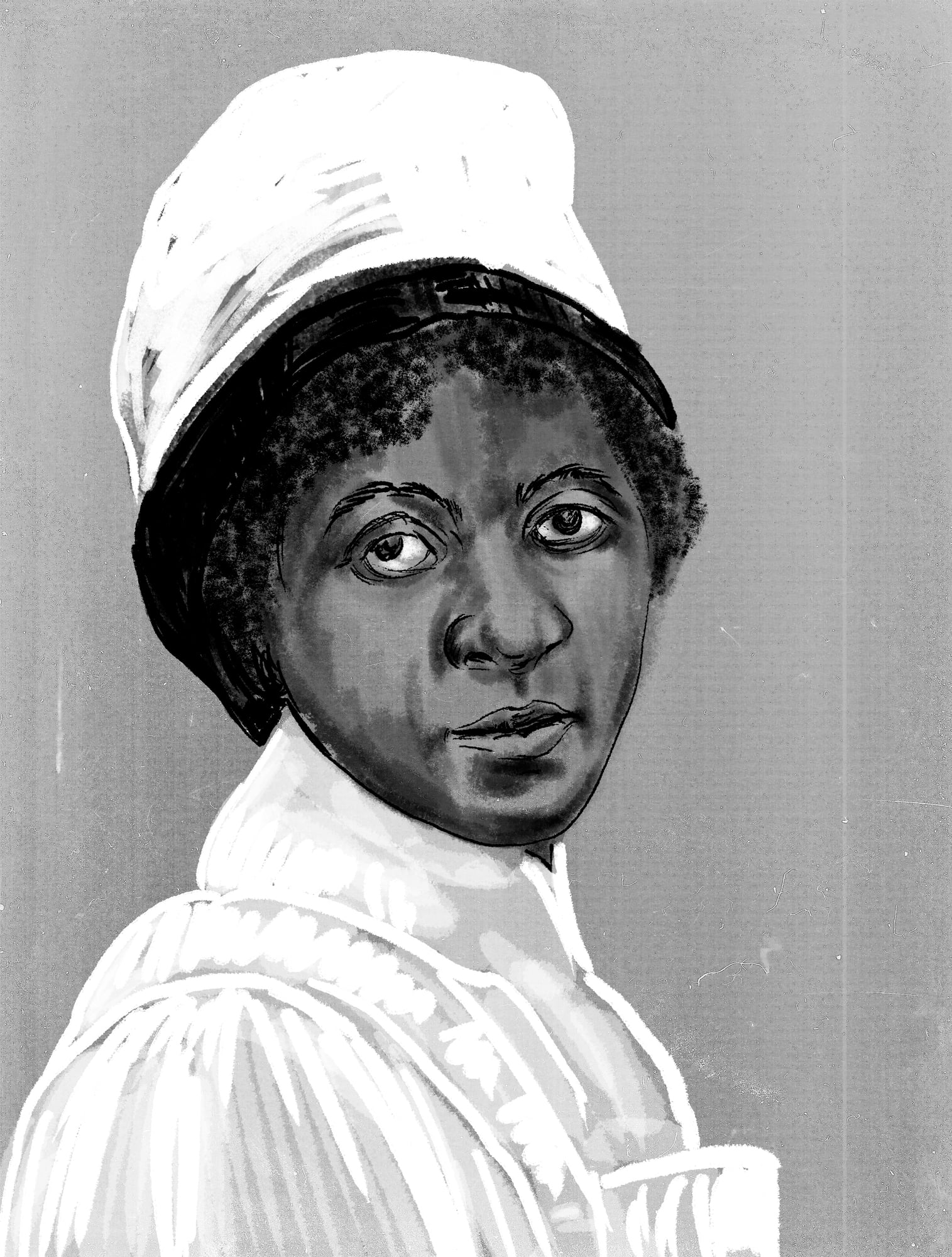
Most people who encounter the story of the Civil War encounter it through the commanders: the grand arguments, the battlefield maps, the figures who appear in oil portraits with good posture. Susie King Taylor — who was enslaved, taught herself to read in secret, escaped, and then spent years nursing and educating Black Union soldiers while also serving as a laundress with the 1st South Carolina Volunteers — left a memoir that reads like everything the official history forgot to include.
Her account is precise, unglamorous, and deeply human in a way that the marble-and-monument version of the war simply isn’t.
Nikola Tesla’s Later Work
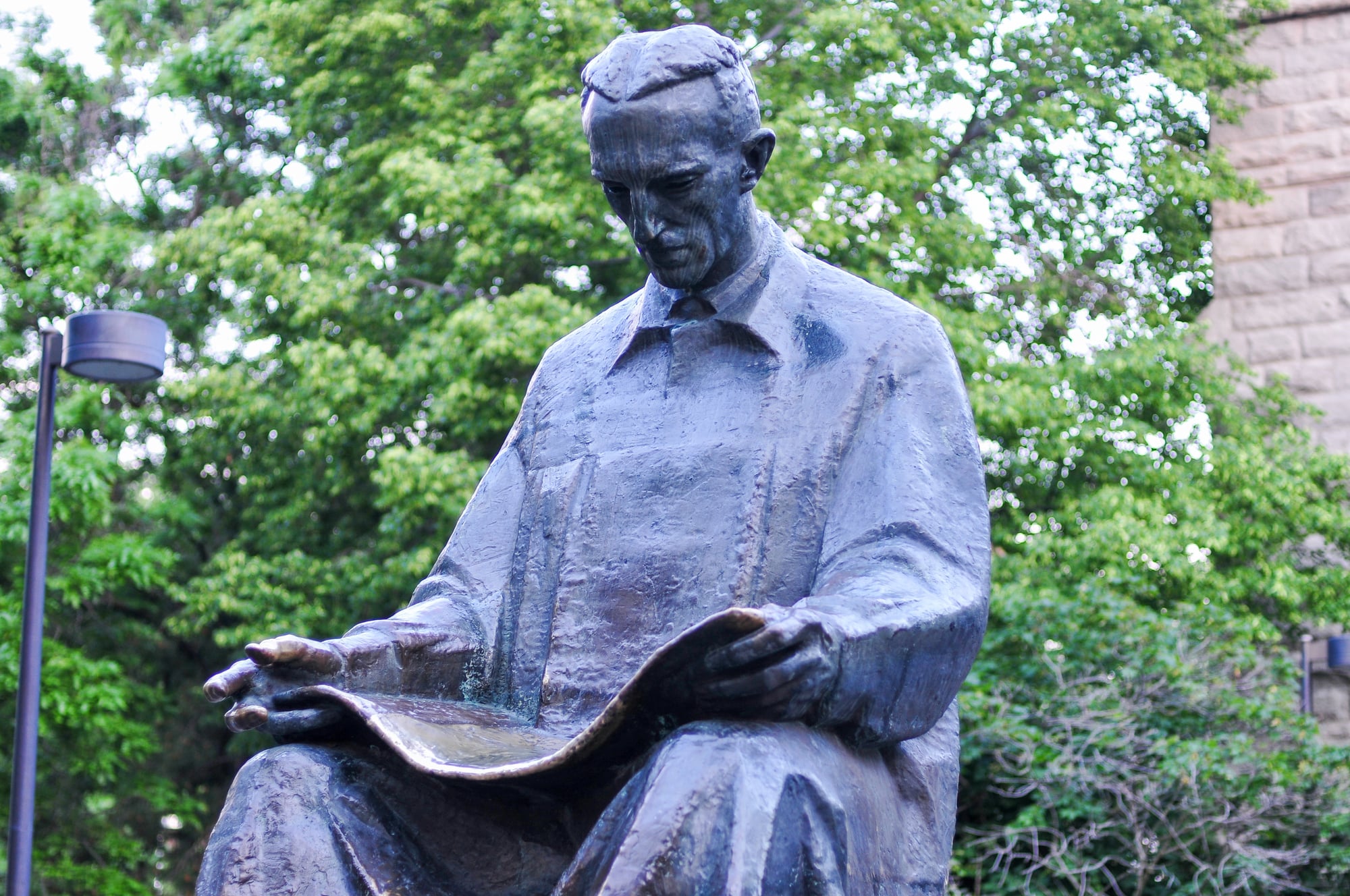
Tesla’s early contributions to alternating current are firmly in the record — that battle with Edison is too dramatic to omit. But his later theoretical work, including serious proposals around wireless energy transmission and atmospheric electricity, gets consistently framed as eccentricity rather than inquiry.
Turns out labeling a scientist’s final decades as a breakdown is much tidier than engaging with ideas that don’t fit the existing industrial framework, which is saying something about what textbooks are actually protecting when they edit.
Forgotten Women of NASA
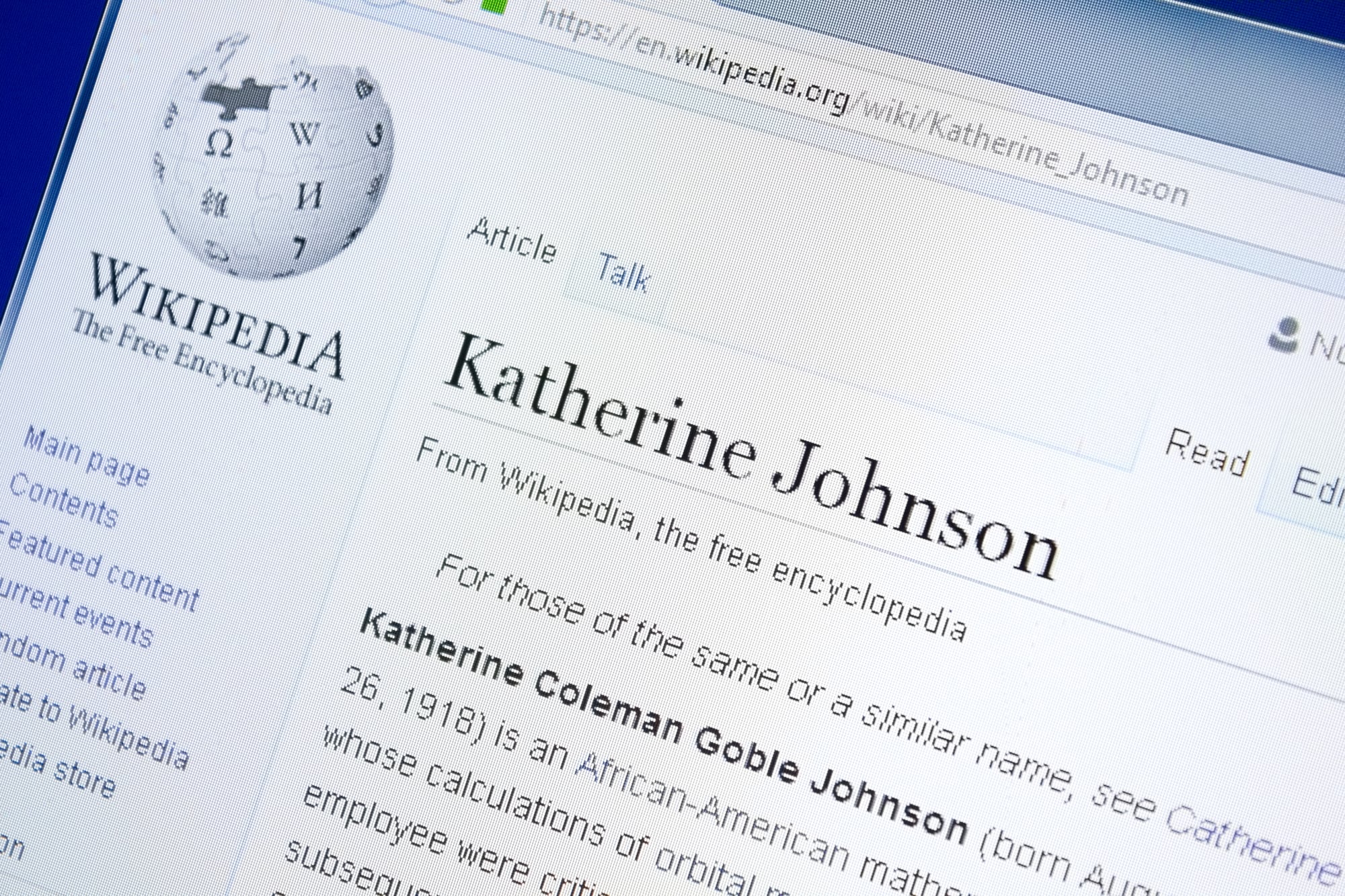
Katherine Johnson, Dorothy Vaughan, and Mary Jackson did the mathematics that made American spaceflight possible. Their contributions were classified, uncredited, or attributed elsewhere for decades.
A 2016 film brought them back into public view — not a textbook, a film.
Patrice Lumumba
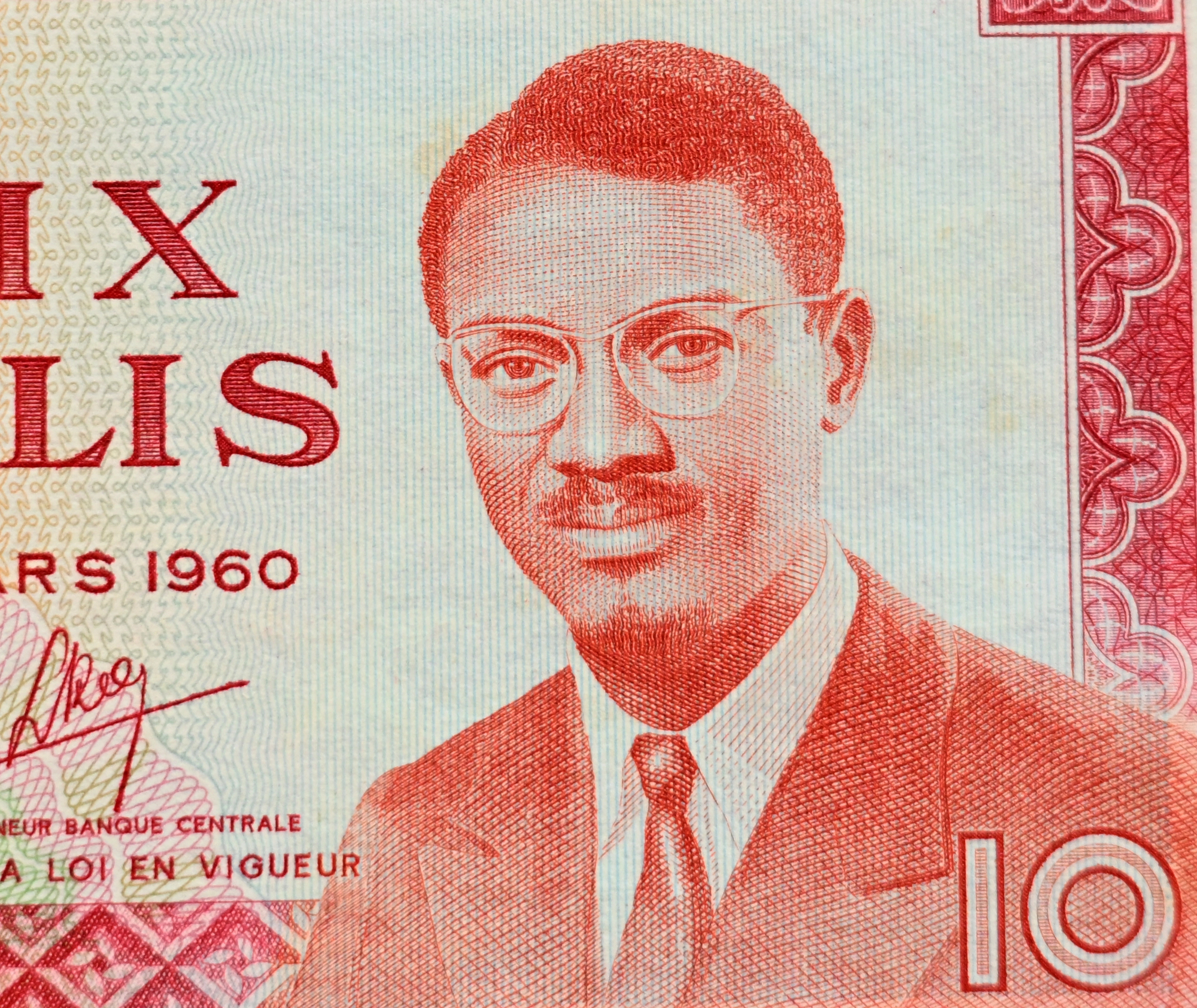
Patrice Lumumba was the first democratically elected Prime Minister of the Democratic Republic of Congo — in office for less than three months before being overthrown in a coup that had documented involvement from the CIA and Belgian intelligence, imprisoned, tortured, and executed in January 1961 — and the deliberate suppression of his story from Western curricula is not a matter of limited information but of active preference, because the full account of what happened to him is an uncomfortable mirror held up to Cold War foreign policy.
His speeches, which survive in translation, are remarkable documents: precise, uncompromising, addressed to a world that had already decided to stop listening. So he gets mentioned rarely, usually briefly, usually without the coup part, which is the part that explains everything else.
Ida B. Wells
Ida B. Wells was a journalist who did the kind of work that is, by any measure, extraordinarily dangerous — traveling through the American South in the 1890s to document lynchings, compiling evidence, publishing statistics, and forcing a record into existence at a time when the people committing those acts were not expecting anyone to write it down.
Her investigative methods were rigorous enough that the conclusions were hard to argue with, so the response was largely to argue with her instead, through threats, exile, and a long institutional effort to keep her name out of the spaces where the word “journalist” gets defined with any permanence.
The Tulsa Race Massacre Victims
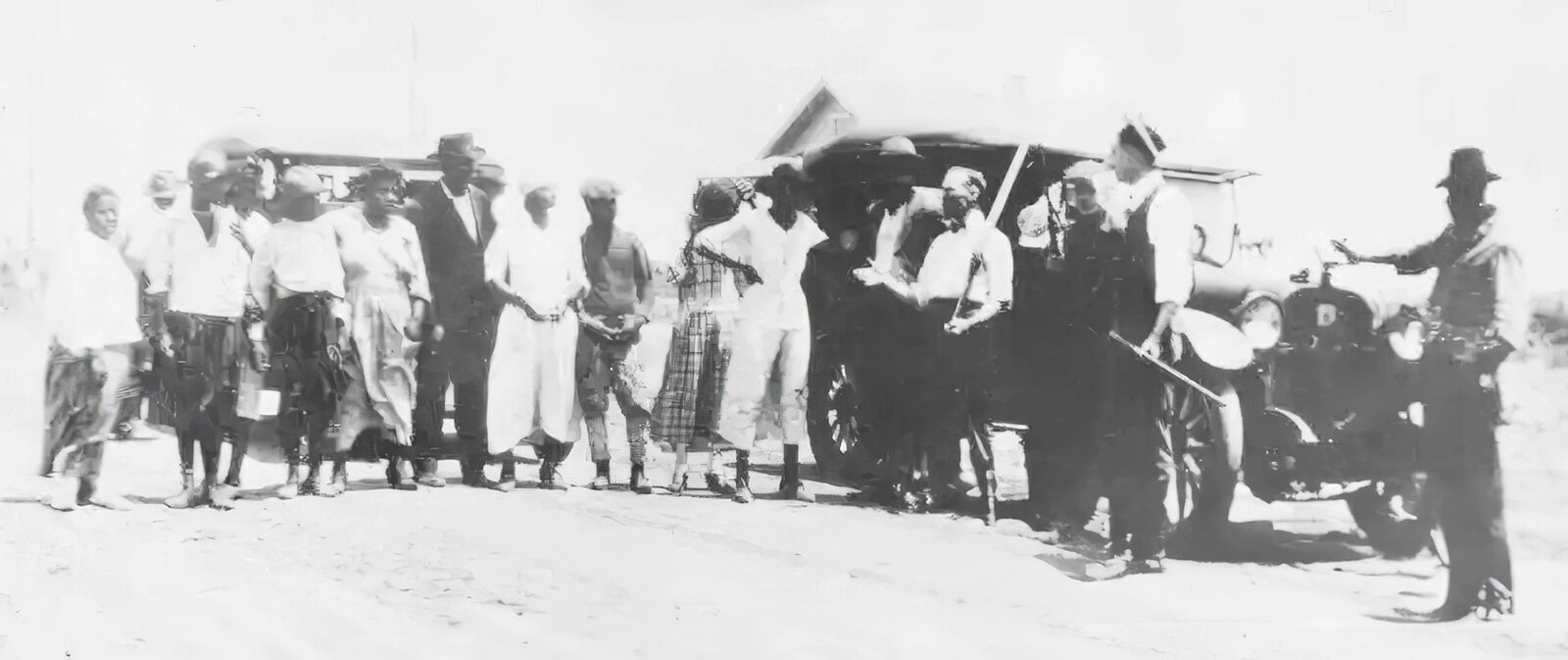
The Tulsa Race Massacre of 1921 destroyed a prosperous Black neighborhood called Greenwood — sometimes called “Black Wall Street” — killed an estimated 300 people, left 10,000 homeless, and was actively suppressed from public record for decades by the state of Oklahoma.
Not underreported: suppressed. Official documents were removed, investigations were closed, and it took until 1996 for a state commission to formally acknowledge what happened.
That’s 75 years of organized forgetting — which takes more effort than most people realize, and is not something that happens without institutional decision-making at every level of what goes into the official account.
Albert Parsons
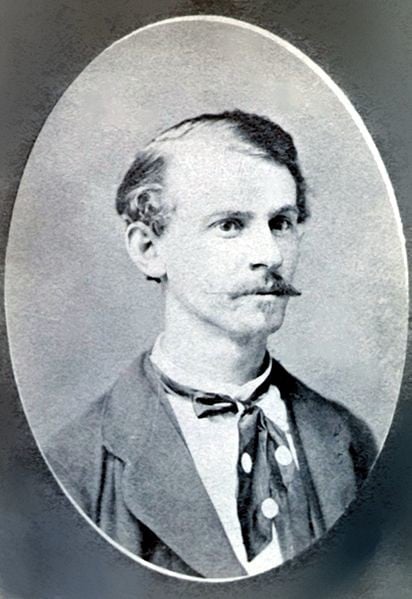
Albert Parsons was executed in 1887 for his alleged role in the Haymarket affair, despite evidence of his guilt being, at best, extremely thin. He was a labor organizer, and that was probably enough.
The holiday now called Labor Day was moved in the United States specifically to avoid commemorating the international May Day that grew out of his death and the Haymarket trial.
More from Go2Tutors!

- The Romanov Crown Jewels and Their Tragic Fate
- 13 Historical Mysteries That Science Still Can’t Solve
- Famous Hoaxes That Fooled the World for Years
- 15 Child Stars with Tragic Adult Lives
- 16 Famous Jewelry Pieces in History
Like Go2Tutors’s content? Follow us on MSN.