25 Ancient Cities That Were Abandoned and Then Rediscovered Centuries Later
A city is not only a collection of buildings. It is a place where people lived, argued, cooked meals, buried their dead, and organized their days around predictable rhythms.
When the rhythms stopped and the people left, the buildings eventually disappeared under sand, jungle, volcanic ash, or the slow accumulation of centuries. Then someone arrived and started digging.
What they found was almost always more sophisticated than anyone expected. The cities on this list were not primitive places.
They were centers of commerce, religion, and administration, built by people who understood architecture, astronomy, hydraulics, and urban planning. The reason they fell silent says as much about the fragility of civilization as the ruins themselves.
Pompeii, Italy
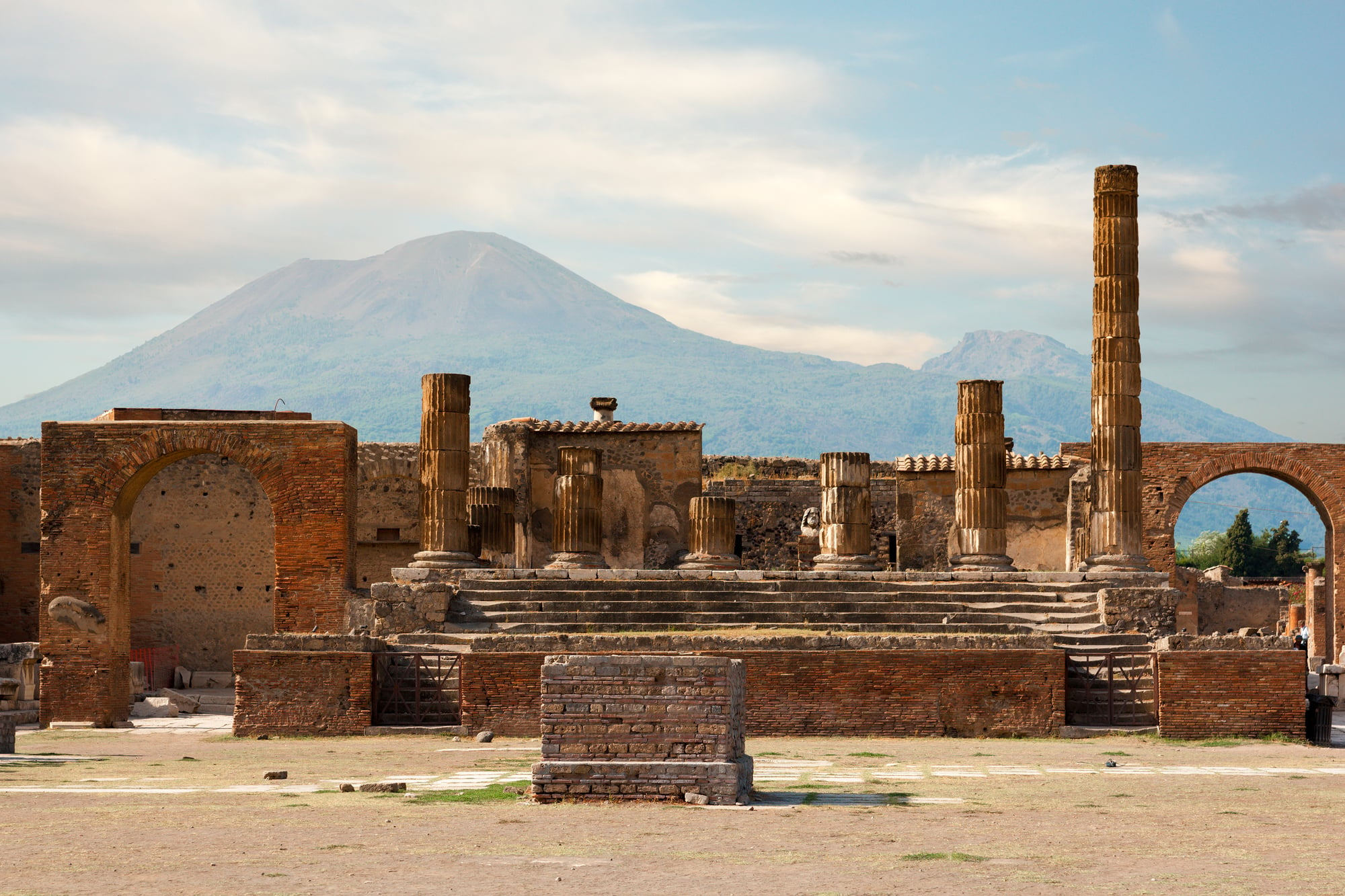
In 79 CE, Mount Vesuvius erupted and buried the Roman city of Pompeii under several meters of volcanic ash and pumice within hours. The ash preserved the city so completely that when systematic excavation began in the eighteenth century, archaeologists found not just structures but meals left on tables, graffiti on walls, loaves of bread in bakery ovens, and the impressions of bodies in the positions in which people died.
Pompeii was briefly uncovered as early as 1599 by an architect named Domenico Fontana, but serious excavation did not begin until 1748. The site remains only partially excavated, and ongoing digs continue to produce new finds.
Machu Picchu, Peru
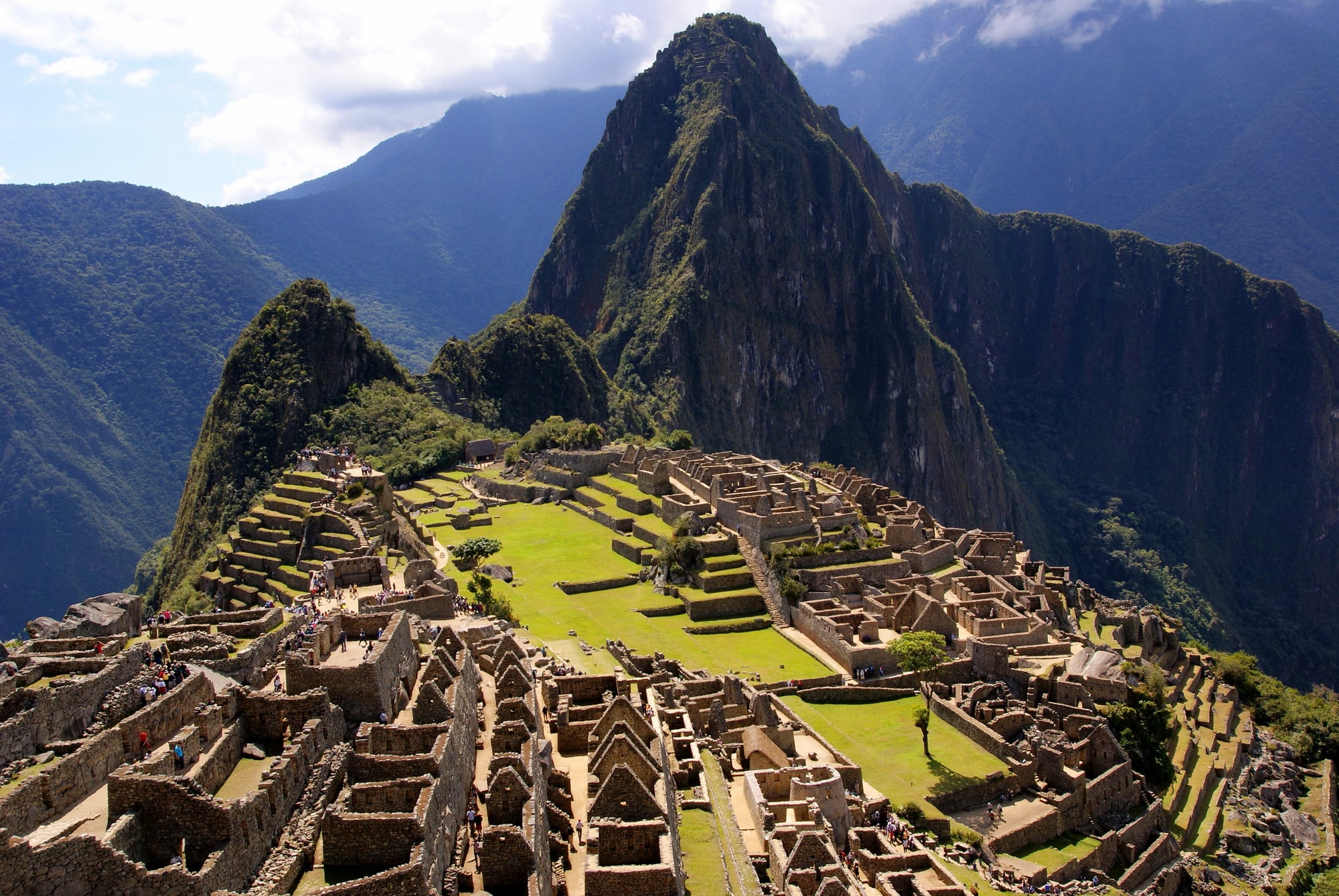
Built around 1450 CE at the height of the Inca civilization and constructed at an elevation of 7,900 feet in the Peruvian Andes, Machu Picchu was abandoned after roughly a century, likely following the Spanish conquest.
American explorer Hiram Bingham arrived at the site in 1911, guided by a local farmer named Melchor Arteaga for the equivalent of fifty cents. Bingham published an account and photographs in National Geographic in 1913, introducing the site to international audiences, though local people had never lost knowledge of its existence.
The site comprises more than 200 structures, including temples aligned with solar movements, agricultural terraces, and an aqueduct system, all built without iron tools or mortar.
Petra, Jordan
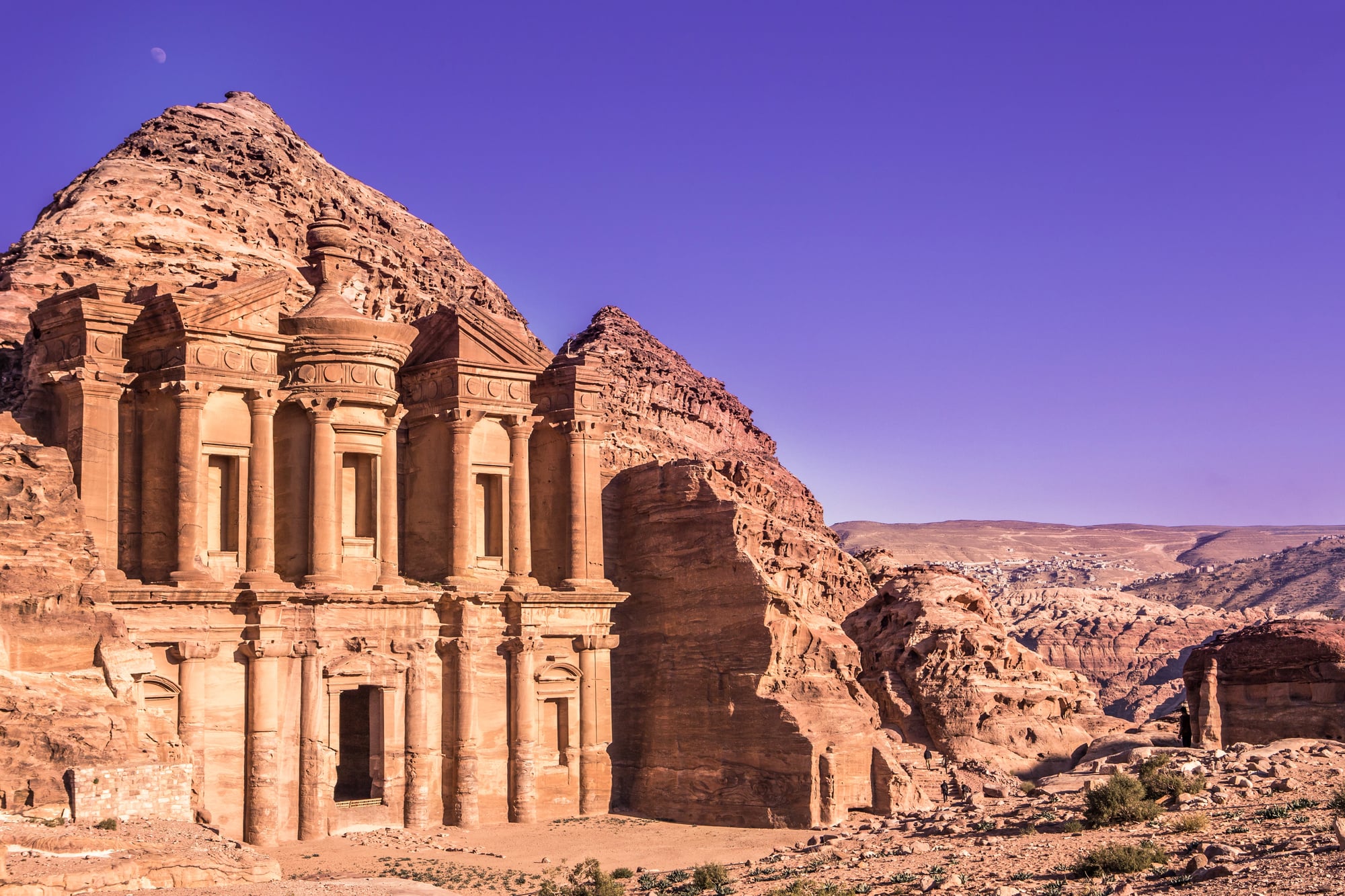
The Nabataean people carved their city directly into the rose-red sandstone cliffs of what is now southern Jordan around 300 BCE, building facades, tombs, temples, and an elaborate hydraulic system that captured rainwater in the desert.
At its height Petra was a prosperous trading hub connecting Arabia, Egypt, and the Mediterranean. Shifts in trade routes and a series of earthquakes weakened the city over the following centuries, and it was largely abandoned by the Byzantine period.
Swiss explorer Johann Ludwig Burckhardt rediscovered it in 1812 by disguising himself as an Arab pilgrim to gain access. The Treasury — Petra’s most famous structure — is believed to be a royal tomb rather than any kind of financial institution.
Angkor, Cambodia
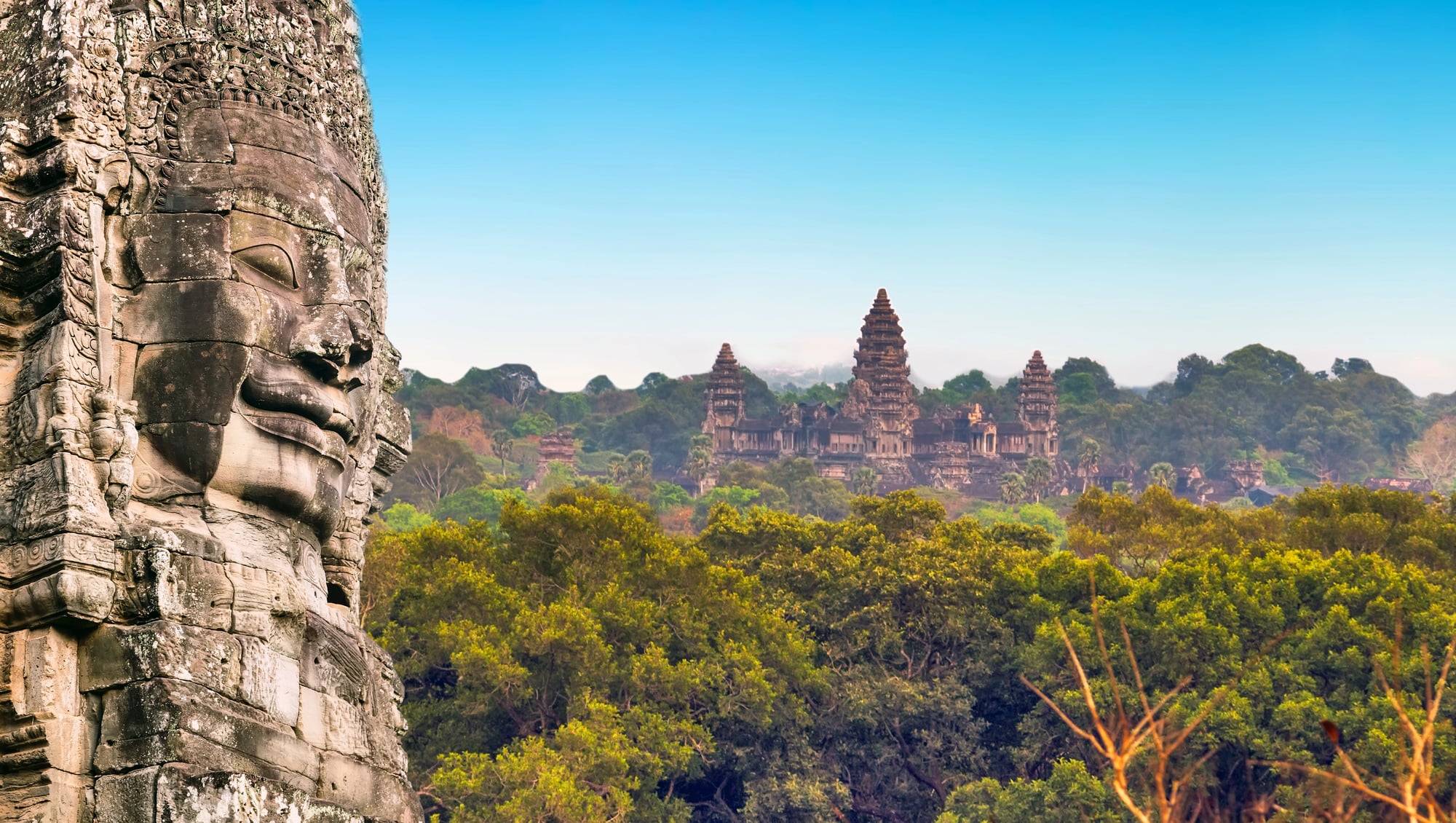
Between the ninth and fifteenth centuries, the Khmer Empire built a city in what is now northwestern Cambodia that at its peak housed roughly one million people, making it among the largest pre-industrial urban centers on earth.
The complex includes Angkor Wat, the largest religious monument in the world by land area. After the empire’s decline, the site was gradually reclaimed by jungle.
Portuguese and Chinese travelers noted its existence in the sixteenth century, but systematic Western attention came in the 1860s when French naturalist Henri Mouhot published detailed descriptions and sketches. In 2012, LiDAR surveys revealed that the urban network surrounding Angkor Wat was vastly larger than previously understood.
Troy, Turkey
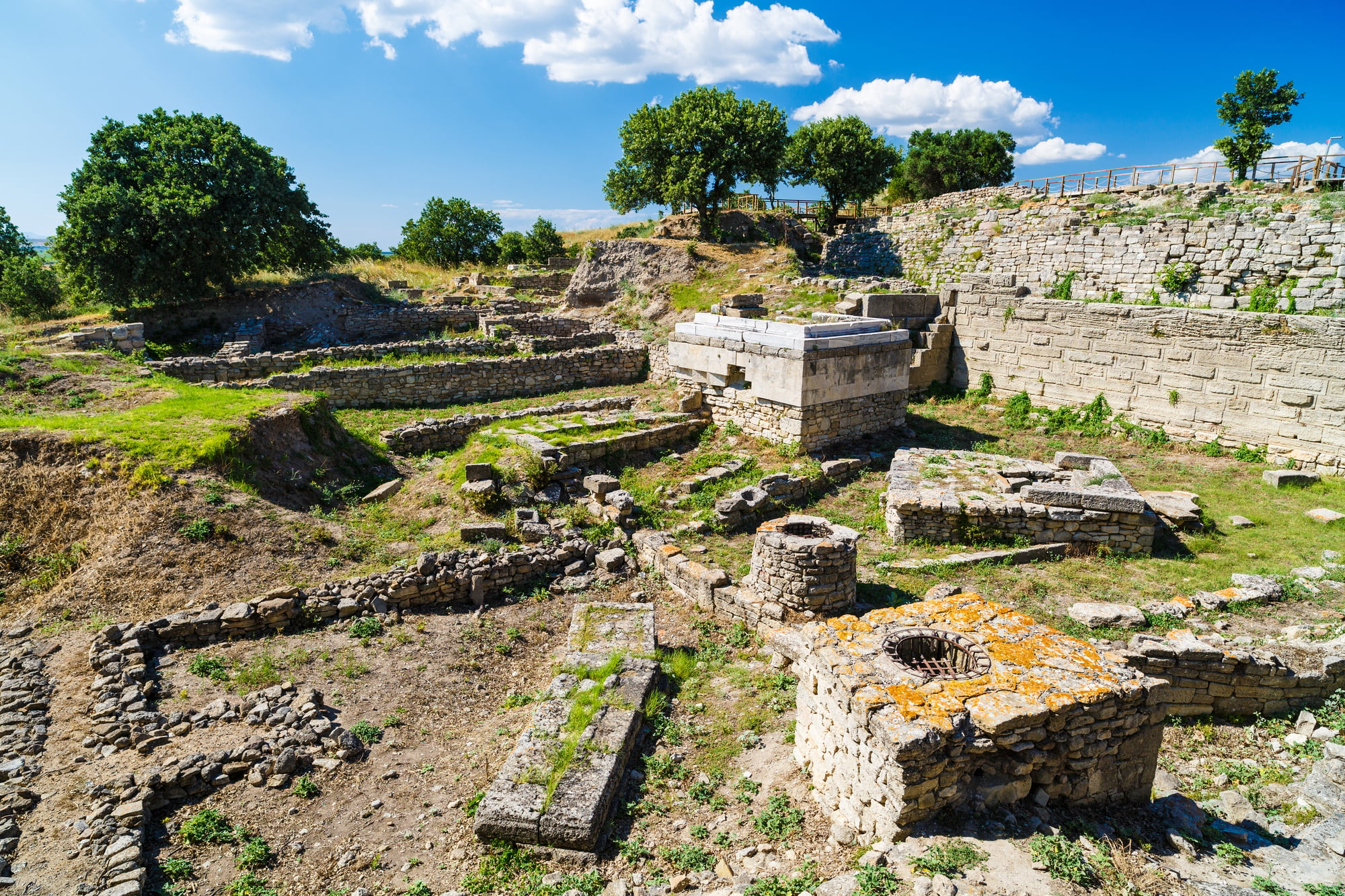
For much of the nineteenth century, scholars debated whether the Troy of Homer’s Iliad had ever existed outside of poetry. German businessman Heinrich Schliemann, convinced of Troy’s historical reality, excavated Hissarlik Hill in what is now northwestern Turkey beginning in 1871 and found not one city but nine successive settlements layered beneath each other — each built on the ruins of the one before.
The layer archaeologists now identify as Homeric Troy (Troy VIIa) dates to approximately 1200 BCE. Schliemann’s methods were destructive by modern standards, but his determination proved that the legendary city occupied real ground.
Mohenjo-daro, Pakistan
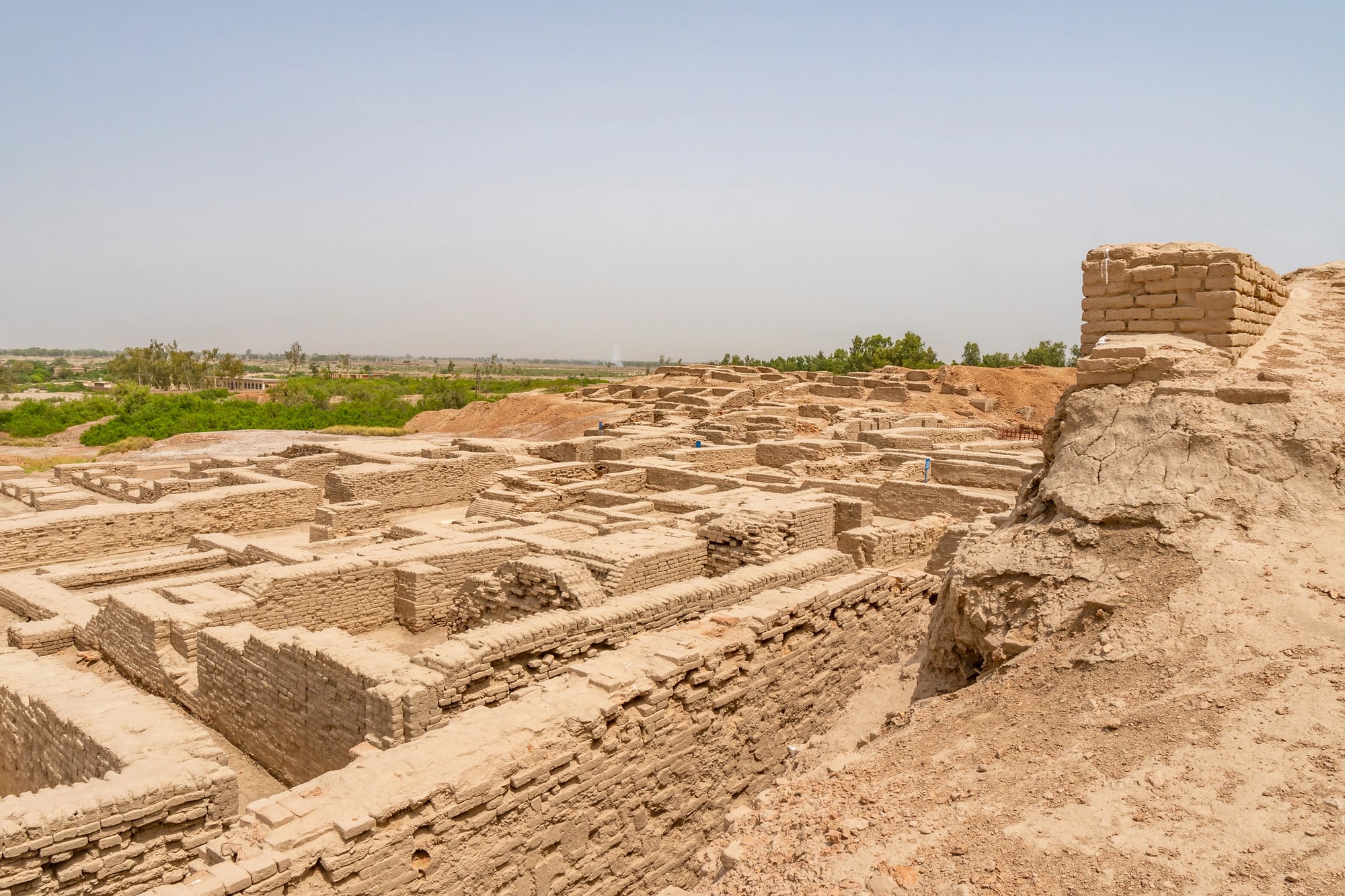
One of the largest cities of the Indus Valley Civilization, Mohenjo-daro was built around 2600 BCE in what is now Sindh Province, Pakistan, and at its height supported a population estimated at 40,000.
Its street grid, covered sewerage system, public bath, and individual household toilets represented a level of urban planning that would not be matched in Europe for several thousand years. The city was abandoned around 1900 BCE, likely due to climate change and flooding.
British archaeologist R. D. Banerji discovered the site in 1922, and large-scale excavations in the 1920s and 1930s revealed a civilization that had previously been entirely unknown to modern scholarship.
Tikal, Guatemala
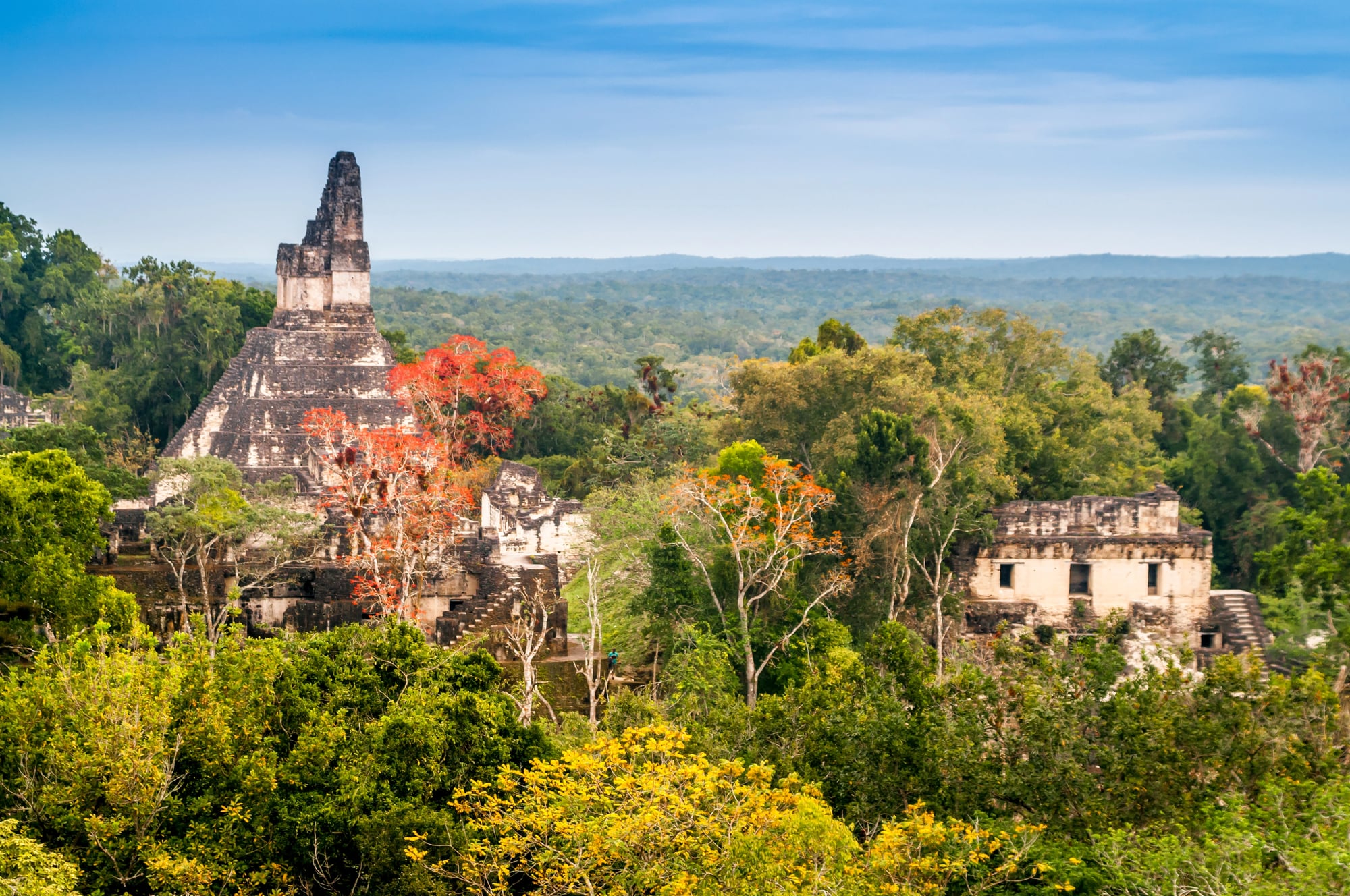
Between 200 and 900 CE, Tikal was one of the most powerful cities in the Maya world, with a population estimated between 100,000 and 200,000 people. Its pyramids rise above the jungle canopy of what is now northern Guatemala, and the city’s dominance was maintained through a combination of trade, military power, and strategic alliances.
The Classic Maya Collapse of the ninth century, likely caused by a combination of drought, deforestation, and political fragmentation, emptied the city. By the time Spanish conquistadors passed through in 1525, they found only jungle.
The ruins were officially documented by a Guatemalan expedition in 1848 and became a UNESCO World Heritage Site in 1979.
Skara Brae, Scotland
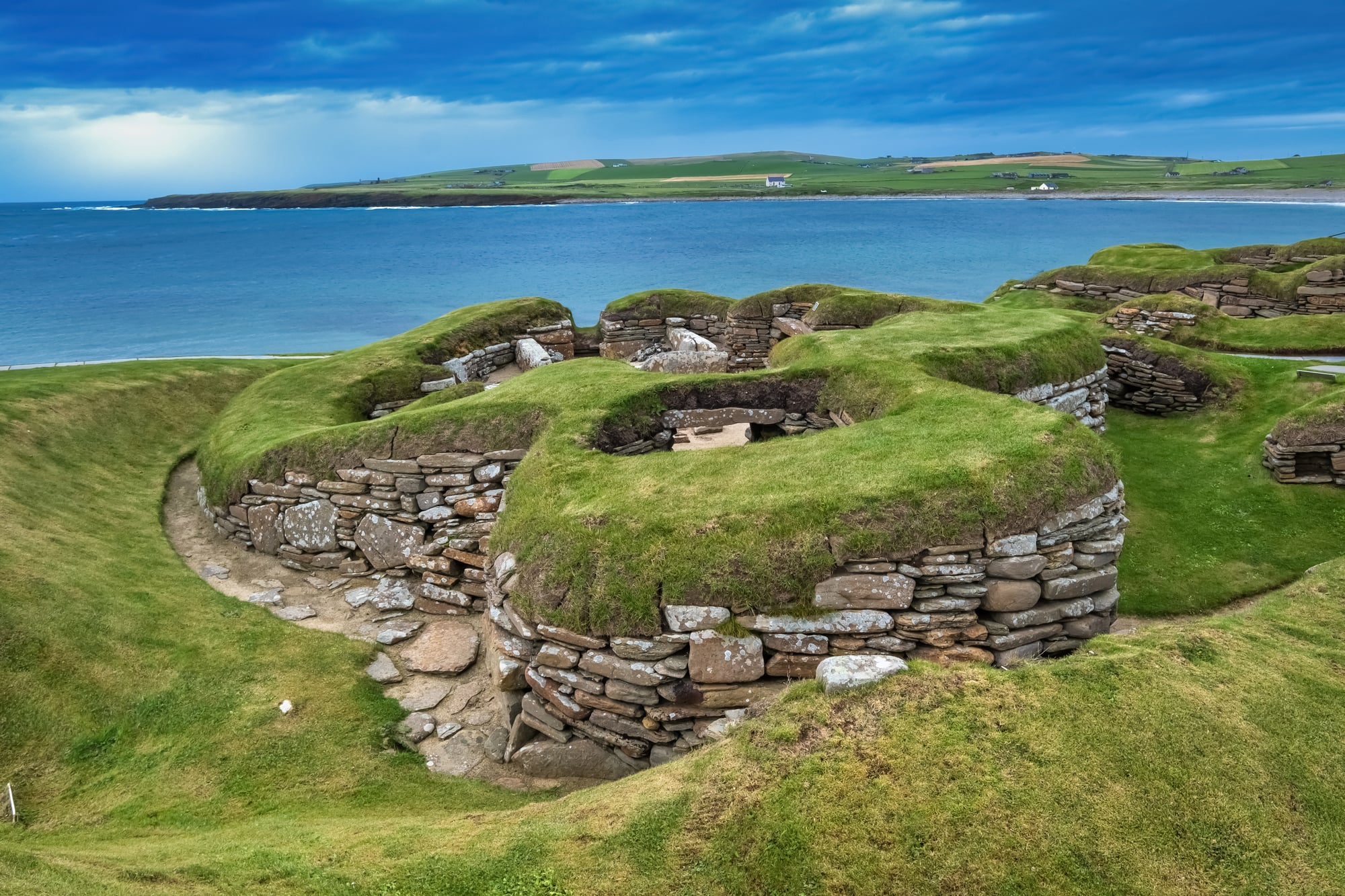
Preserved beneath sand dunes on the Orkney Islands and dating to approximately 3100 BCE, Skara Brae is one of the best-preserved Neolithic settlements in Europe.
Its stone houses — connected by covered walkways and featuring built-in stone furniture including shelves, beds, and storage boxes — were invisible beneath dunes until a severe storm in 1850 eroded the covering and exposed the ruins.
The settlement predates both Stonehenge and the Egyptian pyramids. Its abandonment around 2500 BCE is attributed to changing climate conditions, which made the site increasingly uninhabitable.
Palmyra, Syria
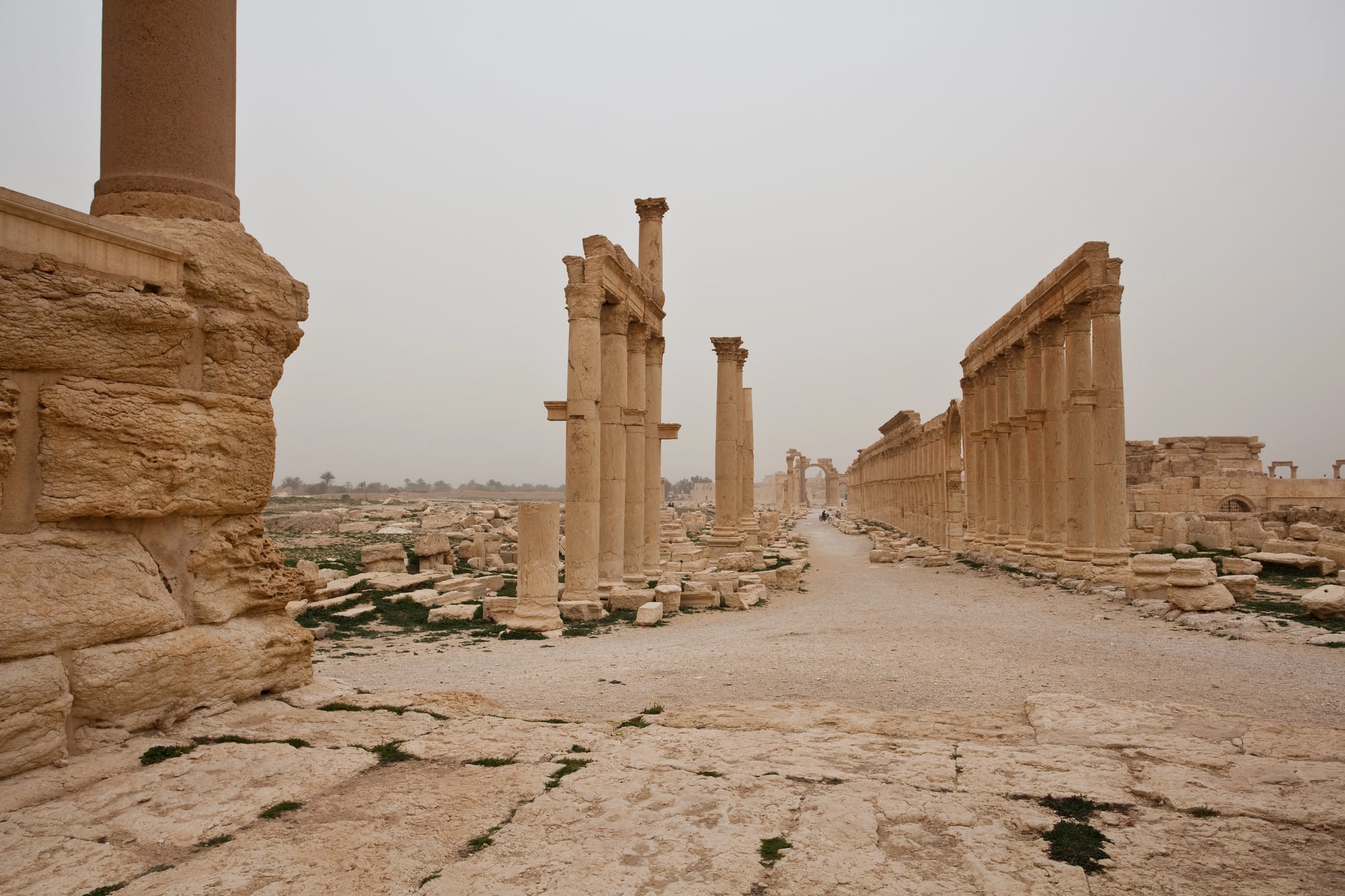
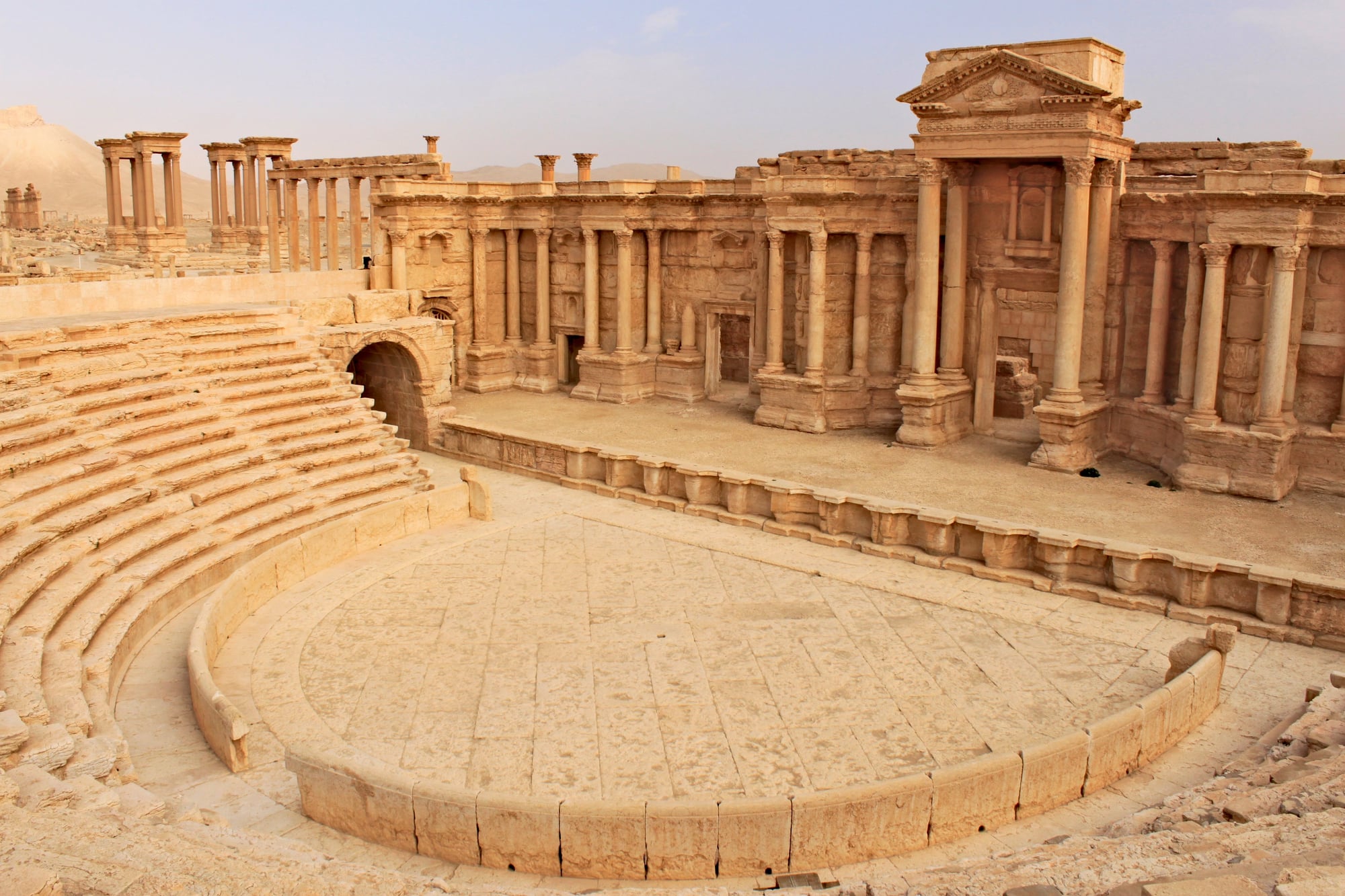
Known in antiquity as the “Bride of the Desert,” Palmyra was a prosperous trading city in the Syrian steppe that served as a junction between the Roman Empire and the Silk Road. Its colonnaded streets and temples drew travelers for centuries.
After a period of remarkable autonomy under Queen Zenobia in the third century CE, Palmyra was suppressed by Rome and gradually declined under Byzantine and then Arab rule, falling into virtual abandonment under Ottoman governance.
European travelers began documenting its ruins in the seventeenth century. The site gained international attention in 2015 when the Islamic State of Iraq and Syria captured the city and systematically destroyed significant portions of it.
Cahokia, United States
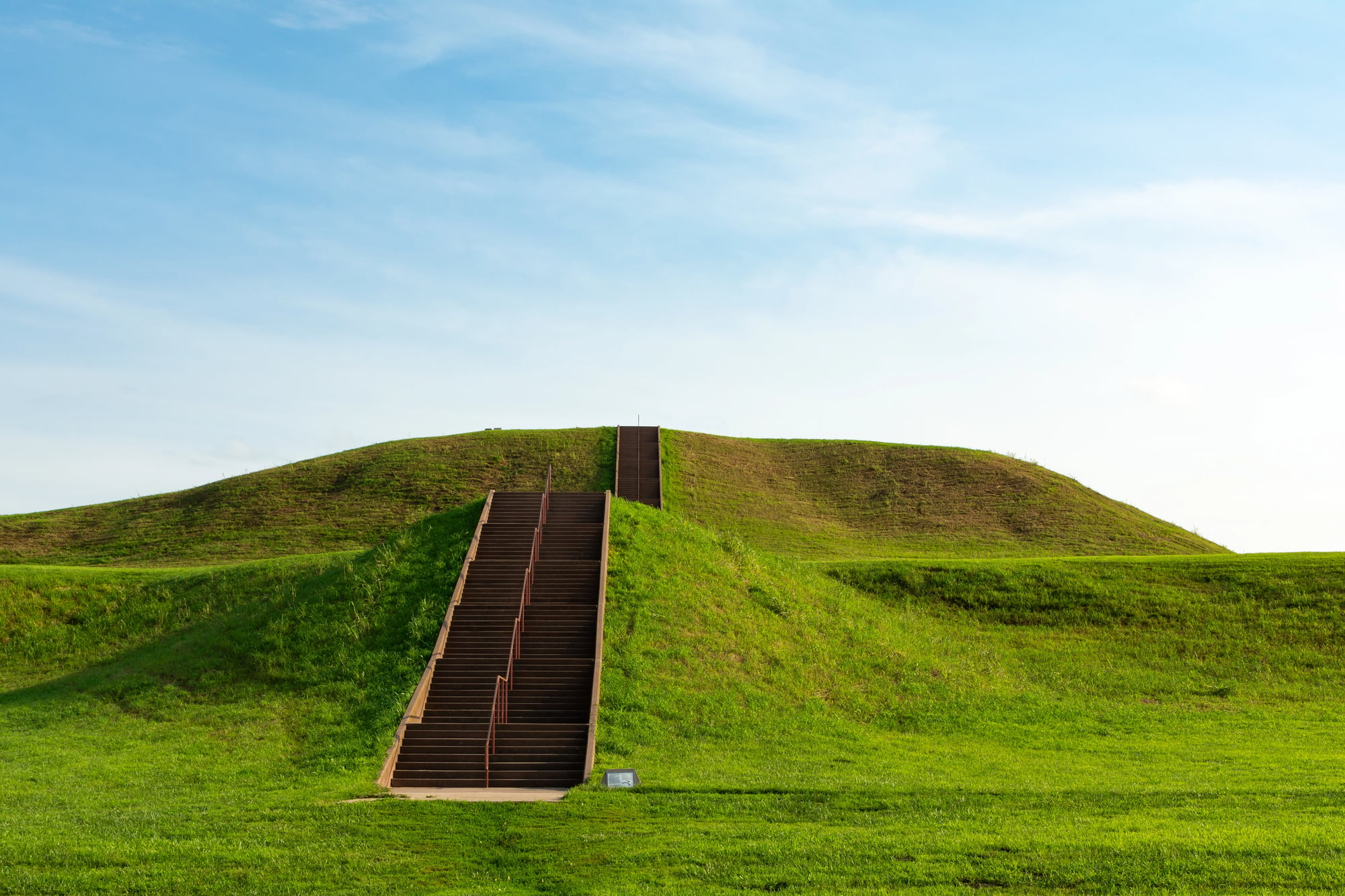
Located across the Mississippi River from what is now St. Louis, Missouri, Cahokia was the largest pre-Columbian city north of Mexico, with an estimated population of 10,000 to 20,000 people at its peak around 1100 CE.
Its builders constructed more than 120 earthen mounds, the largest of which — Monks Mound — contains more material by volume than the Pyramid of the Sun at Teotihuacan. The city was abandoned by around 1350 CE, probably due to deforestation, crop failures, and political fragmentation.
When European settlers arrived, the mounds were so large that many assumed they were natural landforms. The site was designated a UNESCO World Heritage Site in 1982.
Ciudad Perdida, Colombia
In 1972, gold figurines and ceramic urns of an unknown style began appearing on the black market in Colombia’s Caribbean coastal region.
Authorities traced the objects back through a network of looters to a site hidden in dense jungle at roughly 1,300 meters elevation in the Sierra Nevada de Santa Marta. Colombian archaeologists formally documented the city in 1976.
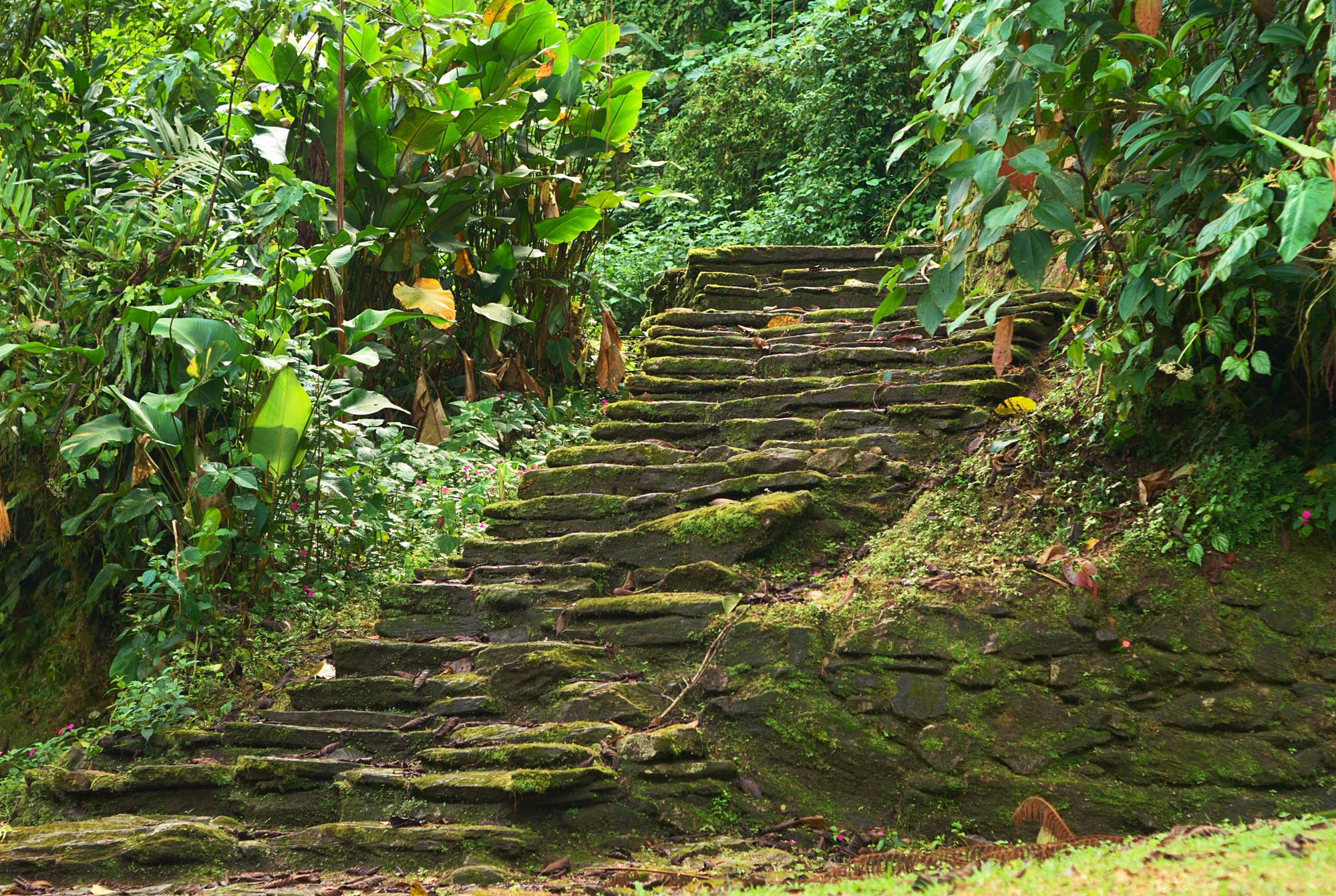
Founded around 800 CE and abandoned during the Spanish conquest, Ciudad Perdida — the Lost City — consists of a series of terraces carved into a mountainside connected by tiled roads, reached today by climbing roughly 1,200 stone steps through jungle.
Herculaneum, Italy
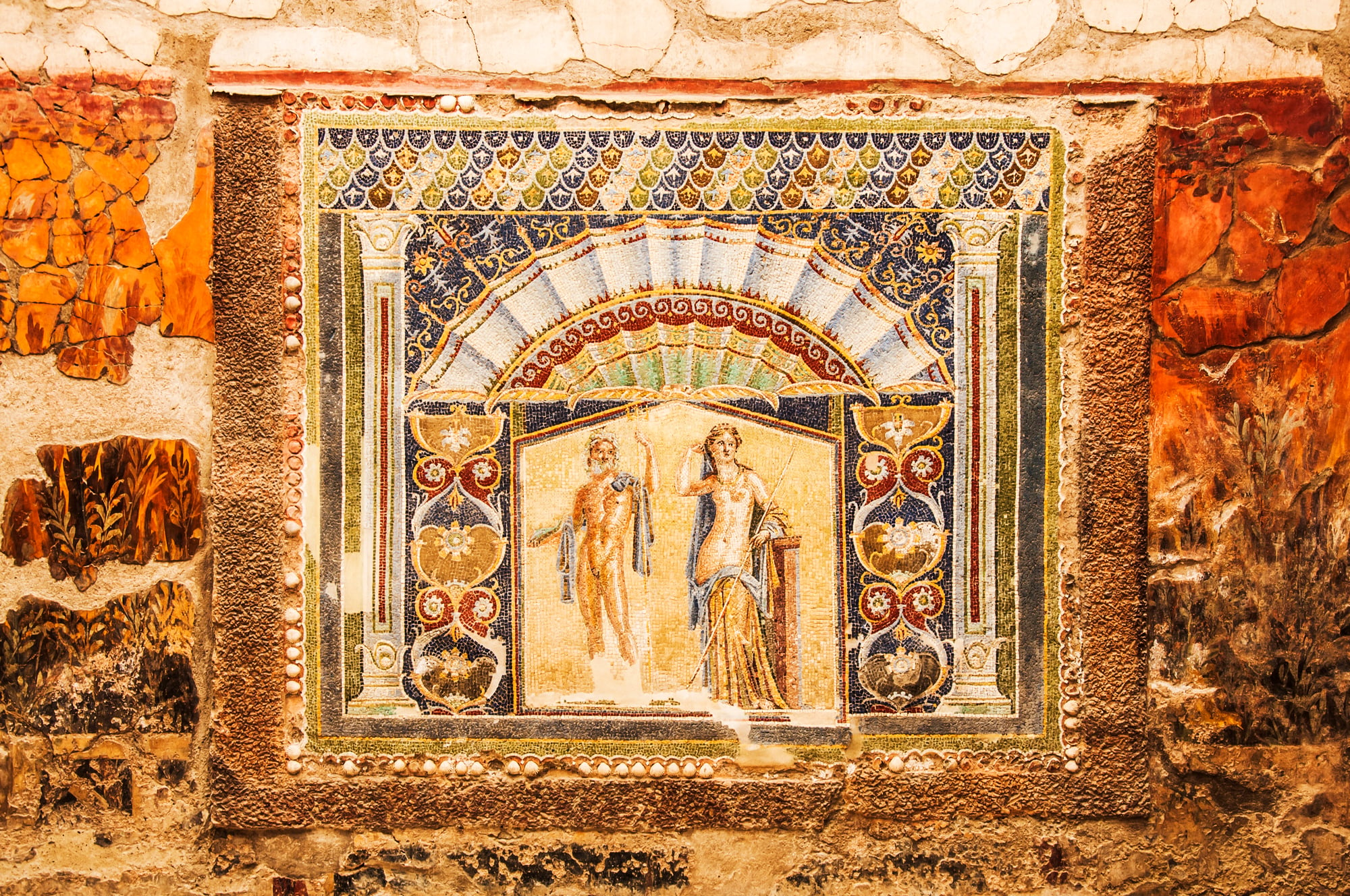
Buried alongside Pompeii in the eruption of Vesuvius in 79 CE, Herculaneum was interred under roughly 20 meters of pyroclastic material — far deeper than its neighbor. The depth that made excavation more difficult also ensured extraordinary preservation.
Organic materials that are almost never found at archaeological sites — wooden furniture, food, door frames, and the only intact ancient library of papyrus scrolls to survive — were sealed under the solidified debris.
Scholars initially believed most inhabitants had escaped because few bodies were found in buildings. Subsequent excavation of the boat sheds at the waterfront revealed skeletons of hundreds of people who had gathered at the shore, apparently waiting for rescue that did not come.
Chichen Itza, Mexico
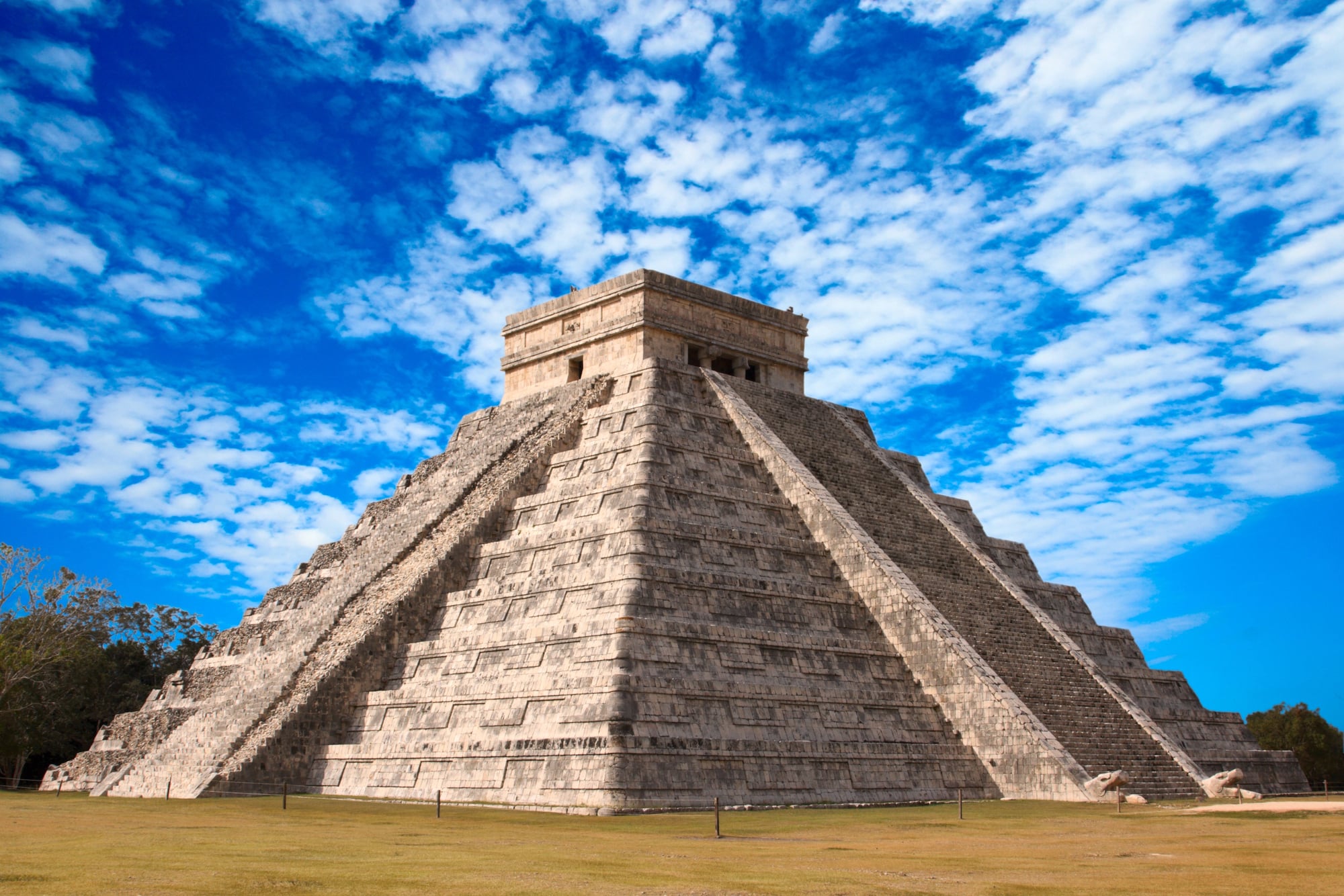
The Maya city of Chichen Itza in the Yucatan Peninsula was one of the largest cities of the ancient Maya world, flourishing between roughly 600 and 1200 CE.
Its dominant structure, El Castillo — a stepped pyramid designed so that at the spring and autumn equinoxes, the shadow of a serpent appears to descend its northern staircase — demonstrates the city’s astronomical sophistication.
After Chichen Itza’s political decline around 1200 CE, the site was never entirely forgotten: Spanish colonizers encountered it in the sixteenth century. It became a subject of serious archaeological study in the nineteenth century, and ongoing excavations continue to reveal structures beneath previously known ones.
Persepolis, Iran
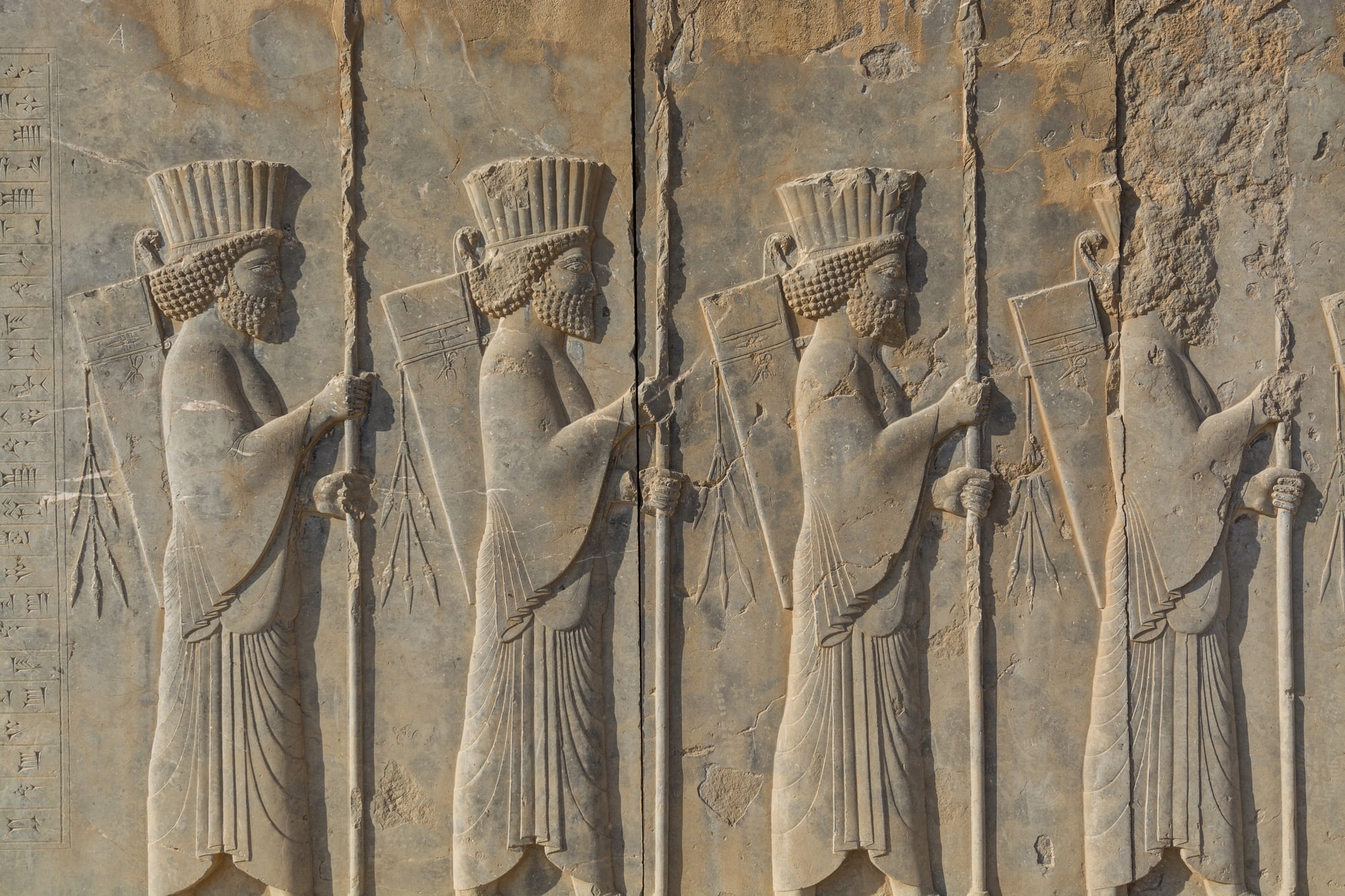
Founded by Darius the Great around 515 BCE as the ceremonial capital of the Achaemenid Persian Empire, Persepolis was burned and partially destroyed by Alexander the Great in 330 BCE.
Whether the destruction was deliberate policy or drunken accident, as different ancient sources suggest, it ended the city’s role as an imperial center.
The ruins were never buried and were never entirely forgotten — they were visible to travelers throughout the medieval period — but systematic archaeological excavation began only in the 1930s, revealing stone relief carvings of breathtaking scale depicting the empire’s subject peoples bringing tribute to the Persian king.
Palenque, Mexico
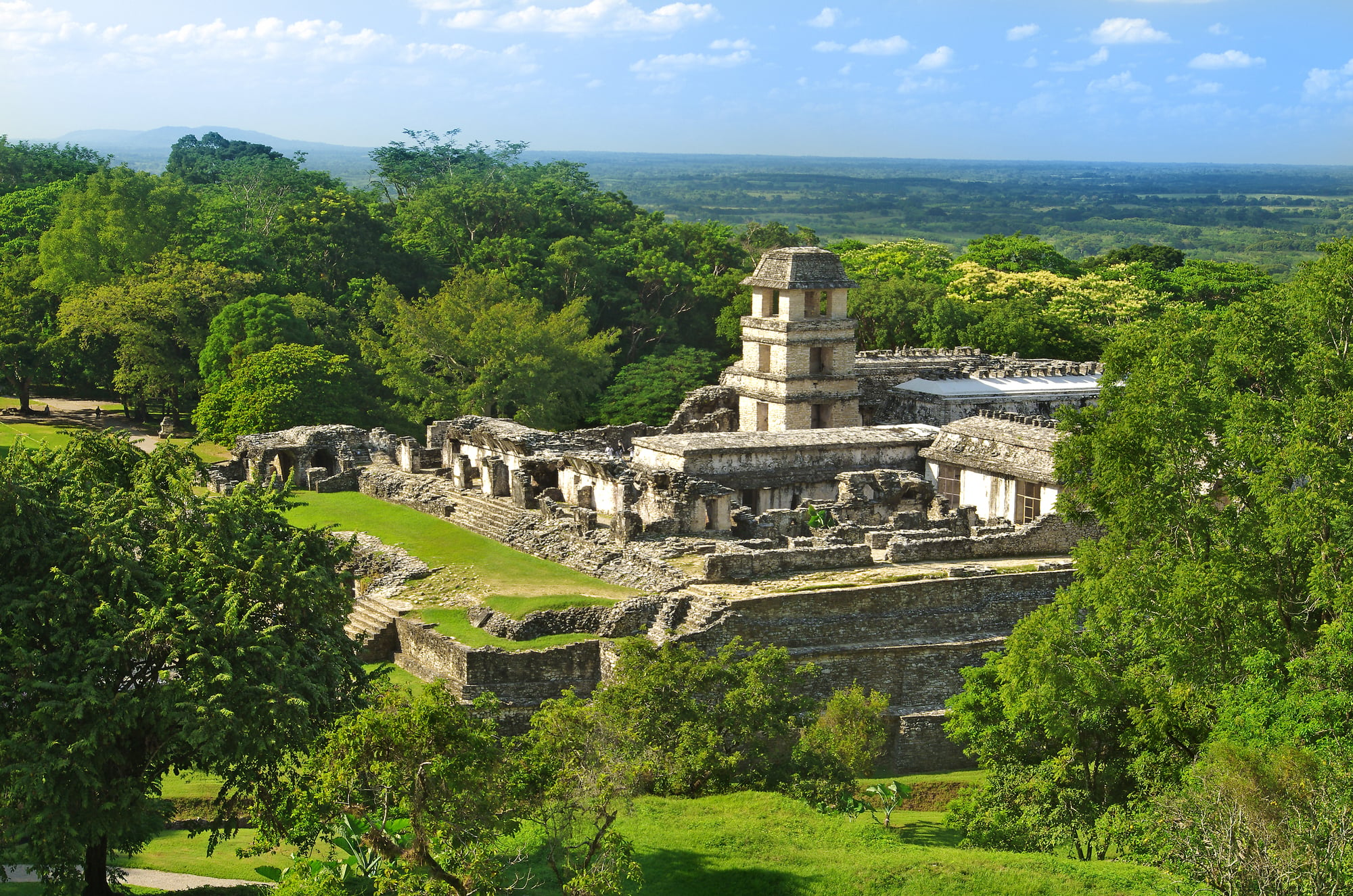
The Maya city of Palenque in what is now the Mexican state of Chiapas was abandoned around 800 CE as part of the broader Classic Maya Collapse.
Its palace complex, temples, and aqueducts were engulfed by jungle over the following centuries. Spanish explorers encountered accounts of ruins in the region in the sixteenth century, but the first detailed documentation came from an expedition in 1785.
Archaeological work intensified in the twentieth century, and in 1952 archaeologist Alberto Ruz Lhuillier discovered a hidden stairway leading beneath the Temple of the Inscriptions to the intact tomb of the seventh-century ruler K’inich Janaab’ Pakal — the first Mesoamerican pyramid found to contain a royal burial.
Leptis Magna, Libya
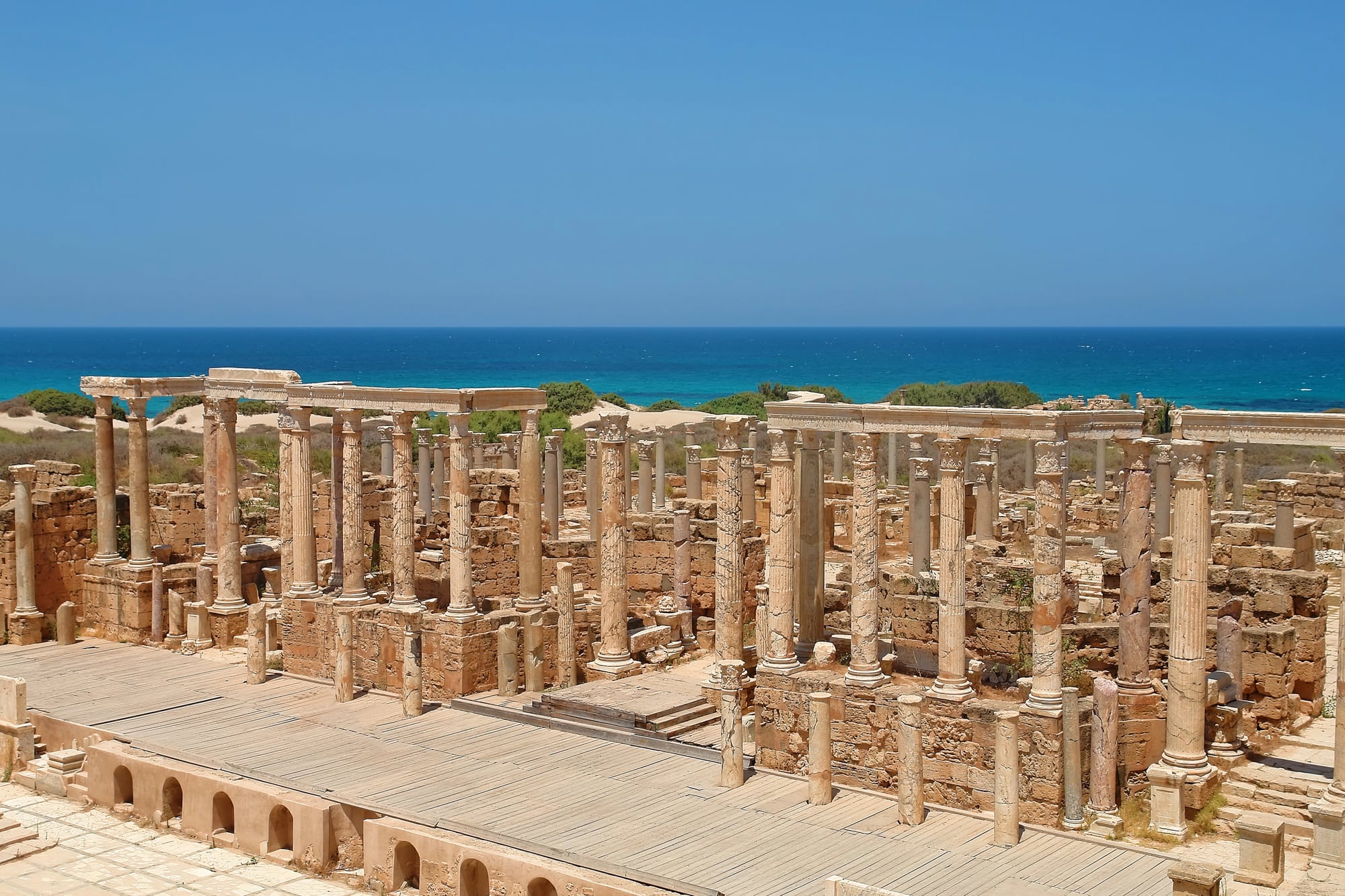
One of the most spectacularly preserved cities of the Roman Empire, Leptis Magna on the Libyan coast was the birthplace of Emperor Septimius Severus, who lavished it with construction projects in the early third century CE.
The city declined after the collapse of Roman power and was gradually buried under wind-blown sand following Arab conquest in the seventh century.
The sand that covered it also protected it, so that when European explorers began documenting the site in the seventeenth century and excavation began in earnest in the twentieth century, the marble columns, triumphal arches, and harbor structures were found in remarkable condition.
Teotihuacan, Mexico
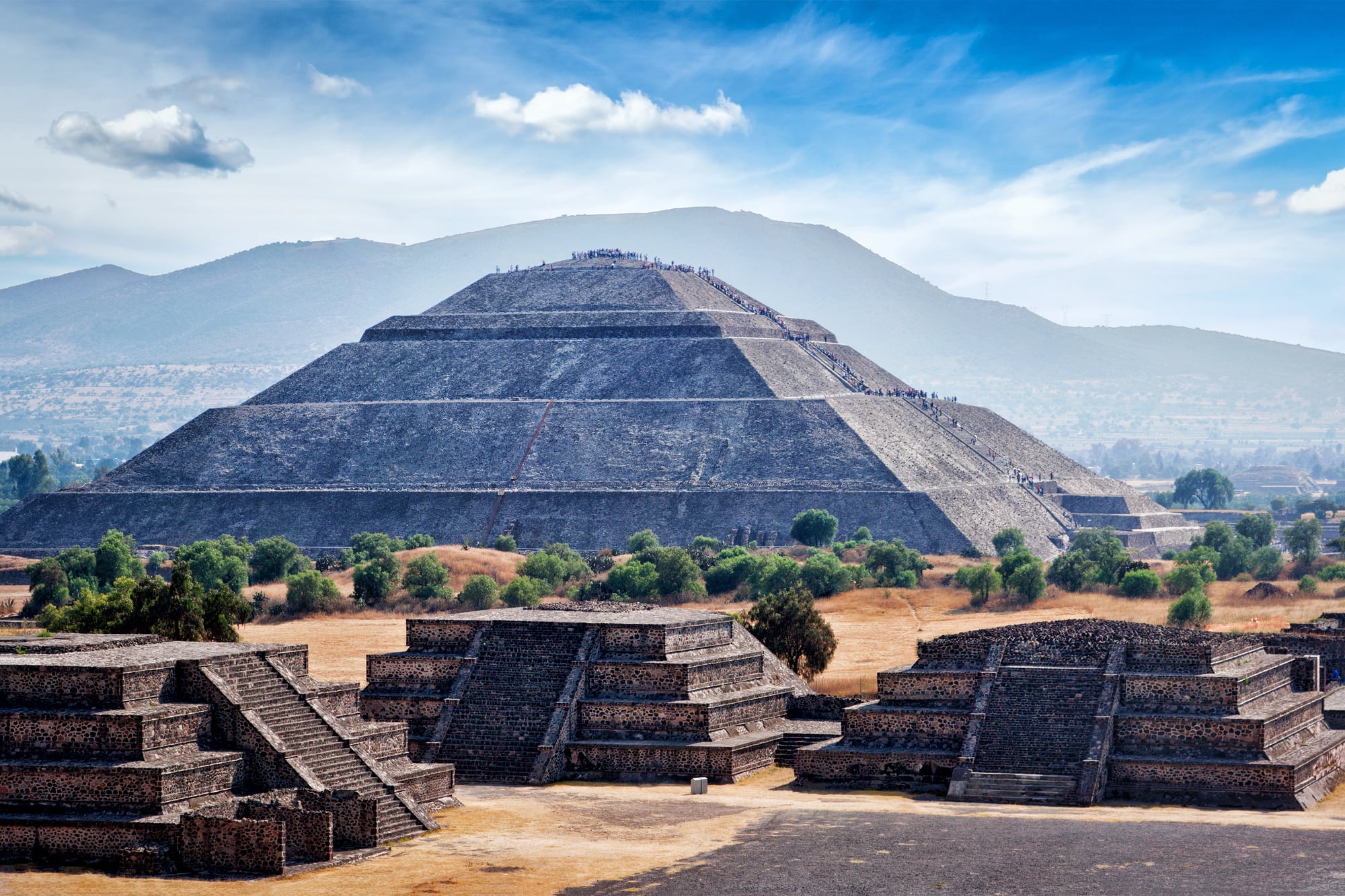
When the Aztecs encountered the ruins of Teotihuacan in the Valley of Mexico, the city had already been abandoned for approximately six centuries.
The Aztecs did not know who had built it and named it themselves: Teotihuacan means “the place where men become gods.”
At its peak in the fifth century CE, the city had a population estimated between 100,000 and 200,000 people, making it one of the largest cities on earth at that time.
The Avenue of the Dead, the Pyramid of the Sun, and the Pyramid of the Moon were already ancient ruins when the Aztec civilization rose to prominence. The original builders’ name for the city remains unknown.
Ephesus, Turkey
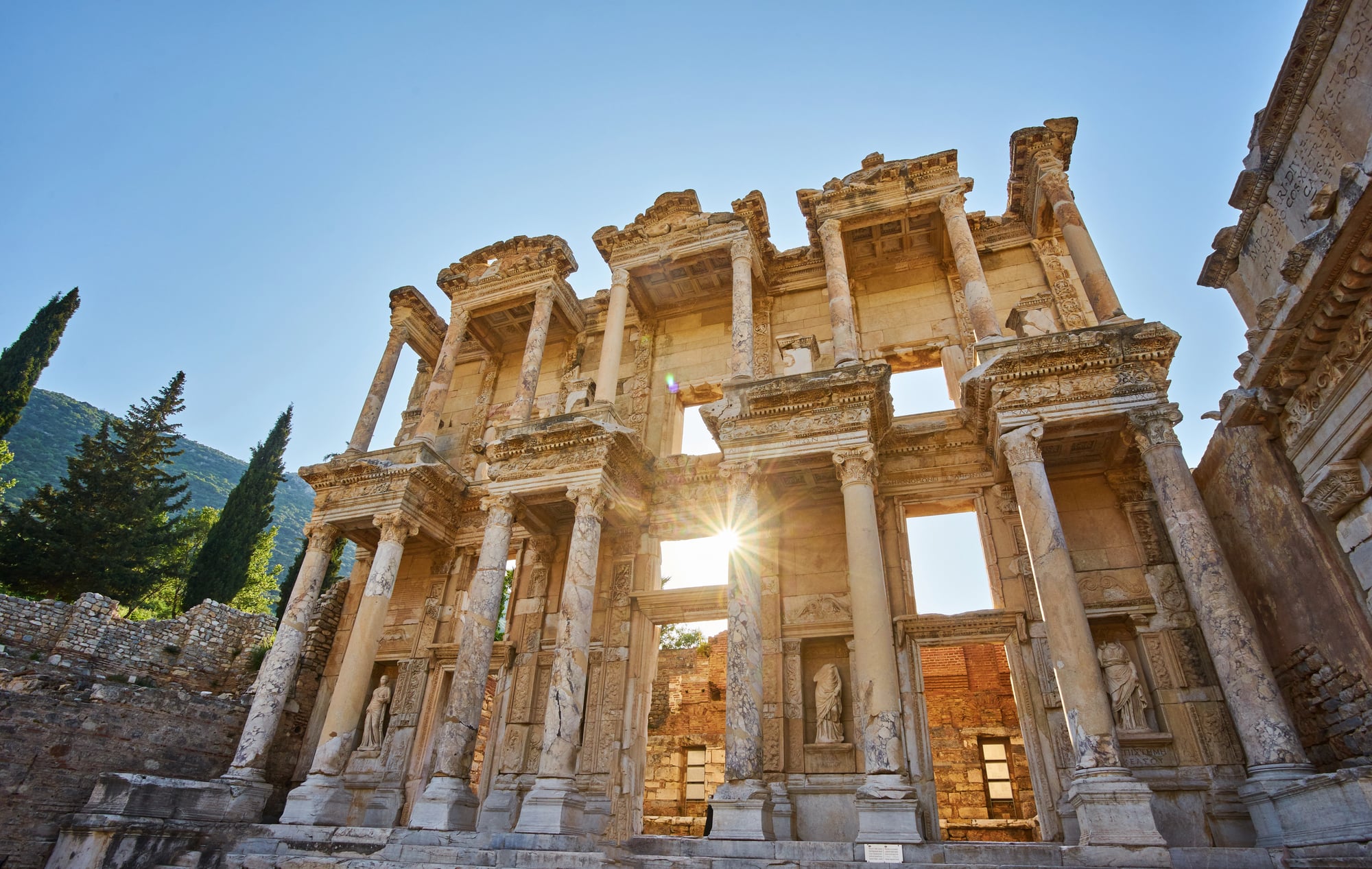
Once one of the largest cities in the Roman Empire with a population estimated at 500,000, Ephesus on the Aegean coast of modern Turkey was a major port and the site of the Temple of Artemis, one of the Seven Wonders of the Ancient World.
The city’s decline began when the harbor silted up in late antiquity, cutting off its maritime trade.
By the Byzantine period it had shrunk to a fraction of its former size, and it was abandoned in the fifteenth century after Ottoman conquest of the region.
Systematic excavation of the city began in the late nineteenth century and continues today, with only a fraction of the total site yet examined.
Ani, Turkey and Armenia
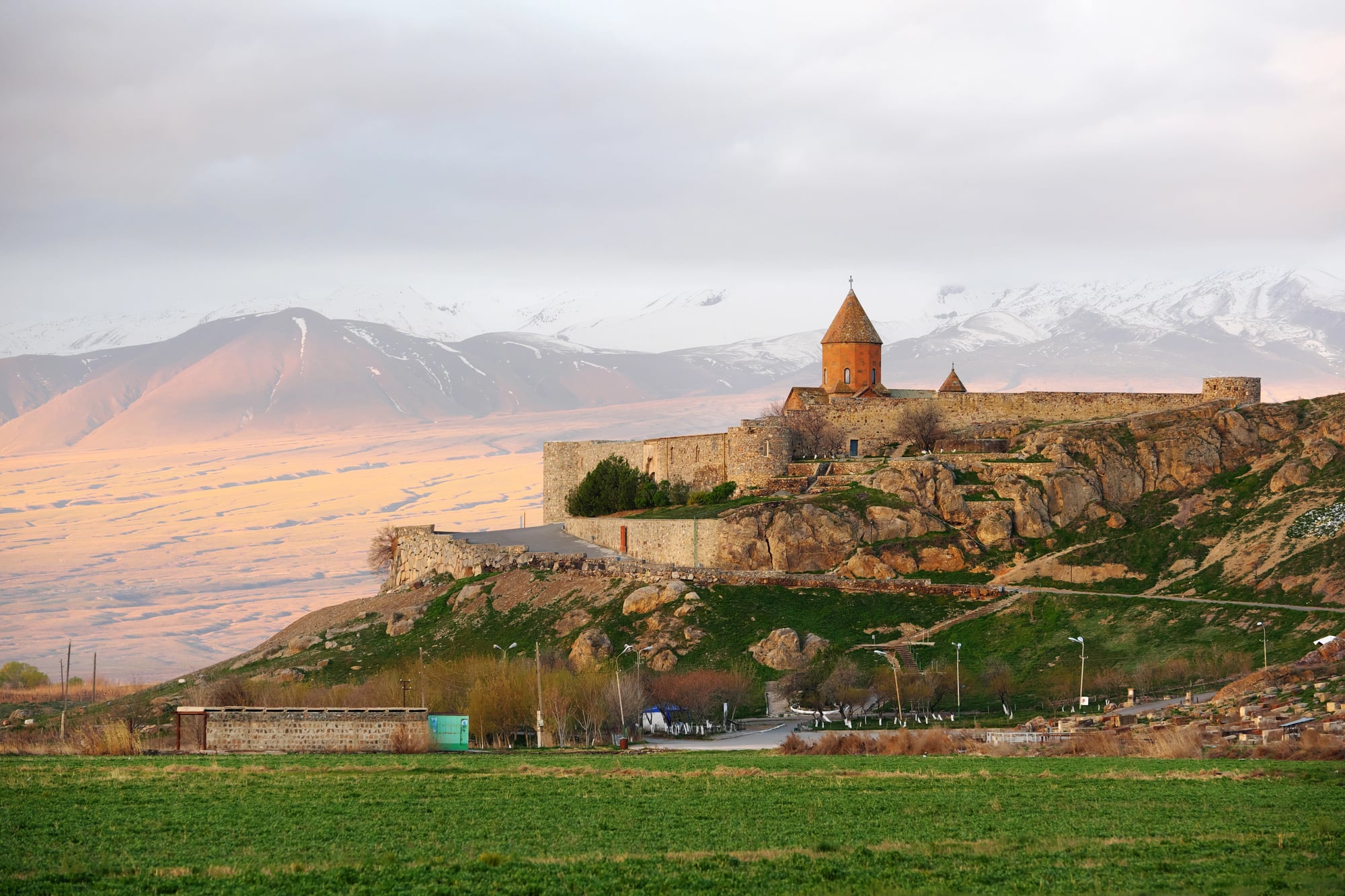
Between the ninth and thirteenth centuries, Ani was the capital of the Bagratid Armenian kingdom and one of the most significant cities between Constantinople and Baghdad, with a population estimated at 100,000.
Its cathedrals, churches, mosques, and palaces reflected its role as a crossroads of Byzantine, Armenian, and Islamic cultures.
After the Mongol invasion of 1236 and subsequent centuries of conflict, Ani was emptied and its structures fell into decay.
The remaining structures — cathedral walls, church ruins, and the outline of palaces — are among the most poignant medieval ruins in the world.
Ayutthaya, Thailand
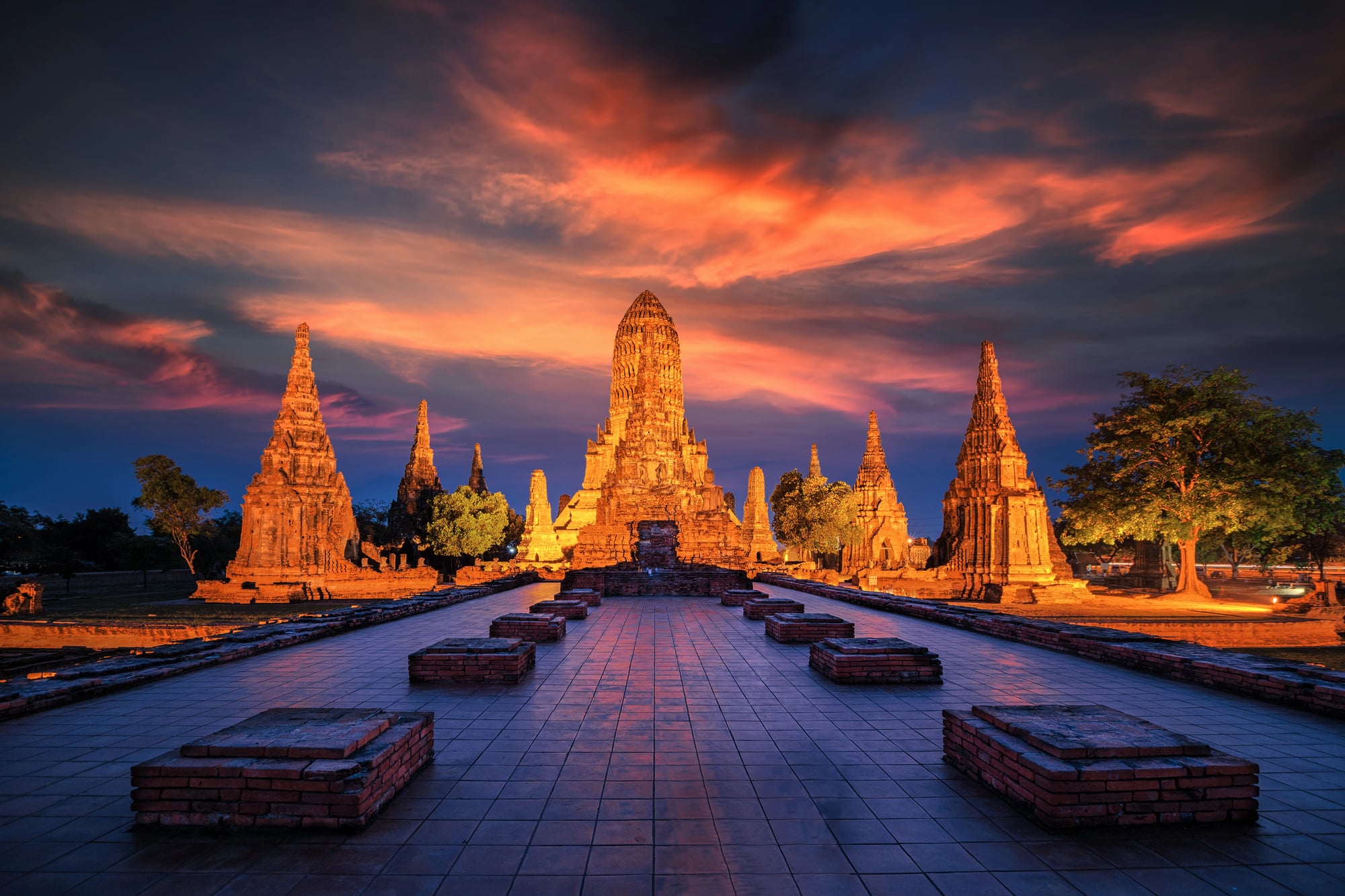
Founded in 1350 CE, Ayutthaya served as the capital of the Kingdom of Ayutthaya for more than four centuries and was one of the largest cities in the world during the fifteenth and sixteenth centuries, with a population estimated at one million.
Burmese forces sacked and burned the city in 1767, destroying much of its gold decoration and architectural grandeur.
Systematic archaeological work began in the twentieth century. The headless statues of Buddhas — many decapitated by looters seeking the gold rumored to be hidden inside — are among the most striking images in Southeast Asian archaeology.
Vijayanagara, India
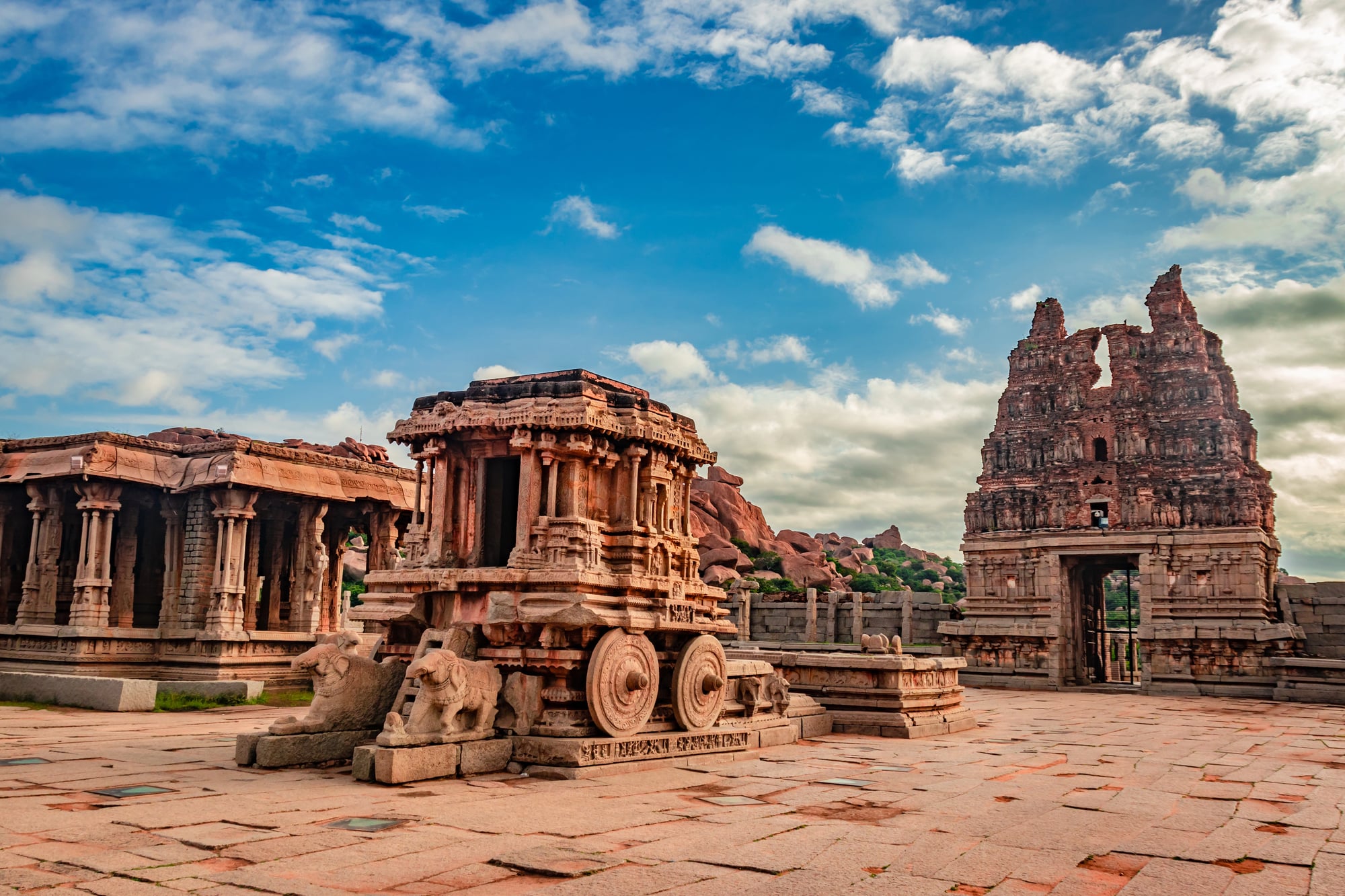
The capital of the Vijayanagara Empire in what is now Karnataka, India, Vijayanagara was at its height in the sixteenth century one of the largest cities in the world, with a population estimated at 500,000.
The city was sacked and burned by a coalition of Deccan Sultanates in 1565 following the Battle of Talikota. The destruction was so thorough that the city was largely abandoned within days.
The ruins at Hampi — including the Royal Enclosure, the Vitthala Temple complex with its famous stone chariot, and miles of bazaar streets — were documented by European travelers from the seventeenth century onward and became a UNESCO World Heritage Site in 1986.
Pachacamac, Peru
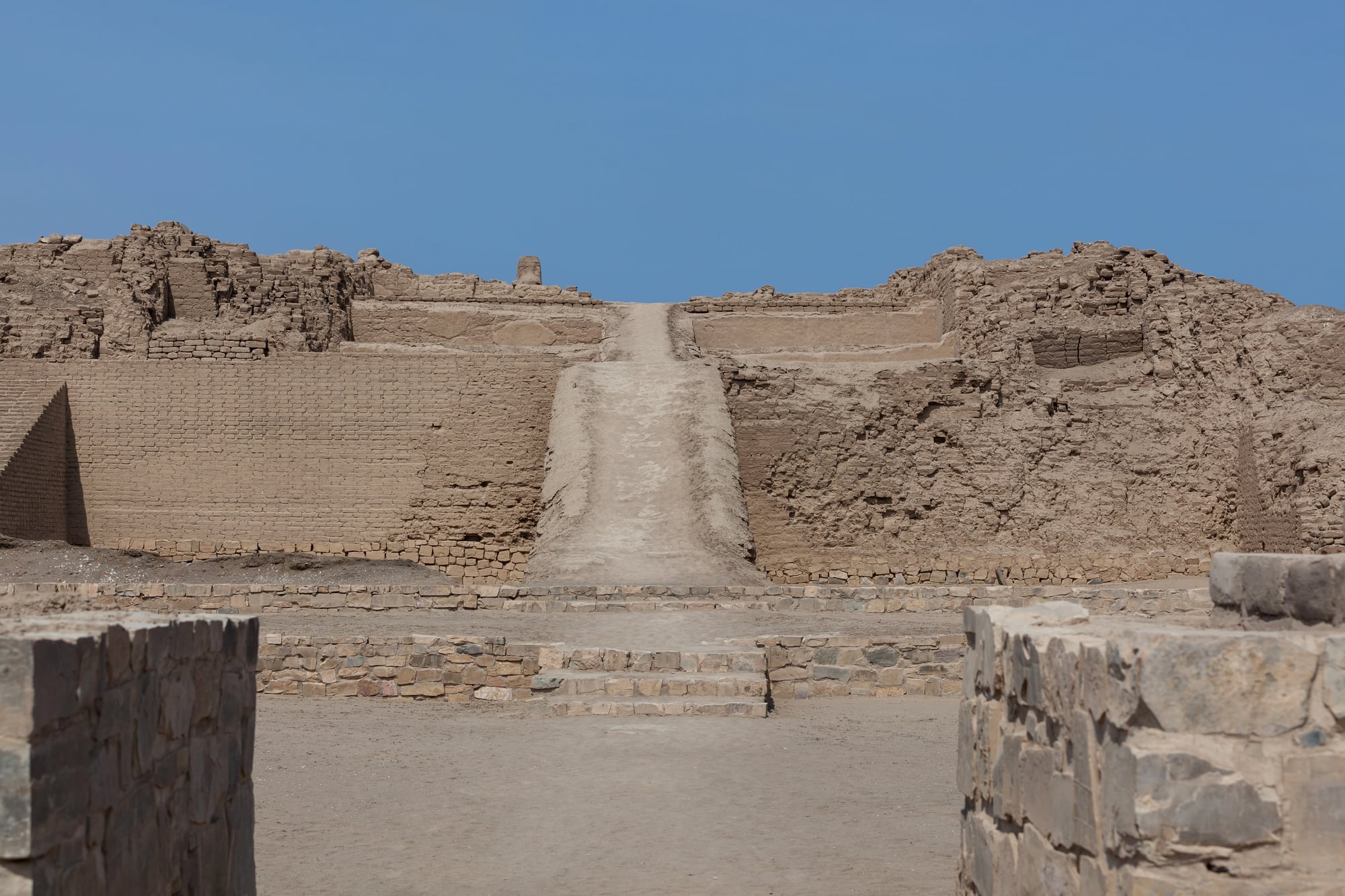
Located on Peru’s central coast, Pachacamac was an important pilgrimage center and oracle site for more than a thousand years before it became part of the Inca Empire.
The Spanish chronicler Francisco Pizarro arrived in 1533, shortly after Inca ruler Atahualpa was captured, and found a city that had been a religious center for successive cultures — Wari, Lima, and Inca.
The Spanish looted what they could and constructed a church on the site.
Systematic excavation began in the twentieth century and has revealed an extraordinarily complex sequence of occupation that challenges simple narratives about the rise and fall of Andean civilizations.
Çatalhöyük, Turkey
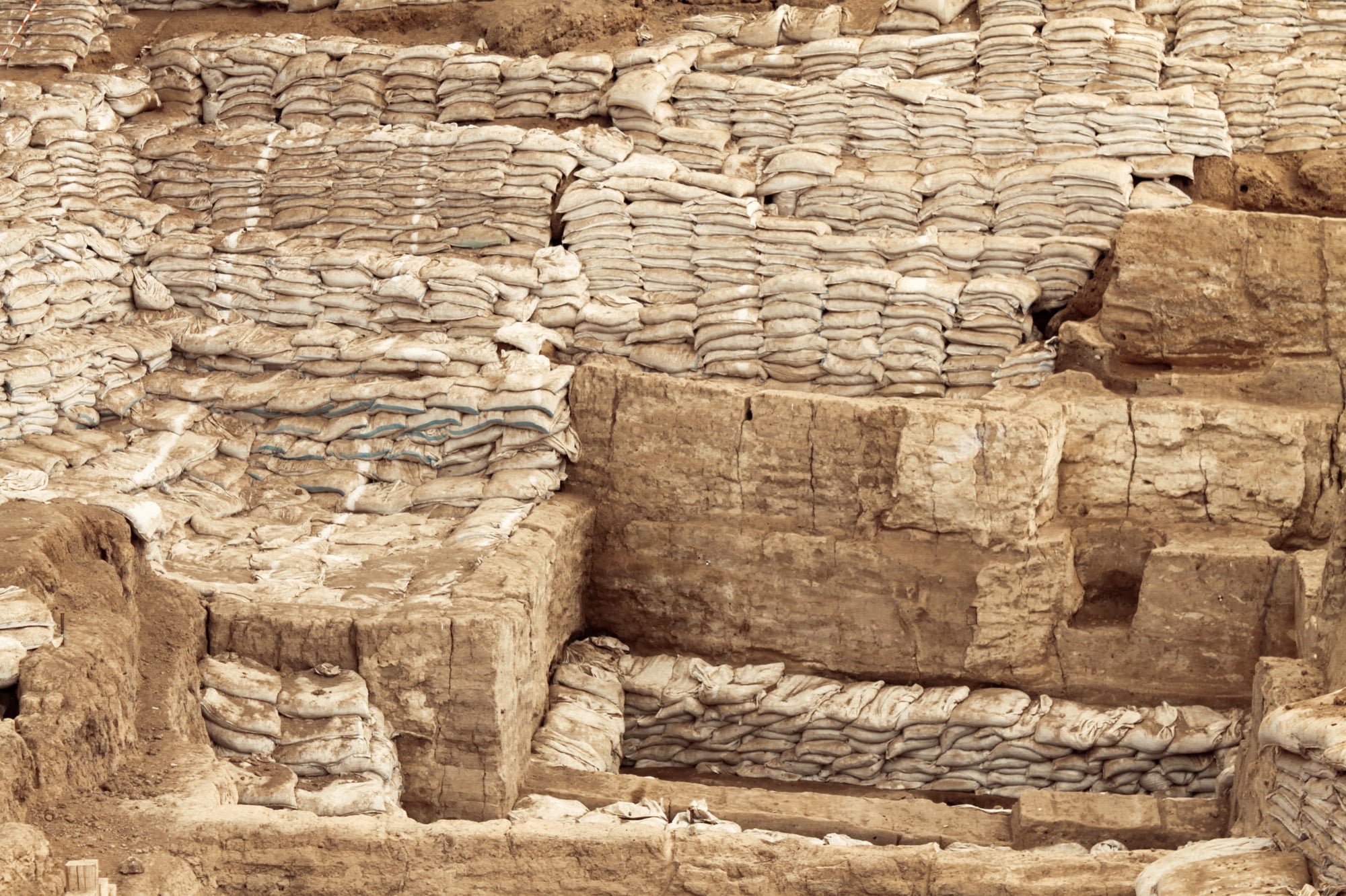
One of the earliest known proto-cities, Çatalhöyük in central Turkey was occupied from roughly 7500 to 5700 BCE and at its peak housed between 5,000 and 10,000 people.
What makes it distinctive is that its inhabitants entered their homes through openings in the roof — there were no street-level doors — and buried their dead beneath the floors of the houses they continued to live in.
The site was discovered in 1958 by British archaeologist James Mellaart and has been continuously excavated since, rewriting understanding of the transition from nomadic to settled life.
The wall paintings found inside the houses are among the oldest surviving examples of human-made imagery in an architectural context.
Great Zimbabwe, Zimbabwe
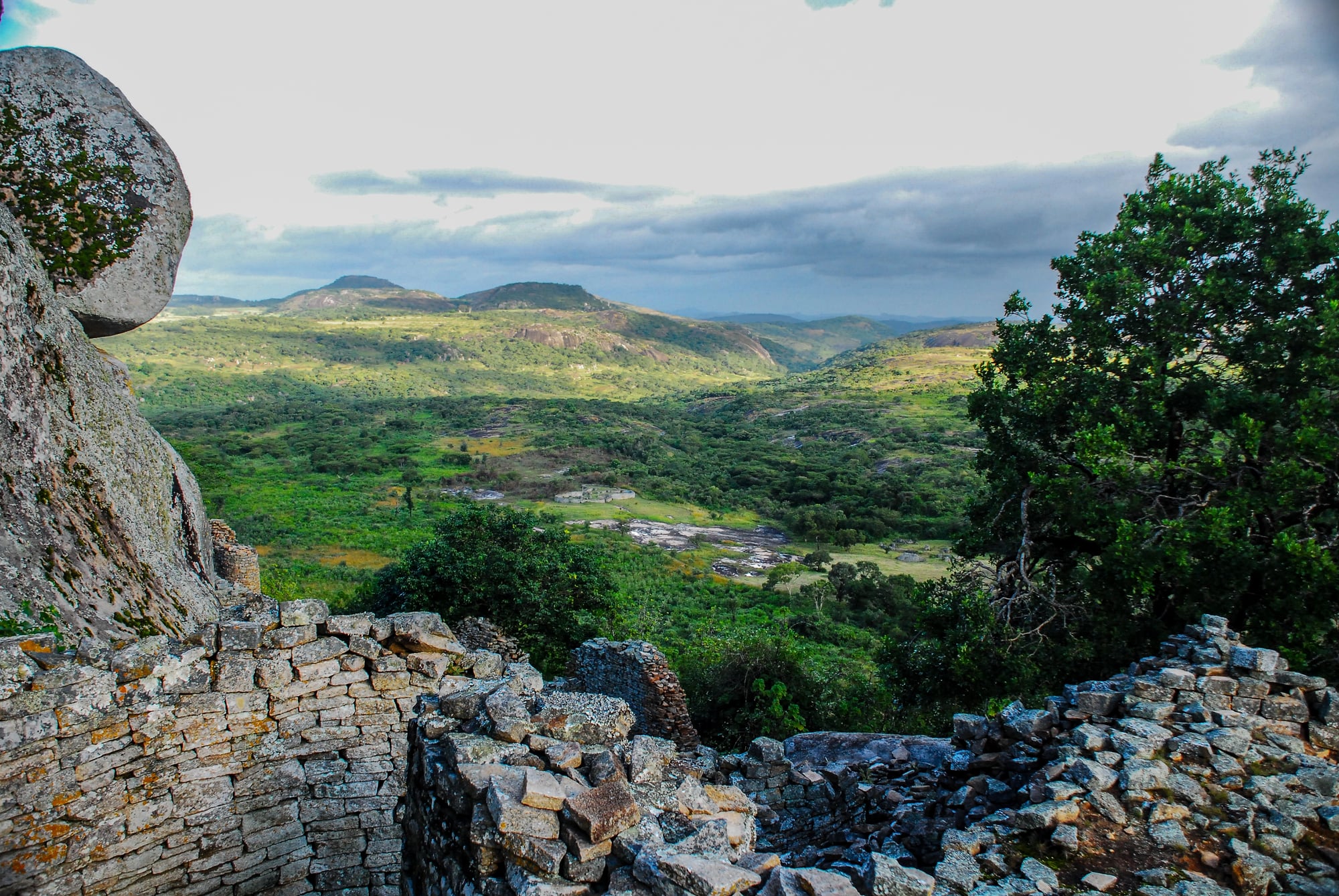
Built between the eleventh and fifteenth centuries CE by ancestors of the Shona people, Great Zimbabwe was the capital of a kingdom that dominated regional gold trade and commanded cattle herds across a vast territory.
Its stone enclosures — built without mortar, using a technique of precisely fitted granite blocks — cover roughly 780 hectares, making the site the largest ancient stone structure in sub-Saharan Africa.
When European colonizers arrived in the late nineteenth century, some initially refused to believe that the structures had been built by African people and attributed them to Phoenicians or other foreign builders.
Archaeological consensus established definitively in the twentieth century that Great Zimbabwe was built entirely by indigenous African civilization.
Nan Madol micronesia
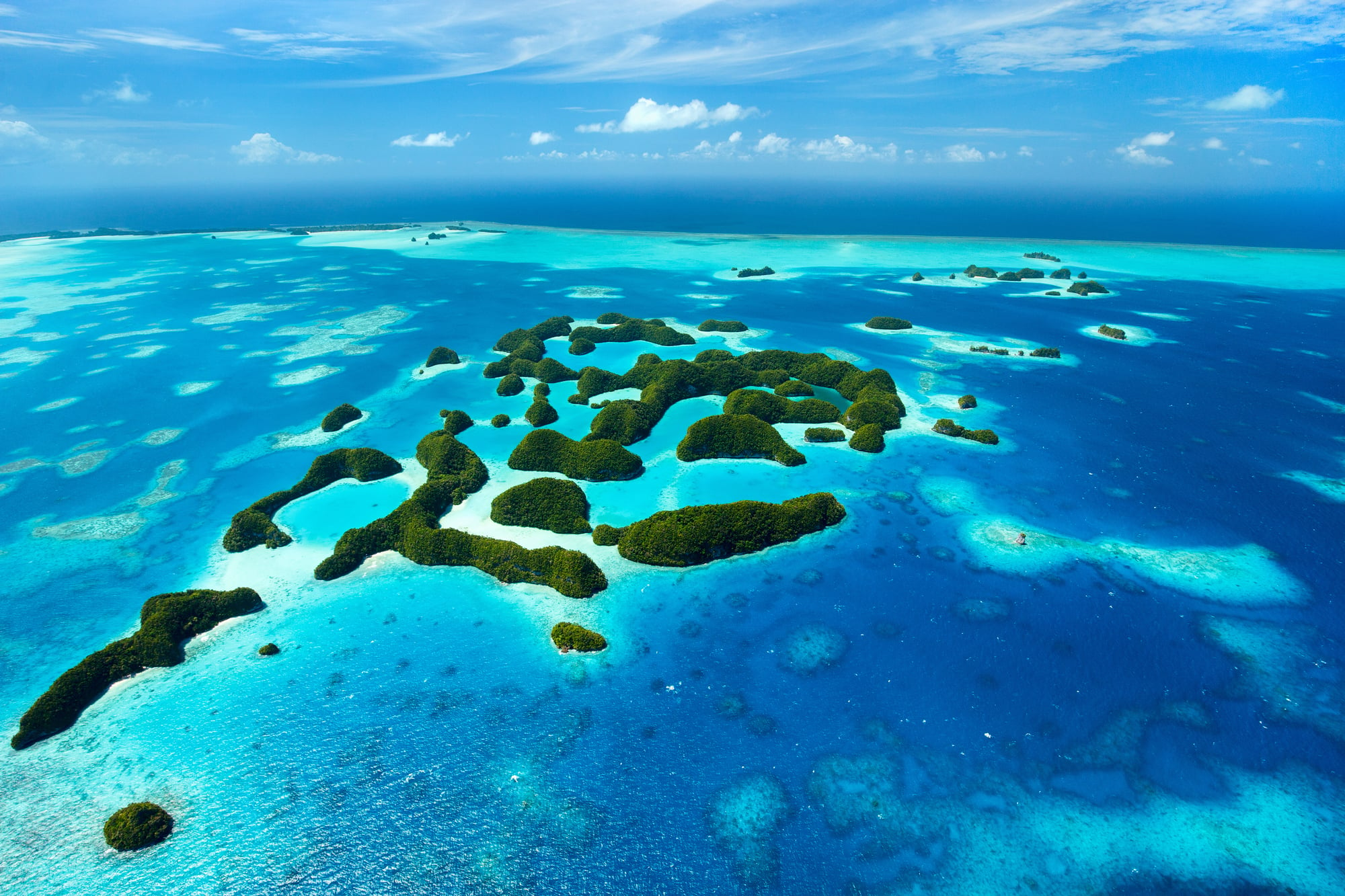
Constructed on a coral reef off the coast of Pohnpei in what is now the Federated States of Micronesia, Nan Madol is an artificial island complex built from approximately 750,000 tons of basalt logs and columns.
It formed a network of roughly 100 man-made islets connected by canals and served as the ceremonial and political center of the Saudeleur Dynasty from around 1200 CE until the dynasty collapsed around 1628 CE.
European explorers first documented the site in the early nineteenth century.
The logistics of transporting the basalt — the nearest source is miles away — remain incompletely explained. The site was designated a UNESCO World Heritage Site in 2016.
What the Silence Tells Us
Every city on this list was considered permanent by the people who built it. They invested enormous resources in structures meant to last indefinitely — temples aligned with celestial events that would not recur for hundreds of years, water systems designed to serve populations for generations, walls capable of withstanding siege.
And then they stopped. The reasons vary: climate shifts, military defeat, epidemic, the slow failure of the agricultural systems that sustained a city’s food supply, the redirection of trade to other routes, the collapse of the political authority that organized collective life.
What doesn’t vary is the aftermath — the buildings standing empty, the streets quiet, the jungle or sand beginning its slow work of recovery.
Rediscovery does not return a city to life. It adds it to a different kind of record: an inventory of what human societies can build, and a reminder that the conditions that make building possible are never guaranteed to last.
More from Go2Tutors!

- The Romanov Crown Jewels and Their Tragic Fate
- 13 Historical Mysteries That Science Still Can’t Solve
- Famous Hoaxes That Fooled the World for Years
- 15 Child Stars with Tragic Adult Lives
- 16 Famous Jewelry Pieces in History
Like Go2Tutors’s content? Follow us on MSN.