27 Famous Rivalries That Pushed Both Sides to Greatness
There’s something about a great rivalry that defies easy explanation. It isn’t just competition — it’s something sharper, more personal, more relentless. The best rivalries in history weren’t built on hatred or pettiness. They were built on two forces being so close in ability, ambition, or vision that neither one could afford to rest. One side pushed, the other pushed back, and somewhere in that friction, both became better than they would have been alone. What follows are 27 of the most consequential rivalries ever recorded — in sport, science, art, business, and beyond — and the greatness that came from refusing to let the other person win.
Muhammad Ali and Joe Frazier
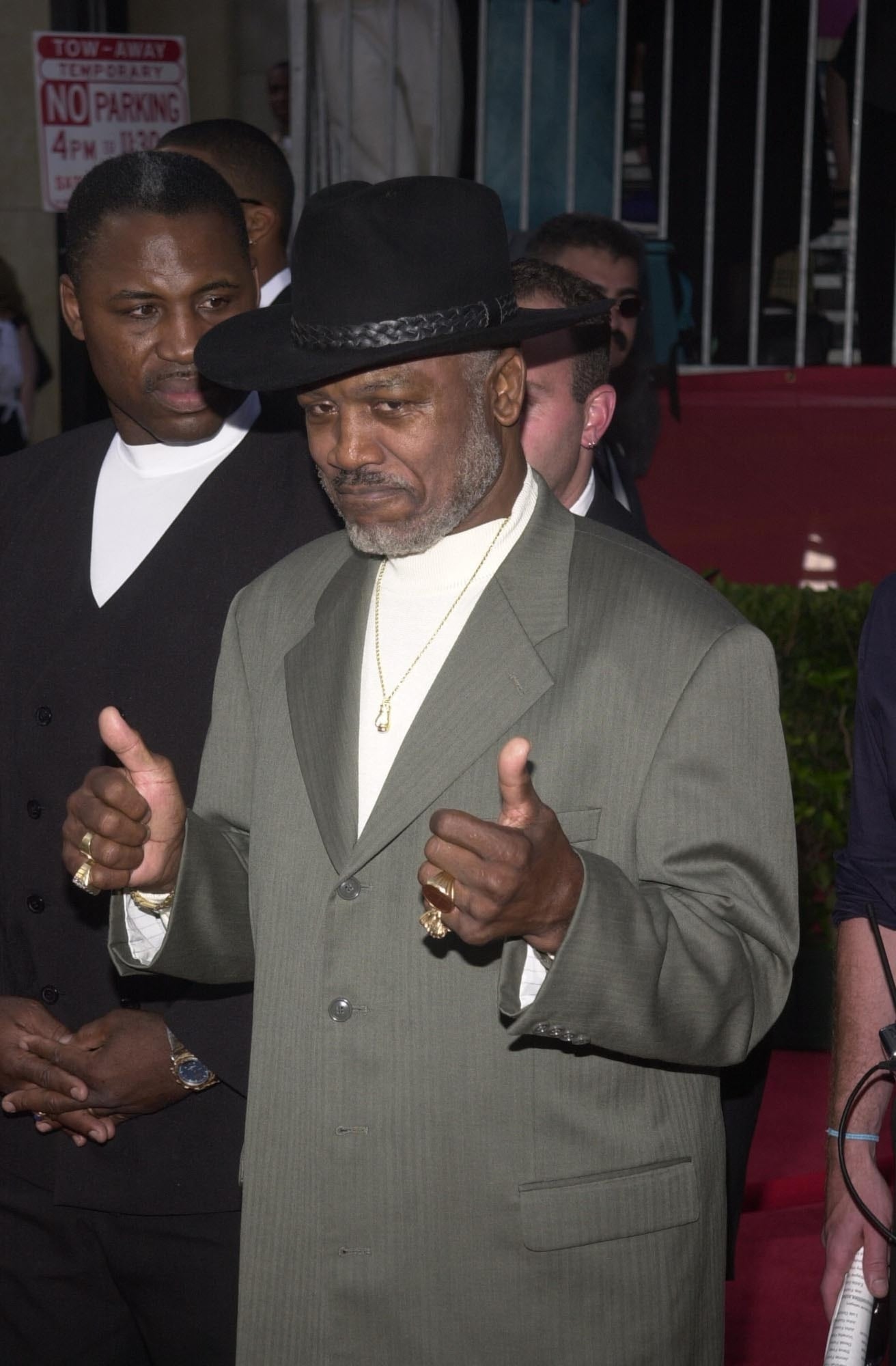
Muhammad Ali and Joe Frazier fought three times, and every single bout felt like a verdict on something larger than boxing. Their rivalry was personal in a way that made it uncomfortable to watch — Ali’s taunting crossed into cruelty, and Frazier never fully forgave him for it, which made each fight carry a weight that pure sport rarely achieves. And yet the pressure they applied to each other produced one of the most technically extraordinary periods in heavyweight history.
Roger Federer and Rafael Nadal
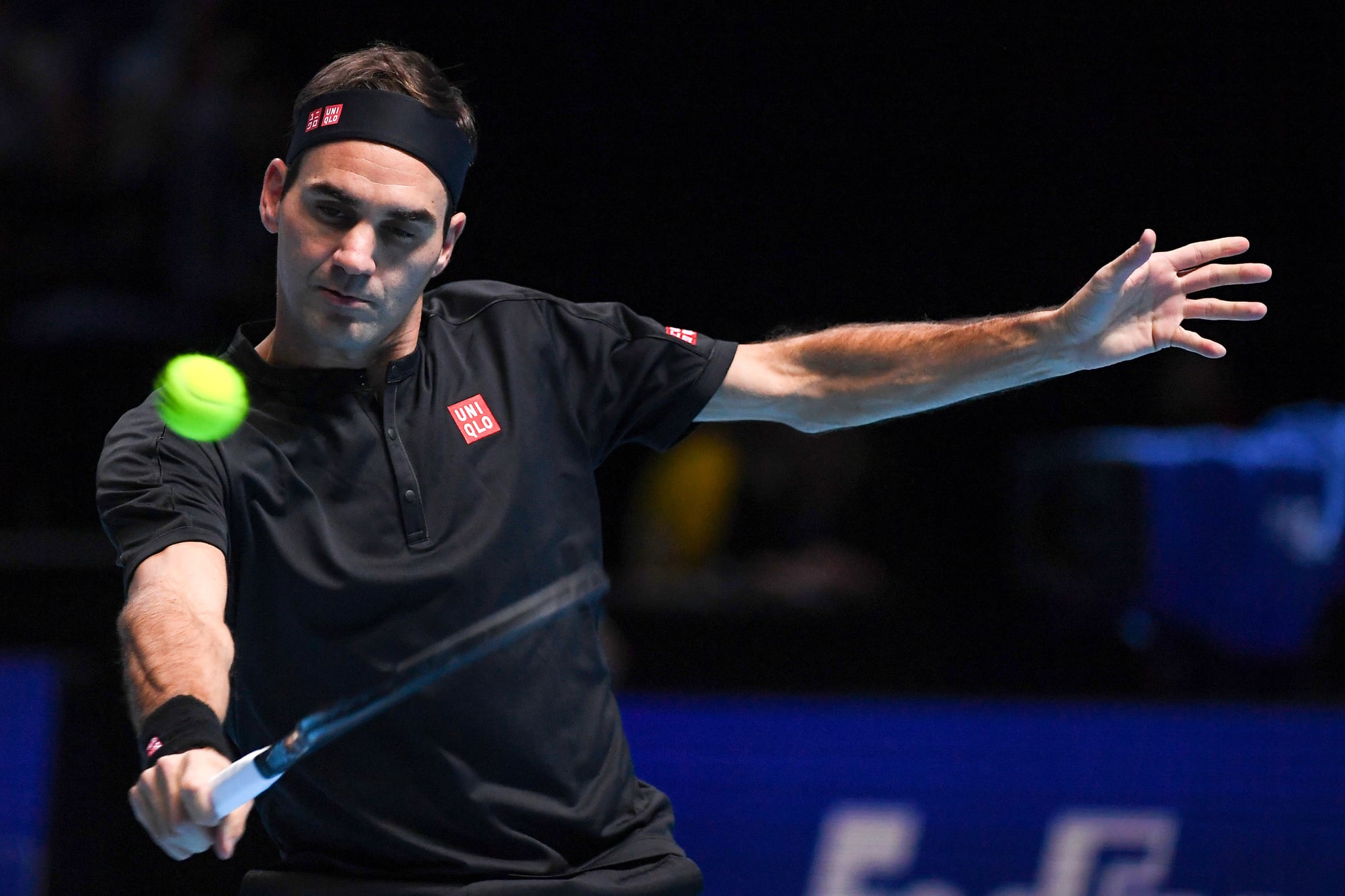
The Federer-Nadal rivalry is the clearest argument that opposites don’t just attract — they correct each other. Federer’s elegant, attacking game forced Nadal to develop an almost supernatural defense, and Nadal’s brutal topspin forced Federer to build a more complete backhand than he’d ever needed before. So both men arrived at the peak of their careers with a fuller set of tools precisely because the other one existed.
Thomas Edison and Nikola Tesla
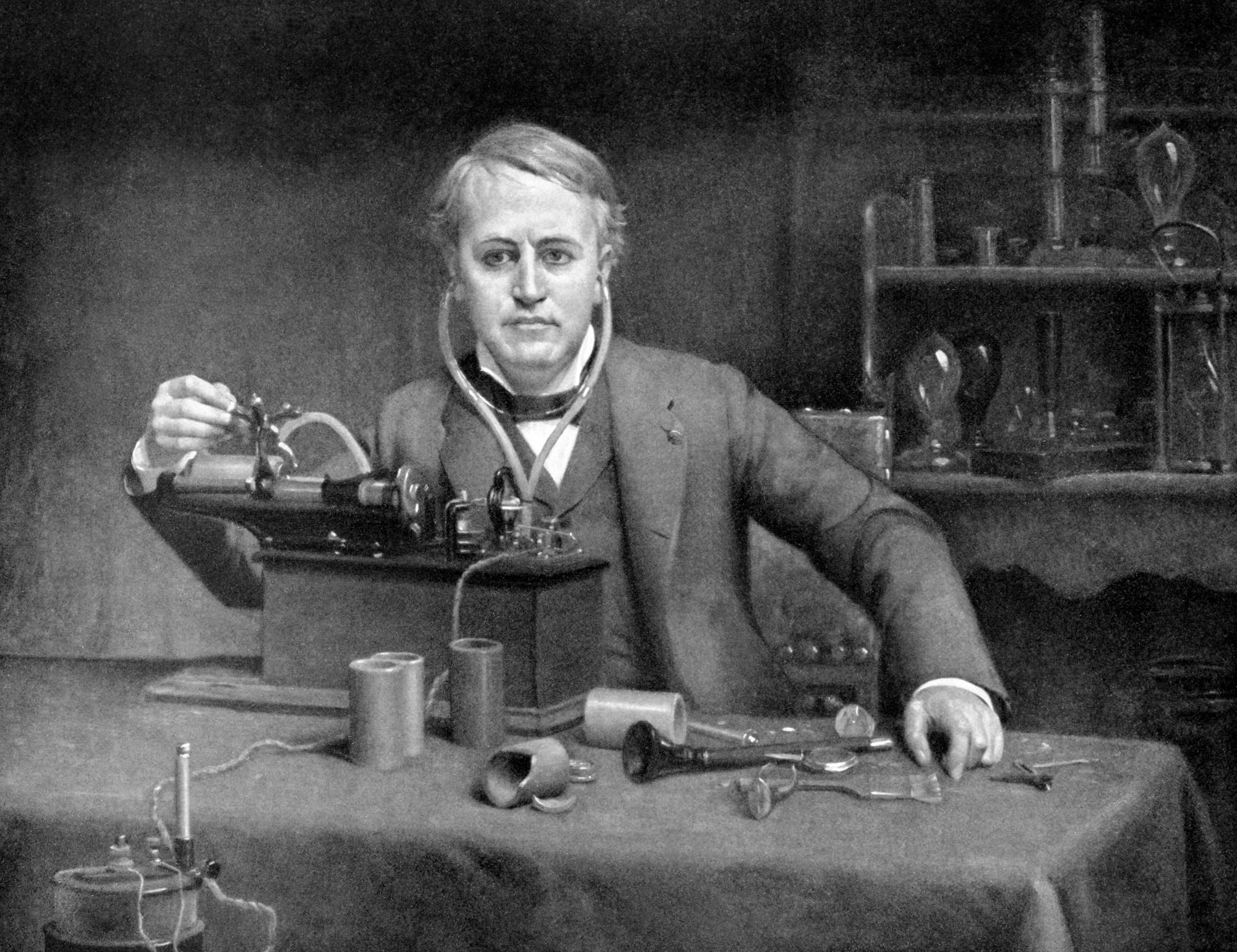
Edison believed in direct current the way some people believe in religion: stubbornly, loudly, and with a fair amount of willingness to bury contrary evidence. Tesla’s alternating current was technically superior, and the War of Currents — Edison electrocuting animals publicly to discredit AC power, Tesla and Westinghouse lighting the 1893 World’s Fair — became one of the strangest chapters in the history of science. The rivalry forced both men to sharpen their arguments, accelerate their demonstrations, and ultimately deliver electrical infrastructure to an entire civilization faster than either would have managed alone.
Apple and Microsoft
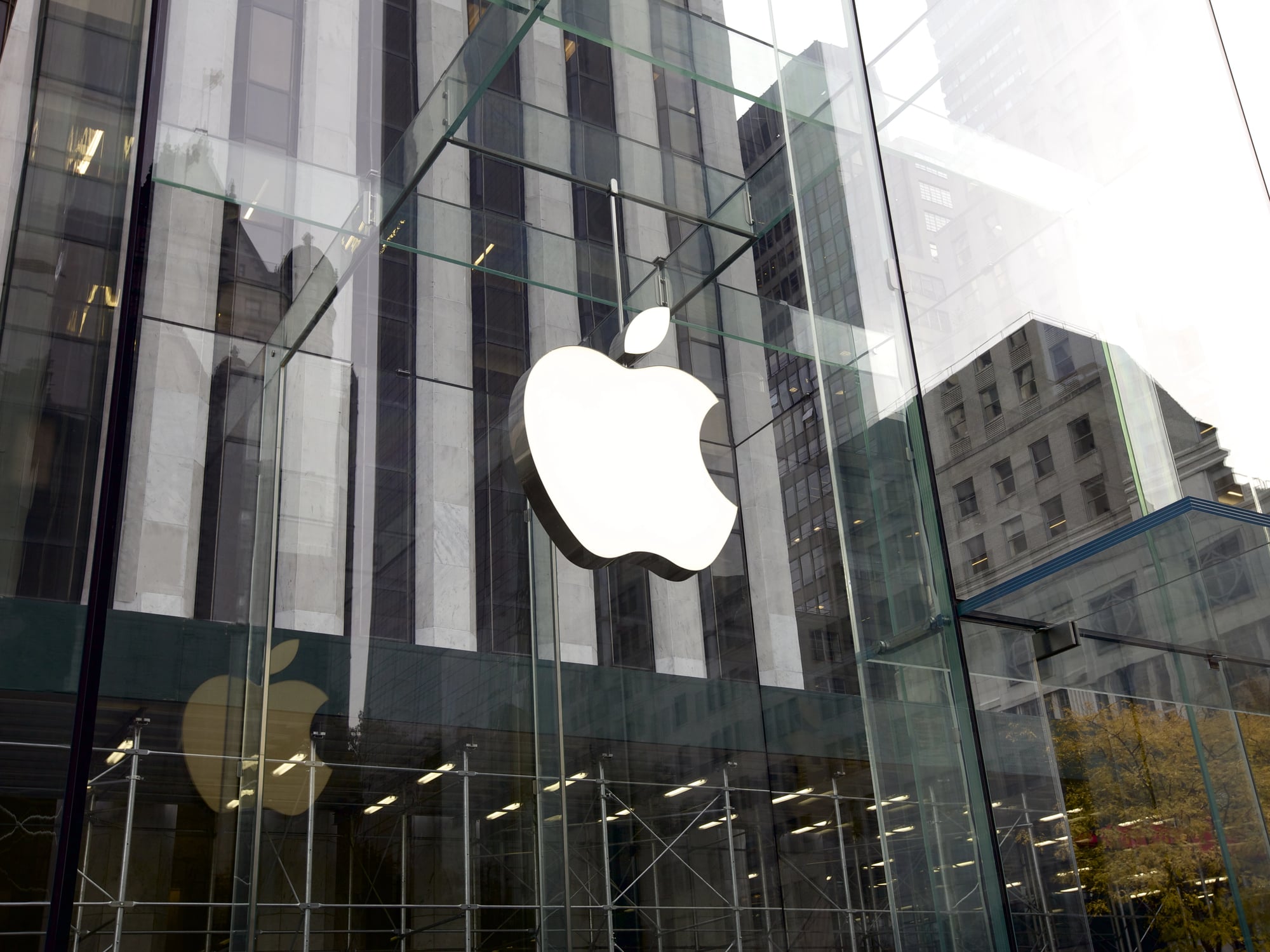
Apple and Microsoft didn’t just compete — they defined each other. Microsoft’s dominance in the 1990s is arguably what pushed Apple toward the radical design thinking that produced the iMac, the iPod, and eventually the iPhone; without a rival to survive, there’s no guarantee that desperation-born creativity ever arrives. Turns out near-extinction is a surprisingly effective design brief.
Ayrton Senna and Alain Prost
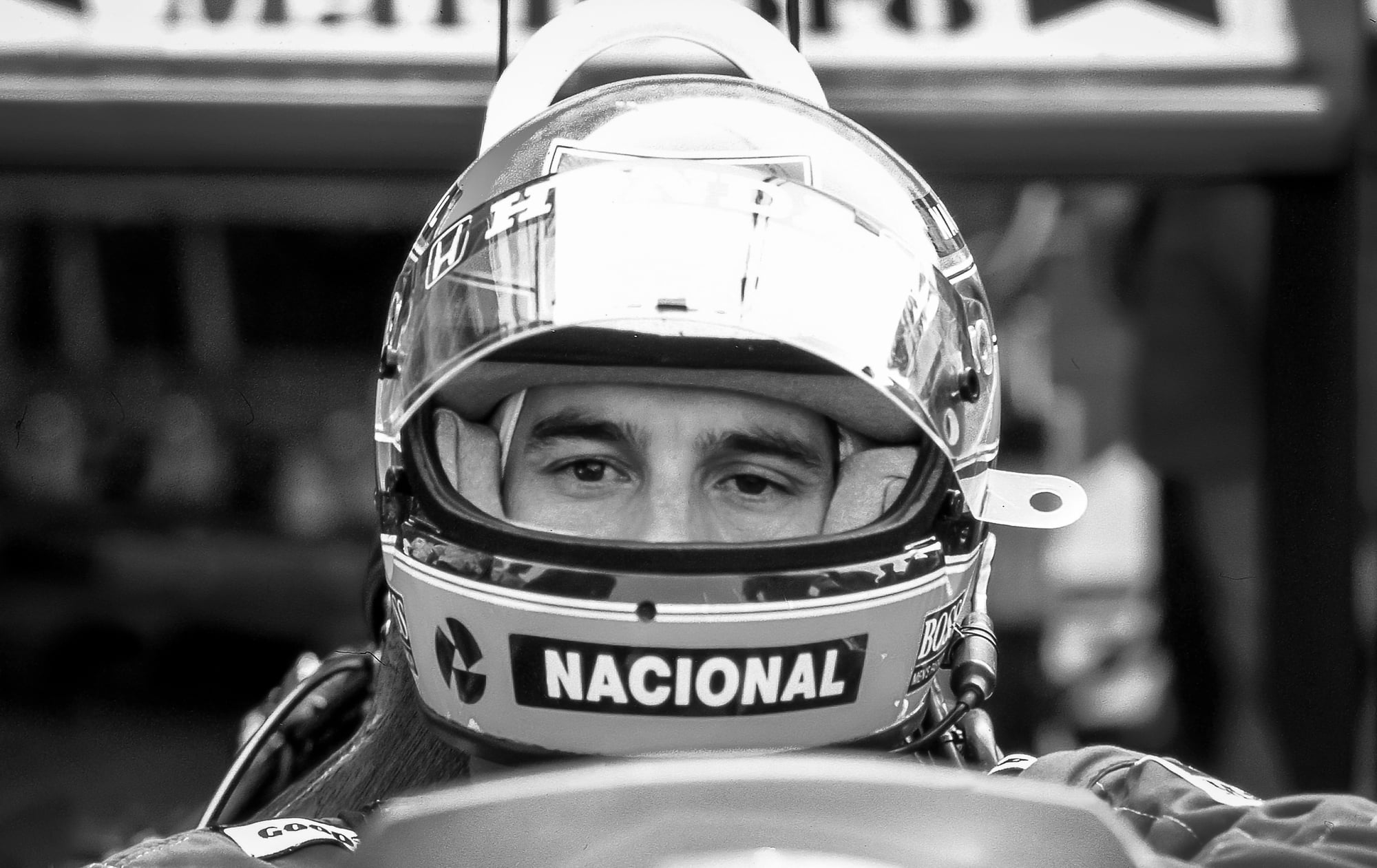
Few rivalries in Formula 1 have been as psychologically intense as Senna and Prost — two men who genuinely respected each other’s ability and genuinely couldn’t stand sharing the same team. Their battles at McLaren between 1988 and 1989, where they won 15 of 16 races between them, set a standard for what two drivers could extract from a car when neither one was willing to cede an inch. The tension was almost unbearable to watch, and the driving was almost too good to be real.
Pablo Picasso and Henri Matisse
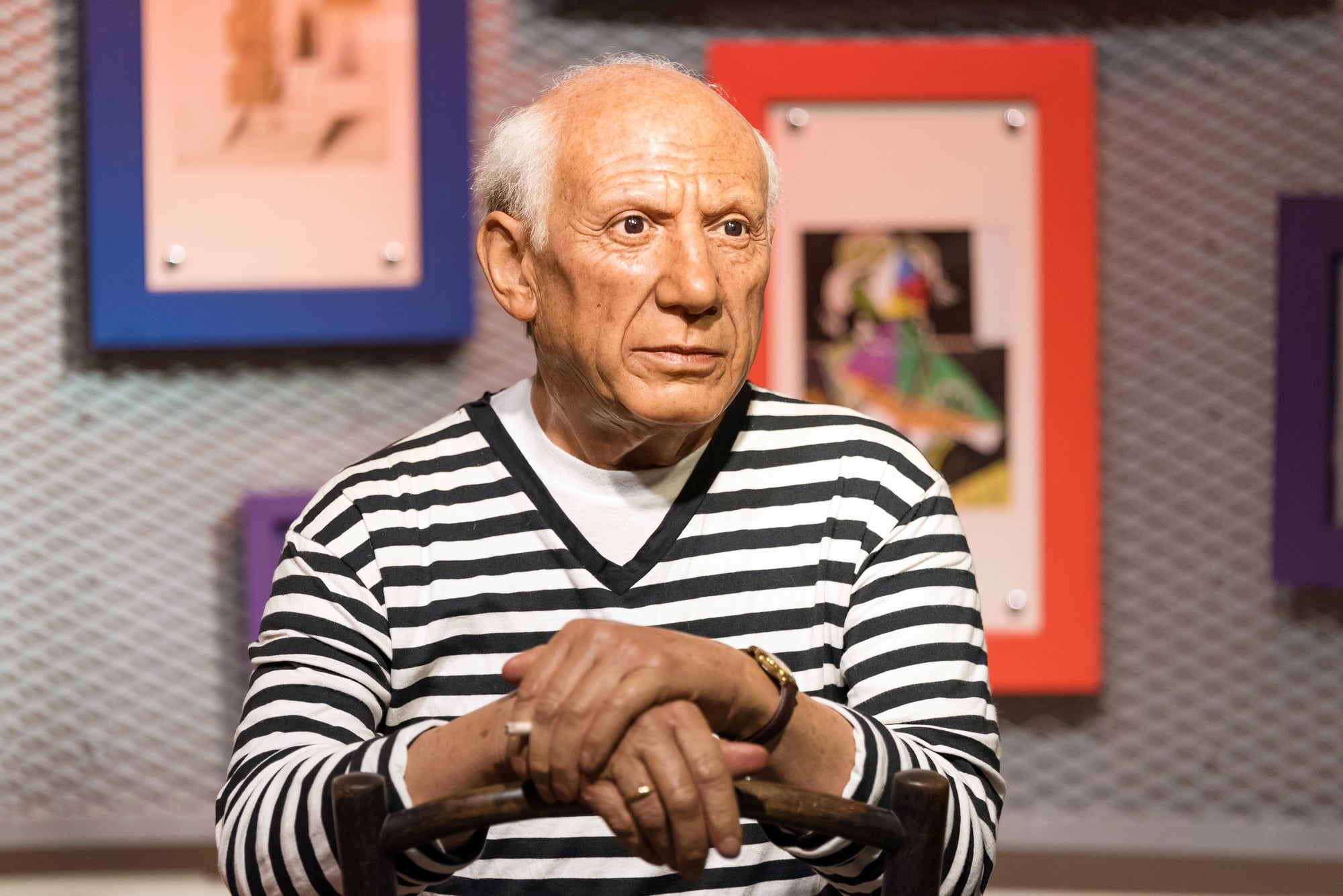
Picasso and Matisse kept tabs on each other the way chess players watch an opponent’s hands — not with hostility exactly, but with a watchful attention that sharpened every move. When Matisse introduced bold color, Picasso responded with fractured form; when Picasso pushed into Cubism, Matisse redoubled his commitment to pure decoration. Their rivalry was a conversation conducted in paint over four decades, and the 20th century is richer for every argument they never quite finished.
Larry Bird and Magic Johnson
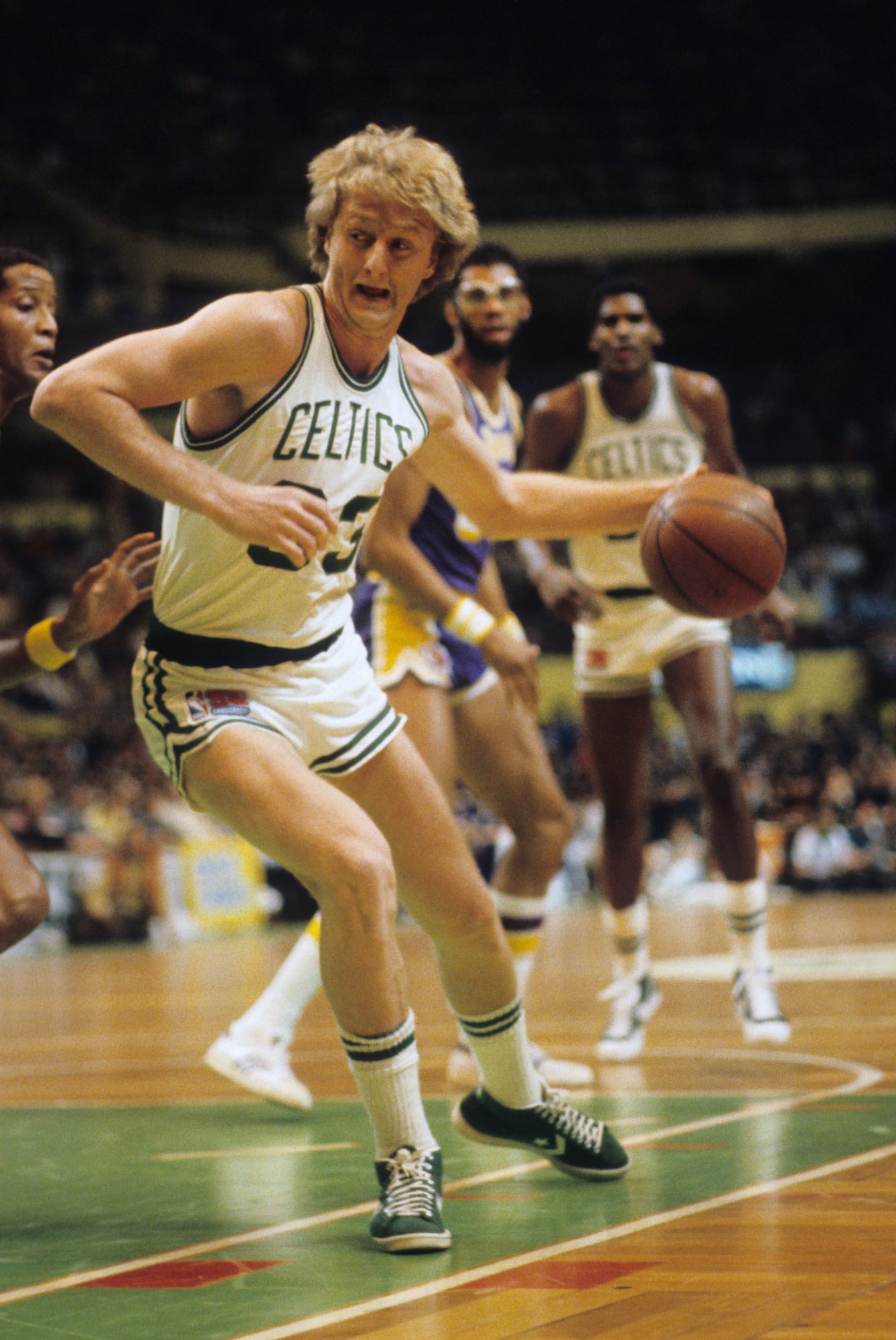
Larry Bird and Magic Johnson saved the NBA. That’s not hyperbole — league ratings were in decline before these two arrived, and their rivalry gave the sport a national story it desperately needed. Bird’s no-nonsense, trash-talking precision against Magic’s joyful, pass-first brilliance drew fans who’d never cared about basketball before, and both players pushed their own games into territory they might never have reached competing against lesser opposition.
Coke and Pepsi

The Cola Wars are a masterclass in how competition manufactures excellence that neither side could manufacture alone. Pepsi’s 1975 Taste Test challenge forced Coca-Cola into one of the most catastrophic product decisions in corporate history — New Coke — and then forced it back out again, which paradoxically strengthened the original brand more than any marketing campaign ever could have. So Pepsi’s greatest contribution to Coca-Cola’s legacy might be the one Pepsi never intended to make.
Florence Nightingale and Mary Seacole
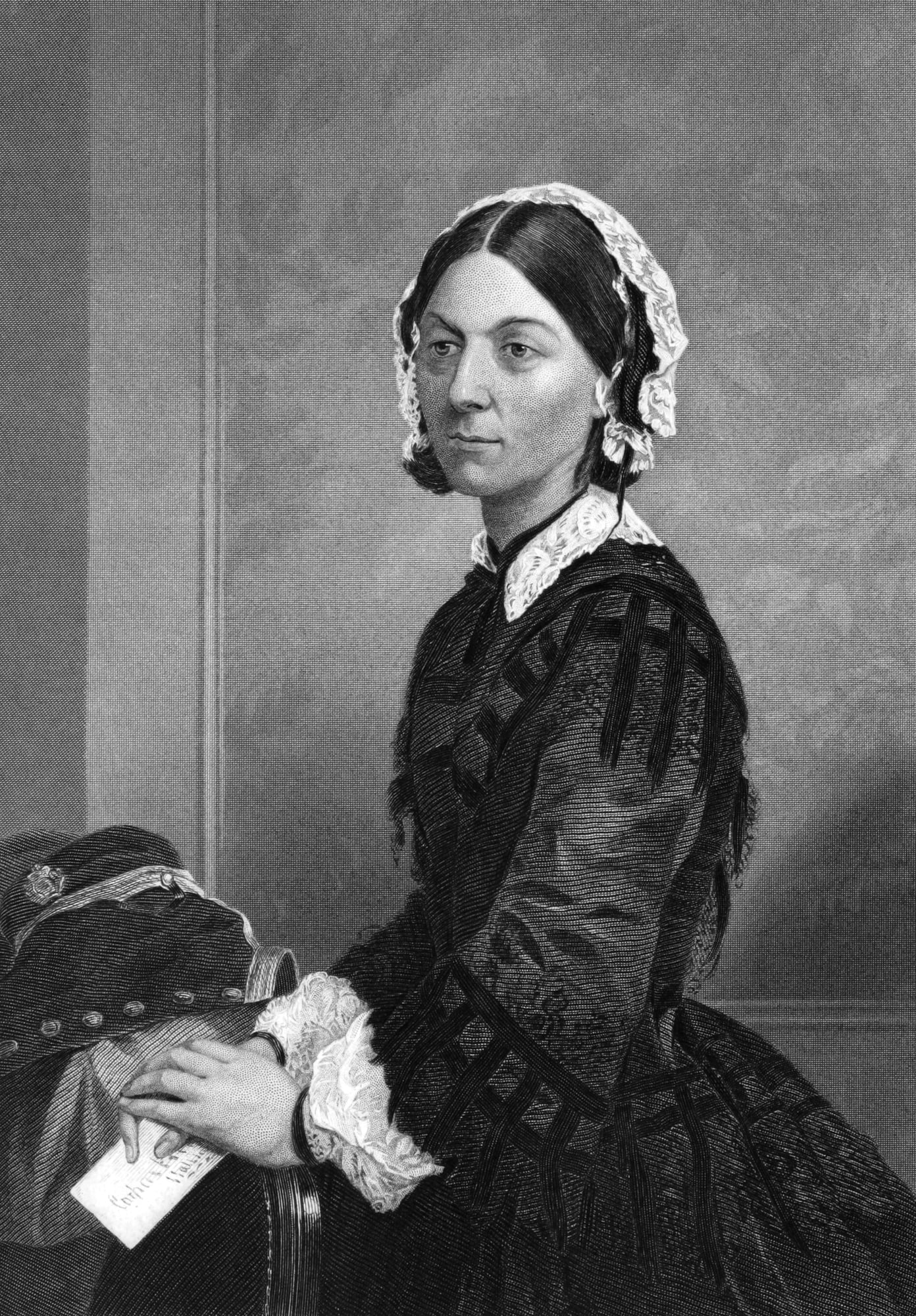
Florence Nightingale and Mary Seacole approached the same Crimean War crisis from very different directions — Nightingale through institutional reform, Seacole through direct, frontline care that Nightingale’s establishment repeatedly refused to sanction. The friction between their methods and their very different relationships with the British military medical system pushed both women to document their work more rigorously, argue their cases more forcefully, and ultimately reshape the public understanding of what nursing could and should be.
Steve Jobs and Bill Gates

Steve Jobs and Bill Gates are the clearest proof that two people can admire and despise each other simultaneously, and that the combination is more productive than either emotion on its own. Gates’s business dominance forced Jobs to think obsessively about differentiation — about making products so aesthetically and functionally distinct that price comparisons became irrelevant.
Jobs’s cultural influence, meanwhile, made Gates a more serious philanthropist, as though even retirement had a competitive dimension.
Eliud Kipchoge and Kenenisa Bekele
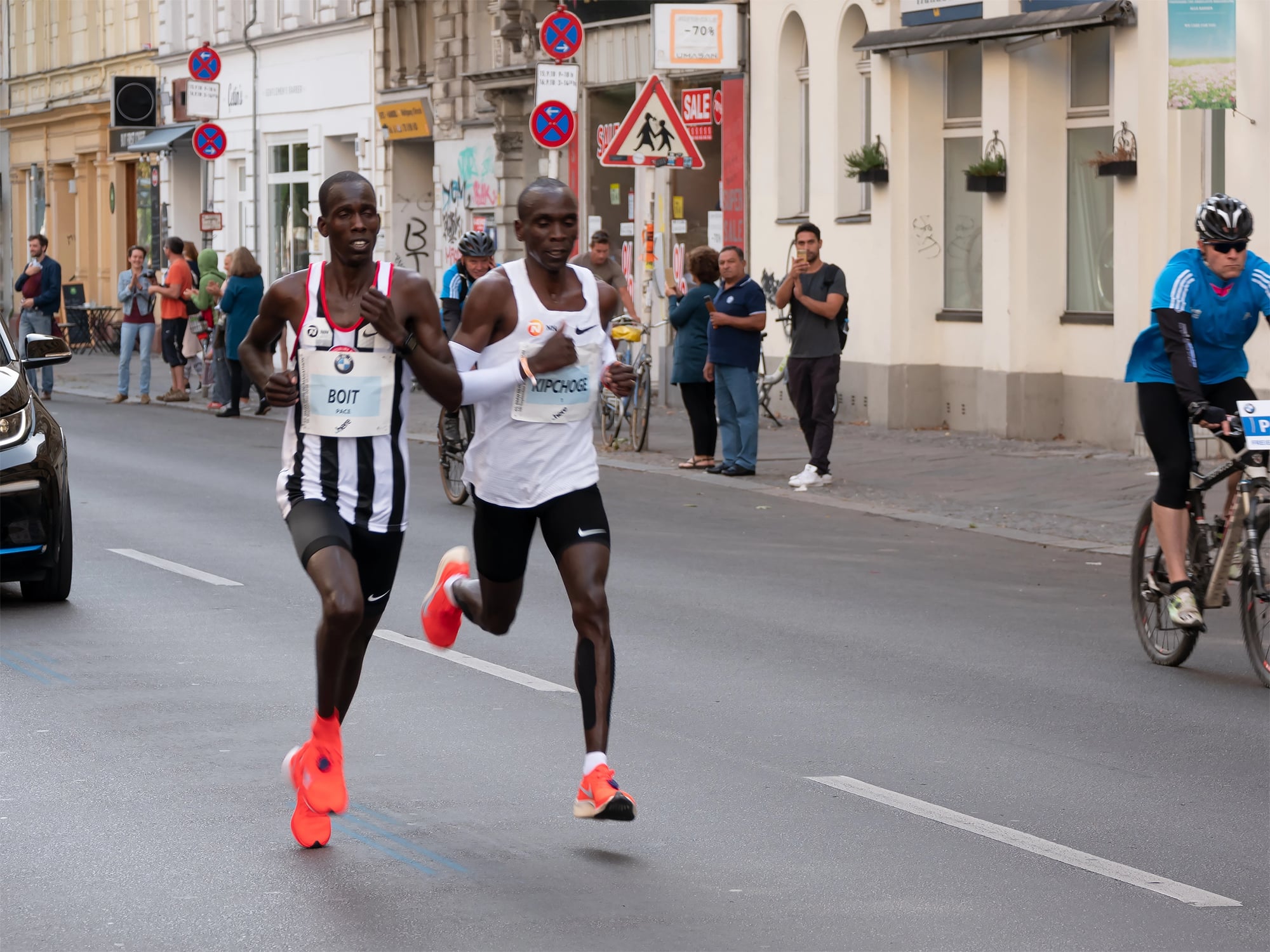
Eliud Kipchoge and Kenenisa Bekele never shared a finish line at their peaks — not quite, and not often — but the shadow each man cast over the other shaped the entire landscape of long-distance running for a decade. Bekele’s record times on the track pushed Kipchoge’s generation toward a physicality that earlier marathon runners hadn’t needed to develop; Kipchoge’s dominance on the road gave Bekele a target that kept him competitive well into an age when most runners had retired. Both men ran faster because the other one existed.
NASA and the Soviet Space Program
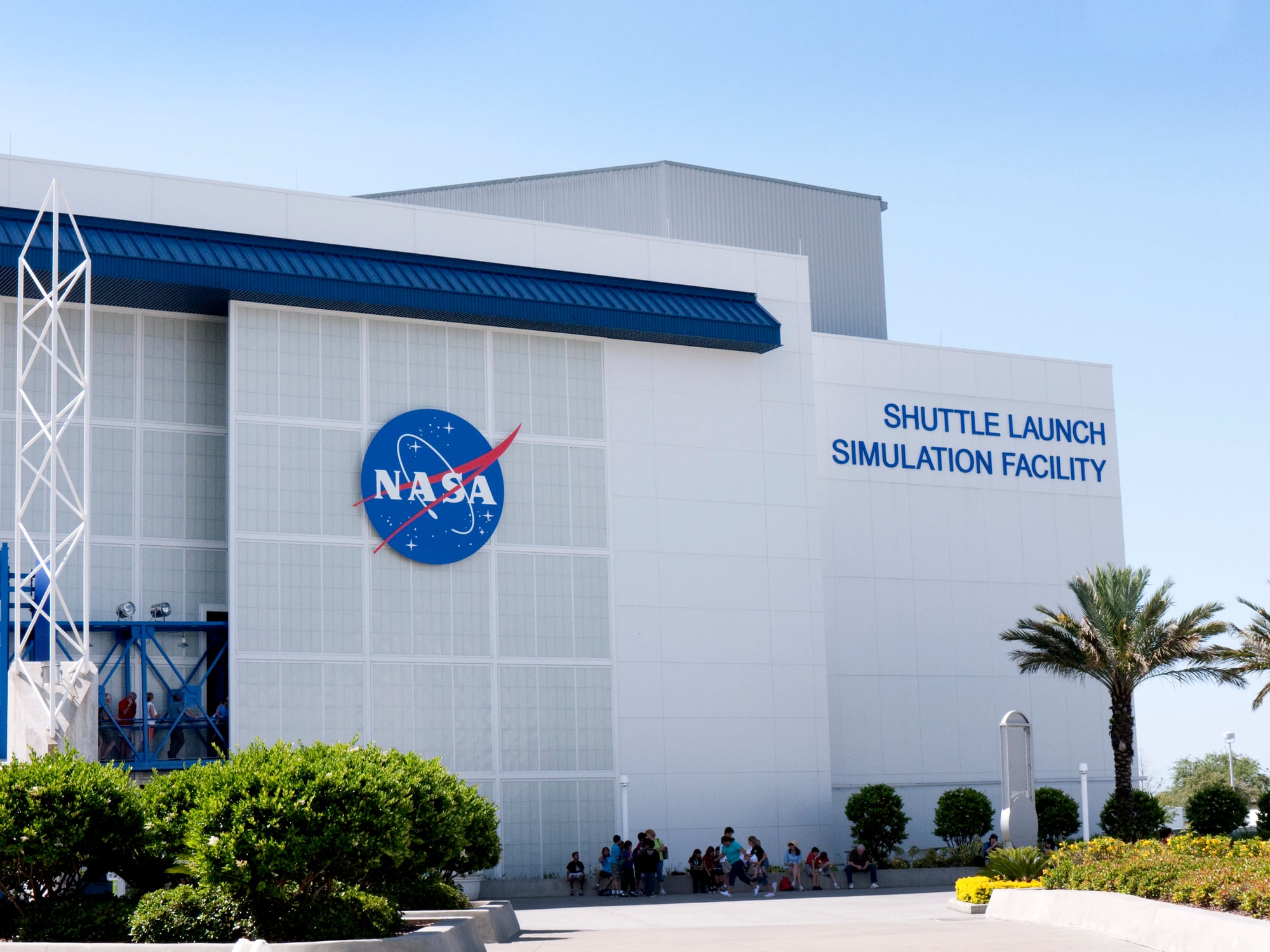
The Space Race was less a rivalry and more a productive mutual terror, with each side so afraid of falling behind that both sides accelerated timelines that would have taken twice as long under ordinary conditions. Sputnik in 1957 didn’t just embarrass NASA — it created NASA as a serious institution, funded and urgent in a way it had never been before. The Soviet program, for its part, landed the first probe on the moon, sent the first woman to space, and completed the first spacewalk, achievements that only happened because someone else was watching.
Martina Navratilova and Chris Evert

Martina Navratilova and Chris Evert played each other 80 times across 16 years, and the contrast in their styles — Evert’s baseline precision against Navratilova’s aggressive serve-and-volley game — produced a technical education in women’s tennis that coaches still reference today. Each player adjusted her game specifically to counter the other’s strengths, and the adjustments made them both better against every other opponent they ever faced. Navratilova won 43 of those matches; Evert won 37; and both ended their careers as the defining players of their era.
Newton and Leibniz
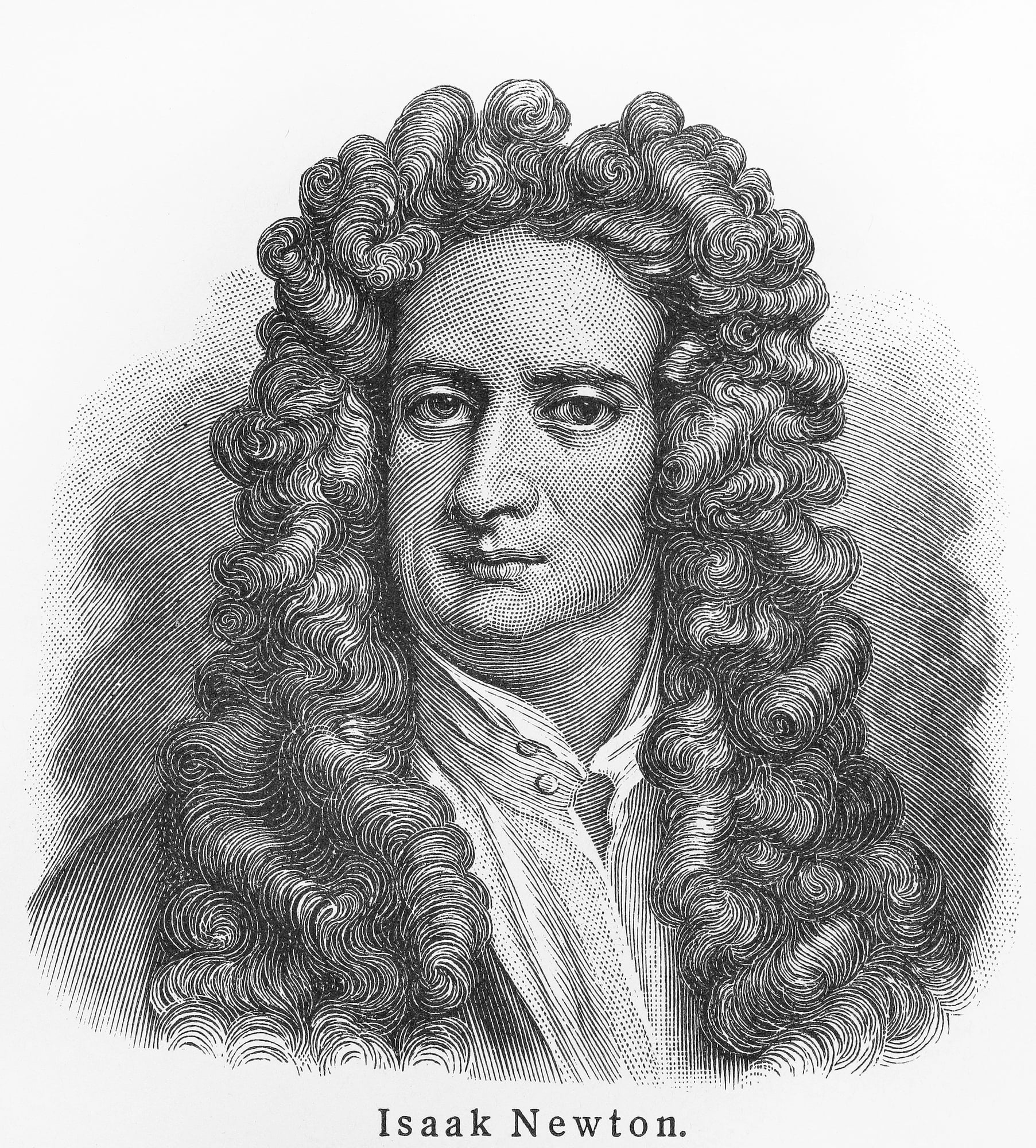
Isaac Newton and Gottfried Wilhelm Leibniz both invented calculus — independently, at roughly the same time — and the subsequent argument over who deserved credit became one of the ugliest priority disputes in the history of science. Newton used the controversy to suppress Leibniz’s notation and defend his own, but Leibniz’s notation was cleaner and more practical, and it’s the version the entire world still uses. So Newton won the argument and lost the legacy, which is the kind of outcome that makes you think carefully about what winning actually means.
Ferrari and Lamborghini
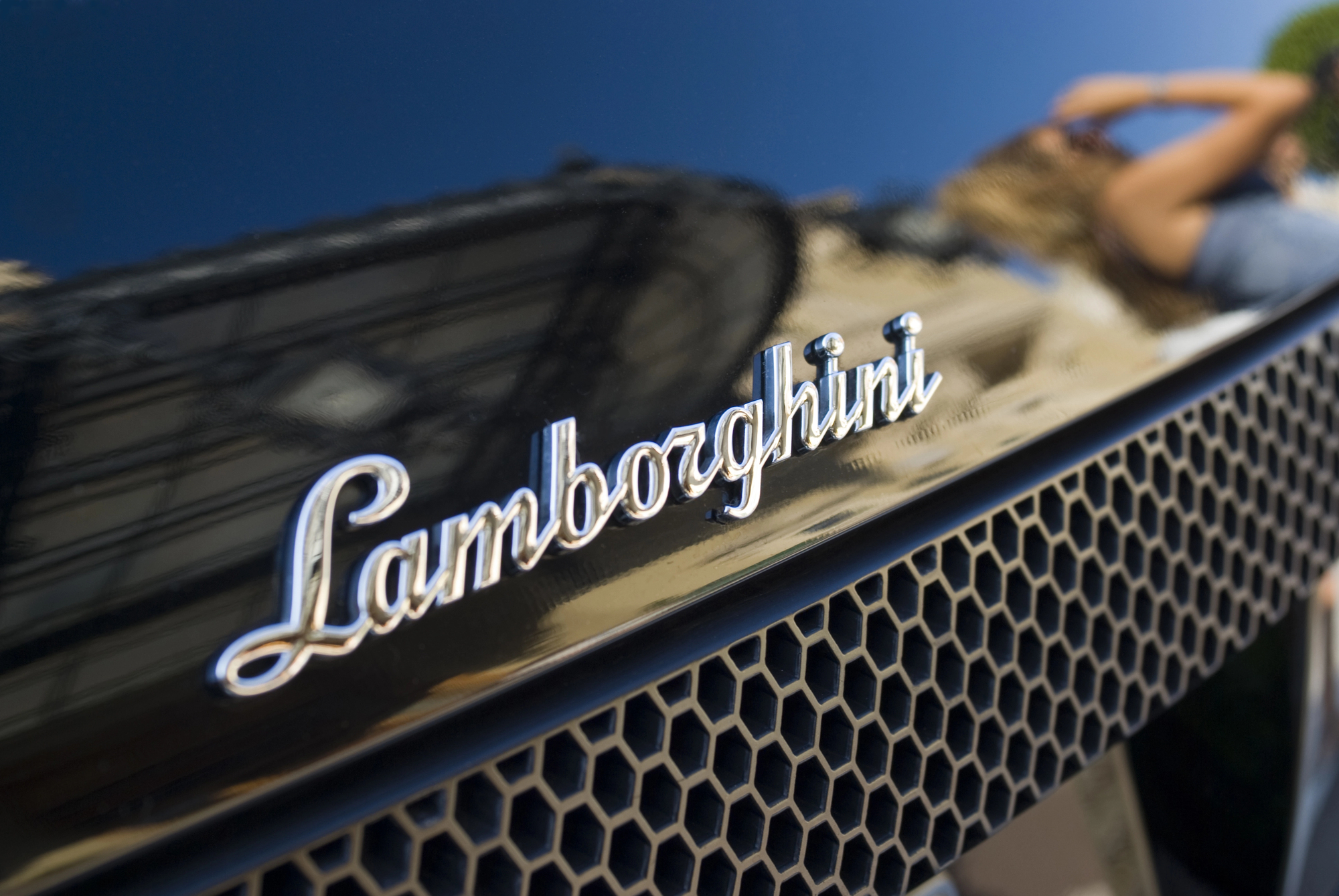
The story that Lamborghini started building sports cars because Enzo Ferrari insulted him — dismissing a tractor manufacturer’s complaint about a clutch — may be slightly embellished, but the rivalry it spawned is entirely real. Lamborghini’s angular, dramatic designs forced Ferrari to think more carefully about styling rather than pure performance, and Ferrari’s racing pedigree gave Lamborghini a standard of mechanical credibility to chase for decades. Neither brand would be quite as interesting without the other breathing down its neck.
Alexander Hamilton and Aaron Burr
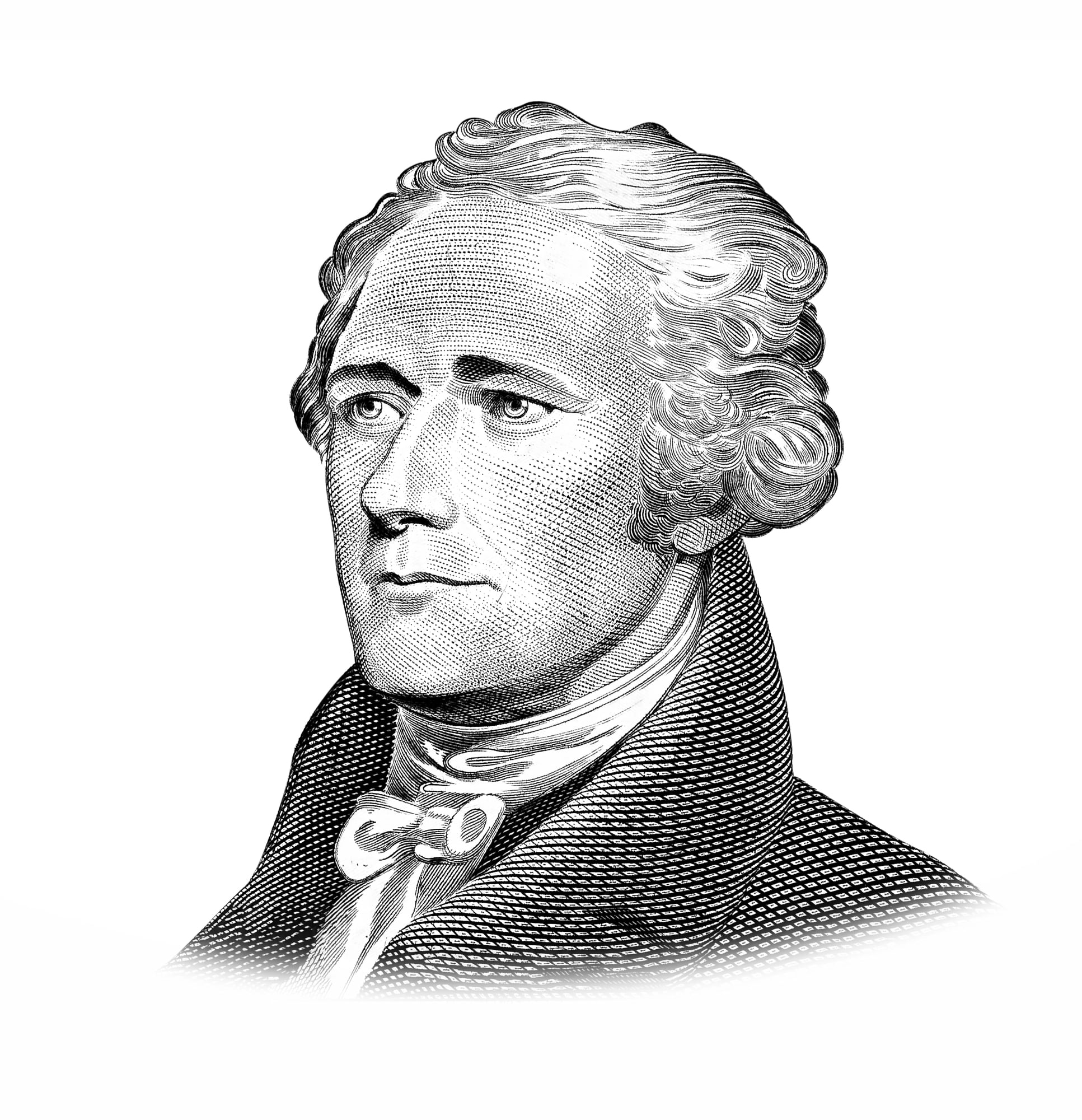
Hamilton and Burr had the kind of rivalry where the end result — a literal duel in Weehawken, New Jersey, in 1804 — almost overshadows the decades of substantive competition that preceded it. Their legal battles in New York, their political maneuvering during the 1800 presidential election, and their competing visions for what American democracy should actually look like pushed both men to articulate their positions more clearly and argue them more forcefully than they might have without a worthy opponent.
Hamilton paid for the rivalry with his life; Burr paid with his reputation; and American political philosophy was richer for every argument they’d had.
Usain Bolt and Asafa Powell
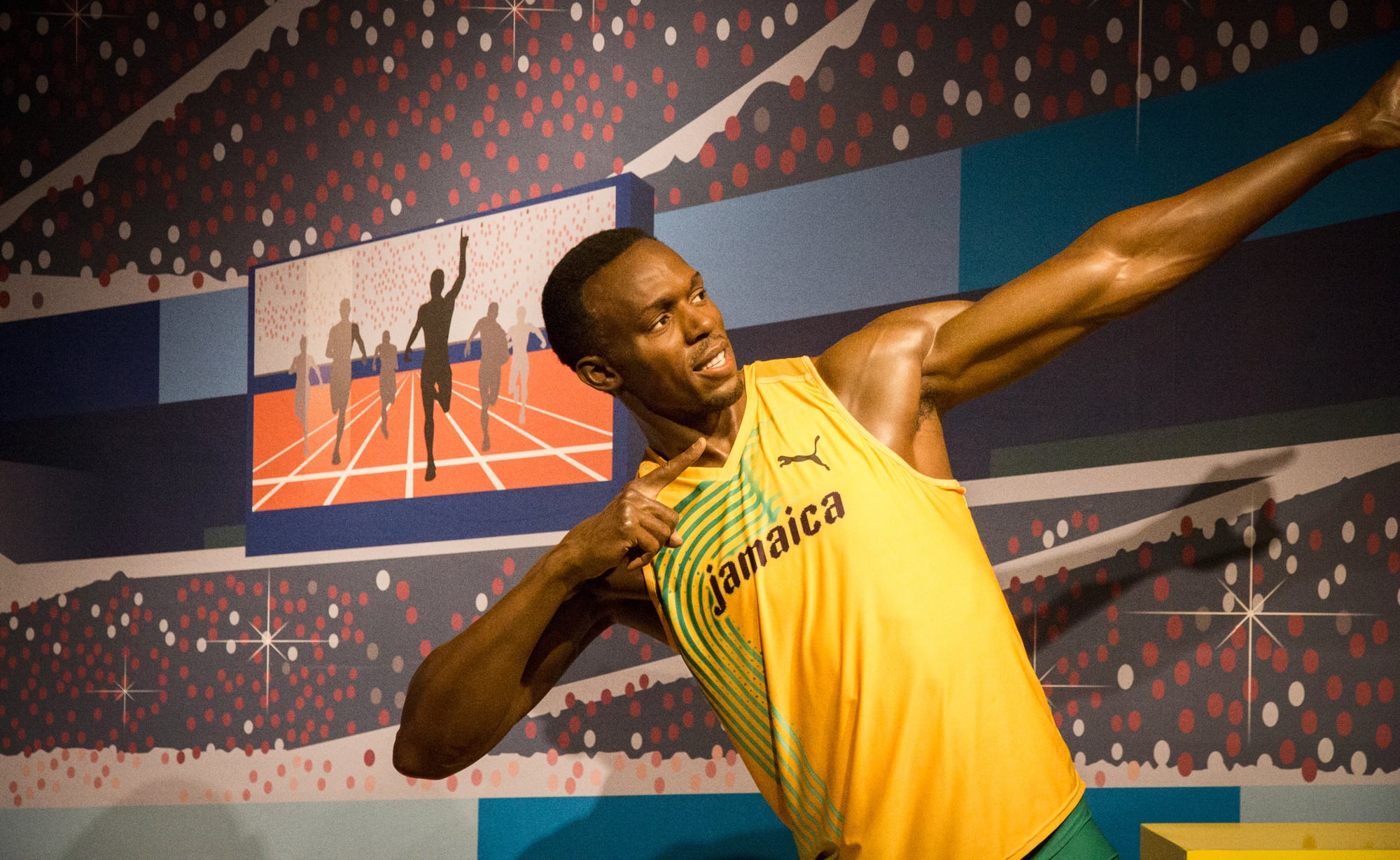
Usain Bolt gets the fame, but Asafa Powell’s relentless presence in the same sprint events across the same decade gave Bolt a target that kept him from coasting. Powell held the 100-meter world record before Bolt arrived, and the knowledge that Powell — and later Yohan Blake — was always within striking distance forced Bolt to maintain a training intensity that his natural talent might otherwise have allowed him to relax. You don’t run 9.58 seconds without someone making you believe that 9.59 isn’t enough.
Darwin and Wallace
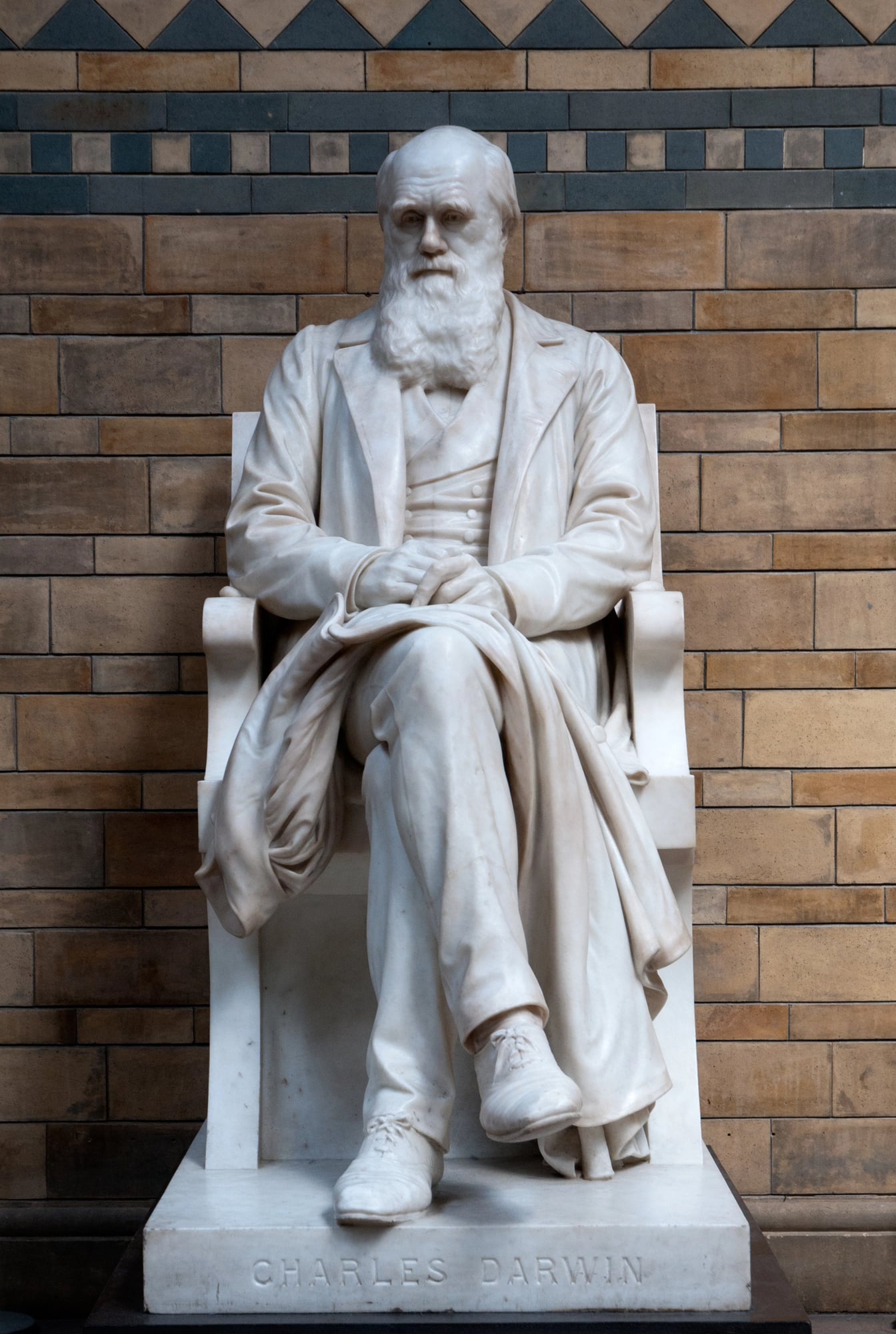
Charles Darwin sat on his theory of natural selection for over 20 years, cautious, meticulous, not quite ready to publish, and then Alfred Russel Wallace sent him a letter from Southeast Asia in 1858 that described the same theory almost exactly. The jolt of realizing someone else had arrived at the same destination — independently, and was about to announce it — pushed Darwin to finally present his work, and On the Origin of Species appeared the following year.
Wallace, to his lasting credit, accepted the arrangement graciously; Darwin, for his part, spent the rest of his career producing work of a depth that his earlier caution had been quietly building toward.
Michael Jordan and Isiah Thomas
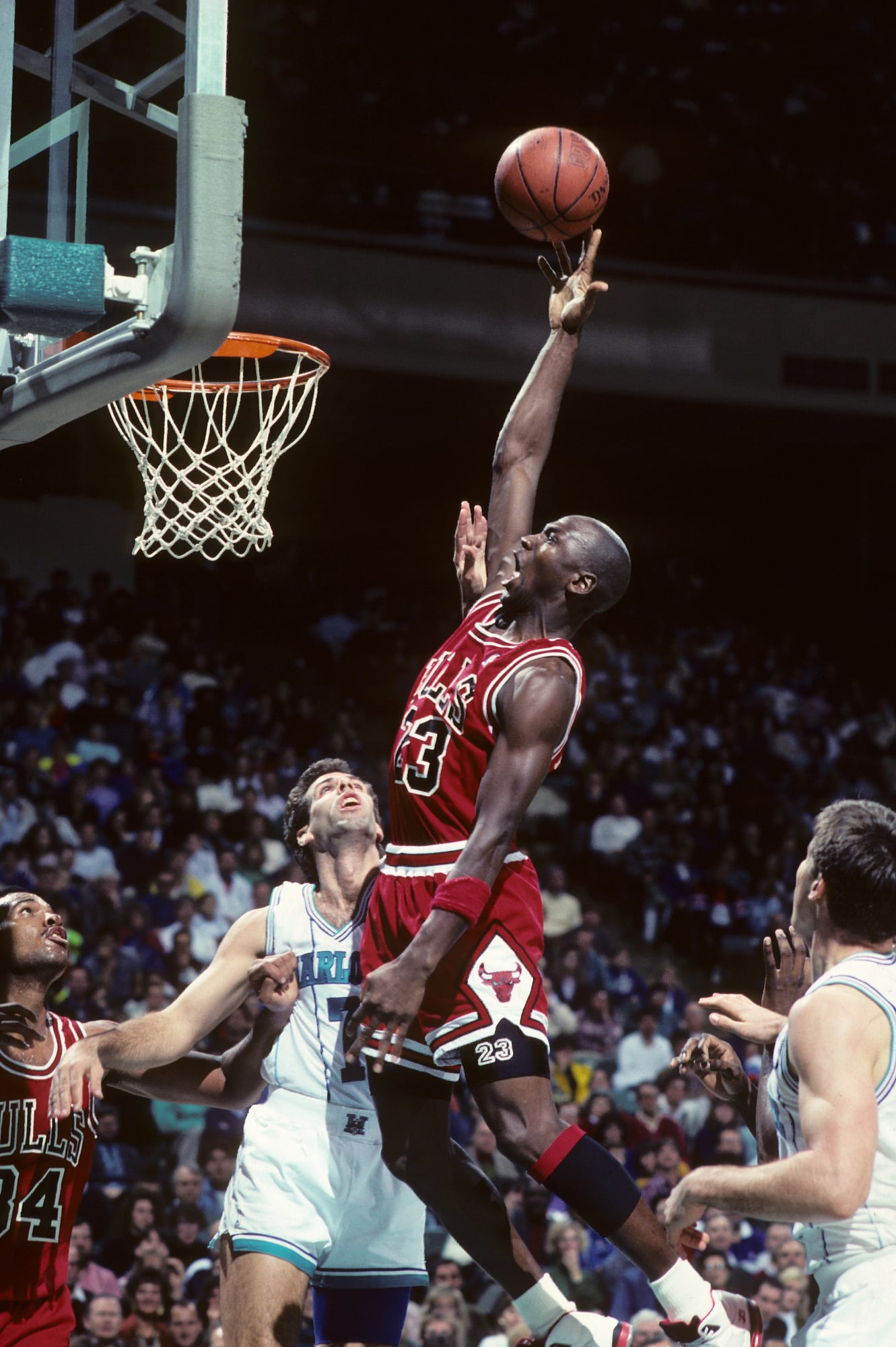
Michael Jordan and Isiah Thomas had a rivalry so combustible that its effects lasted long after both men retired. The “Bad Boy” Detroit Pistons physically punished Jordan for three consecutive playoff seasons, holding him to shooting percentages that his regular-season performance had made unthinkable, and Jordan’s response was to build a body — under the guidance of trainer Tim Grover — that could absorb contact without losing efficiency. The Jordan who eventually won six championships was partly forged in those Detroit losses.
Rembrandt and Vermeer
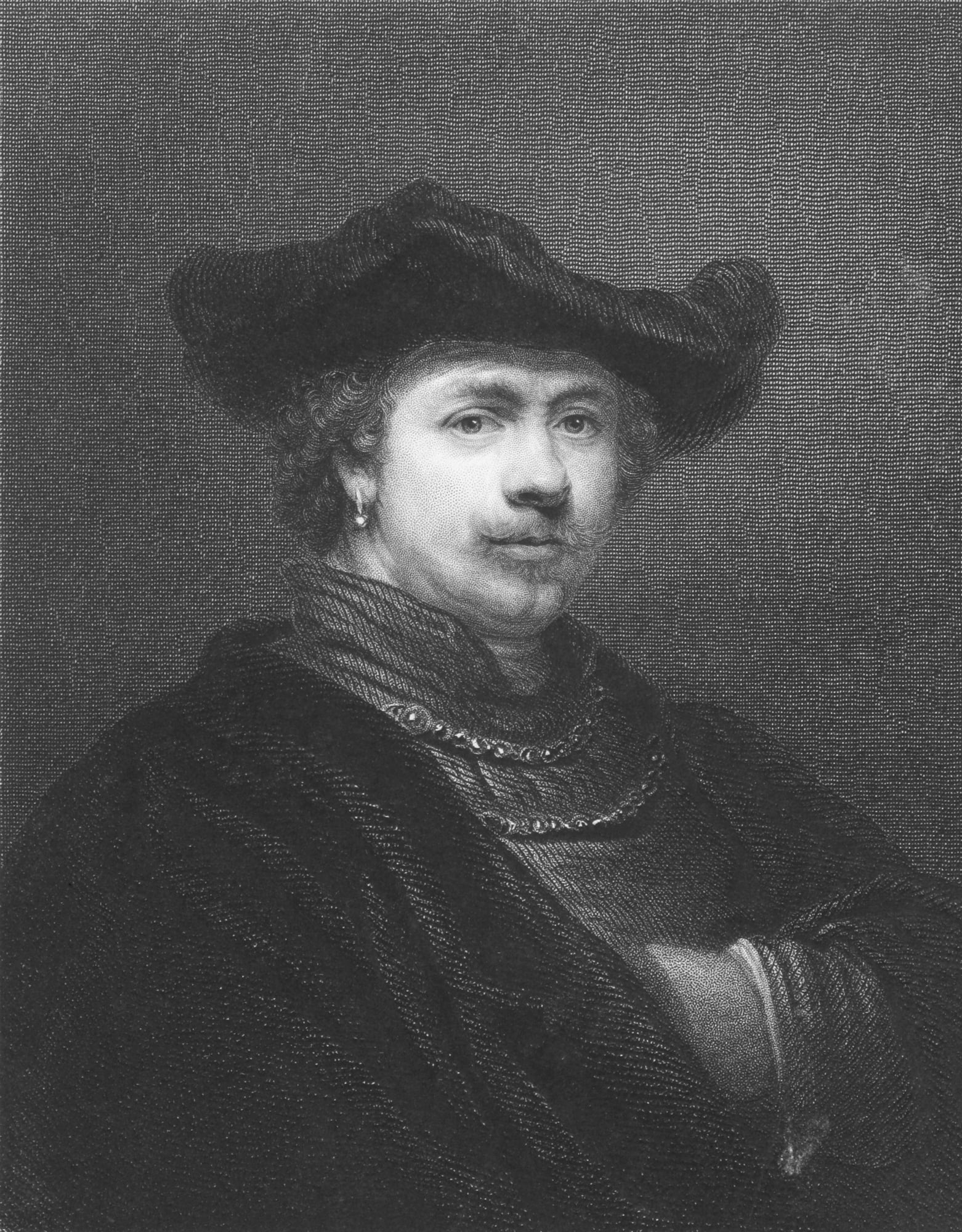
Rembrandt van Rijn and Johannes Vermeer didn’t know each other personally, but they worked in the same country during the same Golden Age of Dutch painting, and the contrast between their approaches — Rembrandt’s dramatic chiaroscuro versus Vermeer’s quiet, luminous domesticity — defined an entire era’s visual vocabulary. Collectors and patrons compared them constantly, which pushed each artist to deepen his own sensibility rather than drift toward whatever style was fashionable.
Vermeer’s work is the stillness that Rembrandt’s drama makes you crave.
Serena Williams and Venus Williams
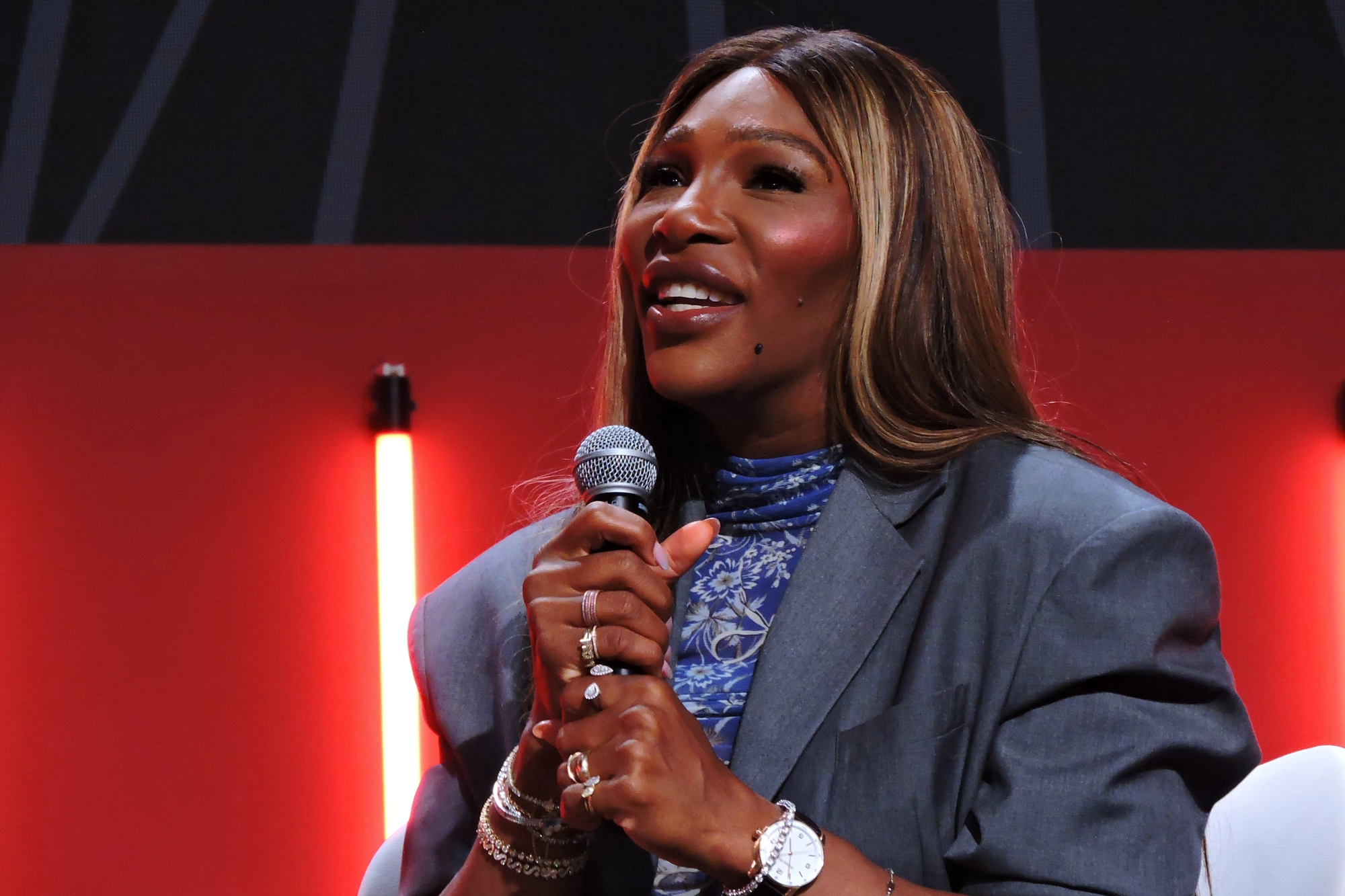
Serena and Venus Williams played each other 31 times in professional competition, which is a strange number when you consider that they grew up practicing on the same courts in Compton, California. The relationship between them is too warm and complicated to reduce to pure rivalry, but the competitive fact remains: each woman trained and competed knowing the other was studying every weakness in real time. And the result was two careers that sit at the very top of the sport’s all-time rankings.
Boeing and Airbus
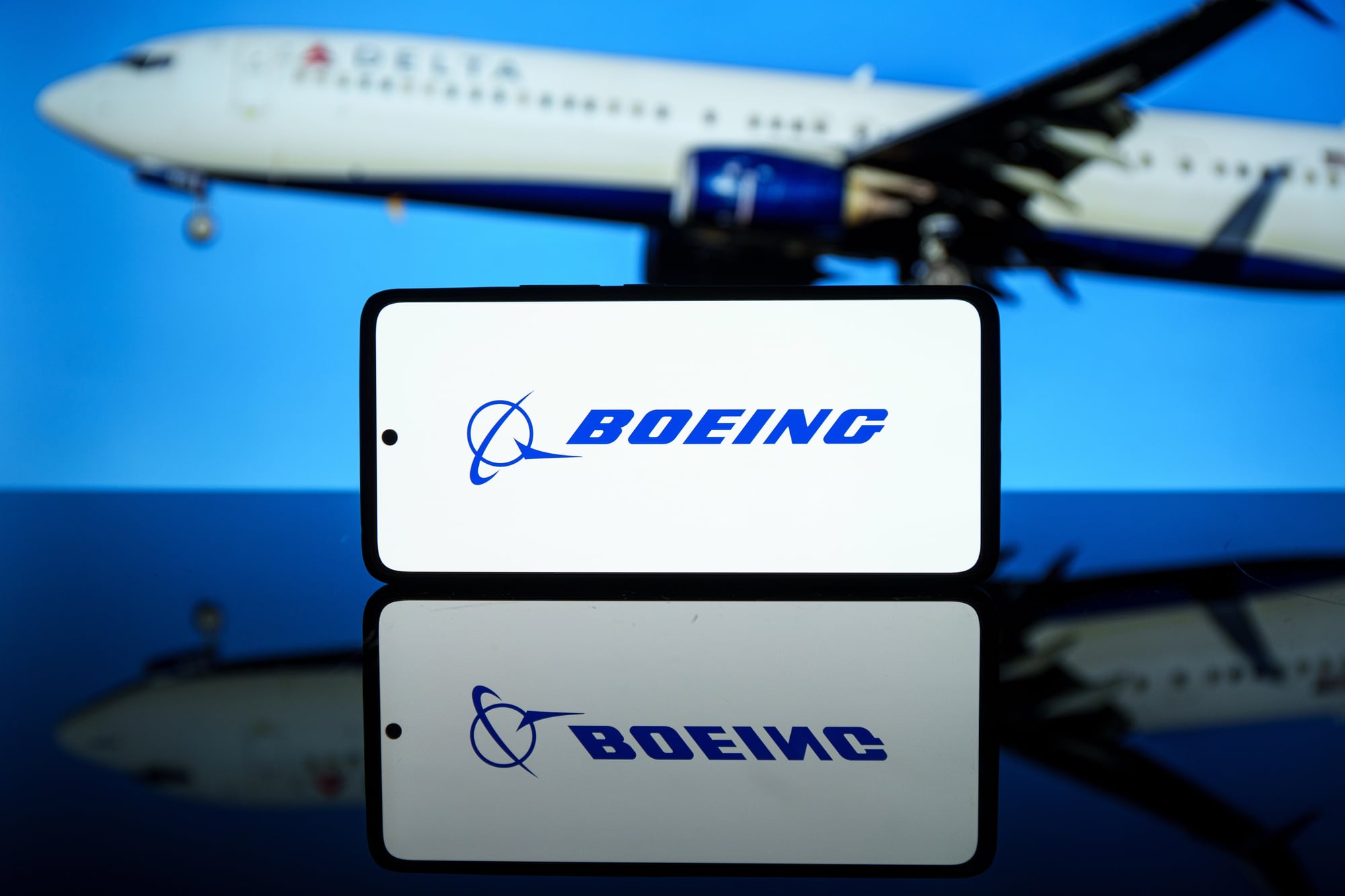
Boeing dominated commercial aviation so completely for so long that Airbus, founded in 1970 as a European consortium specifically to challenge that dominance, seemed almost quixotic at first. Forty years later, the two companies split the global commercial aircraft market nearly down the middle, and the competition between them produced fuel efficiency improvements, range extensions, and passenger comfort innovations that a monopoly would have had no incentive to develop. Airbus’s A380 forced Boeing to build the 787 Dreamliner; Boeing’s 737 MAX pressured Airbus into the A320neo. The passengers benefited every time.
Michelangelo and Leonardo da Vinci
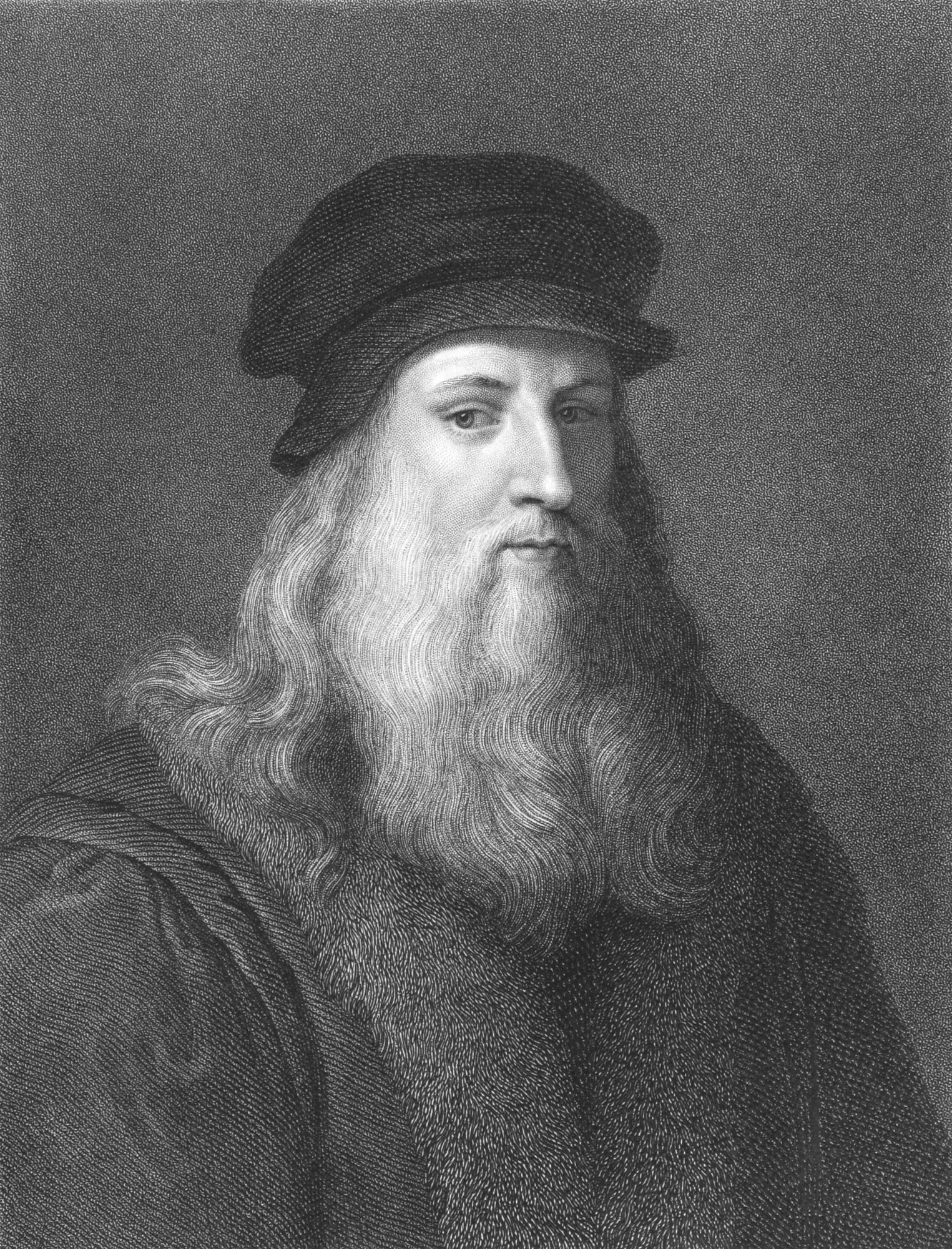
Michelangelo and Leonardo da Vinci were contemporaries in Florence, both working under the same patrons, both keenly aware of what the other was producing, and the friction between them — documented in contemporary accounts as mutual scorn wearing a thin coat of professional respect — sharpened both men’s commitment to their own distinct approaches. Leonardo’s pursuit of science alongside art made Michelangelo a more determined purist of form; Michelangelo’s raw, muscular confidence in the human figure gave Leonardo’s anatomical studies a competitive urgency. Renaissance Florence is the kind of place that happens when two people that stubborn refuse to share the same ceiling.
Tiger Woods and Phil Mickelson
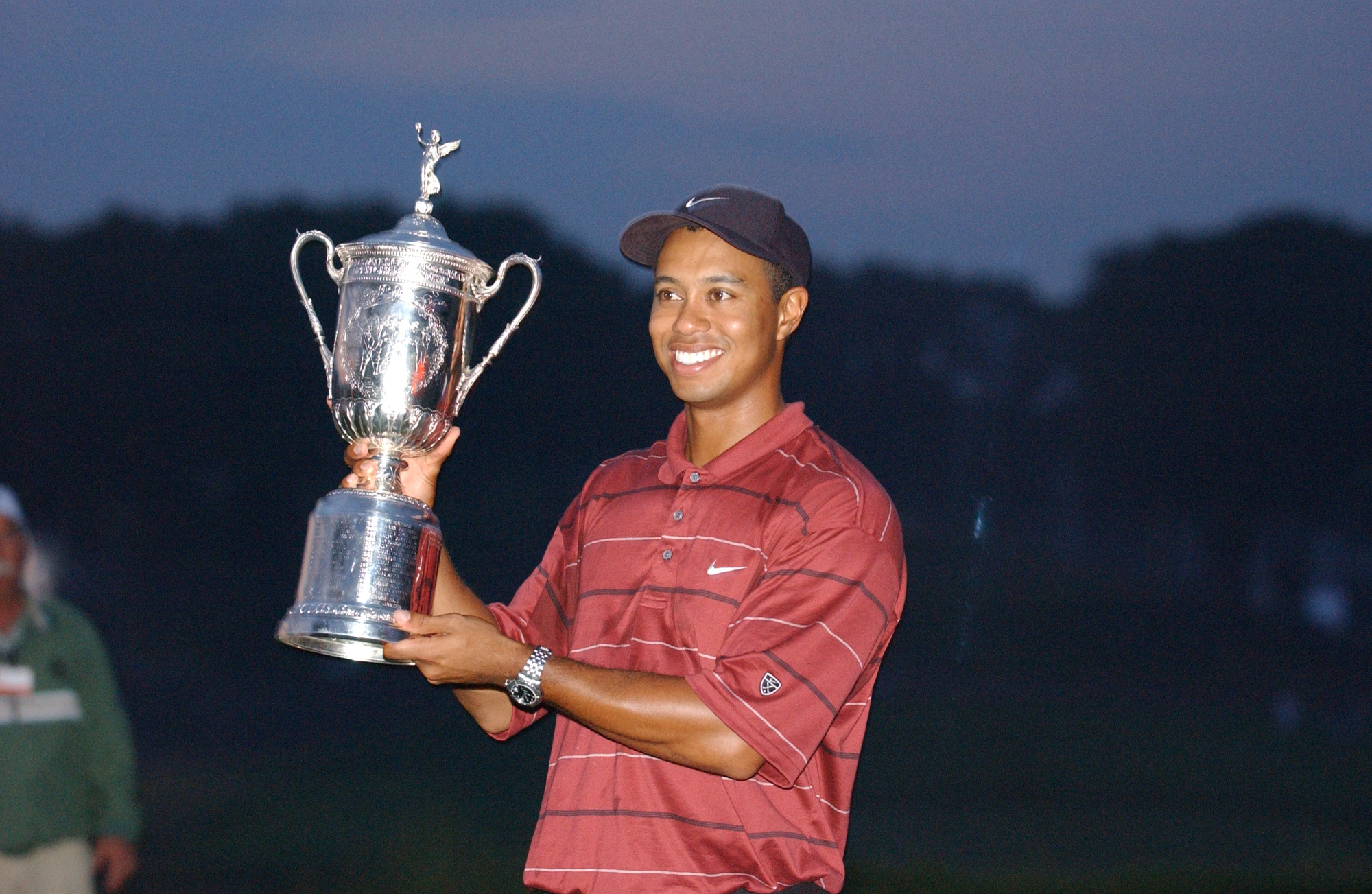
Tiger Woods and Phil Mickelson are the two greatest golfers of their generation, and they genuinely don’t like each other much, which has always made their rivalry more entertaining than the polished mutual-respect version that sports usually packages for public consumption. Woods’s dominance forced Mickelson to develop a short-game creativity that became his signature — the flop shot, the impossible recovery from impossible lies — because conventional approaches weren’t going to close the gap. And Mickelson’s refusal to simply concede the decade gave Woods a live target at every major he entered.
Ray Kroc and Dave Thomas

Ray Kroc built McDonald’s into a global institution; Dave Thomas built Wendy’s specifically to offer what he argued McDonald’s couldn’t — fresh, never-frozen beef and a more adult-oriented menu. Thomas had worked in the fast-food industry long enough to know exactly where McDonald’s was cutting corners, and Wendy’s was designed from the ground up to correct those decisions. The competition didn’t just benefit customers — it pushed McDonald’s into quality improvements it would never have considered without a credible alternative sitting across the parking lot.
Bjorn Borg and John McEnroe
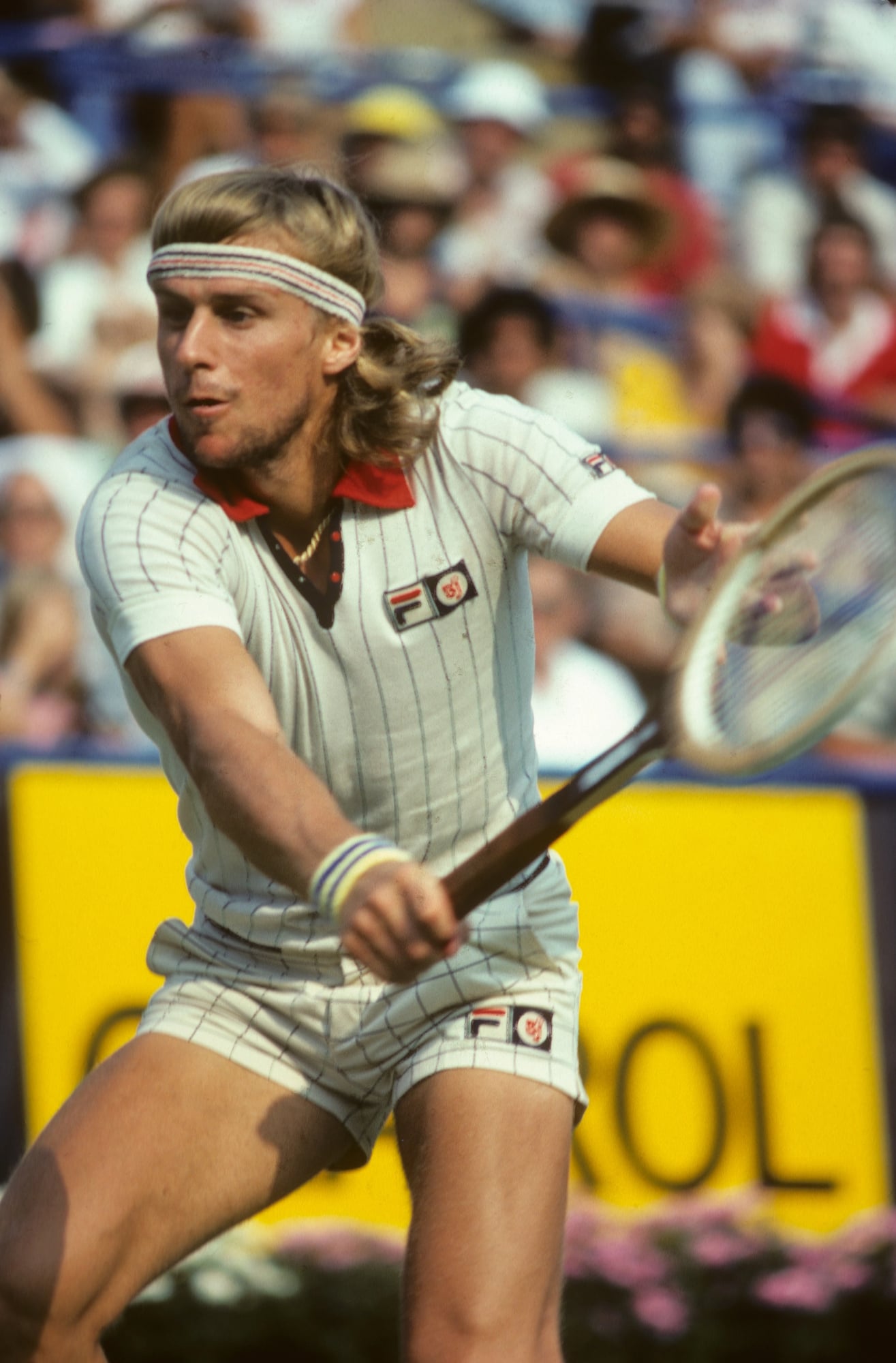
Bjorn Borg and John McEnroe met in the 1980 Wimbledon final, and the match — particularly the fourth-set tiebreak, which Borg won 18–16 after McEnroe saved five match points — is still considered one of the finest hours in tennis history. Borg’s icy, impenetrable composure was the mirror against which McEnroe’s volcanic intensity reflected most sharply, and both men elevated their games in direct response to the other’s psychological presence. Borg retired at 26, partly exhausted by the relentlessness of what McEnroe demanded from him every time they played.
Meriwether Lewis and Zebulon Pike
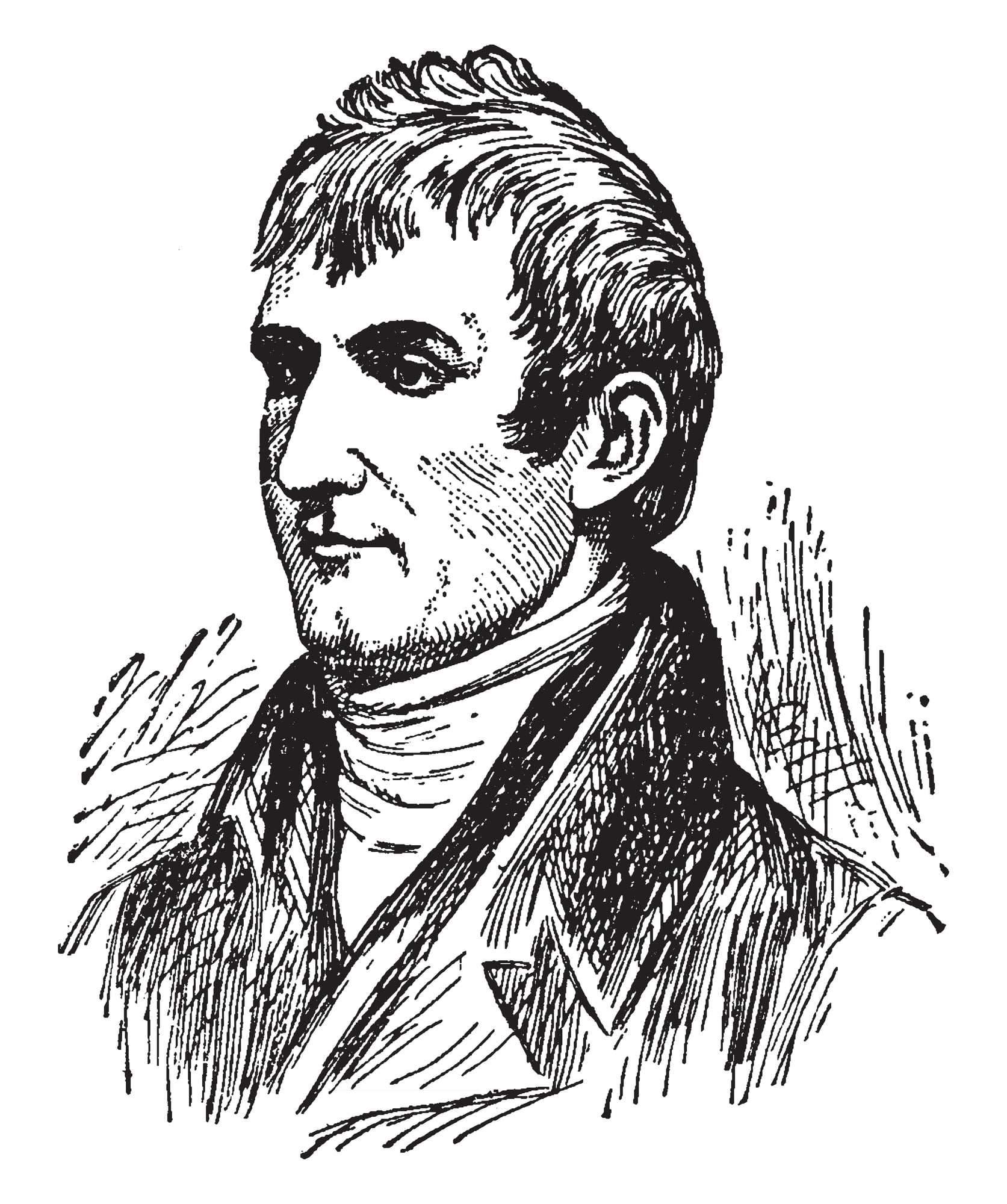
Meriwether Lewis and Zebulon Pike are rarely placed in direct rivalry, but President Jefferson’s commission of Lewis and Clark’s expedition in 1804 created an institutional pressure on the War Department to launch its own exploratory mission — and Pike’s 1806 expedition into the southwestern territories was the direct result. Lewis’s meticulous documentation set a standard that Pike was explicitly expected to match, and the competition between their two expeditions produced the most comprehensive geographical survey of North America that the young United States had ever commissioned.
Pike’s Peak carries one man’s name; the Louisiana Purchase maps carry the other’s.
Where Greatness Actually Comes From
Rivalry gets a bad reputation — as though competition is something people survive rather than something that builds them. But the evidence, stacked across centuries and continents, points somewhere more uncomfortable: greatness is rarely a solo project. It tends to arrive with someone else close behind, breathing hard, refusing to fall back.
The rivals in this list didn’t make each other great in spite of the friction — they made each other great because of it. So the next time you find yourself with a genuine competitor on your heels, it might be worth considering that they’re not just chasing you. They might be the reason you run faster than you ever thought you could.
More from Go2Tutors!

- The Romanov Crown Jewels and Their Tragic Fate
- 13 Historical Mysteries That Science Still Can’t Solve
- Famous Hoaxes That Fooled the World for Years
- 15 Child Stars with Tragic Adult Lives
- 16 Famous Jewelry Pieces in History
Like Go2Tutors’s content? Follow us on MSN.