Most Isolated Towns on Earth
Out here, roads end long before destinations begin. Getting around takes serious effort, nothing arrives by accident, preparation begins ages in advance.
Maps show dots, but reality tells another story. Where you are shapes every choice, weather adds its own rules, options shrink without notice.
Cut off from cities, life runs differently here. Not lonely by choice, some places thrive far from noise.
Tightly woven communities handle things their own way. Distance teaches planning long before problems arrive.
Think rocky coastlines, icy outposts, sunbaked plains – places where living stretches limits others never test. What grows there shows more than survival.
Out at the edge, normal rules bend.
Few places sit so far out of reach. Life carries on anyway, even when supply lines fade into distance.
Roads stop showing up long before you get there. Trade routes pass them by without notice.
Help takes days, sometimes weeks to arrive. These communities stay open despite it all.
Distance does not close shops or shut down homes. Each day runs on its own rhythm.
Maps often leave them blank. Yet people wake, work, and live just the same.
Tristan da Cunha
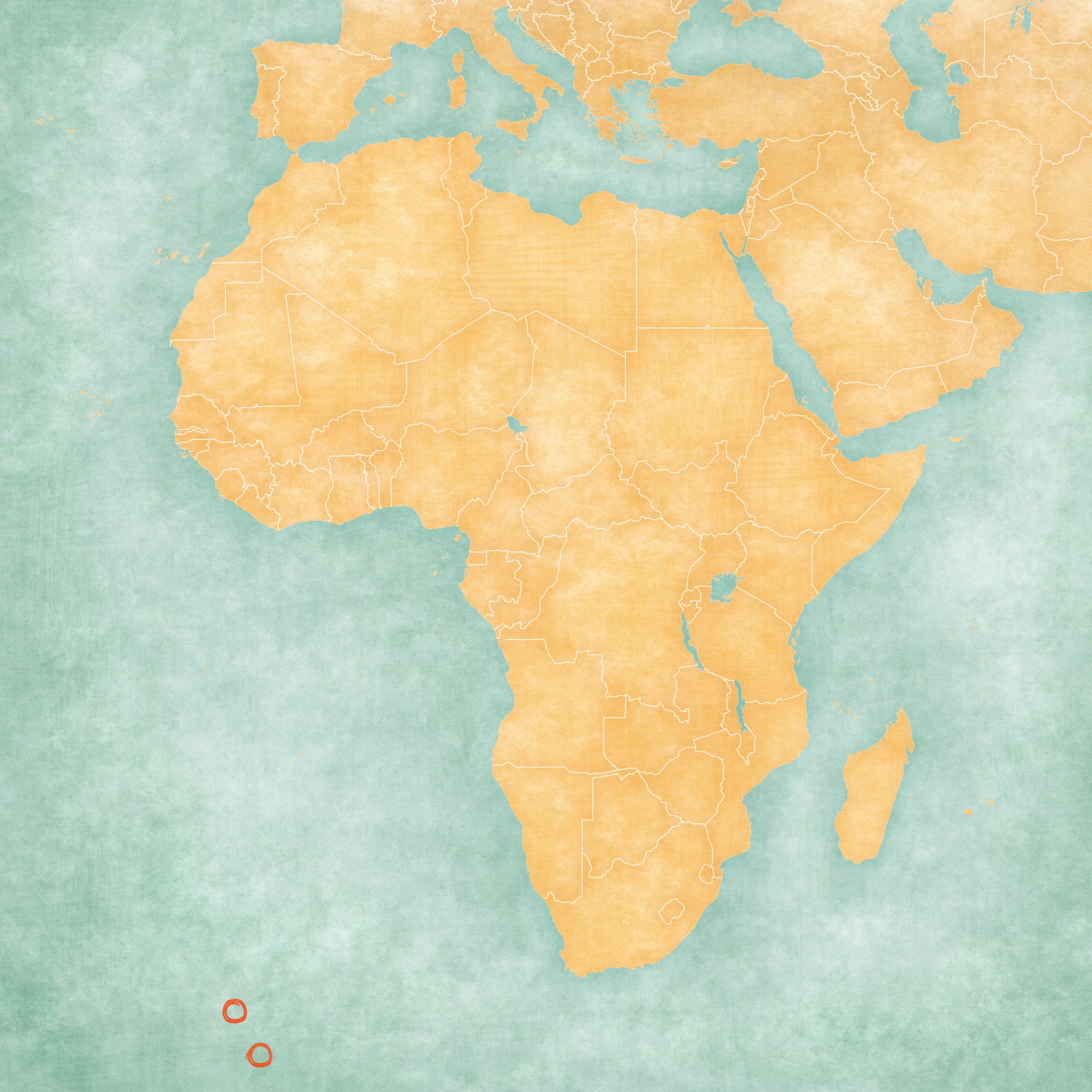
Tristan da Cunha is often described as the most remote inhabited settlement on the planet, and the description is not exaggerated. The volcanic island sits in the South Atlantic Ocean, roughly 1,500 miles from the nearest mainland.
There is no airport, no regular ferry service, and no quick way in or out.
Access depends on a small number of ships that make the journey a few times each year, weather permitting. Supplies arrive in bulk and are carefully managed.
Daily life revolves around fishing, farming, and shared responsibility. Isolation here is complete and constant, shaped by the open ocean in every direction, yet the community has endured for generations through cooperation and routine.
Ittoqqortoormiit
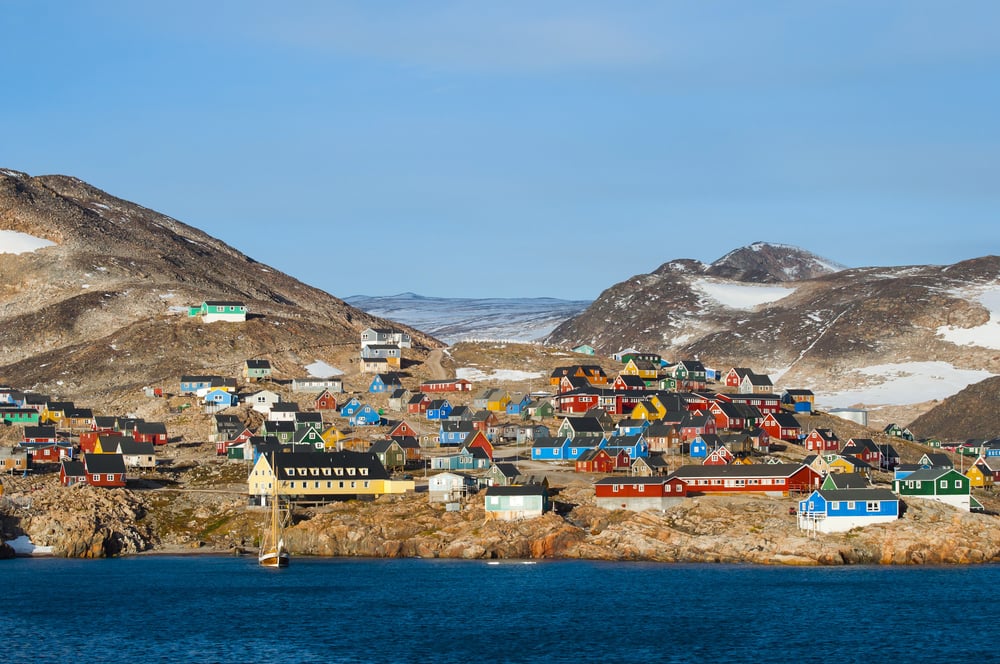
On Greenland’s eastern coast, Ittoqqortoormiit sits surrounded by ice for much of the year. The nearest settlement is hundreds of miles away, and access is limited to a short seasonal window when sea ice retreats.
Even then, travel remains unpredictable.
Residents rely heavily on hunting, fishing, and carefully scheduled supply deliveries. Long winters and extended periods of darkness define the rhythm of life.
Isolation here is reinforced by climate as much as distance, creating a town that exists in close partnership with its environment rather than in opposition to it.
Oymyakon

Oymyakon is widely known as one of the coldest inhabited places on Earth. Located in eastern Siberia, winter temperatures routinely plunge to extremes that make travel difficult and sometimes impossible.
Roads can become unreliable, and vehicles require constant care to remain functional.
Despite the climate, the town remains occupied year-round. Residents depend on stored food, local resources, and deep knowledge of seasonal patterns.
Isolation here is not defined by miles alone, but by conditions that turn even short journeys into serious undertakings.
La Rinconada
Perched more than 16,000 feet above sea level in the Peruvian Andes, La Rinconada is one of the highest permanent settlements on Earth. The thin air affects everything from physical movement to long-term health, and the surrounding terrain makes access difficult.
The town exists largely because of nearby gold mining, drawing people despite the harsh conditions. Supplies must be hauled over rugged routes, and infrastructure struggles to keep pace with the environment.
Isolation here is shaped by altitude and geography, creating a settlement suspended between opportunity and endurance.
Coober Pedy
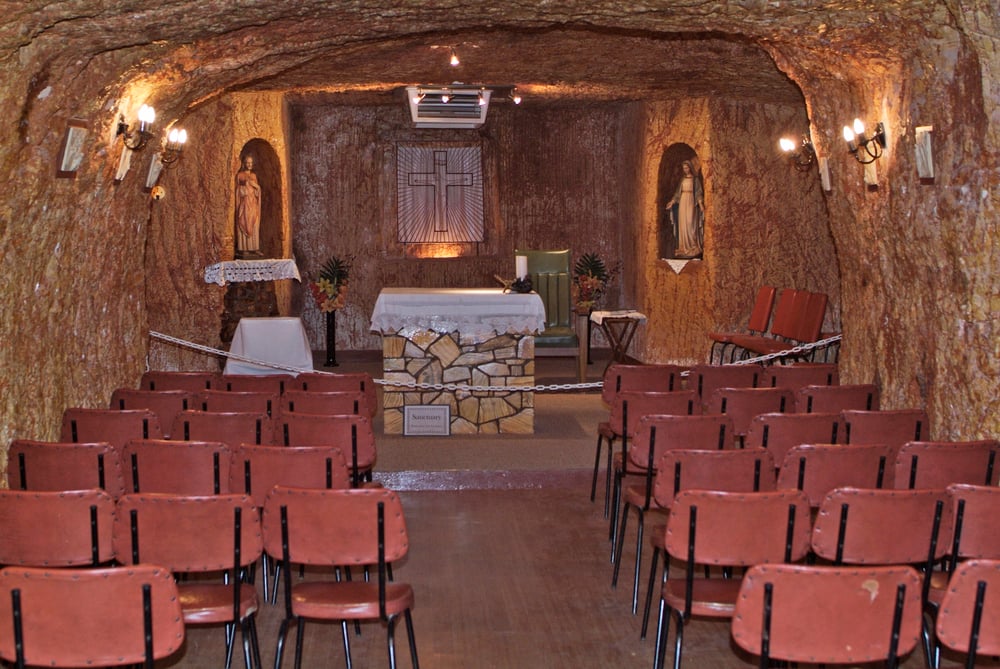
Coober Pedy lies deep within South Australia’s outback, surrounded by hundreds of miles of arid land. The town is famous for its underground homes, built to escape extreme heat rather than distance itself.
Still, isolation is a daily reality. Supplies travel long distances before reaching residents, and services are limited by geography.
Life here is shaped by planning and adaptation, where heat and distance quietly influence how the town functions.
Supai
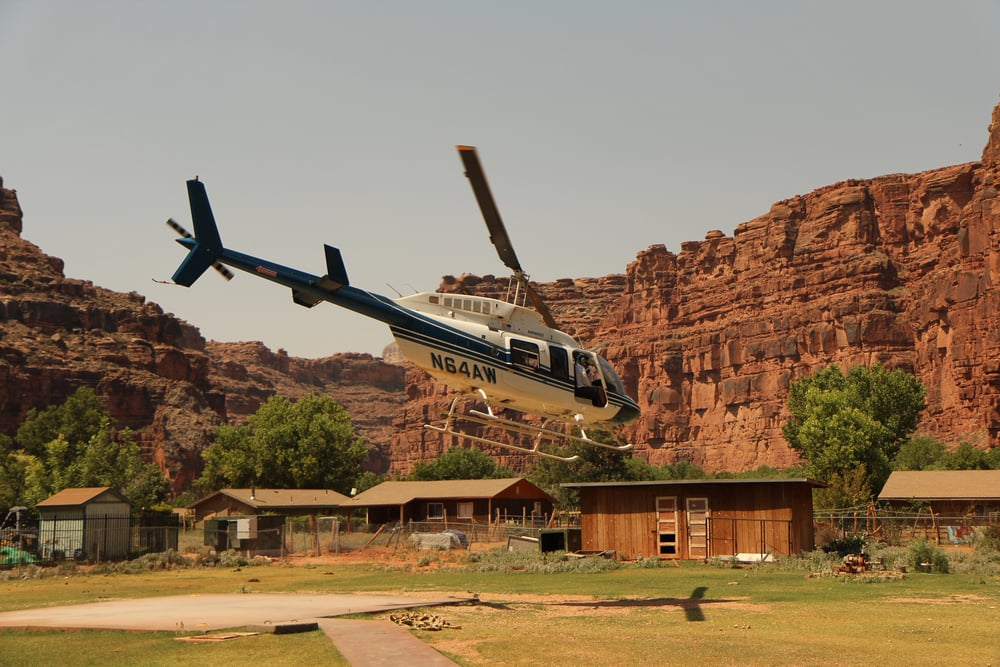
Supai sits at the bottom of the Grand Canyon, entirely cut off from the road network. There are no highways leading to the village.
Access comes by foot, horseback, helicopter, or mule train, making it one of the most logistically isolated communities in the United States.
Everyday necessities arrive on strict schedules, and residents are accustomed to waiting rather than rushing. Isolation here is shaped by terrain rather than sheer distance.
The canyon walls turn short distances into serious journeys, reinforcing a lifestyle built around patience and foresight.
Easter Island
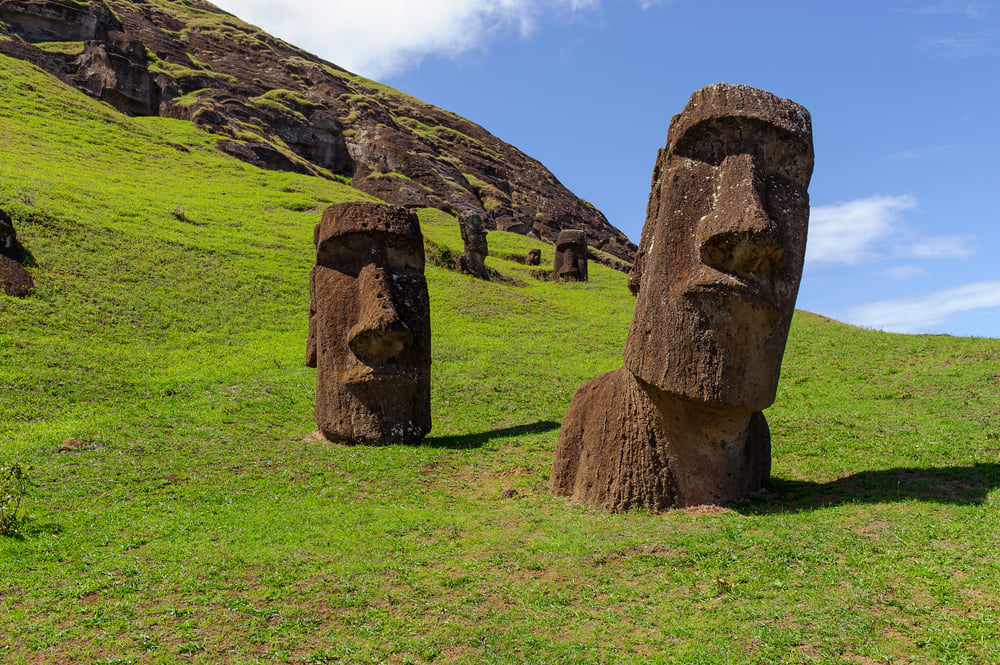
Easter Island, also known as Rapa Nui, lies more than 2,000 miles from the nearest continental landmass. Its isolation shaped a distinct culture that developed largely cut off from outside influence for centuries.
Modern travel has reduced the sense of separation, but geography still dominates daily life. Supplies, fuel, and materials arrive from far away, and disruptions can ripple quickly through the community.
Even with increased contact, isolation remains a defining feature of the island’s identity.
Longyearbyen
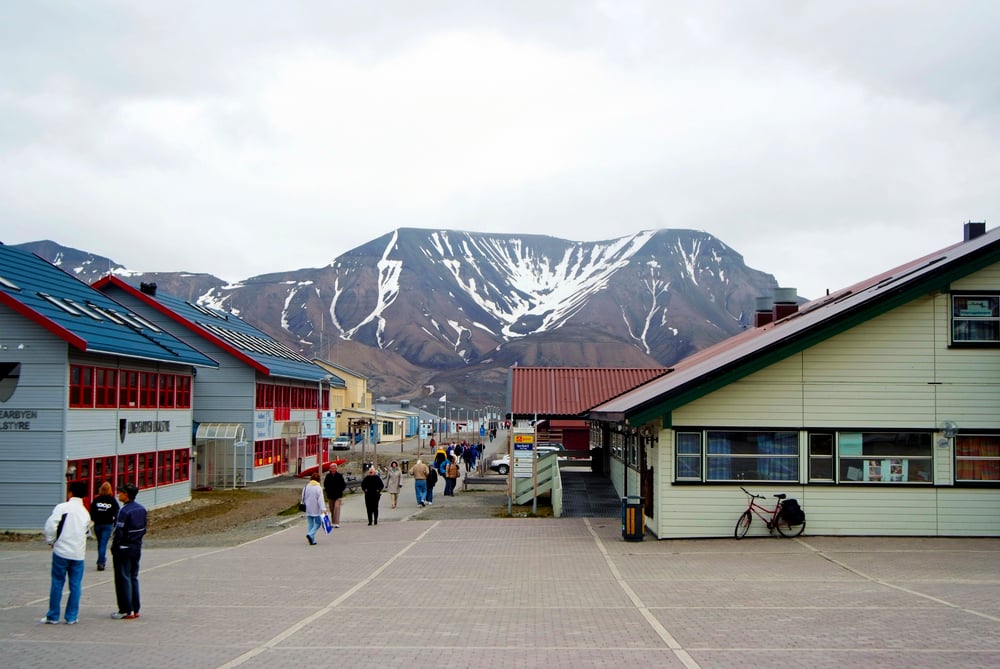
Located far north of the Arctic Circle, Longyearbyen is one of the northernmost towns on Earth. Its isolation is shaped less by distance and more by latitude, climate, and environmental risk.
Flights connect it to mainland Europe, but schedules are vulnerable to weather conditions. Residents live with polar night, long winters, and strict regulations designed to manage environmental hazards.
Isolation here feels structured and deliberate, built into the rules that govern daily life.
Yakutsk
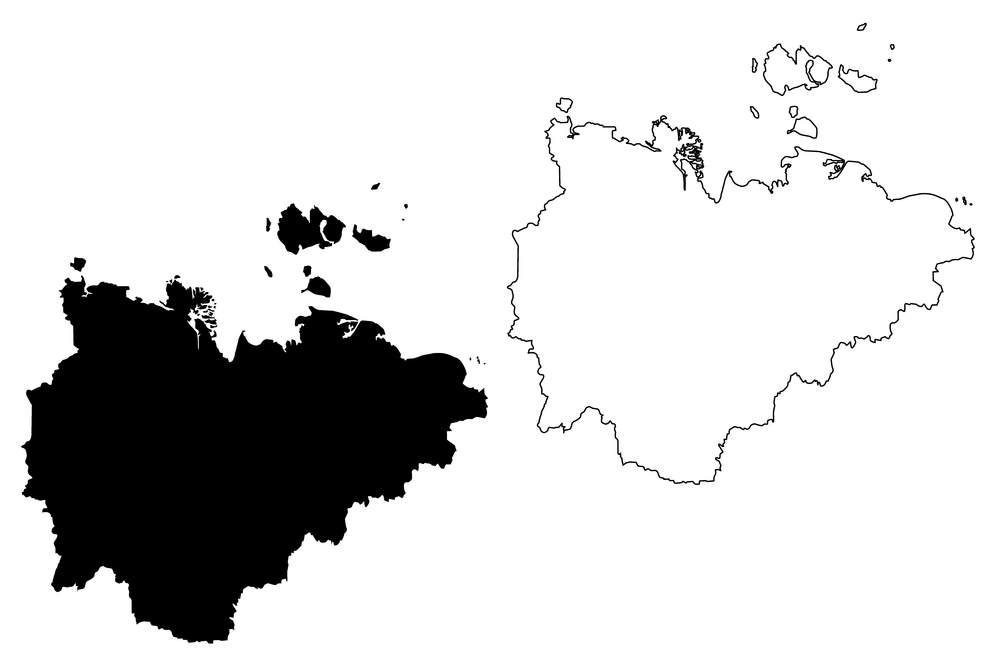
Yakutsk is one of the coldest cities in the world, but its isolation is logistical as much as environmental. For much of the year, surrounding rivers and terrain limit access, and roads change with the seasons as ice forms and melts.
Supplies must be planned months in advance, and buildings are designed to cope with permafrost. Isolation shapes everything from architecture to transportation.
Even as a city, Yakutsk operates under constraints more commonly associated with remote outposts.
Socotra
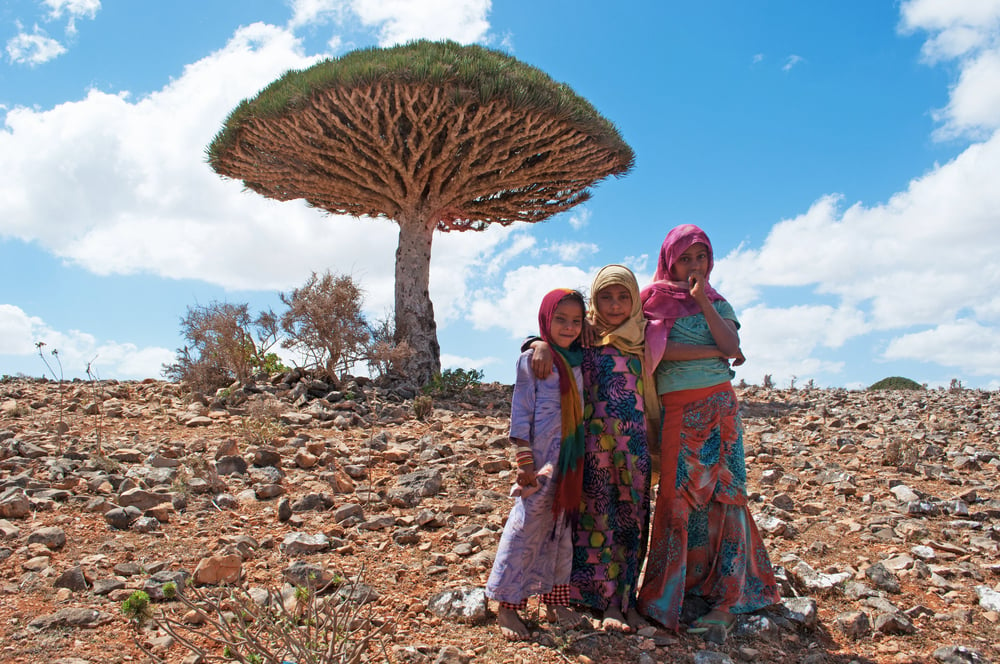
Socotra sits in the Arabian Sea, closer to Africa than mainland Yemen. Its long isolation allowed a unique ecosystem to evolve, with plant and animal species found nowhere else on Earth.
Human settlement developed alongside that distinct environment.
Access to the island is limited and dependent on weather. Supplies arrive irregularly, and travel plans often change without warning.
Isolation here separates residents not just from cities, but from familiar systems of trade and infrastructure.
Alert
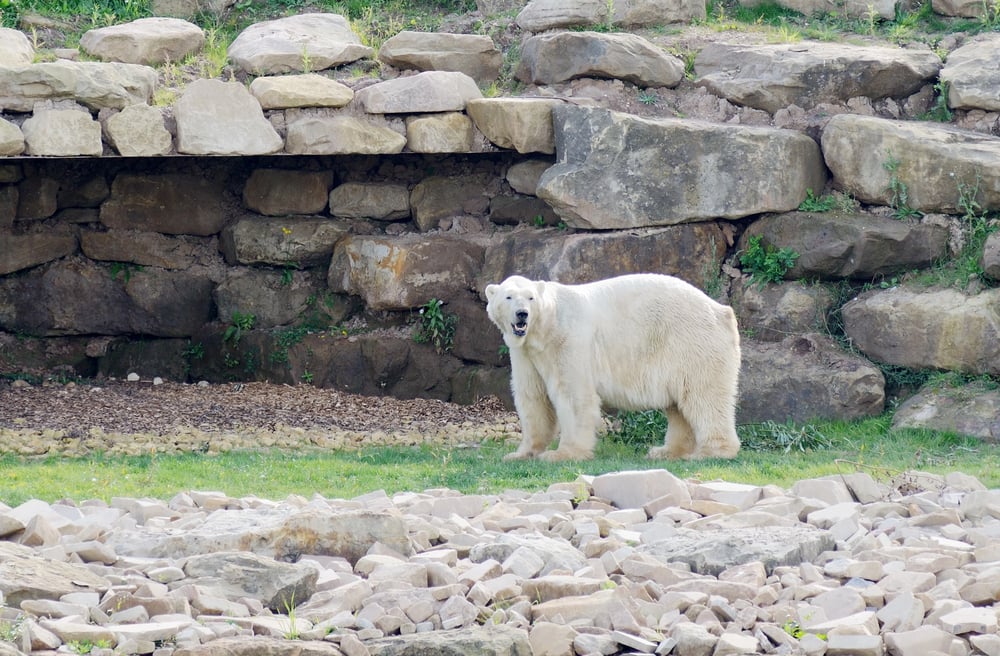
Alert is the northernmost permanently inhabited place on the planet. Located in Canada’s far north, it lies closer to the North Pole than to most major cities.
There are no roads connecting it to other settlements.
All movement depends on air transport, and supplies are delivered through carefully planned logistics. Isolation here is absolute, shaped by latitude, climate, and darkness.
Daily life runs on coordination and preparation, where even minor disruptions carry significant consequences.
McMurdo Station
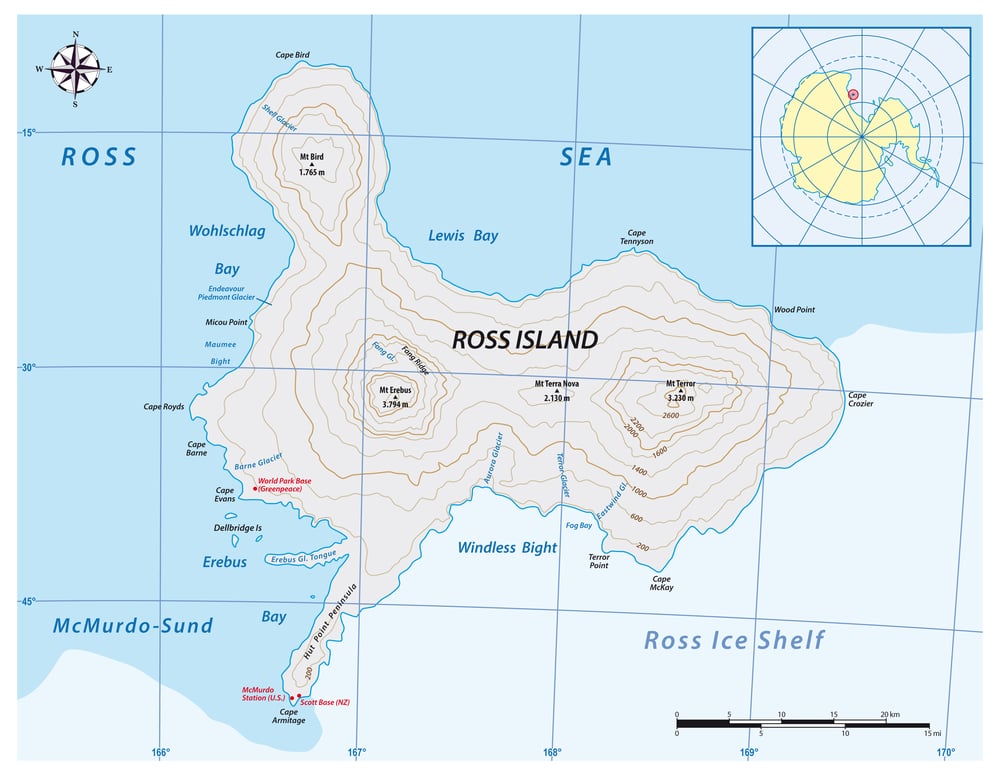
While not a traditional town, McMurdo Station functions as one for much of the year. Located on Antarctica’s coast, it is accessible only by air or sea during limited seasonal windows.
Residents depend entirely on supply chains planned months in advance. Isolation here is intentional and total, enforced by ice, weather, and international agreements.
Life operates on precision, where planning replaces spontaneity at every level.
How Isolation Shapes Daily Life
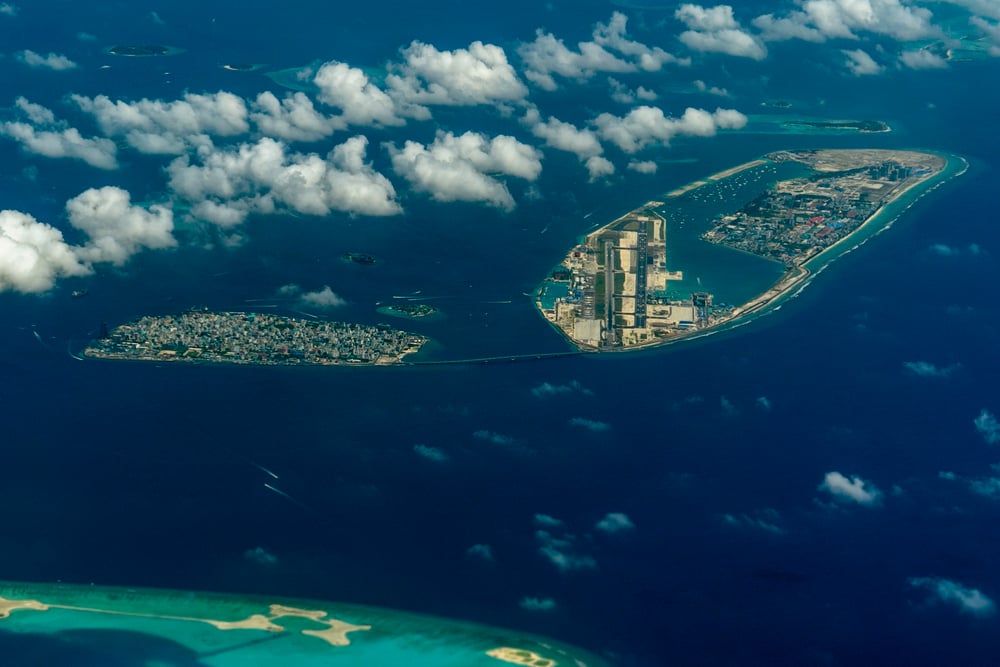
In isolated towns, distance reshapes priorities. Supplies are not replaced on impulse but ordered, stored, and rationed with care.
Travel is deliberate, often delayed by weather or terrain, and rarely taken for granted.
That mindset extends into social life. Small populations rely on cooperation because alternatives are far away.
Skills overlap, responsibilities are shared, and mutual reliance becomes routine rather than exceptional. Isolation removes the illusion that someone else will always step in.
Technology and the Limits of Connection
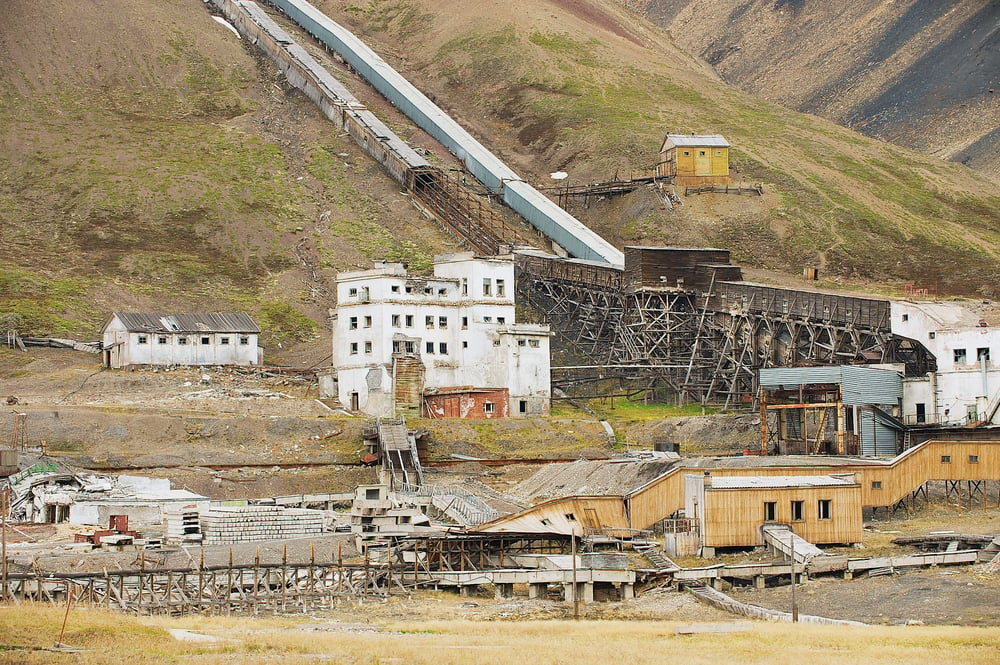
Modern technology has softened isolation but has not erased it. Satellite communication, digital tools, and improved forecasting help residents stay informed and connected.
Even so, delayed shipments or grounded flights still carry real consequences.
On the other hand, technology can heighten awareness of distance. Watching the rest of the world move quickly only emphasizes how different life remains in these places.
Isolation becomes something to manage rather than escape, woven into everyday decisions.
Why People Stay
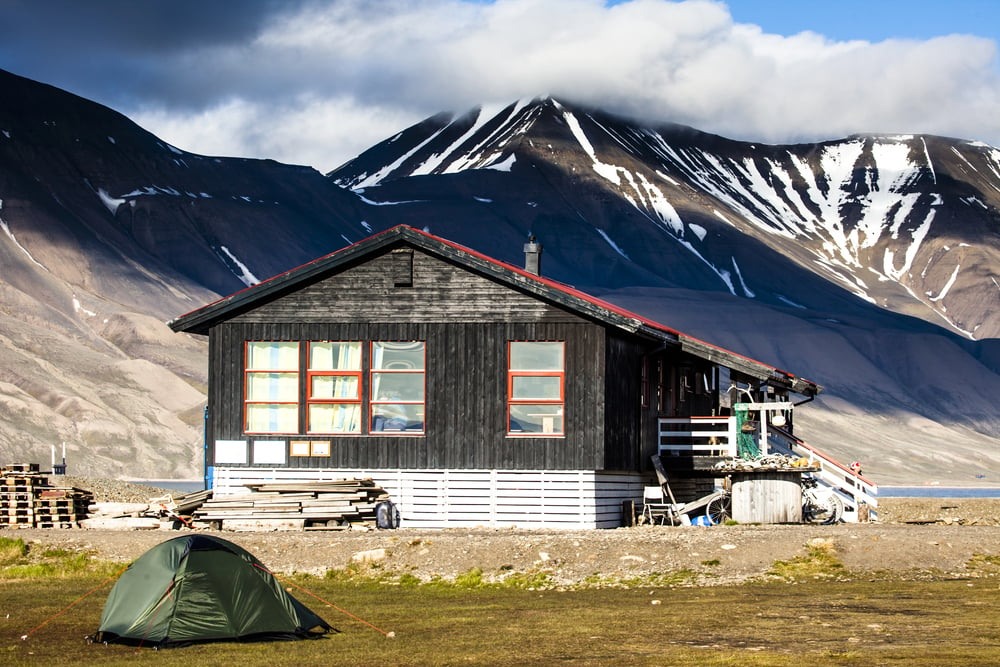
From the outside, isolation often looks like something to endure. For many residents, it is a conscious choice.
These towns offer stability, clear routines, and a pace shaped by reality rather than convenience.
That sense of place fosters identity. Isolation becomes a defining feature, not a limitation.
Living far from everything else brings a form of clarity that crowded, connected environments rarely provide.
Where Distance Becomes Home
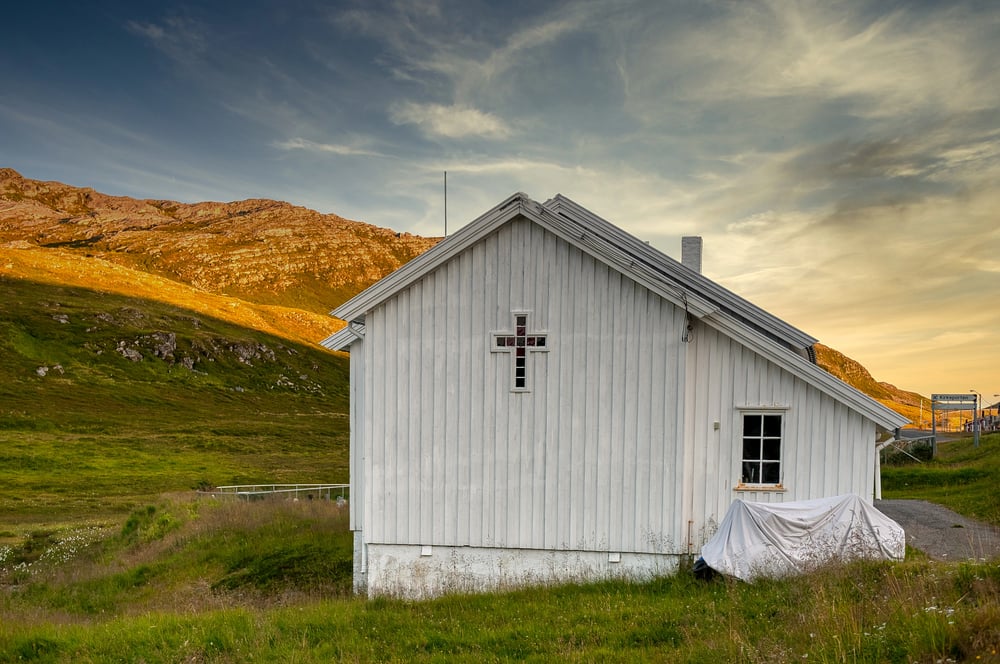
Out there, far from everything, some towns survive by bending instead of breaking. Distance does not stop them – it teaches them how to move differently.
Cut off from noise, life follows its own beat, built around silence and self-reliance.
Out here, far from the rush of signals and screens, life holds its breath differently. Where others see emptiness, routines keep humming – quiet, steady.
Distance isn’t just space; it shapes how people wait, listen, respond. Remote doesn’t mean forgotten – it means held together by different threads.
These places stand not because they’re connected, but because they’ve learned to do without.
More from Go2Tutors!

- The Romanov Crown Jewels and Their Tragic Fate
- 13 Historical Mysteries That Science Still Can’t Solve
- Famous Hoaxes That Fooled the World for Years
- 15 Child Stars with Tragic Adult Lives
- 16 Famous Jewelry Pieces in History
Like Go2Tutors’s content? Follow us on MSN.