Why the Smell of a New Textbook Hits Different for an Older Generation
There’s something that happens the moment you crack open a brand-new textbook — a smell rises up that’s almost impossible to describe and completely impossible to forget. For anyone who grew up before screens replaced shelves, that scent isn’t just paper and ink.
It’s September mornings, backpack weight, the particular anxiety of a new school year, and something that felt, back then, like the beginning of everything. Younger generations might smell a new book and register it as pleasant.
An older one smells it and goes somewhere else entirely.
The Chemistry Behind the Smell

Volatile organic compounds are what you’re actually inhaling. The paper, the adhesive binding, the ink — they all off-gas compounds like benzaldehyde and vanillin as they break down, and that combination produces something the human brain is surprisingly good at filing away permanently.
It’s not magic. It’s just chemistry that your memory decided to keep.
What the Brain Does With Scent

Smell is the only sense with a direct line to the hippocampus, the part of the brain that handles memory and emotion — and that’s not a small distinction, that’s the whole story. Every other sense gets processed first before the emotional response kicks in, but smell skips the line entirely, which is why a single whiff of something can drop you back into a moment you hadn’t thought about in thirty years.
So it sticks. Not metaphorically — physically, in the architecture of the brain.
The Textbook as a Physical Object

Textbooks used to carry weight — literally, the kind that left red marks on your shoulder from the bag strap, and figuratively, the kind that made you feel like you were holding something that mattered. A hardcover biology textbook from 1987 had heft.
You could hear it when it hit a desk. And that physical presence made the knowledge inside feel, somehow, more permanent than a PDF ever will.
September as a Scent Memory
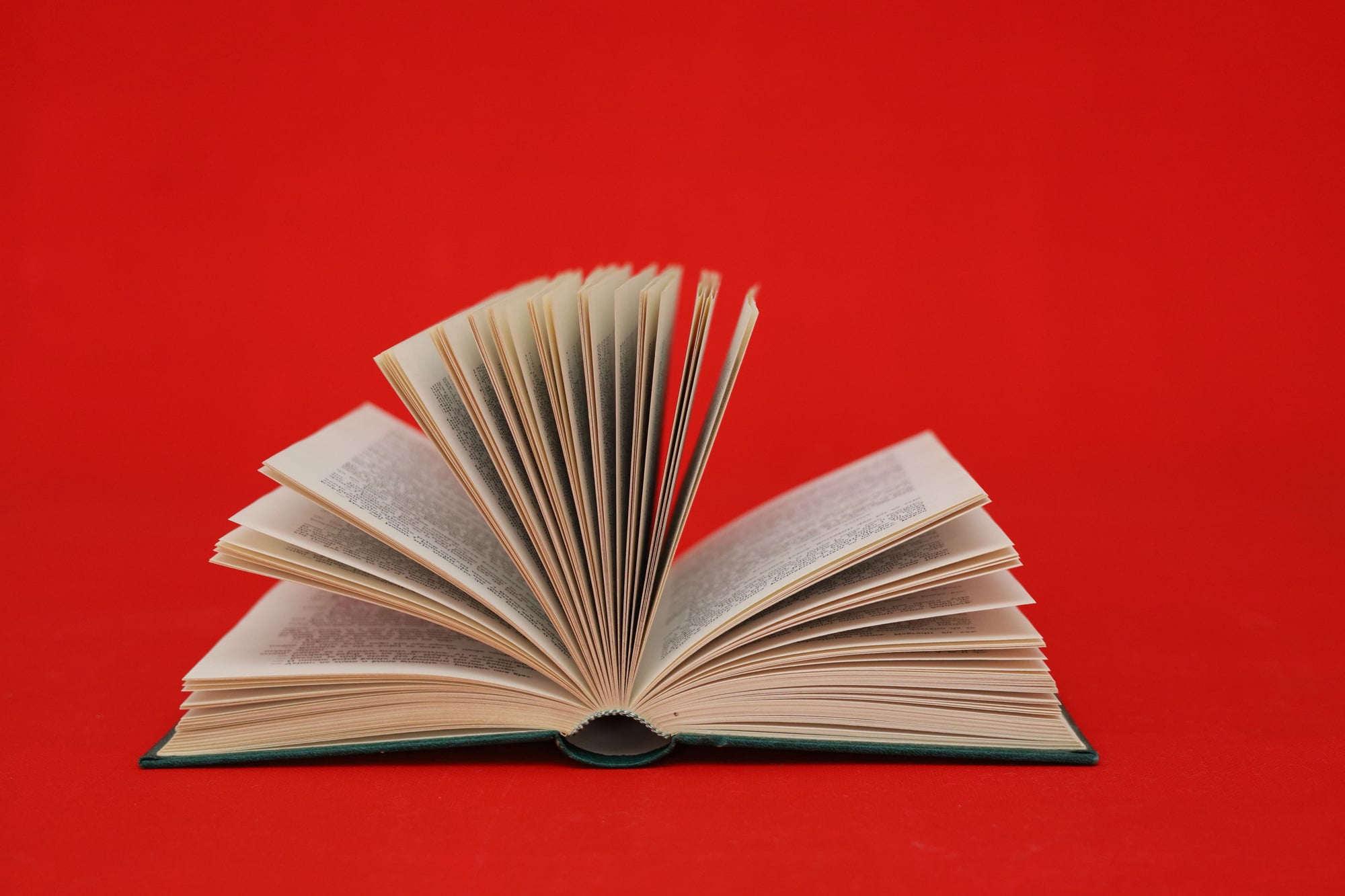
For older generations, September doesn’t just mean cooler weather — it means a specific smell package: pencil shavings, cafeteria linoleum, and new textbooks, arriving together like a sensory announcement that the year had started. That cluster of smells got repeated every single year for over a decade, which is more than enough repetition to wire them deeply.
Scents tied to emotionally charged moments — and new school years were always emotionally charged — become nearly indestructible memories.
The Ritual of Getting New Books

There was a ritual to it, and rituals matter more than people give them credit for. You got your books, you wrote your name in the inside cover — sometimes in a designated box, sometimes just wherever — and then you covered them in brown paper bags or those plastic stretchy covers that smelled faintly of department store.
The process turned a stack of textbooks into something that belonged to you, which made them mean something before you’d read a single page.
Why Younger Generations Don’t Have This

Digital natives didn’t lose the smell — they never had it to lose, which is a different thing entirely. A generation that grew up with tablets and shared PDFs didn’t go through the textbook ritual, didn’t feel the specific weight, didn’t have that annual September unboxing that older students did.
The memory simply wasn’t encoded, the way you can’t be nostalgic for a song you never heard.
The Role of Repetition in Nostalgia

Nostalgia doesn’t build from a single event — it builds from the same event happening again and again until it becomes part of how a year feels. Getting new textbooks happened every fall, without variation, for twelve-plus years of school.
That kind of repetition is what turns a smell into a feeling, and a feeling into something that ambushes you in a library thirty years later.
The Vanillin Factor

Vanillin — the same compound that gives vanilla its scent — is released as paper ages and lignin in the wood pulp breaks down. Older books release more of it, which is why used bookstores smell different from new ones and why both smells land differently for someone who grew up surrounded by both.
The brain doesn’t just remember the smell of a new textbook; it remembers the whole spectrum, from the sharp freshness of September to the mellowed, dusty warmth of a book that’s been on a shelf for years.
What Was Written in the Margins

The inside of a used textbook was an archaeology project — previous students had underlined things, argued with the author in the margins, doodled during lectures they didn’t care about, and occasionally left notes that had nothing to do with the subject at all. That layered human presence made even the smell of a second-hand textbook carry something personal.
It was someone else’s September in your hands.
The Weight of Expectation

A new textbook in September felt like a contract — here is the year, here is what it will require from you, here is evidence that time is moving forward. That weight of expectation is baked into the smell now, inseparable from it.
You open a new book and something in the brain reads it as: something is about to begin.
School Supplies as a Shared Cultural Language
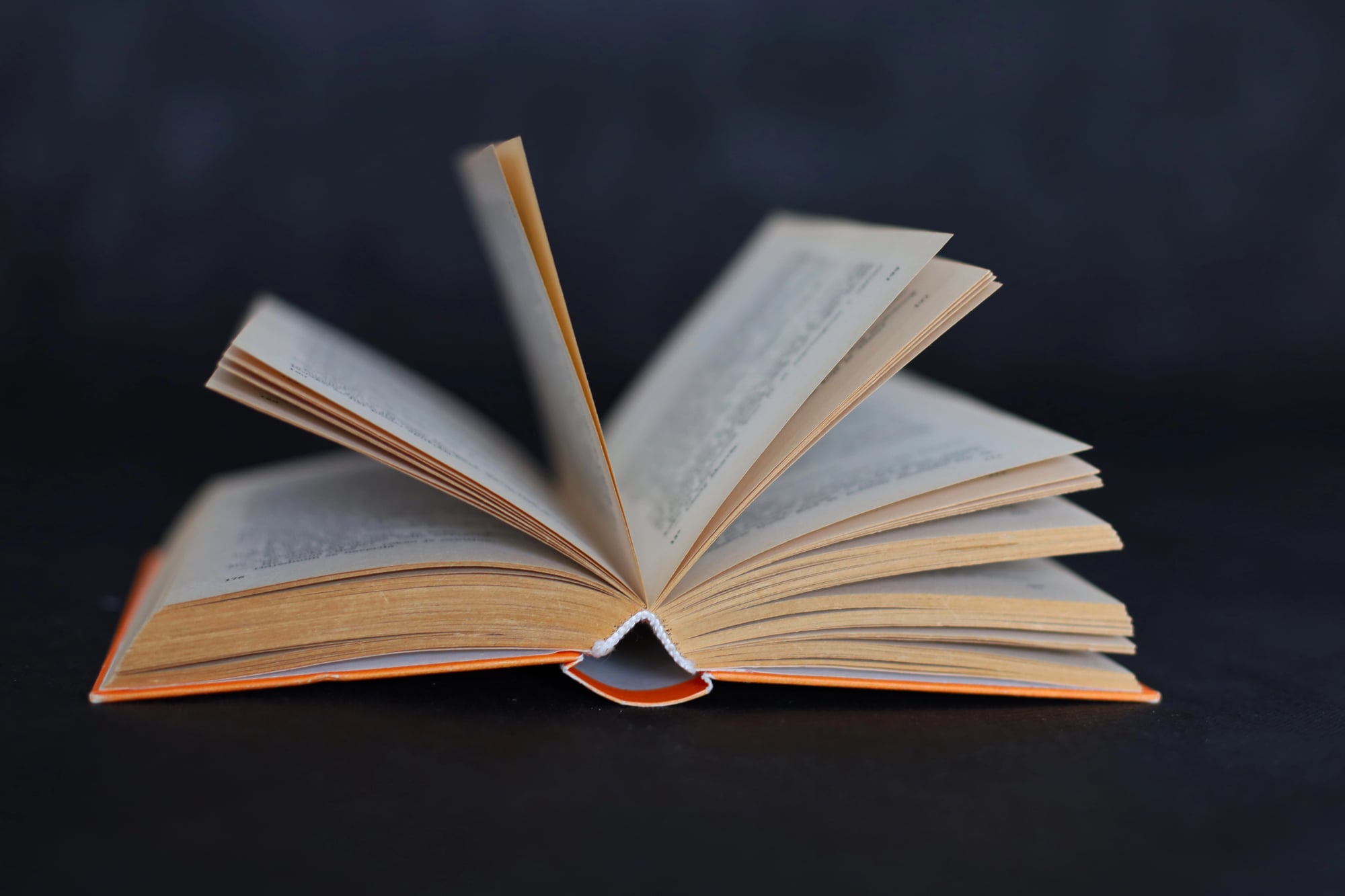
For a generation that grew up before personalized digital everything, school supplies were one of the few places where individual choice existed inside a rigid structure. You picked your folders, your pens, the color of your book covers — but everyone had the same textbooks, the same smell, the same starting line.
That shared experience is part of why the smell lands universally for older generations rather than individually; it belonged to everyone who was in that grade, that year, that building.
The Specific Smell of Specific Subjects

Math textbooks smelled different from history textbooks — thinner paper, less ink density, a slightly sharper quality — and older students will tell you they remember this distinction without hesitation. The glossy pages of a science textbook with full-color photographs had a heavier, slightly waxy scent compared to the dry, dense paper of a literature anthology.
The brain catalogued all of it without being asked.
Why Adults Still Notice It

The reason an adult walking through a school supply section in August stops mid-aisle isn’t sentimentality — it’s the olfactory system doing exactly what it was designed to do. That scent was encoded during an emotionally significant period of life, repeated across years, and attached to a physical ritual.
The response is automatic. And even so, people tend to describe it as nostalgia rather than neuroscience, which is fair — it feels more like the former.
The Permanence of Paper Knowledge

There’s a stubborn belief in older generations that knowledge printed and bound lasts longer than knowledge stored on a server — and it’s not entirely irrational. Paper doesn’t require a charged battery.
It doesn’t get deleted in an update. The tactile act of flipping back to chapter three, dog-earing a page, scrawling a star next to something important — all of that made learning feel like it was going somewhere permanent. The smell is part of that permanence, inextricably.
What Gets Lost in the Transition

The transition to digital textbooks solved real problems — cost, weight, storage, accessibility — but it replaced something that nobody fully accounted for. The smell was part of the encoding process, whether anyone meant it to be or not.
So when the books disappeared, the sensory anchor disappeared with them, and the memory formation that came with that anchor changed in ways that are still hard to quantify.
The Underestimated Power of Scent Triggers

Of all the ways a memory can be retrieved, scent is the least voluntary and the most vivid — which is what makes it so disorienting when it fires unexpectedly. You’re not trying to remember seventh grade.
But you walk past a display of new textbooks in a college bookstore and seventh grade finds you anyway. That’s not a small thing. That’s the brain insisting that some experiences were worth keeping in permanent storage.
Collective Nostalgia vs. Personal Nostalgia

The textbook smell is unusual in that it functions as both collective and personal nostalgia at the same time. Personally, it might summon a specific classroom, a specific teacher, a specific year.
Collectively, it belongs to an entire generation that went through the same ritual at the same time every year. The smell sits at that intersection — specific enough to feel intimate, universal enough to be immediately recognized across a table.
The Smell That Signals Possibility

A new textbook hadn’t been failed yet. The margins were clean, the spine uncracked, the pages uncreased.
That untouched quality carried a low-grade optimism — this year, this subject, this version of you starting fresh. The smell became inseparable from that feeling of possibility, which is why it doesn’t just trigger memory. It triggers something closer to hope, even now, even decades later.
When the Smell Finds You Unexpectedly

There’s a particular version of this that happens when someone who hasn’t been inside a school in years suddenly is — visiting a child’s classroom, dropping something off at an office — and the smell comes from nowhere and resets something in the brain before the conscious mind has time to prepare. It’s not gentle.
It’s immediate and slightly overwhelming, the way genuine sensory memory always is. And then it passes, and you’re back in the present, slightly rearranged.
The Archival Instinct

Some people kept their textbooks for years after they needed them — not because the information was irreplaceable, but because throwing them away felt wrong in a way that was hard to articulate. The books were evidence of a period of life.
Keeping them on a shelf, even unread, felt like preserving something. The smell, slowly fading, was part of what made them worth keeping.
Why New Books Still Smell This Way

Publishers still use many of the same materials — the same paper compositions, similar inks, the same binding adhesives — which means a brand-new textbook in 2024 smells remarkably similar to one from 1985. That continuity is accidental, a byproduct of manufacturing rather than design.
But for anyone whose memory carries the original encoding, it makes the smell feel less like history and more like a door that’s still there, still openable.
The Intersection of Smell and Time

Scent is the only thing that makes time feel genuinely reversible — not metaphorically, but in the body, in the chest, in the involuntary inhale that follows recognition. Standing in a bookstore with a new textbook in hand, an older generation isn’t just remembering school.
They’re briefly, physically returned to the version of themselves who carried that weight on their back every September. That’s what makes it hit different. Not the smell itself — the self it locates.
The Pages You Never Reached

Every textbook had a last chapter that never got taught — the one the school year ran out of time for, left pristine at the back while everything before it was worn and annotated. Those untouched pages, smelling still like the first day of school, were a small monument to all the things there wasn’t enough time for.
Which, as it turns out, is exactly what nostalgia is made of.
Where the Smell Lives Now

The smell doesn’t live in bookstores anymore, not really — not the way it once lived in classrooms and in the back seats of station wagons on the first day of school. It surfaces in unexpected places: a library sale, a storage room at a school, the bottom of a box that hasn’t been opened since a move.
And when it does, it doesn’t announce itself. It just arrives. And for a moment, so does everything else.
What the Smell Is Actually Asking

Something about the smell of a new textbook isn’t just pulling people back — it’s asking something of them. It asks whether the version of you that cracked that spine with both hands and wrote your name in careful letters in the inside cover is still in there somewhere.
The answer, for most people, is yes. Stubbornly, reliably yes. The smell already knew that before you did.
More from Go2Tutors!

- The Romanov Crown Jewels and Their Tragic Fate
- 13 Historical Mysteries That Science Still Can’t Solve
- Famous Hoaxes That Fooled the World for Years
- 15 Child Stars with Tragic Adult Lives
- 16 Famous Jewelry Pieces in History
Like Go2Tutors’s content? Follow us on MSN.