29 Photographs That Changed the Course of a War
Some images arrive quietly and detonate slowly. A photograph lands on a newspaper front page, gets passed hand to hand, gets nailed to a wall or tucked into a soldier’s pocket — and somewhere in that circulation, something shifts.
Public opinion tilts. A general reconsiders.
A government falls. The camera has always been a witness, but the most consequential photographs in wartime history were something more than witnesses.
They were accelerants. What follows are 29 of them — images that didn’t just document conflict but actively redirected it.
The Execution on a Saigon Street
Eddie Adams shot this photograph on February 1, 1968, during the Tet Offensive, and it won a Pulitzer the following year. South Vietnamese General Nguyen Loan raises a pistol to the head of a Viet Cong prisoner, and the image freezes the moment before the trigger.
It did more damage to American public support for the Vietnam War than almost any battle report filed that year.
The Napalm Girl
Nick Ut’s 1972 photograph of nine-year-old Kim Phúc running down a road in Trang Bang — arms out, face contorted, clothes burned away by napalm — is one of the most reproduced images of the twentieth century. The picture arrived when American confidence in Vietnam was already fractured, and it snapped something that hadn’t quite broken yet.
President Nixon initially questioned whether it was faked. It was not.
The Flag Raising on Iwo Jima
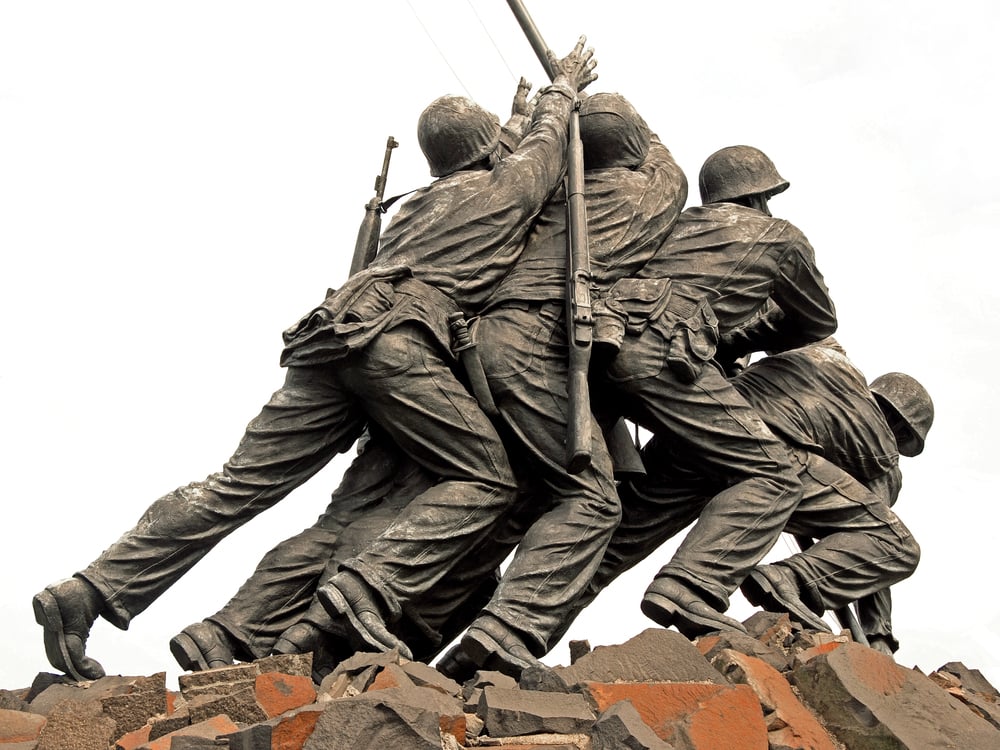
Joe Rosenthal took this photograph on February 23, 1945, and it became the most reproduced photograph in history up to that point — which is saying something, given that the war was still being fought. Six Marines raise an American flag on Mount Suribachi, and the image — accidental in its composition, almost chaotic in the moment it captures — became the defining symbol of American sacrifice in the Pacific.
The image sold war bonds, sustained enlistment, and gave a war-weary country something it desperately needed: a picture of persistence winning.
The Falling Soldier
Robert Capa’s 1936 photograph from the Spanish Civil War shows a Republican militiaman at what appears to be the instant of death — body mid-collapse, rifle dropping from his hand. Whether the image was staged has been disputed for decades, but the debate itself changed photojournalism: it forced editors and readers to confront the ethics of the camera in combat in a way no image had before.
The photograph’s power didn’t wait for the argument to be settled.
Omaha Beach, June 6, 1944

Robert Capa was the only photographer to wade ashore with the first wave at Omaha Beach on D-Day, and he shot four rolls of film in about ninety minutes before a landing craft pulled him out of the water. Of 106 frames, only 11 survived — a darkroom accident destroyed the rest — and those blurred, water-damaged images became the visual record of the most consequential military landing in modern history.
The blur, as it turns out, made them more honest.
The Kim Phúc Napalm Aftermath
The photographs taken in the hours after Kim Phúc’s burning showed something different from Nick Ut’s famous running image: the quiet, almost indifferent work of treating children who had been struck by friendly fire. These images circulated later and more narrowly, but they reached military planners and medical corps officers in ways that the famous street photograph did not — and contributed to internal debates about incendiary weapon protocols that ran well into the 1980s.
Raising the Flag at Ground Zero
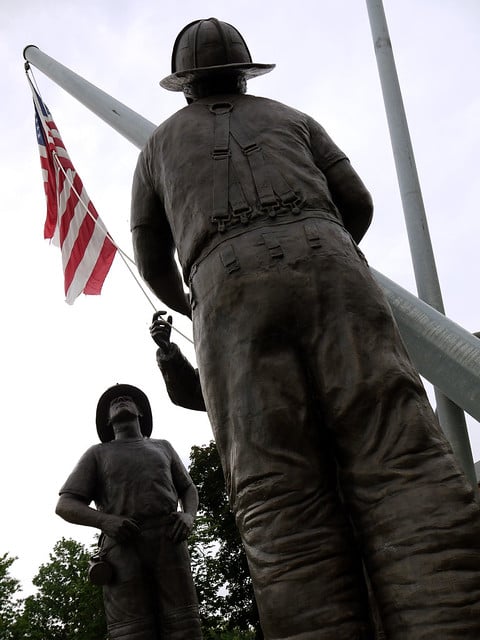
Thomas E. Franklin’s photograph of three firefighters raising an American flag over the ruins of the World Trade Center on September 11, 2001 wasn’t a war photograph when it was taken — but it became one almost immediately. The image modeled its composition unconsciously on Rosenthal’s Iwo Jima flag raise, and that echo was not lost on anyone.
It appeared on recruiting posters within months, and its presence in the visual argument for military intervention in Afghanistan is difficult to overstate.
The Burning Monk
Malcolm Browne photographed Thich Quang Duc’s self-immolation in Saigon on June 11, 1963, and the image reached the desk of President Kennedy within days. Kennedy reportedly said, “No news picture in history has generated so much emotion around the world.”
The photograph accelerated American pressure on the Diem regime — a regime the United States had been propping up — and contributed to the political calculations that preceded Diem’s assassination five months later.
Abu Ghraib
The photographs taken inside Abu Ghraib prison in 2003 and 2004 were not taken by journalists. They were taken by American soldiers on personal cameras, and when they leaked — first to CBS News, then to The New Yorker — they ended careers, triggered congressional investigations, and permanently damaged American credibility in the Arab world.
A photograph doesn’t have to be composed by a professional to change the direction of a war. Sometimes a badly lit snapshot from a prison corridor does it faster.
The Accidental Napalm
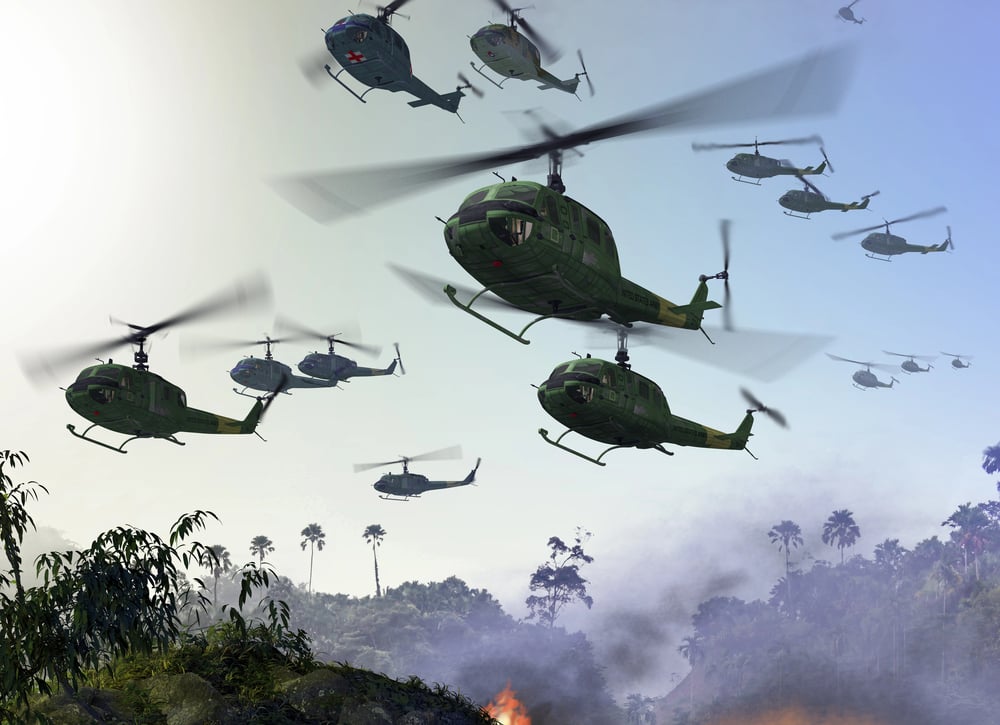
In 1967, photographer Kyoichi Sawada documented a South Vietnamese soldier dragging a suspected Viet Cong fighter behind a jeep — a scene of casual brutality that circulated widely enough to shift how American audiences understood the nature of their ally. The image didn’t make the front page of every paper, but it made the rounds in political circles and among anti-war organizers who were building the case that the United States had chosen the wrong side.
Photographs like this one worked slowly, like water on stone, until something gave.
The Hindenburg Disaster
The 1937 photographs of the Hindenburg airship in flames over Lakehurst, New Jersey weren’t taken during a war — but they effectively ended one form of aerial military strategy before it could be fully developed. Germany’s Zeppelin program, already militarily marginal, became politically impossible to defend after those images of hydrogen fires and falling bodies appeared in newspapers worldwide.
A photograph of a disaster in peacetime shaped what was and wasn’t conceivable in the war that followed two years later.
The Christmas Truce
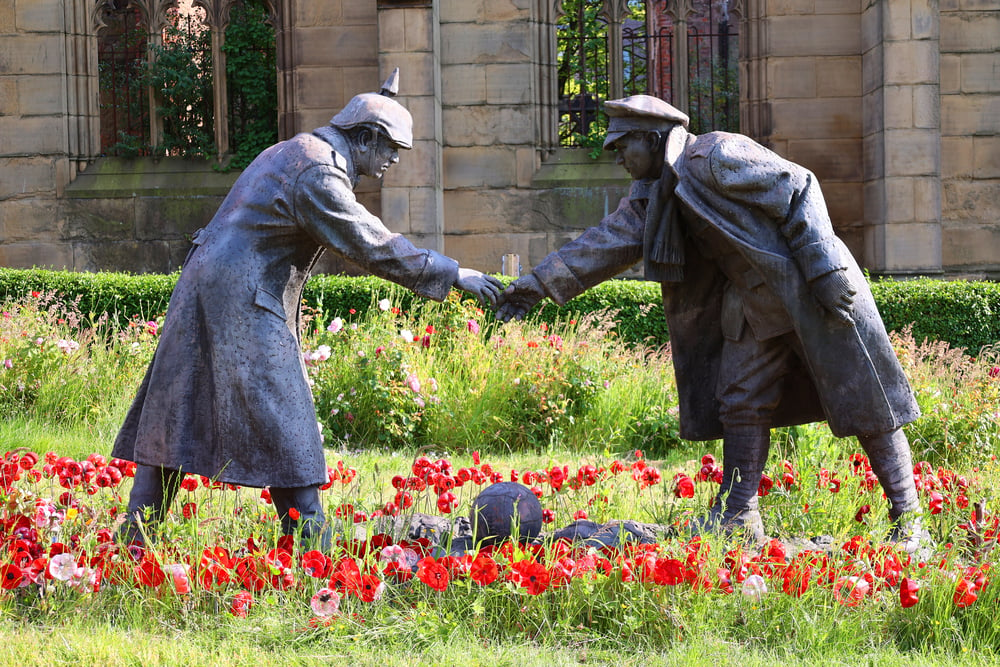
Photographs taken by soldiers during the unofficial Christmas Truce of 1914 — German and British troops meeting in No Man’s Land, exchanging gifts, playing improvised games — were circulated privately for years before appearing in major publications. When they did reach wider audiences, they functioned as a kind of proof: that the men on the ground wanted something different from what their governments were providing.
The photographs became evidence in the argument that the war was a choice, not an inevitability.
The Dead of Antietam
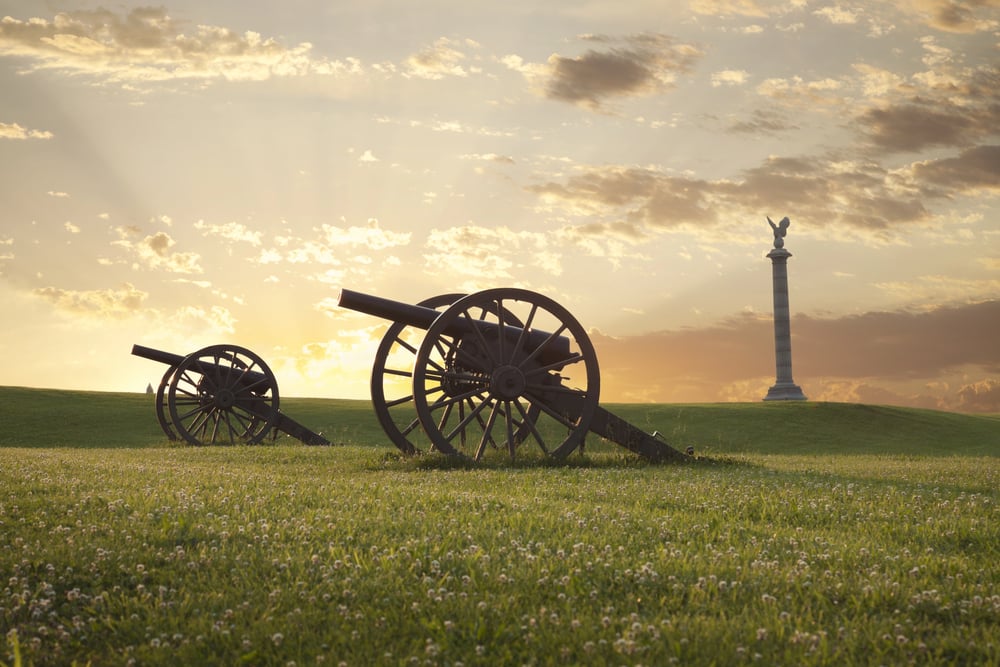
Alexander Gardner’s 1862 photographs of Confederate dead at Antietam were the first photographs of battlefield casualties displayed publicly in the United States — shown in Mathew Brady’s New York gallery under the title “The Dead of Antietam.” The New York Times wrote that Brady had “brought the terrible reality and earnestness of war to our very doors.”
For a Northern public that had been receiving sanitized accounts of battle, the photographs were a correction that arrived like a door slammed in a quiet room.
The Warsaw Ghetto Boy
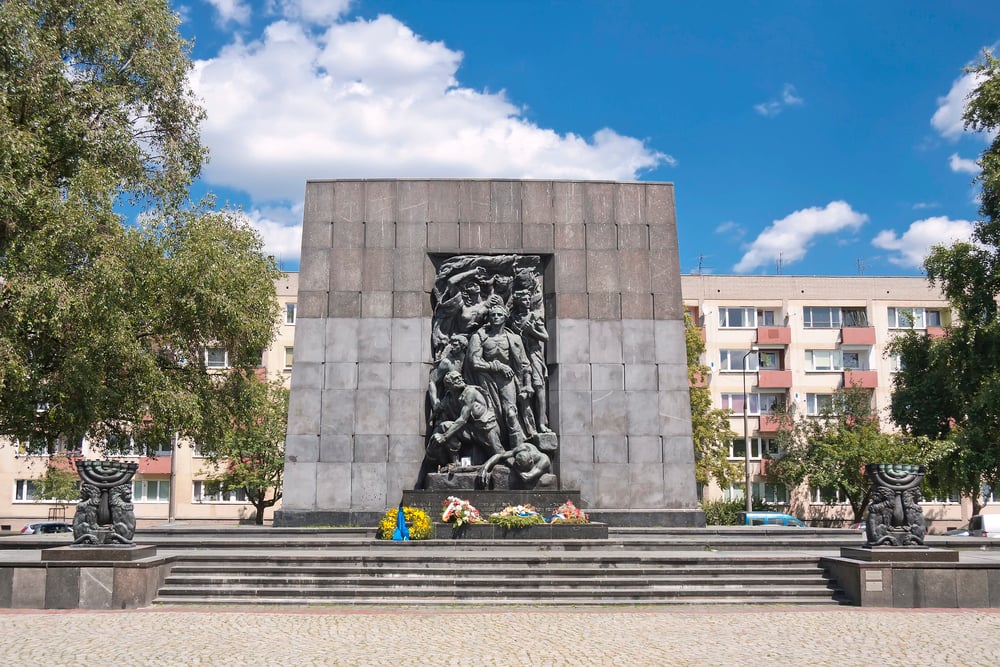
The photograph of a small boy with his hands raised at gunpoint during the liquidation of the Warsaw Ghetto in 1943 — taken by a German SS officer for an internal report — became one of the defining images of the Holocaust. Its origin inside the apparatus of the regime that committed the atrocity makes it uniquely damning: the perpetrators documented themselves.
When the image appeared at the Nuremberg Trials, it functioned as a kind of testimony that no living witness could be made to recant.
The My Lai Massacre
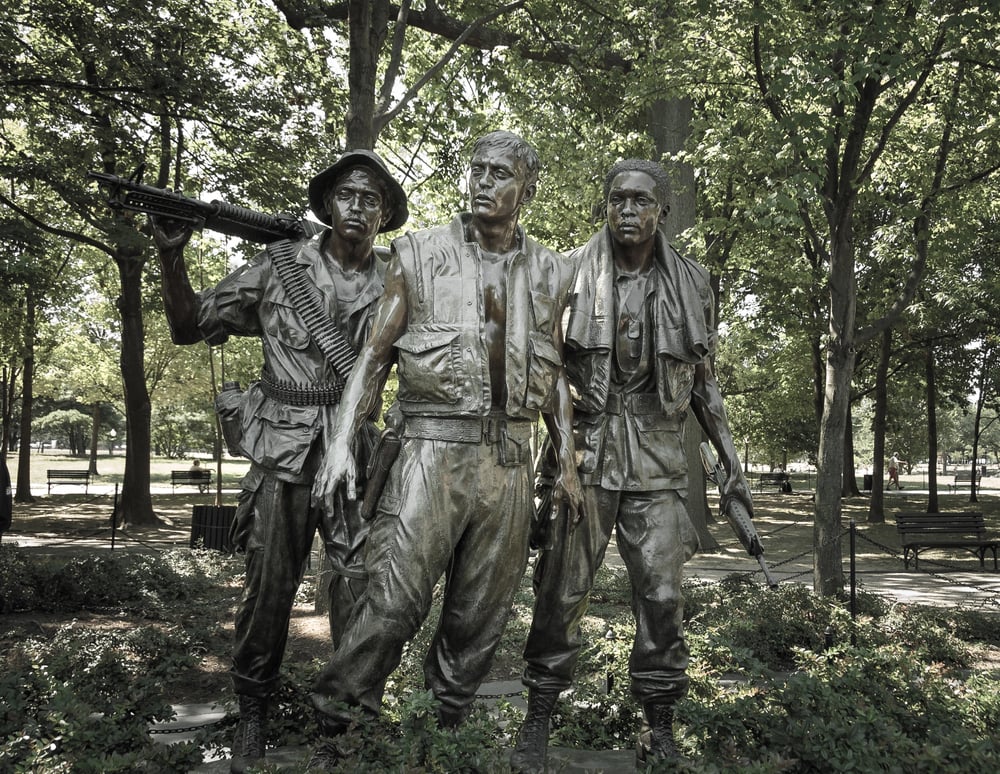
Ronald Haeberle’s photographs of the My Lai massacre — taken in March 1968 but not published until November 1969 — showed the bodies of civilians, including children, killed by U.S. Army soldiers in a South Vietnamese village. When they appeared in Life magazine, they triggered a national crisis of conscience that proved impossible to contain through official channels.
The Army’s attempt to suppress the story had held for eighteen months. The photographs ended it in a week.
The Hiroshima Shadow
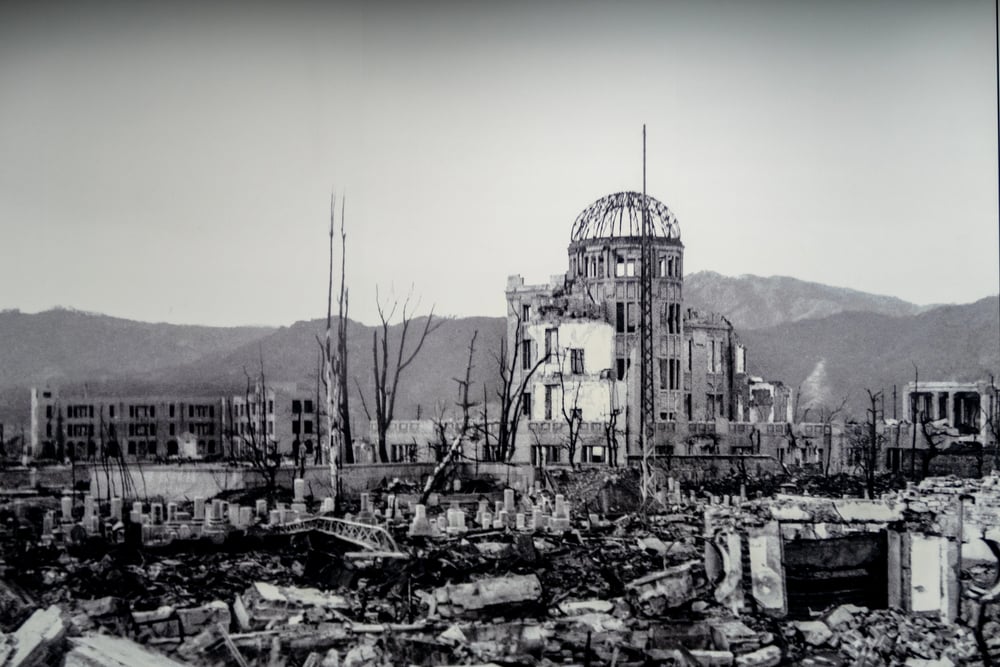
Among the most haunting documents from the atomic bombing of Hiroshima on August 6, 1945 are the photographs of “shadows” — human silhouettes permanently etched into stone and concrete by the thermal flash of the bomb. The shadow of a person seated outside the Sumitomo Bank, vaporized in place, became a recurring image in post-war discussions about nuclear weapons policy.
It’s not a photograph of violence. It’s a photograph of an absence, and somehow that’s worse.
The Liberation of Buchenwald
Margaret Bourke-White photographed the survivors of Buchenwald concentration camp in April 1945, and her images — gaunt figures behind barbed wire, expressions emptied of everything — were published in Life magazine while the war in Europe was still technically ongoing. General Eisenhower ordered German civilians from nearby towns to walk through the camps and witness the conditions firsthand, citing photographs like Bourke-White’s as proof that denial was no longer an option.
The photographs didn’t just document an atrocity — they were used as an instrument of accountability in real time.
The Tank Man
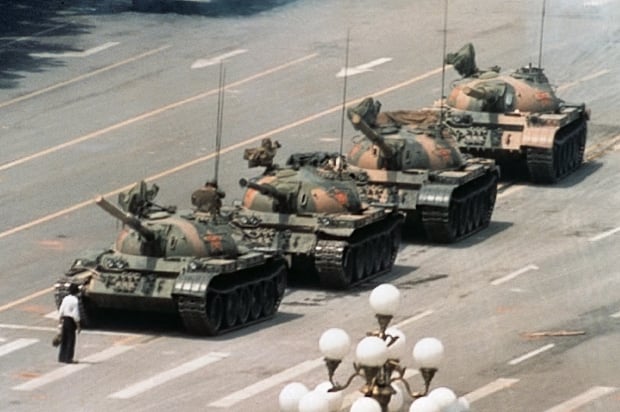
Jeff Widener’s photograph of a single man standing before a column of tanks in Tiananmen Square on June 4, 1989 is one of the most recognized images in the world — but its relationship to war is oblique and therefore worth examining. The photograph showed a government willing to deploy military force against its own citizens, and it permanently altered how Western governments calculated their political and military relationships with China.
It was a photograph taken during a crackdown, not a war, that shaped geopolitical alignments for decades.
The Vulture and the Child
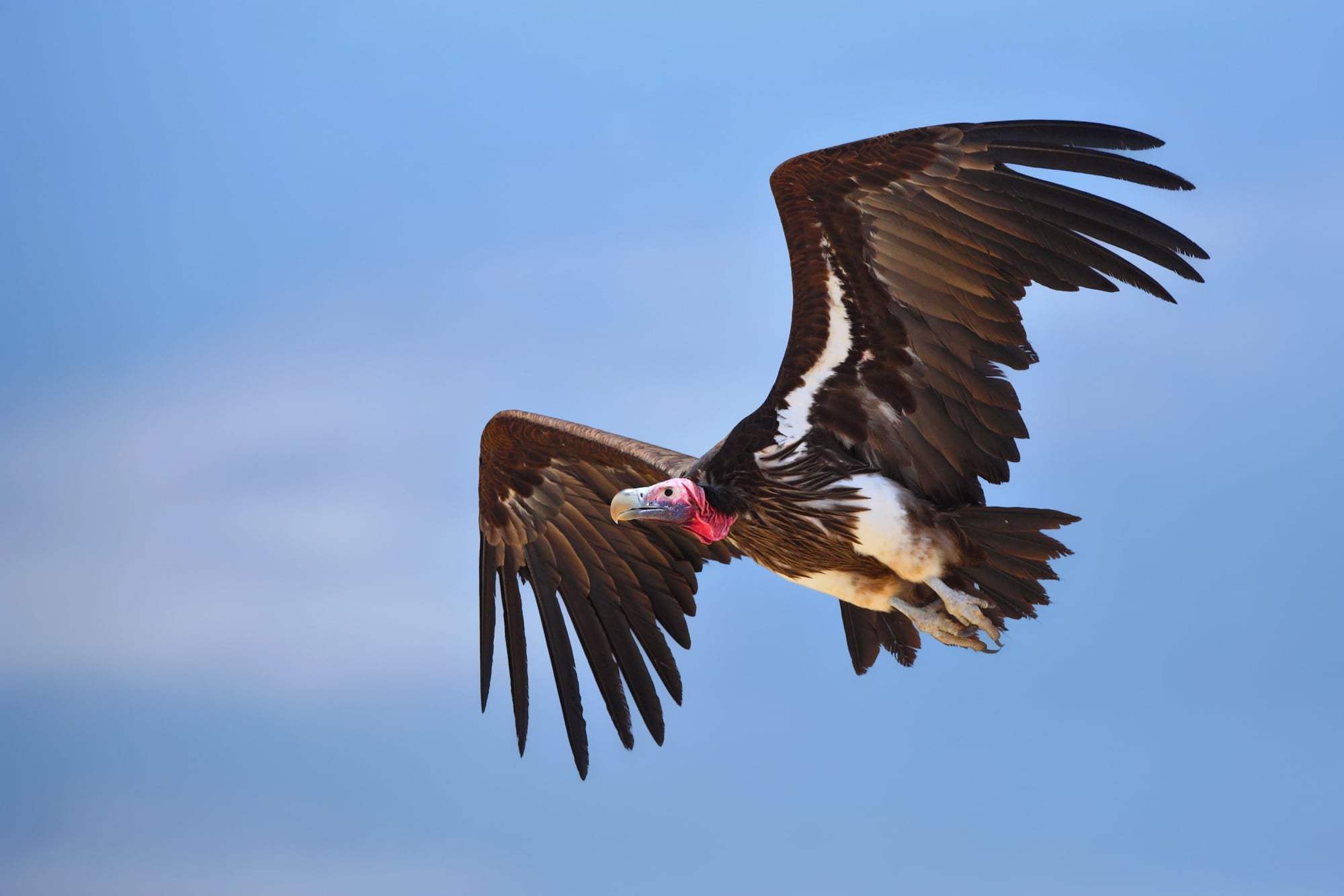
Kevin Carter’s 1993 photograph from Sudan — a vulture crouching behind an emaciated child crawling toward a feeding center — won the Pulitzer Prize and triggered an international emergency response that funneled food aid into the region within weeks. The image also triggered a media ethics debate about the photographer’s responsibility that hasn’t fully resolved itself thirty years later.
Carter died by his own hand the year after winning the prize, a detail that shadows the photograph’s legacy without changing what it accomplished.
The Tet Offensive Street Fighting
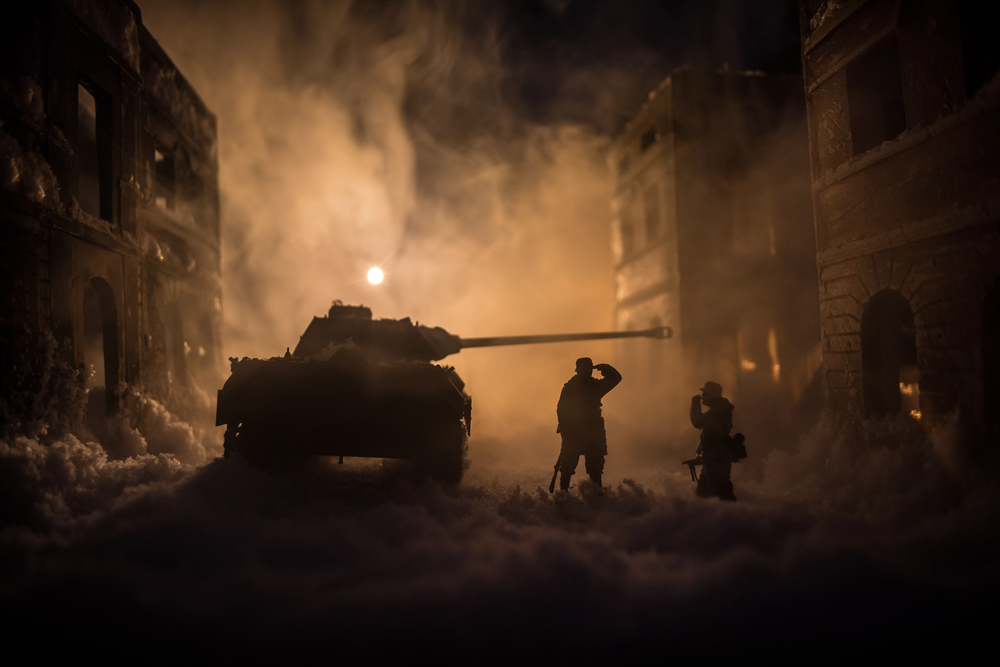
Beyond Eddie Adams’s famous execution photograph, a wider body of images from the Tet Offensive of 1968 told a story that contradicted every official U.S. military briefing of the previous two years. Photographs showing Viet Cong fighters inside the U.S. Embassy compound in Saigon were particularly devastating — not because the attack succeeded, but because it happened at all.
The image of a breached embassy is not a battlefield photograph; it’s a photograph of credibility collapsing in real time.
The Refugees at the Border
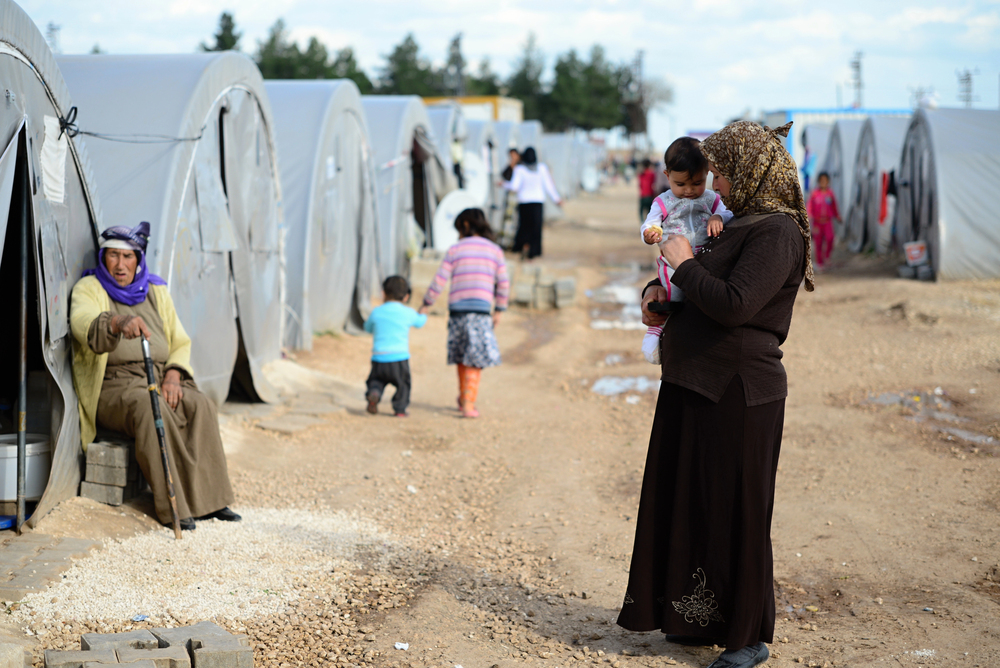
The 2015 photograph of Alan Kurdi — a three-year-old Syrian boy found face-down on a Turkish beach after a refugee boat capsized — didn’t change the course of a conventional war, but it changed the political calculus of every Western government managing the Syrian conflict. Within 72 hours of the photograph’s publication, Germany announced it would accept refugees without limits, Canada changed its refugee policy, and the United Kingdom committed to accepting 20,000 Syrian refugees.
One photograph, 72 hours, five governments moved.
The Korean War Frozen Chosin
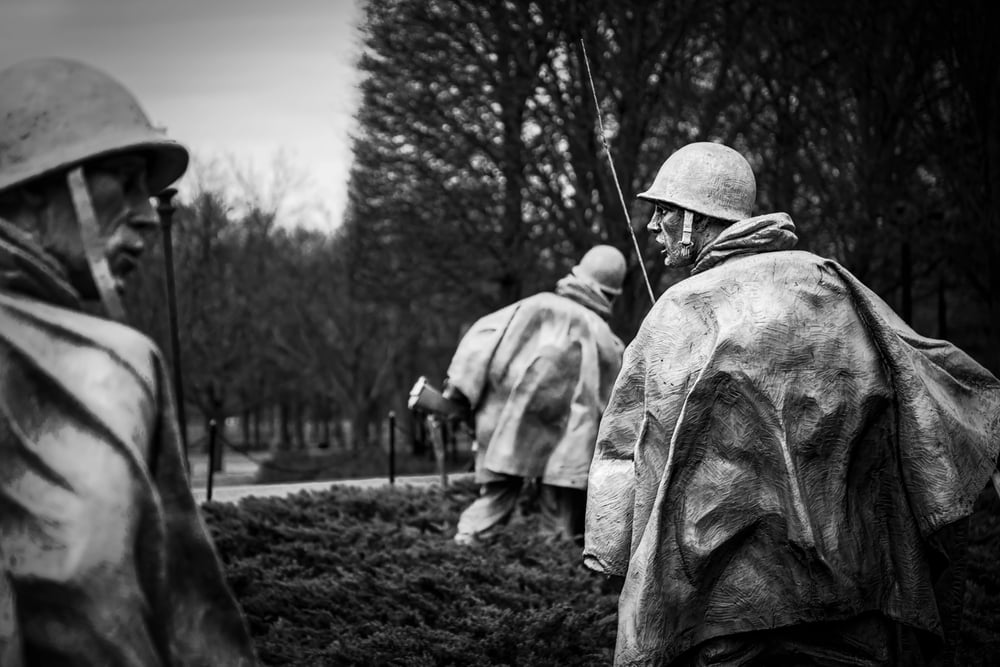
Photographs from the Chosin Reservoir campaign of November–December 1950 — American and South Korean Marines fighting through -35°F temperatures against encircling Chinese forces — reached the American public during a moment when the war had pivoted sharply from early confidence to genuine crisis. The photographs of frostbitten men and frozen equipment weren’t heroic in the Iwo Jima tradition; they were grim, cold, and honest.
They shaped American public understanding of what the Korean conflict actually was, which the government had been working hard to soften.
The Wounded Knee Standoff
Photographs from the 1973 occupation of Wounded Knee — American Indian Movement members in armed standoff with federal marshals on the Pine Ridge Reservation — framed the confrontation as a military engagement rather than a domestic law enforcement matter, and that framing had consequences. Images of armed Indigenous activists standing on historically significant ground circulated internationally and applied diplomatic pressure on the Nixon administration at a moment when it had other problems.
The photographs didn’t end the standoff, but they lengthened it by raising the cost of a violent resolution.
The Falklands
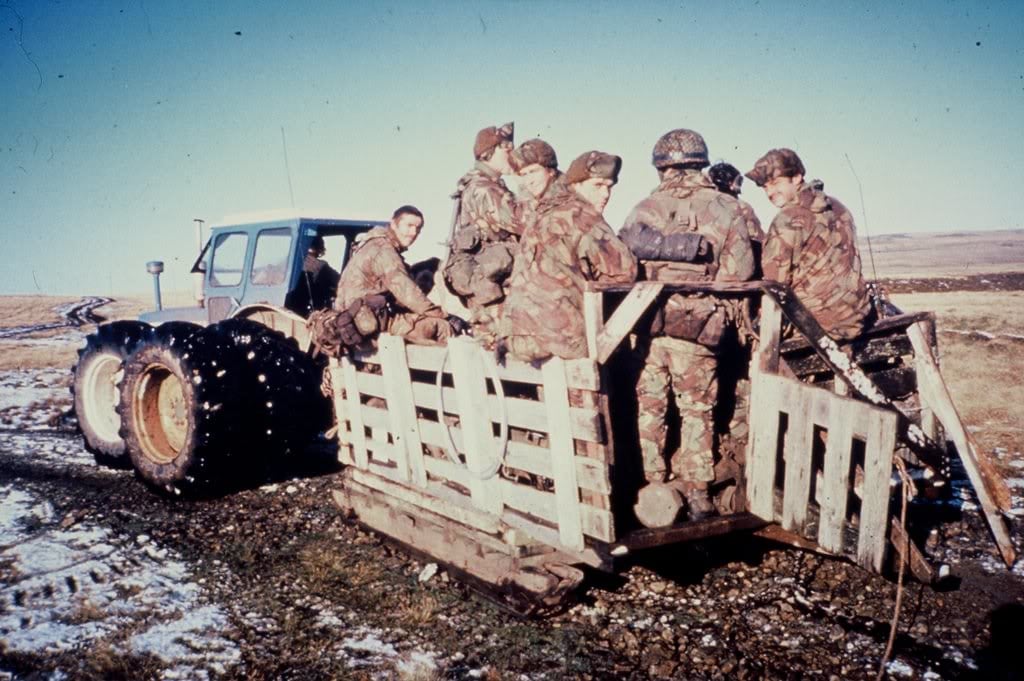
The British government’s decision to restrict and control photographic access during the Falklands War in 1982 was itself shaped by what photographs had done to previous wars. Only a handful of images from actual combat survived the restrictions, and the resulting visual record is thin and managed.
The absence of candid combat photography from the Falklands is, paradoxically, a form of evidence — proof that governments had learned exactly what unrestricted cameras could do to a war’s political lifespan.
The Gulf War “Highway of Death”
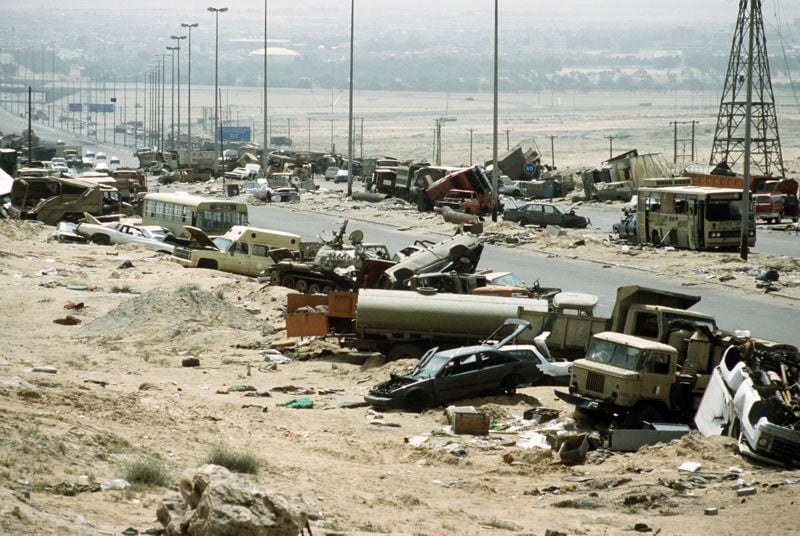
Photographs of the Mutla Ridge — the road out of Kuwait City in February 1991, lined with thousands of destroyed Iraqi vehicles and the remains of retreating soldiers — were published after the ceasefire and complicated the clean narrative of a successful, limited war. The images looked less like victory and more like a killing field, and they contributed to the political environment in which President George H.W. Bush decided not to advance on Baghdad.
The photographs arrived after the shooting stopped and still changed what happened next.
The Surge in Iraq
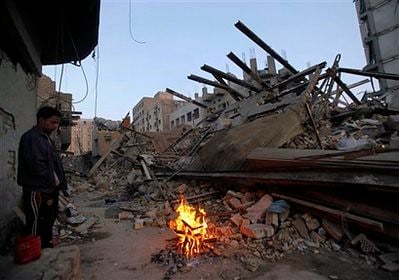
The photographs that accompanied coverage of the 2007 troop surge in Iraq — specifically the images contrasting improved conditions in Anbar Province with ongoing chaos elsewhere — were mobilized by the Bush administration as visual evidence that the surge was working. This represents a different kind of photographic influence: images curated and distributed by the government rather than captured by independent photographers.
That the strategy worked, at least temporarily, tells you something uncomfortable about how photographs function as argument rather than evidence.
The Boston Marathon Bombing
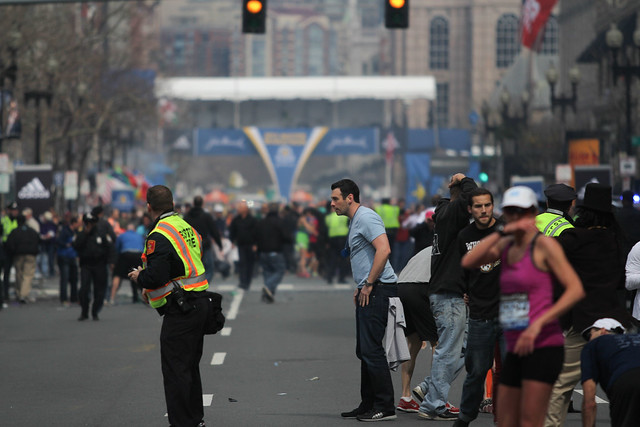
Photographs from the aftermath of the April 2013 Boston Marathon bombing — including the image of Jeff Bauman being rushed from the scene in a wheelchair — circulated so rapidly and so widely that they outpaced official investigation timelines and contributed to public pressure that shaped law enforcement decisions in the immediate aftermath. The FBI released surveillance photographs of the suspects in part because unofficial versions were already circulating online and misidentifying people.
The photographs were ahead of the investigation, and the investigation had to catch up.
The Atomic Bomb Mushroom Cloud
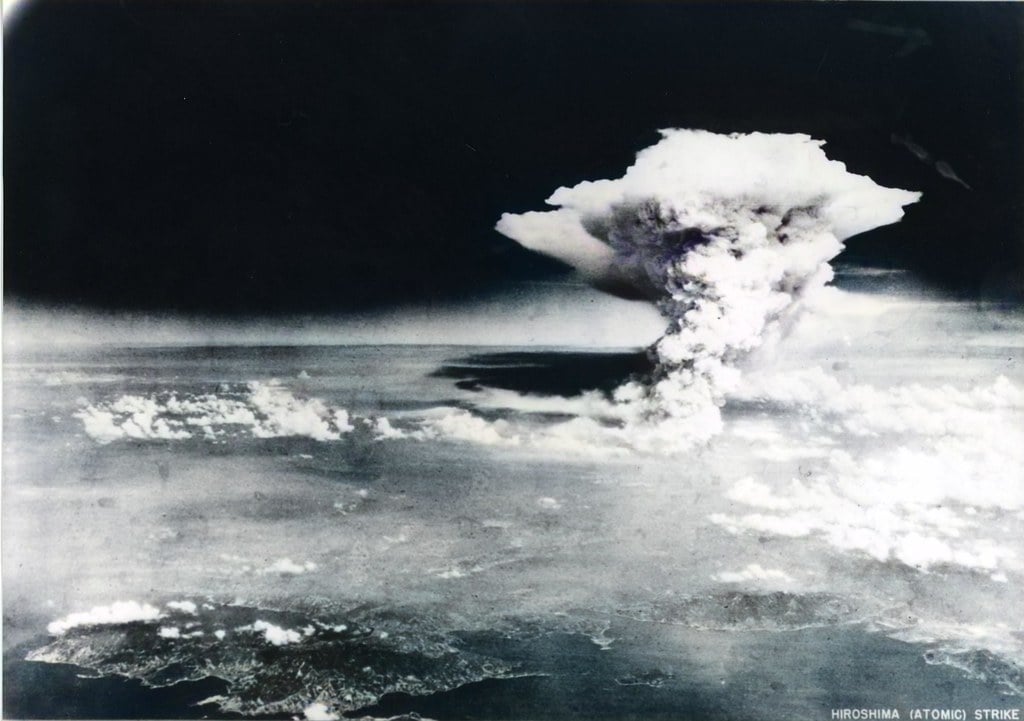
The photograph of the mushroom cloud over Nagasaki — taken from a B-29 on August 9, 1945 — did something unusual: it aestheticized an atrocity in a way that made it difficult to fully reckon with for decades. The image is beautiful in the way that something enormous and irreversible can be beautiful, and that beauty functioned as a kind of buffer between the photograph and what it depicted.
It appeared in newspapers, on government briefings, and eventually on the covers of books arguing both for and against nuclear weapons — a photograph appropriated by every side of a debate it helped to create.
The Children of Aleppo
The 2016 photograph of five-year-old Omran Daqneesh — sitting shell-shocked and bloodied in an orange ambulance seat in Aleppo after an airstrike — became the defining image of the Syrian civil war’s civilian toll. It arrived at a moment when Western governments were paralyzed by the complexity of the conflict and unable to agree on intervention, and the photograph temporarily broke through that paralysis without resolving it.
The boy survived. The city was destroyed anyway.
Some photographs change what people feel without changing what they do — and that gap is its own kind of evidence.
When the Shutter Closes
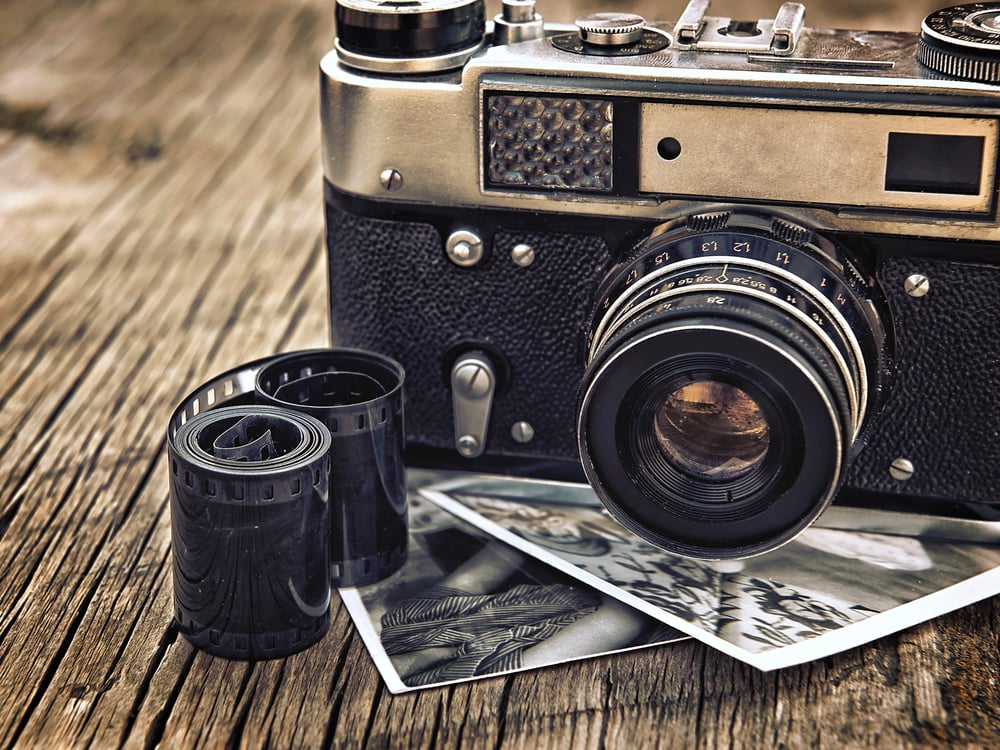
There is a belief, persistent and probably mistaken, that photographs tell the truth. What they actually do is freeze one second of one perspective and hand it to history as a representative sample — and history, being lazy and pressed for time, often accepts the offer.
The most consequential war photographs weren’t necessarily the most accurate; they were the ones that arrived at the right moment, in the right publication, when the audience was already primed to feel something. The camera doesn’t change wars.
The people who look what the camera captures, and then decide they’ve seen enough — they’re the ones who change wars.
More from Go2Tutors!

- The Romanov Crown Jewels and Their Tragic Fate
- 13 Historical Mysteries That Science Still Can’t Solve
- Famous Hoaxes That Fooled the World for Years
- 15 Child Stars with Tragic Adult Lives
- 16 Famous Jewelry Pieces in History
Like Go2Tutors’s content? Follow us on MSN.


