Why Certain Flags Are Still Illegal to Display in Their Own Country
There’s something quietly unsettling about the idea of a flag — a piece of cloth, technically — being treated as a criminal act. Flags are supposed to be symbols of identity, of belonging, of the particular story a group of people decided to tell about themselves.
And yet, in dozens of countries around the world, certain flags will get you arrested, fined, or worse, depending on where you’re standing when you unfurl them. The reasons vary wildly: some bans exist because a flag represents a movement that tried to tear a nation apart, others because the state refuses to acknowledge that a particular group even exists, and a few because the flag in question belongs to an ideology that the country officially decided to bury.
What’s consistent across all of them is the tension — between memory and law, between identity and control.
The Confederate Battle Flag in Parts of the United States
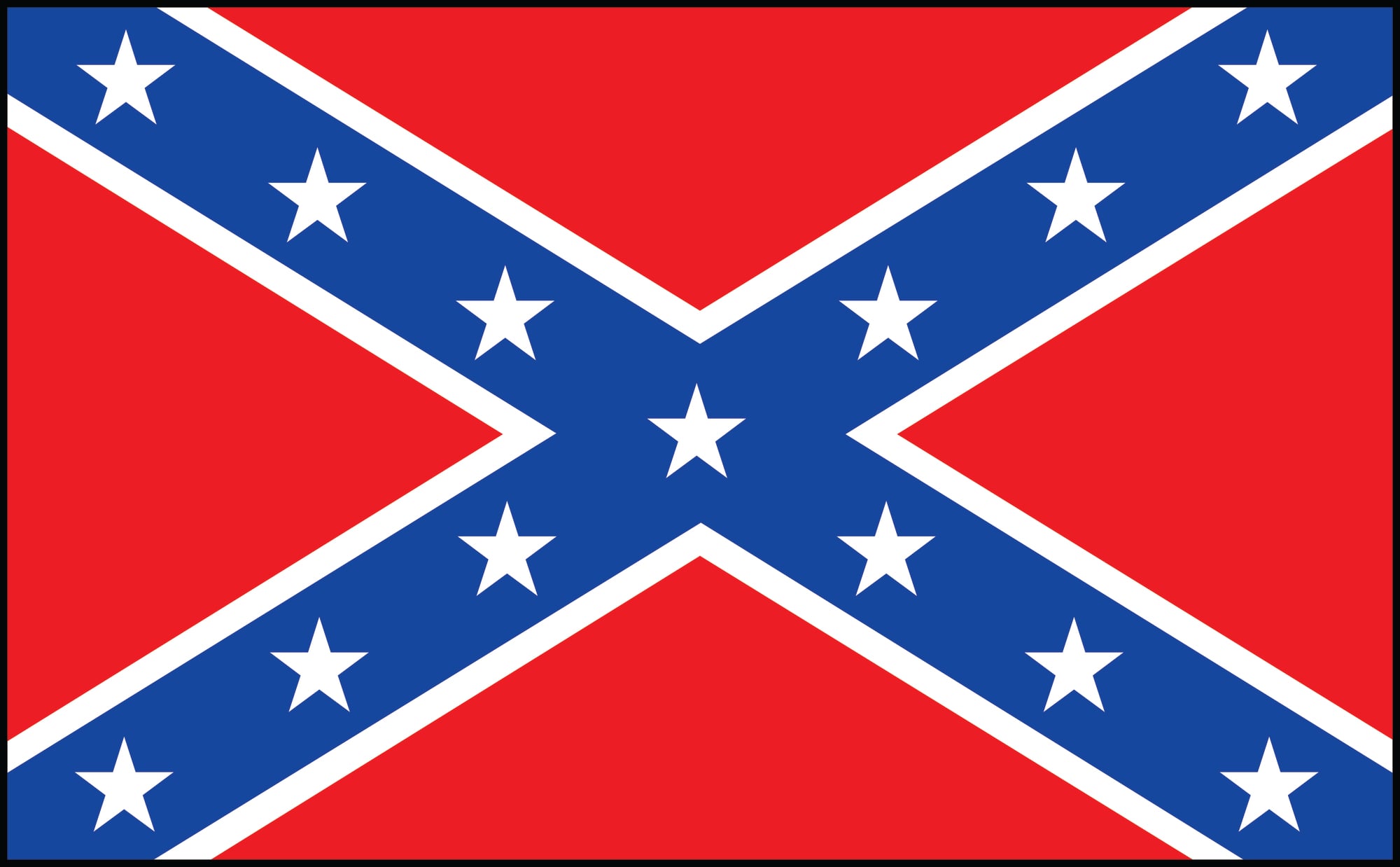
The Confederate battle flag occupies an unusual legal position in the U.S. — not federally banned, but restricted or prohibited in specific public contexts by certain states and municipalities. Maryland, for instance, removed it from official use after sustained pressure, and several states have laws barring it from government buildings and public schools.
It’s not illegal to own one, but display it in the wrong place, in the wrong jurisdiction, and the legal consequences are real.
The Nazi Flag in Germany
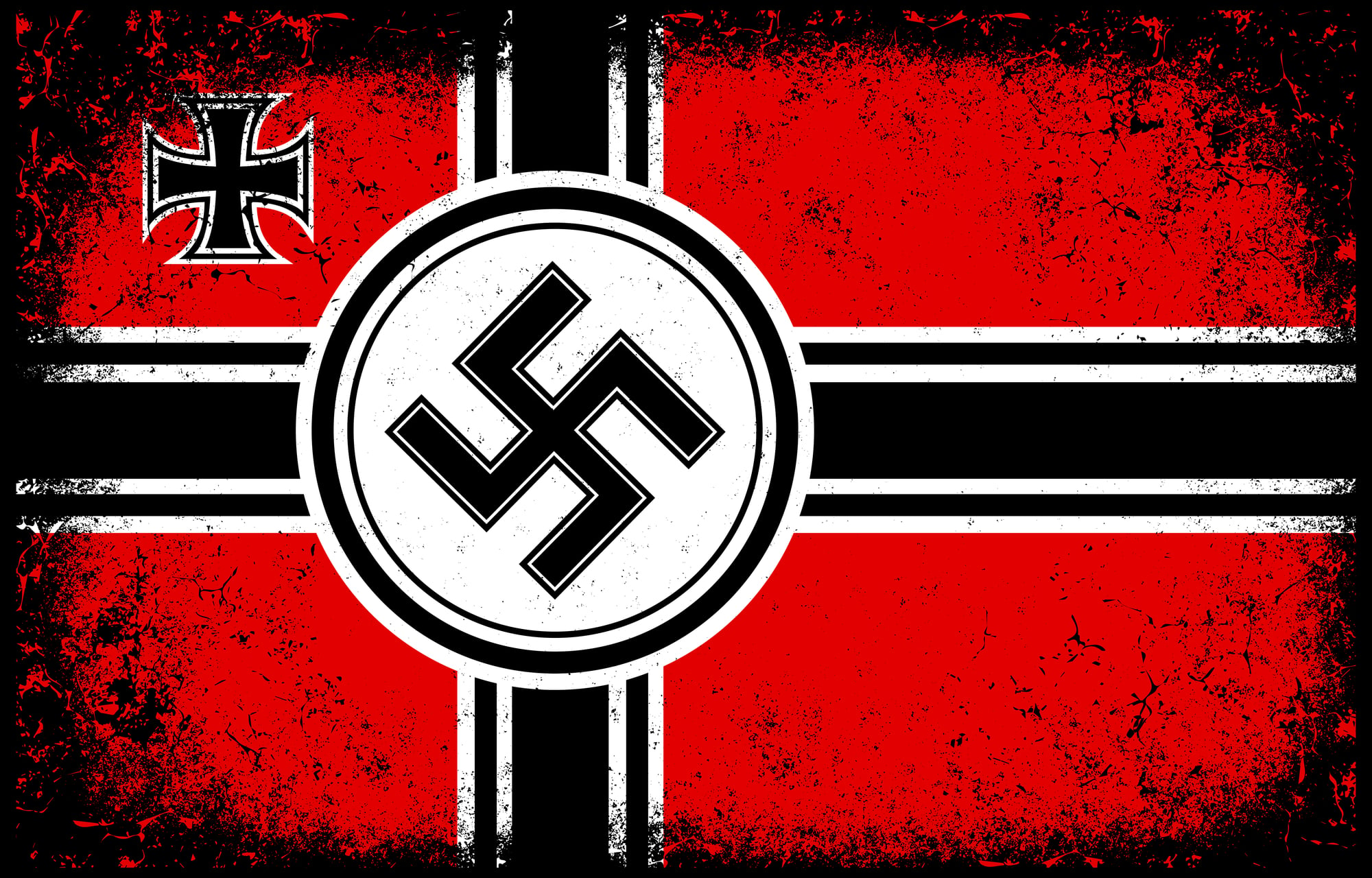
Germany banned the public display of the Nazi flag under Section 86a of its criminal code, and that ban has held for decades with very little serious challenge. The law covers not just the swastika flag itself but any symbol associated with organizations deemed unconstitutional — which includes the SS runes, the Hitler Youth insignia, and several others.
Violations carry up to three years in prison, which is not a fine, not a warning: prison.
The PKK Flag in Turkey
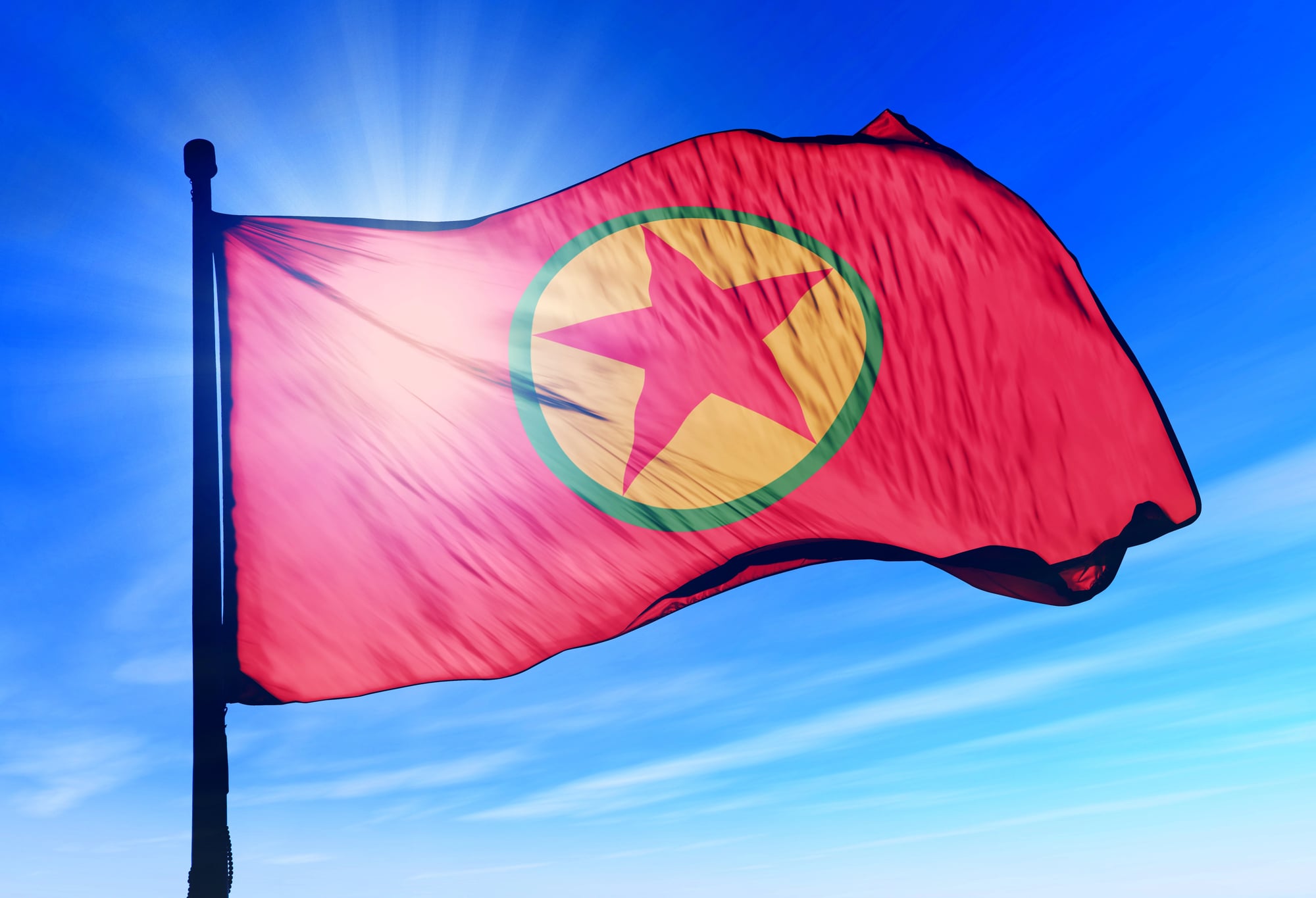
The flag of the Kurdistan Workers’ Party — the PKK — is illegal throughout Turkey, treated as a direct symbol of a designated terrorist organization rather than as an expression of Kurdish cultural identity. This distinction matters enormously to the roughly 15 to 20 million Kurds living in Turkey, for whom the line between political affiliation and ethnic solidarity is not always clear, and who have watched people arrested at funerals, weddings, and protests simply for holding a cloth embroidered with the wrong image.
The law doesn’t bend for context.
The Tibetan Flag in China
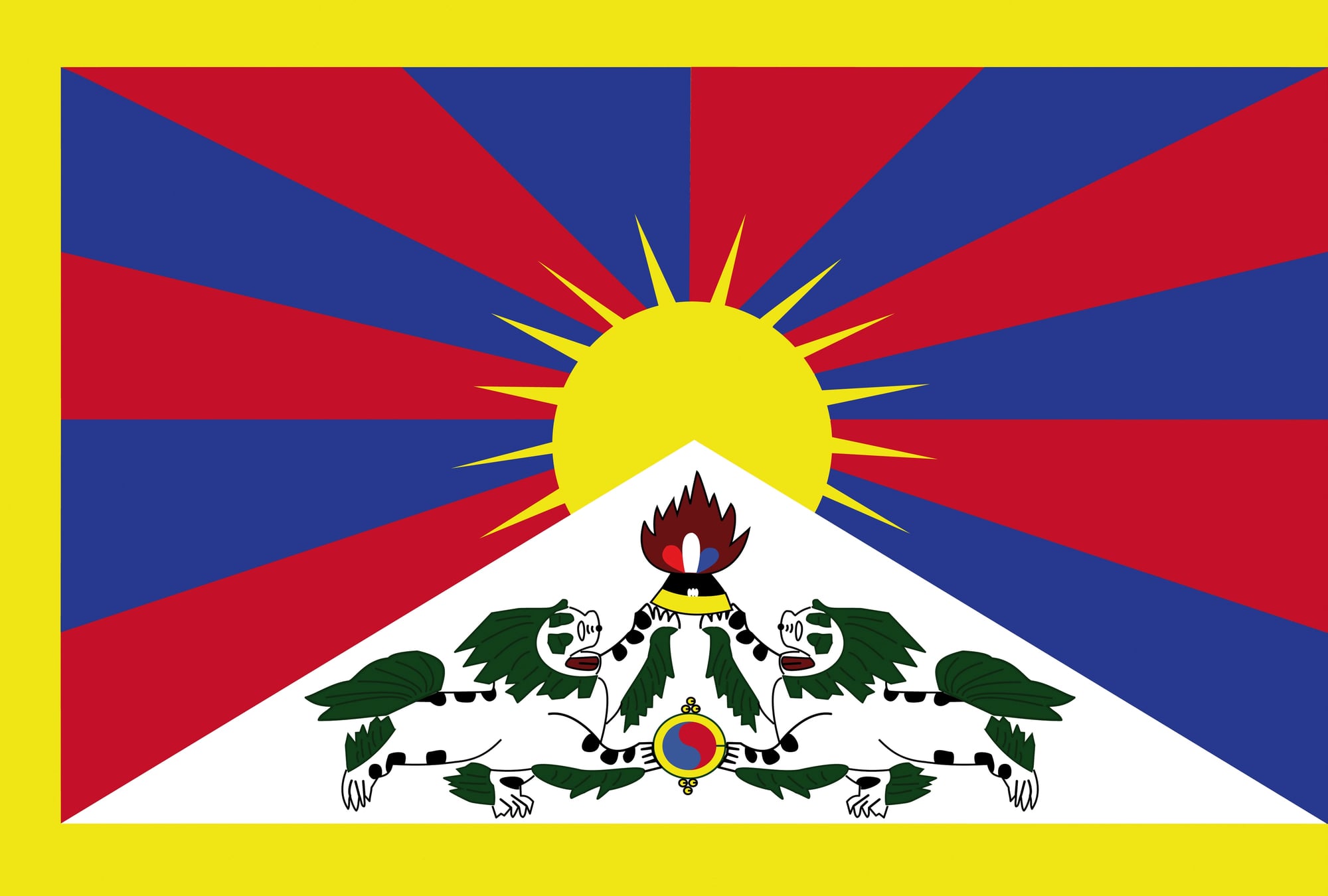
The snow lion flag of Tibet — white background, blue stripes, two lions facing a sun — has been illegal within Chinese territory since the annexation of Tibet in 1950, and China’s enforcement of that ban is aggressive enough that even possessing one privately carries serious risk. Displaying it publicly in Lhasa or anywhere else in what China designates the Tibet Autonomous Region can result in detention, and international visitors have been stopped at checkpoints for having one folded in a bag.
The flag itself hasn’t changed; it’s the map around it that did.
The Catalan Independence Flag in Spain
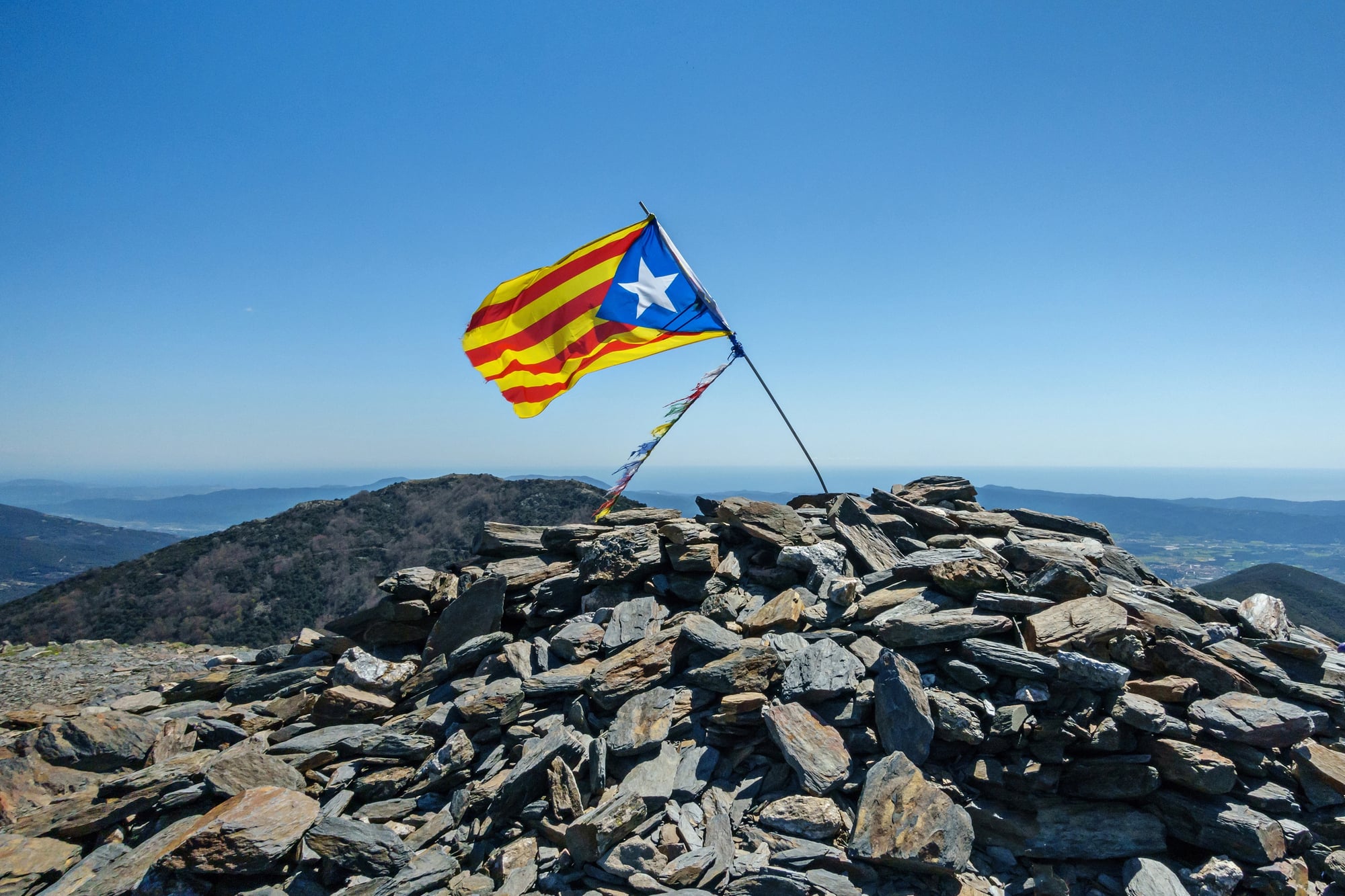
Spain’s relationship with Catalan separatism is complicated — and the legal status of the independence-linked Estelada flag reflects that complication faithfully. It’s not outright banned in the way a terrorist organization’s flag might be, but displaying it in official government contexts has been ruled impermissible, and the 2017 crackdown on the independence referendum brought arrests, prosecutions, and a chilling atmosphere around public displays of Catalan separatist symbols.
Fair enough as a legal gray area, except when you’re the one being charged.
The Aryan Nations Flag in Canada
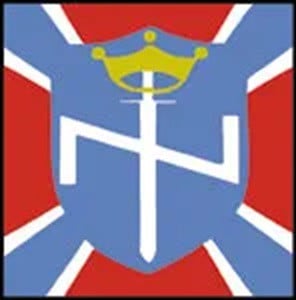
Canada takes a broader approach to hate group symbolism than the United States, and the Aryan Nations flag sits squarely within what Canadian courts have ruled constitutes hate speech under Section 319 of the Criminal Code. A flag, in Canadian jurisprudence, isn’t just a piece of fabric — it’s a communication, and communications that promote hatred against identifiable groups are illegal, full stop.
The distinction between “symbol” and “speech” that Americans debate endlessly was largely settled in Canada decades ago.
The Republic of China Flag in Mainland China
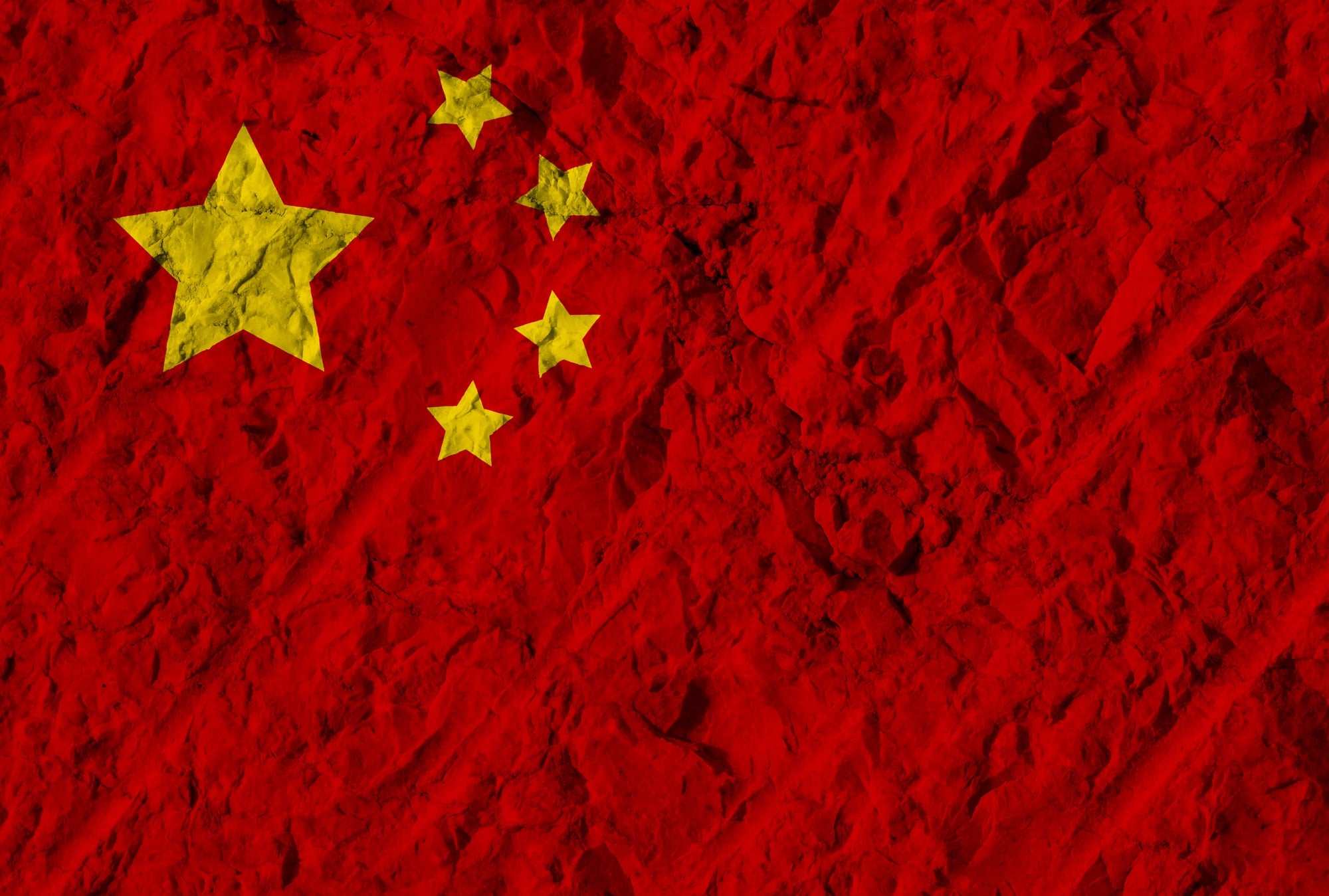
The Republic of China flag — the flag of Taiwan — is illegal to display on mainland Chinese soil, treated not as the banner of a separate nation but as a secessionist provocation by a rogue province. This creates an odd situation where a flag that flies freely over a functioning democratic government with a population of 23 million people is treated, about 100 miles across a strait, as a criminal object.
Turns out geography can make a flag into contraband without changing a single stitch of it.
The Baloch Independence Flag in Pakistan and Iran
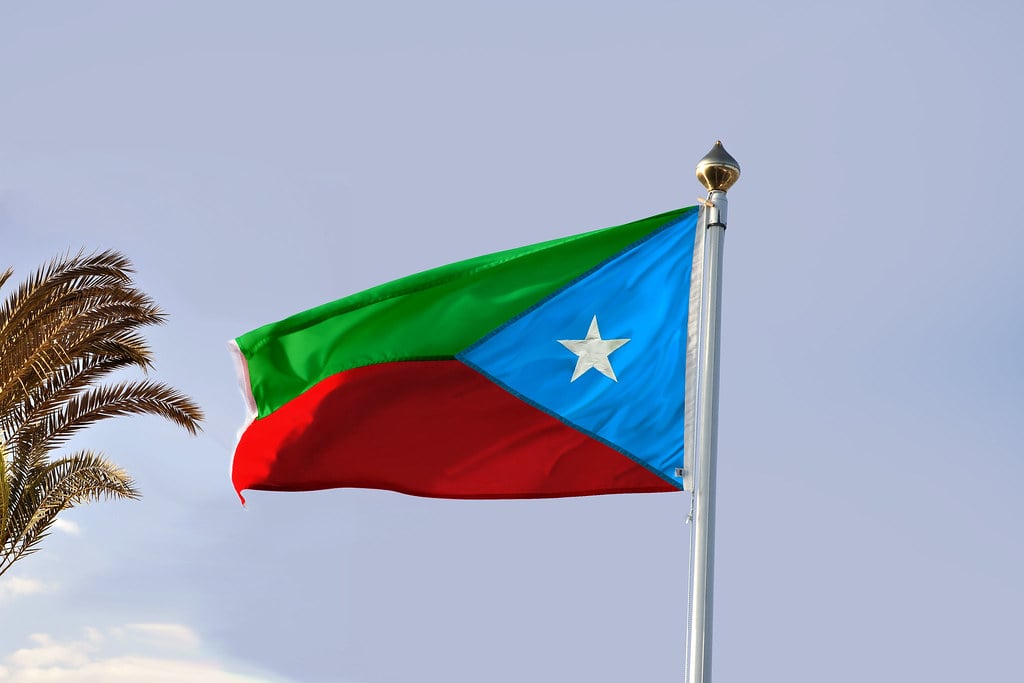
The flag of the Baloch independence movement is suppressed with serious force in both Pakistan and Iran, two countries that share the Balochistan region and share very little else, but agree completely that Baloch separatism is a threat to be extinguished rather than a political position to be tolerated. People have been disappeared in both countries for organizing around Baloch identity, and the flag functions as a shorthand for everything the state considers dangerous about that identity.
It is, to the respective governments, not a symbol of a people — it’s a declaration of war.
The Biafra Flag in Nigeria
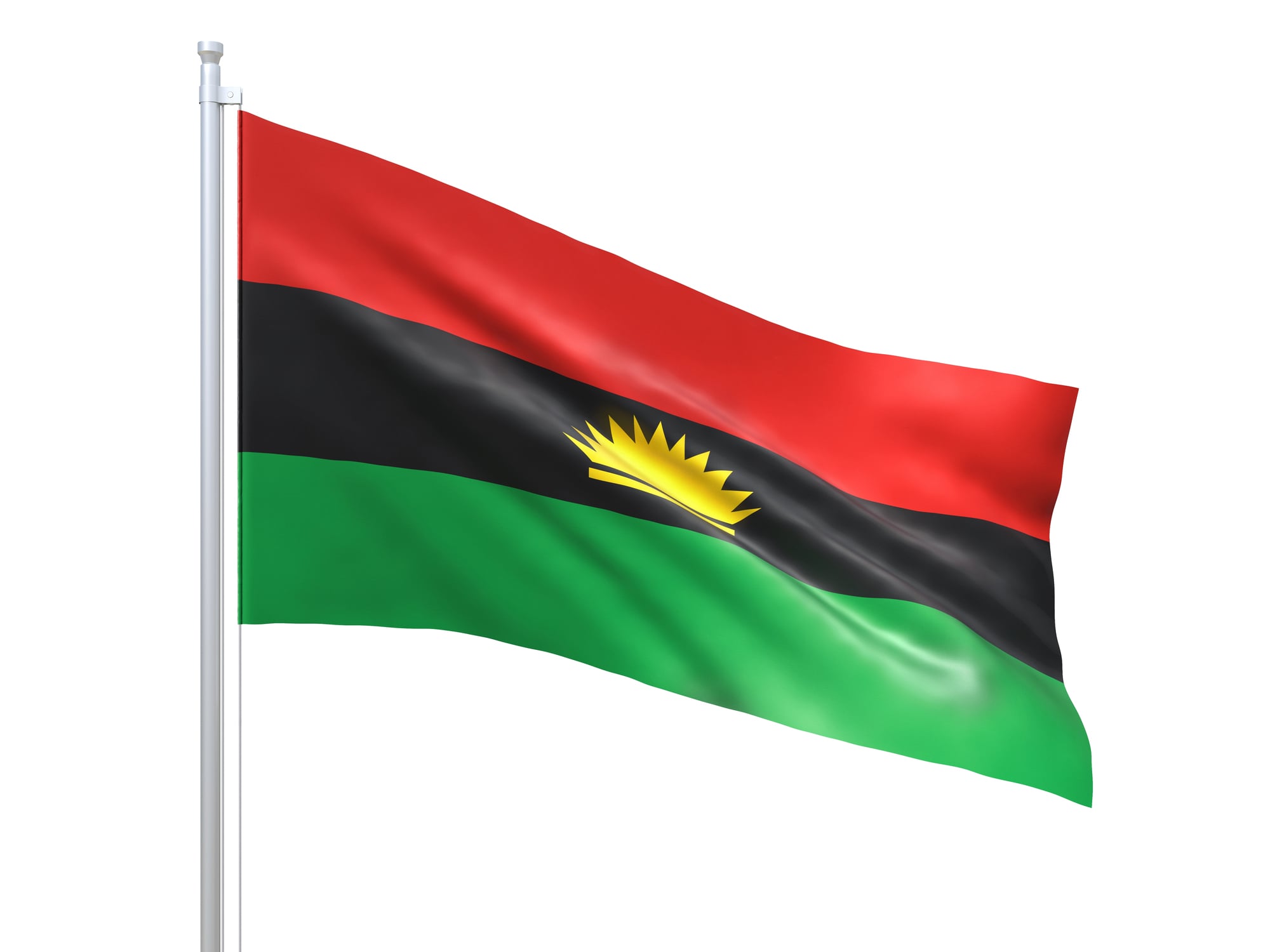
The flag of Biafra — the short-lived republic that existed in southeastern Nigeria between 1967 and 1970 — remains a charged and legally precarious symbol, particularly as the Indigenous People of Biafra movement has grown in recent years. Nigerian security forces have repeatedly cracked down on IPOB gatherings where the Biafra flag appeared, and the Nigerian government designated IPOB a terrorist organization in 2017, which effectively made its flag illegal to display publicly.
Over 50 years after the war ended, the flag still frightens the Nigerian state — which is itself a kind of answer about whether the underlying grievance was ever actually resolved.
The East Turkestan Flag in China
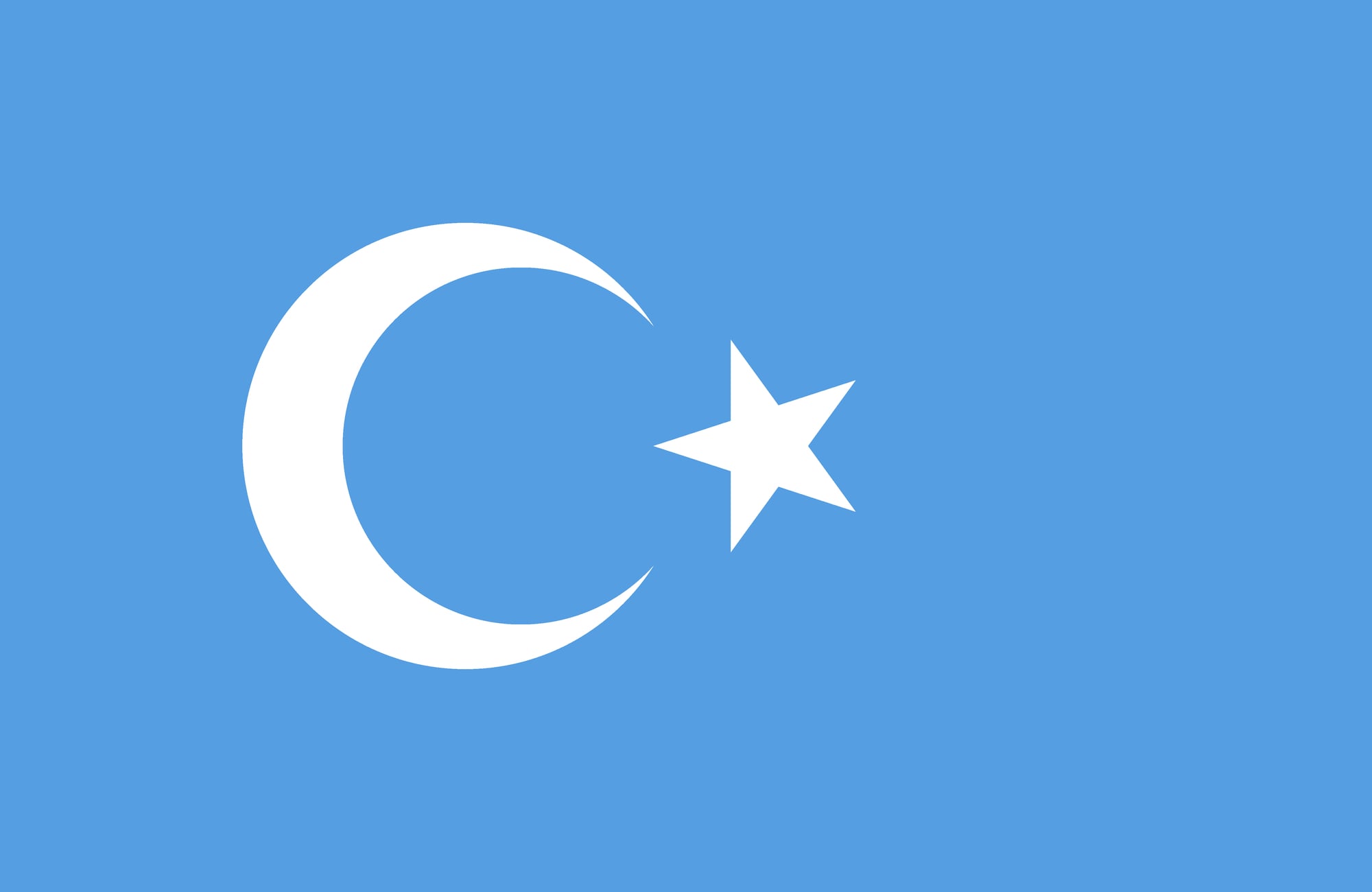
The flag of East Turkestan — the name used by Uyghur independence advocates for the Xinjiang region — is banned throughout China with the same determination applied to Tibetan symbols, but with considerably more surveillance infrastructure behind the enforcement. Xinjiang is one of the most heavily monitored places on earth, with facial recognition cameras, phone checkpoints, and informant networks dense enough that the flag doesn’t need to be publicly displayed to get someone in trouble — being found to have an image of it on your phone has been cited in detention cases.
A flag that almost no one inside the country can display has become, outside it, one of the most politically loaded images in the world.
The Hammer and Sickle in Several Eastern European States
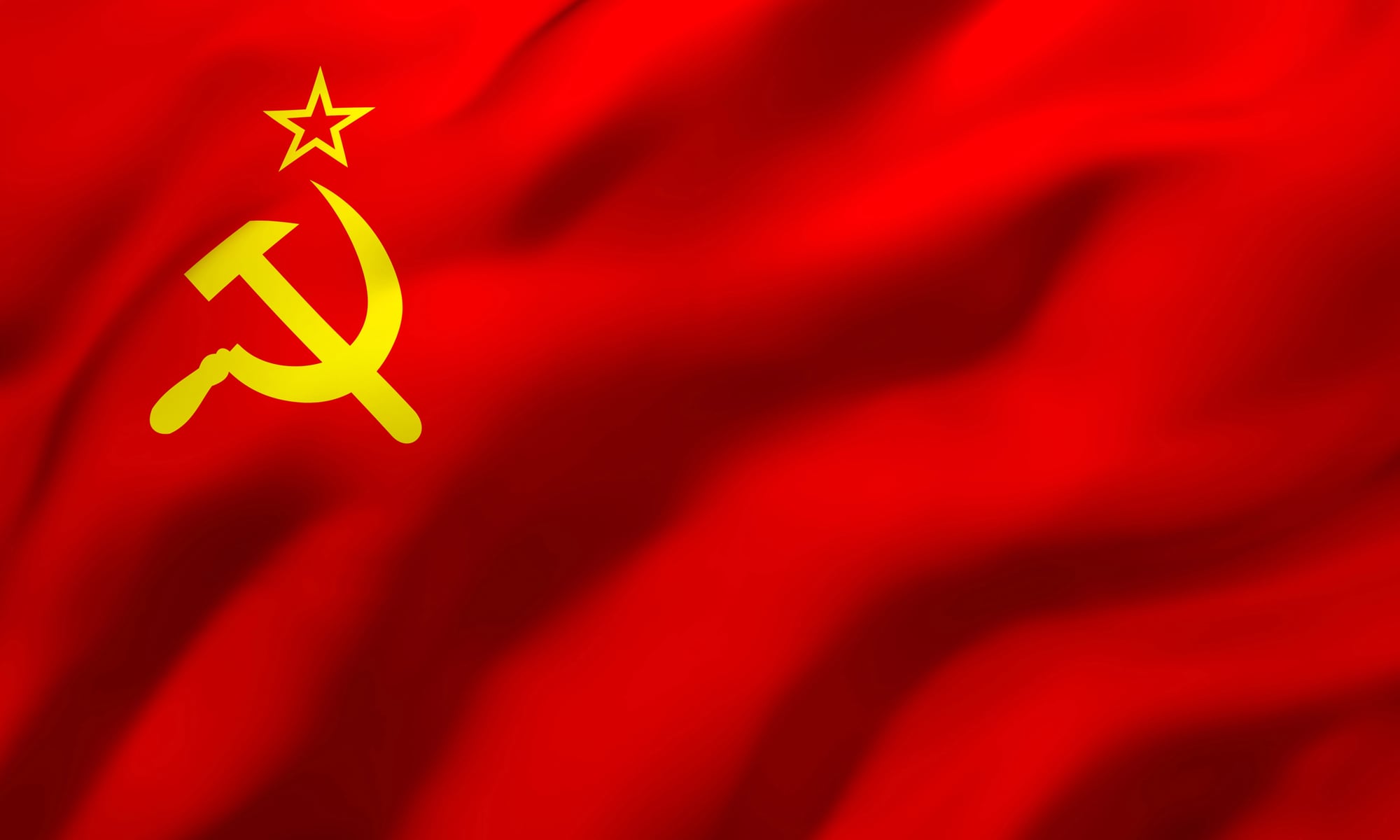
Several Eastern European countries — Latvia, Lithuania, Estonia, Ukraine, Hungary, and Georgia among them — have passed laws banning Soviet symbols including the hammer and sickle flag, placing it in the same legal category as Nazi imagery. The logic is explicit: these nations lived under Soviet occupation and treat its symbols as representations of a criminal regime rather than nostalgic curiosities.
To people who lived through deportations to Siberia or watched family members shot by Soviet security forces, the argument that a flag is “just a symbol” lands differently than it does in a college dormitory in the West.
The PKK-Adjacent Flags in the Netherlands and Belgium
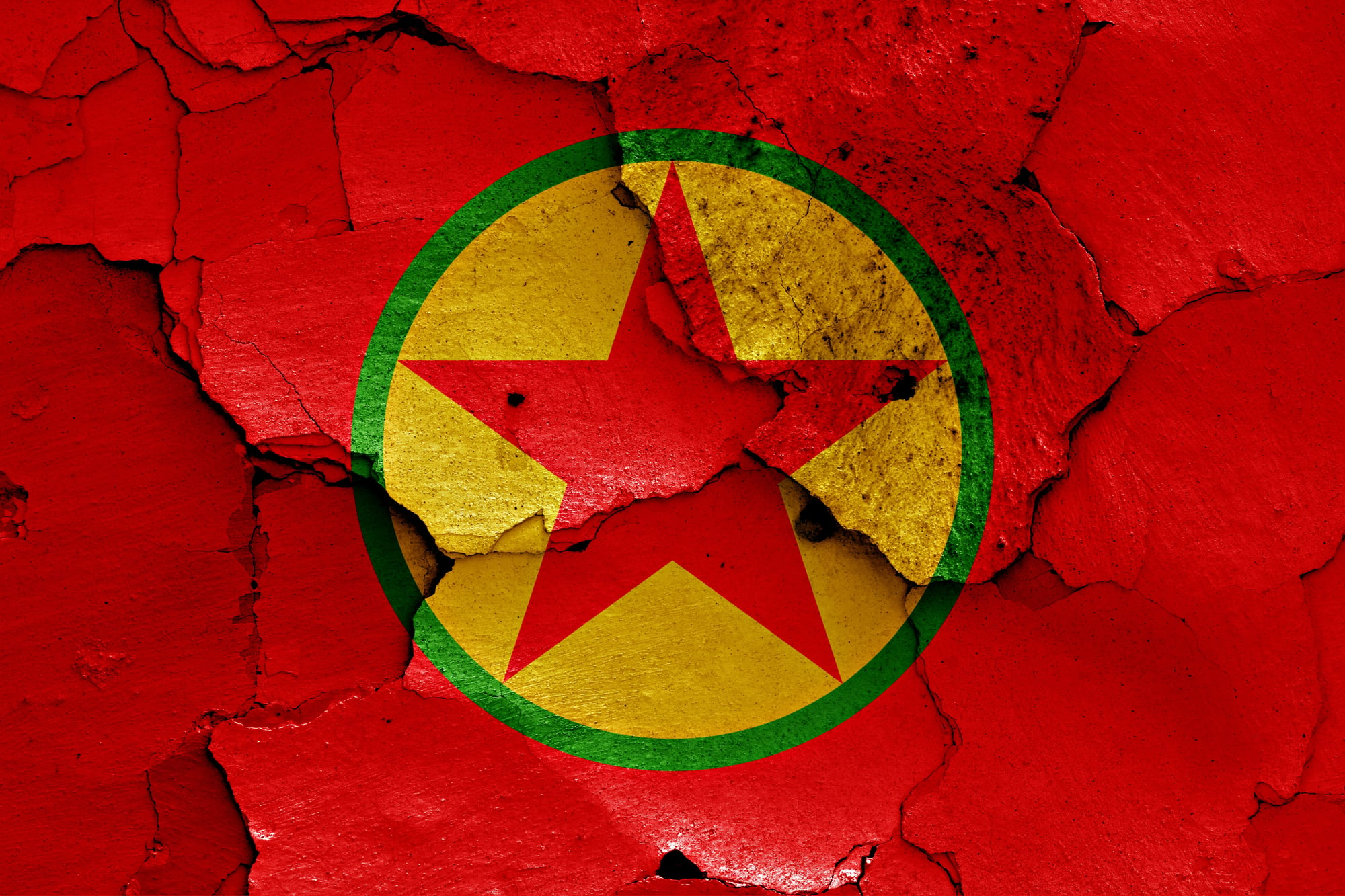
Both the Netherlands and Belgium have moved to restrict or outright ban PKK-linked flags following European Union pressure and their own domestic terrorism designations, creating a situation where Kurdish communities — some of them refugees who fled the very conflict the PKK is associated with — find themselves unable to display symbols that, for them, carry cultural weight far beyond any one political organization. Courts in both countries have wrestled with where political expression ends and terrorist promotion begins, and the answer keeps shifting.
Courts don’t love these cases, and honestly, it shows.
The Falun Gong Flag in China
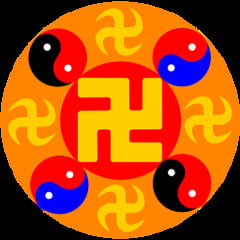
Falun Gong, the spiritual movement banned in China since 1999, has its own flag — a yellow banner with the falun wheel symbol — and displaying it within China is treated as evidence of membership in what the Chinese government designates an “evil cult.” The crackdown on Falun Gong has been one of the most sustained suppression campaigns in modern Chinese history, with practitioners detained in re-education facilities and, according to multiple credible investigations, subjected to forced organ harvesting.
A flag, in this context, is the least of the things the Chinese state has decided to take from Falun Gong practitioners.
The Azawad Flag in Mali
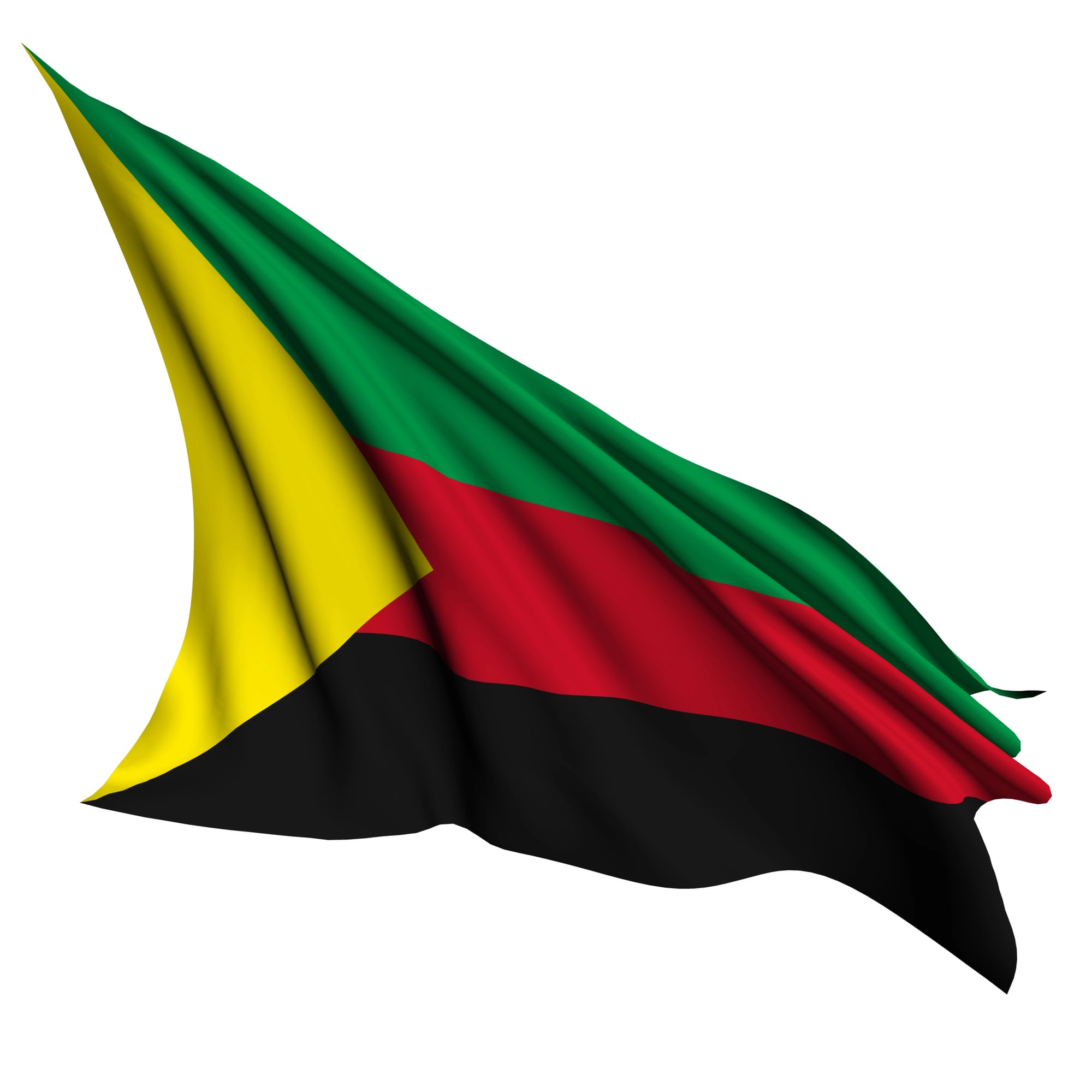
The flag of Azawad — the would-be Tuareg homeland in northern Mali declared independent for a brief period in 2012 — remains illegal under Malian law, though the country’s ongoing instability has made enforcement inconsistent and often impossible across the vast Saharan territory involved. The Malian state has never recognized Azawad as anything other than Malian territory under temporary rebel occupation, which means the flag is officially the emblem of a rebellion rather than a nation.
Go figure that the territory in question stretches across a region roughly the size of Texas where the central government has historically had very limited reach.
The Rif Republic Flag in Morocco
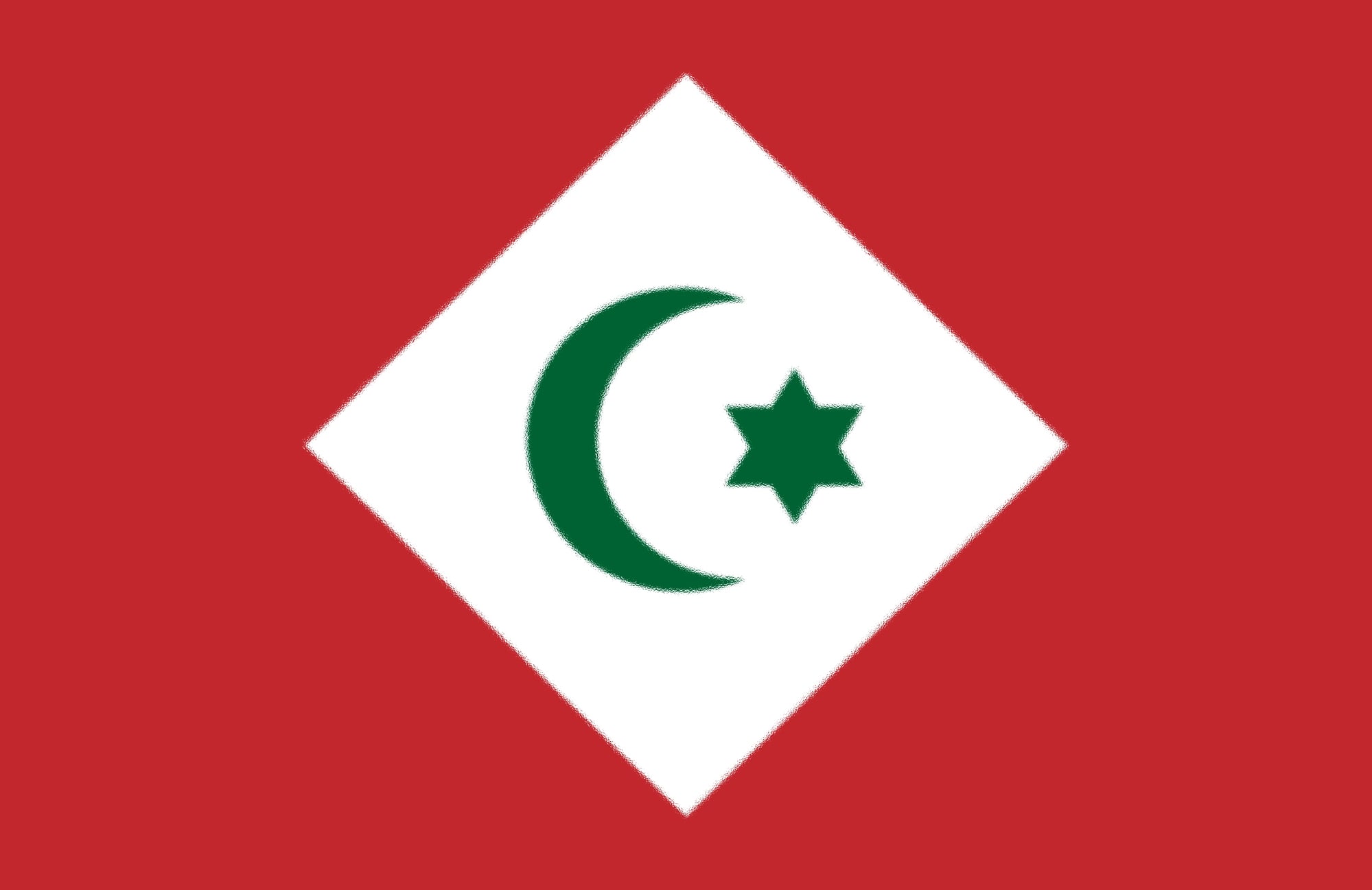
The flag of the Rif Republic — a short-lived Berber state that existed in northern Morocco between 1921 and 1926 — has experienced a quiet legal repression alongside the broader crackdown on the Hirak Rif protest movement that emerged in 2016 and 2017. Activists photographed carrying or displaying the Rif flag were among those arrested and sentenced in trials that Amnesty International described as deeply flawed.
The Moroccan state treats the Rif flag less as history and more as a live threat — which is a strange thing to feel about a flag from a hundred years ago, and yet here we are.
The Chechen Separatist Flag in Russia
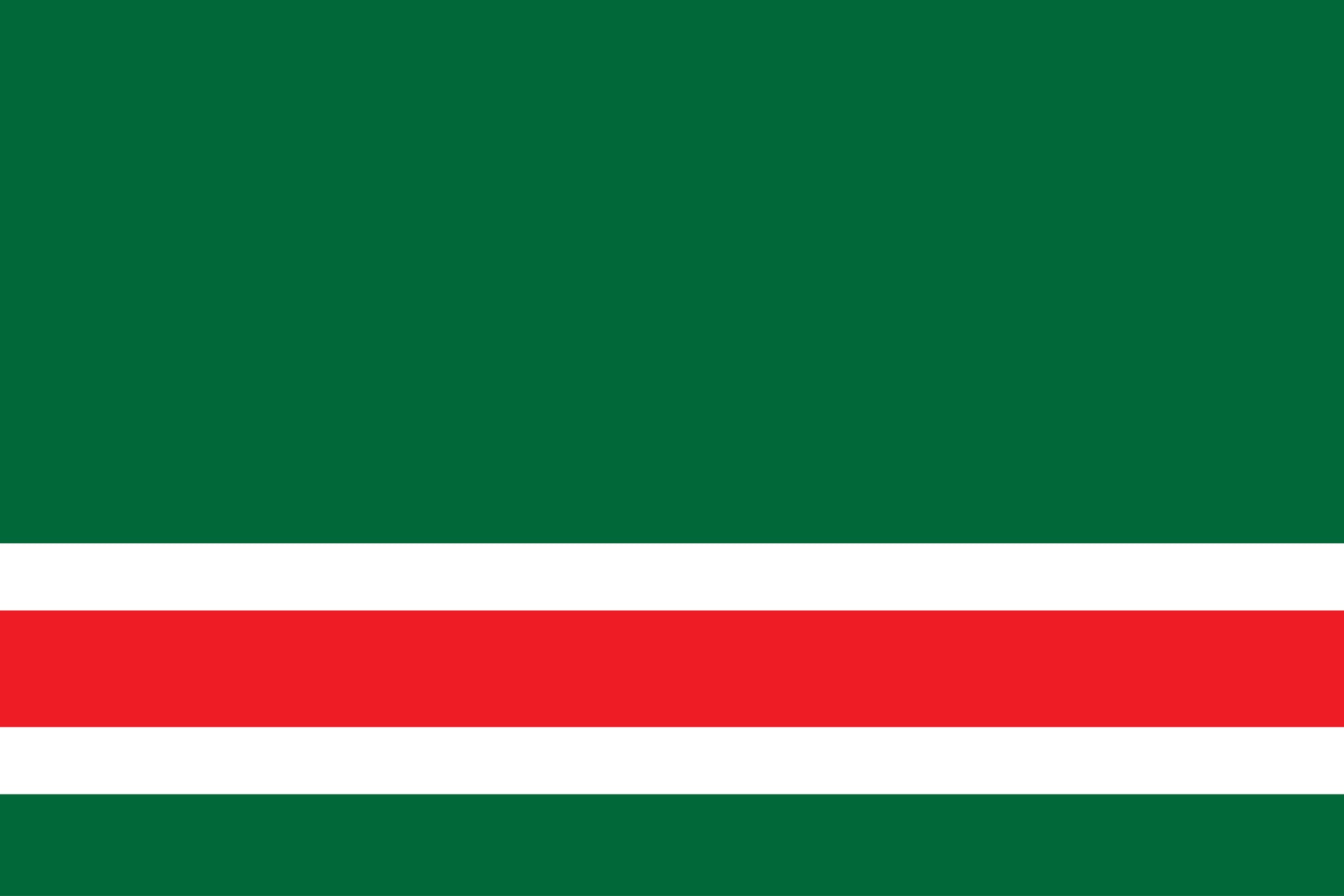
The Chechen separatist flag — distinct from the current Chechen Republic’s flag under Ramzan Kadyrov — is illegal in Russia as a symbol of what the Russian state classifies as a terrorist movement following the two Chechen wars. The legal architecture around this ban is part of Russia’s broader anti-extremism legislation, a framework so elastic that it has been used to suppress everything from Jehovah’s Witnesses to independent journalists.
What began as a specific response to a specific armed conflict became a template for almost anything the Russian state decides it dislikes.
The Sikh Khalistan Flag in India
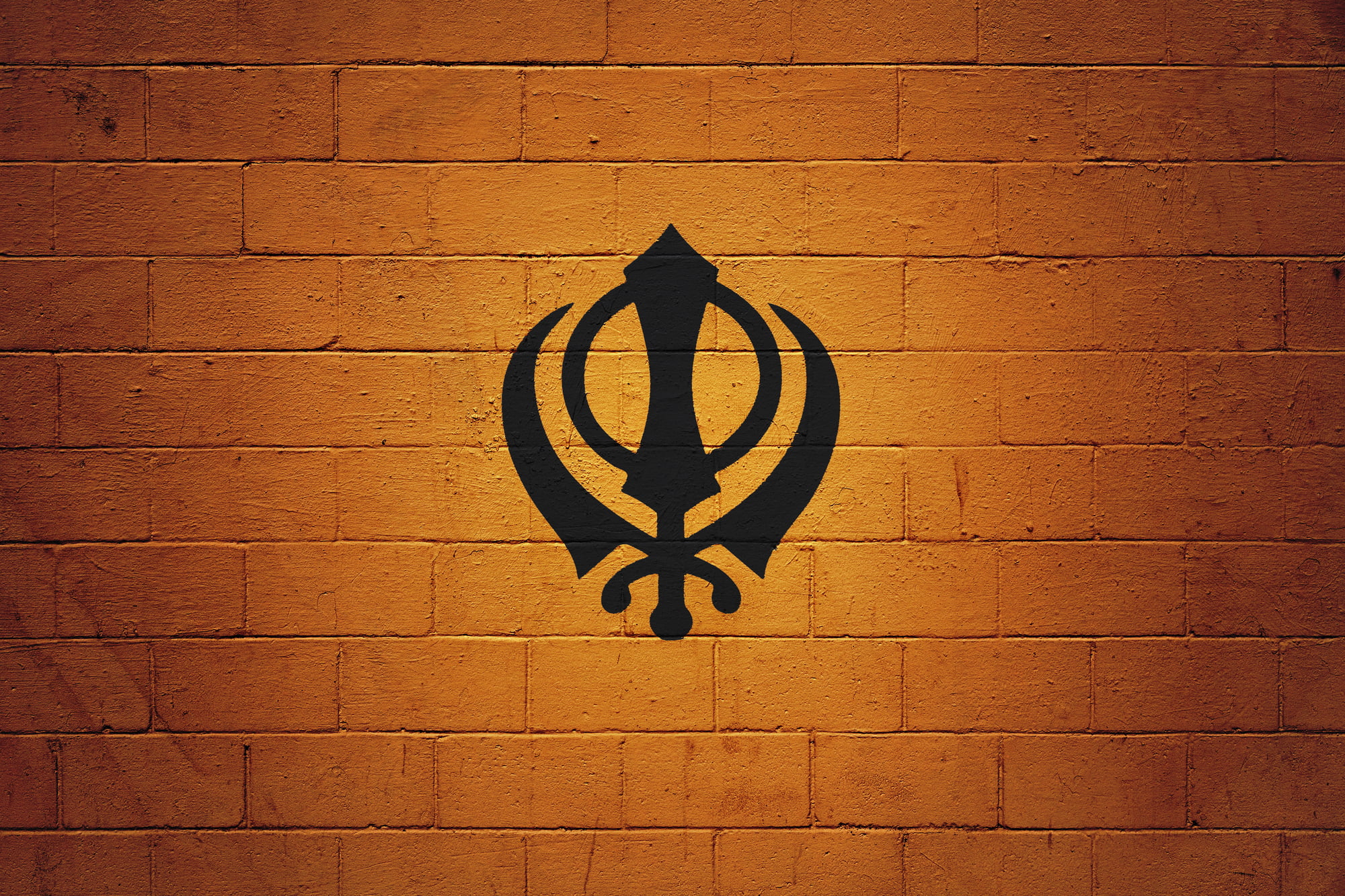
The Khalistan flag — representing the movement for an independent Sikh homeland in Punjab — is banned in India, where the government classifies pro-Khalistan organizations as terrorist entities. India’s sensitivity around this flag extends beyond its own borders, with the Indian government lodging formal diplomatic protests when the Khalistan flag appeared at demonstrations in Canada, the United Kingdom, and Australia — countries where Sikh diaspora communities are large and vocal.
What’s a legal political protest in Toronto becomes an international incident when India is watching, which it always is.
The Confederate Flag in Canada’s Hate Speech Framework
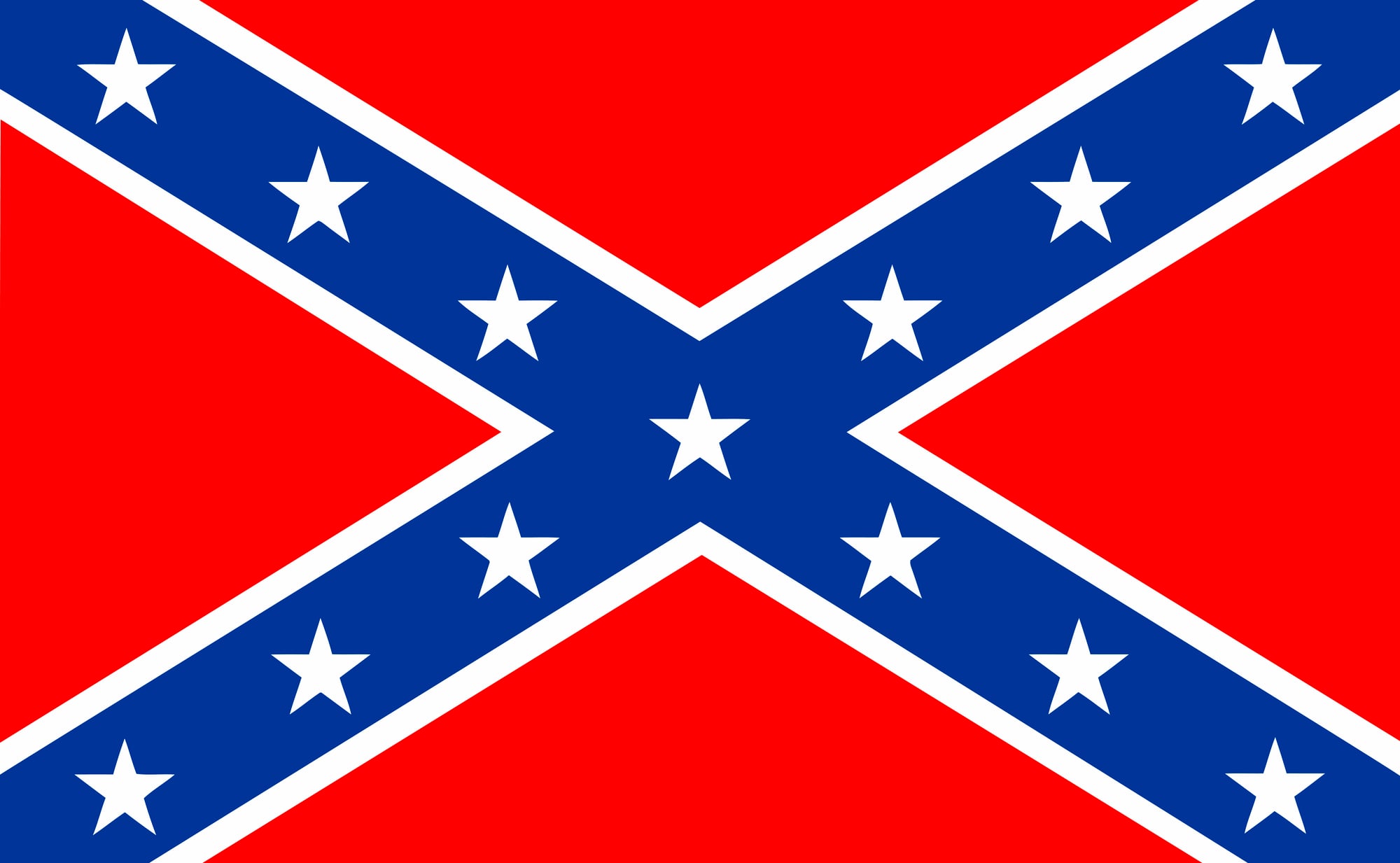
Canada gets a second mention here because the Confederate flag specifically has been treated by Canadian human rights tribunals as a hate symbol in employment and housing contexts — meaning you don’t have to be charged criminally for displaying it to face serious legal consequences. Employers and landlords have faced successful complaints under provincial human rights codes for allowing Confederate flag displays in workplaces and rental properties.
The American “it’s just history” defense doesn’t travel well across the border.
When a Flag Outlives the State That Banned It
Some of the most interesting flag bans in history are the ones that didn’t survive the governments that imposed them. The flag of the African National Congress was banned in apartheid-era South Africa; it now flies over the country’s parliament.
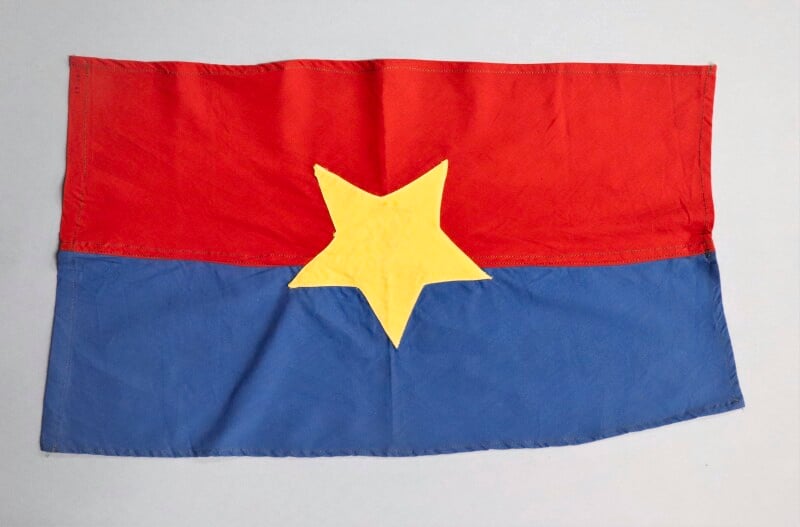
The Viet Cong flag was illegal in South Vietnam for the duration of its existence as a country. The flag of the Free French forces was forbidden in Vichy France.
The common thread is that banning a flag tends to make it more powerful, not less — it transforms a piece of cloth into proof that someone, somewhere, was afraid of what it meant.
The Legal Gray Zone of Digital Display

One frontier that almost no flag-ban law anticipated is the question of digital display — whether posting an image of a banned flag on social media, using it as a profile picture, or sharing it in a private message constitutes the same offense as flying it physically. China has resolved this question aggressively, treating digital display as equivalent to physical display and using it as grounds for arrest.
European countries with Nazi symbol bans have been slower and more ambivalent, but prosecutions for online display of banned flags have occurred in Germany and France. The flag hasn’t changed — the place you can hang it just keeps getting more complicated.
The Flags Nobody Officially Acknowledges Exist
Perhaps the strangest category of banned flags is the ones that are illegal not because of what they represent, but because the country denying them refuses to admit the underlying identity even exists. The Amazigh (Berber) flag in Algeria spent years in a legal and political limbo where displaying it at protests was met with arrests, not because the government had formally banned it but because it implied a sub-national identity the Algerian state found threatening.
You can’t officially ban something you won’t officially acknowledge, so the repression operated through other charges — disturbing public order, inciting unrest — with the flag itself as the unspoken reason.
The Persistence of Cloth

A flag, when you reduce it to its materials, is nothing — dye and thread and a few square feet of fabric. And yet the lengths that governments go to suppress certain flags suggest they understand, on some level, that the reduction is dishonest.
A flag carries the specific gravity of collective belief — the stubborn insistence that a particular story about a group of people is true and worth declaring publicly. That’s why burning one provokes rage, and why banning one rarely works the way the banning government hopes.
The cloth goes underground; the meaning doesn’t.
The world’s most banned flags share one quality that the governments suppressing them seem never quite to grasp: the act of suppression is the advertisement. Every arrest made for displaying a forbidden flag tells the people who identify with it that what they’re carrying matters — enough to frighten someone with the power to make laws.
More from Go2Tutors!

- The Romanov Crown Jewels and Their Tragic Fate
- 13 Historical Mysteries That Science Still Can’t Solve
- Famous Hoaxes That Fooled the World for Years
- 15 Child Stars with Tragic Adult Lives
- 16 Famous Jewelry Pieces in History
Like Go2Tutors’s content? Follow us on MSN.