25 Vintage Concert Memorabilia Outpacing Inflation Year After Year
There’s a reason people kept ticket stubs in shoeboxes and folded tour programs between album sleeves for decades — they sensed, even if they couldn’t articulate it, that these things mattered beyond the night they were printed. What nobody quite predicted was how dramatically the financial world would eventually agree.
Vintage concert memorabilia has quietly become one of the more surprising asset classes of the last two decades, outrunning inflation with the kind of consistency that makes traditional investors uncomfortable. Whether you’re sitting on a battered 1975 Led Zeppelin backstage pass or a pristine original Woodstock poster still rolled in its cardboard tube, what you’re holding is almost certainly worth more than you think — and climbing.
As with all collectibles, condition determines where on the price range any given piece actually lands, so treat the figures below as direction rather than guarantees.
Original Woodstock Posters
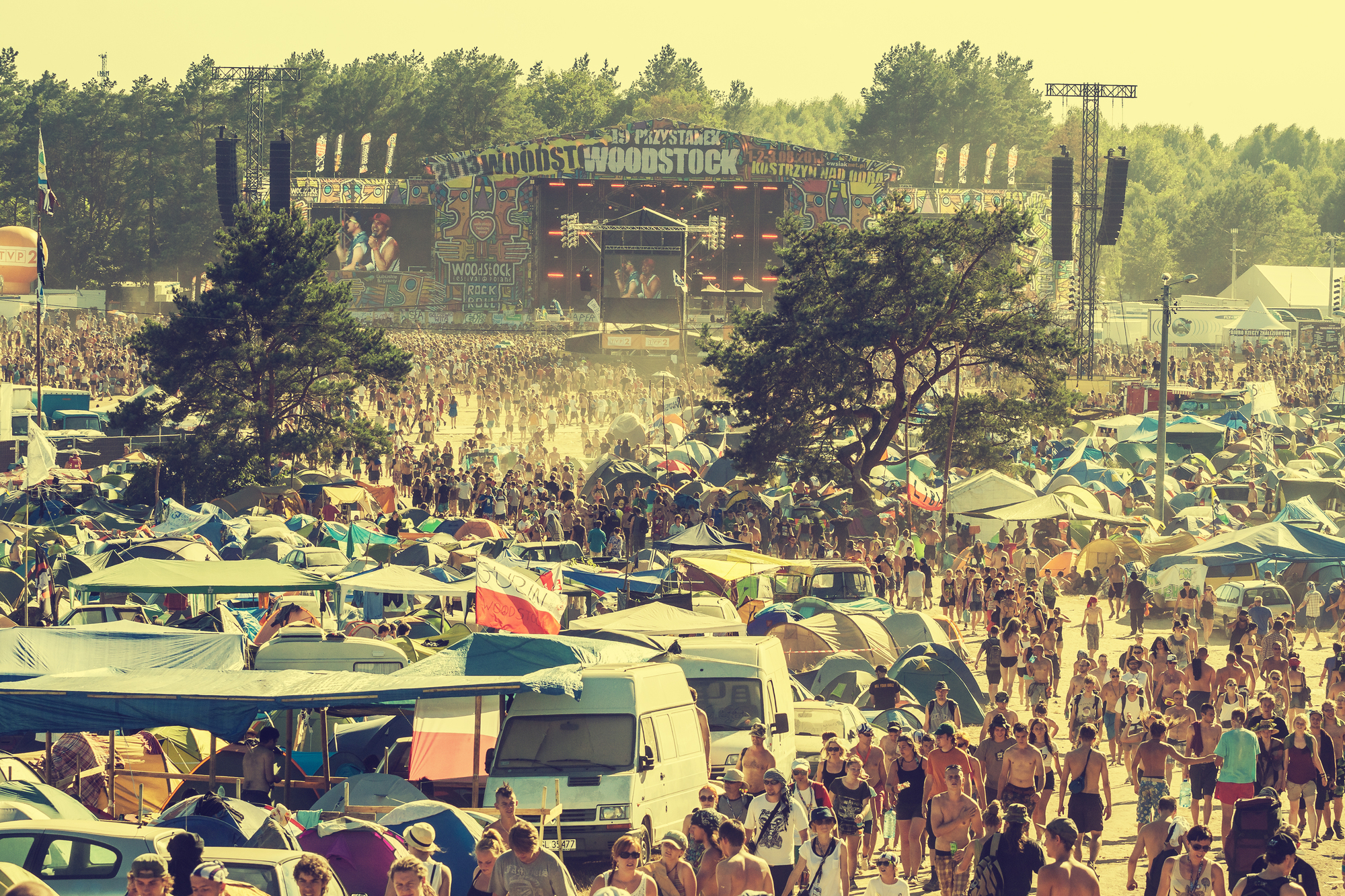
The original 1969 Woodstock festival poster — the one with the white dove perched on a guitar neck — now sells at auction anywhere from several thousand dollars for worn examples into the high five figures for exceptional, gallery-quality condition. That’s a piece of paper printed to advertise a concert that cost $18 to attend.
Inflation doesn’t even come close to explaining that math.
Led Zeppelin 1973 Tour Programs
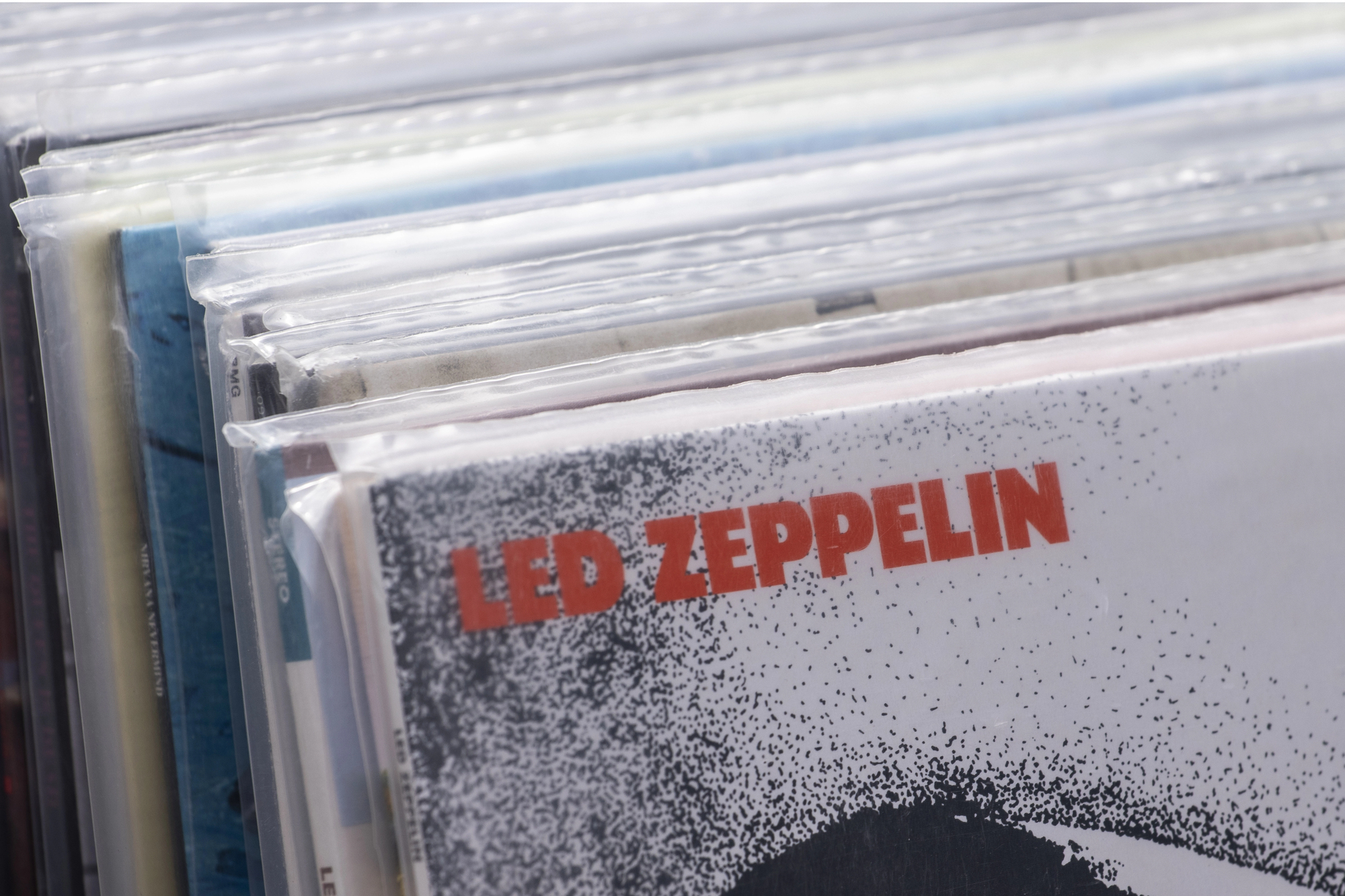
The 1973 North American tour was the largest-grossing rock tour in history at the time, and the programs printed for it — oversized, glossy, with that distinctive dragon artwork — have become the kind of artifacts that serious collectors will pay $400 to $1,200 for. Remarkable when you consider they were sold in arena lobbies for a few dollars and probably used as makeshift fans during “Stairway to Heaven.”
What’s actually being bought here isn’t paper: it’s the physical residue of a moment when rock music genuinely felt like it was rearranging the culture, and that has a fairly stable floor in any market.
Beatles Shea Stadium Tickets
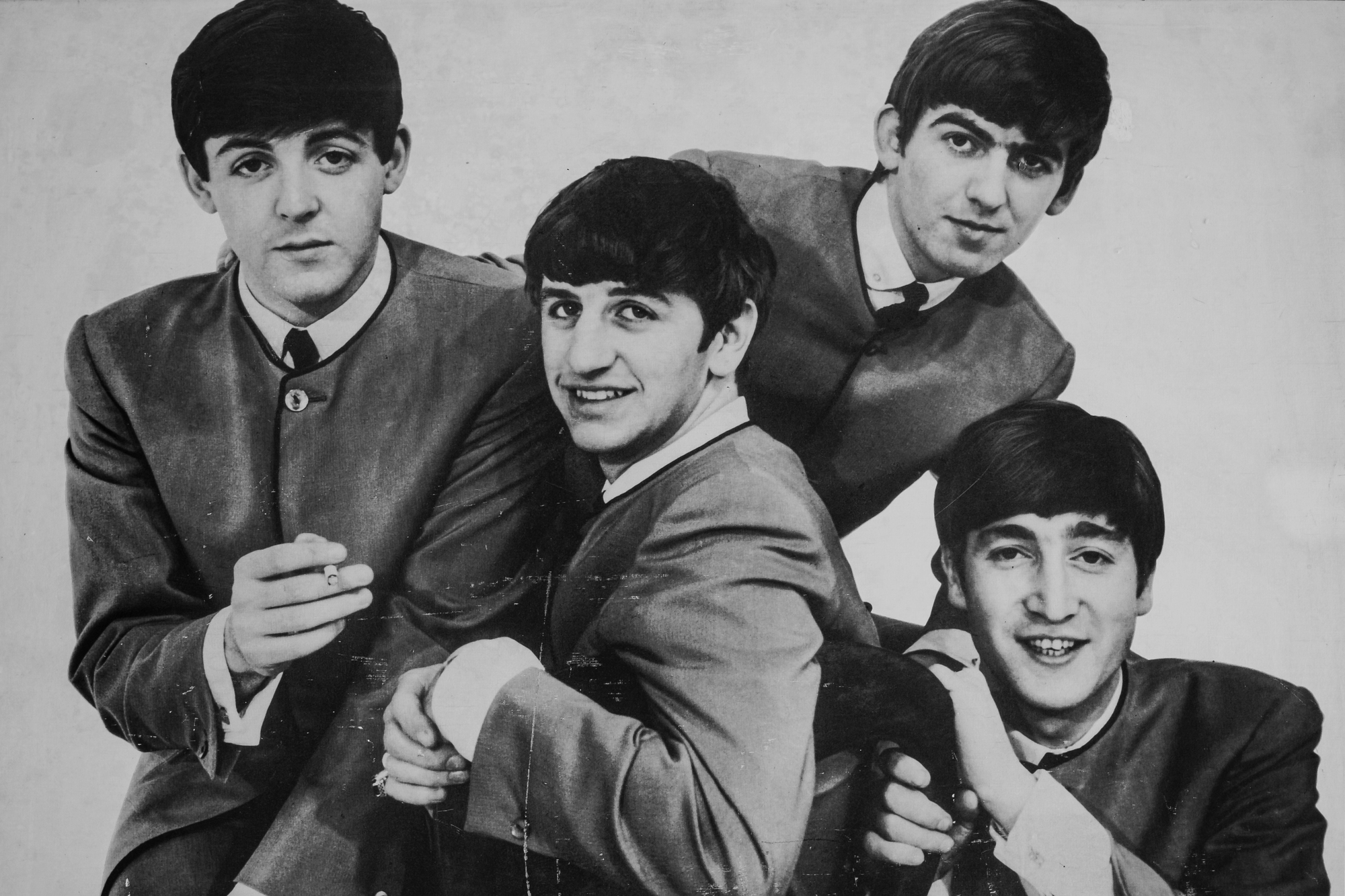
A used ticket stub from the Beatles’ August 15, 1965 Shea Stadium concert sits in the world like a pressed flower — proof that something alive once passed through. Unused tickets from that night have sold for over $10,000 at major auction houses, not because the cardboard is special, but because 55,600 people were present for something that felt like the future arriving all at once.
The ones who kept their stubs rather than throwing them down on the stadium floor made an unconscious archival decision that turned out to be worth more than most savings accounts.
Rolling Stones Altamont Passes
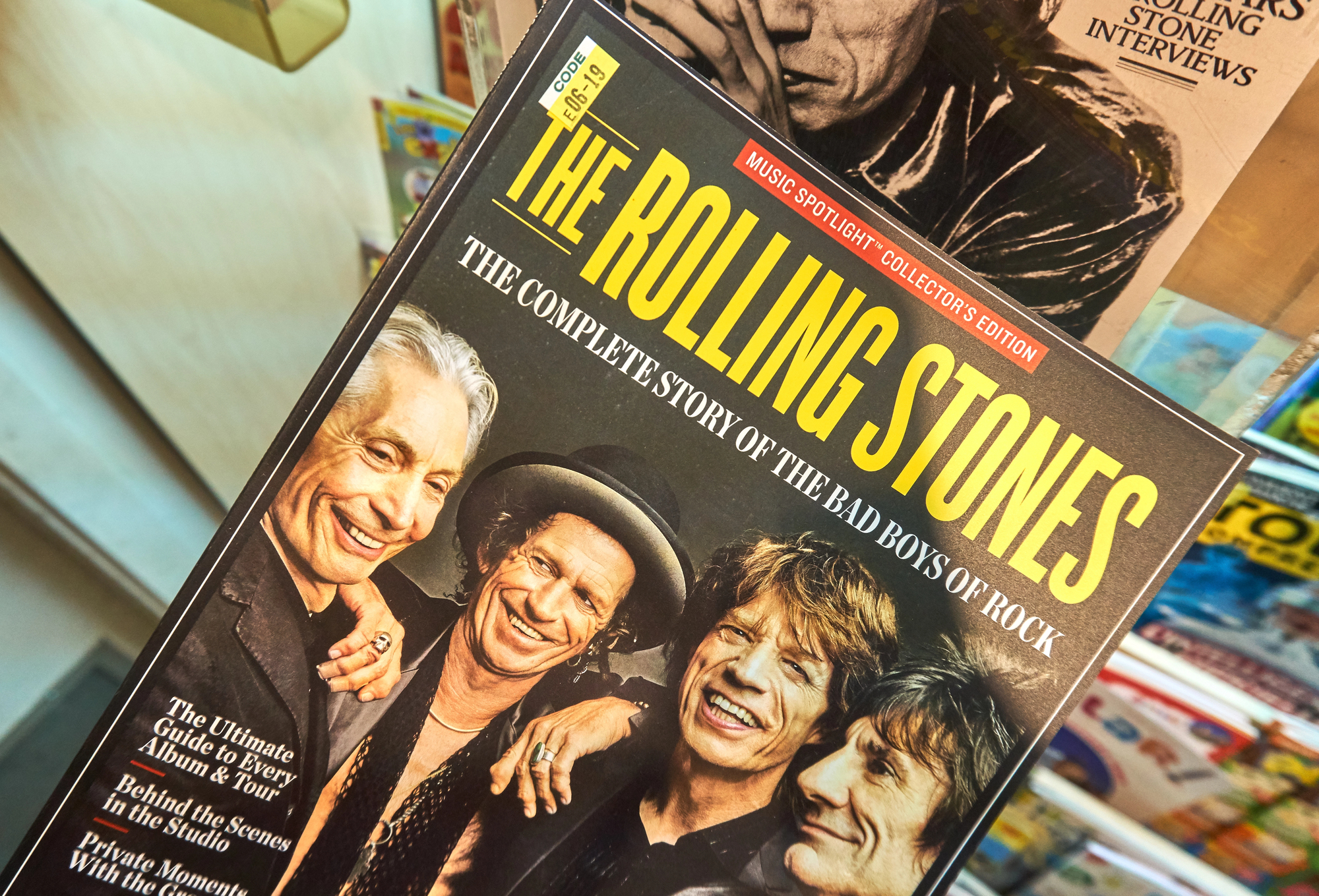
Altamont is a complicated piece of history, and the memorabilia reflects that complexity in the market. Backstage passes from the December 1969 free concert — infamously chaotic, not a triumphant moment by any standard — sell for significant premiums precisely because the event became historically weighted in ways nobody anticipated on the day.
Darkness, it turns out, has its own collector premium, which is either a fascinating market insight or a slightly uncomfortable one, depending on your tolerance for irony.
Pink Floyd “The Wall” Tour Merchandise
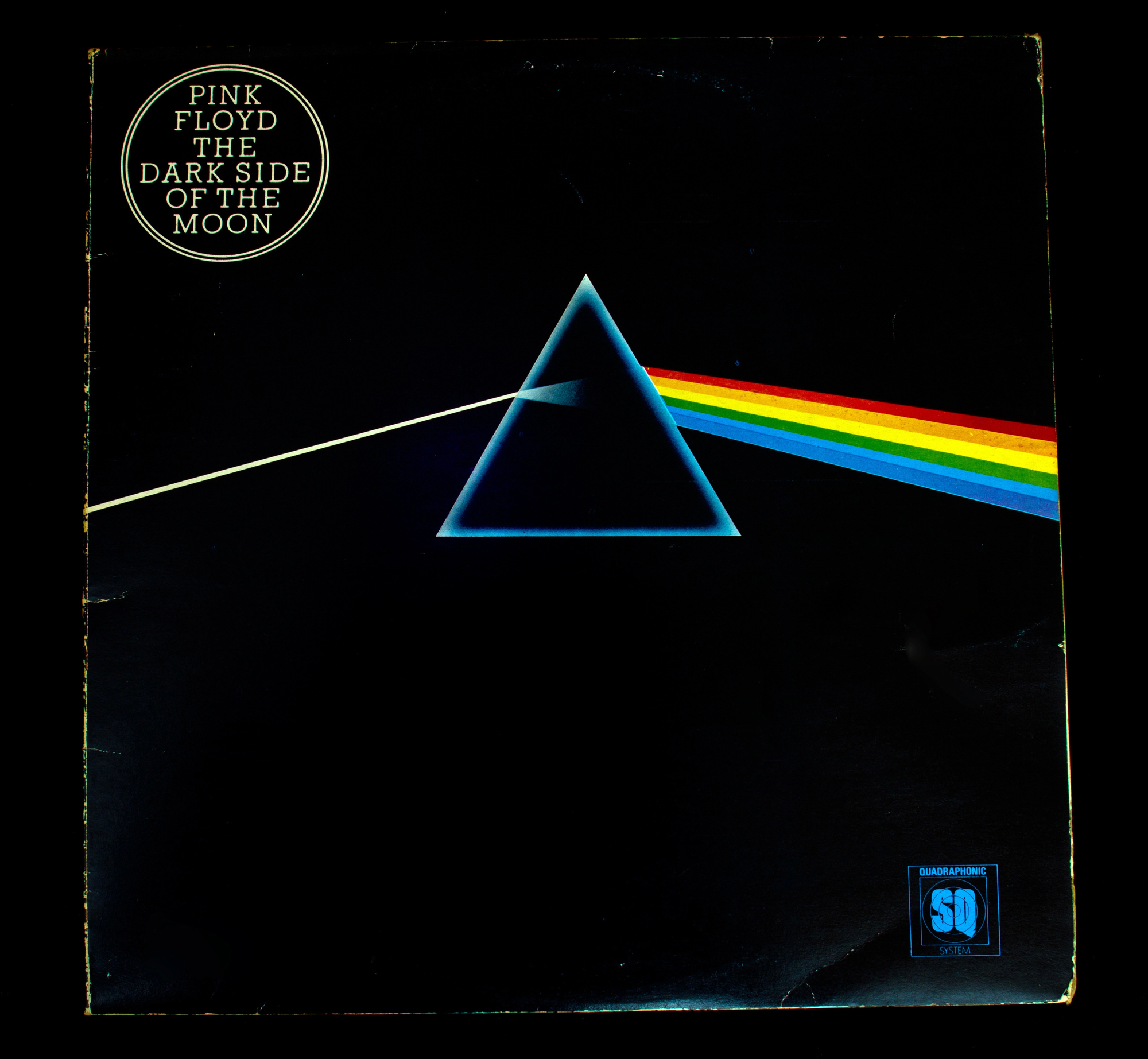
The Wall tour ran from 1980 to 1981 and produced very little official merchandise — by design, almost. Original shirts and programs from those dates are genuinely scarce, and scarcity combined with cultural permanence is the formula that keeps values rising above the Consumer Price Index year after year.
The market for this material has held firm even during broader economic contractions.
Elvis Presley Concert Handbills
The small promotional handbills printed for Elvis Presley’s early live appearances in the mid-1950s — before the mythology fully calcified, when he was still playing state fairs and high school gyms across the South — occupy a peculiar space in the memorabilia market, where historical significance and physical fragility combine to create genuine rarity. A handbill from his 1955 Florida tour dates, something printed for a few cents and stapled to a telephone pole in Jacksonville, can now command $3,000 to $7,000 at auction.
The object itself is just newsprint — stubborn, faded newsprint that survived garages and attics and moves across state lines by sheer accident.
Jimi Hendrix Signed Setlists
A handwritten setlist touched and annotated by Jimi Hendrix carries the particular weight of something that was never meant to outlast the night it was scrawled for. These aren’t performance pieces — they’re working documents, scratched out in felt-tip before a show that nobody in the room knew would be studied fifty years later.
Authenticated Hendrix setlists have sold for north of $30,000, and there is something quietly corrective about that number: the market insisting, in its flat financial language, that genius has a price even when the person holding the pen didn’t know they were writing history.
The Doors Original Concert Posters
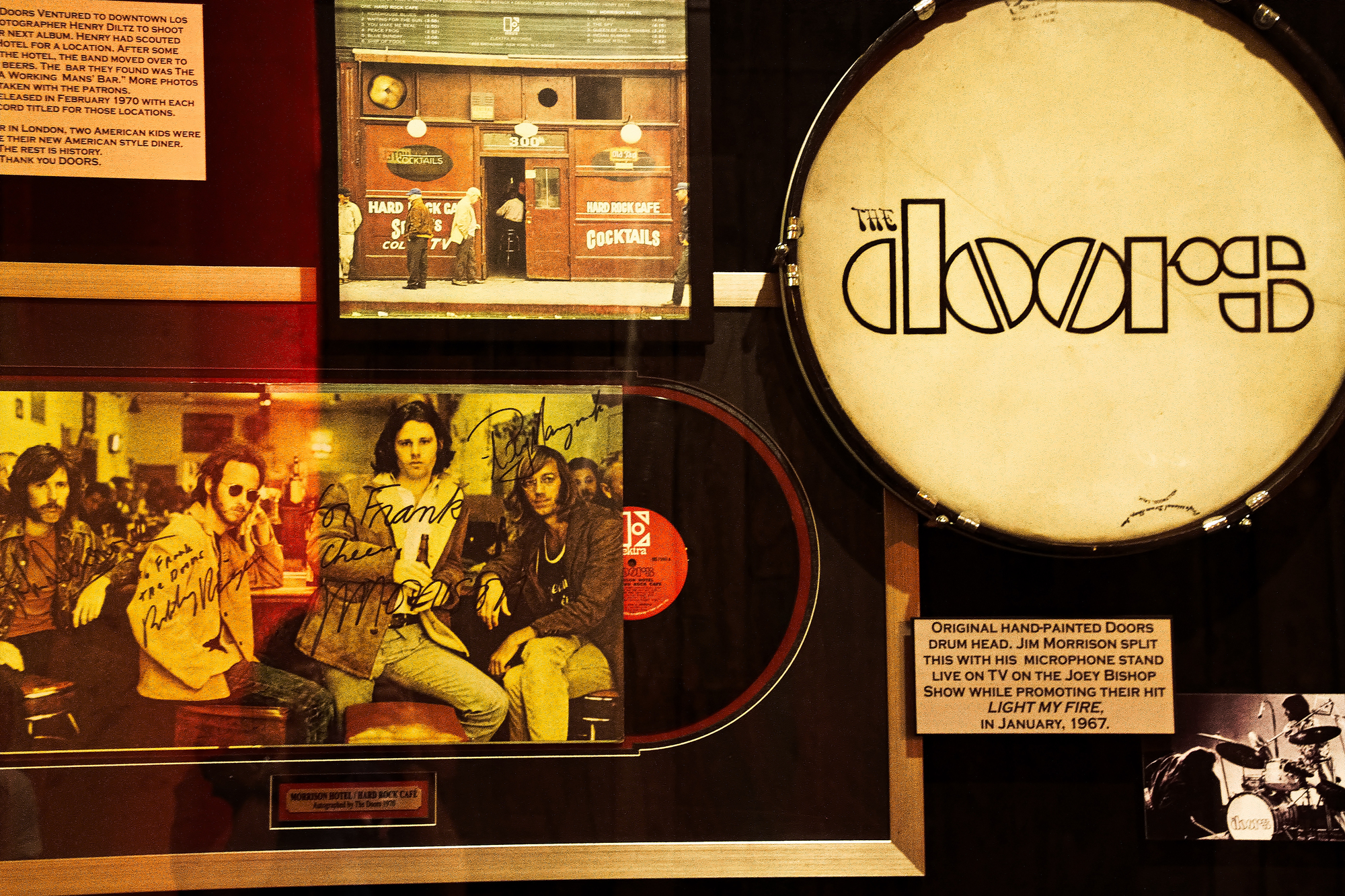
Original concert posters for The Doors, particularly the psychedelic prints produced by artists like Victor Moscoso for late-1960s Fillmore and Avalon Ballroom shows, are categorically undervalued by anyone who hasn’t paid attention to this market. The Fillmore run posters from 1967 regularly clear $2,000 to $5,000 at auction — and that’s for standard print runs that happened to survive.
“Survived” is doing a lot of work in that sentence, since most were wheat-pasted to walls and rained on.
Bruce Springsteen Early Asbury Park Flyers
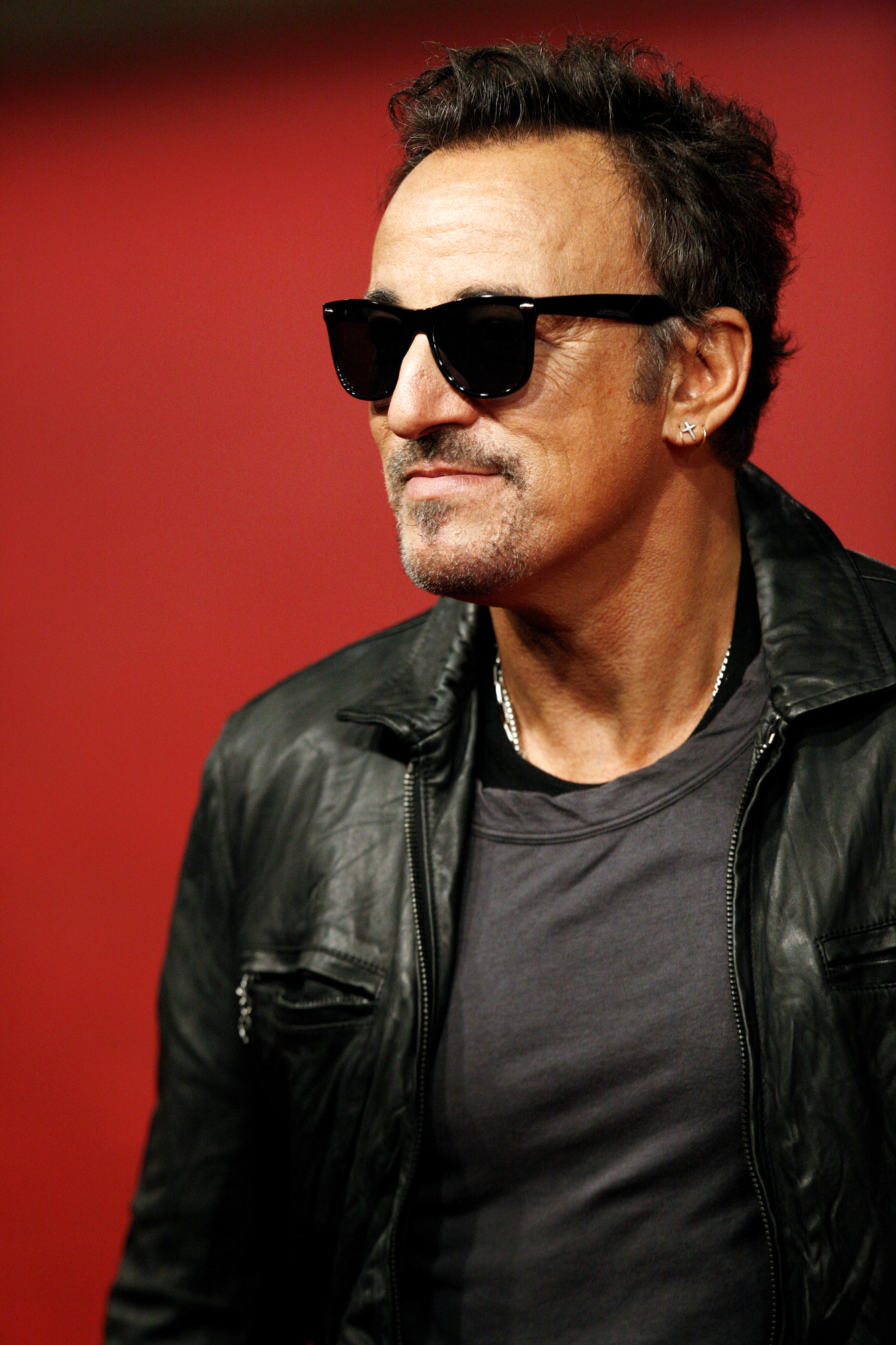
Early Springsteen. Scarce. Valuable.
The promotional flyers printed for his pre-Born to Run shows at the Stone Pony and similar Asbury Park venues in the early 1970s are among the rarest pieces of American rock ephemera in existence, partly because nobody had any reason to keep them at the time — he was a local act playing clubs that held maybe 200 people, and the flyers were printed cheaply and thrown away. That scarcity has made them price-resistant in the way that genuinely irreplaceable objects tend to be.
Grateful Dead Fillmore Posters
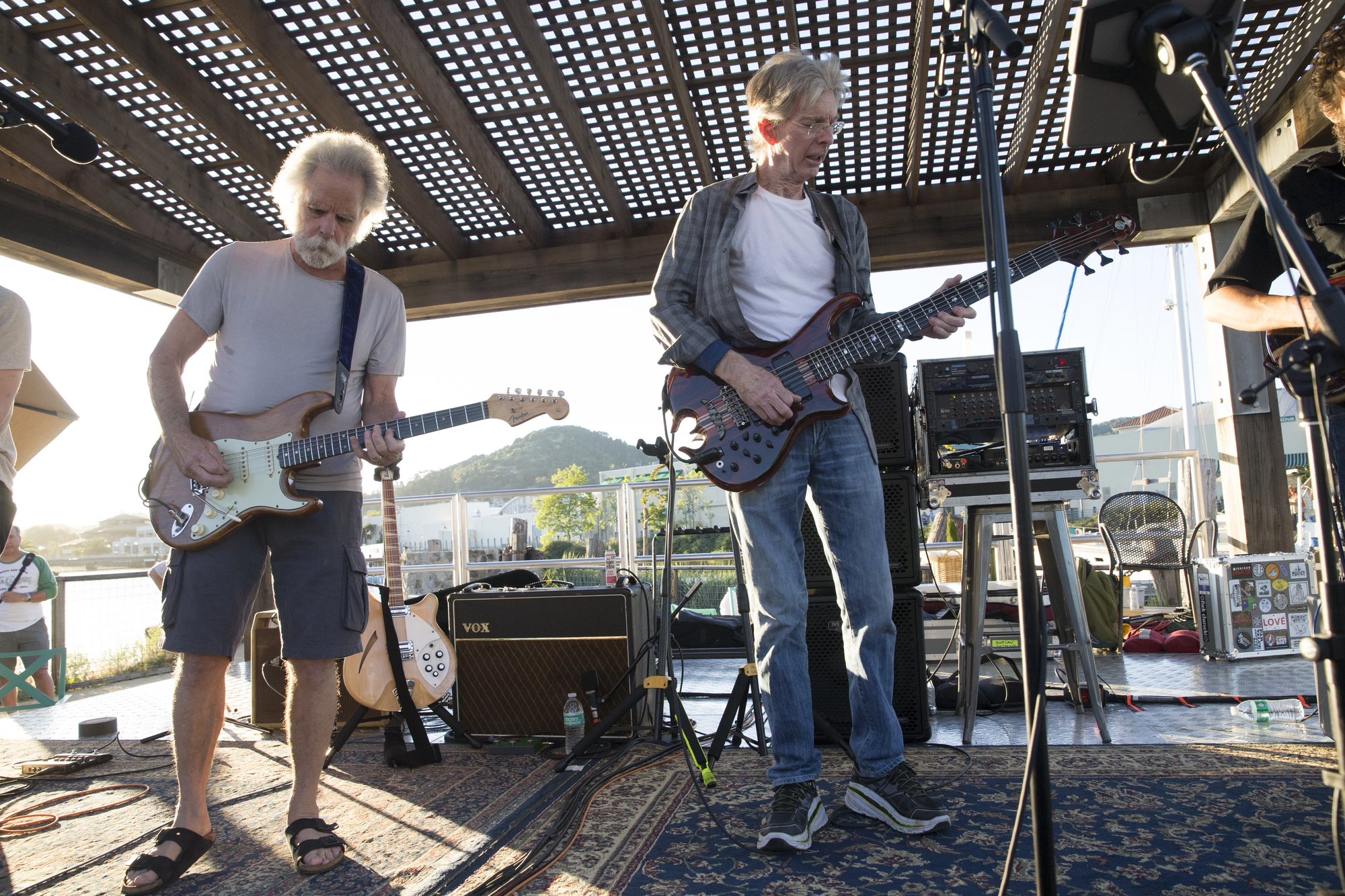
The Grateful Dead generated more original concert poster art than almost any other act in rock history — hundreds of individual show posters across decades, many produced by artists who went on to significant reputations — and yet the market for this material has absorbed enormous supply without losing momentum. The most sought-after pieces are the original Fillmore West and Avalon Ballroom prints from 1966 to 1969 (Mouse Studios and Kelley designs, specifically), and authenticated examples in near-mint condition have broken $10,000 at auction.
Even mid-tier pieces — a standard 1971 tour poster in good condition — have appreciated at rates that leave standard inflation math looking embarrassed.
Michael Jackson “Bad” Tour Jackets
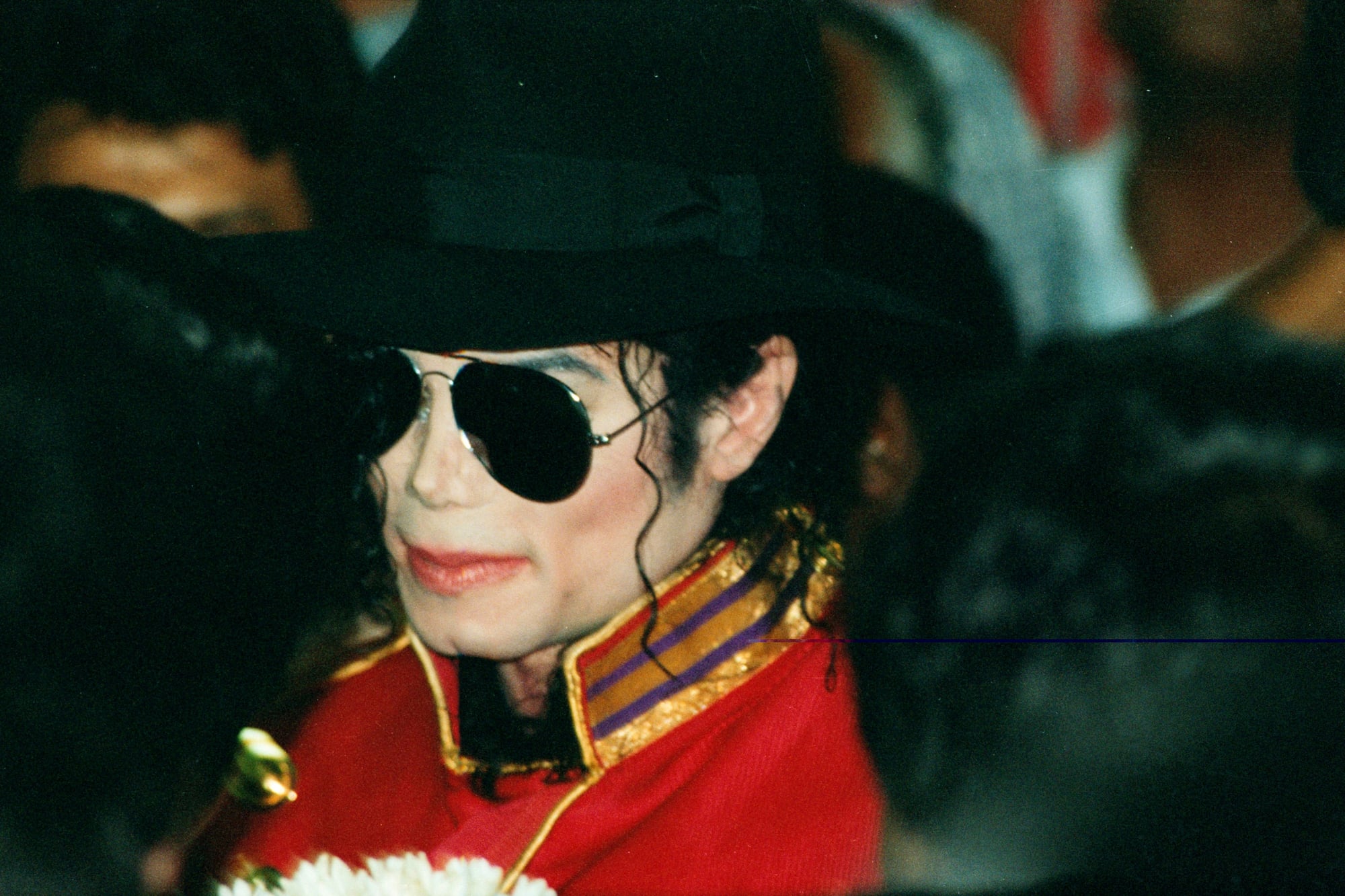
An original jacket from the Bad world tour — the actual merchandise sold at venue concessions between 1987 and 1989 — carries the synthetic fabrics and oversized shoulders that would be unremarkable on a thrift store rack. But the printed graphics and tour dates transform them into something the market treats closer to textile art than clothing.
Authenticated Bad tour jackets in excellent condition have fetched between $1,500 and $4,500 at specialist auctions, and post-2009 values have moved with momentum that makes earlier price guides look like they were written about a different object entirely.
Prince Purple Rain Tour Programs
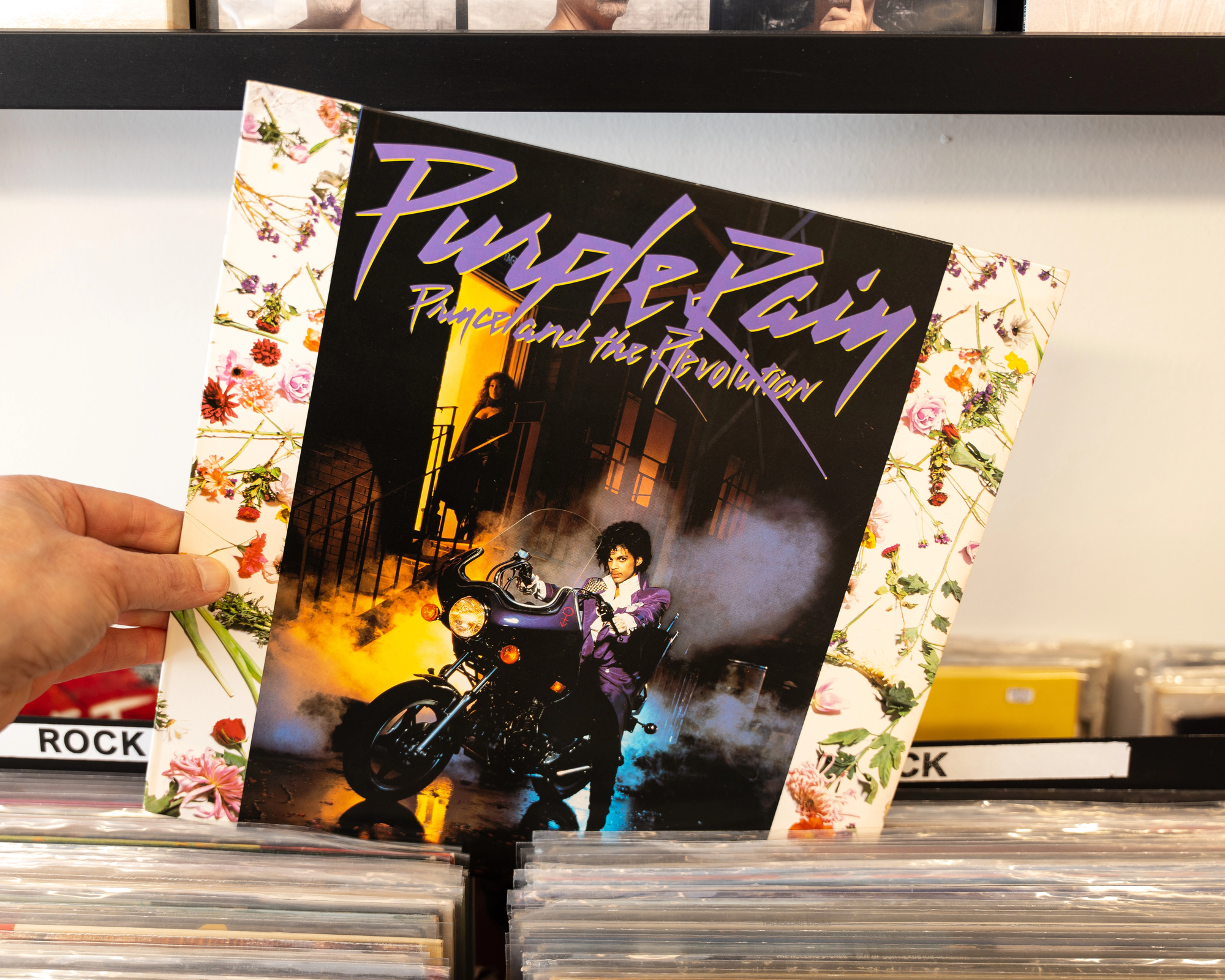
The Purple Rain tour program from 1984 to 1985 is the single most valuable standard concert program from that era. Mint condition examples sell for $400 to $900, which sounds modest until you remember it’s a program — a thing sold for a couple of dollars to people walking into an arena.
Prince’s estate has been relatively protective of official merchandise, which keeps the supply of authenticated originals stable, and stable supply against rising demand produces exactly the price curve this material has shown.
David Bowie Ziggy Stardust Memorabilia
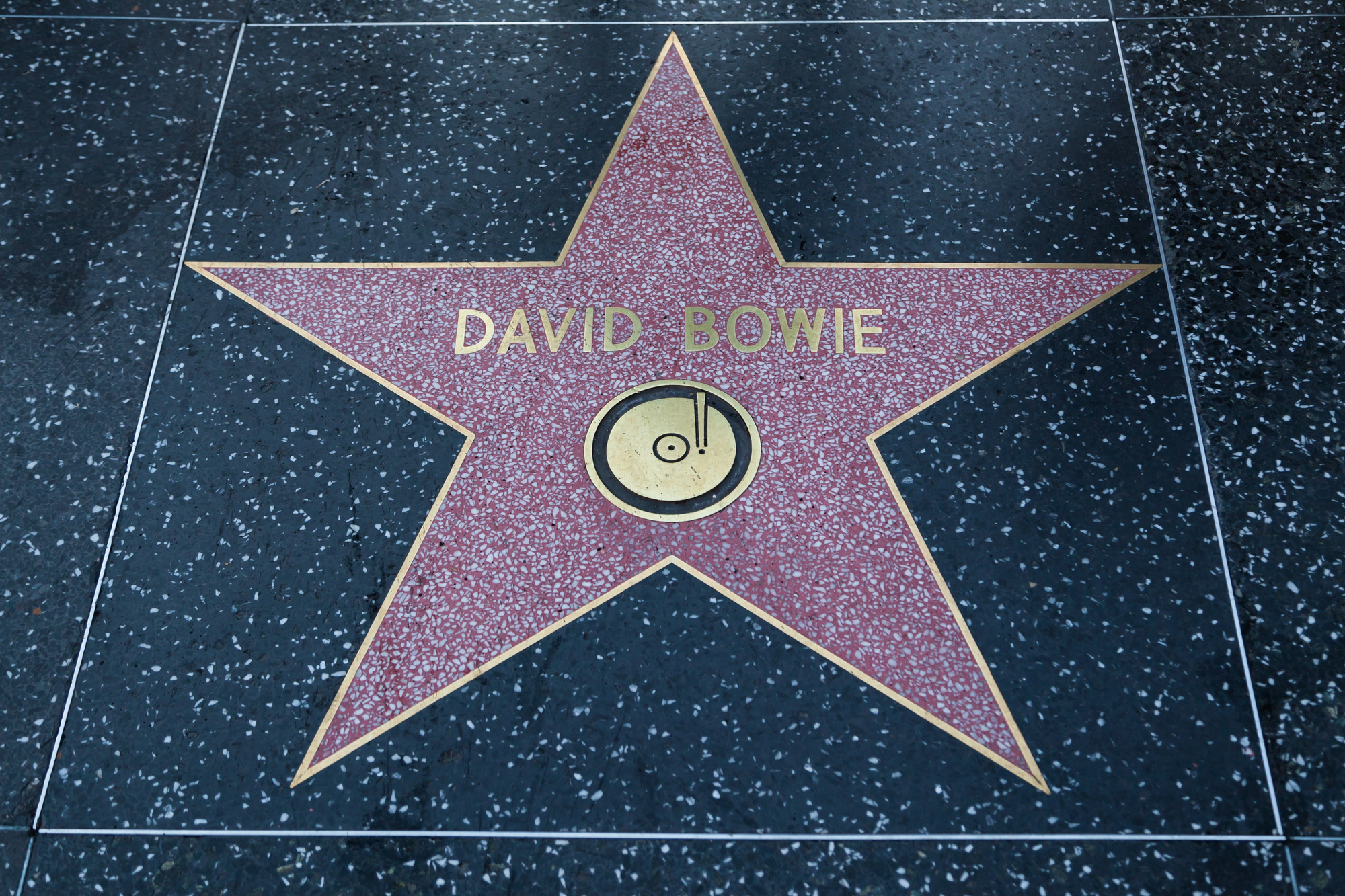
Ziggy Stardust-era memorabilia — programs, passes, handbills from the 1972 to 1973 UK and North American tours — is among the fastest-appreciating material in the entire vintage concert market. Bowie’s death in January 2016 triggered an immediate revaluation across all categories of his memorabilia, and the Ziggy-era material, already scarce and historically significant, effectively reset at a new price floor.
What once sold for $300 to $600 at specialist dealers now opens bidding north of $1,500 at the major auction houses.
Nirvana Nevermind Era Handbills
Nirvana handbills from the pre-Nevermind period — particularly the photocopied flyers from 1989 and 1990 Pacific Northwest shows — are objects that look like nothing until you understand what they are, and then they look like everything. These were printed in small quantities for shows at venues like the Central Tavern in Seattle when the band was playing to rooms that barely held 100 people, and because nobody had any reason to preserve them, the ones that survived are legitimately rare.
Authenticated examples have cleared $2,000 to $5,000 at auction — numbers that would have seemed absurd to anyone folding one of those flyers into a back pocket on the way out of the show.
Queen Live Aid Tour Merchandise
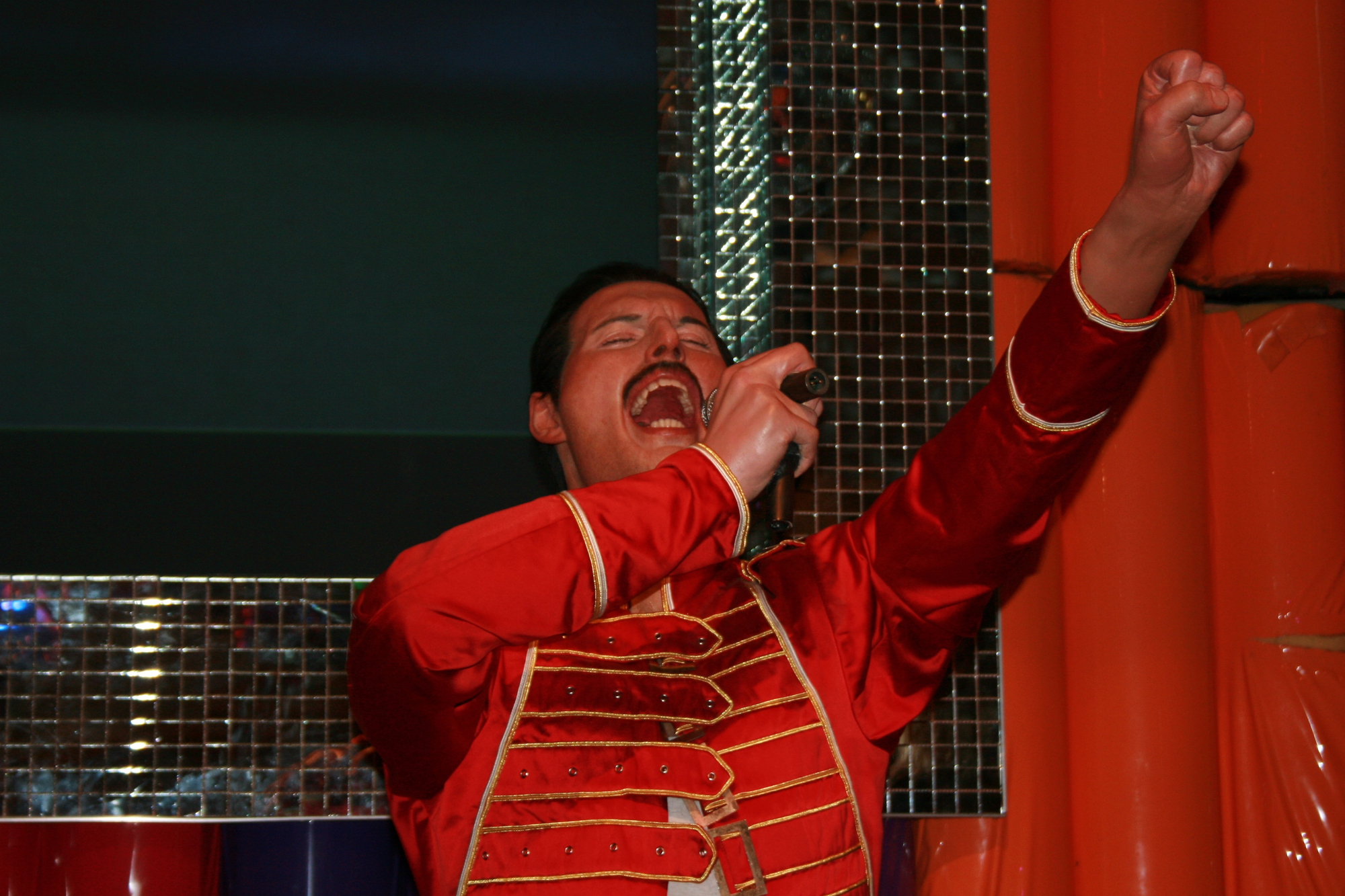
Queen’s Live Aid performance on July 13, 1985 is broadly considered the greatest live rock performance ever captured on film, and the merchandise produced for their surrounding 1985 world tour carries that reflected glory into the market. Original 1985 Works tour programs, which share a production timeline with Live Aid, have appreciated steadily and now sell for $200 to $500 in clean condition.
The performance itself cannot be owned; the objects that existed near it can be, and collectors understand the distinction precisely.
The Who Concert Posters
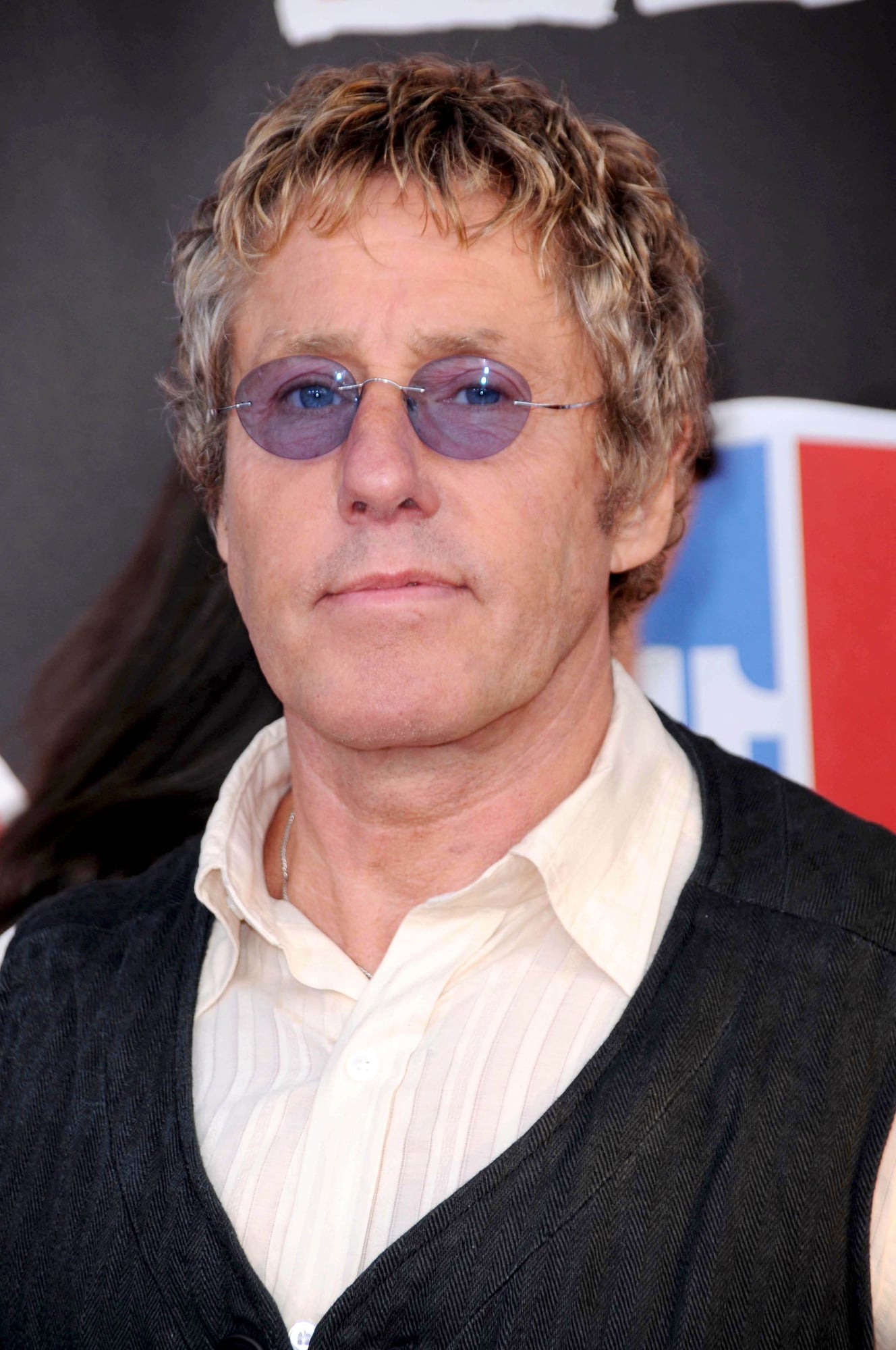
The Who produced some of the most visually striking concert poster art of the late 1960s and early 1970s, and the market knows it. Original posters from their 1969 Tommy tour regularly auction above $1,500, and the 1973 Quadrophenia tour material has followed a similar path.
Both tours produced art that holds up independently of the music, which broadens the buyer pool beyond pure Who fans into vintage design collectors — and that crossover demand is part of what keeps the floor rising.
Johnny Cash Folsom Prison Ephemera
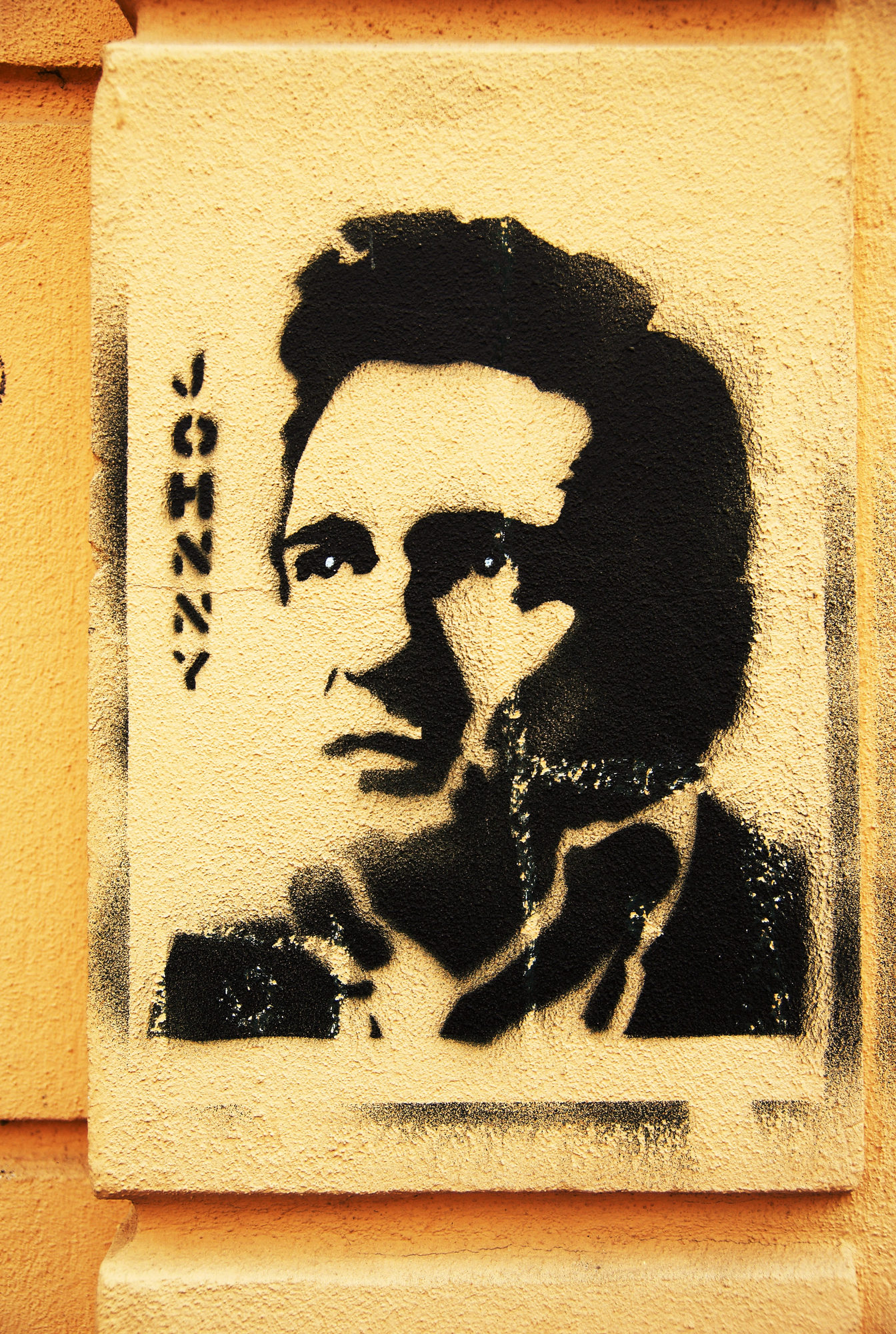
The January 13, 1968 concert at Folsom State Prison produced one of the most famous live albums in American music, and the physical ephemera from that day — the original event flyer, the printed setlist, a small number of photographs taken by Jim Marshall — has become extraordinarily valuable. A Marshall photograph from the Folsom session can command five figures.
The printed program, of which very few copies were produced for an audience of inmates and prison staff, is considered among the rarest pieces of American music memorabilia still in private hands.
Fleetwood Mac Rumours Tour Items
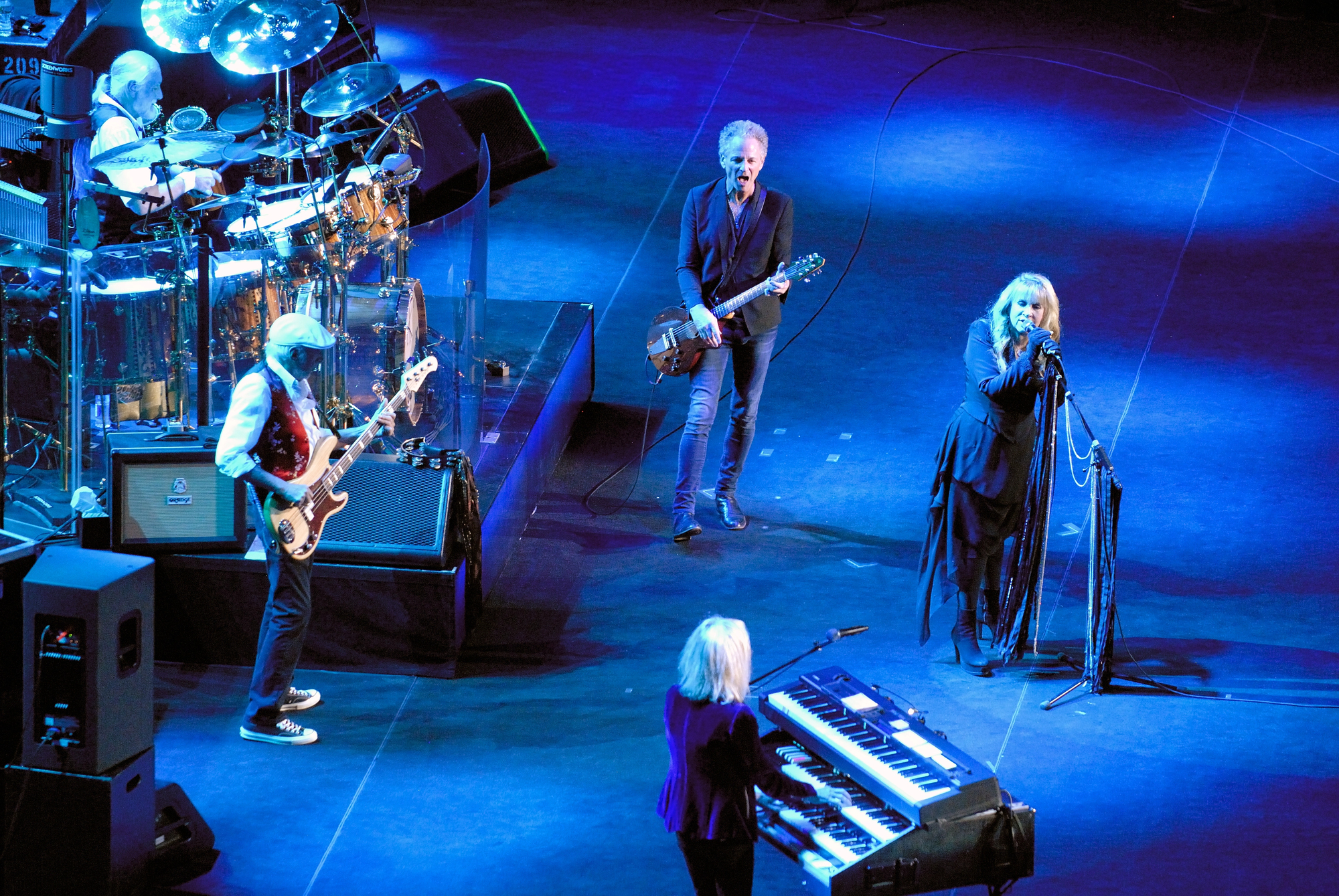
The Rumours album sold over 40 million copies, which you’d think would mean an abundance of surviving tour memorabilia — but the 1977 tour that supported it produced standard arena merchandise that most people wore until it fell apart, which is exactly why the original items that survived in good condition now command premiums. An original 1977 Rumours tour shirt in wearable condition sells for $300 to $700 at vintage dealers, and that number has moved upward consistently as the Fleetwood Mac revival of the late 2010s pushed a new generation toward the original material.
The demographic of buyers has expanded; the supply hasn’t — and that’s the whole story.
Bob Dylan Early Acoustic Era Tickets
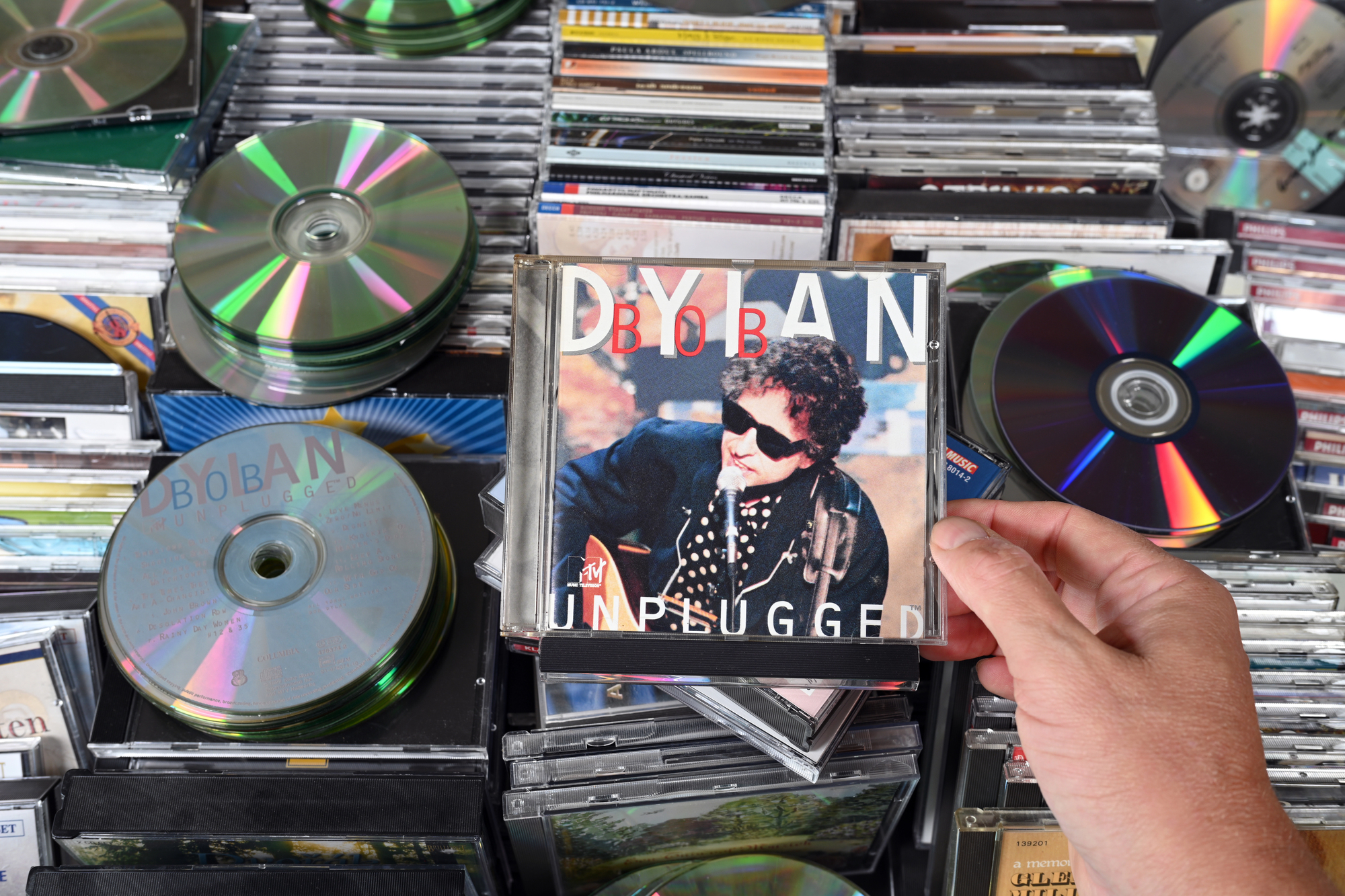
A ticket to a Bob Dylan show from 1963 or 1964 — a small cardboard rectangle printed with a date and a venue and a price that probably didn’t exceed $3.50 — now functions as a document, evidence that you were adjacent to a voice that was in the process of rewriting American music from the inside. These tickets, particularly from his Carnegie Hall and Newport Folk Festival appearances in the early 1960s, sell for $500 to $3,000 depending on condition, and they carry the particular gravity of objects that were present at the moment of change without knowing it.
Madonna Who’s That Girl Tour Programs
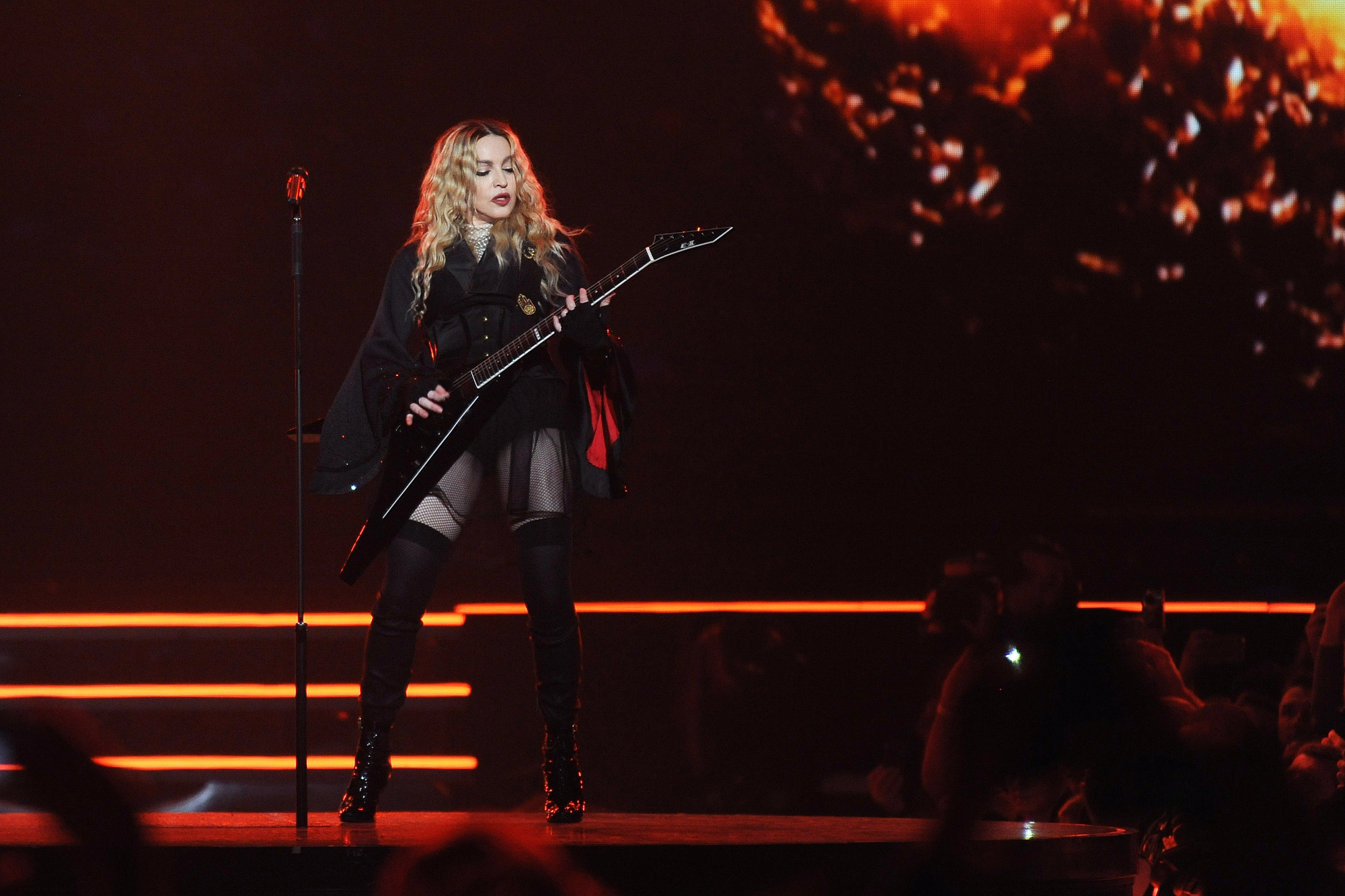
The Who’s That Girl tour program from 1987 is genuinely underpriced relative to Madonna’s cultural footprint, and the market is beginning to correct that. Programs from this tour — her first major world tour, which grossed over $25 million — sell for $150 to $400 currently, but the trajectory has been steepening since roughly 2018 as the generation that attended those shows moved into the kind of disposable income that funds nostalgia purchases.
That’s the mechanism behind most vintage concert memorabilia appreciation.
Metallica Master of Puppets Tour Shirts

Original Metallica shirts from the 1986 Master of Puppets tour — not reprints, but the actual blanks printed for venue sales in the mid-1980s — now sell for $800 to $2,500 depending on size and condition. Size large and extra-large survive at higher rates because the audience skewed that direction in 1986, which means smaller sizes are rarer and priced accordingly.
The authentication process has become more rigorous as the prices have climbed, which is either a sign of market maturity or a sign that fakes were getting too good — probably both.
Neil Young Rust Never Sleeps Memorabilia
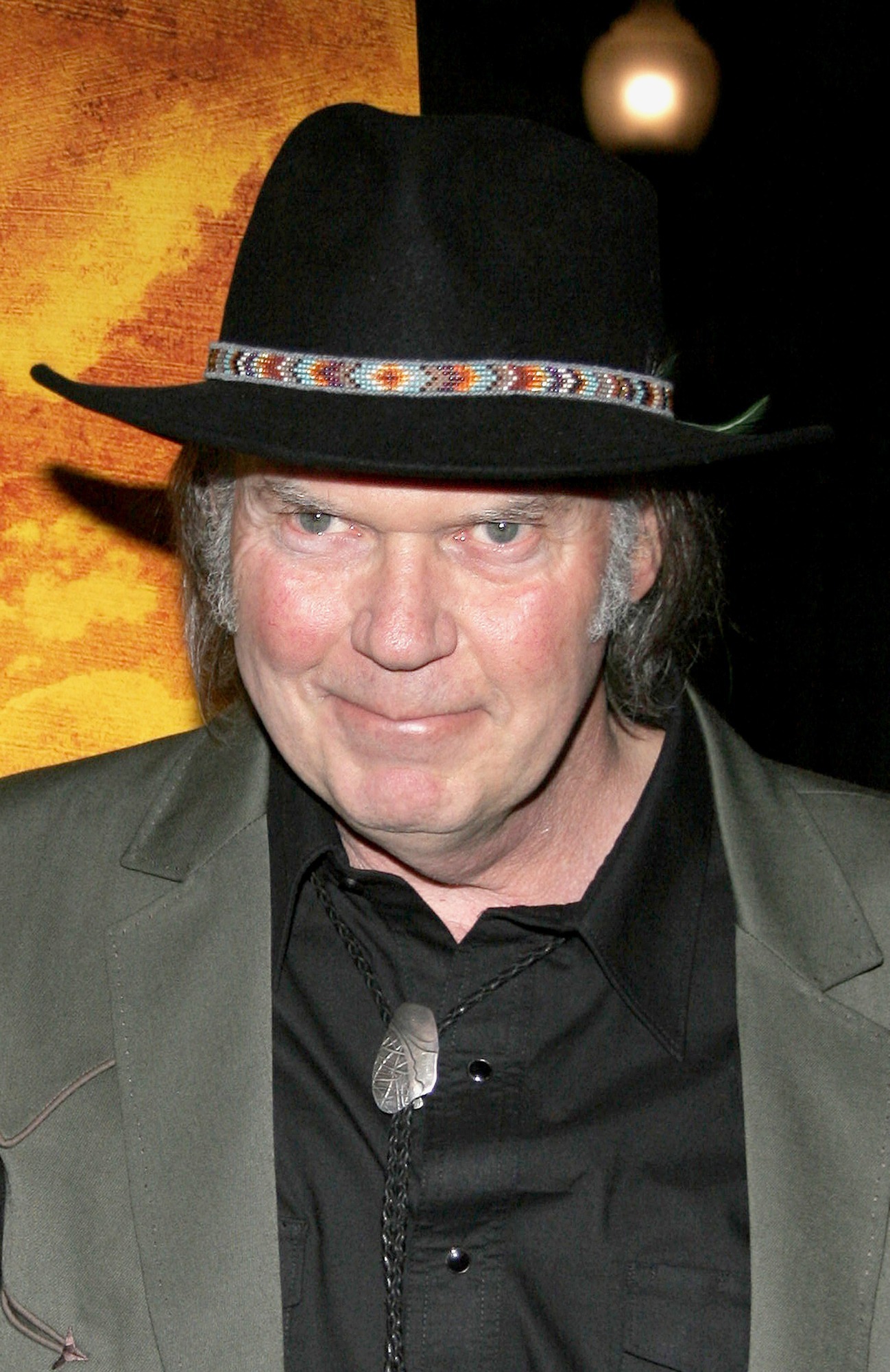
The Rust Never Sleeps tour of 1978 was theatrical, deliberately strange, and produced very little official merchandise — Neil Young has never been particularly interested in the commercial machinery of touring. That indifference created scarcity that the market has rewarded.
Original tour programs from the Rust Never Sleeps dates are among the more sought-after items in the folk-rock memorabilia category, with authenticated examples in clean condition selling for $600 to $1,400 — a number that keeps drifting upward as Young’s catalog receives periodic critical reassessment.
KISS Alive! Tour Merchandise
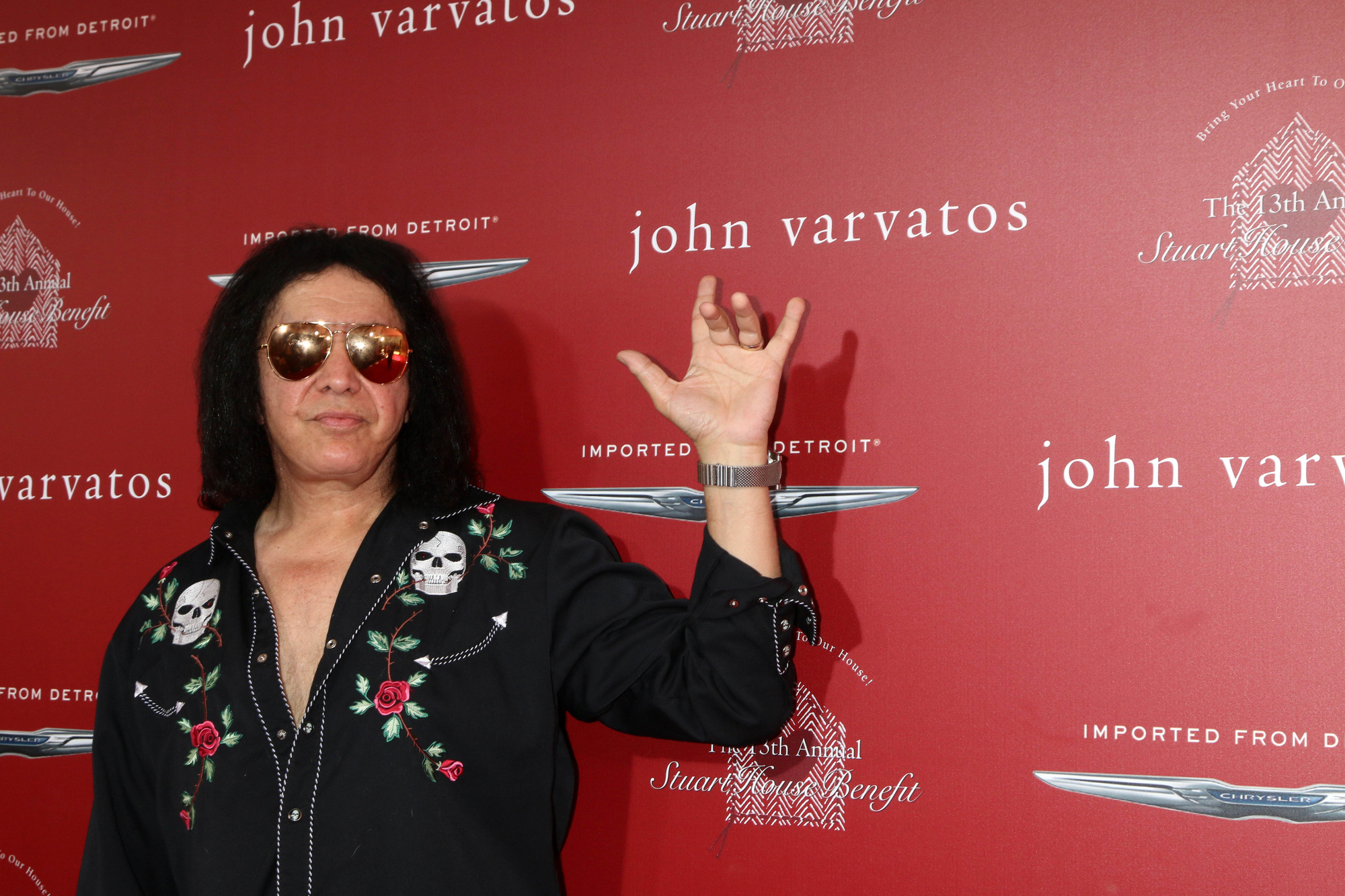
KISS understood merchandise earlier and more aggressively than almost any other act in rock history, and that savvy means the original 1975 to 1976 Alive! tour merchandise exists in higher quantities than comparable material from other acts of the same era. And yet values have still climbed steadily, driven by a collector base that approaches this material with the same taxonomic intensity other collectors bring to baseball cards or vintage comics — grading condition meticulously, tracking variants, paying premiums for items that have never been washed.
Original Alive! tour shirts in unworn condition now regularly break $1,000 at auction, which feels like a tribute to the power of persistence in both the collecting and the preservation.
Janis Joplin Big Brother-Era Handbills
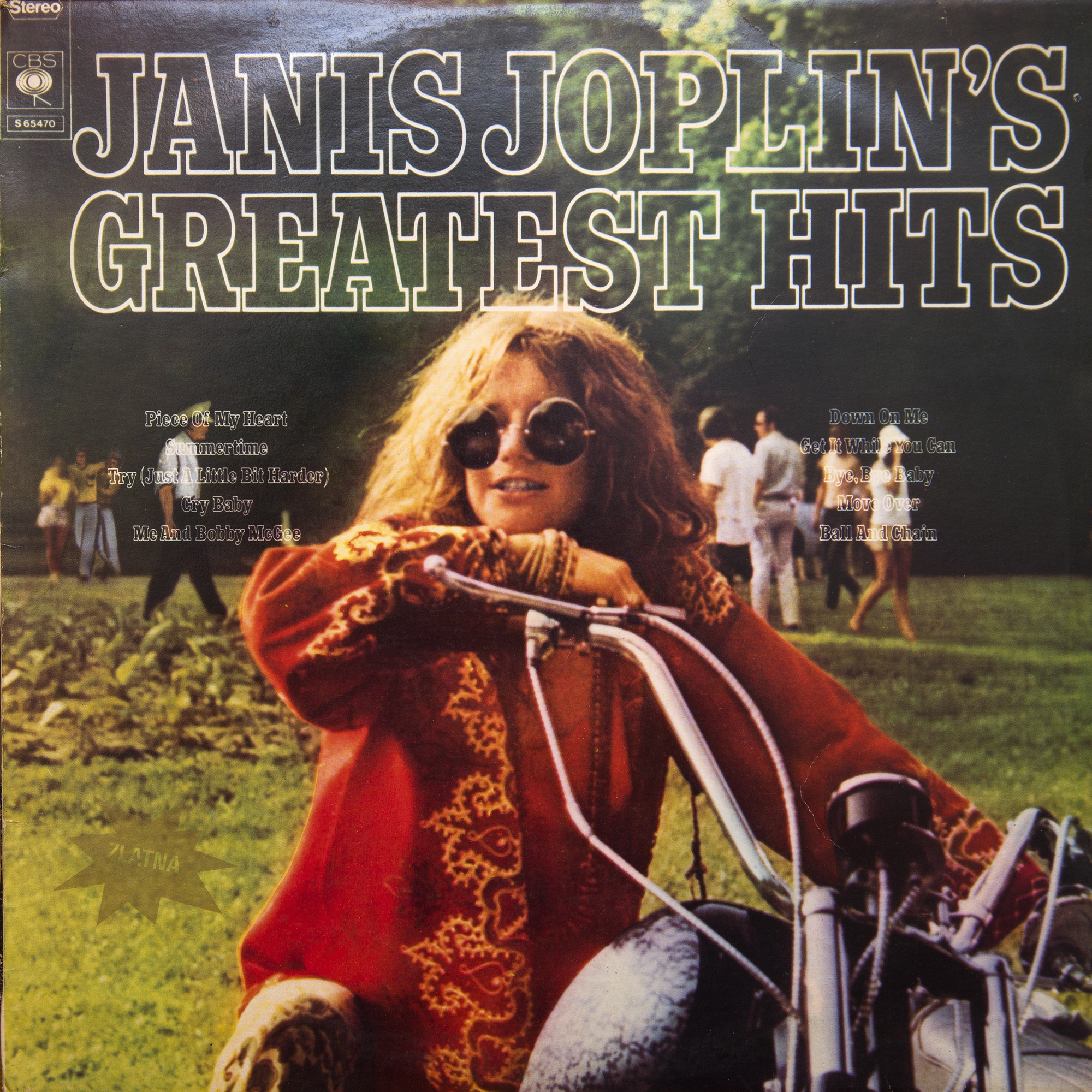
Janis Joplin’s death in October 1970 at 27 did what deaths at that age tend to do to the market for associated objects: it stopped the supply cold while demand has never stopped building. The handbills from her Big Brother and the Holding Company period — 1966 through 1968, the San Francisco ballroom circuit, the Avalon and the Fillmore — are among the most coveted pieces of late-1960s American music ephemera in existence.
Authenticated examples in good condition have sold for $1,500 to $4,000, and the number of genuine pieces that survive grows smaller every year. These were not made to last.
The people who kept them had no idea they were preserving anything. That accidental survival is exactly what gives them their value.
What the Market Says
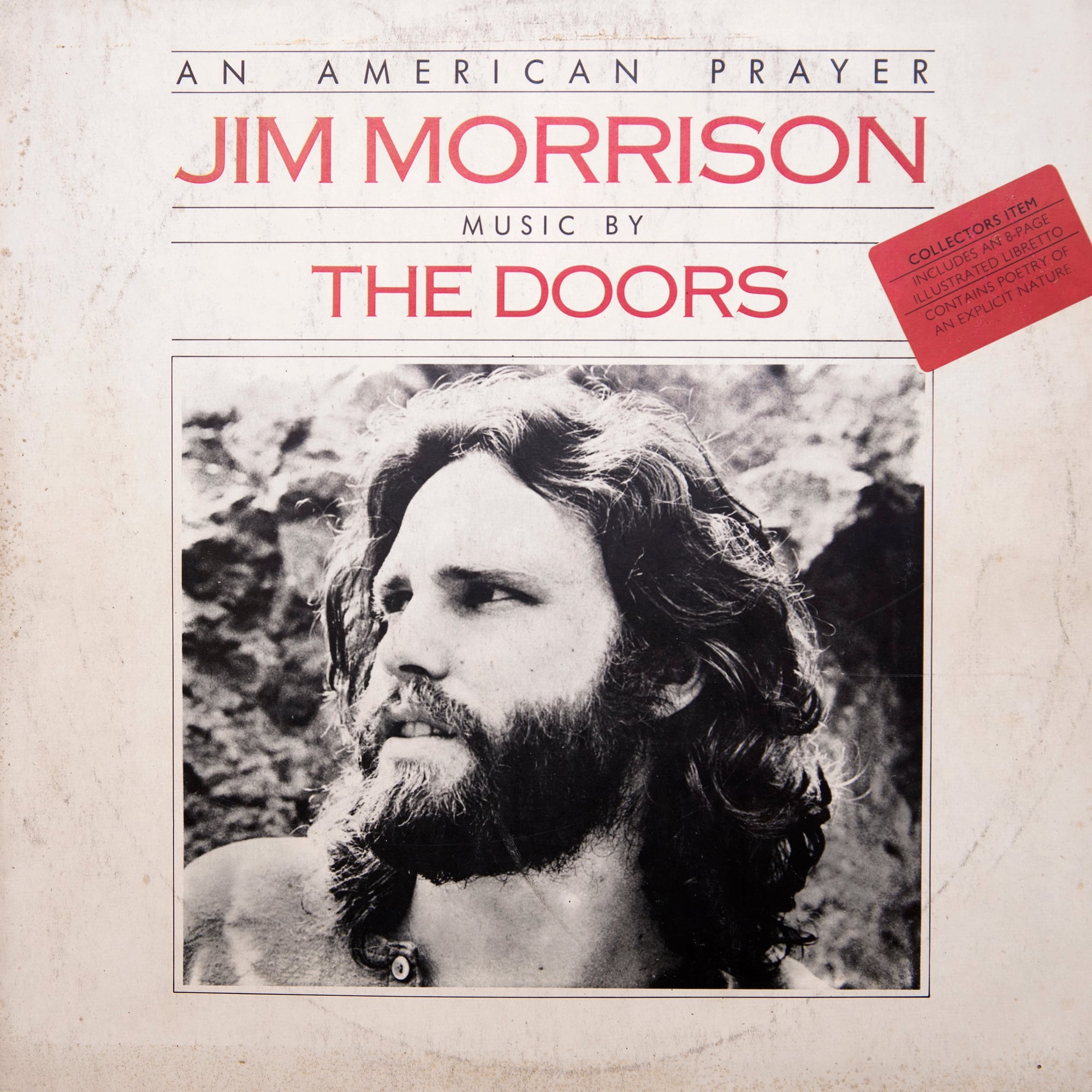
The consistent thread across all 25 of these categories isn’t nostalgia, exactly — it’s the market’s way of pricing authenticity and irreplaceability. A tour shirt reissued in 2024 is available anywhere and will always be available.
An original 1977 Rumours shirt in clean condition cannot be produced again by anyone, at any price, ever. That distinction is what the collector market keeps repricing upward, and it’s also what separates these objects from ordinary merchandise.
The broader pattern is this: as the generation that was present for these moments reaches the age of serious collecting, and as the generation before them begins dispersing estates, two things happen simultaneously — demand increases and supply tightens. The math of that combination only runs in one direction, which is why the shoeboxes and rolled posters and folded programs that survived all those moves across state lines are worth looking at again, carefully, in better light than they’ve had in a while.
More from Go2Tutors!

- The Romanov Crown Jewels and Their Tragic Fate
- 13 Historical Mysteries That Science Still Can’t Solve
- Famous Hoaxes That Fooled the World for Years
- 15 Child Stars with Tragic Adult Lives
- 16 Famous Jewelry Pieces in History
Like Go2Tutors’s content? Follow us on MSN.