Why Certain Comic Book Printings Sell for 100x Their Original Price
There’s something almost irrational about paying thousands of dollars for a stapled pamphlet that originally cost a dime. And yet, auction houses regularly see comic books hammer down at prices that would buy a decent car — sometimes a house.
The people bidding aren’t confused or reckless. They understand something that casual observers miss: not all comics are created equal, and not all printings of the same comic are worth anywhere close to the same amount.
The gap between a reading copy and a graded first print can be staggering, and the reasons behind that gap are more layered than simple nostalgia.
The First Appearance Factor
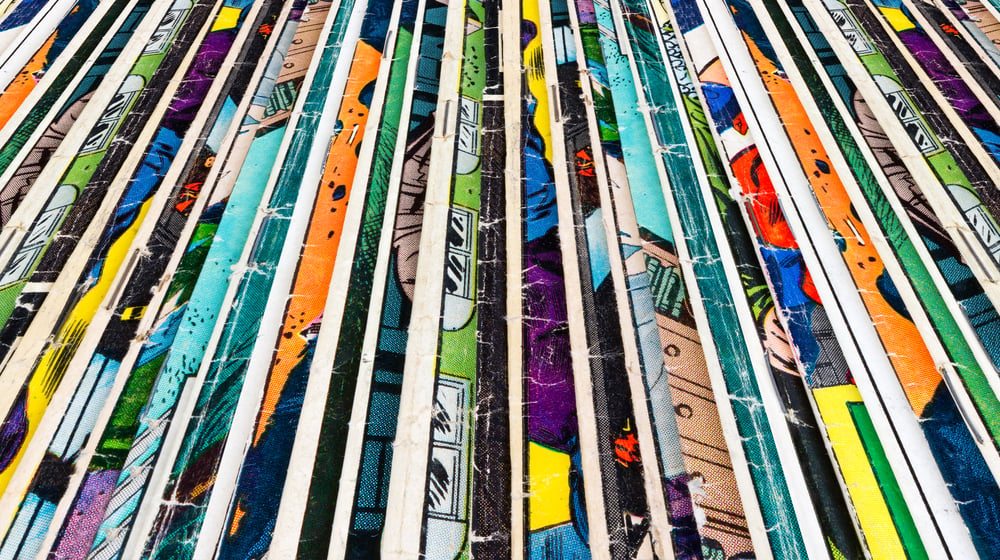
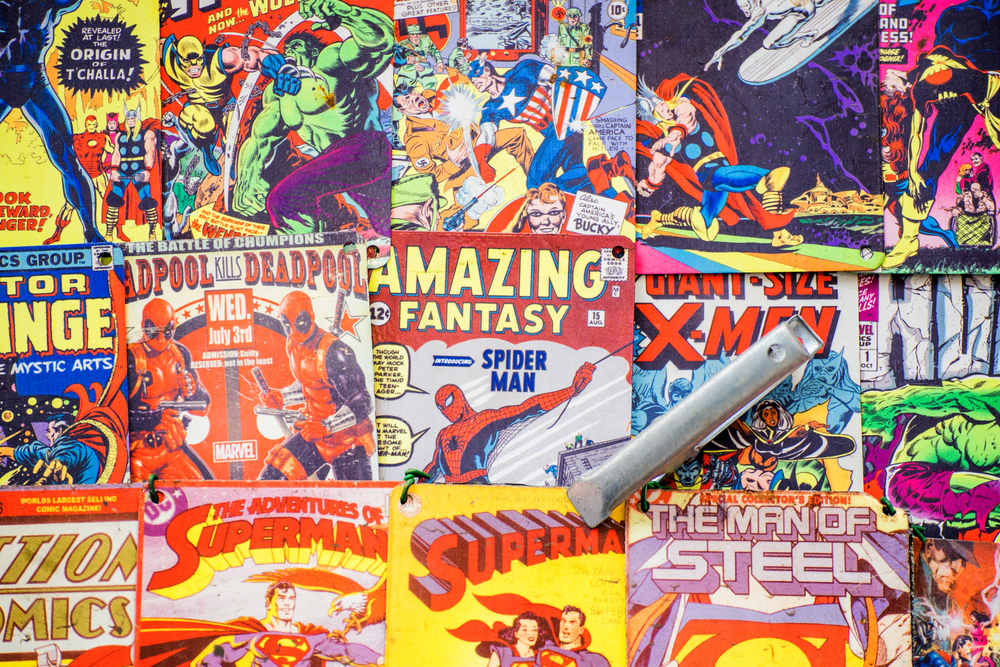
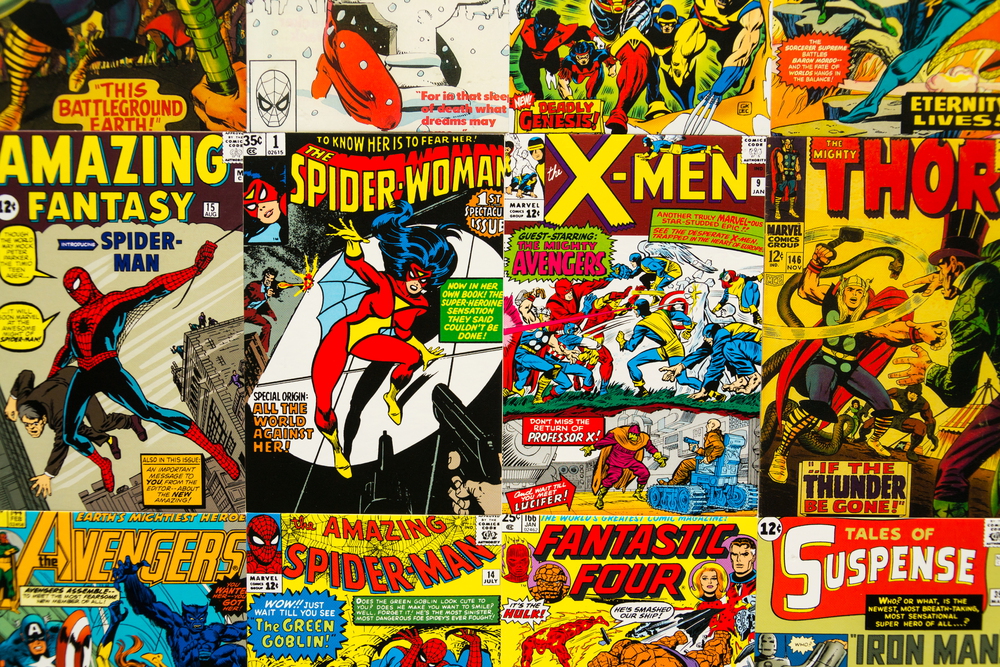
First appearances are the bedrock of comic book value. When a character debuts — Spider-Man in Amazing Fantasy #15, Wolverine in Incredible Hulk #180, Batman in Detective Comics #27 — that specific issue becomes the permanent origin point for everything that follows.
No reprint, trade paperback, or later printing can ever be that moment. It happened once, in one printing run, and collectors know it.
What “First Print” Actually Means
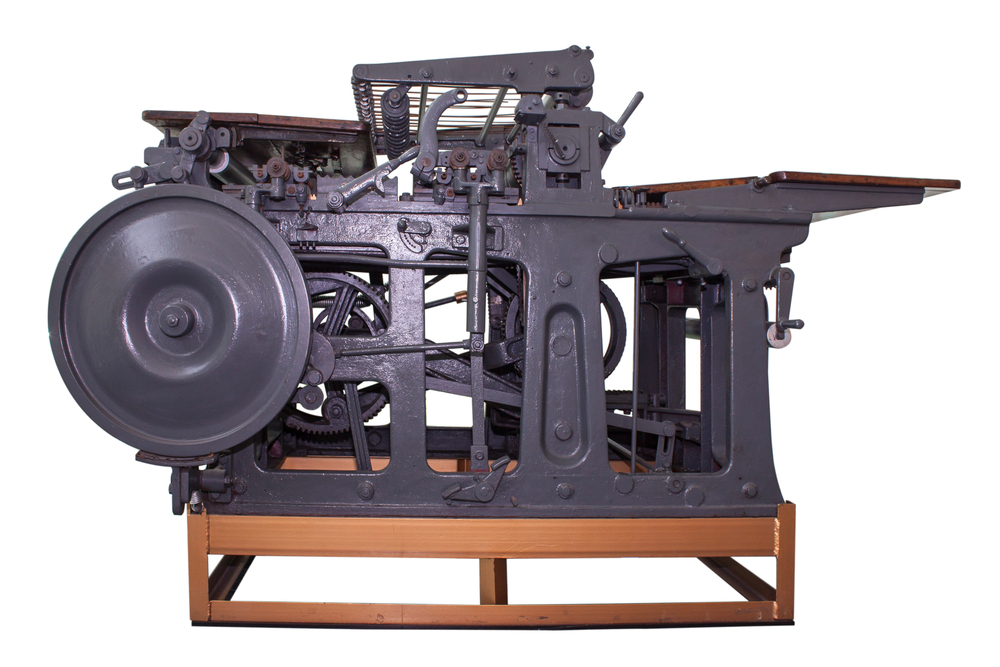
A first print is the initial production run of a specific issue — the copies that rolled off the press before any corrections, changes, or subsequent batches. Publishers don’t always announce how many copies constitute a first print, which means later buyers are essentially working backward from distribution records, printing codes, and physical differences in the books themselves.
So what looks like the same comic to a casual eye is, to a serious collector, an entirely different artifact depending on which press run produced it.
The CGC Effect
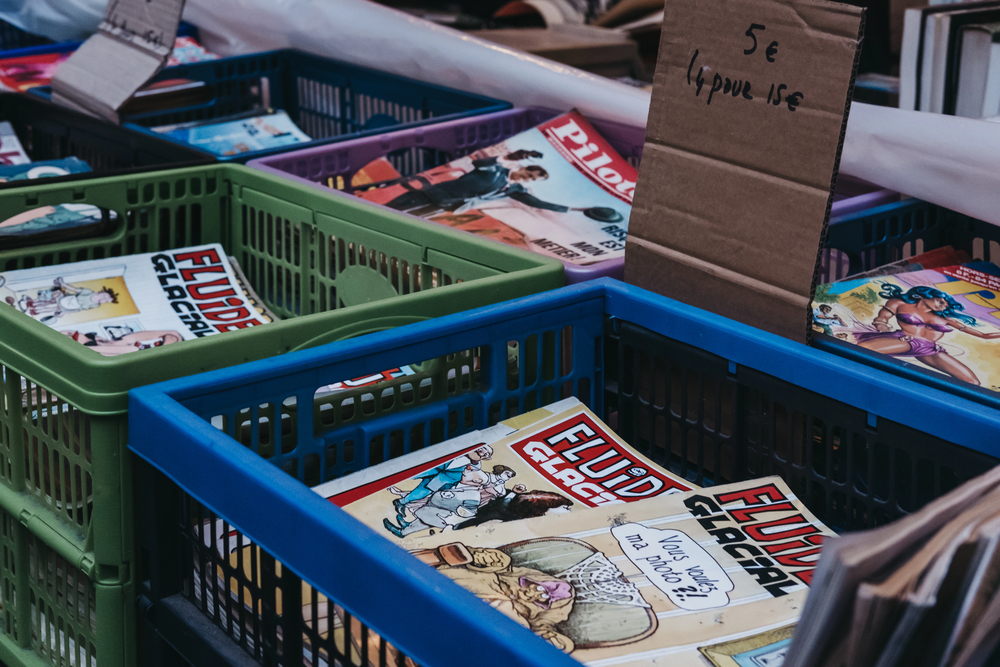
Professional grading changed the market permanently. The Certified Guaranty Company, better known as CGC, started encapsulating and grading comics in 2000 — and within a few years, the entire secondary market reorganized itself around their 10-point scale.
A raw copy of Action Comics #1 is impressive; a CGC 9.0 copy of Action Comics #1 is a financial instrument. The grade doesn’t just describe condition, it collapses uncertainty, and uncertainty is what keeps buyers from paying maximum prices.
Printing Errors That Became Features
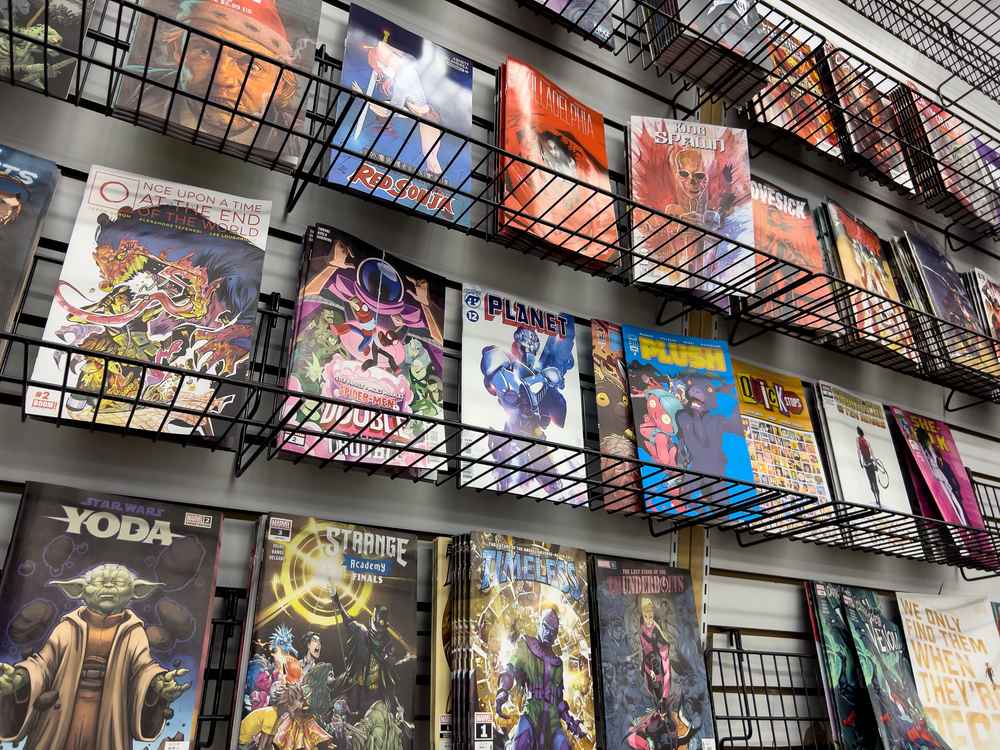
Some of the most sought-after variants are comics that were technically mistakes. The 1962 printing of Amazing Fantasy #15 with the misaligned cover spine, certain copies of Incredible Hulk #1 with color registration problems — these flaws, which a quality control manager would have flagged as failures, became distinguishing markers that collectors now actively chase.
A defect that survived the press run is, paradoxically, proof of authenticity: it’s a fingerprint left by the original production process that no reprint can replicate.
Low Print Runs and the Scarcity Math

Scarcity isn’t complicated, but the numbers behind Golden Age and early Silver Age print runs genuinely are. A comic from 1938 might have had a press run of 200,000 copies — impressive at the time — but between pulping drives during World War II, children reading them to pieces, and decades of casual disregard, the surviving population of high-grade copies shrinks to a handful.
When a CGC census shows only three copies of a given book graded at 8.0 or above, the auction price stops being about nostalgia and starts being about pure supply economics.
The Newsstand vs. Direct Edition Split
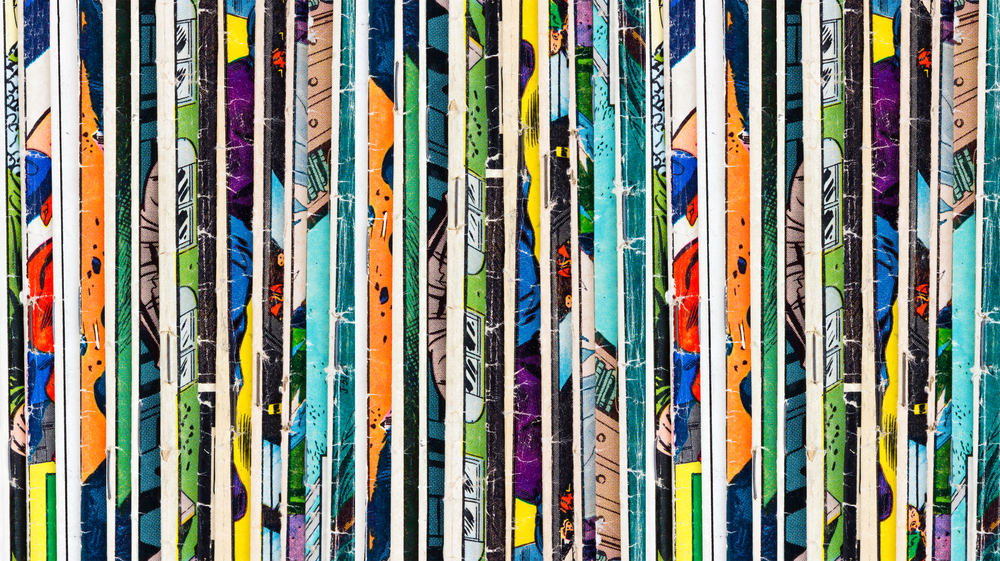
Starting in the late 1970s, Marvel and DC comics were distributed through two separate channels: newsstands (grocery stores, pharmacies, spinner racks) and direct market comic shops. The direct editions, sold to specialty retailers, were often handled more carefully — pulled from the shelf and bagged rather than thumbed through by a dozen kids.
Newsstand copies, especially from the 1980s and 1990s, tend to survive in worse condition, which makes high-grade newsstand examples rarer and, increasingly, more valuable than their direct counterparts.
Type A Variants and Cover Price Differences
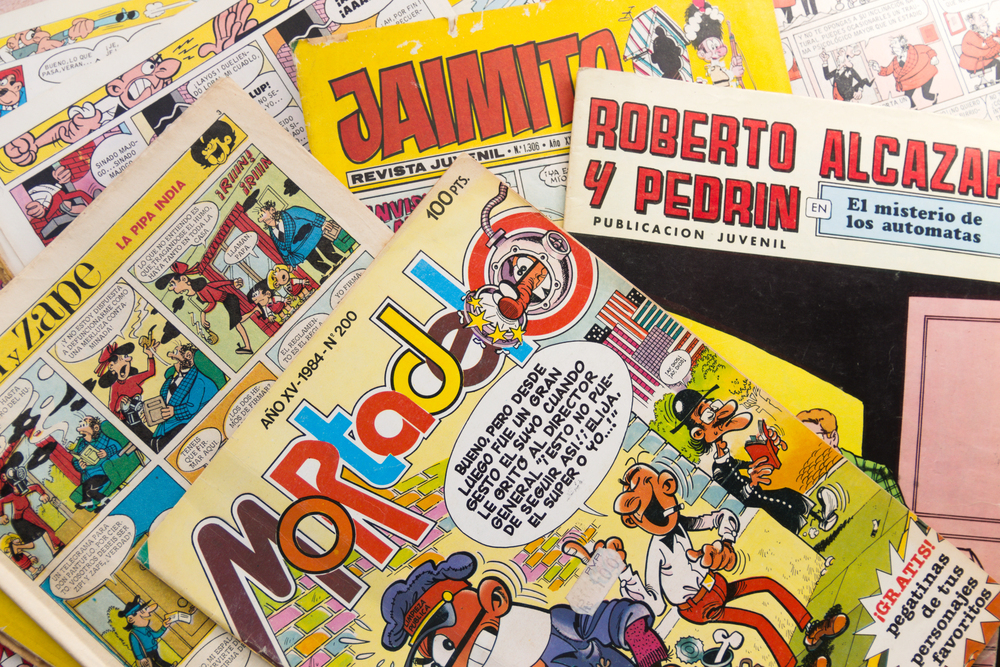
Regional pricing variants are among the stranger wrinkles in comic collecting. In the 1980s, Marvel published copies with 75-cent Canadian cover prices alongside the standard 60-cent US editions — same content, different printing designation, distributed in different markets.
These Canadian price variants are genuinely rarer, printed in smaller quantities for a smaller market, and for years were dismissed as curiosities. Collectors figured it out eventually.
Go figure.
The Role of Cultural Moments
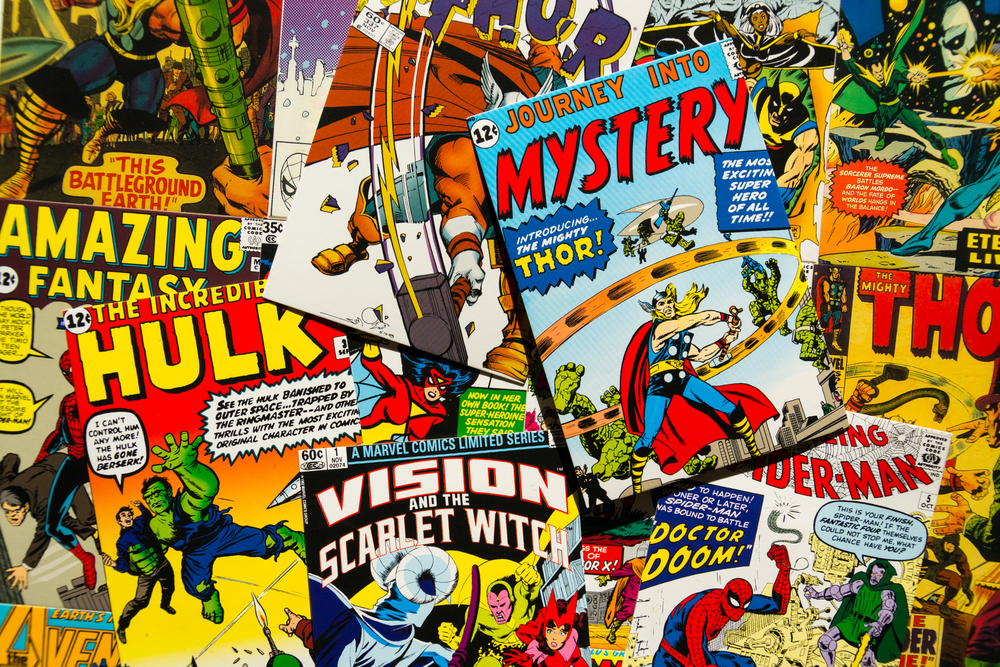
A comic’s value doesn’t live in a vacuum — it responds to the culture around it. When a character gets a major film adaptation, the issue featuring their first appearance spikes almost immediately.
Iron Man #128, which features the “Demon in a Bottle” storyline, jumped sharply after Robert Downey Jr.’s portrayal made that arc culturally relevant again. The comic didn’t change; the audience around it did.
That responsiveness to pop culture is what makes certain books speculative assets as much as collectibles.
Recalled and Destroyed Print Runs

Some printings are valuable specifically because most of them were destroyed. The recalled 1991 Conan the Barbarian #245, pulled over a printing dispute; certain newsstand variants flagged for content and yanked before wide distribution — books that were supposed to disappear have a way of surviving in the hands of collectors who understood their rarity before the market did.
Surviving copies of recalled print runs carry a narrative weight that ordinary issues simply don’t.
White Pages vs. Brittle Pages

Inside the book matters as much as the cover. Golden Age comics were printed on wood-pulp paper that acidifies and browns over time — a process called tanning, and it’s unforgiving.
A copy with bright white interior pages is a copy that was stored in low humidity, away from light, possibly in a cool environment for decades. That level of preservation is genuinely rare, and grading services note page quality explicitly.
Two copies of the same issue, same cover grade, can differ by thousands of dollars based entirely on what the paper looks like inside.
The Type B Variant: Subtle Cover Changes

Variant covers in the modern era are deliberately created for marketing purposes, but earlier variants emerged from production accidents or regional decisions. A second printing might correct a color on the costume, adjust a price point, or alter a small logo detail — changes so minor that a casual reader would never notice.
Collectors built entire reference guides around cataloguing these differences, and the earlier, uncorrected version almost always commands the premium. The mistake, as it turns out, was the original.
Distributor Exclusives and Limited Allocations

Certain print runs were limited not by the publisher’s decision but by distribution agreements. A comic allocated exclusively to one regional distributor in 1983 might have reached only a fraction of its intended market.
These copies didn’t have special cover designations or variant labels — they looked identical to the standard edition. The only way to identify them is through distribution stamps, UPC code variations, or provenance documentation.
That’s obscure, time-consuming research, and the collectors who do it tend to be compensated for the effort.
Pedigree Collections
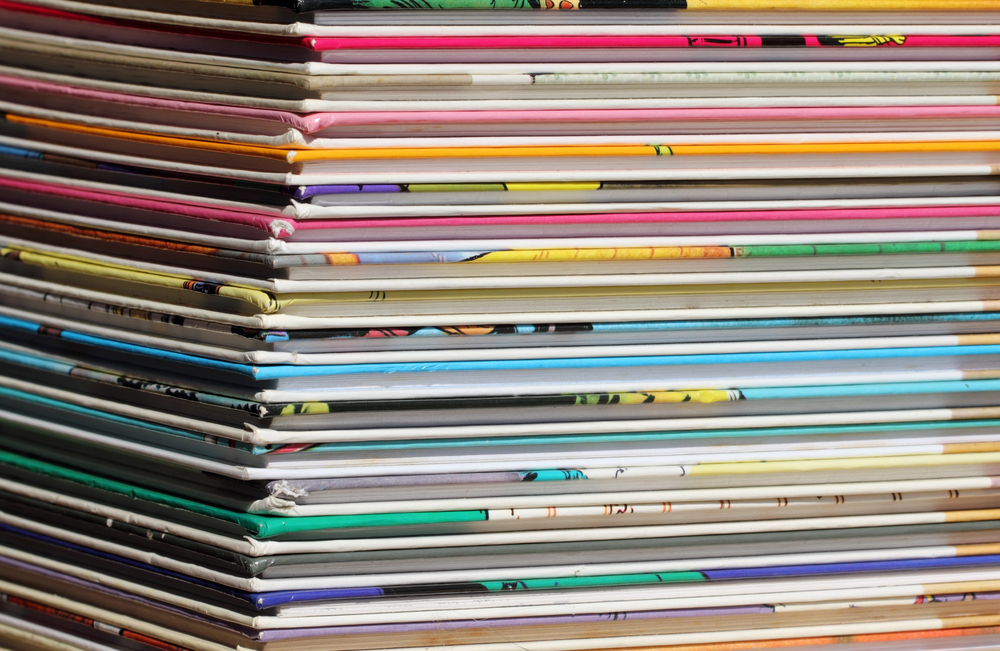
Pedigree collections are what happens when a single hoard of well-preserved comics surfaces decades after it was assembled. The “Mile High Collection,” discovered in Denver in 1977, contained tens of thousands of Golden Age comics in extraordinary condition — books that had been sitting in a warehouse since the 1940s, untouched, and emerged nearly pristine.
A comic that comes from a known pedigree collection carries that provenance forward permanently, and that provenance adds value independent of grade. It’s a form of lineage, and the market treats it like one.
The Overstreet Price Guide’s Long Shadow
Robert Overstreet published his first comic book price guide in 1970, and what he built was less a reference book than a shared language. Before Overstreet, pricing was purely local and negotiable; after, collectors across the country had a common baseline.
The guide shaped which issues collectors considered important, reinforced first-appearance premiums, and entrenched the idea that condition grades corresponded to specific price tiers. Decades later, its influence on how collectors think about value is still visible in the structure of every CGC listing.
Test Market Copies
Before a wide national release, publishers occasionally produced test market editions distributed in specific cities to gauge newsstand performance. These runs were intentionally small — publishers weren’t committing to full production until they saw sell-through data.
Test market copies of early Marvel titles from the late 1950s and early 1960s exist in quantities so limited that their census entries on CGC’s registry are often single digits. Finding one in high grade is less like collecting and more like archaeological recovery.
Restoration and Its Discontents

Restored comics — books that have been cleaned, pressed, or had missing pieces replaced by a conservator — occupy a complicated place in the market. A restored 9.0 is not equivalent to an unrestored 9.0, and the price difference reflects that clearly: restored copies routinely sell for a fraction of what a raw, unaltered copy commands.
The market’s insistence on original condition isn’t snobbery; it’s a coherent preference for authenticity over cosmetic improvement. A book that looks perfect because it was made perfect is different from a book that survived to look perfect on its own terms.
The Significance of Off-White and White Pages
It sounds like a technicality until you price the difference. CGC designates interior page quality as white, off-white to white, off-white, cream to off-white, cream, or brittle — and each step down that scale corresponds to lower survival probability under the original storage conditions.
White pages on a 1950s comic mean someone, somewhere, kept that book in conditions that defied the chemistry of the paper itself. That kind of preservation is rare enough that the market prices it as a separate feature, not a footnote.
Type 1A vs. 1B Printings
Within what’s marketed as a single printing, there are often sub-variants created when a press run is halted mid-stream and restarted with a small correction. Type 1A and 1B designations (used informally by collectors) describe copies from before and after that mid-run adjustment.
The differences are frequently microscopic — a slight color density shift, a corrected credit box, a different barcode format — but they represent genuinely different production moments. Both came out as “first printings,” but they didn’t come off the same press run without alteration.
What High Grade Actually Requires
A 9.8 on CGC’s scale — Near Mint/Mint — demands a nearly impossible level of preservation for anything older than 1980. Spine stress marks from being opened count against it.
Tiny color flecks missing from the cover count against it. A staple that has shifted a fraction of an inch counts against it.
The 9.8 designation on a Bronze Age or Silver Age book means the copy was essentially never read — pulled from a bundle, stored flat, and untouched for decades. The rarity isn’t just about scarcity of the issue; it’s about scarcity of human restraint.
The Auction Ceiling Effect

High-profile auction results function less as sales and more as public announcements. When a copy of Detective Comics #27 sells at Heritage Auctions for $1.74 million, that number doesn’t just reflect what one buyer paid — it recalibrates the entire market’s understanding of what the issue is worth.
Collectors watching from the sidelines revise their estimates; estates holding similar books revise their asking prices; dealers adjust their inventory valuations. A single gavel drop ripples outward through every comparable copy in existence.
When the Print Run Number Was Never Recorded
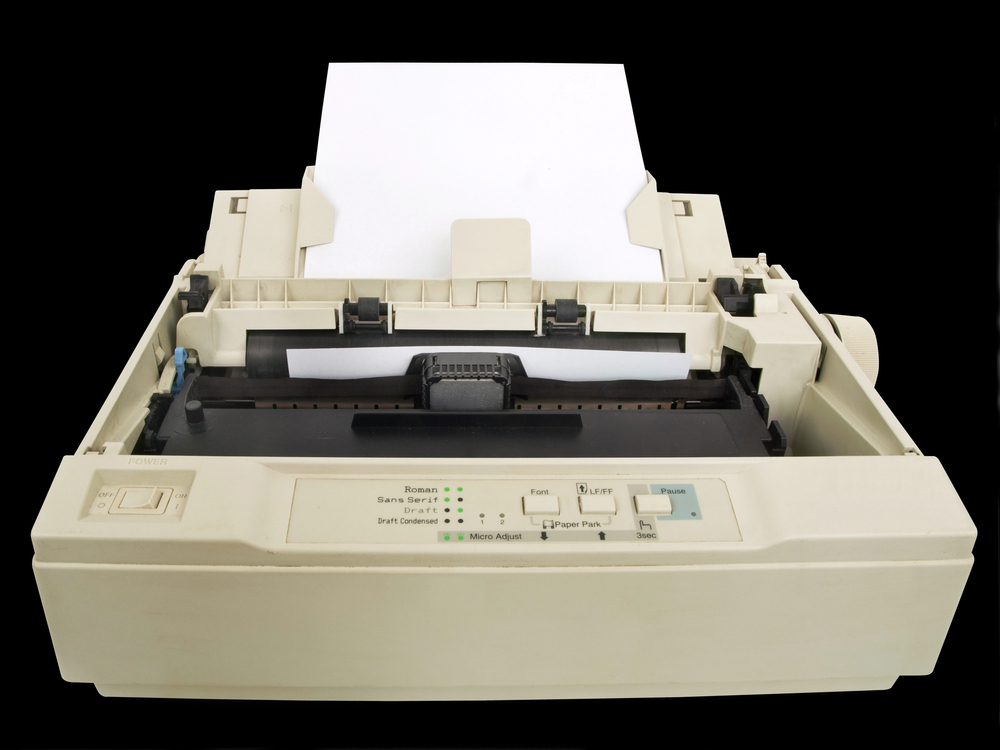
For the earliest comics — books published between 1933 and 1942, before print run documentation was standard — the actual production numbers are simply unknown. Researchers reconstruct estimates from distributor records, retailer invoices, and the number of copies that have surfaced over decades of collecting.
That uncertainty makes pricing part archaeology and part intuition, and the books that exist in genuinely tiny surviving quantities are worth extraordinary sums precisely because no one can say with confidence how many are left out there. The mystery is part of the market.
The Print That Started It All
There’s a reason Action Comics #1 keeps resurfacing in conversations about valuable comics. Printed in 1938, with an initial cover price of 10 cents, it introduced Superman to a readership that had no idea what they were holding.
Most copies were read, traded, or discarded within weeks. The ones that survived did so by accident — stuffed in an attic, forgotten in a basement, bundled into a collection that nobody opened for forty years.
What makes a 100x return look modest is that a pristine copy of Action Comics #1 has sold for over $6 million. The 10-cent price tag has aged unusually well.
The Long Game
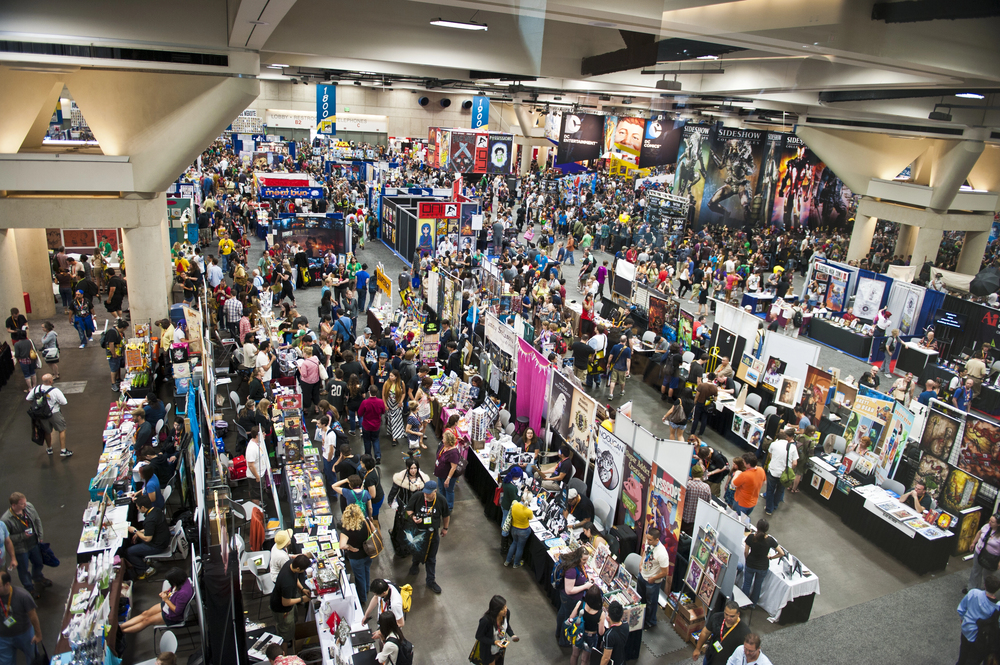
Comics that sell for absurd multiples of their cover price weren’t always understood to be valuable — and that lag is the whole story. The collectors who paid $500 for a Fantastic Four #1 in 1980 weren’t geniuses; they were just paying attention earlier than everyone else.
The scarcity, the printing variants, the grading details, the provenance — none of it matters until the market decides it does, and the market almost always decides too late for the people who could have bought cheaply.
What looks like a lucky find is usually the result of someone doing unglamorous research for years before anyone else thought to ask the same questions.
More from Go2Tutors!

- The Romanov Crown Jewels and Their Tragic Fate
- 13 Historical Mysteries That Science Still Can’t Solve
- Famous Hoaxes That Fooled the World for Years
- 15 Child Stars with Tragic Adult Lives
- 16 Famous Jewelry Pieces in History
Like Go2Tutors’s content? Follow us on MSN.