25 Movie Sets Still Standing That You Can Visit in Person
There’s something quietly disorienting about standing on ground you’ve seen a hundred times on screen. The camera flatters everything — makes a Utah canyon feel eternal, a small-town street feel mythic.
But the places are real, and a surprising number of them are still there, still open, still holding the shape of the stories filmed on their soil. These aren’t museum recreations or theme park facsimiles.
These are actual locations where actual films were made, and you can walk through them on an ordinary Tuesday if you’re so inclined. Some are a short detour off a highway you’d drive anyway.
Others require a little planning. All of them are worth it.
Hobbiton — The Lord of the Rings / The Hobbit
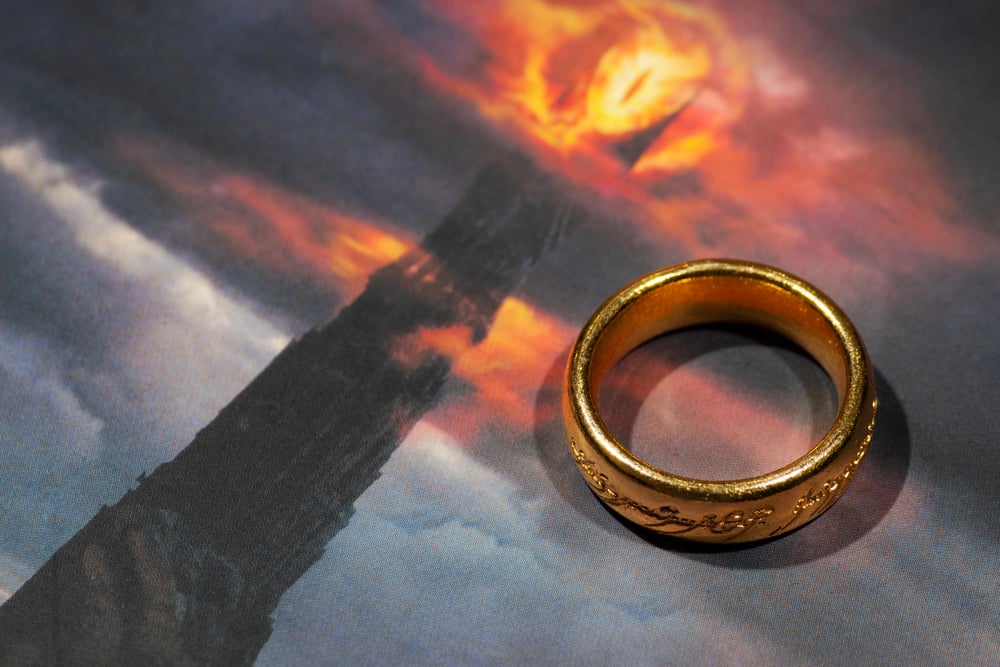
The farm outside Matamata, New Zealand, was supposed to be a temporary set — and then Peter Jackson saw the aerial footage and made it permanent instead. So what you visit now is not a replica but the actual village, with its round doors and garden paths and the Party Tree still casting shade over the hill.
Tours run daily, the Green Dragon pub serves real drinks, and the whole thing feels less like a tourist attraction than a place that simply decided to stay.
The Mos Eisley Cantina — Star Wars: A New Hope

The exterior of the Mos Eisley cantina was filmed in Djerba, Tunisia, and the building — a real structure called the Sidi Driss Hotel — is still standing in the village of Matmata. What makes it genuinely strange is that the hotel is still functional: you can sleep there, eat there, and fall asleep under a ceiling that Luke Skywalker once looked up at.
Go figure.
Dunnottar Castle — Hamlet, Brave
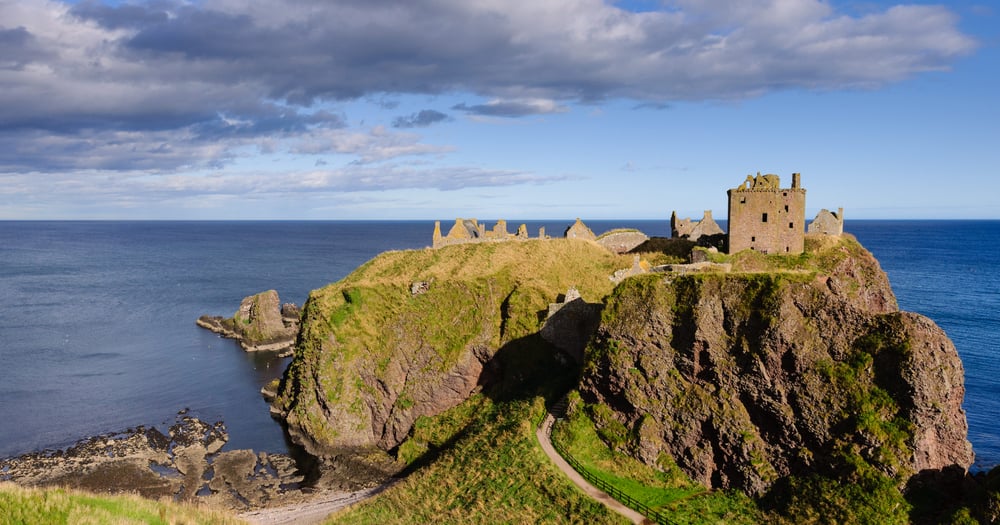
Perched on a sea cliff on Scotland’s northeast coast, Dunnottar Castle has the quality of a ruin that refuses to surrender — stubborn stone against centuries of Atlantic wind, still upright when everything logic suggests should have collapsed. The castle served as the backdrop for Franco Zeffirelli’s 1990 Hamlet and provided visual inspiration for the kingdom of Brave, and it’s open to visitors who are willing to manage the steep coastal path down to its gate.
Jurassic Park Waterfall — Jurassic Park
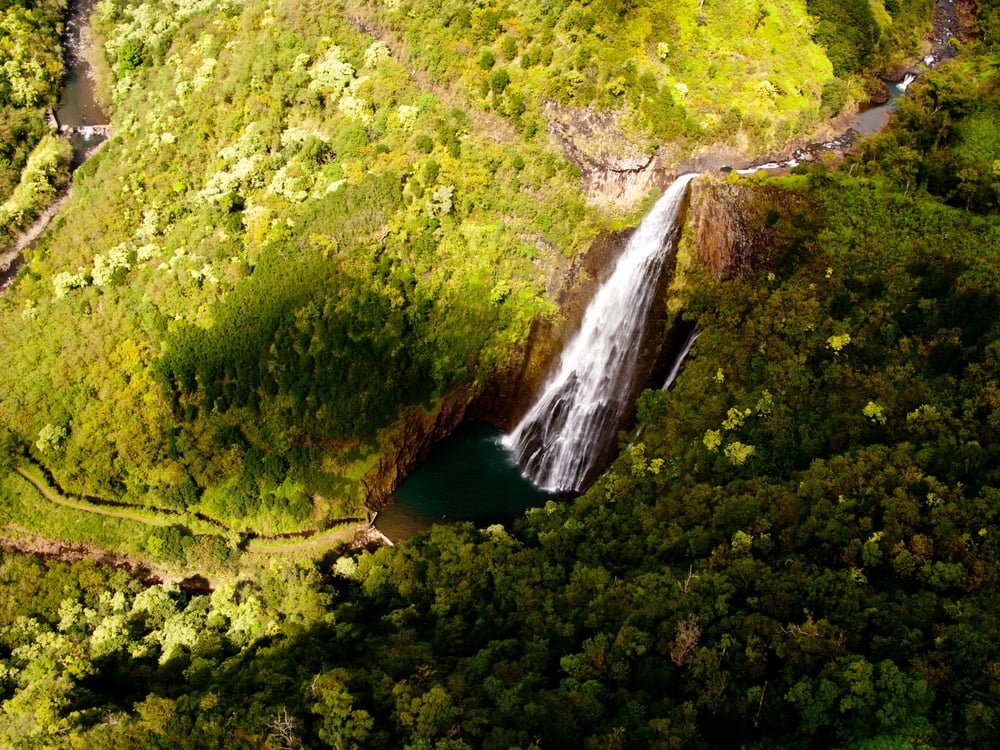
The waterfall scene — where the helicopter descends into Isla Nublar for the first time — was filmed at Manawaiopuna Falls on the island of Kauai, Hawaii. The falls are on private land, and the only way to reach them is by helicopter, which means your experience of visiting a movie set about visiting an island by helicopter is itself by helicopter.
The circularity is not lost on anyone.
Al Deir — Indiana Jones and the Last Crusade
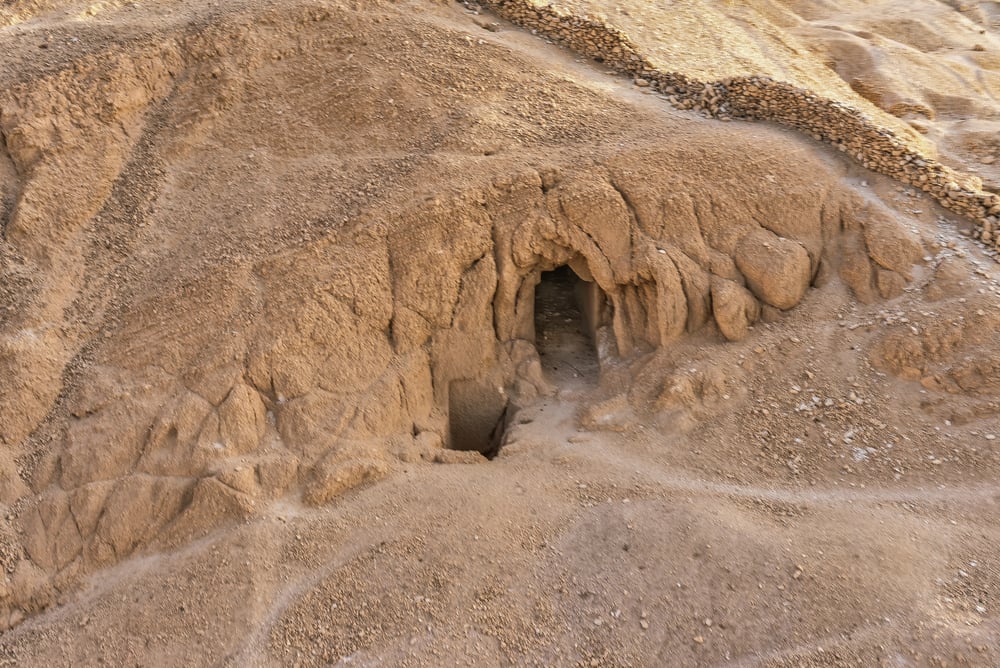
The Treasury at Petra in Jordan is one of the most photographed structures on Earth, and it’s also the exterior of the Brotherhood of the Cruciform Sword’s hideout in The Last Crusade — the place Indiana Jones finally finds the Holy Grail. Petra is an active archaeological site and a UNESCO World Heritage location, meaning it exists with or without Harrison Ford, though the Ford association brings in no small amount of pilgrims.
Derweze Gas Crater — Various Documentaries and Productions
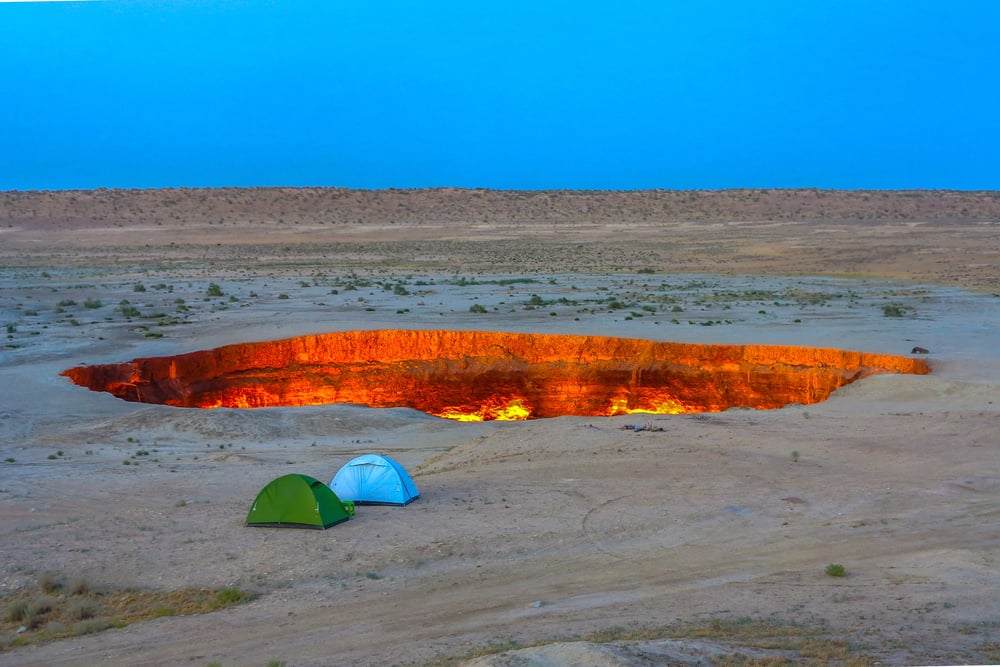
The Darvaza gas crater in Turkmenistan — nicknamed “The Door to Hell” — is a collapsed natural gas cavern that has been burning continuously since 1971 and has appeared in multiple documentary productions and film projects drawn to its otherworldly look. It sits in the Karakum Desert roughly 160 miles north of Ashgabat, and the Turkmenistan government has, despite periodic threats to extinguish it, kept it accessible to travelers.
Standing at the edge at night is reported to be one of the stranger experiences a person can have on this planet.
Waimea Canyon — Jurassic Park, Pirates of the Caribbean
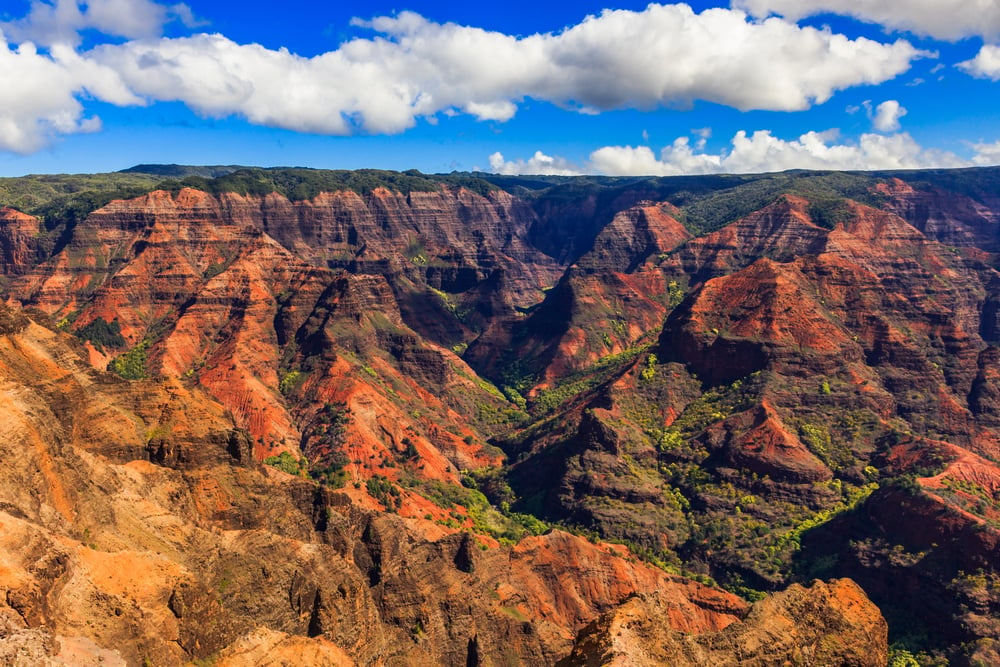
Kauai has made a career of standing in for places that don’t exist. Waimea Canyon — sometimes called the Grand Canyon of the Pacific, which is accurate both in scale and in the way it stops you mid-sentence — has appeared across multiple productions, and the surrounding Na Pali Coast has shown up in Jurassic Park, Pirates of the Caribbean: Dead Man’s Chest, and Six Days Seven Nights, among others.
The state park is free to enter and the views are, to use the only word that fits, absurd.
The Cliffs of Moher — The Princess Bride
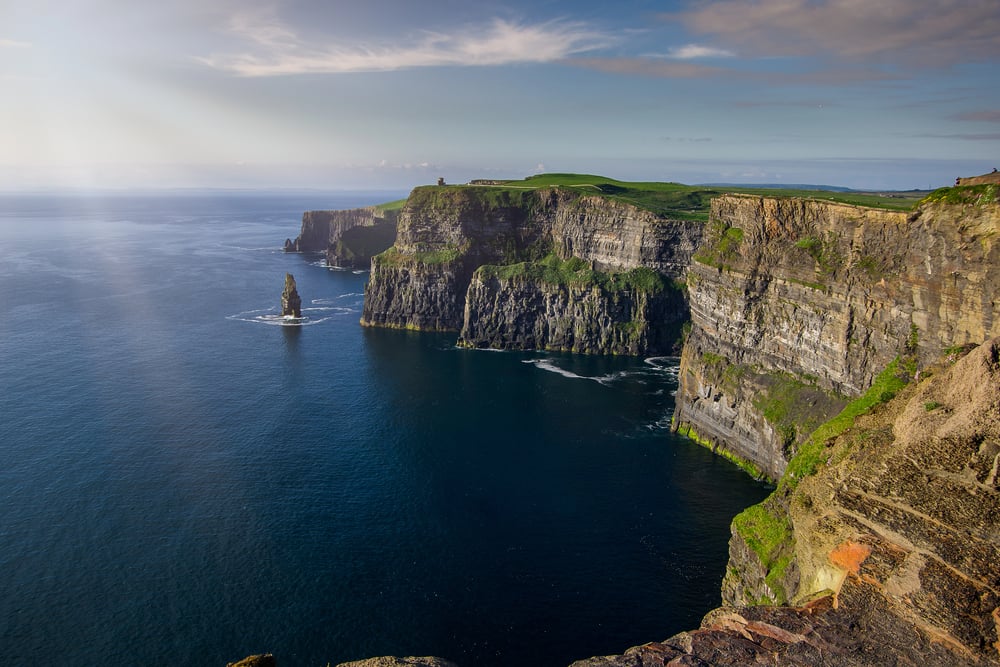
The Cliffs of Moher on Ireland’s western coast stood in for the Cliffs of Insanity in The Princess Bride, and if you’ve seen the film, you already know why the filmmakers didn’t need to do much work — the cliffs are exactly as dramatic in person as they appear on screen. The visitor center is modern and well-maintained, the cliffs themselves drop roughly 700 feet to the Atlantic, and the wind at the top will correct any romantic notions you had about how pleasant it would be to walk along them.
Skellig Michael — Star Wars: The Force Awakens
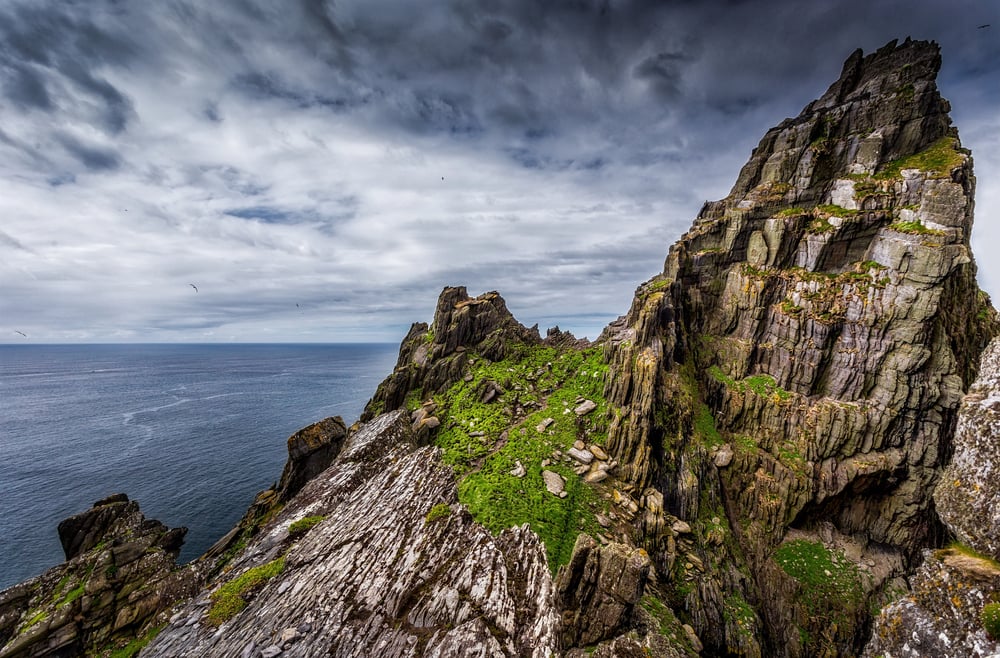
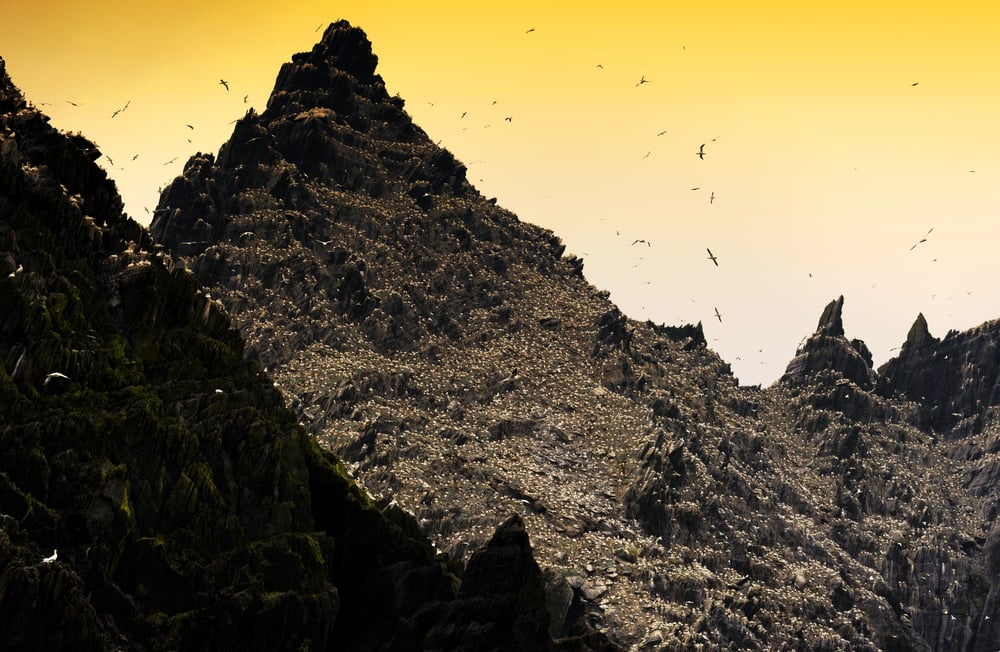
Skellig Michael is a pyramidal rock jutting out of the North Atlantic about 8 miles off the coast of Kerry, Ireland, and it serves as Luke Skywalker’s hiding place in The Force Awakens and The Last Jedi. The island is also a real early Christian monastery — monks actually lived there from roughly the sixth century, in conditions that beggar imagination — and it’s a UNESCO World Heritage site with strictly limited visitor access.
Boat trips run seasonally from May to October, weather permitting, which on the Atlantic coast means weather rarely permitting.
Skellig Michael — Noah
Göbekli Tepe in southeastern Turkey is the oldest known monumental structure on Earth — roughly 12,000 years old, which makes Stonehenge look like recent construction — and it was used as a filming location for Darren Aronofsky’s Noah. The site is actively excavated, partially restored, and open to visitors, which is the kind of thing that sounds mundane until you’re actually standing there doing the math on how long 12,000 years is.
The Dolomites — The Great Escape, For Your Eyes Only
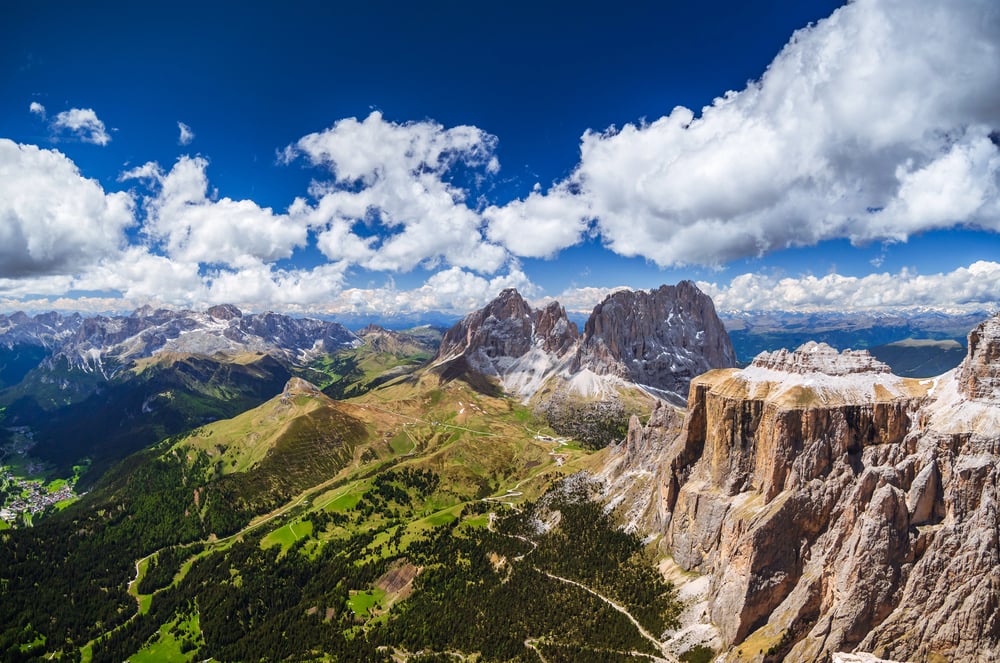
The Italian Dolomites have hosted more film crews than most people realize, appearing in The Great Escape, the James Bond film For Your Eyes Only, and numerous other productions across eight decades of cinema. What the Dolomites offer — and what no set designer can manufacture — is the particular quality of light in the late afternoon, when the rock faces turn a shade of orange that sits somewhere between rust and fire.
The region is accessible year-round and the roads through it are, if anything, more cinematic than the films they’ve appeared in.
Antelope Canyon — The English Patient
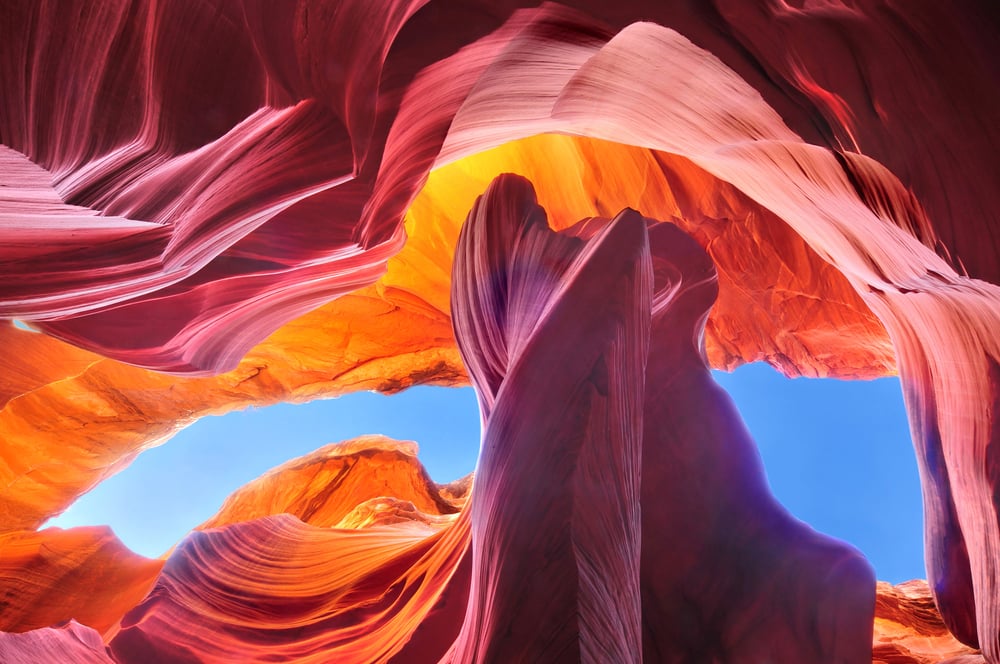
Antelope Canyon is a slot canyon on Navajo land near Page, Arizona — a place where the sandstone walls narrow to a few feet across and the light falls in shafts that look fabricated, almost too composed to be real. It appeared in The English Patient and has been photographed so obsessively that images of it are sometimes dismissed as over-edited, even when they’re straight from camera.
Tours are led by Navajo guides, entry requires advance booking, and the canyon itself is divided into Upper and Lower sections, both worth the trip.
Matjiesfontein — The Englishman Who Went Up a Hill But Came Down a Mountain
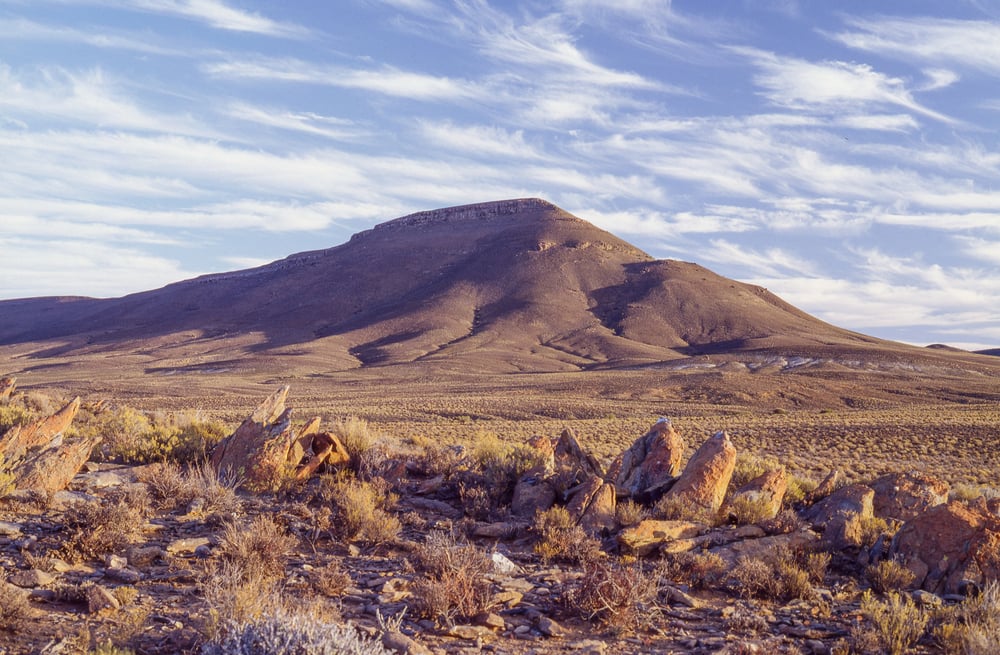
Matjiesfontein is a preserved Victorian village in the Karoo desert of South Africa, about 150 miles northeast of Cape Town, and it has been used as a filming location across multiple productions, including the 1995 Hugh Grant film. The village functions as a working hotel and tourist stop today, its single main street lined with Victorian architecture that the desert climate has kept in remarkable condition — it’s the kind of place that feels like it survived by sheer indifference to the passage of time.
Glencoe Valley — Skyfall, Braveheart
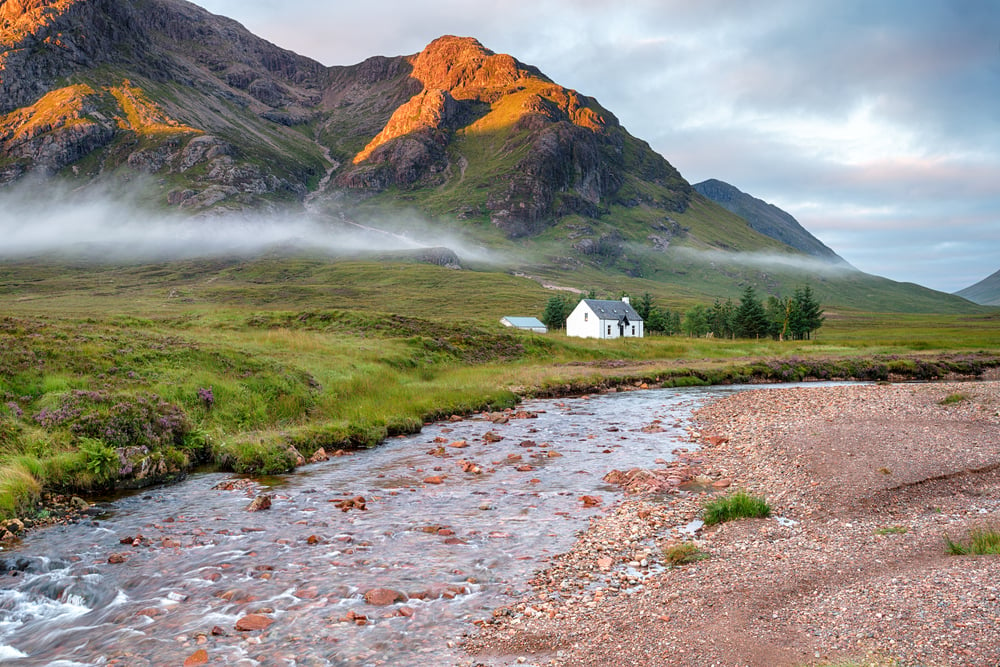
Scotland’s Glencoe Valley has the temperament of a landscape that takes itself seriously — all mist and sharp ridgelines and a particular gray light that feels borrowed from mythology. It appears in Skyfall as the location of the Bond family estate (which is burned down, in what feels like an unnecessarily harsh ending for a very handsome moor) and served as a primary backdrop for Braveheart.
The valley is accessible via the A82, and the mountains on either side are open to hikers who don’t mind a vertical approach.
White Sands National Park — Interstellar
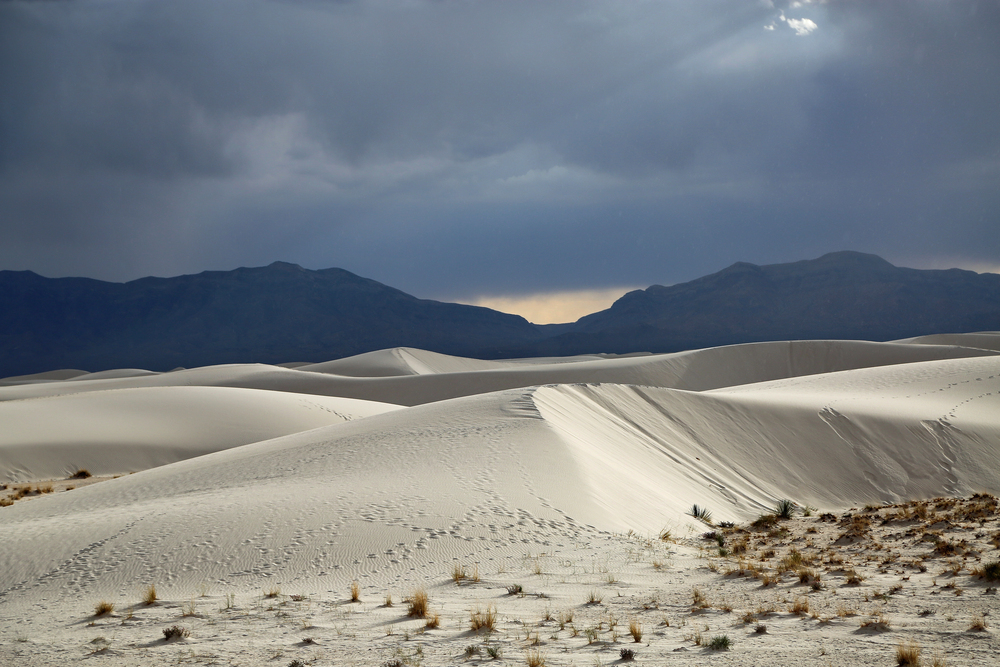
White Sands in New Mexico is 275 square miles of gypsum dune, blindingly white under any amount of sun, and it doubled as an alien planet in Interstellar. The park is a functioning national park with visitor facilities, and the dunes are open for sledding — yes, sledding — on rentable disc sleds available at the gift shop.
Christopher Nolan’s alien world turns out to be about four hours from Albuquerque and costs $25 per vehicle to enter.
Ouarzazate — Lawrence of Arabia, Gladiator, Game of Thrones
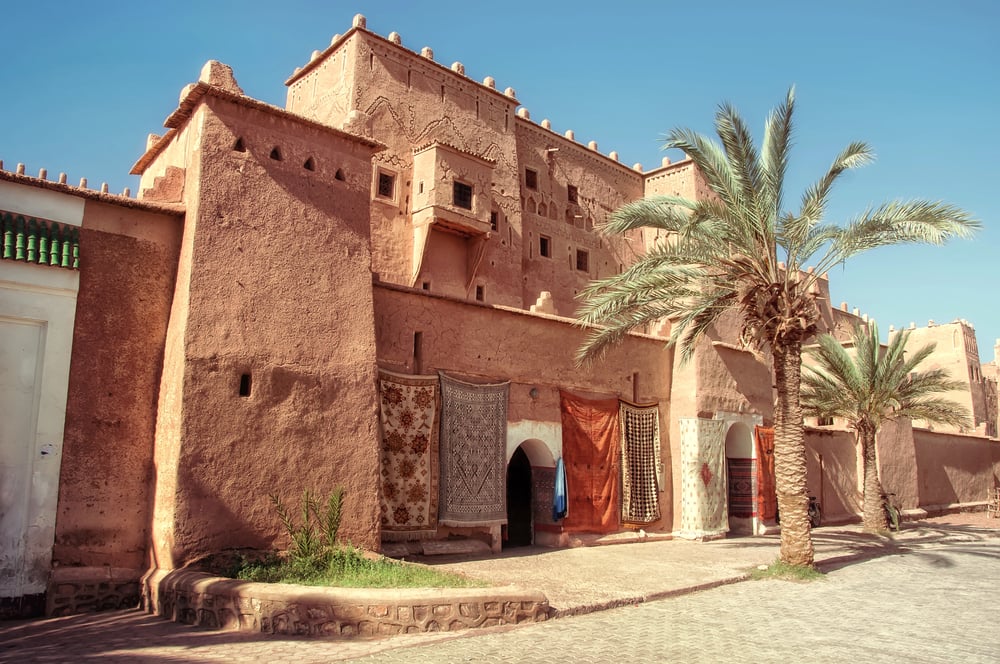
Ouarzazate is a city in southern Morocco that has been called, with some accuracy, the Hollywood of Africa — the number of major productions filmed there is legitimately staggering. Lawrence of Arabia, Gladiator, The Mummy, Kingdom of Heaven, and multiple seasons of Game of Thrones all used its surroundings, and the Atlas Corporation Studios outside the city still has standing sets from several of these productions that are open to visitors.
It is a working city first, a film destination second, and considerably more interesting for being both at once.
Monument Valley — Stagecoach, The Searchers, Forrest Gump
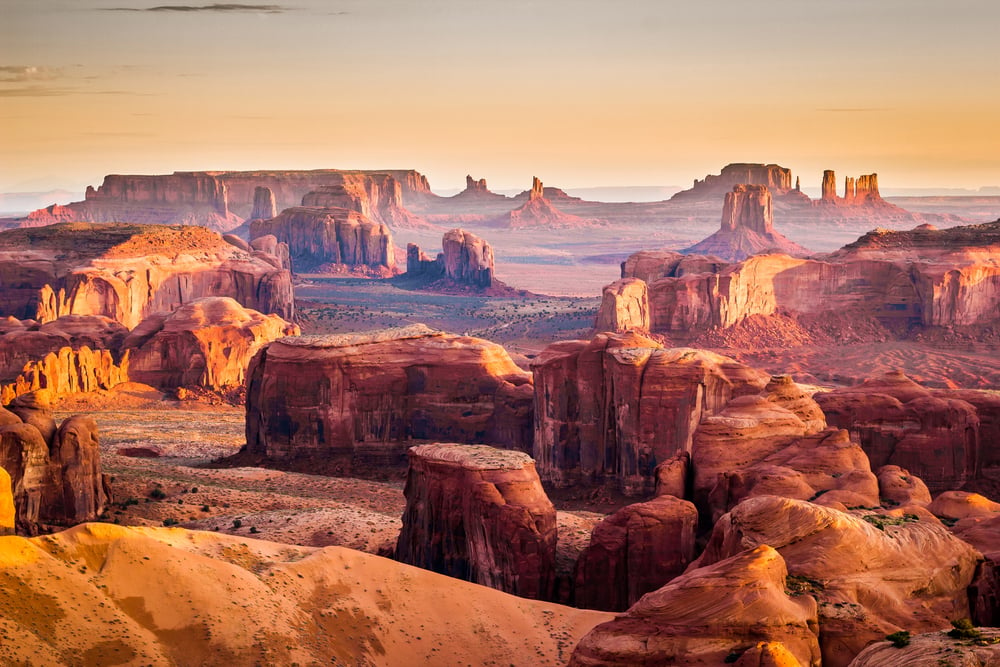
Monument Valley sits on the Arizona-Utah border on Navajo Nation land, and it’s the landscape that the American West has been performing against in cinema since John Ford pointed a camera at it in 1939. The Mittens, Merrick Butte, and the long red floor of the valley itself are available to visit via the Navajo Nation Tribal Park, with guided jeep tours offered through Navajo operators.
The road that Forrest Gump runs along when he finally stops — Highway 163 just north of Mexican Hat, Utah — is driveable, and people absolutely stop and run a portion of it.
Puzzlewood — Star Wars: The Force Awakens, The Hobbit
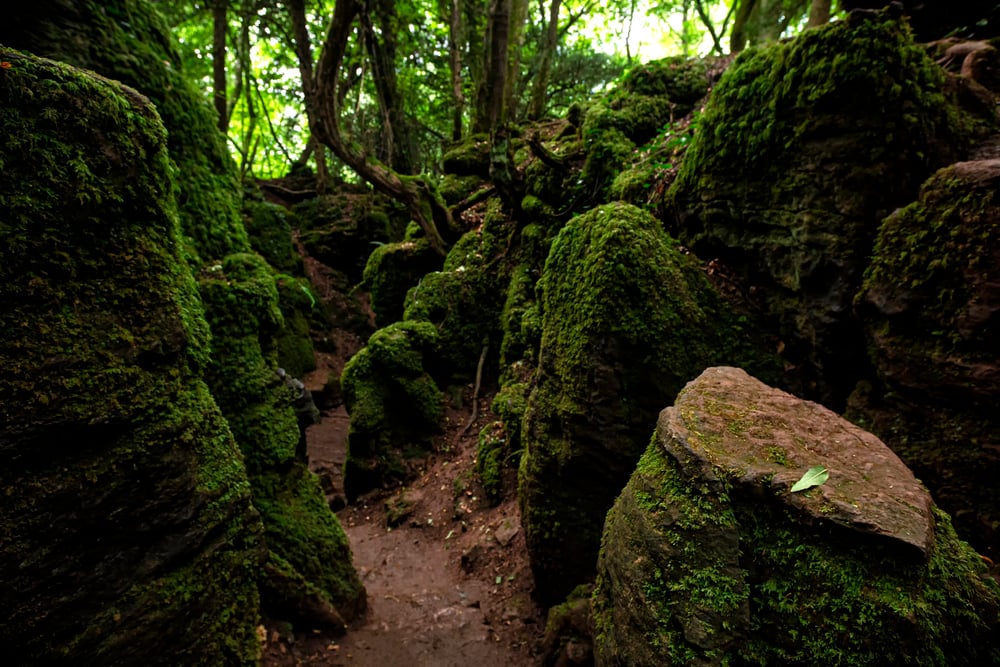
Puzzlewood is an ancient woodland in the Forest of Dean in Gloucestershire, England, dating to Roman times, where the trees grow in configurations that seem designed by someone who had strong feelings about the uncanny. It was used for forest scenes in The Force Awakens and provided visual reference for Fangorn Forest in The Lord of the Rings.
The site is privately owned and open as a paid attraction, and the footpaths through it cover about a mile of the most genuinely strange forest floor in England.
Svínafellsjökull Glacier — Interstellar, Batman v Superman
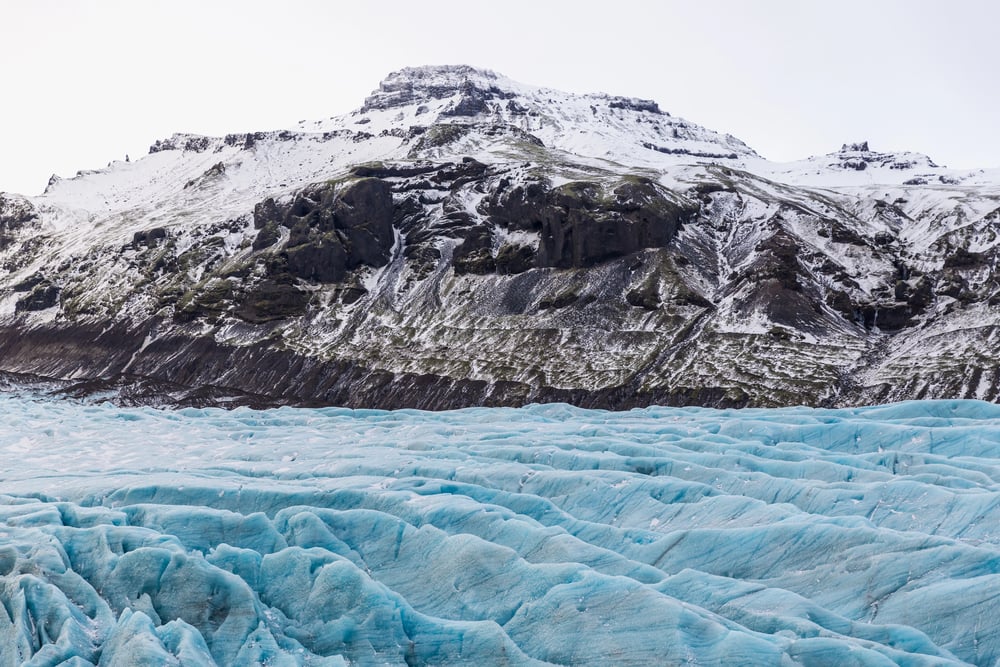
Iceland’s Svínafellsjökull glacier — a tongue of the Vatnajökull ice cap — has become one of the most-used natural film locations on Earth, appearing in Interstellar, Batman v Superman: Dawn of Justice, and several seasons of Game of Thrones, among other productions. Guided glacier walks are available year-round, which is somewhat astonishing given that the ice is actively moving and reforming, meaning the location that was filmed four years ago technically no longer exists in quite the same configuration.
The glacier is about 4.5 miles from Skaftafell and the hike to reach it takes under an hour.
The Bicep — Total Recall (1990)
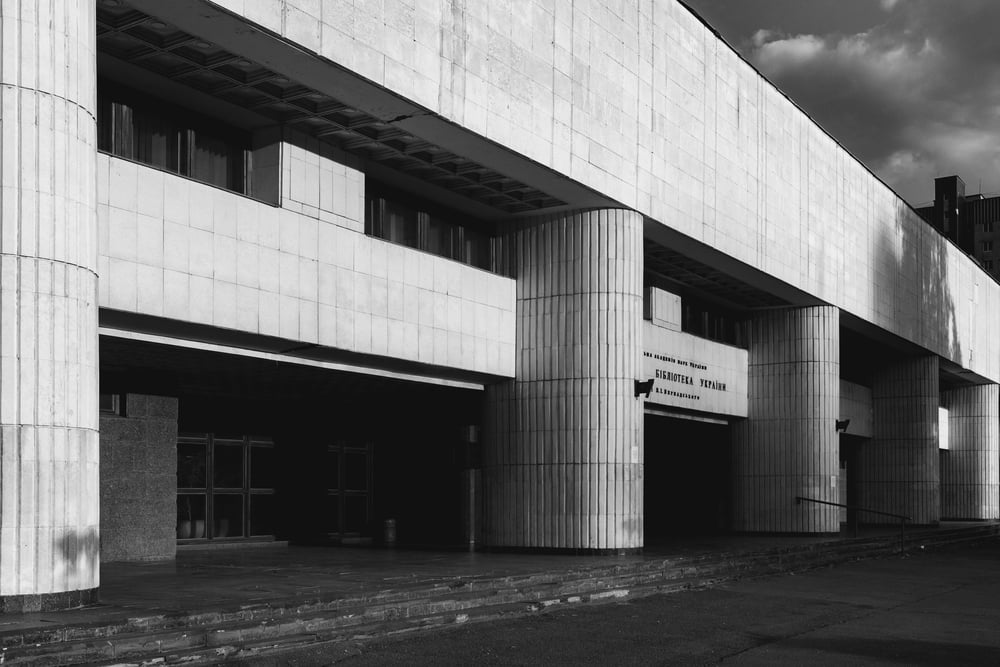
The subway tunnels and brutalist architecture of Mexico City’s older metro stations served as Mars colony interiors in Paul Verhoeven’s 1990 Total Recall — and the Metro is still fully operational, meaning you can ride it for a handful of pesos and pass through stations that were dressed as a dystopian alien world three decades ago. The Metro moves about 4.5 million people daily, making it one of the busiest transit systems in the Western Hemisphere, and most of those 4.5 million people are probably not thinking about Arnold Schwarzenegger.
Matera — No Time to Die, The Passion of the Christ
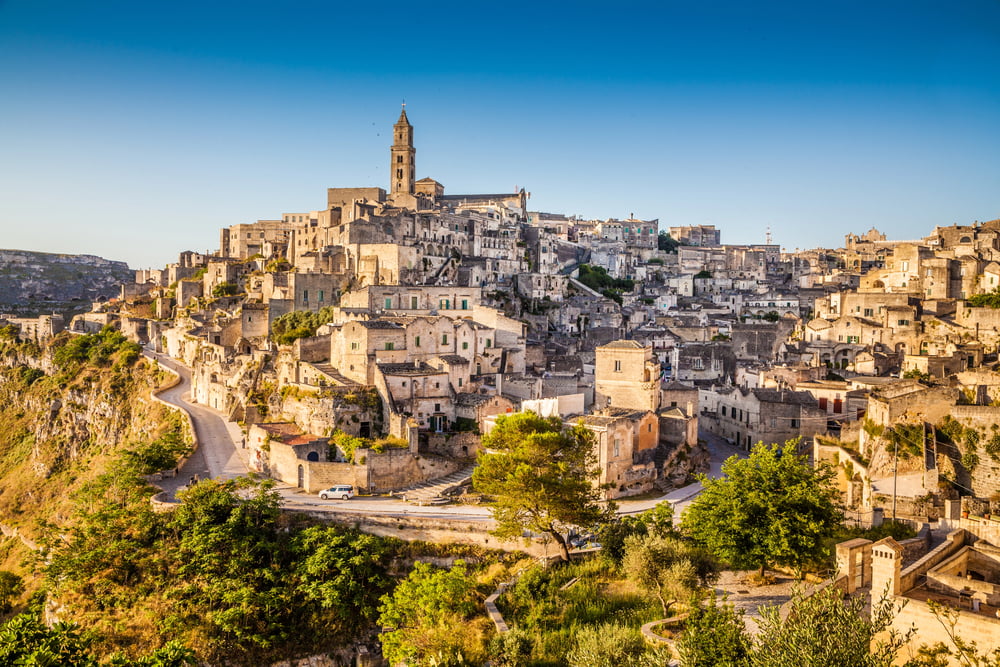
Matera is a city in the Basilicata region of southern Italy built into a ravine, with cave dwellings that have been continuously inhabited for roughly 9,000 years — a fact that gives the place a density of time that most cities simply can’t manufacture. It was used for the opening chase sequence in No Time to Die and served as Jerusalem in Mel Gibson’s The Passion of the Christ.
Matera was also a European Capital of Culture in 2019, which brought restoration funds and tourist infrastructure, meaning the cave districts are now impeccably maintained and even more photogenic than when they were poverty-stricken and largely abandoned.
Göreme — Star Wars: A New Hope
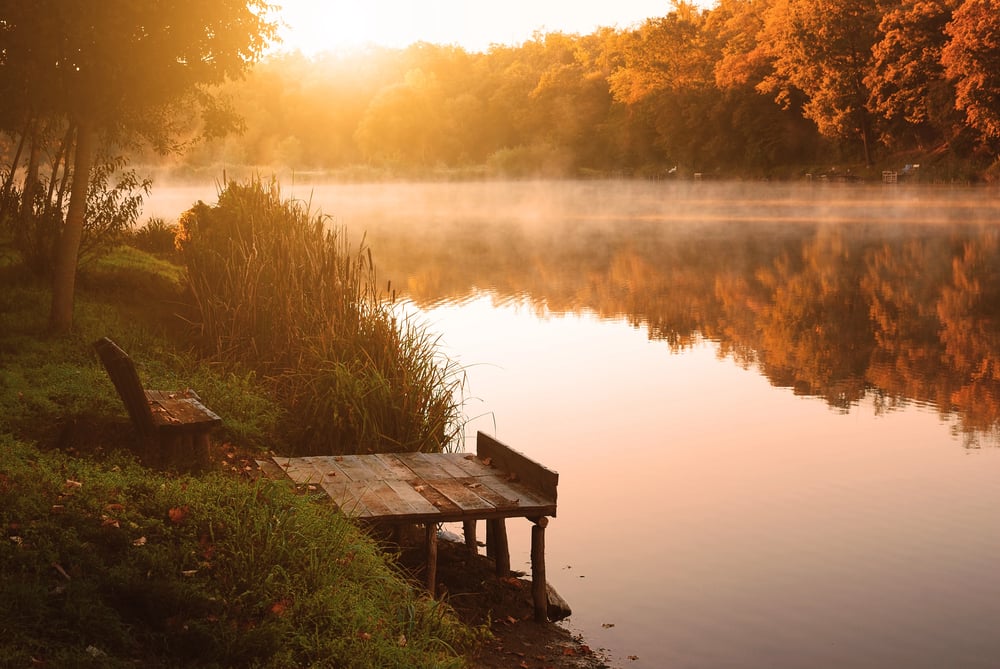
The Cappadocian landscape around Göreme in central Turkey — with its fairy chimneys, rock-cut churches, and underground cities — appears in the background of several Star Wars: A New Hope sequences representing the planet Tatooine’s distant terrain. Göreme is now a UNESCO World Heritage site and a functioning tourist town, with hot air balloon rides at dawn being the primary attraction, though the cave hotels and ancient churches are a reasonable argument for staying longer.
The landscape genuinely looks like another planet, which is presumably why the production designers were interested in the first place.
Geirangerfjord — Ex Machina
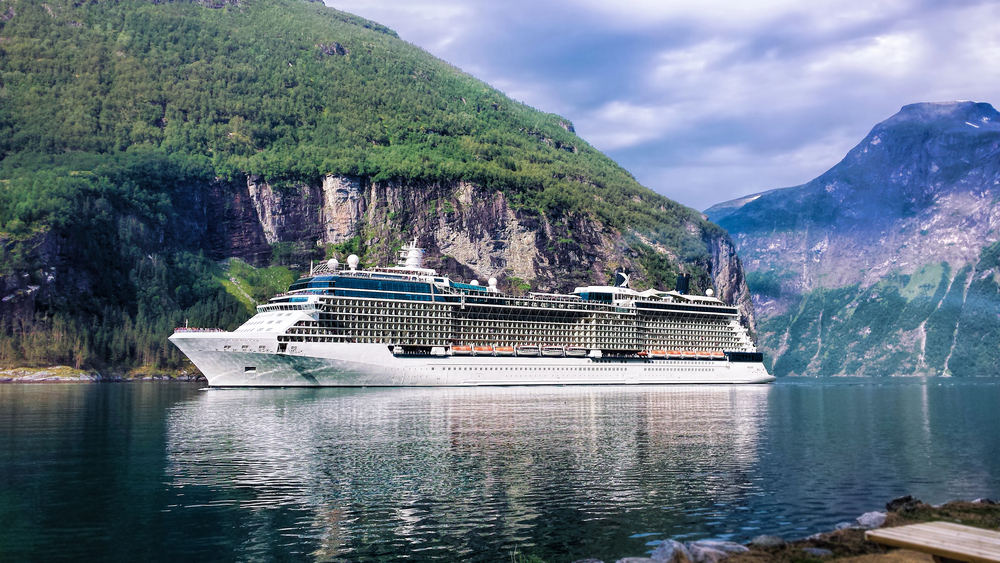
The remote Norwegian fjord of Geirangerfjord — a UNESCO site since 2005, with walls rising nearly 5,000 feet above a water surface so still it reflects the mountains above it with unnerving precision — served as the exterior landscape of the isolated research facility in Alex Garland’s Ex Machina. Ferries run through the fjord seasonally, and several of the farms clinging to the cliff faces visible from the water are still occupied by people who apparently find the logistics acceptable.
The fjord is roughly 50 miles from Ålesund by road and considerably more dramatic than that distance implies.
Craco — The Passion of the Christ, Quantum of Solace
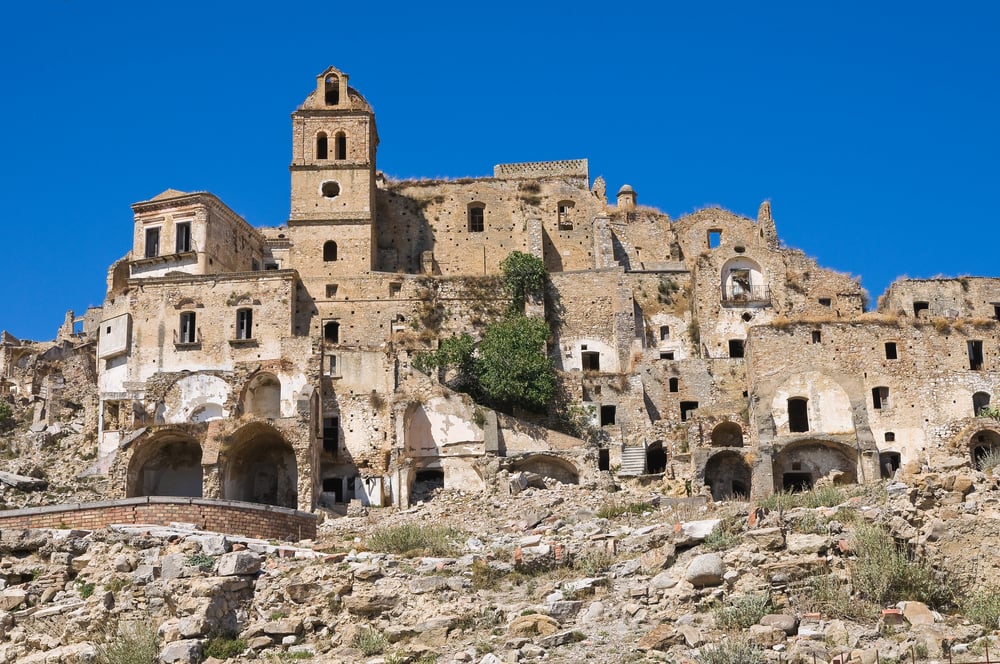
Craco is an abandoned medieval hill town in the Basilicata region of southern Italy — evacuated due to landslide risk in 1963 and left largely intact — and it has the quality of a place that fell asleep and never was woken up again, with its stone towers and empty piazzas preserved under decades of quiet. It appeared in The Passion of the Christ and in Quantum of Solace, and guided tours are available through the local municipality, since entering unaccompanied is prohibited for structural safety reasons.
The views from the summit over the valley are unreasonably good for a ghost town.
Zion National Park — Butch Cassidy and the Sundance Kid
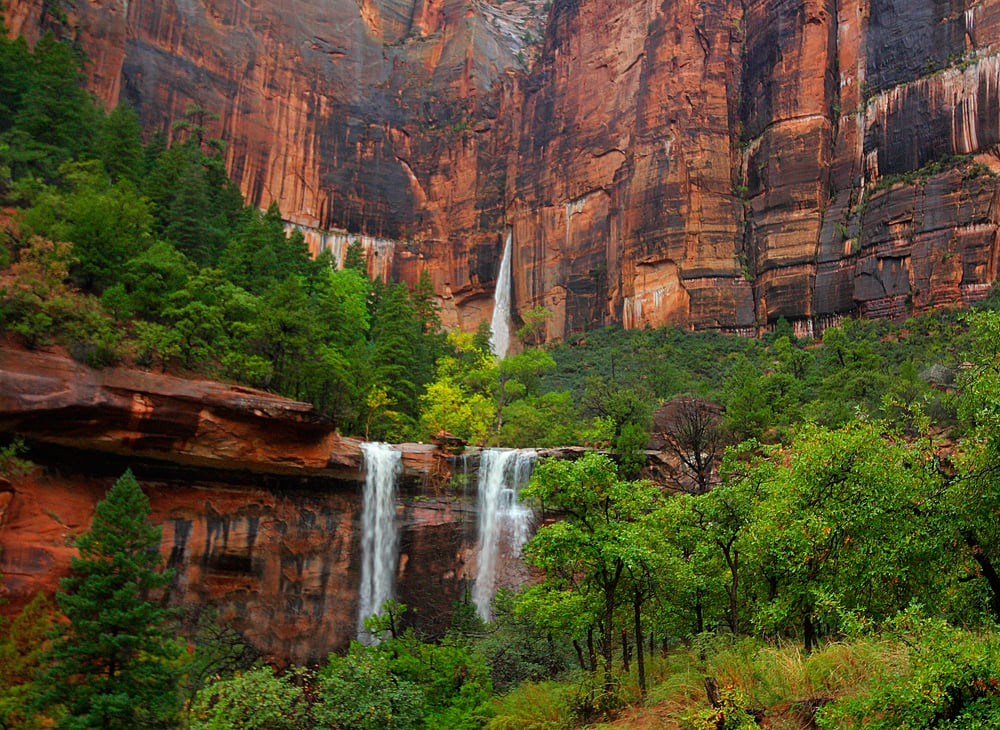
Zion National Park in southwestern Utah appeared in Butch Cassidy and the Sundance Kid and has shown up in films ranging from westerns to science fiction, because the canyon walls and river bottom of the Virgin River present a landscape that is simultaneously specific and versatile. The park receives about five million visitors annually, which makes it one of the most visited national parks in the country — and deservedly so, since the Narrows hike alone, where you walk through the river between walls that block out almost all sky, is unlike anything else in the continental United States.
The Screen Behind the Screen
What’s interesting — and maybe a little humbling — about visiting these places is how thoroughly they resist becoming mere backdrops once you’re there. The cliffs don’t care about The Princess Bride.
The glacier moves whether or not anyone filmed Interstellar on it. Monument Valley existed for millions of years before John Ford arrived with his cameras and would exist just as indifferently if every print of every western burned tomorrow.
The movies borrowed something from these locations — borrowed the light, the scale, the emotional weight — and the locations gave it willingly and kept right on being themselves. That’s the thing about going to see a film set: you usually end up discovering the place was never really a set at all.
More from Go2Tutors!

- The Romanov Crown Jewels and Their Tragic Fate
- 13 Historical Mysteries That Science Still Can’t Solve
- Famous Hoaxes That Fooled the World for Years
- 15 Child Stars with Tragic Adult Lives
- 16 Famous Jewelry Pieces in History
Like Go2Tutors’s content? Follow us on MSN.