29 Toys That Came With a Manual Nobody Bothered Reading
There’s a certain universal experience that happens Christmas morning, birthday afternoon, or whenever a box gets torn open with more enthusiasm than patience: the manual hits the floor before the toy is even fully unwrapped. Sometimes it slides under the couch.
Sometimes it gets used as a sled for a nearby action figure. Either way, it’s gone — and nobody mourns it.
The toy gets figured out eventually, or it doesn’t, and that becomes its own kind of story. Some of these manuals were thin pamphlets.
Some were full-on booklets with diagrams and warnings in six languages. All of them were ignored with remarkable consistency.
Rubik’s Cube

The manual existed. It came folded inside the box, printed in that particular shade of cream that said “important but ignorable,” and it contained actual notation for solving the puzzle layer by layer.
Nobody read it. The cube got twisted until it looked wrong, then twisted some more until it looked worse, and then a kid somewhere peeled the stickers off and called it solved.
Lego Technic Sets
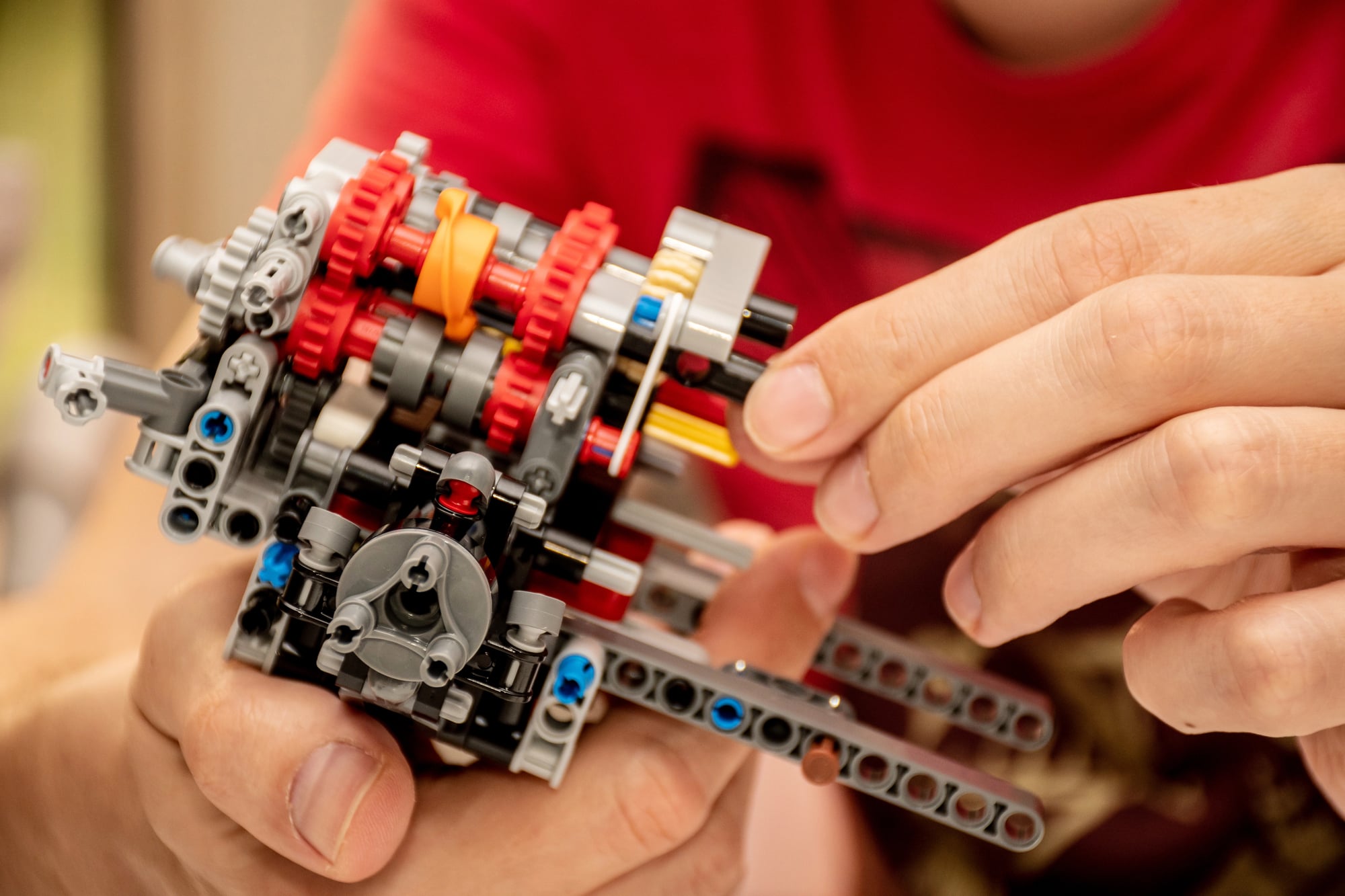
Lego Technic sets shipped with instruction booklets so thick they had spines — the kind of booklets that felt more like engineering briefs than toy guides, which (to be fair) they basically were, given that some sets involved working pneumatic systems and gear differentials. And yet the booklet would get set aside almost immediately, replaced by the far more compelling approach of just connecting things and seeing what broke.
So the half-built crane sat on the shelf for six months with one arm pointing at an unsettling angle.
Tamagotchi
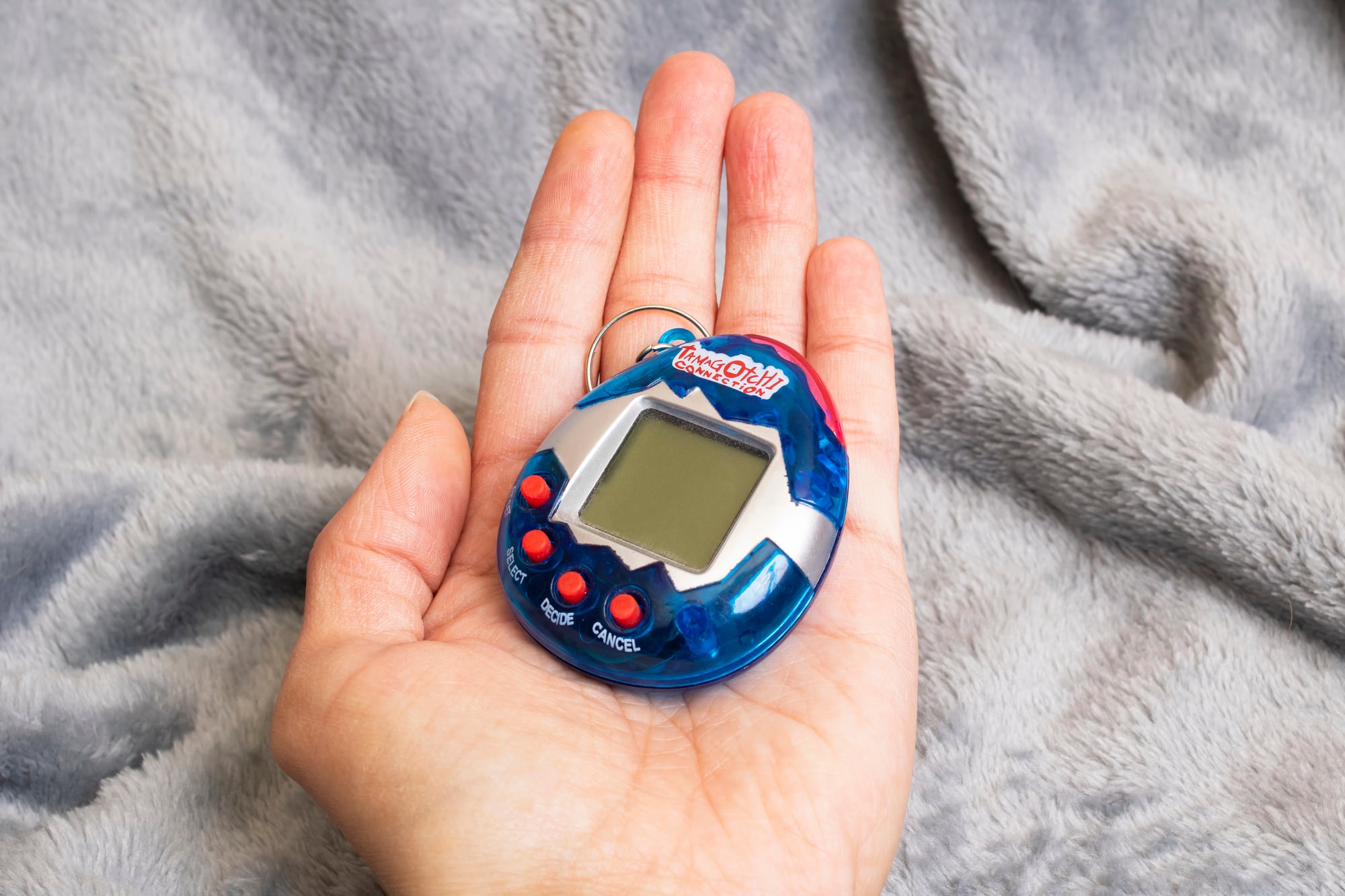
A Tamagotchi without its manual is just a small egg-shaped screen telling you something is wrong. The booklet explained feeding schedules, discipline functions, and what it meant when the little creature turned into a ghost — information that would have been genuinely useful before the third funeral.
Most kids learned the hard way, and then learned again, because optimism is a durable trait in children.
Simon
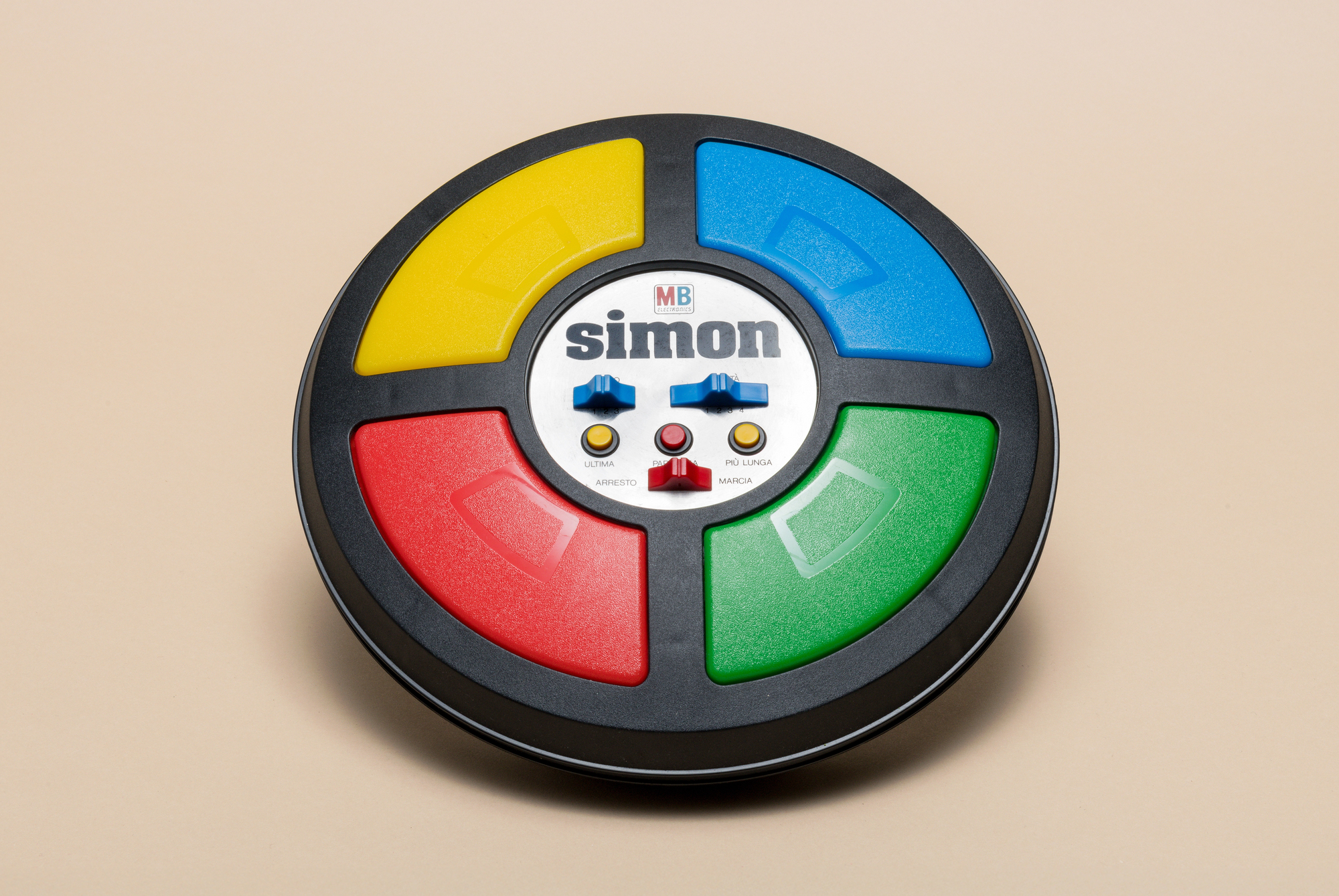
Simon is the game where you repeat a sequence of colored lights and sounds, and the manual included tips on reading the patterns and adjusting difficulty settings that almost nobody ever touched. The actual approach was: stare at it, slap the colors in rough order, and feel either triumphant or baffled.
The difficulty setting was irrelevant because people lost on level three regardless.
Furby
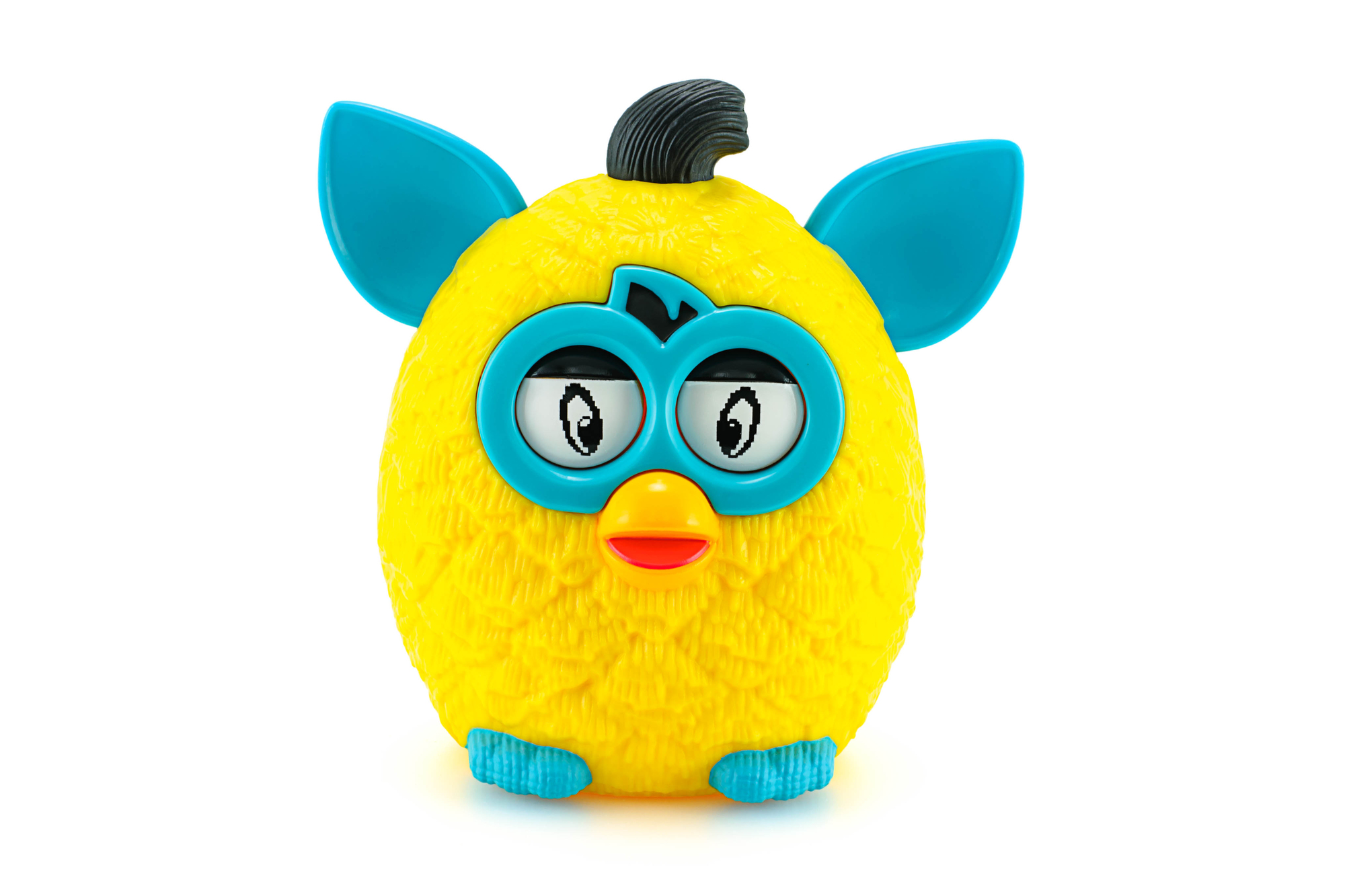
Furby arrived speaking “Furbish” — a proprietary language the manual patiently explained would gradually shift toward English through repeated interaction, a process it described with a kind of optimistic clarity that the actual toy did not always honor. The manual also explained sleep mode, feeding, and what Furby’s eye movements meant, none of which most kids retained for longer than forty seconds because the thing was already blinking at them and making noise.
And the noise: relentless, opinionated noise that continued at 2 a.m. with no apparent concern for its owner’s wellbeing.
Creepy Crawlers

Creepy Crawlers ran on a hot metal plate that reached temperatures capable of causing genuine burns, and the manual was quite firm about this — dedicated pages, bold text, the whole apparatus of warning. The actual experience was: squeeze in the Plasti-Goop, wait too long, check too early, burn a finger, produce a lopsided rubber bug.
The warnings were valid. They were also completely insufficient as deterrents.
Rock ‘Em Sock ‘Em Robots

The manual for Rock ‘Em Sock ‘Em Robots outlined official rules for how rounds were to proceed, which is a sentence that sounds almost fictional given the product. It’s two plastic robots punching each other until one head pops up.
The rules were beside the point — the game was always going to devolve into whoever pushed their button fastest, rules or no rules, dignity or no dignity.
Easy-Bake Oven
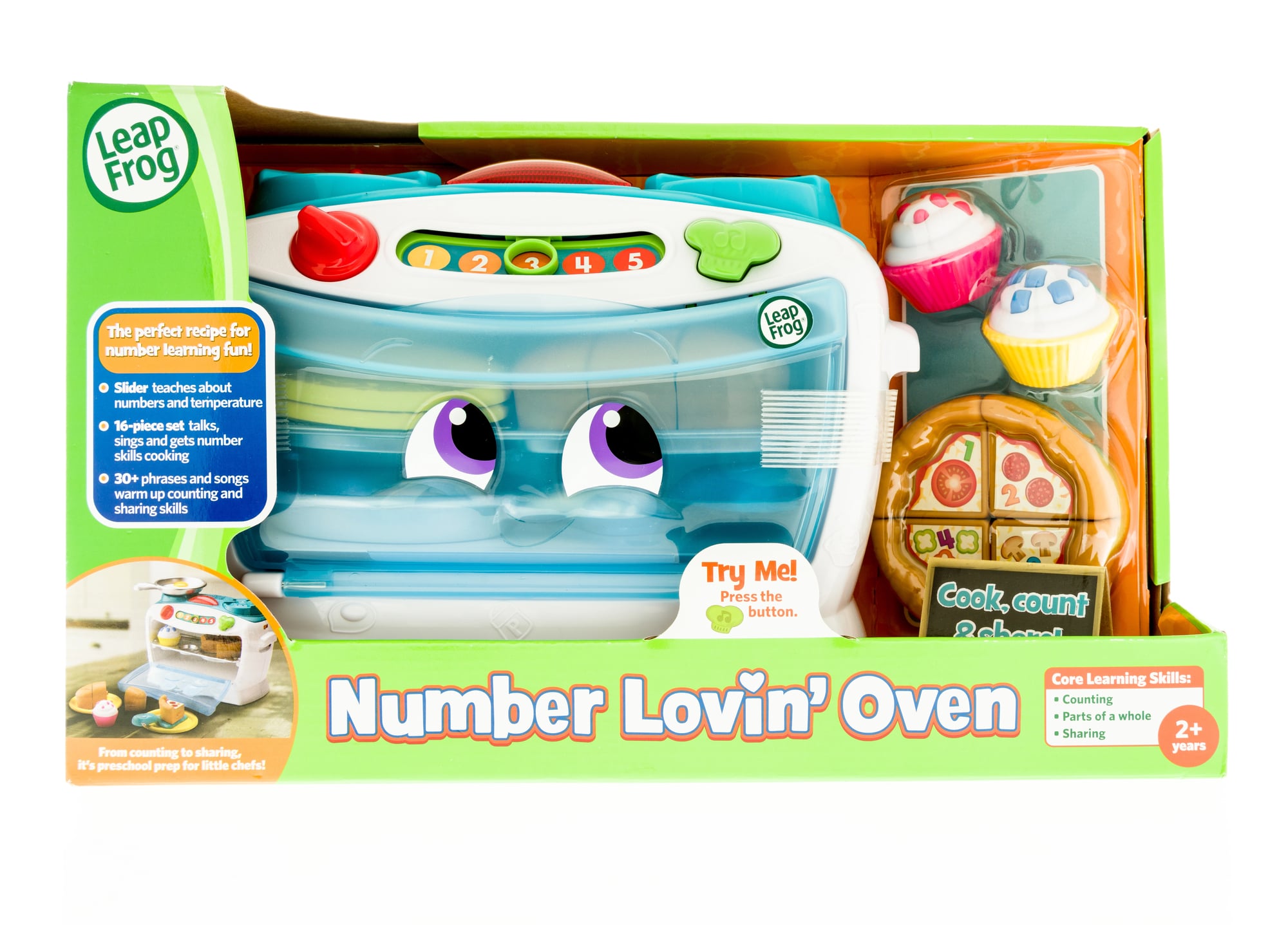
The Easy-Bake Oven came with a recipe booklet that walked through baking times, mixing ratios, and the precise amount of water needed to produce something that qualified, legally, as a cake. That booklet was treated the way most recipe cards are treated: acknowledged once, then buried under the box it came in.
The cakes came out anyway — dense, pale little discs that tasted approximately like warm sweetened cardboard and were eaten with complete sincerity.
Spirograph
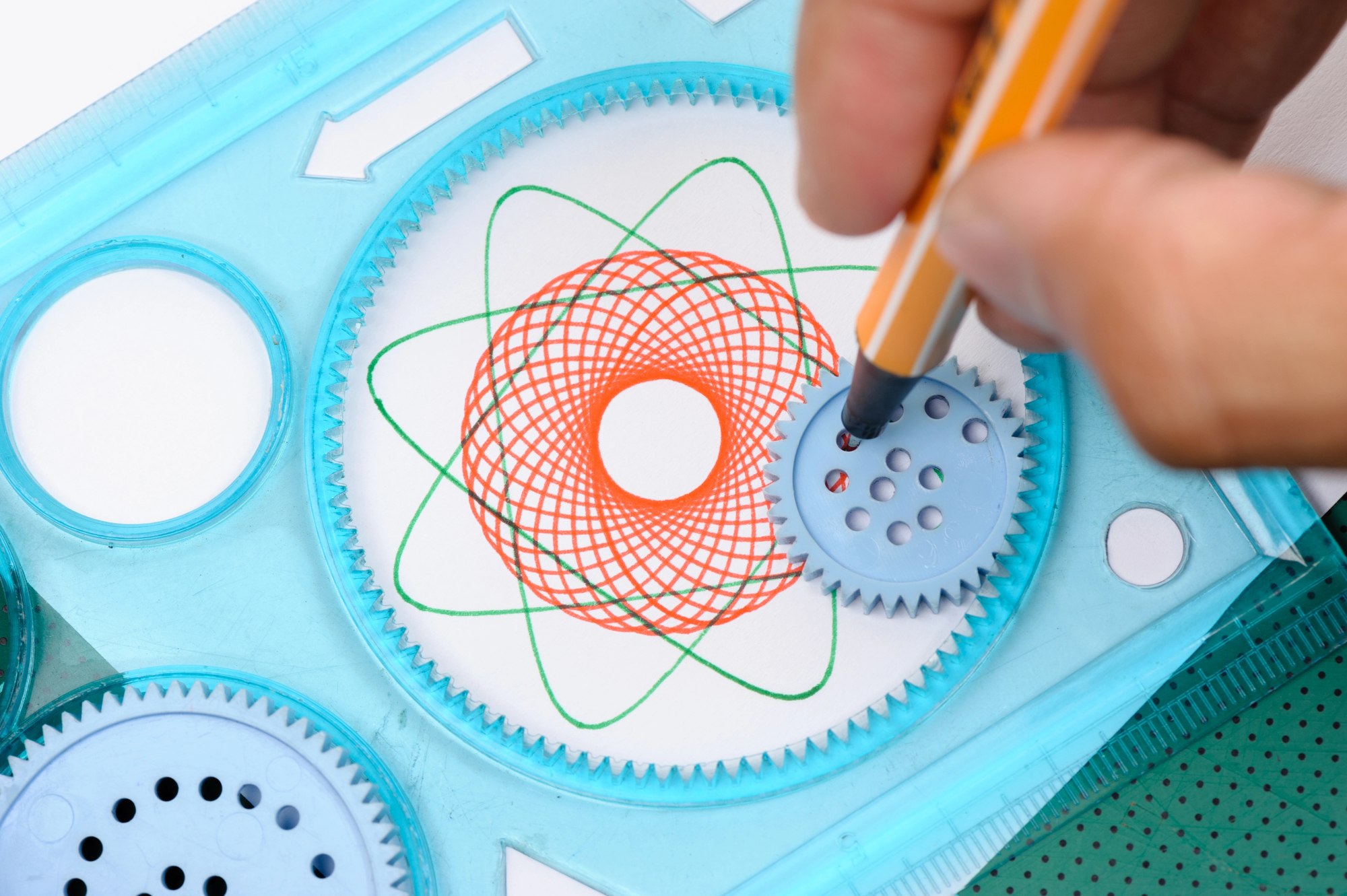
Spirograph’s manual was essentially a catalog of potential designs, organized by gear size and pen placement, offering a kind of systematic guide to creating the perfect looping geometric pattern — which is a perfectly reasonable document for a toy that rewards precision above all else. But Spirograph and precision had a complicated relationship, because the gears slipped, the paper moved, and the pen jabbed through the page at exactly the wrong moment.
The manual assumed a steady hand that most eight-year-olds simply did not possess.
Stretch Armstrong
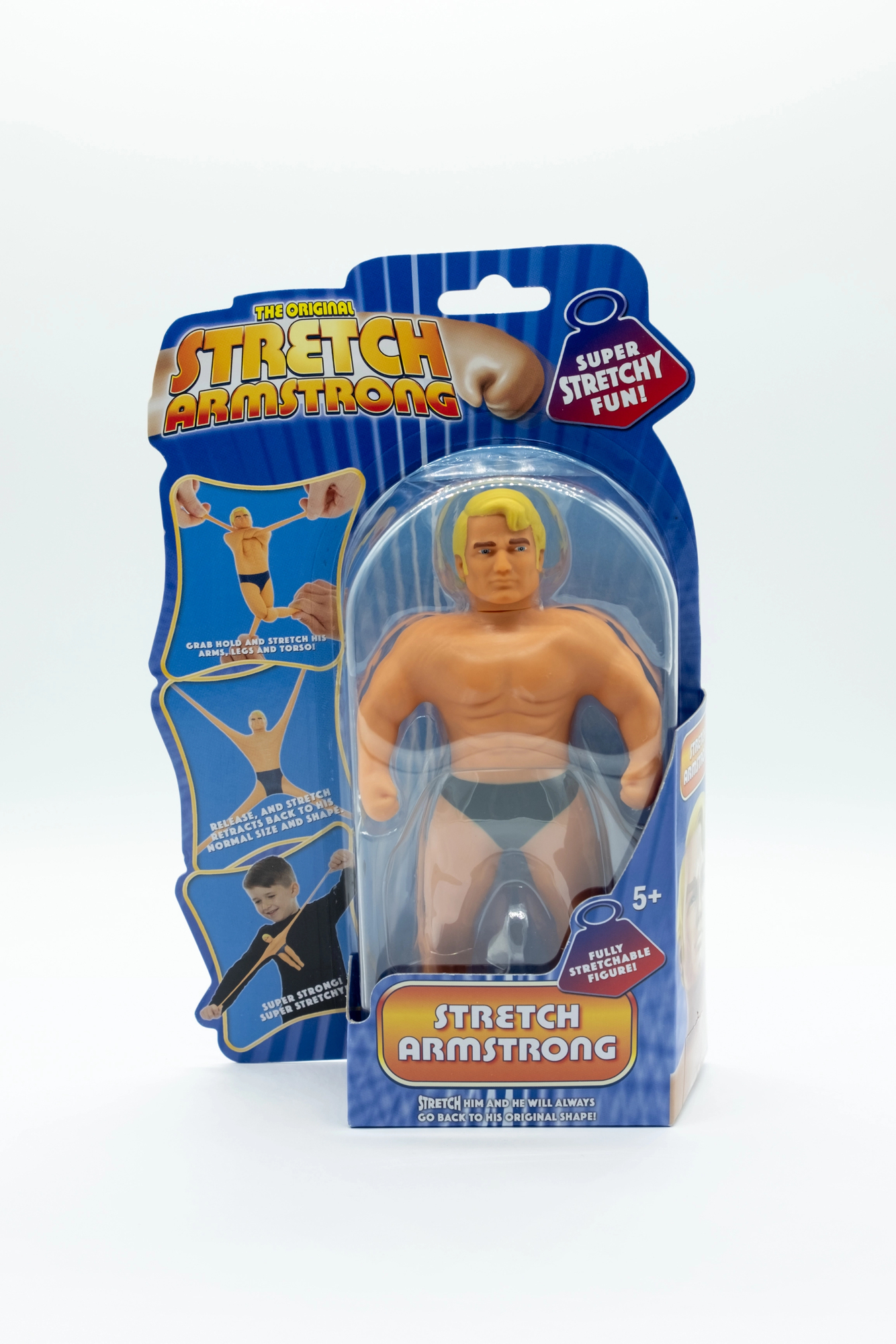
There was a manual. It specified stretching limits — how far the figure could be pulled before the gel interior became a problem — and it did so in language that was clearly written by someone who had watched too many children ignore stretching limits.
The toy was a beige man filled with mineral oil and a gelling agent, and the only natural response to owning him was to stretch him as far as physically possible. The limit was always found.
Lite-Brite
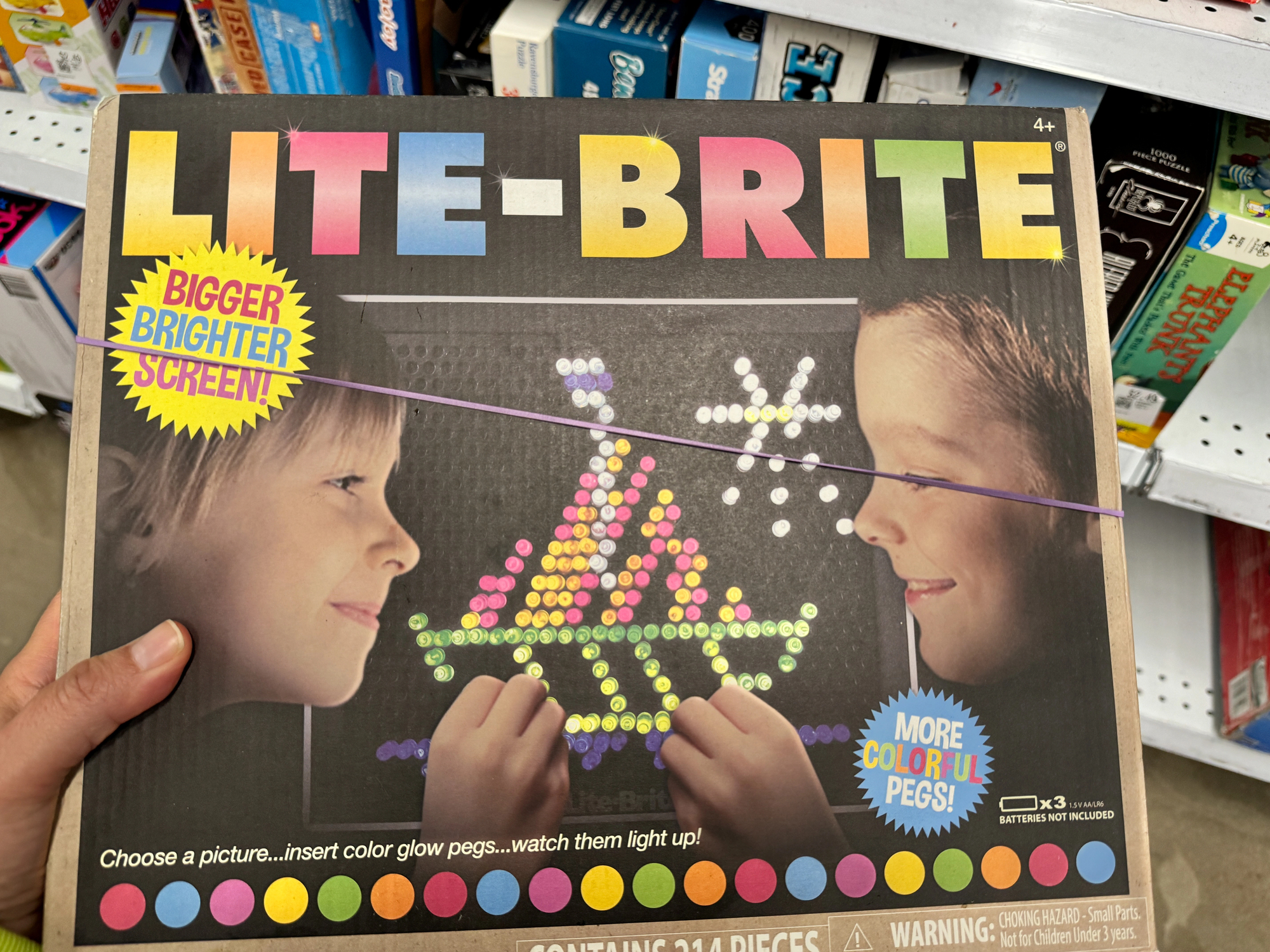
Lite-Brite’s manual came with templates and a peg placement guide for each included design, the idea being that following the template produced a neat, glowing picture of a clown or a sailboat. The reality was that the pegs got sorted into one pile, the templates got lost behind the couch, and the actual Lite-Brite experience became something closer to abstract expressionism — multicolored, vaguely intentional, and illuminated from behind like a small stained glass window made by someone in a hurry.
Teddy Ruxpin

Teddy Ruxpin came with a full explanation of how to insert the cassette tapes, calibrate the mouth movement, and care for the motor mechanism — documentation that was earnest to the point of being almost moving, like a user guide written by someone who genuinely believed the bear mattered, which, to the children who owned him, it absolutely did. The cassette mechanism was famously temperamental.
Non-Teddy tapes would make his mouth move to things it was not meant to move to, which is a fact the manual specifically addressed and which children treated as an invitation.
Crossfire
Crossfire’s manual contained actual tournament rules — timed rounds, scoring, official procedures — for a game that was essentially two kids shooting metal rounds at a puck with spring-loaded launchers. The commercial made it look like the game was played in a lightning storm by children in jackets, so the idea of rules felt beside the point.
You shot the puck. You shot it again.
Someone won. The jacket was not included.
Etch A Sketch
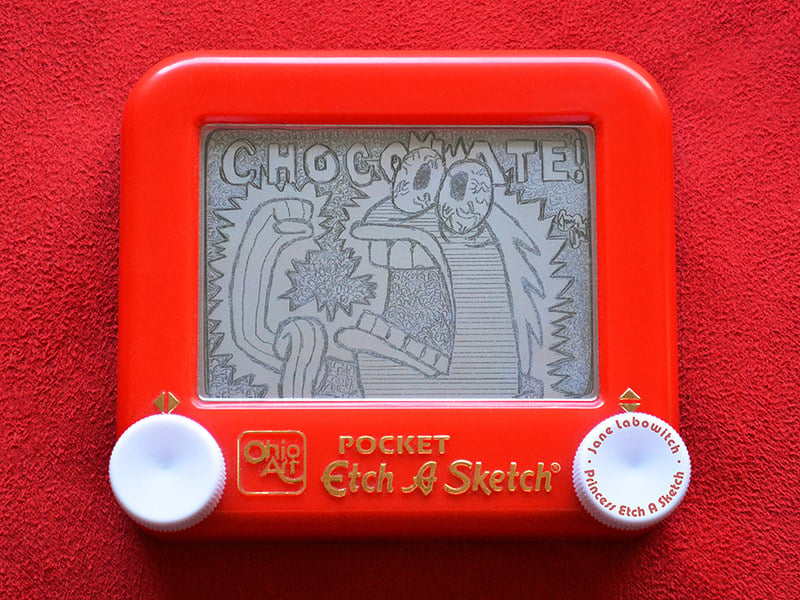
The Etch A Sketch manual explained that the left knob controlled horizontal lines and the right knob controlled vertical ones, which, to be entirely fair, is genuinely useful information. It also explained how to create diagonal lines — a technique requiring the simultaneous turning of both knobs in coordinated motion, the kind of coordination that sounds simple and is not.
Most people spent their first hour drawing staircases and calling them houses.
Bop It
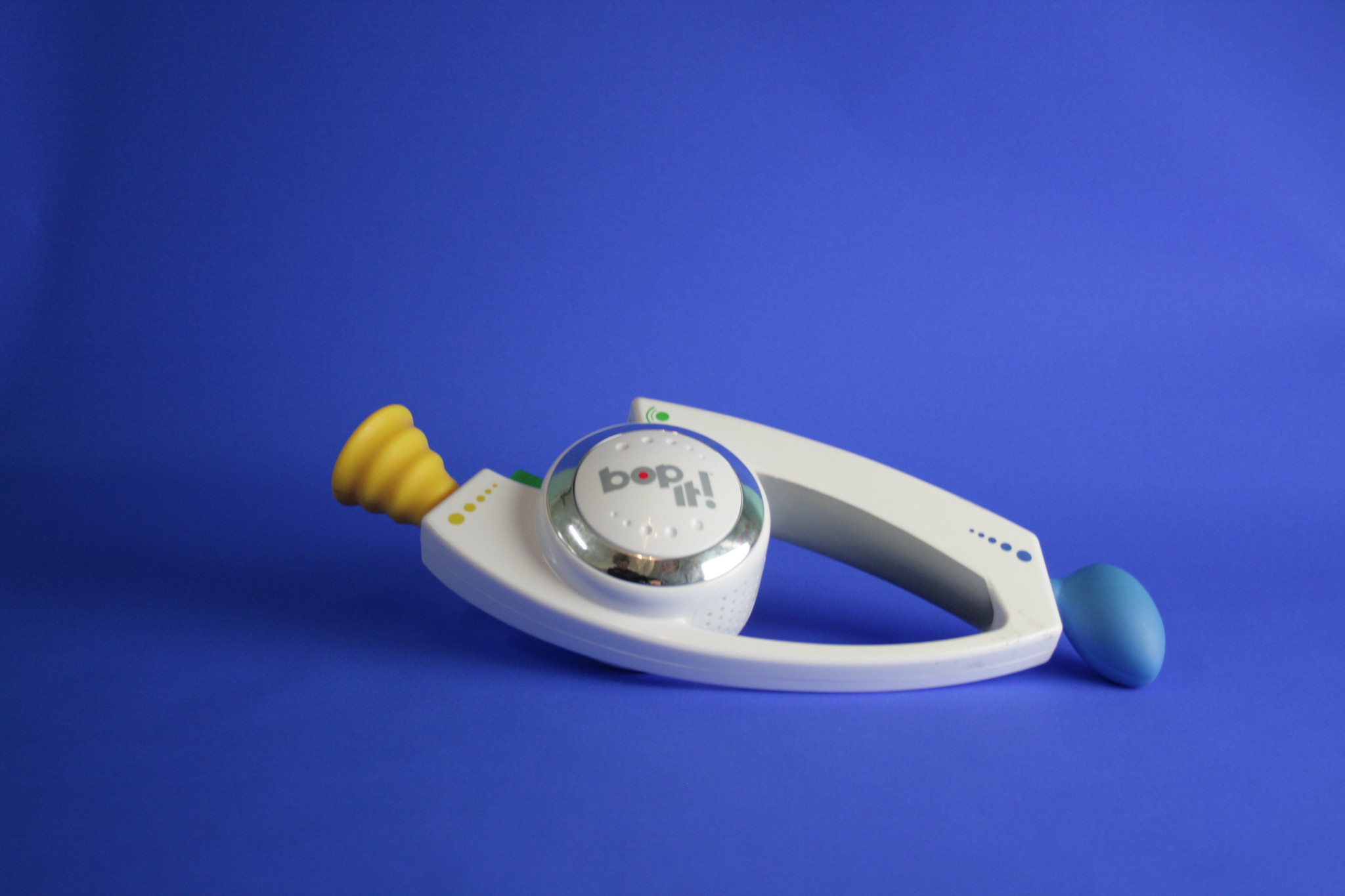
Bop It’s manual listed every command and the expected response to each — bop it, twist it, pull it — along with the increasing tempo system that made the game harder the longer you survived. But Bop It was the kind of toy where reading the instructions felt like studying for an instinct test: either your hands went to the right place fast enough or they didn’t, and no amount of advance reading changed that calculus.
The game was always going to end in either triumph or the sound of your own name being said in a disappointed voice by a plastic toy.
Magna Doodle
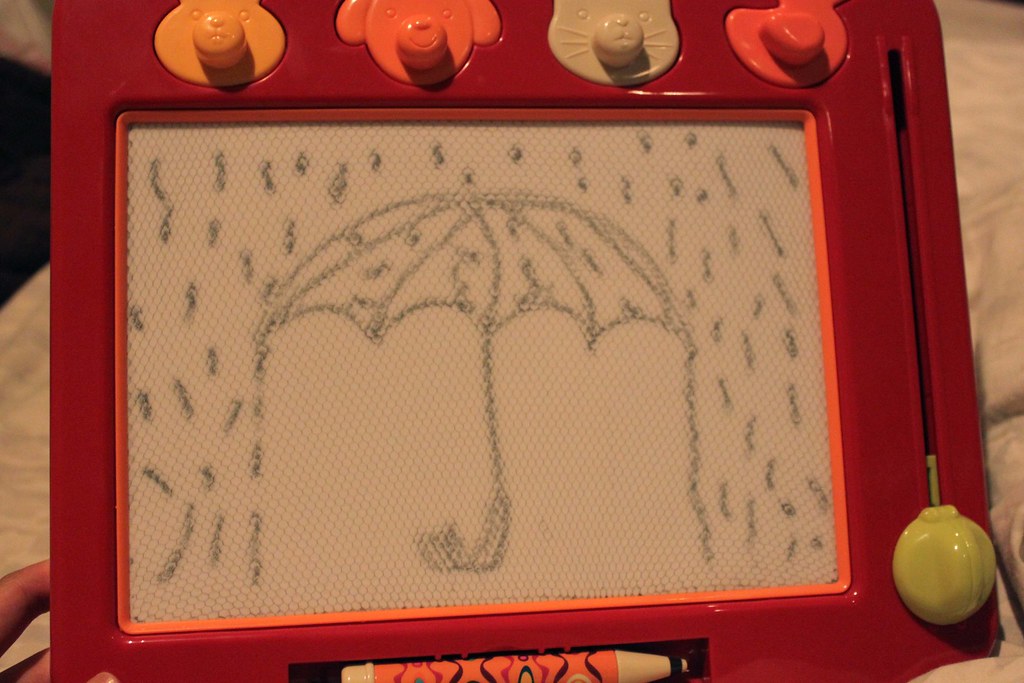
Magna Doodle had stamps, a stylus, and a small manual explaining how the magnetic drawing surface worked and how to use the included shape stamps effectively. The stamps were ignored almost universally — not out of hostility, but because the actual appeal of the Magna Doodle was the stylus and the complete erasure, that satisfying slide of the bar that made everything disappear.
It’s the closest a child gets to understanding impermanence before anyone tries to explain philosophy to them.
Stomper 4×4
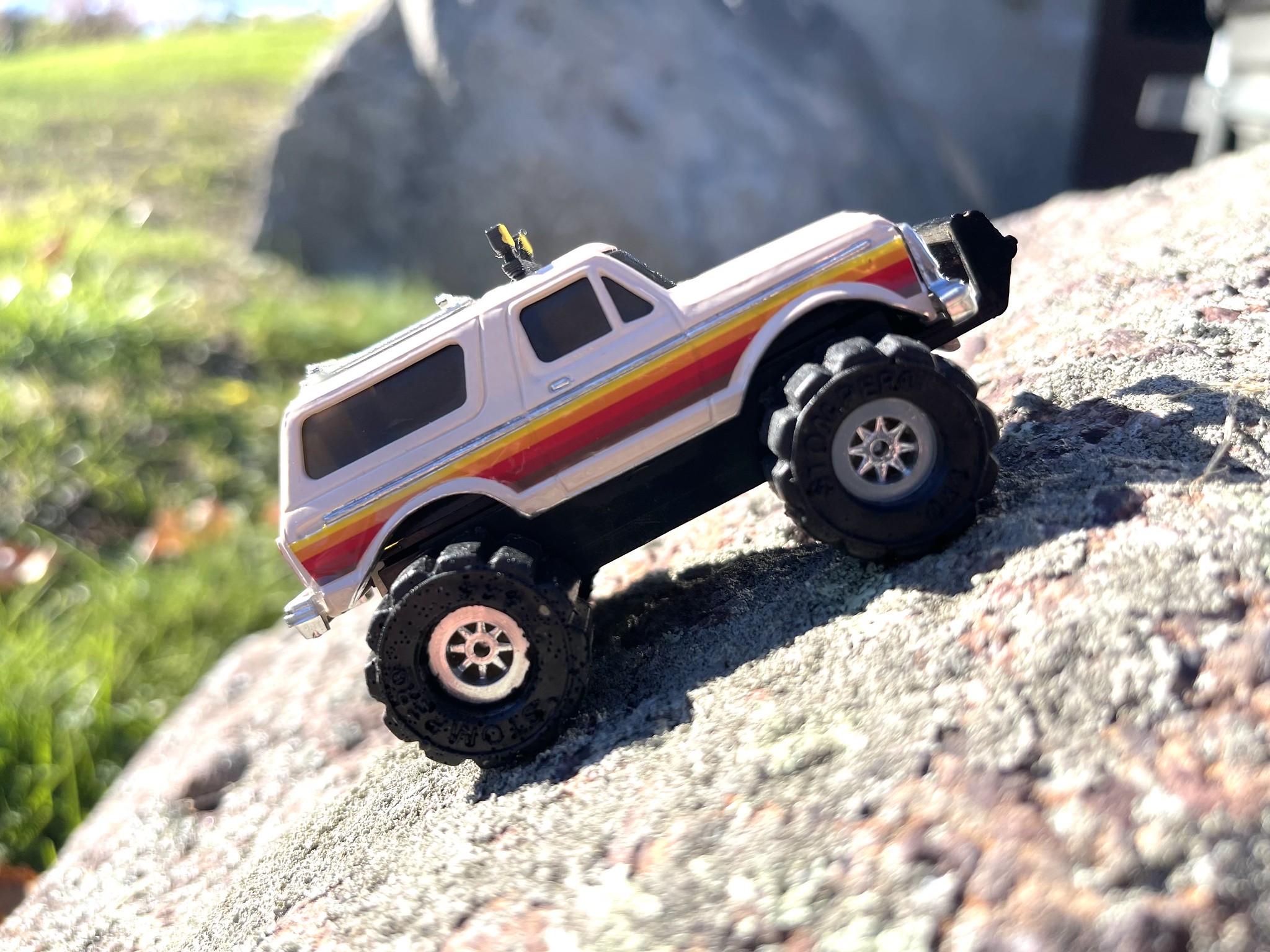
Stomper was a battery-powered miniature truck about four inches long that could climb over actual obstacles, and its manual detailed weight limits, terrain recommendations, and battery installation procedures in careful sequence. What it could not detail — what no document could prepare a child for — was the specific joy of watching a tiny plastic truck haul itself over a textbook.
The terrain recommendations were immediately ignored in favor of whatever was on the floor.
Laser Tag

The original Laser Tag sets came with rulebooks for team play, scoring systems, base defense protocols, and suggested game formats that read like something from a low-stakes military briefing. None of it survived first contact with an actual backyard.
The tags were put on, someone counted to ten, and then everyone ran in different directions firing at anything that moved — including, inevitably, the dog.
Capsela
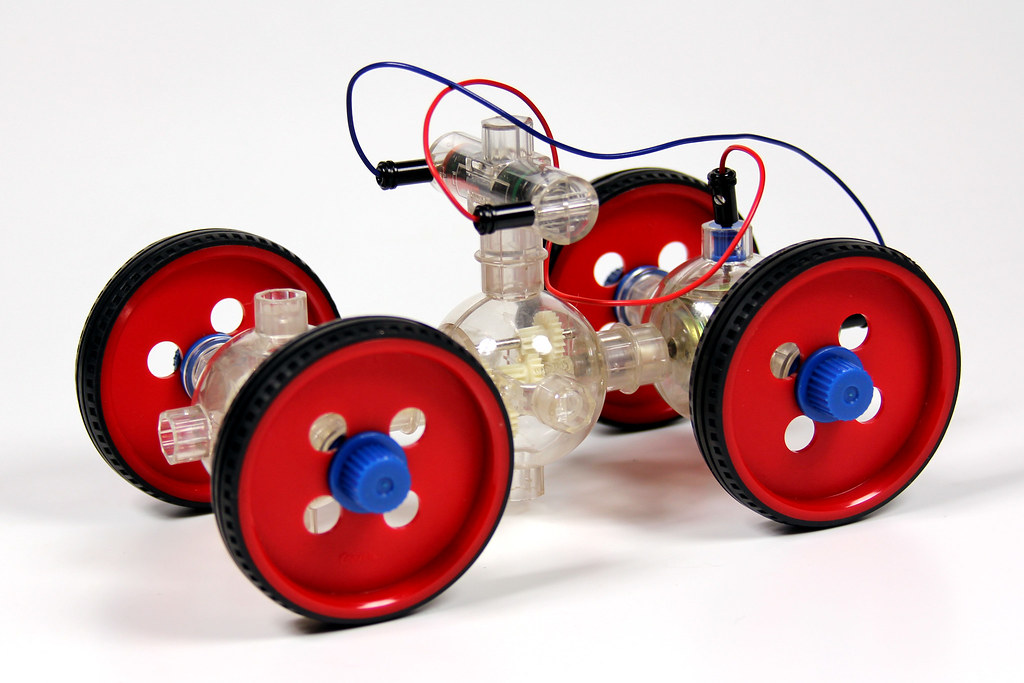
Capsela was a construction toy made of transparent plastic spheres containing motors, gears, and propellers that could be snapped together to build vehicles and watercraft — a toy so mechanically interesting that the manual actually deserved to be read, because the system genuinely rewarded understanding how each capsule worked. Most kids clicked capsules together at random and were surprised when the resulting object moved sideways.
Some tried the water. The results were mixed but enthusiastic.
Hot Wheels Track Builder Sets
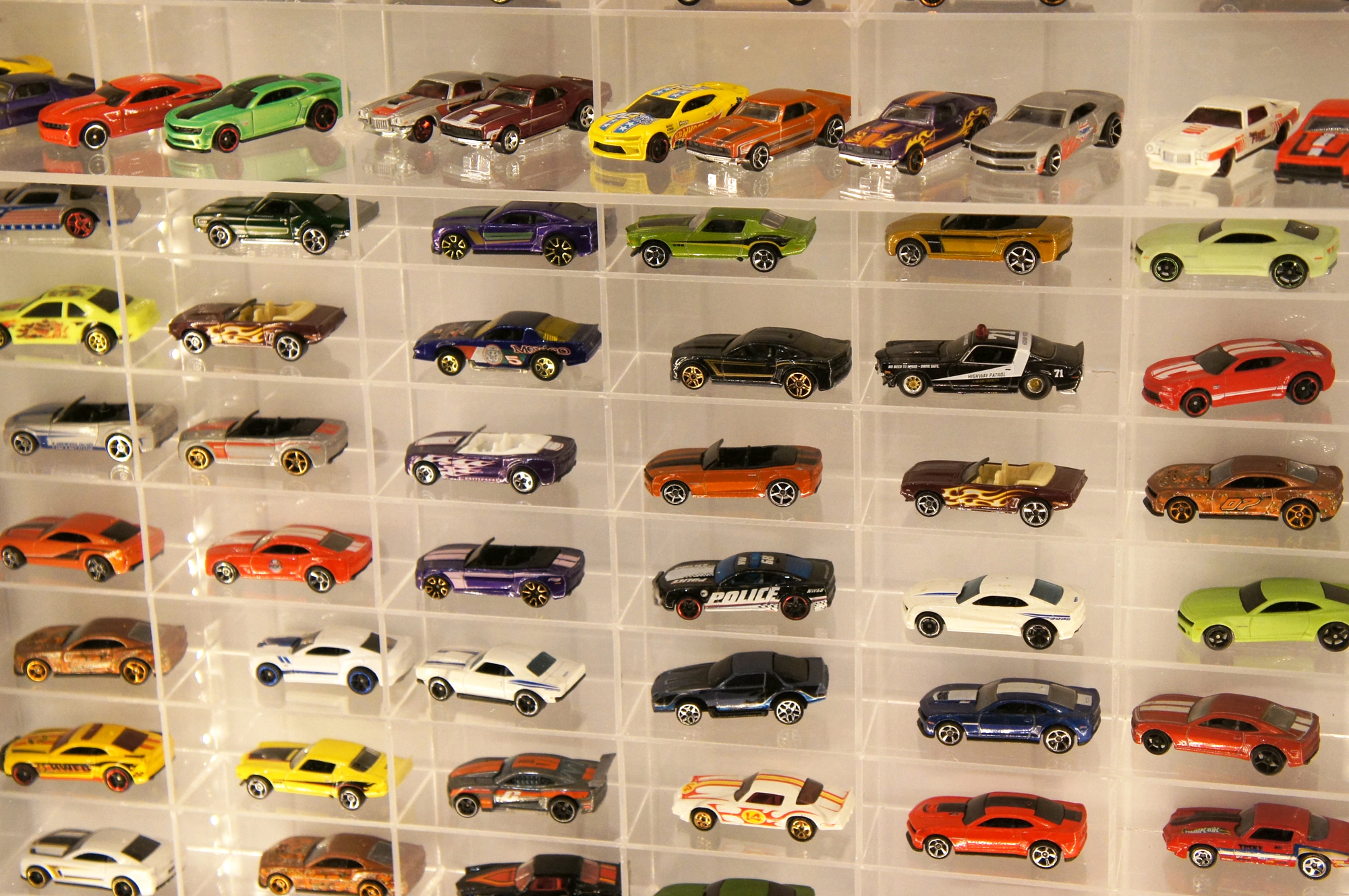
Hot Wheels Track Builder sets came with layout diagrams — suggested configurations, loop placement guides, and instructions for the specific connectors needed at each junction — all of which assumed the tracks would go together in a measured, deliberate way. They did not.
The actual process was a fast and optimistic assembly that ended with a car flying off a loop at full speed and landing somewhere behind the television. The instructions were not consulted before or after.
Kenner’s Alien Queen Action Figure

The Alien Queen from Kenner’s 1992 line was a large, multi-jointed figure with a double jaw, poseable arms, and a tail that attached in a specific sequence the manual illustrated in numbered steps. The jaw mechanism in particular required a correct assembly order to function, information that was available in the manual and almost never accessed.
So the jaw was installed backward by approximately seventy percent of the children who owned her, which somehow made her more frightening, not less.
Super Soaker
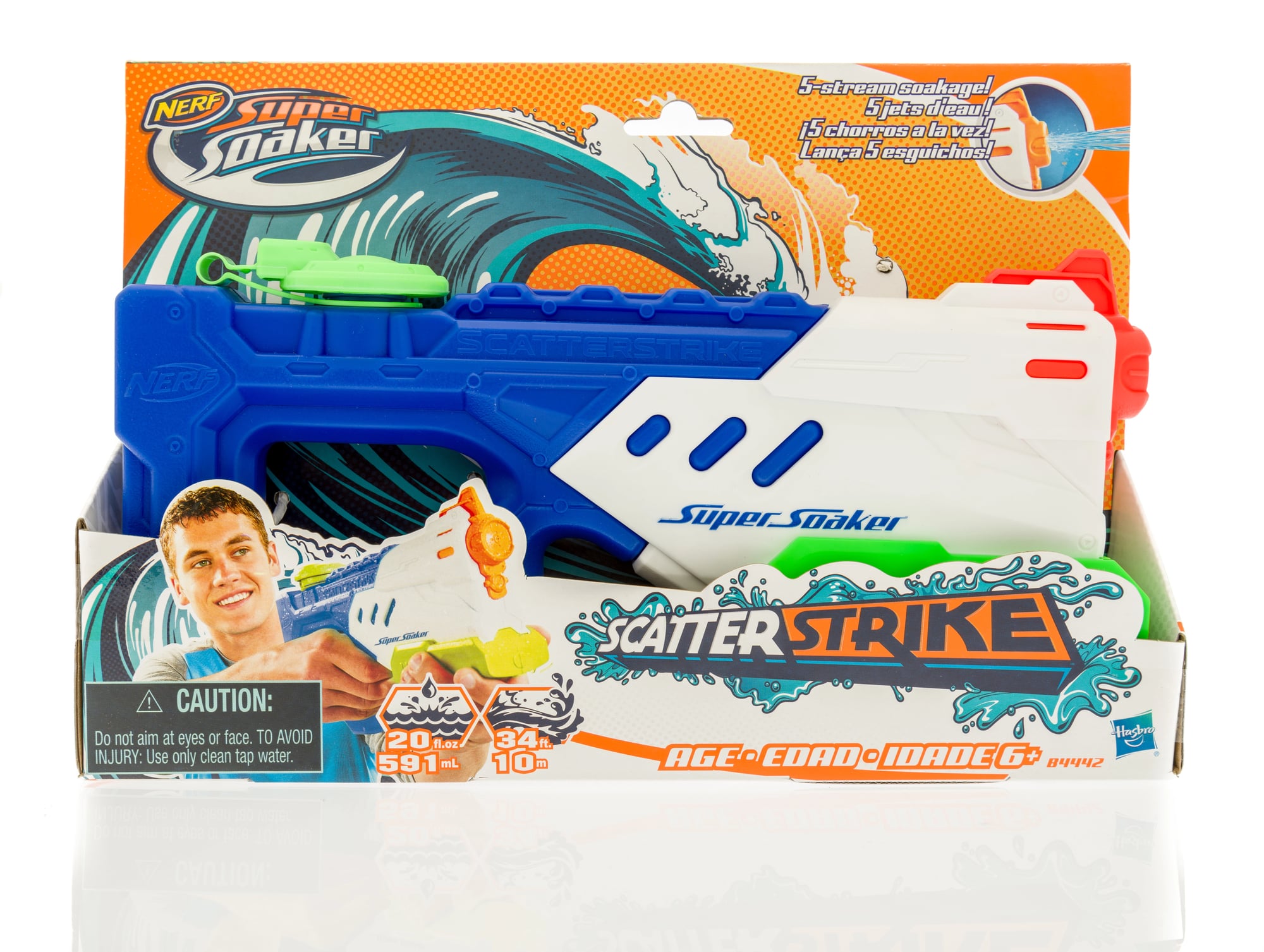
Early Super Soakers came with a pressure guide and pump instructions that explained the optimal number of pumps for maximum range — too few and the stream was weak, too many and the pressure valve released. The manual had diagrams.
The diagrams were ignored. Everyone over-pumped on the first day, learned about the pressure valve the hard way, and then continued over-pumping out of optimism and muscle memory.
Talking View-Master
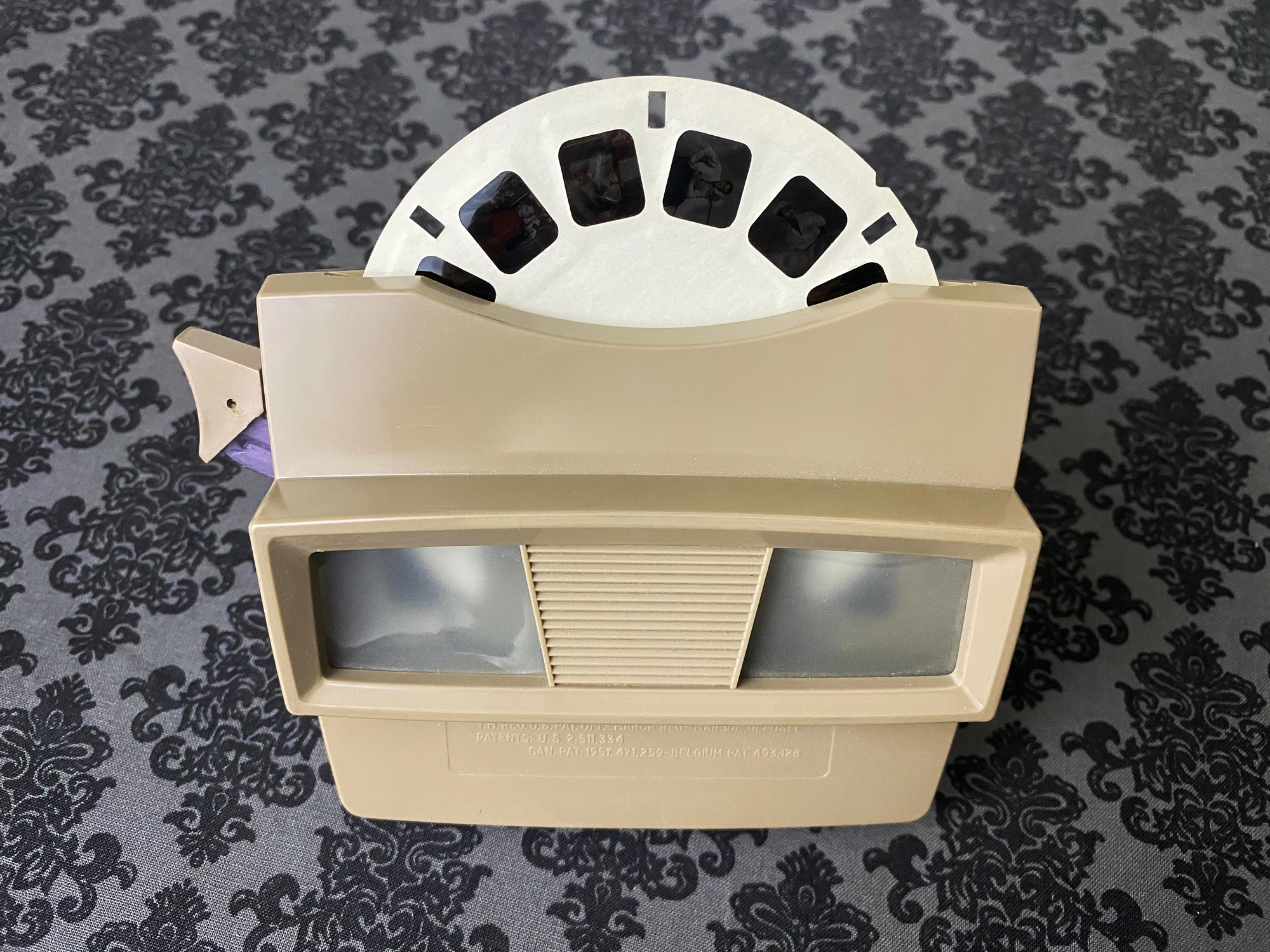
The Talking View-Master added a sound module to the classic reel system and came with a manual explaining reel alignment, volume settings, and how to sync the narration to the correct frame — a process that was more involved than it sounds, which is probably why the narration was almost always slightly out of sync with whatever image was on screen. The narration would describe a volcano while you were looking at a gift shop.
Nobody adjusted anything. Everyone accepted it.
Giga Pet
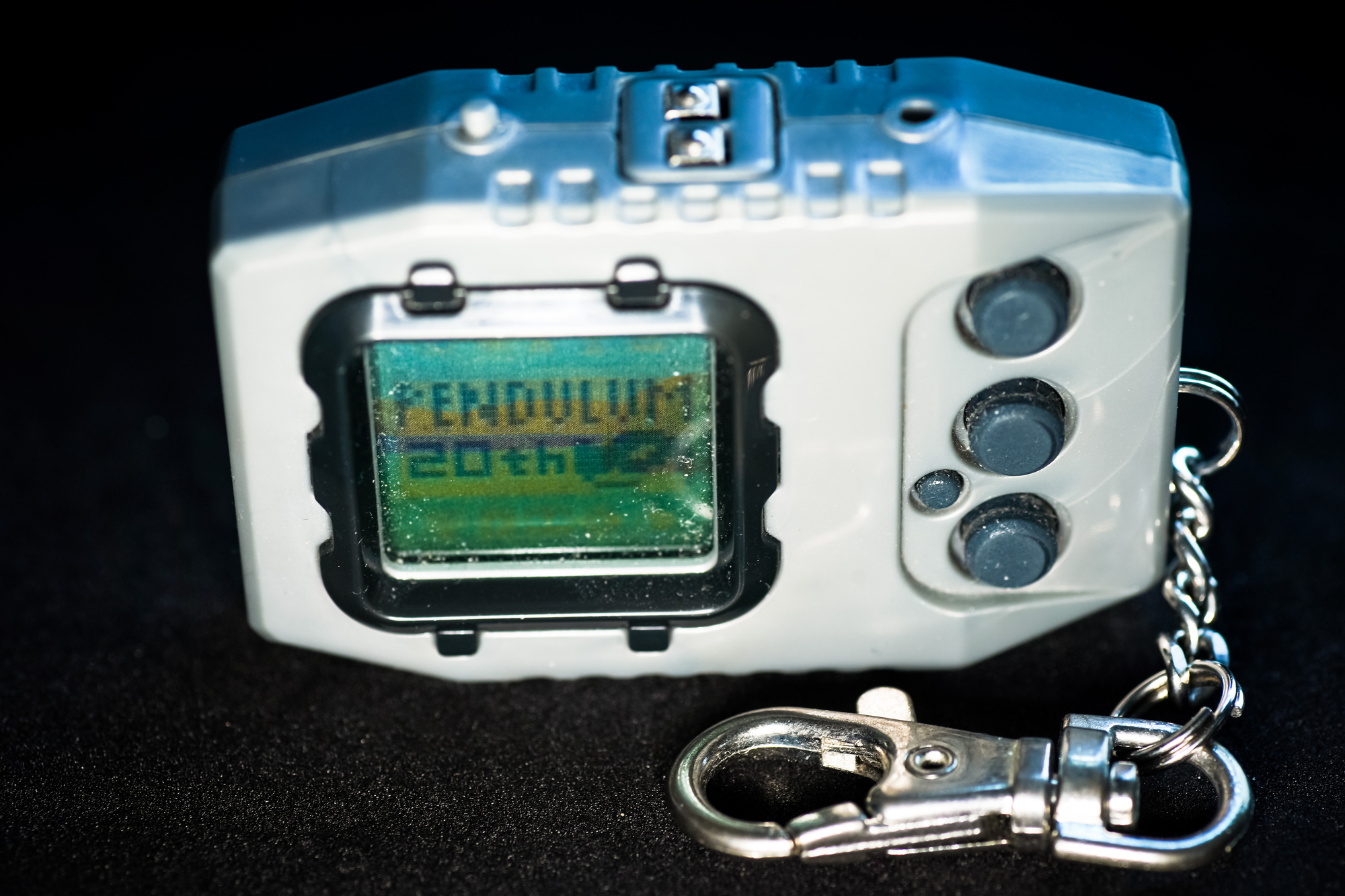
Giga Pets were the Tiger Electronics answer to Tamagotchi — same concept, different animal options, same thin paper manual explaining the care cycle, the discipline button, and what the different icon states meant. The manual fit in a shirt pocket.
It was still too long. Kids lost pets to mysterious illness and low happiness scores for reasons the manual would have explained in full, and did explain in full, to nobody.
Crossbows And Catapults

Crossbows and Catapults came with rules for a structured siege game — base building, projectile limits, turn order, conditions for victory — a framework so organized it practically required a referee. What it got instead was two kids launching plastic discs at each other’s castles as fast as they could reload, with no agreement on whose wall was actually destroyed and no interest in resolving the disagreement through the manual’s official guidelines.
Boggle
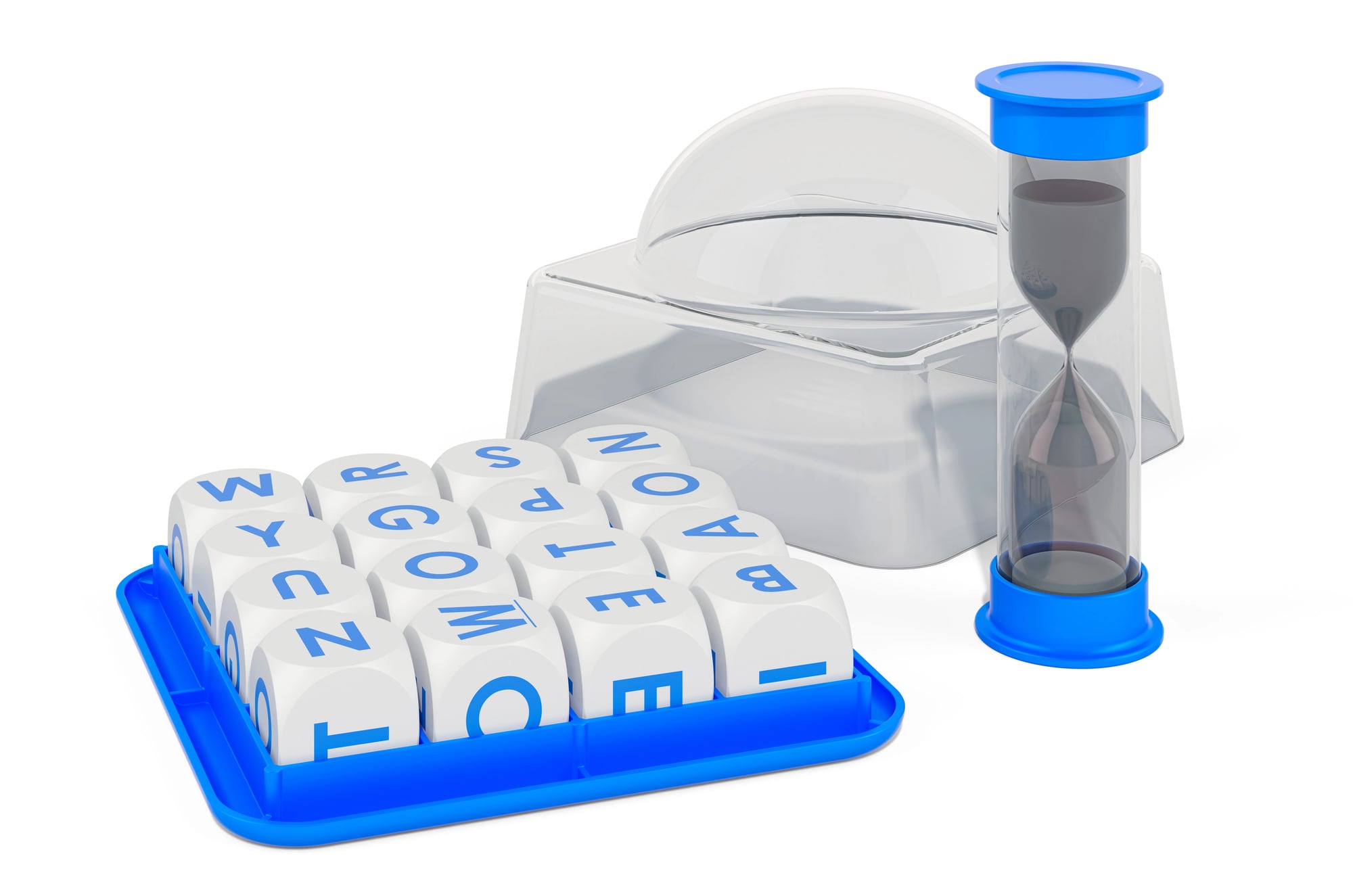
Boggle’s manual contained the official word validation rules, the minimum letter count for scoring, and the tie-breaking procedure — details that matter enormously in a competitive game where everyone is writing furiously at the same time and someone always claims “qi” is a word. The manual was used once, briefly, to settle an argument, and then placed in a drawer where it remained for eleven years.
The arguments continued.
Perfection

Perfection’s manual explained the timer calibration and outlined official rules for competitive play between multiple people, including turn order and penalty conditions. The game is sixty-seven plastic shapes and a spring-loaded board with a sixty-second timer.
The rules were always the same: push the shapes in before the board explodes. The manual had no real authority over that experience.
Hover Hockey

Hover Hockey — the air-powered tabletop game with the small puck that floated on a cushion of air — came with instructions for assembly, power settings, and official two-player rules including face-off procedures and out-of-bounds calls. It was played with the aggressive informality of a game where the primary mechanic is slapping a floating disc across a plastic surface.
Nobody called out-of-bounds. The puck went where it went.
Spirited Away Miniature Music Box Kits

Miniature music box kits — the kind with gears you assembled yourself — arrived with component diagrams, assembly sequences, and tuning instructions across multiple illustrated pages, because the mechanism genuinely required correct gear placement to produce recognizable notes rather than a grinding sound. The grinding sound was what most people produced on the first attempt.
The manual was revisited after that, sheepishly, and then the gears were disassembled and started over with more attention than the first pass had offered.
The Manual Always Lands The Same Way
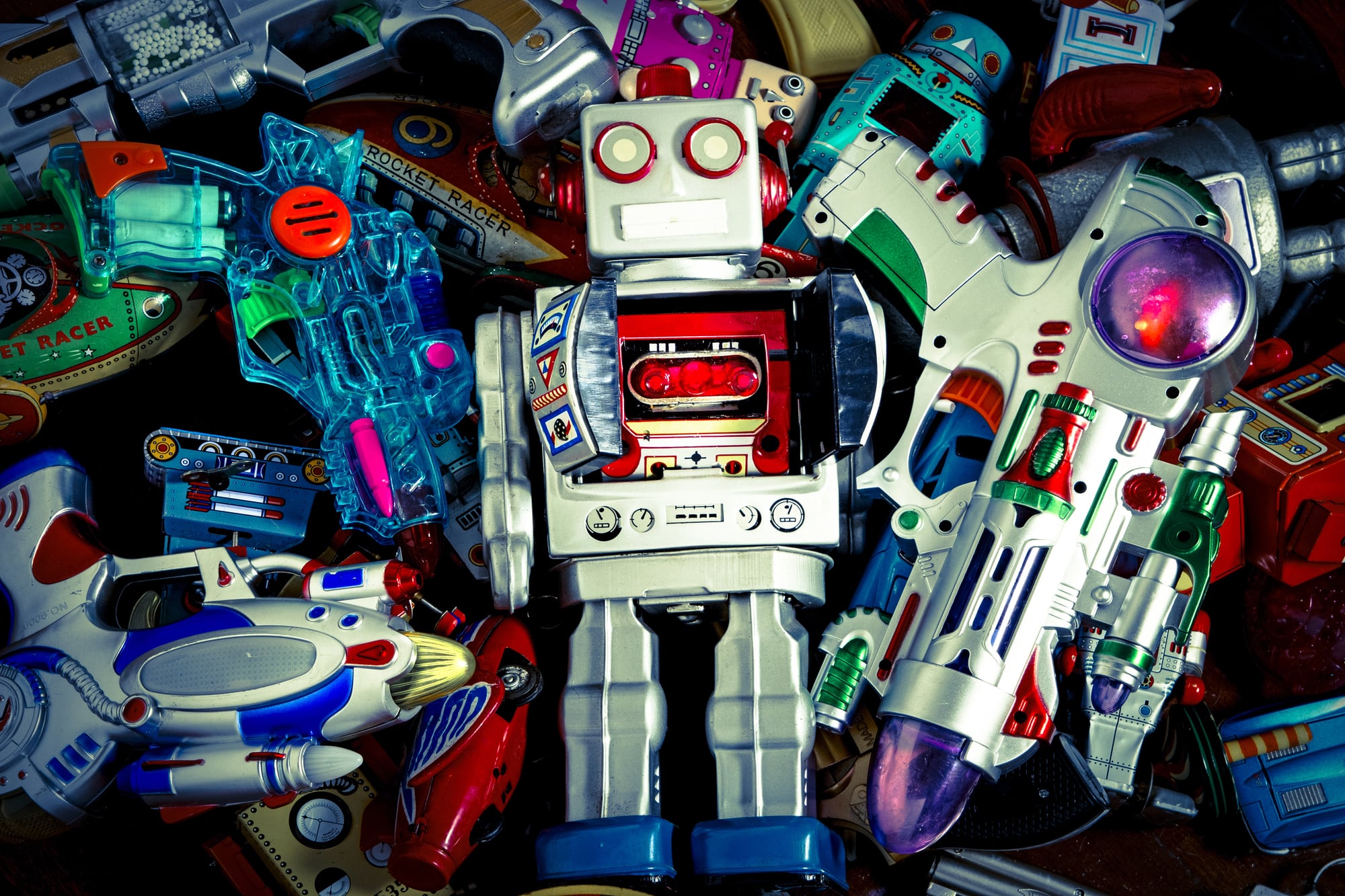
Every manual, regardless of the toy it accompanied, had the same arc: removed from the box, held for a brief moment of theoretical intention, and then set aside in favor of just trying the thing. That’s not laziness — or not only laziness.
It’s something more like confidence, the assumption that a toy can be understood by touch and trial before it’s understood by instruction. Sometimes that’s right.
Sometimes it produces a backward-jawed Alien Queen or a Tamagotchi ghost. Either way, the story is better than whatever the manual would have given you.
More from Go2Tutors!

- The Romanov Crown Jewels and Their Tragic Fate
- 13 Historical Mysteries That Science Still Can’t Solve
- Famous Hoaxes That Fooled the World for Years
- 15 Child Stars with Tragic Adult Lives
- 16 Famous Jewelry Pieces in History
Like Go2Tutors’s content? Follow us on MSN.