31 Foods Grandmothers Made From Scratch That Nobody Replicates Now
There’s a particular kind of loss that doesn’t announce itself. No headline, no ceremony — just a slow disappearance of things that used to fill kitchens with steam and smell and the particular clatter of someone who knew exactly what they were doing.
Grandmothers made food the way they made everything: patiently, without looking at a clock, with techniques inherited from people who inherited them from people nobody can name anymore. The recipes existed in their hands more than on paper.
And when those hands are gone, turns out, so is most of the food. What follows is a reckoning with 31 dishes that used to be ordinary and are now, quietly, almost extinct.
Lard Pie Crust
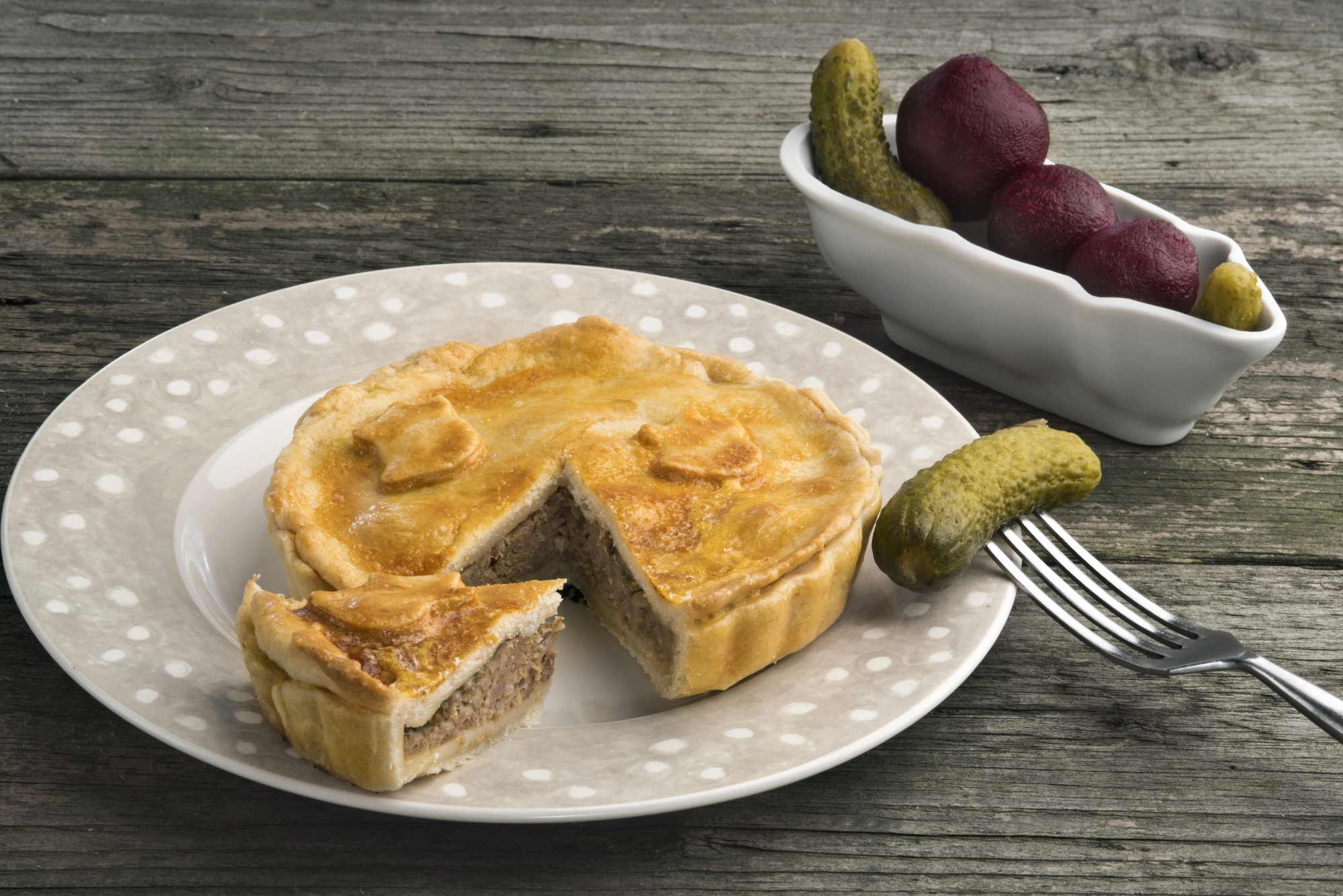
Nobody makes pie crust with lard anymore, and that’s a genuine loss. Butter crusts are fine — to be fair, they’re more than fine — but lard produces a flakiness that butter genuinely cannot replicate, a structural lightness that shatters rather than bends.
Go figure: the ingredient everyone decided was the villain turned out to be the one doing the most important work.
Headcheese
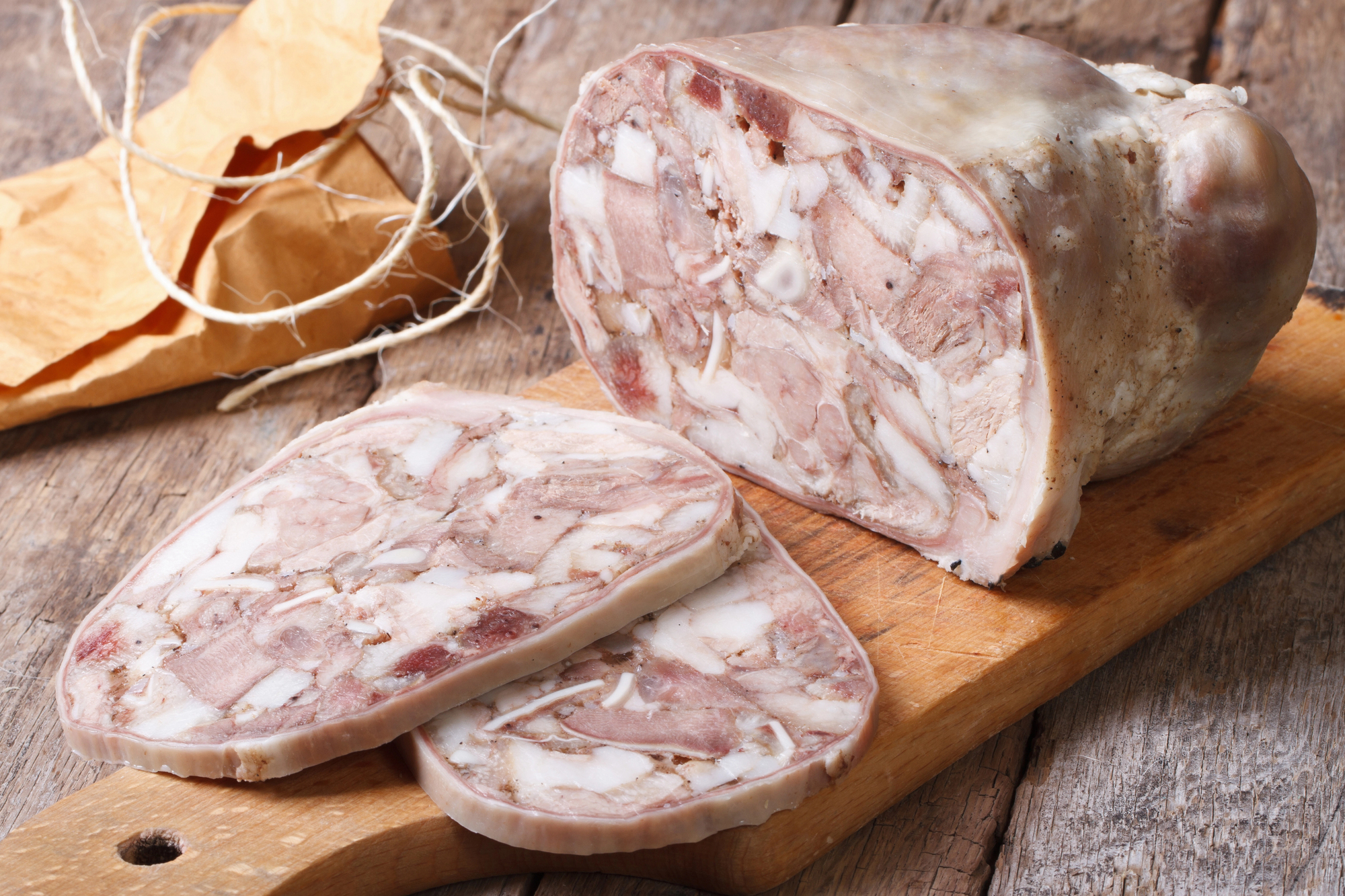
Headcheese is not cheese, and it’s not something you’ll find at most modern potlucks. It’s a cold-set terrine made from the meat of a pig’s head, simmered until tender, then pressed into a loaf with its own gelatinous cooking liquid — deeply savory, unapologetically old-world, and essentially abandoned by the generation that inherited the recipe.
What grandmothers understood, almost instinctively, was that nothing on the animal was optional.
Tomato Aspic
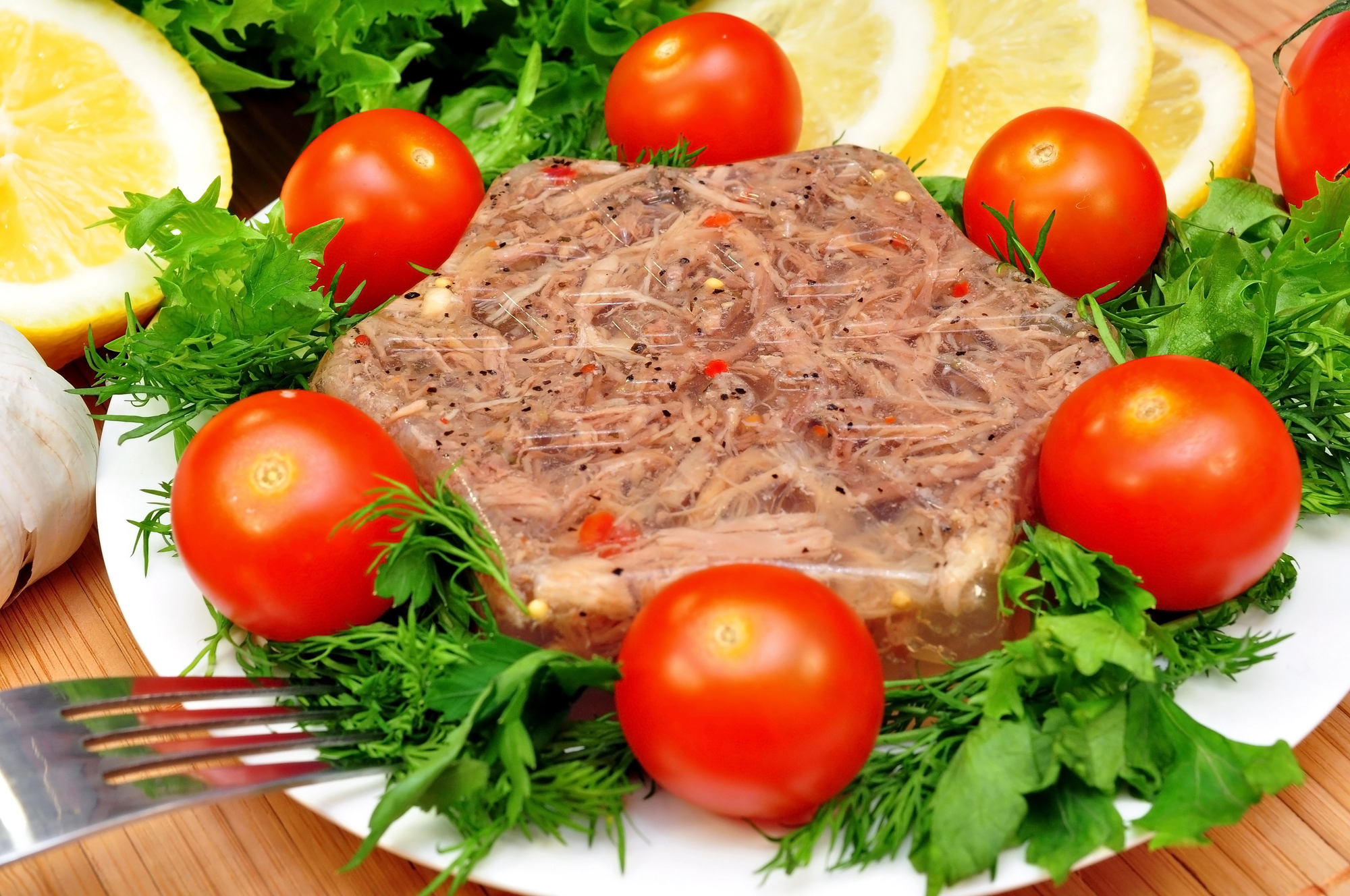
Tomato aspic is the dish that most clearly dates a recipe card — which is exactly what makes it interesting. It was a molded salad made from seasoned tomato juice set firm with gelatin, sometimes studded with celery or olives or shrimp, served cold on a lettuce leaf at luncheons that no longer happen in the same way.
The whole phenomenon of molded salads rose and fell within a few decades of the twentieth century, and tomato aspic went down with the ship.
Scrapple
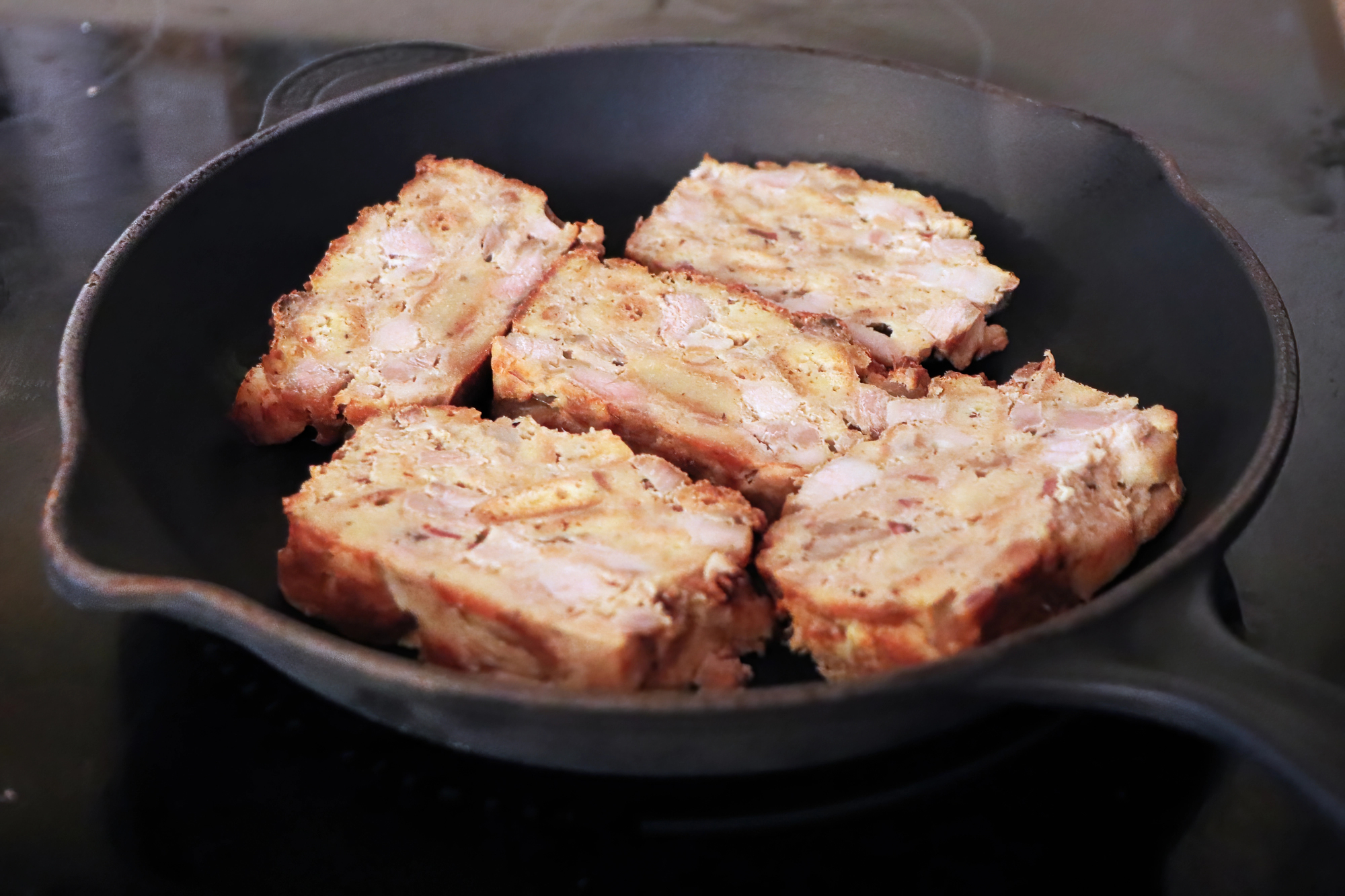
Scrapple is brutally honest food — pork scraps and cornmeal cooked together into a loaf, then sliced and fried until the outside crisps and the inside stays soft. It’s a Pennsylvania Dutch staple that never pretended to be anything other than what it was: a way to use everything.
Most grocery stores below the Mason-Dixon line have never stocked it, and even in its home territory, fewer households make it from scratch than they once did.
Rendered Chicken Fat
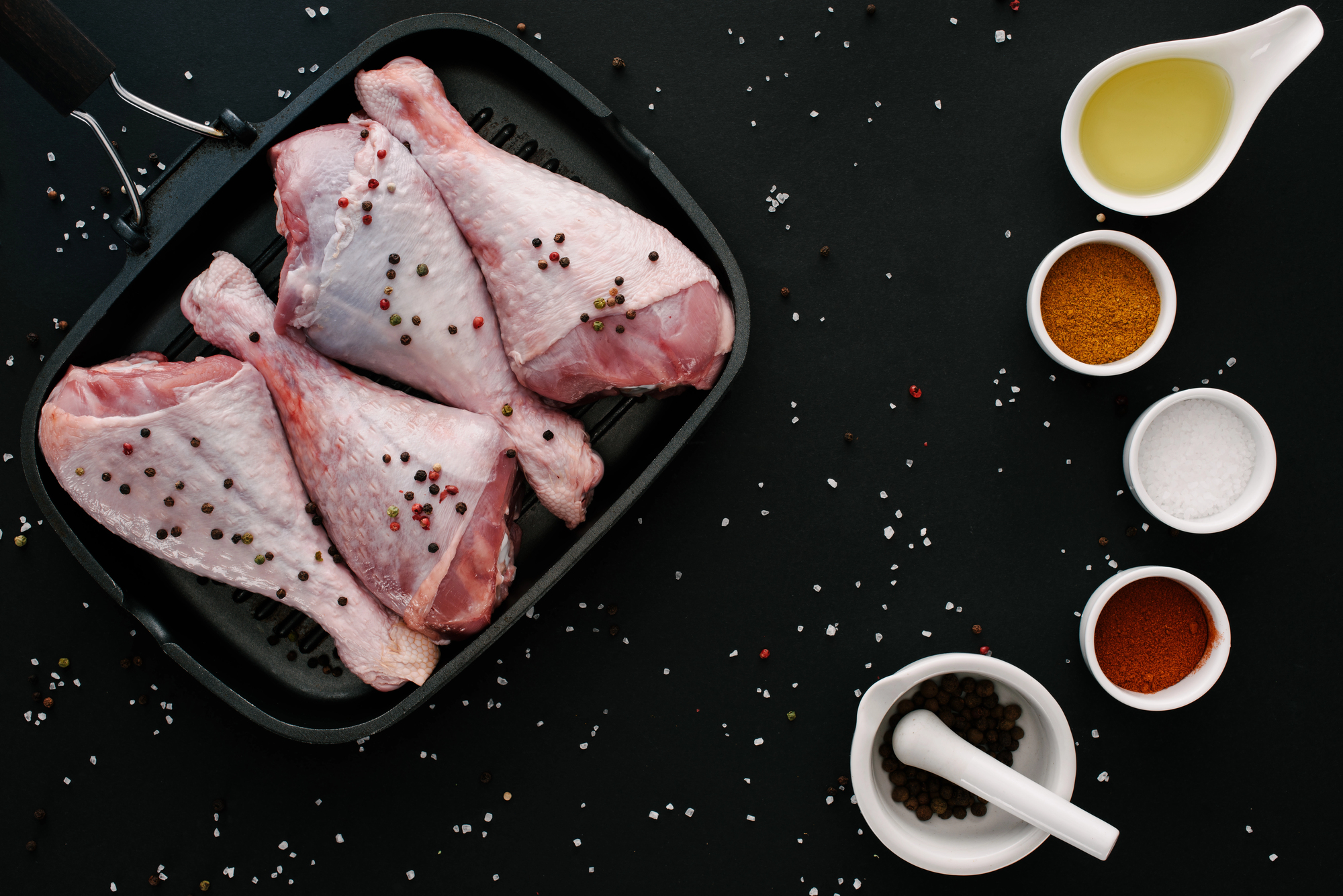
Schmaltz — rendered chicken fat, often cooked down with onions until the onion bits turn amber and the fat runs clear — was the foundational cooking medium of Eastern European Jewish kitchens for generations, a liquid gold that carried more flavor per tablespoon than most cooking oils carry in an entire bottle. The onion solids left behind (gribenes) were eaten like cracklins.
And yet the whole practice, start to finish, has largely vanished from American home cooking, replaced by oils that cost less and do considerably less.
Potato Bread Made From Leftover Mashed Potatoes
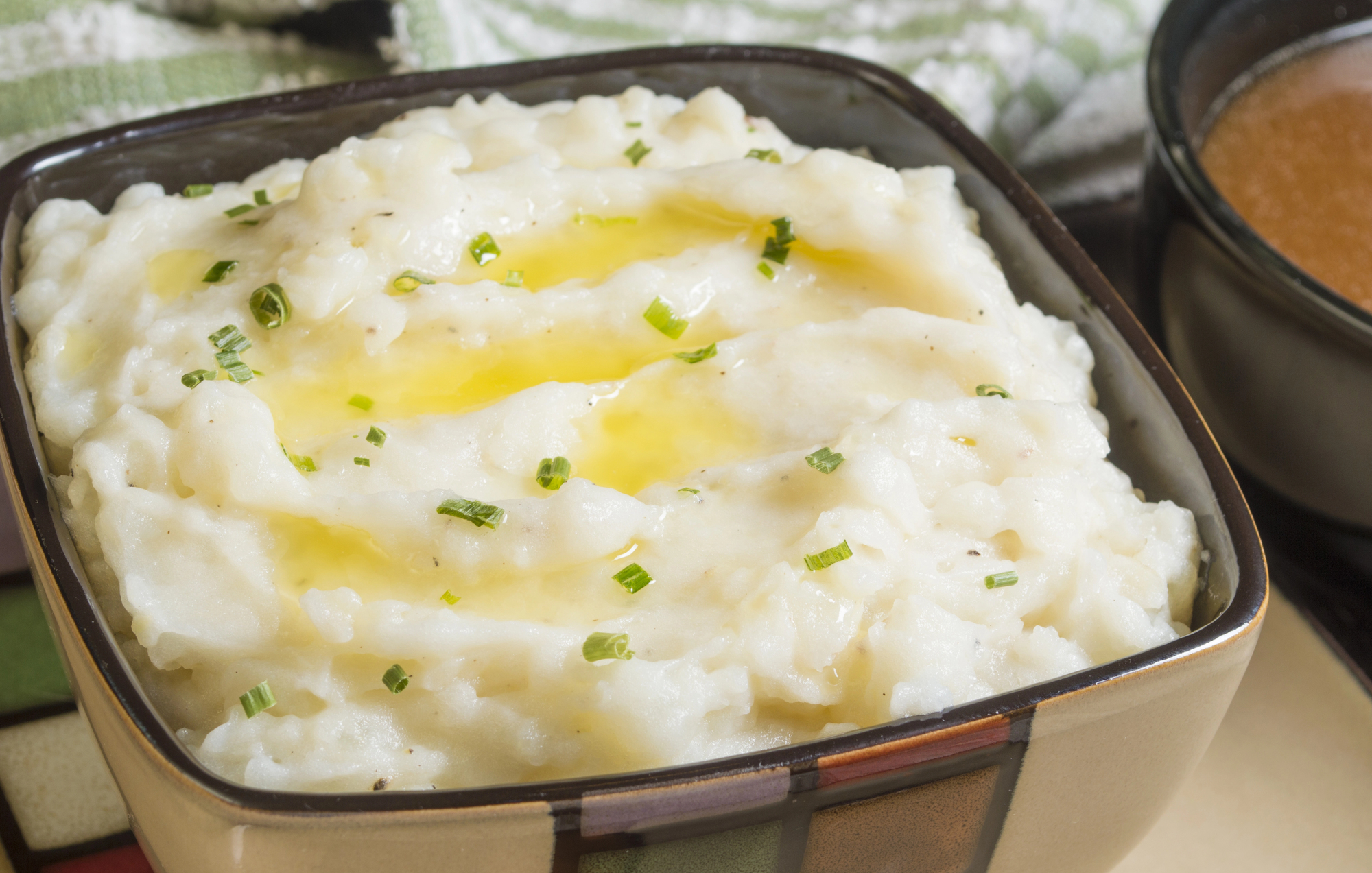
There’s something almost stubborn about the logic of potato bread made from leftover mashed potatoes — the kind of ingenuity that treats yesterday’s side dish as tomorrow’s starter ingredient. The residual starch from the mashed potatoes works into the dough and produces a loaf that’s softer than sandwich bread, with a faint earthiness underneath the yeast.
It was never in any bakery case. It was only ever in kitchens where someone remembered to save the pot.
Suet Pudding
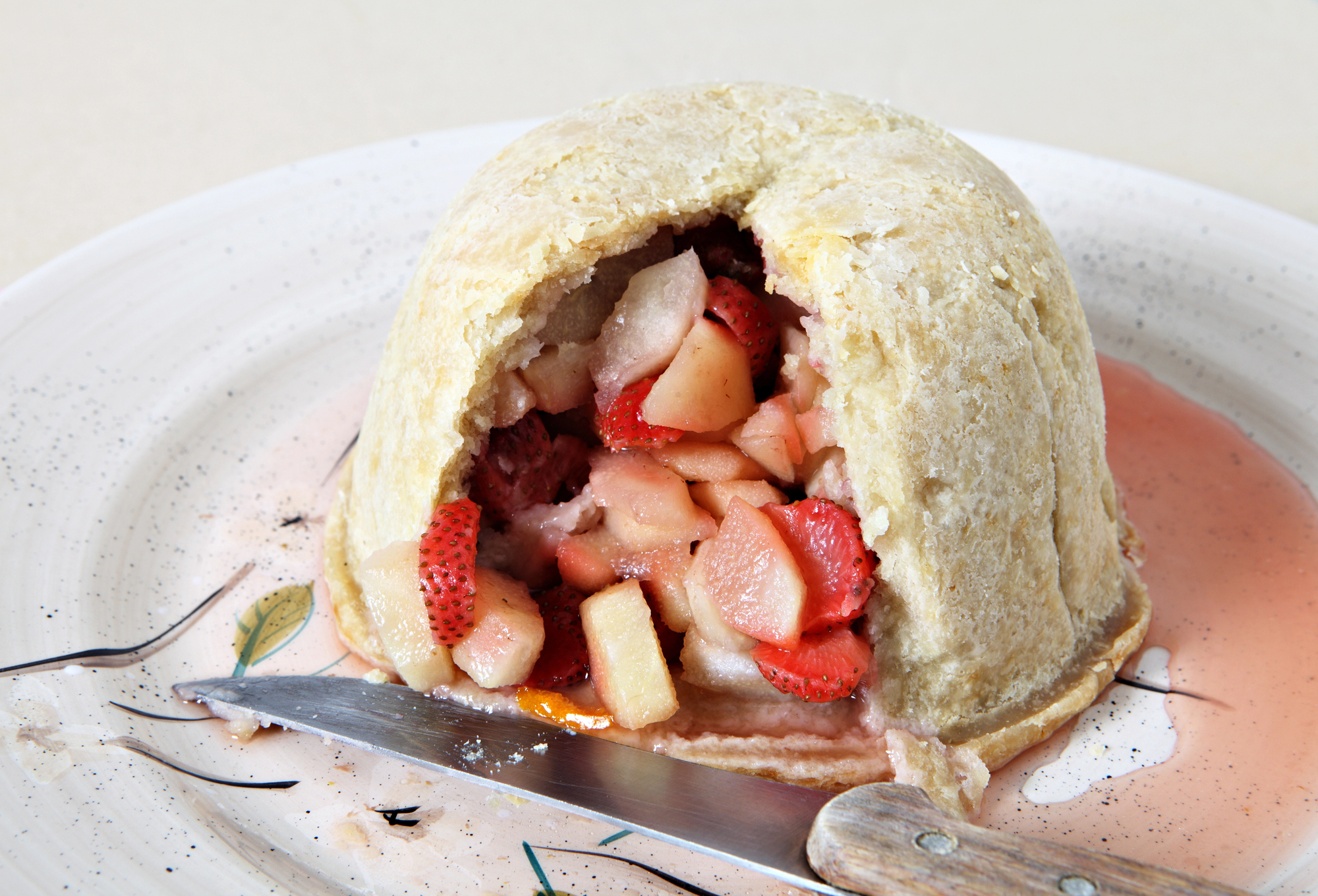
Suet pudding is the kind of dish that requires genuine patience — not the performative patience of a slow cooker set and forgotten, but the attentive kind, where someone stood near a pot of simmering water for hours, checking the cloth-wrapped bundle inside. Suet (beef kidney fat, raw and grated) binds the batter and gives the finished pudding a dense, sticky richness that no butter substitute has ever matched.
The technique is older than most of the countries that still claim it.
Vinegar Pie
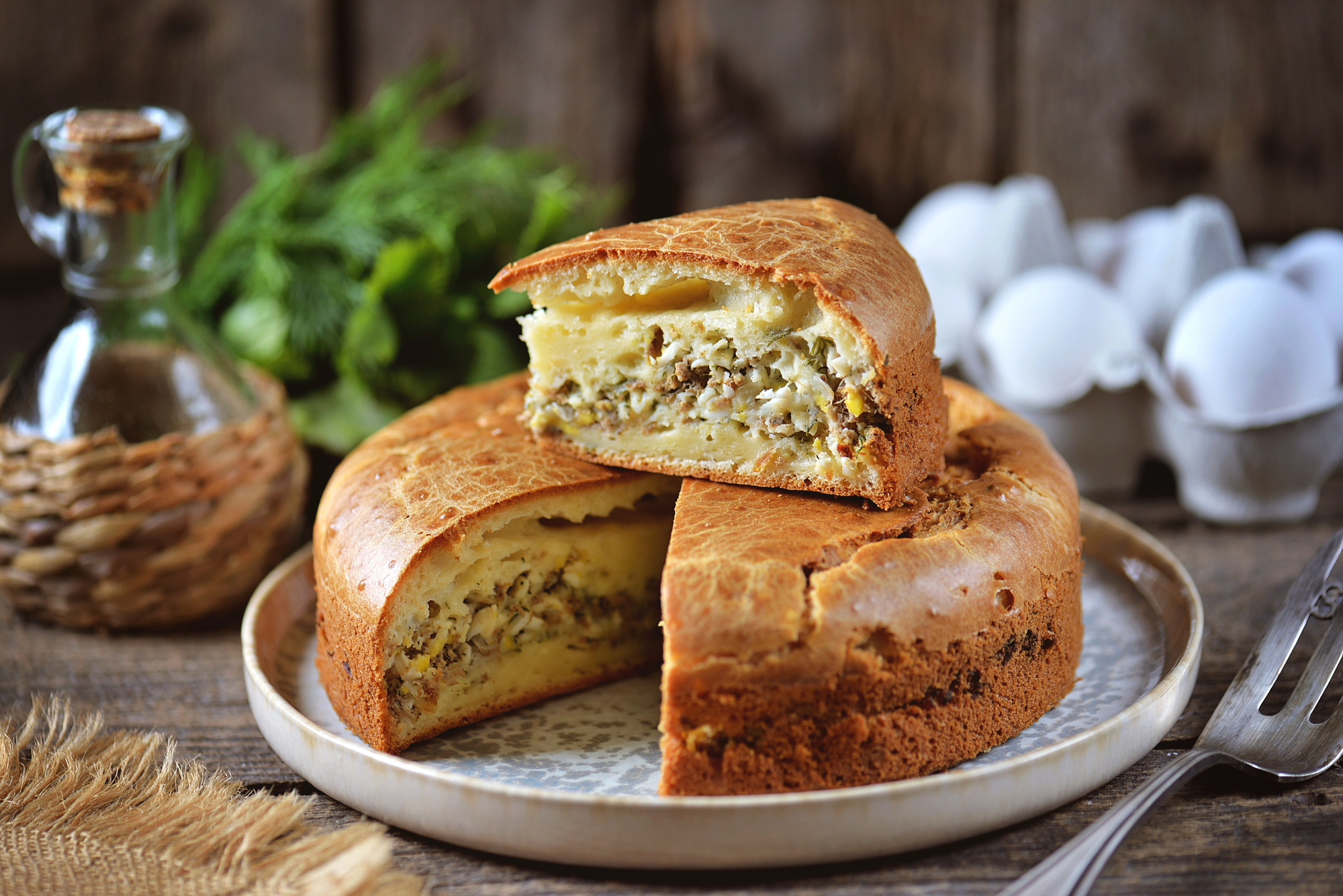
Vinegar pie is one of those recipes that sounds like a mistake until you taste it. During lean times — particularly the Depression era — citrus wasn’t always available, and vinegar stood in as the acidic agent in custard pies, producing something bright and tangy underneath a sweet filling that tastes almost like lemon without any lemon present.
The filling relies on a precise hand: too much vinegar and it sharpens into something unpleasant, too little and the whole point disappears.
Pickled Watermelon Rind
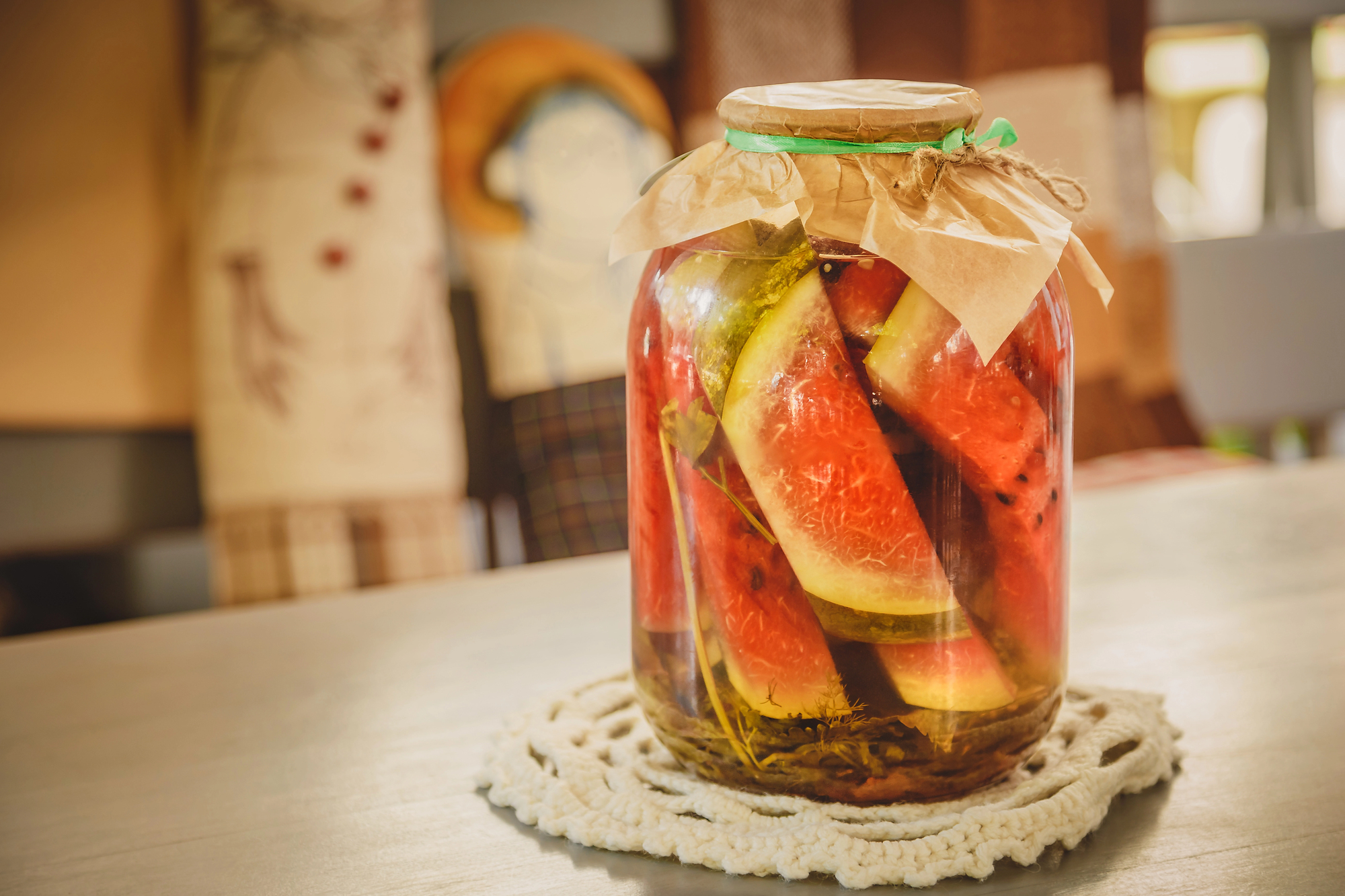
Pickled watermelon rind is one of those preservation traditions that lived entirely inside the logic of wasting nothing. The white rind — the part everyone throws away without thinking — was trimmed, brined, and cooked down in a sweetened spiced syrup until it turned translucent and faintly jewel-like, tasting nothing like watermelon and everything like something irreplaceable alongside a plate of summer food.
It was a pantry staple in Southern kitchens that required several days of patience and produced results no store-bought jar has ever honestly replicated.
Beef Tongue
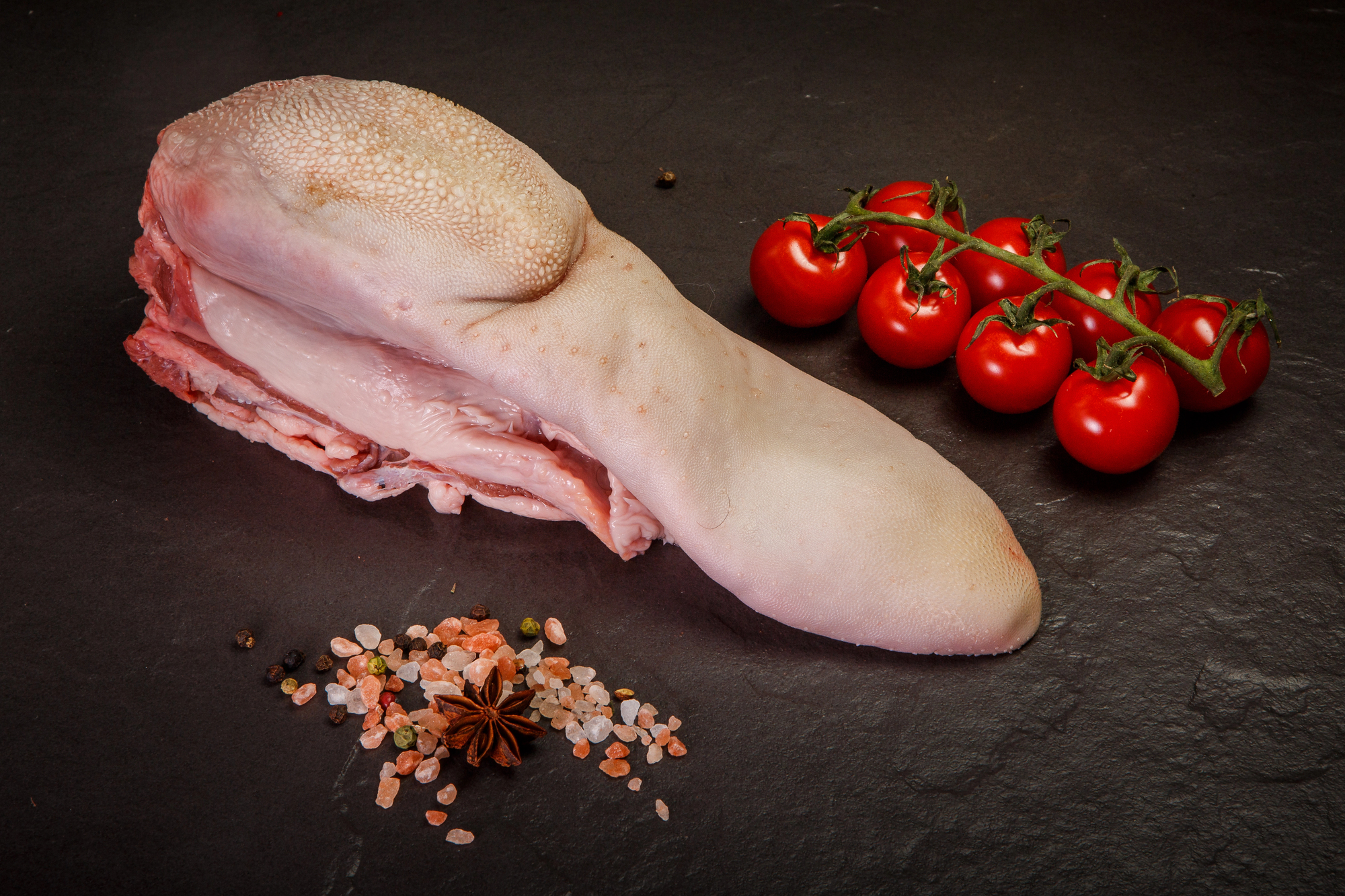
Beef tongue is not a dish you have to convince yourself to eat — it’s a dish you have to convince yourself to prepare. Once braised low and slow until tender, the outer layer peeled away while still warm, what remains is arguably the most flavorful cut on the animal: silky, rich, nothing like any other beef texture.
Grandmothers prepared it without apology and served it sliced thin, either hot in braising liquid or cold in sandwiches.
Salt Pork Baked Beans
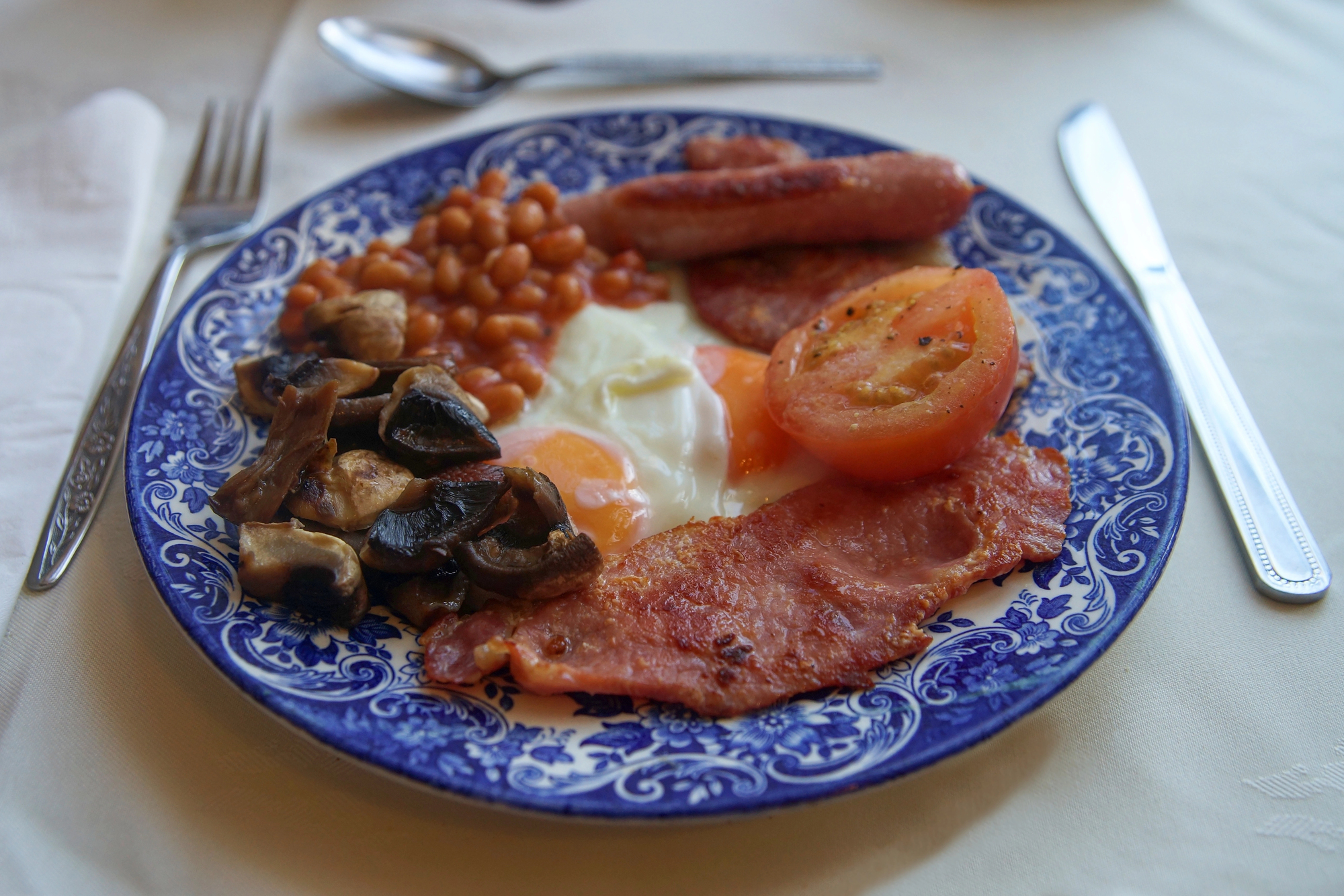
Salt pork baked beans — not the kind from a can, but the genuine article, starting from dried navy beans soaked overnight and a thick slab of salt pork buried underneath — represent a cooking project that modern schedules have largely ruled out. The beans baked low in a covered crock for most of a day, absorbing the fat and smoke from the pork, developing a depth that canned beans approximate the way a photograph approximates a person.
Saturday was traditionally bean-baking day in New England homes, which tells you something about how differently time was organized.
Chicken and Dumplings Made With Drop Dumplings
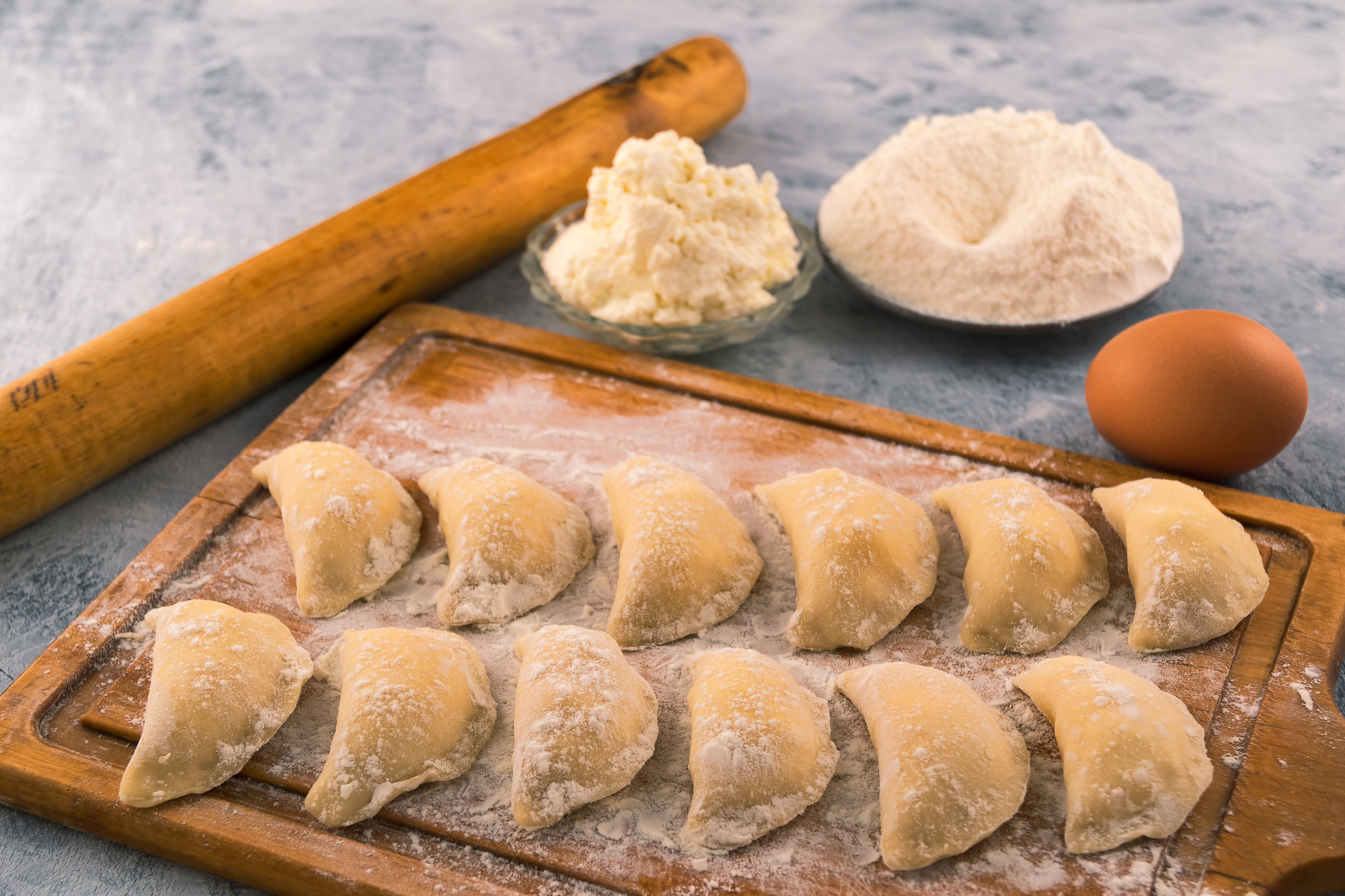
There’s a version of chicken and dumplings that uses rolled and cut noodles — flat, chewy, almost pasta-like — and then there’s the older version, made with drop dumplings: thick spoonfuls of unsweetened biscuit dough dropped directly onto simmering broth and cooked covered until they steam from the inside out. The drop dumpling version requires a confident hand and a good eye for texture; it cannot be rushed without collapsing into paste.
Most recipes circulating now quietly substitute rotisserie chicken and canned cream of chicken soup, which is a different dish wearing the same name.
Homemade Souse
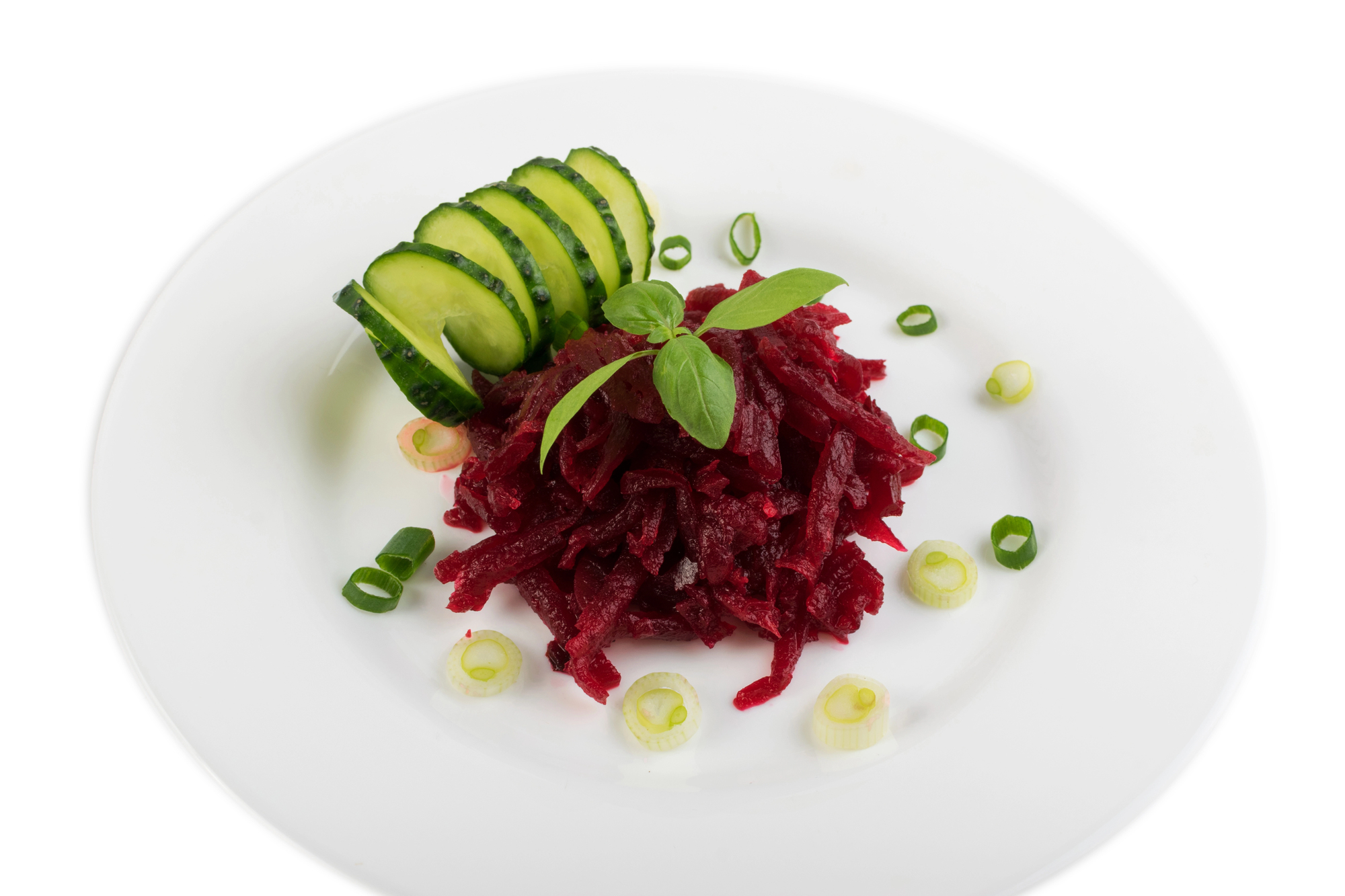
Souse is cousin to headcheese, close enough that some people use the names interchangeably, but the vinegar content distinguishes it: souse is sharper, more acidic, the pig meat set in a brine-heavy gel that gives each slice a clean, bright finish after the richness of the pork. It was a cold-weather charcuterie tradition across Appalachian and Southern households, made in the days after hog-slaughter when the less glamorous parts of the animal still needed using.
The skill required to season and set it correctly was passed without measuring cups.
Dandelion Greens With Hot Bacon Dressing
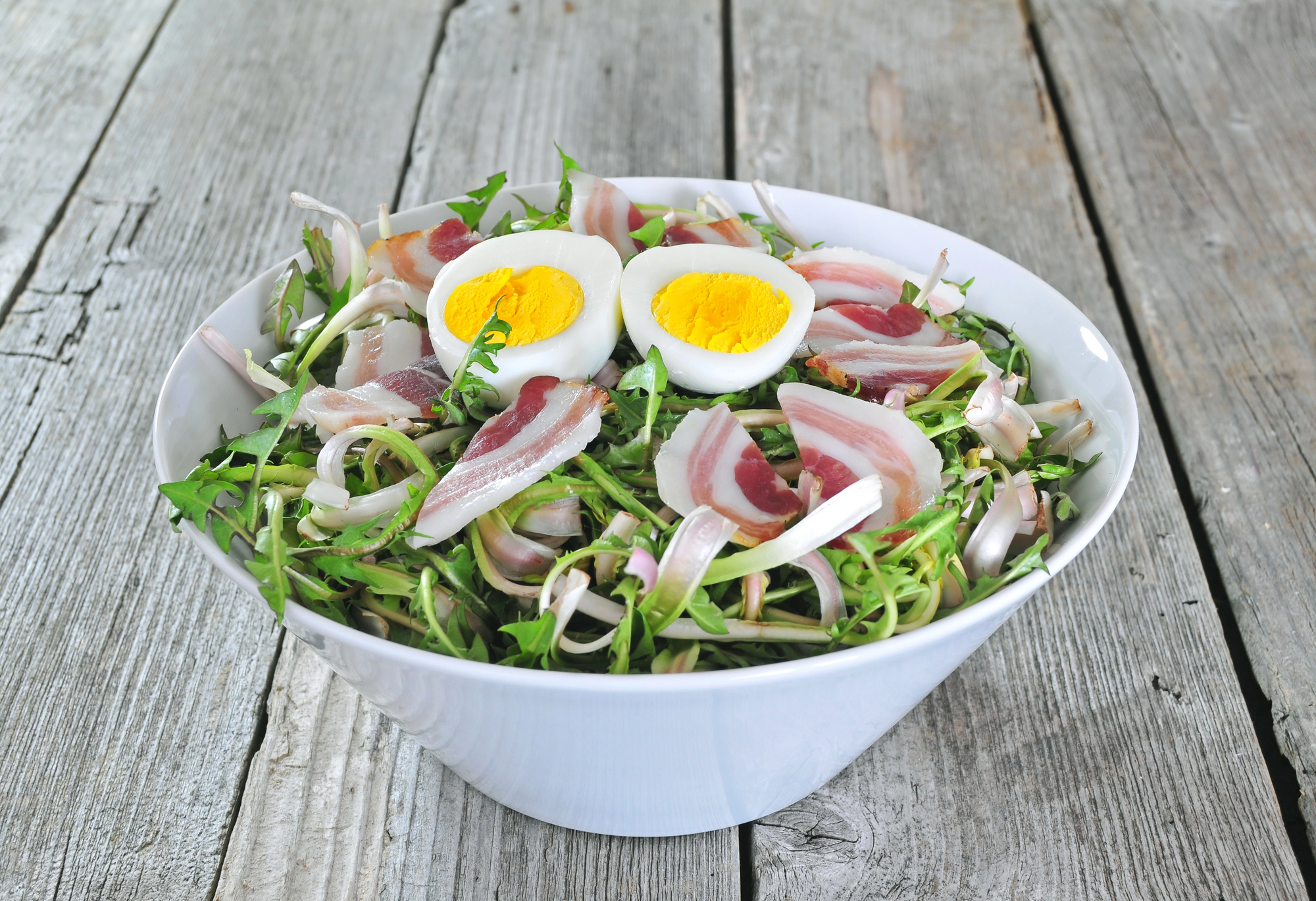
Dandelion green salads with hot bacon dressing occupy that category of food that only makes sense to someone who grew up eating it — bitter, slightly wilted by the warm fat poured over them, cut through with vinegar and a little sugar until the whole thing resolves into something greater than its parts. The greens came from the yard in spring, gathered before the plant flowered and turned too bitter to eat.
It required knowing when to pick them, which is knowledge that doesn’t transfer through a grocery store.
Homemade Mincemeat
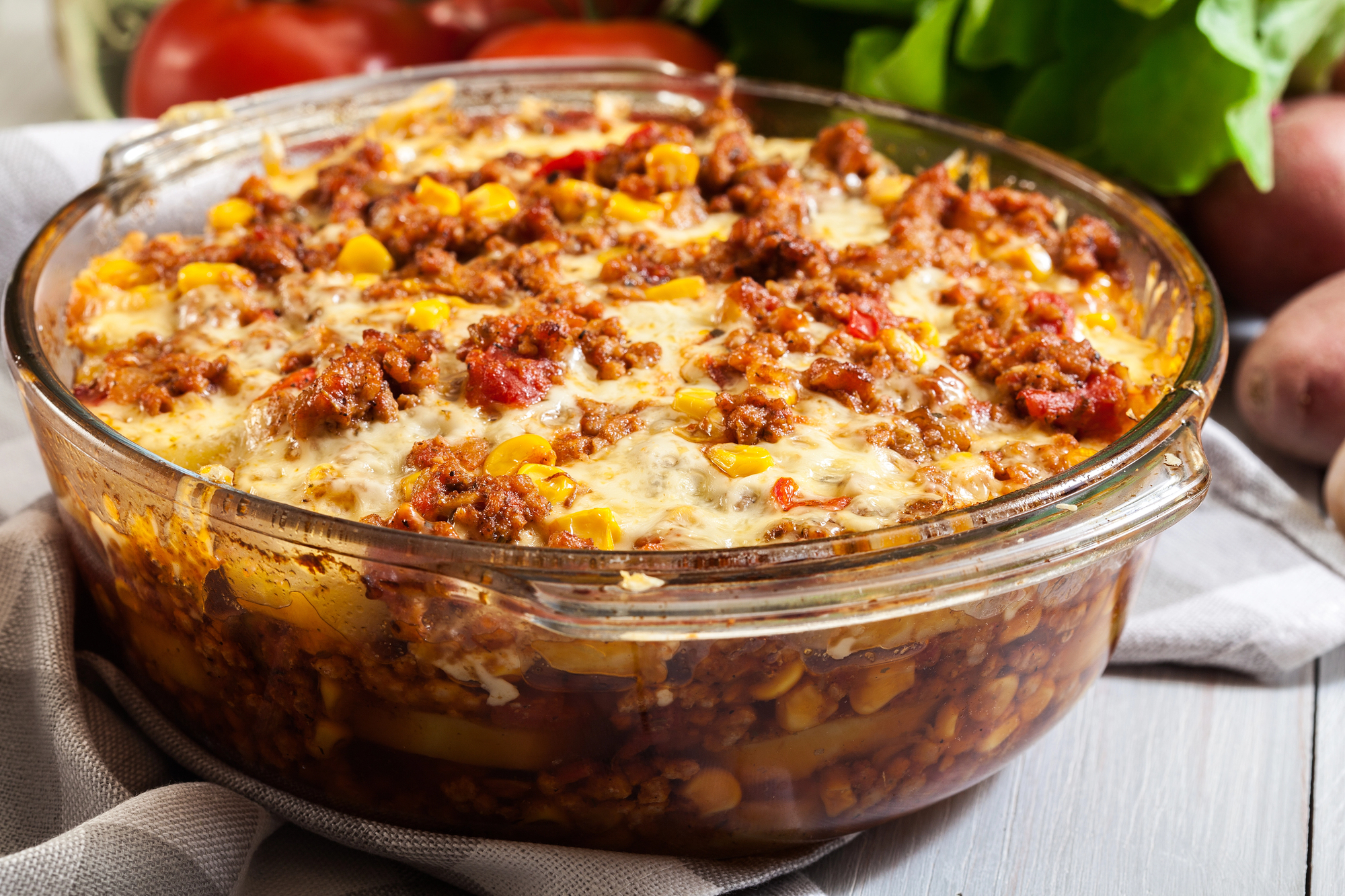
Modern mincemeat pie filling from a jar contains no meat, and that fact alone signals how far the dish has drifted from its origins. Real mincemeat — the kind grandmothers made in autumn and packed into crocks to cure for weeks — contained actual minced beef or venison alongside suet, dried fruit, spices, cider, and sometimes brandy, the flavors mellowing together into something that tasted simultaneously ancient and festive.
The curing time was not optional. Neither was the patience.
Crackling Cornbread
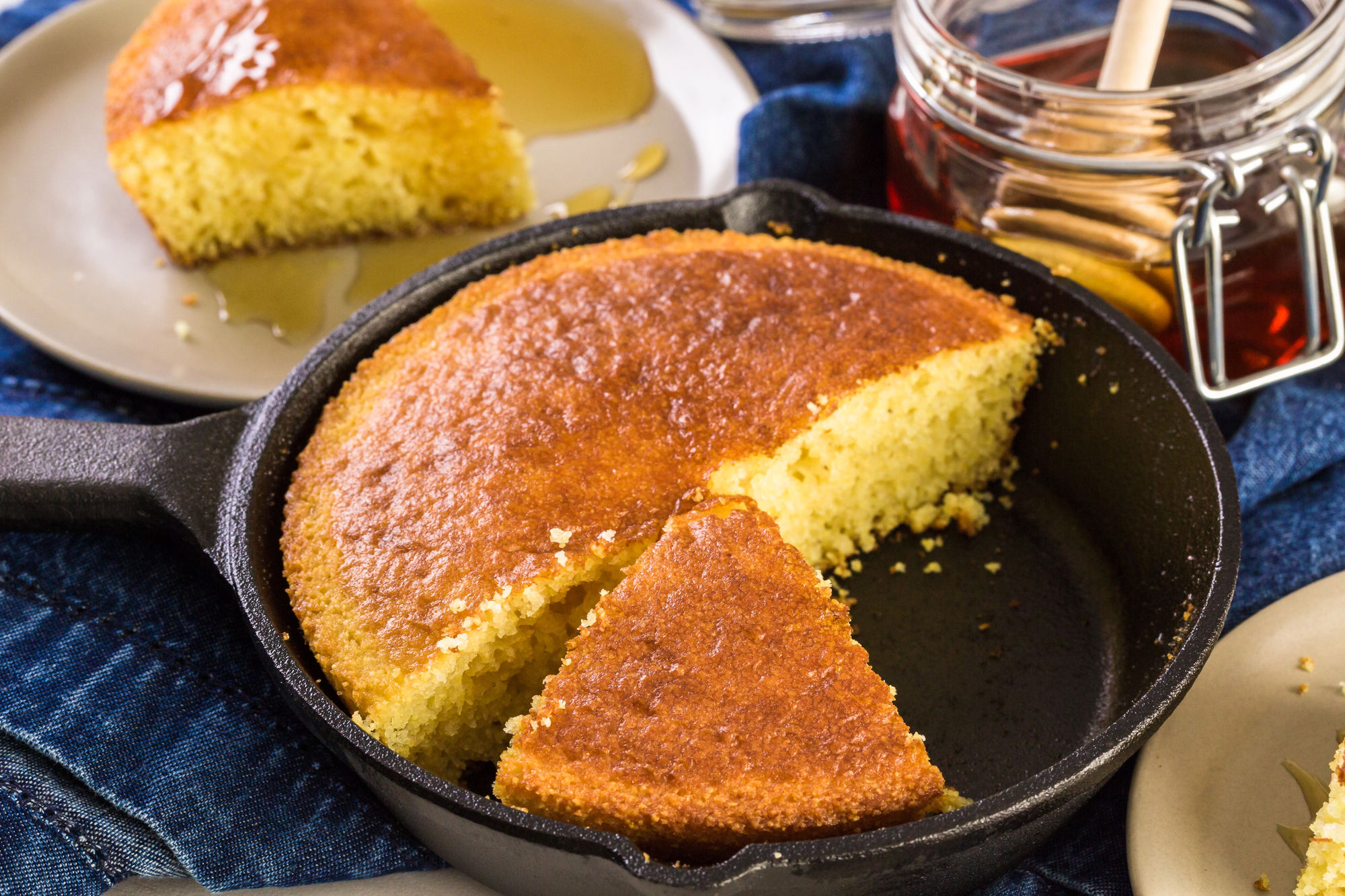
Crackling cornbread is cornbread with pork cracklings stirred into the batter before baking — not as a novelty, but as a standard technique in kitchens where rendered lard left solid bits behind and nothing was wasted. The cracklings distributed through the crumb, adding salt, fat, and a slight chew against the crumble of the cornbread itself.
It’s a dish that requires you to have made cracklings first, which is a requirement most modern recipes find inconvenient enough to skip entirely.
Persimmon Pudding
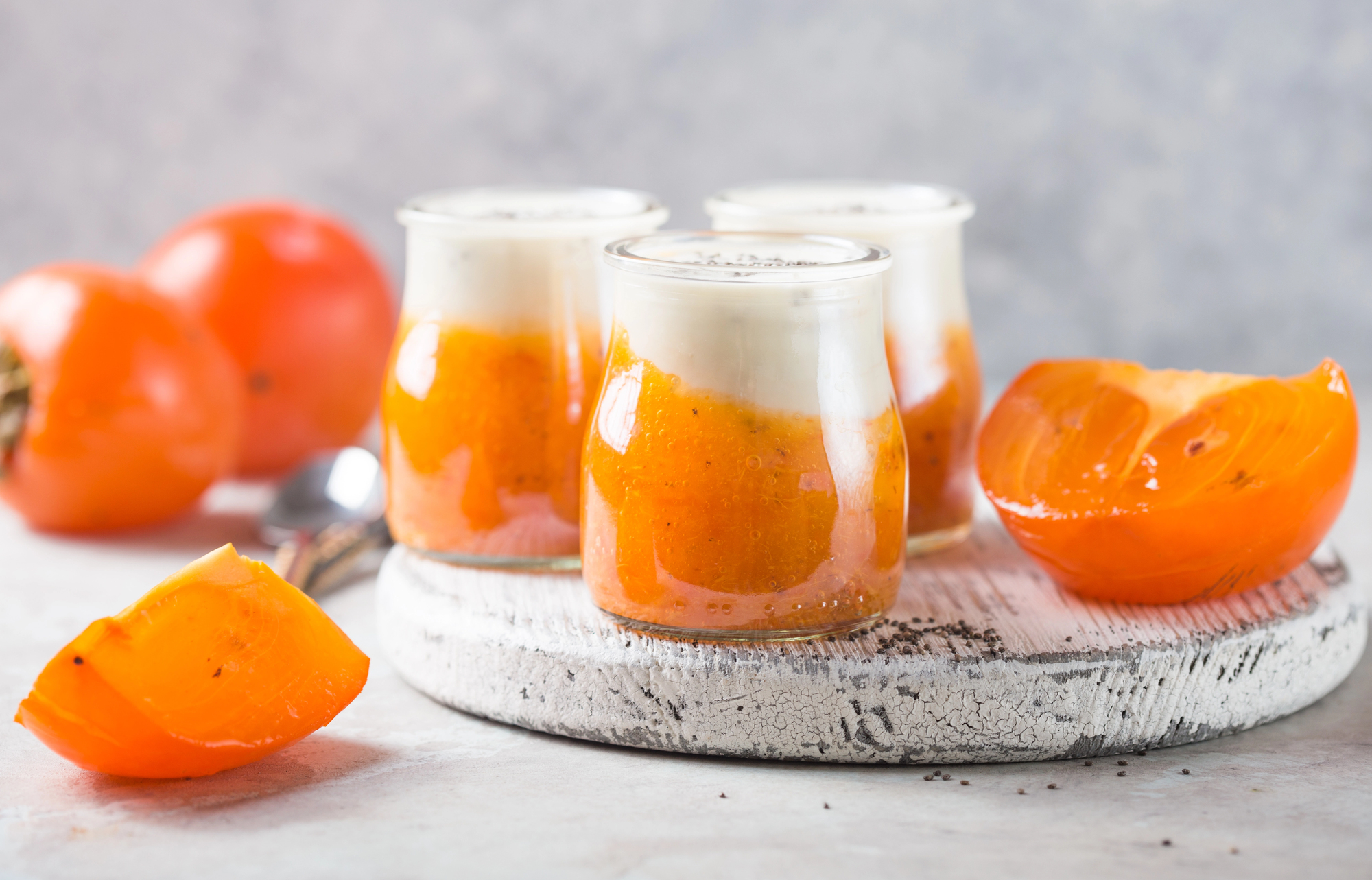
Persimmon pudding is one of those regional dishes that exists in the memory of Midwestern and Southern grandmothers so vividly that people describe it unprompted, decades later, with a kind of quiet urgency — as if describing it might bring it back. It was made from native persimmons (not the large Fuyu variety now in grocery stores, but small, wild, intensely sweet ones that puckered the mouth if eaten before frost), mashed into a pulp and baked into a dense, pudding-like cake that tasted of cinnamon and something undefinable.
Wild persimmons aren’t sold anywhere, and most people wouldn’t recognize one growing.
Homemade Dark Sausage

Dark sausage — boudin noir, black pudding, morcilla, or any of its regional American names — was made in home kitchens wherever hog-slaughter happened, the dark binding liquid collected immediately and combined with fat, grain, and spices before being stuffed into casings and poached or smoked. It’s still made commercially in some regions, but the home production of it, the standing over a pot on a cold morning and getting the seasoning right before it sets, belongs almost entirely to a previous generation.
The ingredient requires a relationship with where food actually comes from.
Corn Relish
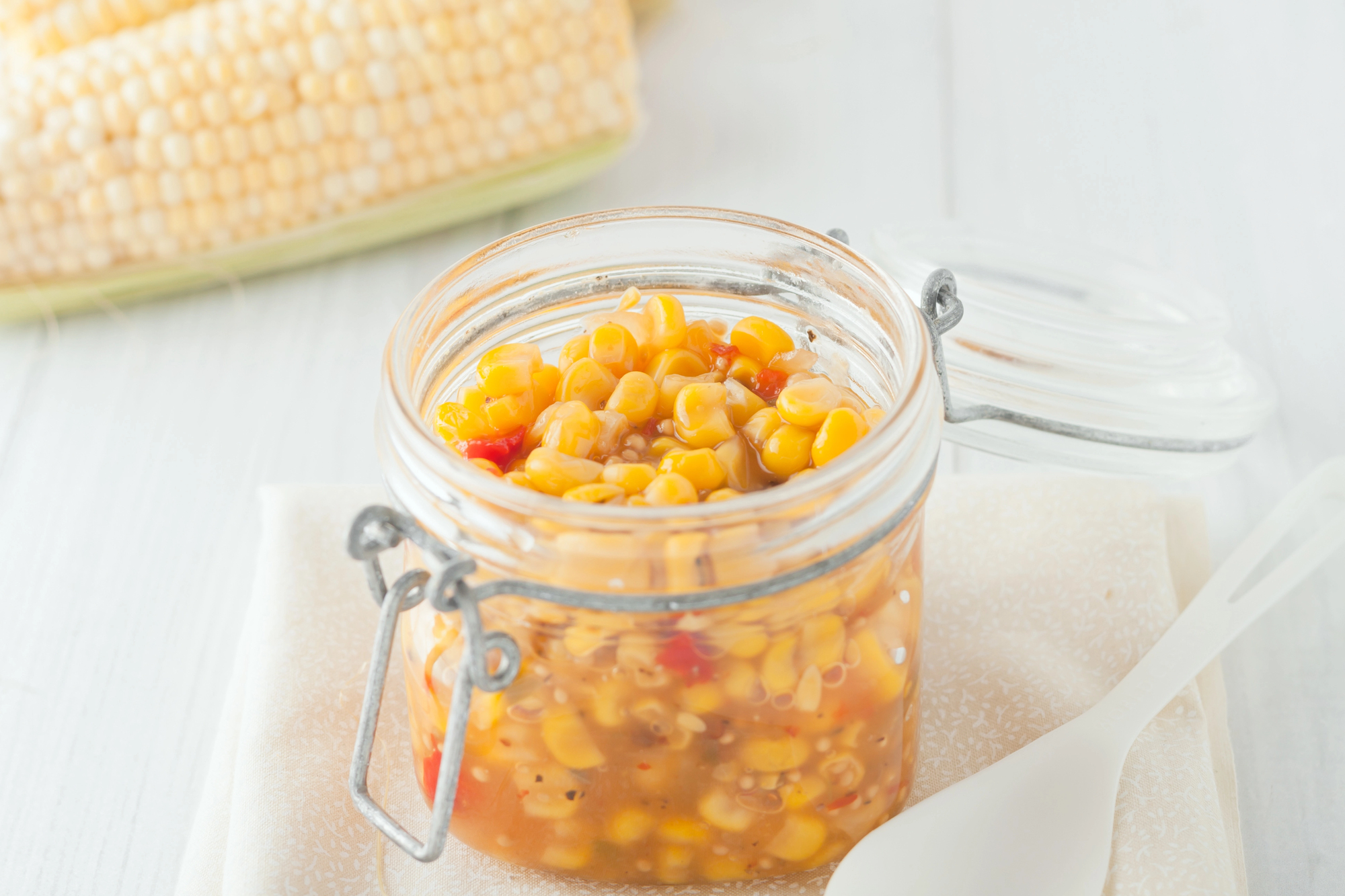
Corn relish made from scratch — cut fresh from the cob, cooked down with vinegar, sugar, peppers, and celery into a bright, tangy condiment — was a late-summer canning project that yielded a year’s worth of flavor. It sat alongside mustard and pickles on the table and dressed plates of beans and cold meat with something acidic and sweet in the same moment.
Store-bought versions exist, and they’re uniformly inferior in the way that most preserved things are inferior when made by people who don’t need to love the outcome.
Blackberry Dumplings
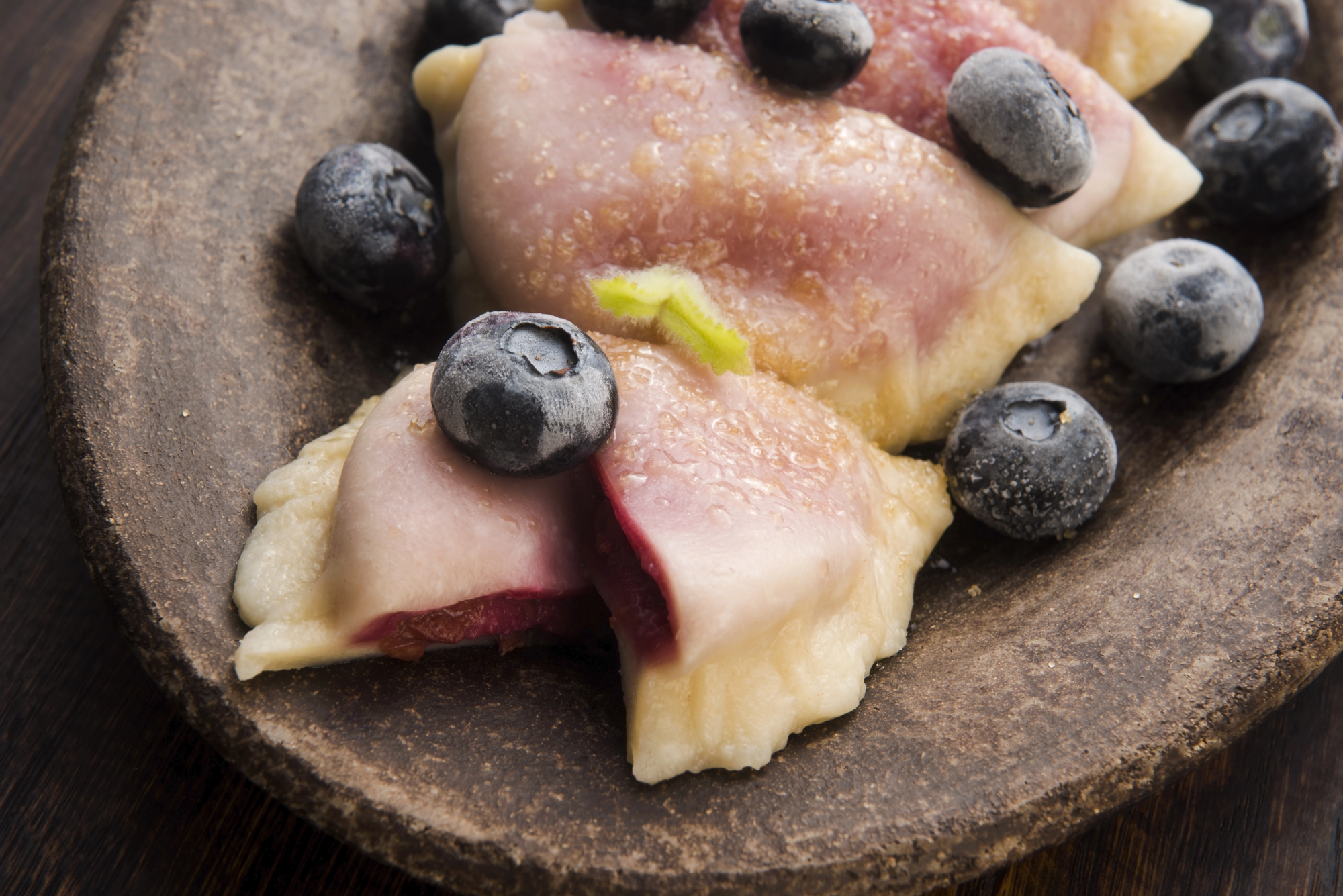
Blackberry dumplings are not cobbler, not crisp, not anything that currently has a name in most recipe databases. The method — blackberries simmered in sweetened liquid, drop dumplings cooked directly in the berry broth, the whole thing eaten warm in a bowl — produced a dessert that was simultaneously fruit dish and bread pudding and something else that resists categorization.
The proportion of dumpling to berry, the thickness of the cooking liquid, the point at which to pull it off the heat: all of that lived in memory, not in measurement.
Apple Butter Made On the Stove
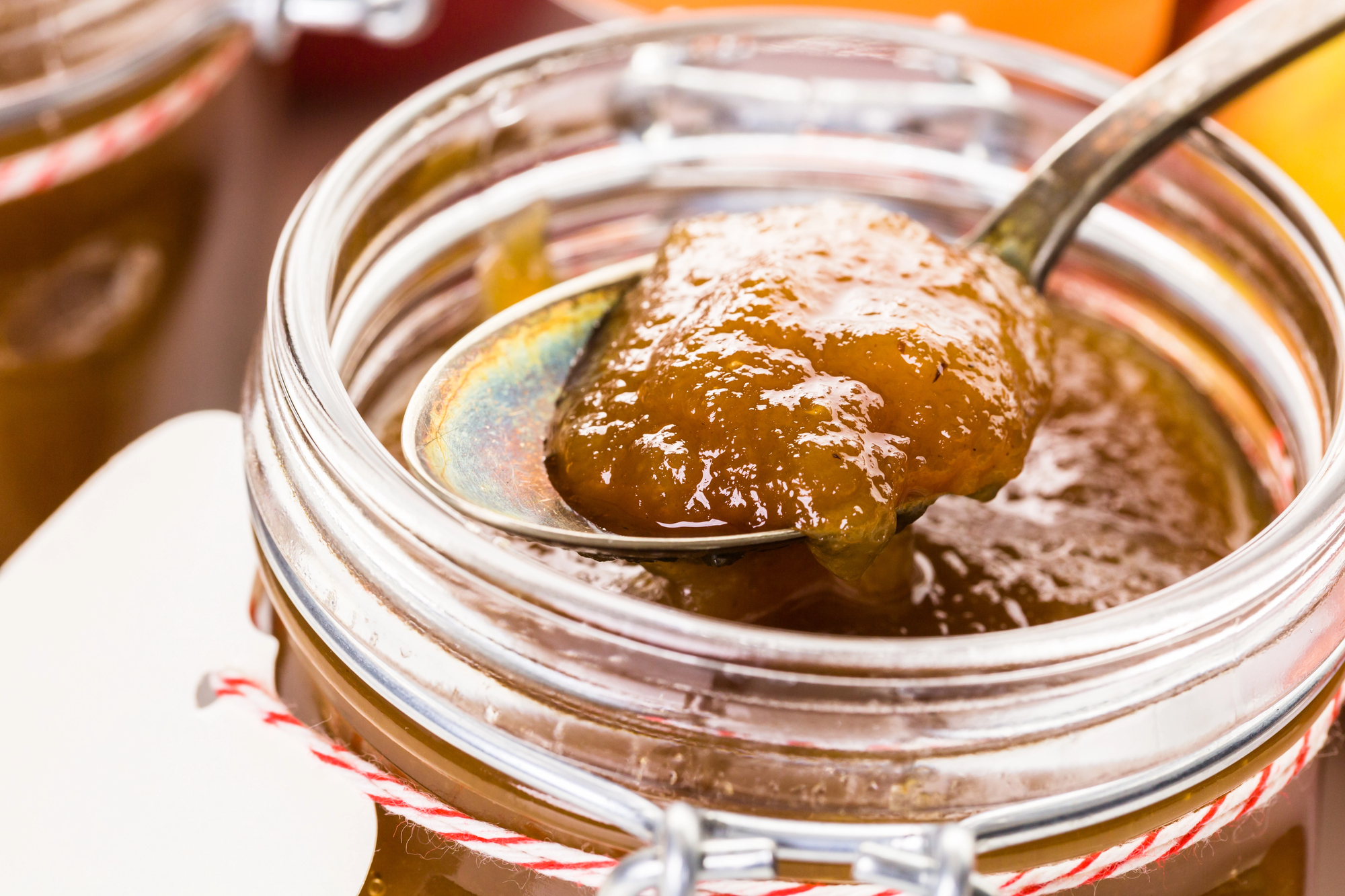
Apple butter made on the stove over several hours — not in a slow cooker, not from a packet — requires attention that modern cooking schedules rarely accommodate. The apples cook down and darken in stages, the stirring becoming more critical as the butter thickens toward the bottom of the pot, the smell shifting from sweet to something deeper and more complex as the sugars caramelize.
The result is nothing like what comes in a jar from the grocery store, which is both the point and the problem.
Green Tomato Pie
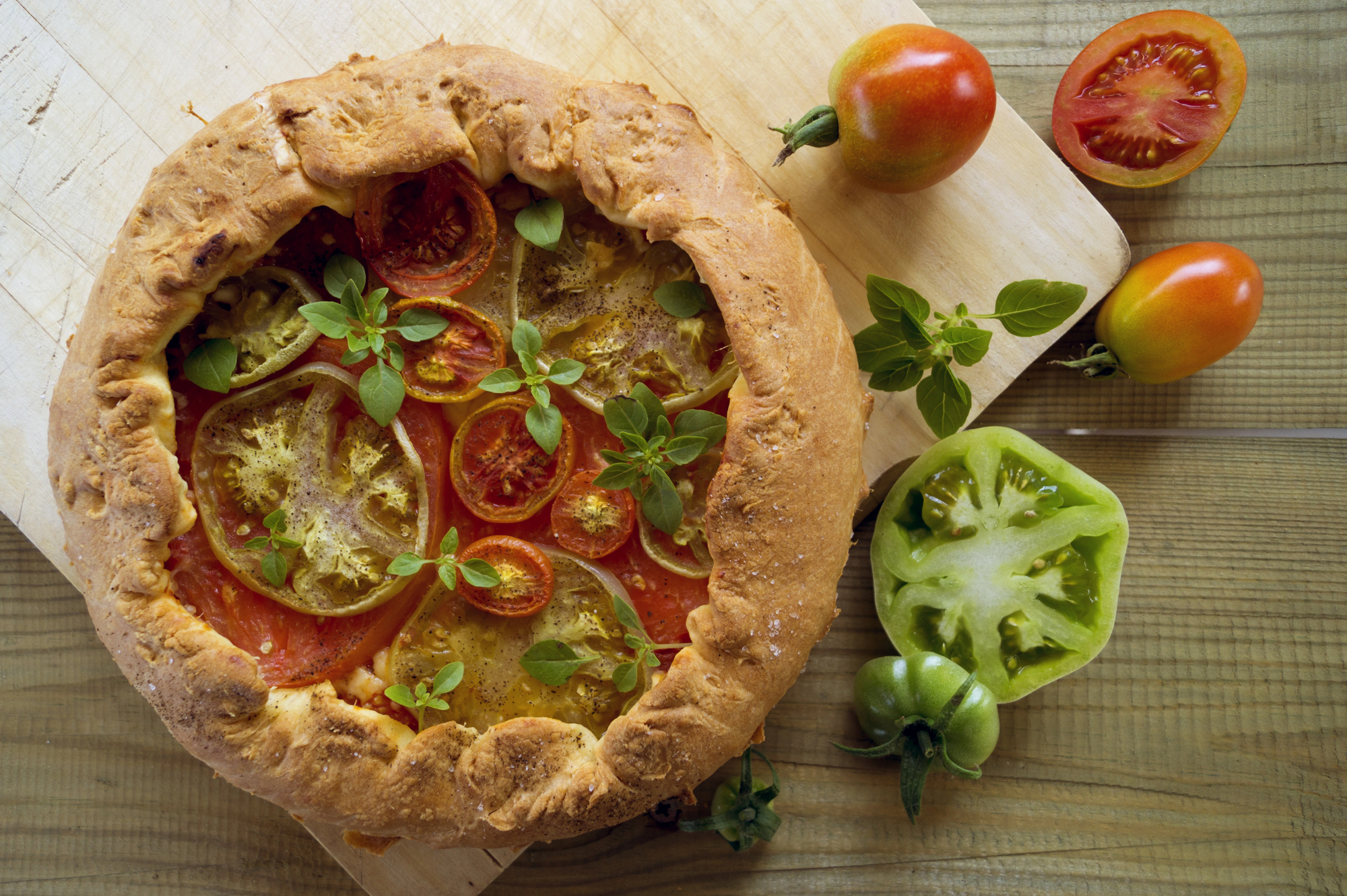
Green tomato pie occupies the same conceptual space as vinegar pie — another Depression-era substitution that became its own worthy dish entirely. Thinly sliced green tomatoes layered in a pie shell with butter, sugar, cinnamon, and lemon, baked until the tomatoes soften and the filling reduces to something sour and fragrant: it tastes nothing like tomato and something like apple, a sleight of hand that required confidence in ingredients most people now throw away.
It’s a pie that only makes sense in September, from a garden.
Hog’s Head Cheese Tamales
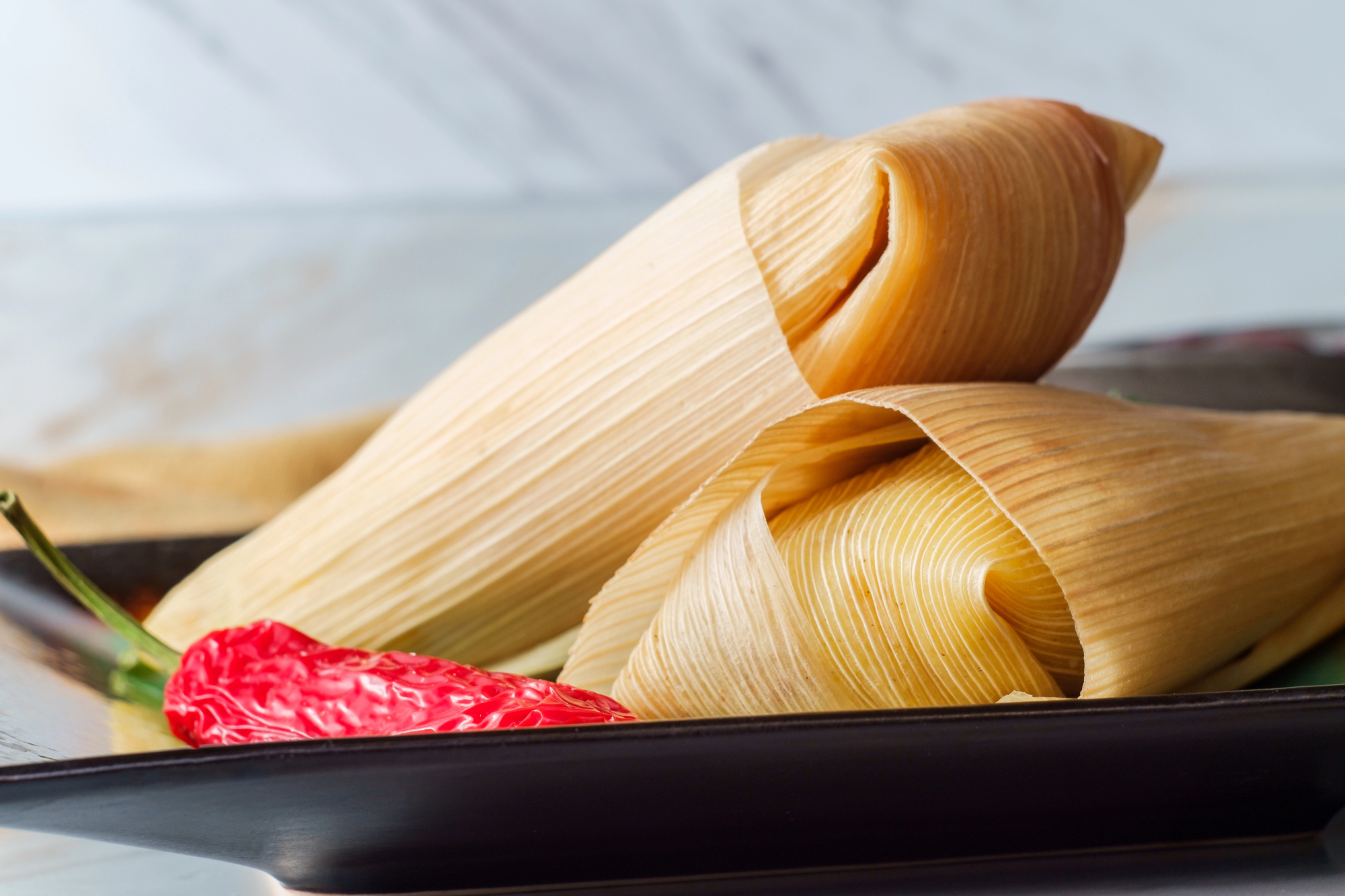
In the American South and Southwest, tamales made with hog’s head meat — braised slow, pulled fine, seasoned deep — were a winter tradition so labor-intensive that the work itself was communal, families gathering to spread masa and fill and fold in assembly lines that stretched across the kitchen and into the next room. The hog’s head was the starting point: inexpensive, available, and rich enough that the finished tamale needed nothing more.
The tradition persists in pockets, but the from-scratch version with the head is increasingly rare even where tamale-making itself has survived.
Homemade Cottage Cheese
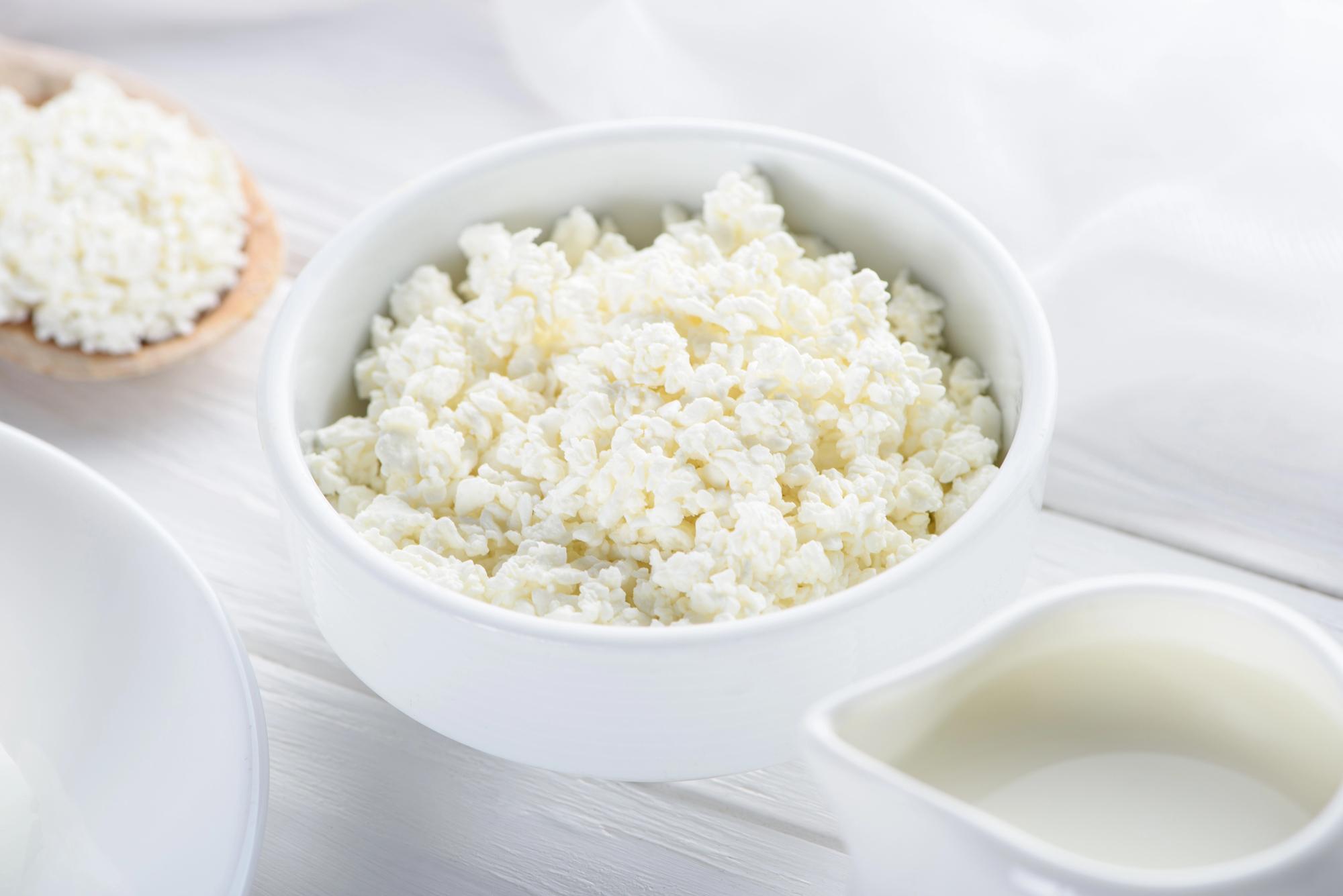
Homemade cottage cheese is made by warming raw or whole milk until it separates into curds and whey, draining the curds through cheesecloth, and dressing the result with a little cream and salt. The flavor is cleaner and fresher than anything sold in a plastic container, with a slight tang that comes from the natural lactic acid rather than from additives.
It requires a morning’s attention and a willingness to work with milk at a temperature most people now associate with food safety warnings rather than food production.
Creamed Dried Beef
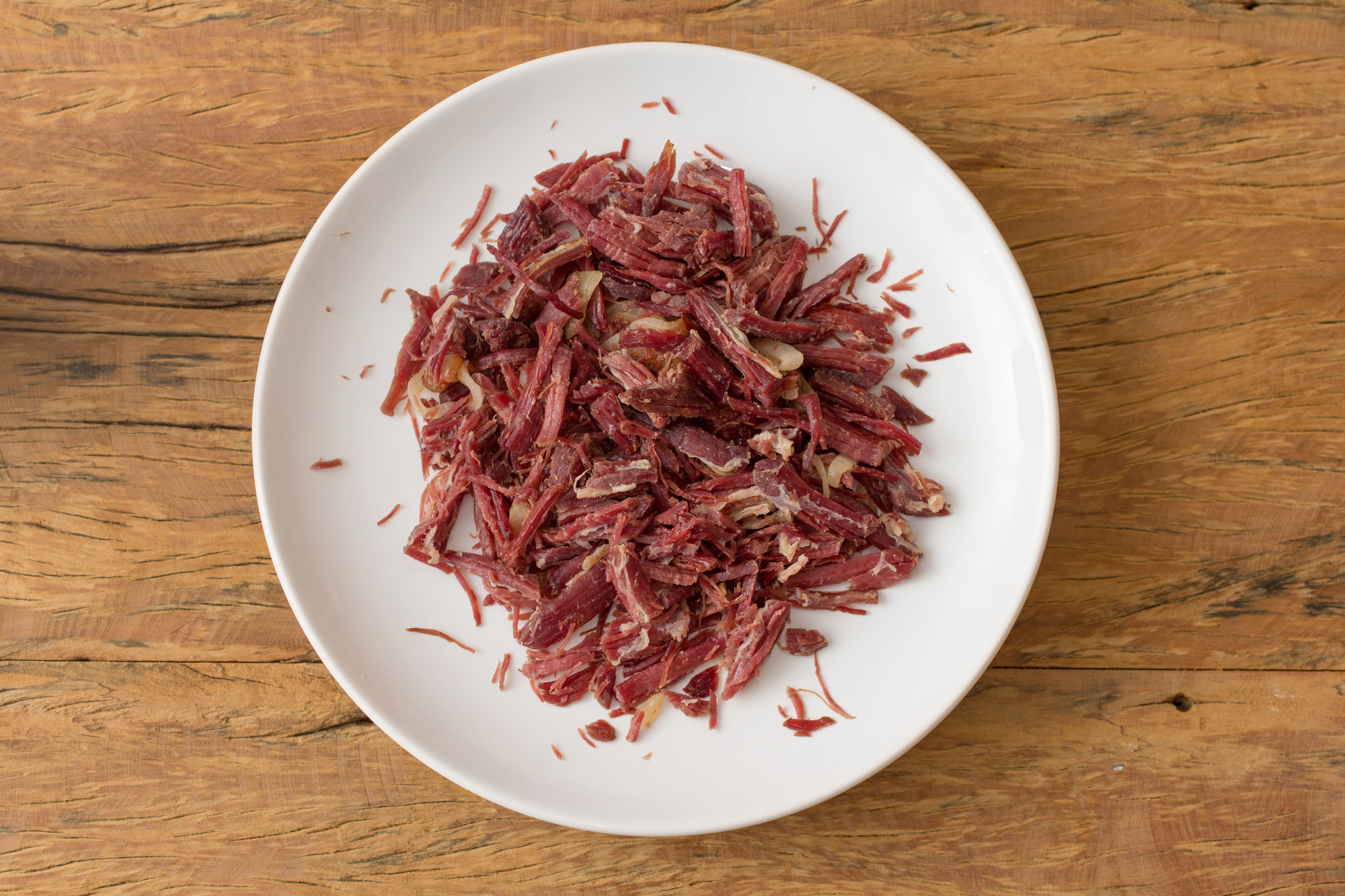
Creamed dried beef — sometimes called, with affectionate irreverence, by names that belong to mess hall culture rather than polite company — was made from thin slices of salt-cured dried beef simmered in a simple cream sauce and served over toast or split biscuits. It was pantry food at its most practical: shelf-stable protein, flour, butter, and milk, on the table in under fifteen minutes.
The dried beef sold in those small glass jars still exists on grocery shelves, but the act of creaming it from scratch, of building the sauce by hand and getting the salt right, is largely a memory.
Rye Bread With Caraway
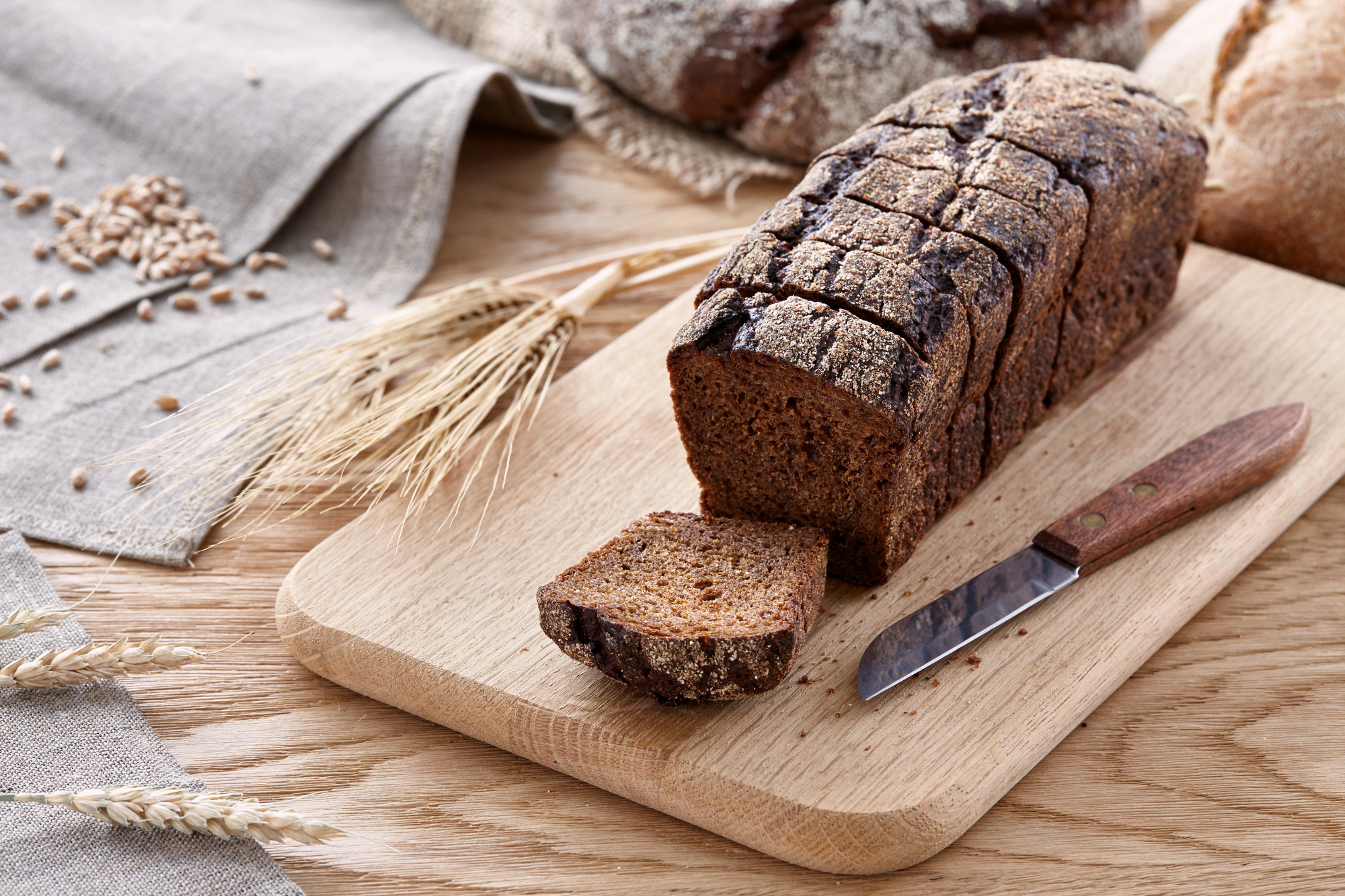
Rye bread made at home — dense, slightly sour, the caraway seeds worked through a crumb that stays moist for days — is a different substance than the uniform sliced rye from a commercial bakery. The hydration is particular, the fermentation long enough that the flavor develops before the loaf goes into the oven, and the crust achieves a thickness that no softener can replicate.
Eastern European grandmothers made it weekly without measuring the flour, working the dough by the feel of it under their palms.
Stuffed Cabbage Rolls
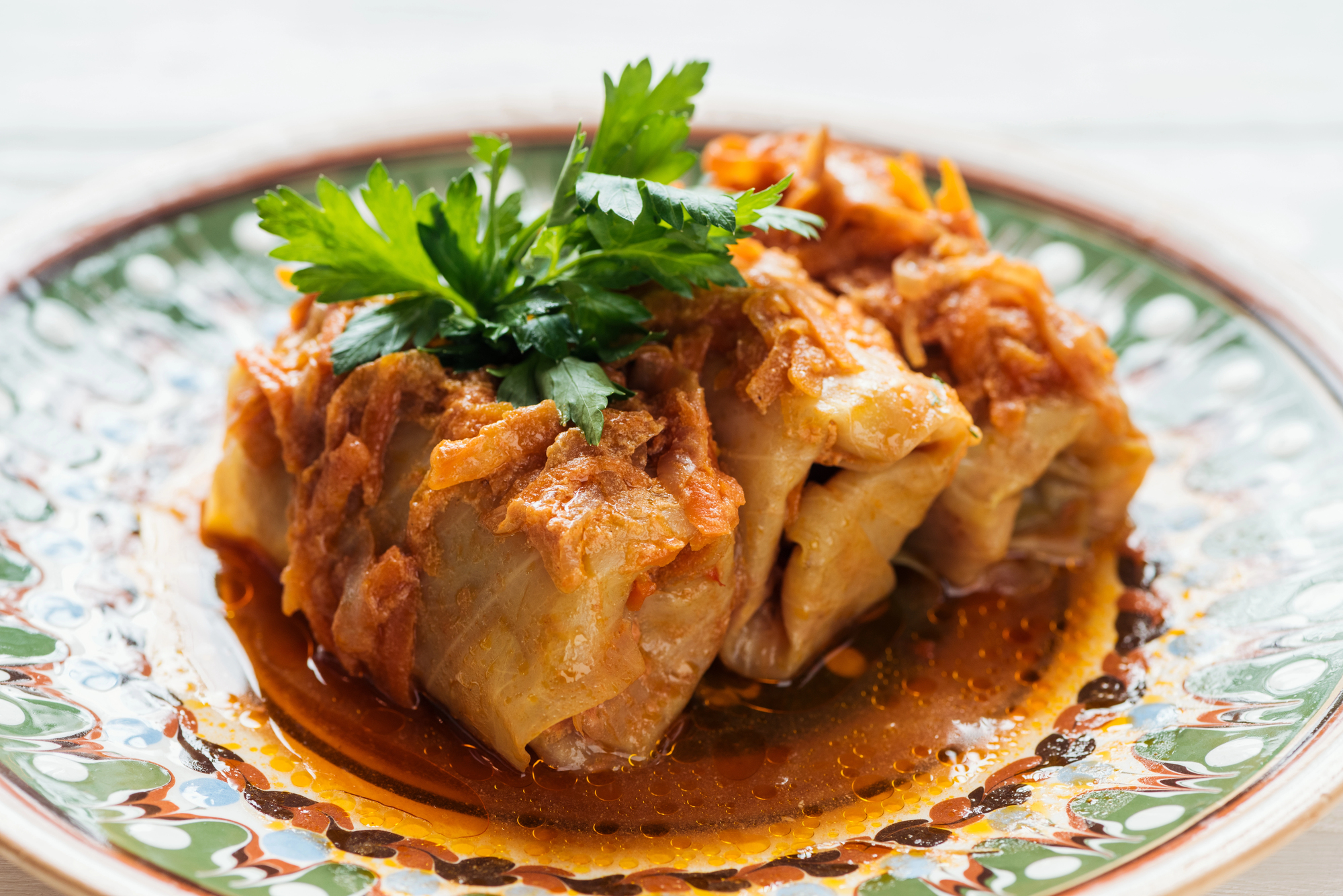
Stuffed cabbage rolls (gołąbki, holubky, sarma, or galumpkis depending on the kitchen) were made by first blanching whole cabbage leaves until pliable, then wrapping a filling of seasoned ground meat and rice into each leaf and braising the parcels slowly in tomato sauce until everything softened into something unified and deeply satisfying. The technique required patience with the leaves, which tear if they cool too fast, and an understanding of how long the rice inside needs to cook through the meat.
Most family recipes lived in no document.
Chokecherry Jelly
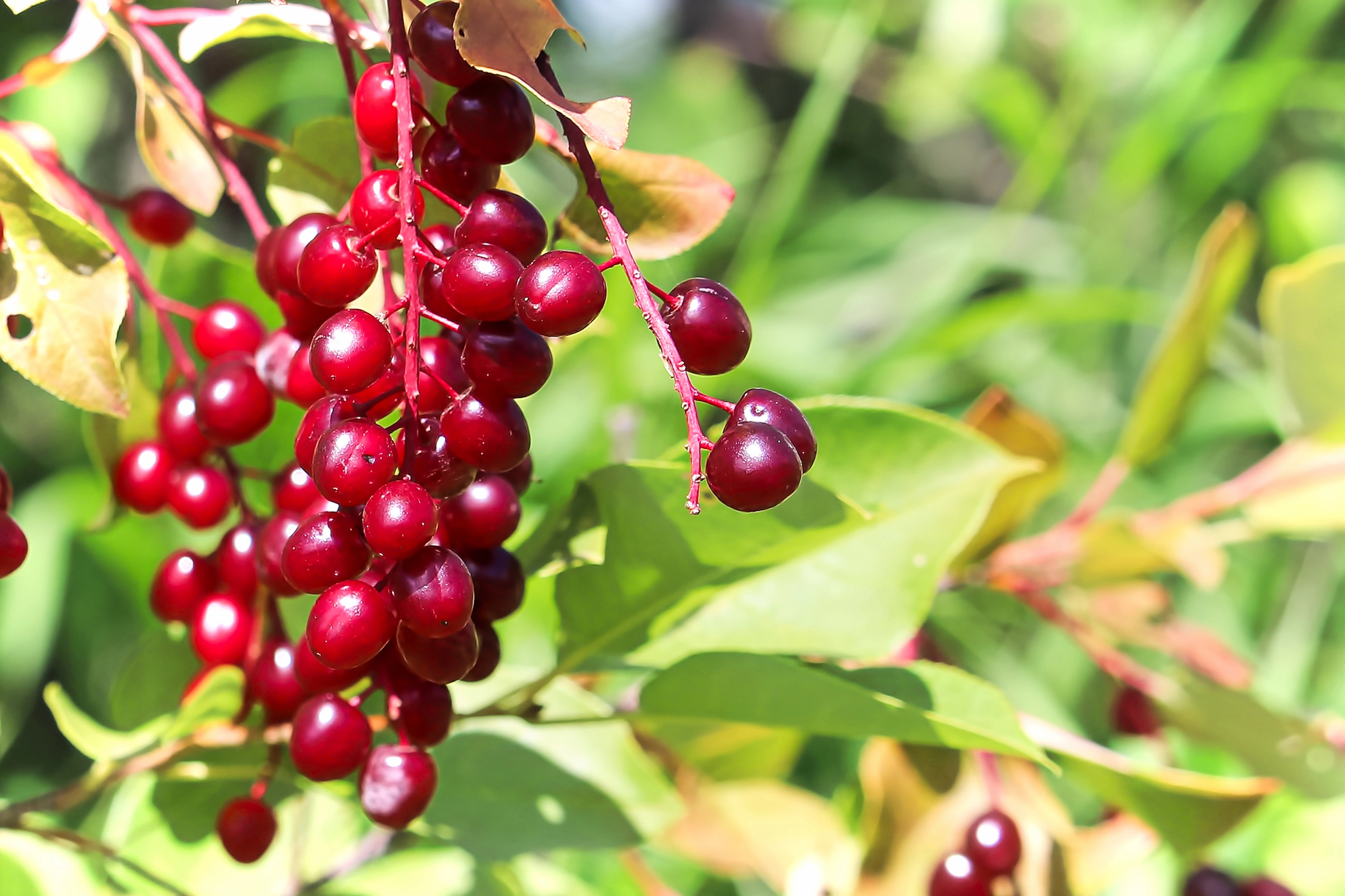
Chokecherries grow wild across the northern and western United States — dark, astringent, barely edible raw — and grandmothers in those regions made jelly from them every August, a dark ruby preserve with a flavor so specific, so wild and slightly tannic, that nothing sold commercially comes close or even tries to. The process started with gathering the berries, which stained everything.
Then the long cook, the straining through a jelly bag overnight, the final set with pectin. It was a full two-day project that produced something genuinely irreplaceable.
Molasses Stack Cake
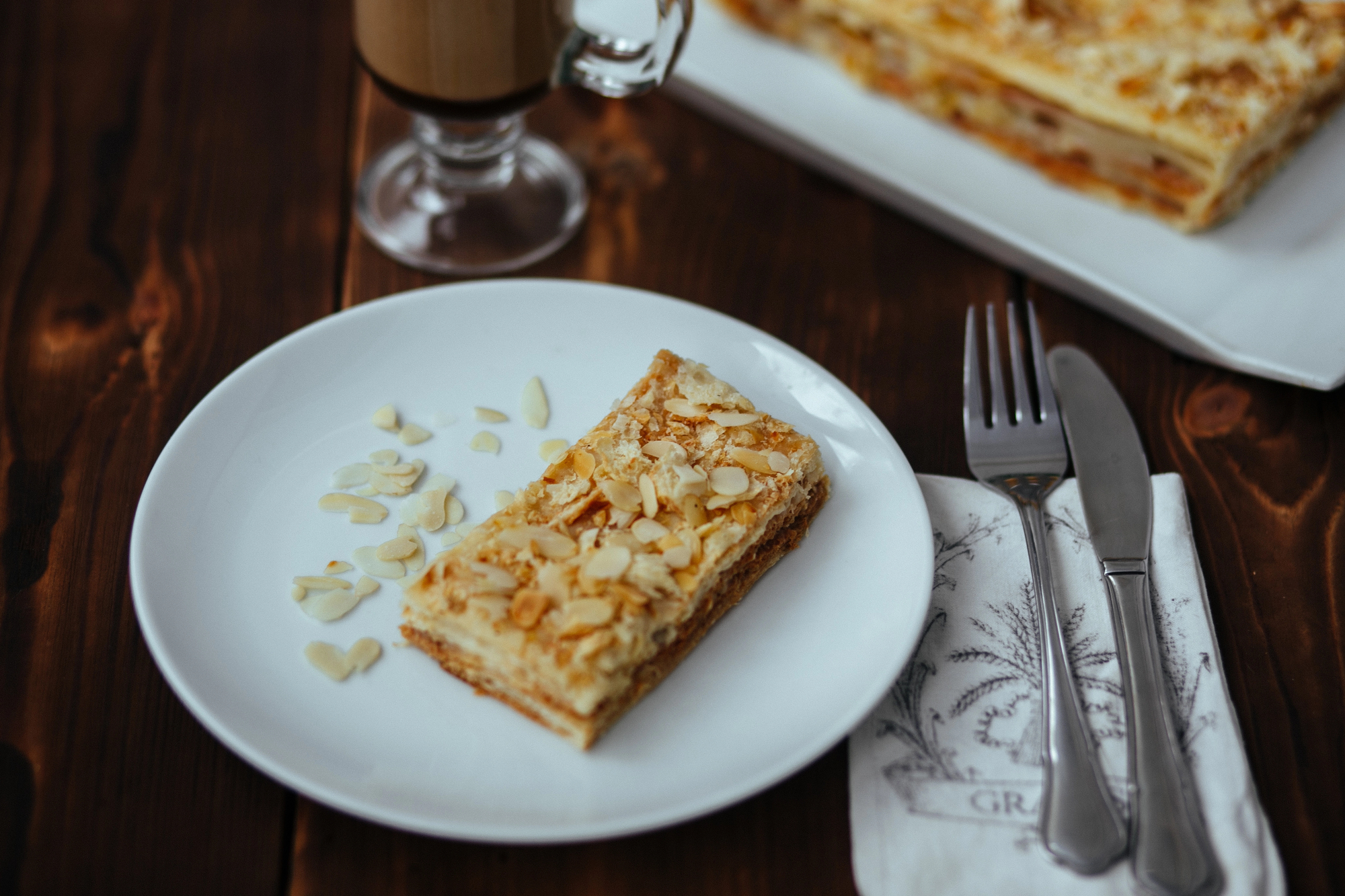
Molasses stack cake is an Appalachian tradition: multiple thin gingerbread-like layers, each baked separately, then stacked with spiced dried apple filling between them and left wrapped for several days while the filling softened the layers and the whole cake became a single, unified thing. The waiting was mandatory.
A freshly assembled stack cake was unremarkable — the version people traveled for was three or four days old, the layers having surrendered their individual edges and become something closer to a living document of patience. It was a wedding cake, once, in communities where sugar was rationed and dried apples were not.
Homemade Soda Crackers
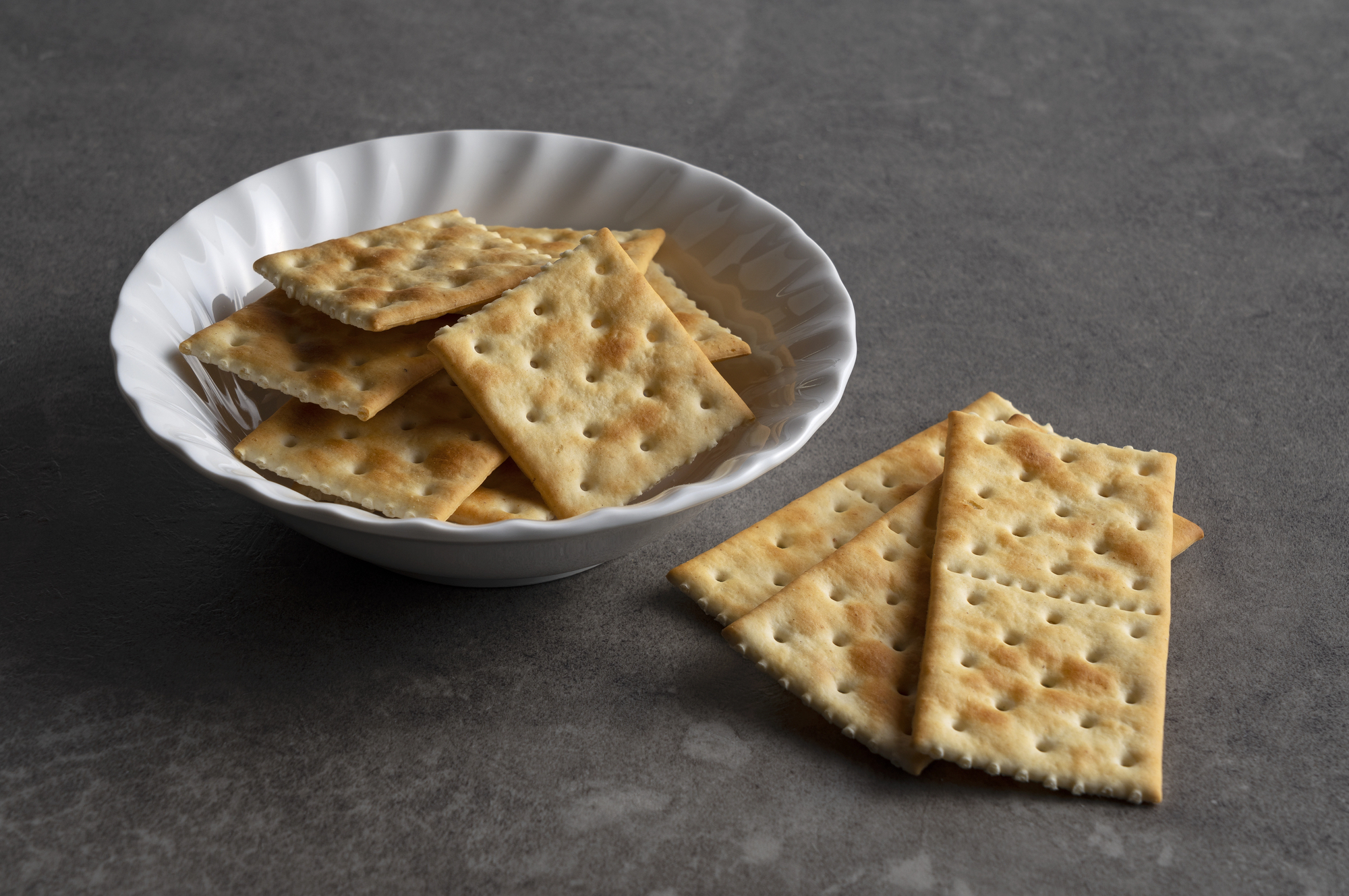
Soda crackers made at home — rolled thin, docked with a fork, baked until they bubble and blister in ways the commercial version never does — are not remotely the same object as a Saltine. The texture is shatteringly crisp rather than uniformly snappy, the flavor has more depth because the fat used was real and the flour wasn’t stripped, and the irregular shapes meant every cracker was different.
They were standard pantry production in homes where buying crackers by the box seemed an unnecessary expense when flour was already on hand.
Bone Broth Cooked Overnight
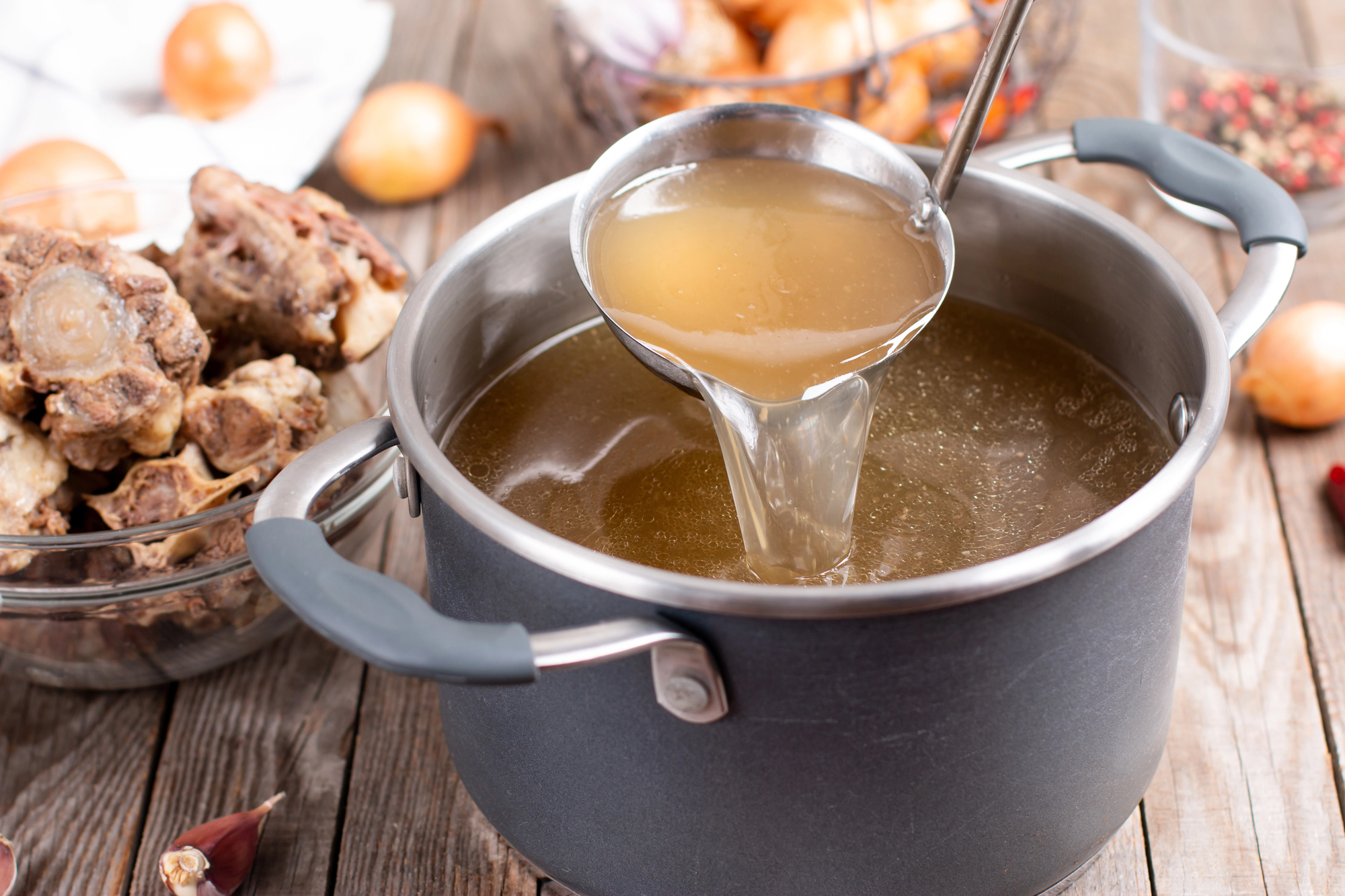
Not the trendy rebranded version in paper cartons with minimalist labels — the original, made by covering a pot of raw bones with cold water, bringing it slowly to a simmer, and leaving it over the lowest possible flame for twelve to twenty-four hours while the collagen dissolved from the joints and the marrow released into the liquid. The fat was skimmed, the solids strained, and what remained was something that set solid in the refrigerator — a gelatin-rich stock that gave body to everything it touched.
Grandmothers made it because they had a carcass and it would have been wasteful not to. That logic has mostly left the kitchen, replaced by the kind of broth that pours thin and clear and tastes of almost nothing.
What the Hands Knew
The most useful thing about these recipes is that almost none of them can be found in a form that works. The written versions either oversimplify or assume a knowledge base — how a dough should feel, when a simmer is right, how long to wait — that existed only in the body of the person making them.
That’s not a romanticization. It’s a practical problem: technique that lives in hands and eyes doesn’t transfer to text, and a generation of cooking that was learned by standing next to someone and watching cannot be recovered by reading.
What’s left isn’t really the food. It’s the shape of an absence — the specific, ordinary thing that used to happen in kitchens every week without anyone thinking to write it down, because why would you write down something everyone already knew how to do?
The answer to that question is sitting in every recipe box that outlasted the person who filled it, the handwriting still readable, the directions still incomplete, the result still just out of reach.
More from Go2Tutors!

- The Romanov Crown Jewels and Their Tragic Fate
- 13 Historical Mysteries That Science Still Can’t Solve
- Famous Hoaxes That Fooled the World for Years
- 15 Child Stars with Tragic Adult Lives
- 16 Famous Jewelry Pieces in History
Like Go2Tutors’s content? Follow us on MSN.



