16 Ways People Around the World Use the Same Object Differently
Cultural differences influence not only our traditions and beliefs but also the way we use commonplace items. In one nation, what is considered the “correct” method to use something could be entirely different in another. The intriguing range of human ingenuity and adaptation across many habitats and cultural contexts is reflected in these differences.
These 16 everyday objects are used in surprisingly diverse ways by people around the world.
Chopsticks
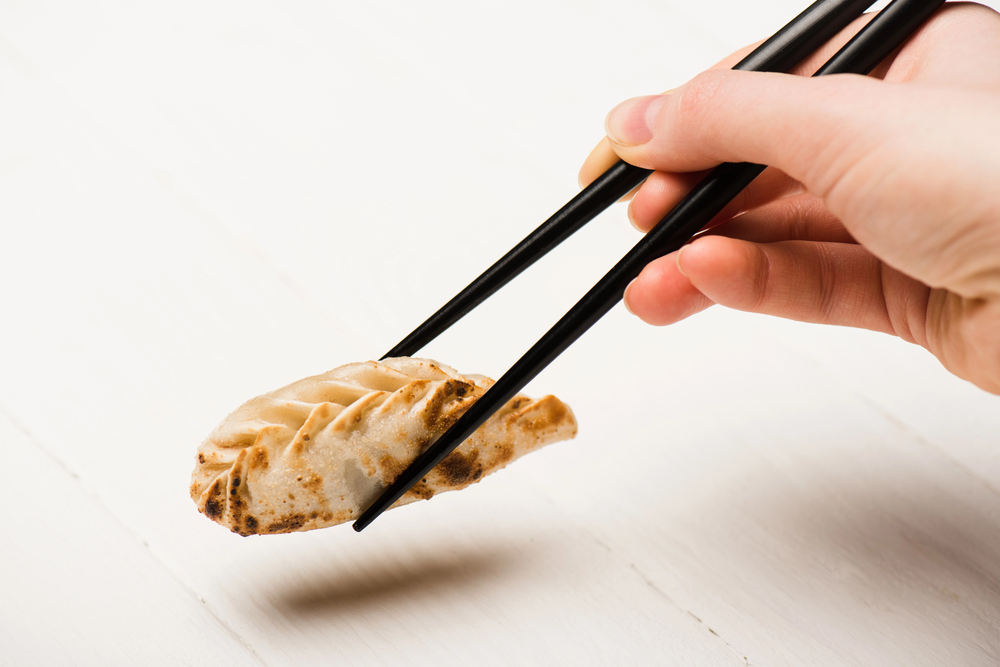
Japanese chopsticks are lacquered and pointed, ideal for handling delicate foods like sushi. Korean chopsticks are flat and metal, typically paired with a spoon to handle bold-flavored dishes.
In China, chopsticks are longer, reflecting communal dining traditions that involve reaching across large tables.
Tea
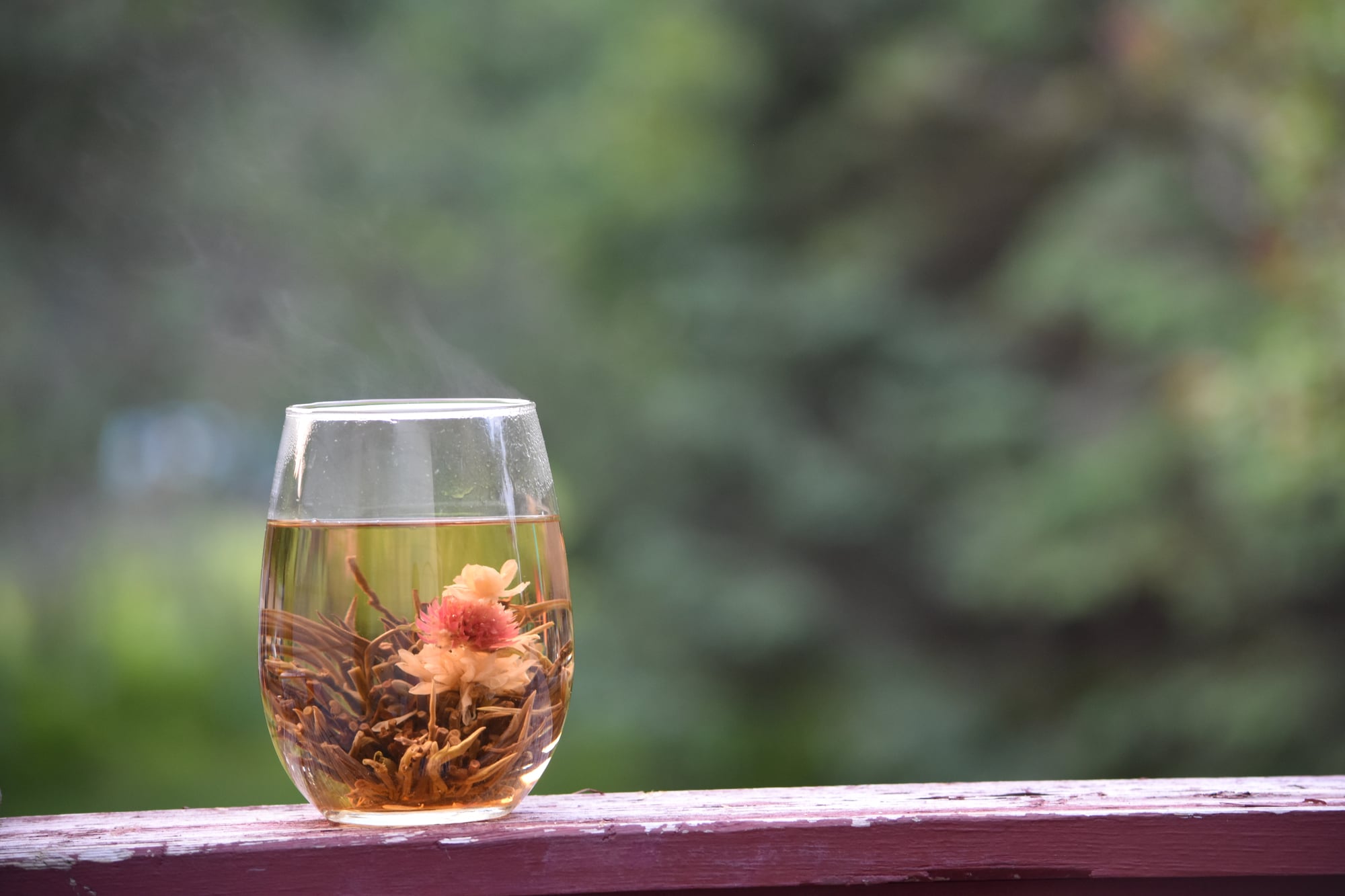
British tea traditions favor black tea with milk and sugar, often served with biscuits in porcelain cups. In Morocco, mint tea is sweetened heavily and poured theatrically into small glasses as a symbol of hospitality.
Tibetan butter tea mixes salt and yak butter into tea, creating a rich drink that sustains people in cold climates.
Like Go2Tutors’s content? Follow us on MSN.
Rice Cookers
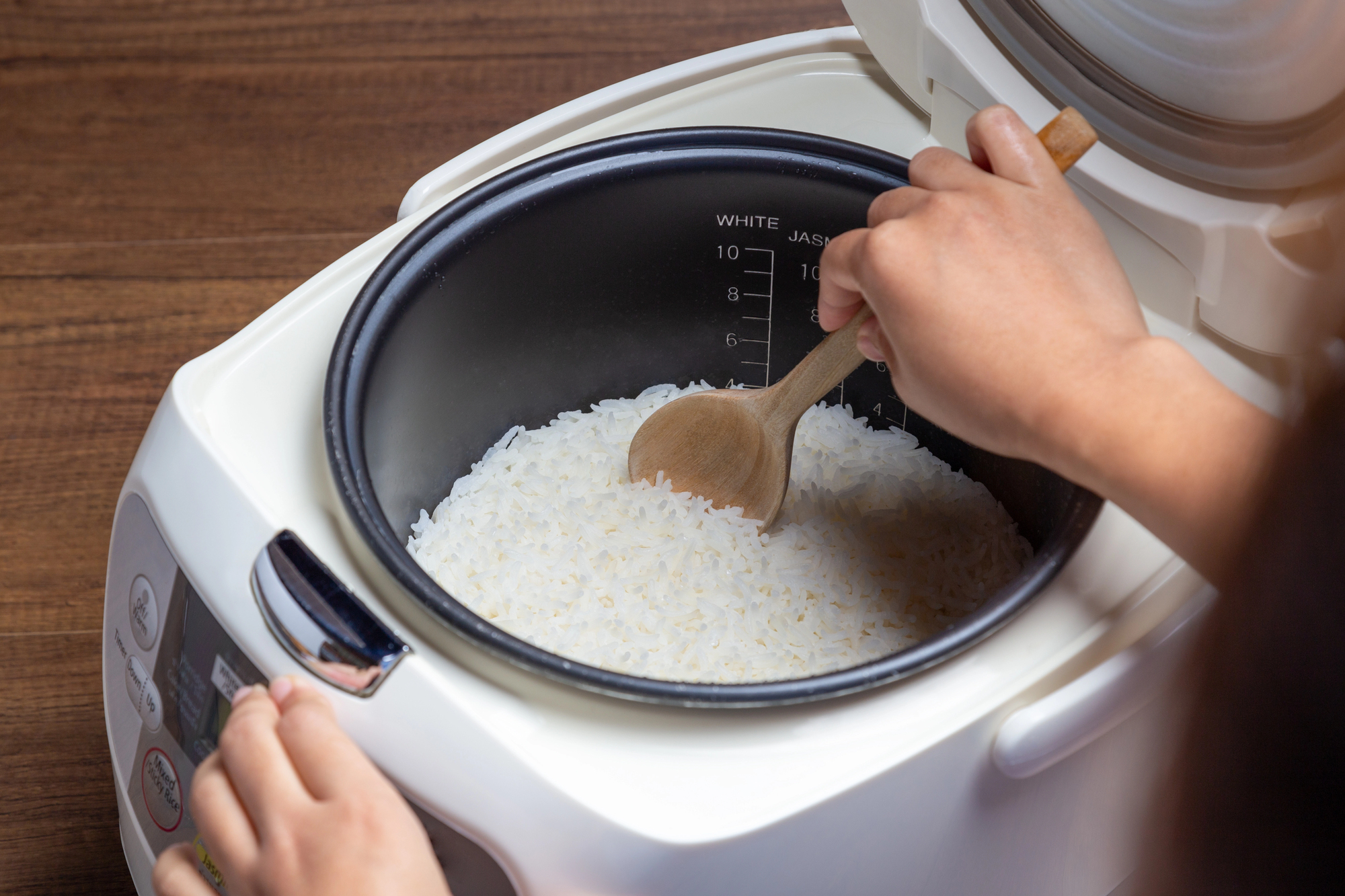
In Japan, rice cookers are prized for producing perfect white rice with a sticky consistency. Filipino households often cook full meals like adobo directly in their rice cookers.
In American dorm rooms, these devices are transformed into tools for crafting everything from pasta to desserts.
Bathroom Plumbing
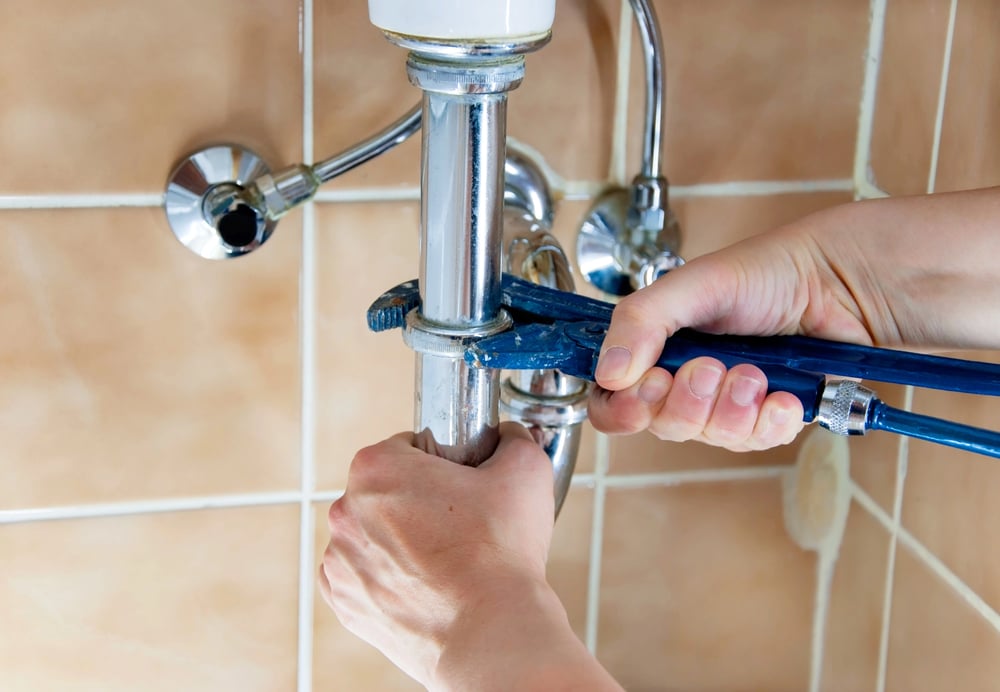
Japanese toilets often come with heated seats and bidet functions for comfort and cleanliness. French bathrooms typically feature a standalone bidet for personal hygiene.
In India and the Middle East, a small pot called a lota is commonly used with squat toilets for washing.
Refrigerators
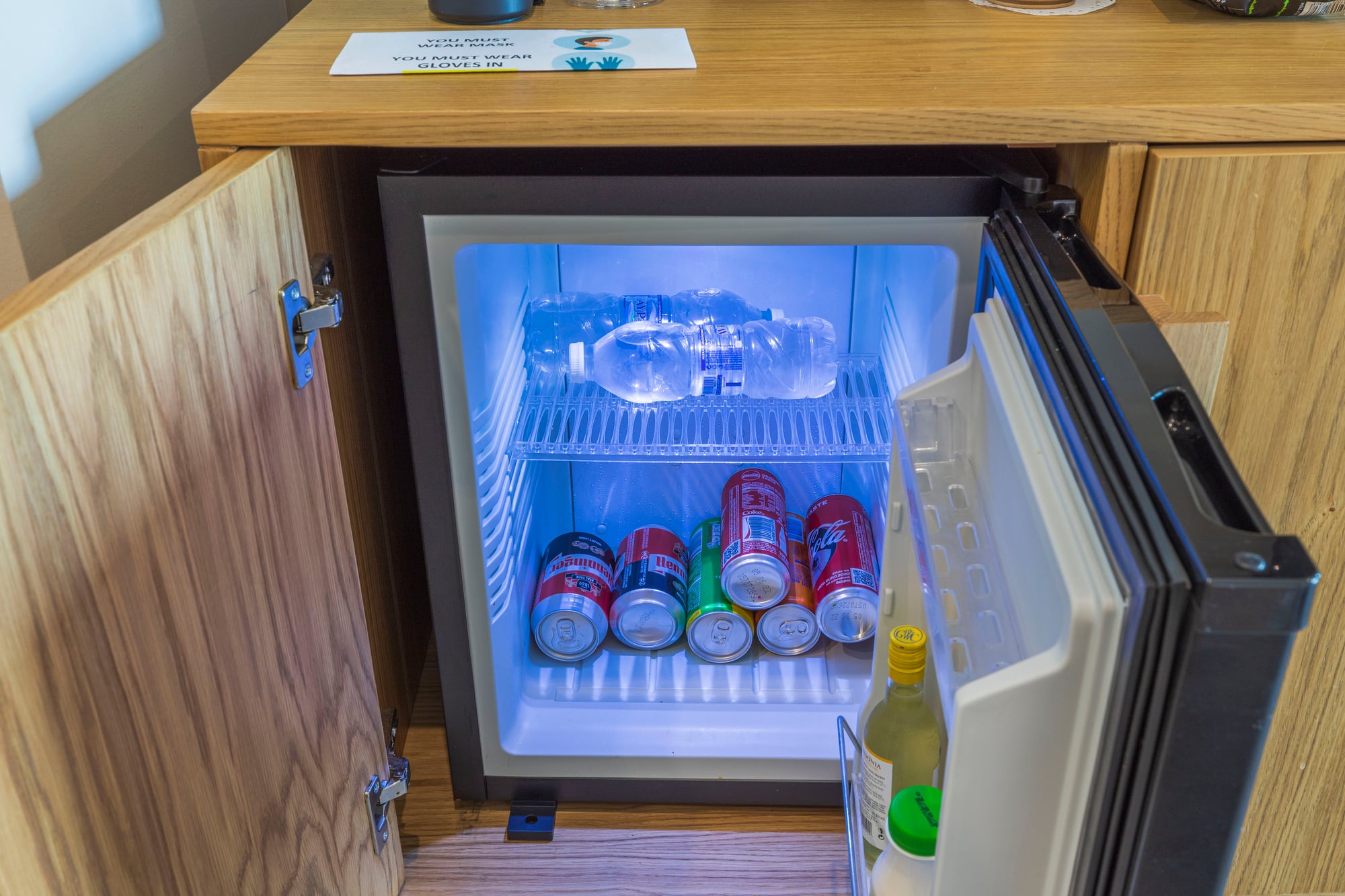
American refrigerators are large, equipped with water and ice dispensers, and designed for bulk storage. European models are compact, reflecting daily shopping habits and a focus on fresh food.
Japanese refrigerators prioritize organization with small, compartmentalized freezer sections.
Like Go2Tutors’s content? Follow us on MSN.
Beds

Europeans often sleep under two separate duvets to accommodate individual temperature preferences. Traditional Japanese futons are stored away during the day, freeing up space in small homes.
Bamboo mats in Southeast Asia offer a breathable sleeping surface ideal for warm nights.
Cheese Graters
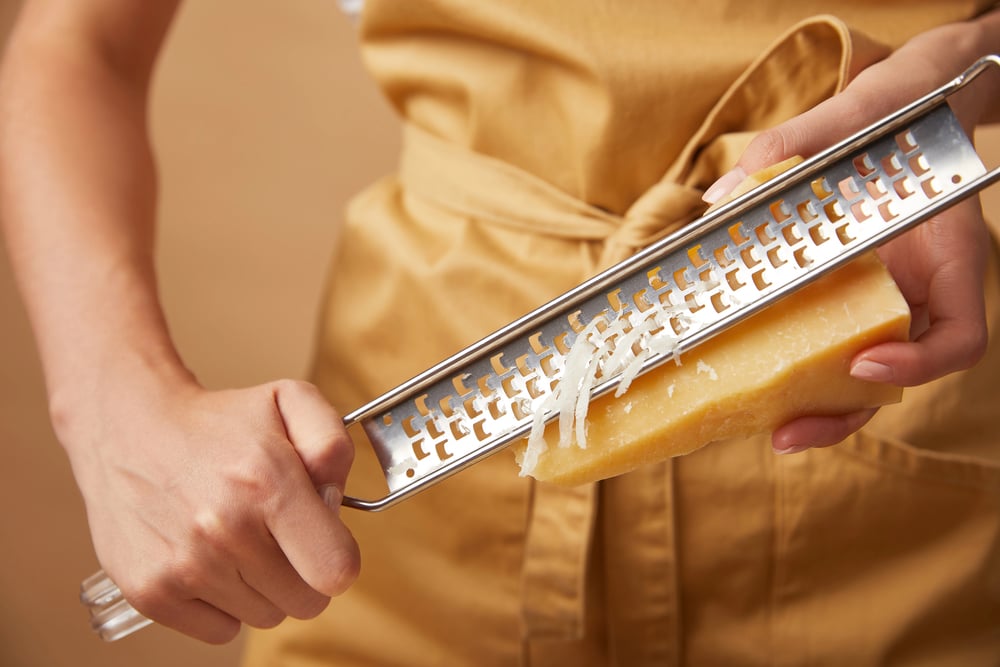
Italian kitchens use different graters for different cheese textures, tailoring tools to each variety. In Switzerland, diners use rotary graters to apply melted cheese directly onto meals.
Korean homes rarely use cheese graters, as cheese only recently entered mainstream cuisine.
Greeting Cards

In the U.S., greeting cards feature printed messages for various life events. In Japan, New Year’s money gifts are wrapped in decorative envelopes called otoshidama.
Red envelopes filled with cash are traditional in China, symbolizing luck and prosperity during celebrations.
Like Go2Tutors’s content? Follow us on MSN.
Shoes
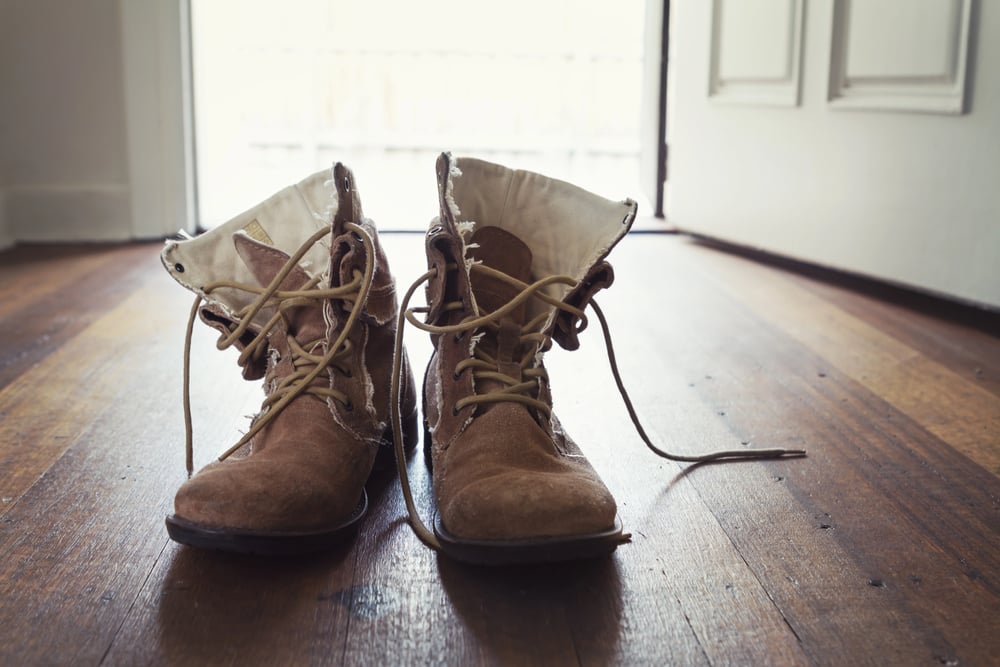
In Scandinavian countries, it’s customary to remove shoes at the door, keeping homes clean. Moroccan hosts offer guests soft leather slippers, or babouches, for indoor use.
In Japan, designated bathroom slippers are worn only in restrooms, never around the house.
Kitchen Knives
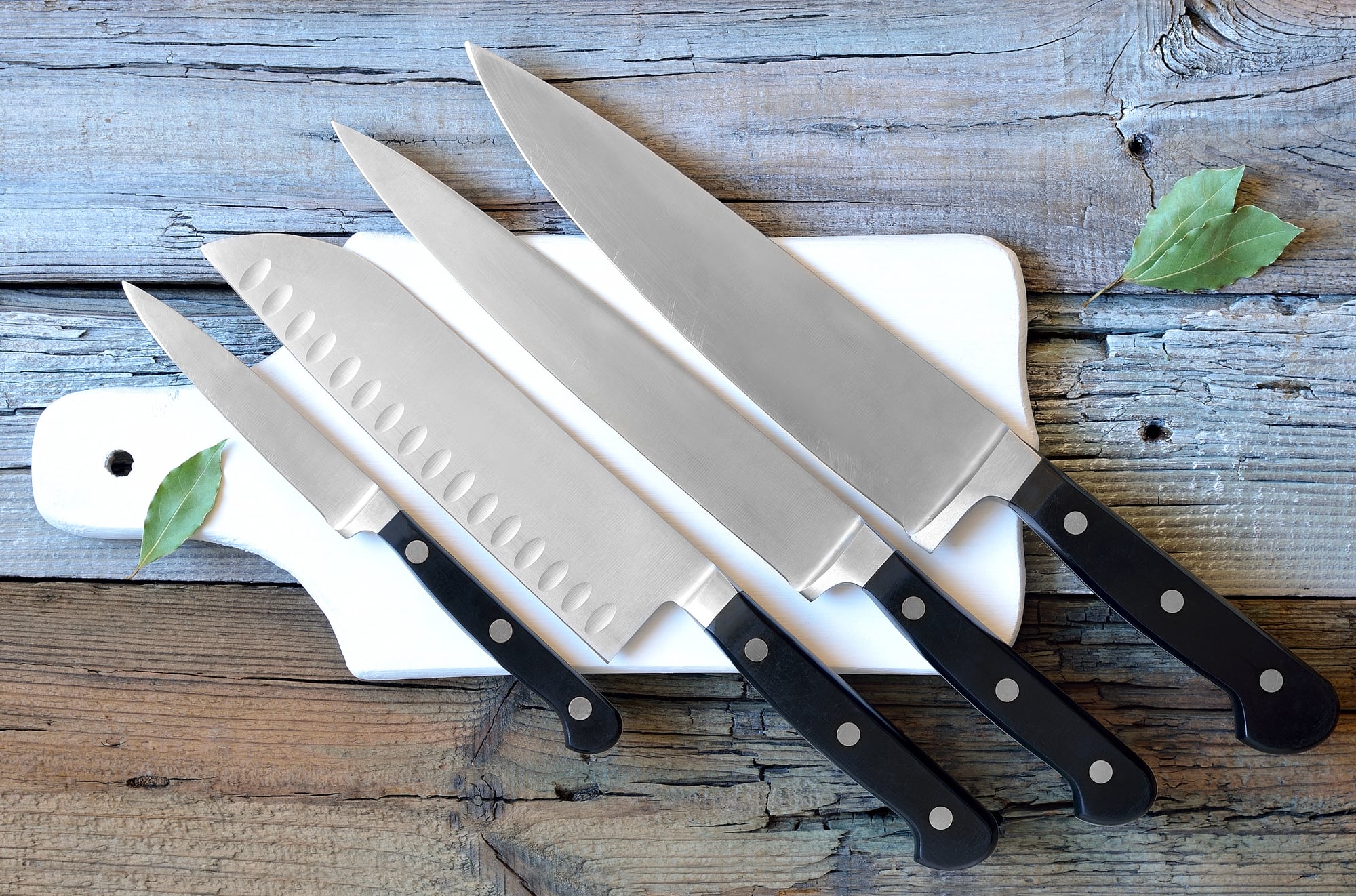
German knives are thick and versatile, capable of handling most kitchen tasks. Japanese cuisine uses highly specialized blades—each suited to a specific ingredient. Chinese cooks rely on a single cleaver-style knife that serves as an all-in-one chopping tool.
Corn

In the U.S., corn is enjoyed grilled on the cob, rotated and eaten row by row. Central American cuisine uses corn masa to create tortillas and tamales through nixtamalization.
Asian street vendors often sell cups of buttered and spiced corn as convenient snacks.
Like Go2Tutors’s content? Follow us on MSN.
Coffee Makers
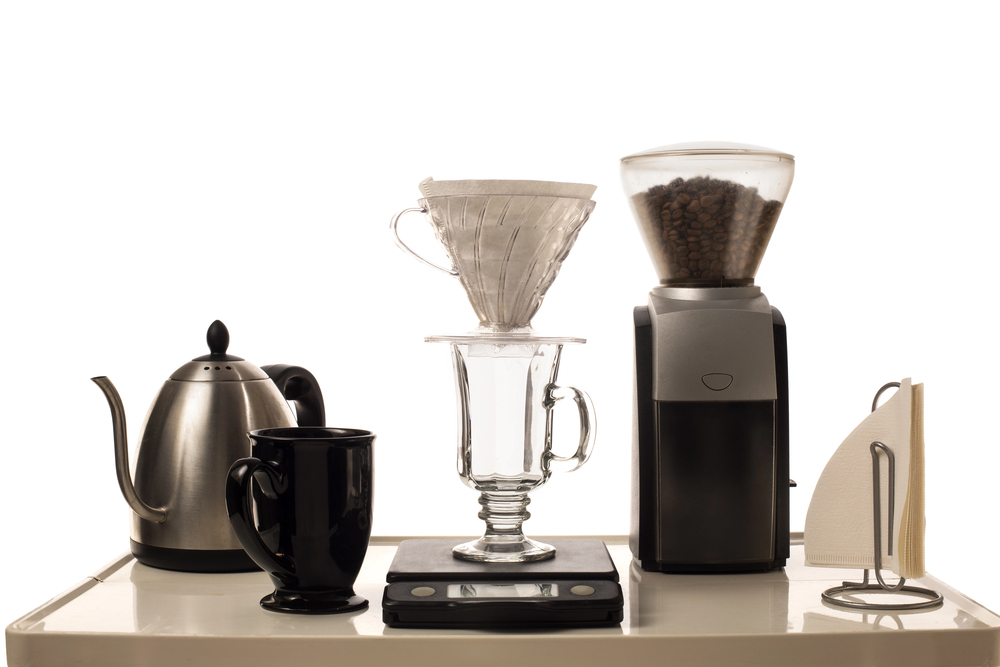
Italians use stovetop moka pots to brew strong, concentrated coffee at home. Turkish coffee is prepared in a small cezve and served unfiltered, often with sugar.
In Vietnam, drip filters called phin make slow, bold coffee that’s typically mixed with condensed milk.
Washing Machines
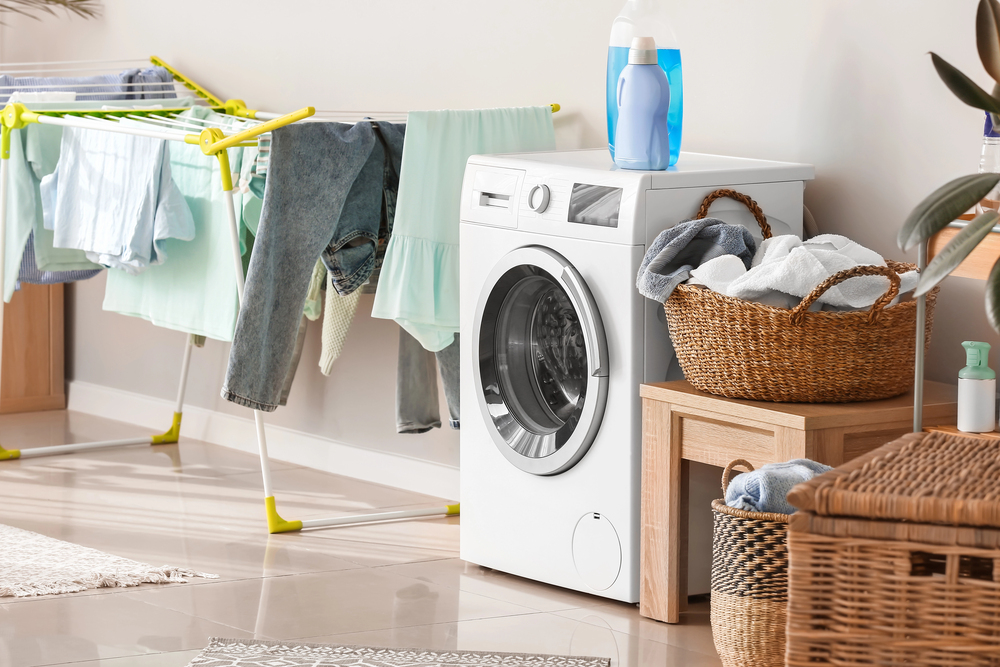
Top-loading washing machines are common in North America, using agitators to clean clothes. European front-loaders are more water-efficient and often integrated into tight spaces.
In India, portable washers with built-in wheels help households adapt to water access challenges.
Smartphones
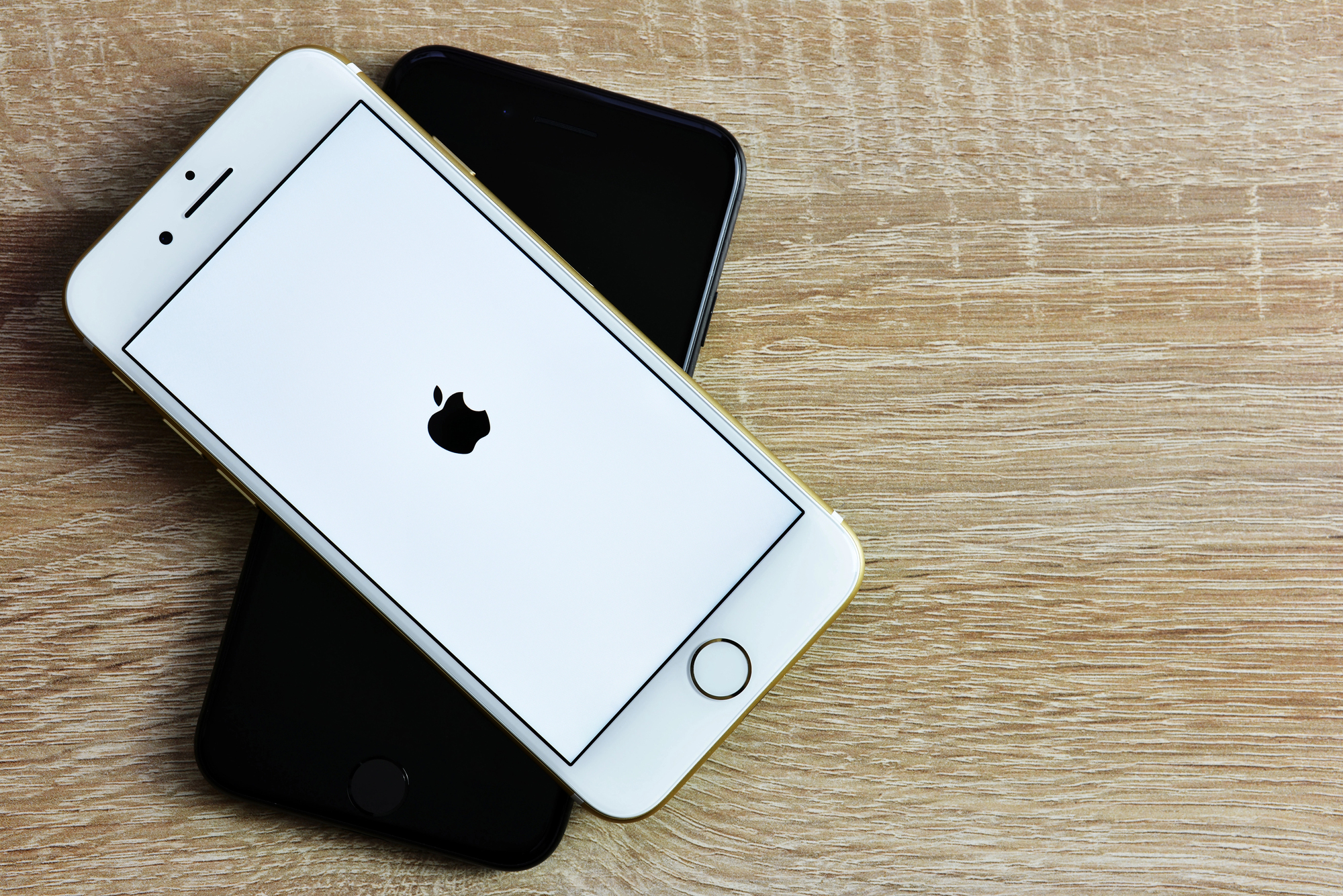
In China, smartphones are essential for digital payments via apps like Alipay and WeChat. Japanese users emphasize camera features and decorate phones with charms and stickers.
Kenya’s M-Pesa platform enables secure mobile money transfers, bridging gaps in banking infrastructure.
Like Go2Tutors’s content? Follow us on MSN.
Plastic Bags
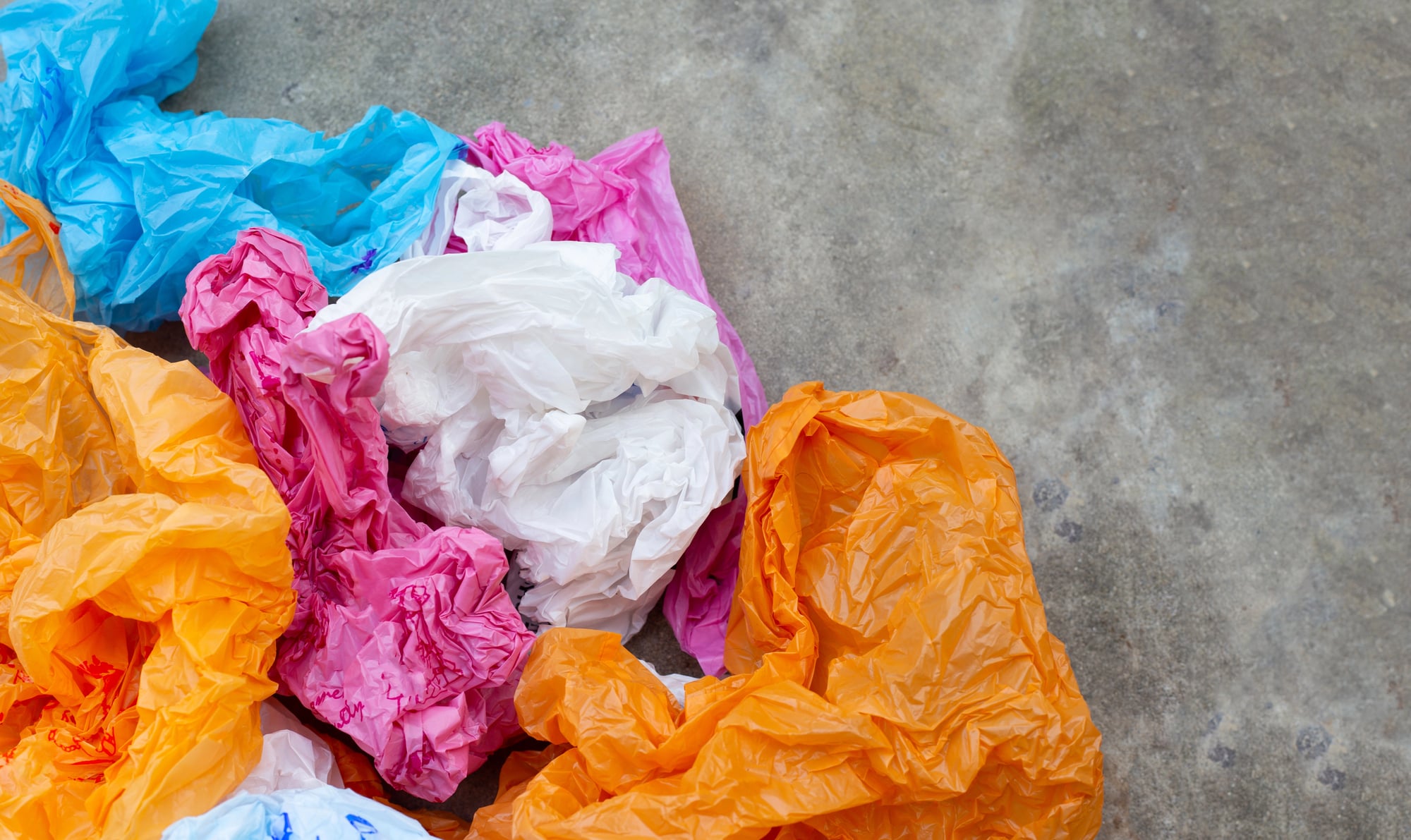
Germany encourages reusable bags by charging for disposables, promoting eco-conscious shopping. In Ghana, artisans weave plastic waste into durable, colorful accessories.
Thai vendors serve drinks in tied plastic bags, a creative and mobile take on packaging.
Calendars

Western calendars often begin the week on Sunday, reflecting cultural and religious norms. Islamic calendars follow lunar cycles, with holidays determined by moon sightings.
Traditional Chinese calendars combine solar and lunar systems, influencing everything from planting to weddings.
Global Adaptations in Action

These variations highlight how everyday tools are reshaped by culture, geography, and necessity. Objects we take for granted may be used in surprising ways elsewhere, reflecting different values and priorities.
What seems “normal” in one place can be radically different—and just as valid—somewhere else.
Like Go2Tutors’s content? Follow us on MSN.
More from Go2Tutors!

- 18 Unexpectedly Valuable Collectibles You Might Have Lying Around
- 20 Little-Known Historical Battles That Had Huge Consequences
- 20 Historical Artifacts That Scientists Can’t Explain
- 20 Cars That Were Banned from the Roads (and Why)
- 20 Discontinued Snacks from the 70s and 80s That We Still Miss
Like Go2Tutors’s content? Follow us on MSN.