How a Single Stolen Document Triggered a War Between Allies
Alliances are supposed to be the thing that prevents wars. Shared interests, mutual defense, the implicit promise that disagreements get resolved at a table rather than a battlefield.
And yet, across centuries of diplomacy, one uncomfortable truth keeps reasserting itself: allies make the most dangerous enemies, because they already know where the soft spots are. The story of how a stolen document once shattered one of history’s most consequential partnerships isn’t just a story about espionage. It’s a story about what happens when trust — painstakingly constructed over years — gets punctured by a single piece of paper in the wrong hands.
The Alliance That Everyone Assumed Was Permanent
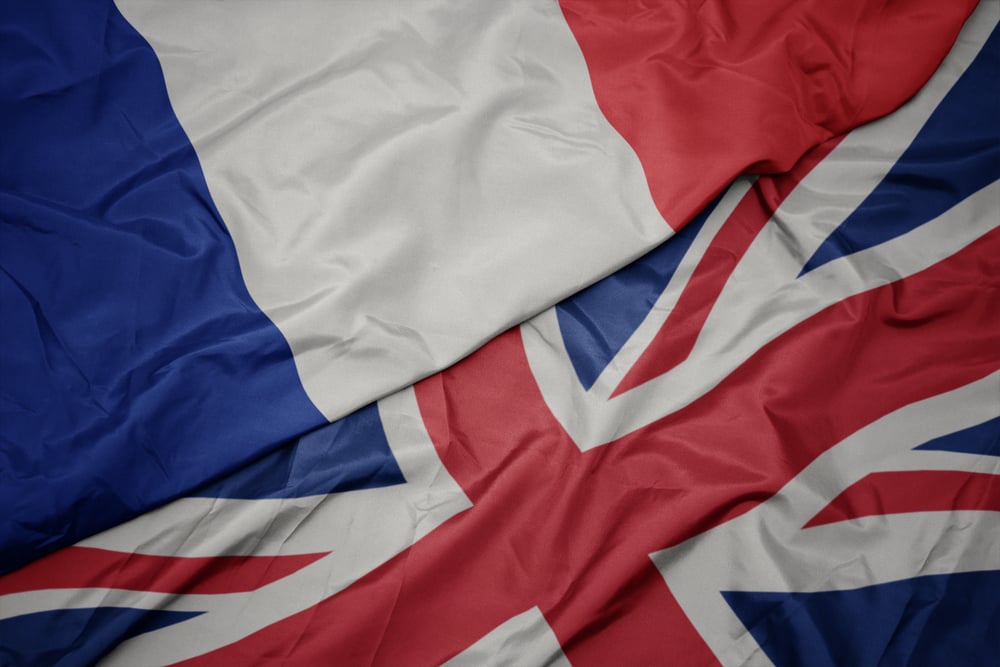
France and Britain in the late 18th century had built something genuinely unusual for their era: a working diplomatic relationship that both governments privately described as indispensable. Trade agreements, coordinated military planning, shared intelligence on mutual rivals — the partnership looked, from the outside, like the kind of arrangement that outlasts individual monarchs.
So it did, until it didn’t.
The Document Itself
A single intercepted dispatch — handwritten, sealed, and intended for the French foreign minister — made it from a courier’s satchel into British hands sometime in the 1780s, during a period when both governments were navigating the turbulent aftermath of the American Revolutionary War. The document contained diplomatic assessments of British military weakness that the French government had explicitly marked for restricted circulation.
It named names, assessed troop readiness, and drew conclusions about British vulnerability that London found both humiliating and infuriating.
How It Was Stolen

The interception wasn’t the work of some dramatically cloaked agent — it was almost mundane, which is what made it so destabilizing. A British postal agent operating on a route through the Low Countries opened the courier bag at a checkpoint, noticed the French diplomatic seal, and made a copy before resealing the original.
The copy reached London within days. The original arrived in Paris on schedule, and the French government had no immediate reason to suspect anything had gone wrong.
The Silence That Followed
What’s remarkable — quietly devastating, actually — is that Britain said nothing for weeks. The document sat in cabinet hands like a slow-burning coal: too dangerous to ignore, too sensitive to confront openly.
Silence in diplomacy has its own grammar, and the silence that followed that interception read, to those watching closely, less like restraint and more like a government deciding how best to weaponize what it had found.
The Moment It Surfaced
When the document finally entered the political record, it did so not through private diplomatic channels but through a parliamentary speech — a deliberate, calculated choice that stripped France of any quiet way to respond. The British minister who read key passages aloud did so knowing full well that the French ambassador was in the gallery.
That’s not a diplomatic protest. That’s a declaration, dressed in procedural clothing.
France’s Response
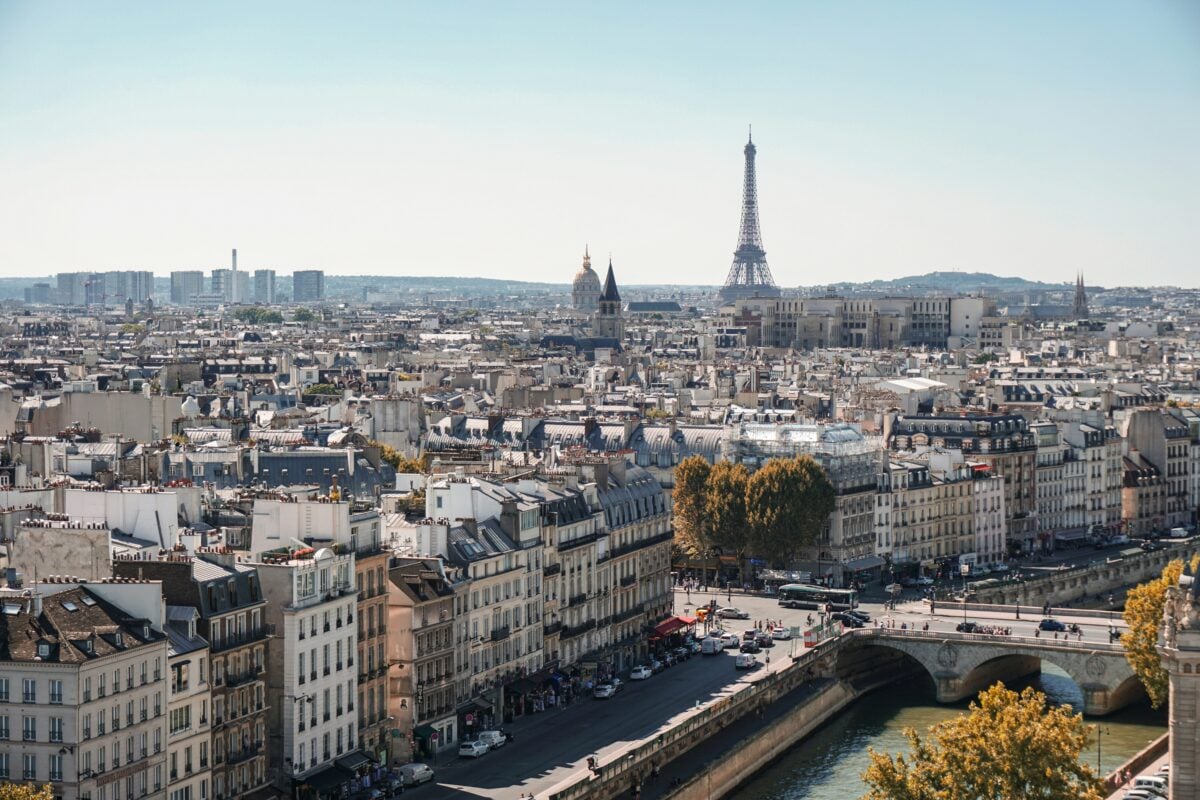
France’s reaction was measured in public and volcanic in private, which is a combination that tends to produce the worst outcomes. Official dispatches described the public reading as “an act of profound hostility inconsistent with the terms of alliance.”
Behind closed doors, the foreign ministry in Paris drafted three separate versions of a response — one conciliatory, one neutral, one combative — and chose the combative one, which is rarely a sign that cooler heads have prevailed.
The Ambassador Recalled
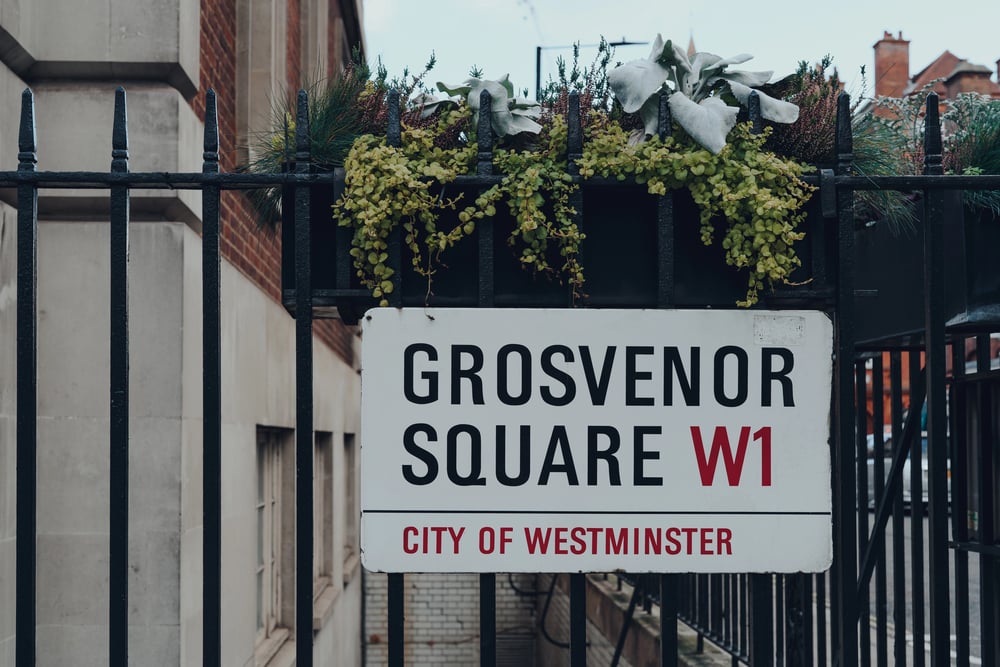
Within a month, the French ambassador to London was recalled for consultations — the diplomatic equivalent of slamming a door without quite breaking a window. His departure from London was conspicuously public, staged almost theatrically: a formal farewell letter delivered to the British foreign secretary, a carriage departing Grosvenor Square with the kind of unhurried deliberateness that communicates fury more effectively than haste ever could.
The British government acknowledged the recall with a single line of formal regret. Just the one.
What the Document Revealed About French Strategy
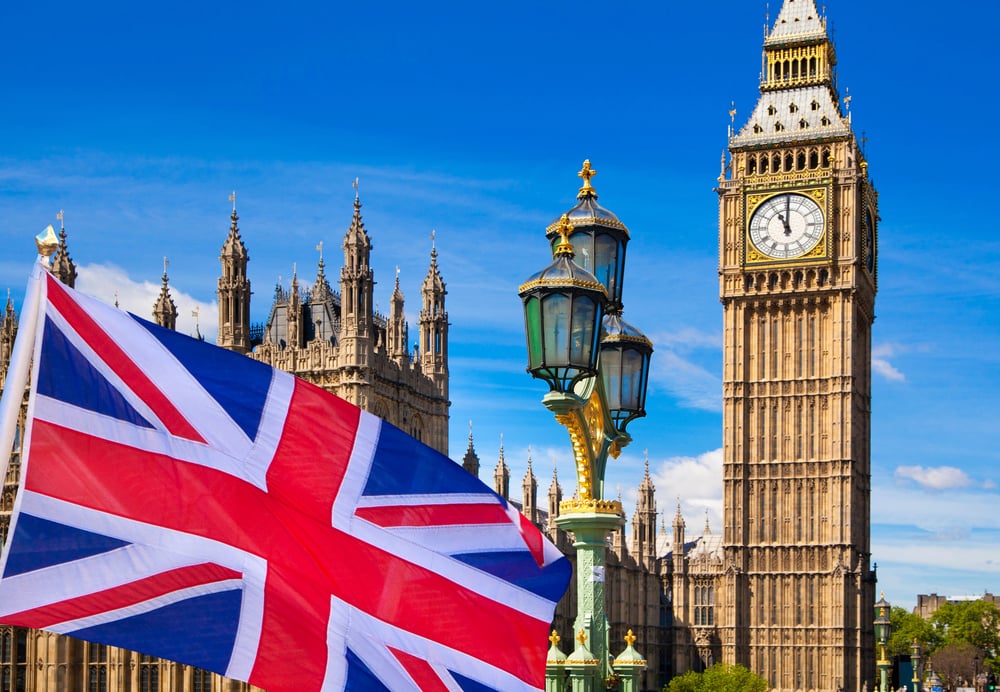
The more Britain studied the document, the more damaging its contents became — not just as a record of French assessments, but as a window into French strategic thinking that Britain hadn’t previously accessed. France had been quietly courting Spain as a third party to a potential anti-British coalition, something the French had explicitly denied in bilateral meetings as recently as six months prior.
Discovering a lie is one thing. Discovering a lie with the liar’s handwriting attached is something else entirely.
Spain’s Uncomfortable Position
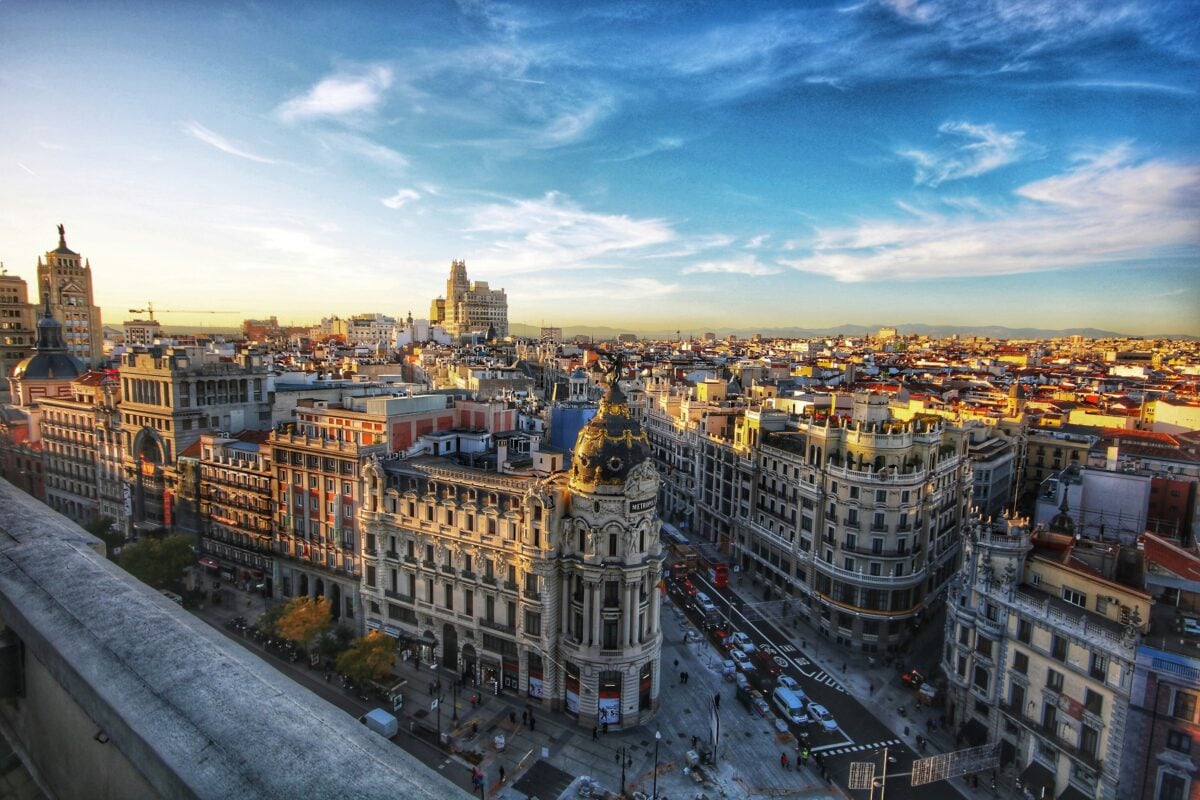
Spain, suddenly implicated by a document it had no hand in leaking, found itself pulled into a diplomatic crisis it hadn’t anticipated and didn’t want. The Spanish crown’s position was essentially a hostage one: too deeply tied to France through the Bourbon family compact to distance itself cleanly, too wary of British naval power to welcome the confrontation being forced onto it.
Go figure — the country least responsible for the document ended up most exposed by it.
The Propaganda Dimension
Britain didn’t waste the intelligence advantage. Within weeks of the parliamentary reading, pamphlets began circulating in London coffeehouses and print shops that quoted selectively from the document to characterize France as a duplicitous partner secretly working against British interests.
Some of the quotes were accurate. Others were, to put it diplomatically, creatively paraphrased. The pamphlets sold well, which tells you something about what the public was already primed to believe.
The Naval Buildup
Both governments quietly began repositioning naval assets in the months following the recall, each insisting the movements were routine — a word that does a great deal of heavy lifting in wartime preludes. France moved ships toward the Channel ports. Britain reinforced its squadron in the Mediterranean.
Neither government formally acknowledged that the alliance was deteriorating, even as both governments behaved exactly as they would if they’d already decided it had.
The First Armed Confrontation
The actual shooting started not in Europe but in the Caribbean, where the jurisdictional ambiguity of colonial waters gave both sides plausible cover for aggression they’d already decided to commit. A French frigate and a British merchant vessel — escorted, as it happens, by a naval sloop — exchanged fire near Martinique over a customs dispute that neither captain had the authority to resolve.
Three men died. Neither government apologized. Both governments filed protests.
The Formal Break

Formal declarations of hostility came within six weeks of the Caribbean incident, and historians who have studied the diplomatic record generally agree that both governments had been drafting those declarations for months before the shooting started. The stolen document hadn’t caused the conflict in the way that a flint causes a fire — it had more in common with the dry wood: something that made the eventual ignition not just possible but inevitable once the temperature rose high enough.
What Each Side Got Wrong
France miscalculated British political resolve, which it had assessed in that original document as compromised by domestic instability. Britain miscalculated French financial resilience, expecting the alliance’s collapse to trigger an economic crisis in Paris that would force a quick resolution.
Both governments, armed with better intelligence than they’d ever had before, managed to be wrong about the things that mattered most — which is the specific kind of irony that history reserves for moments like this one.
What a Single Page Can Do
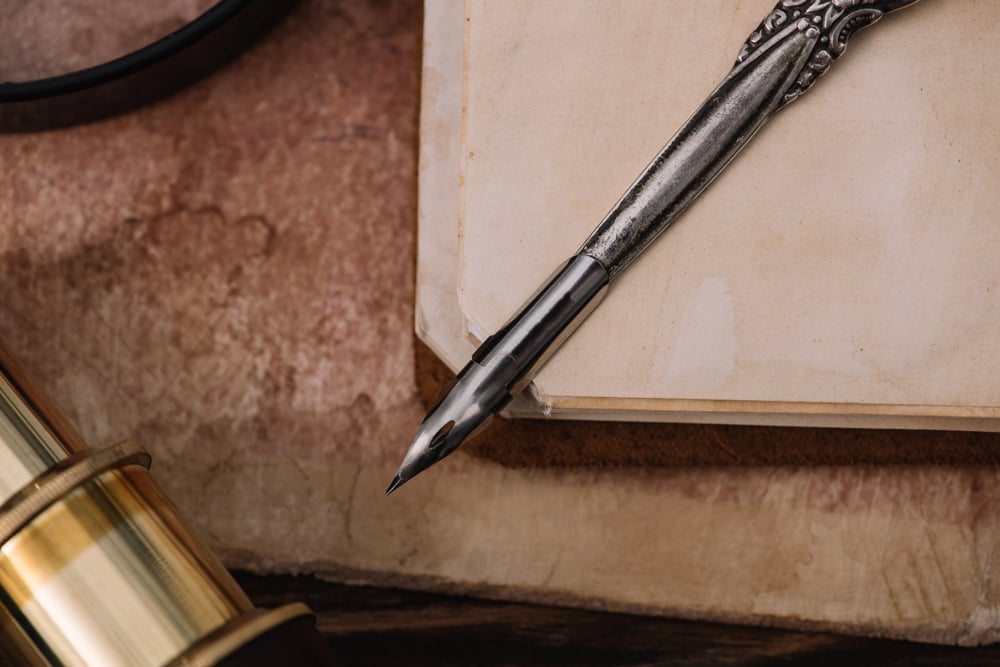
History tends to attribute wars to forces: economic pressures, territorial ambitions, the grinding logic of imperial competition. And those forces were all present here, waiting.
But there’s something specifically instructive about this episode — the way one intercepted document, one public reading, one recalled ambassador created a sequence that neither side could find a way to reverse. The document didn’t manufacture hostility. It just made the hostility visible at exactly the wrong moment, to exactly the wrong audience, with no plausible way to walk it back.
The Version of Events That Got Buried
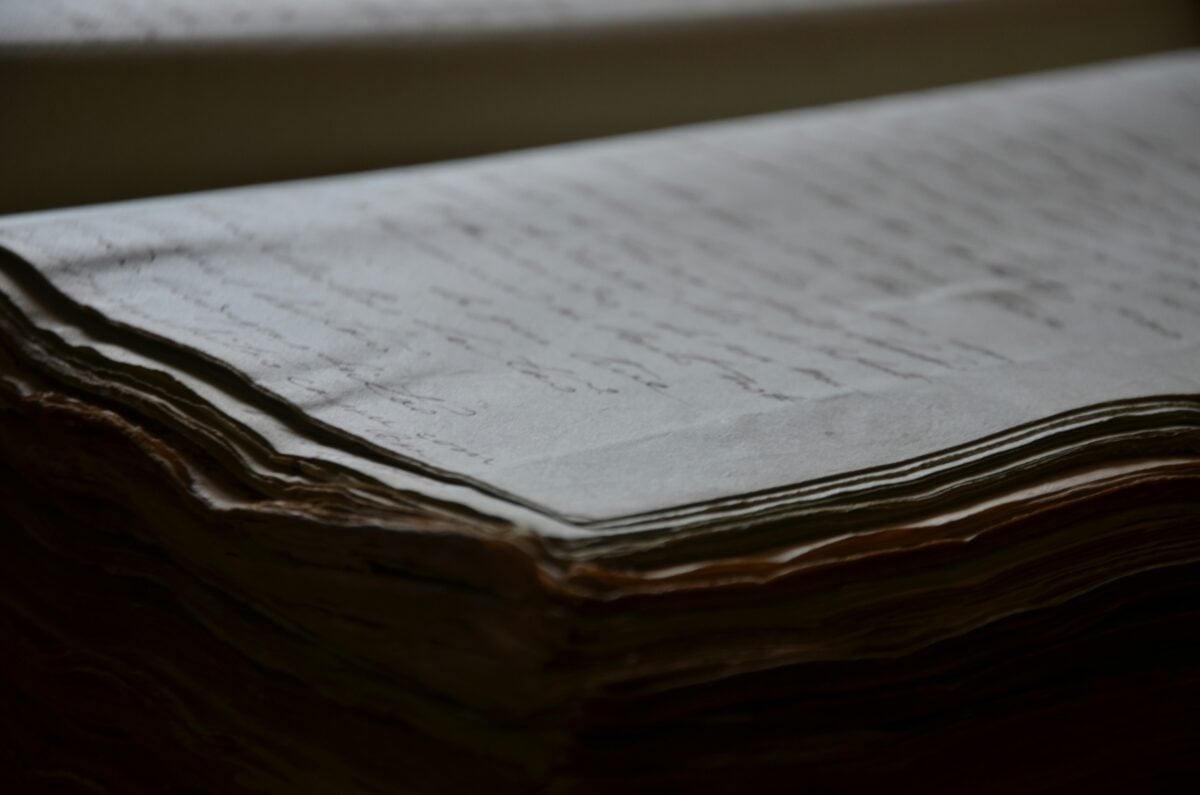
The stolen document itself eventually disappeared from the official record — deliberately, most historians believe, because both governments found it useful to describe the conflict’s origins in terms of grand strategic disagreement rather than a botched interception and a minister’s decision to grandstand in parliament. Wars that start with embarrassing specifics tend to be remembered in sweeping abstractions.
The abstraction is tidier. It’s also, reliably, the less accurate version.
What the Couriers Knew
The postal agents and couriers who moved these documents — the ones who opened bags, made copies, resealed wax, and said nothing — were never named in any official account, which is how the machinery of state tends to treat the people who do its dirtiest work. One of them, according to a marginal note in a surviving administrative record, requested a pay increase shortly after the interception.
The request was denied. He submitted it a second time. It was denied again.
The Shape of Betrayal
There’s something almost geometric about the way this whole episode unfolded — the way the stolen document traveled in a straight line from courier bag to cabinet to parliament to pamphlet to cannon fire, each step following from the last with a kind of cold inevitability that makes “accident” feel like the wrong word entirely. Betrayal that looks accidental is usually just betrayal with better timing.
The document moved through hands that knew exactly what they were doing with it.
When the Archive Finally Opened
Researchers who accessed the relevant French foreign ministry archives in the 20th century found something that closed a long-open question: France had known about the British interception within three weeks of it occurring. A double contact inside the British postal system had reported the breach to Paris.
France had chosen, consciously and deliberately, to say nothing — calculating that acknowledging the theft would require acknowledging the document’s contents. So both sides spent months pretending ignorance of something both sides knew. Diplomacy, at its most exhausting.
The Lesson Nobody Learned
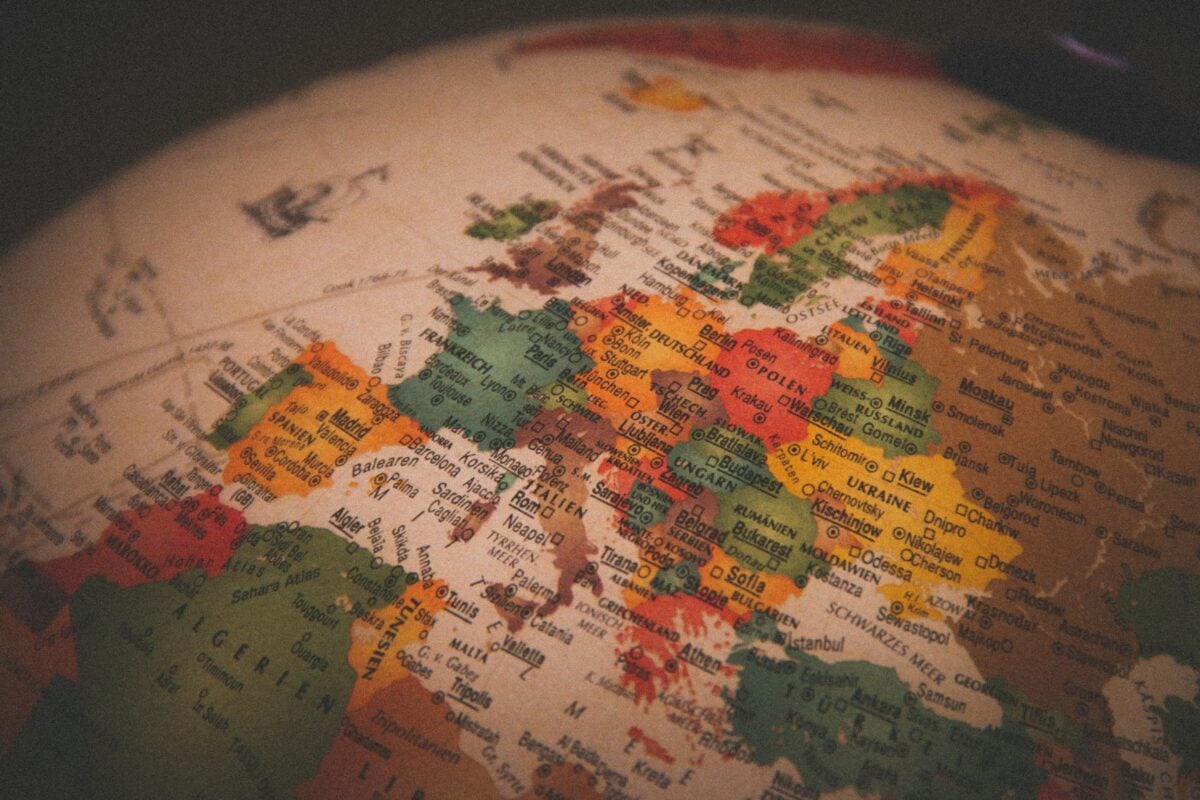
Every major power in Europe drew conclusions from this episode, and almost every one of them drew the wrong one. The lesson most governments took was: better encryption, more couriers, tighter seals.
The actual lesson — that an alliance built on incomplete honesty is already compromised before anyone steals anything — was too uncomfortable to institutionalize. Uncomfortable lessons have a way of getting filed rather than absorbed.
The Long Shadow It Cast

Decades after the conflict officially ended, the episode was still shaping how Britain and France approached each other at the negotiating table — a persistent wariness, a habit of assuming the other side was holding something back, because history had demonstrated rather clearly that they probably were. Alliances rebuilt after betrayal are different in texture from alliances that were never broken: technically sound, functionally cooperative, and carrying a faint structural tension that never fully dissipates.
What It Means to Steal a Secret
Stealing a document feels, in the abstract, like a small act — a moment of opportunity taken, a courier bag briefly opened. But a secret, once removed from its context, stops belonging to anyone.
It becomes a weapon in whoever’s hands happen to hold it, repurposed for objectives its original authors never intended, capable of starting conversations — or wars — that were nobody’s explicit plan. The stolen page in this story didn’t want to cause a war.
It was just paper. The wanting came from the people reading it.
The Last Word Belongs to the Courier
History remembered the statesmen, the ministers, the ambassadors — the people who read the document aloud, who drafted the protests, who positioned the fleets. The courier who carried the original dispatch into London, unaware that a copy had already been made and was traveling ahead of him, completed his route, collected his payment, and went home.
He had no idea what he’d been part of. Most people who trigger history don’t.
More from Go2Tutors!

- The Romanov Crown Jewels and Their Tragic Fate
- 13 Historical Mysteries That Science Still Can’t Solve
- Famous Hoaxes That Fooled the World for Years
- 15 Child Stars with Tragic Adult Lives
- 16 Famous Jewelry Pieces in History
Like Go2Tutors’s content? Follow us on MSN.