29 Everyday Products With Origins in Military Research
There’s something quietly strange about reaching for a tube of sunscreen before a beach trip, or lacing up a pair of running shoes, and having no idea that the thing in your hands was shaped — at least in part — by the pressure of warfare. Military research has always operated under extreme constraints: things need to work under brutal conditions, at scale, with lives on the line.
That kind of pressure tends to produce solutions that turn out to be genuinely useful far beyond the battlefield. Some of the most familiar objects in modern life started their existence inside a government lab or a wartime supply chain, then quietly migrated into grocery stores and sporting goods aisles without anyone making a fuss about it.
Here are 29 of them.
Duct Tape
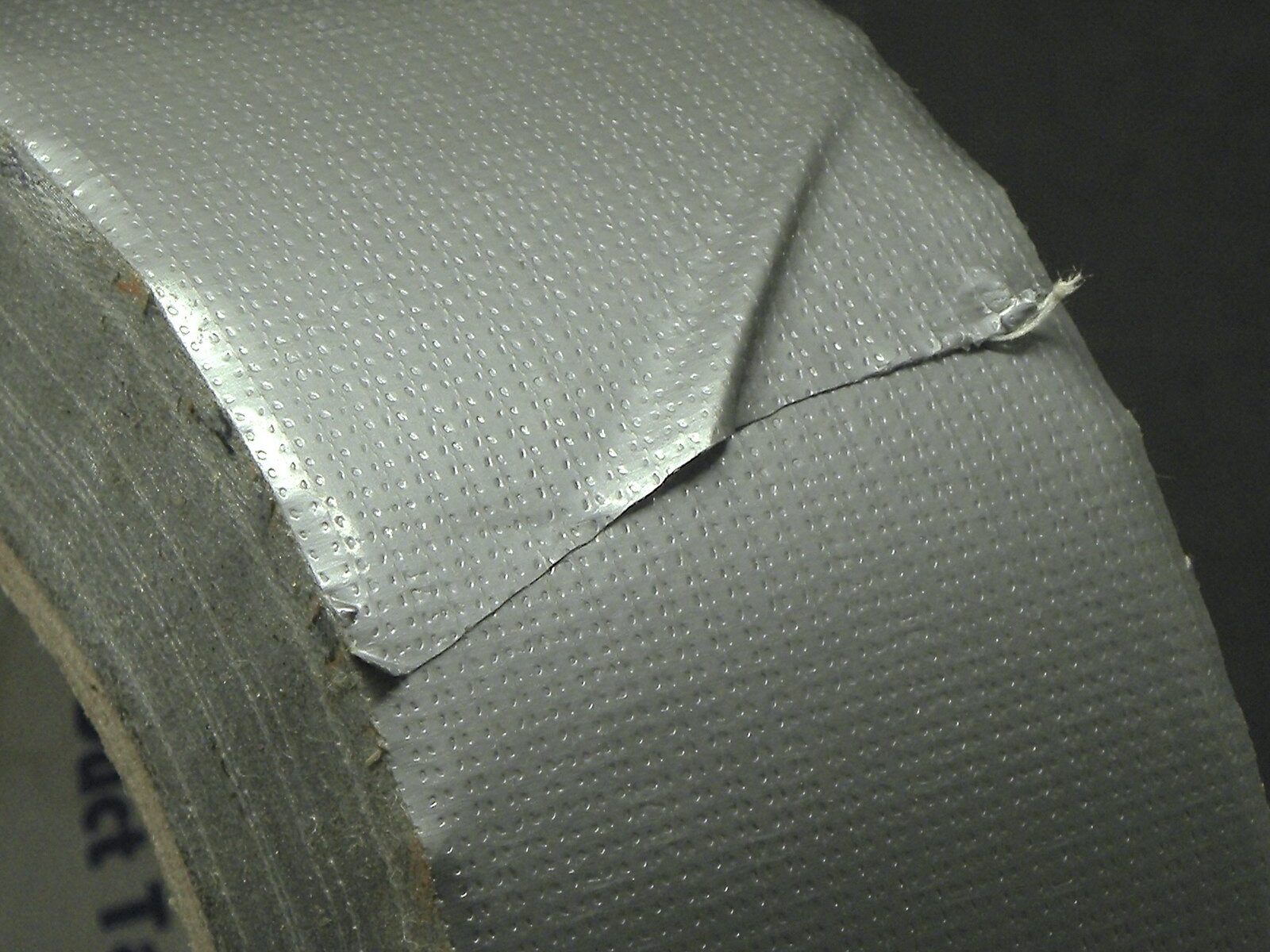
Duct tape was born during World War II. The US military needed a waterproof, flexible tape to keep moisture out of ammunition cases, and Johnson & Johnson’s Permacel division delivered — a cloth-backed, rubber-adhesive product soldiers called “duck tape” for its water-shedding quality. It works, which is the only thing that ever mattered.
Microwave Ovens
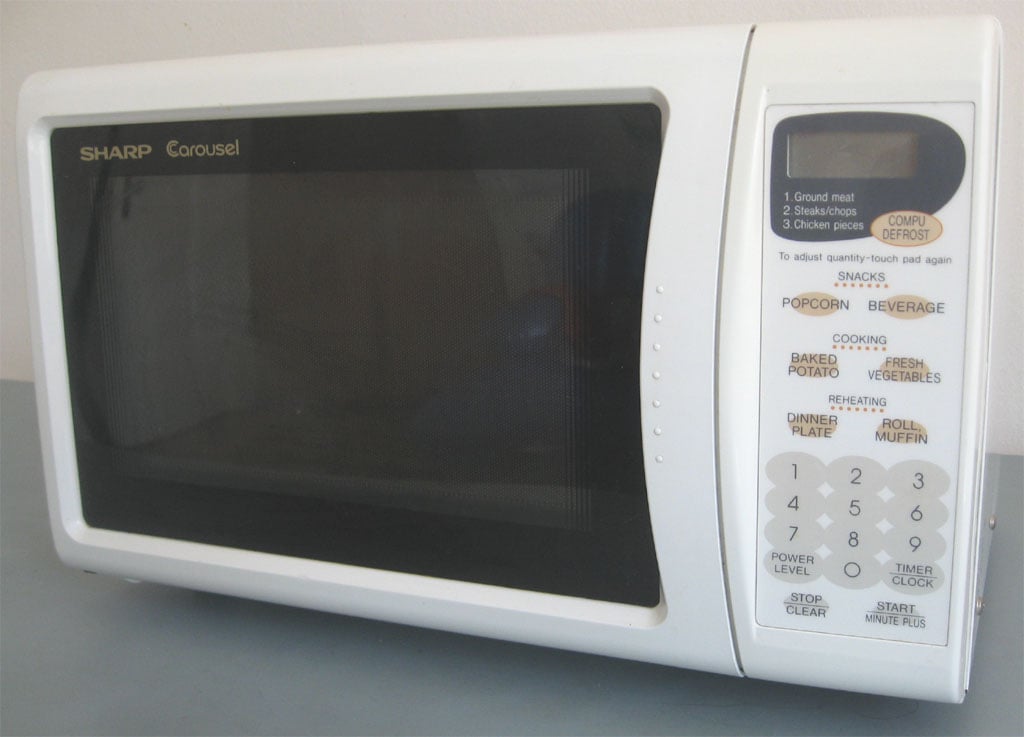
The microwave oven exists because a Raytheon engineer named Percy Spencer walked past a magnetron — a radar component — and noticed the chocolate bar in his pocket had melted. That discovery, accidental and almost comically mundane, led directly to the first commercial microwave unit in 1947, a machine that stood nearly six feet tall and weighed 750 pounds.
The countertop version came later, but the radar research that made it possible was funded entirely by wartime necessity.
The Internet

The internet began as ARPANET, a Defense Advanced Research Projects Agency project designed to allow computers at different locations to share information even if part of the network was destroyed. It was, at its core, a military resilience problem — and the solution turned out to be packet-switching, a concept that still underlies every webpage you visit.
So the thing you’re using right now to read about military inventions is itself a military invention.
Aviator Sunglasses
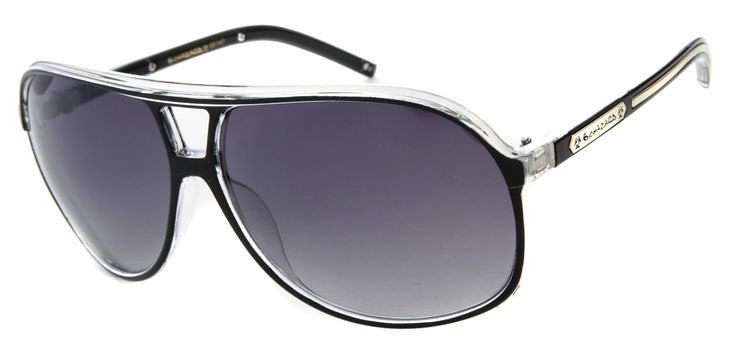
Aviator sunglasses were developed in 1936 by Bausch & Lomb specifically for US Army Air Corps pilots, who needed eye protection that reduced glare at altitude without restricting peripheral vision. The teardrop shape covered more of the eye than standard lenses, and the thin metal frame kept weight down.
They became a fashion statement almost entirely by accident — decades of military imagery did the advertising for free.
GPS
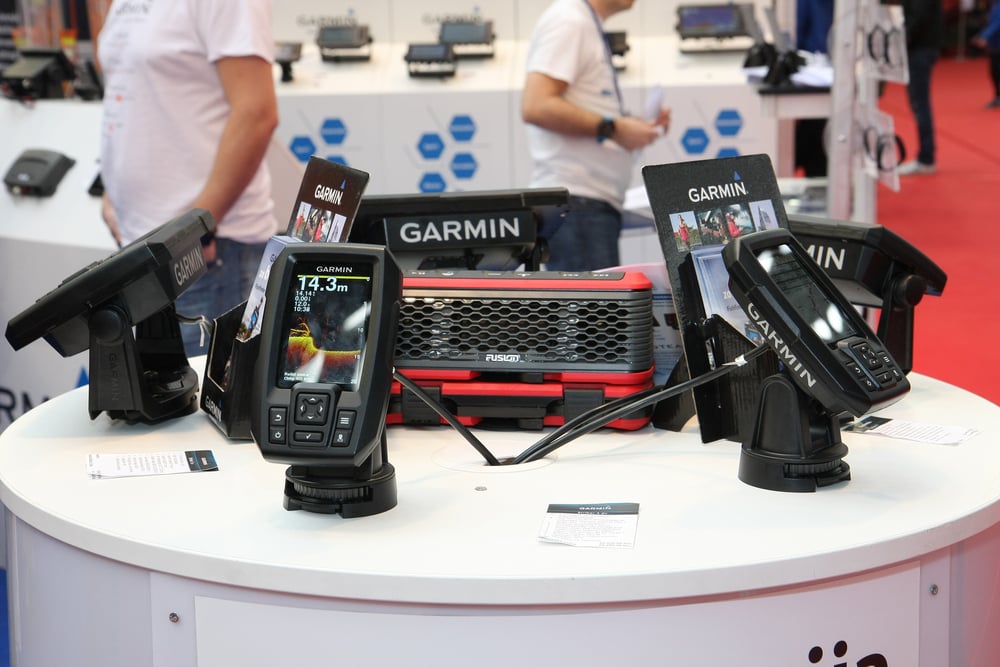
GPS is a story about navigating missiles before it was ever a story about navigating traffic. The Global Positioning System was developed and maintained by the US Department of Defense, built around a constellation of satellites originally intended to give military assets precise positioning data anywhere on Earth.
Civilian access was restricted until 2000, when President Clinton ordered Selective Availability switched off — and within years, the technology migrated into every car dashboard and smartphone on the planet.
Canned Food

Canned food predates many modern militaries in its basic concept, but Napoleon Bonaparte’s government directly funded its development — offering a cash prize in 1795 to anyone who could solve the problem of feeding troops over long campaigns without the food spoiling. Nicolas Appert collected the prize in 1810.
The tin can followed shortly after, and the rest is grocery store history.
Super Glue
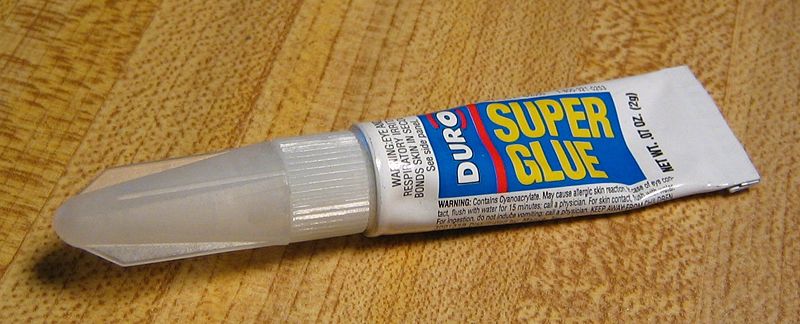
Super glue — cyanoacrylate — was discovered in 1942 by Harry Coover while he was attempting to develop a clear plastic for gun sights. The formula bonded to everything it touched, which made it useless for gun sights and, it turned out, useful for almost everything else.
Coover reportedly rediscovered the compound years later during a separate project, recognized it this time, and pursued it commercially.
Freeze-Dried Food

Freeze-drying as a food preservation method was refined during World War II to stabilize blood plasma and penicillin for field use — two things that couldn’t be refrigerated in combat zones. The same process was later applied to food, first by the military for rations, then by the civilian food industry for coffee, camping meals, and eventually the astronaut ice cream sold in every science museum gift shop.
Synthetic Rubber
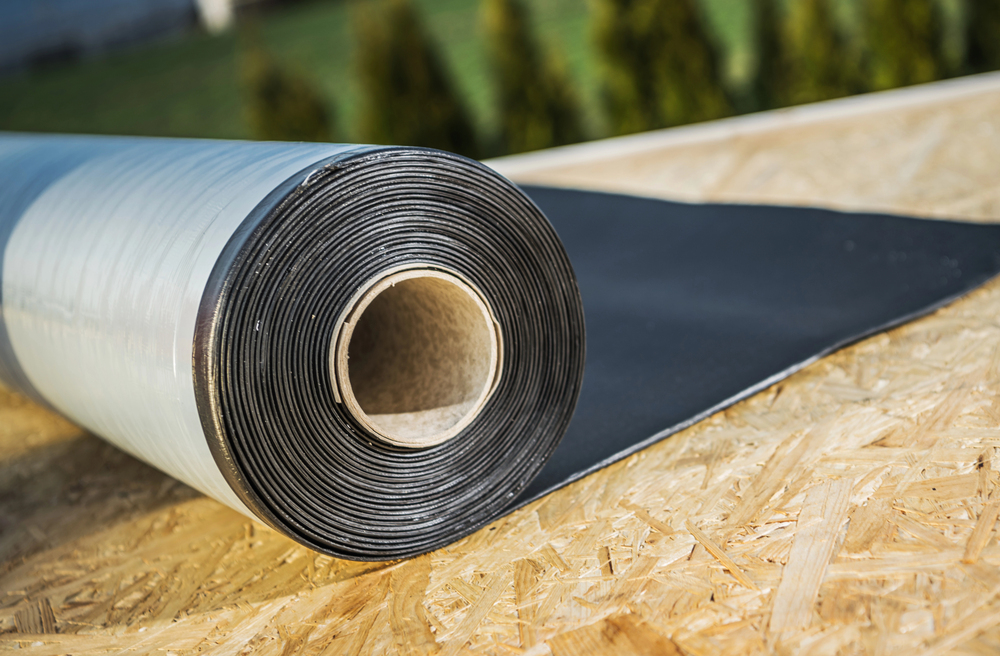
Natural rubber supply lines were cut off when Japan seized control of Southeast Asian plantations early in World War II, and the US faced a genuine crisis — rubber was in tires, gas masks, boots, and aircraft components. The government poured resources into developing synthetic alternatives, accelerating research that had existed in fragmentary form for decades.
Modern vehicle tires, shoe soles, and industrial seals all descend from that wartime scramble.
EpiPen Delivery Mechanism
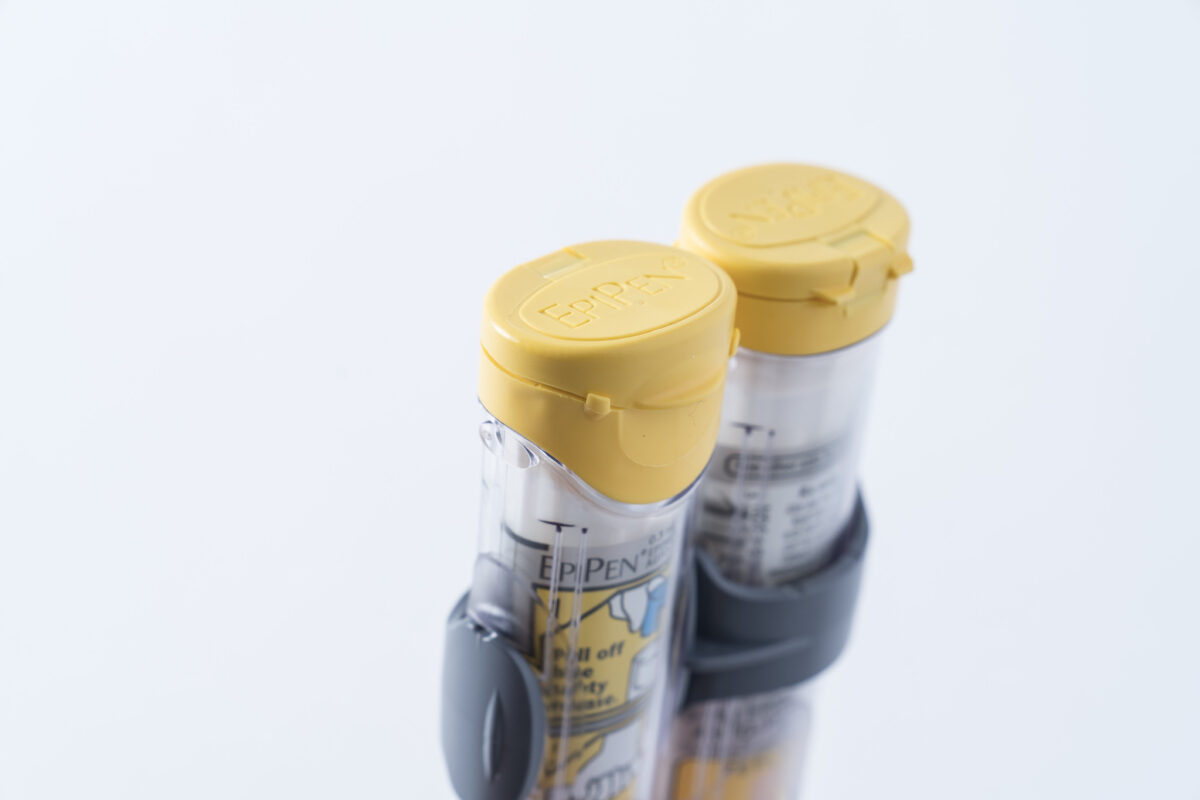
The auto-injector mechanism inside an EpiPen traces directly back to a device called the ComboPen, developed for US military personnel who might need to self-administer antidotes to nerve agents in the field — quickly, one-handed, under stress, possibly while wearing gloves. The spring-loaded needle mechanism that makes the EpiPen work without training or manual dexterity is the same basic engineering solution.
Turns out a design intended for a battlefield chemical attack works just as well in an anaphylactic emergency at a restaurant.
Jeep
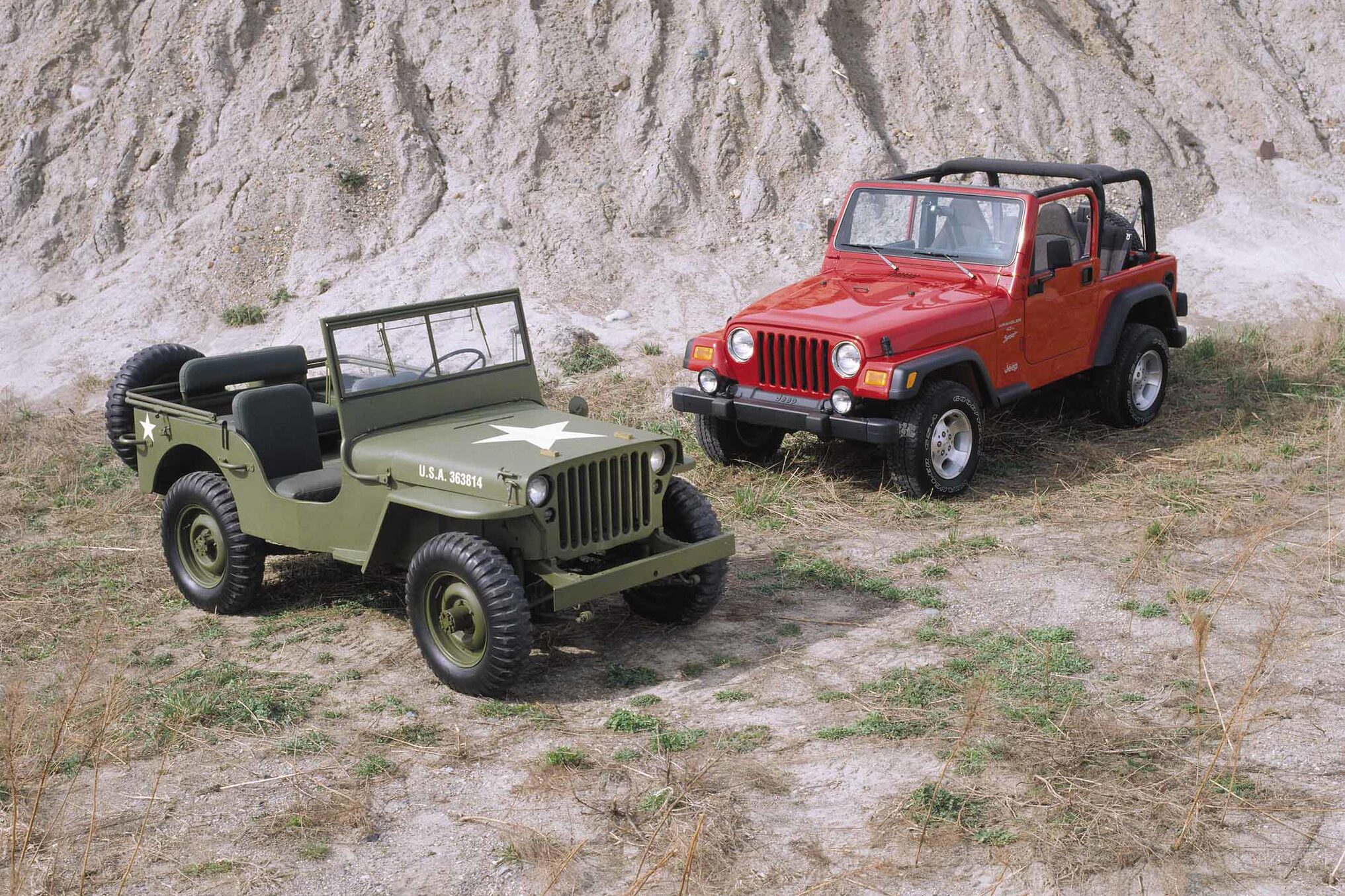
The Jeep is military hardware that simply refused to stay on the battlefield. The US Army solicited designs for a lightweight reconnaissance vehicle in 1940, and what emerged was the Willys MB — rugged, stripped-down, capable of navigating terrain that would stop conventional vehicles.
Soldiers brought them home after the war, manufacturers recognized the demand, and the civilian Jeep line launched in 1945. Every Wrangler on a suburban street is a direct descendant.
Velcro
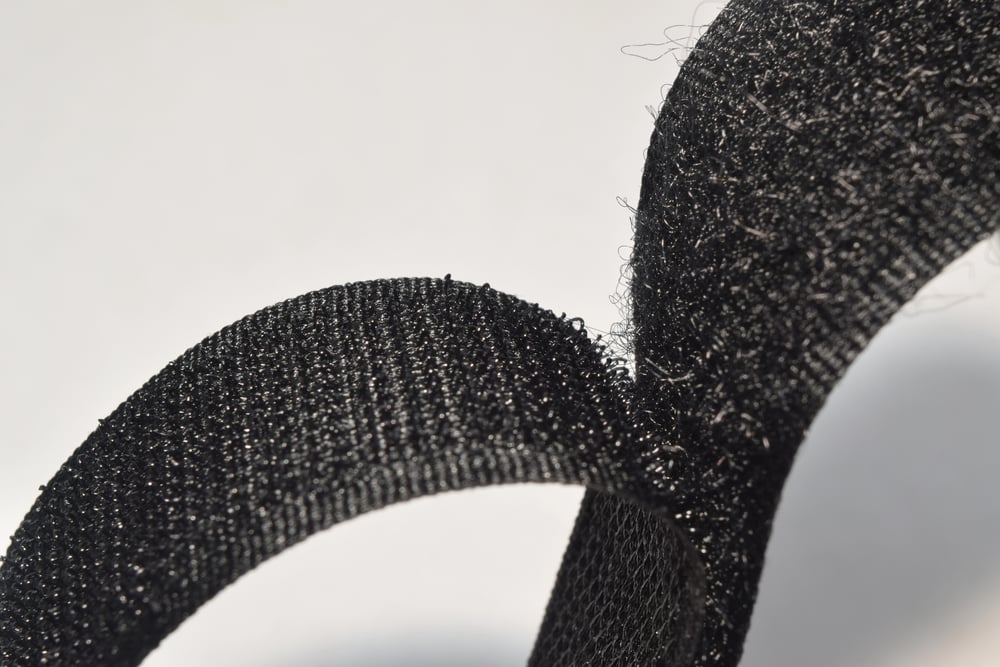
Velcro was invented by Swiss engineer George de Mestral in 1941, inspired by burdock burrs clinging to his dog’s fur — but the military is what scaled it. NASA and the US military adopted it extensively, using Velcro on flight suits, gear pouches, and spacecraft interiors where zippers and buttons were impractical under pressure or in zero gravity. Without that institutional adoption, it might have remained a curiosity rather than the fastening system that now holds together everything from children’s shoes to surgical drapes.
Cargo Pants
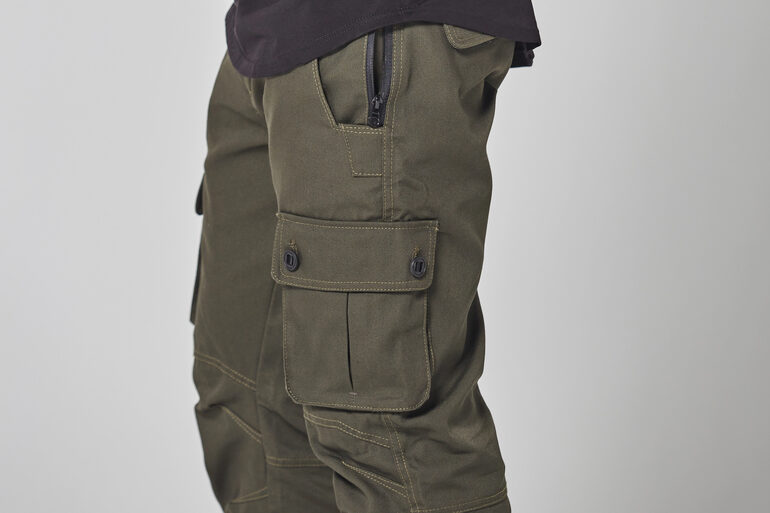
Cargo pants were designed for British paratroopers during World War II, the large side pockets intended to carry maps, rations, and field equipment without requiring a separate bag. The silhouette was purely functional — nobody was thinking about street style.
And yet, by the 1990s, cargo pants had become one of the defining fashion items of the decade, worn by people carrying nothing more operationally demanding than a phone and a wallet.
Night Vision Technology
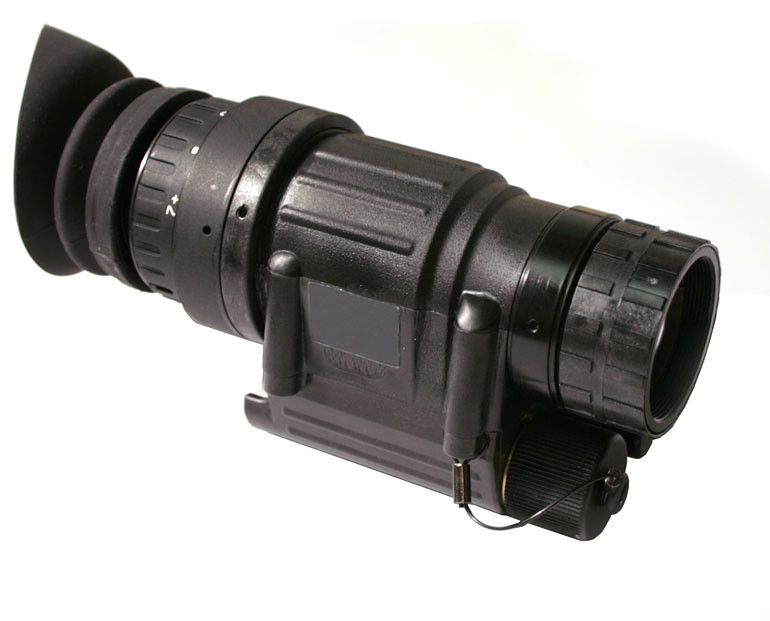
Night vision goggles began as a military project — early image intensifier tubes were developed in the 1930s and 1940s, with the US and Germany both pursuing the technology during the war. Modern Generation III night vision, used by US special operations forces, represents decades of military-funded refinement.
The same core technology now appears in civilian hunting optics, wildlife cameras, and security systems, although the military-grade versions remain substantially more capable.
Sanitary Napkins
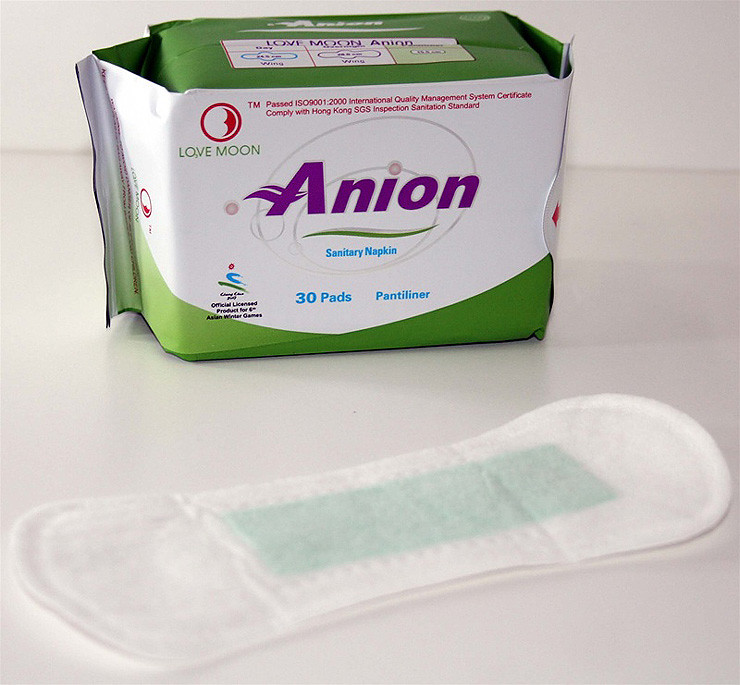
Kimberly-Clark developed a thin, highly absorbent cellulose wadding called Cellucotton for the US military during World War I, intended as a surgical dressing. Army nurses discovered the material worked for menstrual hygiene as well.
After the war, Kimberly-Clark introduced the product commercially as Kotex — one of the stranger pivots in consumer goods history, and one that genuinely changed everyday life for millions of people.
Duct Tape’s Cousin: Electrical Tape
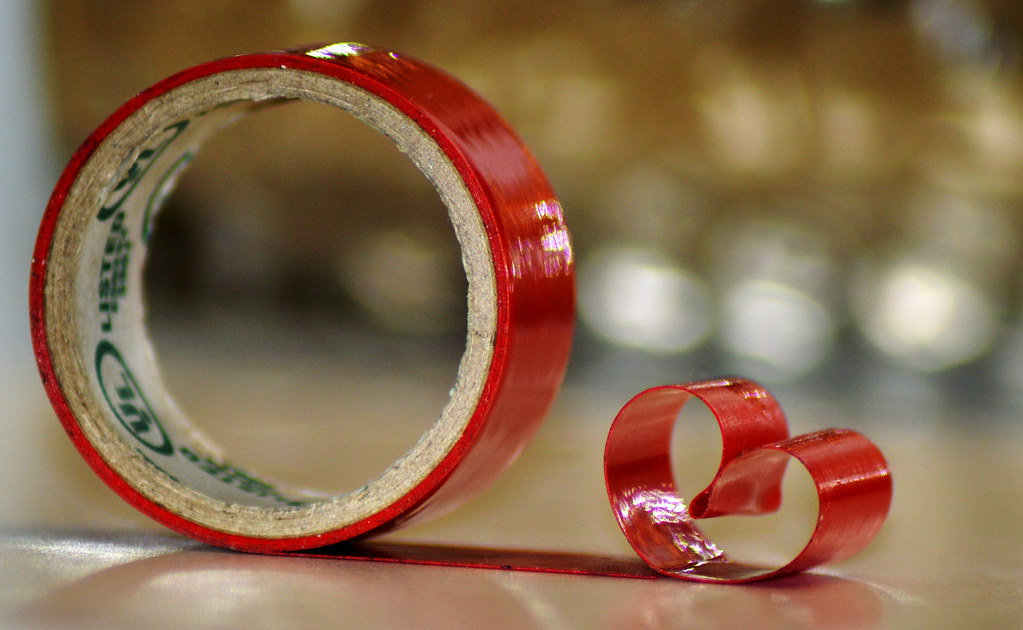
Electrical tape — specifically the standardized, self-fusing vinyl version — was refined through military and aerospace specifications that demanded consistent insulation performance under extreme temperature swings and vibration. The civilian versions available in hardware stores today are built to standards that were originally written for military wiring applications.
Most people use it to wrap a fraying phone charger cable, which is a significant step down from its original mission.
Ray-Ban Aviators
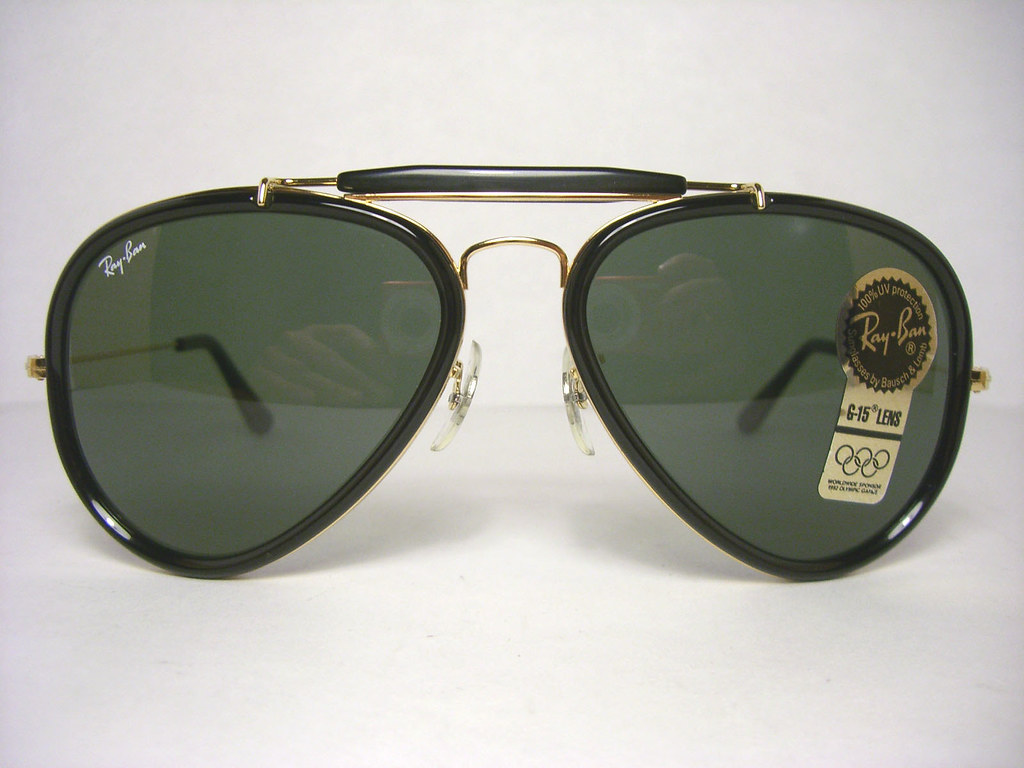
This deserves a separate entry from general aviator sunglasses because the Ray-Ban brand itself emerged from the specific military contract. Bausch & Lomb sold the Army Air Corps version under the name “Ray-Ban Anti-Glare” in 1937, before the Aviator style was available to civilians at all. The civilian launch came in 1937 as well — nearly simultaneous — but the design’s identity was military from the first moment, and that origin is visible in every pair sold today.
Teflon
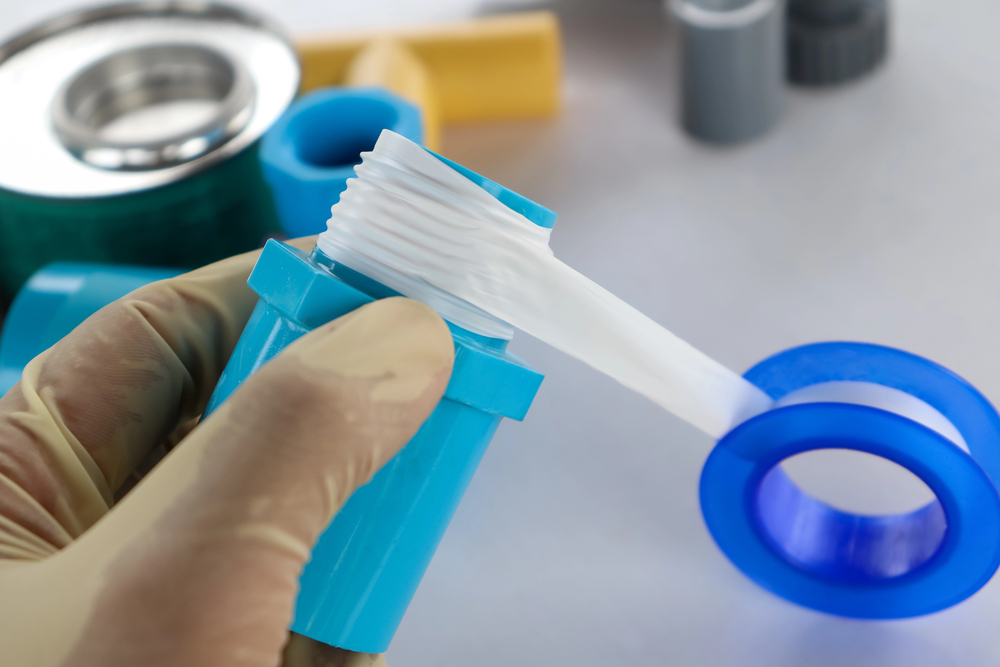
Teflon — polytetrafluoroethylene, or PTFE — was discovered accidentally in 1938 by DuPont chemist Roy Plunkett, but its first major application was classified: coating components for uranium enrichment during the Manhattan Project, where its resistance to corrosive fluorine gas was invaluable. The non-stick cookware industry came much later, in the 1950s, after the material was declassified and manufacturers started looking for civilian applications.
Walkie-Talkies
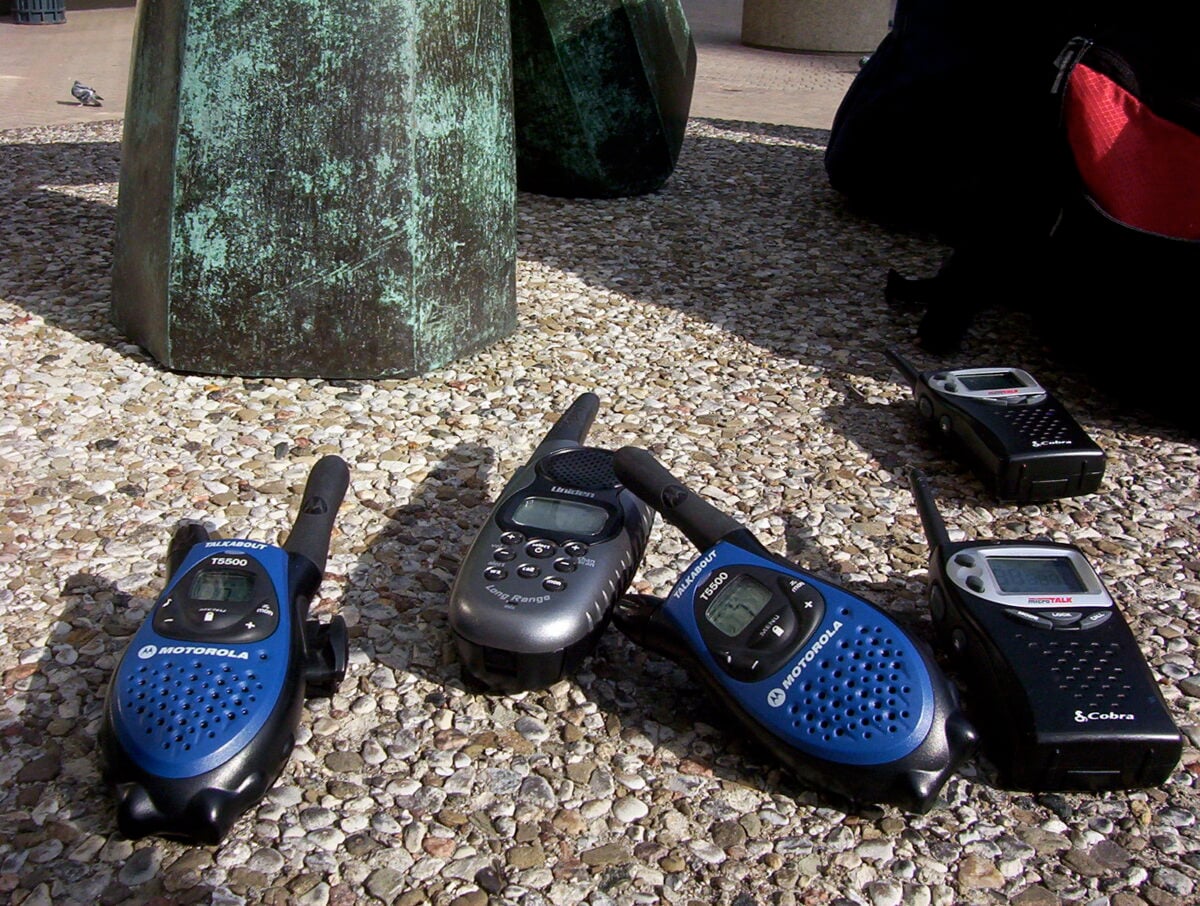
The handheld two-way radio was developed by Canadian Donald Hings in 1937 and independently by Motorola engineer Dan Noble, with both designs refined urgently for World War II field use. The SCR-300 backpack radio and the SCR-536 handheld version gave infantry commanders battlefield communication that hadn’t previously existed.
The technology eventually shrank into the handheld walkie-talkies sold in toy aisles, and further still into the radio systems used by police, firefighters, and construction crews.
Penicillin Mass Production
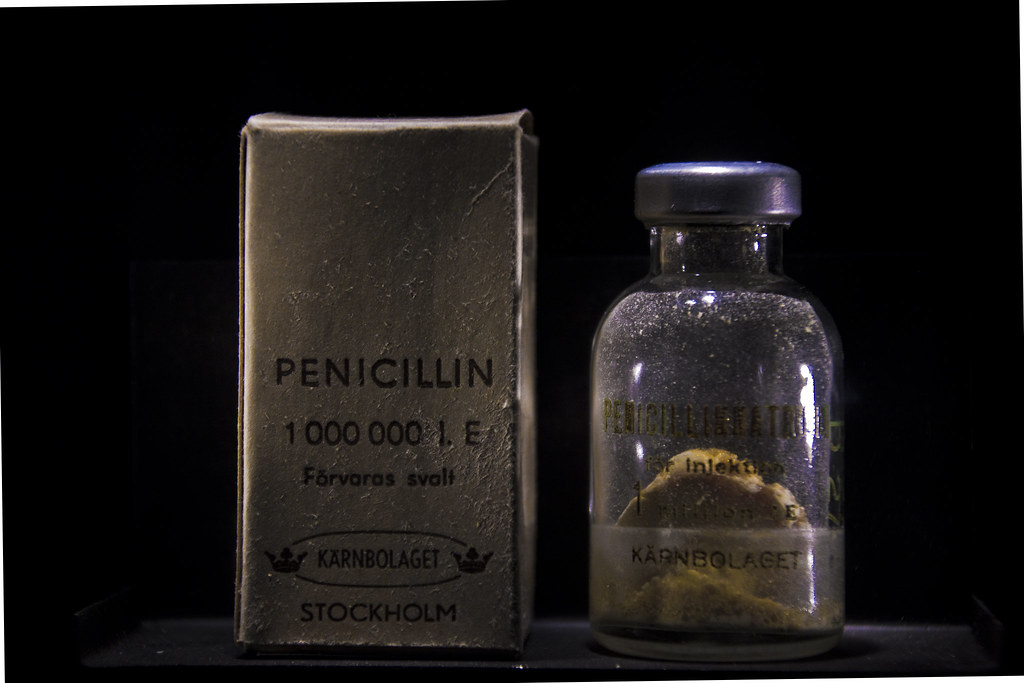
Alexander Fleming discovered penicillin in 1928, but mass production was a wartime problem — the US and UK governments poured funding into industrial-scale fermentation methods after 1941, recognizing that a drug capable of treating infected wounds could meaningfully affect battlefield survival rates. The techniques developed under that pressure are the foundation of the modern pharmaceutical manufacturing industry.
Every antibiotic produced at scale today runs on processes shaped by that wartime urgency.
Duct-Derived Aluminium Foil
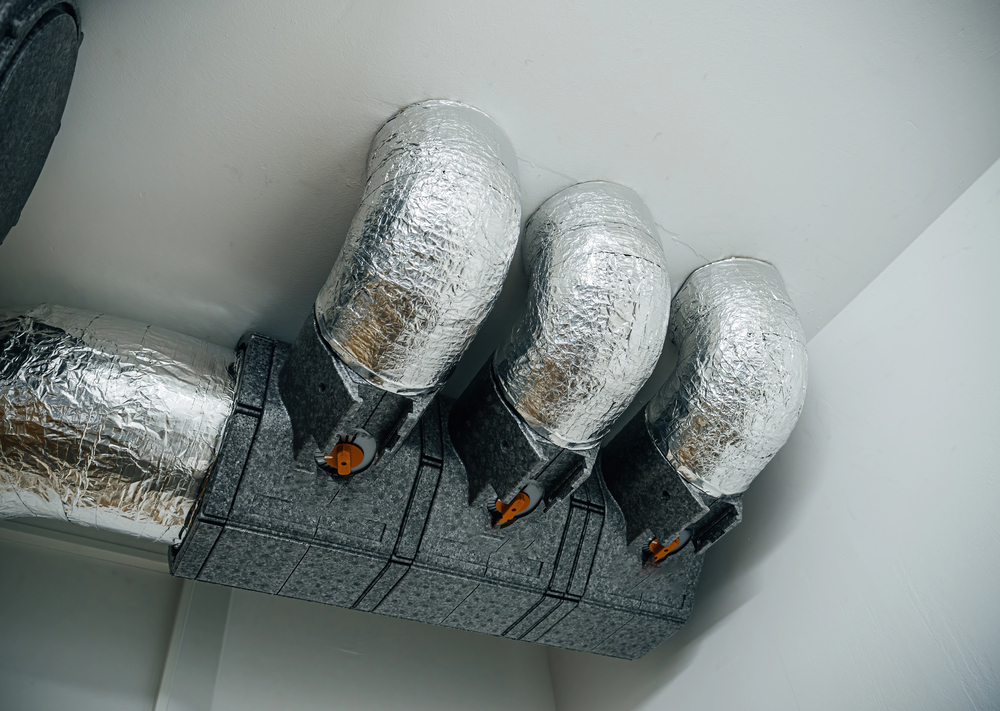
Military-grade aluminium foil — specifically thin, flexible metallic sheeting — was developed and refined for packaging ammunition, rations, and sensitive equipment, where moisture resistance and durability mattered more than cost. The household aluminium foil that lives in your kitchen drawer is a direct civilian translation of industrial processes scaled up by wartime demand.
It’s a remarkably unglamorous outcome for what was once a logistics solution.
Silly Putty
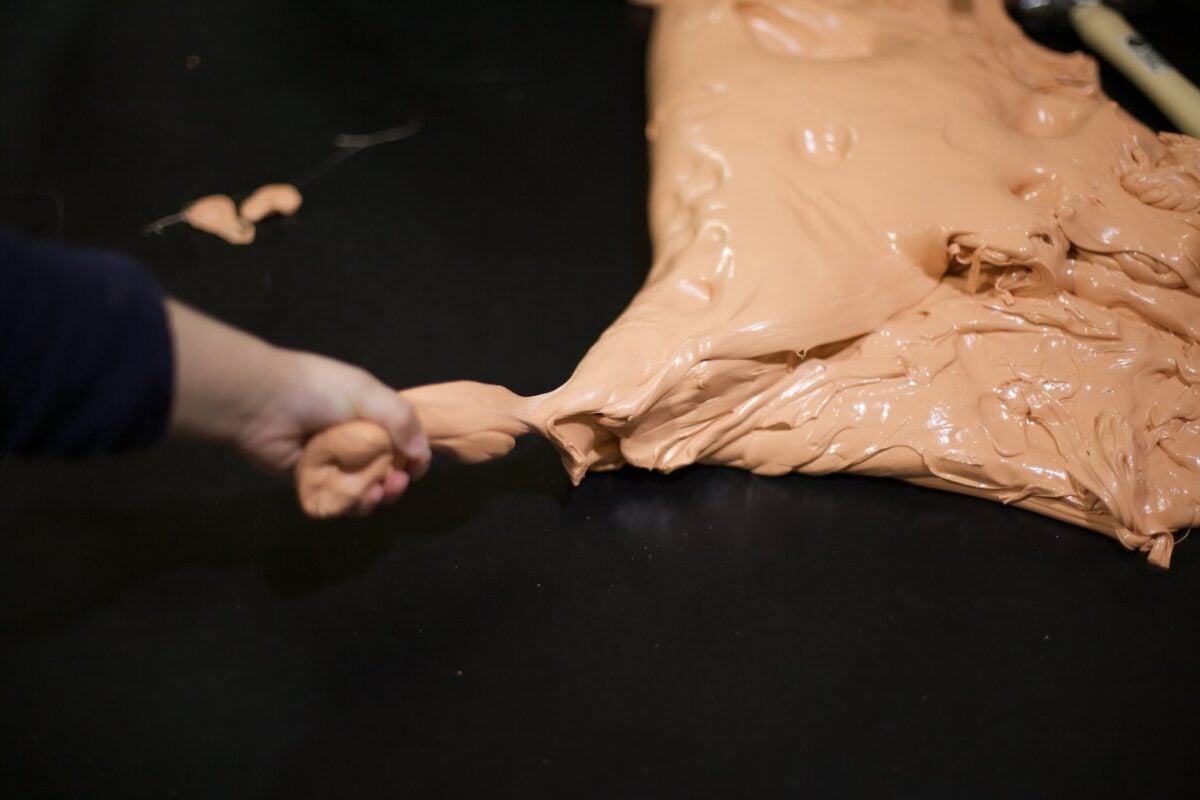
Silly Putty started as a failed attempt. General Electric engineer James Wright was trying to create a synthetic rubber substitute in 1943, working under government contract to address the wartime shortage, when he combined boric acid with silicone oil and produced something that bounced, stretched, and copied newspaper ink — but couldn’t replace rubber.
The military had no use for it. A toy company did.
Radar
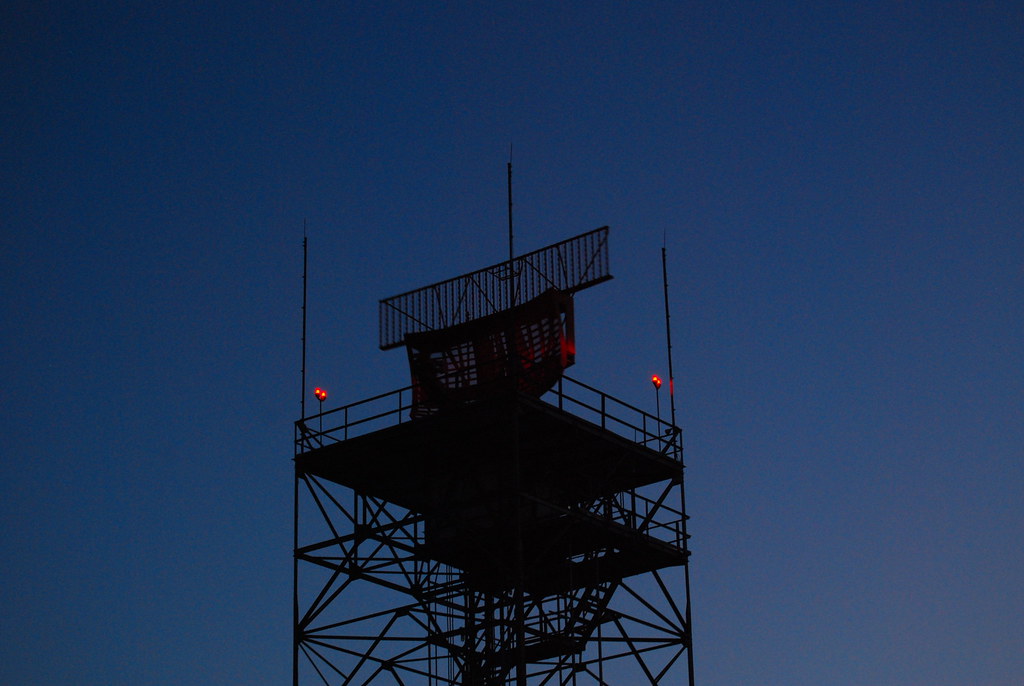
Radar — Radio Detection And Ranging — was developed simultaneously and urgently by Britain and the United States in the late 1930s and early 1940s, and British radar installations during the Battle of Britain gave the Royal Air Force advance warning of incoming German aircraft that arguably changed the outcome of the war. The same principle now drives air traffic control, weather forecasting, speed cameras on highways, and the collision-avoidance systems in modern cars.
It is probably the most consequential spinoff on this entire list.
Hydraulic Systems in Aircraft — And Cars
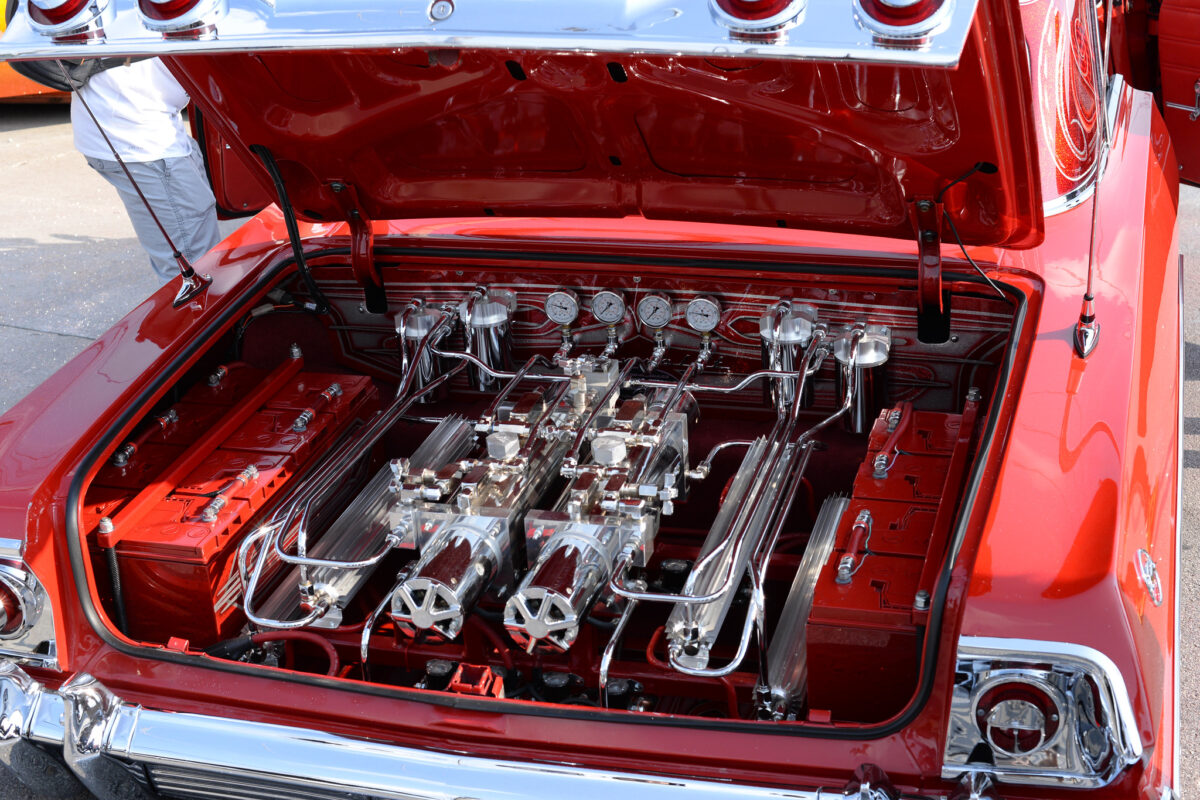
High-performance hydraulic braking and control systems were developed and refined for military aircraft, where precise, fail-resistant mechanical control at high speed was a survival requirement rather than a design preference. Those engineering standards migrated into civilian aerospace, then into automotive braking systems — the responsive brake pedal in any modern car is a descendant of systems designed to land fighter aircraft on moving ships.
Aerosol Spray Cans
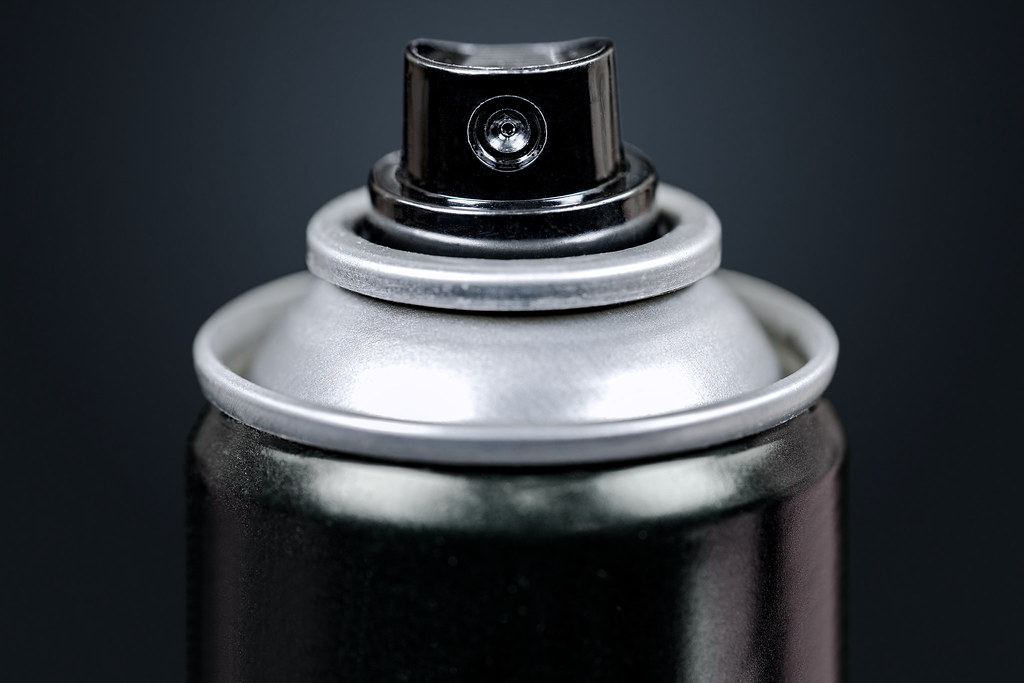
The aerosol can was developed in 1941 by US Department of Agriculture researchers Lyle Goodhue and William Sullivan, specifically to create a portable insecticide dispenser for troops fighting in malaria-prone Pacific theater environments. The “bug bomb,” as soldiers called it, used a liquefied gas propellant to spray pesticide in a fine mist.
After the war, the technology was commercialized for hairspray, paint, and cleaning products — transforming an insect-control device into one of the most recognizable packaging formats in consumer goods history.
Synthetic Quinine / Antimalarial Research
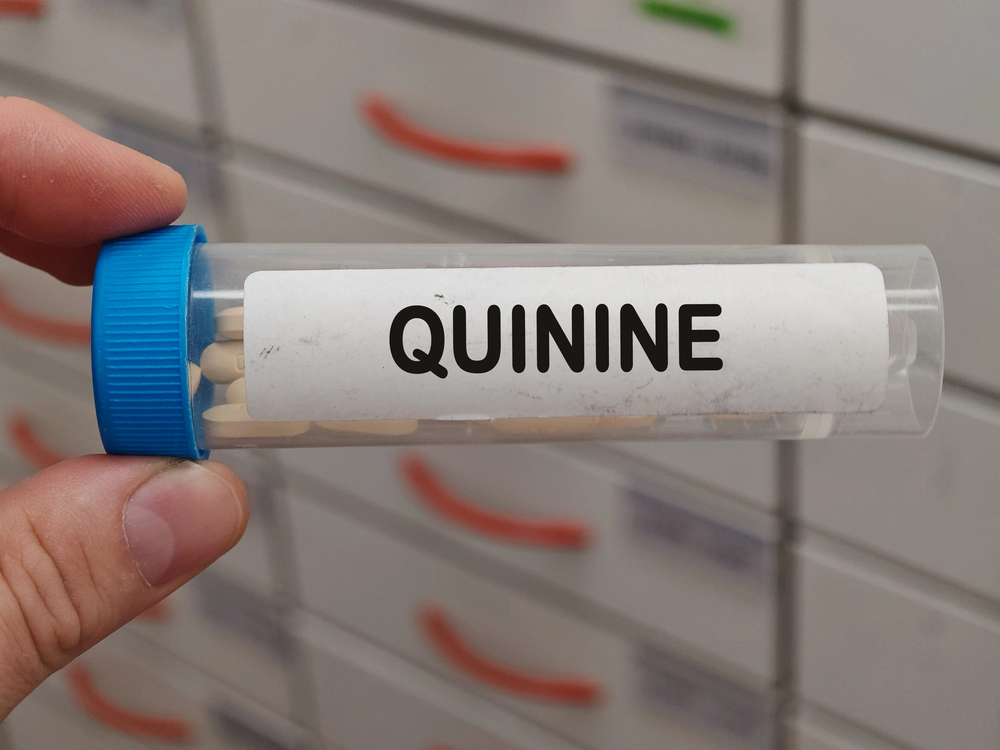
Military investment in antimalarial drug development — particularly during World War II, when troops in the Pacific and North African theaters were being lost to malaria as much as to combat — accelerated the development of chloroquine and related compounds. These drugs had existed in experimental form, but wartime urgency pushed them through development and production at a pace that peacetime pharmaceutical economics probably wouldn’t have matched.
Antimalarials remain essential medicines today.
Jerrican (Fuel Can)
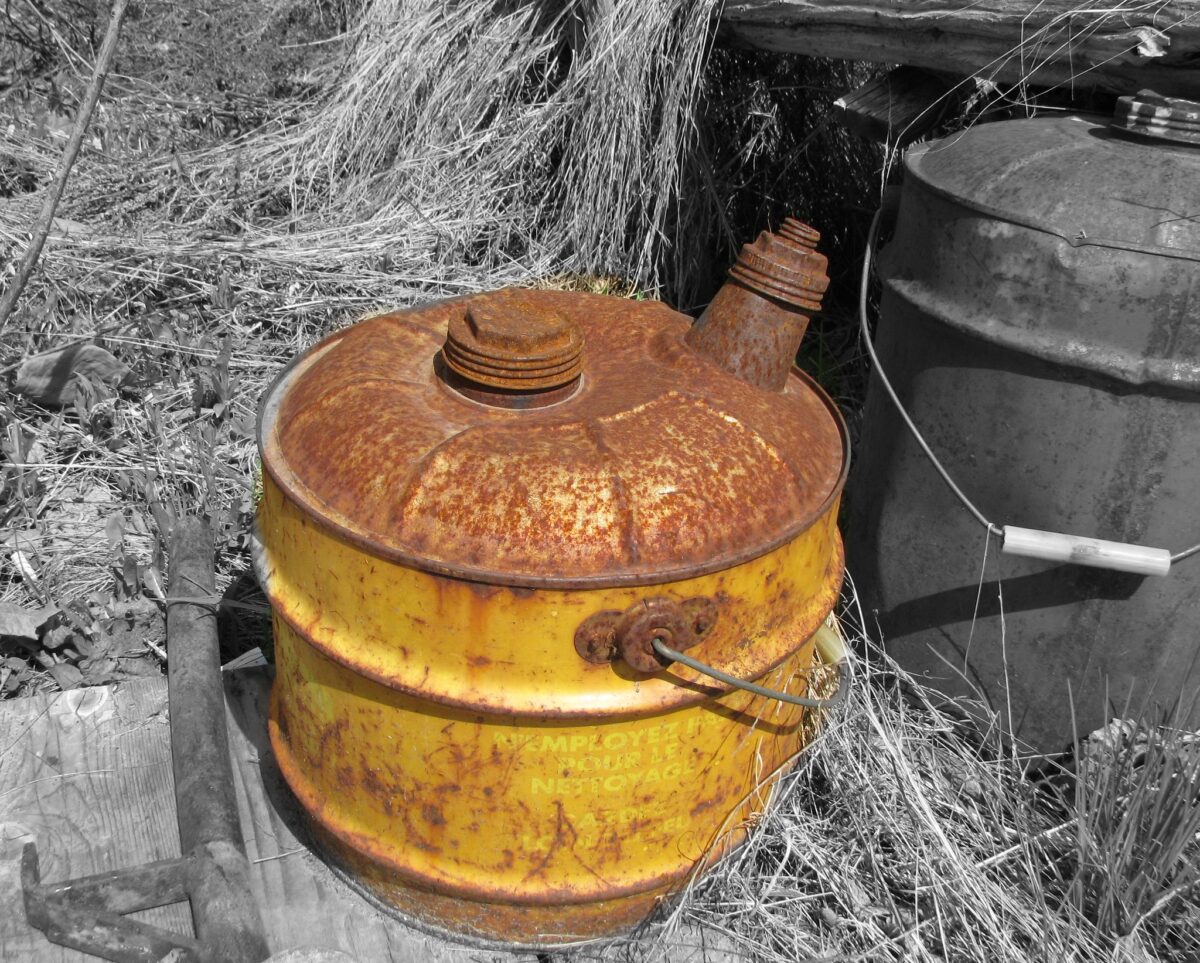
The distinctive rectangular fuel can with folding handles — universally called a jerrican, after the German “Jerrykan” — was a German military design that Allied forces considered so superior to their own fuel containers that they captured, reverse-engineered, and mass-produced it. The design hasn’t changed meaningfully since 1939.
The fuel cans in hardware stores and truck beds today are recognizable descendants of that original Wehrmacht logistics solution.
Wristwatches
Pocket watches were standard before World War I. Wristwatches existed but were considered a feminine accessory — men who wore them were a curiosity. Military commanders coordinating artillery and infantry attacks needed synchronized timekeeping that could be checked without reaching into a pocket, and wristwatches solved that problem at scale.
By the time the war ended, the wristwatch had been normalized for men by four years of combat utility, and it never went back.
Aviator Jackets
The leather bomber jacket — the A-2 in particular — was standard issue for US Army Air Forces pilots beginning in 1931, designed for warmth at altitude in open or unheated cockpits before pressurized aircraft made the problem moot. The jacket’s association with the pilots who wore them during World War II cemented its cultural weight in a way no marketing campaign could have manufactured.
It remains one of the most enduring silhouettes in fashion, worn almost entirely by people who have never been anywhere near an aircraft cockpit.
The Fingerprint That Keeps Spreading
It would be easy to treat this as a list of historical curiosities — things that happened decades ago in conditions that no longer apply. But the pattern is still active.
GPS, the internet, and radar were all military solutions before they were civilian ones, and there are current defense research programs in materials science, autonomous systems, and energy storage that will almost certainly produce the next generation of products that end up in your home without any visible trace of where they came from. The military doesn’t set out to stock your kitchen.
It just solves hard problems under extreme pressure — and hard problems solved under extreme pressure tend to be useful everywhere else too.
More from Go2Tutors!

- The Romanov Crown Jewels and Their Tragic Fate
- 13 Historical Mysteries That Science Still Can’t Solve
- Famous Hoaxes That Fooled the World for Years
- 15 Child Stars with Tragic Adult Lives
- 16 Famous Jewelry Pieces in History
Like Go2Tutors’s content? Follow us on MSN.