28 Vintage Typewriters: Certain Brands Sell for Thousands
There’s something about a typewriter that refuses to stay in the past. Maybe it’s the weight of the keys, the mechanical certainty of each letter pressed into paper, or the fact that a well-made machine from 1955 still works exactly the way it was supposed to.
Whatever the reason, collectors have been chasing these machines for decades — and prices have climbed accordingly. Some vintage typewriters sit quietly at garage sales for twenty dollars.
Others sell at auction for more than a used car. The difference usually comes down to brand, model, condition, and the kind of obsessive attention to detail that only serious collectors truly understand.
Here are 28 machines worth knowing about.
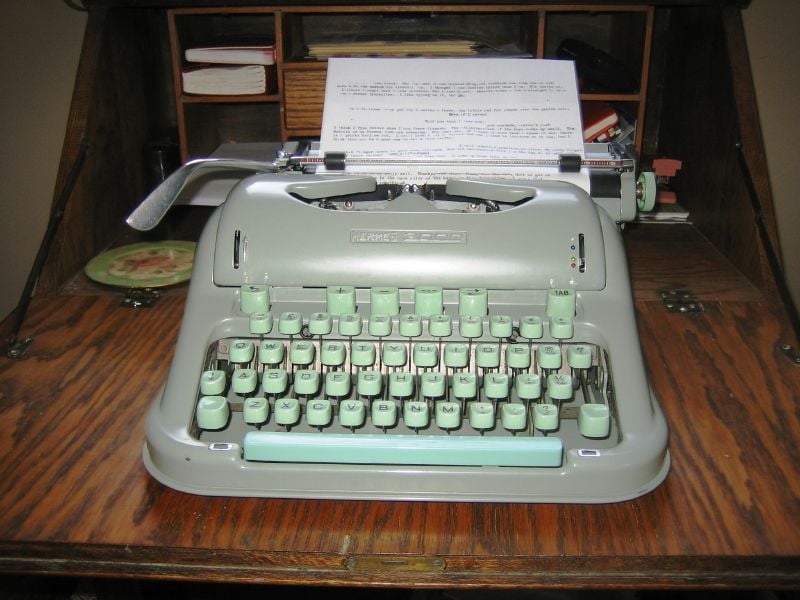
Hermes 3000
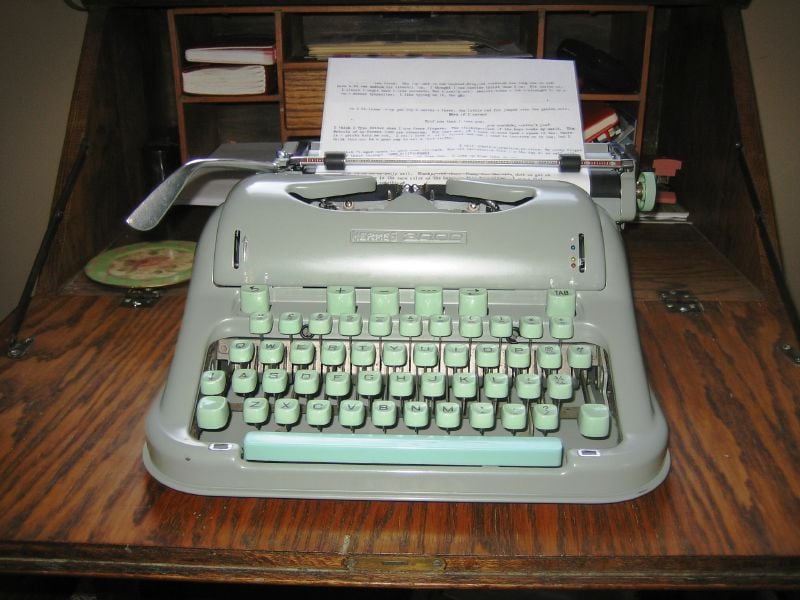
The Hermes 3000 is one of the most sought-after portable typewriters ever made. Swiss engineering, a famously smooth action, and a distinctive seafoam green casing have kept it in high demand for years.
Clean examples regularly fetch $300 to $600, and pristine ones with original cases push higher.
Olivetti Lettera 32
Ettore Sottsass designed the Lettera 32’s carrying case, and that detail alone tells you something about how seriously Olivetti took aesthetics. The machine itself — light, responsive, Italian-made — types with a feel that borders on musical, each keystroke landing with a precision that heavier machines rarely match.
So collectors pay attention: good specimens sell for $200 to $500 with regularity.
Royal Quiet De Luxe
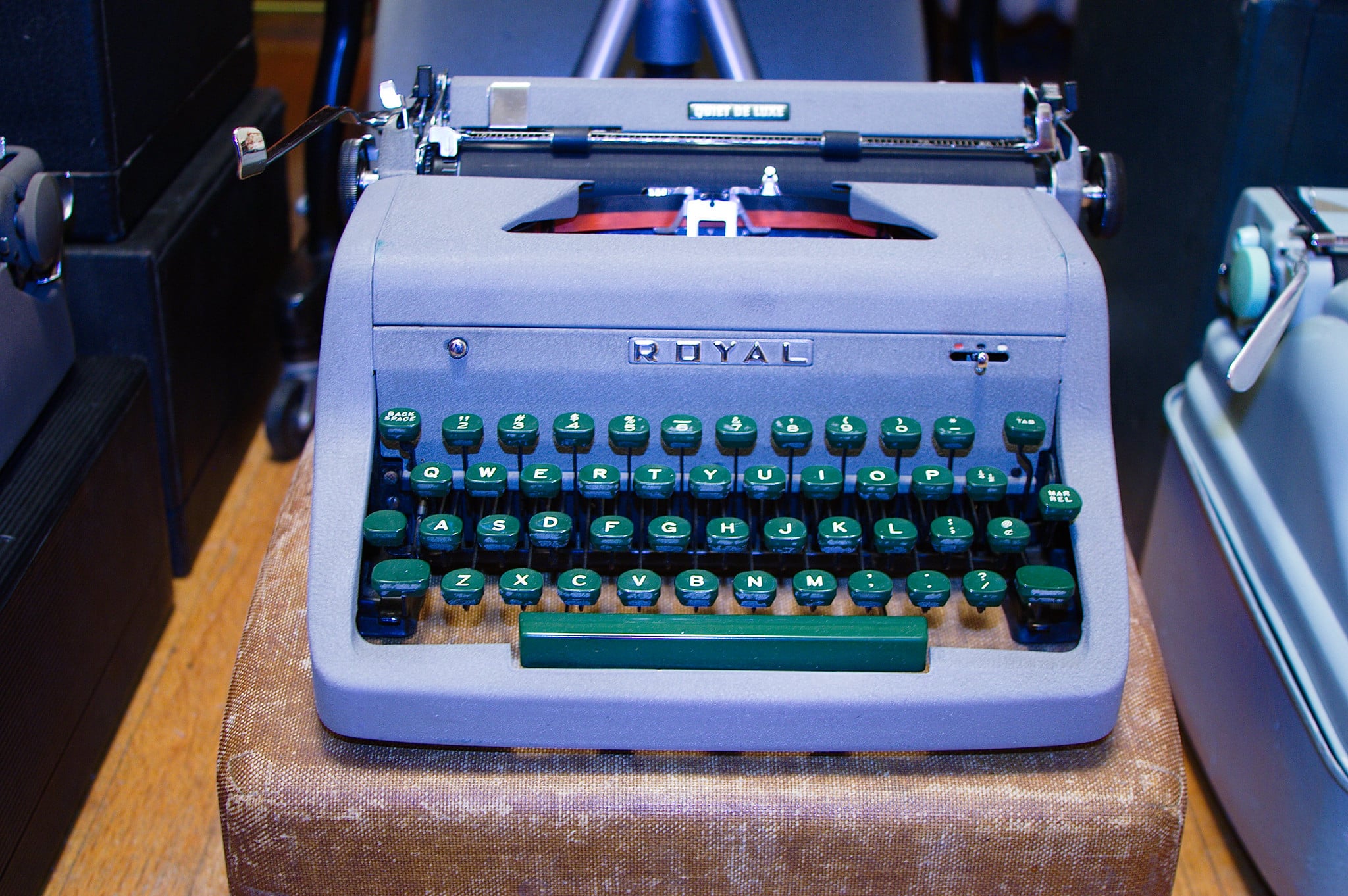
The Royal Quiet De Luxe is a legitimate icon. Ernest Hemingway reportedly used one, and the literary association has done nothing to hurt its resale value — prices sit comfortably in the $150 to $400 range for clean models, and anything with provenance climbs considerably higher.
Underwood No. 5
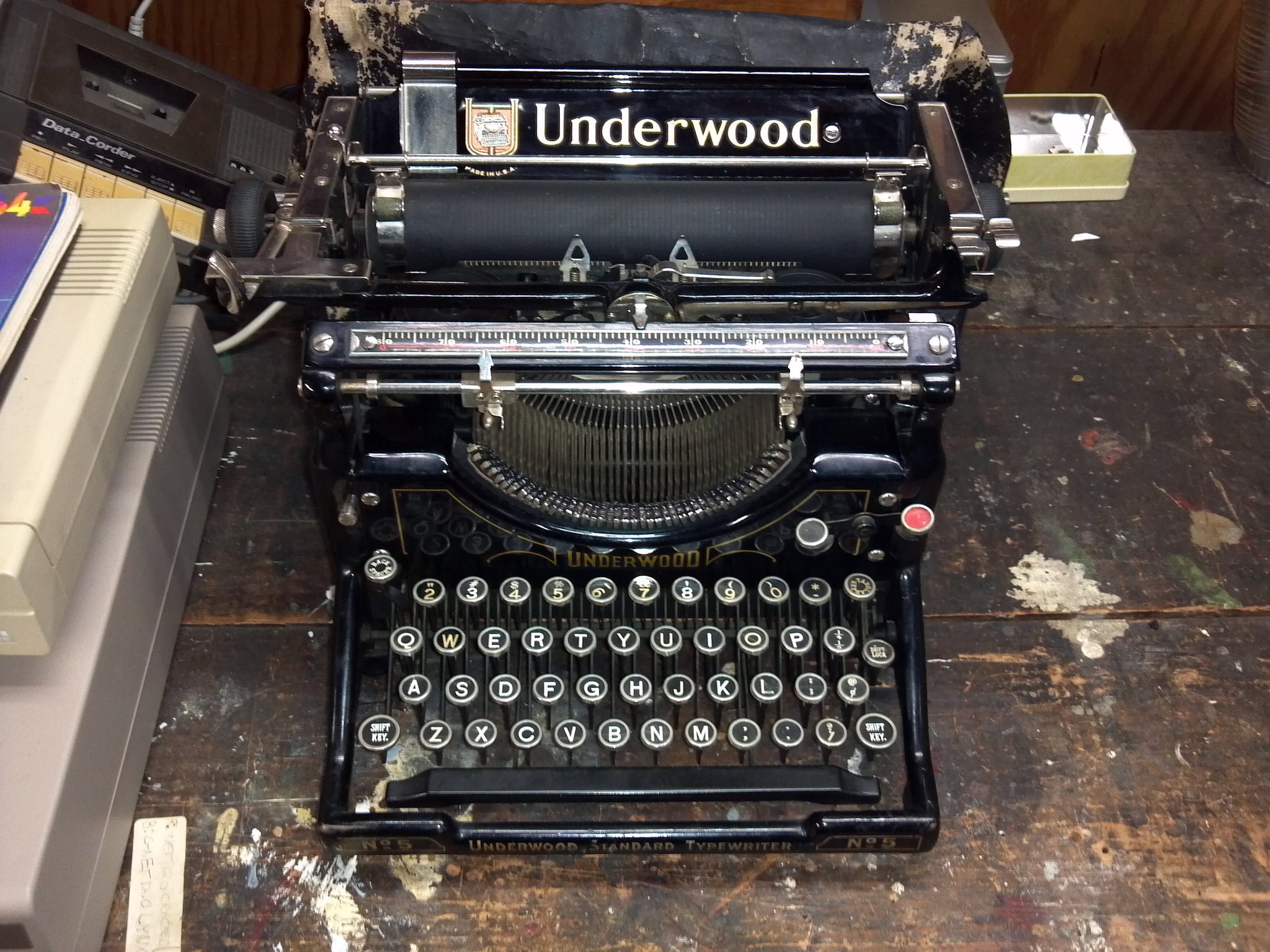
The Underwood No. 5 is the typewriter equivalent of a Model T — it defined an era, was manufactured in enormous numbers, and still commands respect. It carries its age like an old building carries its architecture: heavily, deliberately, without apology.
Common models sell modestly, but early serial numbers and pristine examples attract serious collector money upward of $500.
IBM Selectric
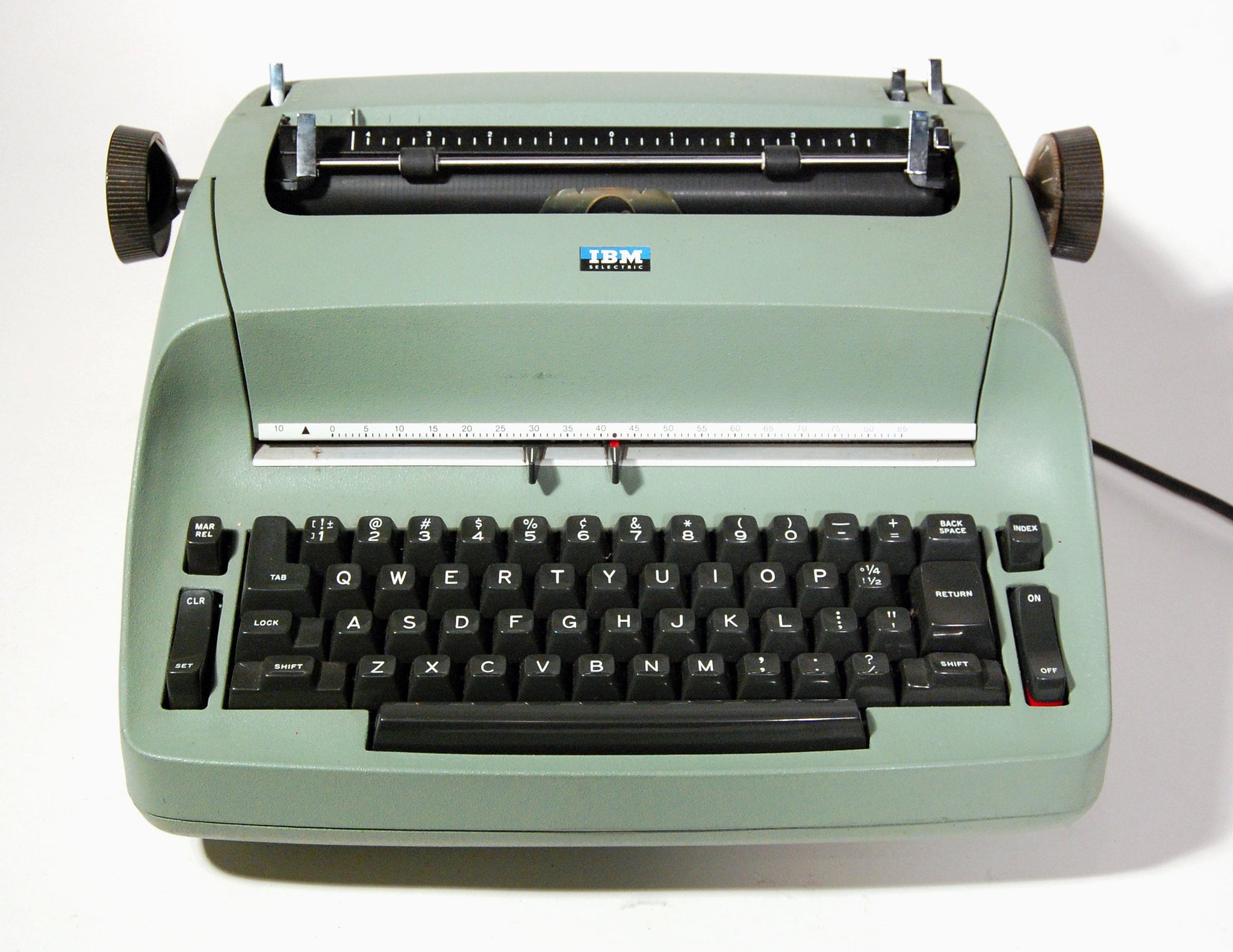
The IBM Selectric changed everything when it launched in 1961, replacing the typebar with a rotating typeball — and the typist community has never quite recovered from the shock of how well it worked. These machines, particularly the first-generation models and limited-color variants, sell for $200 to $800 depending on working condition, and a fully functional Selectric in original cosmetic shape is not as easy to find as people assume.
Olympia SM3
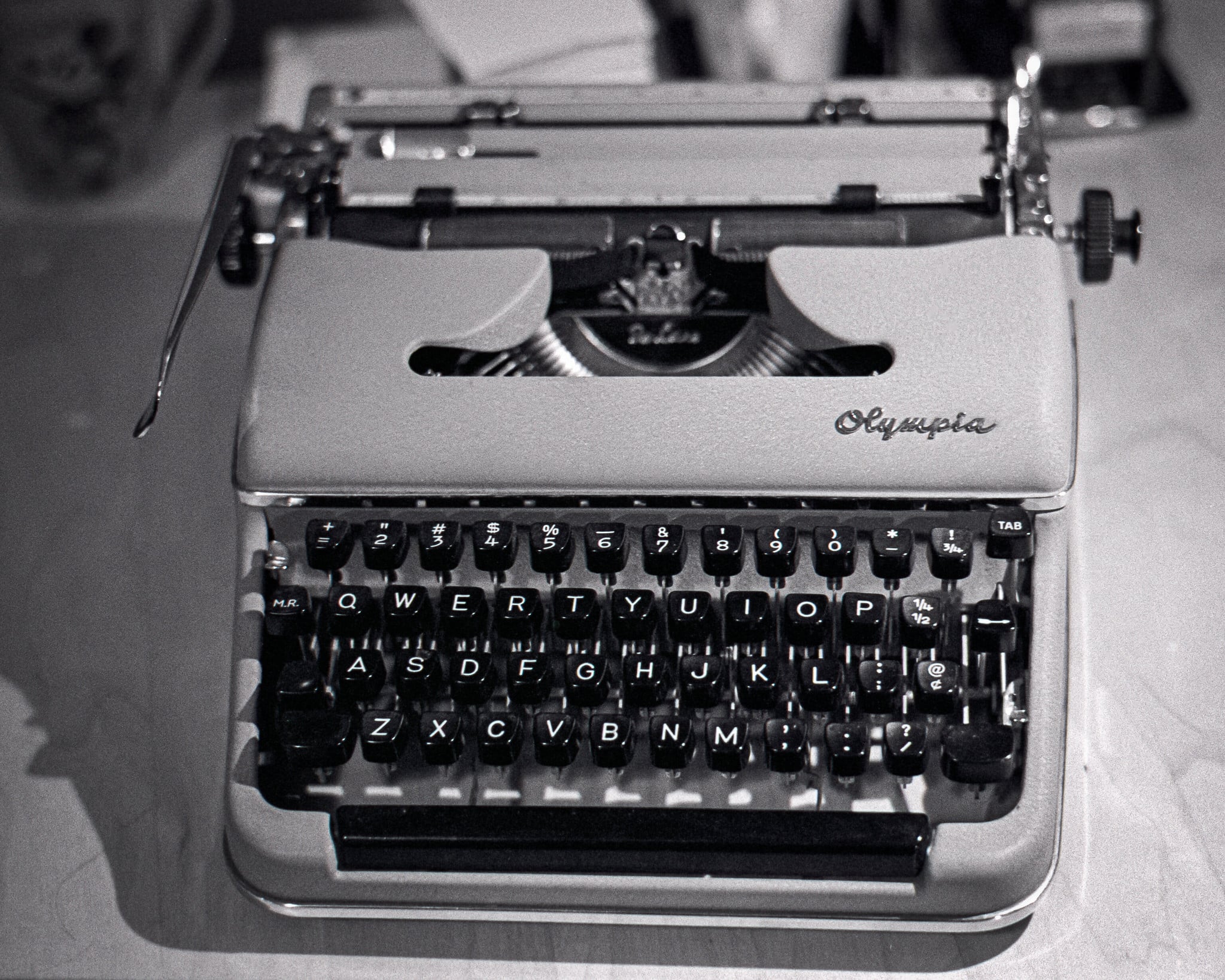
The Olympia SM3 is what happens when German engineering decides to make something beautiful. Its typing action is tight and authoritative, its build quality is dense in the way that makes modern objects feel disposable by comparison.
Expect to pay $150 to $400 for a good one, and don’t be surprised when you realize it types better than anything made after 1980.
Corona No. 3
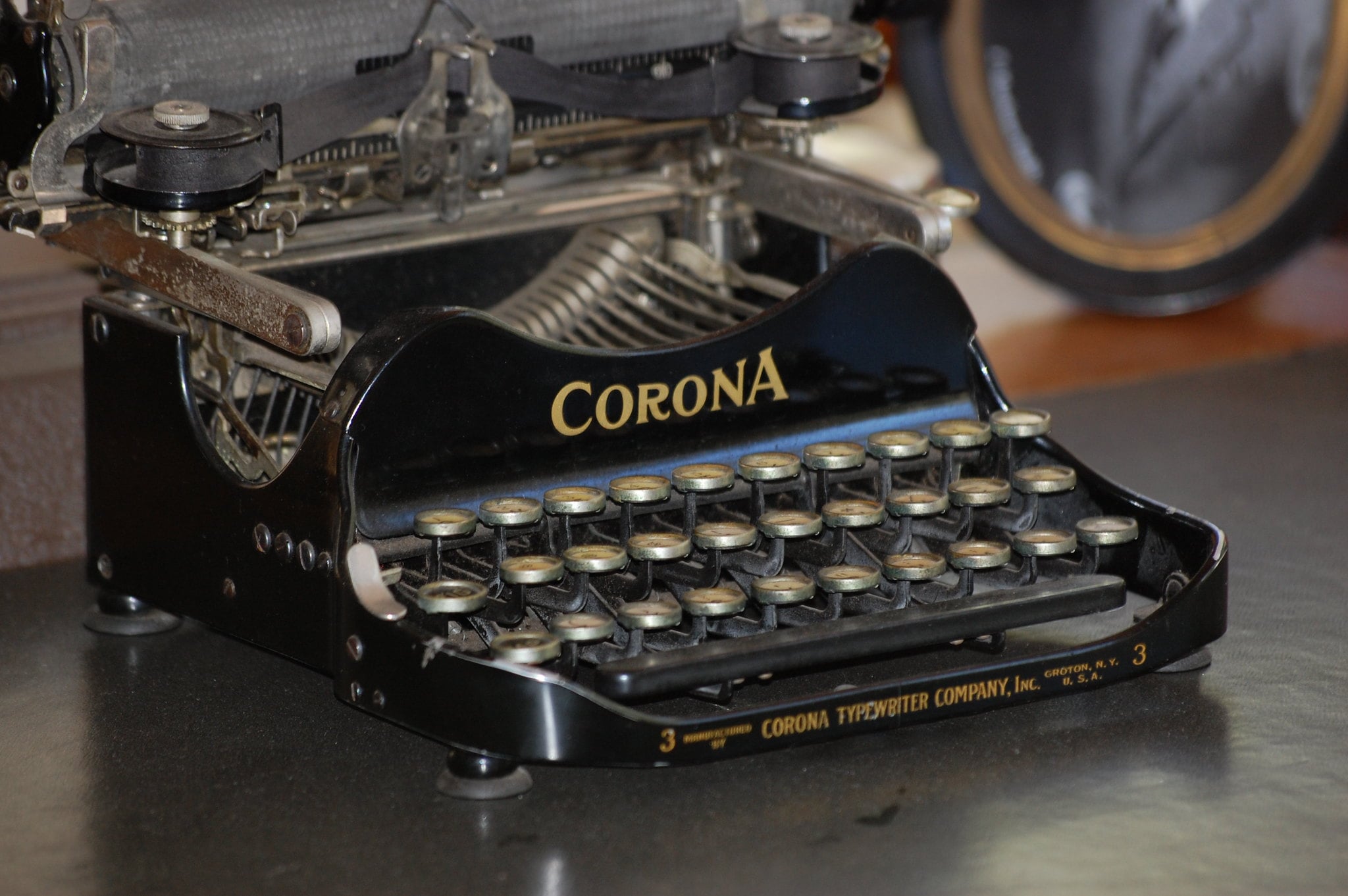
The Corona No. 3 was the portable typewriter of World War I — correspondents, soldiers, and writers in the field carried them in aluminum cases into conditions no machine should survive. And yet they survived.
Collectors prize early models, and a well-preserved example with its original case can easily clear $400 to $700.
Remington Quiet-Riter
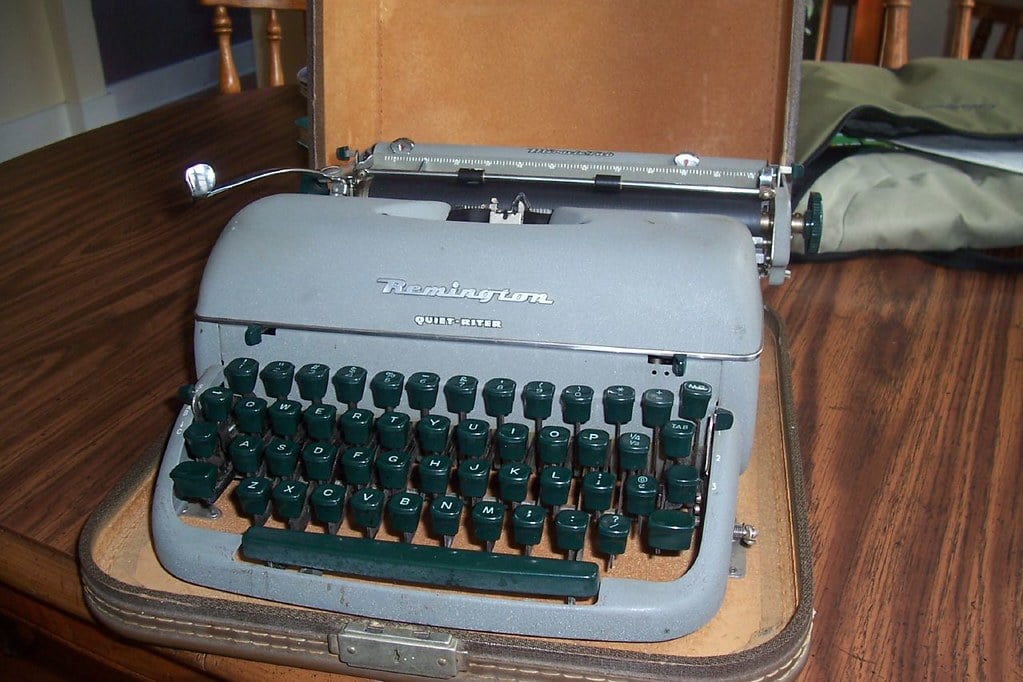
The Quiet-Riter doesn’t get the same breathless coverage as the Hermes or Olivetti, which is a mild injustice. It’s a sturdy, well-balanced machine with a surprisingly light touch for its era — the kind of typewriter that rewards regular use rather than display-case storage.
Clean examples sell in the $100 to $300 range, making it one of the better values in vintage collecting.
Torpedo 18
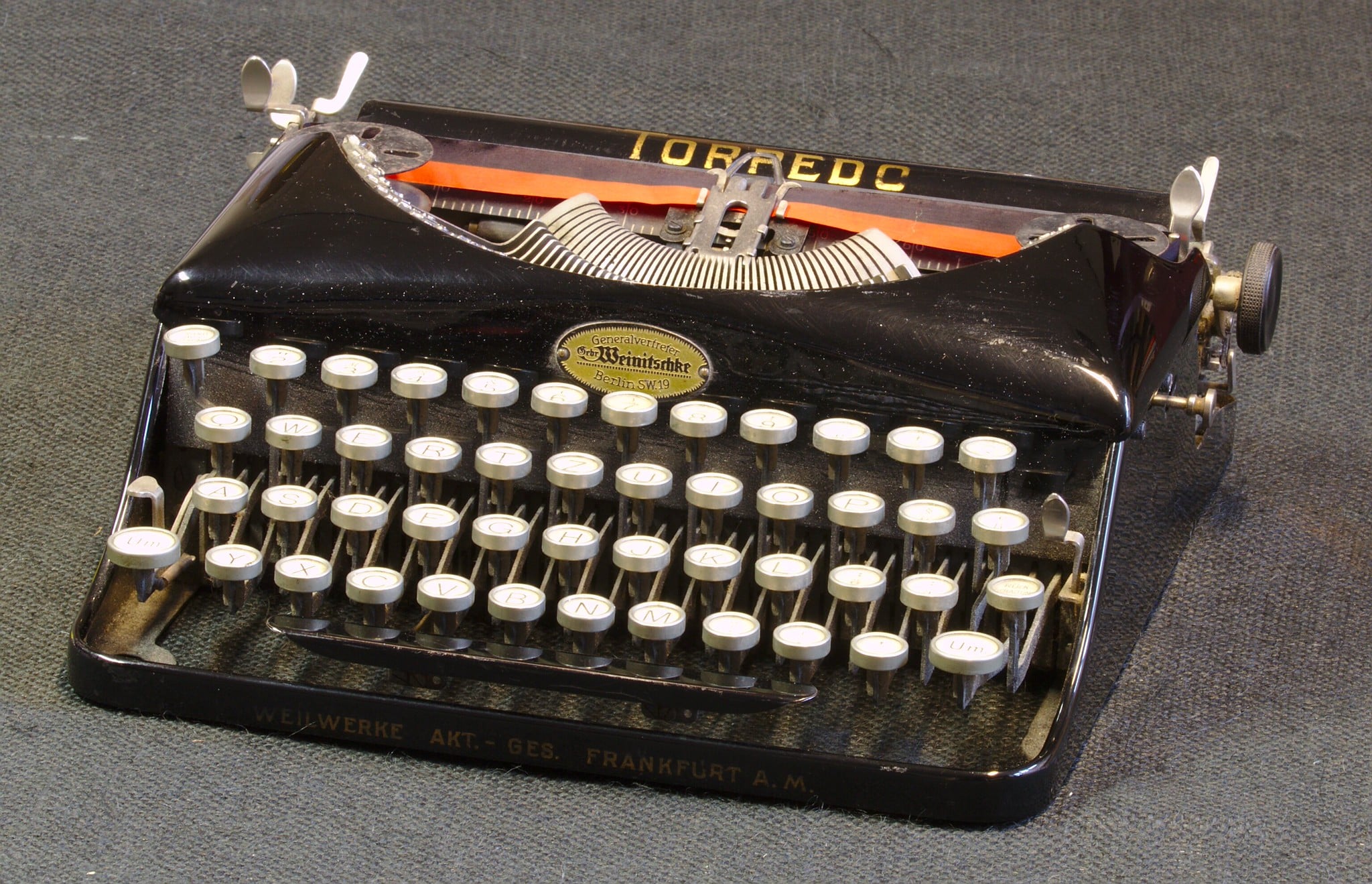
The Torpedo 18, manufactured in Germany, is the sleeper pick that collectors with real knowledge keep to themselves. Its construction is dense and uncompromising — the carriage return has a mechanical solidity that makes other machines feel theatrical by comparison.
Prices typically land between $150 and $350, though rising collector awareness is pushing that range upward.
Smith Corona Silent
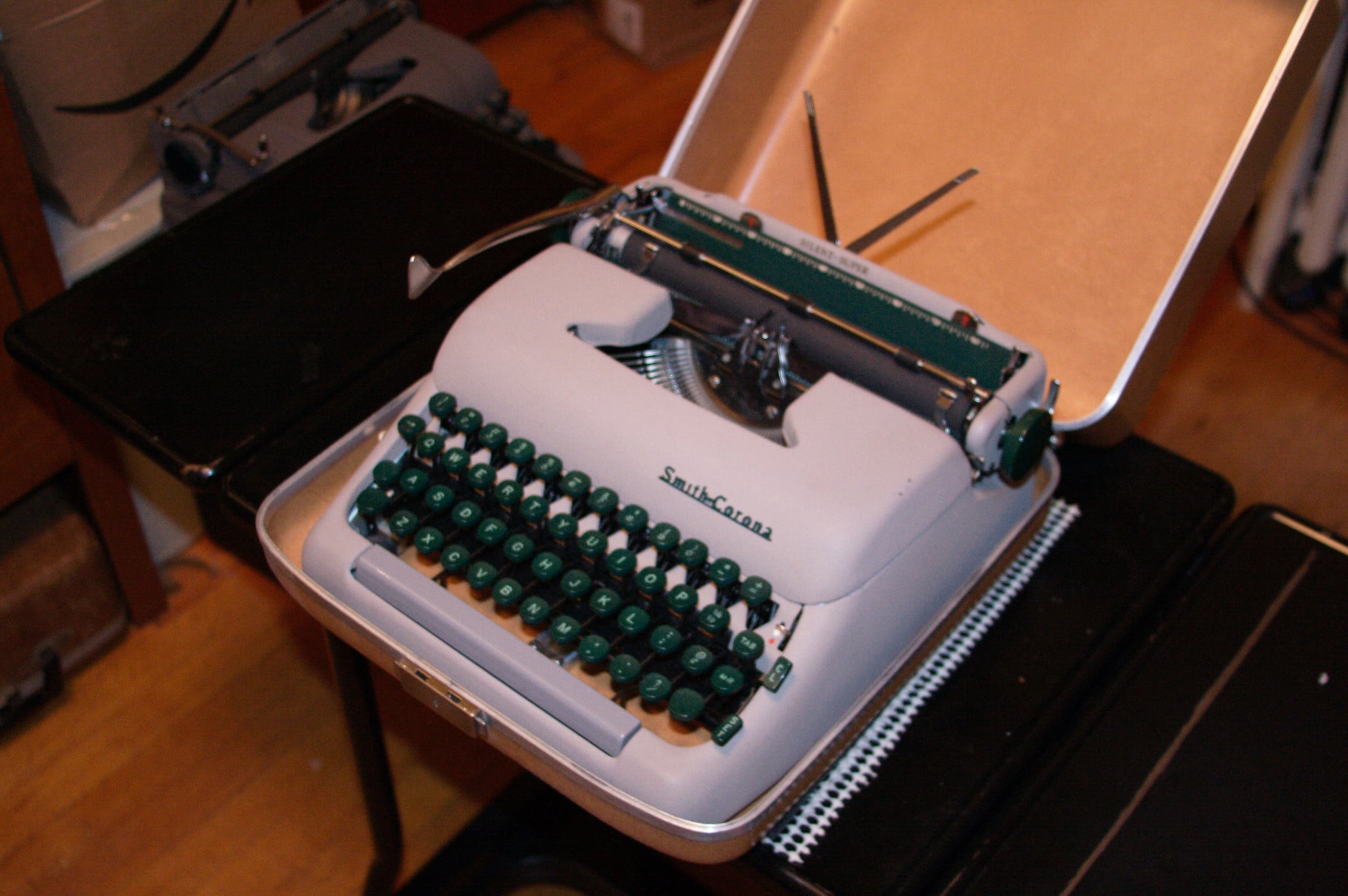
The Smith Corona Silent is the typewriter equivalent of a reliable friend: dependable, never flashy, always there. Its noise-reduction mechanism actually works, which in the world of typewriters is practically a miracle, and the typing action holds up across decades of use without complaint.
Good models sell for $100 to $250.
Olivetti Valentine
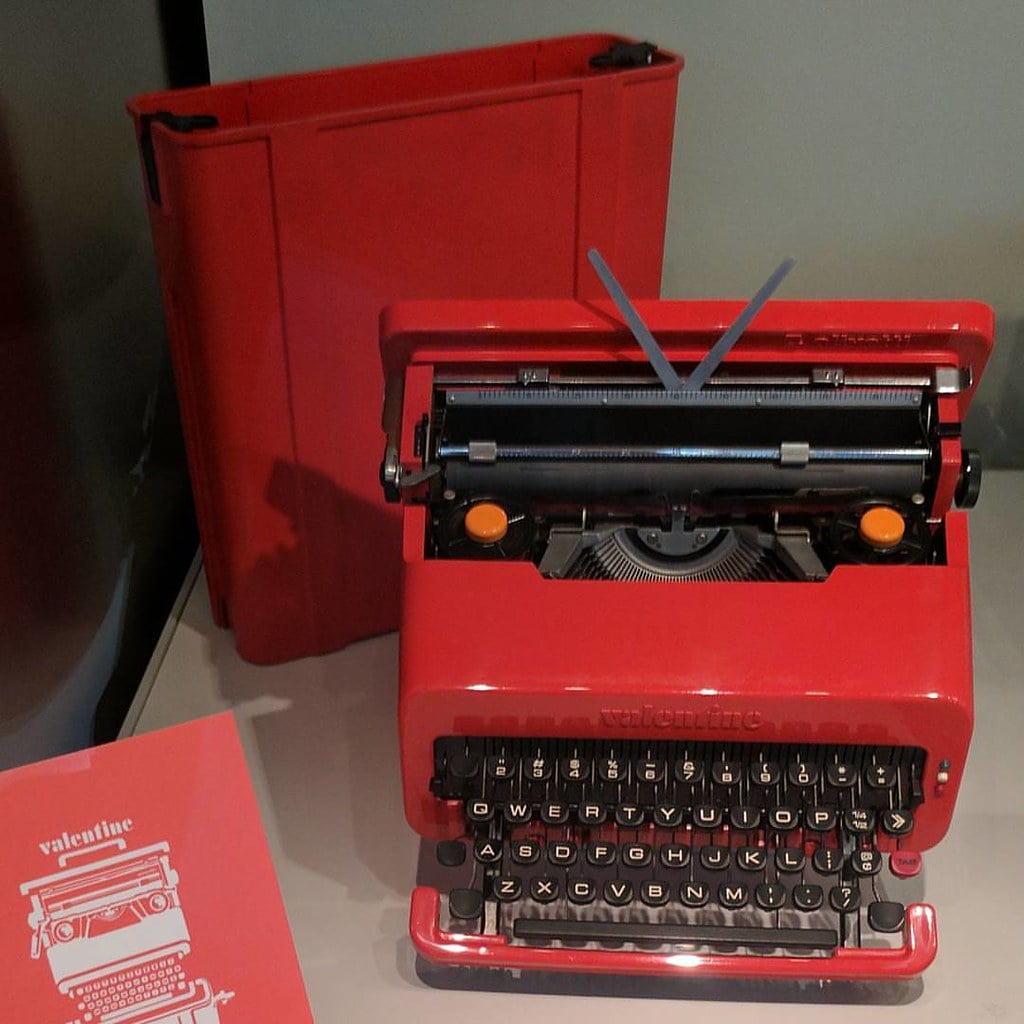
The Olivetti Valentine is less a typewriter and more a design object that happens to type. Ettore Sottsass created it in 1969 as a machine people would actually want to look at — fire-engine red, portable, unapologetically modern — and it sits in permanent collections at MoMA and the Centre Pompidou, which is saying something.
Collectors pay $400 to $1,200 for clean examples, and the numbers keep moving upward.
Hermes Baby
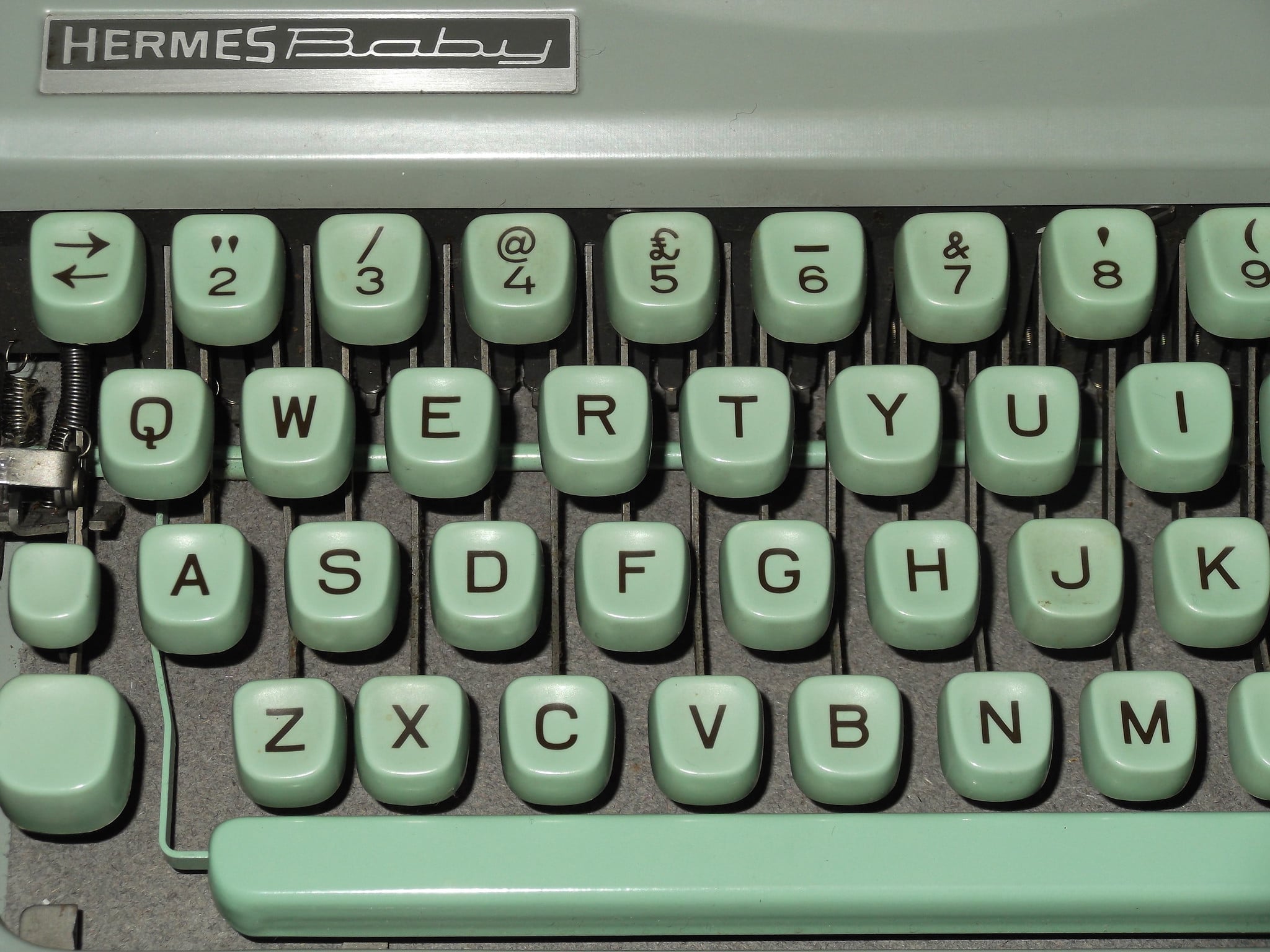
The Hermes Baby was designed to be carried anywhere, and it was — by journalists, travelers, and writers who didn’t believe that portability should mean compromise. Its typing feel is punchy and direct, the keys responding with a confidence that belies the machine’s small frame.
Clean examples with original cases sell for $200 to $500.
Blickensderfer No. 7
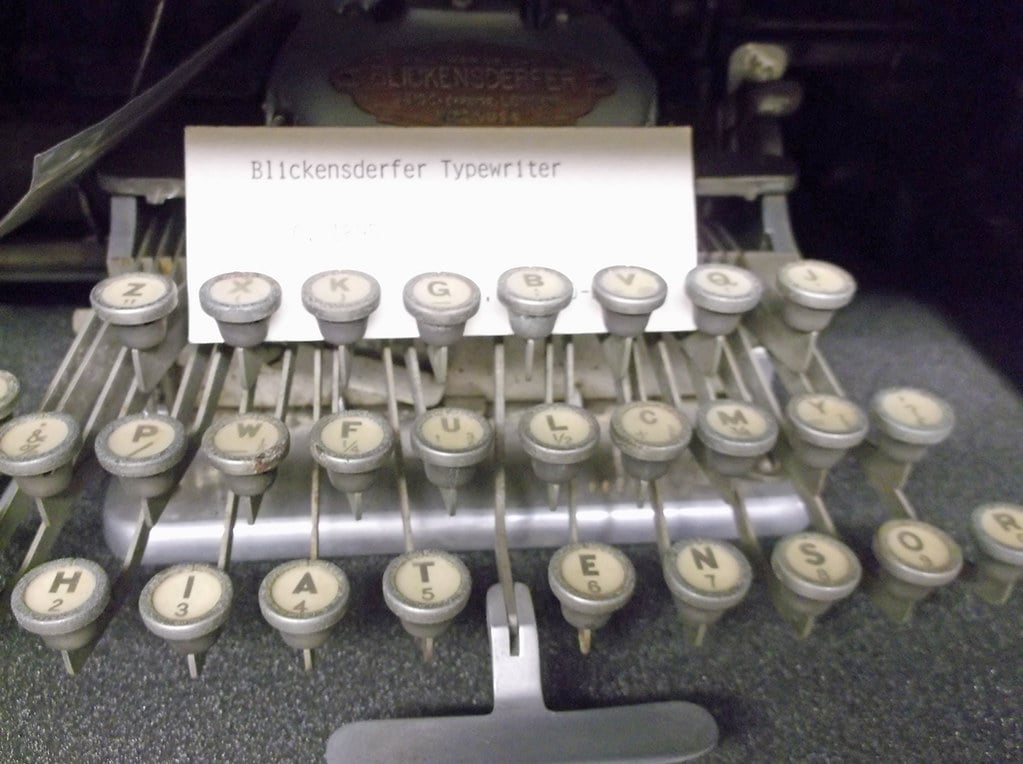
The Blickensderfer No. 7 predates the typewriter conventions most people take for granted, and that’s precisely why collectors find it irresistible. Manufactured from the 1890s onward, it used a type wheel instead of typebars and weighed barely six pounds — revolutionary in an era when most office machines required their own furniture.
Rare and increasingly expensive, with prices regularly exceeding $500 and sometimes clearing $1,000.
Royal HH
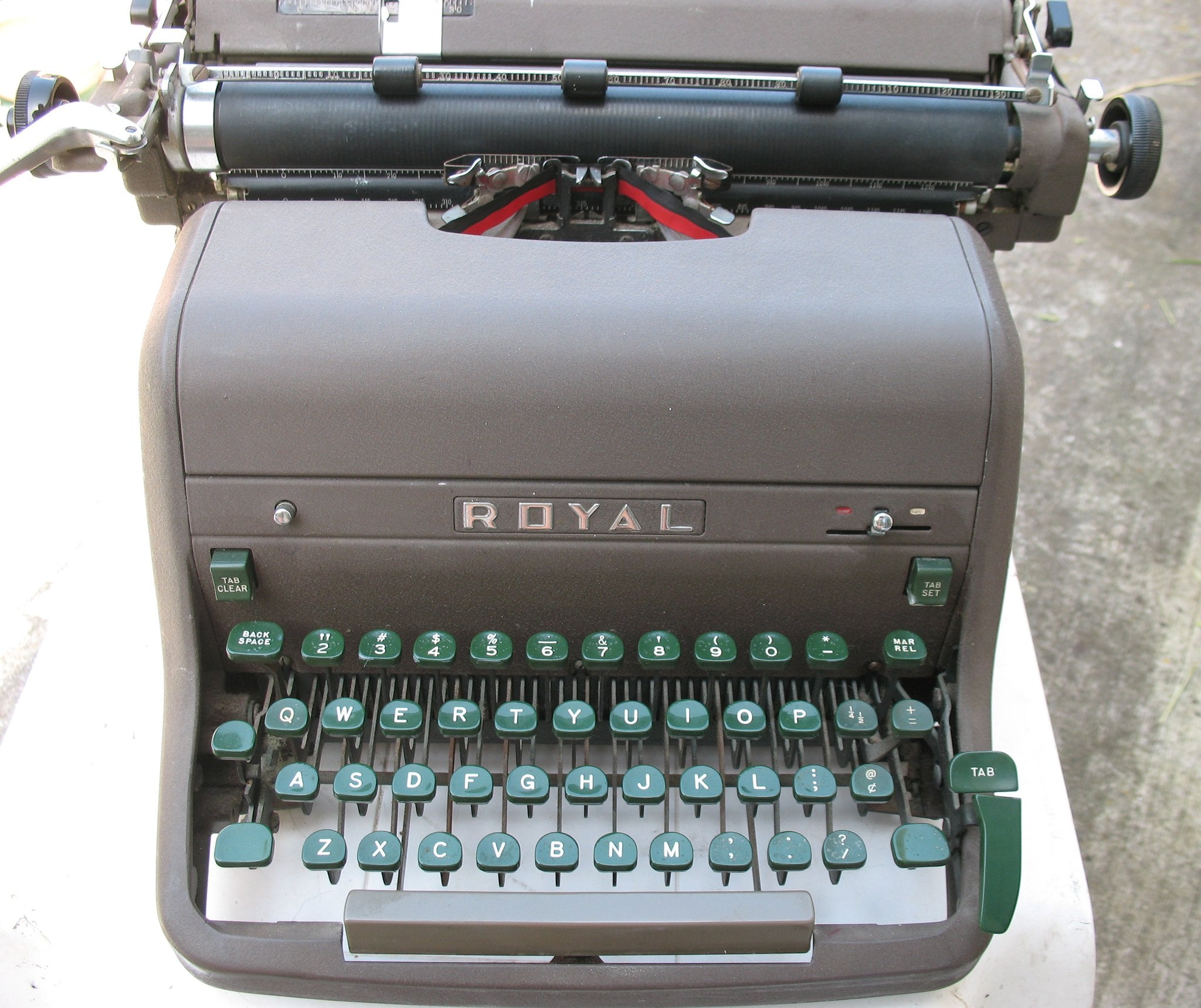
The Royal HH is a desktop machine built like it was designed to survive a century — because it basically was. Its heavy steel construction means it’s not going anywhere, physically or in terms of collector interest, and the typing action has a satisfying depth that portables rarely match.
Well-maintained models sell for $100 to $350.
Olivetti Studio 44
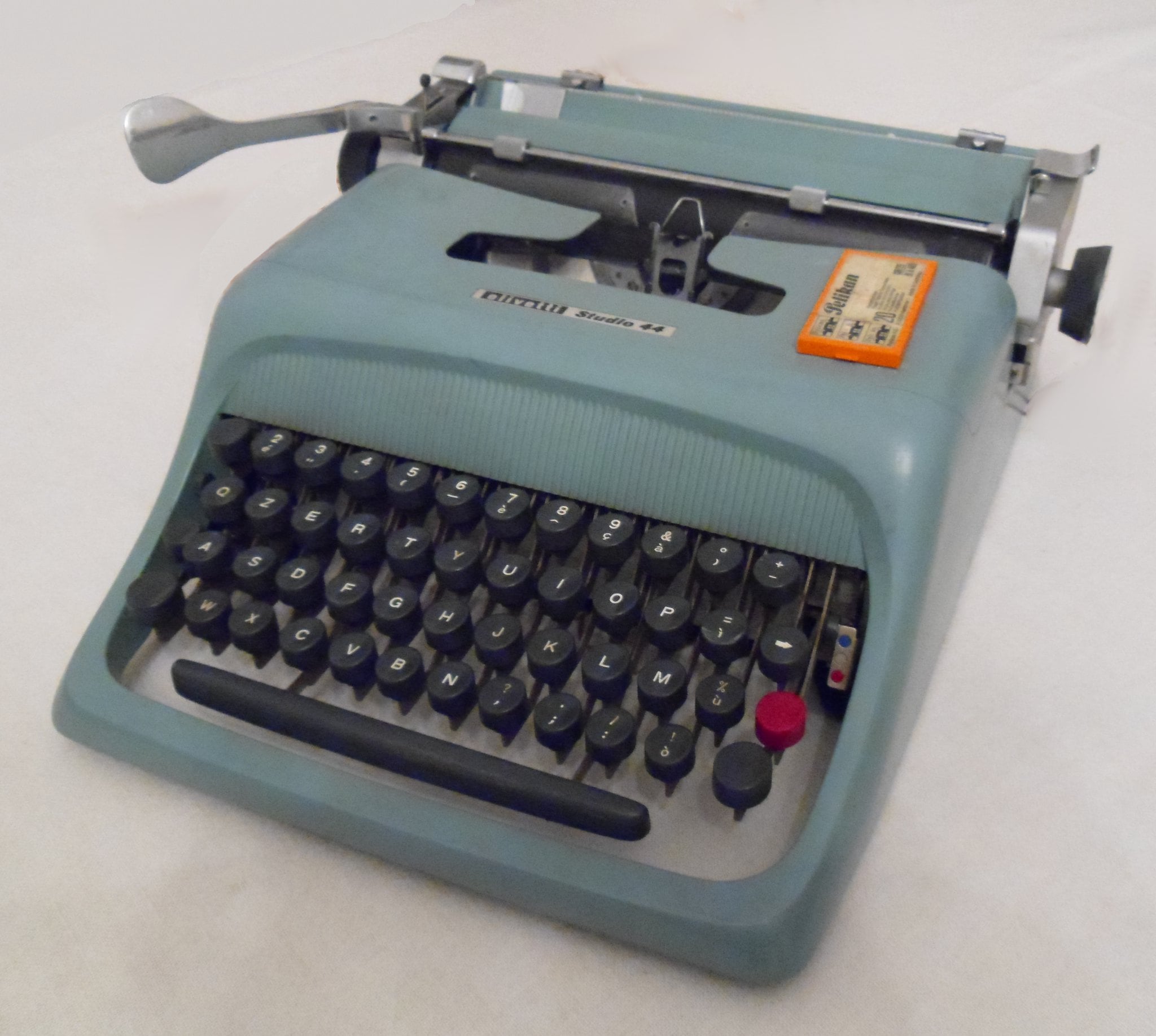
The Olivetti Studio 44 occupies an interesting middle ground between portable and desktop — it has the weight of a machine that means business and the aesthetics of one that also cares what it looks like, which is a combination the Italians managed with unsettling ease. Collector prices range from $150 to $400 for solid examples, with rare color variants fetching considerably more.
Hammond Multiplex
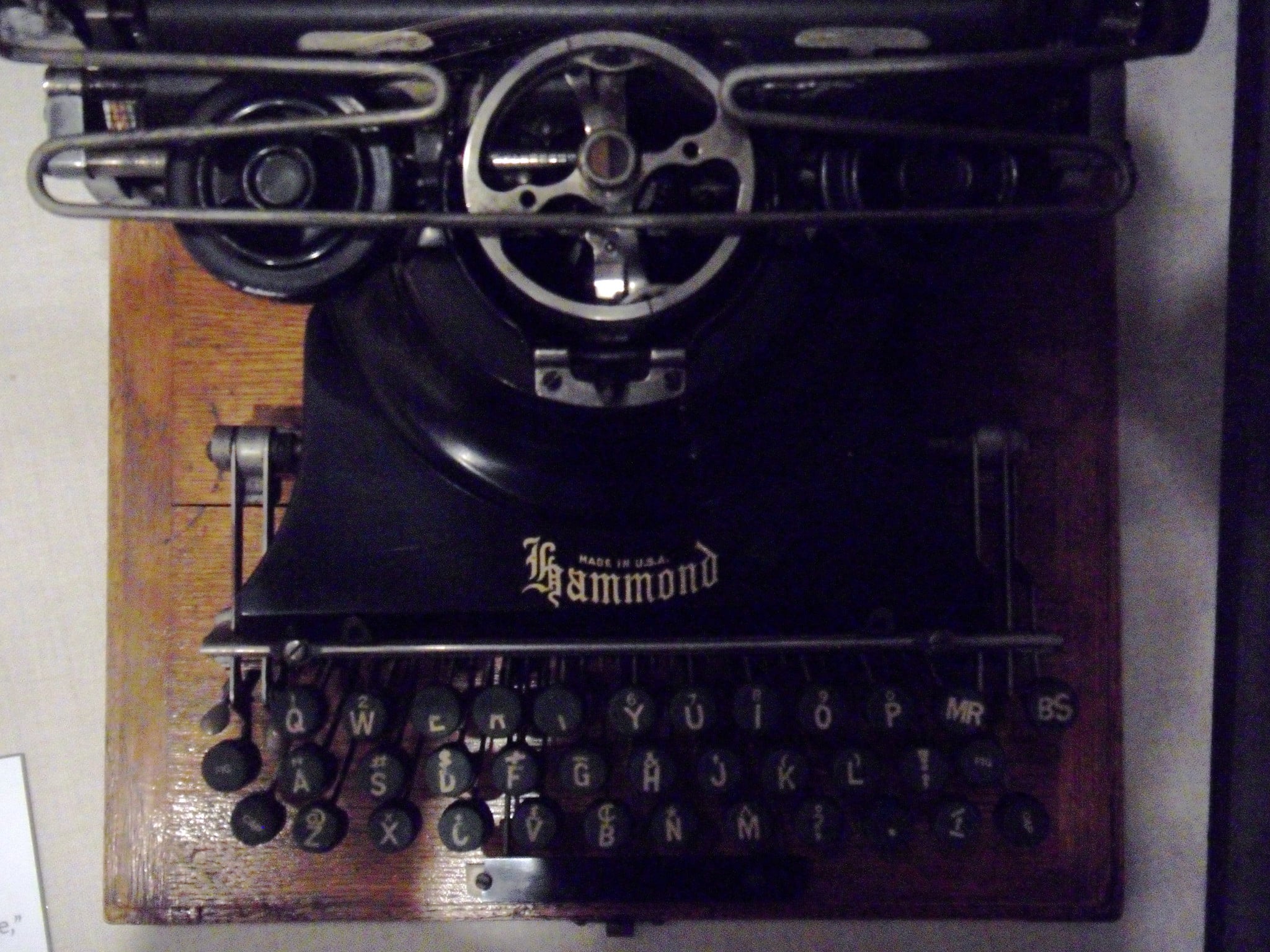
The Hammond Multiplex is genuinely strange, and that’s the point. It used interchangeable type shuttles rather than fixed typebars, which meant a single machine could swap between typefaces — an idea so ahead of its time that it took the rest of the industry decades to catch up.
Collectors who appreciate mechanical ingenuity pay $300 to $800 for good specimens, sometimes more for complete shuttle sets.
Groma Kolibri
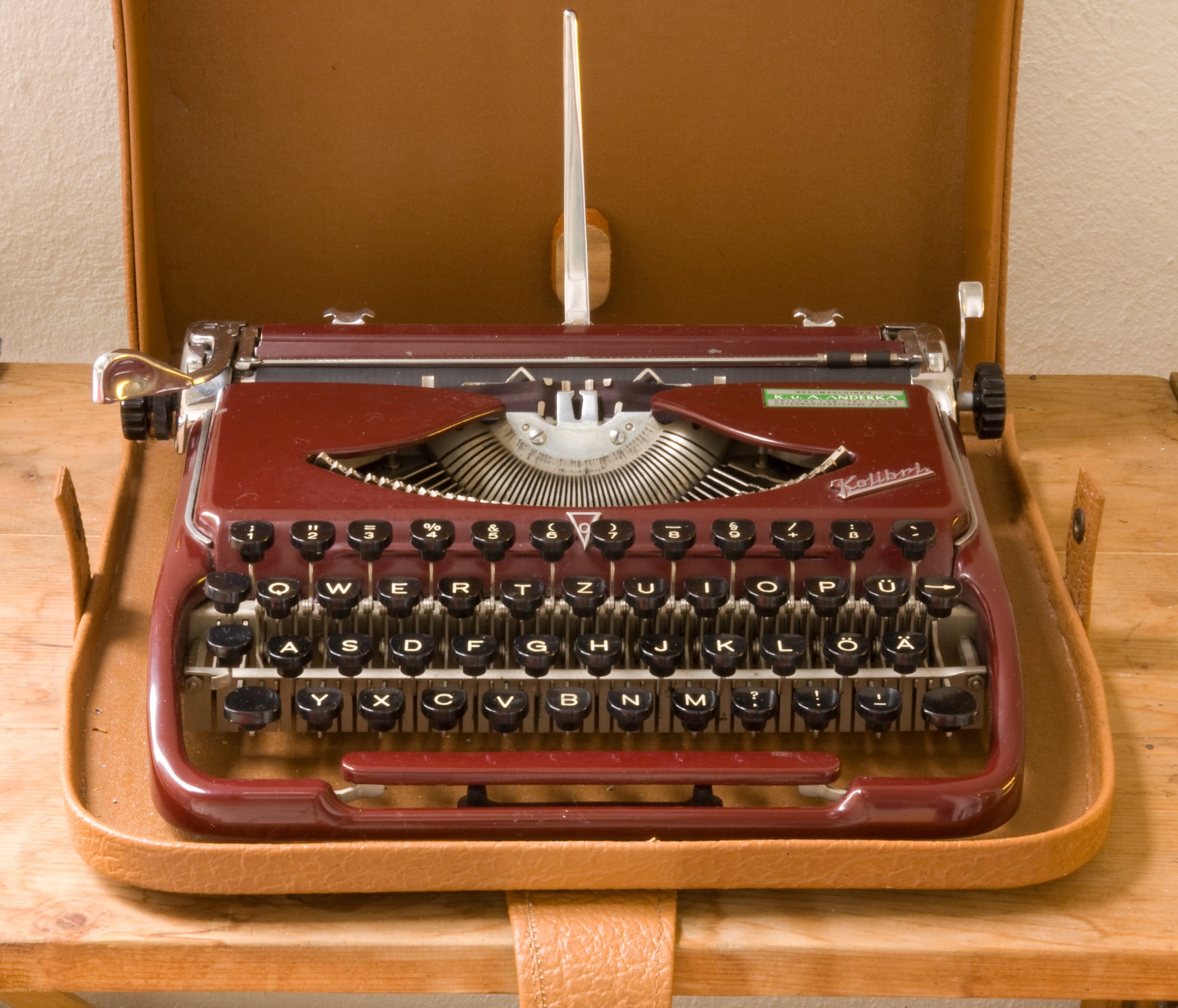
The Groma Kolibri, produced in East Germany in the 1950s, is the flattest typewriter ever manufactured — roughly an inch and a quarter thick when closed. It’s a machine that looks impossible until you hold it, and then it just looks improbable.
Prices have been climbing as Western collectors discover it, with clean examples now regularly selling for $300 to $700.
Underwood Portable
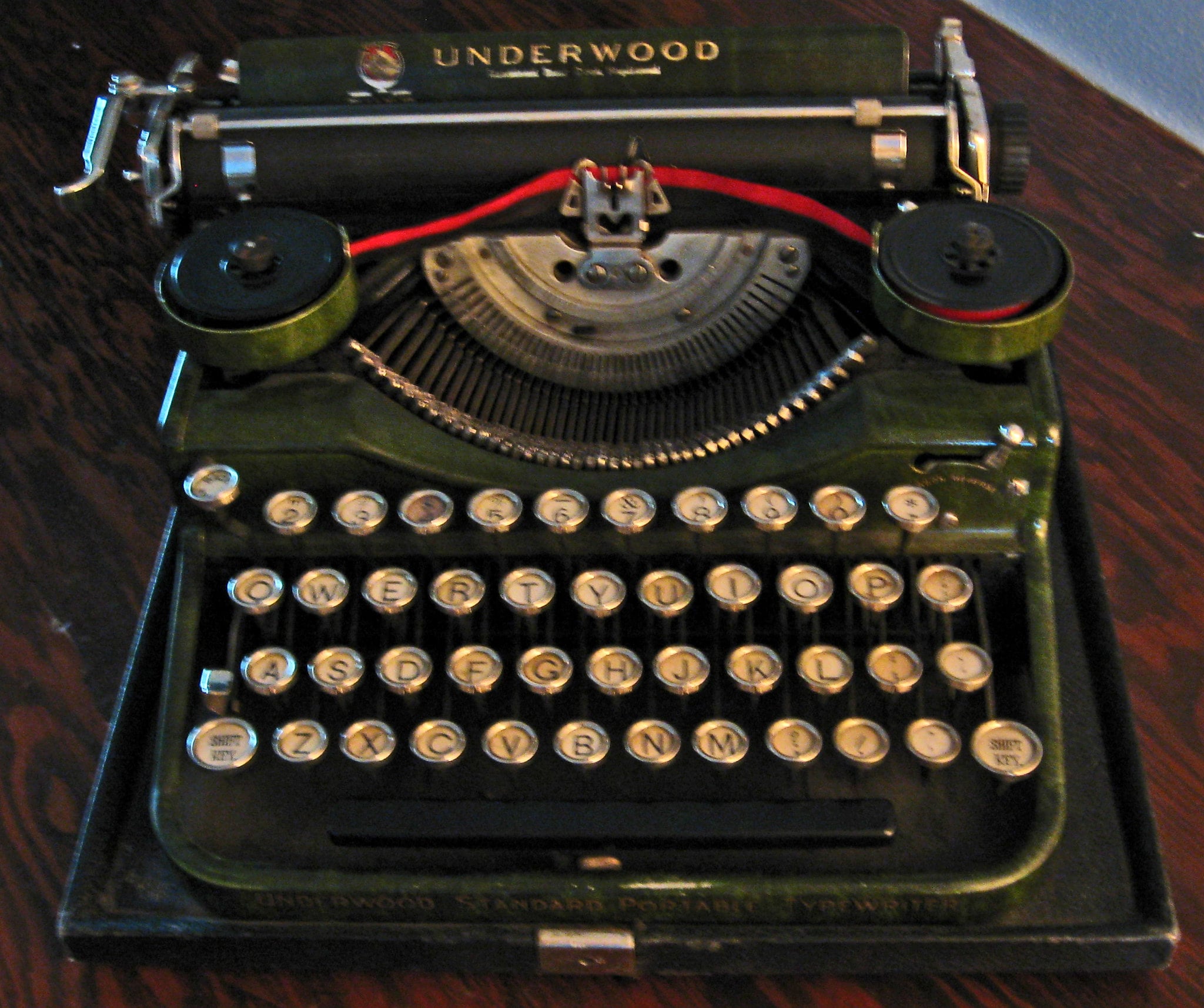
The Underwood Portable was Underwood’s answer to the growing market for lightweight machines, and it answered confidently. It carries the mechanical authority of its desktop predecessors compressed into a smaller frame — the keys feel deliberate, the mechanism trustworthy.
Expect $100 to $300 for solid working examples.
Noiseless Portable by Remington
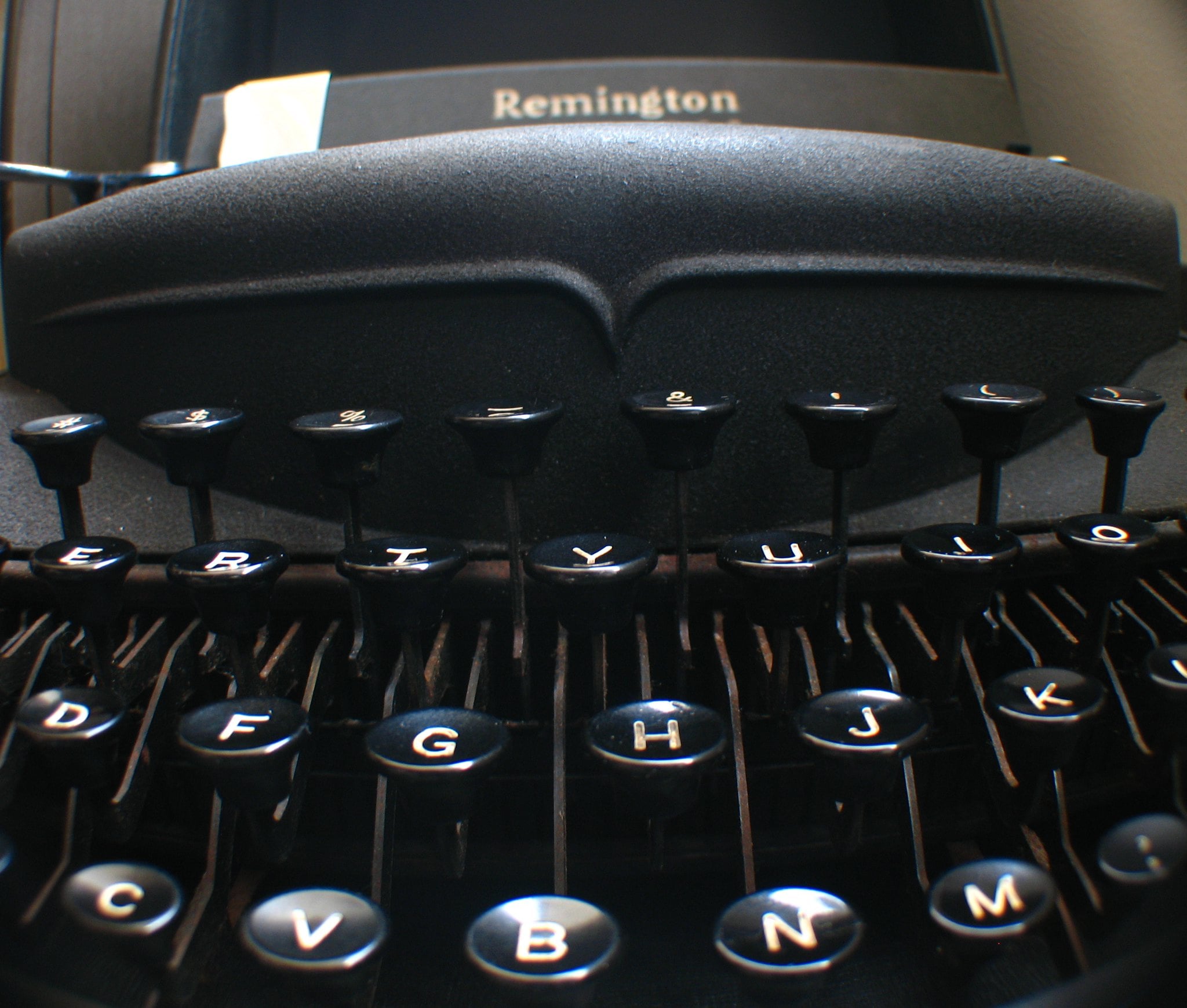
The Noiseless Portable by Remington is one of the more technically interesting machines of the 1930s — its mechanism used a scissors-action striking system specifically engineered to reduce impact sound. It works, to a point.
Collectors value the mechanical novelty as much as the typing experience, and prices typically sit in the $150 to $400 range for good condition examples.
Smith Corona Corsair
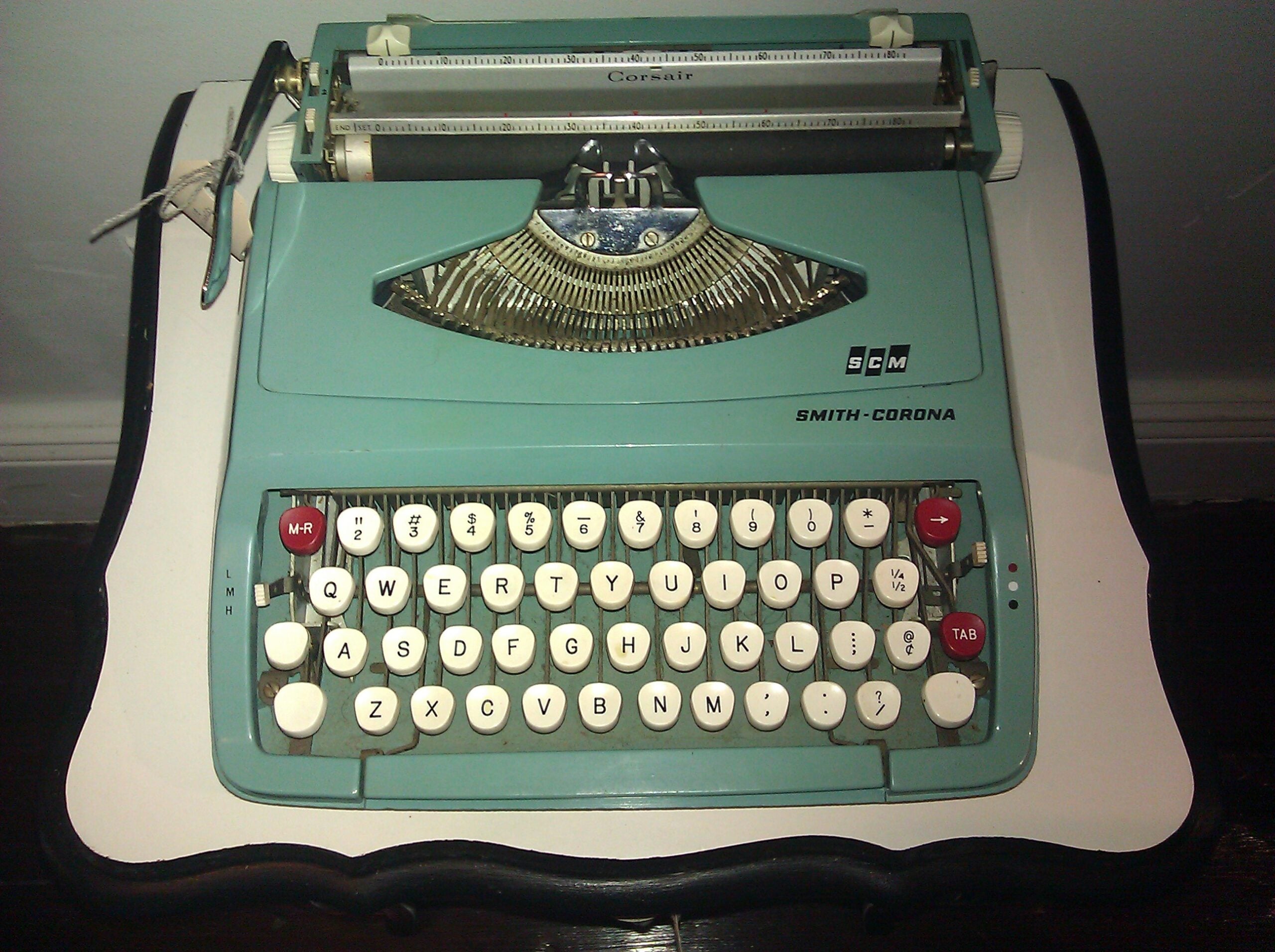
The Smith Corona Corsair is a late-1960s portable with a compact footprint and a typing action light enough that it surprised people accustomed to heavier machines. It’s the kind of typewriter that shows up at estate sales priced at fifteen dollars and sells online for $150 to $300 — a gap that rewards anyone paying attention.
Adler J5
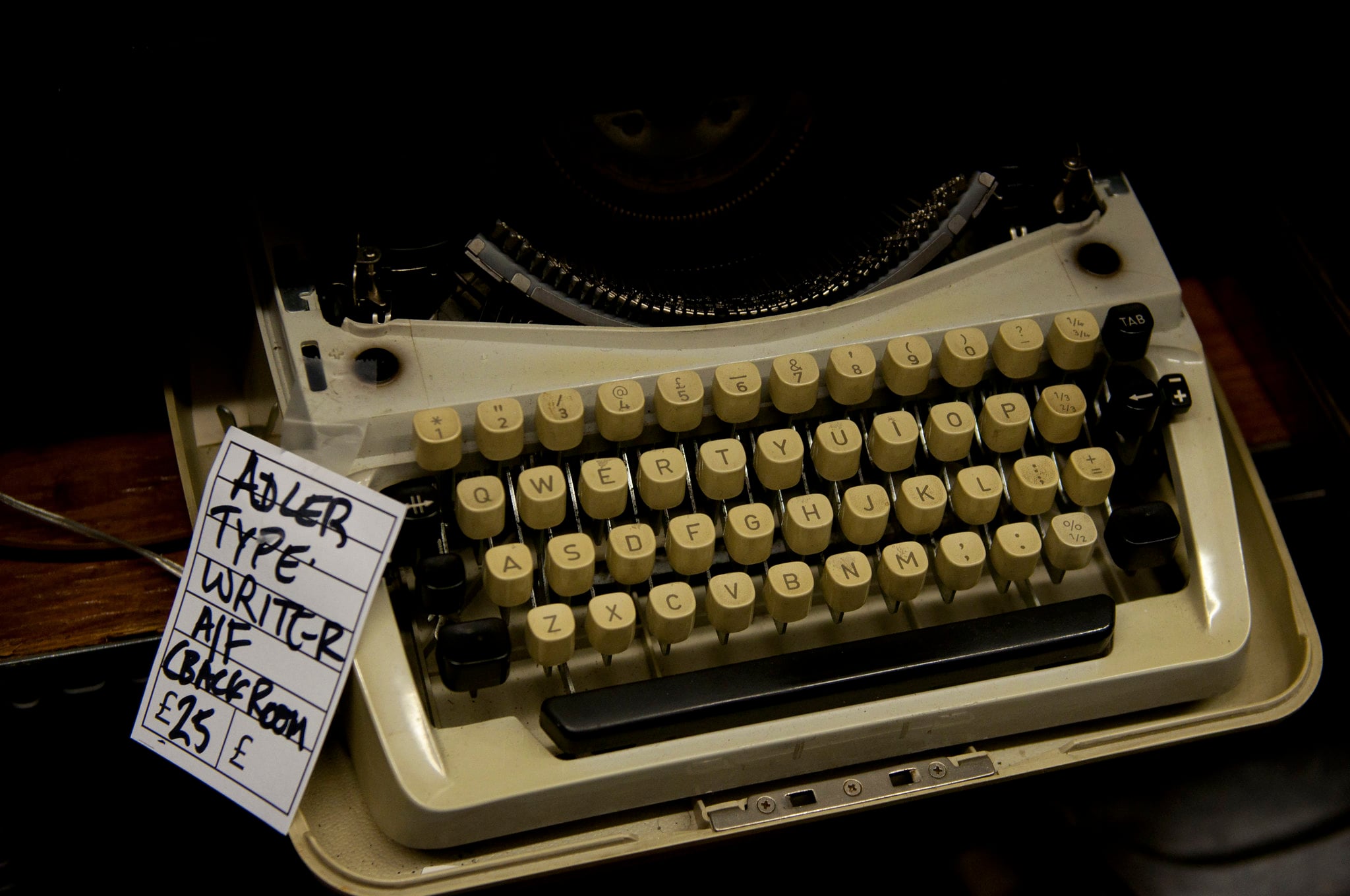
The Adler J5 is German, durable, and dramatically undervalued, which is a situation that won’t last. Its typing feel is precise without being stiff, the mechanism engineered to a standard that outlasted its era by a considerable margin.
Clean examples still sell for $80 to $200, making it one of the last genuinely overlooked machines in active collector markets.
Olympia SG1
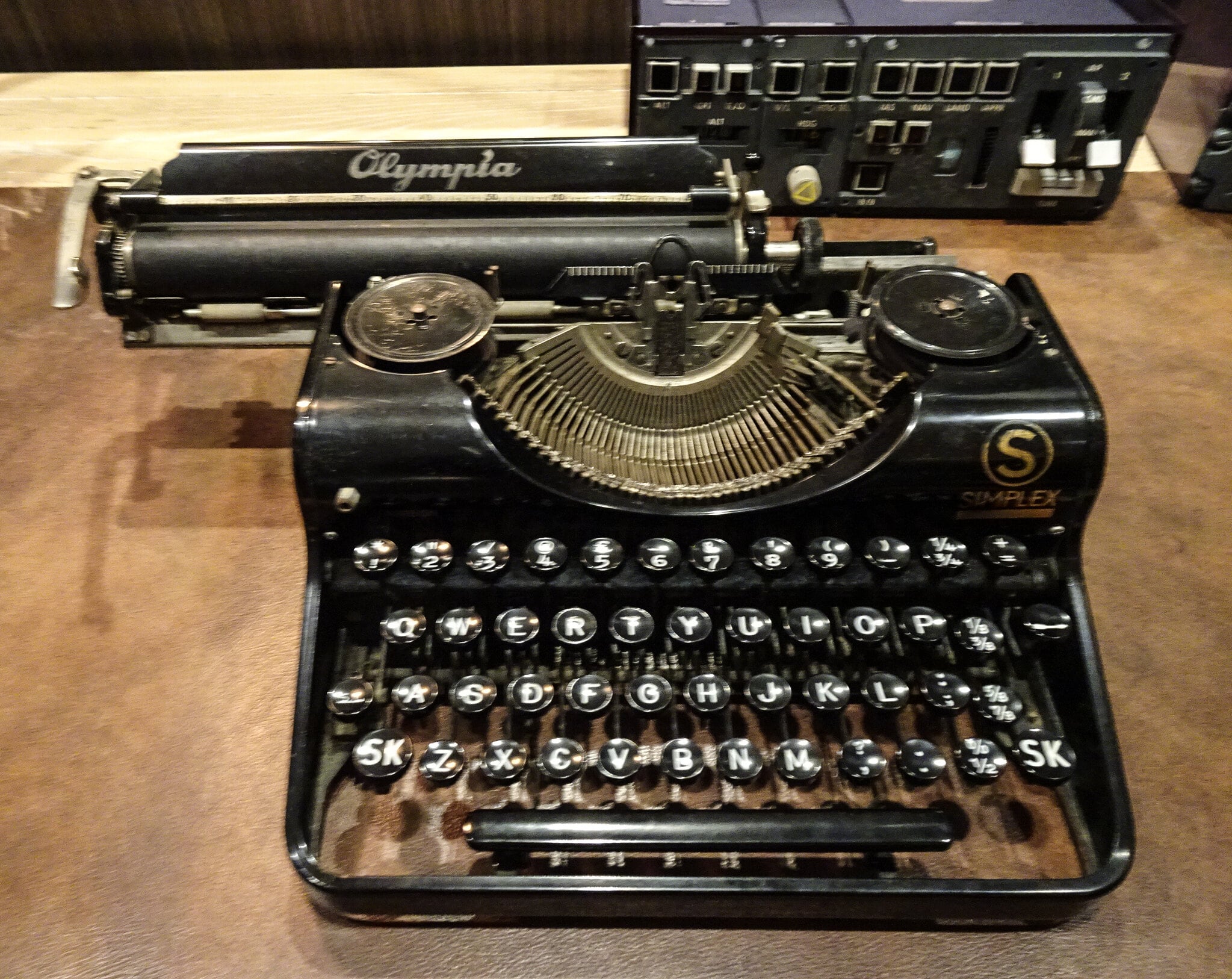
The Olympia SG1 is a desktop machine with the kind of presence that makes portable typewriters feel like suggestions. Writers who prefer a heavy, authoritative action — the kind where the keystroke feels like a decision — gravitate toward it, and the collector market has followed.
Good examples sell for $200 to $500, with exceptional specimens pushing higher.
Imperial Good Companion
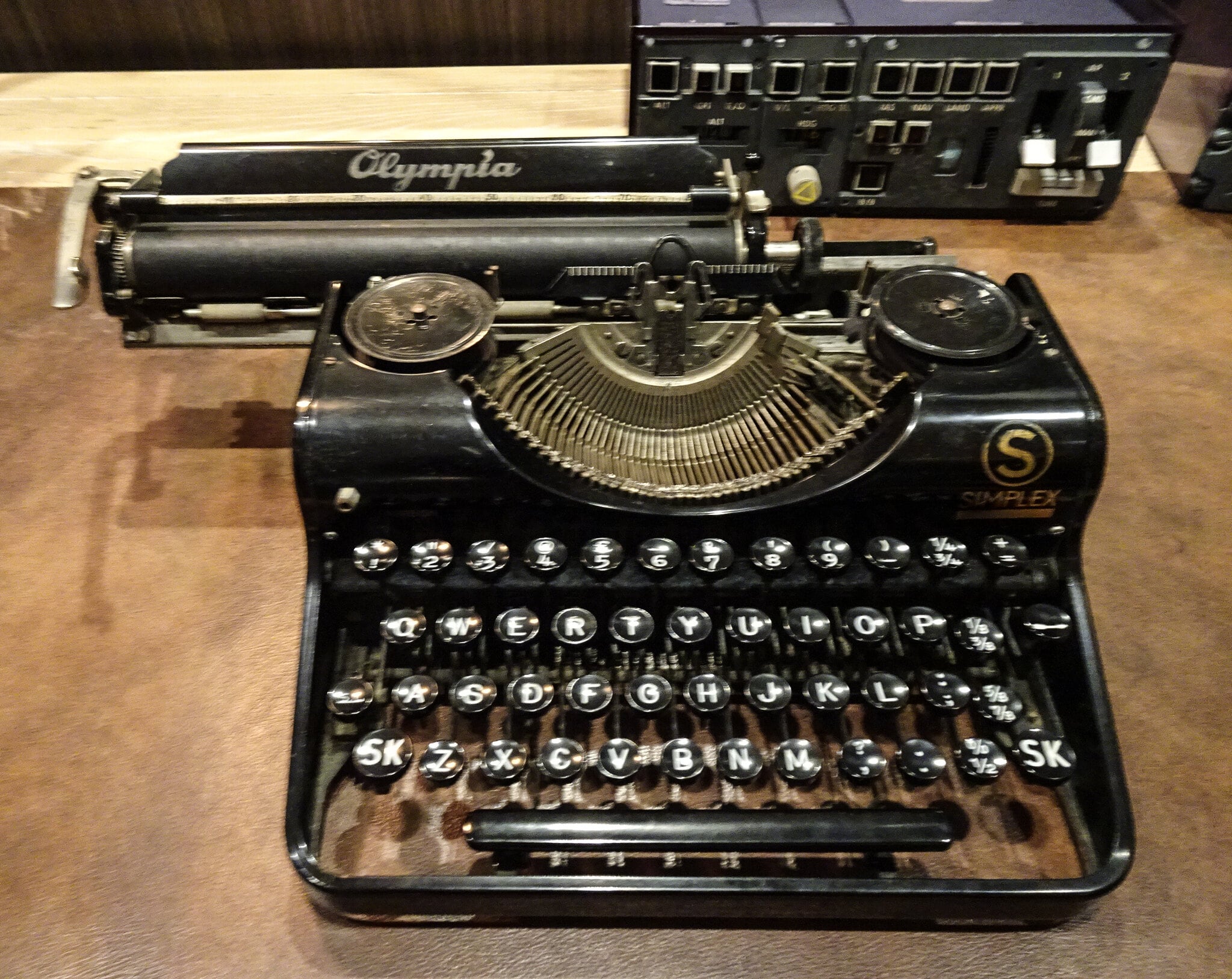
The Imperial Good Companion, made in England, has a name that promises exactly what it delivers: a reliable, unfussy portable that types cleanly and asks little in return. It’s never been the glamorous pick, but collectors who care more about function than fashion seek it out consistently.
Prices hover between $80 and $250 depending on condition.
Varityper
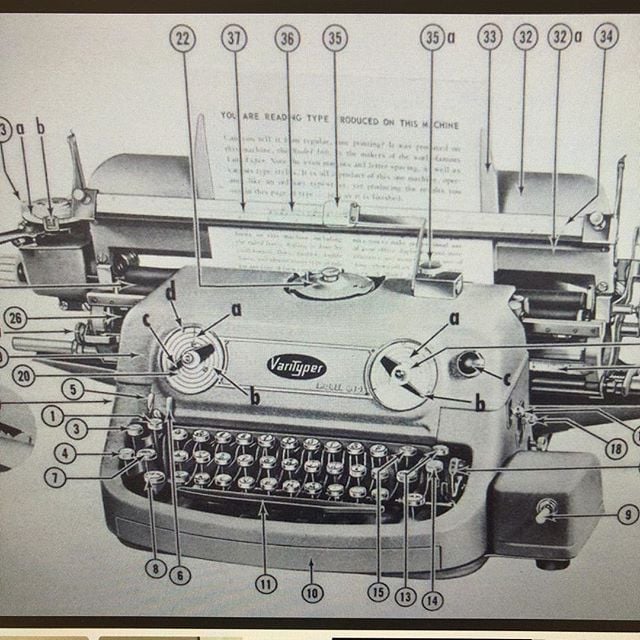
The Varityper is not a typewriter in the conventional sense — it produced proportionally spaced type at a time when other machines still treated every character as identical in width. It was used in publishing, typesetting, and print production for decades, and its mechanical complexity makes it genuinely fascinating to anyone who understands what it was doing.
Rare working examples can exceed $500.
Smith Corona Sterling
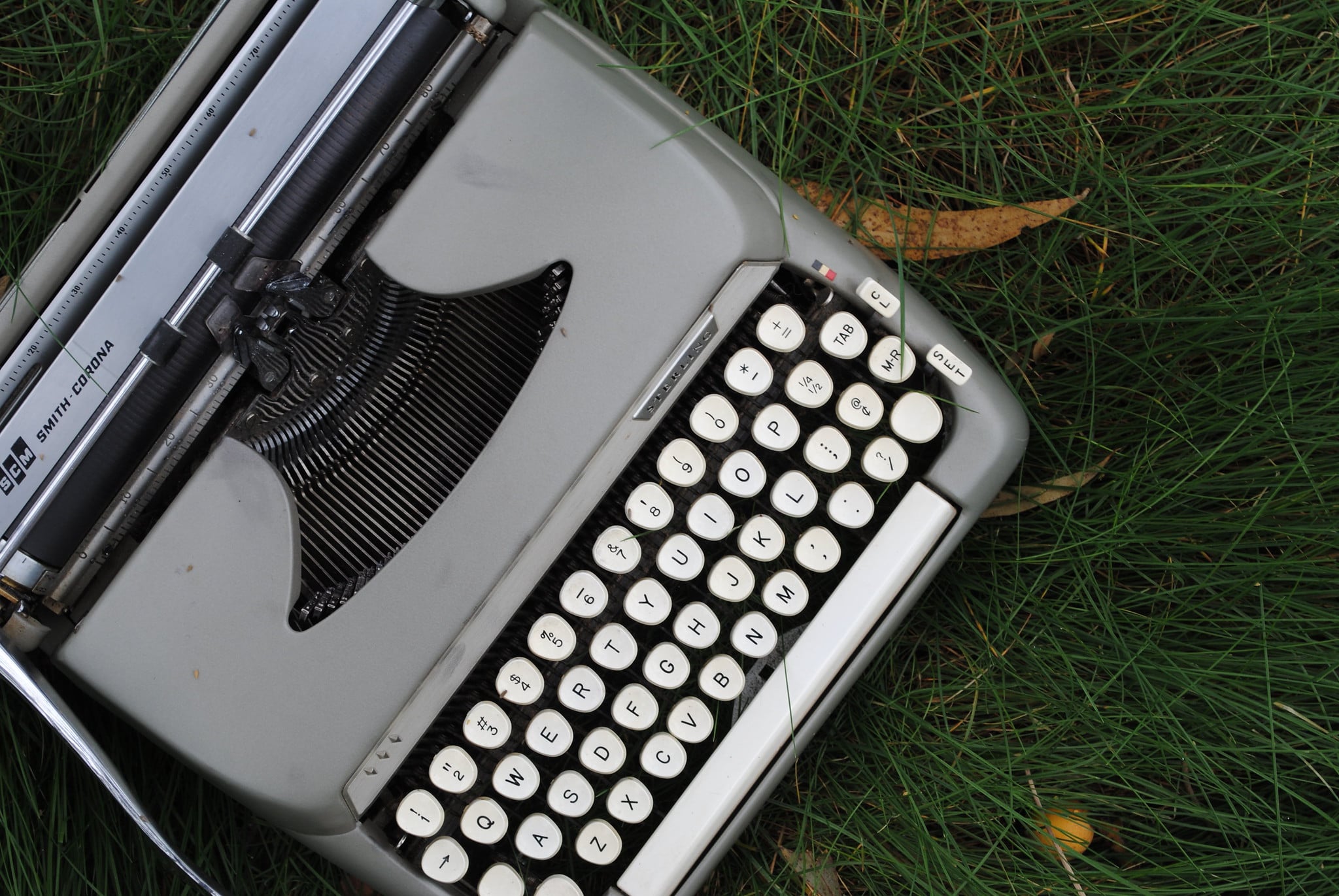
The Smith Corona Sterling is quietly one of the best mid-century portables made in the United States. It types with an evenness that suggests real engineering investment, its mechanism balanced in a way that makes extended sessions less fatiguing than comparable machines.
Clean working models sell for $100 to $300, and demand has been steady for years.
Facit TP1
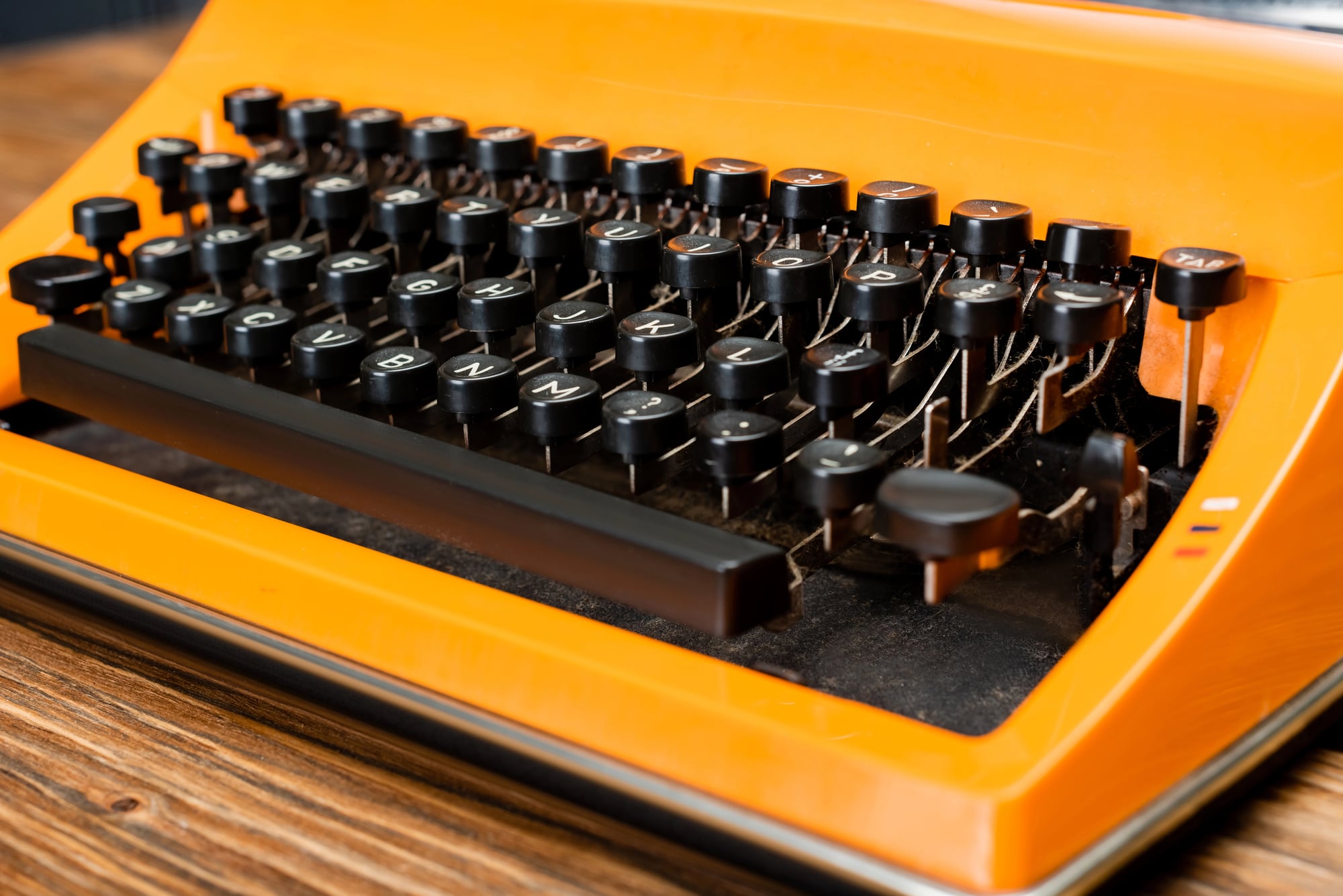
The Facit TP1, Swedish-made and built to a standard that takes durability almost personally, is the kind of machine that types as confidently at sixty years old as it did at six months. Its key action is firm and exact — the kind of machine that corrects you when you’re imprecise rather than accommodating sloppiness.
Prices range from $150 to $400 for clean examples.
Mignon Index Typewriter
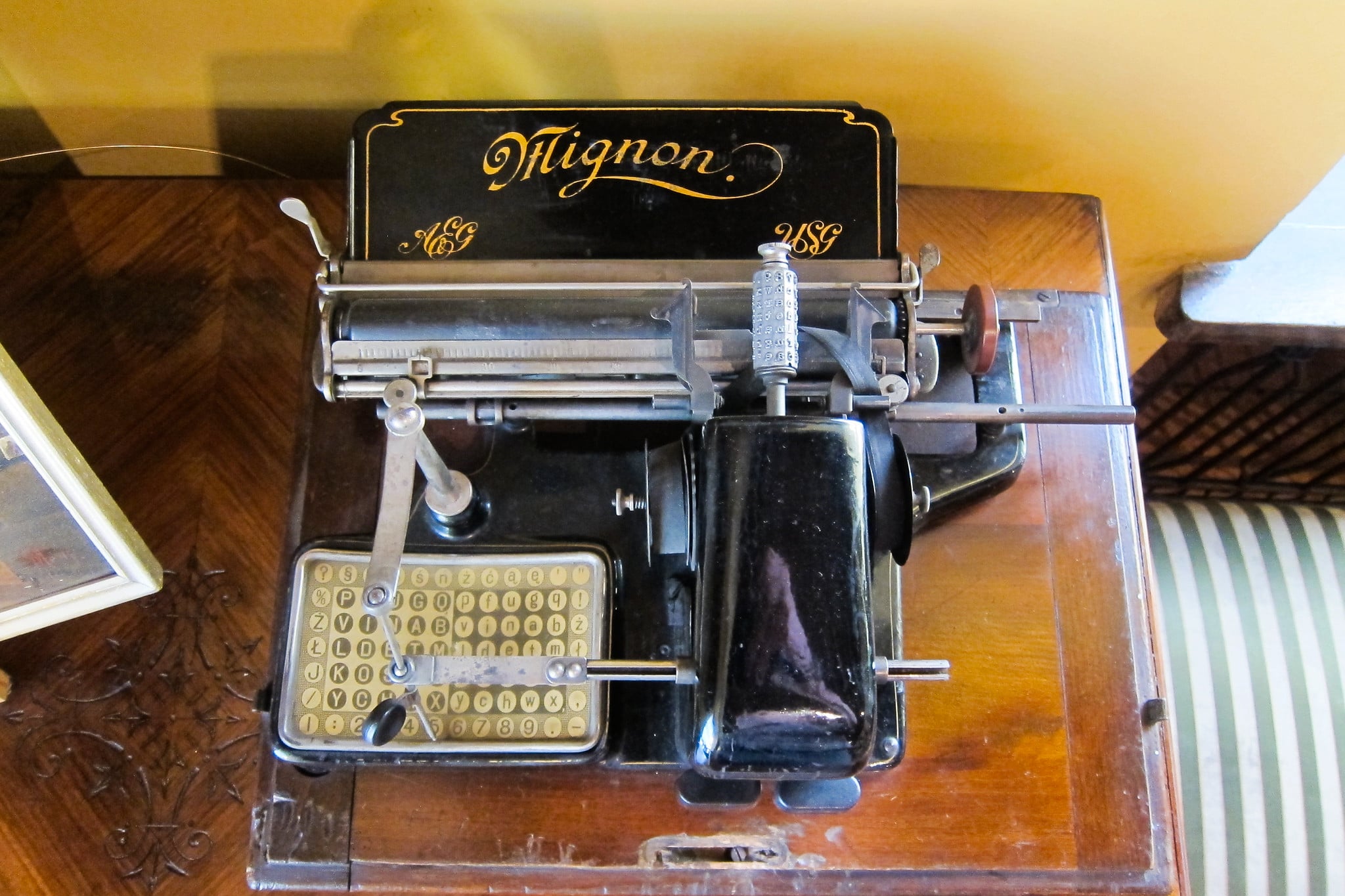
The Mignon is not a keyboard typewriter at all — it uses a pointer and dial system to select individual characters, which sounds impractical and types about as slowly as you’d expect. What it is, without question, is one of the most visually arresting mechanical objects of the early twentieth century, and collectors know it.
Prices for complete, working examples start around $400 and climb well past $1,000.
Underwood Elliott Fisher
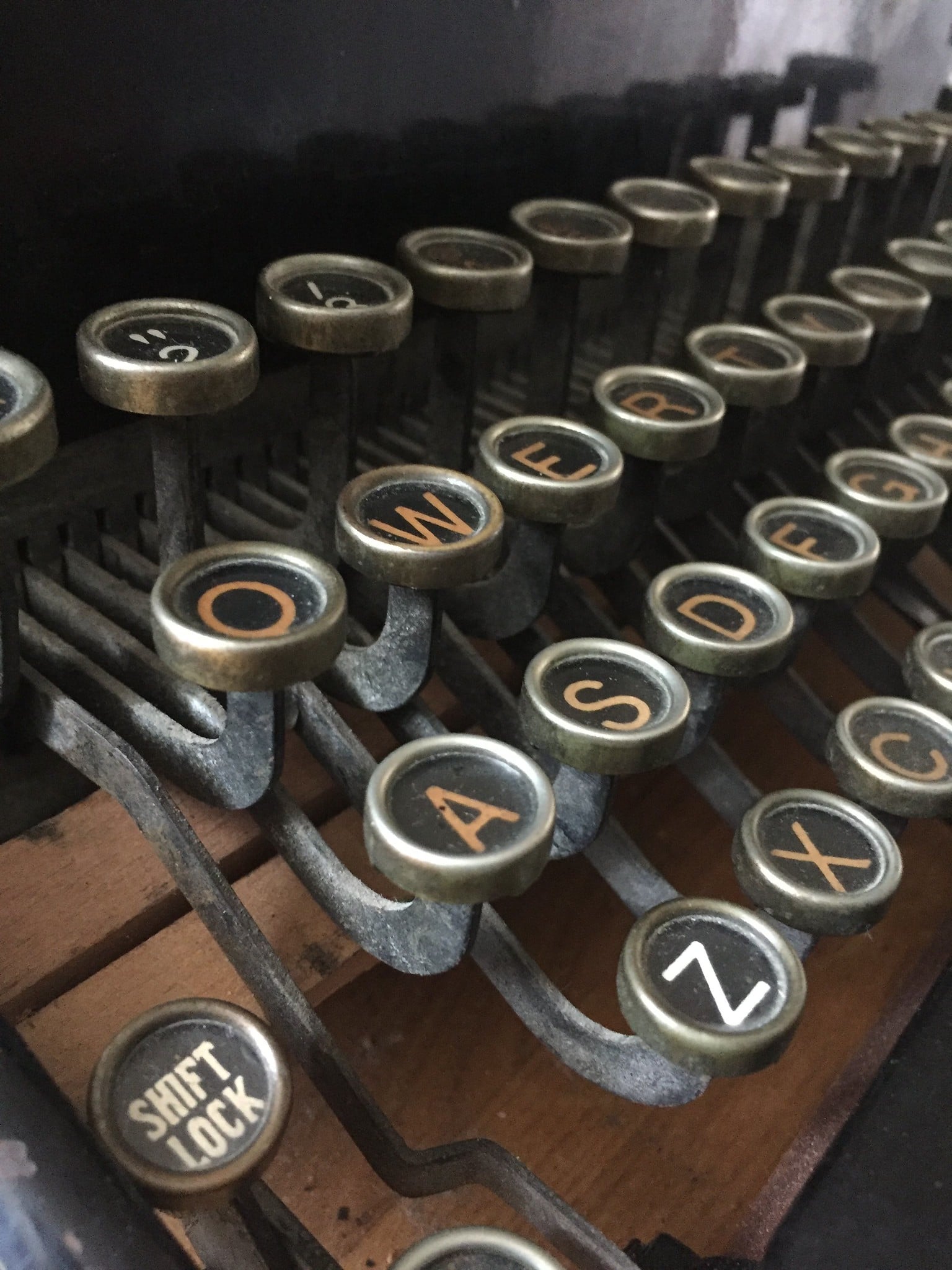
The Underwood Elliott Fisher is enormous. Designed for accounting and ledger work, it could accommodate paper wide enough to display full financial records across a single sheet — a mechanical ambition that required a machine the size of a small desk.
Complete working examples are genuinely rare, and serious collectors of industrial typewriter history pay accordingly, with prices frequently exceeding $1,000.
The Weight of Mechanical Things

A typewriter is a physical argument. It argues that the act of writing deserves resistance, that words pressed through a ribbon onto paper carry a different kind of permanence than pixels flickering on a screen.
The collector market has been making that argument with steadily increasing conviction — prices rising, interest spreading into demographics that didn’t grow up with these machines at all. And that might be the most telling part: the people paying the most for vintage typewriters are often the ones who never needed them in the first place.
They just recognize something worth holding onto.
More from Go2Tutors!

- The Romanov Crown Jewels and Their Tragic Fate
- 13 Historical Mysteries That Science Still Can’t Solve
- Famous Hoaxes That Fooled the World for Years
- 15 Child Stars with Tragic Adult Lives
- 16 Famous Jewelry Pieces in History
Like Go2Tutors’s content? Follow us on MSN.