31 Chapters of History Schools Rarely Teach
Most history curricula are built around a fixed number of class periods and a much longer list of things that technically happened, which means something always gets cut. The events below rarely make it into a standard textbook chapter, not because they lack significance, but because they are complicated, uncomfortable, or simply crowded out by the handful of stories every course is expected to cover.
None of them are secret. They are just usually skipped.
The Tulsa Race Massacre of 1921
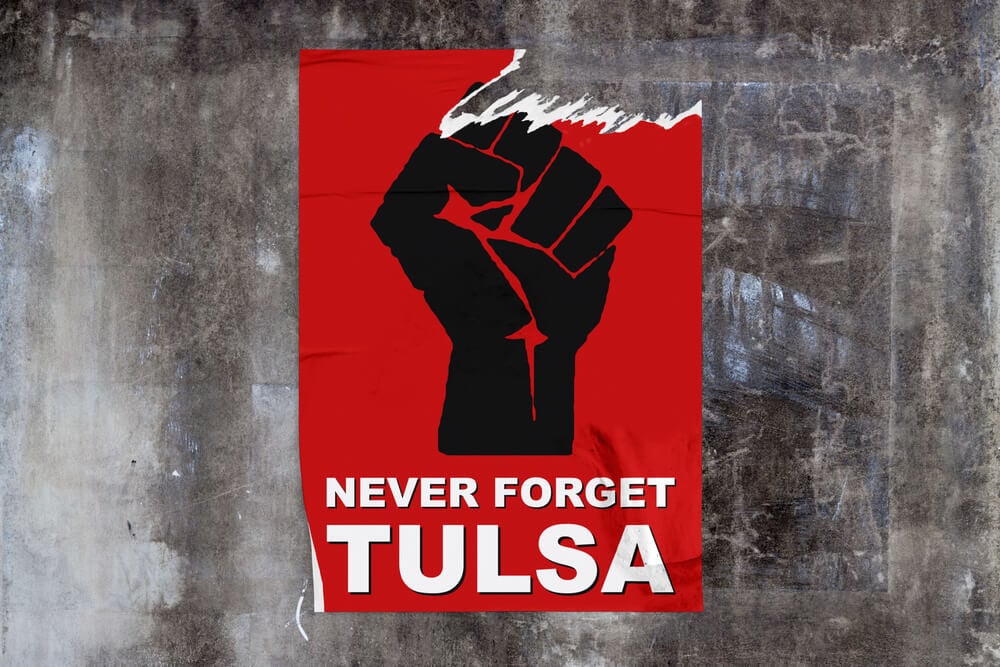
Over roughly eighteen hours in Tulsa, Oklahoma, a white mob destroyed the prosperous Greenwood district, known at the time as Black Wall Street, killing an estimated hundreds of Black residents and leaving thousands homeless. The event was actively suppressed from local records and public memory for decades, with many survivors never receiving compensation or formal acknowledgment during their lifetimes.
It took until the event’s centennial for the massacre to receive sustained national attention and inclusion in more school curricula.
The Bonus Army March of 1932
Thousands of World War One veterans and their families marched on Washington, D.C., during the Great Depression to demand early payment of a bonus promised to them for their wartime service. The government’s response, involving active-duty troops using force to disperse the encampment, remains a striking example of how veterans were treated during an economic crisis.
The event significantly influenced later policy toward returning servicemembers, including benefits provided after the Second World War.
The Zoot Suit Riots of 1943
Over several nights in Los Angeles, groups of servicemen attacked Mexican American and Filipino American youths, many wearing a distinctive style of suit associated with the era’s youth culture, while local police largely declined to intervene against the attackers. The events reflected broader wartime racial tensions and remain a significant, though often overlooked, chapter in the history of American civil unrest.
Contemporary press coverage at the time largely blamed the victims rather than their attackers.
The Philippine-American War
Following the Spanish-American War, the United States fought a prolonged conflict against Filipino forces seeking independence, a war that lasted years longer and cost far more lives than the more heavily taught conflict that preceded it. The war involved tactics and conditions that generated significant domestic controversy at the time, including congressional investigations into military conduct.
It remains substantially less taught than other American military engagements of a similar or smaller scale.
The Executive Order Authorizing Japanese American Incarceration
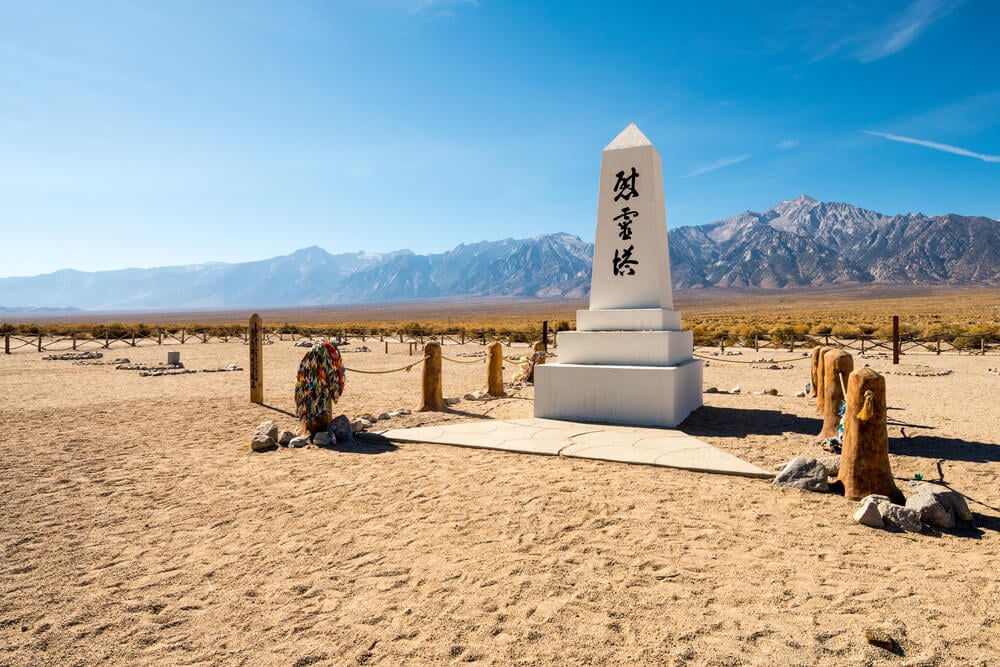
Signed in 1942, this order led to the forced removal and incarceration of roughly 120,000 people of Japanese descent, the majority of them American citizens, without individual charges or trials. The government’s own wartime commission later concluded the policy was driven by racial prejudice and wartime hysteria rather than legitimate security concerns.
Formal government apology and reparations did not come until decades later, and the full scope of the policy remains inconsistently covered in general history education.
The Trail of Tears and Broader Indian Removal Policy
Beyond the widely referenced forced relocation of Cherokee people in the 1830s, a broader and longer pattern of forced removal affected dozens of Indigenous nations across multiple decades, involving policies that continued well into the twentieth century in various forms. The full scope, including specific treaty violations and the long-term policy of forced assimilation through government-run boarding schools, receives considerably less classroom time than the removal’s most famous single episode.
The boarding school system in particular remains an area many curricula address only briefly, if at all.
The Ludlow Massacre of 1914
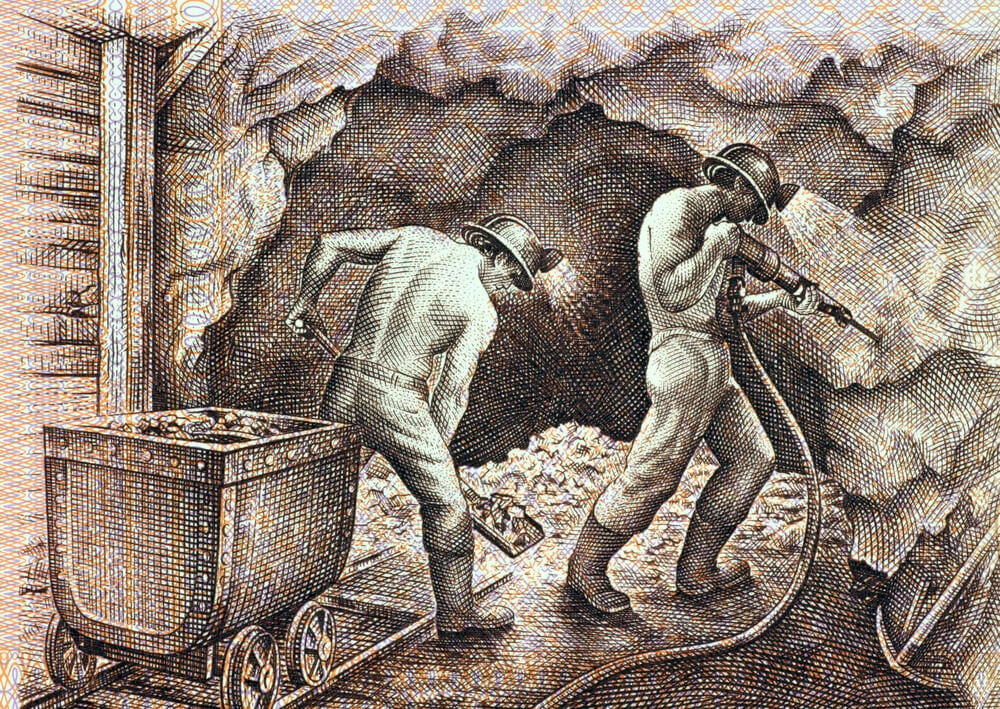
During a prolonged coal miners’ strike in Colorado, state militia and private guards attacked a tent colony housing striking workers and their families, resulting in significant loss of life including women and children. The event became a significant turning point in American labor history, influencing subsequent labor law and organizing efforts.
It remains substantially less taught than other labor conflicts of a similar historical significance.
The Wilmington Massacre of 1898
In one of the only successful coup d’états in American history, a mob of armed white supremacists violently overthrew the legitimately elected biracial local government in Wilmington, North Carolina, killing residents and forcing elected officials from office. The event effectively ended a period of significant Black political participation in the state and set a template for disenfranchisement efforts across the region.
It received formal acknowledgment through a state-commissioned historical report only after roughly a century of limited public discussion.
The Espionage and Sedition Acts of World War One
Passed during American involvement in the First World War, these laws led to the prosecution and imprisonment of thousands of people for speech critical of the war effort or the government, including a prominent political figure who ran for president from a prison cell. The laws’ broad application to political dissent rather than genuine espionage is a significant chapter in the history of American civil liberties.
Their long-term influence on later free speech law receives comparatively little classroom attention relative to their historical significance.
The Bracero Program
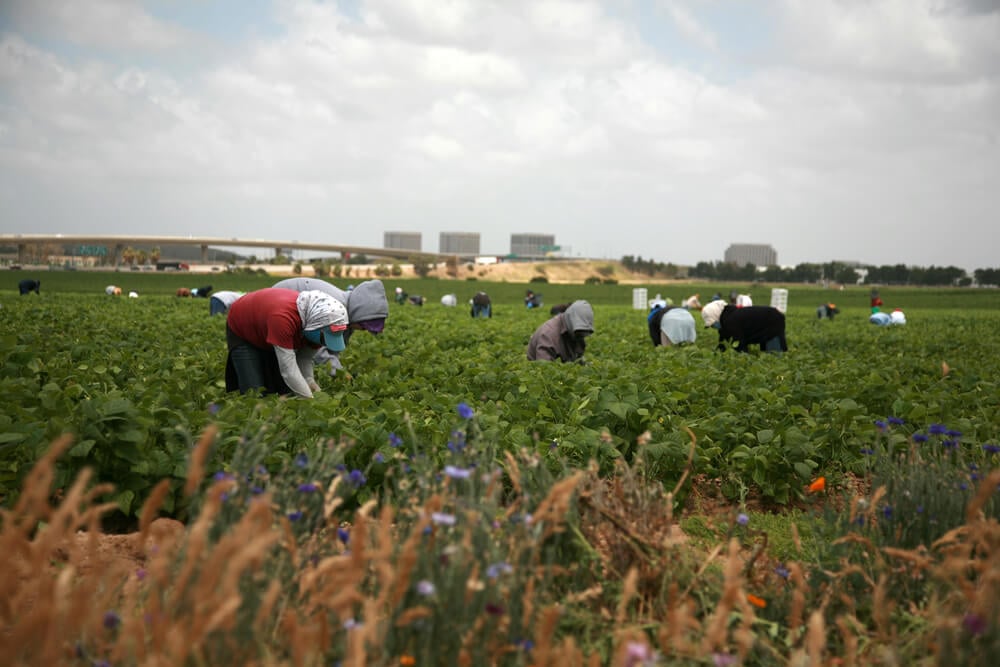
Running from the 1940s through the mid-1960s, this agreement between the United States and Mexico brought millions of Mexican laborers to work in American agriculture under contracts that were frequently violated by employers regarding wages and working conditions. The program’s legacy continues to shape debates about agricultural labor and immigration policy today.
Its multi-decade scope and lasting influence receive considerably less curriculum time than its historical importance would suggest.
The Reconstruction Era’s Full Political Complexity

Beyond the general narrative of Reconstruction’s failure, the period included a substantial number of Black elected officials serving in state legislatures and Congress, significant early civil rights legislation, and a coordinated campaign of political violence specifically aimed at reversing these gains. The specific mechanisms of disenfranchisement that followed, including targeted legal and extralegal violence, are often compressed into a brief transitional summary between more heavily taught periods.
The era’s full complexity rarely receives coverage proportional to its lasting influence on American political and racial structures.
The Homestead Strike of 1892
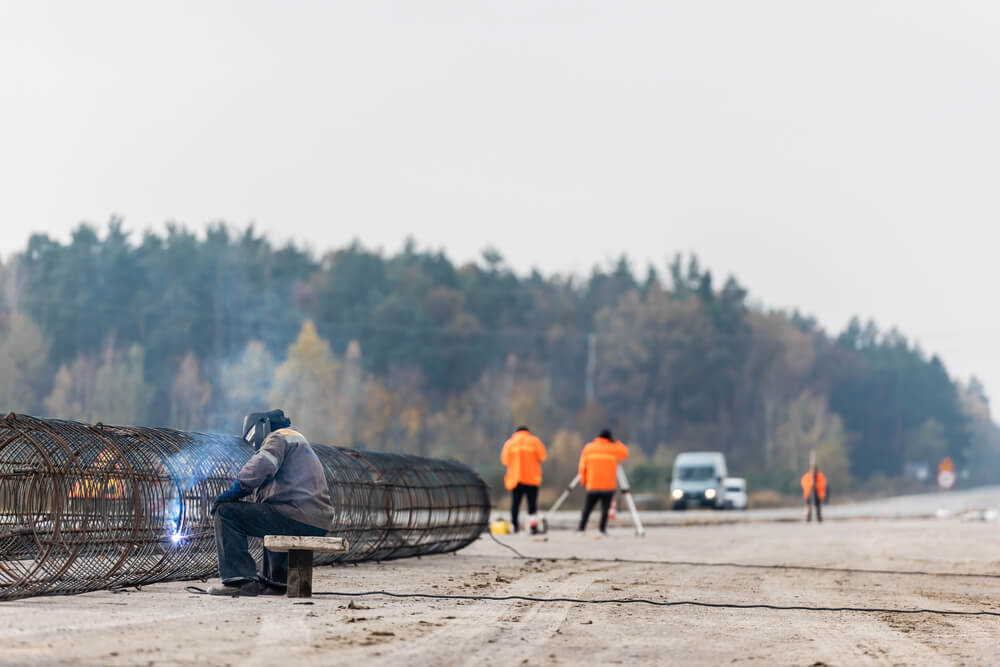
A major labor conflict at a Pennsylvania steel plant involved an extended standoff between workers and private security forces hired by plant management, resulting in significant violence on both sides before state militia intervention ended the strike. The event significantly damaged the labor movement’s momentum in the immediate aftermath while also generating public sympathy that influenced later organizing efforts.
It remains substantially less taught than other major labor conflicts of comparable historical significance.
The Dust Bowl’s Federal Policy Failures
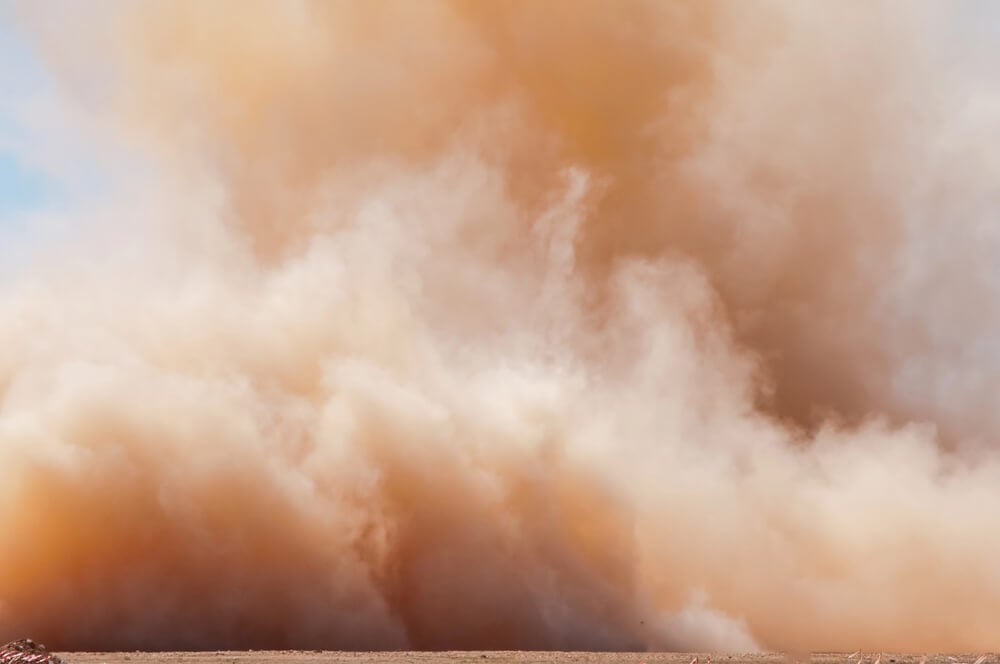
While the Dust Bowl itself receives reasonable classroom coverage as an environmental disaster, the federal agricultural policies that significantly contributed to the crisis through incentivizing unsustainable farming practices receive considerably less attention. The specific government response, including large-scale crop destruction during a period of widespread hunger, remains a striking and underexamined policy contradiction.
The full policy context behind the disaster is often simplified into a purely environmental narrative.
The Kishinev Pogrom of 1903
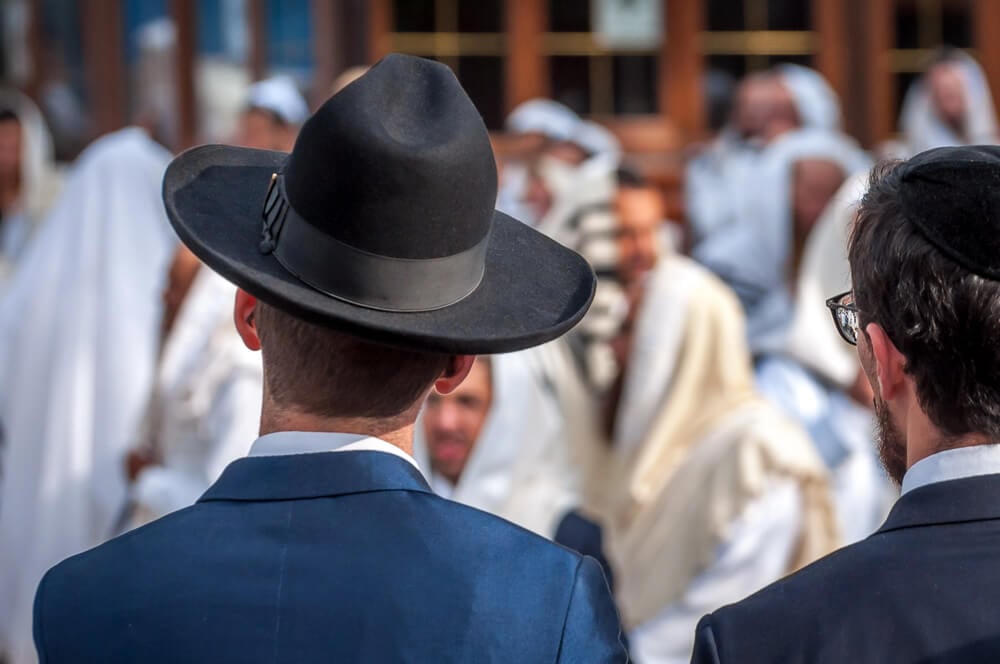
A violent attack against the Jewish population of a city in the Russian Empire resulted in significant loss of life and extensive property destruction, receiving substantial international press coverage at the time and significantly influencing subsequent waves of Jewish emigration. The event is considered a significant precursor to understanding later twentieth-century events but receives minimal coverage in general world history curricula.
Its influence on early twentieth-century emigration patterns remains an underexamined connection in standard coursework.
The Haitian Revolution’s Full Global Impact
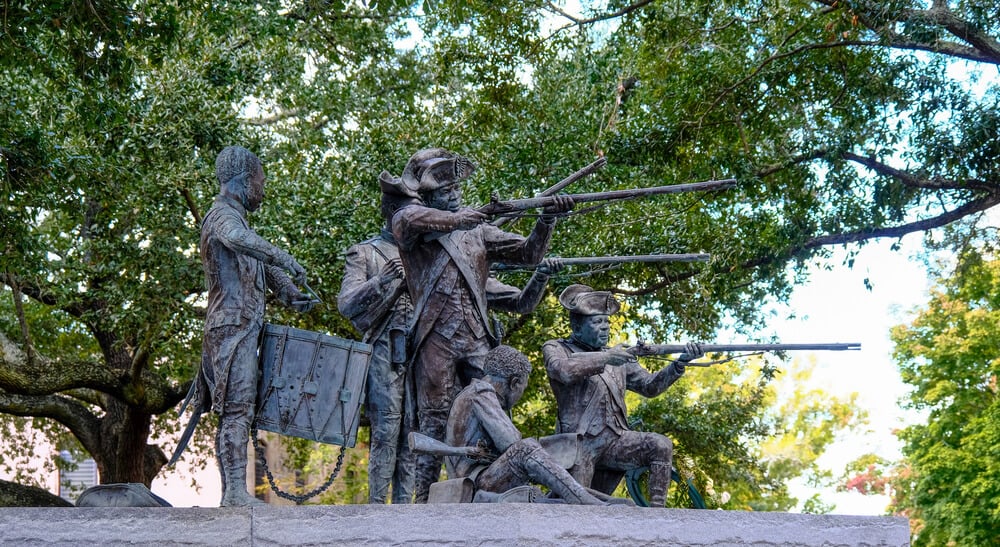
Beyond being taught as a singular event, the successful revolution that established the first Black-led republic in the Western Hemisphere significantly influenced subsequent independence movements, slavery debates, and geopolitical decisions across multiple continents, including territorial decisions made by other nations partly in response. Its role in shaping the broader Atlantic world during the early nineteenth century receives considerably less coverage than its historical influence warrants.
The revolution is frequently taught, when taught at all, as an isolated event rather than a connected turning point in world history.
The Long History of Redlining

Federal housing policy beginning in the 1930s systematically graded neighborhoods partly on racial composition, restricting access to home loans and significantly shaping residential patterns that persisted for generations afterward. The policy’s specific mechanisms and long-term economic consequences receive considerably less classroom attention than its lasting influence on American wealth disparities would suggest.
Many standard curricula address housing discrimination only in general terms rather than examining this specific, well-documented federal policy.
The Philadelphia MOVE Bombing of 1985
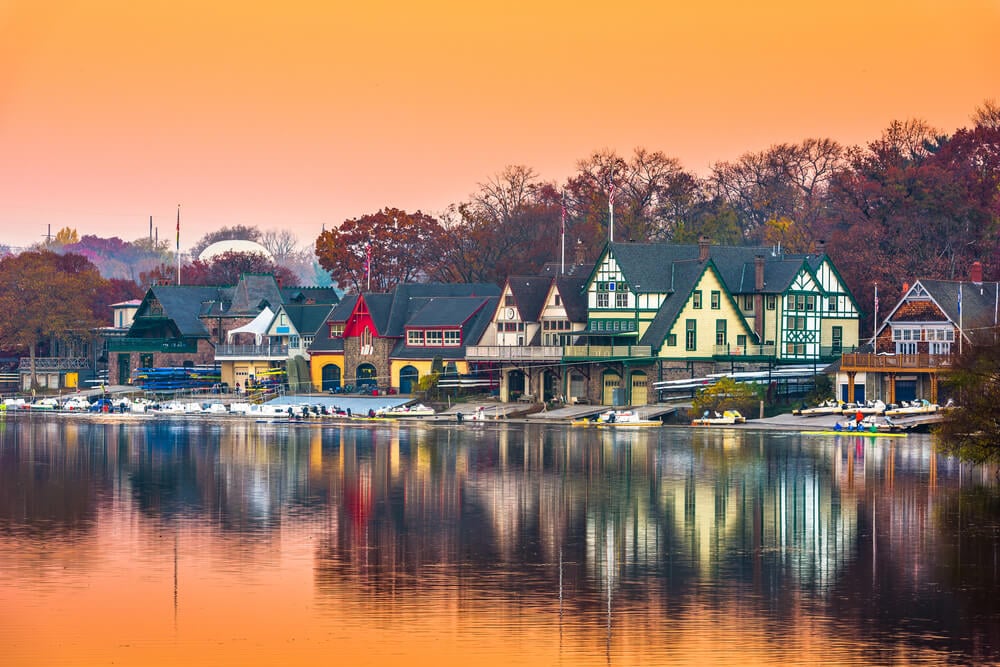
City officials in Philadelphia authorized a bombing of a residential home occupied by members of a political organization, resulting in significant loss of life and the destruction of dozens of surrounding homes in the resulting fire. The event remains a striking example of the use of force against domestic civilians by an American municipal government.
It receives minimal coverage in standard history curricula despite occurring within recent living memory.
The Long Walk of the Navajo

Beginning in 1864, the United States military forced thousands of Navajo people on a lengthy forced march to a distant internment location, resulting in significant loss of life during the journey and subsequent years of confinement under harsh conditions. The event predates and parallels other forced relocations more commonly taught, yet receives considerably less classroom attention.
Its long-term demographic and cultural impact on the Navajo Nation remains substantially underexamined in general coursework.
The Battle of Blair Mountain
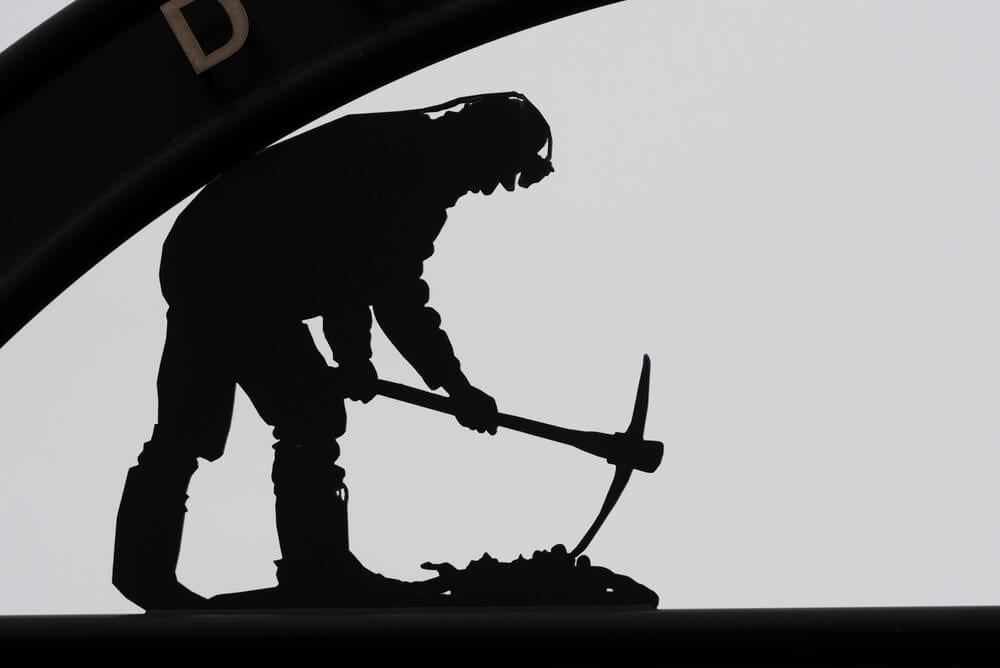
The largest labor uprising in American history involved thousands of armed coal miners confronting law enforcement and private forces in West Virginia over union recognition, ultimately requiring federal troops to end the conflict. Its scale, involving an armed conflict lasting several days, distinguishes it significantly from smaller labor disputes that receive more consistent classroom coverage.
The event remains largely absent from standard American history curricula despite its scale.
The United States’ Occupation of Haiti

From 1915 to 1934, American military forces occupied Haiti, implementing policies including forced labor programs and significant political control over the nation’s government and finances. The occupation generated substantial resistance and significantly shaped subsequent Haitian political and economic development.
This multi-decade occupation receives minimal attention in standard American history curricula relative to its scope and duration.
The Colfax Massacre of 1873
Following a disputed local election in Louisiana, a white militia attacked Black citizens who had gathered to defend the results, resulting in one of the deadliest instances of racial violence during the Reconstruction era. A subsequent Supreme Court decision related to the massacre significantly weakened federal civil rights enforcement for decades afterward.
The case’s lasting legal significance is rarely connected to the massacre itself in standard curricula.
The Sand Creek Massacre of 1864
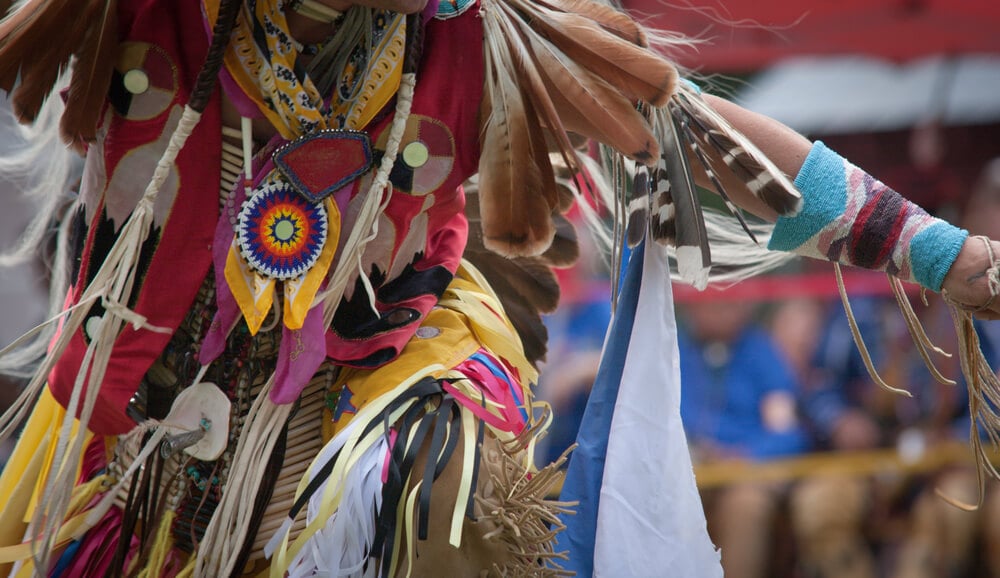
United States militia forces attacked a peaceful encampment of Cheyenne and Arapaho people in Colorado Territory, resulting in significant loss of life despite the encampment flying flags intended to signal peaceful intent. A subsequent congressional investigation condemned the attack, making it one of the relatively few such events formally investigated and criticized by the government at the time.
It receives considerably less classroom coverage than other conflicts of the broader era despite this documented federal condemnation.
The Chinese Exclusion Act and Its Extensions

Passed in 1882, this law explicitly barred immigration from a specific country based on nationality, remaining in effect through multiple extensions for over sixty years before repeal. It represents the first major federal law restricting immigration based explicitly on national origin, establishing precedents that influenced subsequent immigration policy debates for generations.
Its multi-decade duration and legal significance receive considerably less coverage than its role in shaping American immigration law would suggest.
The Attica Prison Uprising of 1971
Prisoners at a New York state facility took control of the prison and held negotiations over conditions for several days before state forces retook the facility by force, resulting in significant loss of life including among hostages. Subsequent investigations revealed significant discrepancies between the state’s initial public account and what actually occurred during the retaking of the facility.
The event’s full scope and legal aftermath, which continued for decades, receive minimal standard curriculum attention.
The Newspaper Suppression During the Spanish Flu Pandemic

During the 1918 influenza pandemic, wartime press restrictions in several countries limited public reporting on the outbreak’s severity, contributing to the pandemic’s somewhat misleading name despite Spain having no particular connection to its origin. This pattern of suppressed public health information significantly affected the pandemic response in several nations.
The specific role of wartime censorship in shaping public understanding of the pandemic receives minimal attention in standard curricula.
The German American Internment Program
Separate from the more widely taught Japanese American incarceration, the United States also detained thousands of German and Italian nationals and some citizens during the Second World War under similar wartime security justifications. This parallel program receives dramatically less classroom attention despite occurring under comparable legal authority during the same conflict.
The comparison between the two programs’ scope and treatment remains an underexamined area of wartime civil liberties history.
The Battle of Athens, Tennessee, in 1946
Returning World War Two veterans in a Tennessee county, alleging systemic local election fraud, armed themselves and engaged in an armed standoff with local law enforcement to secure an honest vote count. The event remains a striking example of armed citizen action against perceived local government corruption in the recent past.
It receives minimal coverage in standard American history curricula despite its dramatic circumstances.
The Underground Railroad’s International Scope
Beyond the routes leading to free states, a significant portion of the network led enslaved people to Mexico and various Caribbean territories where slavery had already been abolished, a geographic scope that receives considerably less attention than the more commonly taught northern routes. Mexico’s specific policy of refusing to extradite formerly enslaved people significantly influenced the network’s southern routes.
This broader international dimension is frequently omitted from standard classroom coverage of the network.
The Freedom Summer Murders Investigation Delays
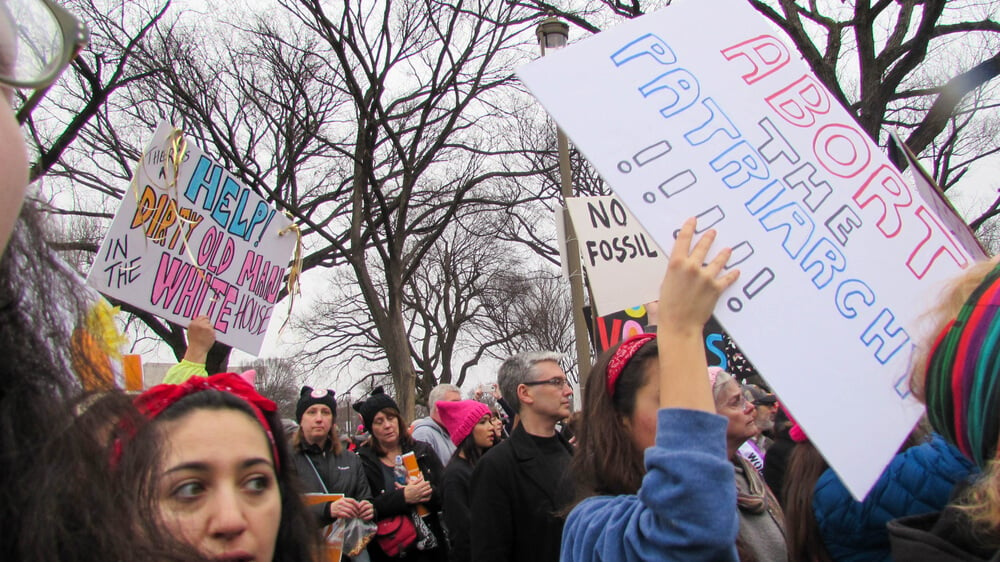
The 1964 killing of three civil rights workers in Mississippi during a voter registration campaign led to a federal investigation that faced significant local obstruction, and full state-level prosecution of the case did not occur until decades later. The extended timeline of accountability illustrates the broader difficulty of securing justice for civil rights-era violence within the era’s legal systems.
This extended legal aftermath receives considerably less attention than the murders themselves in standard curricula.
The Panic of 1837’s Long Depression
A severe economic crisis triggered a depression that lasted roughly seven years, longer than the more heavily taught economic crisis of the following century, with significant unemployment and bank failures across the country. Its causes, involving speculative land policy and banking practices, offer a significant precedent for understanding later American economic crises.
Despite its severity and duration, it receives minimal attention compared to more commonly taught economic downturns.
The Executive Order Desegregating the Military
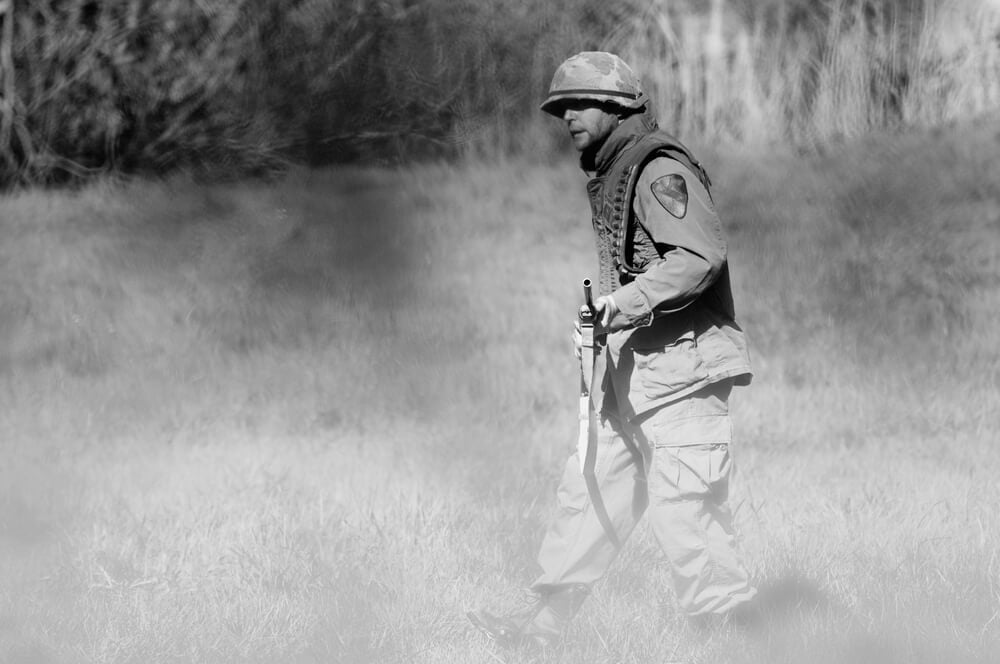
Signed in 1948, this order formally ended racial segregation within the United States armed forces years before broader civil rights legislation addressed segregation in other areas of American life. Implementation across different branches proceeded unevenly and took years to fully achieve in practice despite the formal order.
This significant early desegregation milestone receives considerably less classroom attention than later civil rights legislation.
The Lessons Left on the Cutting Room Floor

Every one of these chapters actually happened, was documented at the time, and left records detailed enough for historians to reconstruct decades or centuries later. What kept them out of a standard classroom was never a lack of evidence.
It was a matter of time, curriculum priorities, and, in more than a few cases, a straightforward discomfort with what the full story requires anyone teaching it to confront. History curricula are built by choosing what fits into a limited number of class periods, and that choosing is never neutral.
The events left out say as much about the moment a textbook was written as the events left in, and revisiting the gaps is not a matter of rewriting the past. It is a matter of finally reading the whole page.
More from Go2Tutors!

- The Romanov Crown Jewels and Their Tragic Fate
- 13 Historical Mysteries That Science Still Can’t Solve
- Famous Hoaxes That Fooled the World for Years
- 15 Child Stars with Tragic Adult Lives
- 16 Famous Jewelry Pieces in History
Like Go2Tutors’s content? Follow us on MSN.