29 Breakfast Cereals That Vanished from Shelves and Never Came Back
There’s a particular kind of grief that comes from reaching for something that no longer exists. Not a major loss, not something you’d bring up in therapy — but real, in its own small way.
A cereal you ate every Saturday morning for years, the one you’d fish the prize out of before your parents were awake, is just gone one day. No announcement.
No farewell tour. The grocery store shelf where it lived simply fills in with something else, indifferent to what it replaced.
Breakfast cereals have always had a strange relationship with loyalty. Companies launch them with cartoon mascots and toy tie-ins, build genuine emotional attachment in children, and then pull them with almost no warning when the numbers stop working.
What gets left behind is nostalgia: the specific crunch, the way the milk turned a particular shade of pink or brown, the sugar-sweet smell when you first tore the bag open. Some of these cereals ran for decades before disappearing.
Others barely got a few years. All of them left a gap that nothing quite filled.
Waffle-O’s
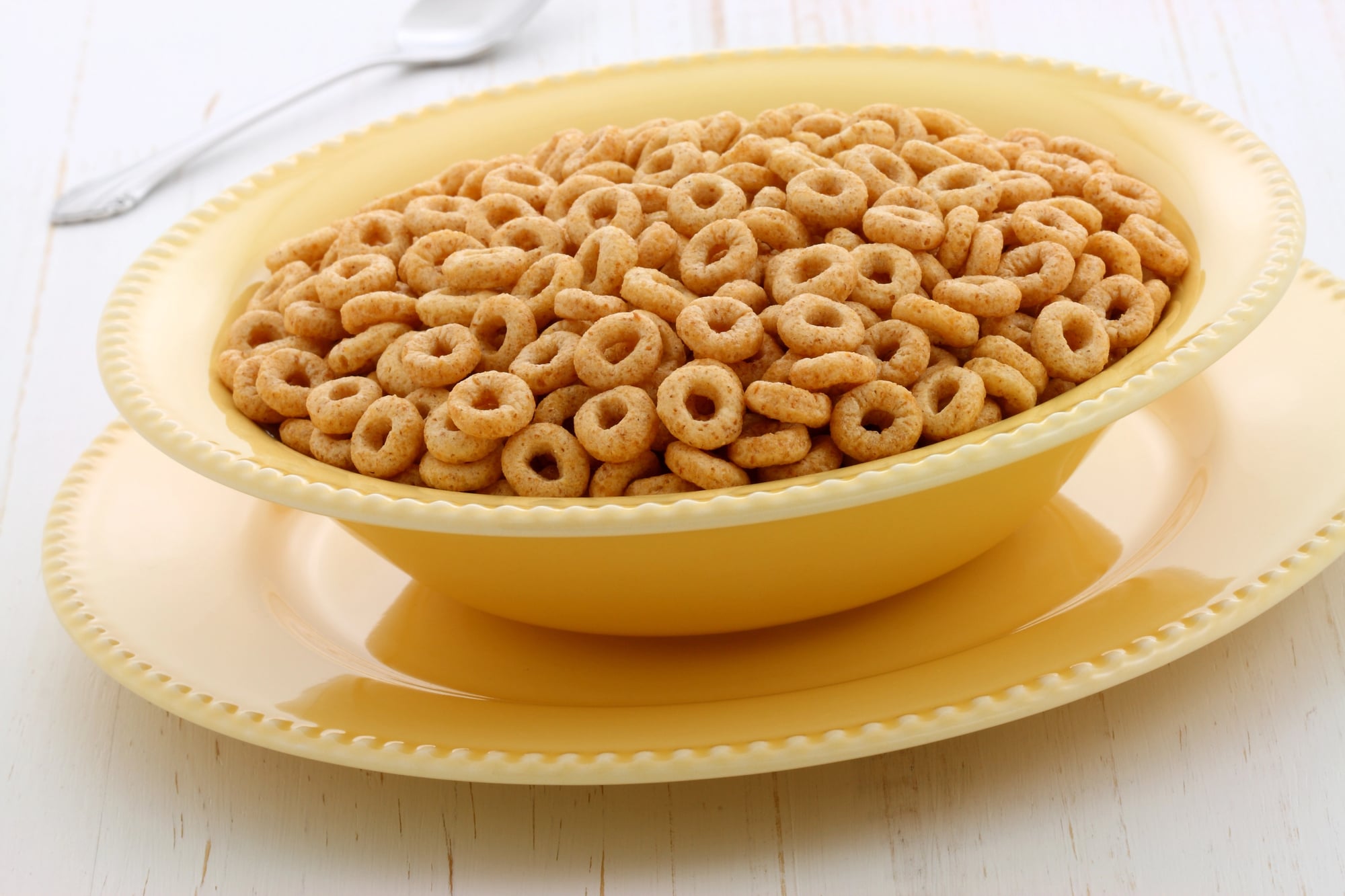
Waffle-O’s arrived in the 1970s with a premise so simple it barely needed explaining: waffle-shaped corn cereal pieces that smelled faintly of maple syrup before a drop of milk ever touched them. They were Kellogg’s answer to a very specific Saturday morning craving, and for a stretch of years they delivered.
Gone before the decade turned, which is saying something for a cereal with that kind of sensory hook.
Freakies
Freakies were genuinely weird, and that was the point — Ralston launched them in 1972 with seven monster-themed characters, each one corresponding to a different flavor, and the marketing leaned so hard into the collectible mascots that kids were hopelessly devoted. The cereal itself (corn-based, sweet, unremarkable by modern standards) was almost secondary to the mythology Ralston built around it, which is a strange business model if you think about it too long.
It came back briefly in the 1980s, couldn’t find its footing, and vanished for good.
Punch Crunch
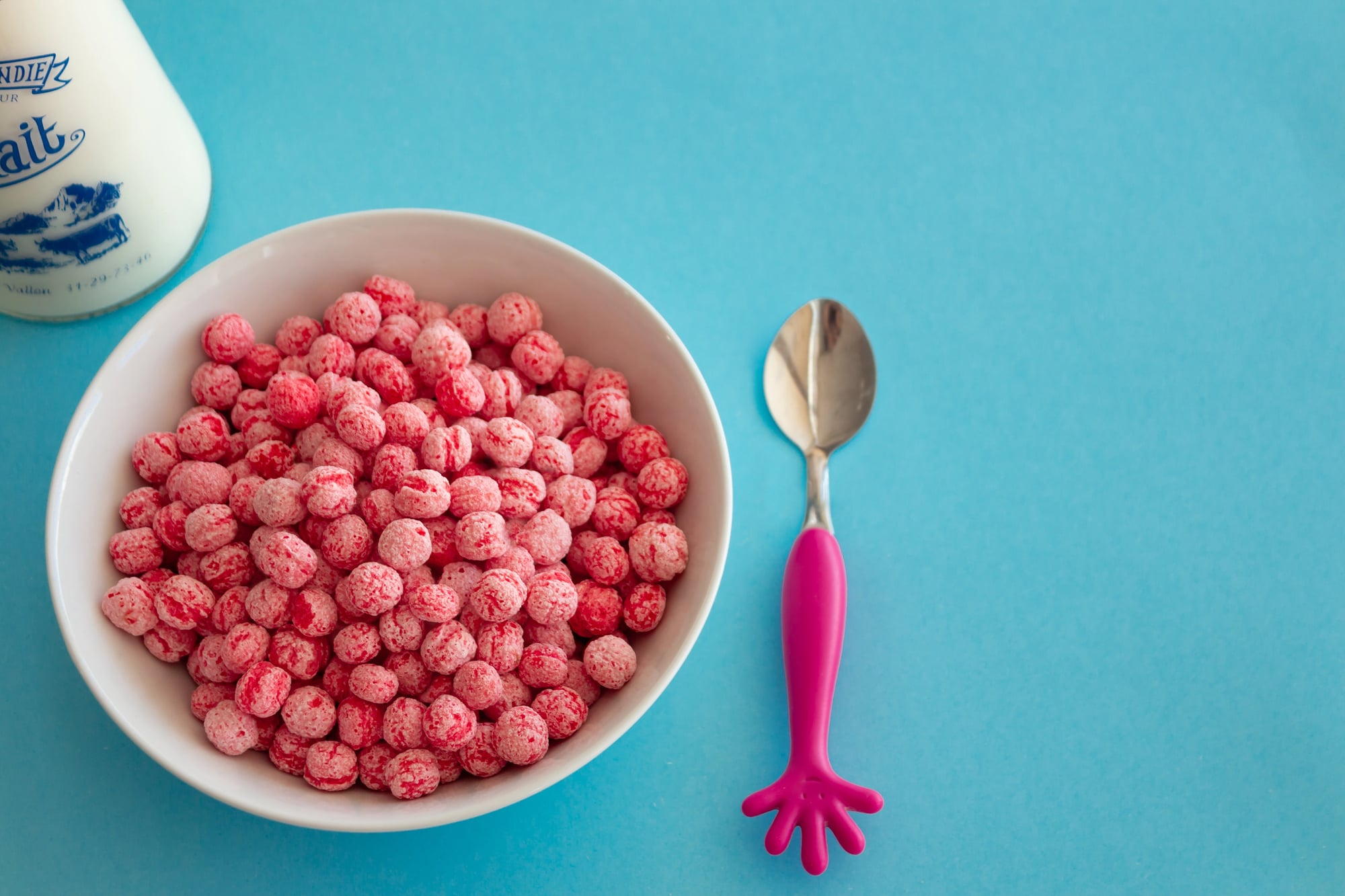
Punch Crunch was Cap’n Crunch’s fruit-flavored cousin — same brutally sharp corn puff construction, same commitment to shredding the roof of your mouth, but pink and vaguely tropical instead of nautical yellow. It ran through the late 1970s and never quite found a broad enough audience to justify its shelf space.
To be fair, the original Cap’n Crunch was already doing the damage; a fruitier version was probably always a harder sell.
Quisp
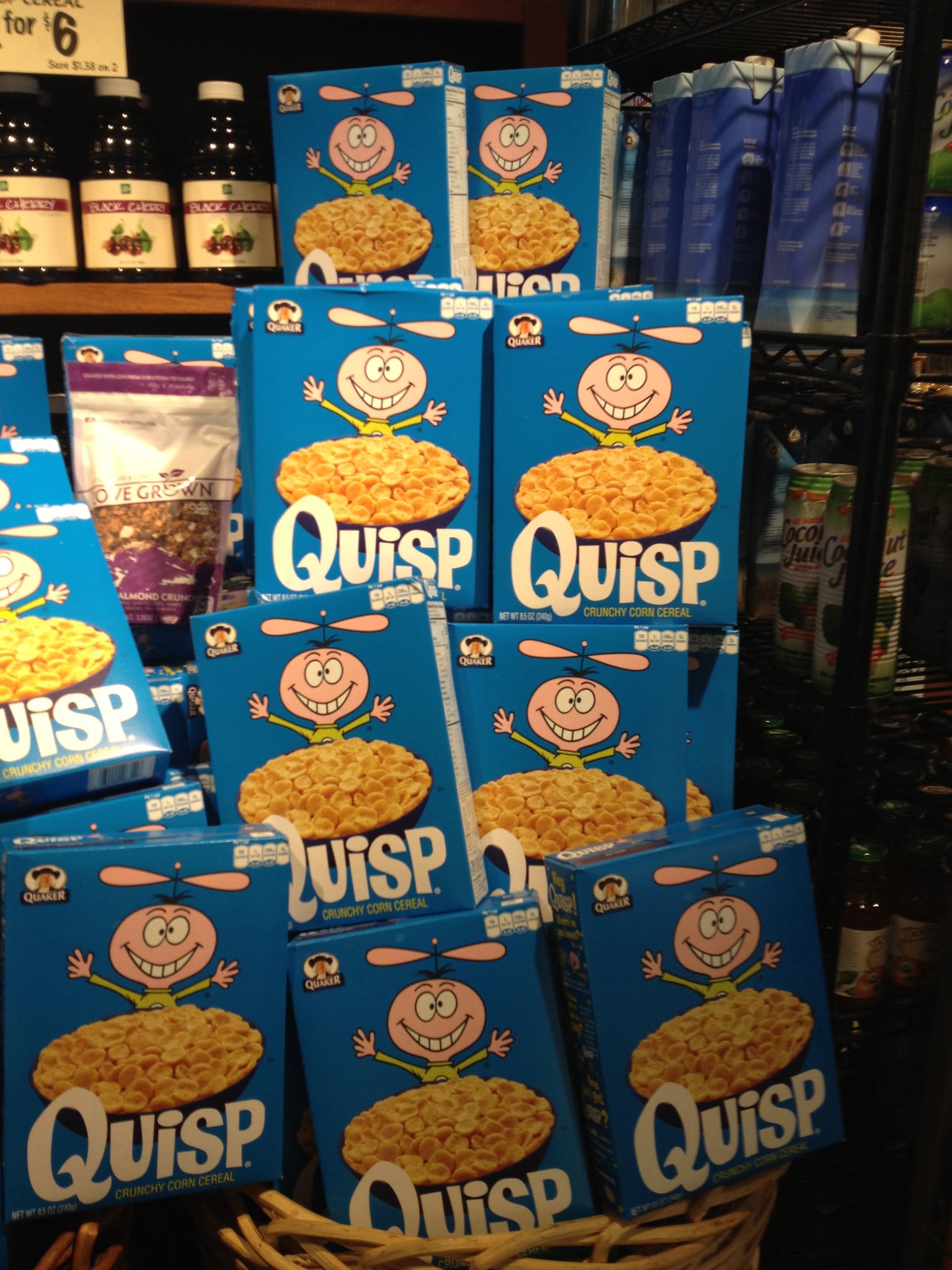
Quisp occupies a peculiar middle ground — technically not entirely gone, since it resurfaces in limited runs and specialty orders, but absent from mainstream grocery shelves in any consistent way since the late 1970s. The flying saucer–shaped corn puffs were essentially the same formula as Quake (their direct competitor, also made by Quaker), and the two cereals famously ran head-to-head campaigns letting kids vote on which one survived.
Quisp won, then lost anyway, which feels like a parable about something.
Quake
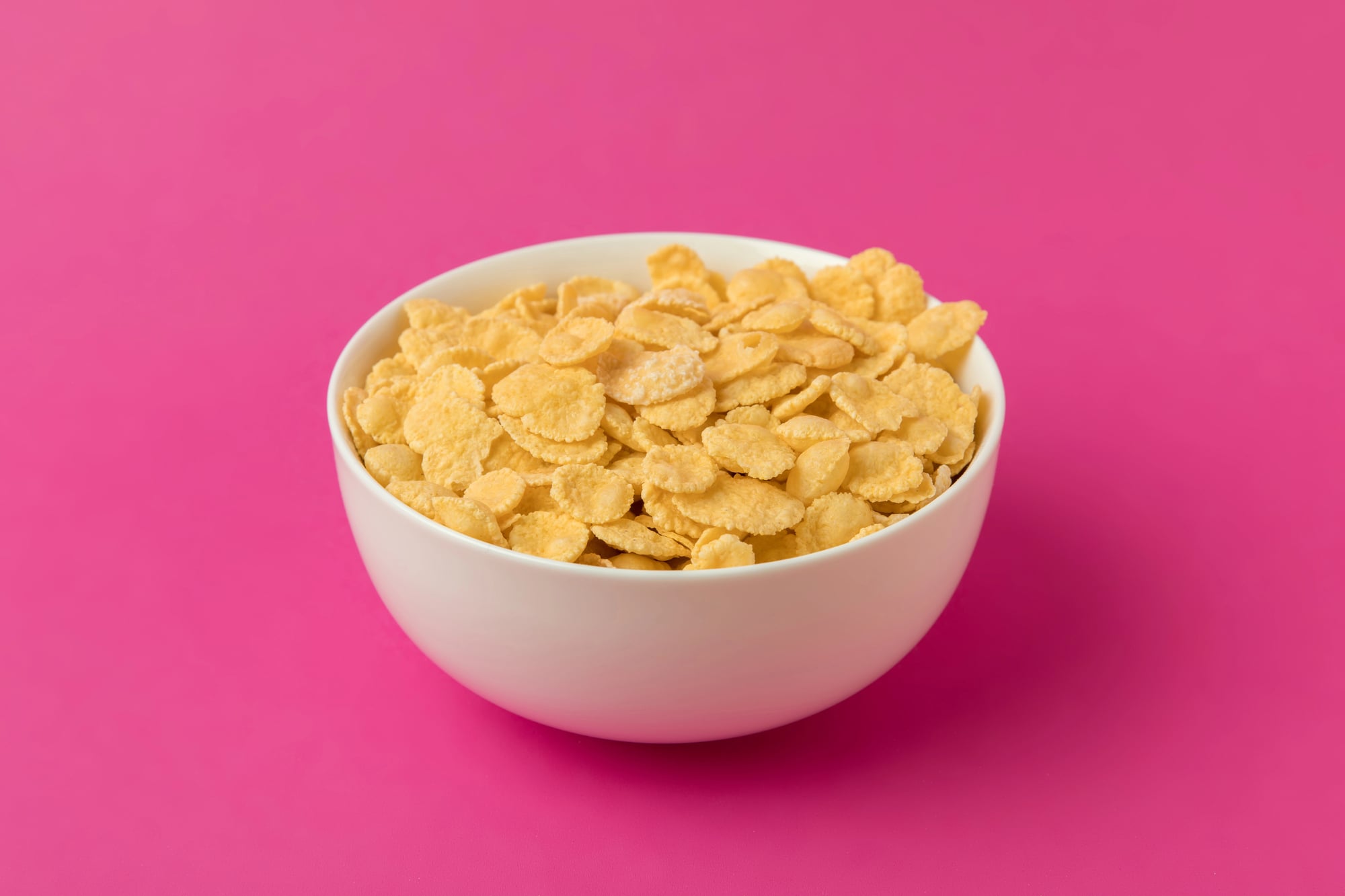
Quake was the loser of that famous Quaker cereal election — an earthquake-themed mascot, a nearly identical corn puff formula to Quisp, and a marketing campaign that encouraged children to vote for their favorite. The democratic process did not save it.
Discontinued in the early 1970s, Quake is now mostly remembered as a footnote to Quisp’s story, which is a grim kind of immortality.
Grins & Smiles & Giggles & Laughs
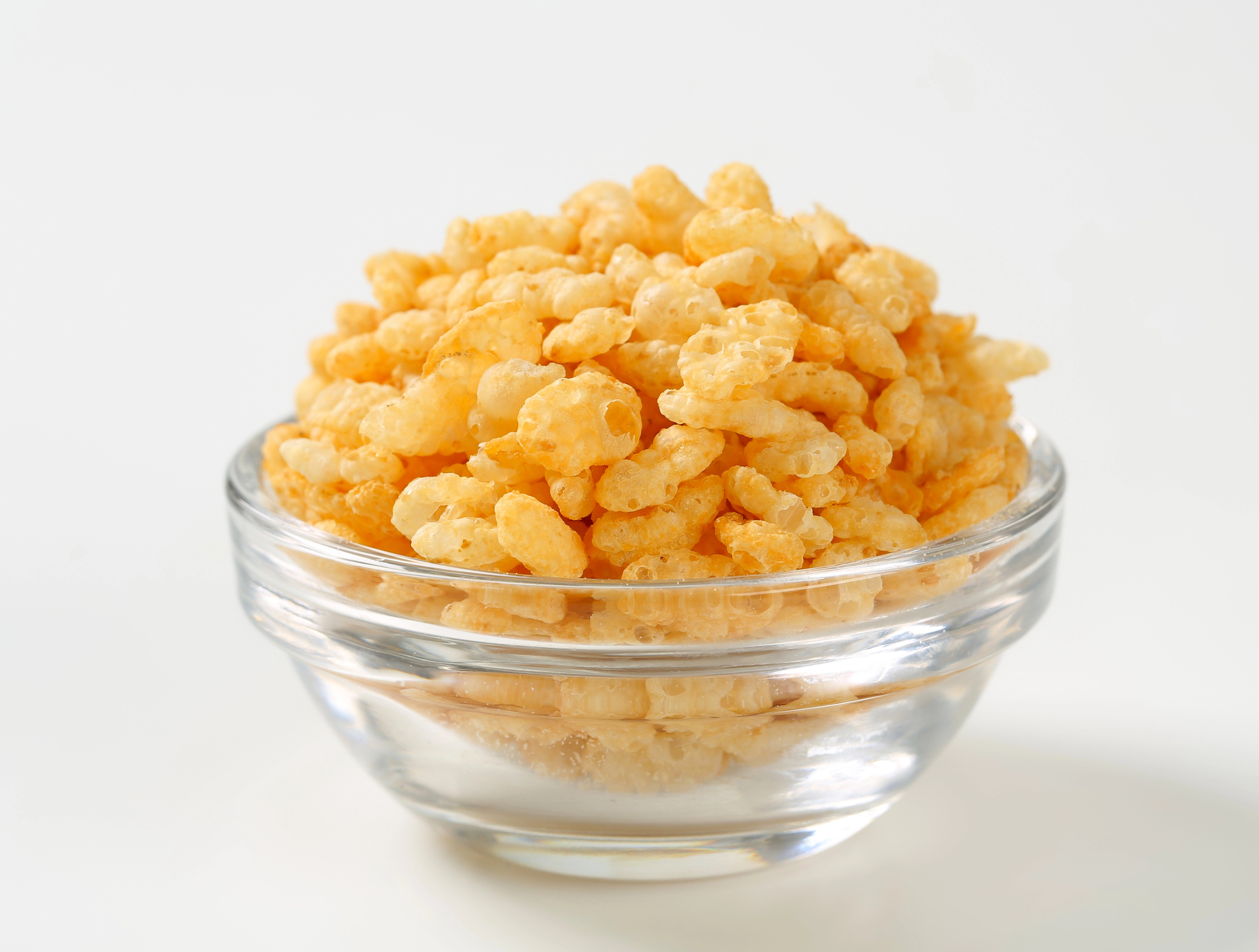
The name alone is exhausting, and somehow that was the whole brand strategy — an exuberantly titled cereal from Ralston in the 1970s that leaned entirely on cheerfulness as a selling point. It was a corn and oat cereal with a smile-face shape, which is sweet in concept and completely unmemorable in execution.
There’s something almost poignant about a cereal whose name promises pure joy and whose legacy is total obscurity.
Ice Cream Cones Cereal
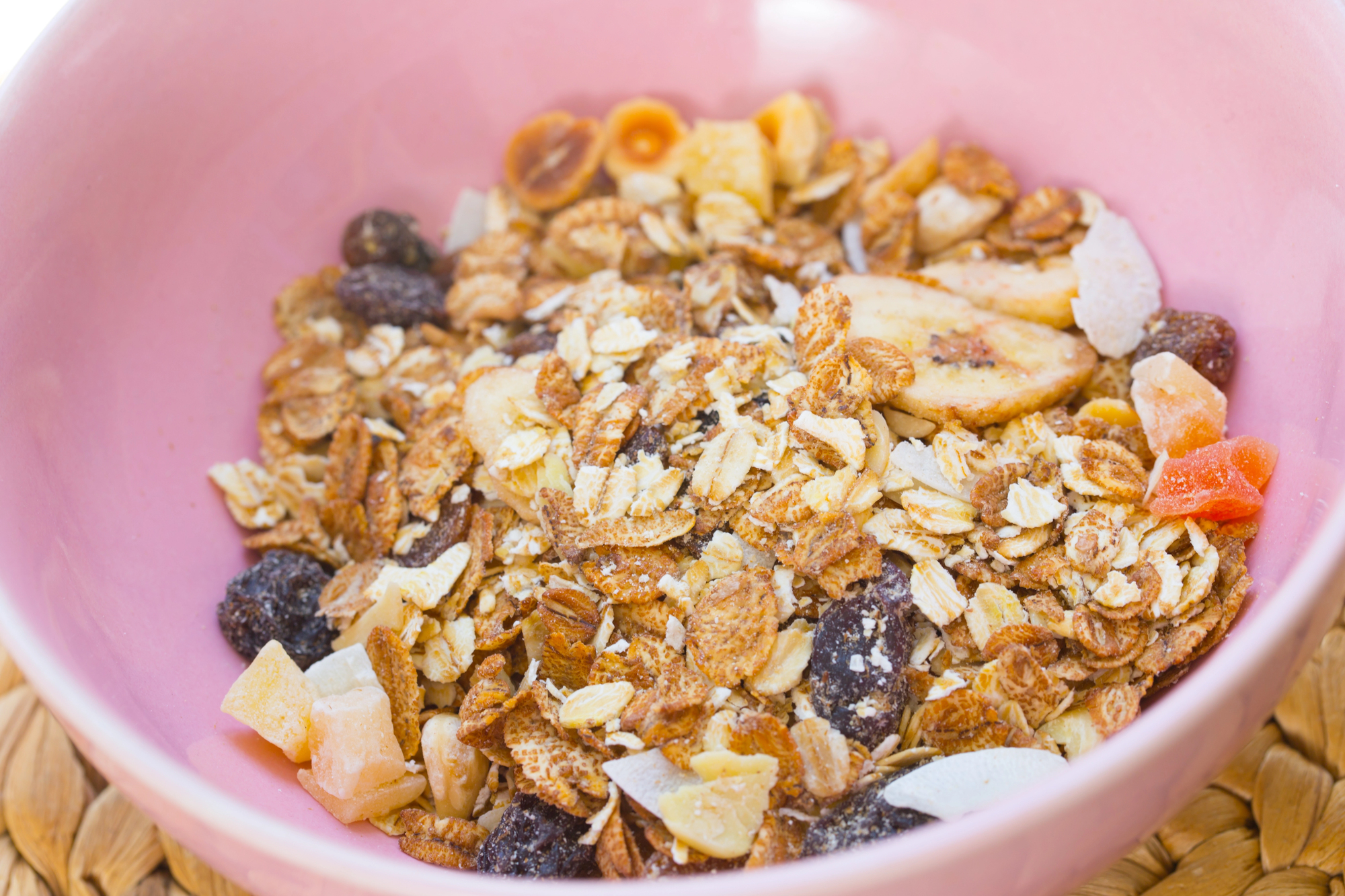
General Mills released Ice Cream Cones Cereal in 1987, and the pitch was exactly what it sounds like: tiny cone-shaped pieces in vanilla and chocolate, designed to taste like dessert at 7 a.m. It was a brief, beautiful moment of nutritional abandon — the kind of cereal that made parents visibly uncomfortable at the store.
Gone within a couple of years, which is probably for the best for everyone’s long-term health, though that’s cold comfort for the kids who loved it.
Banana Frosted Flakes
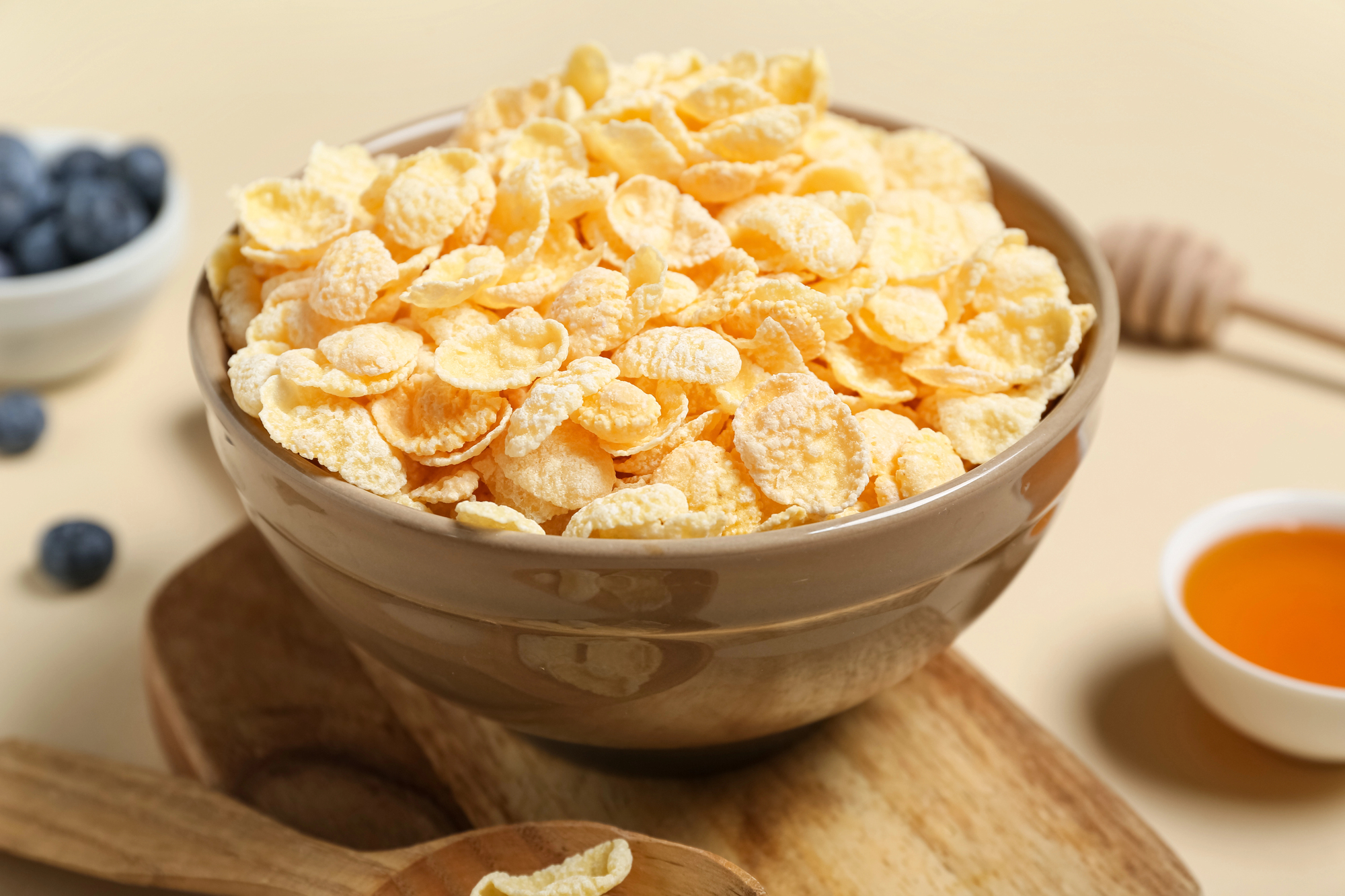
Kellogg’s banana-flavored extension of the Frosted Flakes line arrived in the early 2000s with Tony the Tiger’s blessing and a concept that, on paper, sounds like it should have worked — the combination of banana and corn flakes is genuinely pleasant, the kind of flavor pairing that has logic behind it. But the artificial banana flavoring did what artificial banana flavoring always does: it tasted less like a banana and more like a memory of one.
Discontinued quietly, with no particular fanfare.
OJ’s
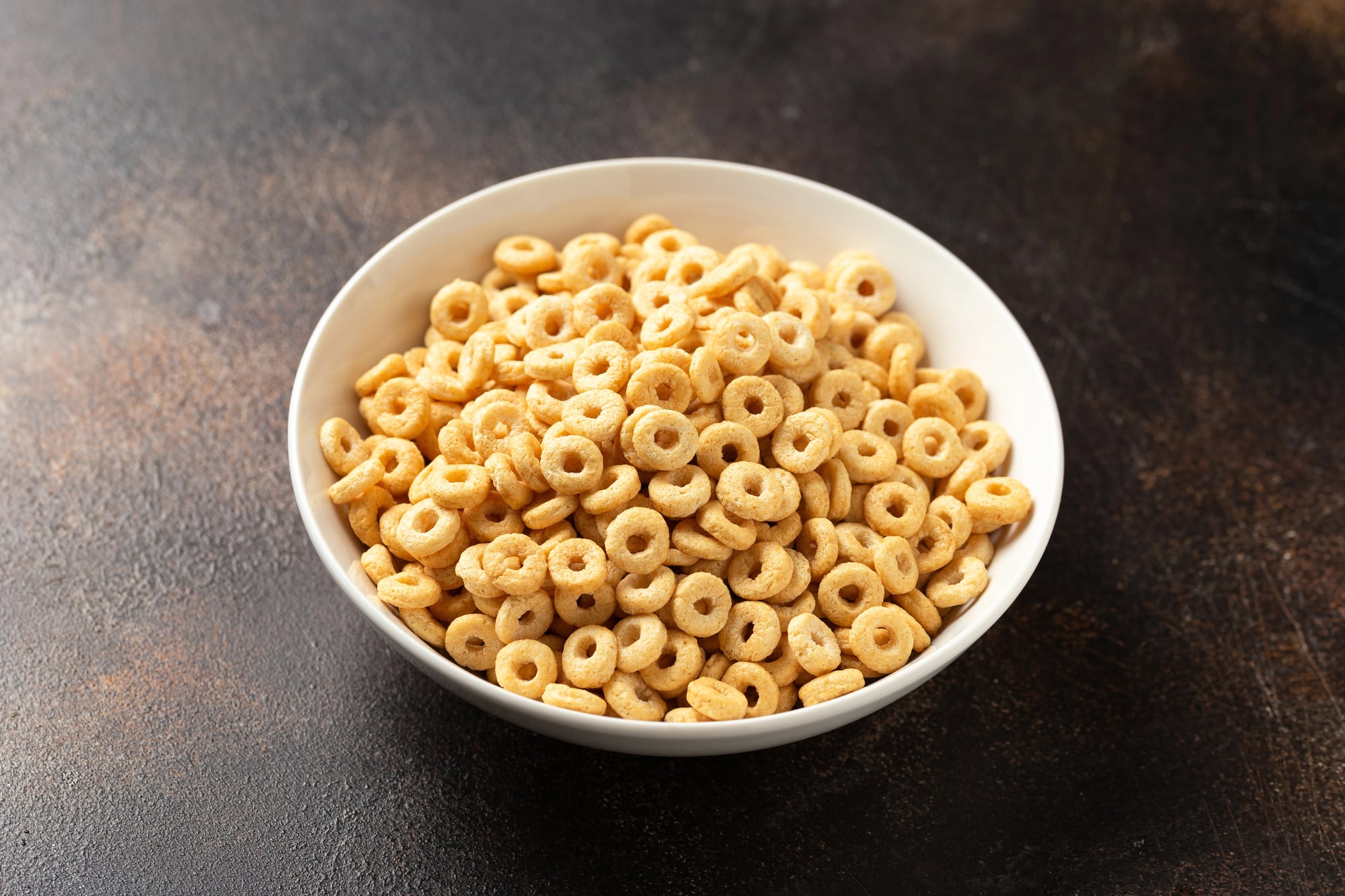
OJ’s launched in 1985 and lasted just a few years — a Kellogg’s cereal shaped like little oranges, orange-flavored, and almost aggressively citrusy before milk toned it down. The idea of orange juice and cereal sharing the same bowl is one that breakfast culture has never quite made peace with, and OJ’s sort of proved why.
Go figure.
Dinky Donuts
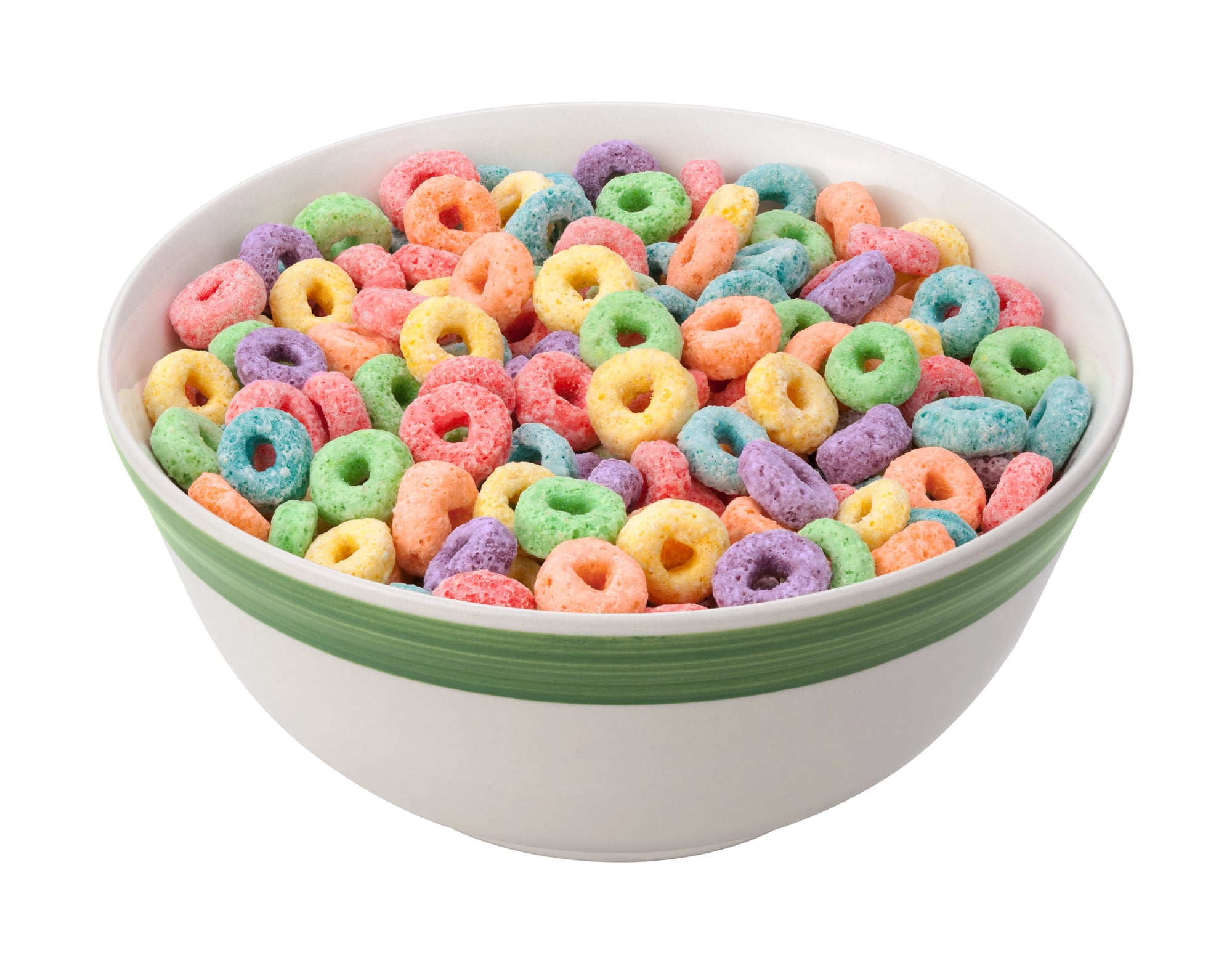
Ralston put out Dinky Donuts in 1981, banking on the same logic that drove Ice Cream Cones Cereal a few years later: if kids love the dessert, they’ll love the cereal that imitates it. Tiny donut-shaped pieces, glazed-sweet, gone by the mid-1980s without leaving much of a paper trail.
The cereal is so thoroughly forgotten that even dedicated nostalgia communities sometimes struggle to verify whether it was real or imagined.
Ghostbusters Cereal
Ralston’s Ghostbusters Cereal arrived in 1985 to ride the film’s enormous wave of cultural momentum, and for a few years it was inescapable — ghost-shaped marshmallows, the Ghostbusters logo on every box, a product that understood it was a piece of merchandise as much as a breakfast food. The formula was essentially Lucky Charms with a franchise attached, which isn’t an insult so much as an accurate description.
When the franchise cooled, the cereal went with it.
E.T. Cereal
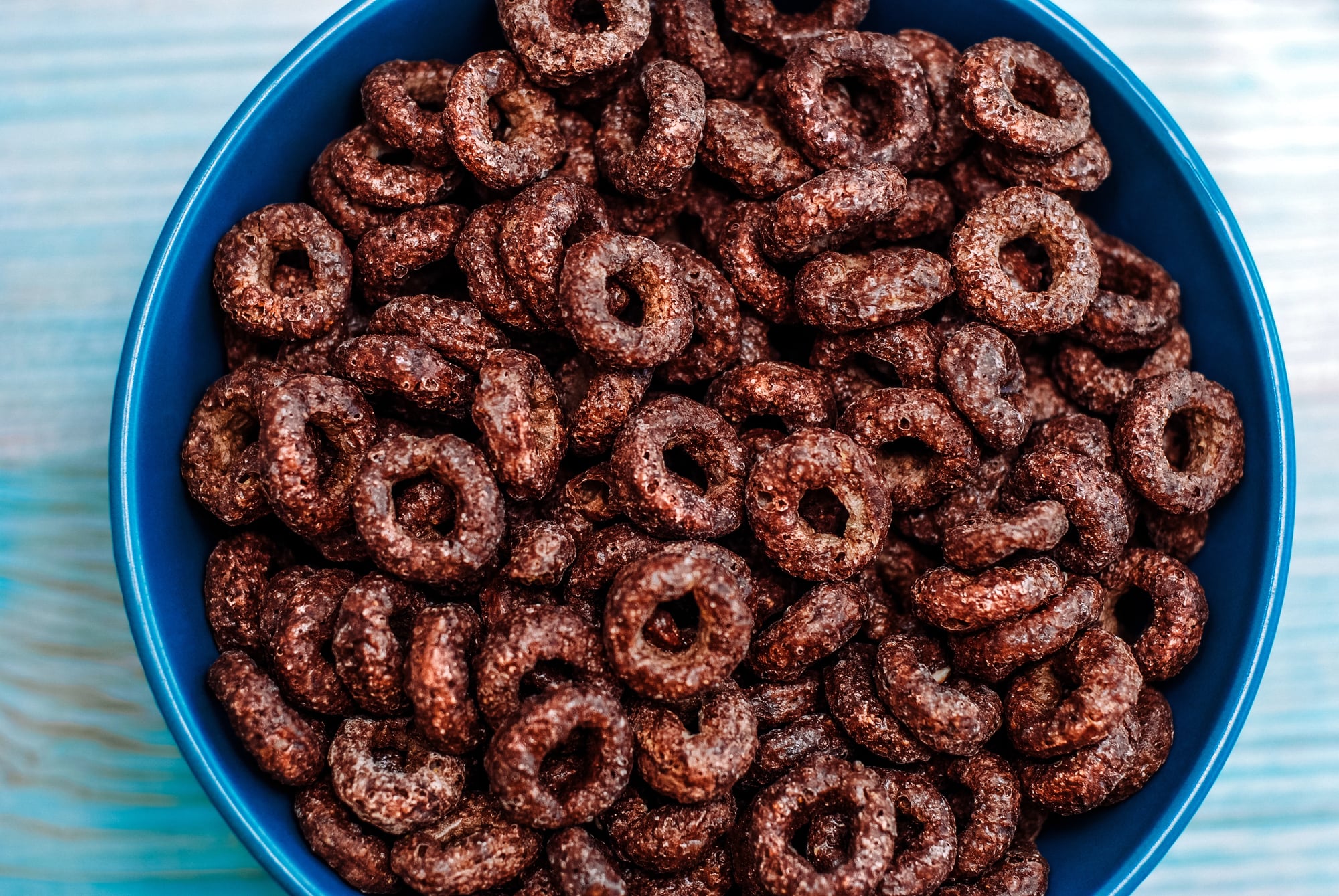
General Mills released an E.T.-branded cereal in 1982, the same year the film redefined what a summer blockbuster could do — peanut butter-flavored corn and oat pieces shaped (loosely) to evoke the film’s imagery, packaged with E.T.’s face looking out from the box with that specific expression of alien wistfulness. It lasted a few years after the film’s theatrical run but couldn’t sustain interest once E.T. stopped being the only thing anyone wanted to talk about.
The cereal was fine; the timing was everything.
Nintendo Cereal System
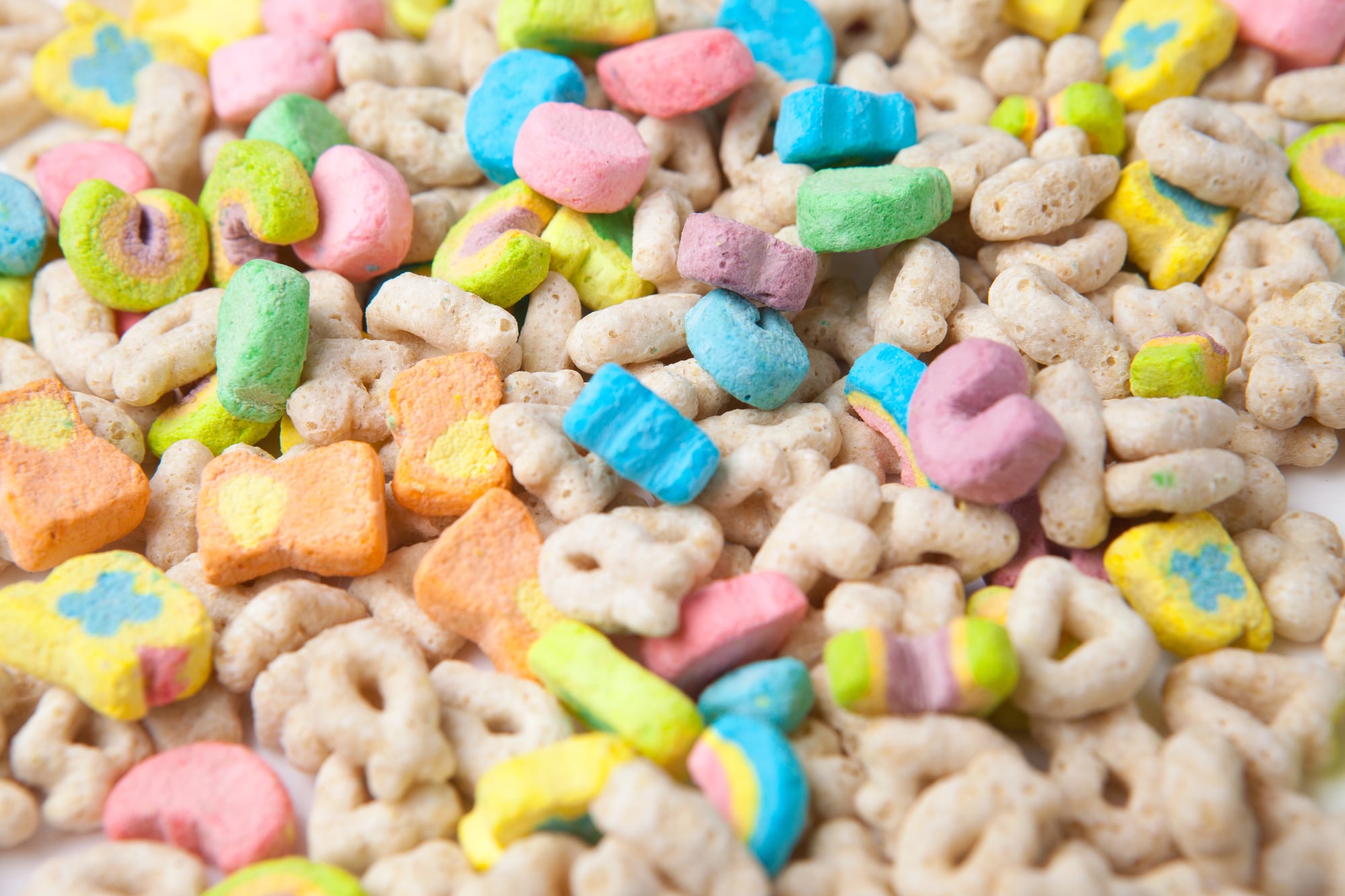
The Nintendo Cereal System (1988) was two cereals in one box — a Super Mario Bros. side and a Zelda side — and the sheer ambition of that concept still holds up, even if the actual cereal (fruit-flavored, vaguely sweet, shaped like characters from each game) was nothing to build a life around. It lasted only a couple of years, which means an entire generation remembers it as rare and precious when it was technically mass-market and disposable.
Nostalgia does that.
Smurf-Berry Crunch
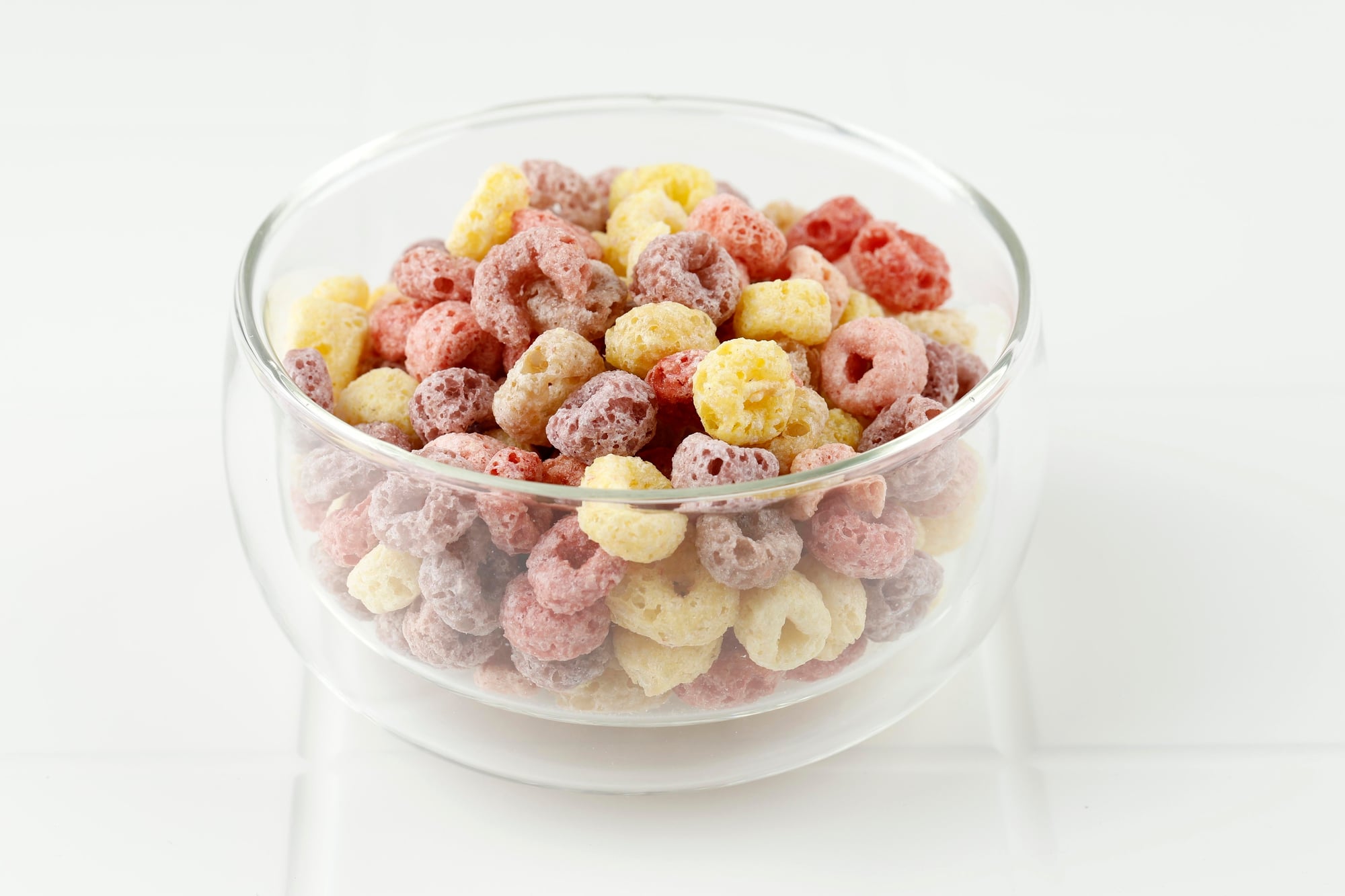
Post launched Smurf-Berry Crunch in 1983, timed precisely to the peak of the animated Smurfs television run, and the cereal’s berry-shaped pieces came in red and purple — colors that turned the milk a color no milk should naturally be. The flavor was generically sweet-fruity, the kind that’s impossible to describe except as “cereal-flavored,” and the whole operation depended entirely on the Smurfs staying culturally relevant.
When the show faded, so did the cereal.
Kellogg’s Honey Smacks (as “Sugar Smacks”)
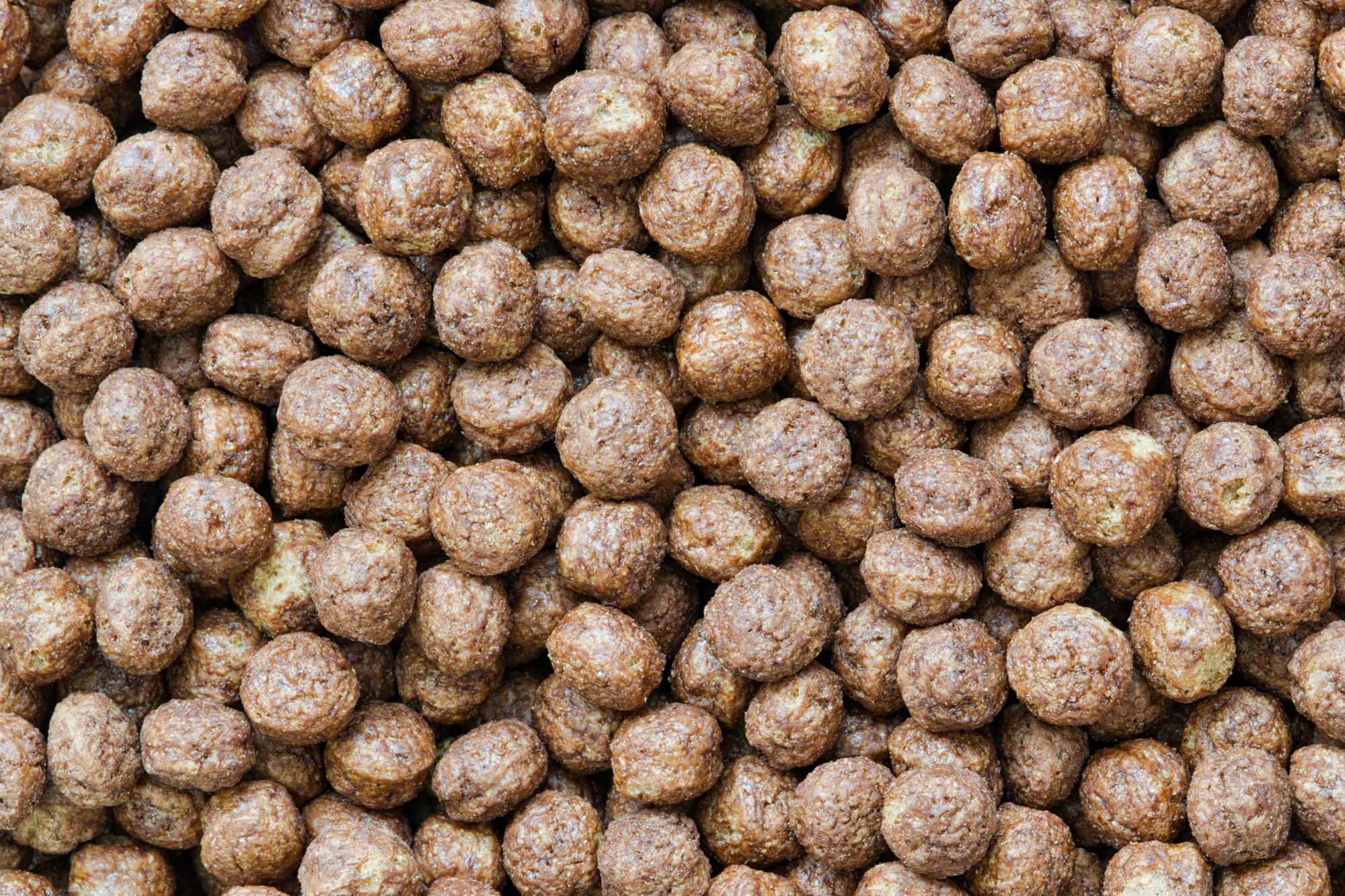
The original Sugar Smacks of the 1950s and early 1960s — with its almost aggressively sweet puffed wheat and a sugar content that seems impossible by any modern standard — bears almost no resemblance to the tamed, rebranded Honey Smacks that exists today. That original formula, the one where sugar was both the first ingredient and the entire point, is gone entirely, rebranded into respectability.
What’s left is a cereal that shares a name with something far less interesting.
Cröonchy Stars
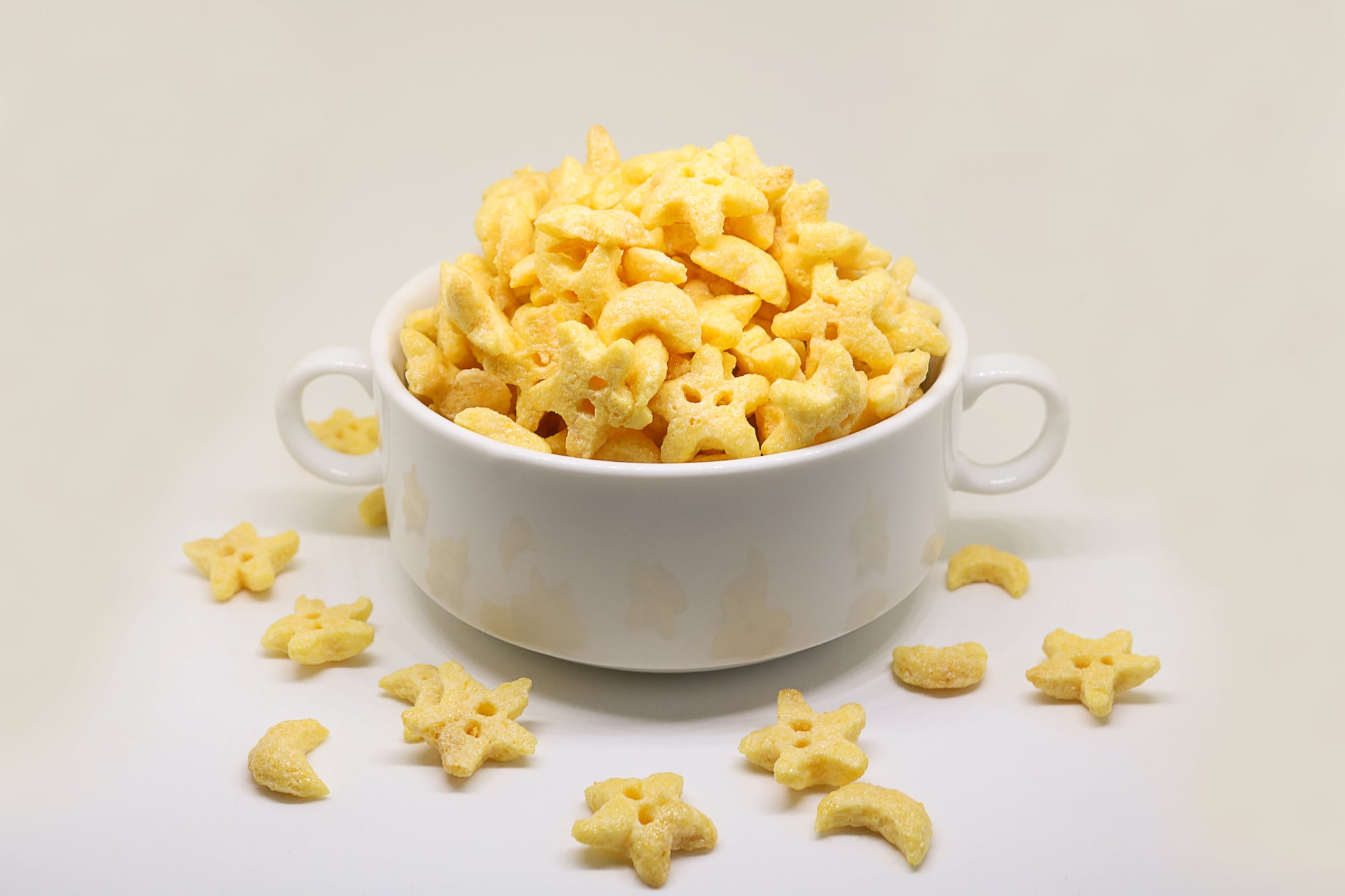
Cröonchy Stars were a Muppets tie-in cereal from Post, released in 1988 and tied to The Swedish Chef, which meant the box was written in deliberately broken English as a running joke. The cereal itself — cinnamon-flavored star shapes — was genuinely good by the standards of the era, and the packaging was stranger and more creative than anything else on the shelf.
It lasted only about a year, which is one of the more mystifying discontinuations on this list.
Kellogg’s Corn Crackos
Corn Crackos were a 1960s Kellogg’s product built around sugar-coated corn puffs and a circus-themed aesthetic that was ubiquitous in that decade’s cereal marketing. They sat in a crowded market of nearly identical sweet corn cereals and never found a distinct enough identity to survive the decade.
The cereal is remembered now mostly by collectors of vintage cereal boxes, which is a specific and dedicated community.
Kaboom
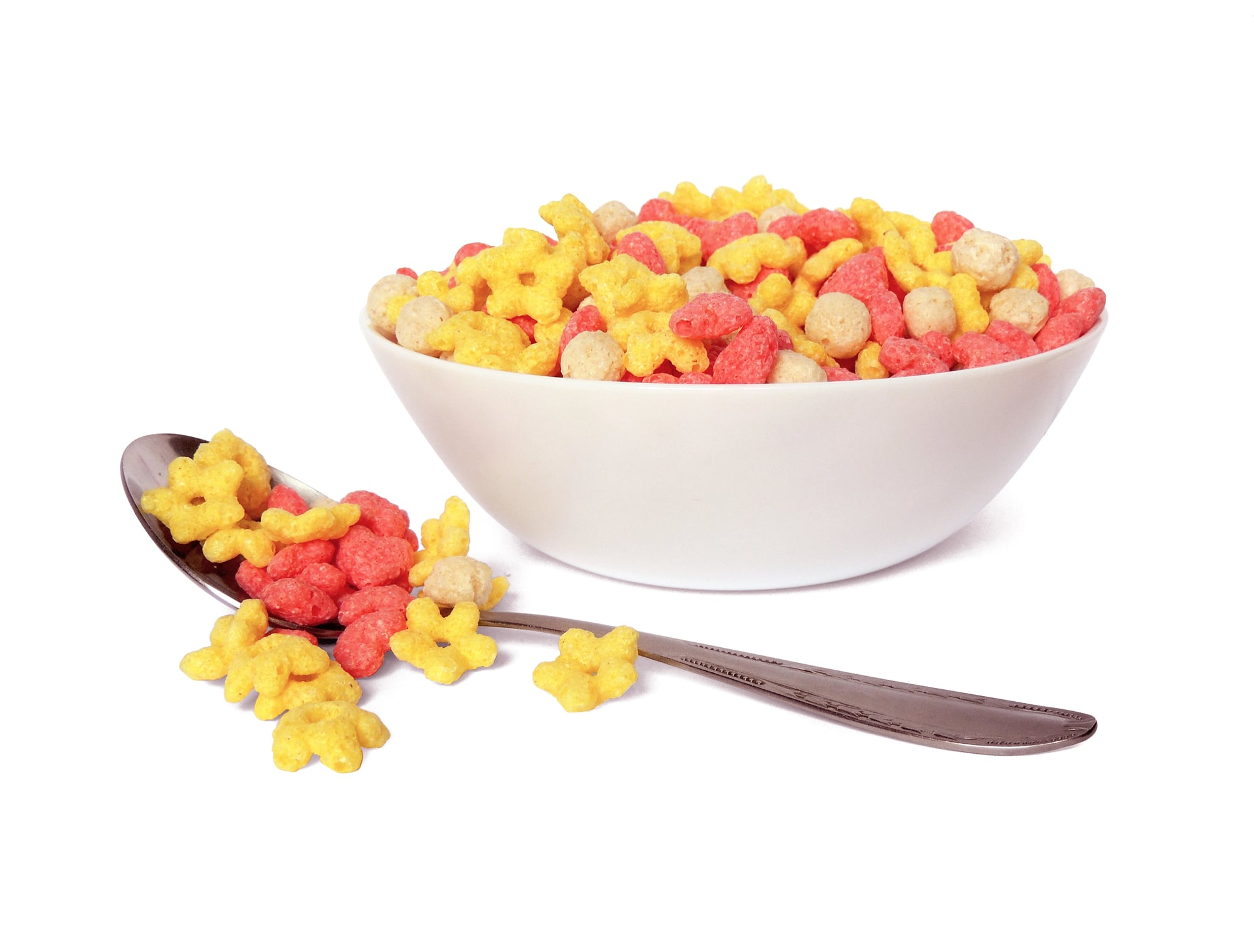
Clown-themed, candy-colored, and launched by General Mills in 1969 with marshmallows shaped like stars and orbs and other circus imagery — Kaboom was the kind of cereal that seemed designed to make parents distrust the entire category. It actually lasted surprisingly long, running until the early 2010s in limited form, before being quietly discontinued.
For a cereal with that name and that mascot, it had a remarkably dignified exit.
Sir Grapefellow
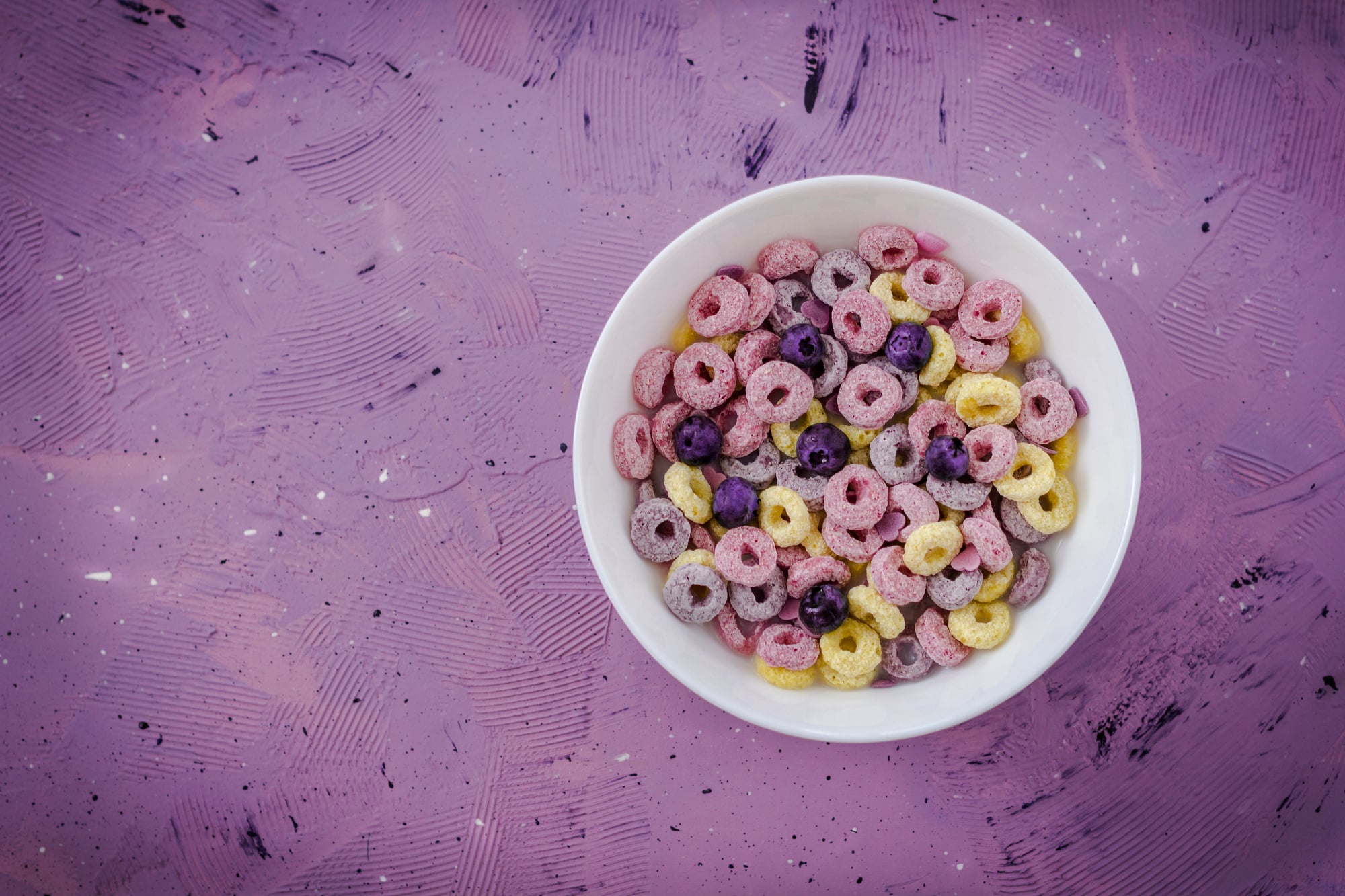
Sir Grapefellow was one of a pair of space-themed cereals released by General Mills in 1971, alongside Baron Von Redberry — each one featuring a character mascot with an improbable name and a fruit-flavored oat cereal in the corresponding color. The concept of basing a children’s breakfast food around space exploration was perfectly suited to the early 1970s.
Both cereals were gone within a year.
Baron Von Redberry
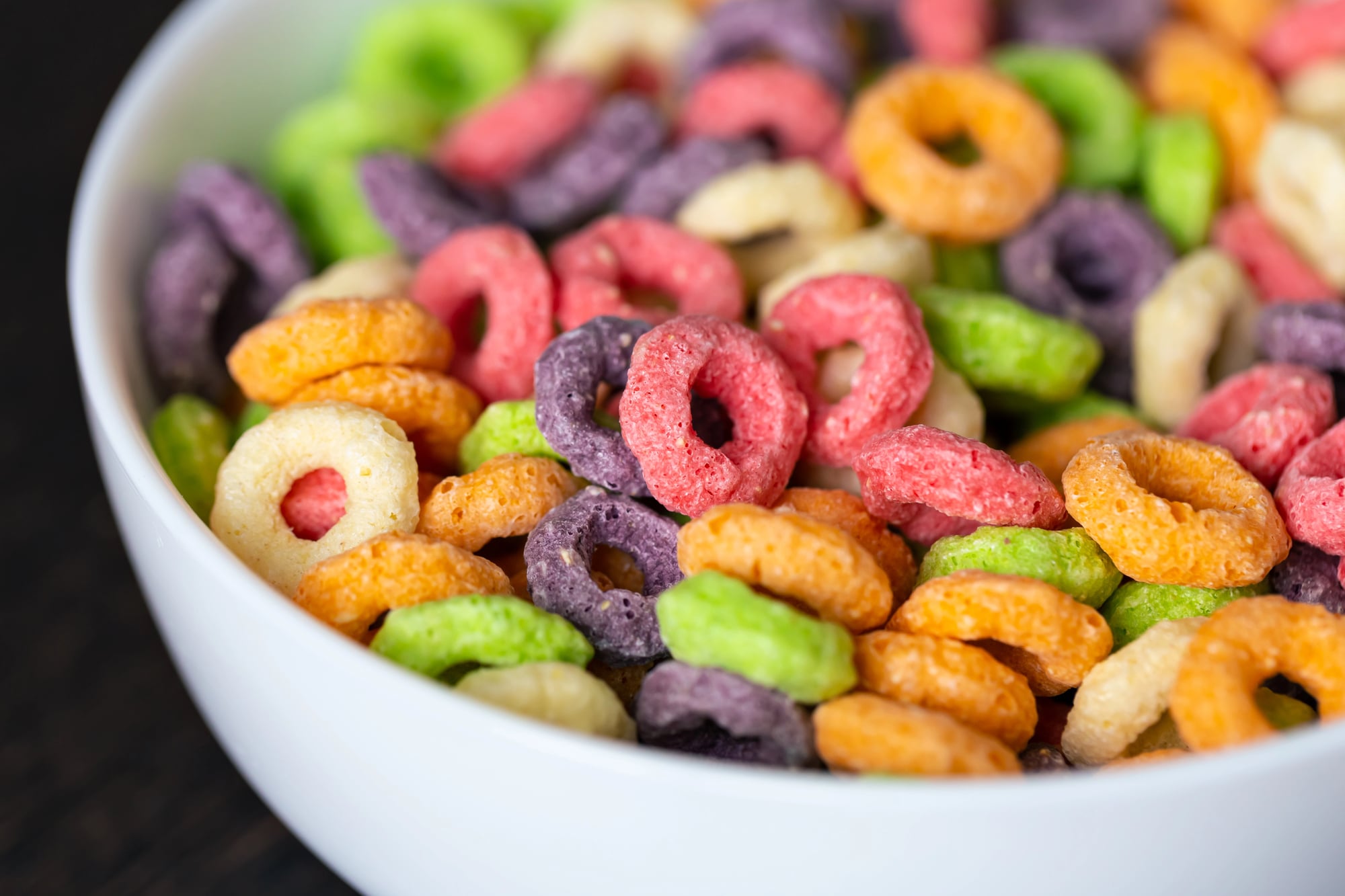
Baron Von Redberry was Sir Grapefellow’s direct rival, red-flavored (strawberry-adjacent, cereal-sweet), and released at exactly the same moment — a genuinely odd marketing strategy that put two competing products from the same company on shelves simultaneously. The idea was that kids would pick sides, presumably, though both sides lost.
Discontinued alongside Sir Grapefellow, which is the kind of ending that feels symmetrically correct.
Kellogg’s Stars
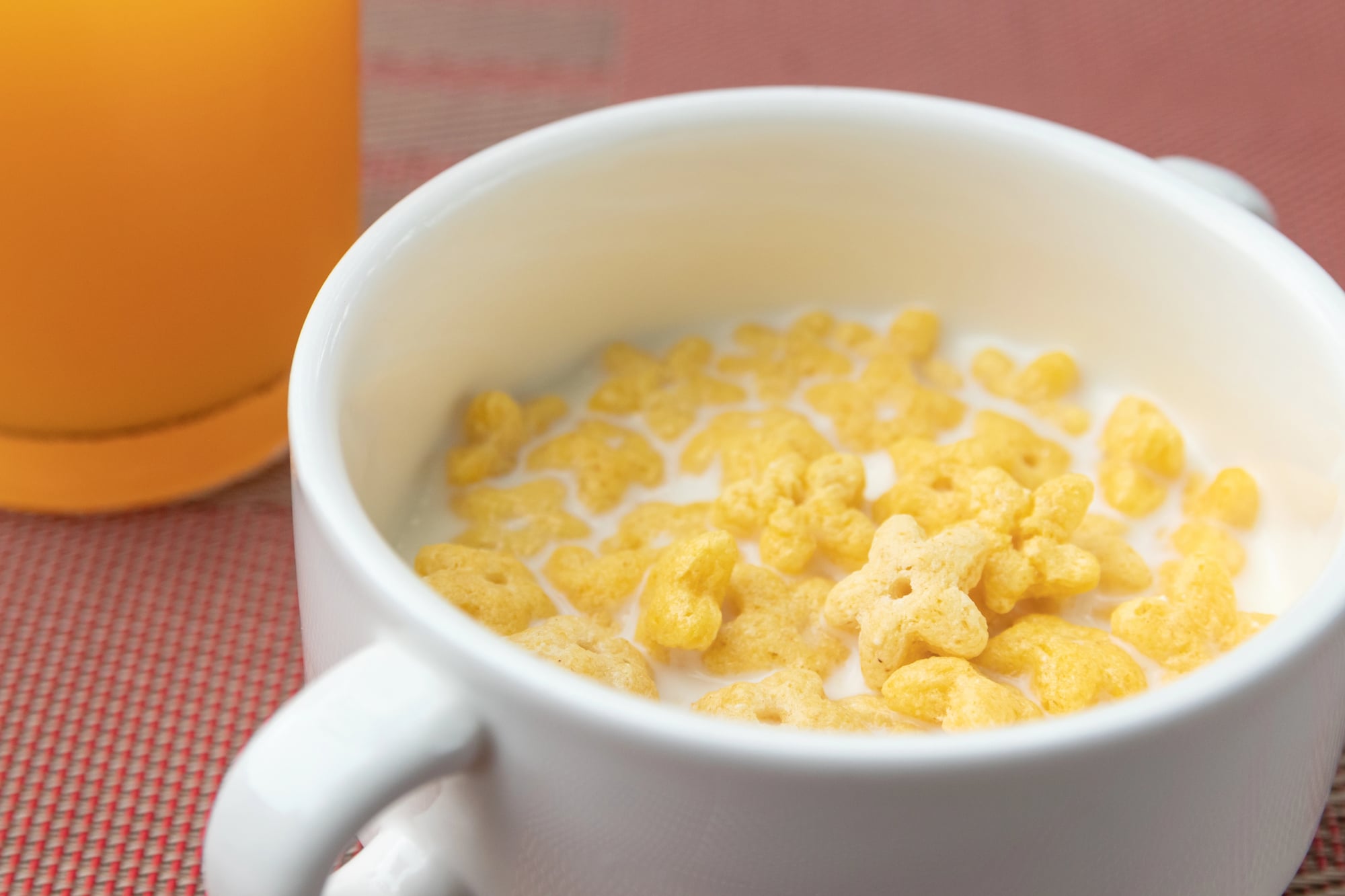
Kellogg’s Stars arrived in 1983 as a corn-based cereal with honey flavoring and a straightforward, unpretentious presentation — no mascot with an elaborate backstory, no tie-in franchise, just a star shape and a mildly sweet taste. That lack of gimmick was probably its downfall in a market where every competitor had a cartoon character and a decoder ring.
Stars lasted only a few years, noticed mostly by people who preferred their cereal uncomplicated.
C-3PO’s
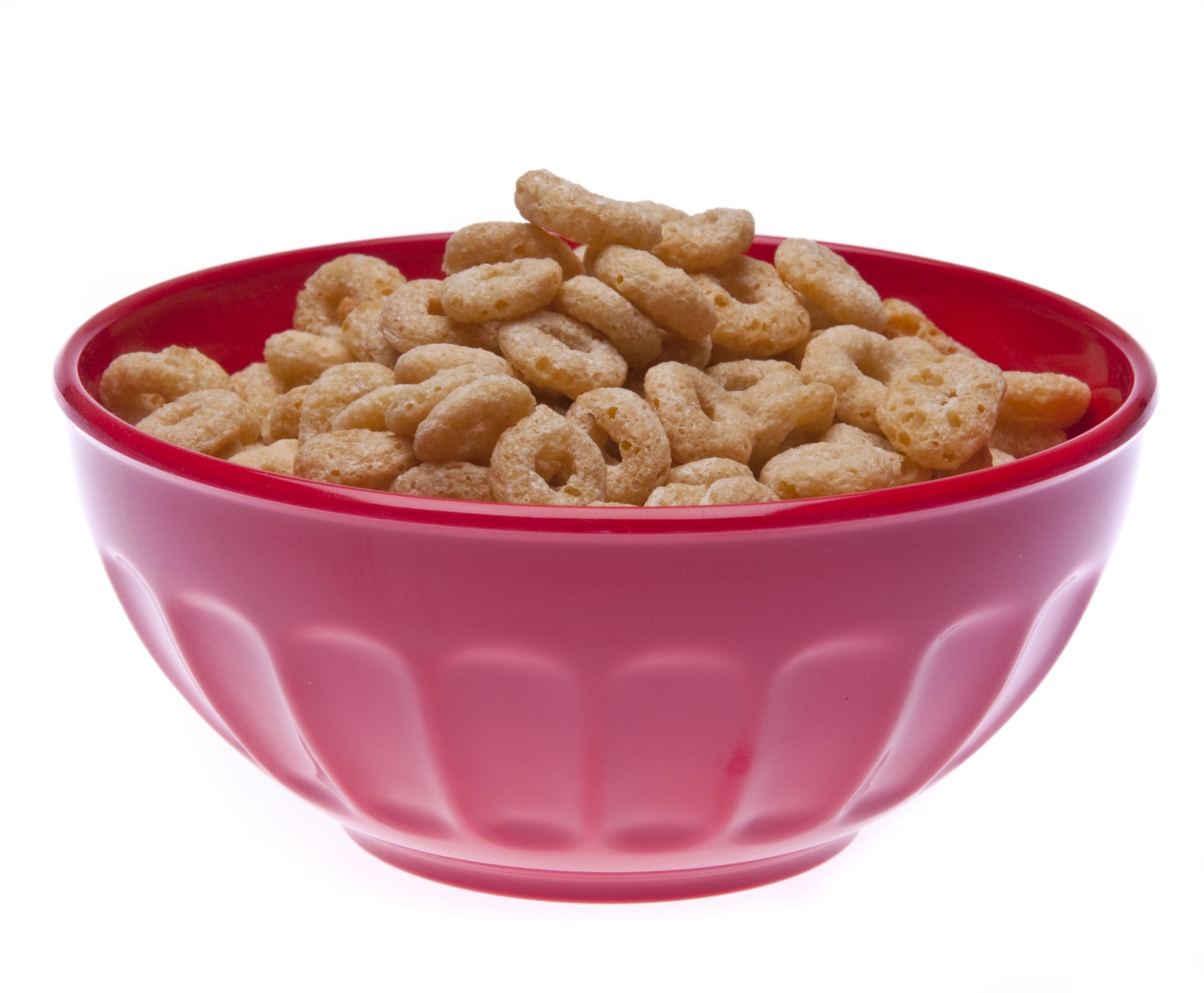
Kellogg’s C-3PO’s launched in 1984 with the full force of Star Wars licensing behind them — double-O shaped corn and oat pieces that were allegedly designed to evoke the droid’s body, though the connection required some imagination. The cereal was decent enough: lightly sweetened, crunchier than expected, tolerable in milk.
But Star Wars fatigue hit the mid-1980s harder than anyone anticipated, and C-3PO’s disappeared from shelves by 1986, leaving behind a box that’s now a minor collectible.
Donkey Kong Cereal
Ralston’s Donkey Kong Cereal arrived in 1982, riding the video game’s enormous arcade popularity, and offered corn and oat pieces with a vague banana flavoring that made sense thematically if not culinarily. The cereal was gone almost as soon as the Donkey Kong arcade moment peaked, replaced quickly by whatever franchise was next in line.
Ralston made a career of this model — license, launch, discontinue, repeat.
Pac-Man Cereal
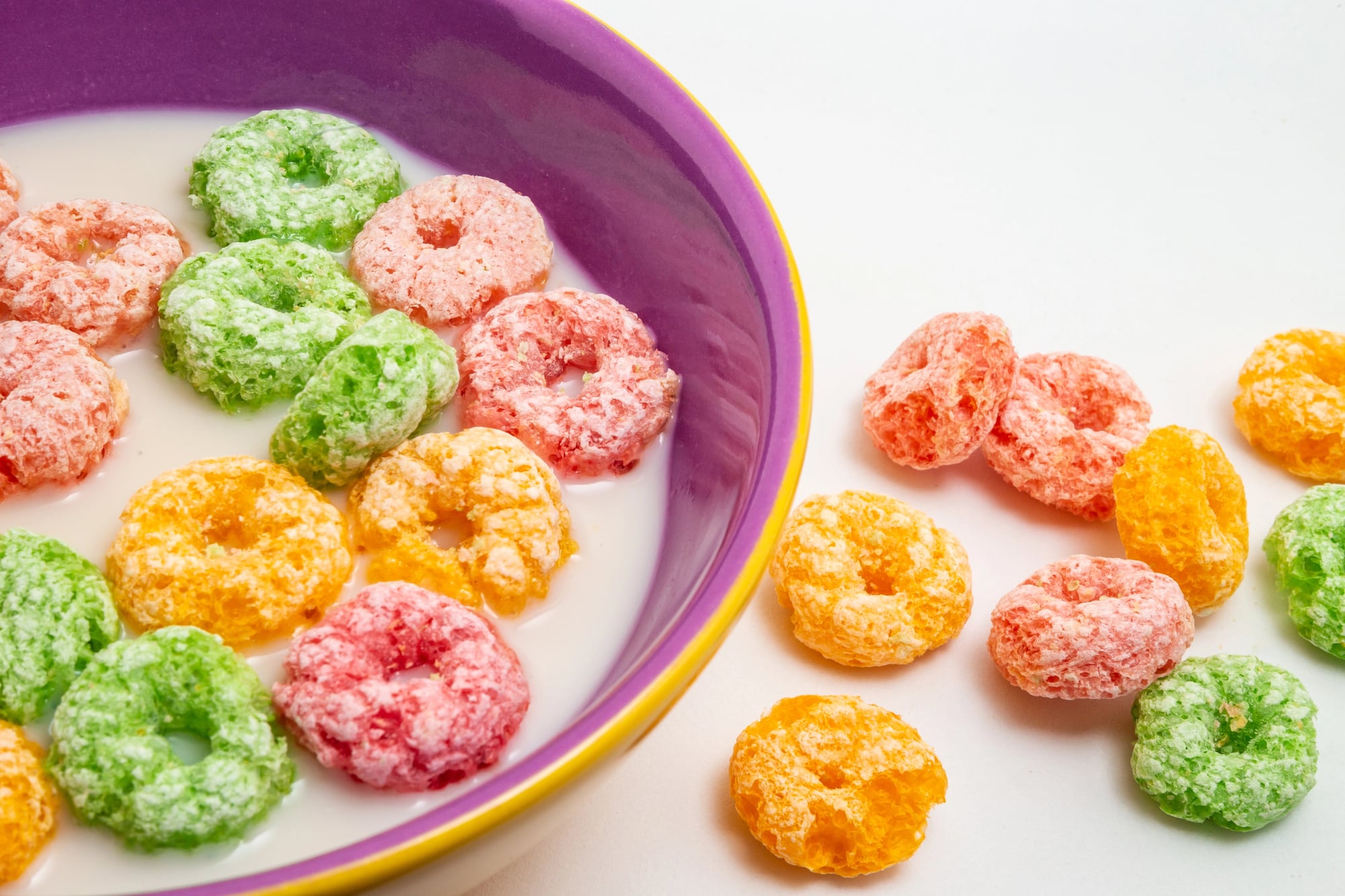
General Mills put out Pac-Man Cereal in 1983 at the exact moment Pac-Man was everywhere: arcade cabinets, Atari cartridges, Saturday morning cartoons. The cereal itself — corn pieces shaped like Pac-Man and ghosts — had a light, inoffensive sweetness and a novelty that made it feel like an event rather than a breakfast food.
The event ended when Pac-Man’s moment passed, which happened faster than anyone expected.
Hidden Treasures
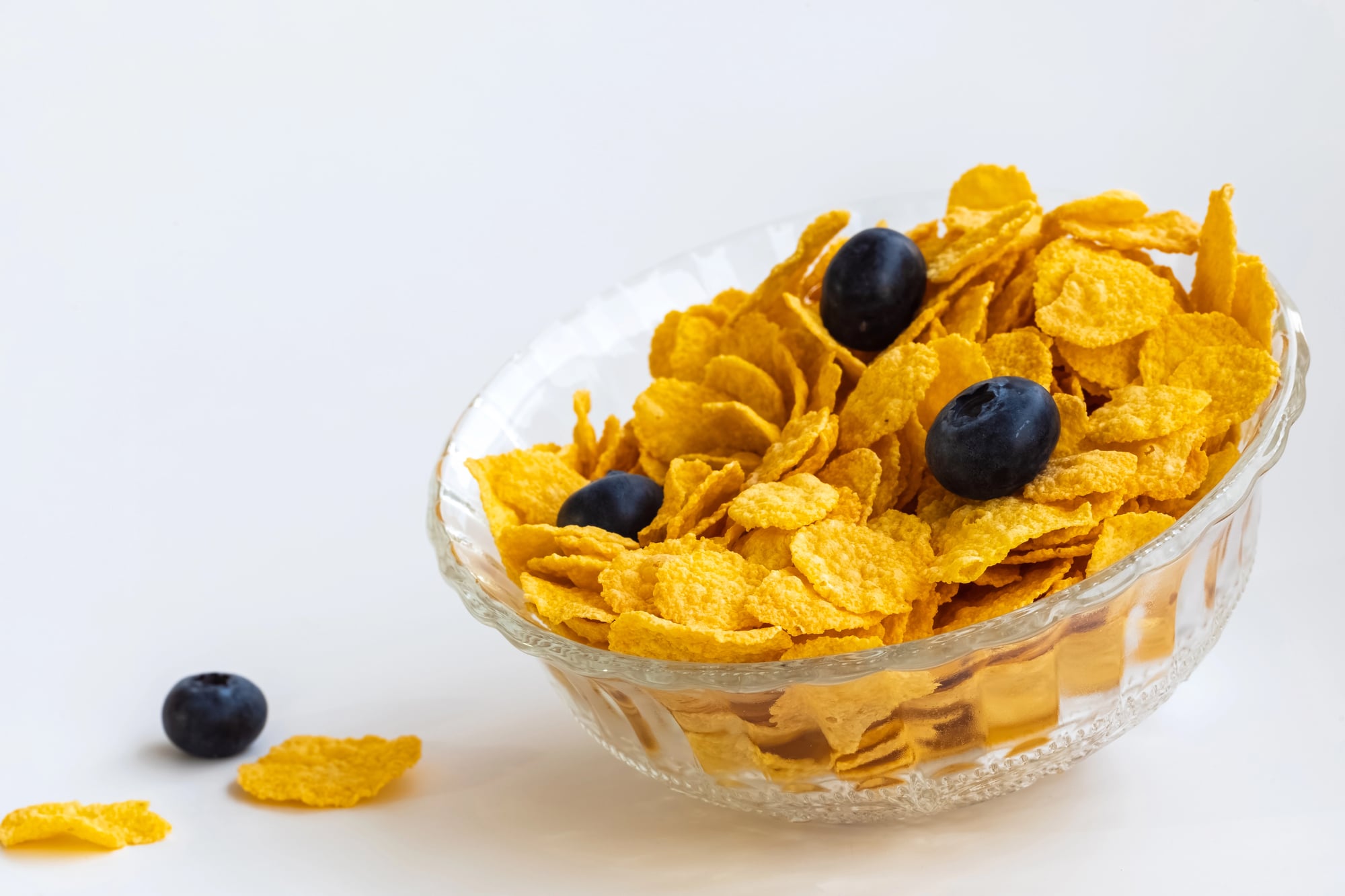
Hidden Treasures were General Mills’ early-1990s attempt at an interactive cereal experience — corn puff pieces with a fruit-flavored filling inside, so you never quite knew what flavor you’d bite into next. The concept was clever: a cereal that turned eating breakfast into something approaching a game.
It lasted only a couple of years before being discontinued, and the pieces that didn’t deliver their hidden filling (which was most of them) probably didn’t help.
Sprinkle Spangles
General Mills released Sprinkle Spangles in 1993 — star-shaped pieces coated with multicolored sugar sprinkles, the kind of cereal that communicated pure sugar-delivery without any pretense of being anything else. The genie mascot was forgettable.
The sprinkles were not. It ran for just a few years and vanished, leaving behind a specific kind of nostalgia among people who grew up in the early 1990s and remember it as more magical than it probably was.
Teenage Mutant Ninja Turtles Cereal
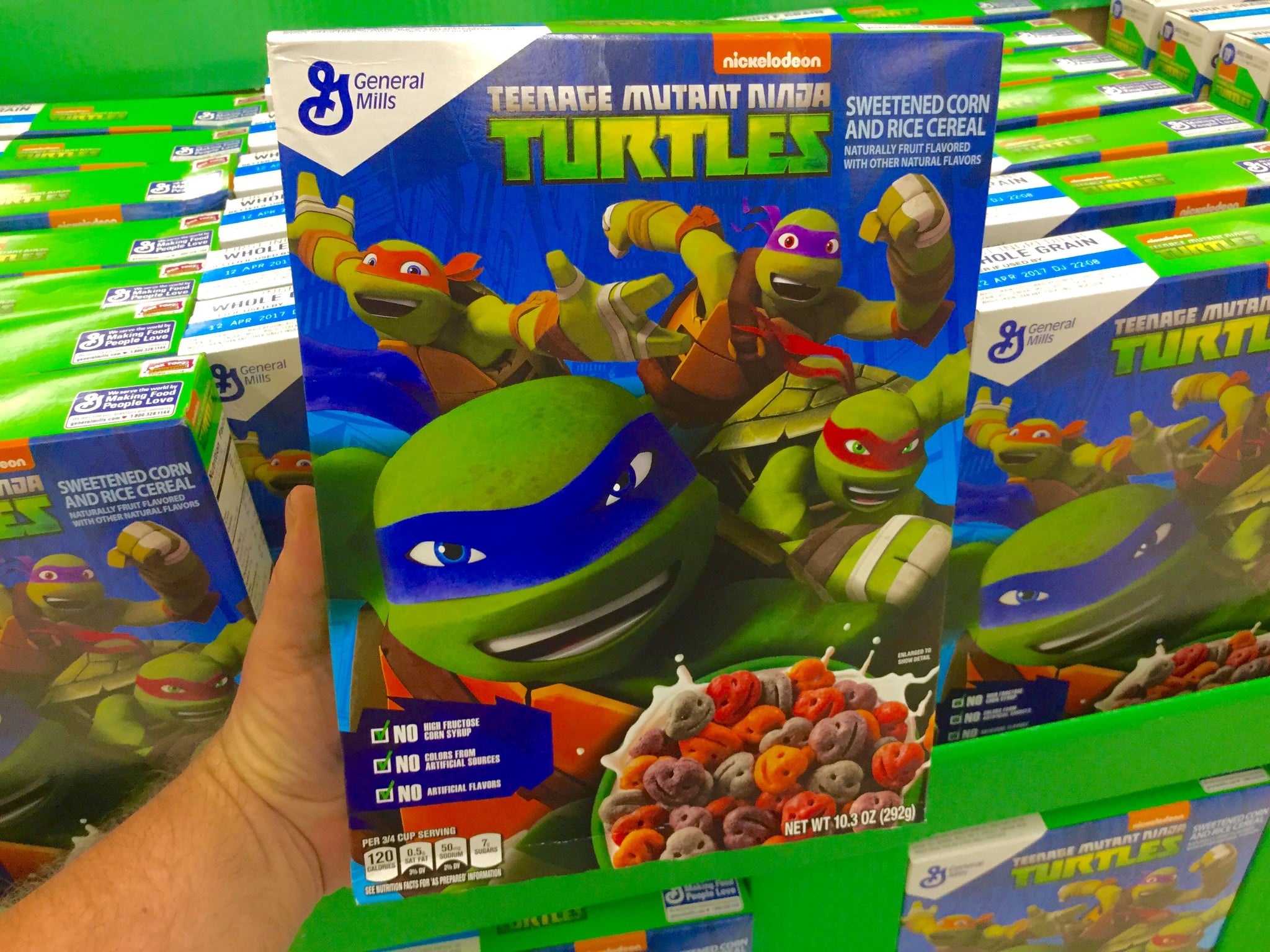
Ralston released a TMNT cereal in 1989 at the absolute height of Turtle mania, with green net-shaped pieces and marshmallows shaped like pizza slices and turtle heads. It tasted like every other marshmallow cereal of that era — which is to say, very sweet, very good at turning milk into something unidentifiable, and entirely dependent on the franchise staying dominant.
The cereal lasted until the mid-1990s, which was longer than most expected.
Honey Nut Clusters
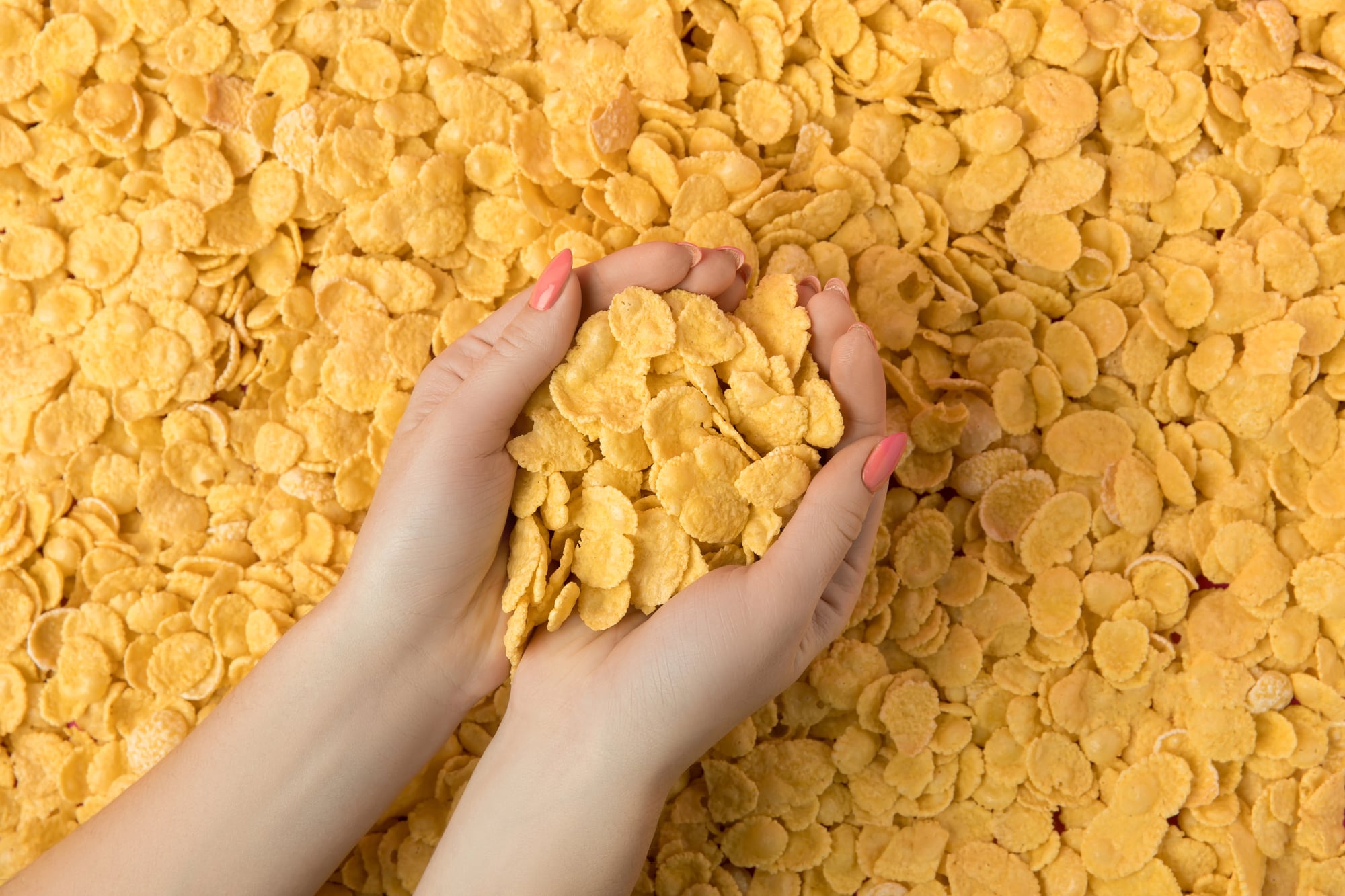
General Mills introduced Honey Nut Clusters in 1993 as a more grown-up proposition — clusters of oats and corn with honey and almonds, positioned somewhere between Honey Bunches of Oats and Clusters, aimed at adults who still wanted sweetness but needed to feel slightly responsible about it. It was a reasonable cereal that never quite carved out enough distinct identity to survive long-term.
Discontinued in the early 2000s, succeeded by products that did the same thing with better marketing.
Kellogg’s Bran Buds
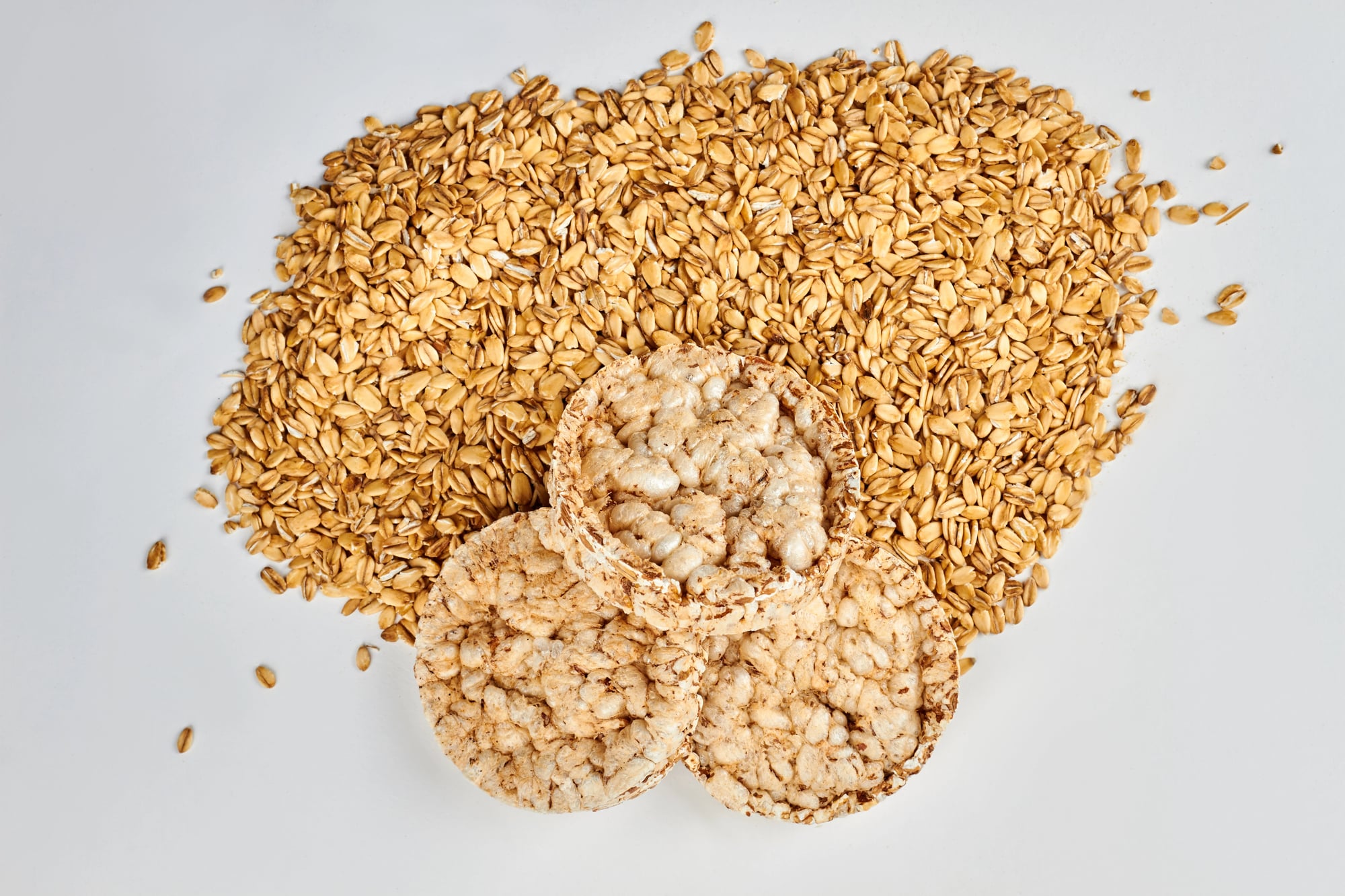
Bran Buds were the anti-fun entry on this list — a fiber-forward, wheat bran cereal that Kellogg’s marketed squarely at adults concerned with digestive regularity rather than cartoon mascots. They were around for decades in a low-profile way, the kind of cereal that showed up in houses where the adults had fully surrendered the concept of breakfast being enjoyable.
Discontinued quietly in the 2010s, mourned primarily by people who had built a very specific morning routine around them.
The Shelf That Won’t Stay Empty
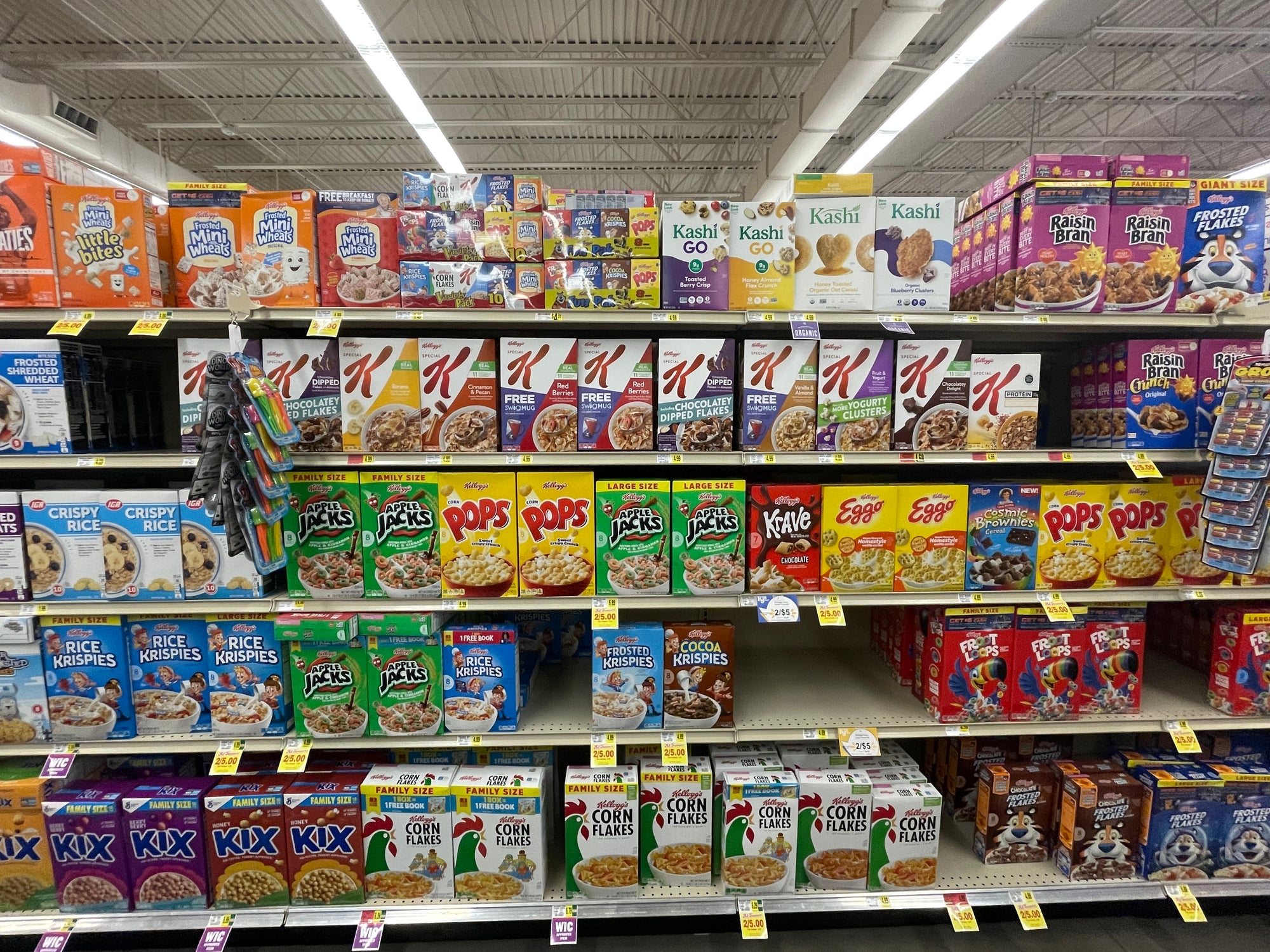
Grocery stores are unsentimental places. A cereal gets pulled and the facing shifts over, the shelf tag disappears, and within a week the gap is gone — visually, at least.
But the gap in memory is something else entirely, stubborn in ways that logic can’t touch. You can know a cereal was basically sweetened corn flour shaped like a cartoon character and still feel its absence as something genuine.
That’s not irrationality. That’s what breakfast at age seven actually felt like — total, unconditional, entirely unreasonable in the best way.
The cereals on this list weren’t great literature. But they were the first thing you wanted in the morning, which, for a while, made them everything.
More from Go2Tutors!

- The Romanov Crown Jewels and Their Tragic Fate
- 13 Historical Mysteries That Science Still Can’t Solve
- Famous Hoaxes That Fooled the World for Years
- 15 Child Stars with Tragic Adult Lives
- 16 Famous Jewelry Pieces in History
Like Go2Tutors’s content? Follow us on MSN.