Why Kids Who Grew Up Without AC Handled Heat Completely Differently
There’s a generation of adults who can sit in a sweltering car for ten minutes without complaining, sleep through a July night with nothing but a box fan, and function at a backyard cookout in 95-degree weather like it’s a mild inconvenience. Ask them how, and they’ll shrug.
They didn’t train for it. They just grew up without air conditioning — and their bodies, habits, and instincts adjusted in ways that most people raised in climate-controlled homes genuinely never had to develop.
Acclimatization Was Automatic

Their bodies didn’t adapt to heat by choice — they adapted because there was no alternative. Spending entire summers in un-air-conditioned houses, running around outside from morning until dusk, meant the cardiovascular system quietly recalibrated: lower core temperature at rest, faster sweating response, more efficient cooling.
The physiology of heat tolerance isn’t fixed at birth; it’s trained, and those kids trained without realizing it.
The Body’s Sweating Threshold Shifted

Kids who spent prolonged time in the heat developed a lower sweating threshold, meaning their bodies started cooling themselves earlier and more efficiently than someone who spent summers in 68-degree rooms. Sweat sounds unglamorous, but it’s the body’s most reliable heat-management tool — and the ability to activate it faster is a genuine physiological advantage.
AC-raised kids, by contrast, spent their formative summers in conditions where that system rarely needed to kick in. So it didn’t.
Heat Felt Like Weather, Not a Crisis

Heat, to a child without AC, was just the atmosphere — the way Tuesday felt in August, the texture of a normal afternoon, something you moved through rather than escaped from. It’s a bit like the way people who grew up near the ocean stop noticing the smell of salt air after a while: the thing that registers as remarkable to a visitor becomes invisible to the person who’s always lived inside it.
Kids without AC didn’t brace for summer. They dressed for it.
Shade Was a Skill

Finding and using shade effectively sounds almost absurdly simple, but it’s something people raised in air-conditioned environments rarely develop any instinct for. The kid who grew up without AC learned, through sheer repetition, exactly which side of the house stayed cool until noon, where the trees cast the longest shadow at 2 p.m., and why sitting on a wooden porch swing beats concrete every time.
That’s environmental literacy — reading the landscape for thermal relief the way a navigator reads wind.
Hydration Was Constant, Not Reactive

Staying hydrated wasn’t a wellness habit for those kids — it was just what you did, automatically, the way you’d breathe. They drank water before they were thirsty because thirst, in sustained heat, means you’ve already fallen behind, and a childhood of hot summers taught that lesson without anyone posting it on a motivational graphic.
Adults who grew up with AC often drink water reactively, in response to discomfort, which is the slower and less effective approach. The habit formed differently because the environment demanded differently.
Clothing Choices Were Intuitive

There’s an entire quiet knowledge set around what to wear in the heat that you either develop young or spend adulthood fumbling through. Loose cotton over synthetic fabrics, lighter colors, breathable weaves — kids without AC picked this up by consequence, because wearing the wrong thing in a hot house meant being miserable all day, and kids are nothing if not motivated by immediate discomfort.
The lesson stuck. Ask someone who grew up with AC what they wore to a summer outdoor event and you’ll often find they dressed for aesthetics and suffered for it.
Rest Patterns Adjusted Around Temperature

The highest temperature of the day in summer runs roughly from noon to around 4 p.m., and kids without AC often developed natural lulls in activity during those hours — not because anyone told them to, but because the heat simply made vigorous movement unappealing. This mirrors the logic behind the traditional siesta in hot climates: not laziness, but an intelligent response to the body’s thermal limits.
There’s something almost circadian about it — a rhythm that develops when you can’t just override the environment by flipping a thermostat.
Window Management Was an Art

Opening windows was not simply a matter of noticing it was warm — it was a whole system, a kind of domestic meteorology involving timing, airflow direction, and knowing when to close everything up to trap the cool morning air before the heat moved in. Kids who grew up in those houses absorbed this instinctively, watching parents and grandparents work the windows the way a sailor watches someone read the tide.
The knowledge transferred without explanation because it was demonstrated every single day.
Fans Were Used Strategically
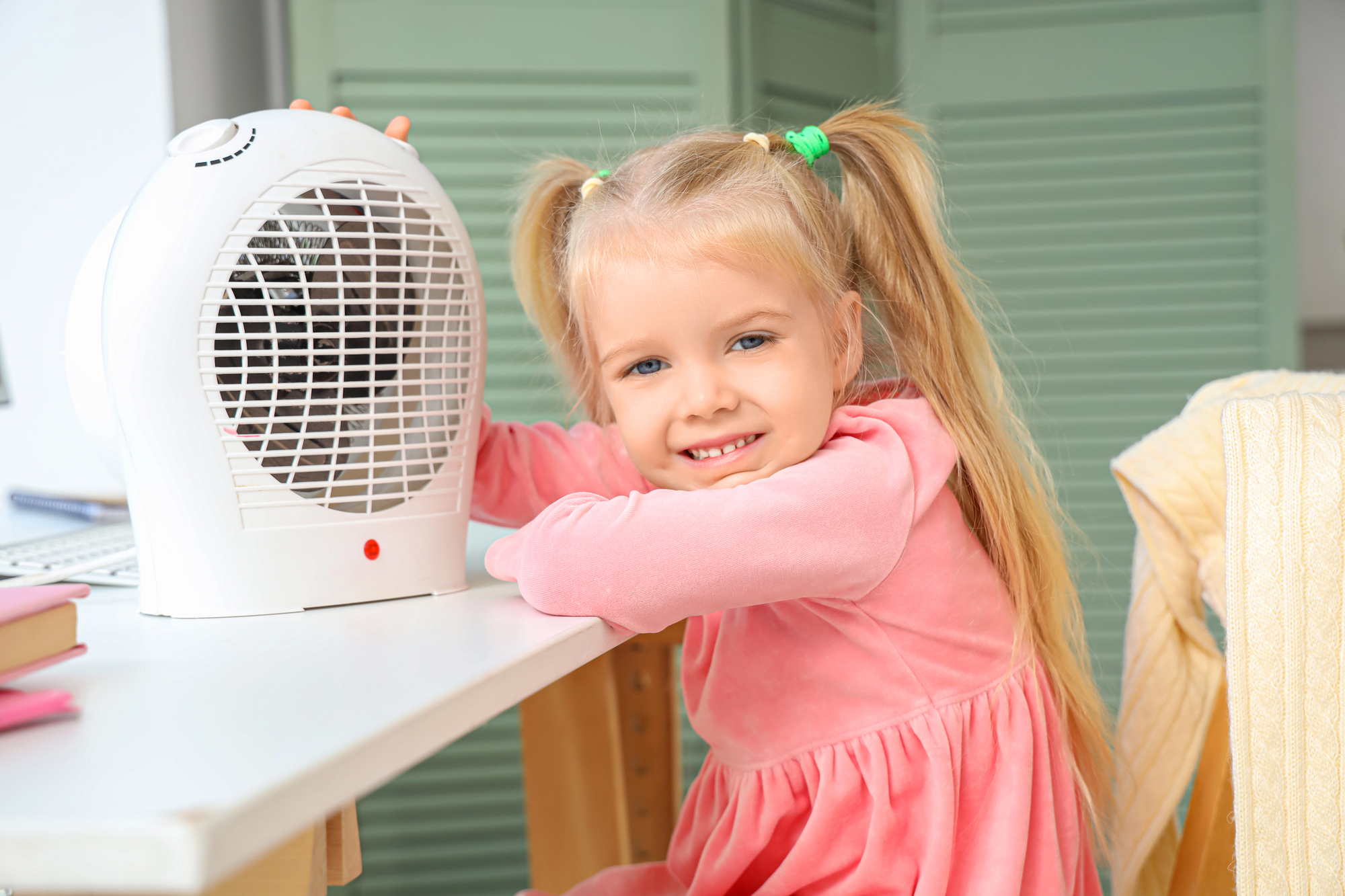
A fan, to someone raised with AC, is often just a device pointed vaguely at oneself. To someone who grew up without AC, a fan is a directional tool — positioned to pull hot air out of a room, push cooler air in, create cross-ventilation between two opposing windows.
Box fans facing out of bedrooms, ceiling fans set to run counterclockwise in summer, a whole geometry of airflow that the AC-raised mind has simply never had reason to develop. Turns out there’s more to a box fan than pointing it at your face.
Night Cooling Was Strategic

Sleeping in heat without AC is either miserable or manageable, depending entirely on how much you know. Damp washcloths on the wrists and the back of the neck, sheets slightly misted with water, beds positioned away from heat-absorbing walls — these weren’t folk remedies so much as practical engineering, passed along through households where summer nights demanded solutions.
The kid who grew up with this knowledge carries it into adulthood as reflex. The one who grew up with central air often just suffers and buys a portable unit.
Hot Food Was Still Food

One of the quieter differences — and arguably the most revealing — is that kids without AC ate hot meals in summer without treating it as an act of minor self-harm. Soup in August, roasted chicken, anything that came out of the oven: the meal was the meal, regardless of ambient temperature.
The body, already accustomed to the heat, didn’t experience a bowl of hot food as the last insult on a brutal day. The threshold for “too warm” simply sat higher.
Mental Tolerance Was Calibrated Differently

Discomfort tolerance, it turns out, is as psychological as it is physical — and spending summers in heat without relief trains the brain to categorize warmth as a neutral condition rather than an emergency. The mind stops scanning for escape routes when no escape routes exist, and what remains isn’t suffering so much as simple presence.
Kids raised in AC-controlled environments aren’t weaker; they just never had to develop the cognitive adaptation that comes from having no other option but to sit with the heat and continue functioning.
Community Gathering Points Shifted to Shade

Without AC at home, kids naturally migrated toward wherever the environment was more bearable — shaded porches, public pools, tree-lined parks, the cool basement of a neighbor’s house. This wasn’t a social activity so much as a thermal one, and the socializing was almost incidental, a byproduct of everyone assembling in the same tolerable microclimate.
It created a particular kind of neighborhood culture, loose and unhurried, built around proximity to shade rather than proximity to screens. The heat was, in a strange way, a gathering mechanism.
The Baseline for “Hot” Was Set Higher

When you’ve lived through August in a house where the indoor temperature regularly hit 85 degrees, you build a different internal scale. A 78-degree room doesn’t register as warm — it registers as almost refreshing.
This recalibration isn’t imaginary; research on thermal comfort consistently shows that perceived temperature is shaped by recent exposure history. The air conditioning generation set their baseline in the high 60s and low 70s, and anything above it reads as excessive.
Fair enough. But that’s a recent calibration — and a relatively fragile one.
What the Heat Actually Built
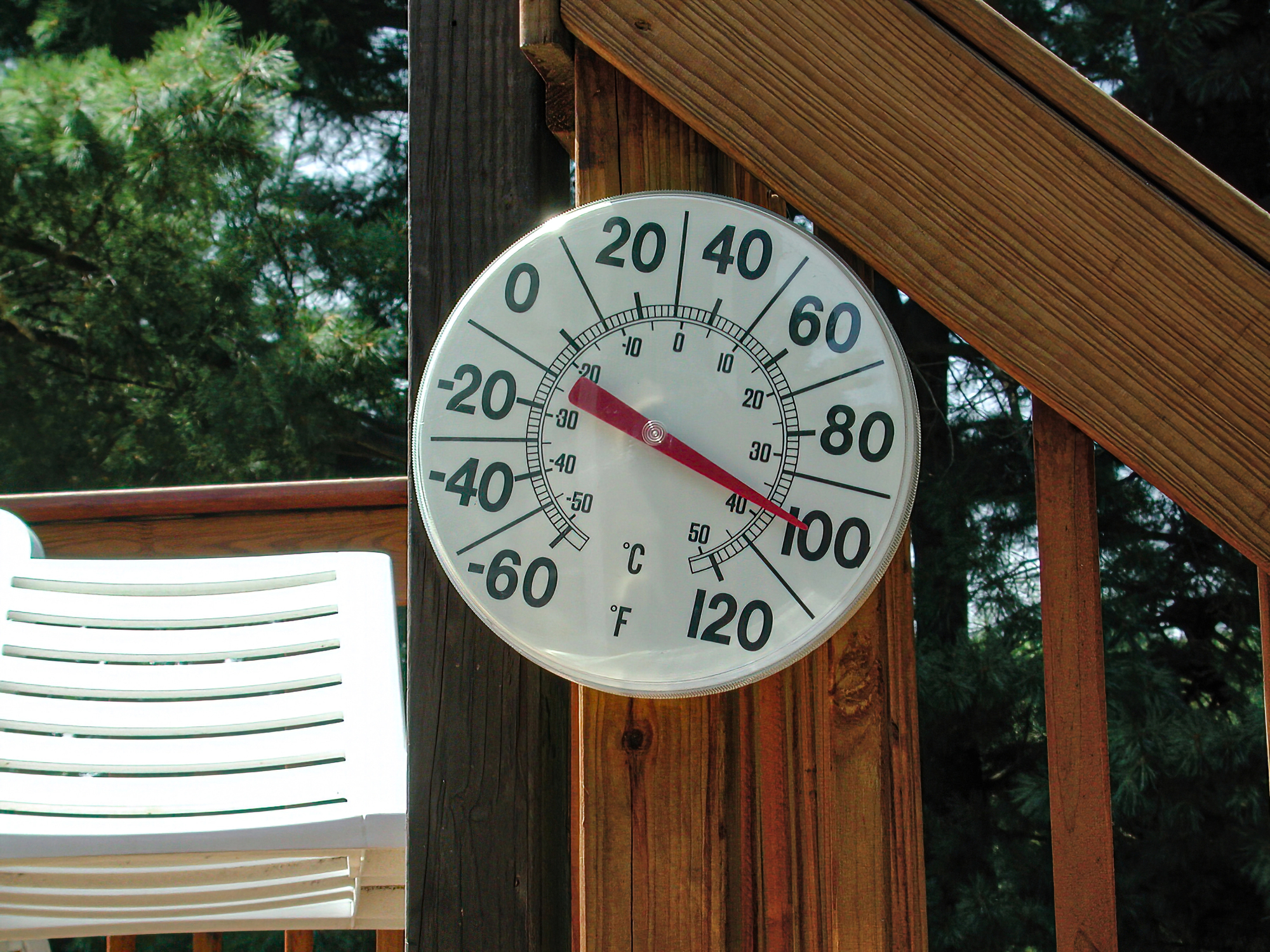
The most honest way to describe what growing up without AC produced is this: a kind of unstated confidence that warmth is survivable, that the body has resources it will deploy if asked, and that summer is a season to move through rather than hide from. Not nostalgia, not toughness as a pose — just a quiet working knowledge of temperature and what the body can handle when it’s never been taught to refuse.
That knowledge doesn’t disappear. And on a sweltering August afternoon, when the power goes out and the AC stops and everyone else is melting, the person who grew up without it barely looks up from what they were doing.
More from Go2Tutors!

- The Romanov Crown Jewels and Their Tragic Fate
- 13 Historical Mysteries That Science Still Can’t Solve
- Famous Hoaxes That Fooled the World for Years
- 15 Child Stars with Tragic Adult Lives
- 16 Famous Jewelry Pieces in History
Like Go2Tutors’s content? Follow us on MSN.