What Summer Habits Keep Homes Cool and Efficient
Summer heat doesn’t have to mean sky-high energy bills or constant discomfort in your own home. Smart habits can make a dramatic difference in both your comfort level and your monthly utility costs.
These proven strategies work together to create a cooler living environment while keeping your energy usage in check. Let’s explore the most effective approaches that homeowners swear by.
Set your thermostat to 78 degrees
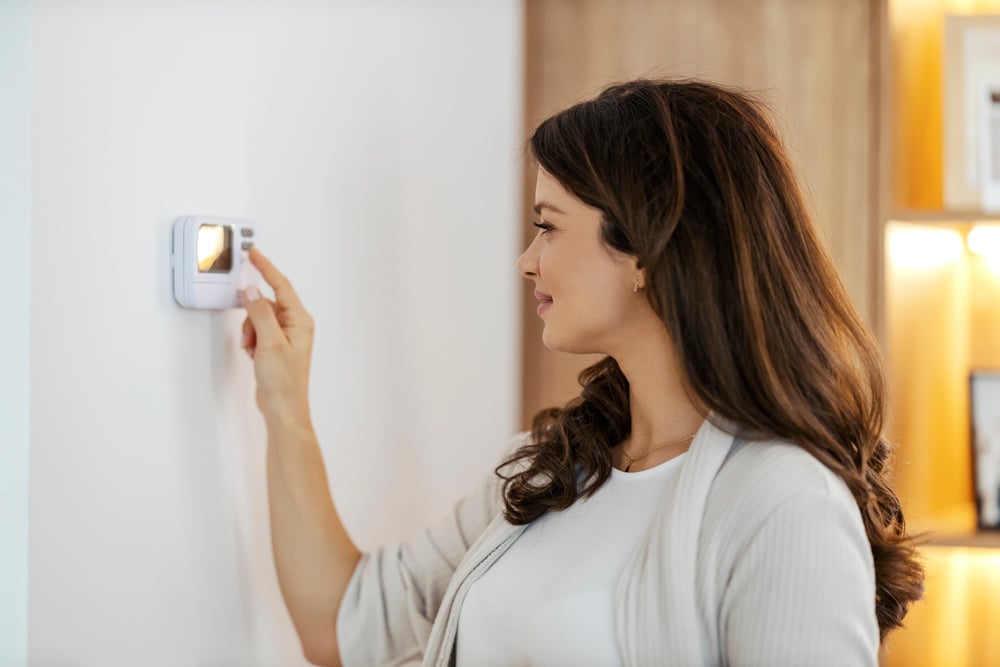
Most people crank their air conditioning too low, creating an expensive battle against summer heat. Setting your thermostat to 78 degrees when you’re home strikes the perfect balance between comfort and efficiency.
Your system won’t work overtime, and you’ll barely notice the difference once your body adjusts to this reasonable temperature.
Replace air filters monthly during peak season
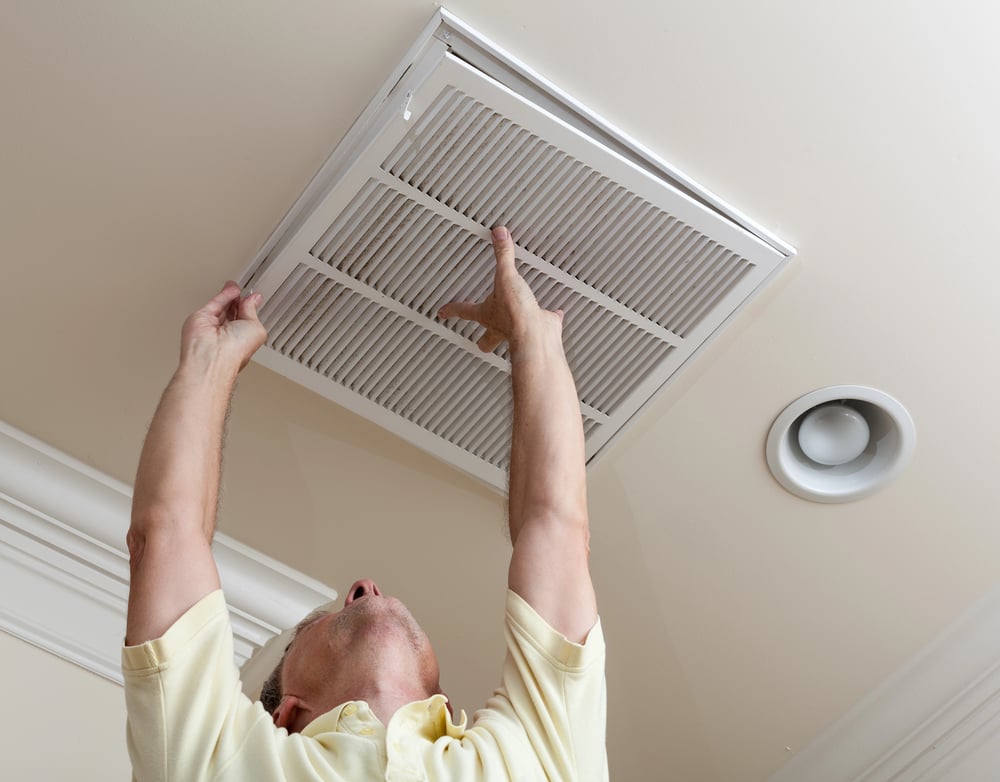
Dirty air filters force your cooling system to work much harder than necessary, like trying to breathe through a clogged straw. Fresh filters allow proper airflow and help your unit operate at peak efficiency throughout the demanding summer months.
This simple swap can reduce energy consumption by up to 15 percent while improving indoor air quality.
Close blinds and curtains during daylight hours
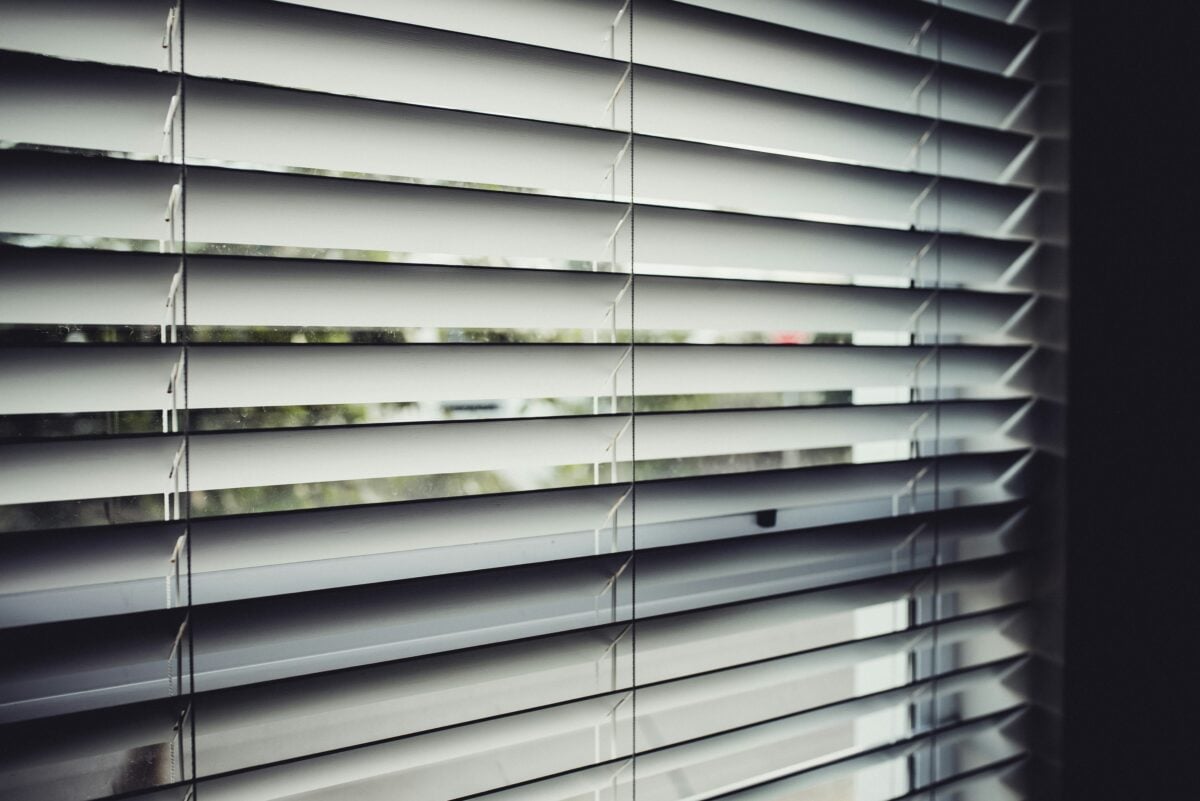
Windows act like magnifying glasses, intensifying the sun’s heat and turning your home into a greenhouse. Keeping window coverings closed during the day blocks this solar heat gain before it can warm your interior spaces.
Light-colored or reflective treatments work best, bouncing heat away rather than absorbing it.
Use ceiling fans to circulate air effectively
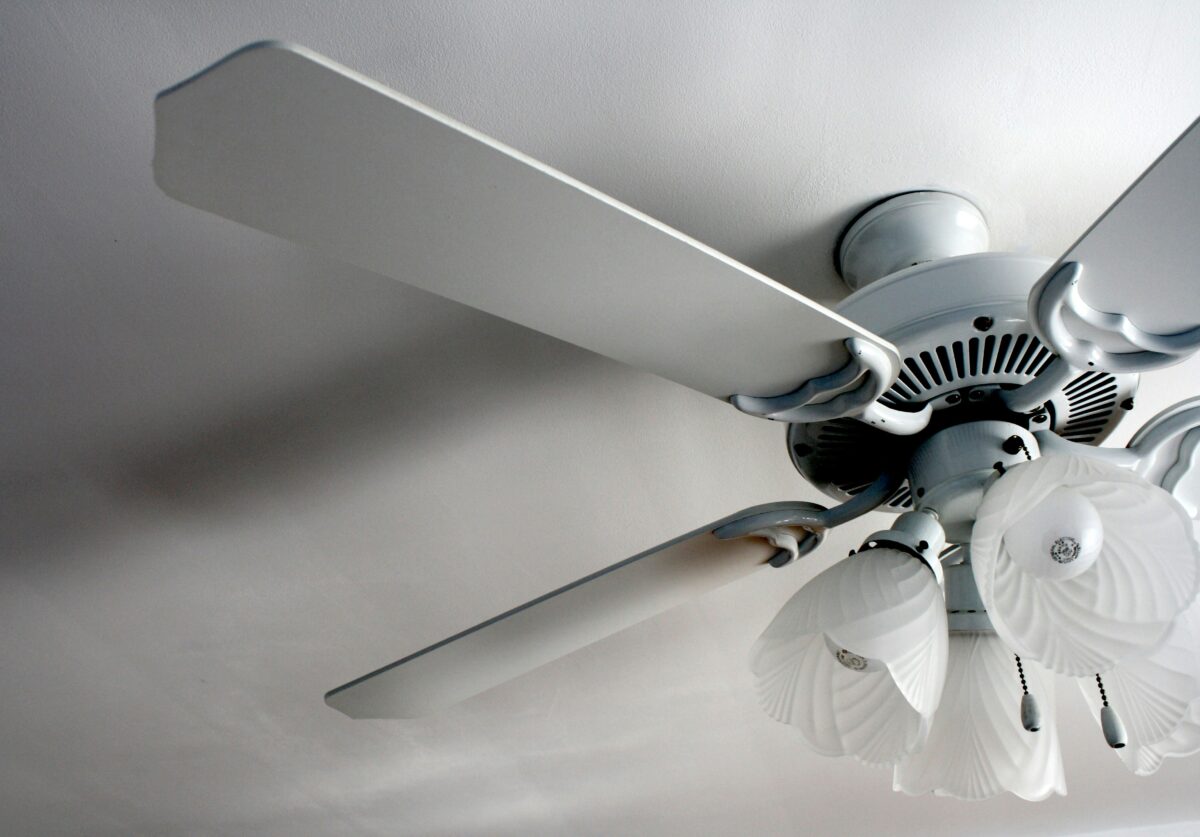
Ceiling fans create a wind-chill effect that makes you feel cooler without actually lowering the room temperature. Running fans allows you to raise your thermostat setting by about 4 degrees while maintaining the same comfort level.
Remember to turn fans off when leaving rooms since they cool people, not spaces.
Seal air leaks around windows and doors
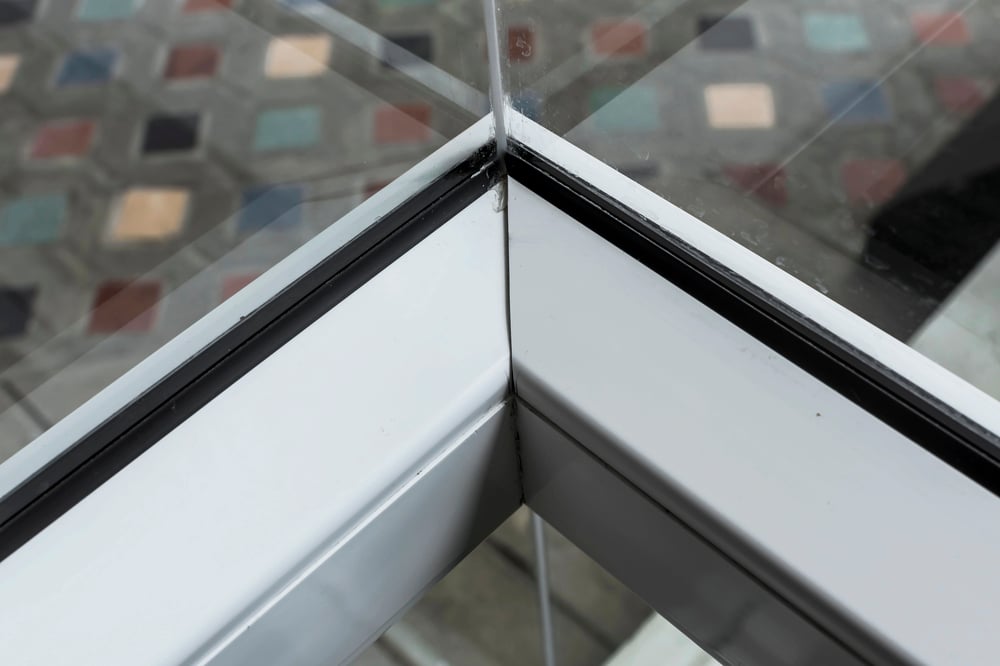
Even tiny gaps around windows and doors let precious cool air escape while allowing hot outdoor air to sneak inside. Weatherstripping and caulk are inexpensive solutions that create an airtight barrier against energy waste.
These small improvements can reduce cooling costs by 10 to 20 percent in most homes.
Schedule appliance use for cooler evening hours
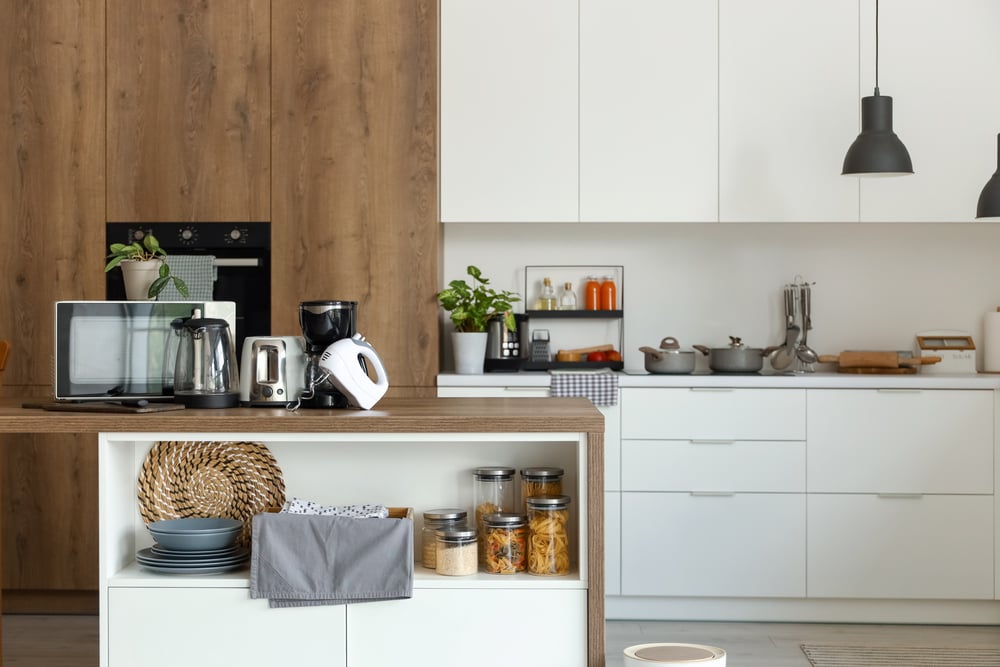
Heat-generating appliances like ovens, dryers, and dishwashers add unnecessary warmth to your home during peak afternoon hours. Running these appliances in the evening or early morning prevents them from competing with your air conditioning system.
Your cooling unit won’t have to work as hard to counteract the extra heat they produce.
Plant shade trees strategically around your property

Trees act as natural air conditioners, providing shade that can reduce surrounding air temperatures by up to 20 degrees. Planting deciduous trees on the south and west sides of your home creates cooling shade in summer while allowing warming sunlight through in winter.
Mature shade trees can cut air conditioning costs by 15 to 50 percent.
Install a programmable or smart thermostat
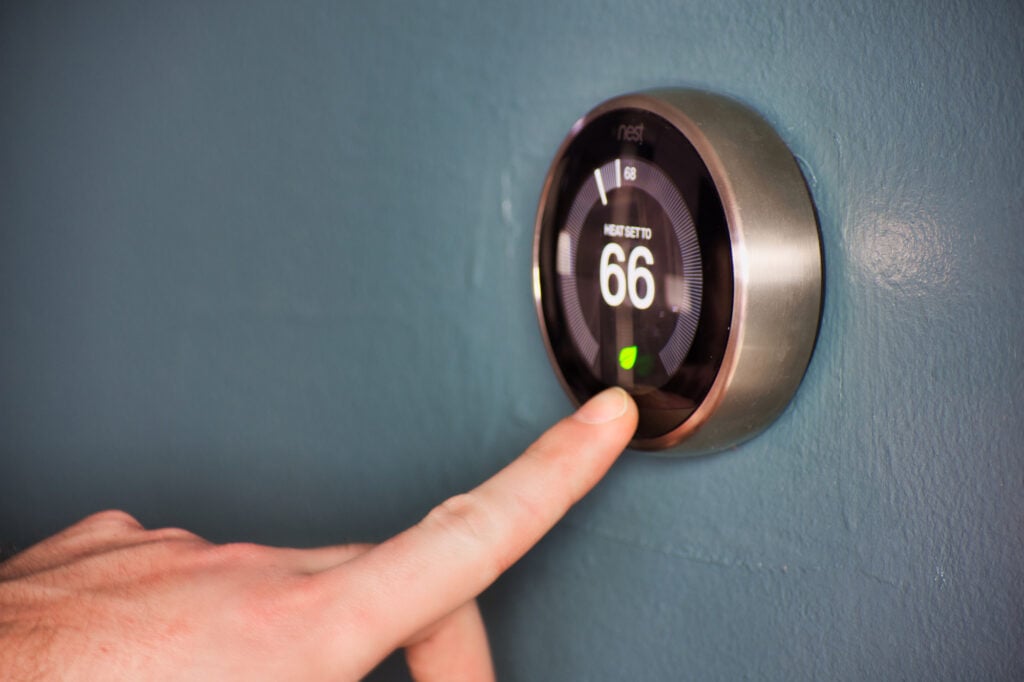
Programmable thermostats automatically adjust temperatures based on your schedule, preventing energy waste when nobody’s home. Smart models learn your preferences and can be controlled remotely, ensuring your home is comfortable when you arrive without running constantly.
These devices typically pay for themselves within two years through energy savings.
Maintain your air conditioning unit regularly
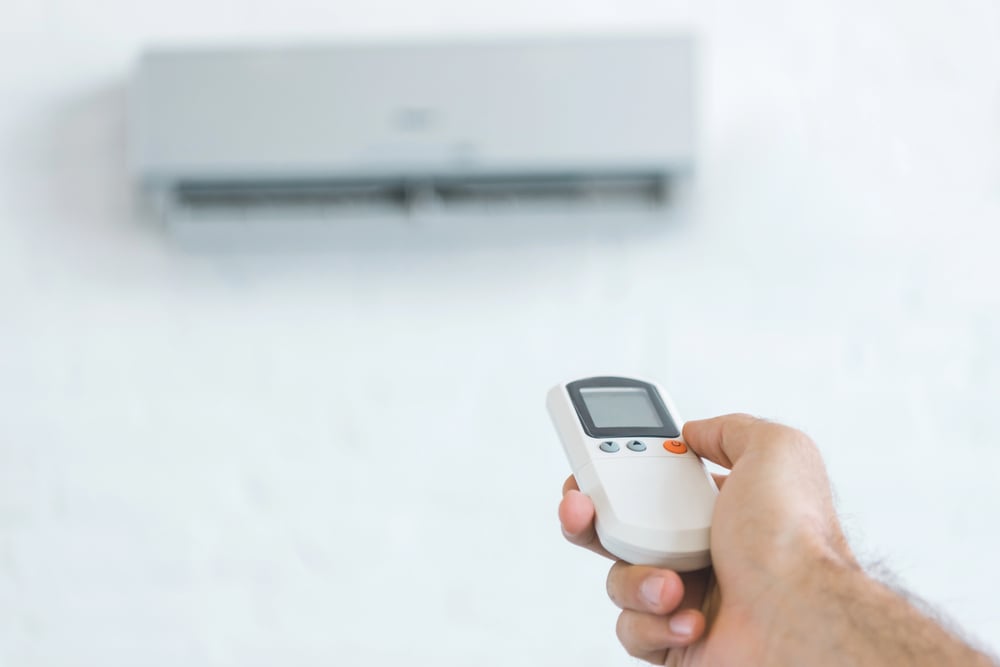
A well-maintained air conditioner runs more efficiently and lasts longer than a neglected one, just like a car that gets regular tune-ups. Annual professional maintenance includes cleaning coils, checking refrigerant levels, and ensuring all components work properly.
This preventive care can improve efficiency by 15 percent and prevent costly breakdowns during heat waves.
Keep heat-producing lights off during the day
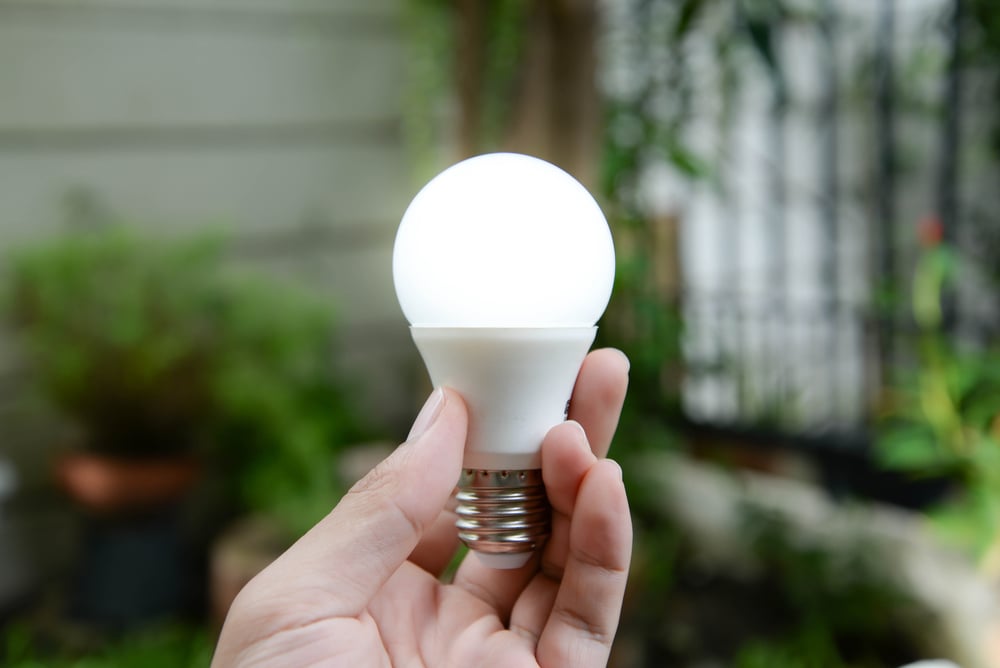
Incandescent bulbs generate significant heat along with light, adding unnecessary warmth to your living spaces during summer months. Switching to LED bulbs reduces heat output by about 80 percent while using far less electricity.
Taking advantage of natural daylight whenever possible eliminates both the heat and energy consumption from artificial lighting.
Use exhaust fans in kitchens and bathrooms
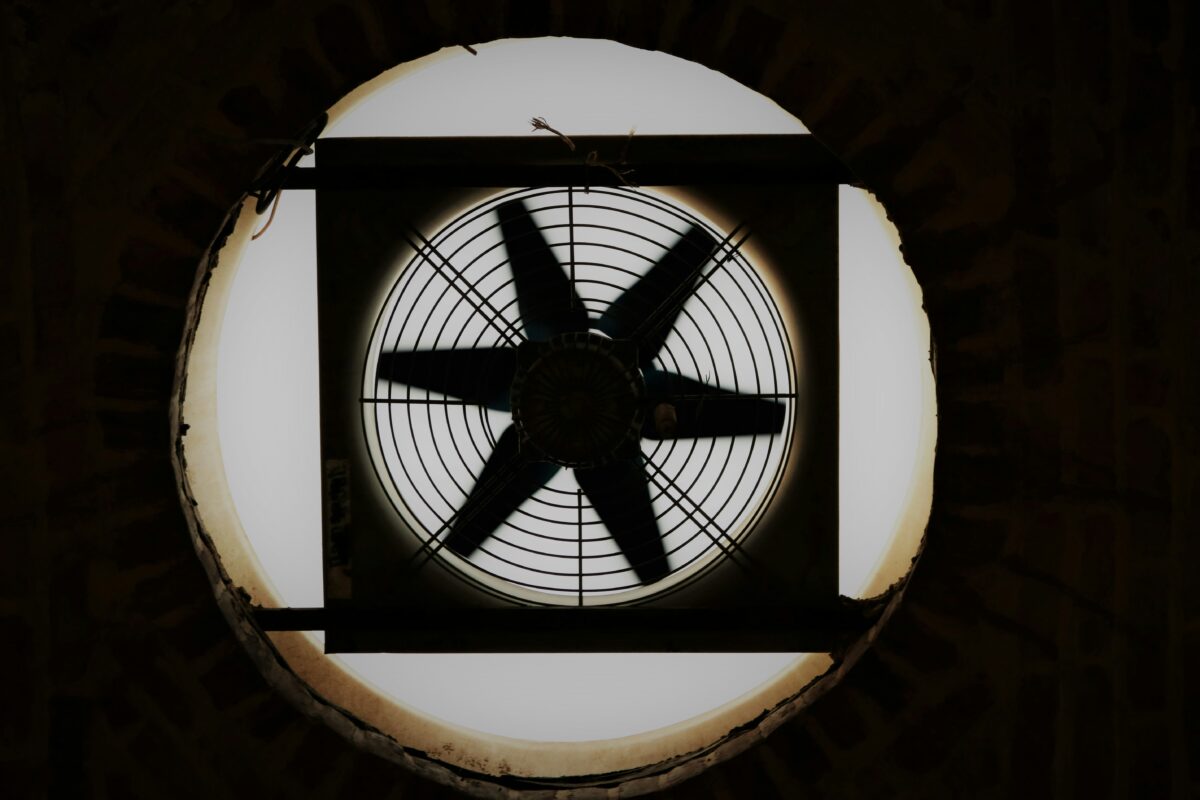
Cooking and showering create both heat and humidity that make your home feel warmer and more uncomfortable. Exhaust fans quickly remove this hot, moist air before it can spread throughout your house.
Running these fans during and after heat-generating activities helps your air conditioning system maintain comfortable conditions more easily.
Close vents in unused rooms
Closing vents in rarely used spaces redirects cool air to the areas where you actually spend time. This targeted approach prevents waste while ensuring maximum comfort in your main living areas.
However, don’t close more than 20 percent of your vents, as this can create pressure imbalances that strain your system.
Add insulation to your attic space
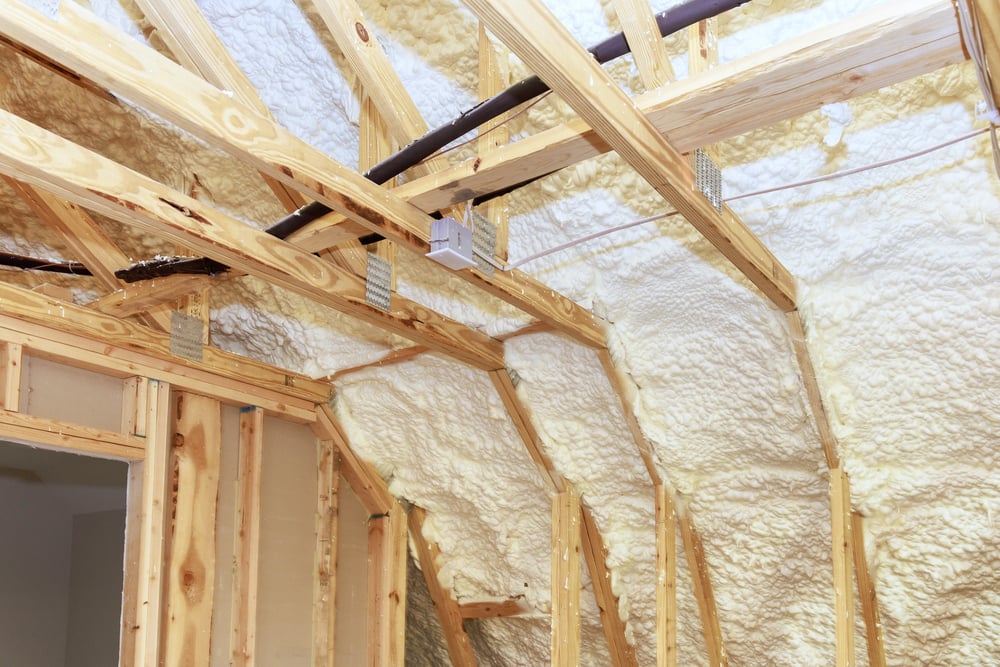
Proper attic insulation acts like a thermal barrier, preventing hot air from radiating down into your living spaces. Many homes have inadequate insulation that allows summer heat to penetrate through the roof and warm interior rooms.
Adding insulation to recommended levels can reduce cooling costs by 10 to 50 percent depending on your current situation.
Install window film or reflective treatments
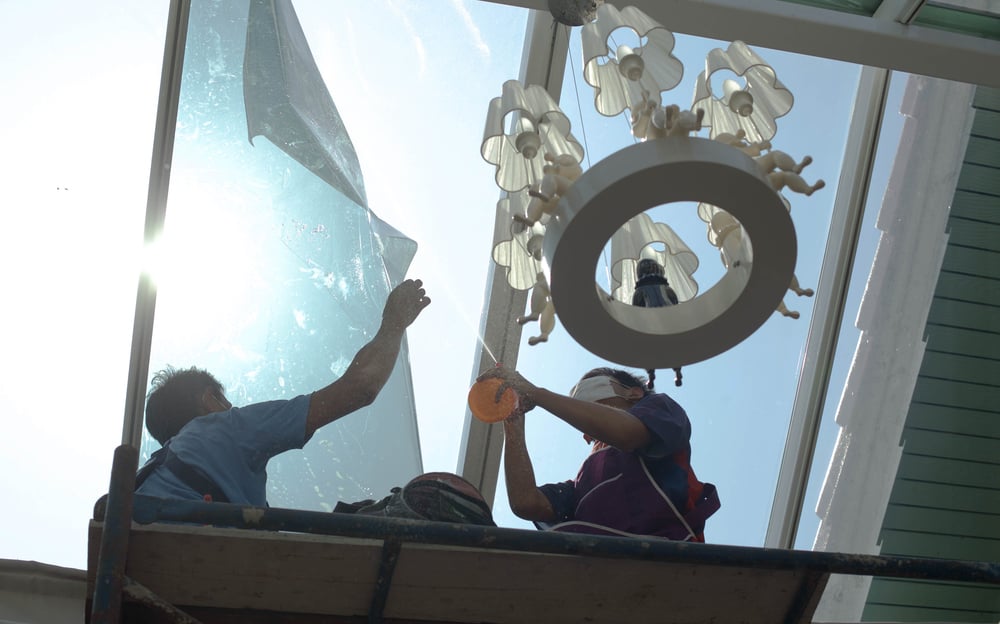
Window film reflects solar heat while still allowing natural light to enter your home, similar to wearing sunglasses. These nearly invisible treatments can block up to 80 percent of solar heat gain without significantly darkening your rooms.
Professional installation ensures proper application and maximum effectiveness for years of energy savings.
Use natural ventilation during cooler periods

Opening windows during cool evening and early morning hours allows natural airflow to flush hot air from your home. This free cooling strategy works especially well in climates with significant temperature swings between day and night.
Cross-ventilation through strategically opened windows can often eliminate the need for air conditioning during these cooler periods.
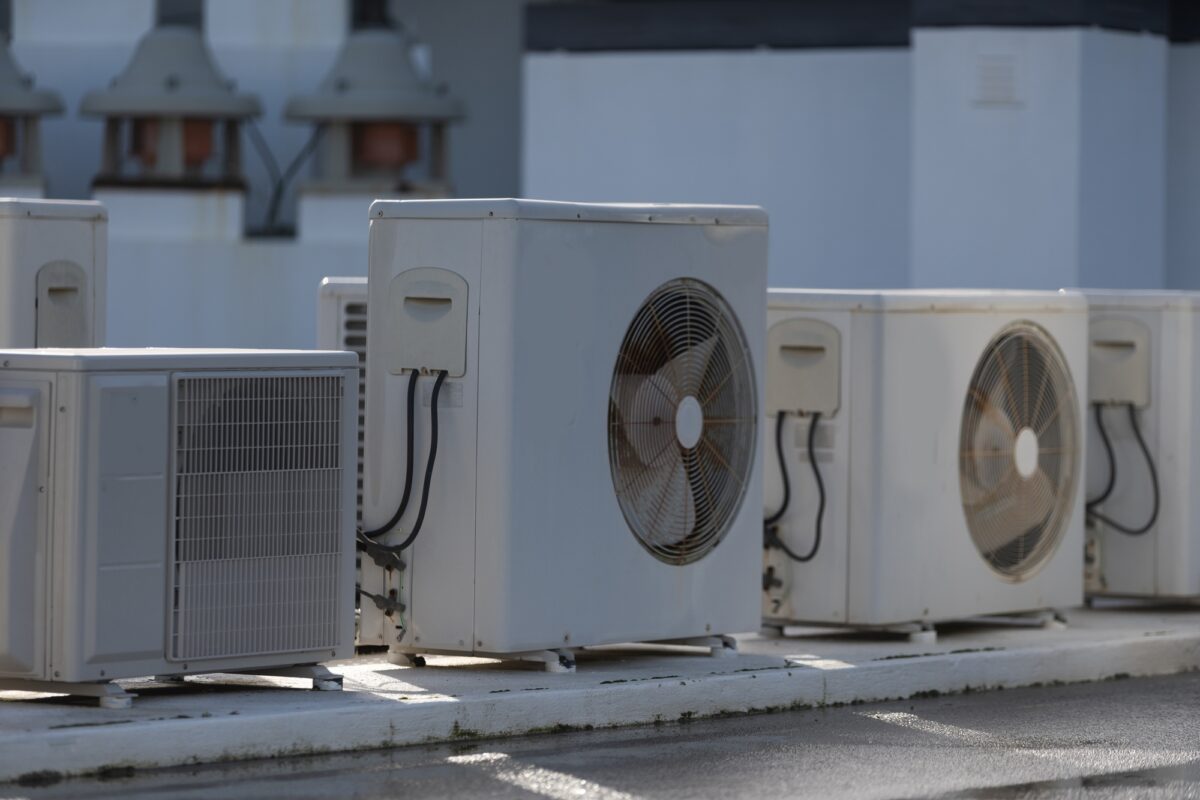
Cover and shade outdoor air conditioning units
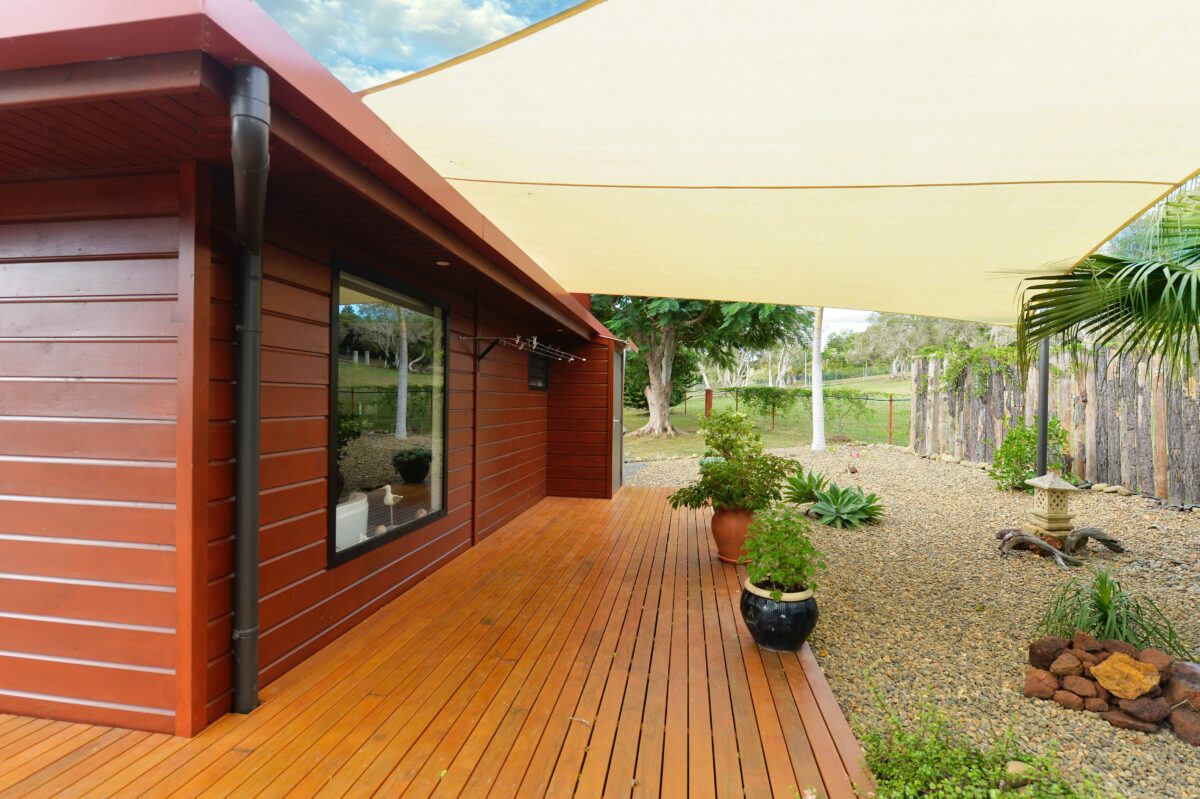
Direct sunlight makes air conditioning units work harder by heating the components that need to stay cool for optimal operation. Providing shade through landscaping or purpose-built covers can improve efficiency by up to 10 percent.
Ensure adequate airflow around the unit while protecting it from the sun’s intense rays during peak afternoon hours.
Keeping cool without breaking the bank

These simple habits show that you can stay comfortable without fighting with your air conditioner or getting huge electric bills. Small changes in what you do each day add up to make a big difference in how well your home stays cool.
The best results come from using several of these tips together instead of just trying one thing. Even using just a few of these ideas will help you feel more comfortable while spending less money this summer.
More from Go2Tutors!