Unusual Facts About 1980s Arcade Culture
Imagine this: teens clutching quarters like precious coins, neon lights flickering against dark walls, and the din of bleeps and bloops filling the air. Arcade gaming in the 1980s was more than just a pastime; it was a cultural phenomenon that influenced how a whole generation viewed competition and technology.
However, the world that lies beneath Street Fighter competitions and Pac-Man mania is far more intricate and unexpected than most people realize. In addition to using clever psychological techniques and intriguing economics, the arcade industry produced social dynamics that would shape gaming culture for many years to come.
This list of 15 odd facts about arcade culture from the 1980s shows how amazing and crazy this time period was.
Arcade Tokens Were Psychological Masterpieces
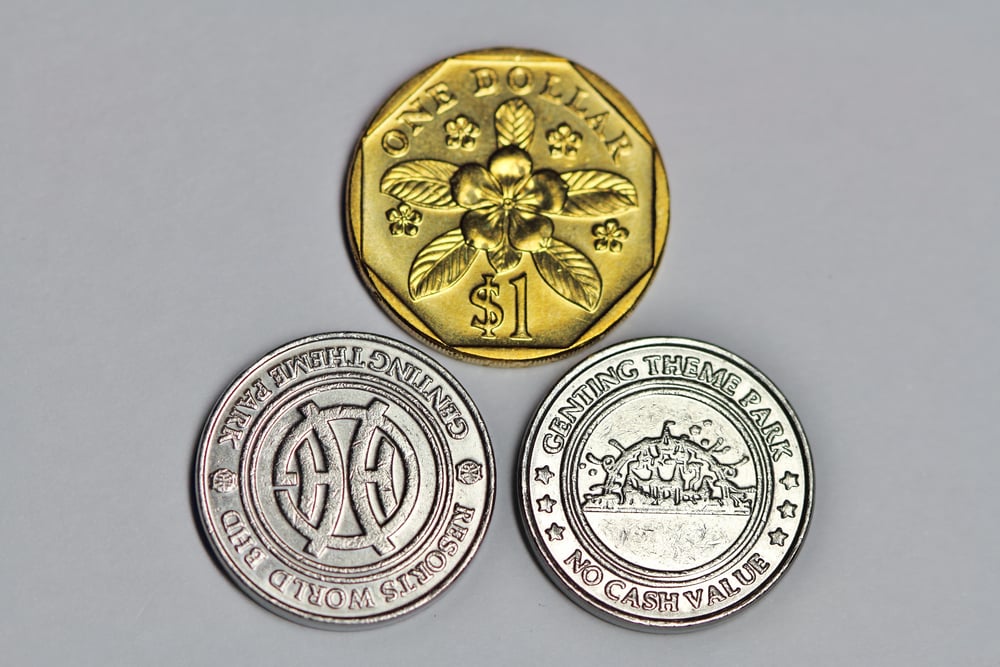
Arcade owners didn’t use tokens just for convenience—they deployed them as sophisticated psychological weapons. When you exchanged real money for tokens, your brain stopped perceiving them as actual currency.
This mental disconnect made players spend far more freely than they would with cash. Think of it like casino chips, but for teenagers with allowances.
Some arcades even used tokens that looked like play money or featured cartoon characters—further distancing players from the reality of their spending.
The Average Arcade Game Cost More Than a Car

A single arcade cabinet in the 1980s typically cost between $3,000 and $4,000, while the average new car was around $7,000. Popular games like Donkey Kong or Galaga could cost even more.
For arcade owners, each machine represented a massive investment that needed to pay for itself through quarters alone. This economic pressure led to games being deliberately designed to eat coins quickly—yet keep players just engaged enough to keep feeding the machine.
Like Go2Tutors’s content? Follow us on MSN.
Japan Had Completely Different Arcade Etiquette

While American arcades were often rowdy social spaces, Japanese game centers operated under strict unwritten rules. Players would place coins on the machine to ‘reserve’ their turn—cutting in line was considered deeply disrespectful.
Some arcades had designated quiet hours where talking was discouraged. The contrast was so stark that American tourists often felt like they were visiting libraries rather than game rooms.
Arcade Cabinets Were Built Like Bank Vaults

Those chunky wooden cabinets weren’t just for aesthetics—they were fortresses designed to withstand abuse and theft attempts. Many featured steel reinforcements, tamper-proof locks, and coin mechanisms that could survive sledgehammer attacks.
Some arcade owners would bolt their machines to the floor or install hidden cameras inside the cabinets. The paranoia was justified: a popular arcade game could hold hundreds of dollars in quarters—making them attractive targets for thieves.
The First Gaming Influencers Were Arcade Champions
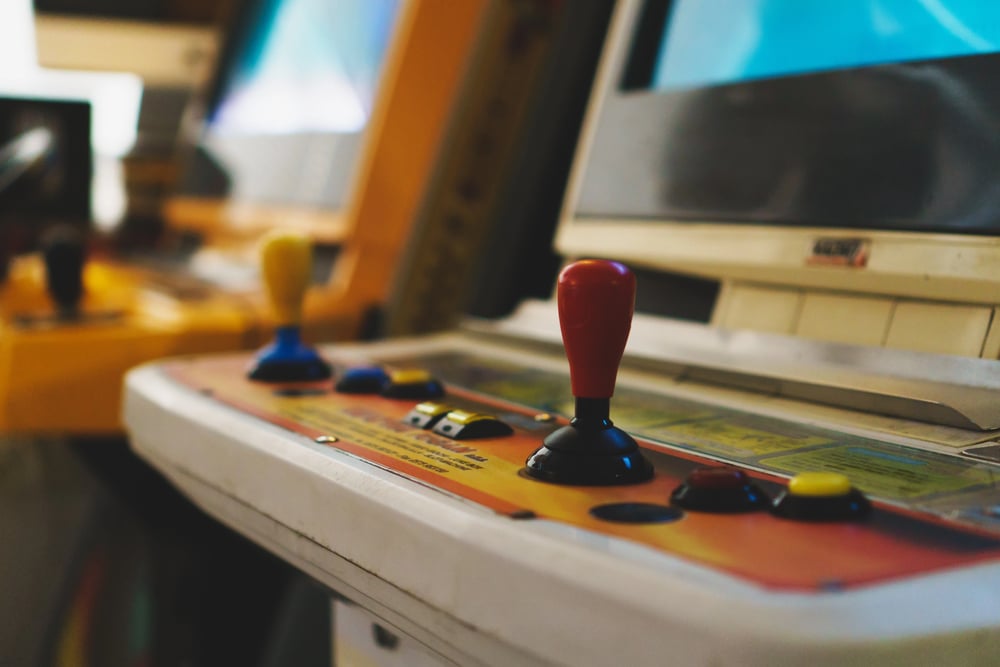
Before YouTube and Twitch existed, arcade champions were the original gaming celebrities. Players like Billy Mitchell and Steve Wiebe achieved near-mythical status in their local arcade scenes.
Some arcades would host ‘champion nights’ where top players would demonstrate their skills—drawing crowds like rock concerts. These early gaming influencers often had signature moves, loyal followings, and even sponsorship deals with local businesses.
Like Go2Tutors’s content? Follow us on MSN.
Pinball Machines Were Actually Banned in Many Cities

Throughout much of the mid-20th century, pinball was considered gambling and remained illegal in major cities like New York, Chicago, and Los Angeles. The bans weren’t lifted until the 1970s—which is why video games had such a clear field when they arrived.
Many arcade owners had to carefully navigate these laws, sometimes hiding their pinball machines or operating them as ‘skill games’ rather than gambling devices. The legal battles helped establish the foundation for how arcade games would be regulated.
Quarter Shortages Were a Real Economic Problem
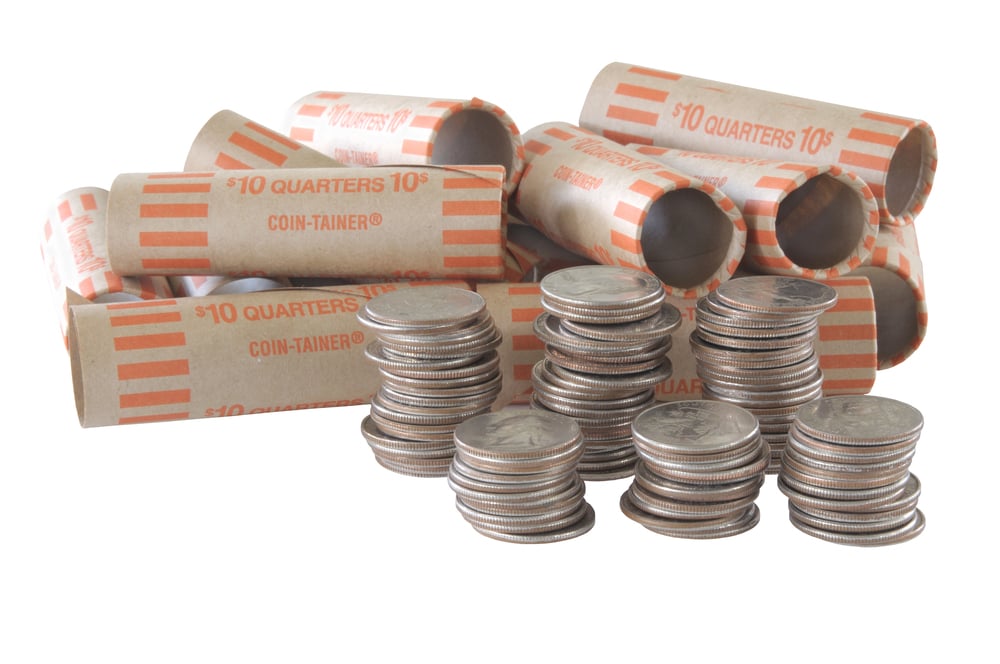
Popular arcades would literally run out of quarters to give as change—creating mini-economic crises in their neighborhoods. Some arcade owners maintained relationships with multiple banks to ensure steady quarter supplies.
During peak hours, arcades would send employees on ‘quarter runs’ to banks, sometimes carrying thousands of coins in heavy bags. The Federal Reserve even tracked arcade locations when planning quarter distribution routes.
Arcade Sounds Were Scientifically Designed to Addict

Game developers employed audio engineers and psychologists to create sounds that would trigger dopamine responses in players’ brains. The coins dropping into the machine, the explosion effects, even the background music—everything was carefully calibrated to create maximum psychological impact.
Some games used specific frequencies that were known to increase excitement and mask the passage of time. The beeping and buzzing of a busy arcade was essentially a symphony of addiction.
Like Go2Tutors’s content? Follow us on MSN.
Many Classic Games Were Created by Tiny Teams

Pac-Man, one of the most successful arcade games ever, was created by a team of just nine people at Namco. Donkey Kong was largely the work of one person: Shigeru Miyamoto.
Compare this to modern video games that require hundreds of developers—and the achievement becomes even more impressive. These small teams often worked out of cramped offices with primitive computers, yet created experiences that captivated millions of players worldwide.
Arcade Carpets Had Secret Patterns

Those wild, colorful carpets found in most arcades weren’t just decorative choices—they were strategically designed to hide stains, spills, and wear patterns from heavy foot traffic. The busy patterns also served a psychological purpose: they created a sensory overload that made the space feel more exciting and energetic.
Some carpet manufacturers even created special ‘arcade patterns’ that became industry standards, featuring abstract designs in electric blues, pinks, and purples.
High Score Lists Created the First Online Communities

Before the internet existed, arcade high score lists functioned as primitive social networks. Players would travel miles to different arcades just to see their initials on unfamiliar machines.
Some dedicated players maintained notebooks tracking high scores across multiple locations, creating informal rankings and rivalries. These lists became so important that some arcade owners would reset them regularly to keep local competition fresh, though others preserved legendary scores for months or even years.
Like Go2Tutors’s content? Follow us on MSN.
Arcade Owners Hired Professional Players

Some arcade owners would employ skilled players to demonstrate games and attract crowds during slow periods. These ‘arcade shills’ would play conspicuously difficult games with apparent ease, drawing curious onlookers who would then want to try themselves.
The practice was so common that experienced arcade-goers learned to spot the ringers by their perfect techniques and suspiciously unlimited quarters. Some of these hired players later became professional game testers or developers.
Change Machines Were More Sophisticated Than ATMs

The change machines in 1980s arcades used complex mechanical systems that could detect counterfeit bills, worn currency, and even attempted theft. Some machines featured multiple bill validators, coin sorters, and security cameras.
Arcade owners would spend thousands of dollars on these machines because they were essential to operations. A broken change machine could kill an arcade’s business in hours. Many of these machines were actually more technologically advanced than the games themselves.
Regional Gaming Preferences Created Cultural Divides

Different parts of the United States developed distinct arcade preferences that reflected local cultures. East Coast arcades favored complex fighting games and puzzle challenges, while West Coast players gravitated toward racing games and shooters.
Southern arcades often featured more pinball and mechanical games alongside their video offerings. These regional preferences influenced which games manufacturers would ship to different areas, creating distinct local gaming cultures that persisted for years.
Like Go2Tutors’s content? Follow us on MSN.
Arcade Tokens Became Underground Currency
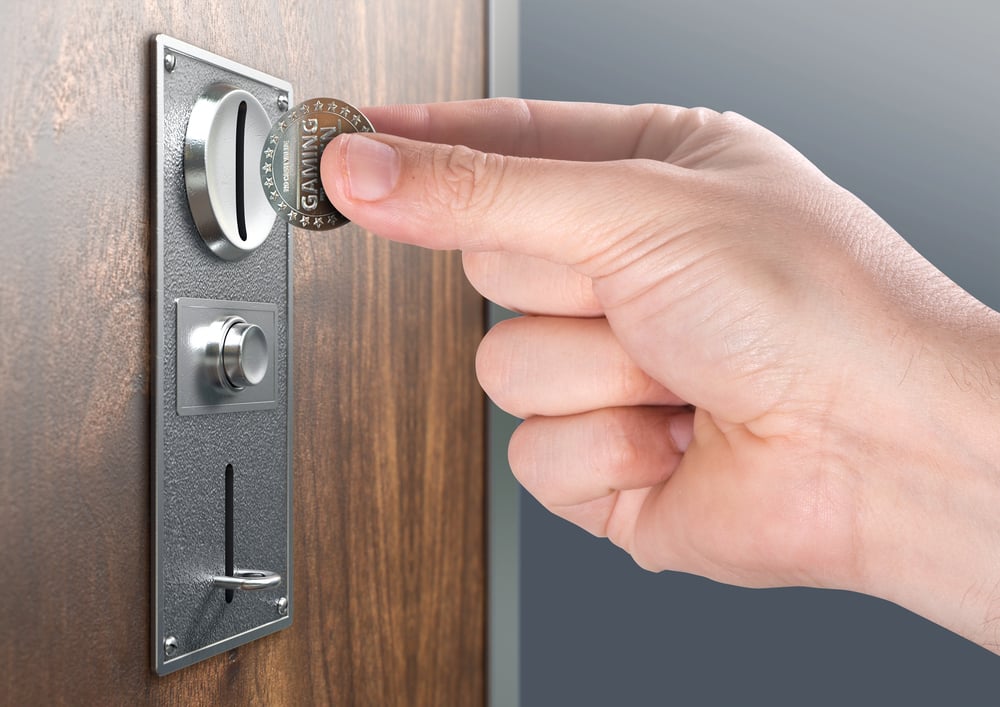
In some areas, arcade tokens became so common that local businesses would accept them as payment for small purchases like candy or soda. Some enterprising kids would trade tokens between different arcade chains, taking advantage of exchange rate differences.
A few tokens even became collector’s items, with rare designs from closed arcades selling for more than their original face value. This created a bizarre secondary economy where arcade tokens functioned almost like cryptocurrency, decades before Bitcoin existed.
From Quarters to Quarters of a Century

There was more to the arcade scene of the 1980s than just amusement. It was a cultural laboratory that conducted experiments in social dynamics, psychology, and technology that we are still learning about today.
The digital natives who would later construct the internet, design contemporary video games, and develop the social media platforms that characterize our modern world trained in those packed, cacophonous game rooms. When the arcades closed, the lessons about community building, user engagement, and the psychology of competition that had been learned in those neon-lit halls remained.
From streaming services to mobile games, they changed, adapted, and found new homes. You’re feeling the effects of innovations that initially surfaced in 1980s arcade culture every time you check a leaderboard, pursue an achievement, or get that recognizable dopamine rush from a notification sound.
More from Go2Tutors!

- 16 Historical Figures Who Were Nothing Like You Think
- 12 Things Sold in the 80s That Are Now Illegal
- 15 VHS Tapes That Could Be Worth Thousands
- 17 Historical “What Ifs” That Would Have Changed Everything
- 18 TV Shows That Vanished Without a Finale
Like Go2Tutors’s content? Follow us on MSN.