15 Animals That Sleep the Least
Most of us need around eight hours of rest each night to function properly, though the animal kingdom operates on completely different schedules. While humans spend roughly a third of their lives asleep, some creatures have evolved to survive on surprisingly little downtime. These animals have developed remarkable adaptations that allow them to stay alert and active when others would be catching up on rest.
From the depths of the ocean to the African savanna, nature has produced some truly impressive insomniacs. Here is a list of 15 animals that sleep the least, proving that rest isn’t always a luxury every species can afford.
Giraffes
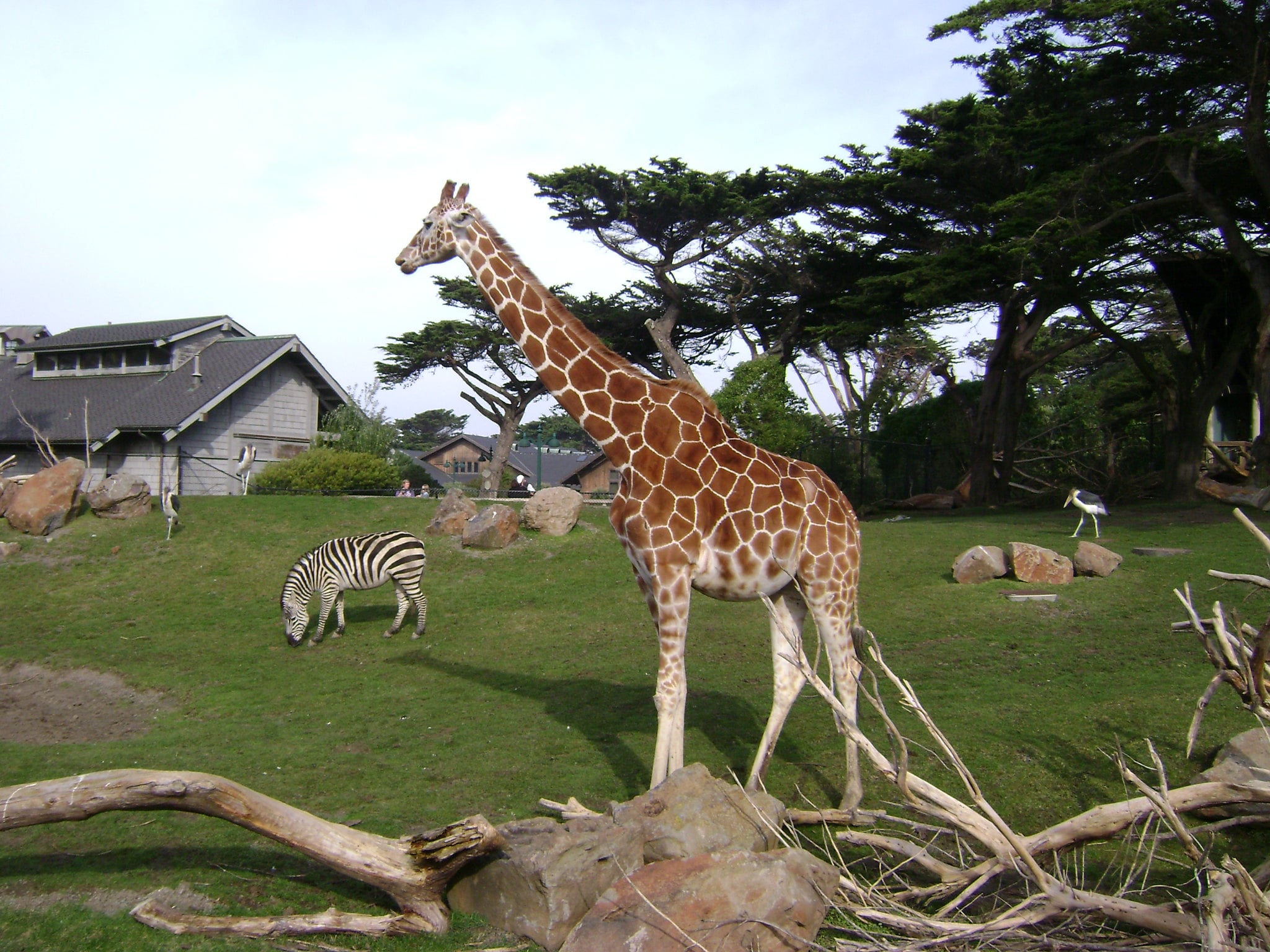
Giraffes hold the record for sleeping less than almost any other mammal — averaging just 30 minutes to 2 hours per day. Their massive size and need to stay alert for predators means they catch brief naps while standing up.
Though they occasionally lie down for deeper rest periods, these gentle giants have mastered the art of power napping, often sleeping in 5-minute intervals throughout the day rather than having one long rest period.
Elephants
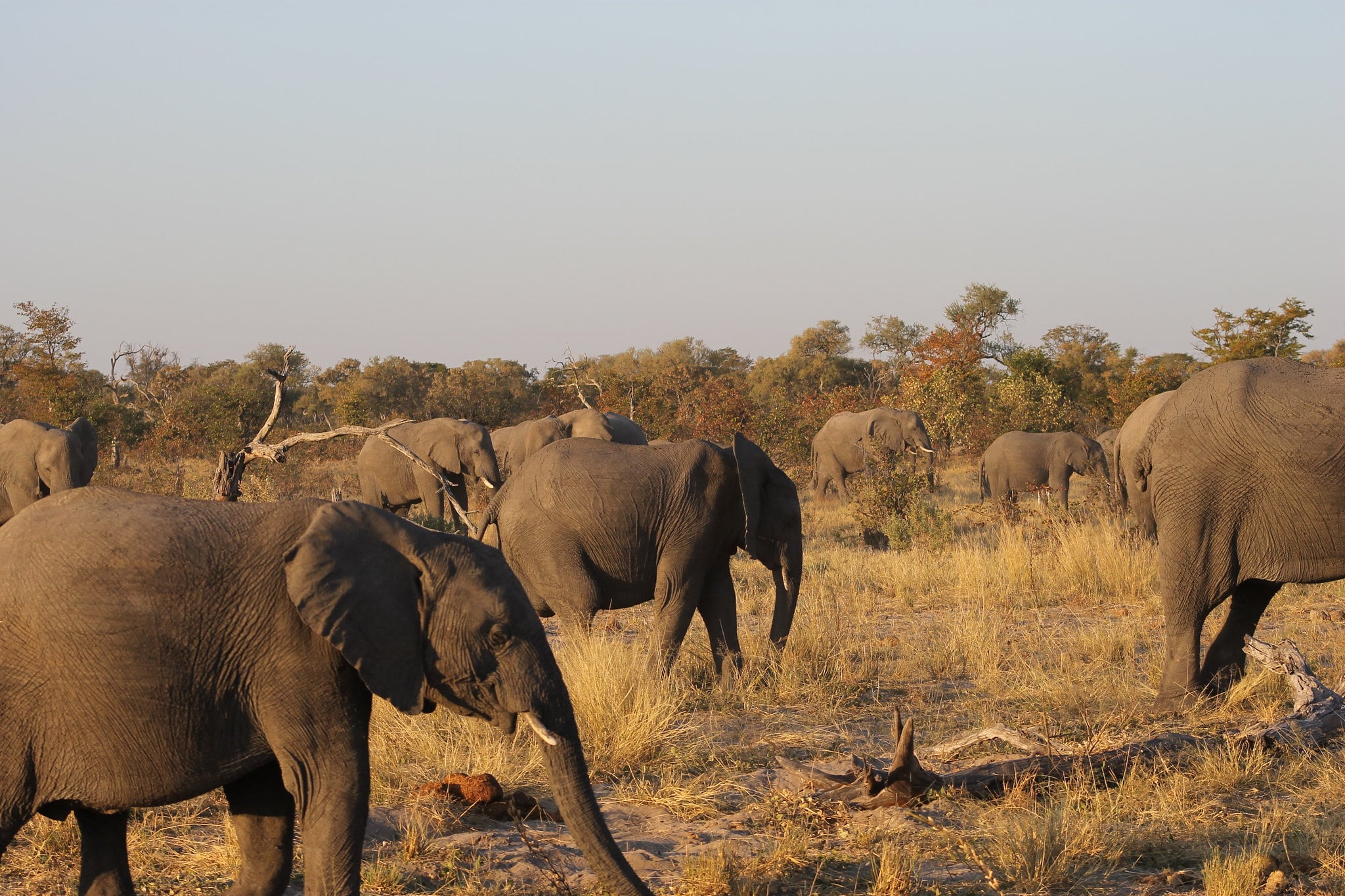
Wild elephants sleep only 2 to 3 hours per day, which makes them among the most sleep-deprived animals on Earth. They spend most of their time foraging for the massive amounts of food they need daily — their large size makes them vulnerable when lying down.
Elephants often sleep standing up. They’ve been observed going days without any rest during long migrations or when caring for newborns.
Dolphins
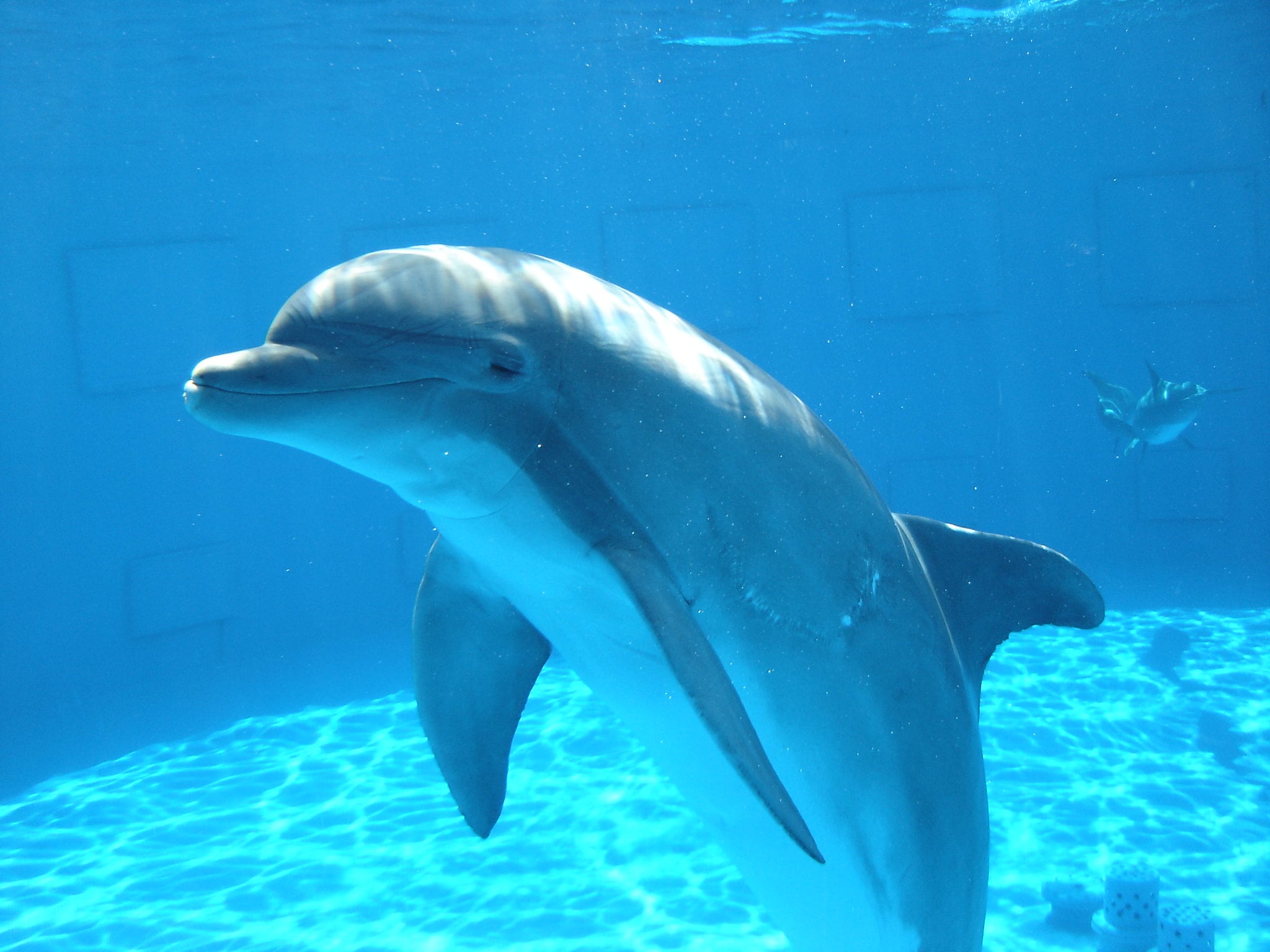
Dolphins have developed one of the most fascinating sleep adaptations in nature. They rest only half of their brain at a time while the other half stays alert.
This allows them to continue breathing, swimming, and watching for dangers while getting the rest they need. They typically sleep 2 to 4 hours per day using this incredible ability — called unihemispheric slow-wave sleep.
Horses

Domestic and wild horses sleep between 2 to 4 hours daily, with most of their rest occurring while standing thanks to a special locking mechanism in their legs. They only lie down for brief periods to achieve REM sleep, which is essential for their mental health.
Since horses are natural prey animals, their light sleep patterns help them stay ready to flee from predators at a moment’s notice.
Deer
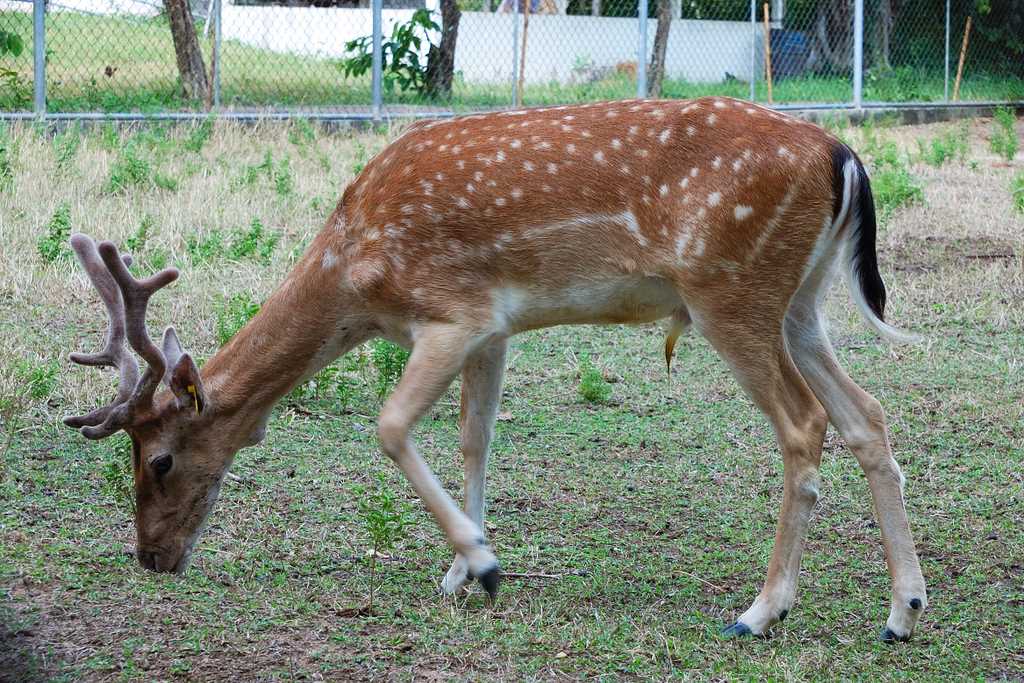
White-tailed deer and other deer species sleep roughly 3 to 4 hours per day — broken into short segments throughout both day and night. Their constant vigilance for predators means they rarely enter deep sleep cycles.
Instead, they opt for light dozing that allows them to spring into action quickly. Deer often sleep in groups, with some individuals staying more alert while others rest, creating a natural security system.
Sheep
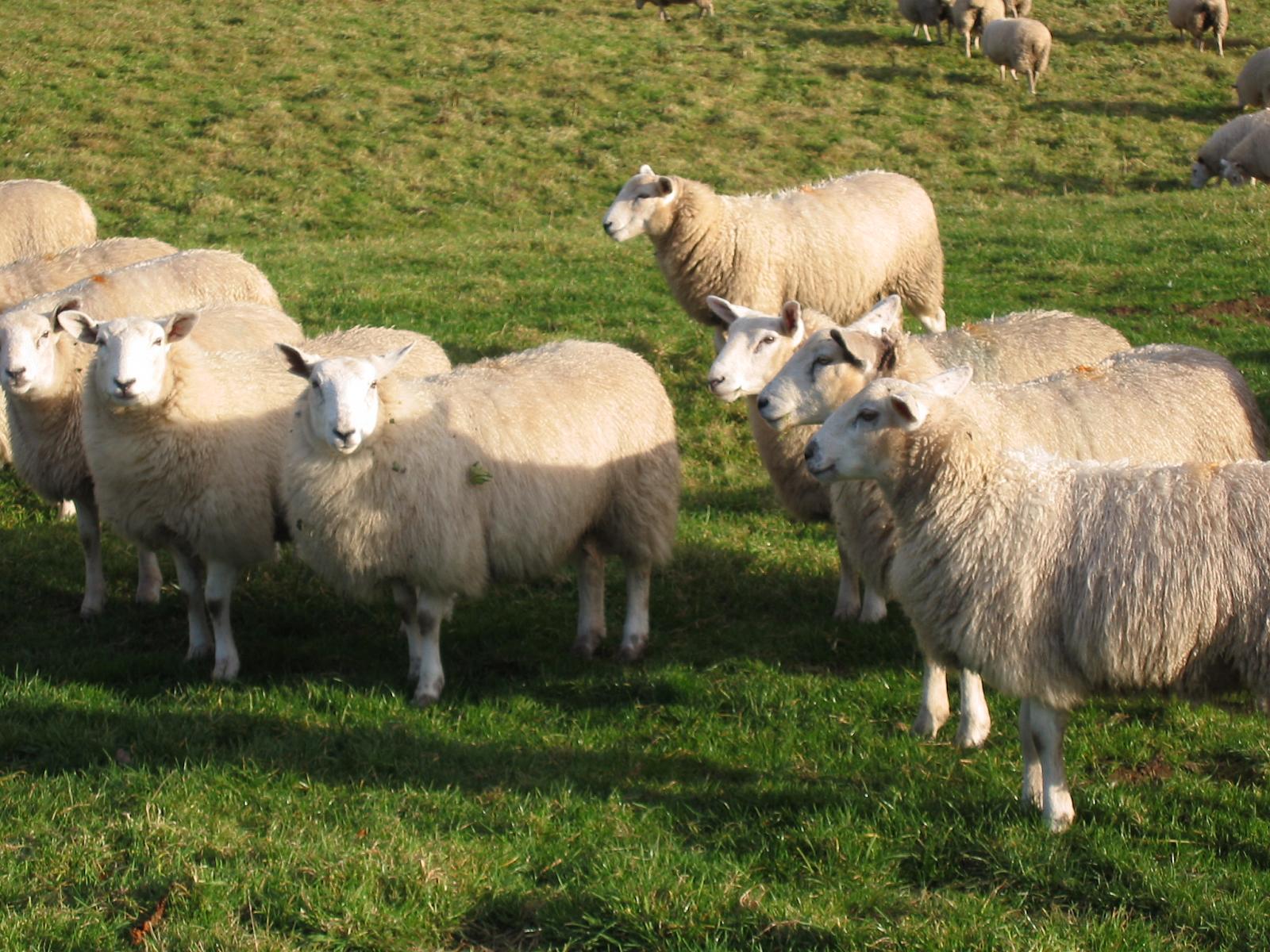
Despite the old saying about counting sheep to fall asleep, these animals actually sleep very little themselves. They average 3 to 4 hours daily.
Sheep are incredibly social creatures that prefer to rest in groups, yet they spend most of their time grazing to meet their nutritional needs. Their sleep is fragmented into short periods — allowing them to maintain awareness of their surroundings and stay with their flock.
Cows

Cattle sleep approximately 3 to 4 hours per day, though they spend much more time lying down while awake for rumination. This process of re-chewing their food requires them to be conscious but relaxed — which often gets mistaken for sleeping.
Cows can sleep standing up, but they need to lie down to achieve the deeper REM sleep phases that are crucial for their well-being.
Walruses

Walruses have adapted to sleep in some of the most extreme conditions, managing on just 3 to 4 hours of rest daily. They can sleep while floating in water — using air sacs in their necks as natural life preservers — or crowded together on ice floes and beaches.
Their ability to sleep in such harsh Arctic environments while maintaining body heat is truly remarkable.
Roe Deer

Roe deer sleep even less than their white-tailed cousins. They average just 3 hours per day in multiple short bursts.
They’re most active during dawn and dusk hours — spending the rest of their time in light rest states rather than deep sleep. Their small size makes them particularly vulnerable to predators, so they’ve evolved to stay as alert as possible throughout most of the day and night.
Goats
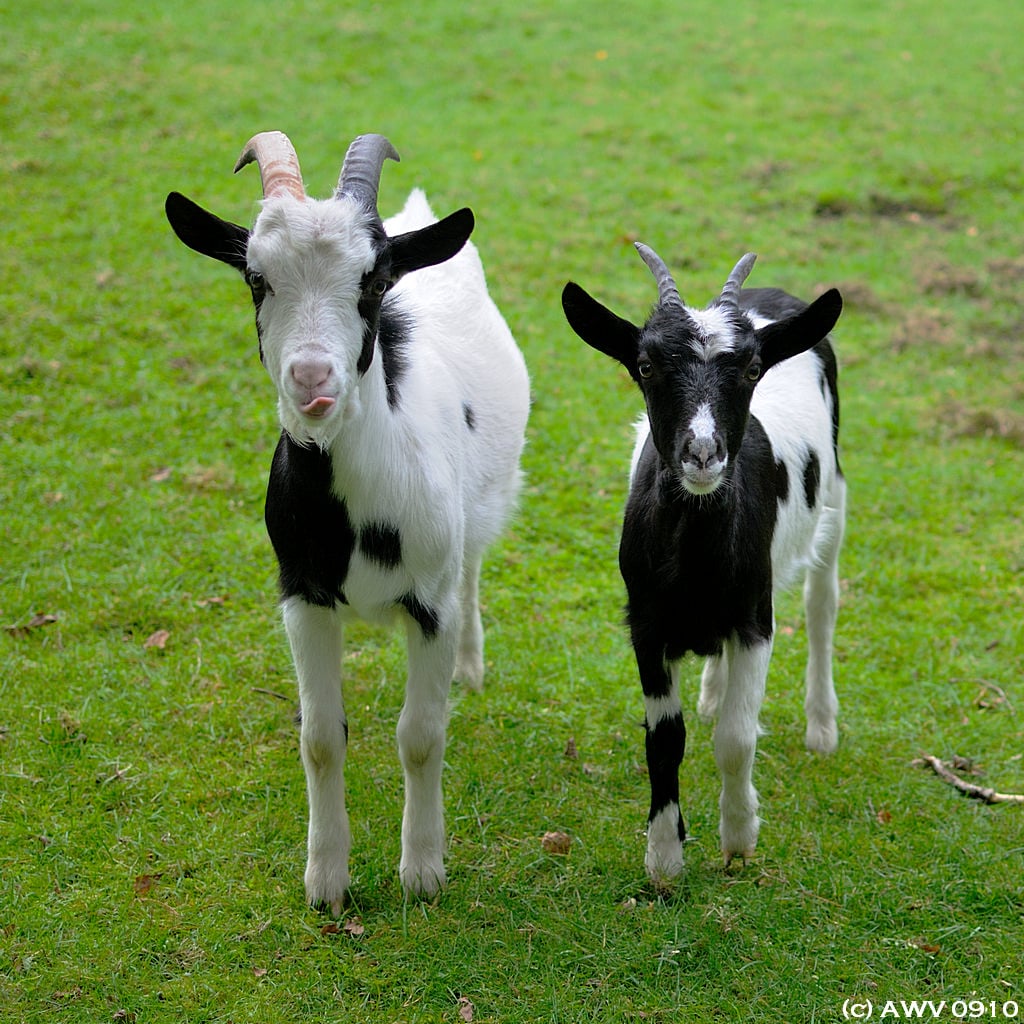
Both domestic and wild goats sleep approximately 3 to 4 hours daily — preferring to rest during the hottest parts of the day when predators are less active. Mountain goats have adapted to sleep on narrow ledges and steep terrain that would be impossible for most animals.
Their agility and sure-footedness allow them to find rest in places where few predators can follow.
Impalas
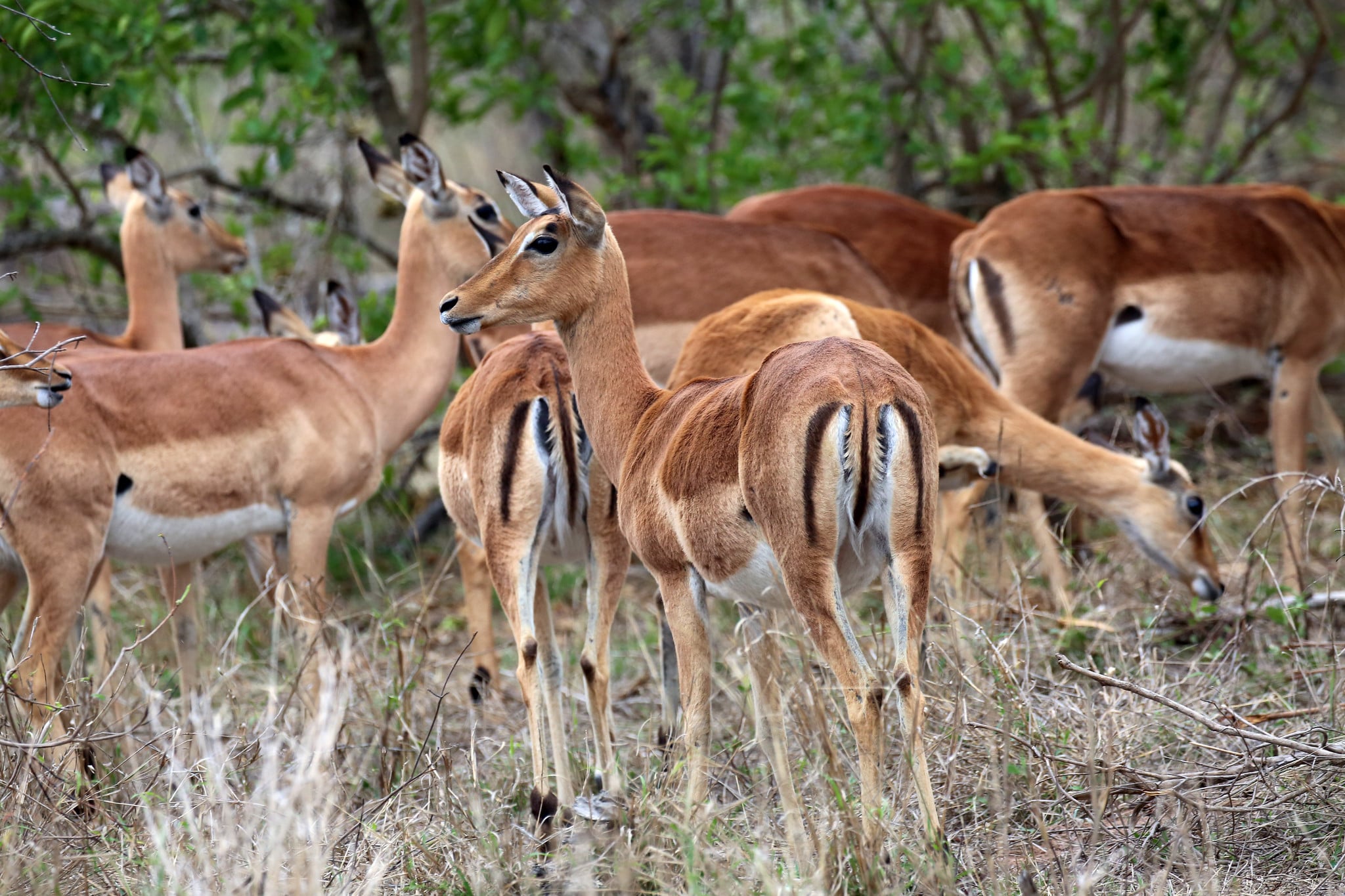
These graceful African antelopes sleep roughly 3 hours per day, always remaining partially alert for the numerous predators that share their habitat. Impalas often sleep in the middle of their herds, using the group’s collective vigilance as protection while they rest.
Their incredible jumping ability means they can go from sleeping to escaping in seconds, making them masters of the quick getaway.
Alpine Ibex

Alpine ibex sleep about 3 to 4 hours daily while navigating some of the most treacherous mountain terrain in Europe. These sure-footed climbers often rest on nearly vertical cliff faces where predators cannot reach them.
Their ability to sleep while maintaining their grip on rocky surfaces showcases an incredible adaptation to high-altitude living.
Seals

Most seal species sleep 3 to 4 hours per day, though they can extend this when safe on land or ice. Harbor seals have developed the ability to sleep underwater while holding their breath, surfacing automatically to breathe without fully waking up.
This adaptation allows them to rest while avoiding land-based predators and harsh weather conditions.
Bighorn Sheep

These magnificent mountain dwellers sleep approximately 3 to 4 hours daily while navigating steep, rocky terrain that would challenge any climber. Bighorn sheep often rest on narrow ledges high above valley floors, using their incredible balance to sleep safely out of reach from most predators.
Their thick, curved horns and muscular build help them maintain stability even while resting on seemingly impossible surfaces.
Pronghorn Antelope

Pronghorn antelope, North America’s fastest land animal, sleep only 2 to 3 hours per day in brief intervals. Their incredible speed of up to 60 mph means they can outrun most predators, yet they still maintain constant vigilance while resting.
These animals have evolved in open grasslands where hiding isn’t an option, so staying alert and ready to run has become their primary survival strategy.
When Less Really Is More

The animals on this list prove that evolution doesn’t always favor long, luxurious rest periods. Instead, these species have developed remarkable adaptations that allow them to function on minimal downtime while staying alert to the constant challenges of survival.
Their ability to thrive on so little rest challenges our understanding of what’s necessary for a healthy, active life. The next time you’re feeling tired after a short night’s rest, remember that somewhere a giraffe is running an entire day on what amounts to a brief nap.
More from Go2Tutors!

- The Romanov Crown Jewels and Their Tragic Fate
- 13 Historical Mysteries That Science Still Can’t Solve
- Famous Hoaxes That Fooled the World for Years
- 15 Child Stars with Tragic Adult Lives
- 16 Famous Jewelry Pieces in History
Like Go2Tutors’s content? Follow us on MSN.



