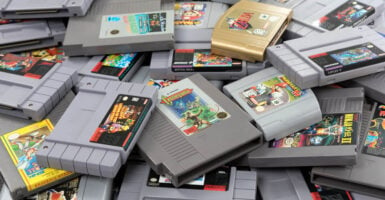
How Technology From the 90s Shaped Modern Life
The 1990s was a decade that fundamentally rewired how humans interact with the world. While grunge music filled the airwaves and Friends dominated TV screens, something far more transformative was happening behind the scenes.
Engineers and innovators were building the foundation for nearly every piece of technology we take for granted today. From the way we communicate to how we navigate, these breakthroughs turned science fiction into everyday reality.
Here is a list of 15 technologies from the 90s that continue to define modern life.
The World Wide Web
Tim Berners-Lee launched the World Wide Web in 1990 at CERN, originally intending just to network computers within the organization. He made the source code freely available in 1994, which combined with the growing Internet sparked an information revolution.
Think of it as opening the floodgates—suddenly information wasn’t locked behind academic or government walls anymore. Anyone with a modem could access knowledge, connect with strangers, or build something new.
Without this single innovation, you wouldn’t be reading this article right now, and concepts like social media, online shopping, or streaming wouldn’t exist.
Text Messaging

The first text message was sent in 1992 when Neil Papworth typed ‘Merry Christmas’ to Richard Jarvis at Vodafone. What started as a simple character string became the foundation for how billions of people communicate today.
This desire for constant communication laid the groundwork for profound changes in personal and technological interconnectivity. Those early SMS messages were limited to 160 characters, yet they spawned an entire language of abbreviations and eventually evolved into the instant messaging apps that dominate our phones.
Google Search

Google began in 1996 as a research project by Stanford PhD students Larry Page and Sergey Brin. They used PageRank, a new technology that determined the importance of pages using backlinks rather than just counting how many times a word appeared.
This was the difference between finding a needle in a haystack and having the needle handed to you. Before Google, searching the web often meant wading through irrelevant results.
Their algorithm made information instantly accessible and reliable, fundamentally changing how we learn and make decisions.
Digital Video Discs

DVDs became available in Japan in 1995 and the United States in 1997, making video cassettes obsolete by the early 2000s. DVDs represented a significant leap from VHS cassettes, which had won the format war against Betamax despite lower resolution and bulkier size.
The clarity was stunning compared to degrading VHS tapes, and the discs were compact and durable. More importantly, DVDs paved the way for digital media consumption, creating the mindset shift that eventually led to streaming services like Netflix and Disney+.
MP3 Format
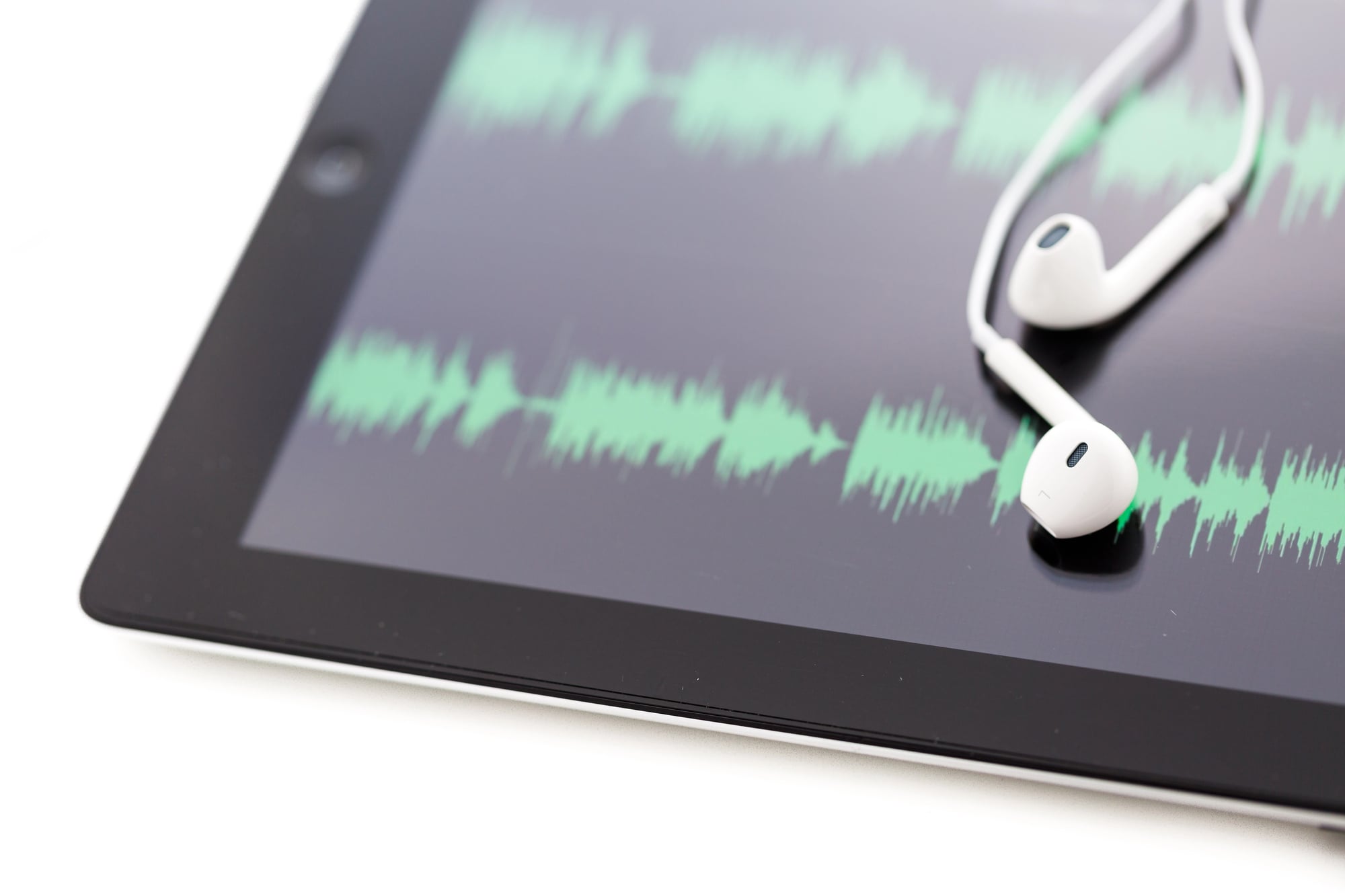
The MP3 compression technology emerged from the Moving Picture Experts Group, formed in 1988, with the Fraunhofer Institute in Germany playing a pivotal role. The MP3 standard was accepted in 1992, and in 1998 the first personal portable MP3 player enabled music on the move without carrying a tape or disc player.
Suddenly you could fit hundreds of songs in your pocket instead of lugging around a CD binder. This completely disrupted the music industry and created the foundation for iTunes, Spotify, and every music streaming platform that followed.
Lithium-Ion Batteries

In 1991, using Akira Yoshino’s design, Sony began producing and selling the world’s first rechargeable lithium-ion batteries. These batteries were safe from water, had longer life with more than 1000 cycles, high energy density, and operating voltage three times that of Nickel Cadmium.
Before this breakthrough, portable electronics were clunky and short-lived. Lithium-ion batteries made laptops truly portable, enabled smartphones to last all day, and are now powering the electric vehicle revolution.
Without them, our wireless world simply wouldn’t exist.
PlayStation

Sony released the PlayStation in Japan on December 3, 1994 and in North America in September 1995. Video game consoles were once thought to be primarily for children, but with the PlayStation, a whole new market opened up for upscale gaming that adults would embrace.
The 3D graphics and CD-based games were a quantum leap from cartridge-based systems. Sony proved that gaming could be sophisticated entertainment for everyone, laying groundwork for today’s multi-billion dollar gaming industry and competitive esports scene.
Photoshop

Photoshop was released in 1990 by brothers Thomas and John Knoll, who noticed a lack of photo editing features on computers and decided to code their own. It was initially only available for Macintosh computers and cost $895, which would be about $1800 in 2021 dollars.
The software became so ubiquitous that its name became a verb. Photoshop democratized photo editing, transformed advertising and photography forever, and now influences everything from Instagram filters to movie special effects.
It forced us to question what’s real in images we see daily.
Bluetooth Technology

Development of Bluetooth was initiated in 1989 at Ericsson in Sweden, with principal design and development beginning in 1994. The Bluetooth Special Interest Group released the Bluetooth 1.0 specifications in 1999, with the technology first appearing in mobile phones and desktop computers in 2000.
Getting rid of cables might not sound revolutionary, but think about how many wireless devices you use daily—headphones, speakers, keyboards, fitness trackers. Bluetooth made all of that possible, eliminating the tangled mess of wires that used to dominate our desks and bags.
Nintendo 64
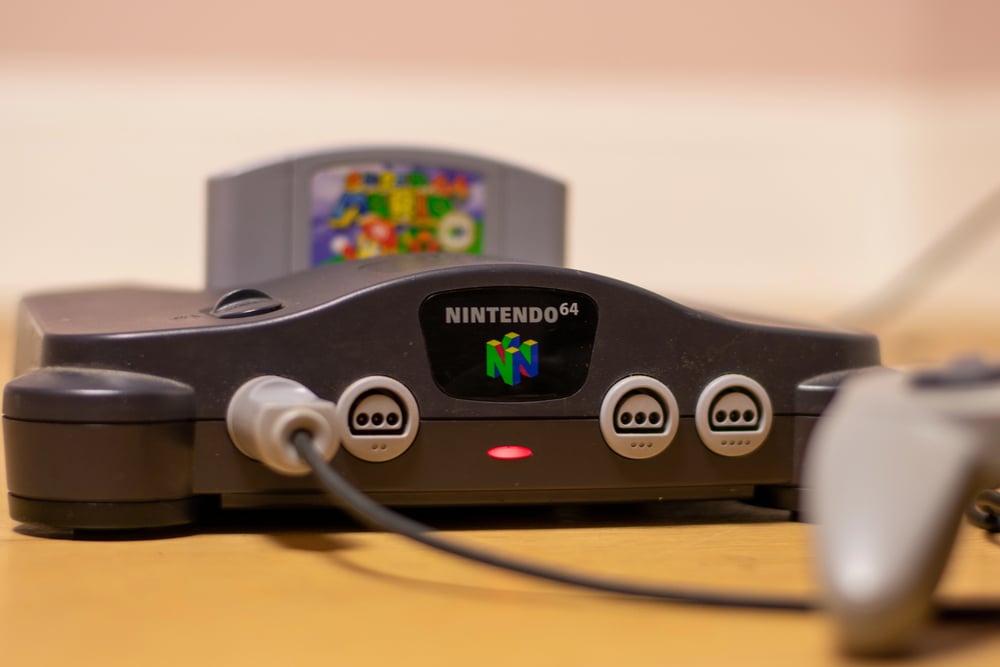
On June 23, 1996, Nintendo 64 launched in Japan, becoming the first home console to feature an analog stick as its primary control. 3D graphics overtook traditional 2D graphics in the mid-nineties with the release of Quake and Super Mario 64 in 1996.
That analog stick changed everything—games could finally offer smooth, precise movement in three-dimensional space. The N64 introduced concepts and control schemes that every modern controller still uses today, from Xbox to PlayStation.
Java Programming Language

The Java programming language was developed by Sun Microsystems in 1995. Java’s ‘write once, run anywhere’ philosophy meant developers could create software that worked across different operating systems without rewriting code.
This flexibility made it perfect for the emerging web and enterprise applications. Today, Java powers Android apps, banking systems, and countless business applications.
It’s one of those behind-the-scenes technologies that quietly runs a huge chunk of the digital world.
Windows 95

Microsoft introduced Windows 95, which gained immediate popularity and made Windows the standard operating system for most PCs, with Windows 98 even more successful three years later. Windows 95 brought the Start button, taskbar, and desktop icons to the masses.
It made computers accessible to regular people, not just tech enthusiasts. The operating system established conventions that users still expect today, shaping how we interact with computers on a fundamental level.
Digital Cameras
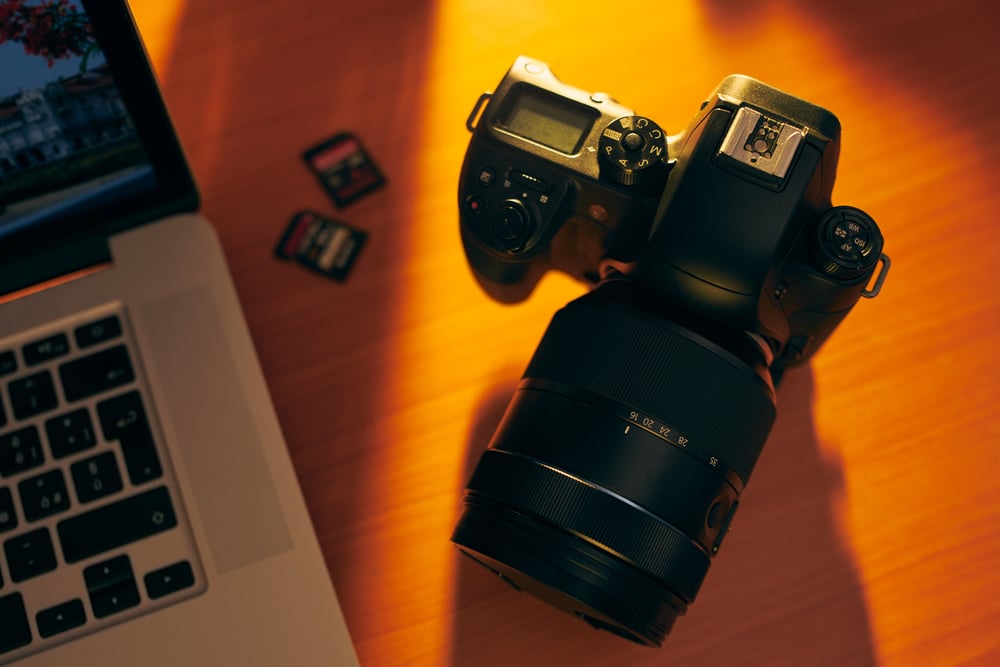
Personal Digital Assistants and digital cameras became popular in the mid-1990s, with PDAs like the Apple Newton releasing in 1993. Digital cameras eliminated the wait for film development and the anxiety of wasted shots.
You could take unlimited photos, review them instantly, and delete the bad ones. This technology fundamentally changed photography from a careful, limited art to an instant, ubiquitous form of expression.
It set the stage for smartphones with built-in cameras and the explosion of visual social media.
USB Ports

USB ports were invented in 1996, allowing computing devices to connect more easily. Before USB, connecting peripherals meant dealing with different ports, incompatible cables, and driver installation nightmares.
USB standardized everything—mice, keyboards, printers, cameras, external drives all used the same connection. It was a simple solution that eliminated massive frustration, and evolved into the USB-C ports that now charge and connect virtually everything we own.
Linux

Development of the free Linux kernel was started by Linus Torvalds in Finland in 1991. Linux proved that collaborative, open-source software could compete with commercial giants.
While most people don’t run Linux on their personal computers, it powers the majority of web servers, Android phones, smart TVs, and countless other devices. Linux demonstrated that giving away software for free could create something more powerful and flexible than expensive proprietary alternatives.
The Legacy of Innovation

The technologies that emerged from the 1990s didn’t just improve existing systems—they fundamentally reimagined what was possible. These innovations created the infrastructure for smartphones, social networks, streaming entertainment, and the interconnected world we now inhabit.
The engineers and inventors of that decade built tools they couldn’t fully envision the applications for, yet their work continues to evolve and shape new breakthroughs. Every time you navigate with GPS, send a text, or charge a wireless device, you’re using technology that took its first steps in the 90s.
More from Go2Tutors!

- The Romanov Crown Jewels and Their Tragic Fate
- 17 Halloween Costumes Once Considered Taboo
- Famous Hoaxes That Fooled the World for Years
- 15 Child Stars with Tragic Adult Lives
- 16 Famous Jewelry Pieces in History
Like Go2Tutors’s content? Follow us on MSN.