25 Foods Once Considered Safe That Are Now Flagged as Major Allergens
Food allergies used to feel like a niche concern — something you heard about occasionally, maybe a kid at school who couldn’t eat peanut butter, and not much beyond that. The reality today looks very different.
Regulatory agencies in the United States and around the world have spent decades expanding their understanding of which foods can trigger serious immune responses, and the list keeps growing in ways that catch a lot of people off guard. Some of the foods flagged as significant allergens are ones most people eat without a second thought.
Others were staples of health food aisles, marketed as safe alternatives — right up until the science caught up with them. What follows is a closer look at 25 foods that were once considered harmless and have since been reclassified, newly recognized, or flagged by allergy researchers as meaningful sources of allergic risk.
Sesame
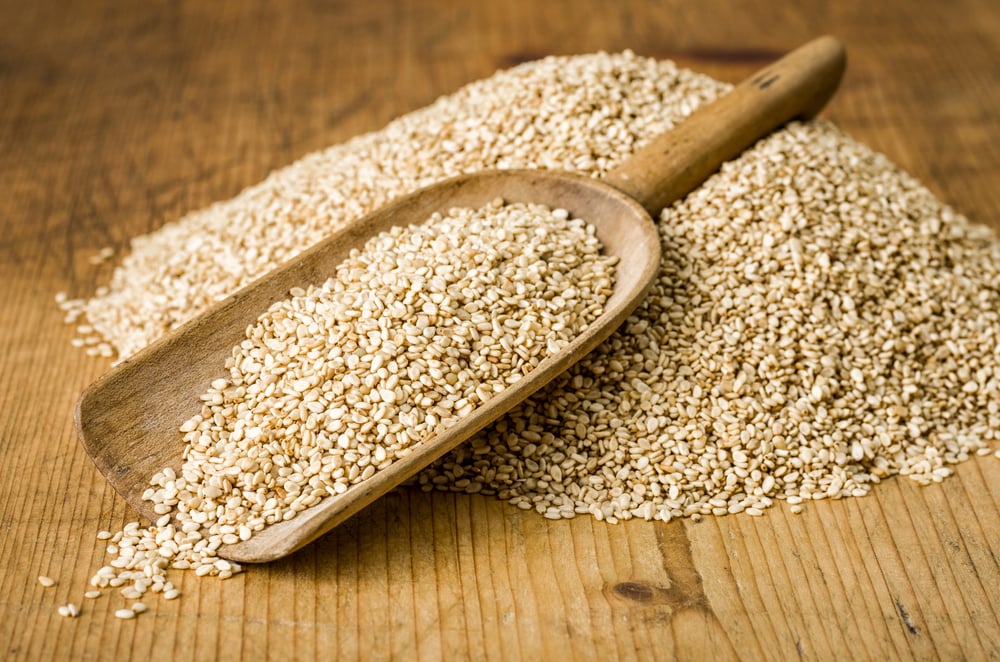
Sesame is one of the clearest examples of the list finally catching up with reality. The U.S. formally recognized sesame as the ninth major allergen in 2023 under the FASTER Act, decades after researchers had documented serious reactions.
It’s in everything from burger buns to hummus to salad dressings, often without obvious labeling — and for people with sesame allergy, that ambiguity has made dining out genuinely dangerous.
Mustard
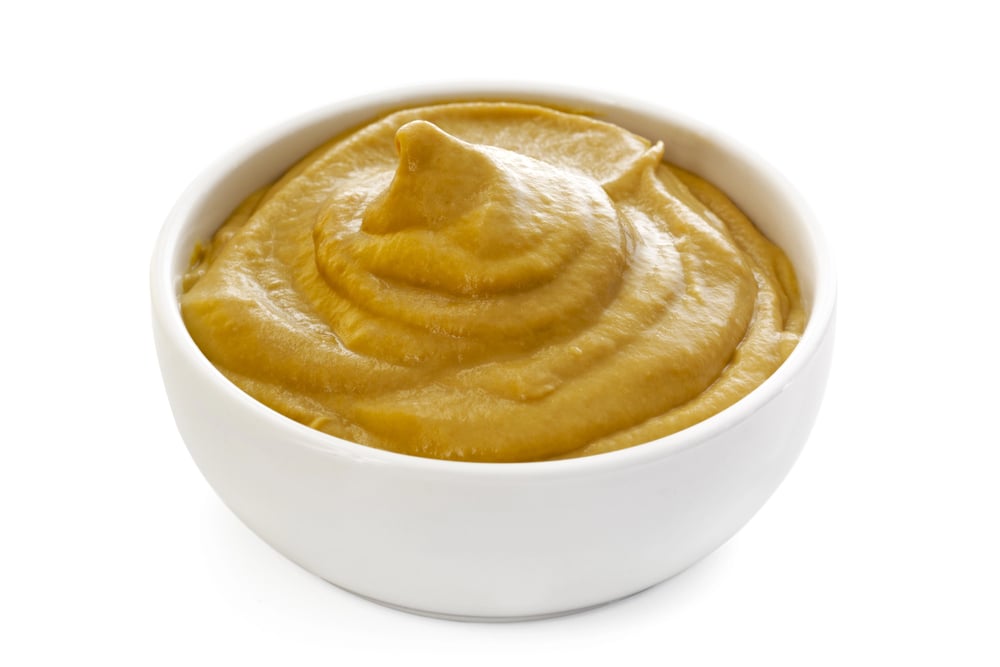
Mustard allergy sits in an uncomfortable middle ground — well-recognized in Europe, where it’s been a labeled allergen for years, but still underappreciated in the United States. The proteins in mustard seed can trigger reactions ranging from hives to anaphylaxis, and the tricky part is that mustard hides in condiments, marinades, and spice blends without announcing itself.
So a jar labeled “spices” can carry real risk for someone with a mustard sensitivity.
Lupin

Lupin — sometimes spelled lupine — is a legume that found its way into gluten-free baking as a flour substitute, which seemed like a straightforward win for people avoiding wheat. But lupin shares proteins with peanuts and other legumes, meaning anyone with a peanut allergy faces a genuine cross-reactivity risk, and reactions to lupin can be severe.
The European Union added it to their major allergen list years ago; awareness in the U.S. still lags well behind that.
Buckwheat
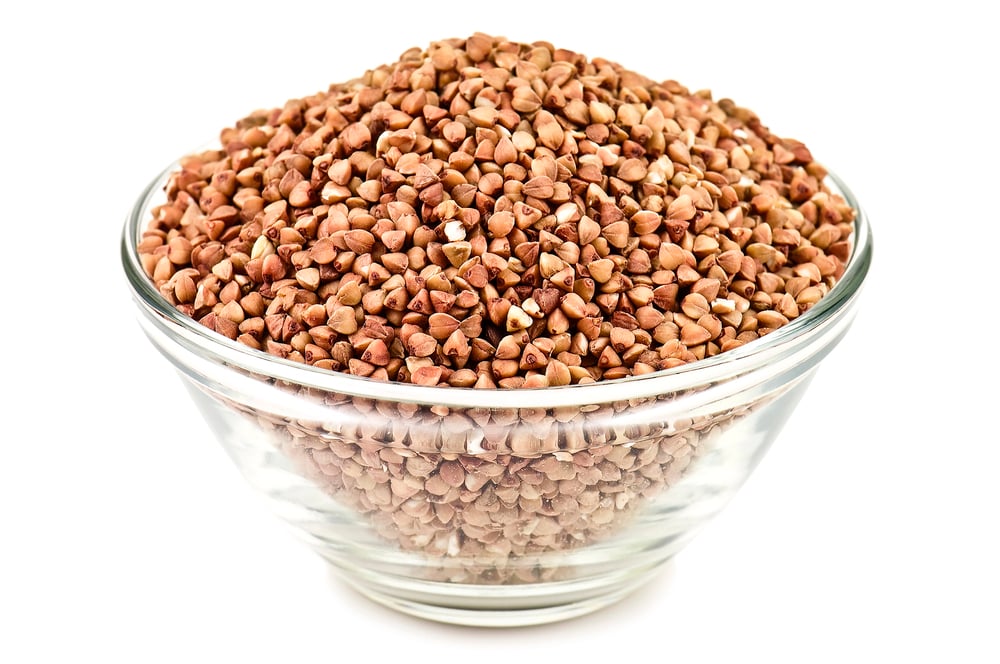
Buckwheat has a quietly serious allergy problem that most people have never heard of. Despite its name, buckwheat has no relationship to wheat — it’s a seed, not a grain — but reactions to it, particularly in Japan and Korea where buckwheat noodles are a dietary staple, have included fatal anaphylaxis.
The fact that it’s often presented as a “safe” alternative for wheat-sensitive individuals makes the mislabeling risk especially pointed.
Alpha-Gal (Red Meat)

Red meat allergy, triggered by a sugar molecule called alpha-gal, was essentially unknown to most clinicians before the mid-2000s. The allergy develops after a bite from a lone star tick, which transfers alpha-gal into the bloodstream and sensitizes the immune system — and from that point on, eating beef, pork, or lamb can cause delayed allergic reactions, sometimes hours after the meal.
It’s one of the stranger developments in allergy medicine: a food allergy that a bug gives you.
Sunflower Seeds

Sunflower seeds arrived in health food culture with an impeccable reputation — a clean, nut-free snack, rich in vitamin E, harmless by any reasonable measure. The allergy picture is more complicated, with documented cases of contact dermatitis, respiratory reactions, and anaphylaxis, particularly among people who work in food manufacturing where sunflower seed dust is airborne.
And because sunflower seed is increasingly common in breads, granolas, and snack bars as a cheap filler, exposure is creeping up.
Peach

Stone fruit allergies, peaches in particular, tend to present in ways that make them easy to dismiss — a tingle in the mouth, mild throat itching, symptoms that resolve quickly and get attributed to “sensitive skin” or “eating too fast.” But peach allergy, especially driven by a protein called lipid transfer protein (LTP) found in the skin, can cause systemic reactions and has been associated with serious anaphylaxis in Mediterranean populations where peaches are consumed frequently and in volume.
Celery

Celery is a legal allergen in the European Union and has been for years, which puts it in an interesting position relative to American food labeling, where it receives no such formal recognition. The proteins in celery — particularly in its seeds and root — can trigger responses that range from oral allergy syndrome to full anaphylaxis, and because celery seed is a common spice in soups, stocks, and seasoning blends, it shows up in places where people would never think to check the label.
Fenugreek

Fenugreek has spent years building a reputation as a harmless herbal supplement — used to support milk production in nursing mothers, sold in capsule form at health food stores, stirred into spice blends with no one thinking twice. Cross-reactivity with peanuts and other legumes makes it a real concern for people with those allergies, and the fact that it appears frequently in Indian and Middle Eastern cuisine without always being named on ingredient lists compounds the risk.
It’s the kind of ingredient that gets overlooked precisely because it sounds benign.
Kiwi

Kiwi allergy is more common than most people assume, and it tends to cluster in people who are already allergic to latex — a cross-reactivity pattern so well-established that it has a name: latex-fruit syndrome. The proteins responsible are structurally similar enough that the immune system treats them as the same threat, and reactions to kiwi can escalate quickly.
What started as an exotic import, something grocers stocked in the 1980s as a novelty, is now a year-round staple in smoothies and fruit salads and kids’ lunches.
Oats

The relationship between oats and allergy is genuinely complicated, which is probably why it took so long to get clear clinical attention. Pure oats contain a protein called avenin, distinct from wheat gluten, that triggers true allergic reactions in some people — separate from the more commonly discussed gluten cross-contamination issue.
Oat allergy is now recognized by Canadian regulators as a priority allergen, and given how aggressively oats have been marketed as a health food and incorporated into everything from breakfast bars to skincare products, the exposure surface is considerable.
Soy (Beyond the Basics)

Soy has been on the major allergen list in the U.S. for years, but what’s shifted is the understanding of how extensively soy proteins are processed into other foods under names that don’t say “soy” anywhere. Soy lecithin, textured vegetable protein, and various soy-derived emulsifiers appear in products ranging from chocolate bars to canned tuna — and for people with soy allergy who read labels carefully, the hidden appearances keep multiplying as soy becomes an ever-cheaper food industry ingredient.
Hemp

Hemp seed has been marketed as a superfood with a nutritional profile that makes nutritionists quietly enthusiastic — high in protein, rich in omega-3s, easy to sprinkle on anything. Allergic reactions to hemp are documented and can be serious, and they’re becoming more common in step with hemp’s sudden omnipresence in foods, protein powders, and milk alternatives.
The allergy science is still developing, but the ingredient is already everywhere.
Corn

Corn allergy is a particularly frustrating one because corn derivatives appear in an almost surreal range of processed foods, from modified food starch to citric acid to certain vitamins, making avoidance strategies complicated enough to require a dedicated support community. Unlike the top nine U.S. allergens, corn has no mandatory labeling requirement, which means people managing corn allergy are doing so essentially without institutional support.
That’s a significant oversight when you consider how thoroughly corn infiltrates the American food supply.
Mango

Mango allergy exists on two distinct tracks that are worth keeping separate. The first is a contact dermatitis reaction driven by urushiol — the same compound that makes poison ivy irritating — found in mango skin and sap.
The second is a systemic allergic response to mango pulp proteins, distinct from the skin reaction, that can cause hives, swelling, and in documented cases, anaphylaxis. People who avoid the skin and assume the fruit is safe may still be reacting to something entirely different.
Lychee

Lychee has been associated with a serious and unusual condition in South Asia — outbreaks of a hypoglycemic encephalopathy syndrome in children who ate large amounts of lychee while undernourished — but beyond that, it carries a more straightforward IgE-mediated allergy risk that’s underreported in Western clinical literature largely because lychee isn’t a daily food for most Americans. As lychee finds its way into cocktails, bubble tea, and grocery stores produce sections with increasing regularity, that gap in awareness is worth closing.
Poppy Seeds

Poppy seeds carry a real and formally recognized allergy risk in Germany, where they are a much more significant part of the diet than they are in the United States, and the German Federal Institute for Risk Assessment has studied poppy seed allergy extensively. Reactions can be severe, including anaphylaxis, and the proteins responsible are related to those in other seeds and nuts.
Poppy seeds on a bagel or a dinner roll don’t look like a risk — and that’s exactly the problem.
Coriander

Coriander — both the fresh herb (cilantro) and the dried seed — belongs to the Apiaceae family, which is the same plant family as celery, carrot, and parsley, and the cross-reactivity between them is well-documented. Allergic reactions to coriander seed have been reported to cause severe anaphylaxis, particularly in patients who were previously sensitized through other family members.
The herb’s explosion in global cuisine over the past two decades has increased exposure considerably for people who might not even know they carry the sensitivity.
Carrot

Carrot allergy is closely linked to birch pollen allergy through a mechanism called pollen-food allergy syndrome, and in regions with high birch pollen counts — most of the northern U.S. and Canada — it’s not unusual at all. The proteins in raw carrots structurally resemble birch pollen proteins closely enough that a sensitized immune system treats them as one and the same. Cooking typically degrades those proteins and resolves the reaction, which is why someone can eat carrot soup without trouble and then bite into a raw carrot and immediately feel it in their mouth and throat.
Spelt
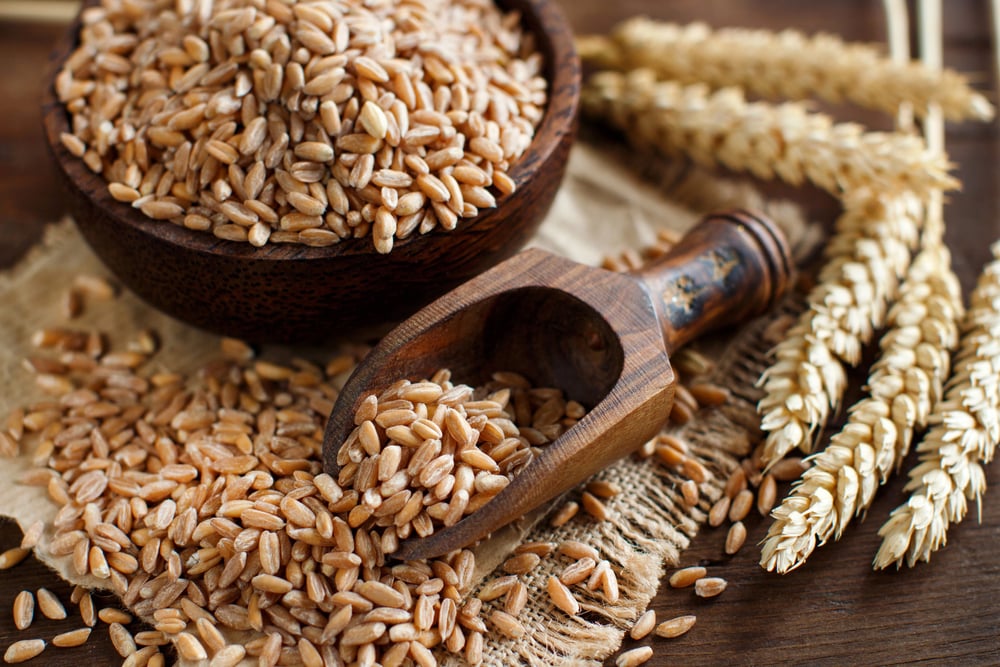
Spelt has been sold, enthusiastically and persistently, as an ancient grain that’s easier on digestion than modern wheat — a gentler option for people who feel uncomfortable after eating conventional wheat bread. Spelt contains gluten proteins that are closely related to those in wheat, and wheat-allergic individuals can and do react to spelt.
The marketing around spelt as a “safe alternative” has done real harm to people who took that claim at face value.
Quinoa

Quinoa is coated in natural compounds called saponins, which the plant produces as a pest deterrent, and those saponins are the most likely driver of the allergic and GI reactions some people experience after eating it. Beyond saponins, true IgE-mediated quinoa allergy has been documented, with reactions including skin symptoms and respiratory distress.
For a food that spent a decade being described as nearly perfect in every way, the allergy literature tells a more complicated story.
Pecan
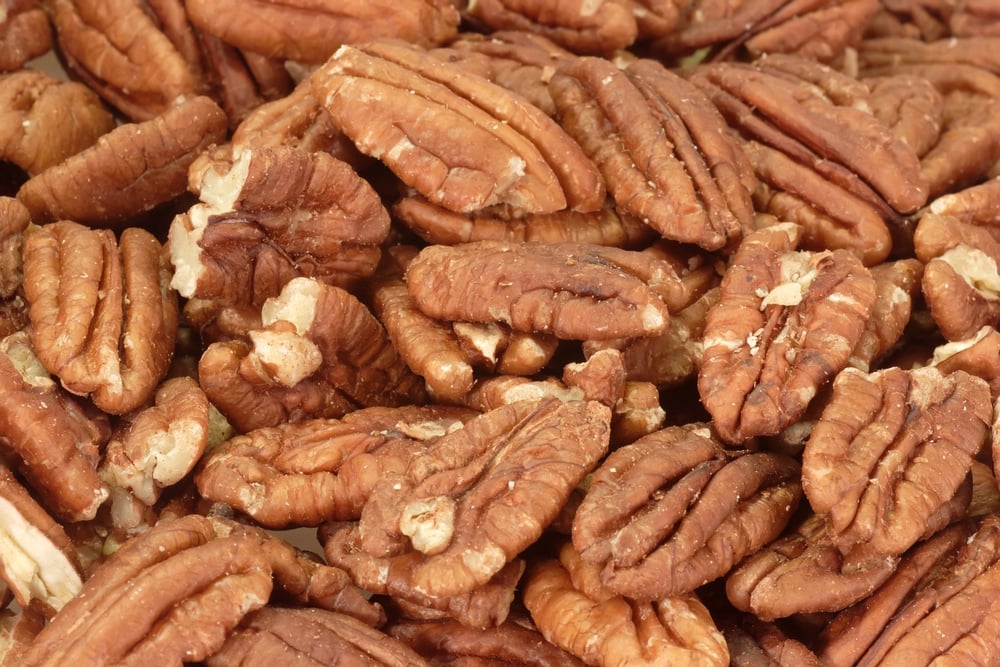
Pecans have been classified as a tree nut under U.S. allergen labeling law for years, but the specific allergy awareness around pecans — as distinct from other tree nuts — is newer and more precise than it used to be. Cross-reactivity between pecans and walnuts is particularly strong, and research has identified the specific proteins responsible with enough clarity that clinical testing can now distinguish pecan sensitization from walnut sensitization rather than treating all tree nuts as interchangeable.
That distinction matters for patients trying to figure out which foods they actually need to avoid.
Chickpeas

Chickpeas are a legume, and the legume family as a whole is a significant source of cross-reactive allergy potential — but chickpea allergy specifically has been studied closely in Spain and India, where chickpea consumption is high enough to generate meaningful clinical data. Reactions range from mild oral symptoms to severe anaphylaxis, and chickpea flour, which is increasingly common in gluten-free baking and high-protein snack foods, represents a vector that a lot of people with legume sensitivities haven’t yet thought to check.
Banana

Banana allergy occupies the same cross-reactivity neighborhood as kiwi and avocado under latex-fruit syndrome, which means people with latex allergy are meaningfully more likely to react to banana than the general population. Outside of latex cross-reactivity, independent banana allergy exists and has been documented, with proteins in bananas capable of triggering systemic reactions.
Given that banana is perhaps the single most universally accepted “safe” food — given to infants, handed to toddlers, eaten before races — the allergy tends to land as a genuine surprise.
Avocado

Avocado sits at the intersection of two different allergy pathways: latex-fruit syndrome, which links it to latex allergy through shared proteins, and a separate oral allergy syndrome pathway through birch pollen sensitization. Serious anaphylactic reactions to avocado have been documented, which lands differently when you consider that avocado has become one of the most consumed foods in America over the past decade, appearing in everything from toast to baby food to restaurant dishes where it’s often listed simply as “healthy fat.”
For a food this ubiquitous, the allergy awareness remains surprisingly thin.
When the Label Says “Safe”

The word “safe” deserves more skepticism than it usually gets from the food industry. A food that causes no reactions in 99% of people is still causing reactions in the remaining 1%, and as the global diet has expanded and ingredient lists have grown more labyrinthine, the number of people discovering unexpected sensitivities has climbed steadily. Regulatory lists are not written in stone — sesame proved that — and the foods that sit just outside formal recognition today may well be on a label somewhere by the end of the decade.
Paying attention to how your body responds after eating, rather than trusting a food’s reputation alone, turns out to be the most reliable allergy detector available.
More from Go2Tutors!

- The Romanov Crown Jewels and Their Tragic Fate
- 13 Historical Mysteries That Science Still Can’t Solve
- Famous Hoaxes That Fooled the World for Years
- 15 Child Stars with Tragic Adult Lives
- 16 Famous Jewelry Pieces in History
Like Go2Tutors’s content? Follow us on MSN.