Most Beautiful Vintage Photos Of the American West
There’s something about old photographs of the American West that stops you in your tracks. Maybe it’s the way light hit those canyon walls before anyone thought to build a gift shop at the bottom, or how vast the landscape looks when there isn’t a single power line cutting through the frame.
These images capture a time when the West was still figuring out what it wanted to become — raw, unpolished, and magnificently stubborn in its refusal to be tamed. The photographers who ventured into this territory carried glass plates and heavy equipment on horseback, setting up their cameras in places where one wrong step meant a very long fall.
They weren’t just documenting scenery; they were witnessing the collision between an ancient landscape and a young nation hell-bent on expansion. What they left behind isn’t just beautiful — it’s irreplaceable.
Yosemite Valley
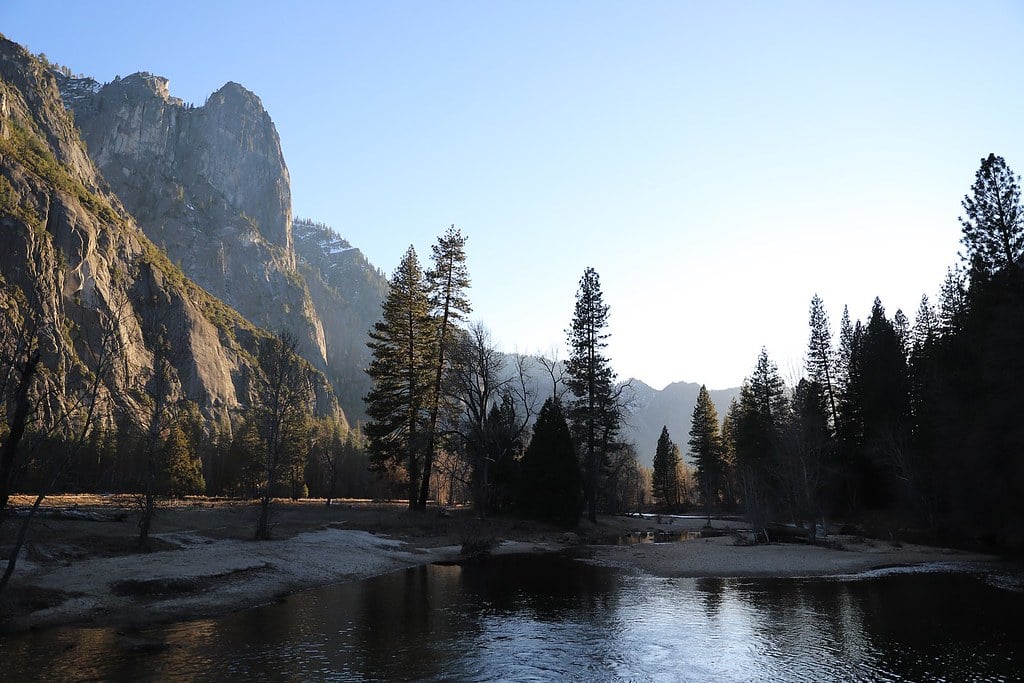
Ansel Adams gets most of the credit for Yosemite photography. Fair enough.
But the real pioneers were men like Carleton Watkins, who hauled a mammoth-plate camera into the valley in the 1860s and came back with images so stunning they helped convince Congress to protect the place. His photographs of El Capitan and Half Dome don’t just show you the rocks — they make you feel the weight of geological time pressing down on your shoulders.
Monument Valley
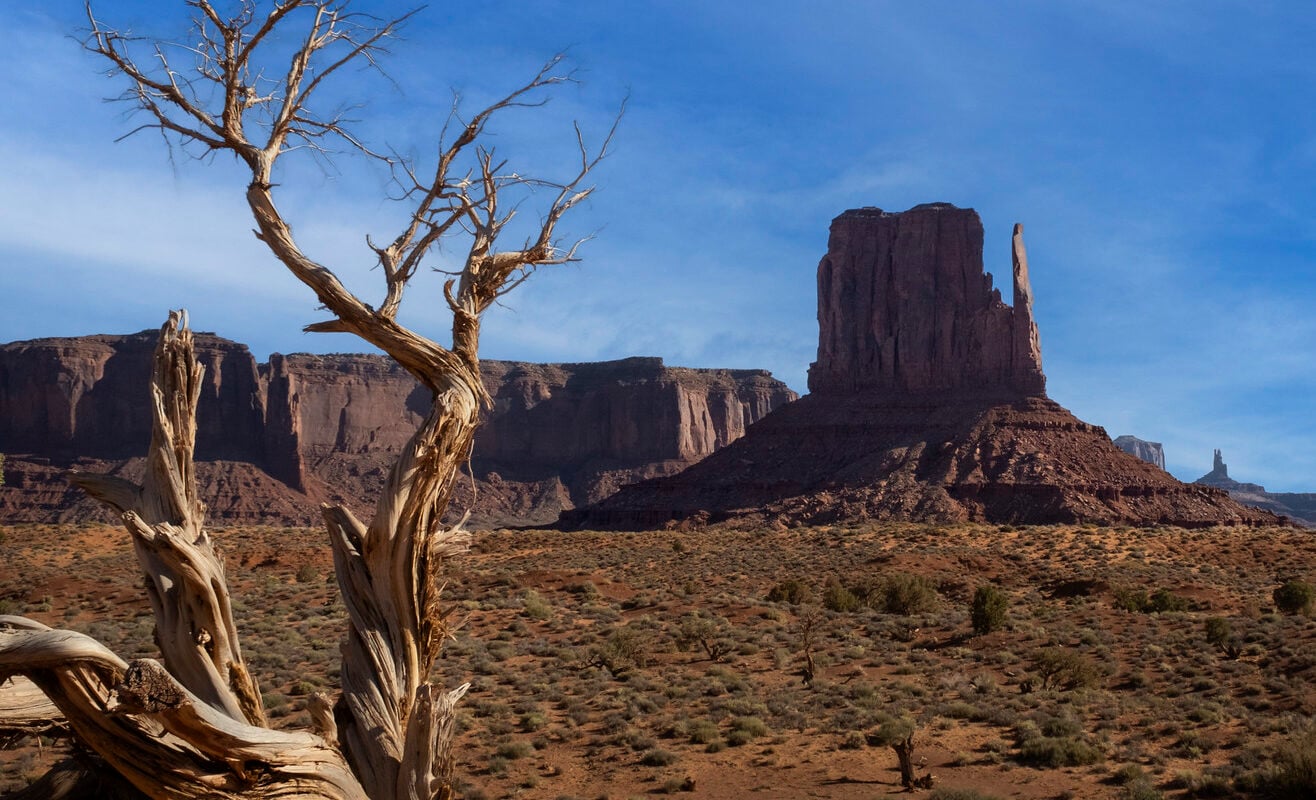
Those towering sandstone buttes rising from the desert floor became the backdrop for every Western movie worth watching, but the early photographers captured something the Hollywood crews missed. The silence.
You can almost hear it in those vintage black-and-white prints — the kind of quiet that makes city people nervous and desert people philosophical. The Navajo Nation has called this place home for generations, and the old photographs somehow manage to capture both the grandeur of the landscape and the profound sense of belonging that comes with deep roots.
Canyon de Chelly
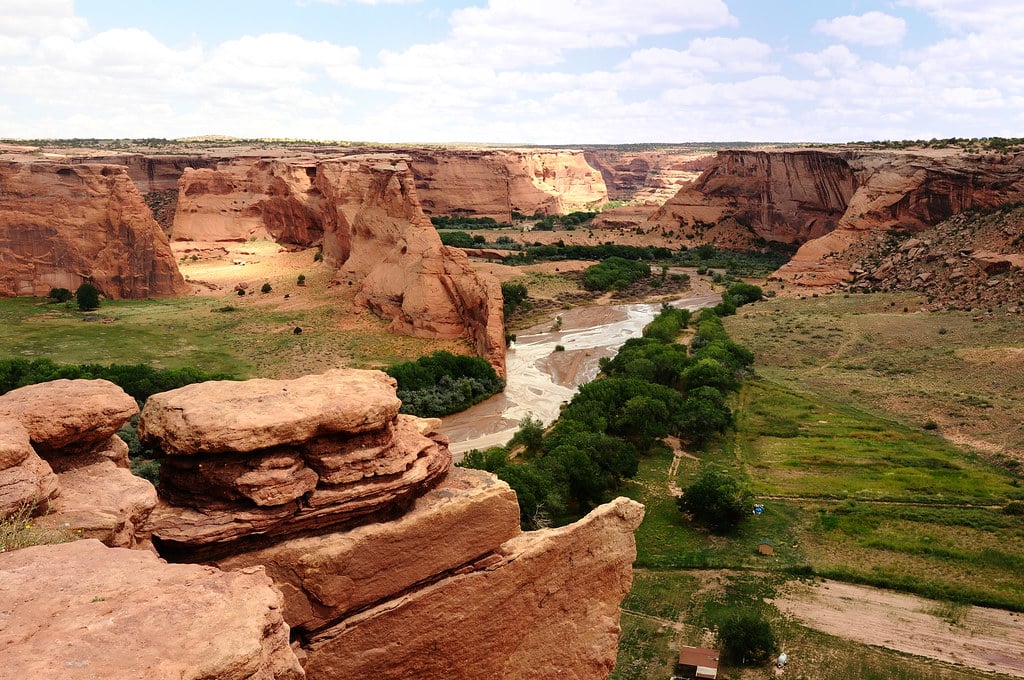
Here’s where the American West reveals its layered history in ways that make your head spin — ancient Ancestral Puebloan ruins tucked into canyon walls, Navajo hogans scattered across the valley floor, and rock formations that have been standing since before humans figured out how to make fire (which, when you think about it, puts your daily problems in perspective). The early photographers who ventured into these Arizona canyons with their bulky equipment and glass plates weren’t just documenting scenery.
They were complicated witnesses. So you have these images that capture dwellings built into cliff faces, structures that had already been abandoned for centuries when the first European explorers showed up, and somehow the photographs manage to hold both the weight of deep time and the immediate beauty of red rock catching morning light.
The composition feels almost accidental — a ruin here, a cottonwood there, shadows falling just so — but then you realize these photographers were dragging hundreds of pounds of equipment through desert terrain to get these shots, which means every frame was deliberate. And the thing about these Canyon de Chelly photographs is how they resist easy interpretation: you’re looking at evidence of human adaptation and abandonment, at a landscape that has outlasted multiple civilizations, at the stubborn persistence of both stone and the people who chose to make their lives among these walls.
Grand Canyon
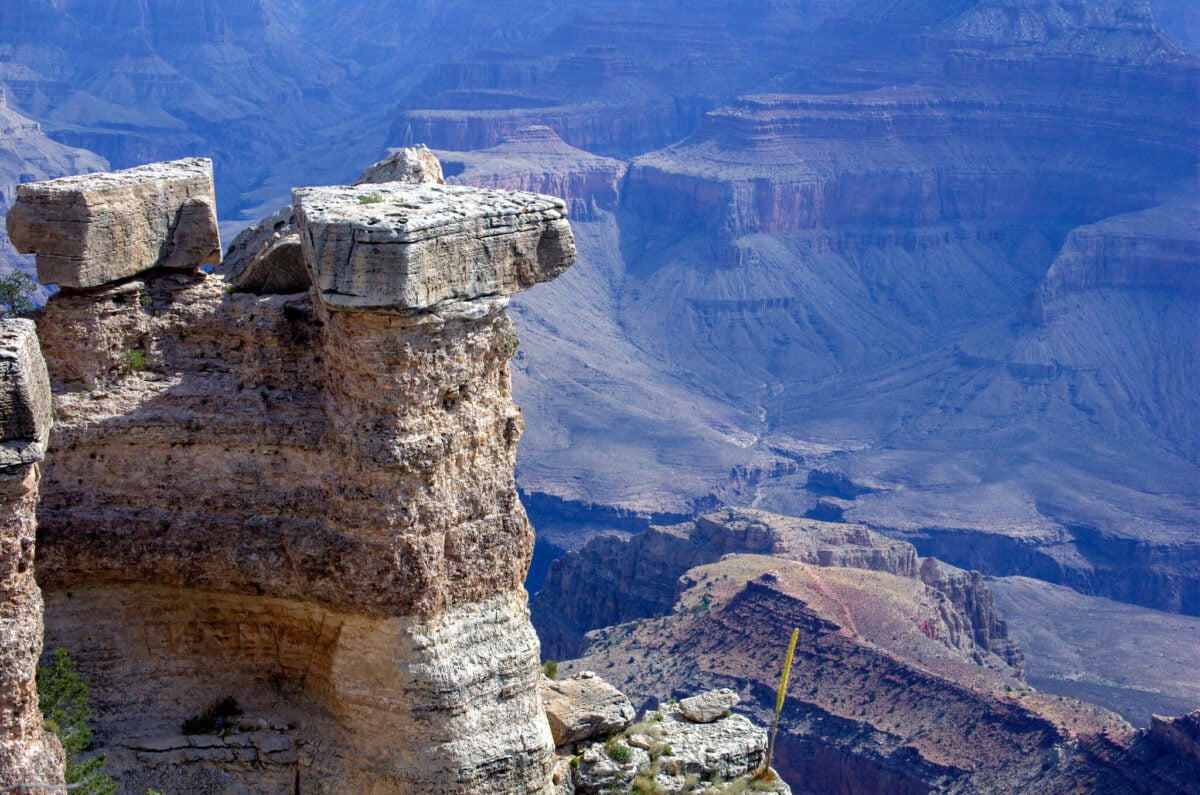
The Grand Canyon photographs work like optical illusions in reverse. Instead of tricking your eye into seeing something that isn’t there, they fail to convince you that something this enormous actually exists.
The early photographers knew this, so they started including people in their shots — tiny figures perched on rim rocks, dwarfed by the immensity. Even then, the scale doesn’t quite register.
Your brain keeps trying to shrink the canyon down to something manageable, something that fits within the borders of human experience. The vintage photographs capture this bewilderment perfectly.
They’re beautiful because they’re impossible.
Yellowstone
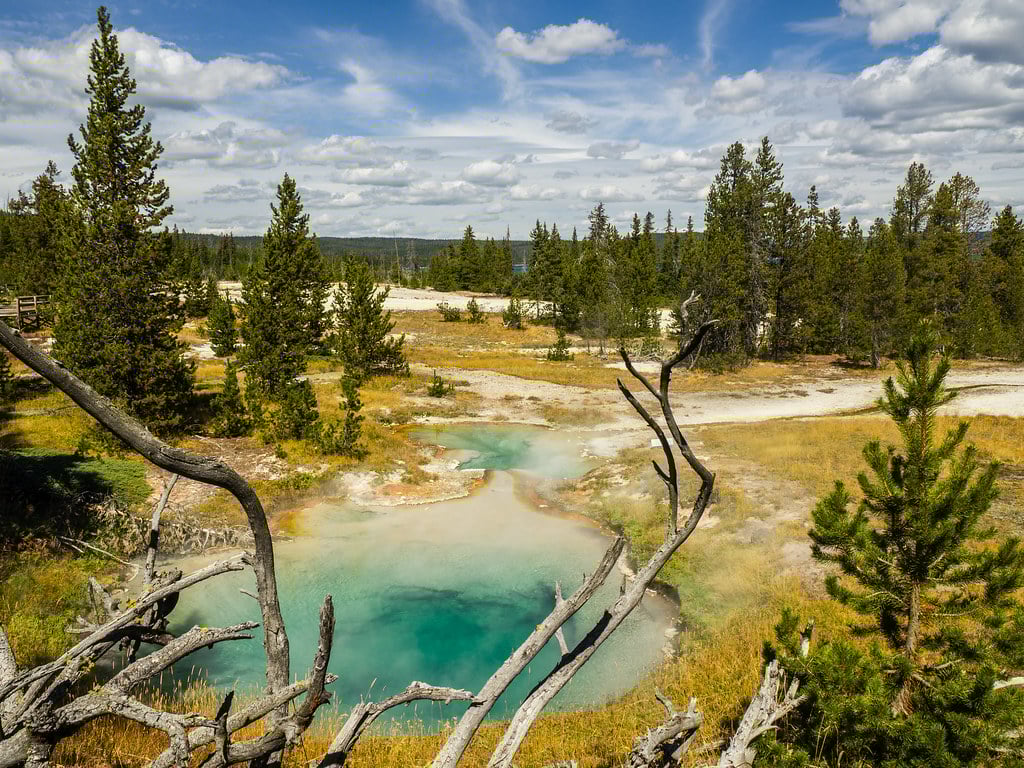
Before Yellowstone became America’s first national park, it was America’s most outrageous rumor. Mountain men would come back from that corner of Wyoming telling stories about geysers and hot springs and bubbling mud pots, and everyone assumed they were either lying or drunk.
Then William Henry Jackson showed up with his camera in 1871 and brought back proof. His photographs of Old Faithful and the Grand Prismatic Spring didn’t just document natural wonders — they created the entire concept of the national park system.
Sometimes a picture really is worth a thousand laws.
Arches National Park
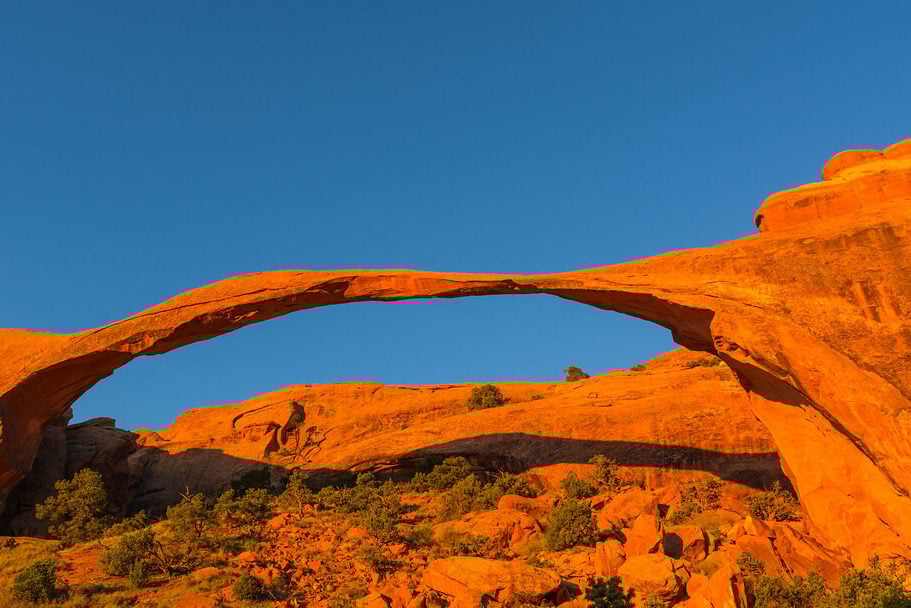
These sandstone arches scattered across the Utah desert look like someone took a chisel to the landscape and carved out windows to nowhere, but the process that created them was far more patient than human artistry would ever manage to be — millions of years of wind and water working on rock with the kind of persistence that makes glaciers seem impatient. The early photographers understood that they were documenting both permanence and fragility.
Permanent enough to have survived eons of weather. Still fragile enough that some of the arches they photographed no longer exist.
You can see this tension in the vintage images: these massive stone formations that look solid as mountains but are actually slowly, constantly dissolving back into the desert (a process that continues whether you worry about it or not, which is somehow both comforting and unsettling). The light in these photographs hits the red rock in ways that make the arches glow from within, as if the stone were holding onto sunlight and releasing it back slowly.
But what makes these images particularly striking is how the photographers managed to capture scale without sacrificing intimacy — you feel both the vastness of the desert landscape and the delicate precision of wind and weather working on stone, grain by grain, century after century.
Death Valley
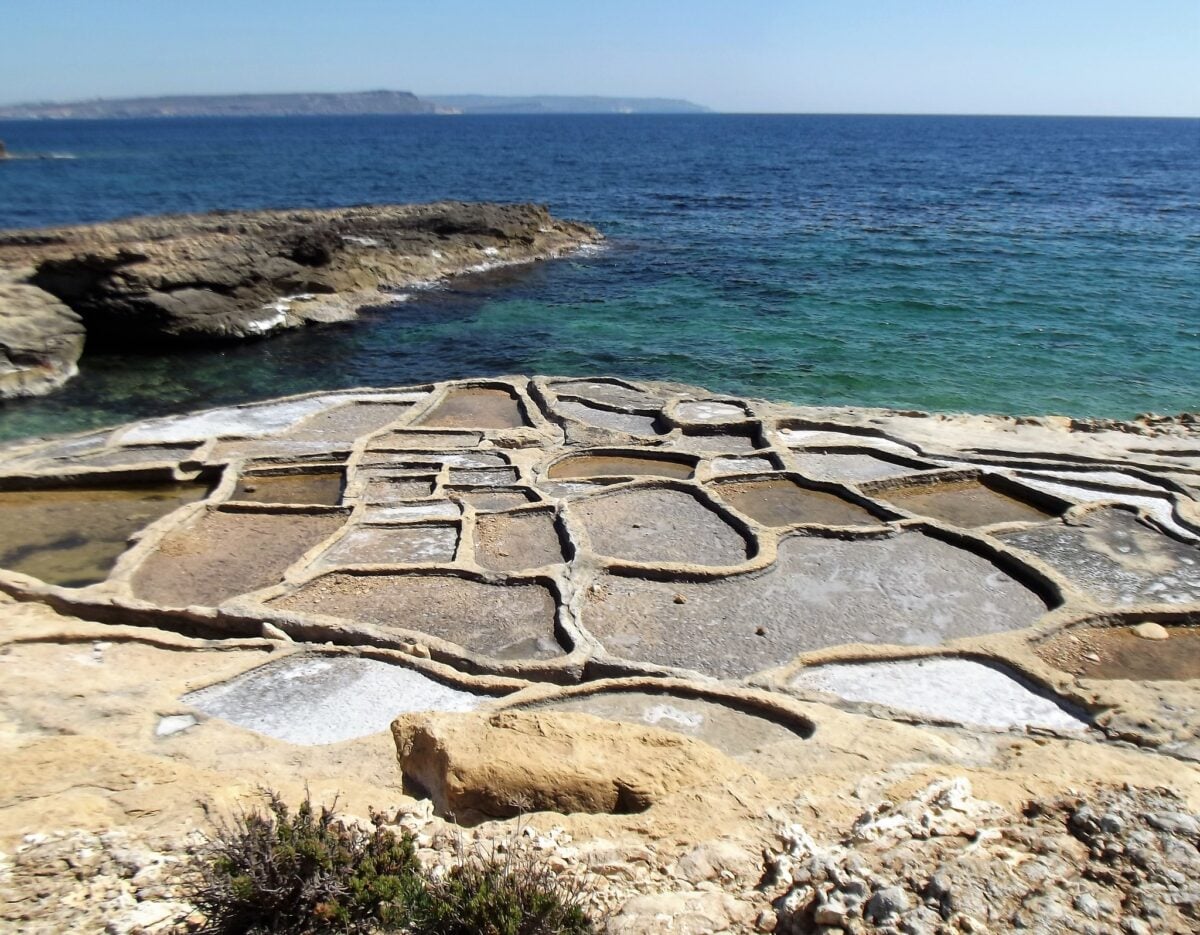
Death Valley earned its name the hard way. The early photographers who made it out there had to deal with temperatures that could kill camera equipment and human beings with equal efficiency.
The images they brought back show a landscape that doesn’t apologize for being harsh. Salt flats stretch to the horizon like frozen lakes.
Sand dunes shift in patterns that would make mathematicians weep. The mountains rise abruptly from the valley floor, as if the earth couldn’t be bothered with gentle transitions.
It’s beautiful in the way that dangerous things often are — compelling precisely because it doesn’t care whether you survive the encounter.
Big Sur
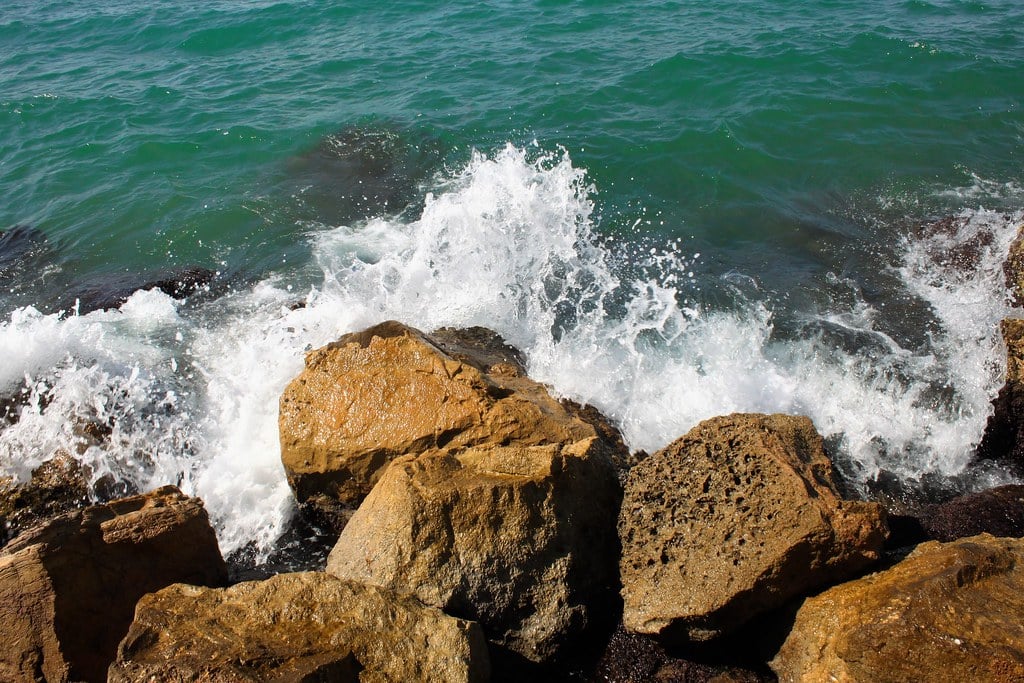
The California coast where the mountains meet the Pacific Ocean has always been a place where dramatic gestures seem entirely reasonable. The vintage photographs capture this theatrical quality perfectly — waves crashing against rocks that have no business being that close to the road, redwood trees growing in groves that feel more like cathedrals than forests.
Highway 1 wasn’t built until the 1930s, so the early photographers had to approach Big Sur from inland, hauling their equipment over mountain ridges to get those shots of coastline. The effort shows in the composition.
These aren’t casual snapshots. They’re declarations of intent.
Bryce Canyon
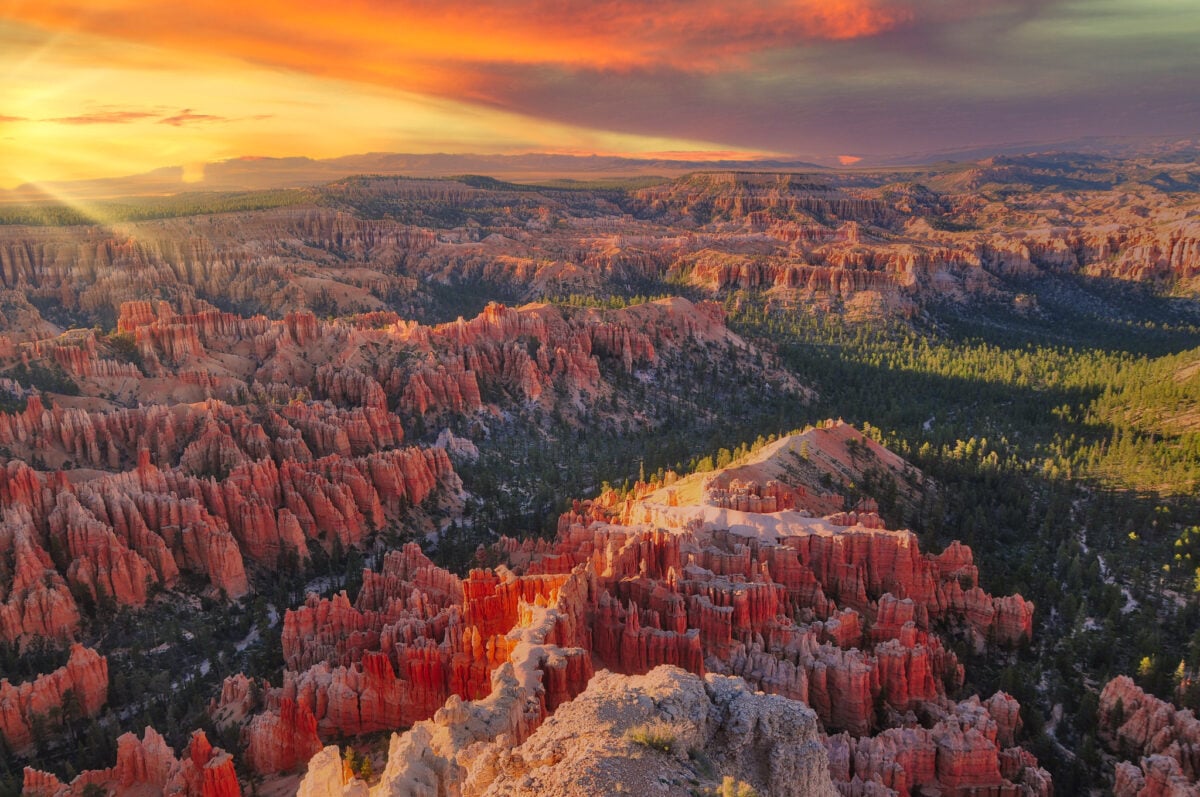
Bryce Canyon isn’t actually a canyon — it’s a series of amphitheaters carved into the edge of a plateau, filled with rock formations called hoodoos that look like a convention of stone spirits frozen mid-conversation. The Paiute people had a better explanation: they said the hoodoos were people who had been turned to stone for their bad behavior.
The early photographers loved this place because it was so completely impossible to explain. You could describe the geology all you wanted, but the pictures told a different story — something about landscapes that exist primarily to remind humans that the earth has a sense of humor, and it’s more surreal than ours.
Mesa Verde
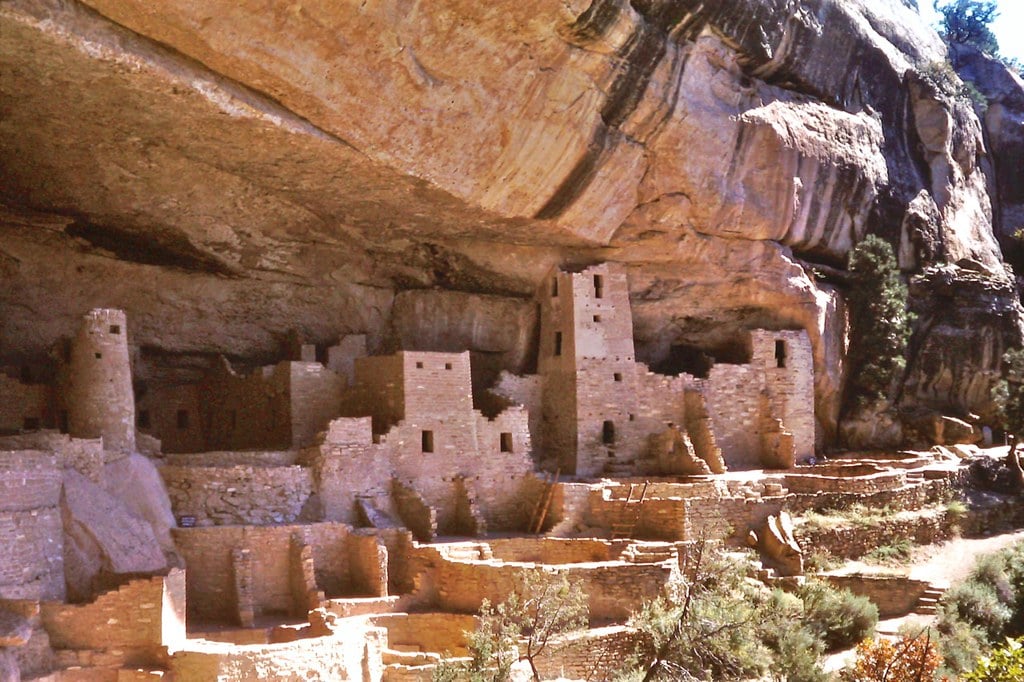
Here’s what separates Mesa Verde from every other archaeological site in the American West: the Ancestral Puebloans who built these cliff dwellings didn’t just adapt to the landscape — they collaborated with it, tucking their homes into alcoves and overhangs as if the rock had been carved specifically for human habitation (which, in a sense, it had been, just over a much longer timeline than human planning typically considers). The early photographers who documented these ruins were working with a visual puzzle that contemporary viewers still haven’t fully solved.
And the thing about these Mesa Verde photographs is how they capture the precision of human engineering nestled into the randomness of geological accident: mortared stone walls fitted perfectly into irregular cliff faces, multi-story buildings balanced on narrow ledges, water collection systems that channeled every drop of rain into cisterns carved from solid rock. The photographers had to position themselves at impossible angles to get these shots, often rappelling down cliff faces with their equipment.
But what makes these images particularly haunting is the way they document both presence and absence — you’re looking at evidence of sophisticated communities that thrived for centuries and then, for reasons that remain unclear, simply walked away from their cliff-side cities sometime in the late 1200s, leaving behind rooms full of pottery and tools as if they’d stepped out for the afternoon and never returned.
Antelope Canyon
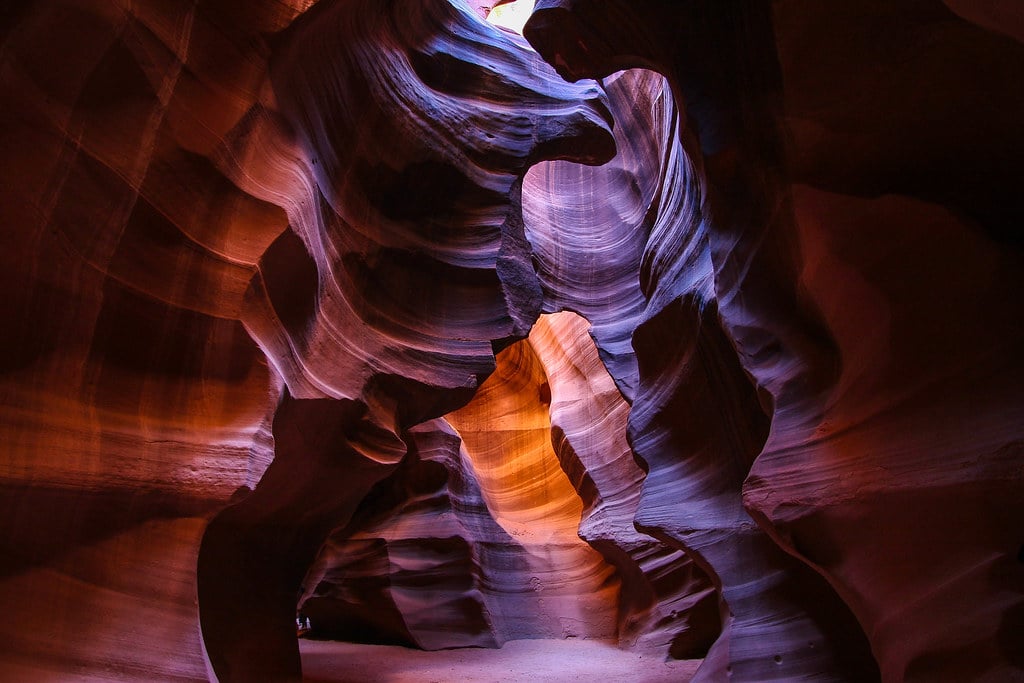
Slot canyons are what happens when flash floods spend thousands of years carving narrow passages through sandstone, creating spaces so fluid they seem to flow like frozen water. Antelope Canyon, on Navajo land in Arizona, is the most photographed slot canyon in the world now, but the early images captured something that’s harder to find today — the sense of discovering a secret room inside the earth.
The light that filters down through the narrow opening above creates beams that shift and dance throughout the day. The photographers who captured these light shows were working with exposures that lasted several minutes, which means the light in those vintage photographs represents time as much as illumination.
You’re looking at minutes of sunlight compressed into a single image.
Joshua Tree
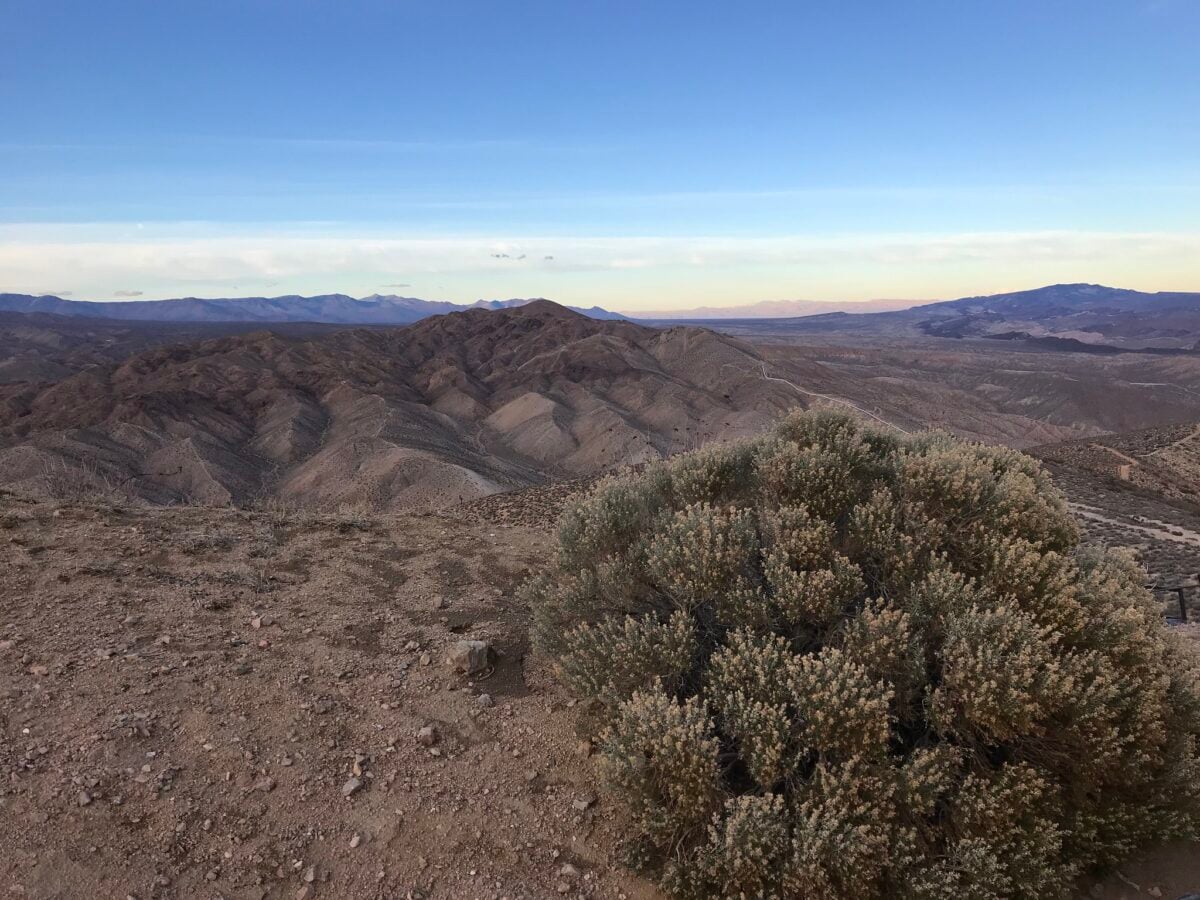
The Mojave Desert landscape around Joshua Tree looks like someone scattered abstract sculptures across the valley floor and then walked away to see what would happen next. Those twisted, spiky trees aren’t actually trees at all — they’re the world’s largest yuccas, and they can live for hundreds of years while looking like they’re about to give up any minute.
The early photographers loved the surreal quality of this landscape. Joshua trees growing in seemingly random patterns, boulder piles balanced in impossible configurations, desert that feels more like an art installation than an ecosystem.
The vintage photographs capture this dreamlike quality perfectly — you’re never quite sure if you’re looking at reality or somebody’s very strange imagination.
Zion Canyon
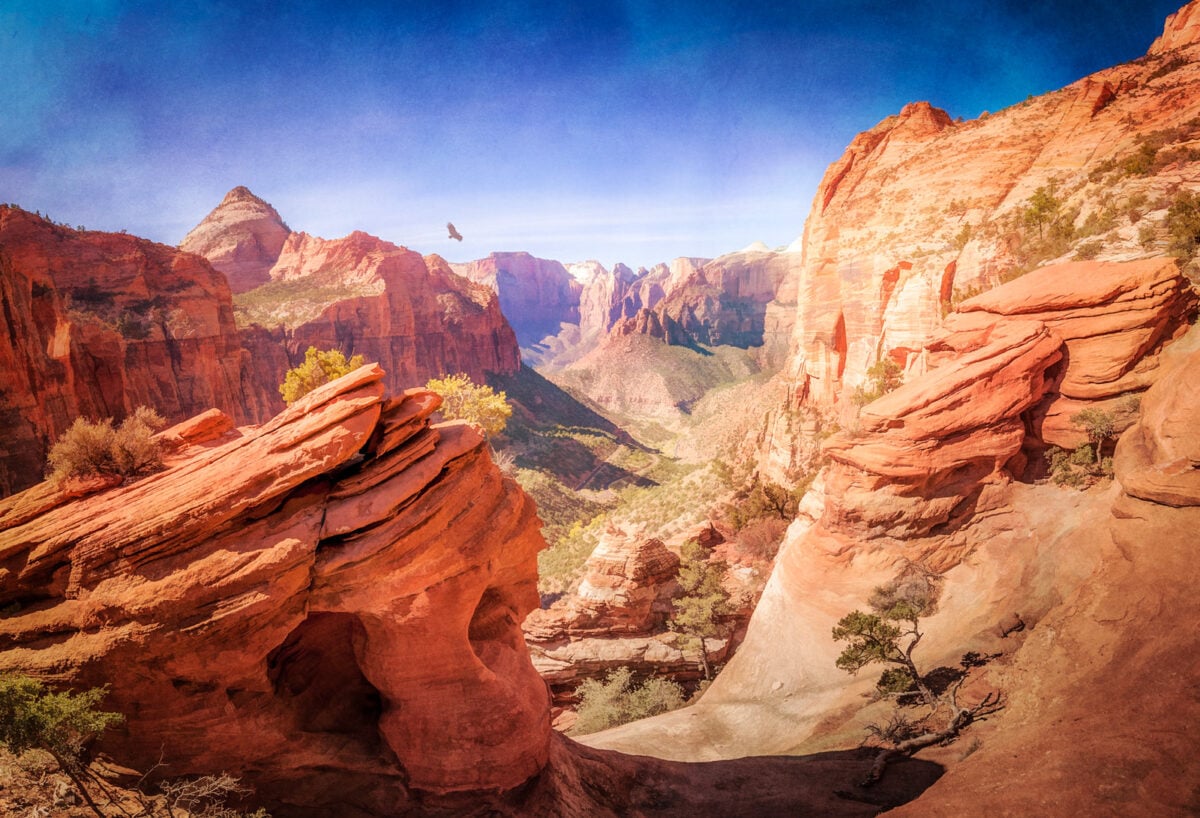
The Virgin River carved Zion Canyon by being unreasonably persistent, cutting through sandstone layers like a very slow, very patient saw. The result is a canyon so narrow and deep that early photographers had to work with limited light and dramatic shadows, creating images that feel more like cathedral interiors than outdoor landscapes.
The early settlers called it Zion because it felt like a place where the divine had left fingerprints on the geology. The vintage photographs support this interpretation — towering red walls that seem to glow from within, alcoves and grottos that invite contemplation, a river that reflects the canyon walls like a mirror laid along the valley floor.
Glacier National Park
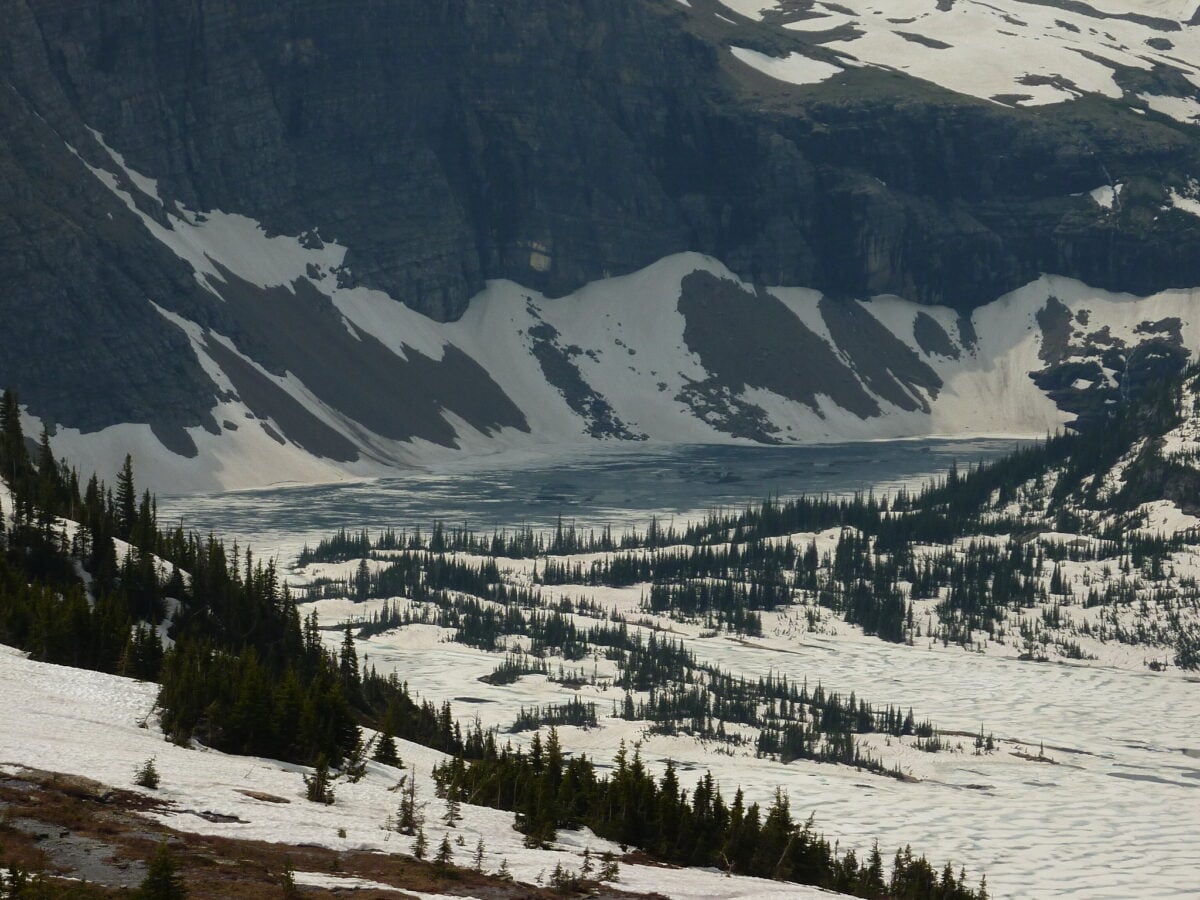
Before the glaciers started their accelerated retreat, Glacier National Park had more than 150 of them scattered throughout the Montana Rockies. The early photographers documented a landscape that was still actively being carved by ice, with glacial lakes so clear you could count rocks on the bottom and peaks so sharp they looked like someone had taken a file to the sky.
The vintage photographs from Glacier capture something that’s increasingly rare — wilderness that felt truly wild. No boardwalks, no interpretive signs, no designated viewpoints.
Just mountains and glaciers and lakes that had never reflected anything but clouds and the occasional photographer brave enough to carry glass plates up 10,000-foot peaks.
When Light Became Memory
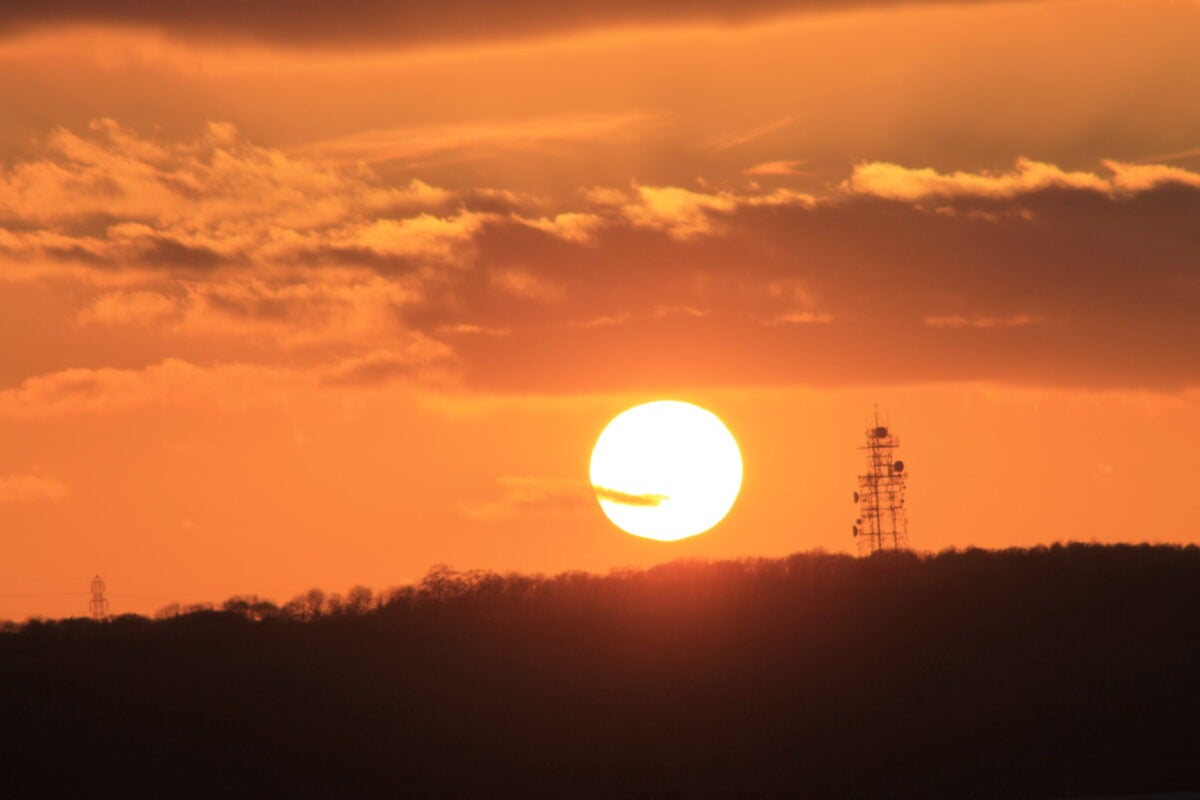
These vintage photographs of the American West did more than document landscapes — they created a visual language for understanding wilderness that we’re still using today. Every sunset photograph posted on social media, every national park poster, every Western movie owes something to those early photographers who decided that beauty was worth the considerable trouble of capturing it on glass plates.
But perhaps what makes these images truly irreplaceable is their reminder that the West was never just scenery waiting to be discovered. It was always home to people who understood its moods and seasons, always a working landscape where survival depended on reading the sky and knowing where to find water.
The vintage photographs capture this complexity — they show us wilderness, but they also show us the beginning of our complicated relationship with places too beautiful to leave alone and too fragile to love carelessly.
More from Go2Tutors!

- The Romanov Crown Jewels and Their Tragic Fate
- 13 Historical Mysteries That Science Still Can’t Solve
- Famous Hoaxes That Fooled the World for Years
- 15 Child Stars with Tragic Adult Lives
- 16 Famous Jewelry Pieces in History
Like Go2Tutors’s content? Follow us on MSN.