16 Fascinating Facts About Submarines
Long before GPS, sonar apps, or digital navigation, submarines were already exploring the silent world beneath the sea. These underwater giants have shaped wars, broken records, and sparked curiosity in every corner of the world.
Let’s dive right into some of the most interesting things about submarines that most people don’t hear about in school.
Submarines don’t actually “sink” in the usual way
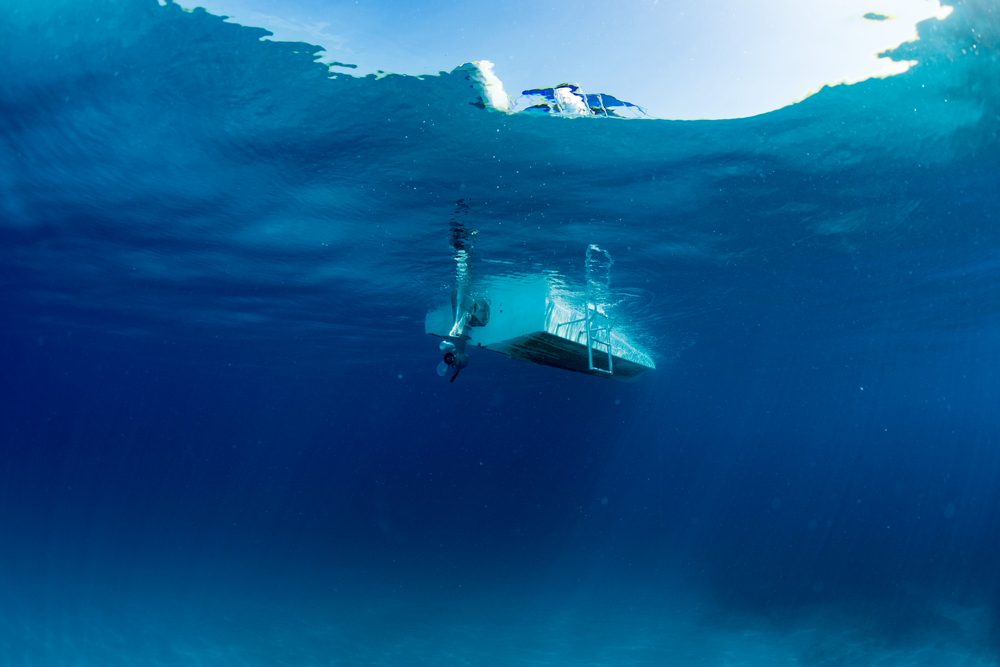
People often think submarines just drop down like rocks when they go underwater, but that’s not true. They don’t sink so much as they dive with purpose.
The first military submarine was hand-powered
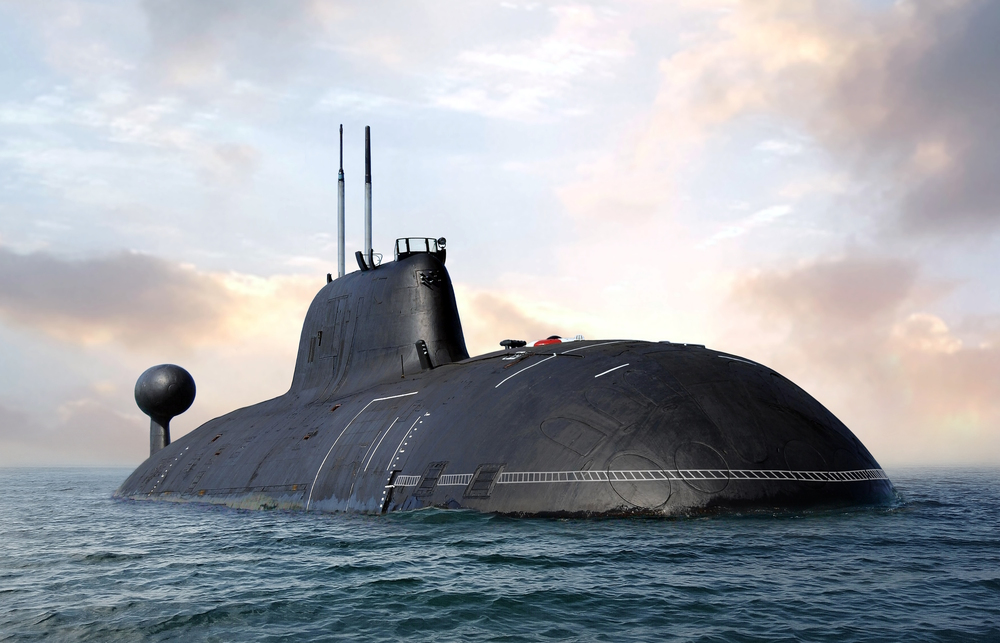
Way before engines and nuclear reactors, there was a wooden craft called the Turtle. Built in 1775, this odd little sub was operated entirely by hand—using pedals and a crank to move through the water.
Like Go2Tutors’s content? Follow us on MSN.
Nuclear submarines can stay underwater for months

Unlike diesel subs that need to come up often for air, nuclear submarines are built to stay deep for long stretches. Their power source, a nuclear reactor, doesn’t need air like regular engines do.
They make their own oxygen
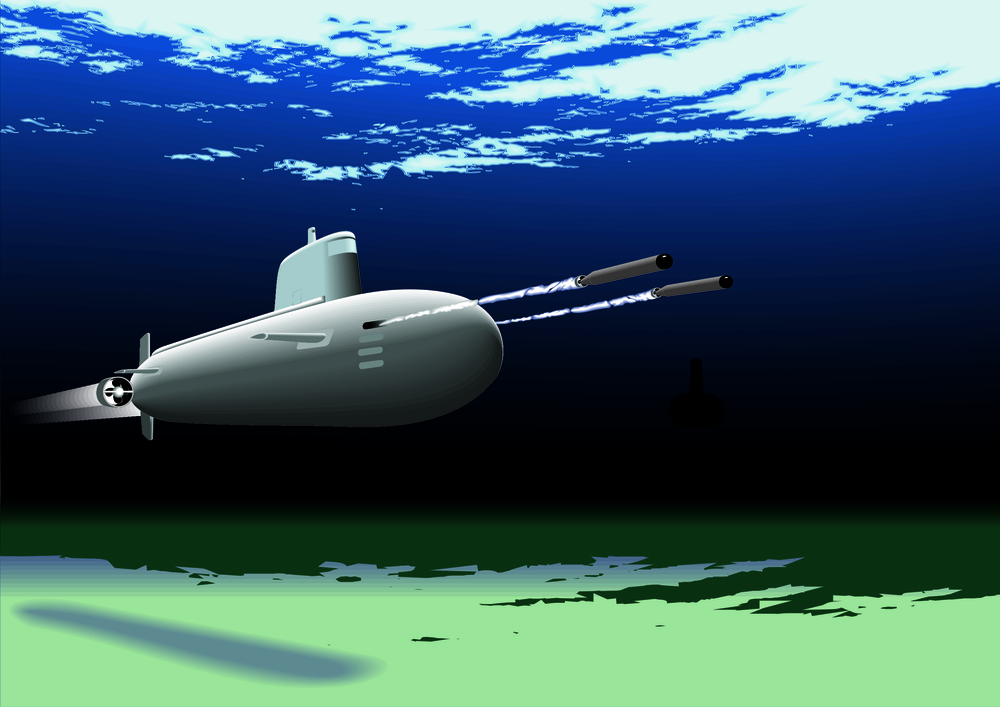
Being underwater for weeks isn’t a problem when you can make your own air. Submarines use machines that pull oxygen from the water or split water into hydrogen and oxygen using electricity.
Modern submarines are quieter than a car engine
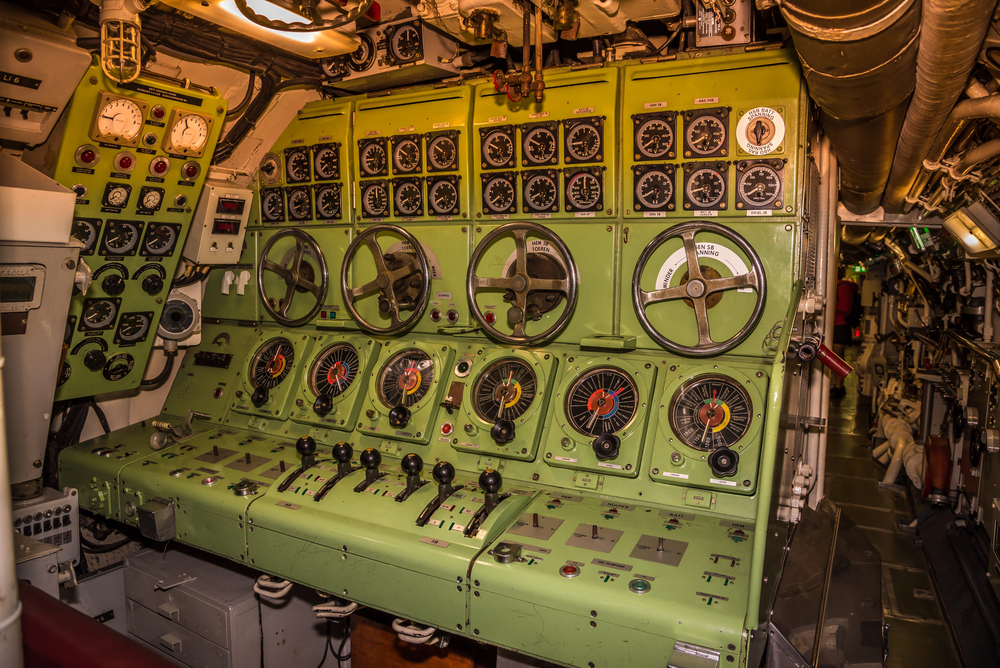
Submarines are built for stealth, and that means staying silent is everything. Newer subs are so quiet that their noise can be lower than the hum of a household fridge.
Like Go2Tutors’s content? Follow us on MSN.
Not all submarines are military
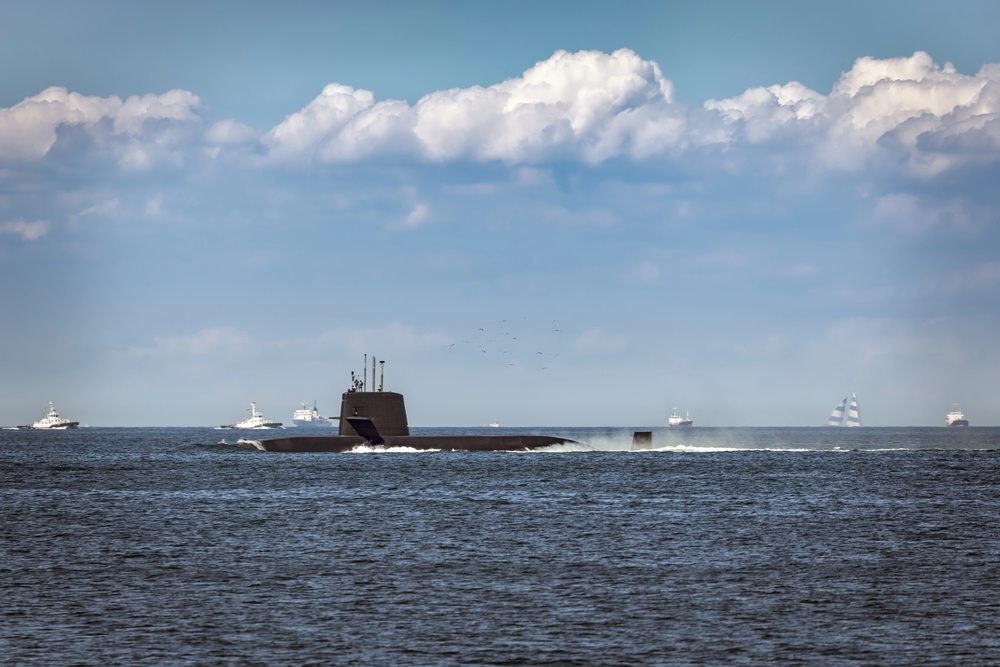
When people think about submarines, war often comes to mind—but many subs are used for peaceful purposes. Research submarines study the deep sea, look at shipwrecks, or explore underwater volcanoes.
Submarines have escape pods and rescue hatches
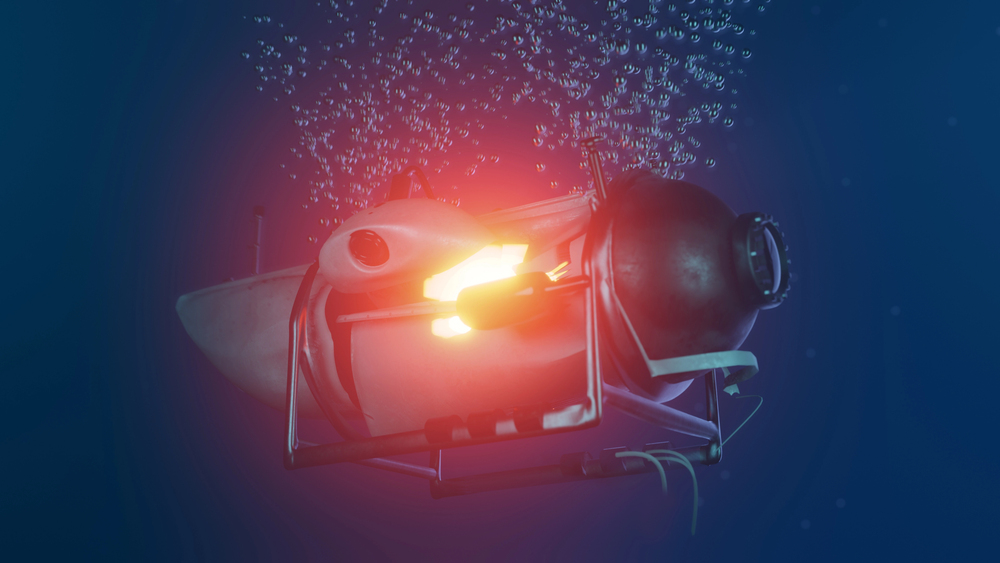
Even though they’re safe most of the time, submarines still prepare for the worst. Many subs have small escape chambers or pods that can help the crew get out if the submarine gets stuck.
The pressure at deep depths is crushing
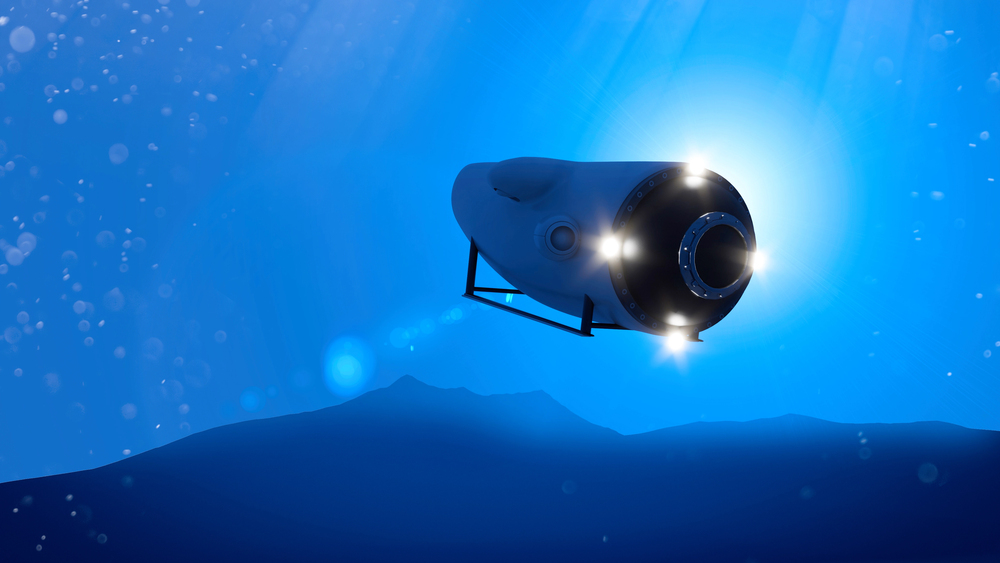
Water pressure increases the deeper you go, and submarines feel it hard. At deep sea levels, pressure can be hundreds of times stronger than at the surface.
Like Go2Tutors’s content? Follow us on MSN.
World War II saw the biggest growth in submarine use
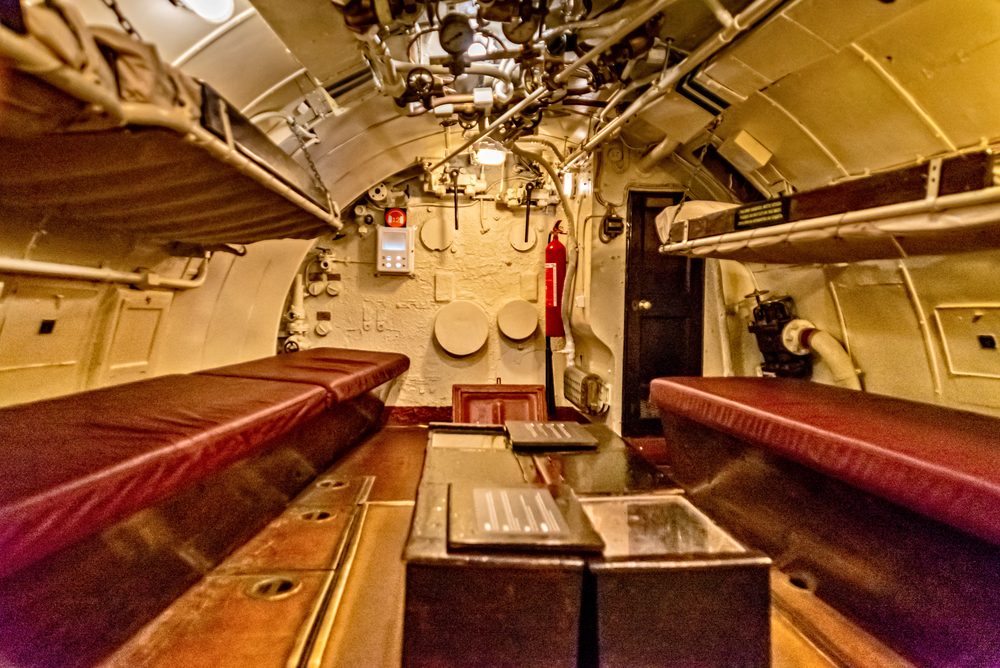
Before WWII, submarines were still seen as somewhat experimental. But during the war, both the Axis and Allied forces used them heavily for attacks, spying, and supply missions.
Some submarines carry nuclear missiles
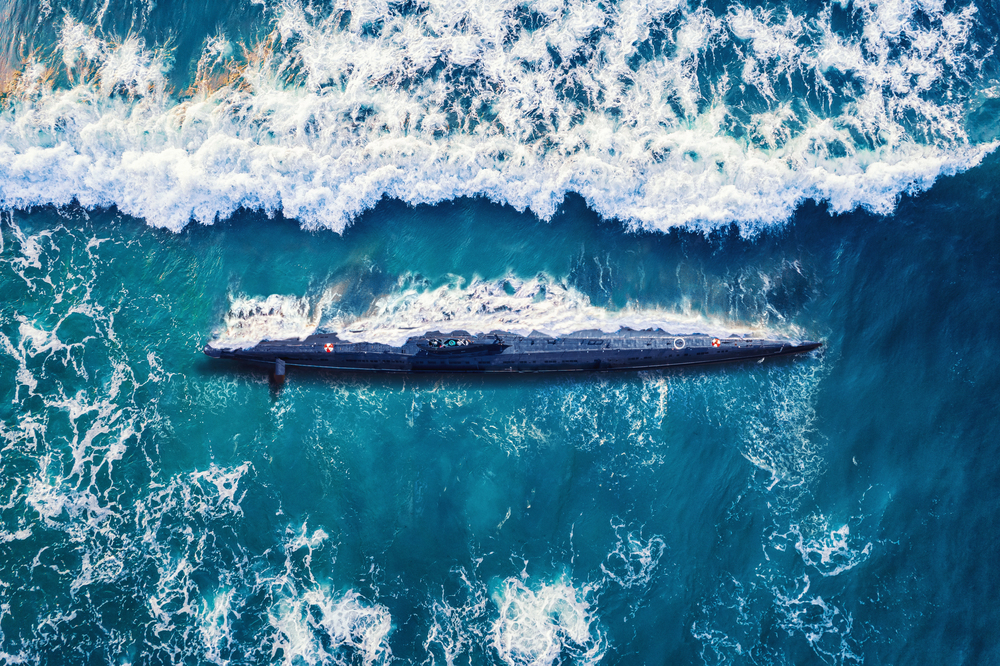
Not only are they powered by nuclear reactors, but some submarines also carry nuclear weapons. These submarines are part of what’s called a nuclear triad—land, air, and sea-based weapons.
Periscopes aren’t the only eyes on board
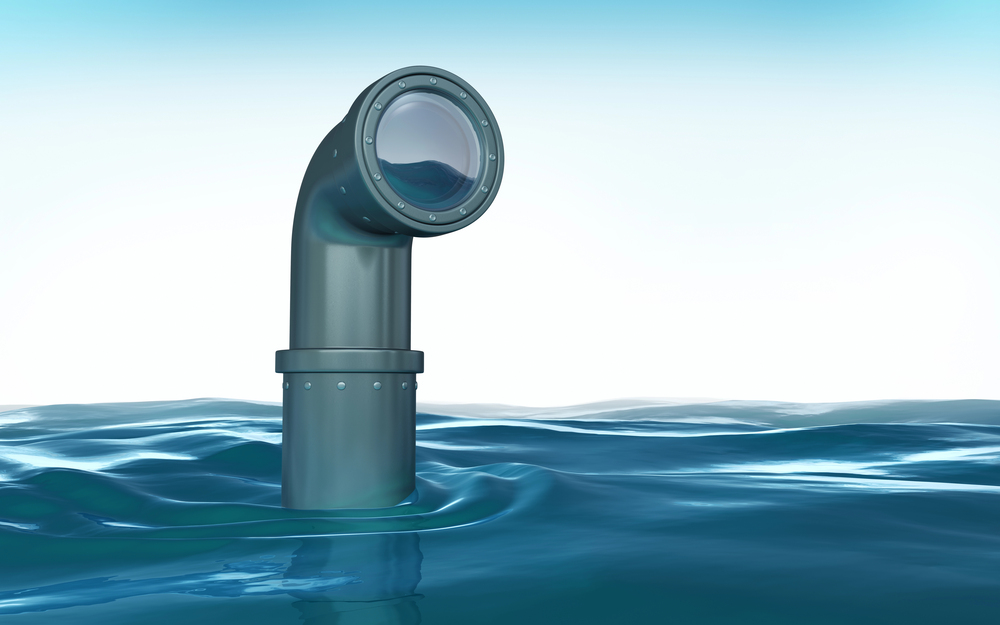
While periscopes are still used for looking above the water, modern subs rely on a lot more than just that simple tube. High-tech cameras, sonar systems, and radar-like tools help crews understand what’s around them.
Like Go2Tutors’s content? Follow us on MSN.
Space training sometimes happens on submarines
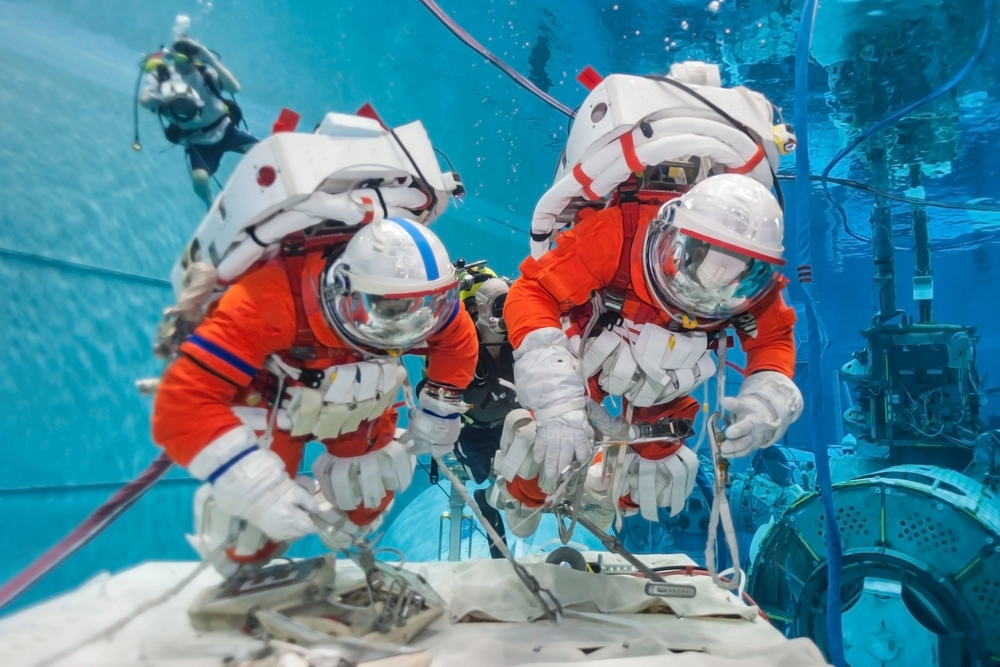
Believe it or not, astronauts have trained on submarines. Life in space and life underwater have a lot in common.
Some luxury subs are built just for fun
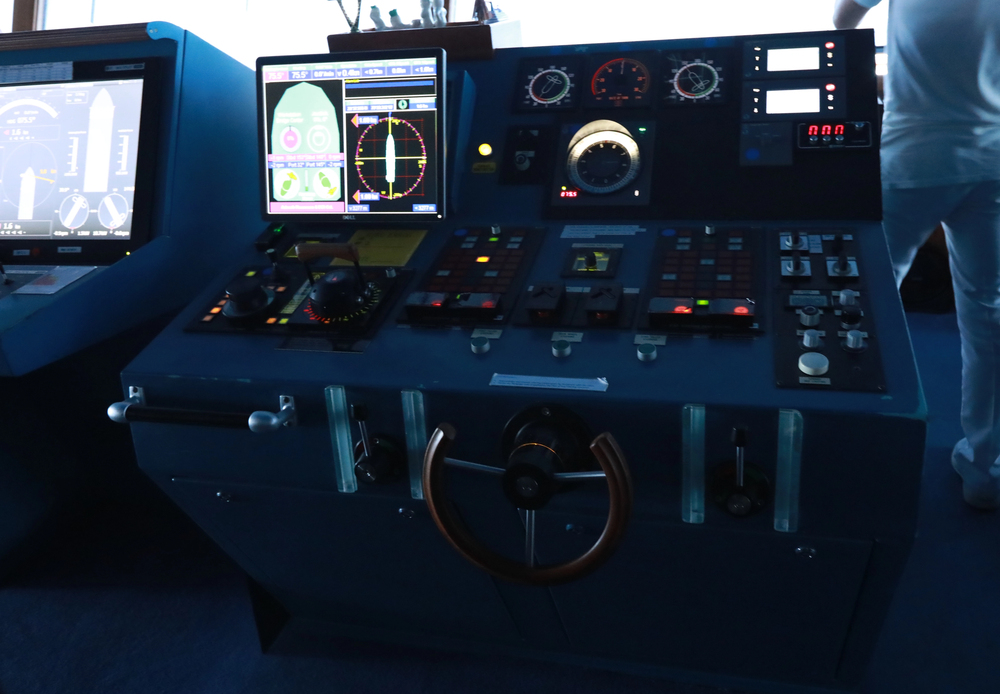
A few very rich people have their own personal submarines. These aren’t used for research or war—they’re just for underwater sightseeing.
The longest underwater patrol lasted over a hundred days
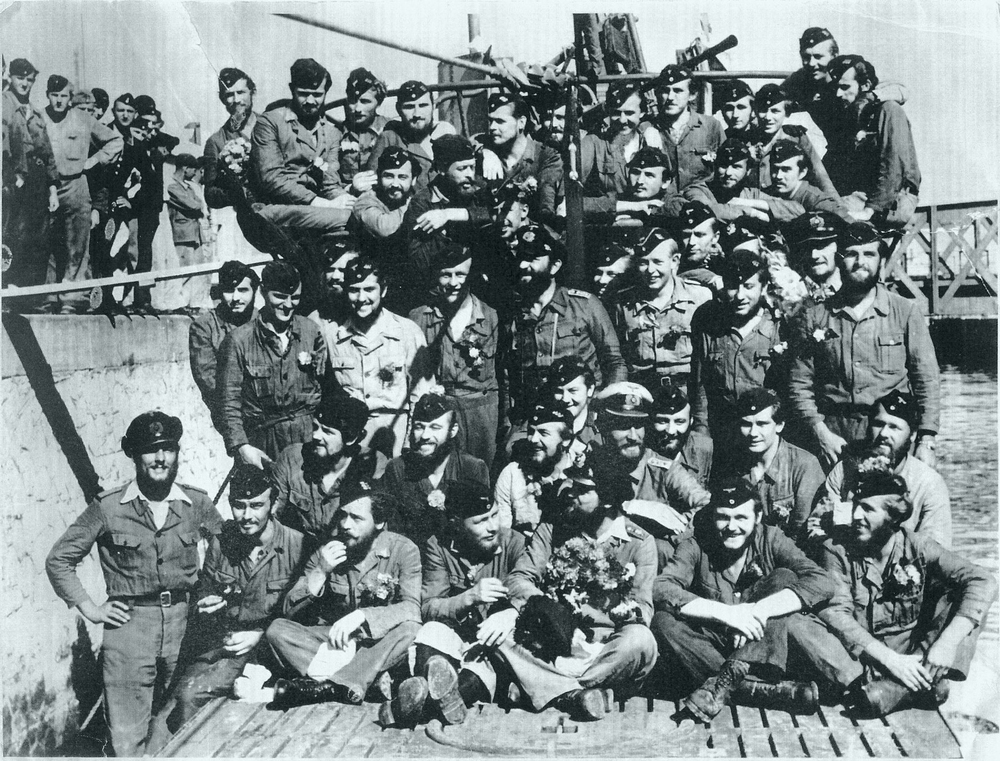
Submarine crews live under strict routines, with no sunlight, fresh air, or regular contact with the outside world. One British nuclear submarine once stayed underwater for more than a hundred days without surfacing.
Like Go2Tutors’s content? Follow us on MSN.
Cooking in submarines is a big deal
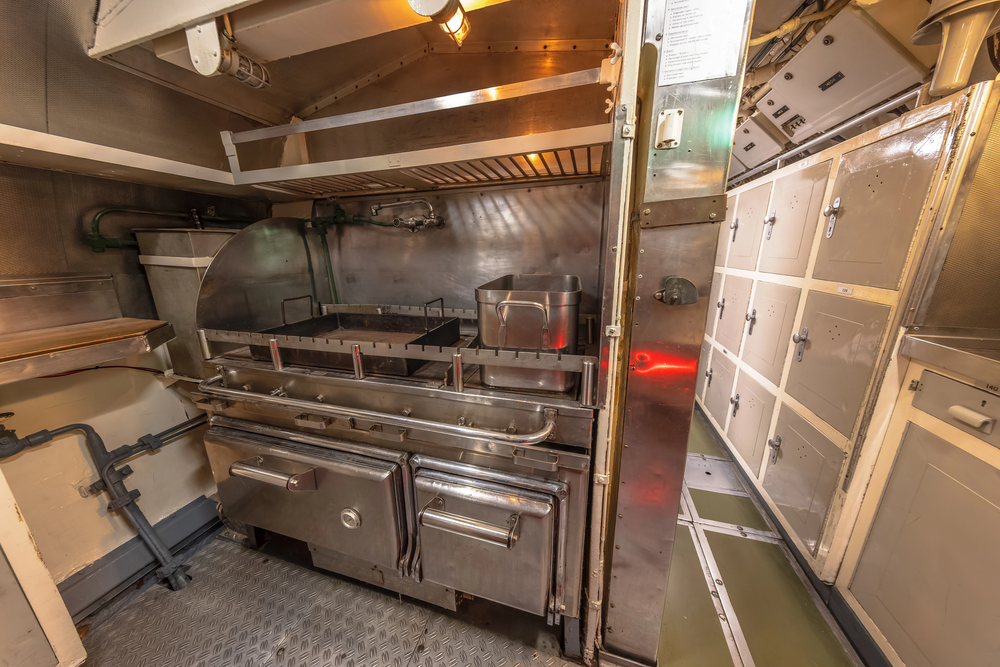
Feeding a crew underwater is no small job. There’s limited space and no fresh ingredients once the journey starts, so meals are carefully planned and stored.
Seasickness happens—yes, even underwater

Just because a sub is under the surface doesn’t mean the ride is always smooth. Submarines can still rock and move with underwater currents or when changing depth quickly.
Silent machines, loud impact
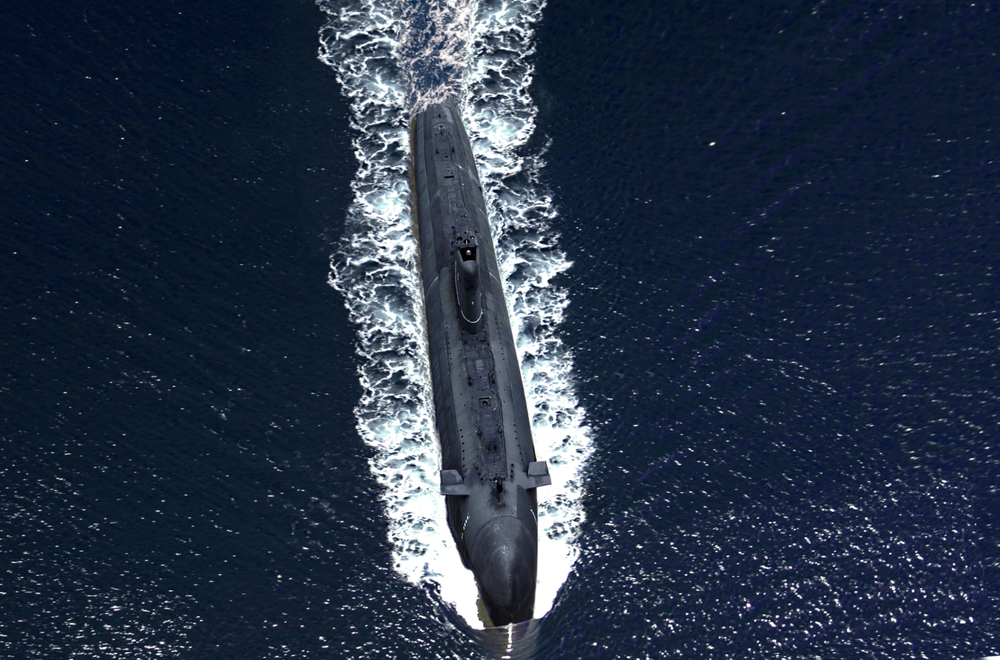
From tiny hand-cranked crafts to massive nuclear-powered giants, submarines have come a long way. They’ve gone from wooden experiments to being one of the most important tools in both science and warfare.
Like Go2Tutors’s content? Follow us on MSN.
More from Go2Tutors!

- 16 Historical Figures Who Were Nothing Like You Think
- 12 Things Sold in the 80s That Are Now Illegal
- 15 VHS Tapes That Could Be Worth Thousands
- 17 Historical “What Ifs” That Would Have Changed Everything
- 18 TV Shows That Vanished Without a Finale
Like Go2Tutors’s content? Follow us on MSN.



