Animals With Reputations Completely Opposite to How They Actually Behave
There’s a particular kind of embarrassment in realizing you’ve been wrong about something your entire life — and when that something turns out to be a living, breathing creature you’ve dismissed, feared, or adored for entirely fictional reasons, the embarrassment stings a little more. Popular culture, folklore, and a centuries-long game of telephone have handed down some spectacularly inaccurate portraits of the animal kingdom.
The wolf that huffs and puffs. The shark that hunts you specifically.
The gentle giant that’s actually plotting your demise. Animals carry reputations the way small towns carry gossip — loudly, confidently, and often without a shred of evidence.
Here’s what’s actually going on.
Sharks
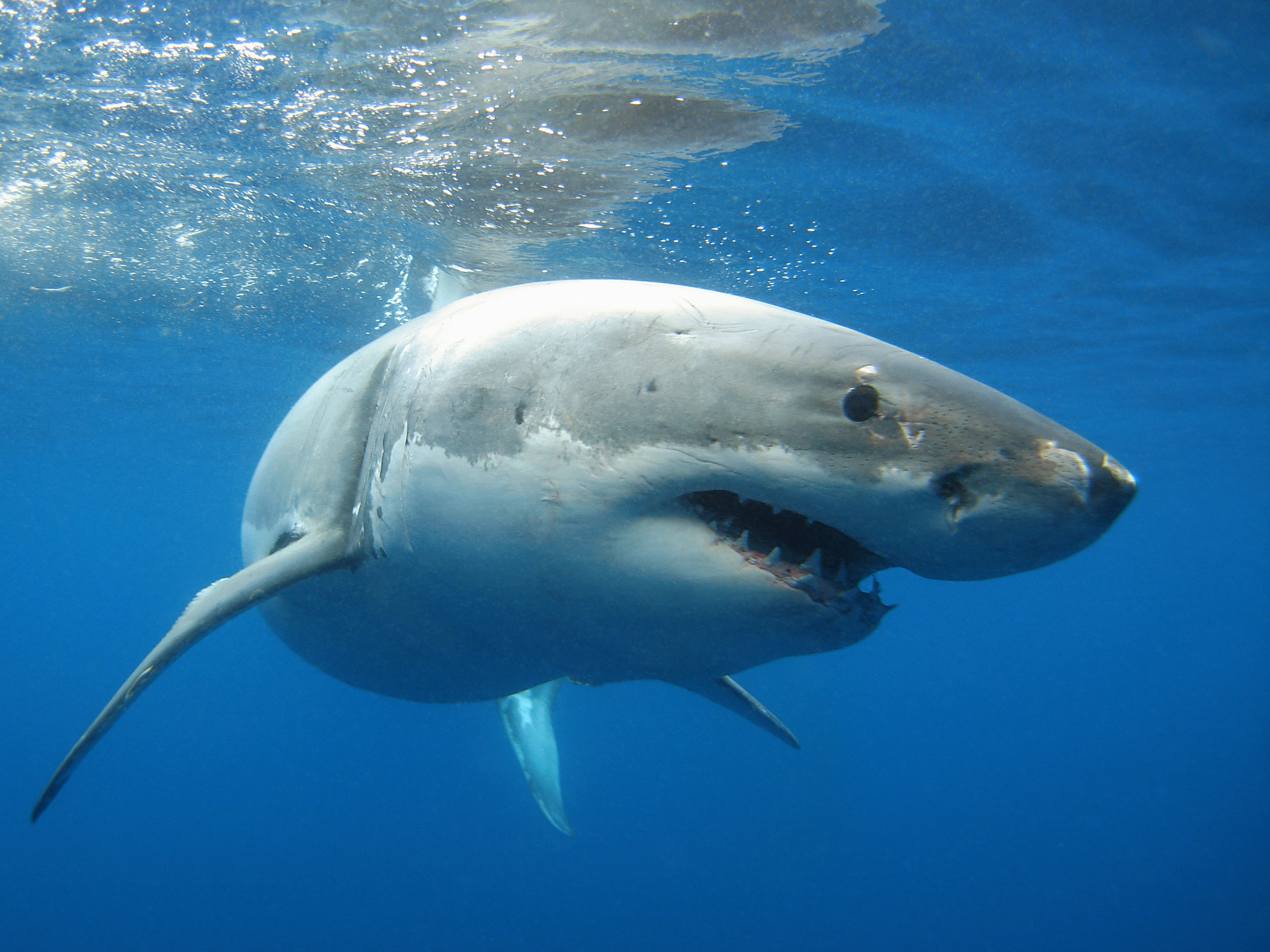
Sharks are not interested in you. The roughly 80 unprovoked shark attacks recorded globally each year — out of the billions of ocean swims taken — speak for themselves, and they don’t speak in favor of the monster narrative.
Great whites, in particular, are methodical, curious predators that frequently investigate objects by mouthing them, which is a far cry from the relentless, human-targeting machine that Jaws burned into a generation’s subconscious. Turns out the ocean’s apex predator finds seals a lot more compelling than tourists.
Wolves
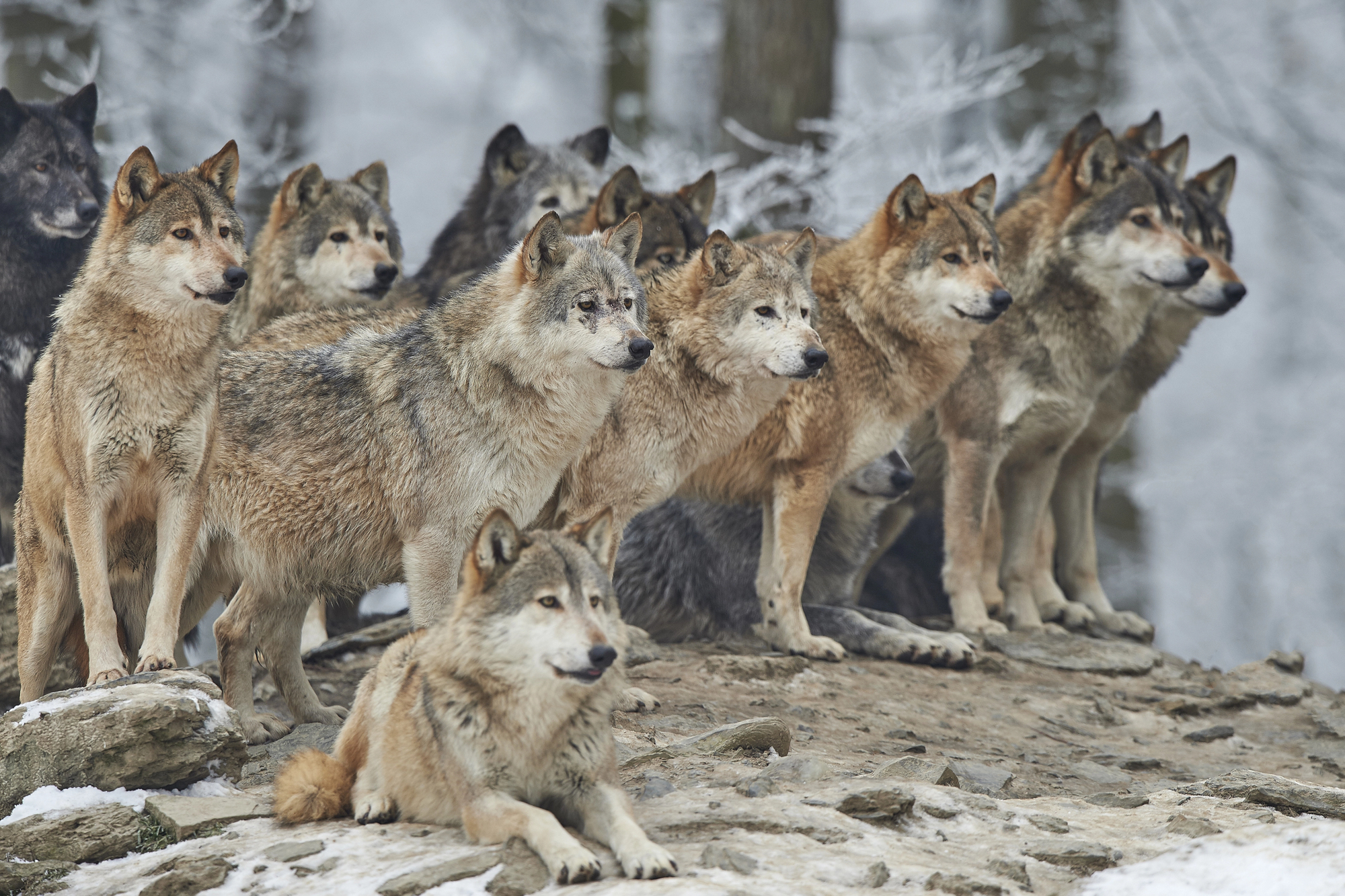
The lone wolf is a myth — and not a poetic one, an outright inaccurate one. Wolves are among the most socially complex mammals on the continent, operating in tight family units where younger members defer to experienced adults and where relationships are maintained over years, even decades, of shared territory and coordinated hunting.
The aggressive, snarling villain of every fairy tale is essentially the opposite of an animal that relies on cooperation the way wolves do. So the big bad wolf turns out to be something closer to a very serious family dog with better instincts.
Hippopotamuses
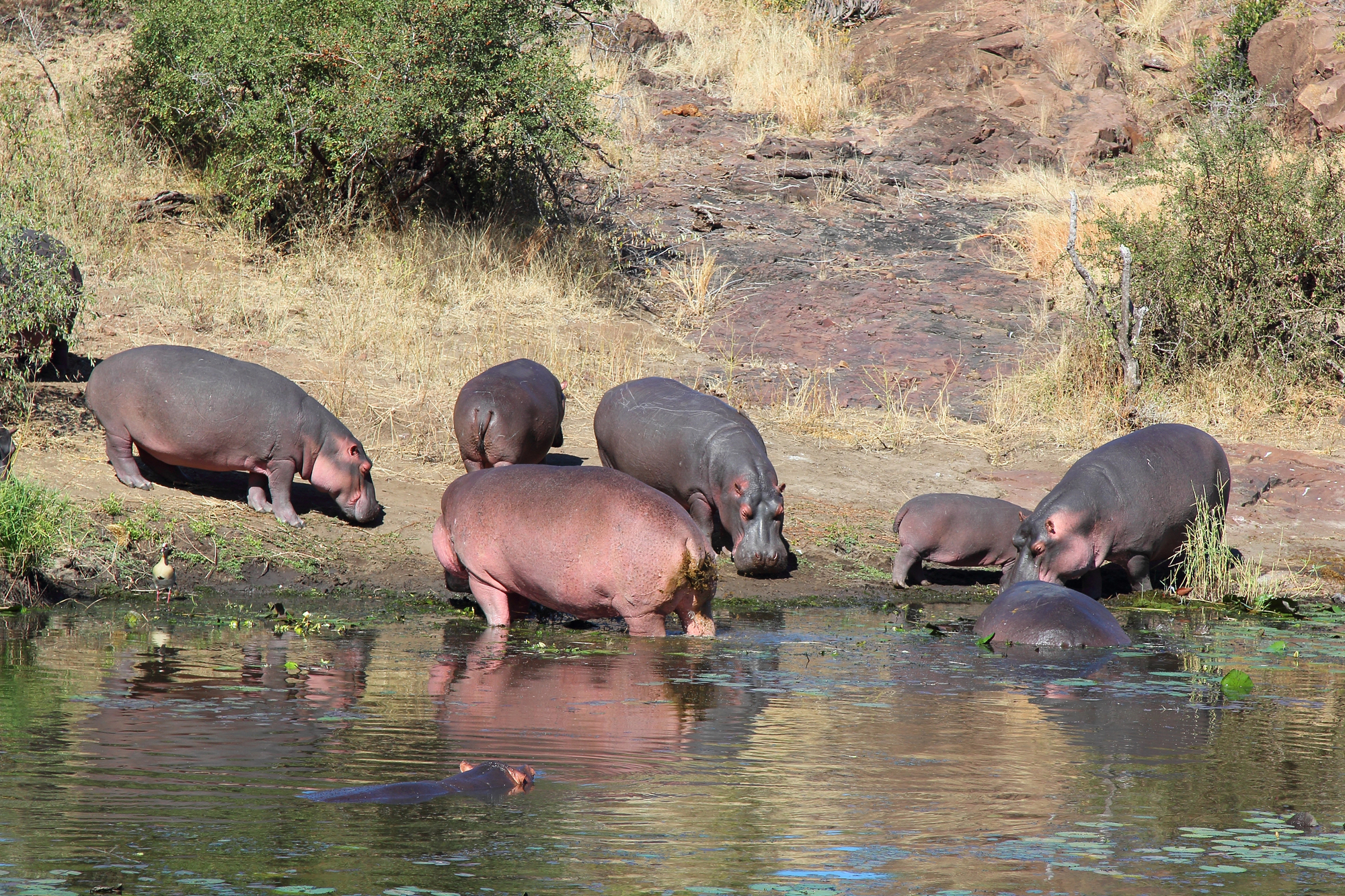
Hippos are the most dangerous large land animal in Africa, and people still routinely underestimate them because they look slow and vaguely comic. An adult hippo can run at nearly 20 miles per hour over short distances, is notoriously territorial on land and water, and kills an estimated 500 people per year on the African continent — which is more than lions, leopards, and crocodiles combined.
The sleepy river boulder image is a miscalculation that has cost people their lives. Fair enough that they’re large and slow-looking; less fair to assume those things translate into docile.
Bats
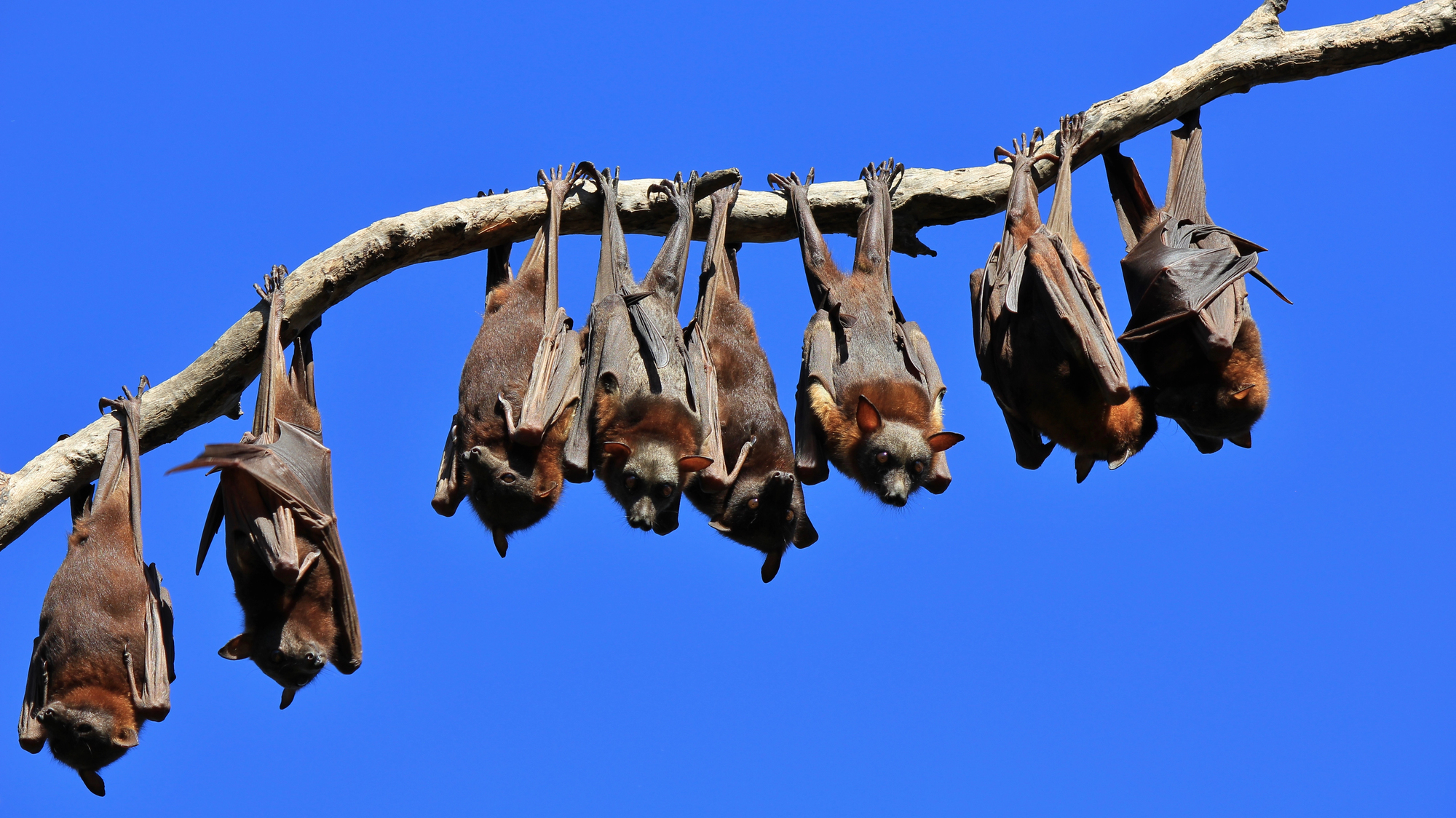
Bats are, without much competition, one of the most ecologically useful animals in North America — and they’ve been saddled with a reputation built almost entirely on horror aesthetics. A single little brown bat can consume up to 1,000 mosquito-sized insects per hour, which means a colony of bats near your backyard is doing pest control at a scale no chemical spray can replicate.
The vampire association comes from three species of vampire bats out of over 1,400 known species worldwide — three. The rest eat fruit, nectar, or insects and want nothing to do with you.
Opossums
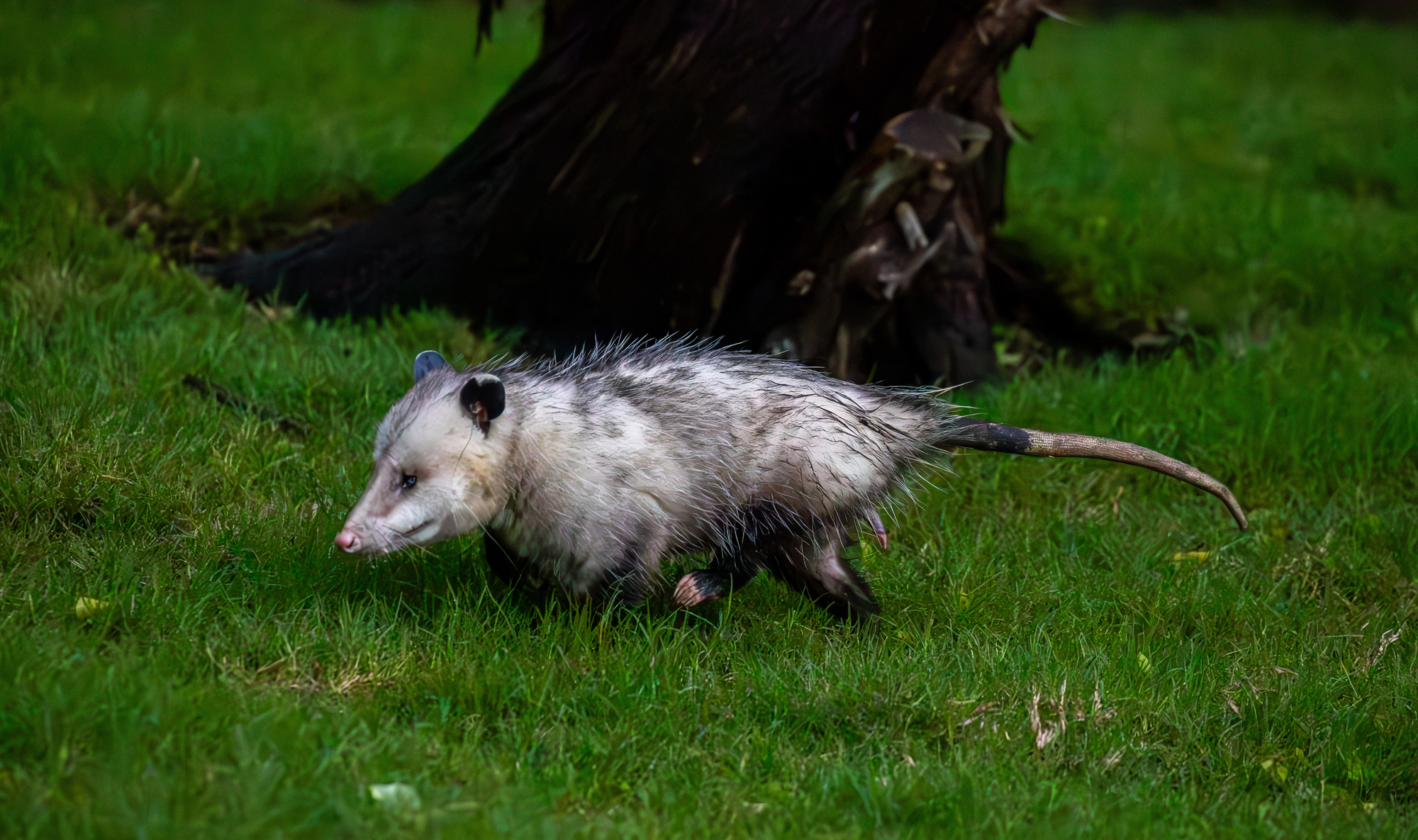
Opossums are the quiet professionals of North American wildlife — largely invisible, deeply misunderstood, and running one of the more impressive parasite-control operations in the eastern United States. A single opossum can consume up to 5,000 ticks per season, making them a significant line of defense against Lyme disease in areas where deer ticks are prevalent.
They’re also highly resistant to rabies, thanks to a lower body temperature that makes the virus difficult to sustain. The hissing, the playing dead, the general air of desperation — all of it is performance, from an animal that’s far more useful than its appearance suggests.
Pit Bulls
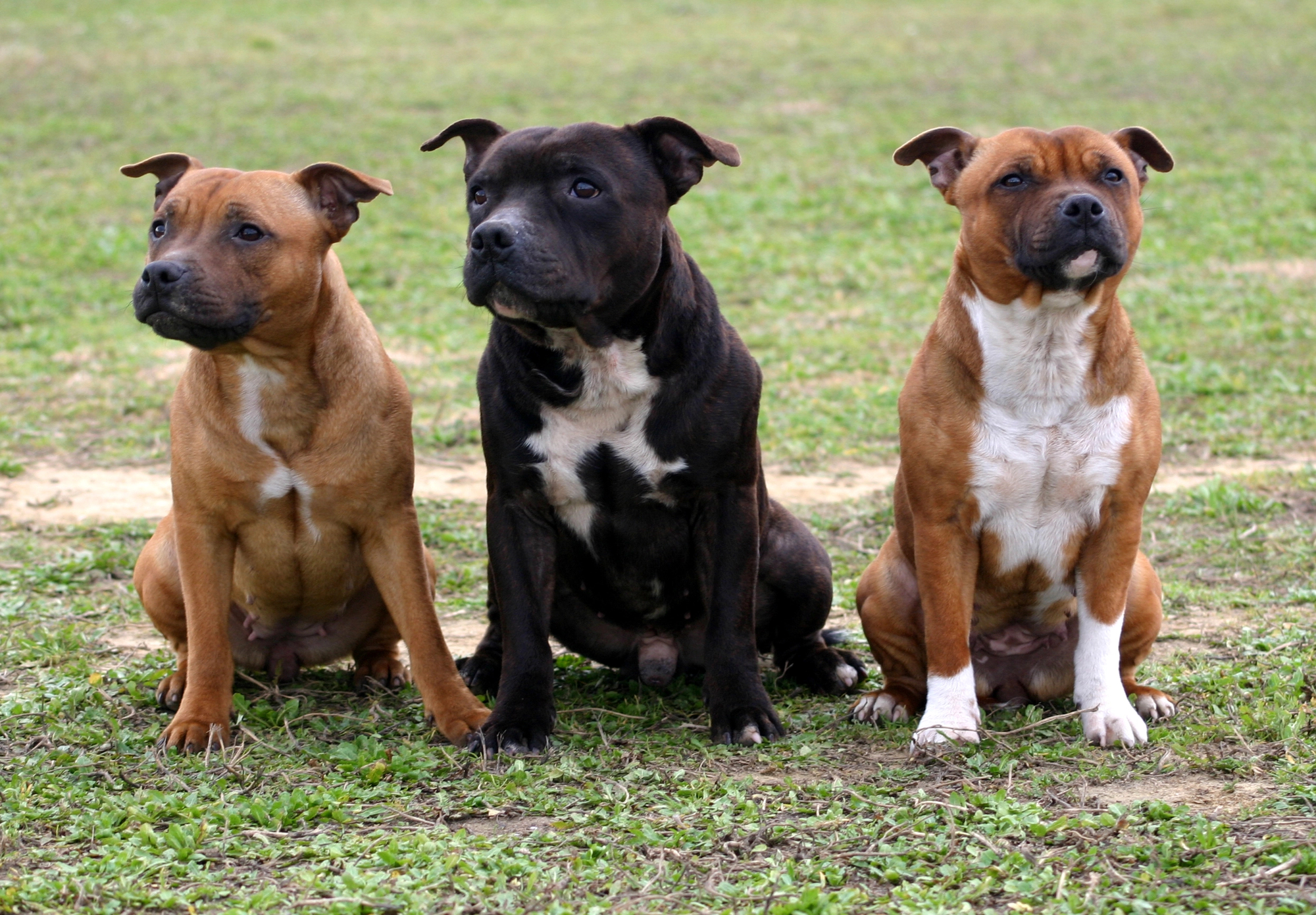
The reputation pit bulls carry was handed to them by humans, not earned on their own terms. Decades of breed-specific legislation, media coverage that disproportionately identified “pit bull” as a breed even when it wasn’t, and a long history of deliberate training for aggression produced a public image that has very little to do with the dogs themselves.
The American Temperament Test Society consistently rates the American Pit Bull Terrier above the national average for breeds tested — above beagles, above collies, above several dogs routinely described as family-friendly. The aggression that does exist in the breed is almost always traceable directly to human interference. Almost always.
Dolphins
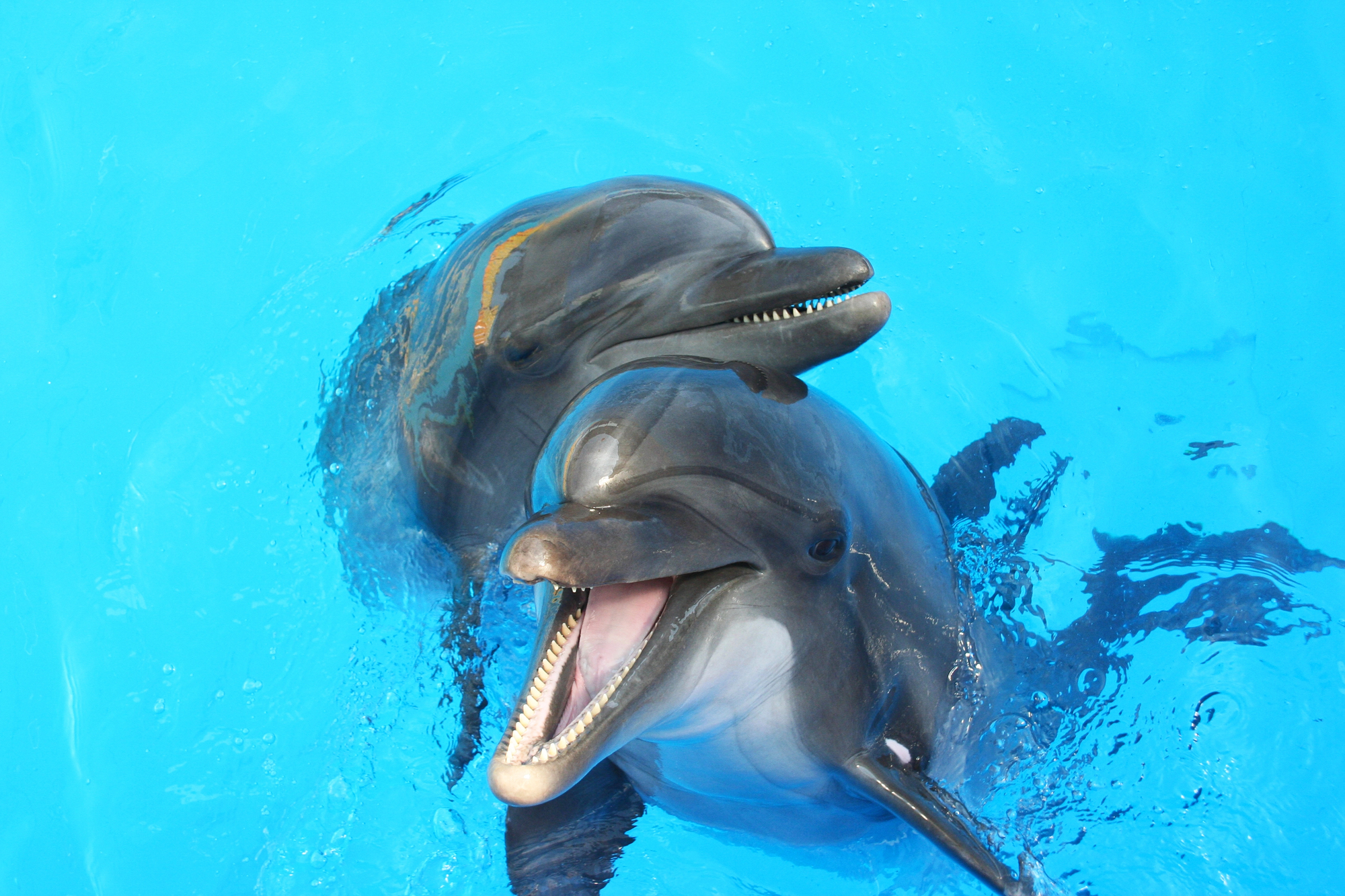
Dolphins are charming, intelligent, and capable of behavior that most people prefer not to discuss at length. They’ve been observed harassing porpoises without any apparent reason, engaging in coercive behavior within their pods, and forming coalitions to manipulate other animals in ways that are, to put it plainly, calculated.
The cheerful ambassador of the sea is actually a complex social animal with a capacity for cruelty that sits uncomfortably next to the “friendly dolphin” narrative children grow up with. Intelligence, it turns out, doesn’t default to kindness.
Hyenas
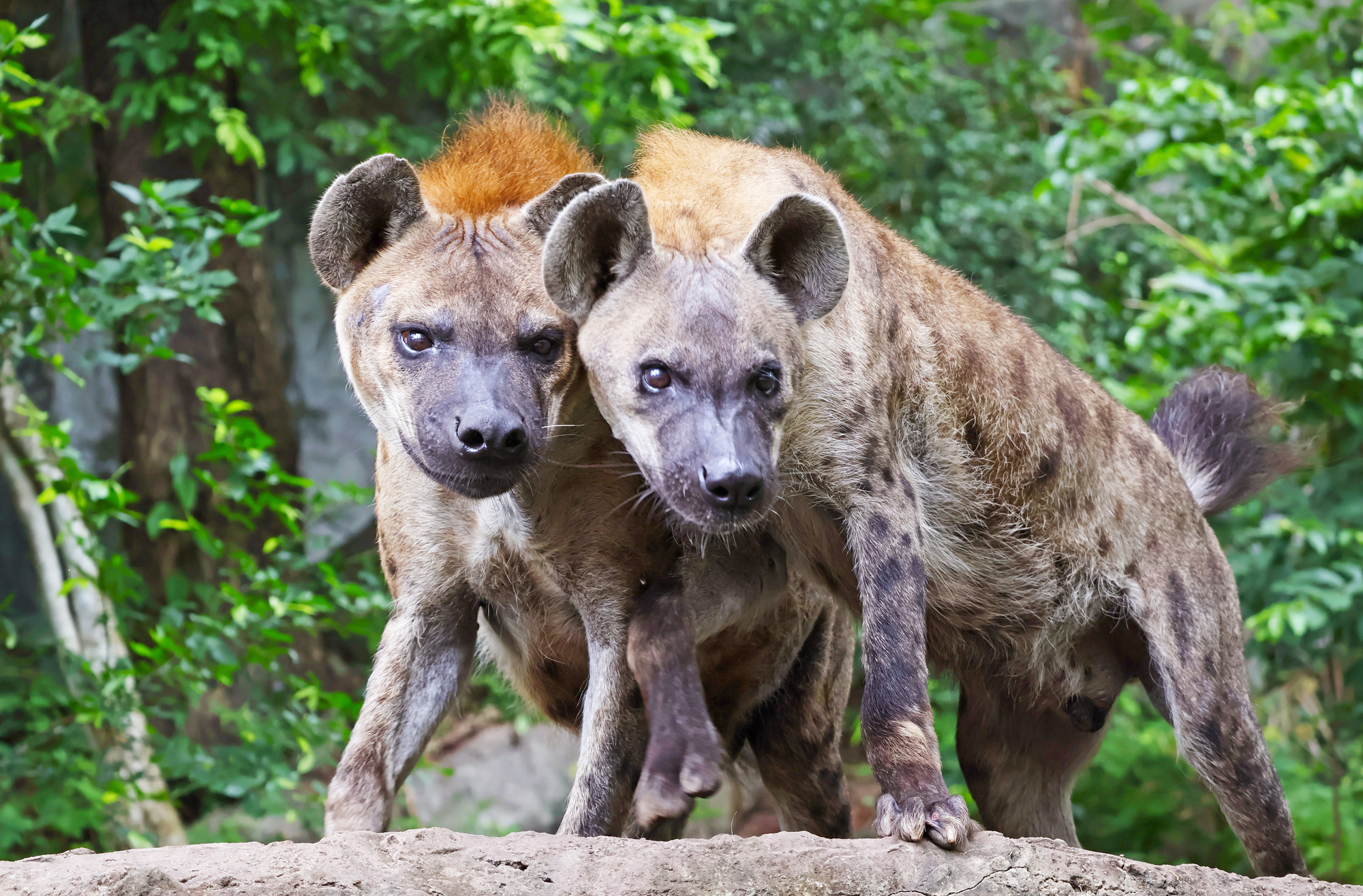
Spotted hyenas have been cast as scavengers and cowards in everything from ancient folklore to The Lion King, and the reality is almost the opposite — they’re sophisticated hunters that lions frequently steal from, not the other way around. Studies in the Serengeti found that lions scavenged from hyenas significantly more often than hyenas scavenged from lions, a fact that sits awkwardly next to the popular image of hyenas skulking around the edges of a lion’s meal.
Spotted hyenas live in matriarchal clans with complex social hierarchies, hunt in coordinated groups, and have one of the strongest jaw forces of any land predator. The coward label is genuinely baffling given the evidence.
Moose
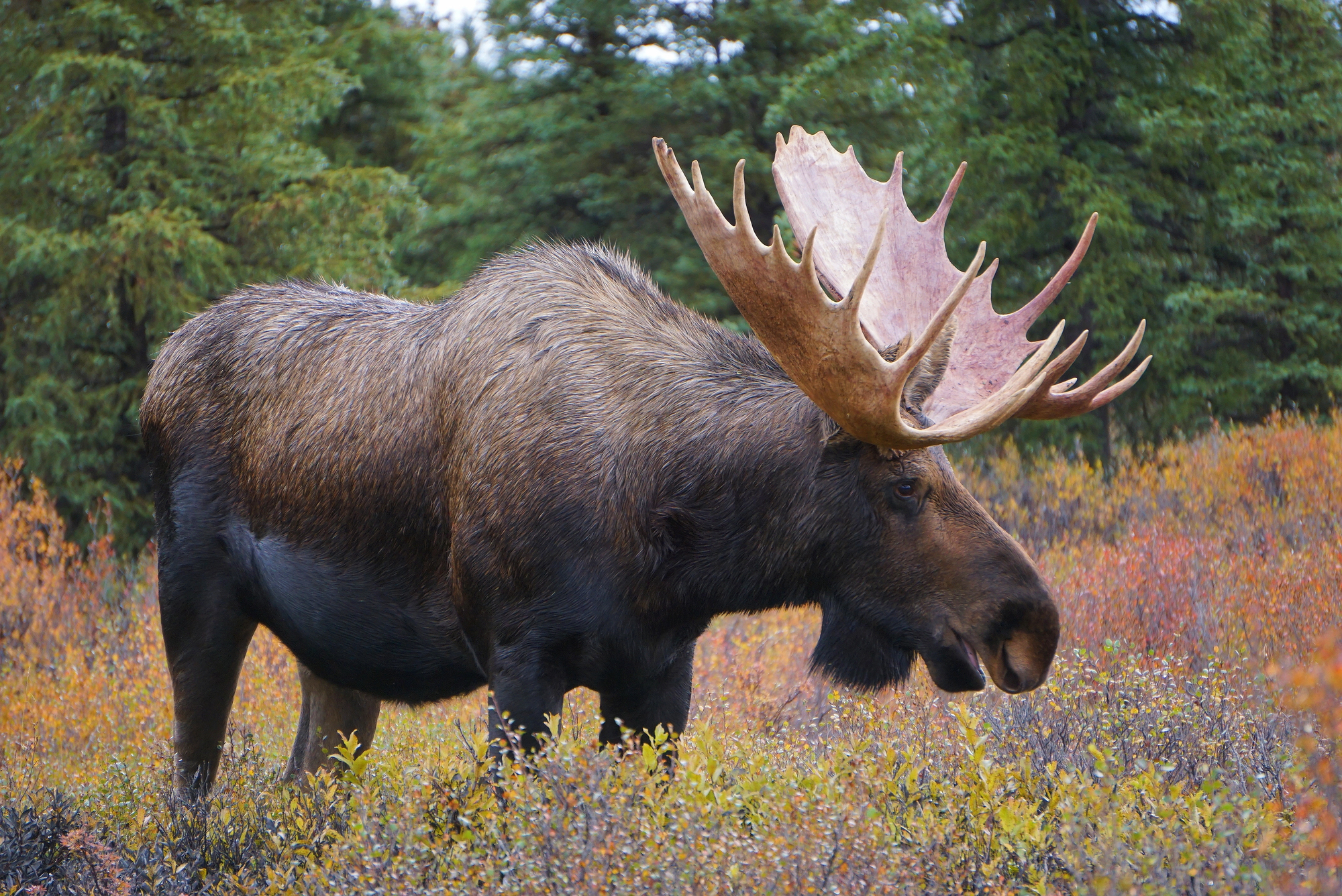
Moose look ungainly — the long legs, the drooping nose, the general air of something assembled from spare parts — and that look inspires a certain comfortable familiarity in people who encounter them. That familiarity is dangerous.
Moose are responsible for more human injuries in Alaska than bears are, they’re notoriously unpredictable, and a bull moose in rut is operating on a hormonal intensity that makes aggression not just possible but likely. They don’t look like a threat. That’s precisely the problem.
Chimpanzees
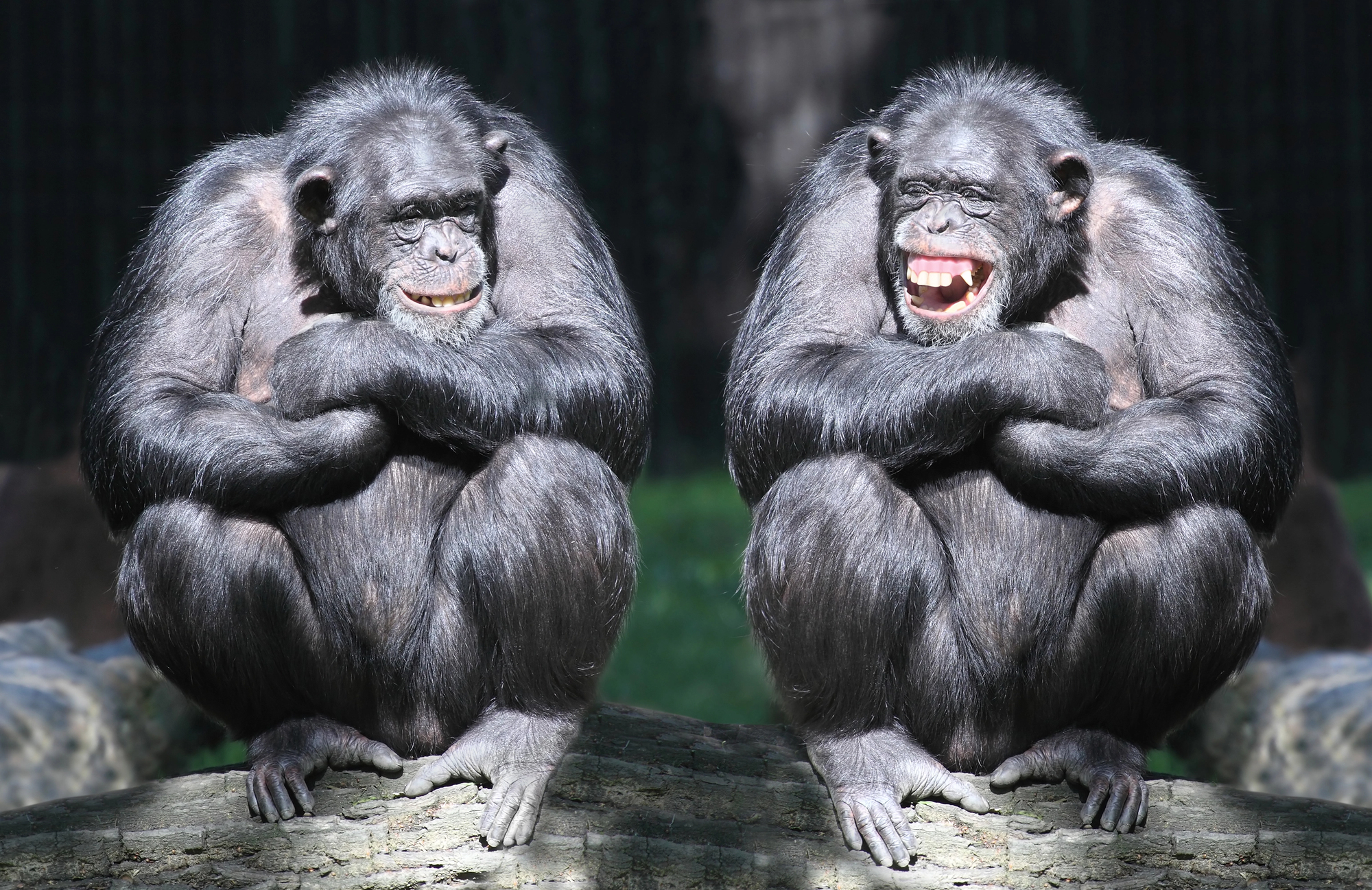
The image of chimpanzees as playful, human-like companions peaked somewhere around the era of organ grinders and 1960s television, and it took decades of serious research to undo the damage. Chimpanzees are enormously strong — an adult chimp is estimated to be roughly four to five times stronger than a human of similar size — and they engage in organized intergroup violence, territory raids, and infanticide.
The smile people interpret as a chimpanzee grinning happily is a fear grimace. Reading it as friendliness is a category error with potentially severe consequences.
Swans
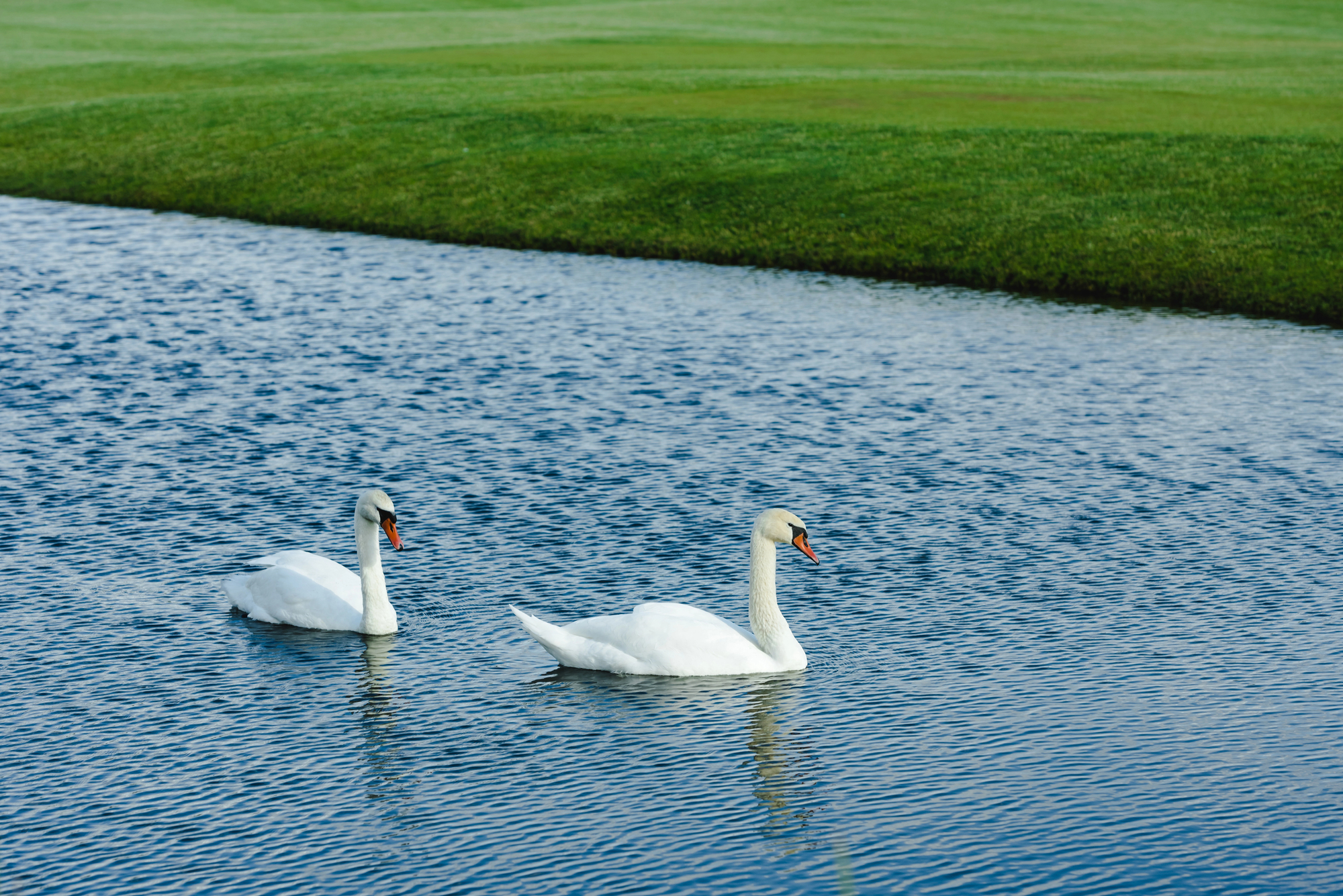
Swans have been romanticized into a symbol of grace, fidelity, and elegance — and they will absolutely chase you, hiss at your face, and hold that grudge until one of you leaves. The “swans mate for life” detail has become so attached to their image that people forget to notice the aggression that accompanies their territorial nature, particularly during nesting season.
There’s something almost corrective about a twenty-five-pound bird making an adult human reverse away from a pond at speed.
Pigs
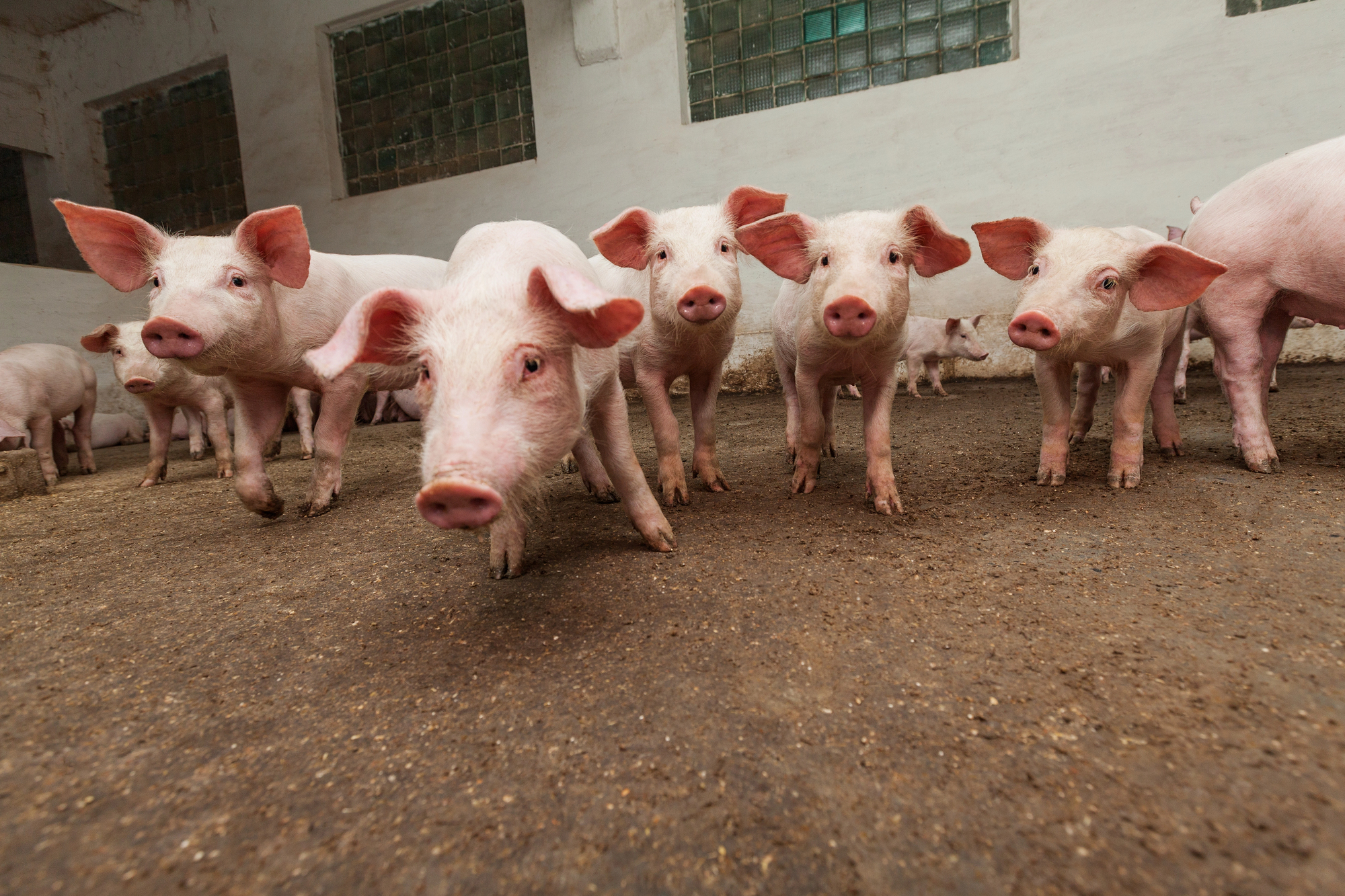
Pigs are smarter than dogs by most measurable standards, form complex social bonds, and have demonstrated the ability to play video games — using joysticks — in studies that tested their capacity for symbolic cognition. The association with filth is almost entirely a product of how humans have housed them: pigs don’t have functional sweat glands and roll in mud to regulate their temperature, not because they’re indifferent to cleanliness.
Given space and access to clean water, they’re fastidiously clean animals. The slur that borrowed their name was always more of a self-indictment than an accurate description.
Koalas
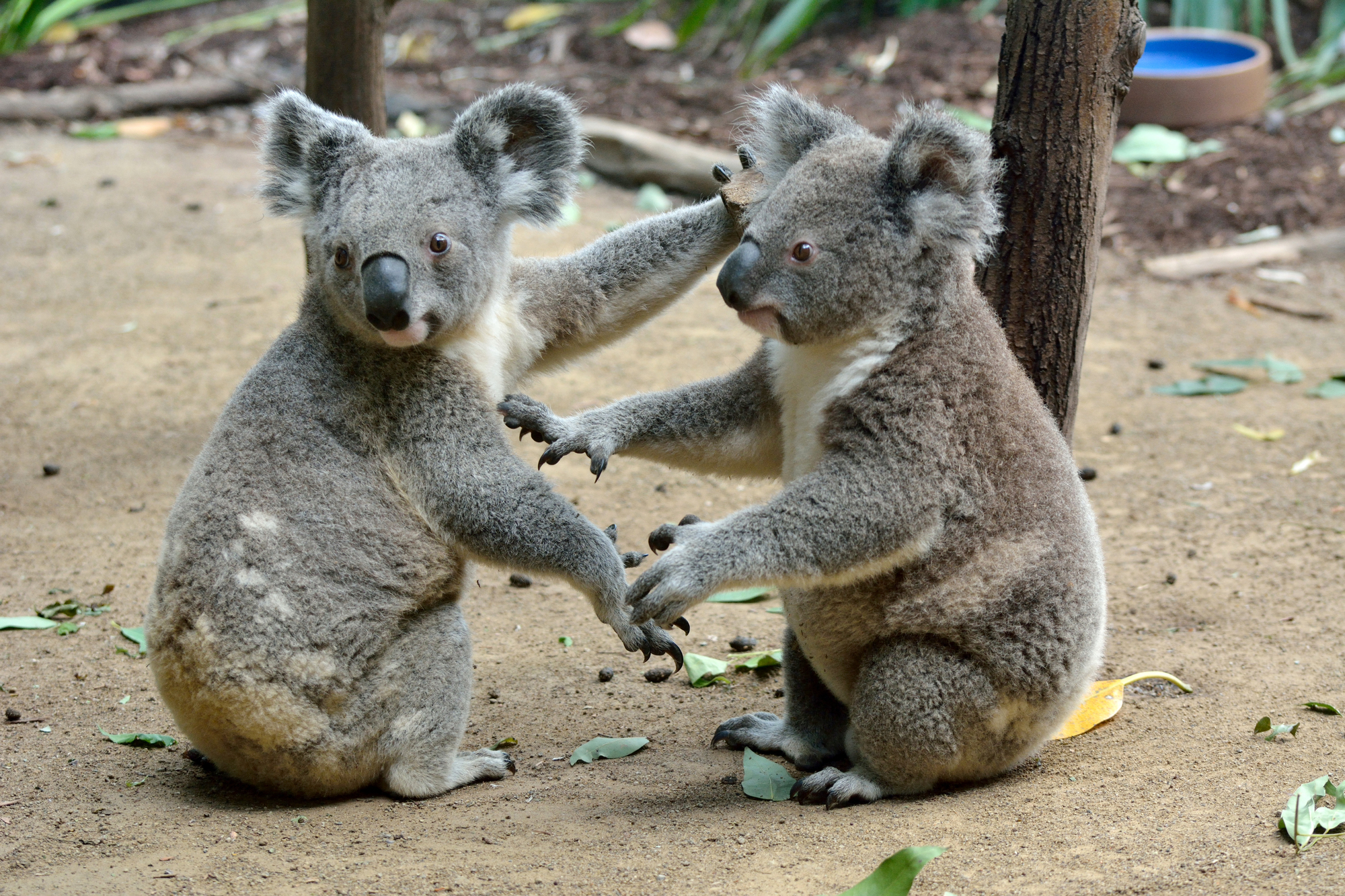
Koalas look like the living embodiment of a nap, soft and indifferent to the world, draped over a eucalyptus branch like someone’s discarded sweater. That image isn’t entirely wrong — they do sleep up to 22 hours a day, a metabolic consequence of a diet so low in nutrition that they have almost no energy to spare — but the animal underneath the drowsiness has sharp claws designed to grip tree bark and a temperament that tends toward aggression when handled.
Eucalyptus is also mildly toxic to most animals; the fact that koalas eat almost nothing else and have evolved a specialized digestive system to process it is quietly remarkable. The sleepy stuffed animal image sells them short in almost every direction.
Cassowaries
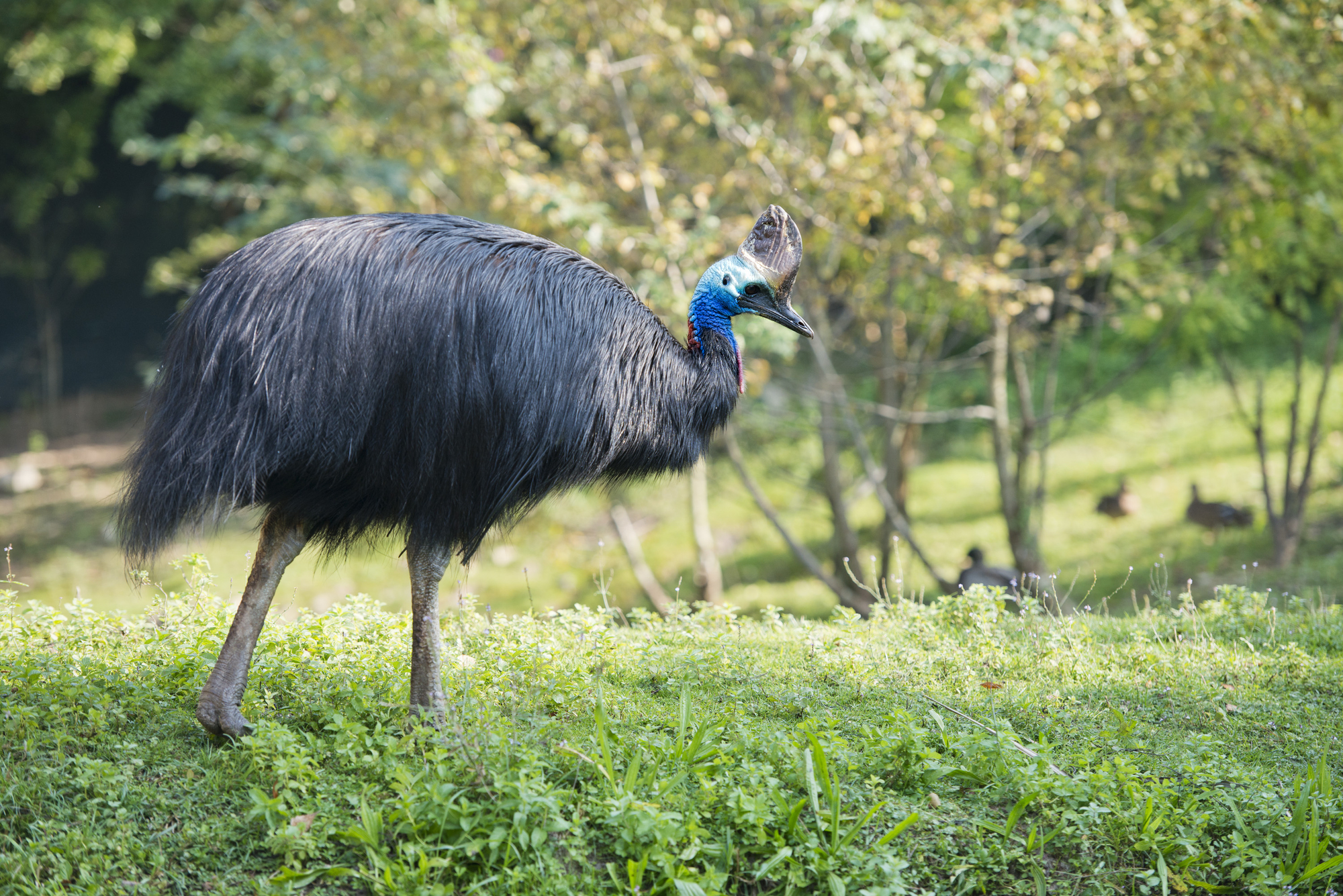
The cassowary holds the distinction of being the world’s most dangerous bird, which is a title that carries more weight when you understand that this is a six-foot-tall animal with a casque on its head and a dagger-like claw on each foot capable of delivering a disemboweling kick. They live in the rainforests of northern Australia and New Guinea, and while attacks on humans are rare, they’re not gentle creatures pushed to a last resort — they’re territorial, powerful animals that charge when threatened and follow through.
The fact that most people have never heard of them is probably the only thing keeping the cassowary’s reputation cleaner than it deserves.
Crows
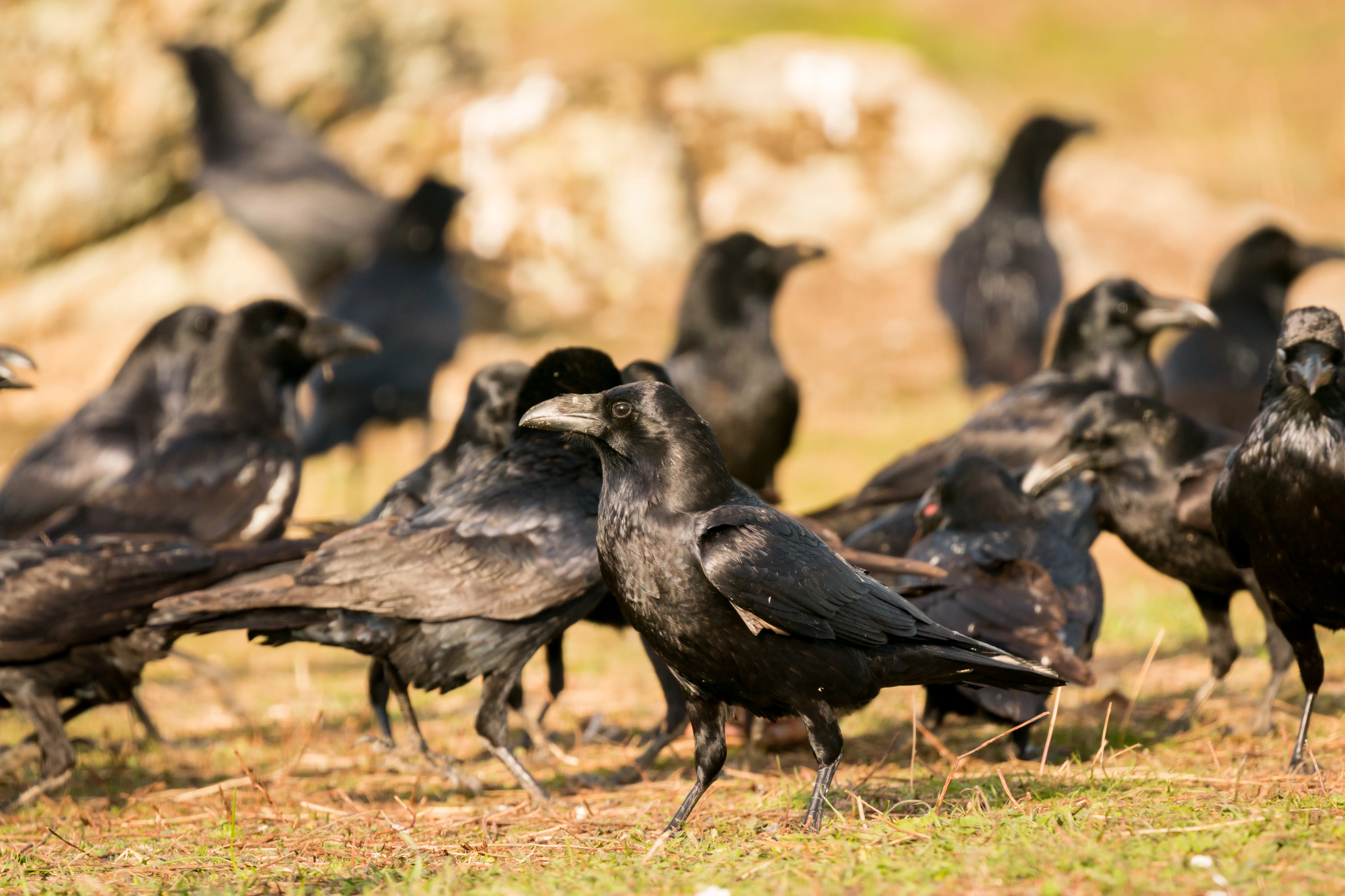
Crows remember faces, hold grudges that last years, pass information about specific humans between generations, and have been documented leaving small gifts for people who feed them regularly. The association with death and ill omen is ancient and persistent — a group of crows is called a murder, which tells you everything about how people have historically received them.
But crows are running something closer to a social intelligence operation: they recognize individual humans, adjust their behavior based on perceived threat levels, and communicate that information to their offspring. The ominous reputation is a misreading of competence.
Wolverines
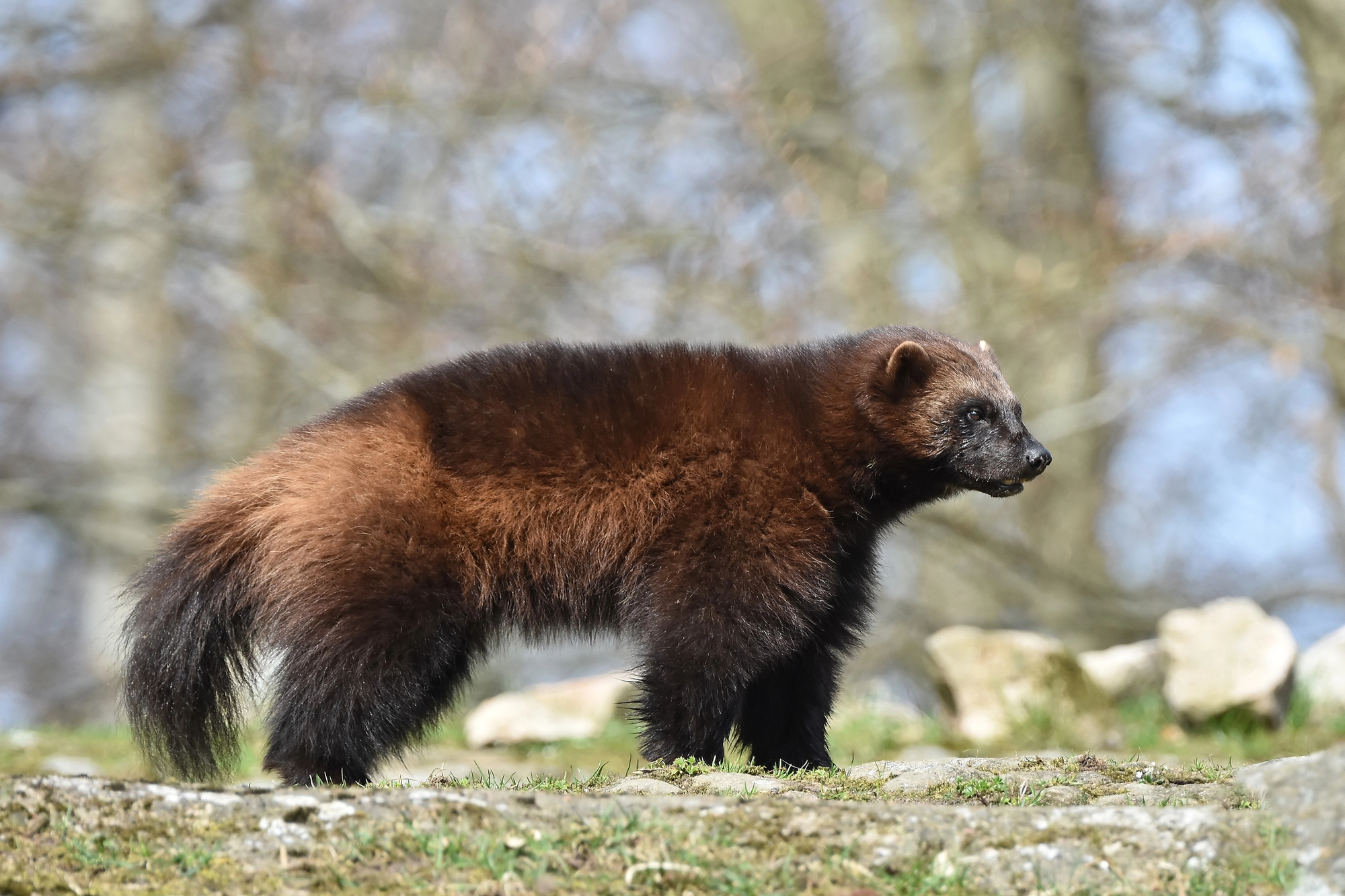
Wolverines are roughly the size of a medium dog and are documented to have driven grizzly bears away from kills. That sentence deserves a moment.
For an animal weighing between 20 and 55 pounds, the wolverine operates with an almost reckless disregard for size differentials — they’ve been observed confronting wolves, mountain lions, and bears over food, and they frequently win through sheer persistence rather than strength. The name has become attached to a fictional comic book character partly because the animal itself is already so improbable that it reads like invention. It isn’t. The wolverine is real and it does not care what you are.
Platypuses
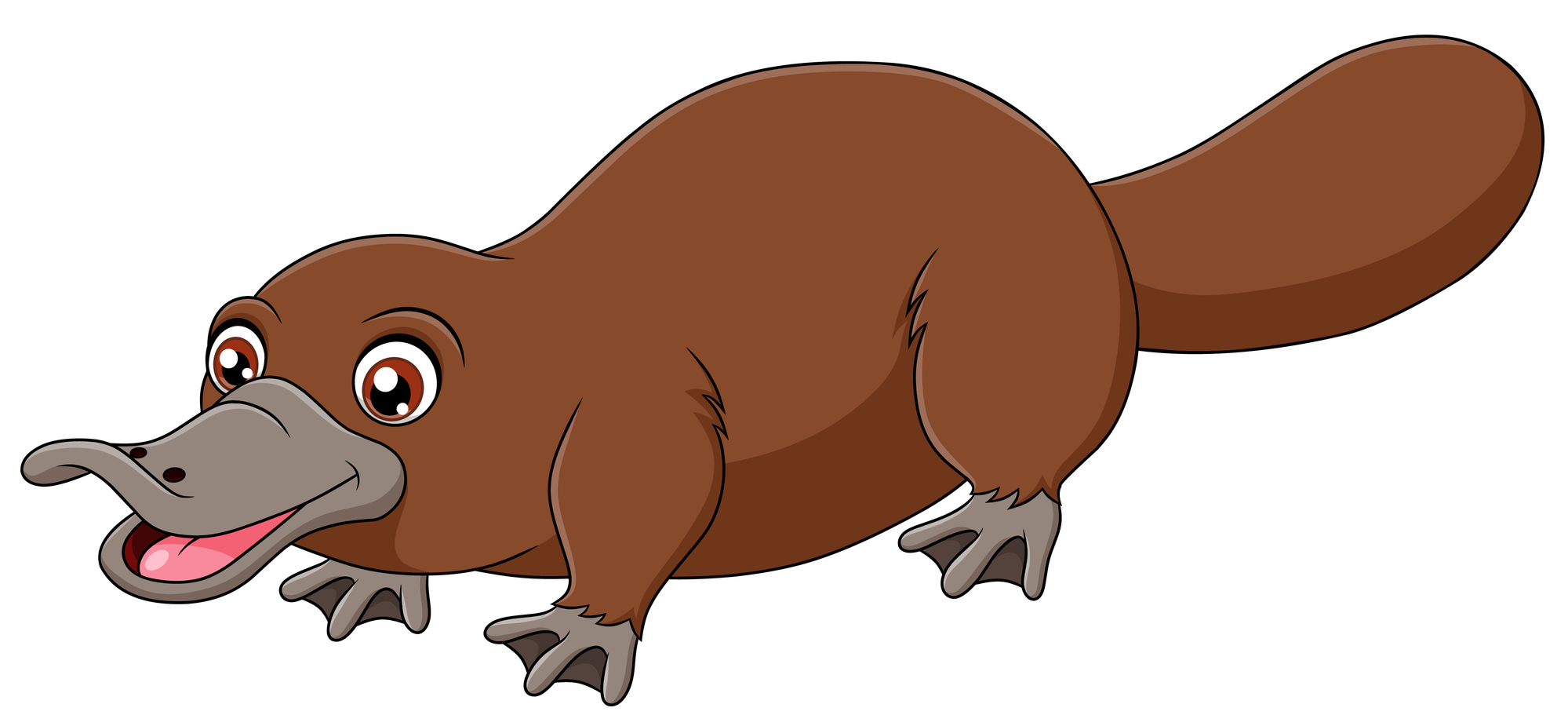
The platypus was famously dismissed as a hoax when European naturalists first received specimens in 1799 — a mammal with a bill, that lays eggs, that hunts via electroreception, and that also possesses venomous spurs on the hind legs of the male. That last part tends to get lost in the broader “isn’t it weird?” conversation.
Male platypuses carry crural spurs connected to venom glands that produce a cocktail capable of causing severe pain in humans, pain described as resistant to morphine and lasting for months. The duck-billed oddity of every Australian souvenir shop is a venomous, egg-laying mammal that senses electric fields. The cuteness is real; it’s just not the whole story.
Giant Pandas
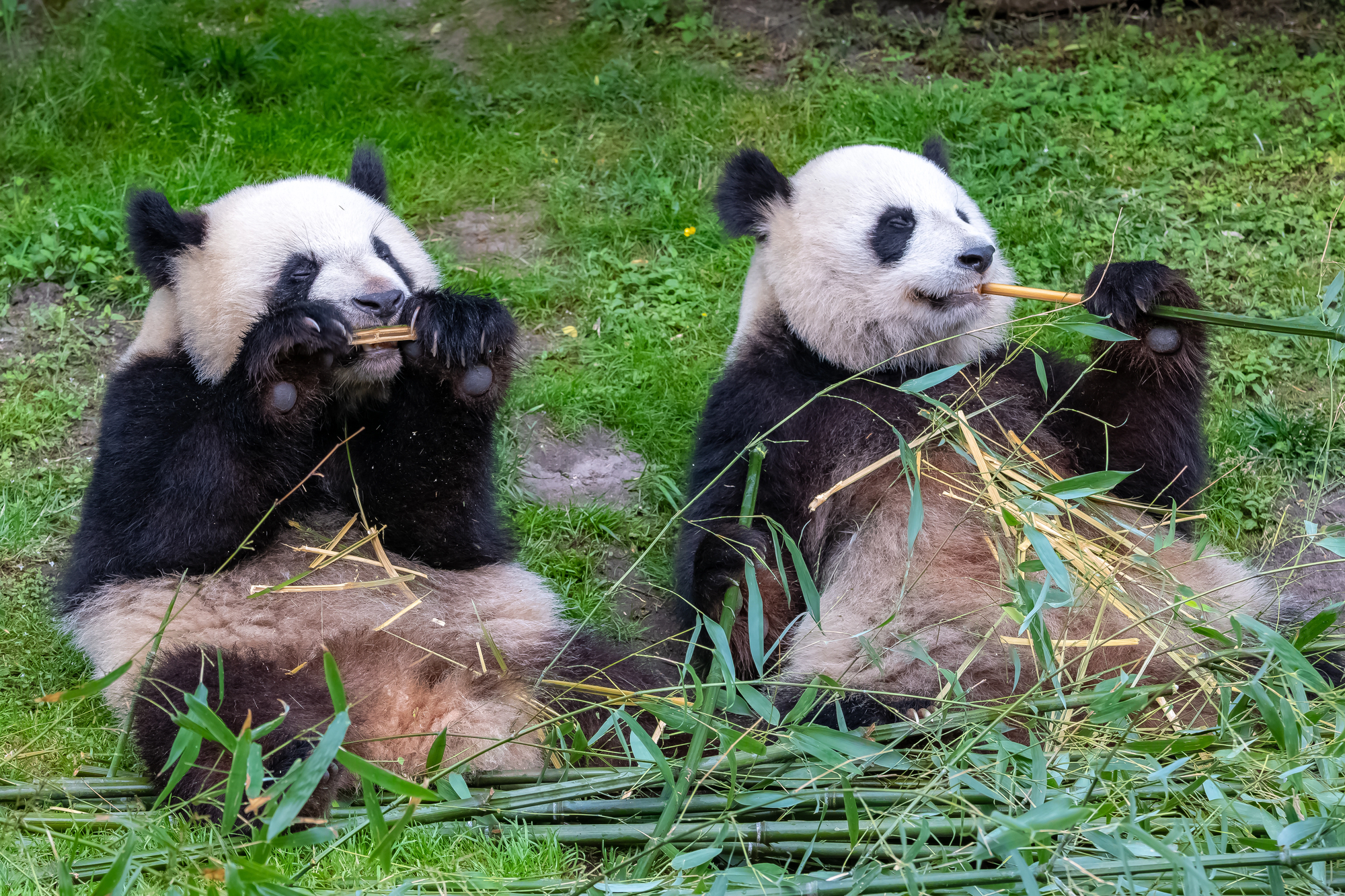
Giant pandas have a reputation as conservation darlings — lovable, gentle, almost cartoonishly docile — and that image has done a lot of work for fundraising while obscuring the fact that pandas are bears. Large bears.
Bears with a bite force that can crack bamboo stalks the diameter of a human forearm, and a territorial instinct that asserts itself clearly when they feel threatened. Zookeepers who work with pandas routinely describe them as unpredictable and capable of serious aggression.
The round face and slow movement pattern read as harmless; the animal underneath is still a bear, and it never stopped being one.
Slow Lorises
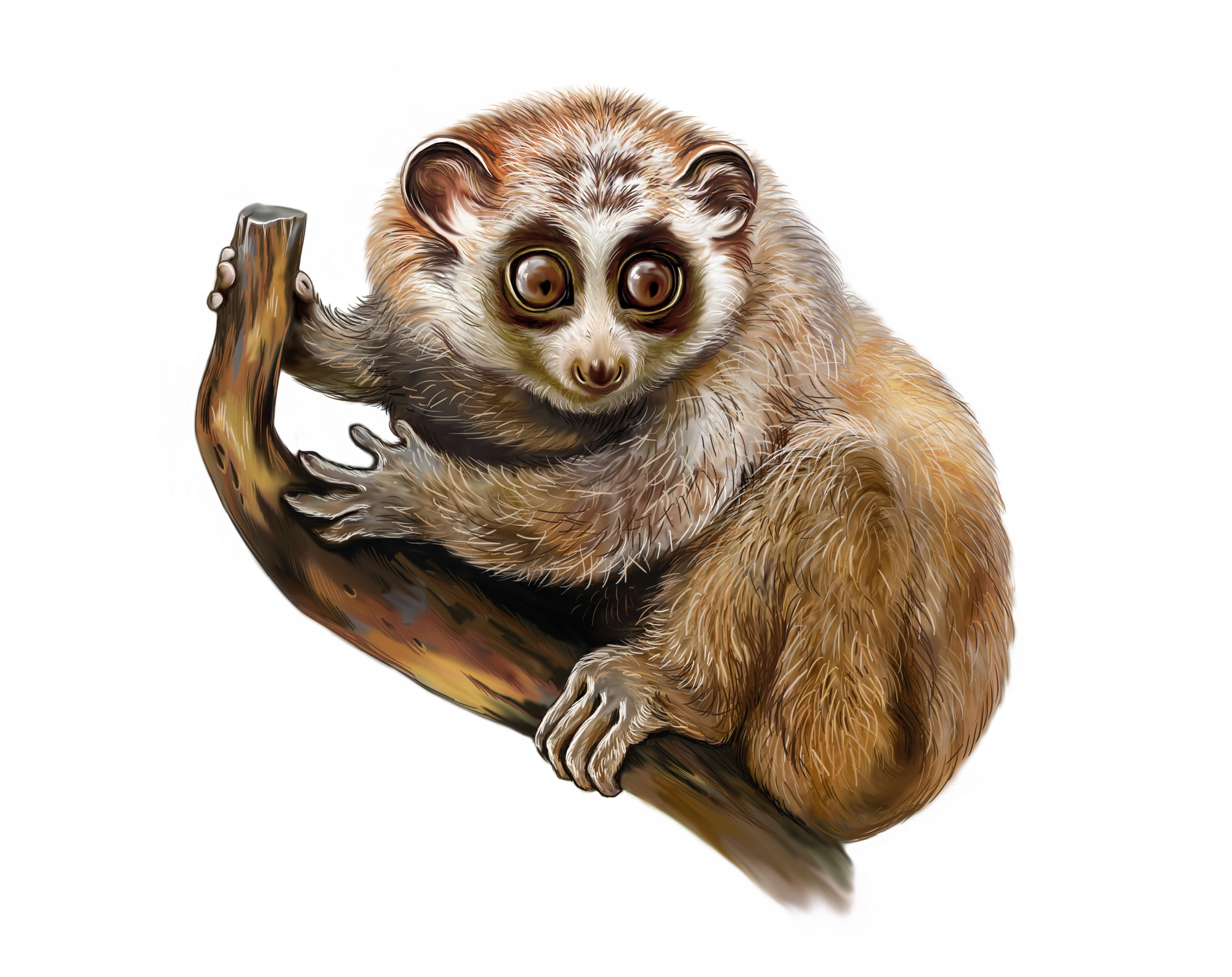
The slow loris has become an internet sensation through videos of captive animals being tickled, raising their arms in what looks like enjoyment. Those raised arms are actually a threat posture — the loris is accessing venom glands in its armpits, mixing the secretion with saliva to produce a toxic bite that can cause anaphylactic shock in humans.
The “cute” tickling videos represent an animal in distress, performing a defensive behavior that the viewer has misread as affection. Slow lorises are the only venomous primates in the world, and the demand created by those videos has driven illegal wildlife trafficking that has pushed several loris species toward the edge of extinction.
Black Widows
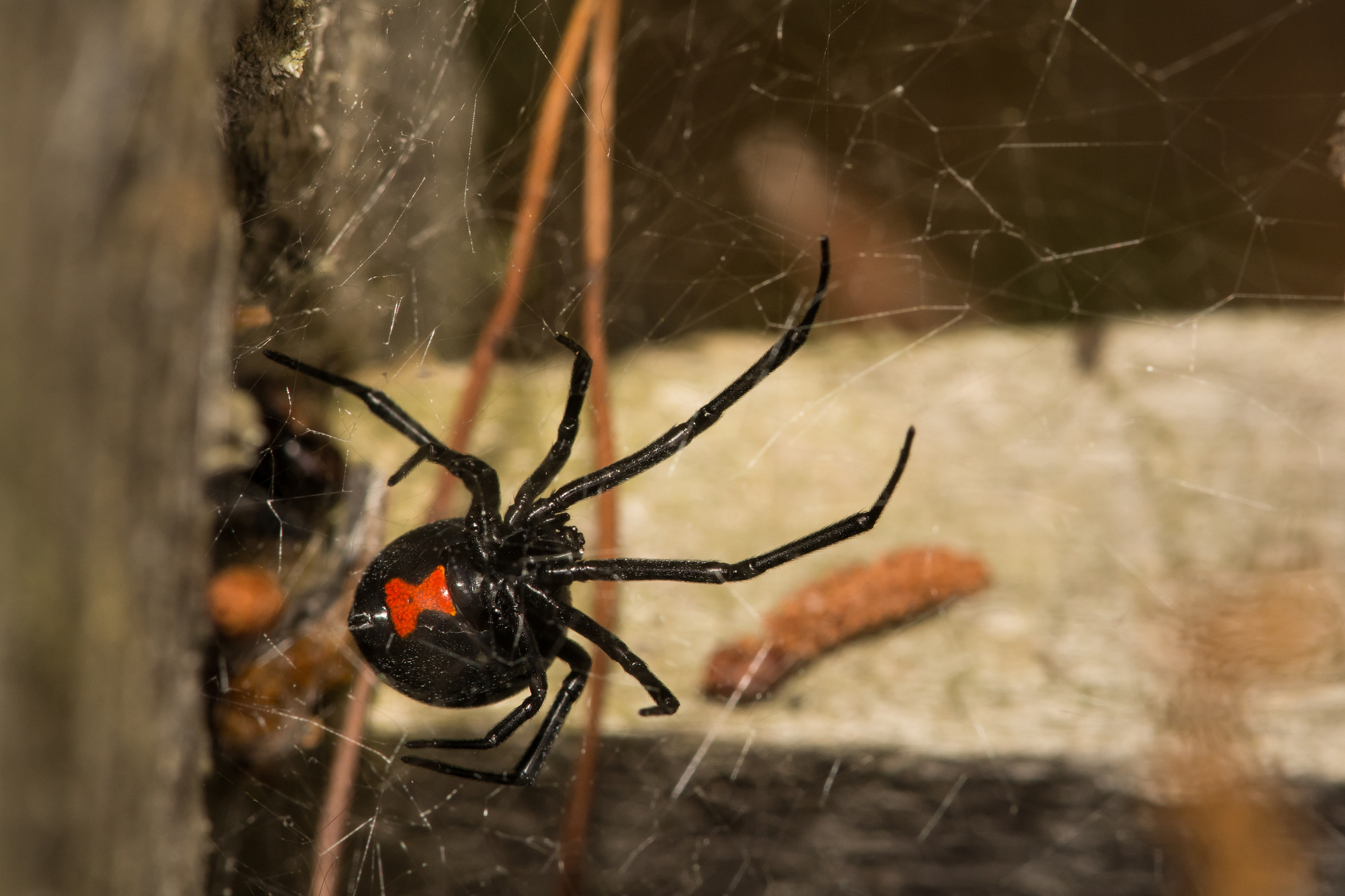
Black widow spiders occupy a permanent spot in the popular imagination as a death sentence in eight-legged form, but fatalities from black widow bites in the United States are extraordinarily rare — so rare that the last documented death occurred decades ago. The venom is genuinely potent and the bite is painful, causing muscle cramps and nausea that can last several days, but healthy adults almost never face life-threatening consequences with even basic medical attention.
Black widows are also reclusive and non-aggressive — they bite defensively, typically when pressed against skin, not because they’re hunting you. The skull-and-crossbones reputation is about 40 years out of date.
Manatees
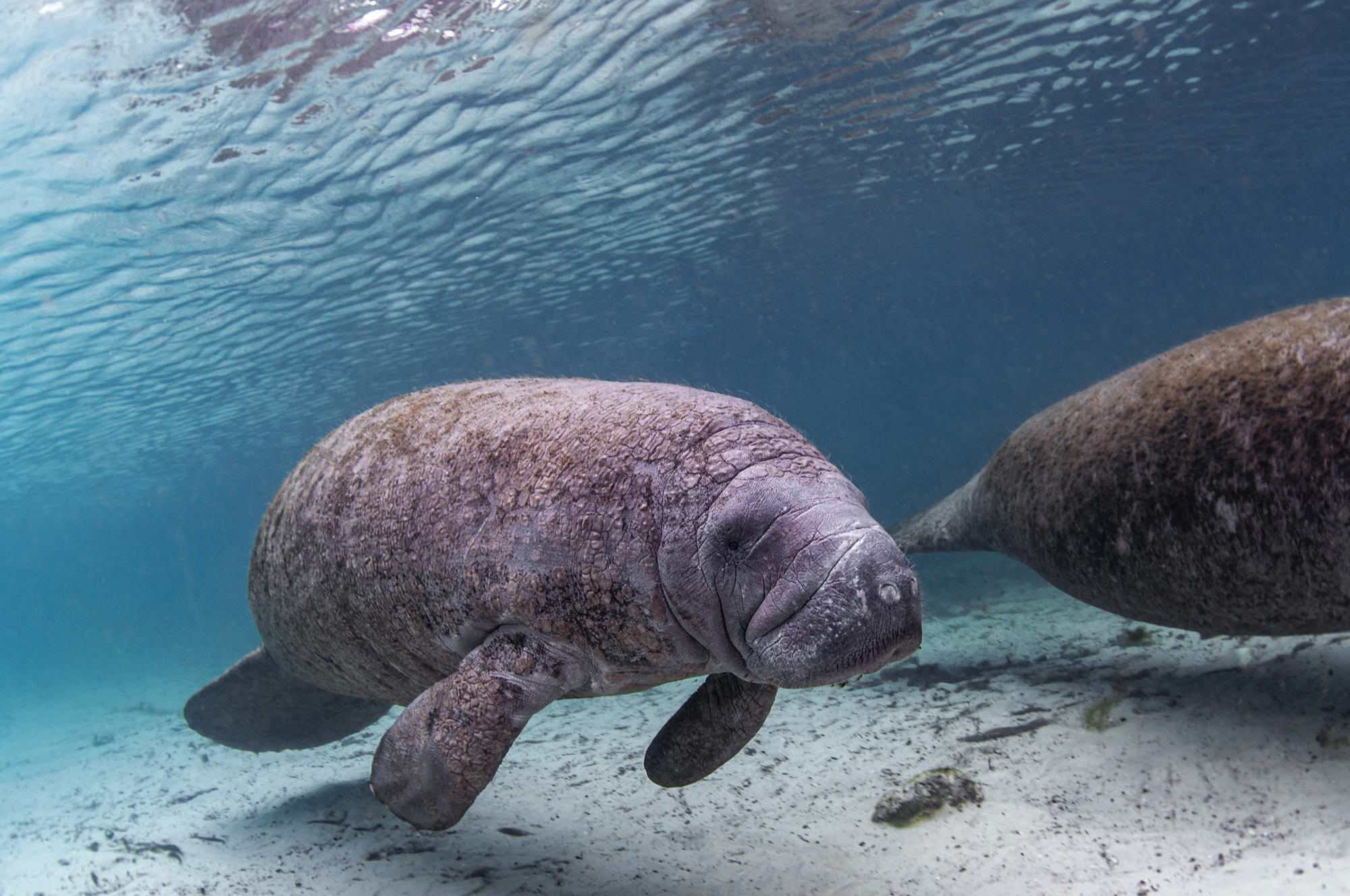
Manatees move through the water with the unhurried confidence of something that has never needed to worry about a predator — because, for most of their evolutionary history, they haven’t. Slow, large, and placid, they’ve been described as gentle sea cows so often that the description has calcified into assumption.
But manatees can move with surprising speed when motivated, weigh up to 1,200 pounds, and have been documented behaving aggressively toward boats and other animals when their calves are threatened. The gentleness is genuine and consistent under normal conditions; the assumption that it’s unconditional is where people go wrong.
Geese
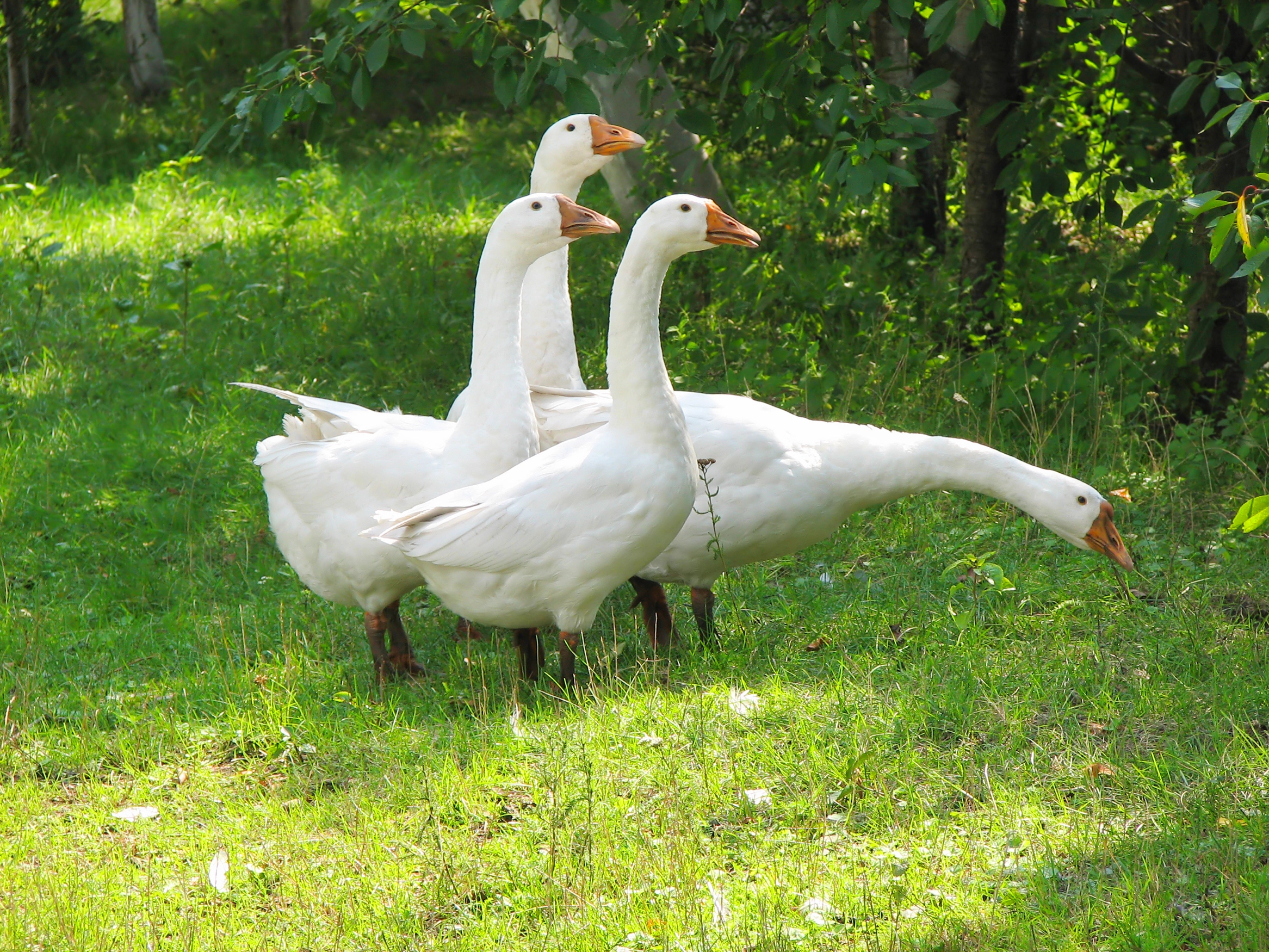
Canada geese are the animal equivalent of a person who has decided the parking lot is theirs. They’re aggressive, territorial, and entirely unimpressed by the size differential between themselves and a full-grown human, and they’ve adapted so thoroughly to suburban environments — parks, golf courses, corporate campuses — that they now encounter humans constantly and have concluded, apparently, that they always win.
They’re not wrong. The image of geese as pleasant wildlife to observe near a pond is accurate only from a significant distance. Any closer and the goose has already decided you’re a problem.
Komodo Dragons
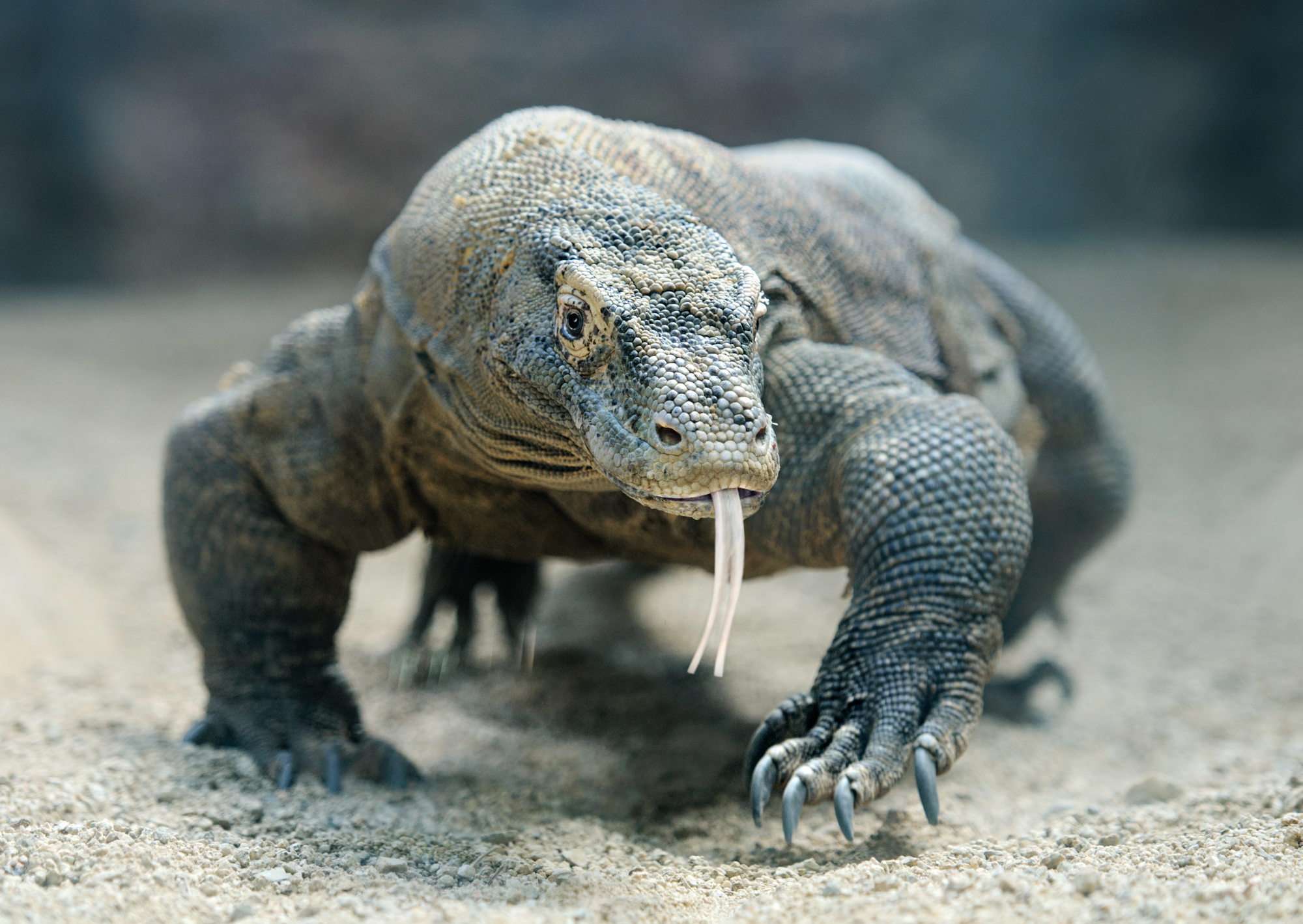
The Komodo dragon spent years carrying a reputation as an animal that killed via bacteria — the idea being that its mouth was so septic that a bitten animal would die days later from infection. That narrative was tidier than the truth, which is that Komodo dragons have venom glands that produce anticoagulants, causing their prey to wound out while the dragon tracks it patiently across the landscape.
They can run at 12 miles per hour over short distances, take down animals as large as water buffalo, and have been documented swimming between islands separated by miles of open ocean. The “lazy, bacteria-mouthed scavenger” image undersells a sophisticated apex predator by a significant margin.
Barn Owls
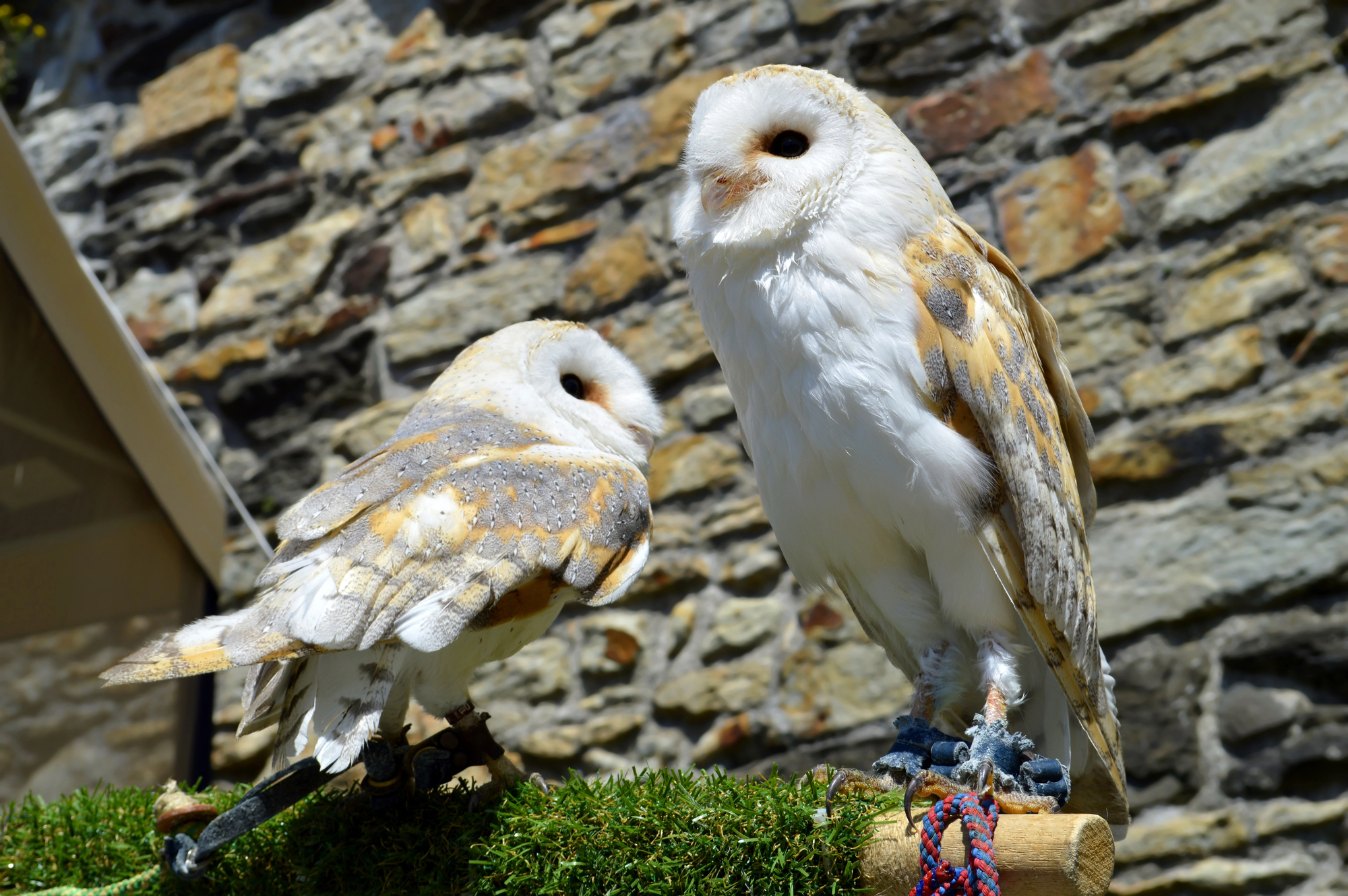
Barn owls have haunted churchyards and attic spaces long enough that they’ve become shorthand for unease — white, silent, faced like a ghost — and the unease isn’t entirely unreasonable. But what the barn owl actually represents, in ecological terms, is one of the most effective rodent-control systems in nature: a single breeding pair can consume over 3,000 rodents per year, making them a measurable force in keeping agricultural pest populations in check.
The silence that makes them unsettling is a feature of their serrated feathers, which allow them to hunt without their prey hearing the approach. The thing that makes them eerie is the same thing that makes them extraordinary.
The Animal Kingdom Doesn’t Owe You a Simple Story
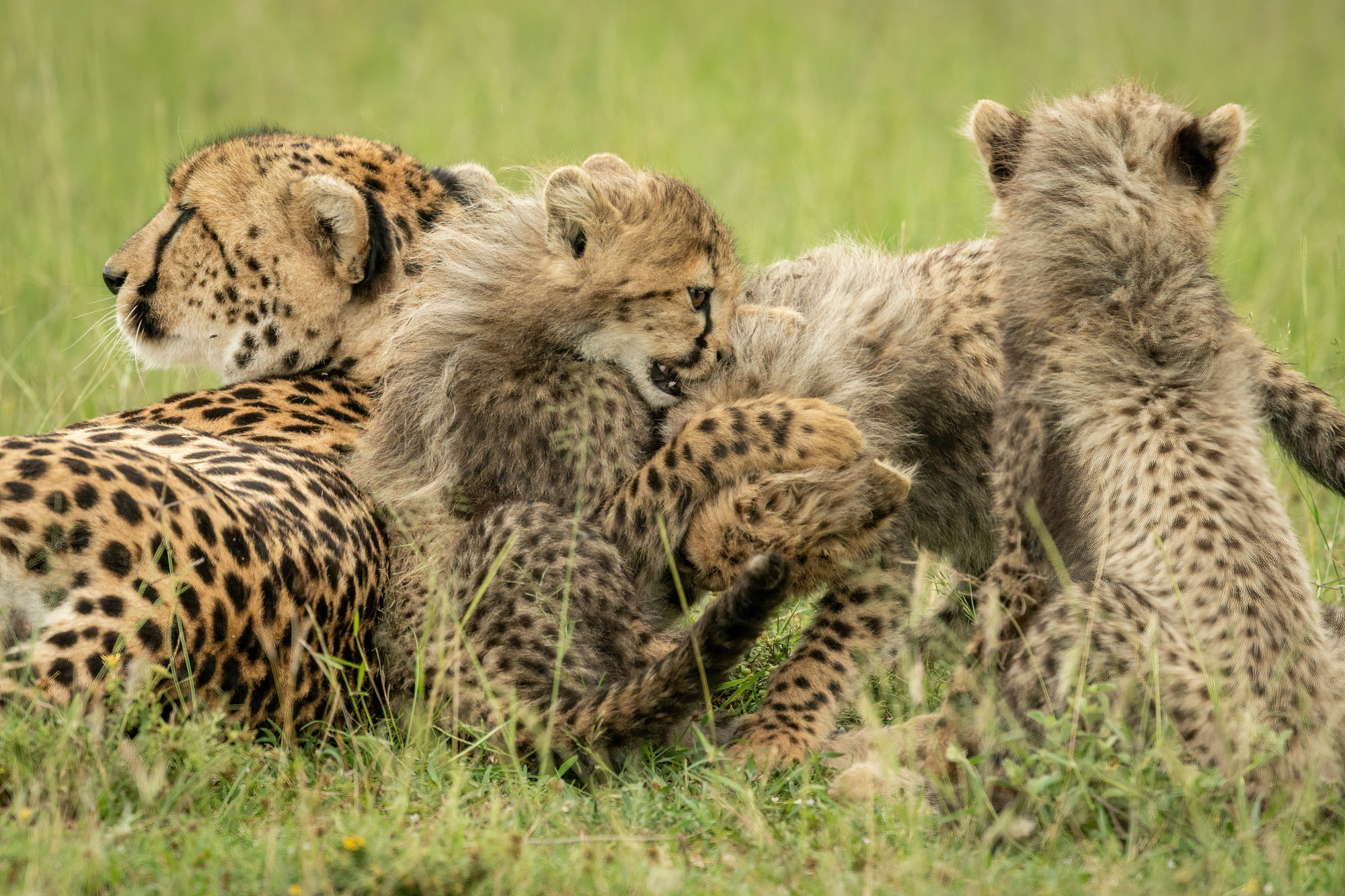
Every misread animal on this list carries the weight of a story told about it by someone who wasn’t paying close enough attention — or who needed a villain, or a mascot, or a symbol, and reached for the nearest creature that fit the template. Animals don’t perform for the reputations assigned to them.
The shark doesn’t know it’s supposed to be malevolent. The wolf doesn’t know it’s the villain.
The slow loris doesn’t know its distress is being uploaded as entertainment. What they do instead is simply behave — according to instinct, environment, and need — while the human narrative about them lags somewhere decades behind.
The gap between reputation and reality isn’t just interesting. It’s a reminder that observation is a skill, and most of us have been outsourcing it to folklore for a very long time.
More from Go2Tutors!

- The Romanov Crown Jewels and Their Tragic Fate
- 13 Historical Mysteries That Science Still Can’t Solve
- Famous Hoaxes That Fooled the World for Years
- 15 Child Stars with Tragic Adult Lives
- 16 Famous Jewelry Pieces in History
Like Go2Tutors’s content? Follow us on MSN.