25 Summer Desserts from the ’50s and ’60s That Nobody Bothers Making Anymore
There was a time when dessert was an event. Not a scoop pulled from a carton or a square broken off a bar, but something that had been chilled overnight, unmolded with ceremony, and carried to the table with the kind of quiet pride that suggested real effort had gone into it.
The postwar American kitchen — abundant with canned goods, gelatin packets, and a general enthusiasm for anything modern — produced a category of summer sweets that feels almost alien today. Most of these desserts vanished not because they tasted bad, but because the culture around them shifted.
Convenience foods got more convenient, dinner parties became more casual, and at some point the idea of spending a Tuesday evening constructing a lime gelatin mold started to feel like a lot. Here are 25 of those forgotten warm-weather classics, each one a small window into a very specific moment in American domestic life.
Tomato Aspic
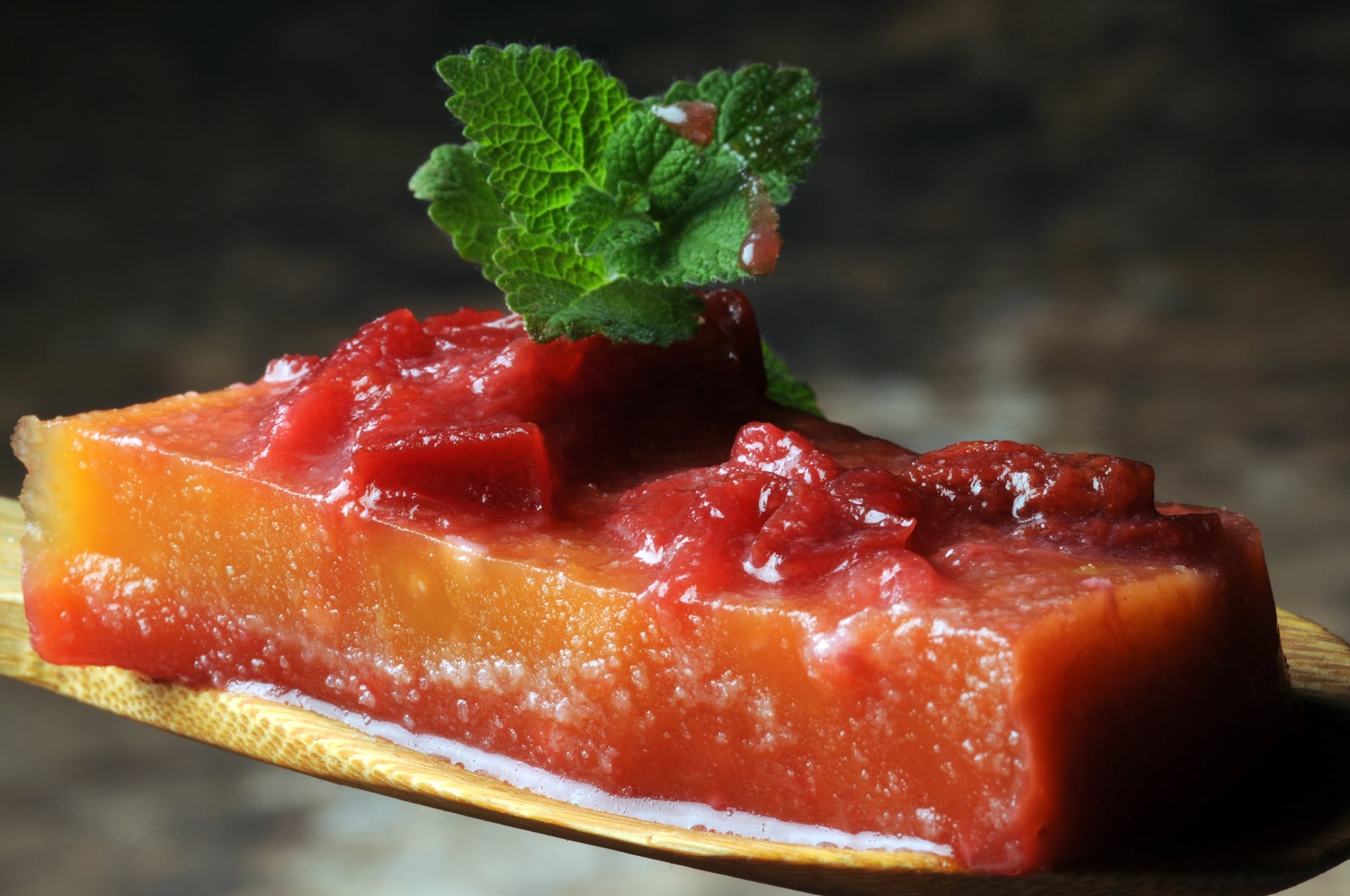
It sounds like a dare, but tomato aspic was a genuine summer staple through the late 1950s and into the ’60s. Set in a ring mold and served alongside cold shrimp salad or a wedge of iceberg lettuce, it was considered elegant — the kind of thing that signaled a competent hostess.
The tomato flavor came from juice or puree, and the gelatin gave it a wobbling, jewel-like quality that photographs of the era made look genuinely appealing.
Prune Whip
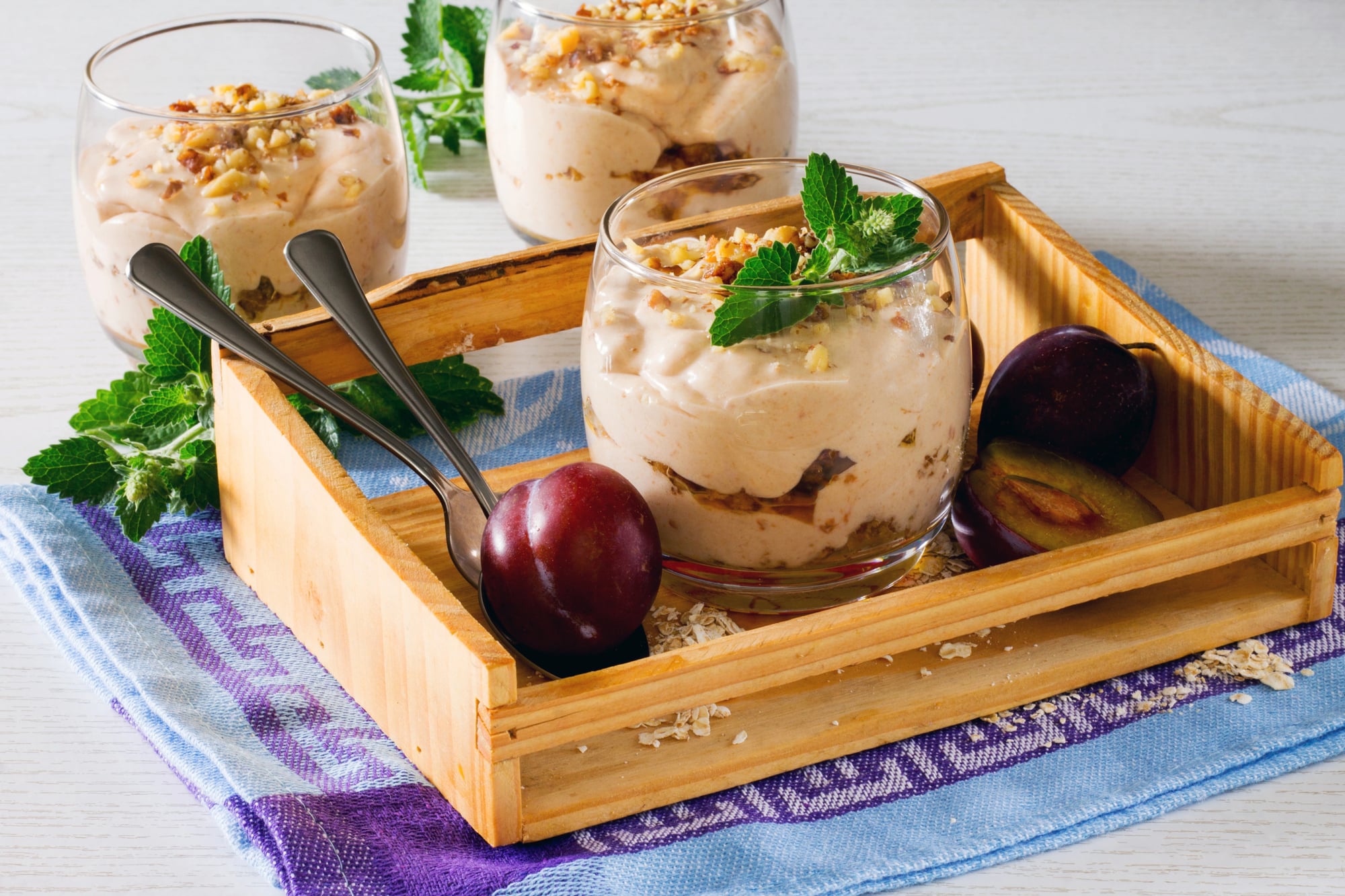
President Dwight D. Eisenhower named prune whip as one of his favorite desserts, which tells you something about how differently the concept of a treat was understood in 1955. Made by folding cooked, pureed prunes into stiffly beaten egg whites, then chilling the whole thing until it set into a mousse-like cloud, it was light, not-too-sweet, and practically disappeared from recipe cards the moment the 1970s arrived.
Jell-O Fruit Mold
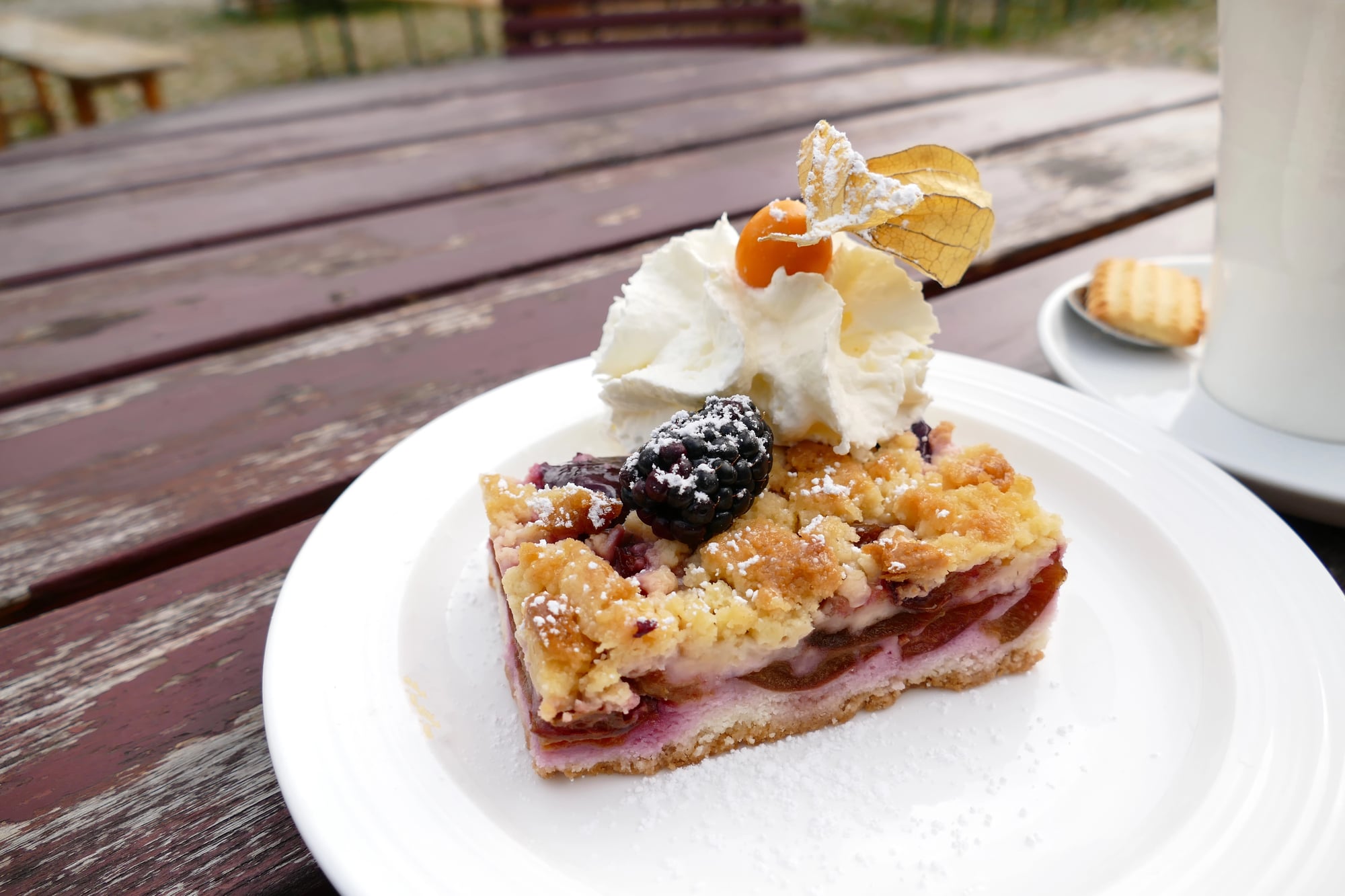
The molded gelatin dessert was arguably the defining dish of postwar American entertaining, and historians of food culture have argued it was the single most popular dish in the country during the early 1950s. The appeal was partly visual — a glistening, color-saturated dome of fruit suspended in translucent red or green — and partly practical.
You made it the night before, unmolded it minutes before serving, and it held its shape through an entire meal.
Chiffon Pie
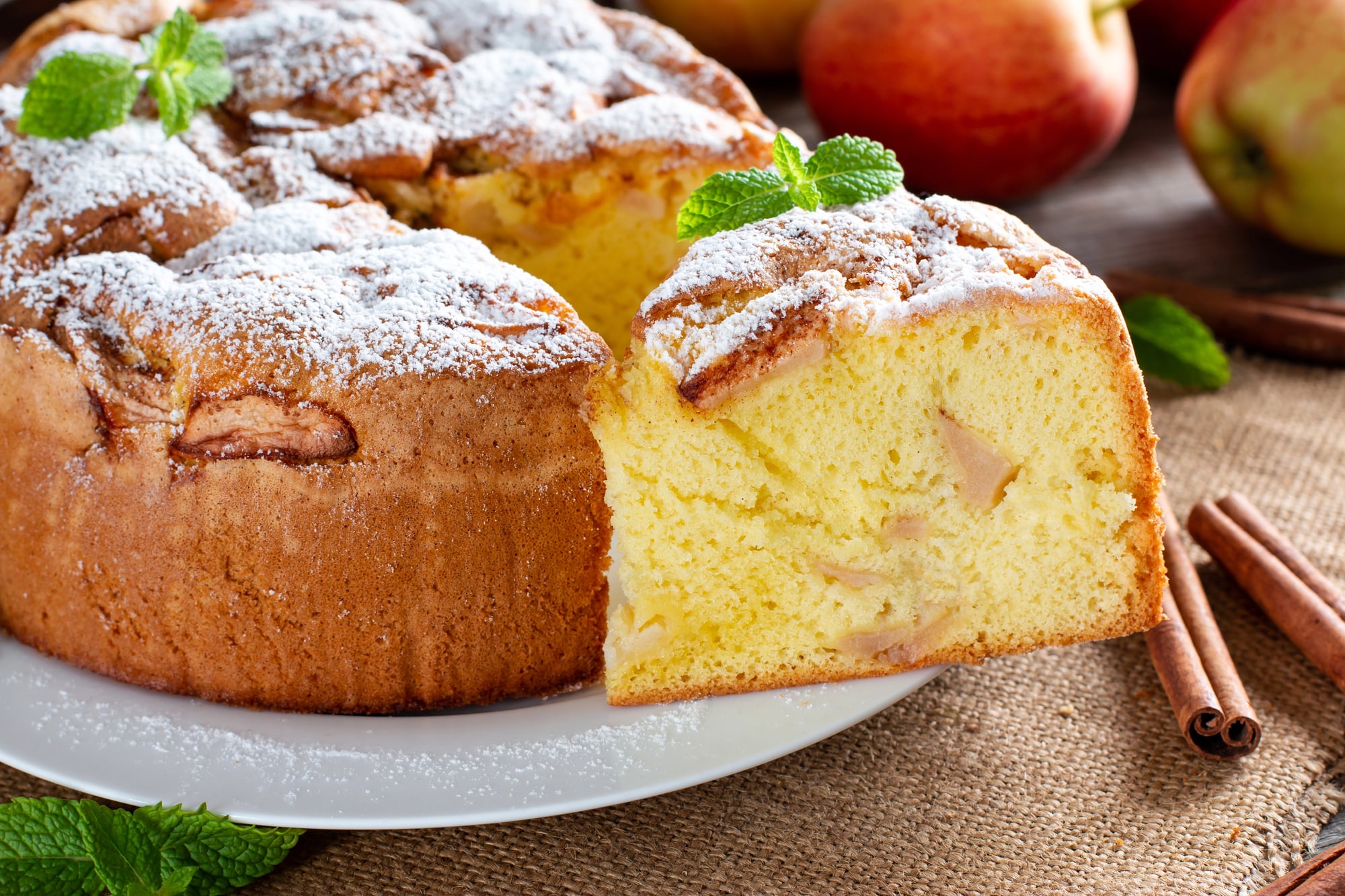
Chiffon pie came to national attention through Betty Crocker in the 1950s after a California baker handed over a recipe he’d kept secret for years. The filling was a near-weightless mixture of egg yolks, whipped egg whites, sugar, and gelatin — set in a standard pastry shell and chilled rather than baked.
Lemon chiffon was the most popular version, particularly across the South and West Coast, and it was the kind of pie that impressed people without requiring a great deal of equipment.
Baked Alaska
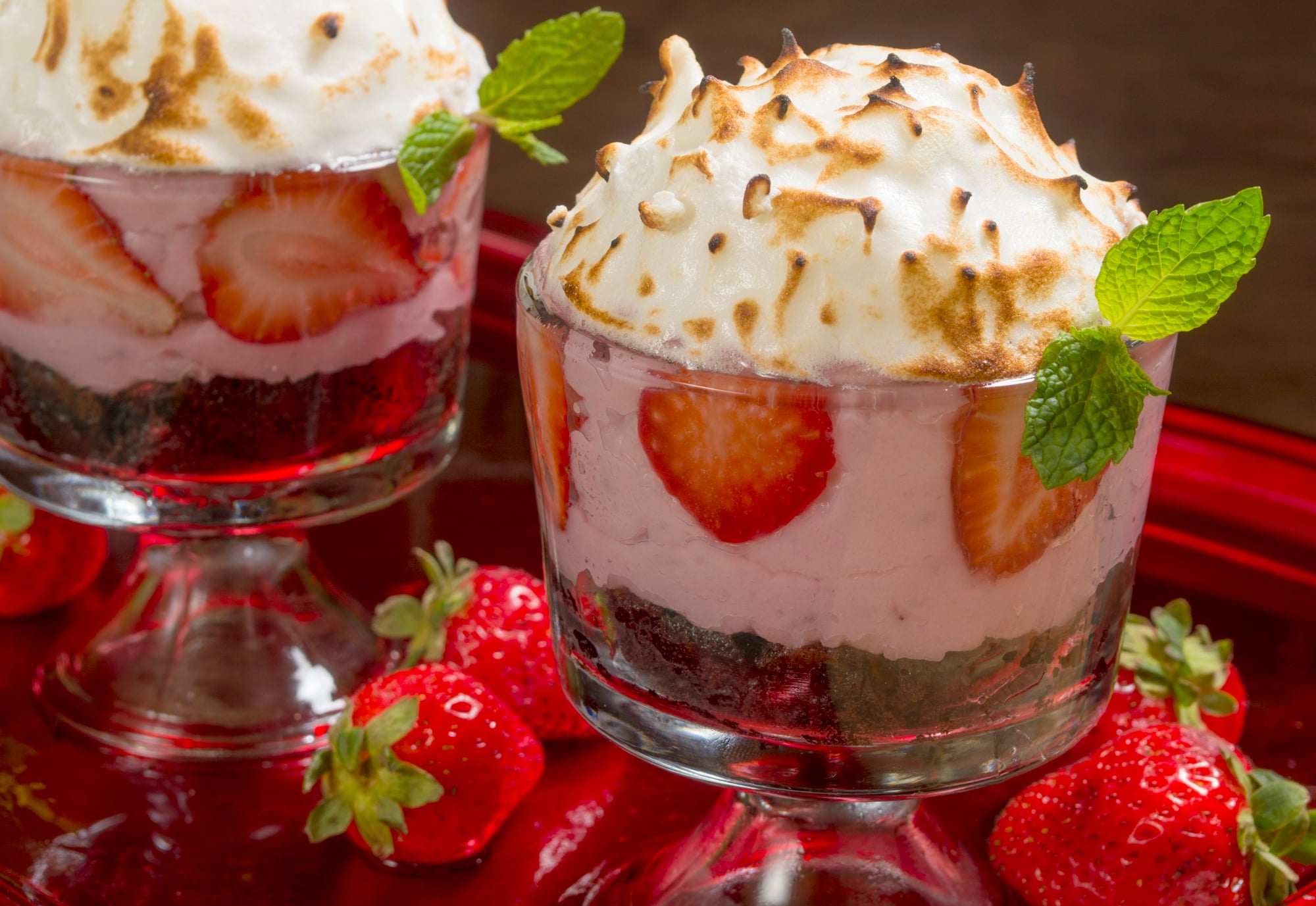
Baked Alaska had existed since the 1800s but found its cultural peak after Alaska achieved statehood in 1959. The concept — ice cream encased in meringue, then briefly flashed under high heat — requires more nerve than skill, but most home cooks of the era attempted it at least once.
The meringue insulates the ice cream long enough for the exterior to brown, and the moment of slicing through to reveal the cold center was exactly the kind of table theatre the period adored.
Pink Champagne Cake
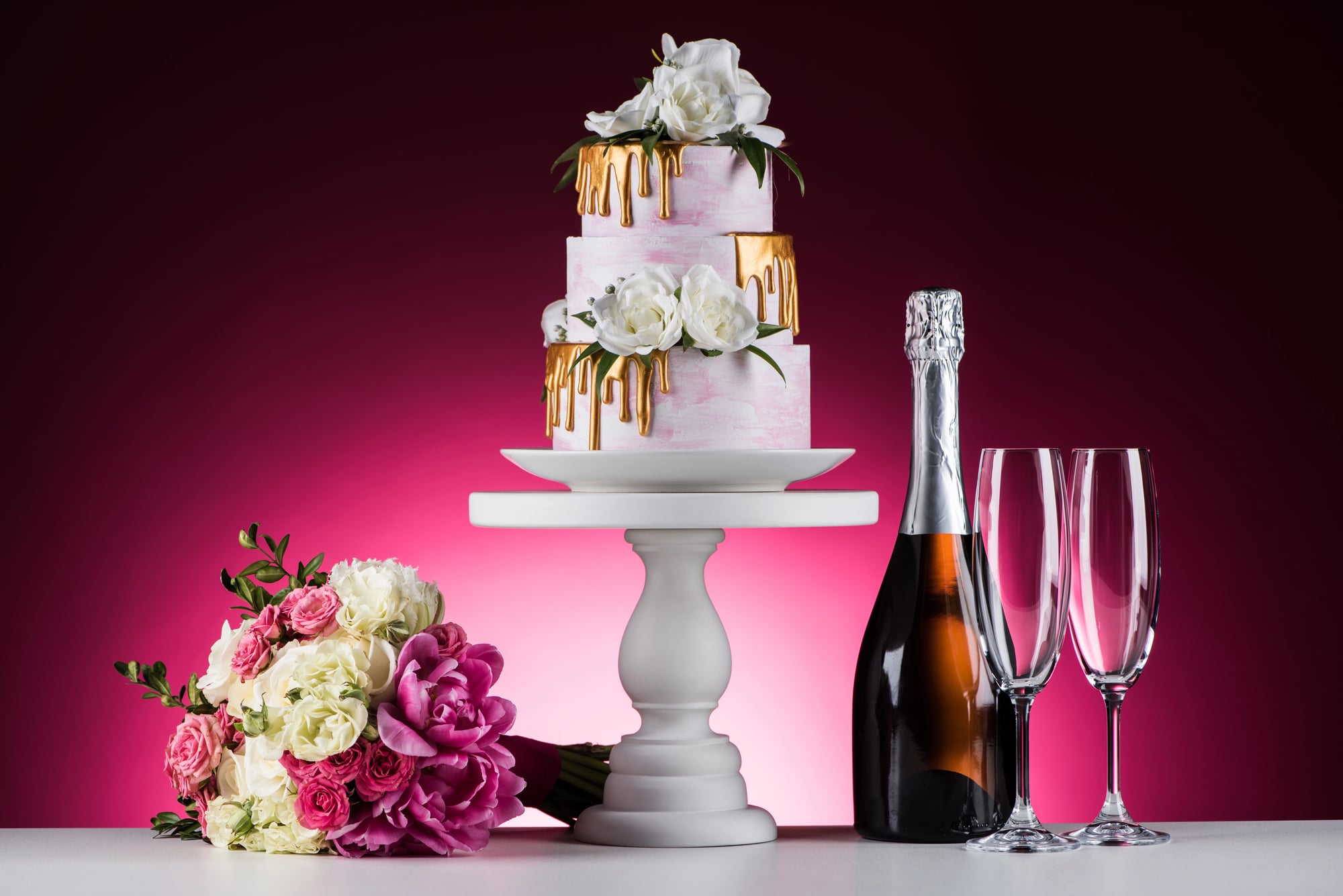
Pink Champagne cake was reportedly one of the most requested recipes from the Los Angeles Times in the early 1960s, a detail that suggests it had genuine cultural traction rather than merely novelty appeal. The cake used actual pink Champagne in both the batter and the frosting, giving it a faintly floral flavor and a soft, blush-colored crumb.
It was the kind of dessert that required a celebration as an excuse, which may be why it didn’t survive into less ceremonious decades.
Ambrosia Salad
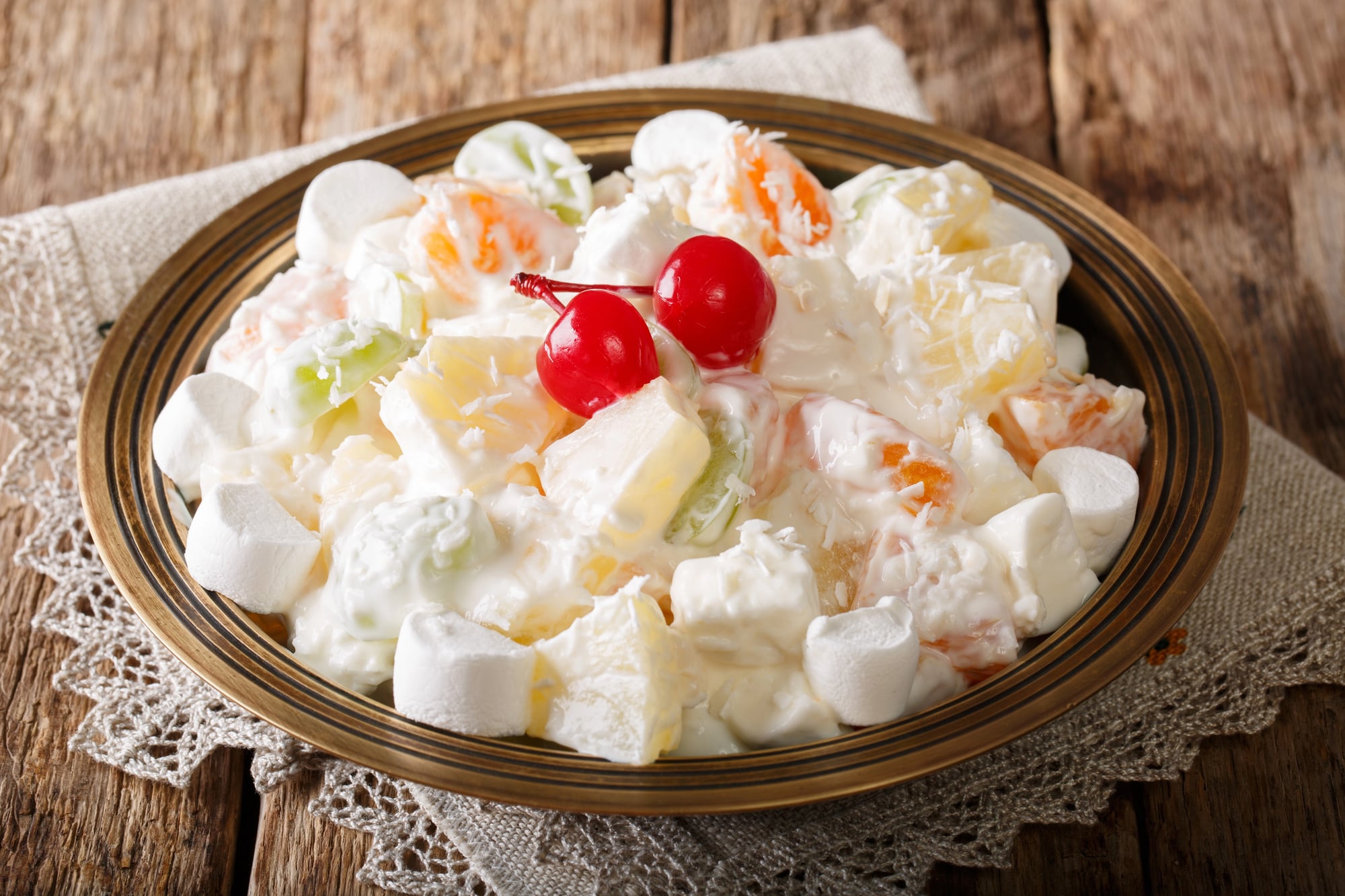
Ambrosia dates back to the Gilded Age, but its cultural moment arrived in the 1950s and ’60s when year-round access to canned fruit made it a practical option for everyday cooks. Mandarin oranges, crushed pineapple, maraschino cherries, coconut, and miniature marshmallows, all folded into whipped cream or sour cream — it was assembled rather than cooked, required no oven on a hot day, and could be made hours ahead.
In the South and Midwest, it still makes occasional appearances at holiday tables.
Icebox Cake
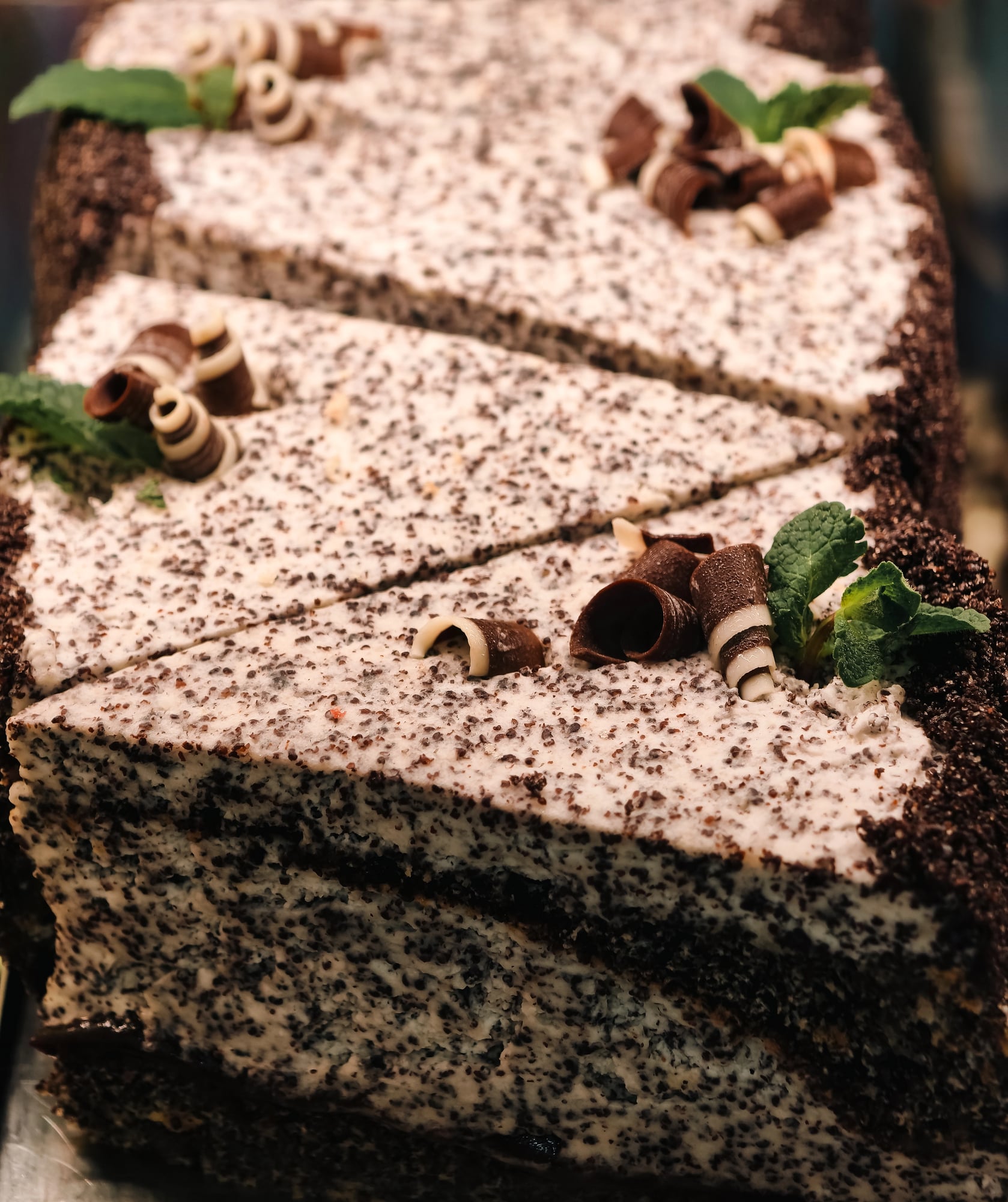
The original icebox cake had nothing to do with a recipe box. It was built from layers of whipped cream and whole chocolate wafer cookies, pressed together and refrigerated overnight until the cookies softened into something resembling a mocha-flavored sponge.
The result was sliced like a log and served in rounds that showed off the striped interior. Nabisco’s Famous Chocolate Wafers carried the recipe on the box for decades, and the cake required no baking — a genuine advantage on a summer afternoon.
Charlotte Russe
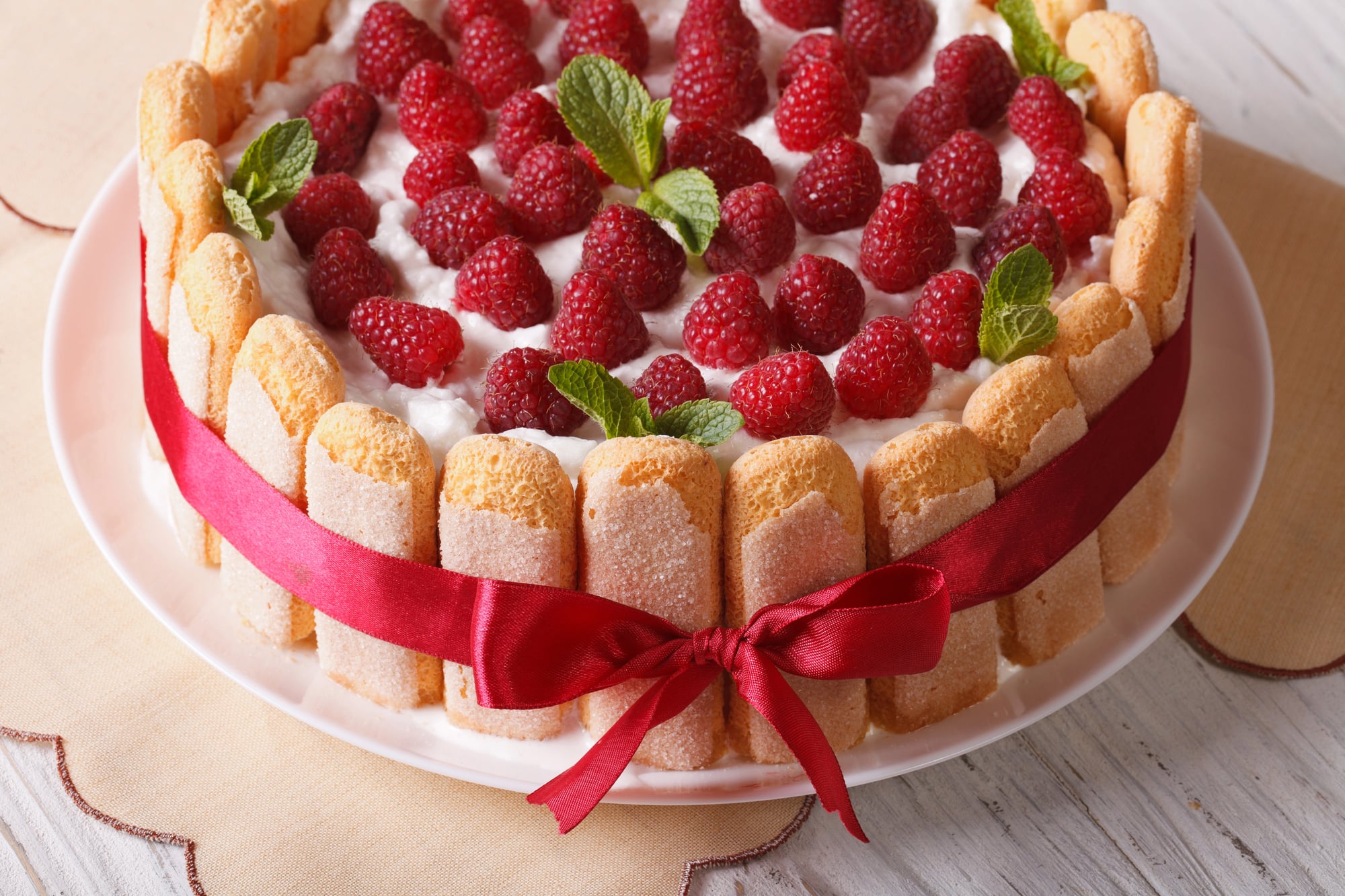
Charlotte Russe sounds like something from a French bakery, and in a sense it is — the recipe arrived in America via European hotel cooking and became a fashionable home dessert by the postwar era. Ladyfinger biscuits lined the sides and base of a mold, which was then filled with Bavarian cream and chilled until firm.
When unmolded, the result looked difficult and deliberate. The name alone added a layer of sophistication to the dinner table that few other desserts could claim.
Chocolate Mayonnaise Cake
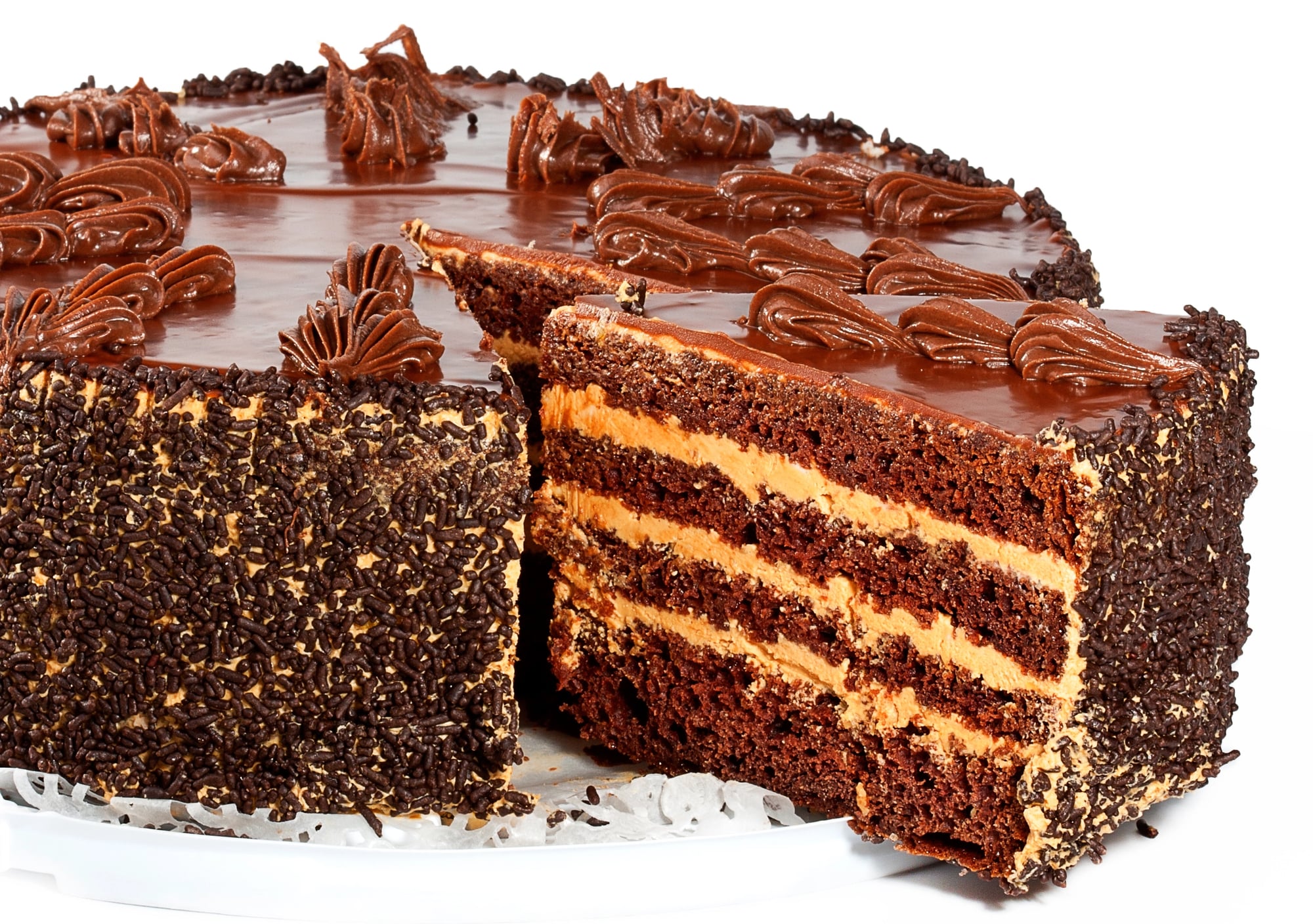
Hellmann’s Mayonnaise promoted chocolate mayonnaise cake in the early 1950s as a way to sell more product, and the recipe worked precisely because mayonnaise is essentially oil and eggs — two standard cake ingredients — already emulsified. The resulting cake was dense, moist, and deeply chocolatey, and early versions sometimes included raisins and nuts.
The concept quietly endured in certain kitchens even after it stopped appearing in mainstream magazines.
Pineapple Upside-Down Cake
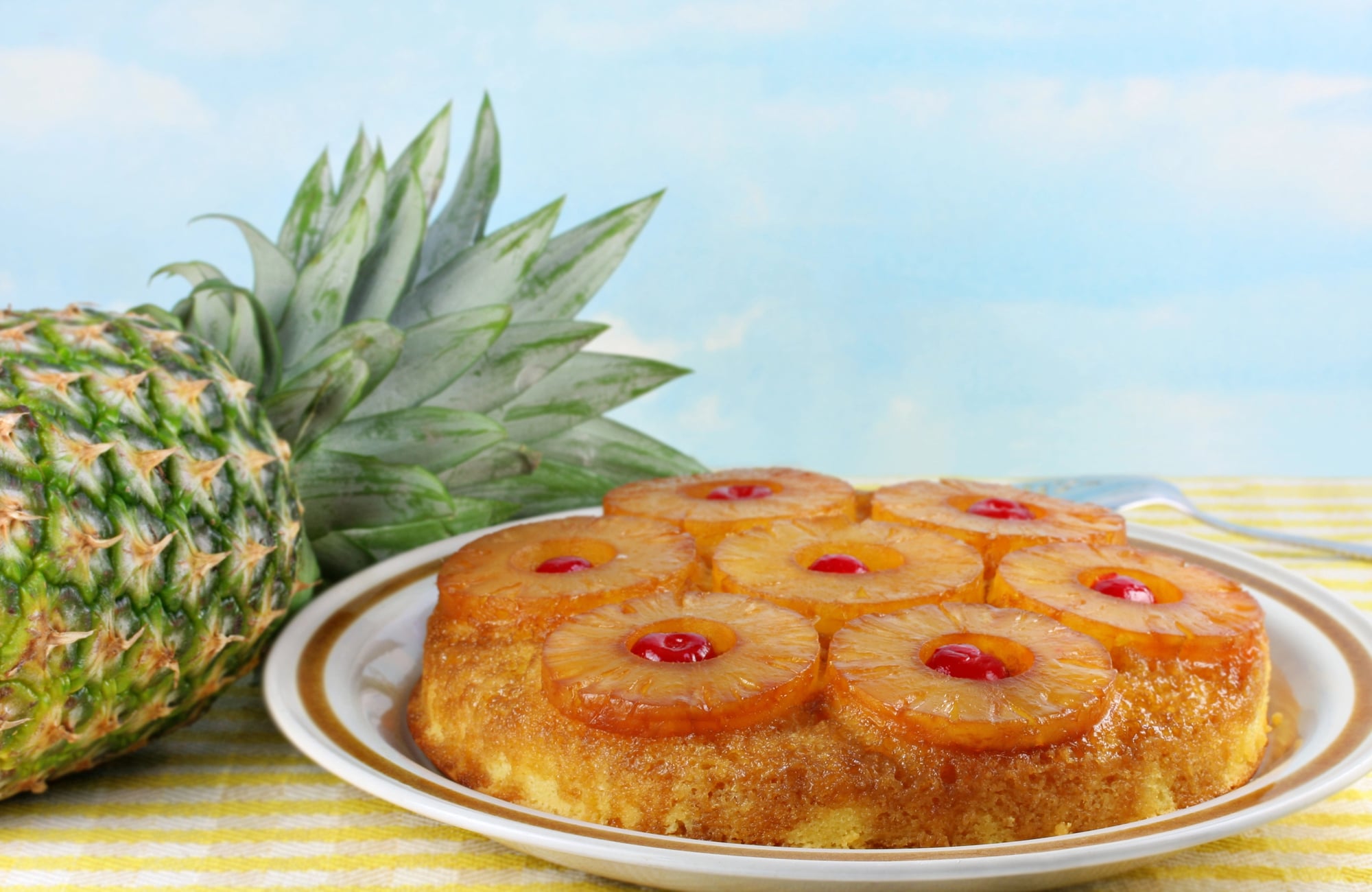
Few desserts can trace their origins to a single contest, but pineapple upside-down cake came directly from a 1925 recipe competition run by the Hawaiian Pineapple Company, which received roughly 2,500 versions of the same dish out of 60,000 total entries. By the 1950s it had become the default contribution to church suppers and potlucks, its caramelized rings and maraschino cherries recognizable at twenty paces.
Peanut Butter Refrigerator Pie
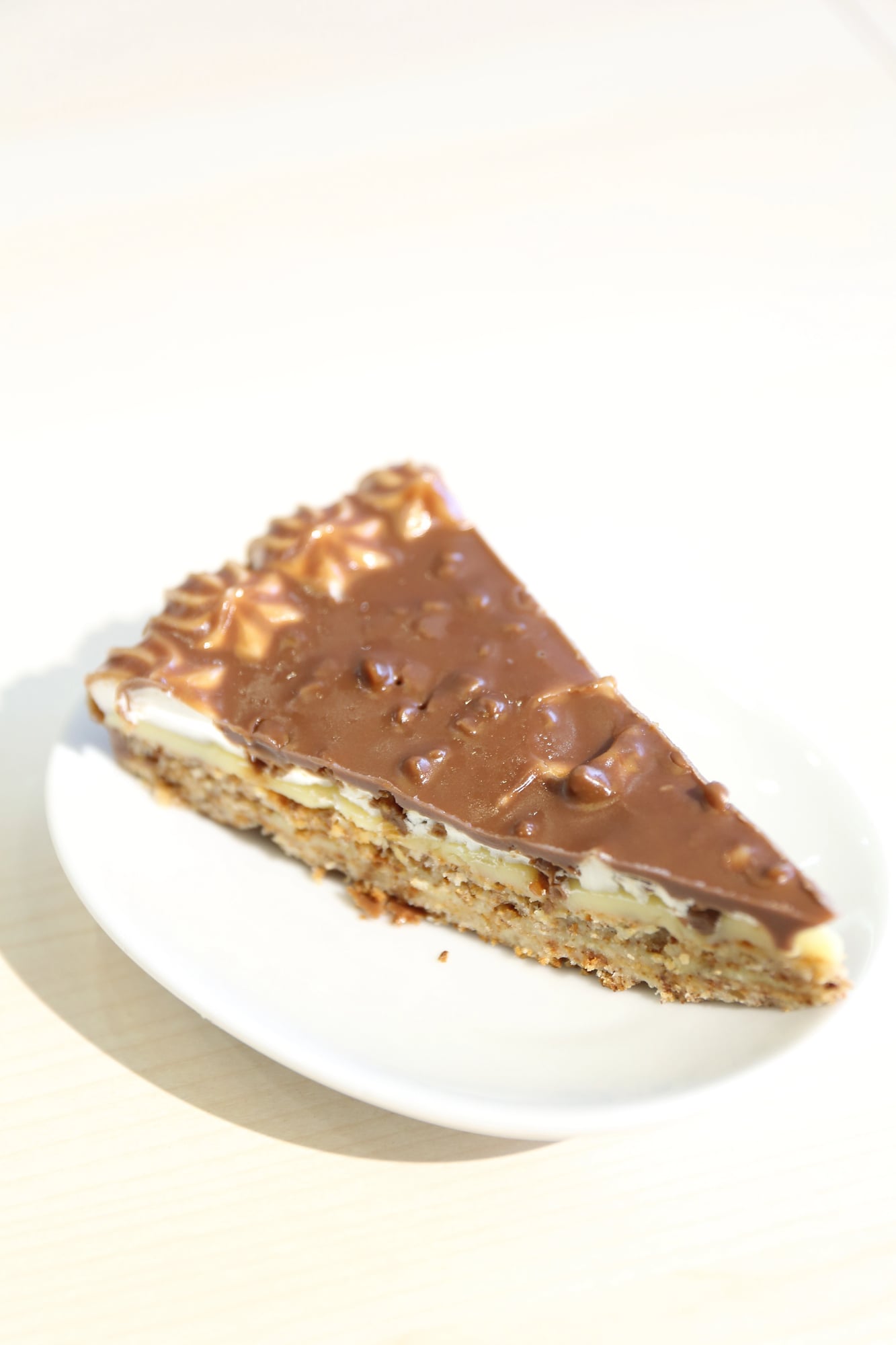
Rosalynn Carter served her version of peanut butter pie at the White House, describing it as something close to peanut butter fudge poured into a pastry shell and finished with meringue. The 1950s and ’60s home version was a no-bake affair — cream cheese, peanut butter, and whipped cream set firm in a crust — and the refrigerator did all the work.
It required no oven, survived summer heat without issue, and came together in under thirty minutes.
Mint Julep Sherbet
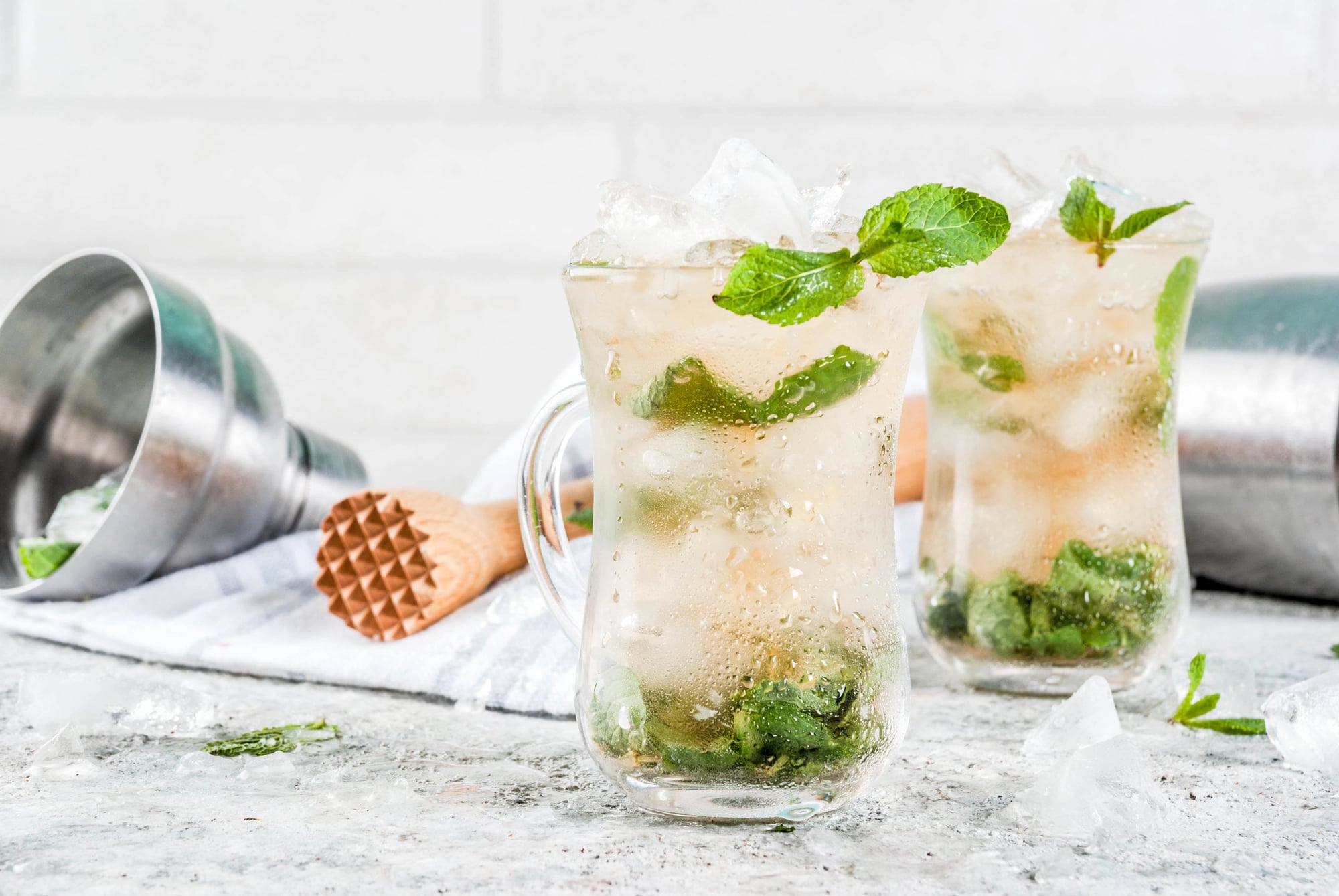
The sherbet of this era was nothing like the industrial frozen dessert sold in cups today. Home cooks made mint julep sherbet by steeping fresh mint in a simple syrup, adding lemon juice and egg whites, then freezing the mixture in metal trays and beating it by hand at intervals.
The texture was granular and refreshing rather than smooth, and the flavor was sharp enough to cut through the humidity of a Southern July evening.
Watergate Salad
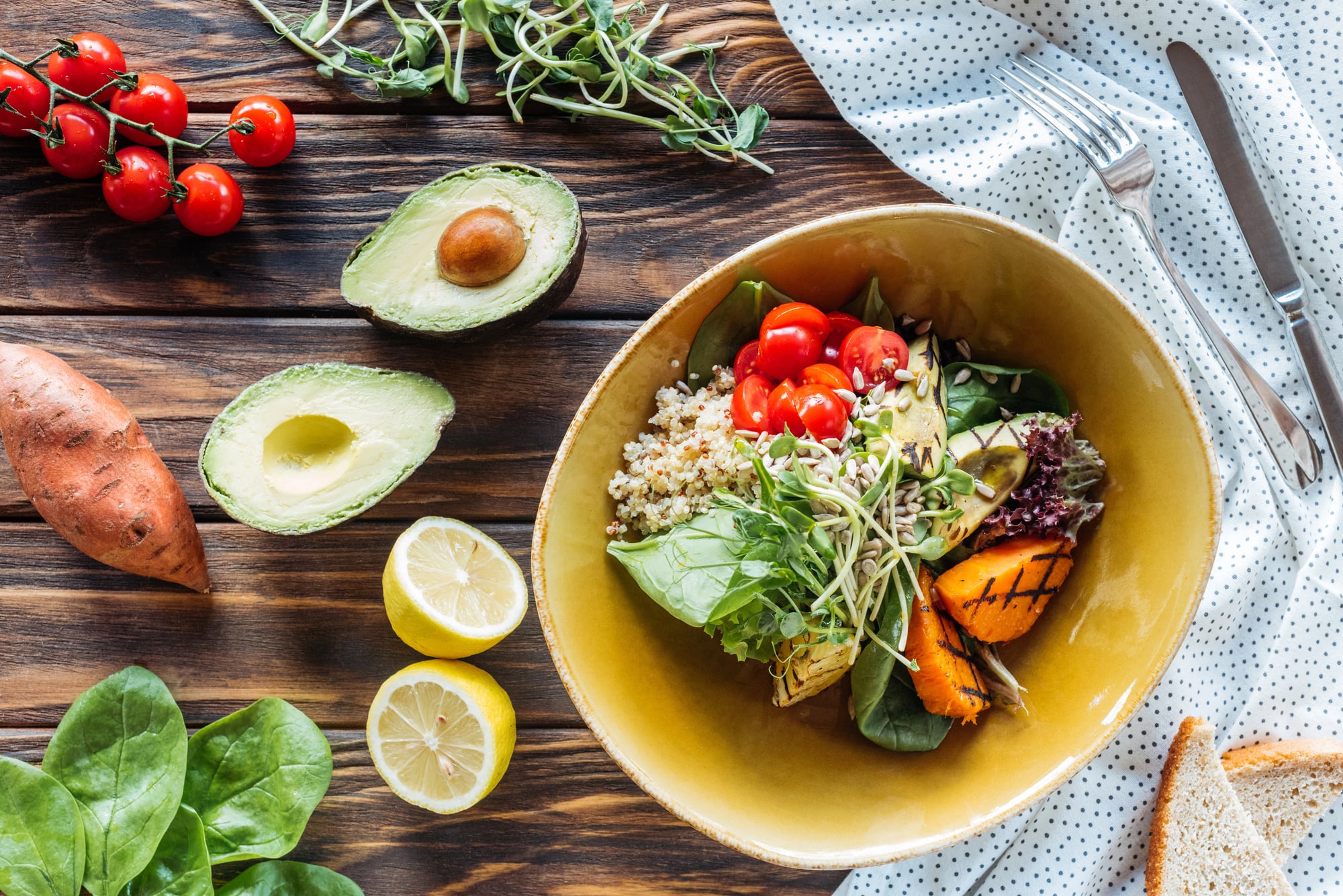
Watergate salad entered the American kitchen in the 1970s but drew its DNA directly from the ’50s and ’60s gelatin-and-marshmallow tradition. The base was pistachio instant pudding mix stirred together with crushed pineapple, whipped topping, miniature marshmallows, and chopped pecans — a pale green, sweet, cold concoction that required no cooking whatsoever.
Dream Whip Parfaits
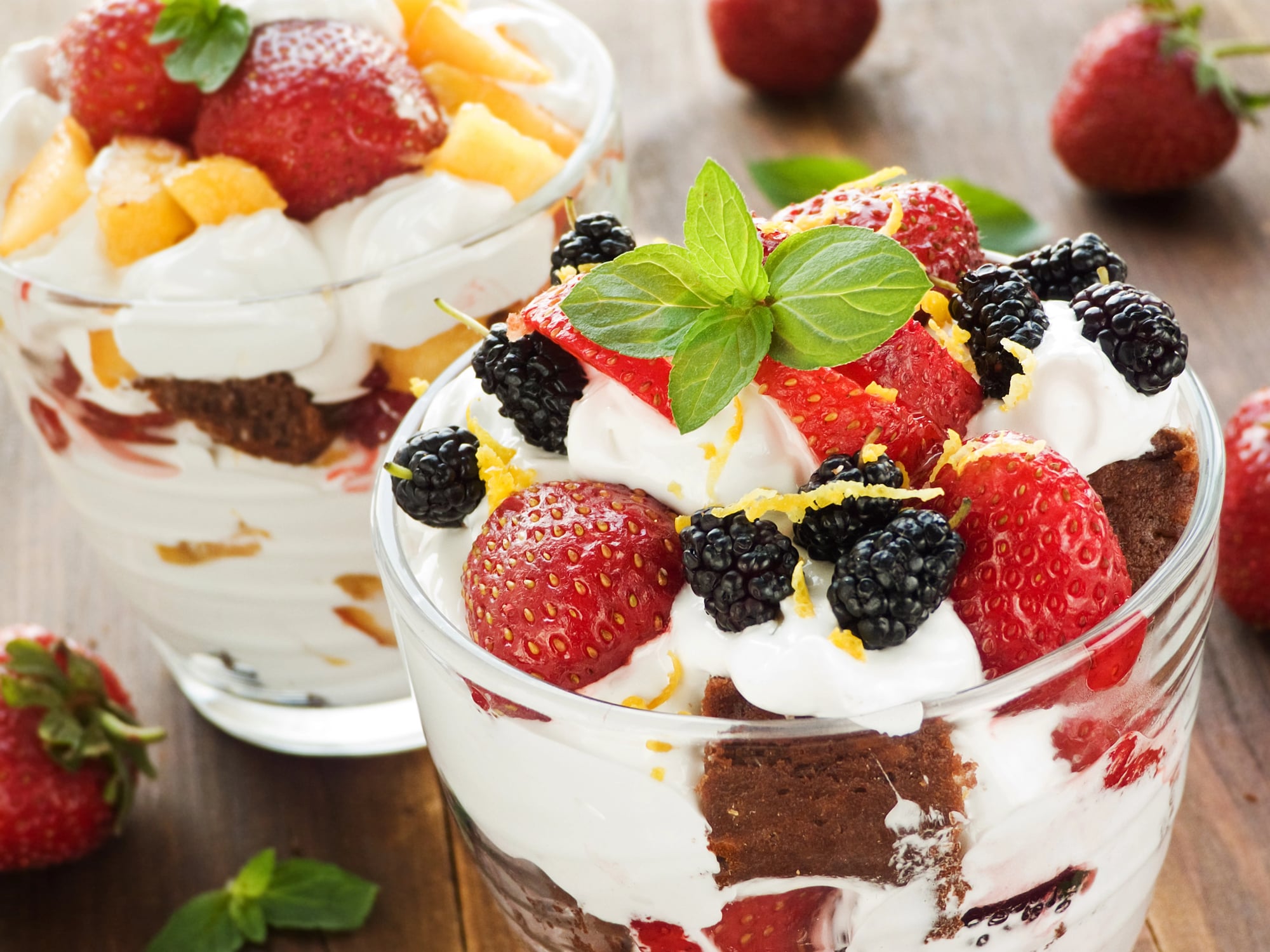
Dream Whip — a powdered whipped topping that debuted in the late 1950s — was marketed explicitly as the affordable, shelf-stable alternative to fresh cream. Mixed with milk and beaten into stiff peaks, it became the base of countless summer parfaits layered in tall glasses with canned fruit, crushed graham crackers, or pudding.
Gold Rush Brownies
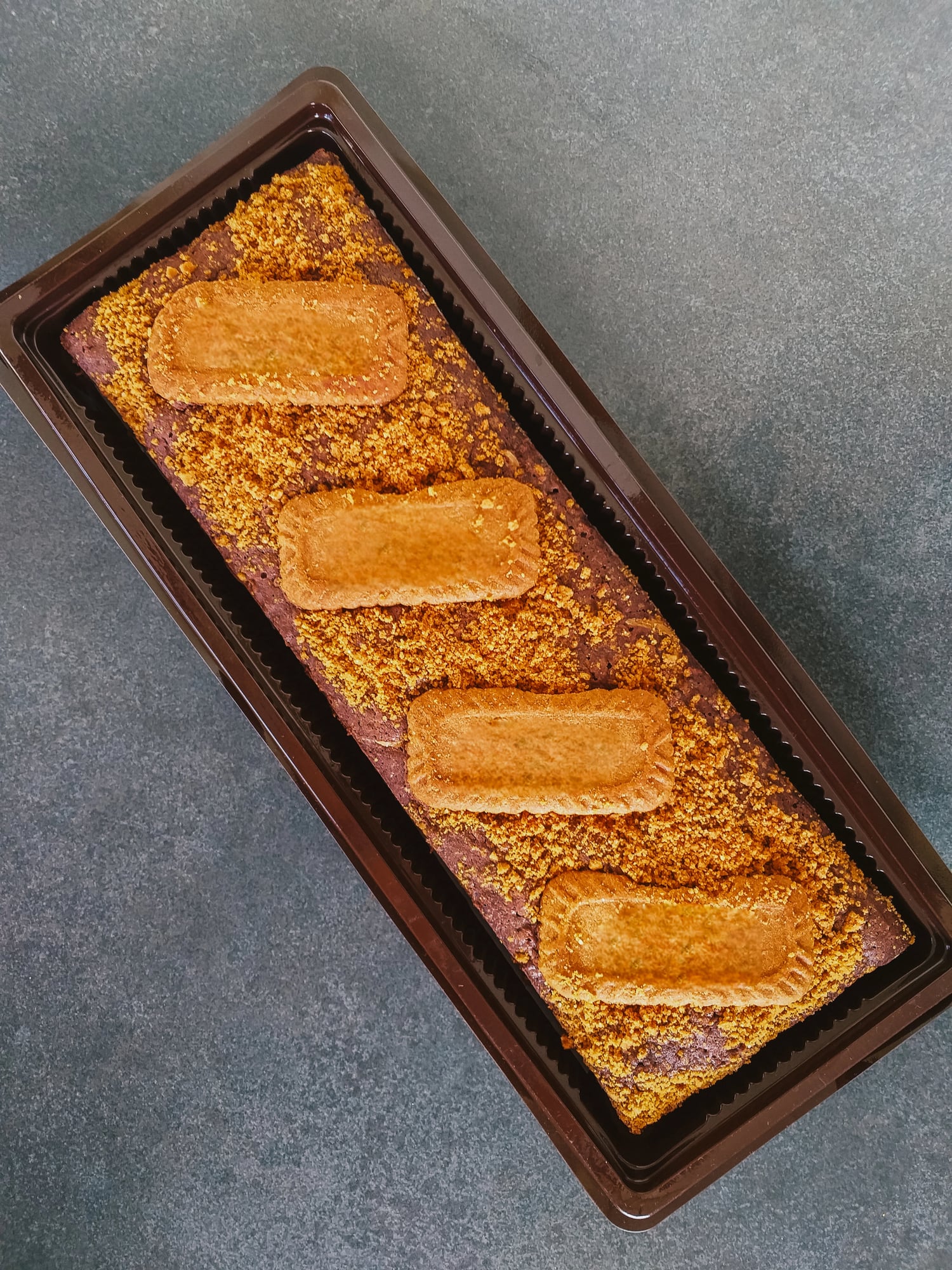
Gold Rush brownies were egg-free, which made them unusual for 1951 when the recipe circulated widely. They combined sweetened condensed milk, graham cracker crumbs, and chocolate chips into a single bowl, pressed the mixture into a pan, and baked it until just set — denser than a standard brownie, more fudge-like, with a crumbly edge.
Applesauce Spice Cake
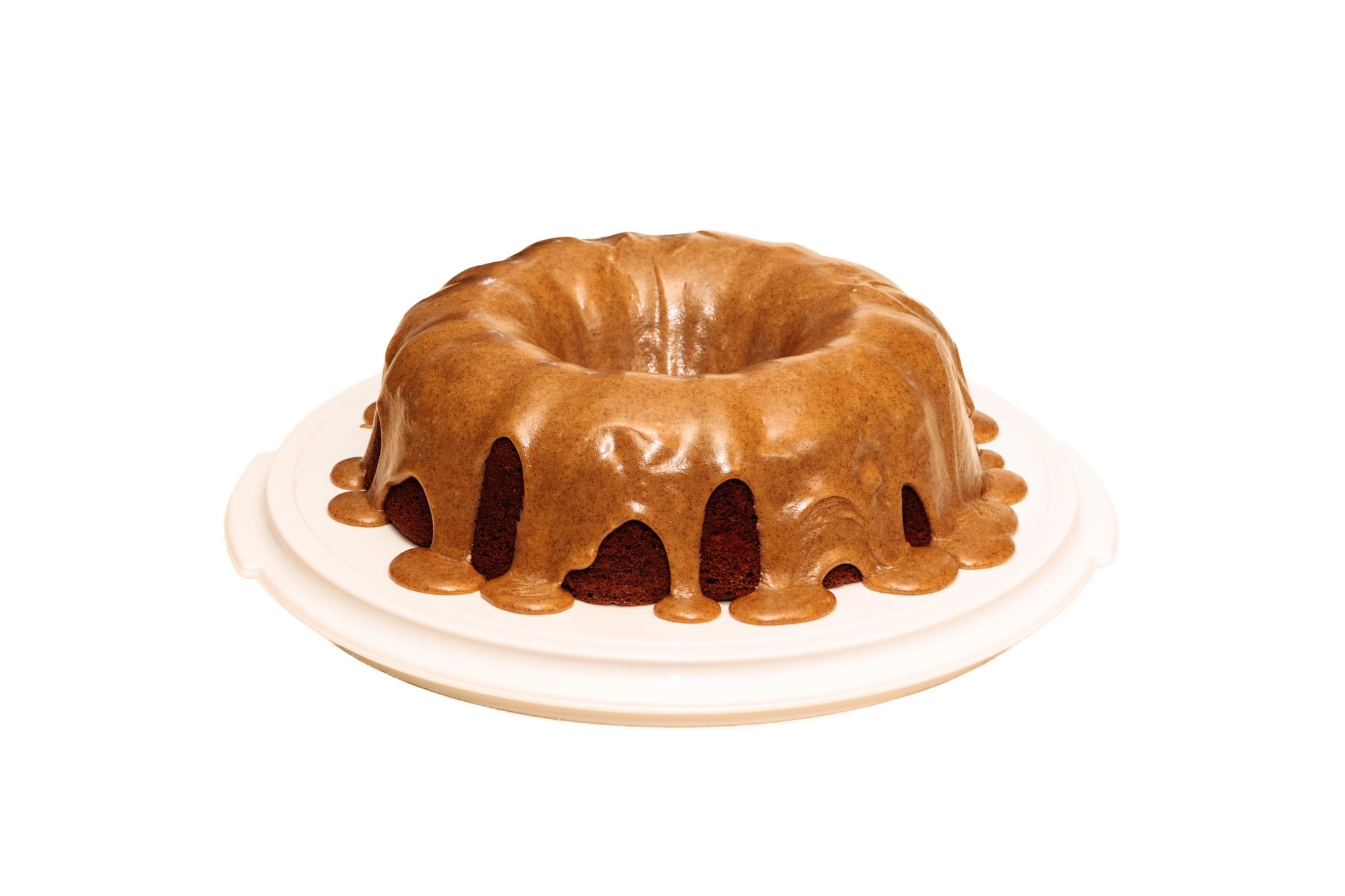
Applesauce cake became popular through wartime rationing — first in World War I, then again in World War II when sugar was limited to roughly eight ounces per person per week — and its momentum carried through into the 1950s even after those restrictions ended. Pre-packaged spice cake mixes eventually made it redundant.
Peach Melba Ice Cream Cups
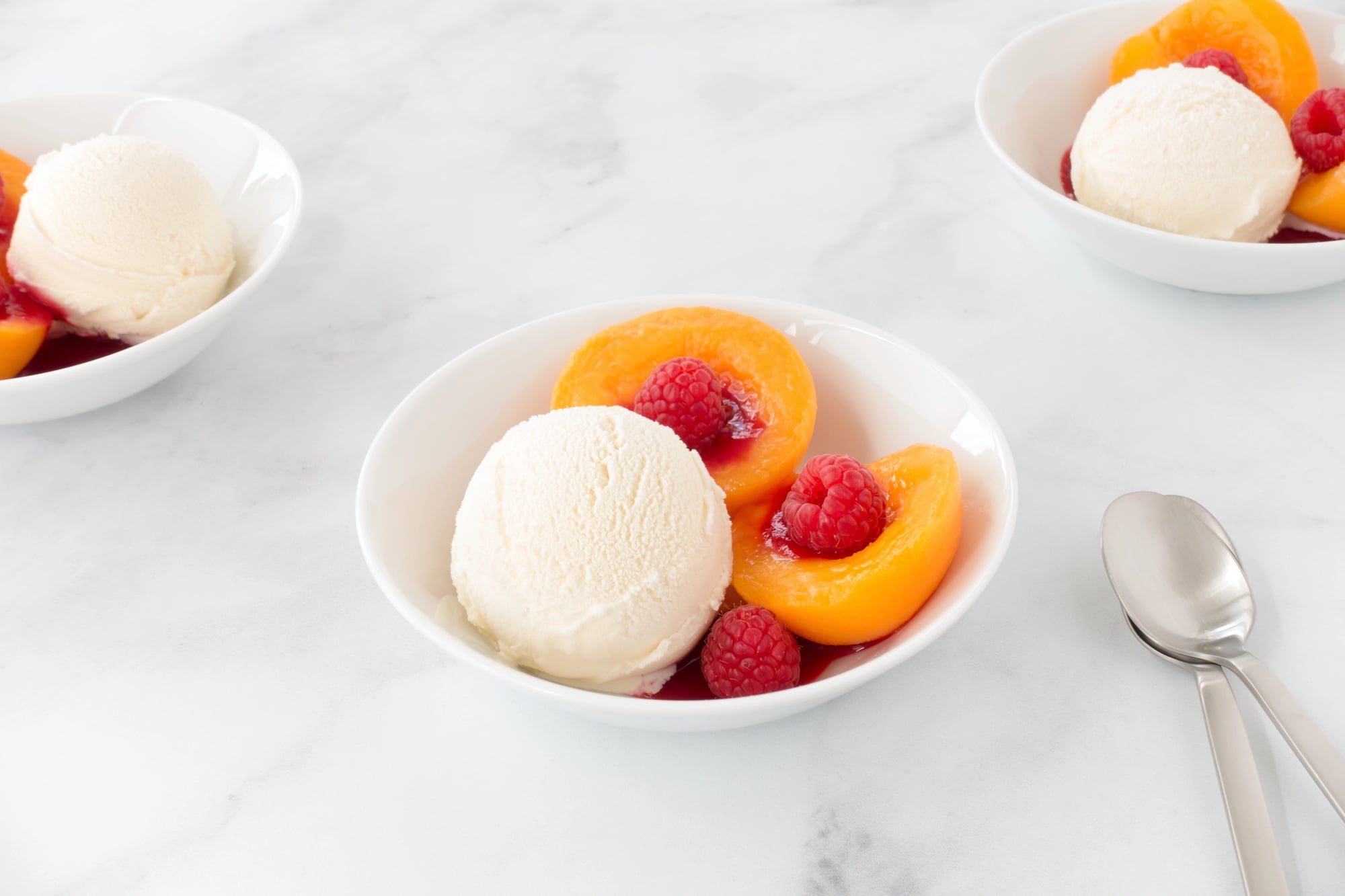
Peach Melba — created at the Savoy Hotel in London in 1892 for soprano Nellie Melba — was adapted throughout the postwar American kitchen into individual ice cream cups assembled at home. A scoop of vanilla ice cream, sliced peaches, and a raspberry sauce constituted the full assembly.
It was considered suitably dressy for a summer dinner party without requiring any cooking on the day itself.
Lime Gelatin With Cream Cheese
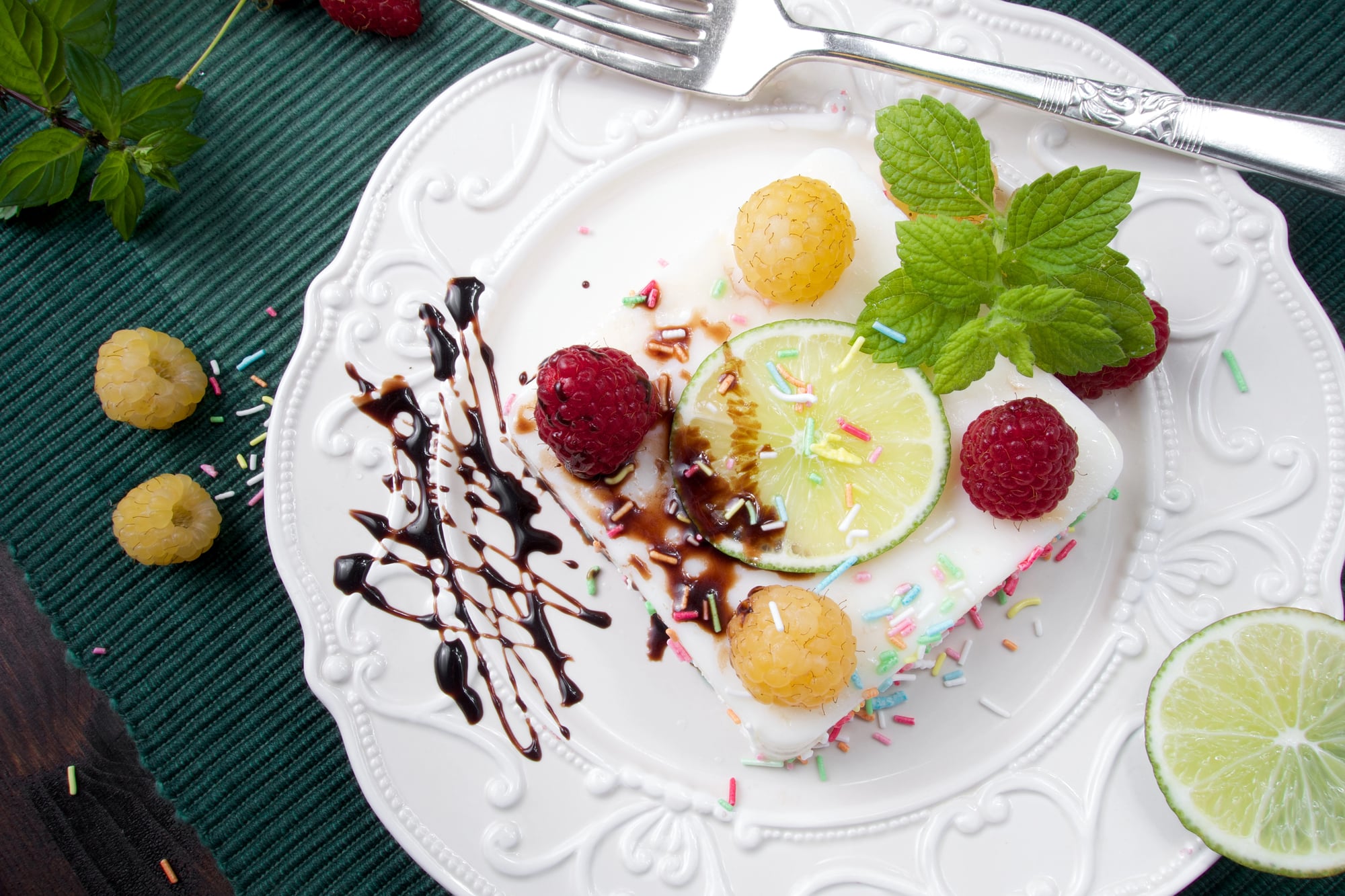
Lime gelatin mixed with softened cream cheese and crushed pineapple was a specific subspecies of the wider Jell-O mold tradition, appearing on community cookbook lists throughout the 1950s and ’60s with a regularity that suggests it was considered more of a technique than a recipe. It was almost always made in a ring mold and garnished with maraschino cherries at the center.
Banana Pudding Icebox Dessert
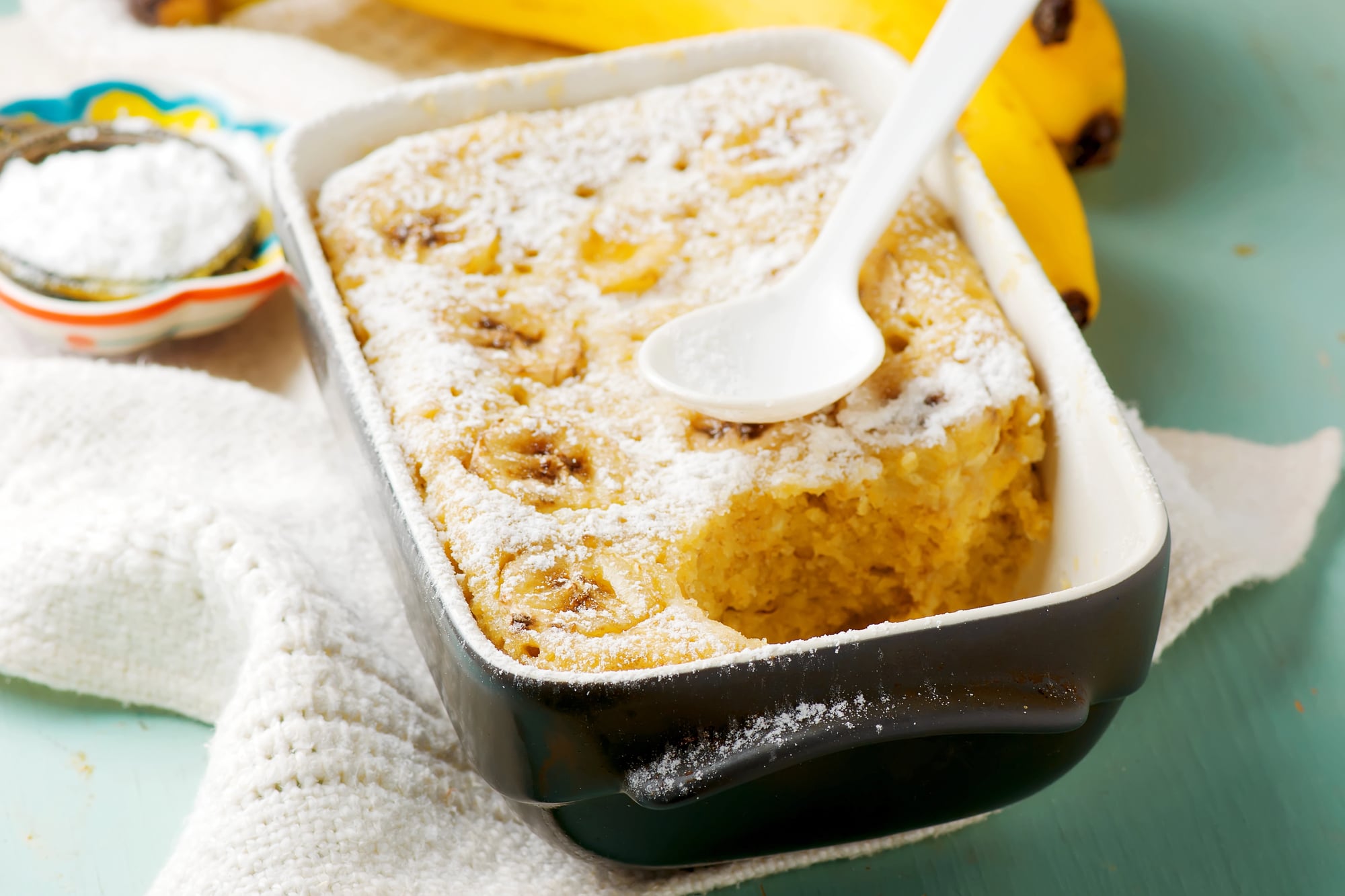
Banana pudding as it existed in the 1950s was a distinct architectural project: layers of vanilla wafers, sliced banana, and custard-based pudding built up in a deep dish and finished with a thick swirl of meringue browned under the broiler. The modern version, which substitutes whipped topping for meringue and instant pudding for cooked custard, is faster but noticeably different in texture and flavor.
Cherry Delight
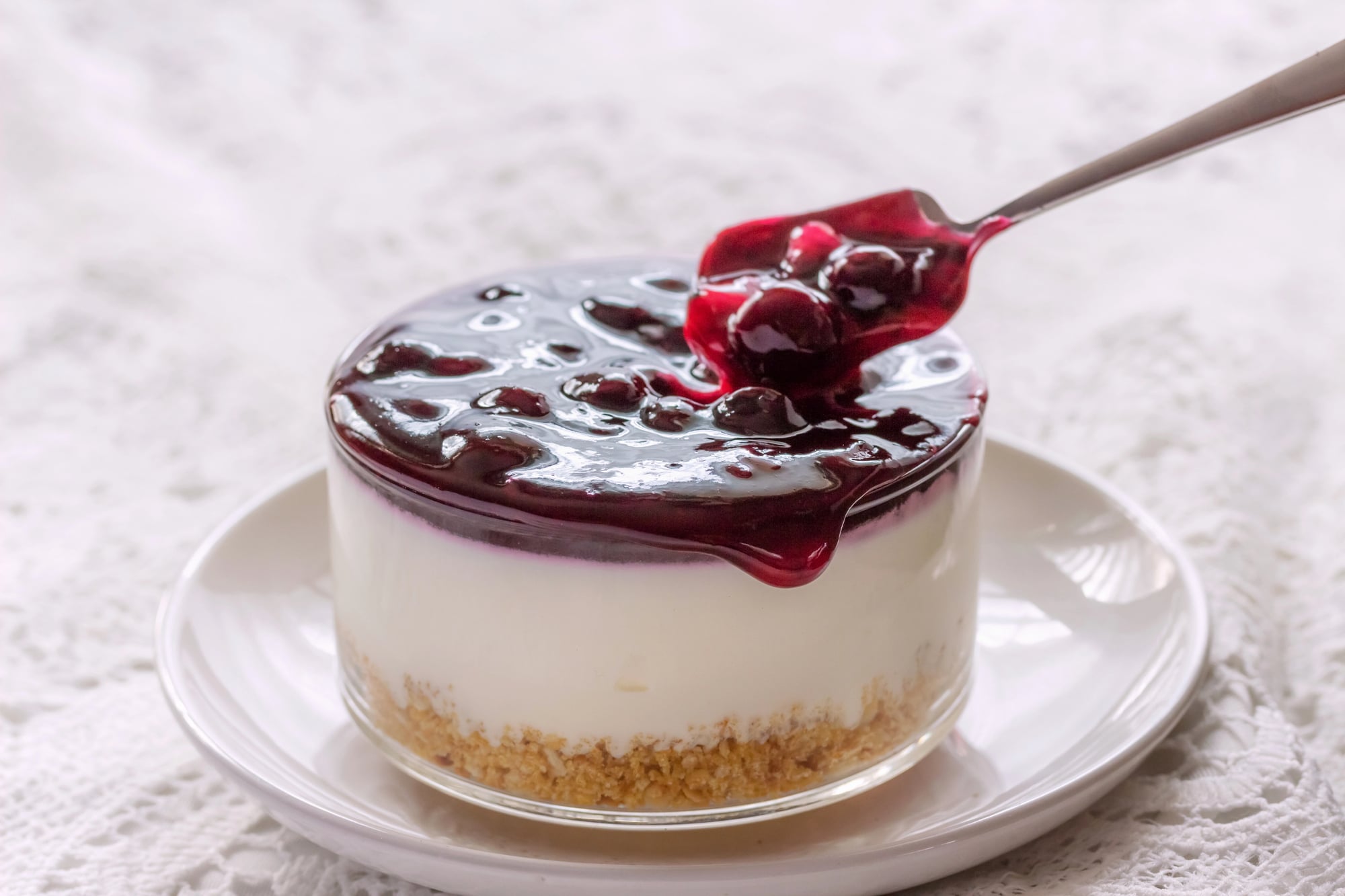
Cherry delight was the name given to a family of layered no-bake desserts built on a graham cracker crust, a sweetened cream cheese layer, and canned cherry pie filling spooned across the top. The name varied by region — cherry yum-yum, cherry lush — but the structure was almost identical everywhere.
Strawberry Shortcake With Biscuits
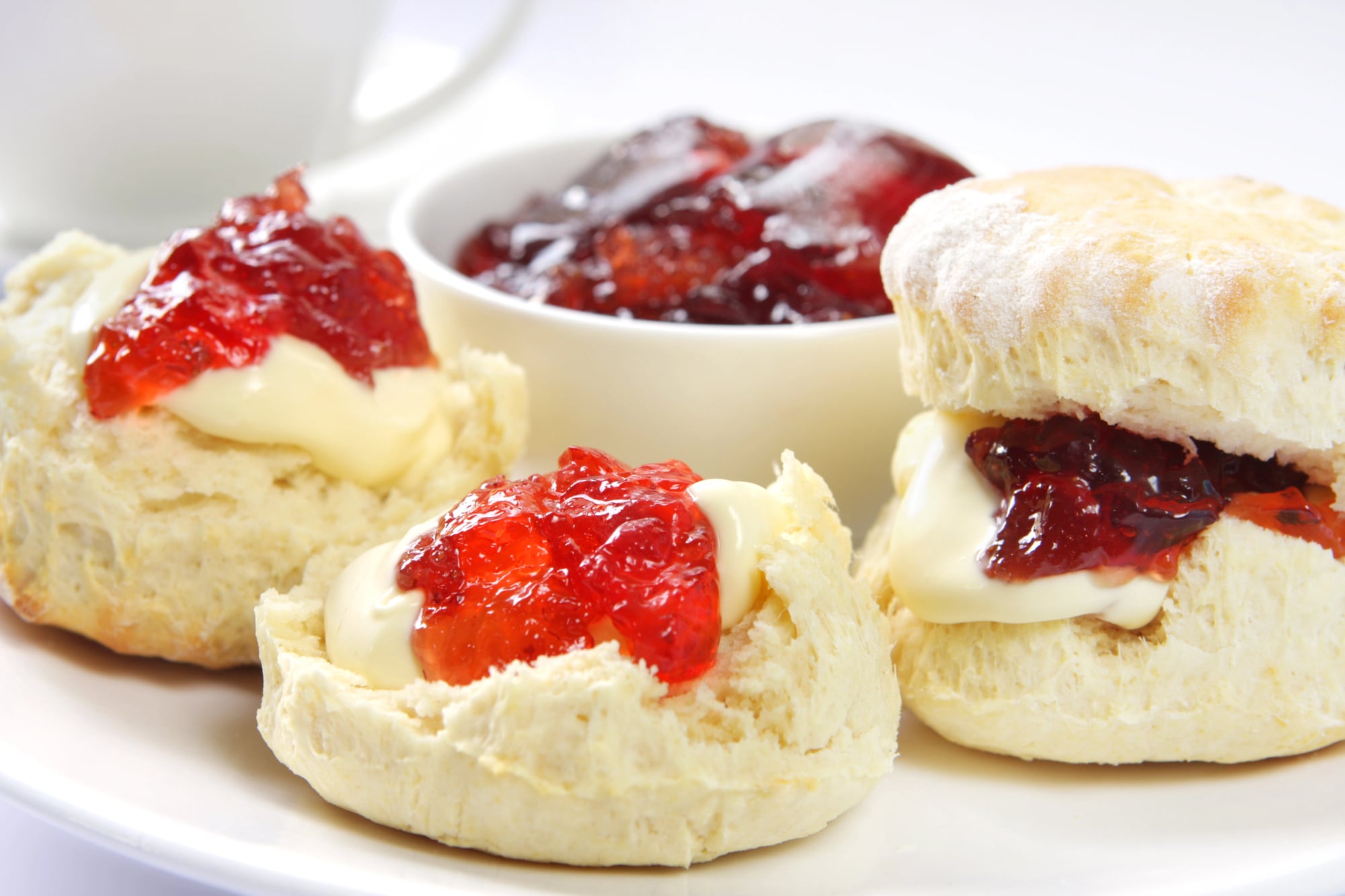
The strawberry shortcake of the 1950s was built on a proper baking powder biscuit, not the sponge cake or packaged dessert cups that replaced it in later decades. The biscuit was split hot, spread with butter, and filled with macerated strawberries.
The versions sold in supermarkets since the 1970s are technically the same dessert by name but occupy a different category of experience.
Lemon Snow Pudding
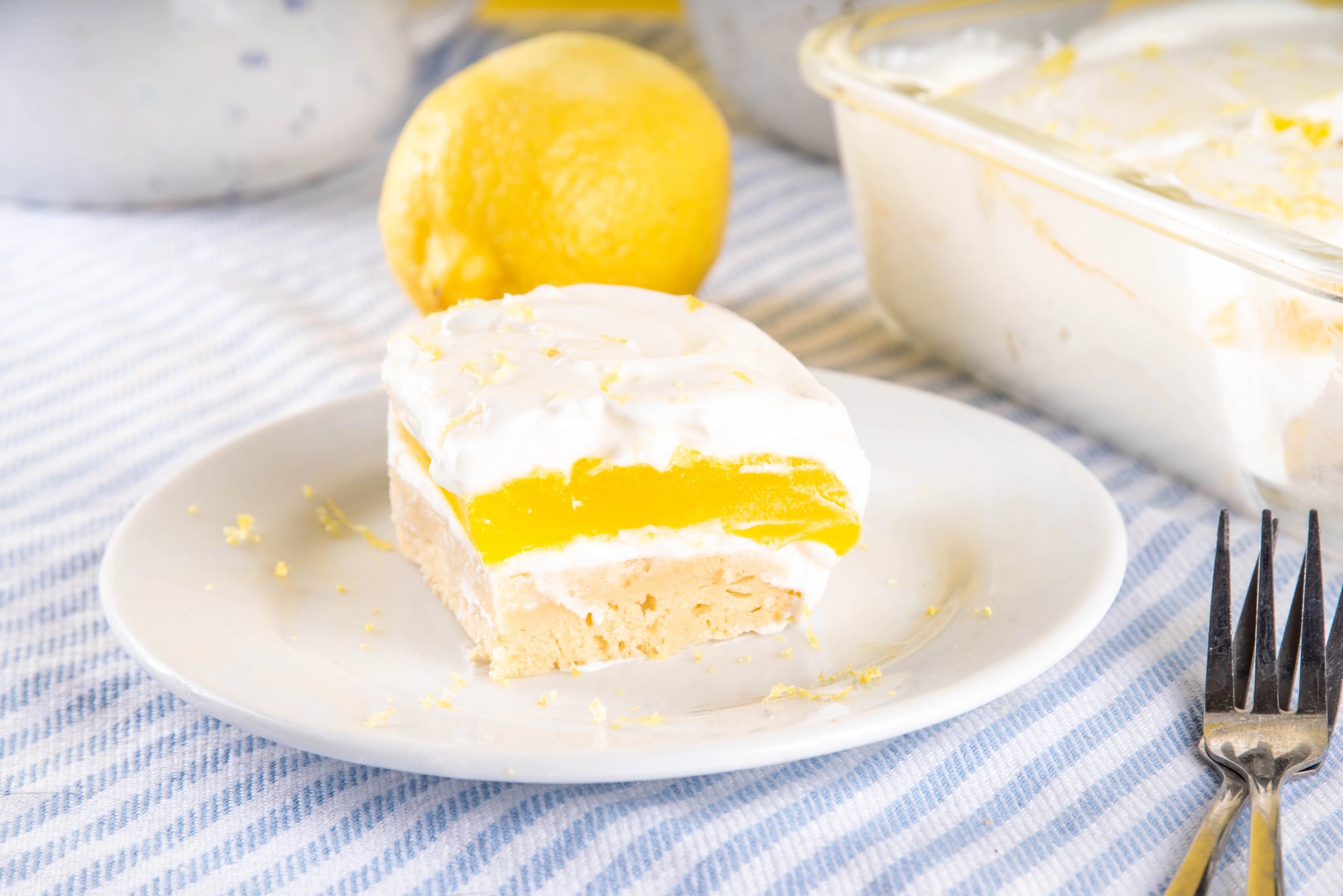
Lemon snow pudding was a Depression-era recipe that held on through the 1950s by virtue of being cheap, light, and visually striking. The base was a simple lemon-flavored gelatin beaten vigorously until it turned pale, fluffy, and doubled in volume.
By the 1960s it had largely been replaced by instant lemon pudding from a box.
Pineapple Icebox Dessert
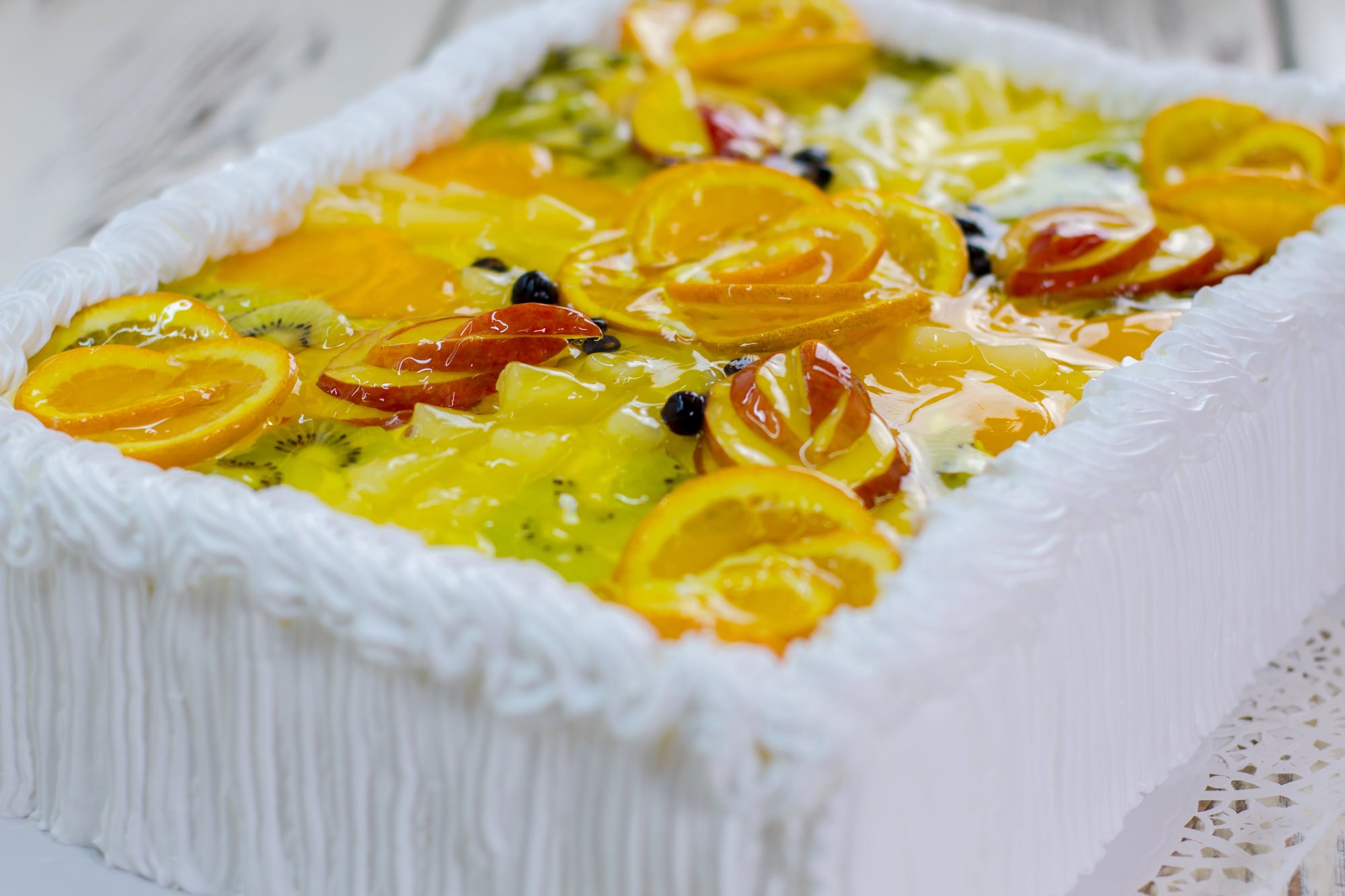
Pineapple icebox dessert was assembled from vanilla wafers, drained canned pineapple, gelatin, and whipped dairy topping, stacked in layers in a pan and refrigerated overnight. It was specifically a summer dessert, prepared ahead and kept cold, requiring nothing more from the host than remembering to make it the night before.
Bananas Foster
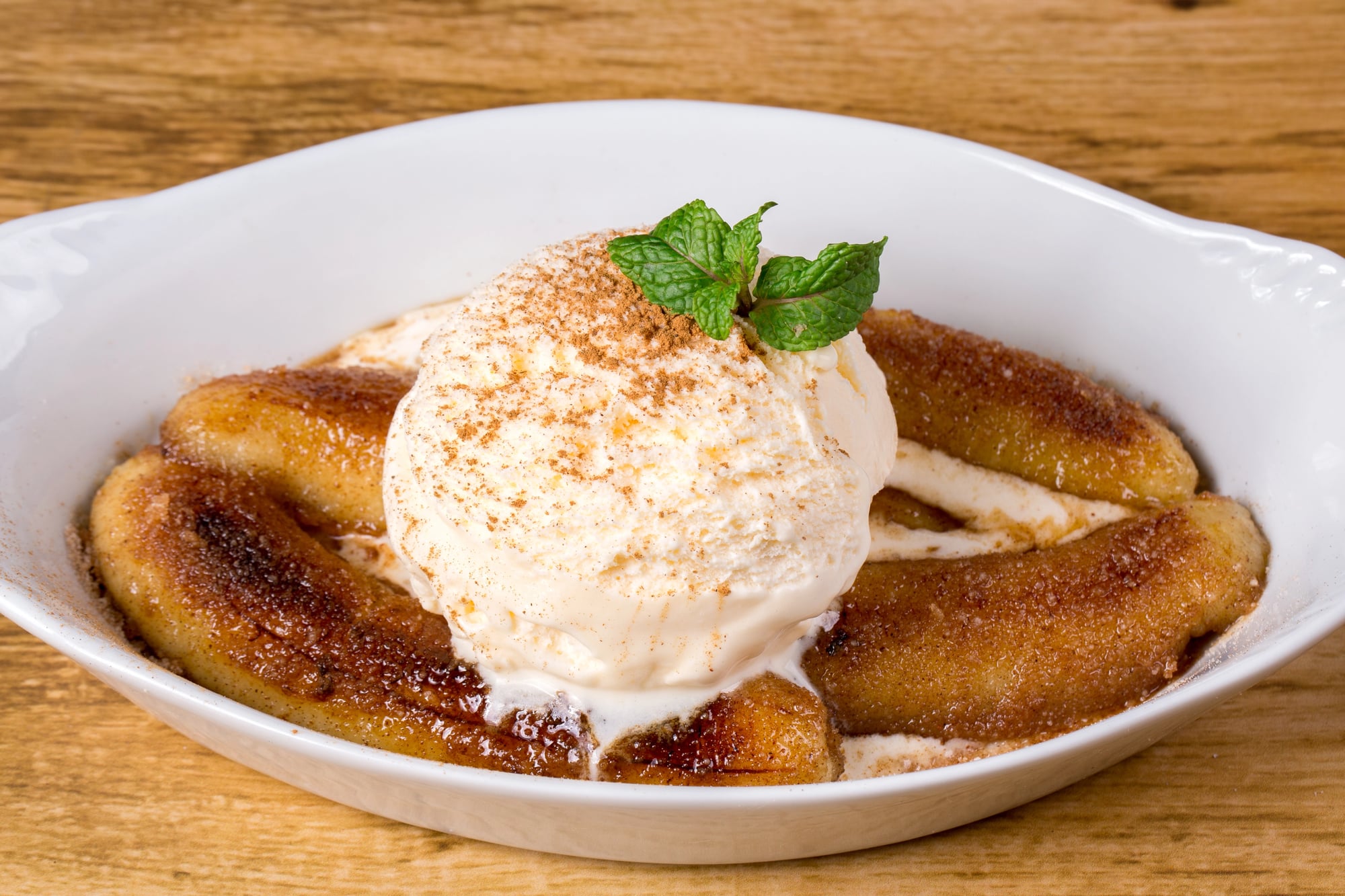
Bananas Foster was created at Brennan’s Restaurant in New Orleans in 1951 and named after Richard Foster, the chairman of the New Orleans Crime Commission. The dish — bananas cooked in butter, brown sugar, cinnamon, and rum, then briefly flamed — was designed for tableside preparation.
The drama of it was inseparable from the appeal, which is likely why it faded when dinner party culture did.
When Dessert Was Worth the Effort
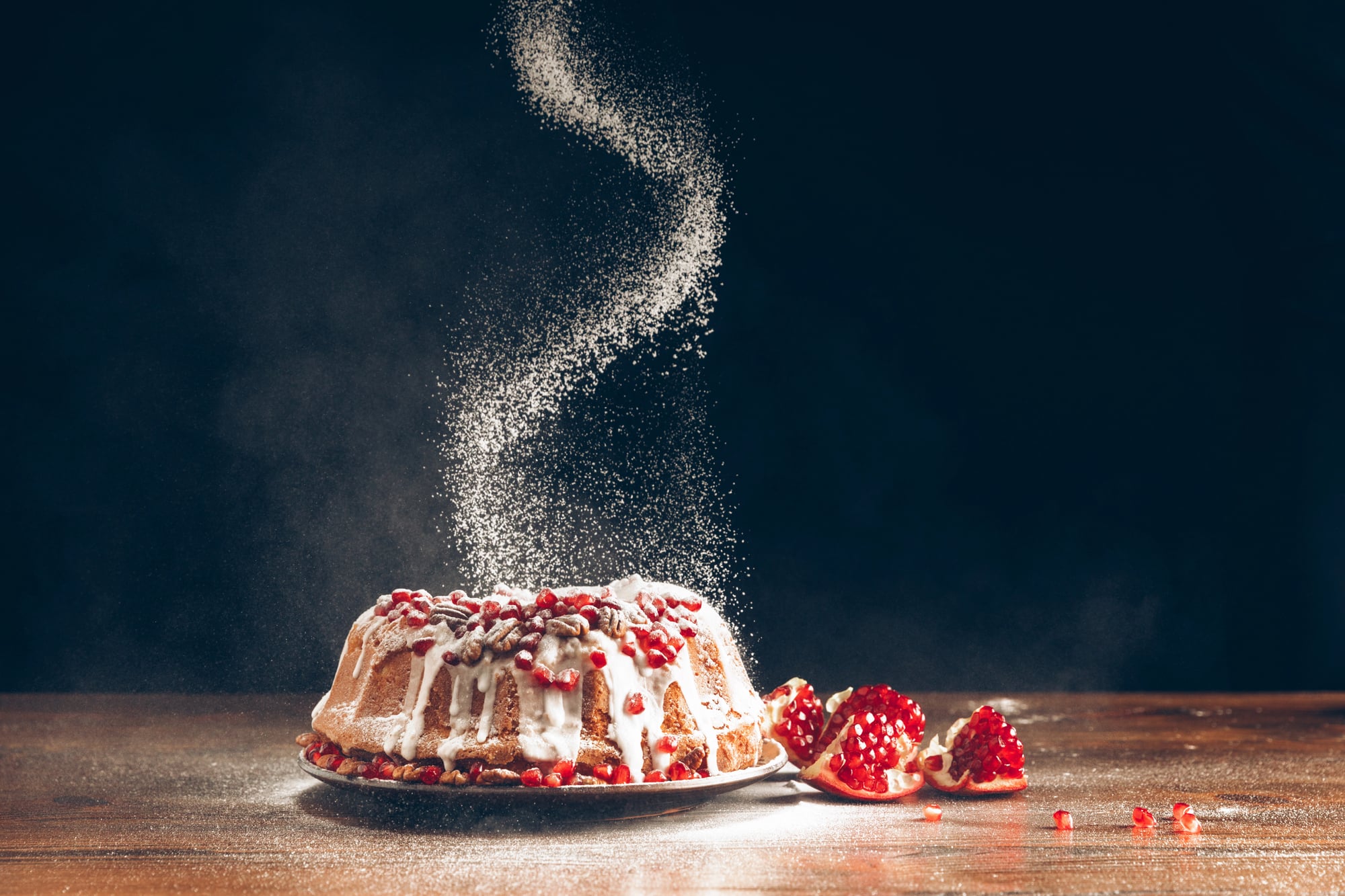
What unites all of these recipes is the assumption that dessert merited real time — overnight chilling, a mold to oil and invert, egg whites beaten by hand, a flame ignited at the table. The effort was not incidental.
It was the point. A dessert that took a day to prepare communicated something different than one pulled from a freezer, and the act of making it was part of what made the occasion feel like an occasion.
These recipes didn’t disappear because they failed. They disappeared because the culture around them changed — dinner parties became smaller, kitchens became faster, and convenience started to look less like a compromise and more like a preference.
But spending an afternoon making a lemon snow pudding or assembling a charlotte russe for no particular reason turns out to be a genuinely satisfying use of a hot summer day.
More from Go2Tutors!