28 Vintage Jewelry from Department Stores Now Commanding Real Money
There was a time when department store jewelry was considered the sensible option — not heirloom quality, not fine jewelry, just something pretty that didn’t require a trip to a jeweler or a conversation about carats. Pieces from Macy’s, Sears, JCPenney, Marshall Field’s, and similar retailers were bought for birthdays, anniversaries, and Tuesday afternoons when someone just wanted something nice.
They sat in ceramic dishes on dressers, got tangled in jewelry boxes, and were occasionally forgotten in coat pockets. Turns out, a lot of those pieces are now sitting at auction, trading hands on eBay, or being pulled from estate sales with price tags that would genuinely surprise the people who originally bought them.
What follows is a look at 28 of the most collectible vintage department store jewelry pieces — the ones that went from practical purchase to surprisingly serious money.
Monet Gold-Tone Chain Necklaces

Monet built its reputation on affordable gold-tone chains that looked expensive without the price. Signed Monet pieces from the 1960s and 1970s — particularly the heavier, substantial link styles — regularly fetch between $40 and $150 depending on condition, and certain rare designs push past $200.
Trifari Crown Brooches

Trifari’s crown pin, worn famously by Mamie Eisenhower, became one of the most recognizable pieces in American costume jewelry history. Signed Trifari crown brooches in sterling vermeil from the 1940s and early 1950s can command $300 to $600 at auction, and exceptional examples with original rhodium plating intact go higher.
Sarah Coventry Rhinestone Parures

Sarah Coventry sold primarily through home parties rather than store counters, but its pieces landed in department store gift sections across the country throughout the 1960s and 1970s. Complete matching parures — necklace, earrings, bracelet — especially in aurora borealis rhinestone, regularly sell in the $75 to $200 range, sometimes more when the original presentation box survives.
Napier Silver-Tone Rope Pieces
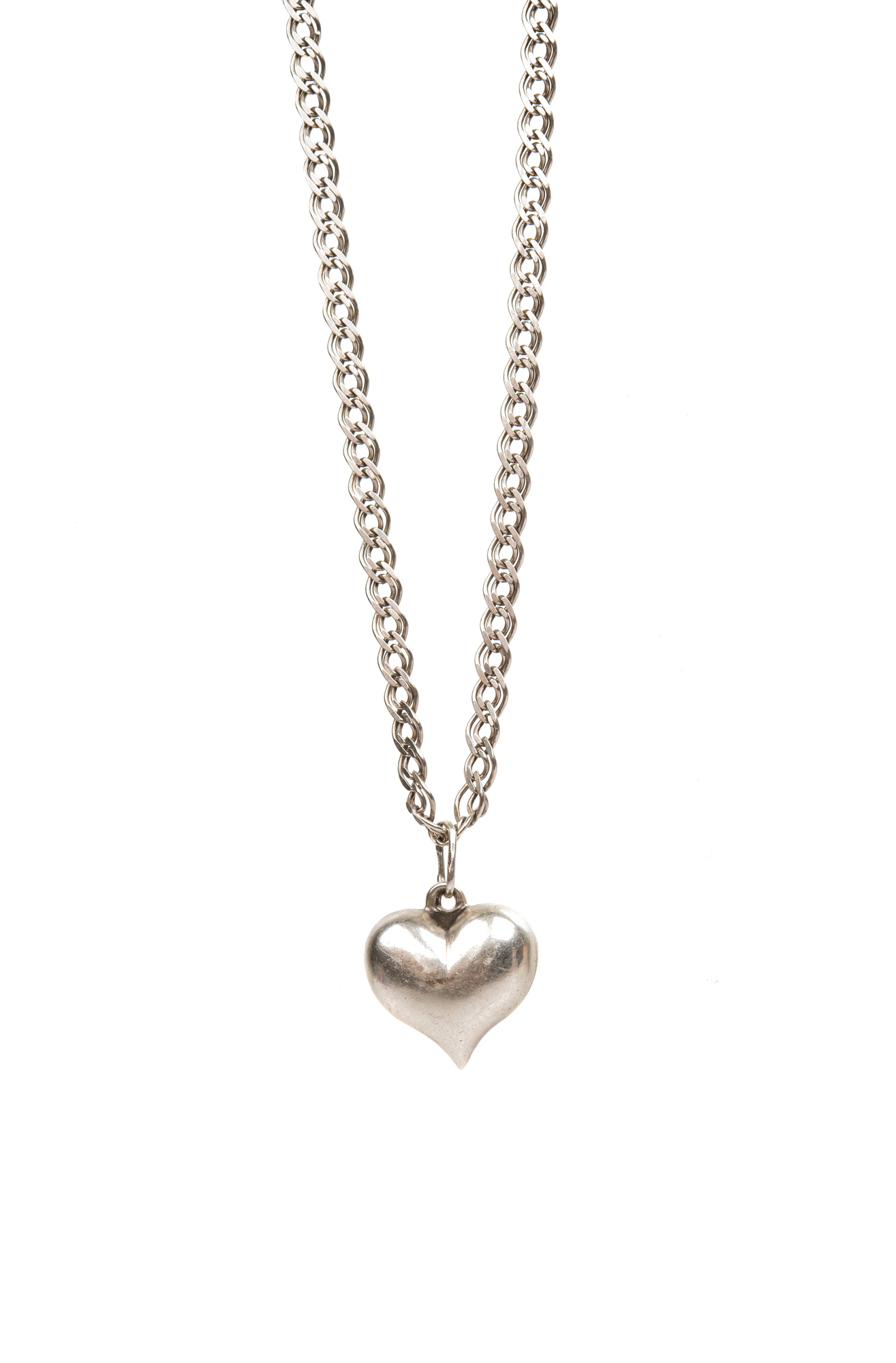
Napier has a certain quiet dignity to it — the kind of brand that never shouted and didn’t need to. Signed Napier sterling silver and silver-tone rope necklaces and cuff bracelets from the 1950s through 1970s attract steady collector interest, with quality pieces moving between $50 and $180 depending on weight, complexity, and whether the signature is crisp.
Lisner Lucite Flower Brooches
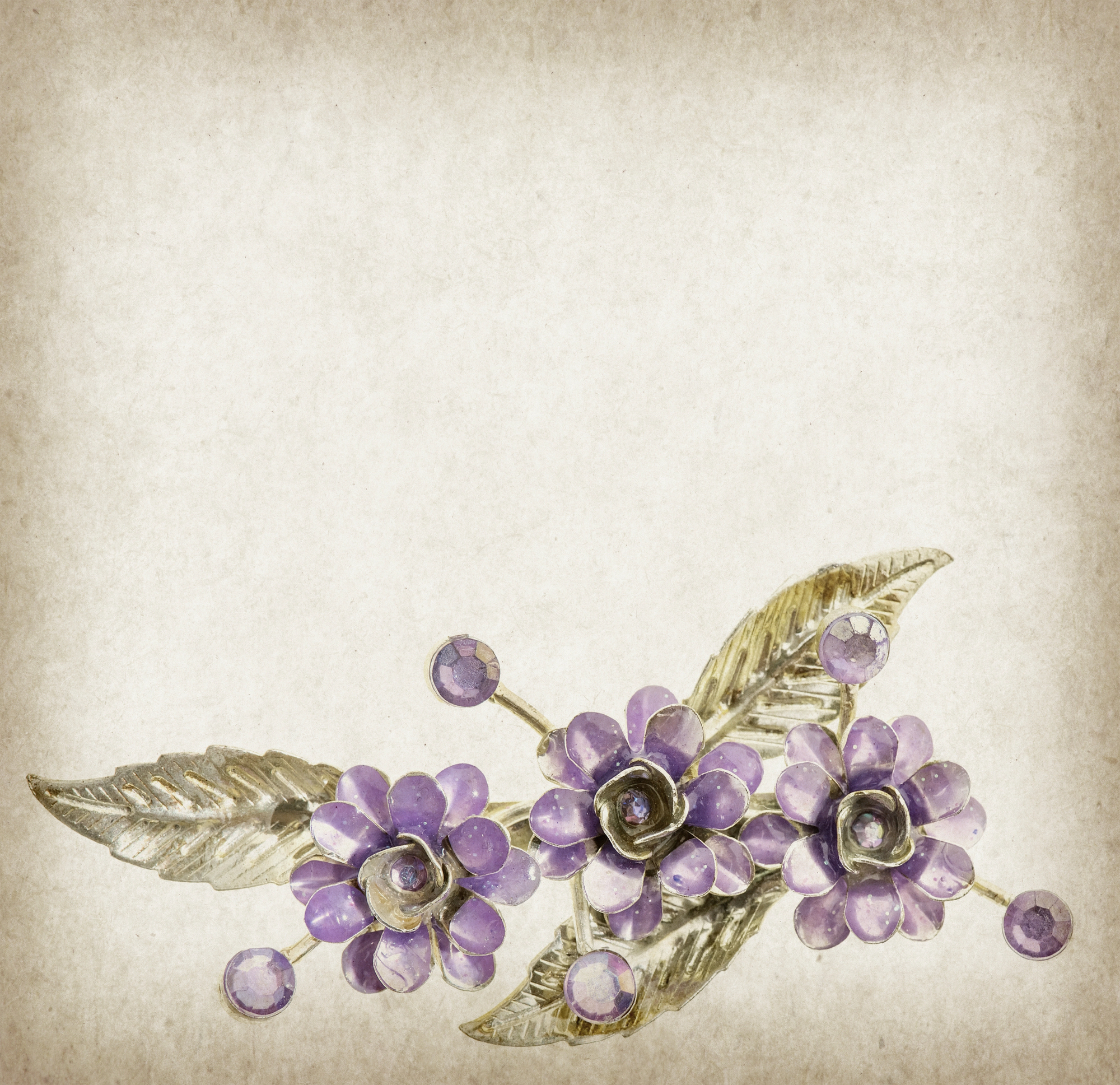
Lisner made a specific kind of joy: oversized flowers in translucent colored Lucite with rhinestone centers, designed to sit on a lapel and refuse to be ignored. These pieces — particularly the larger floral clusters in pink, lavender, and pale green — sell reliably in the $40 to $120 range, and mint condition examples with no crazing in the Lucite trend toward the upper end.
Coro Duette Clips
The Coro Duette is a genuinely clever piece of design: two dress clips that lock together to form a single brooch, allowing the wearer to use them separately or as one. Signed Coro Duette pieces from the 1930s and 1940s, particularly in rhodium-plated brass with pavé rhinestones, are serious collector targets — prices between $150 and $400 are common, with figural designs going considerably higher.
Kramer Of New York Chandelier Earrings
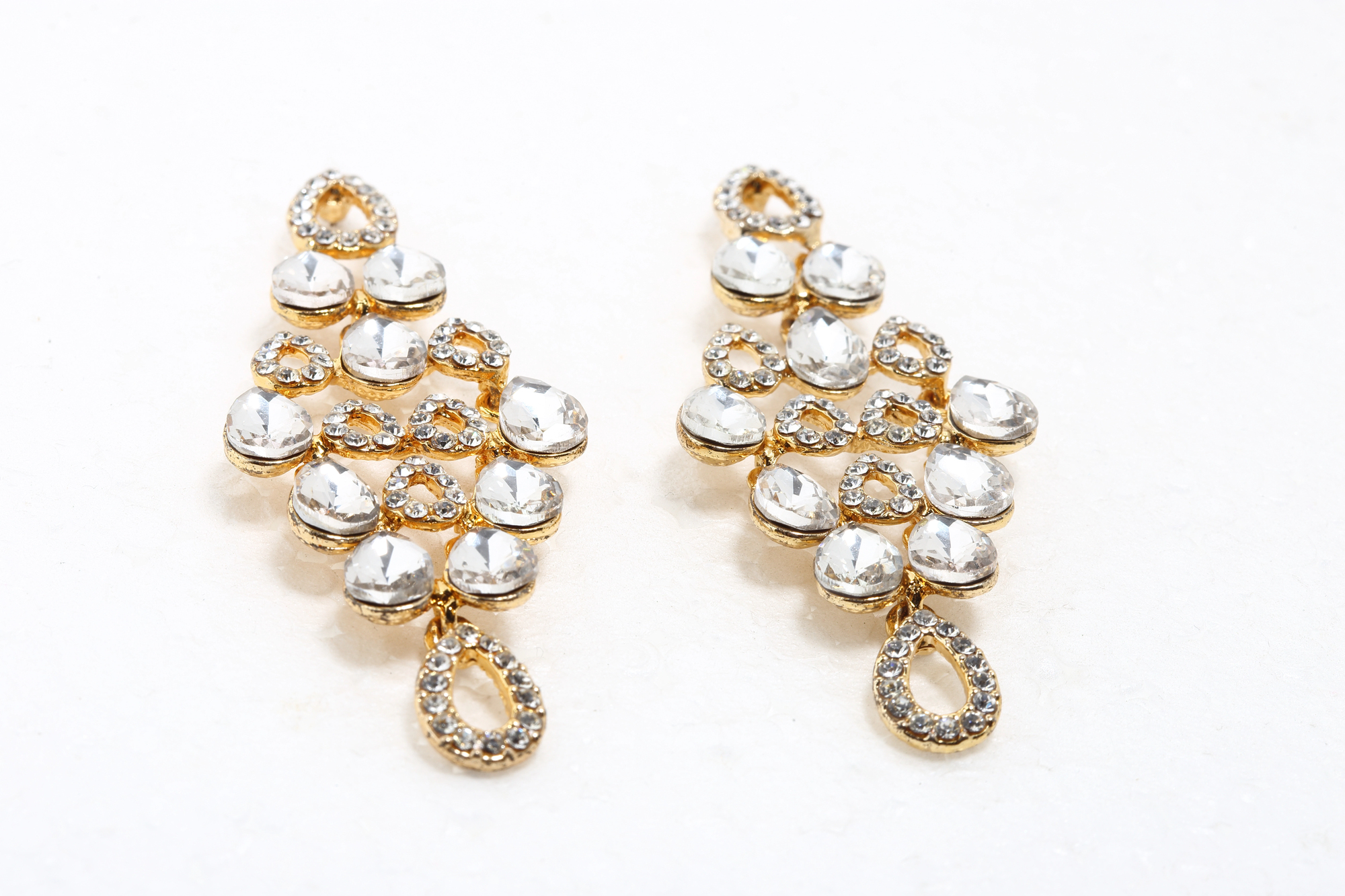
Kramer of New York made rhinestone earrings that were, to be blunt, extraordinarily good for their price point. The chandelier styles — cascading tiers of prong-set stones in crystal, emerald, and sapphire — sell for $60 to $250 depending on complexity, and certain rare colorways like topaz and amethyst push past that ceiling with collectors who know what they’re looking at.
Miriam Haskell Beaded Necklaces
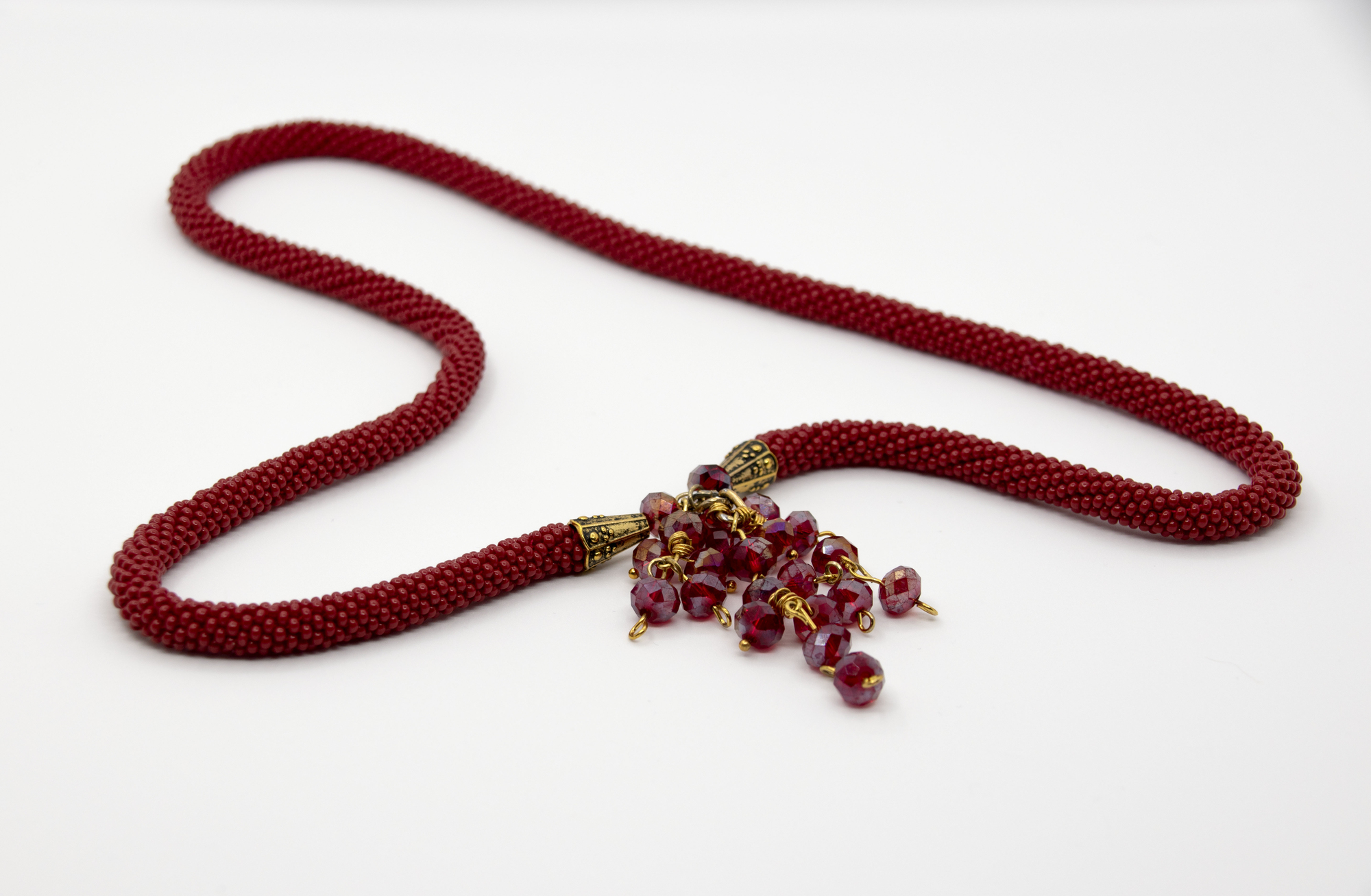
Miriam Haskell occupies a peculiar position in costume jewelry — pieces that were always slightly more expensive than their department store neighbors but were sold through the same retail channels and bought by the same shoppers who considered them a bit of a splurge. That splurge now looks prescient: signed Haskell Russian gold-filled and seed pearl necklaces regularly sell between $200 and $800, and exceptional multi-strand examples at auction have crossed $1,500.
Weiss Black Diamond Rhinestone Brooches
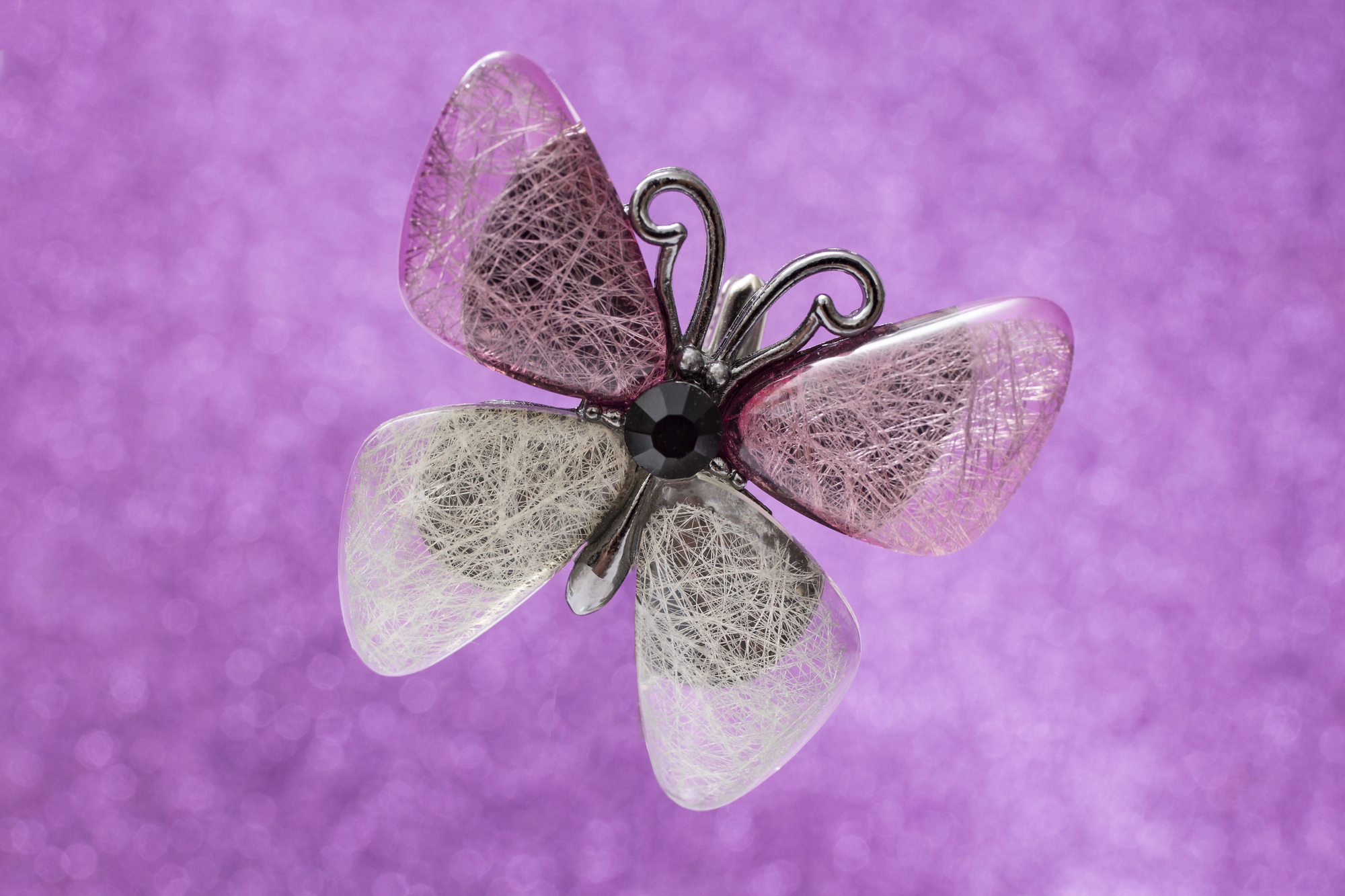
Weiss made rhinestones look serious — the settings were tight, the stones were well-matched, and the designs had a geometric rigor that felt more collected than casual. Black diamond rhinestone Weiss brooches from the 1950s and 1960s, with their smoky, almost menacing sparkle, sell consistently in the $80 to $250 range.
Judy Lee Enamel Flower Pins
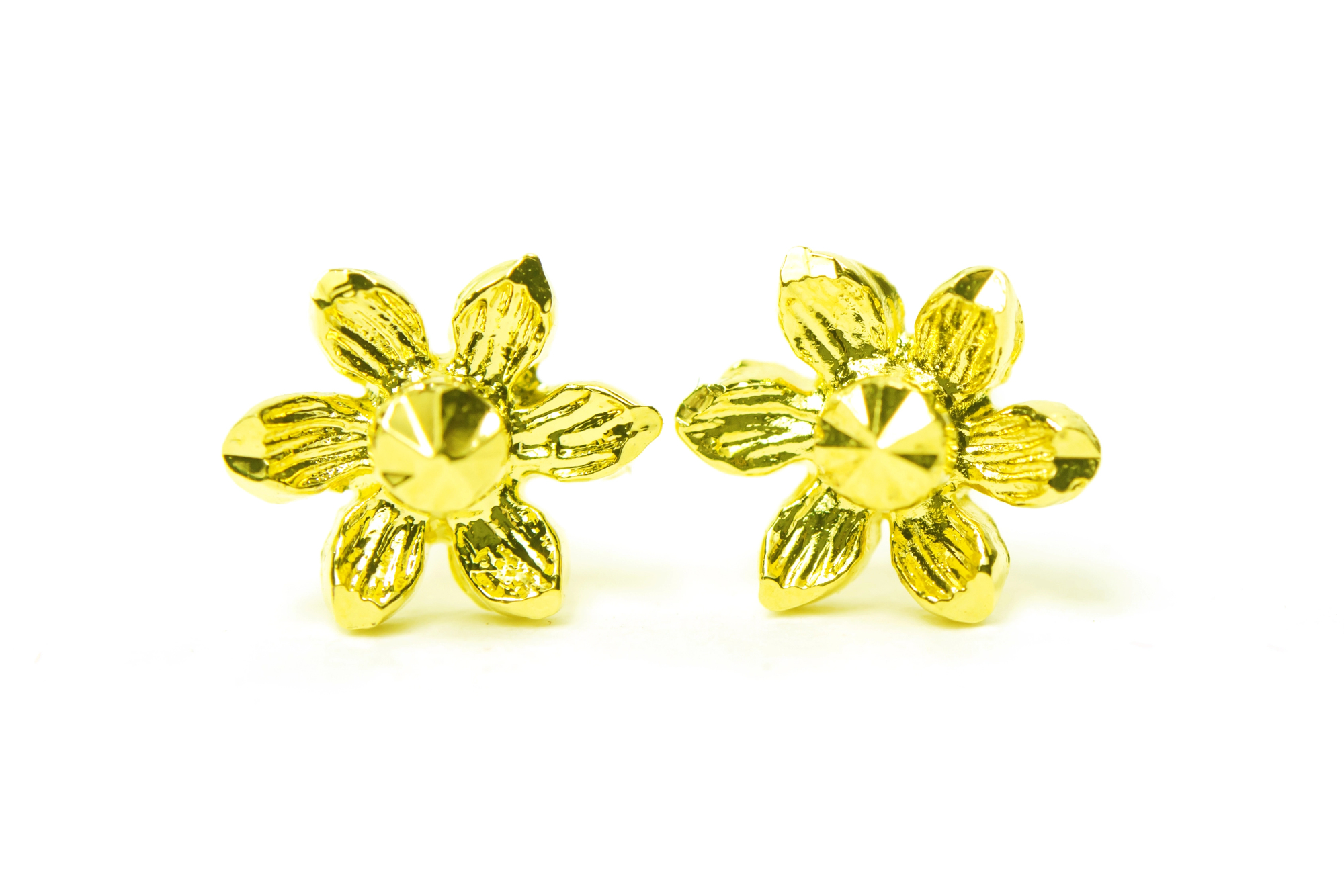
Judy Lee is one of those names that rewards patience at estate sales — not immediately famous, but quietly respected by people who collect Mid-Century enamel work. Signed Judy Lee enamel flower brooches in bold oranges, cobalts, and yellows from the late 1950s through 1960s trade between $30 and $100, with larger statement pieces and rare color combinations crossing into higher territory.
Vendome Crystal Bead Necklaces
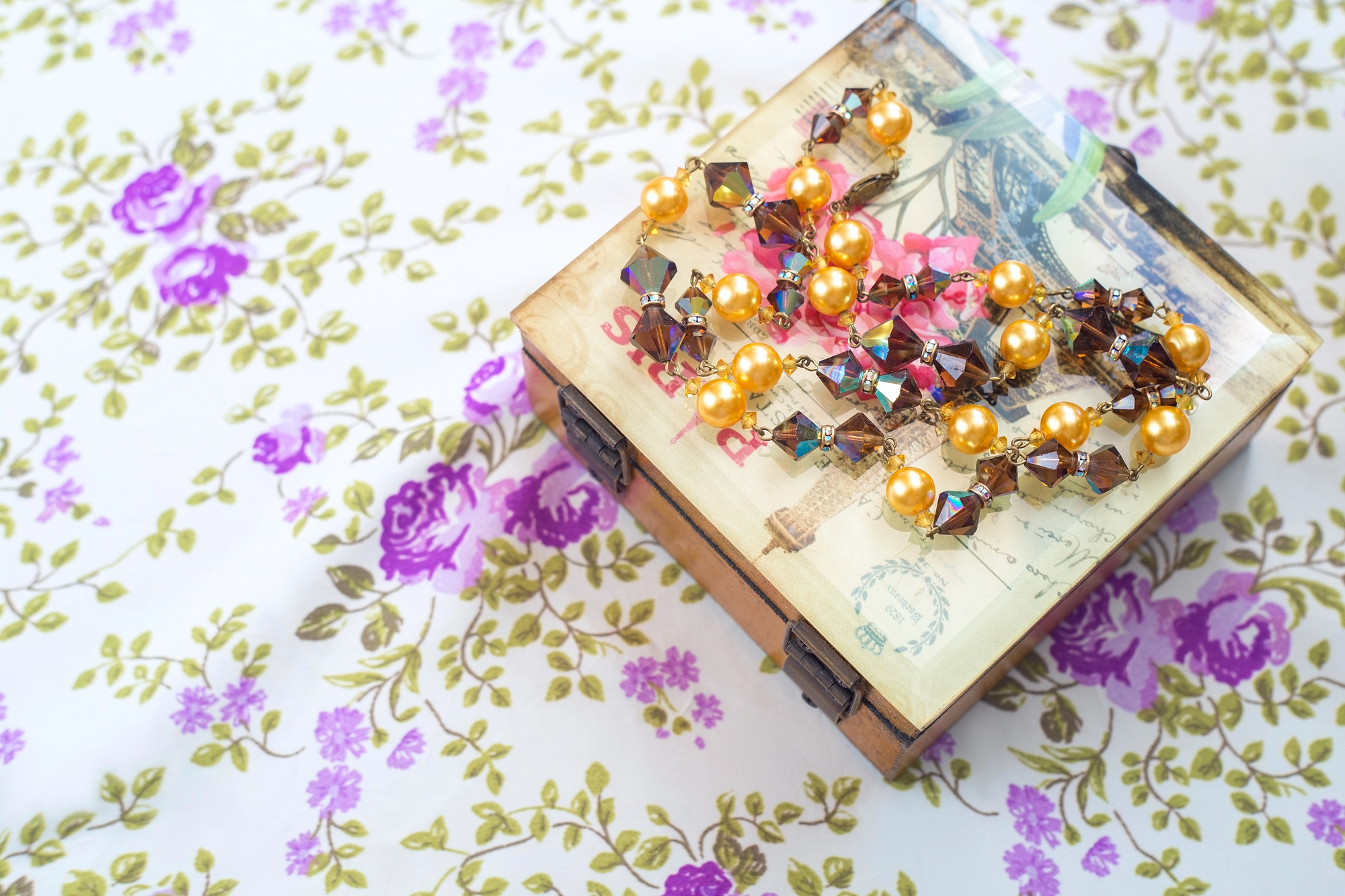
Vendome was the upscale line produced by Coro, designed for the department store customer who wanted something a step above the costume counter without approaching fine jewelry pricing. Signed Vendome crystal bead necklaces — especially those combining faceted glass beads with gold-tone filigree findings — have genuine collector followings, with multi-strand examples selling between $100 and $350.
Florenza Cameo Brooches
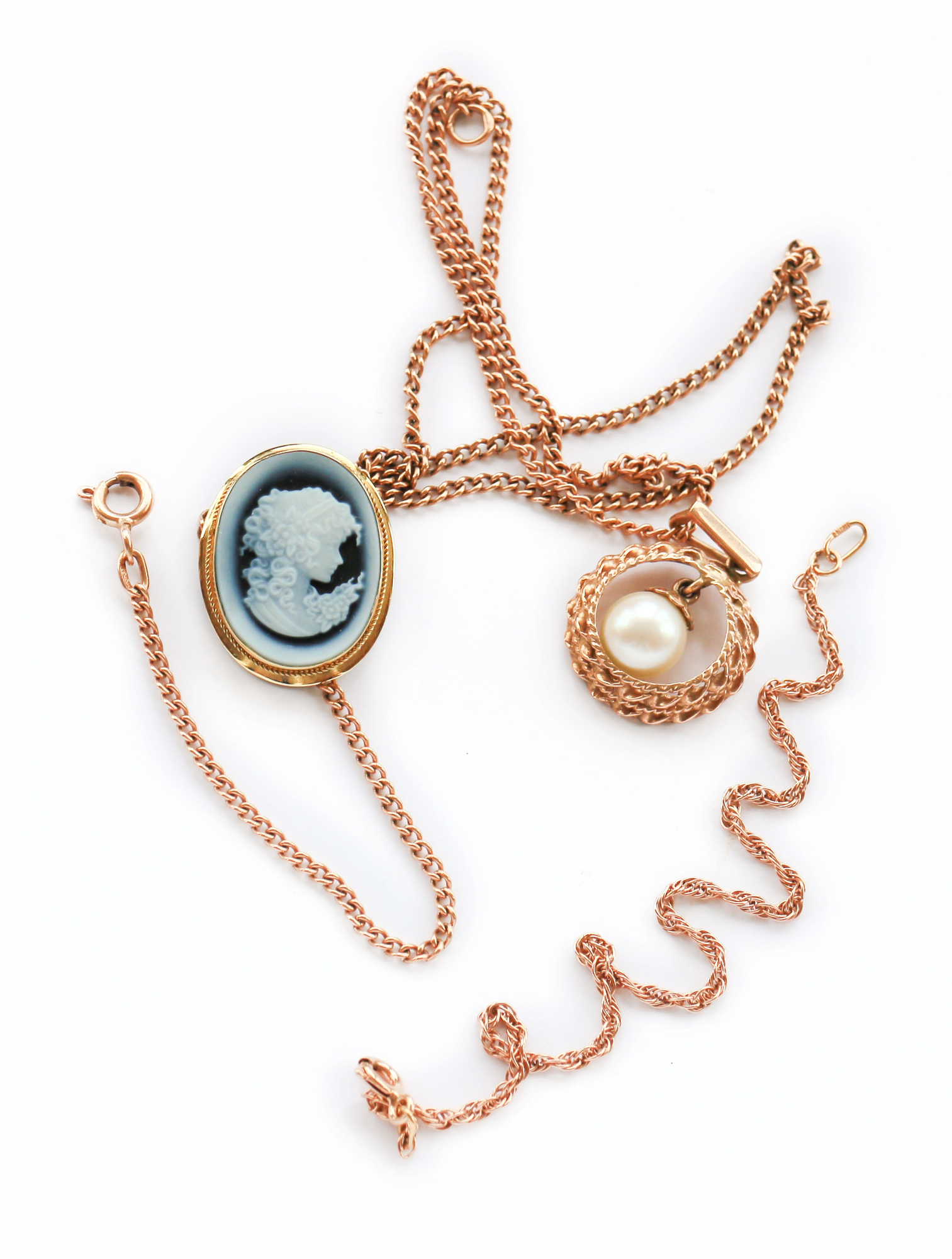
Florenza specialized in antique-revival designs that gave costume jewelry a kind of studied antiquity — pieces that looked as if they might have been inherited rather than purchased. Signed Florenza cameo brooches in ornate gold-tone settings, particularly those with carved shell or glass cameos in Victorian-inspired frames, sell in the $50 to $180 range, and the most elaborate examples with dangling drops command considerably more.
Bogoff Rhinestone Bracelets
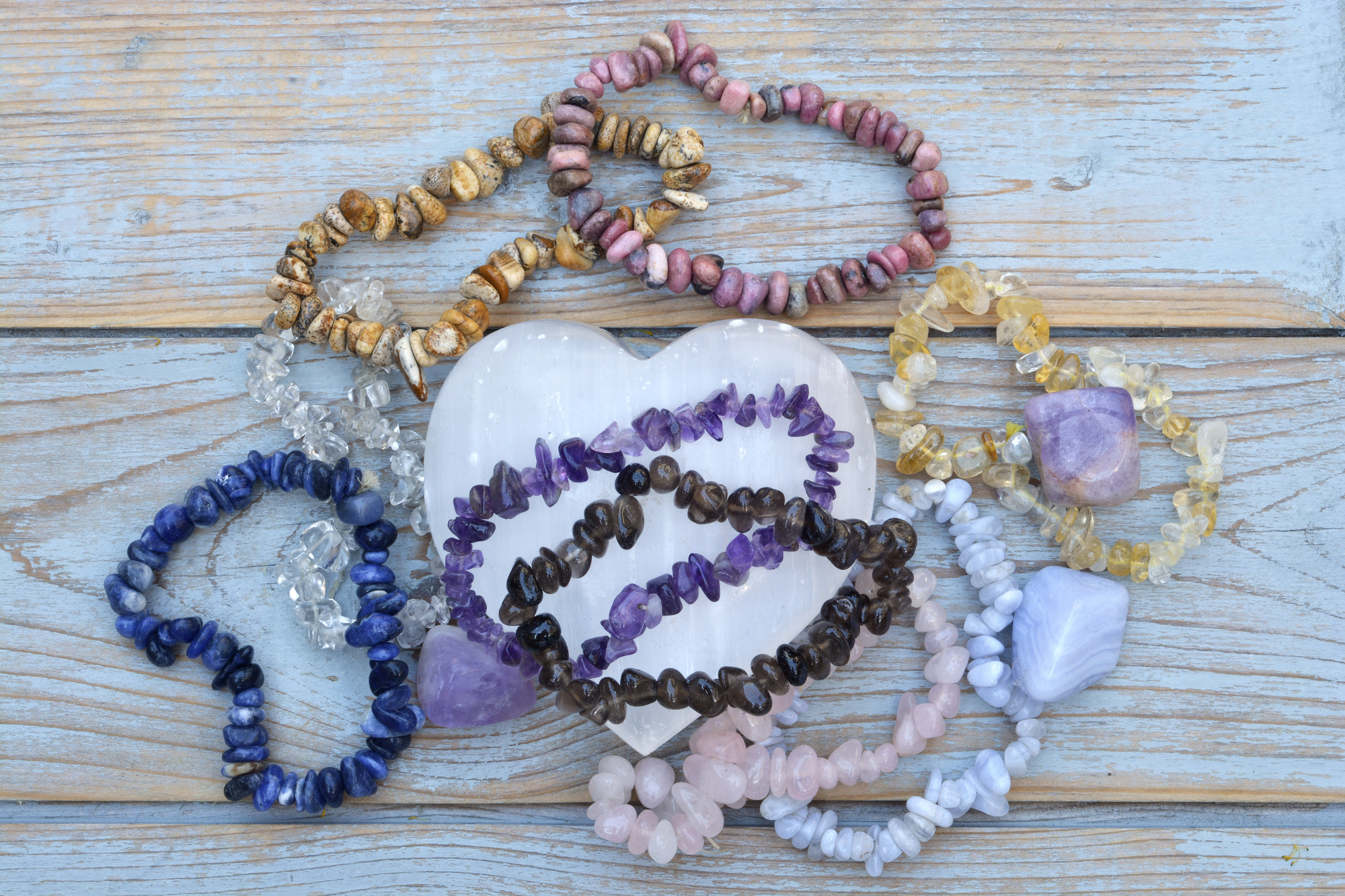
Bogoff is the department store jewelry name that collectors consistently underestimate until they pick one up — the weight is different, the stone quality is noticeably better, the plating holds. Signed Bogoff rhinestone line bracelets from the 1940s and 1950s, particularly in clear crystal and sapphire blue, sell reliably between $75 and $200, with the rarest settings pushing past $300.
Accessocraft Maltese Cross Pendants
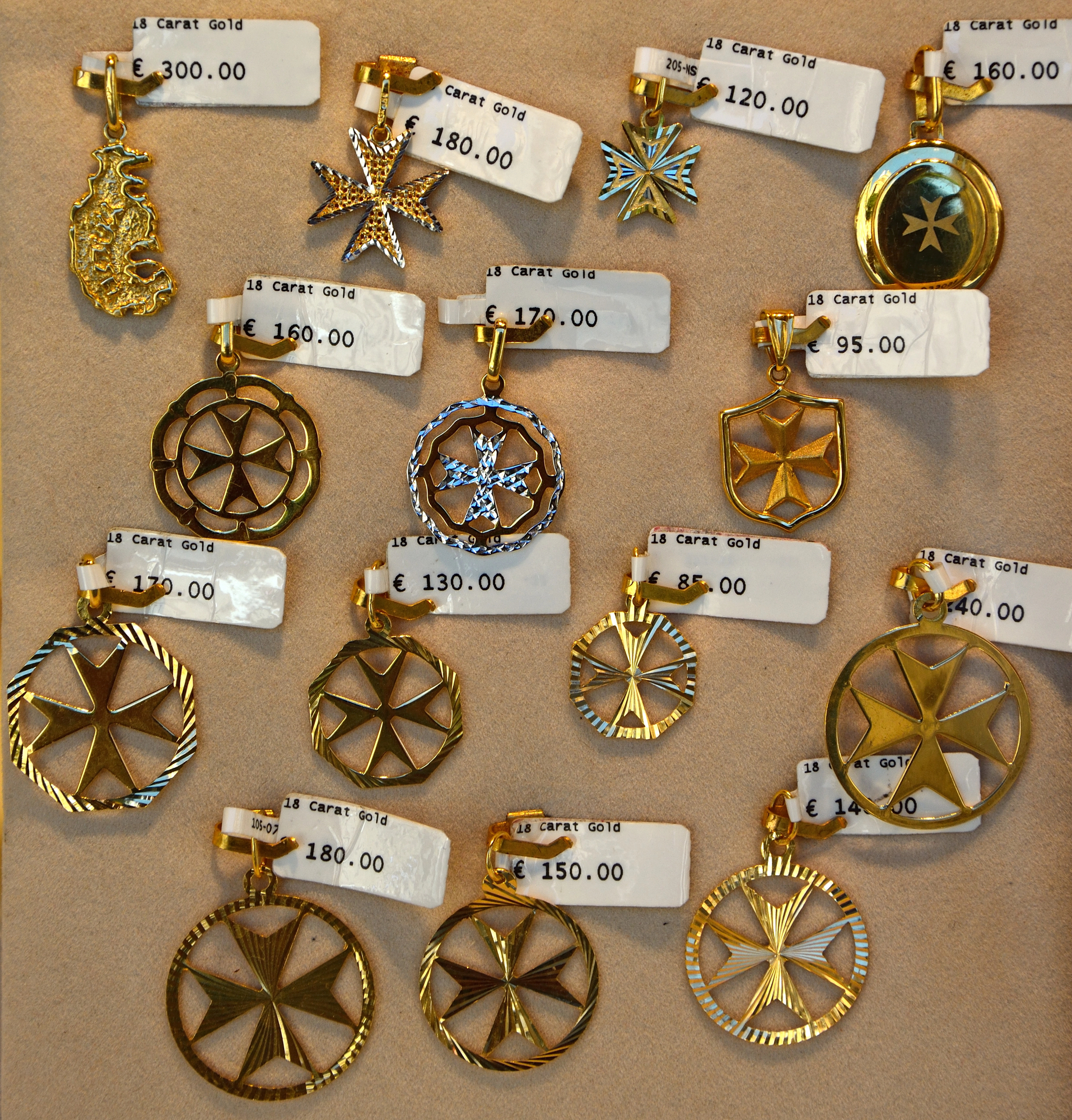
Accessocraft hit a particular sweet spot in the late 1960s and early 1970s with bold, architectural pendants that feel more sculpture than jewelry. The Maltese cross designs — often in antiqued gold-tone with colored stone insets — have become steady collectibles, selling between $45 and $150, and they photograph so well that online resellers have driven prices upward over the past several years.
Sherman Crystal Jewelry
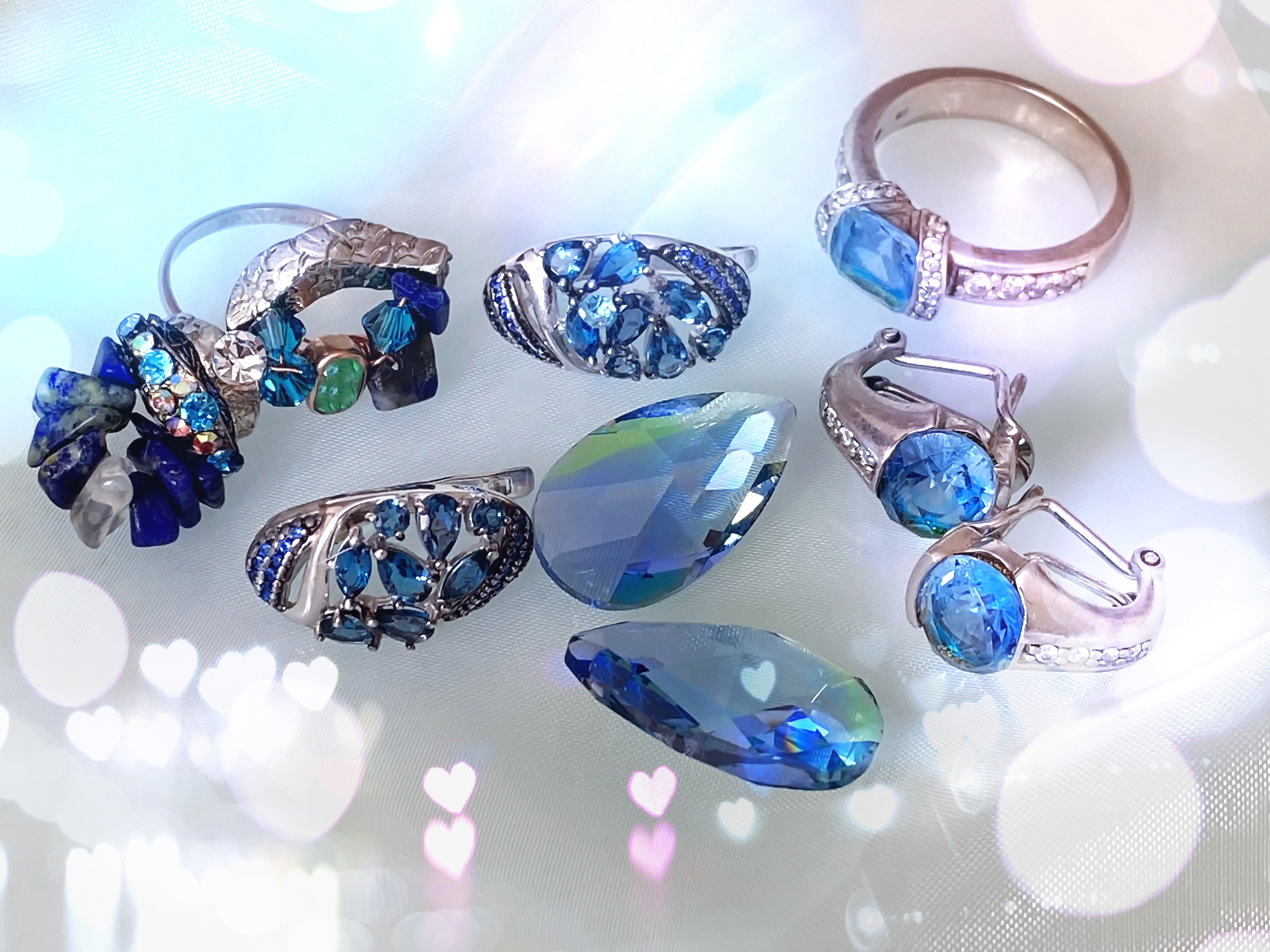
Sherman is a Canadian name that landed in department stores across North America, and the pieces have a crystal quality that genuinely rivals European work from the same period. Signed Sherman pieces in aurora borealis and smoky topaz — particularly parures with the original presentation box — sell between $150 and $500, and certain rare colorways have crossed $700 at specialty auction.
Hattie Carnegie Enamel Pieces
Hattie Carnegie sat at the aspirational edge of department store jewelry — the pieces that cost a little more and were purchased with ceremony. Signed Carnegie enamel brooches and necklaces from the 1940s and 1950s, particularly those with figural designs in Chinese-influenced red and black enamel, sell between $200 and $600, and the most distinctive designs approach four figures among serious collectors.
Hobé Sterling Floral Brooches
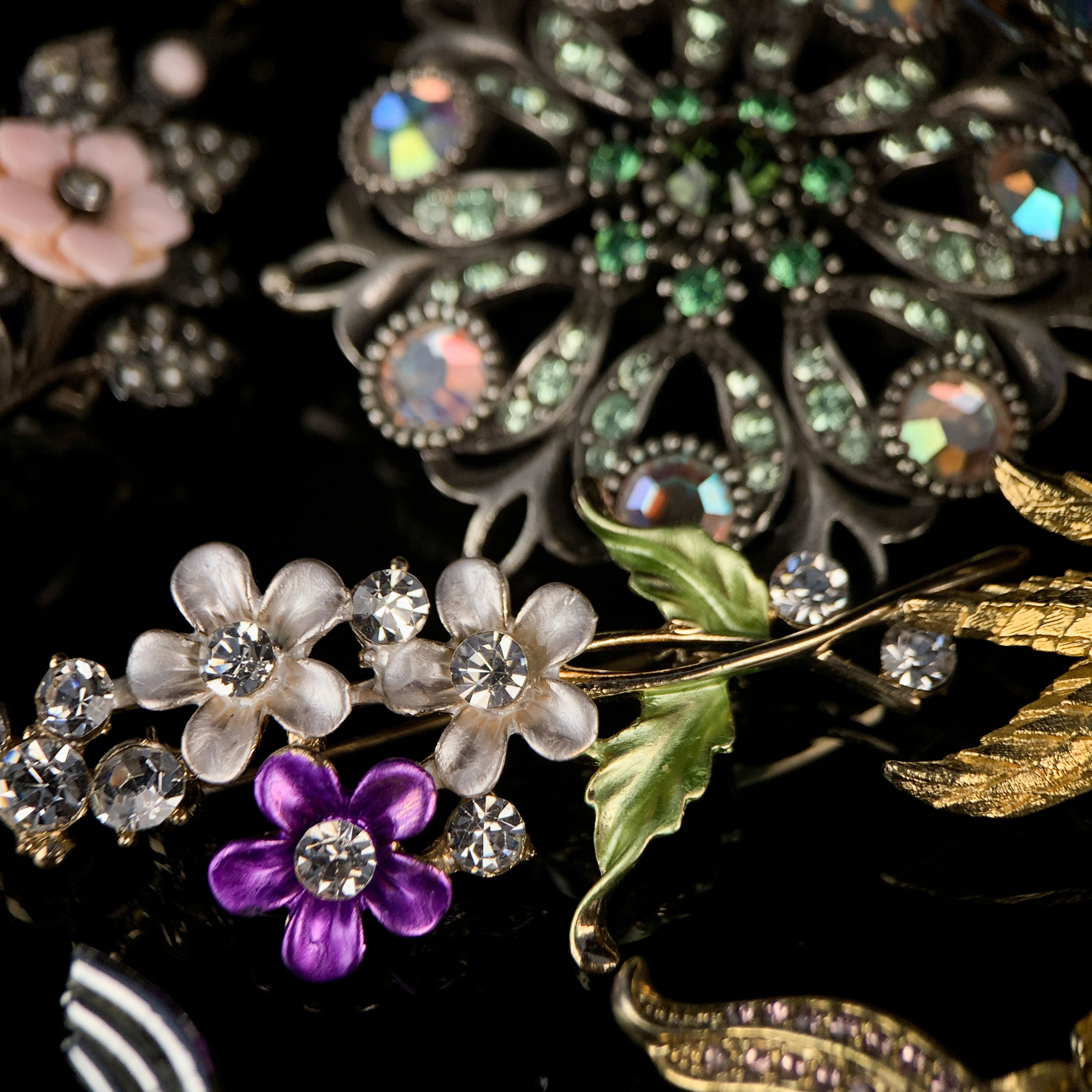
Hobé — pronounced “ho-BAY” — produced some of the most technically accomplished costume jewelry to ever appear on a department store counter, with sterling silver work that holds its own against far more expensive pieces. Signed Hobé sterling floral brooches from the 1940s, with their hand-wired pearl and rhinestone construction, sell between $100 and $400 depending on complexity.
Marvella Faux Pearl Necklaces
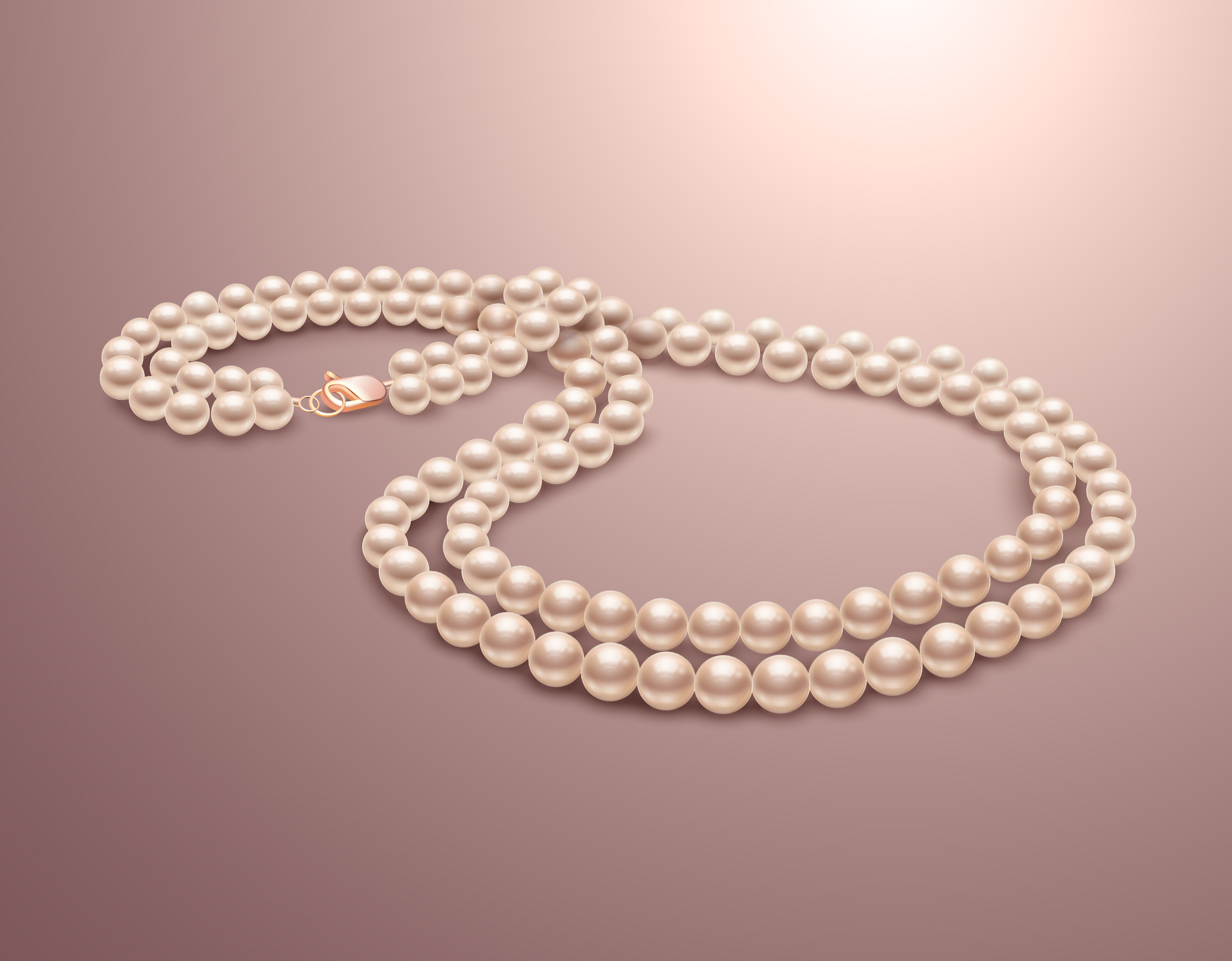
Marvella built an entire identity around simulated pearls done properly — the luster was better, the knotting between beads was correct, the clasps were solid. Multi-strand signed Marvella pearl necklaces from the 1950s and 1960s, particularly those with decorative gold-tone clasps set with rhinestones, sell between $40 and $150, and long opera-length versions in excellent condition push toward the higher end.
Coventry Gold-Filled Lockets
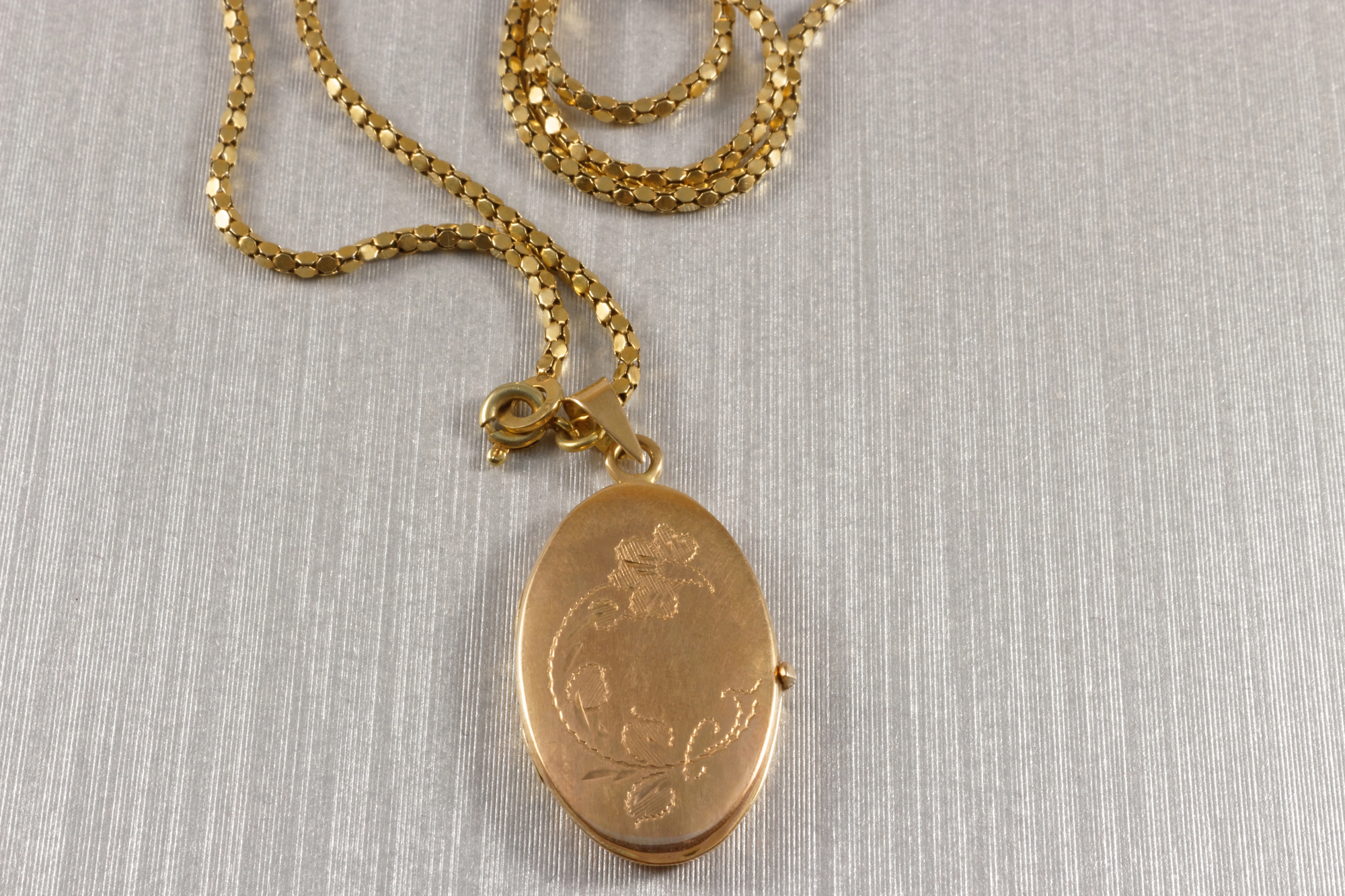
The gold-filled lockets sold through department stores under the Coventry and related house brands from the 1940s through 1960s have a stubborn durability — the gold fill holds, the hinges still work, and the engraving stays legible. Plain oval and heart-shaped examples sell for $30 to $80, but lockets with original chain, original photos still inside, or Art Deco-influenced engraving cross into the $100 to $200 range without much resistance.
Schiaparelli Rhinestone Earrings
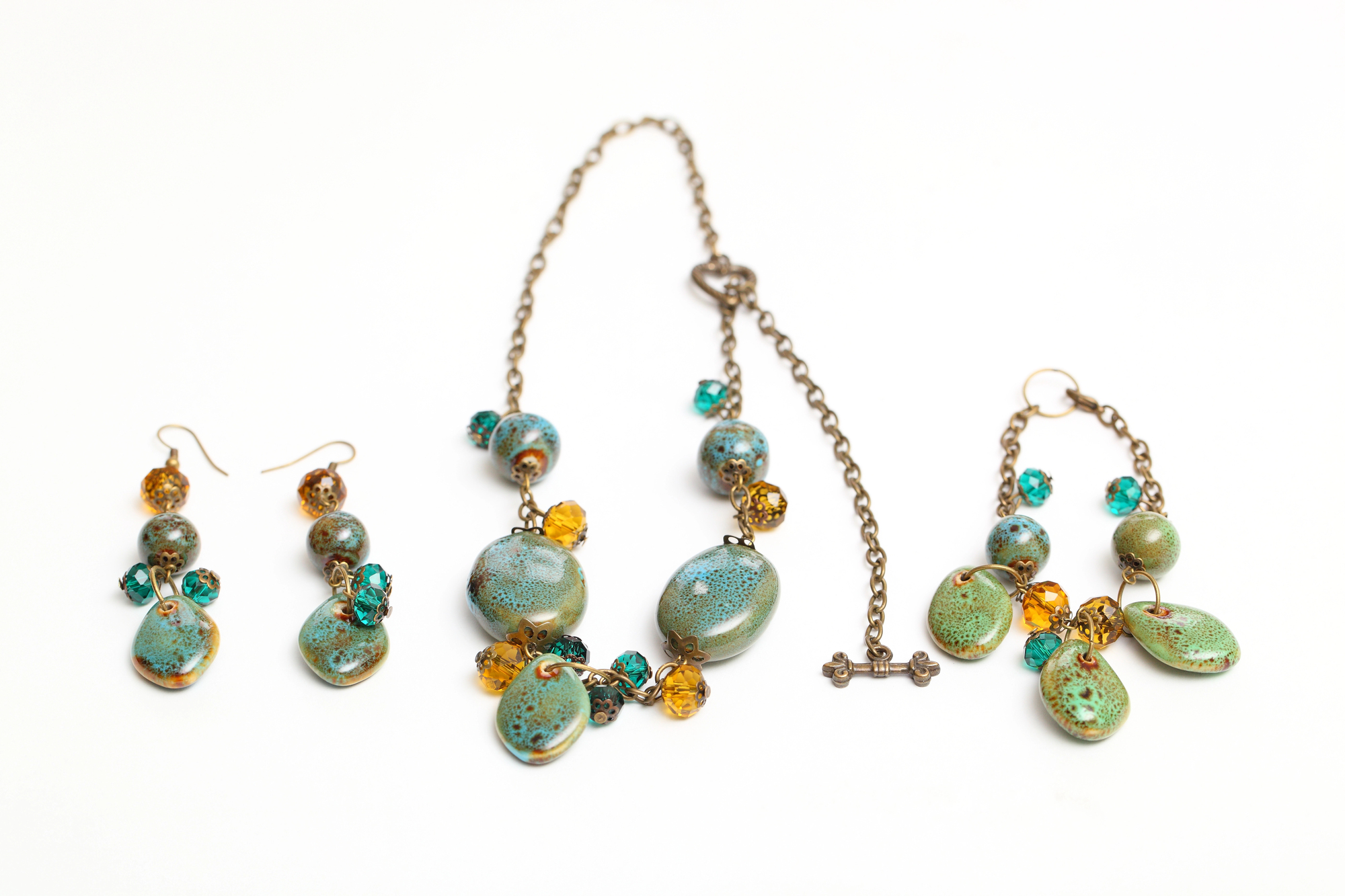
Elsa Schiaparelli’s licensed jewelry line existed in a category of its own — technically department store-accessible, unmistakably designer-conceived. Signed Schiaparelli earrings in volcanic glass and aurora borealis rhinestones from the early 1950s have a devoted collector market, with clip-back chandelier styles selling between $200 and $550 and rare colors going considerably higher.
Robert Originals Pearl And Bead Necklaces
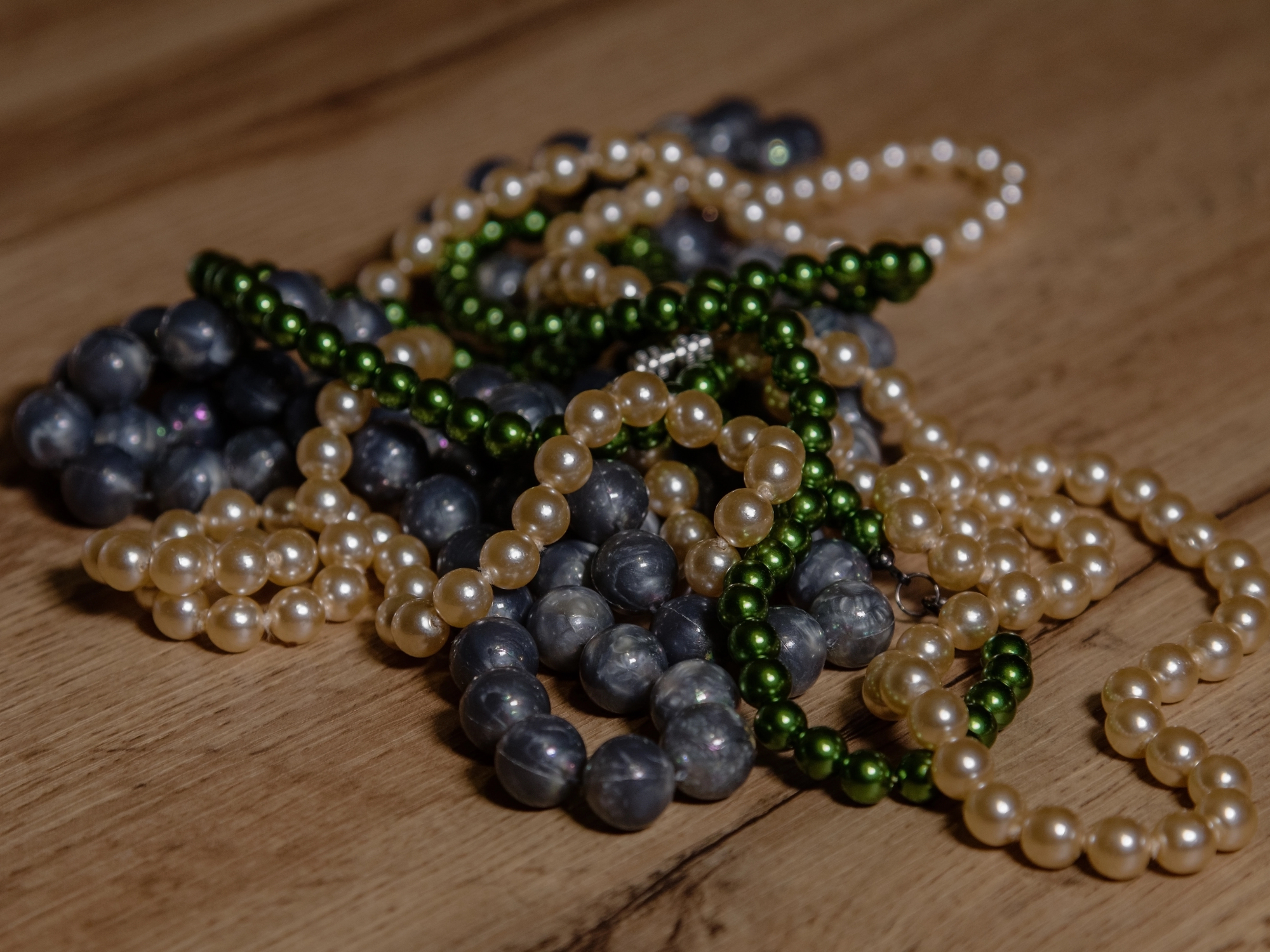
Robert Originals — also marked simply as “Robert” — produced multi-strand bead necklaces in the 1950s and 1960s that combined glass pearls, art glass beads, and ornate findings with a consistency of quality that the price point never suggested. Signed Robert multi-strand necklaces sell between $80 and $250, and the most elaborate examples with complex beading patterns at the clasp area push past that range.
Eisenberg Ice Rhinestone Brooches
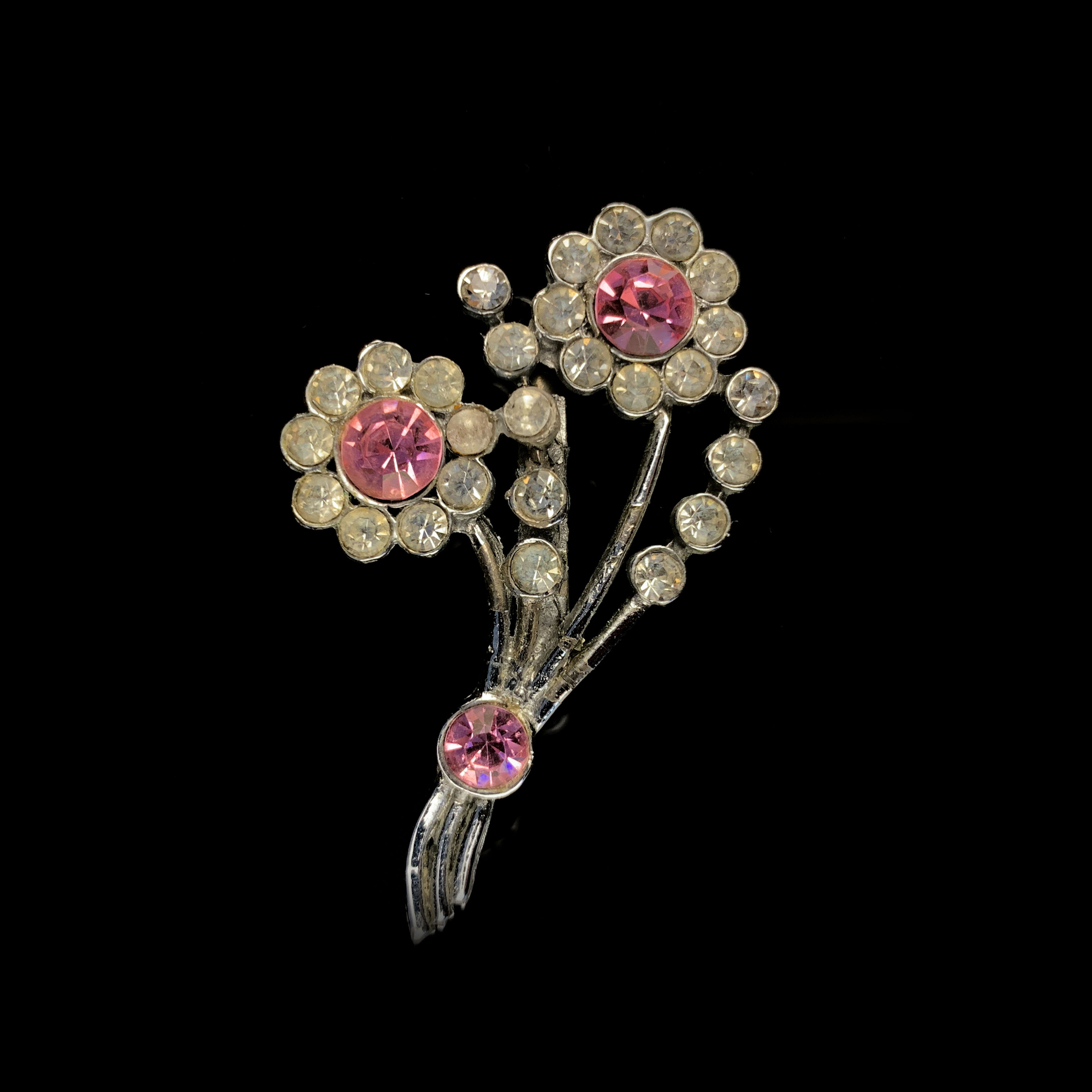
Eisenberg Ice is not subtle — the stones are oversized, the prong settings are precise, and the whole thing announces itself from across the room. Signed Eisenberg Ice brooches from the 1950s and 1960s, particularly scatter pins and figural designs in clear crystal and sapphire, sell between $100 and $400, with the largest and most elaborately set examples commanding serious money among rhinestone collectors.
Whiting And Davis Mesh Bags And Bracelets
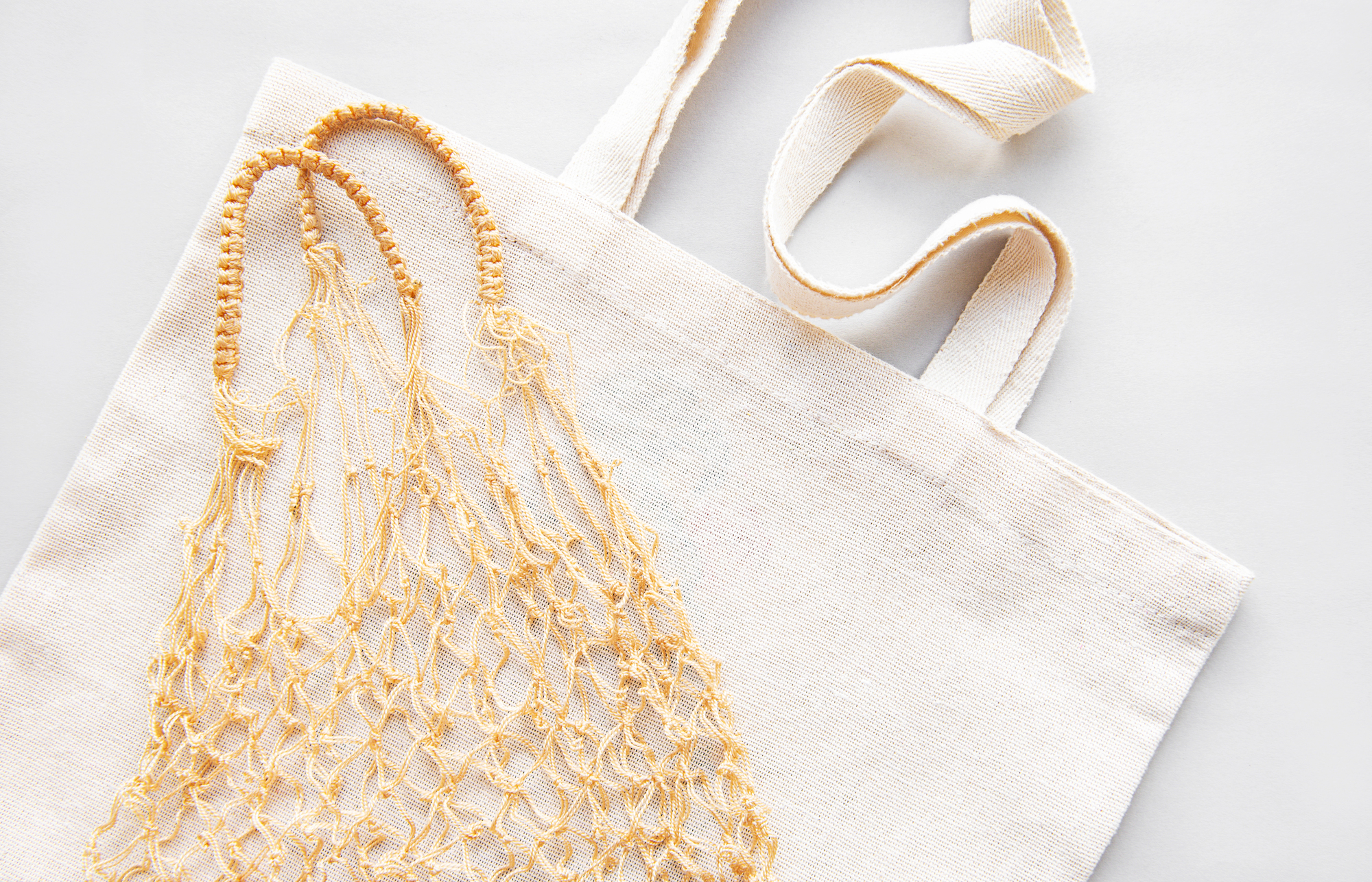
Whiting and Davis produced metal mesh bags and bracelets that appeared in department store accessories sections for decades, and the older signed pieces have developed a collector following that continues to strengthen. Gold-fill and sterling mesh bracelets from the 1920s through 1940s sell between $75 and $250, while the larger reticule-style mesh bags in good condition with intact frames regularly fetch $150 to $400.
Boucher Figural Animal Brooches
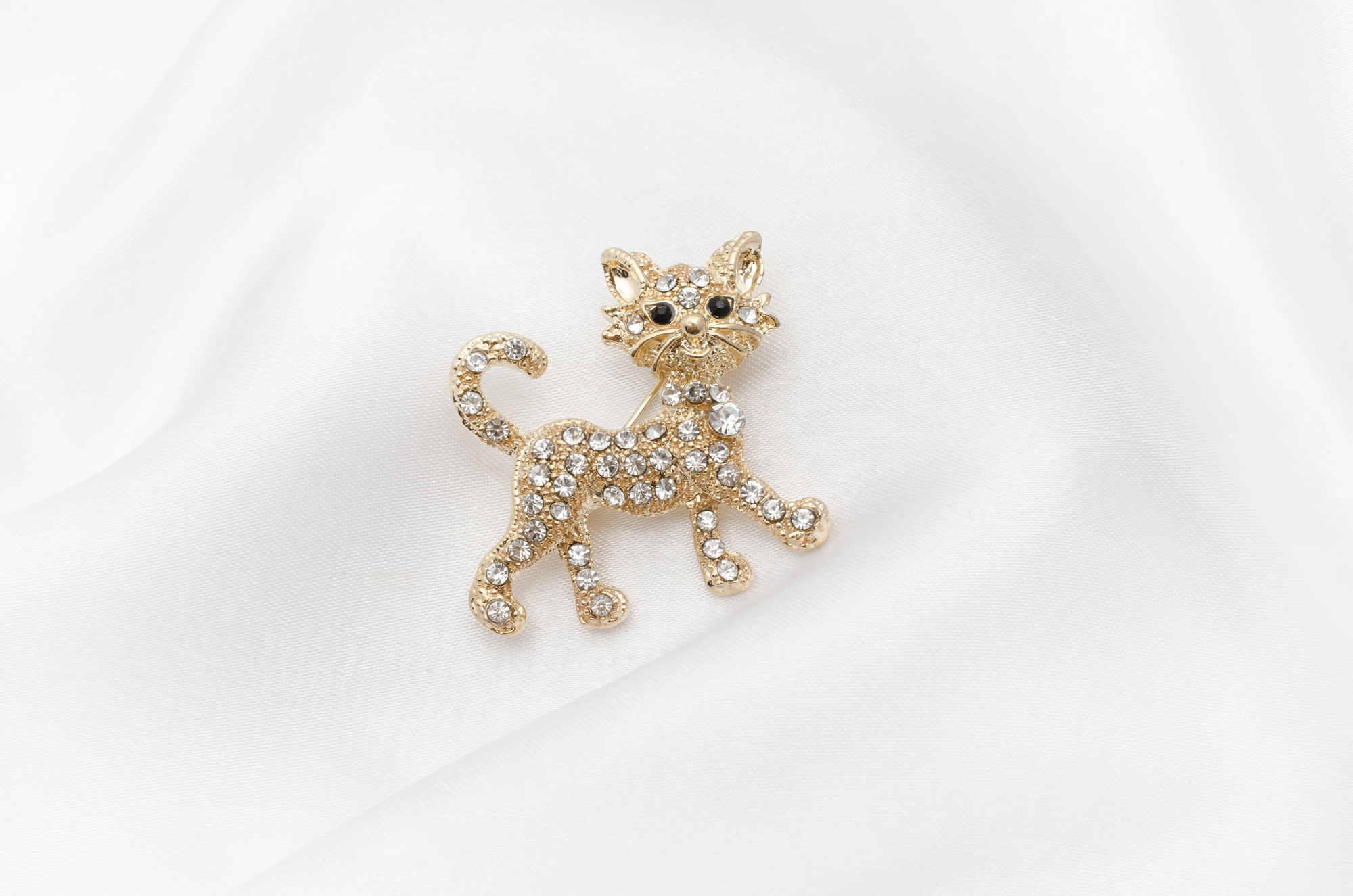
Marcel Boucher came from a background in fine jewelry — he trained at Cartier — and that training shows in the figural animal brooches he produced for department store sale throughout the 1940s and 1950s. Signed Boucher bird and fish brooches with enamel detailing and pavé rhinestone accents sell between $200 and $600, and the most intricate articulated pieces go higher.
Richelieu Pearl Sets
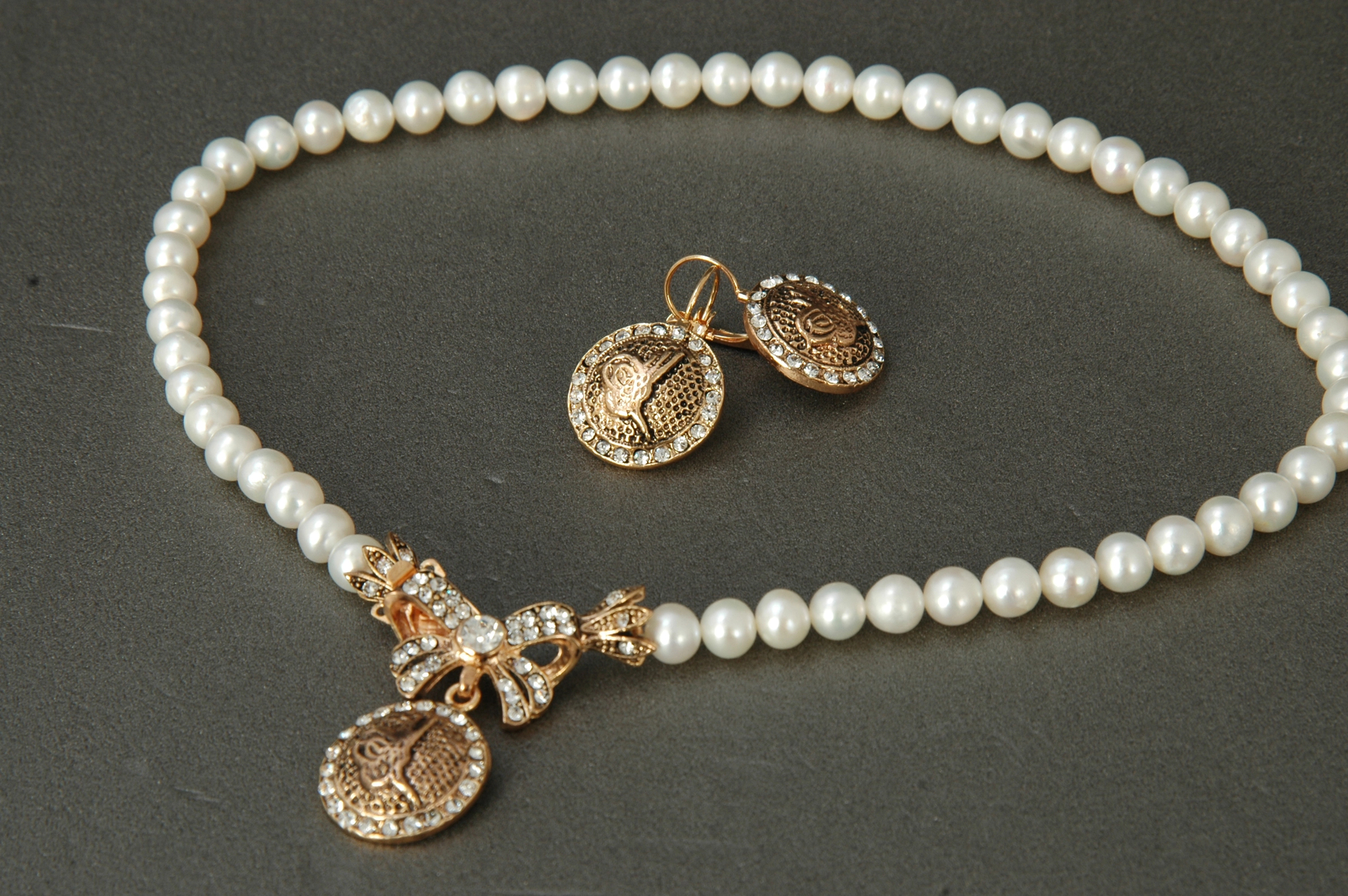
Richelieu produced simulated pearl sets — necklace and matching earrings — that were the reliable department store gift for decades, the kind of thing purchased at the jewelry counter for Mother’s Day and kept for forty years. Signed Richelieu sets in their original presentation boxes sell for $25 to $75, but complete three-piece sets with bracelet included, or those in unusual pearl colors like champagne and charcoal, cross into the $80 to $150 range.
Renoir Copper Cuff Bracelets
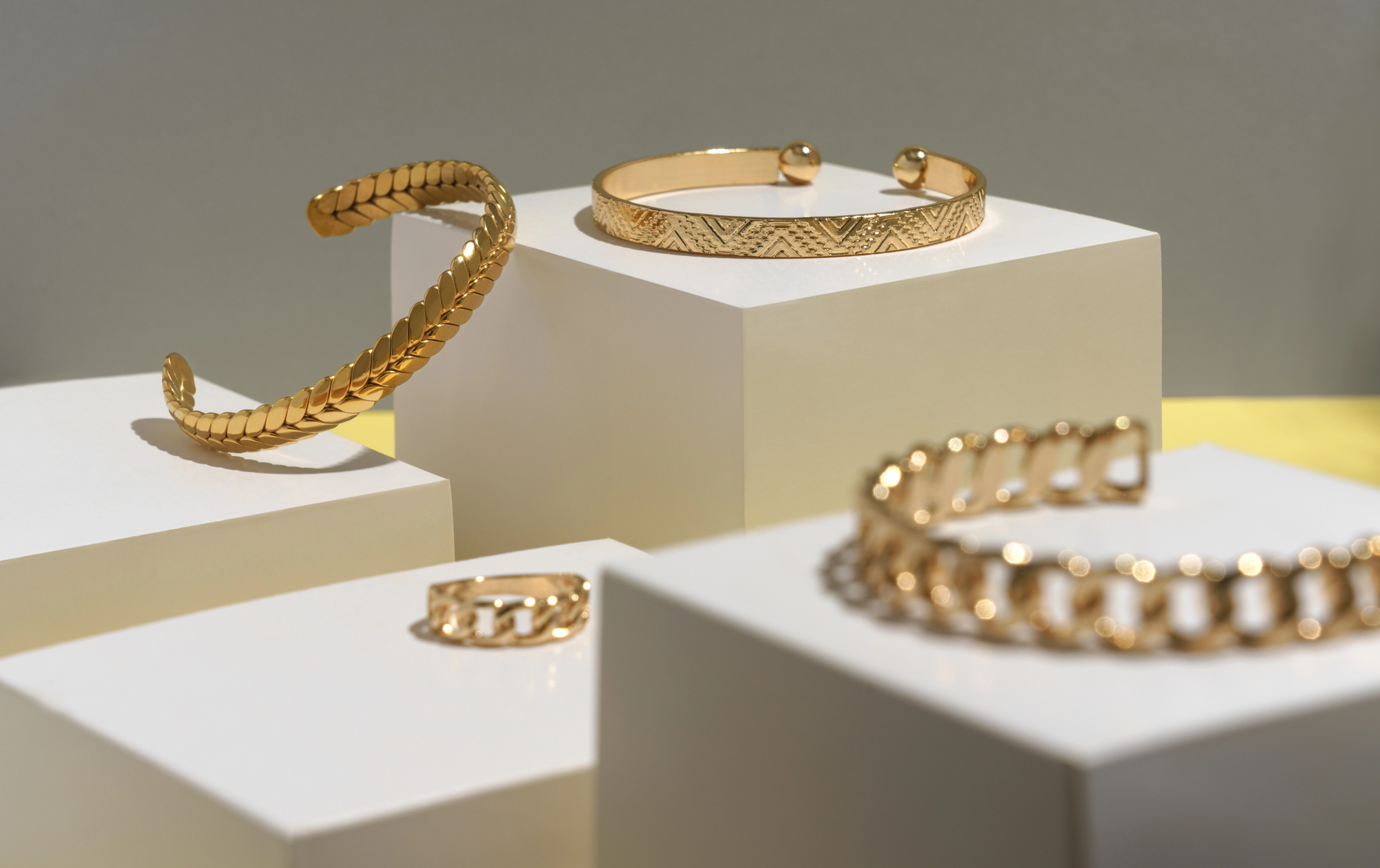
Renoir of California made copper jewelry that was, in retrospect, closer to wearable sculpture than to the rhinestone-and-gold-plate mainstream of its era. Signed Renoir wide copper cuff bracelets from the late 1940s through 1960s — particularly the geometric and abstract designs — sell between $60 and $200, and the largest statement cuffs with complex hammered or cutwork patterns push toward the upper end with Mid-Century design collectors.
Trifari Jelly Belly Brooches
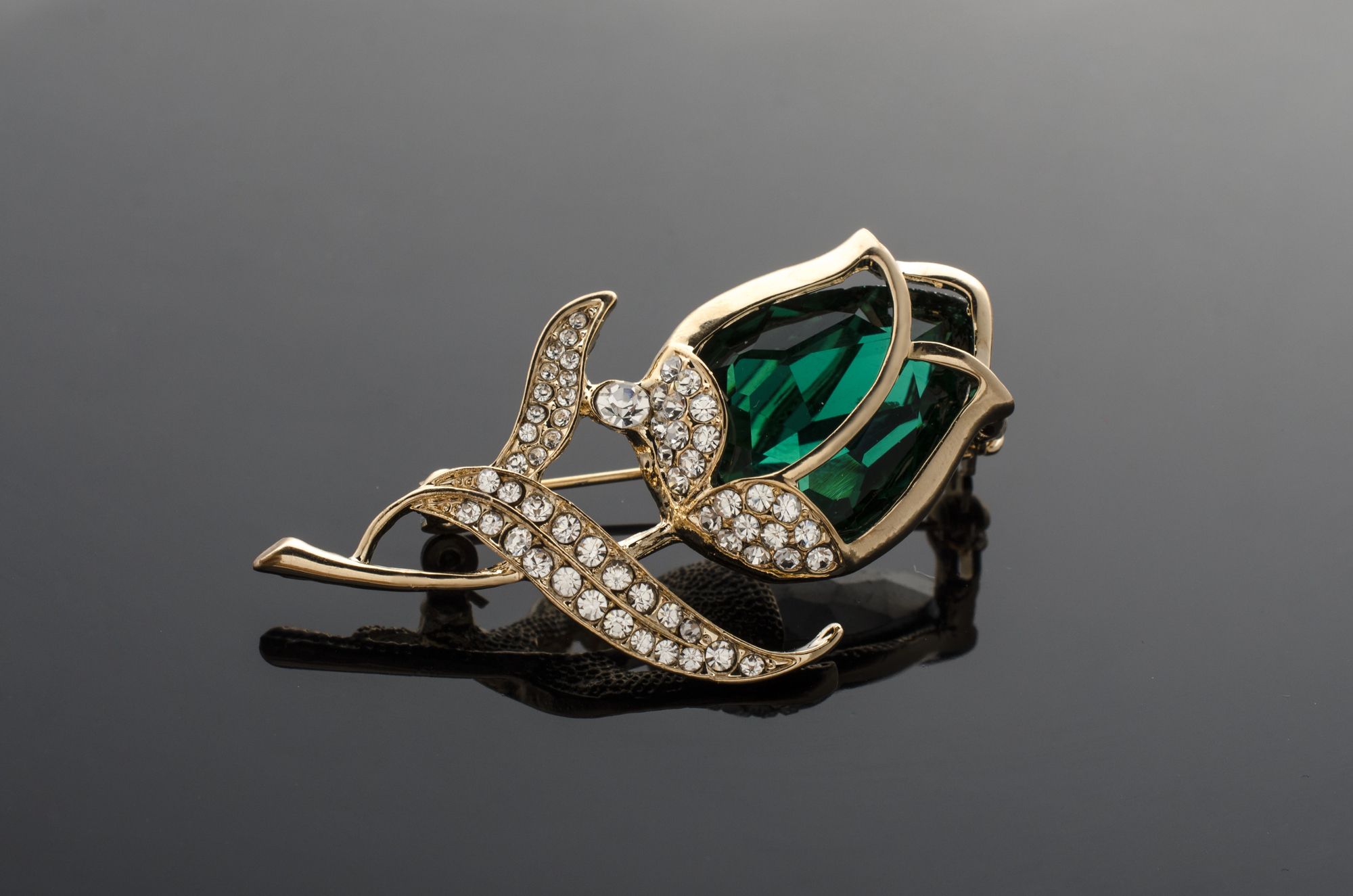
The Trifari Jelly Belly brooch is the piece that turned civilian jewelry shoppers into collectors — the first time someone sees one, a Lucite-bellied goldfish or trembler bird sitting in a gold-tone vermeil setting, something shifts. Signed Trifari Jelly Belly figural brooches from the 1940s routinely sell between $400 and $1,200, with rare designs and pristine condition examples crossing $2,000 at major auction houses.
Sears And JCPenney House Brand Charm Bracelets
The gold-filled charm bracelets sold under house brands at Sears and JCPenney from the 1940s through the 1960s — often with no designer signature at all — have emerged as collectibles based purely on charm content and construction quality. Complete bracelets with six or more charms, particularly those with enamel, mechanical, or locket-style charms, sell between $80 and $300, and the charm content matters more than the brand name ever did.
What The Jewelry Counter Knew Before Anyone Else Did
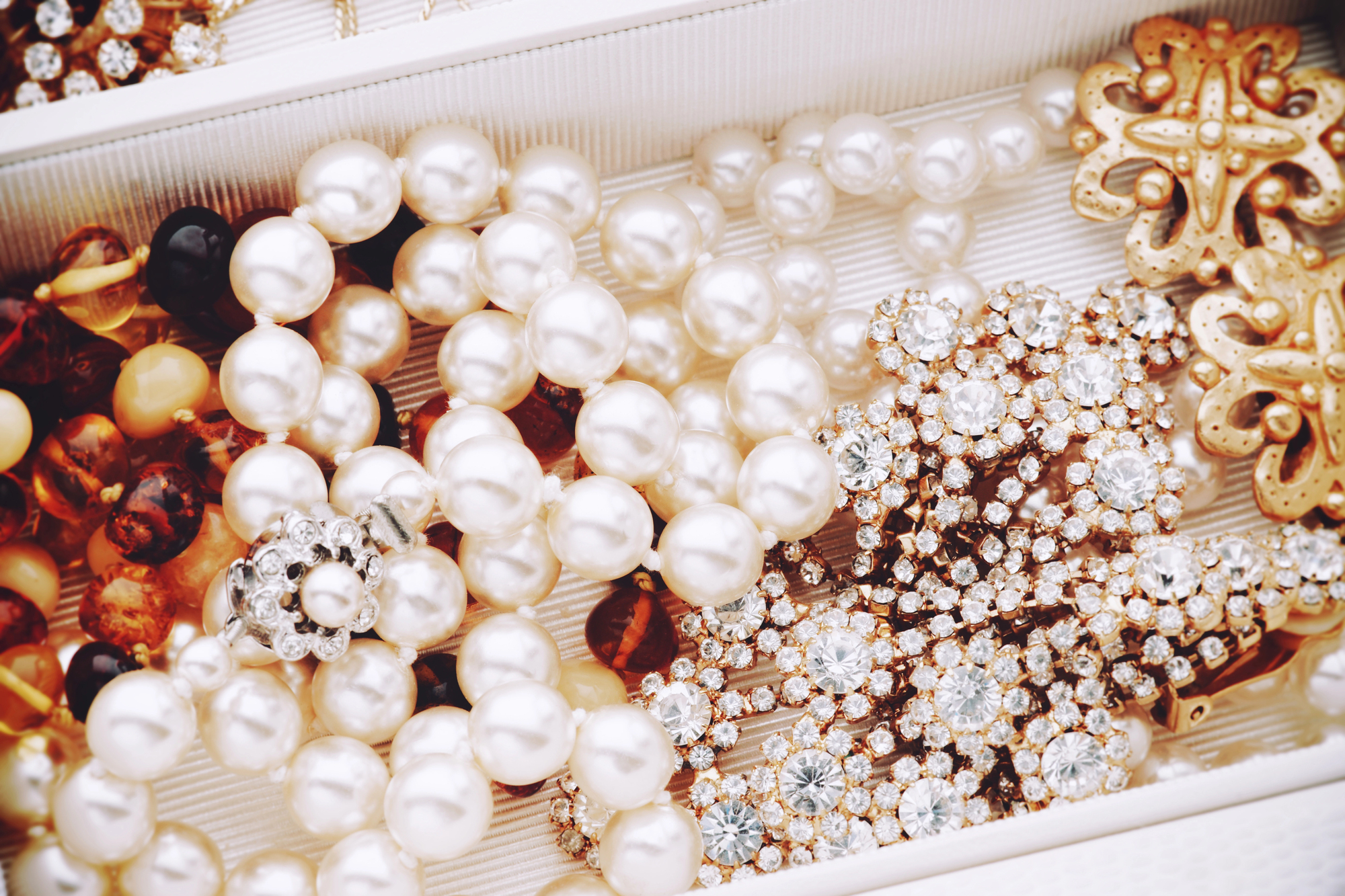
The department store jewelry counter was never prestigious — that was sort of the point. It was accessible, it was practical, and it sat a comfortable distance from both the fine jewelry case and the dime store bin.
But the designers and craftspeople behind these pieces were frequently working at a level the price tags obscured, and the materials — real rhinestones, gold fill, sterling, Lucite, hand-wired beads — have held up across seventy and eighty years in ways that plenty of more expensive things haven’t. The market has corrected.
What the dresser drawer held onto all those years, the auction house is now pricing honestly.
More from Go2Tutors!

- The Romanov Crown Jewels and Their Tragic Fate
- 13 Historical Mysteries That Science Still Can’t Solve
- Famous Hoaxes That Fooled the World for Years
- 15 Child Stars with Tragic Adult Lives
- 16 Famous Jewelry Pieces in History
Like Go2Tutors’s content? Follow us on MSN.