25 Toys Most Kids Begged For at Christmas but Very Few Actually Got
There’s a particular kind of Christmas morning heartbreak that stays with you. Not the dramatic kind — no tears, no scenes — just that quiet, slightly hollow feeling when you tear through the last gift and it still isn’t there.
Every kid who grew up watching Saturday morning cartoons or flipping through the Sears Wish Book knows the one. The toy that was everywhere that year: on every commercial, in every kid’s hands at school, practically glowing on the store shelf before it vanished entirely.
Parents tried. Shelves were stripped bare by October.
Some toys were just too expensive, too scarce, or too perfectly marketed to ever make it under the tree for most families. These are the ones that got away.
Cabbage Patch Kids
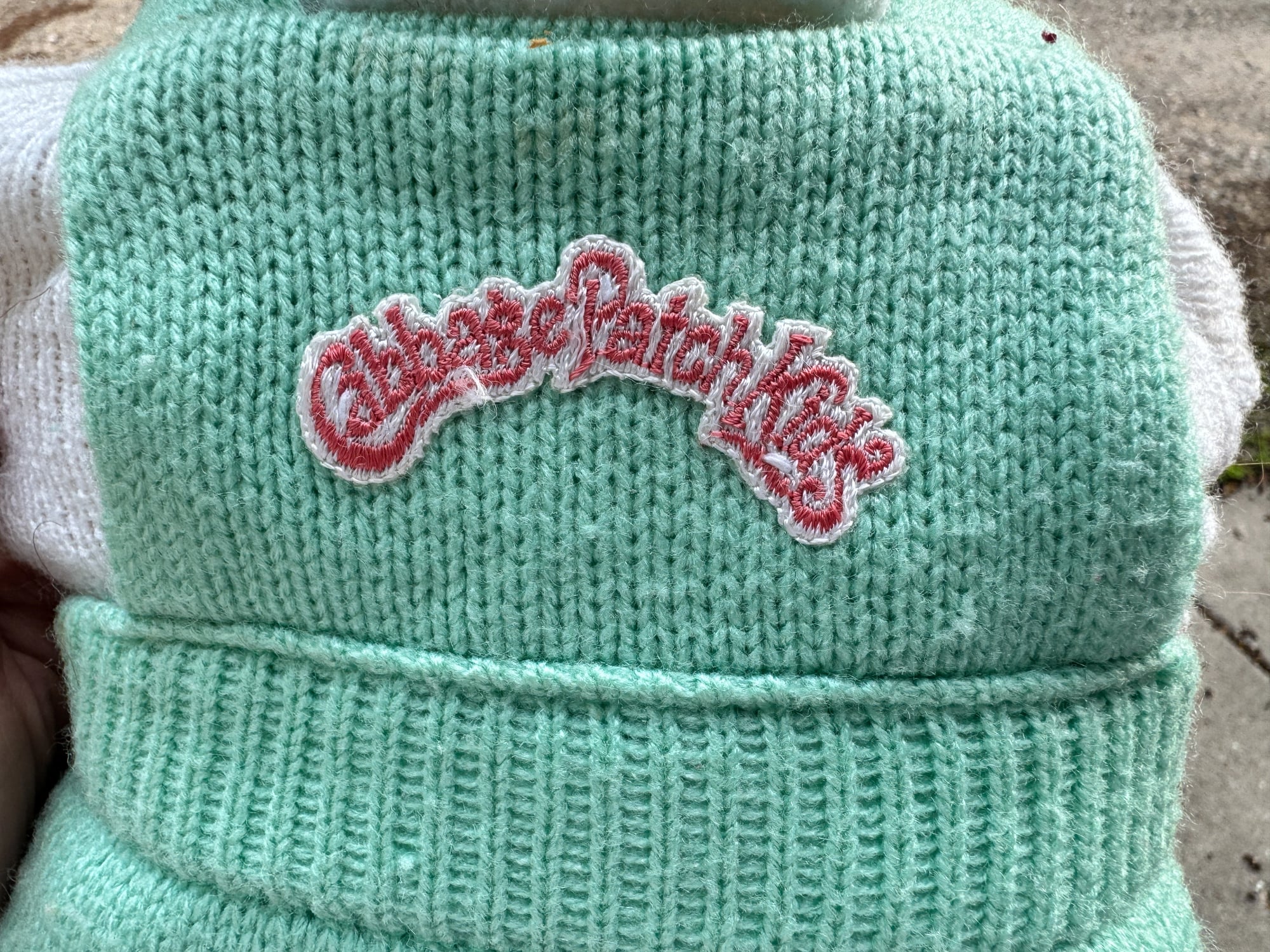
The Cabbage Patch Kid craze of 1983 wasn’t just a toy shortage — it was a full breakdown of social order in the toy aisle. Parents genuinely shoved each other at Zayre and Kmart trying to grab one of those soft, vaguely unsettling dolls with the adoption certificates.
Coleco couldn’t manufacture them fast enough, and scalpers were flipping them for three times retail before anyone even knew what scalping was. Most kids who wanted one got a knockoff — and knew it immediately.
Nintendo Entertainment System
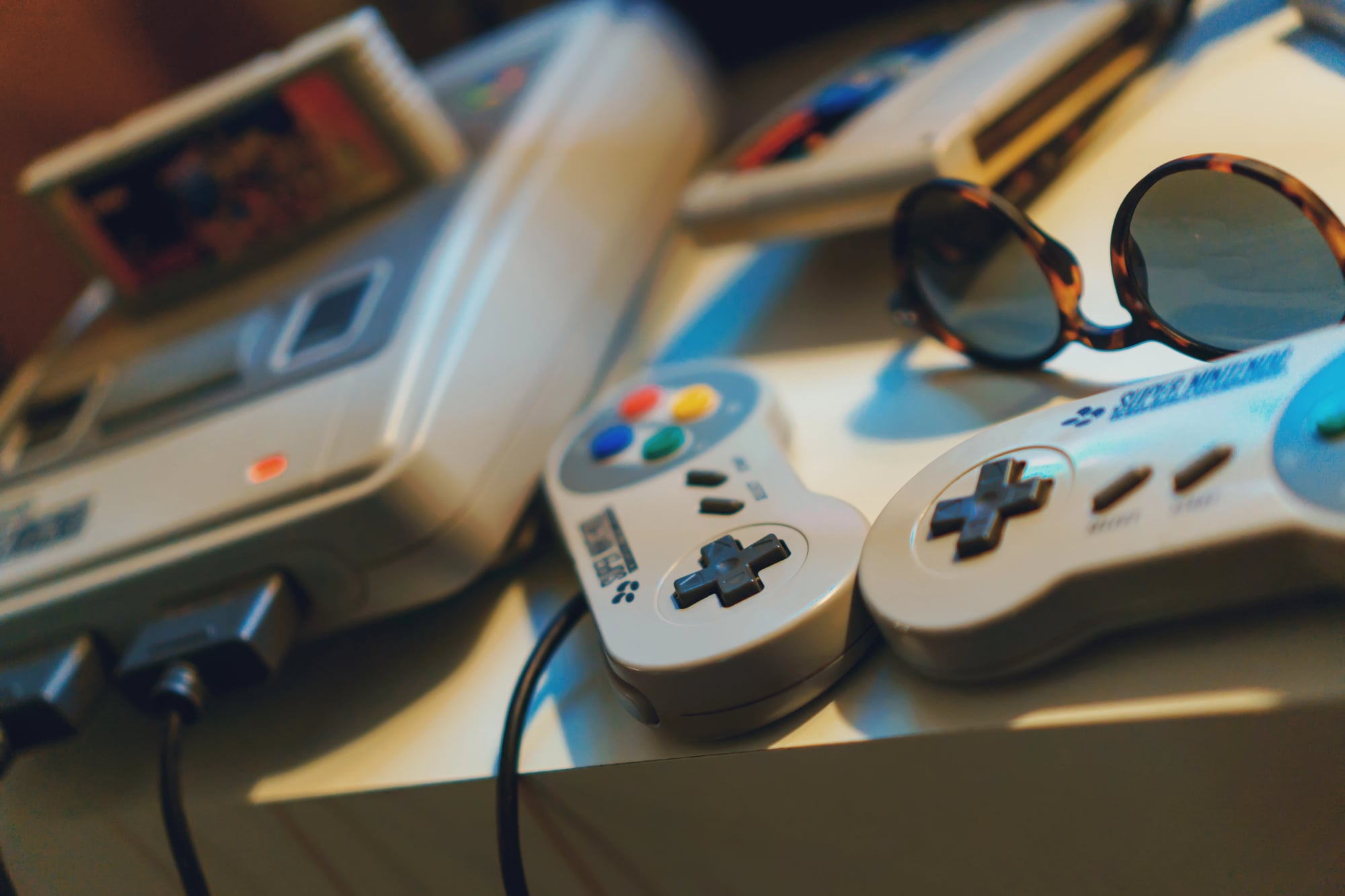
The NES arrived in the U.S. in 1985 and rewrote what kids thought Christmas could be. It was expensive at $199, which was a significant ask for most households, and early stock was deliberately kept limited to test the market.
So a lot of Christmas mornings in ’85 and ’86 passed with kids pretending to be happy about board games while secretly devastated. The ones who finally got it — sometimes months later, sometimes the following year — never forgot the moment they plugged it in.
Teddy Ruxpin
Teddy Ruxpin had a face that moved when it talked, which was either magical or mildly unsettling depending on your age and your tolerance for animatronic bears. It retailed for around $70 in 1985 — serious money — and sold out almost everywhere within weeks of launch.
What made it genuinely cruel is that the commercials ran constantly, this warm-voiced bear telling stories to wide-eyed children, which was essentially a masterclass in manufacturing want. Most kids got the cassette tape version of disappointment: nothing.
Furby
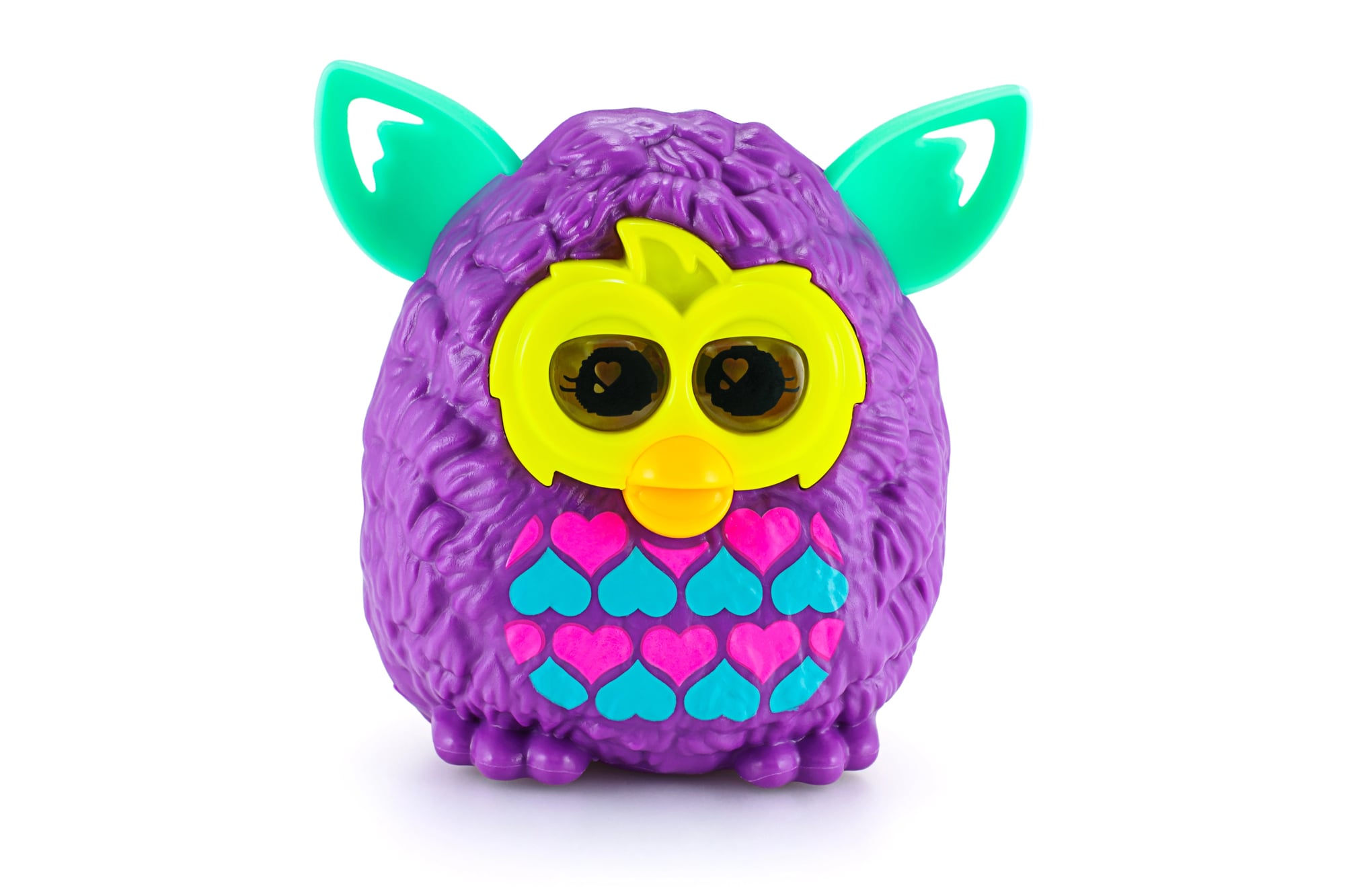
Furby didn’t just talk — it learned, or at least it performed the illusion of learning convincingly enough to send parents into a frenzy in 1998. Tiger Electronics sold 40 million of them in three years, but that number obscures the reality of the first holiday season, when stores were rationed on inventory and lines formed before dawn.
The thing started speaking English after enough interaction, which was either charming or slightly alarming, and it didn’t matter either way because most kids couldn’t get one to find out. It was the Cabbage Patch Kid of the late ’90s: wanted desperately, acquired rarely.
Power Wheels
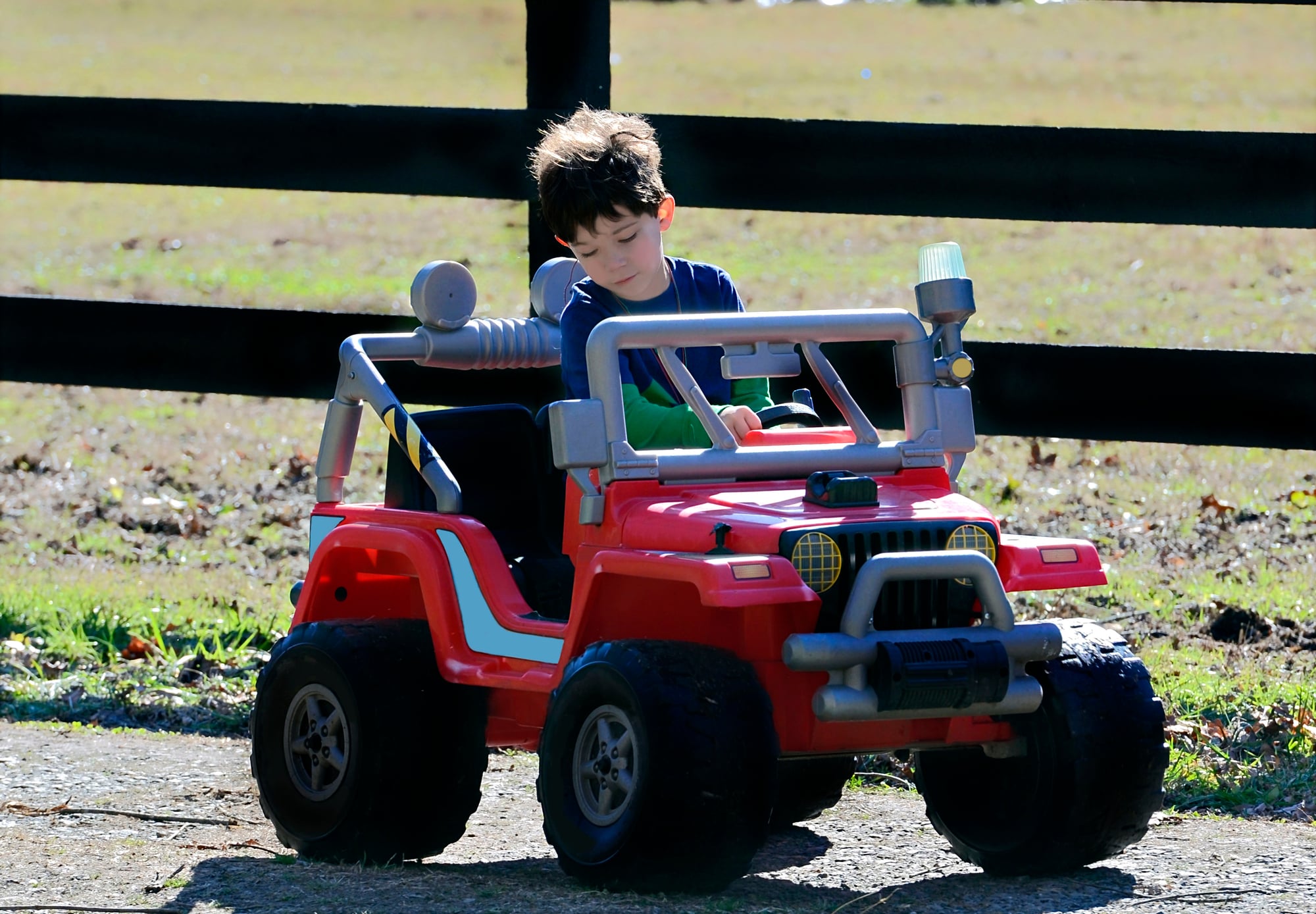
Power Wheels were the ultimate status symbol of the late ’80s and early ’90s backyard. A battery-powered Jeep or Corvette that a six-year-old could actually drive around the driveway — that was the kind of gift that changed your social standing on the street.
They ran anywhere from $150 to $300, which put them firmly in the category of gifts parents discussed in hushed tones after bedtime. Most kids got a bicycle and learned to be grateful.
Tickle Me Elmo
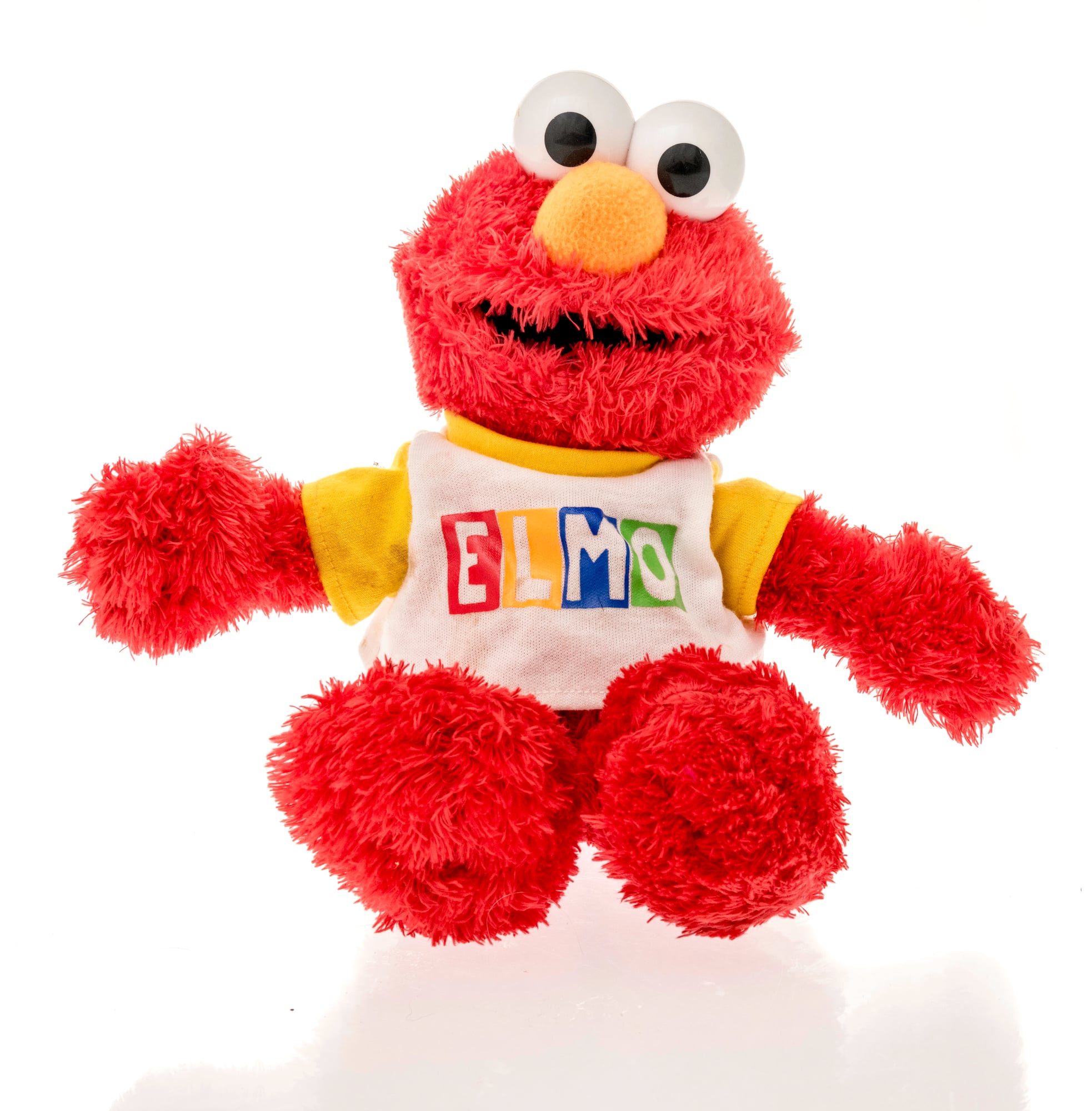
The Tickle Me Elmo situation of 1996 was, by any reasonable measure, unhinged. A Walmart employee in New Brunswick was hospitalized after being trampled during a rush for the doll — that’s not an exaggeration, that’s a news story.
Elmo giggled and shook when you squeezed him, which sounds simple, but the combination of a beloved Sesame Street character and that mechanical laughter hit something primal in the under-six crowd. Retail was $28, but secondary market prices hit $1,500 by December, which meant most kids who asked for one got a very firm “we’ll see” that never resolved in their favor.
Atari 2600
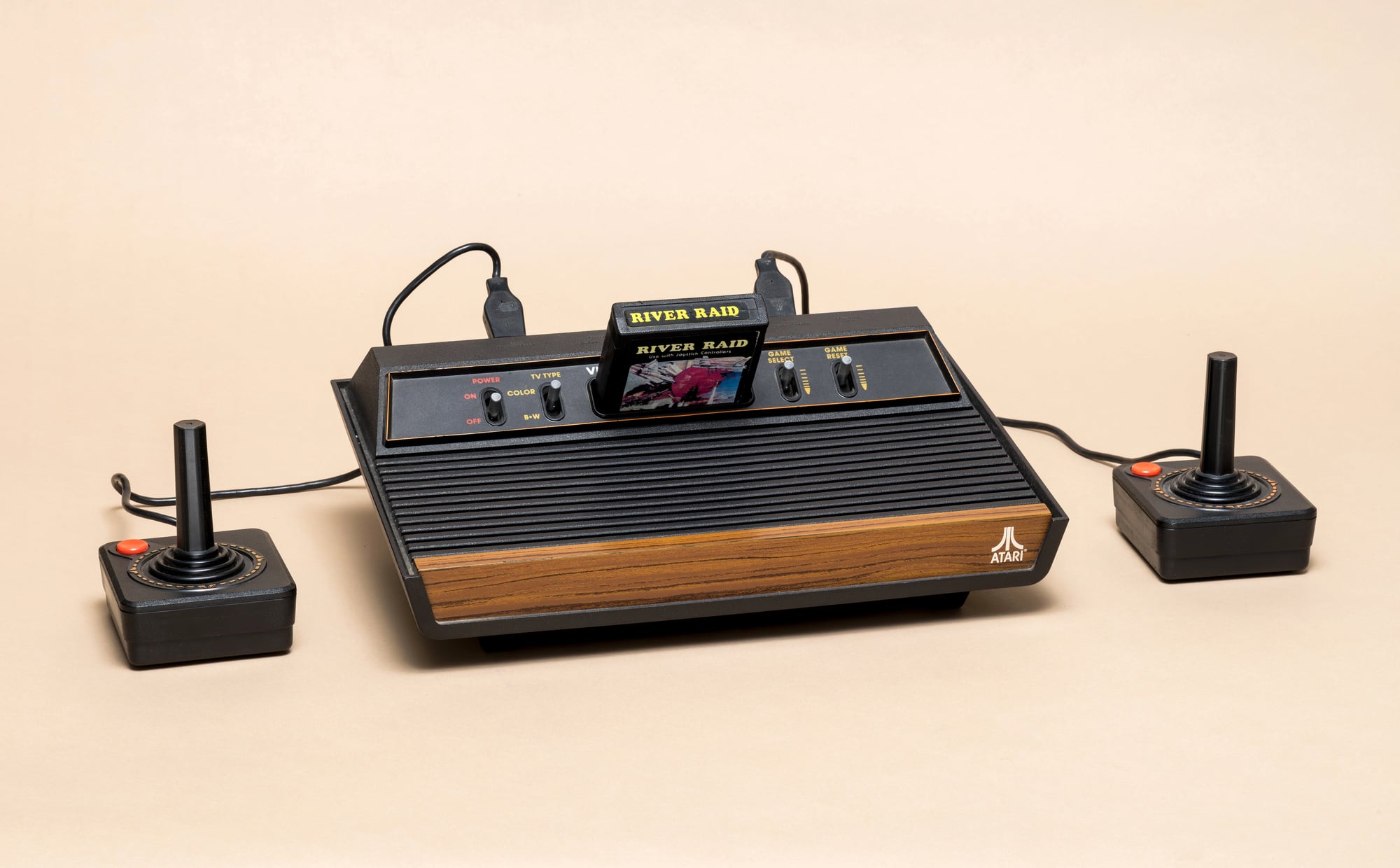
The Atari 2600 sits at the beginning of the whole story — the first time a console made kids understand that Christmas could theoretically deliver something that changed everything. It launched in 1977 at $199, which translates to roughly $1,000 in today’s dollars, and it looked like a spaceship sitting next to the television.
Parents who couldn’t swing the price bought handheld LED games as consolation prizes, which the kids accepted politely and never touched after January. The Atari was the proof of concept for every gaming Christmas that followed.
Tamagotchi
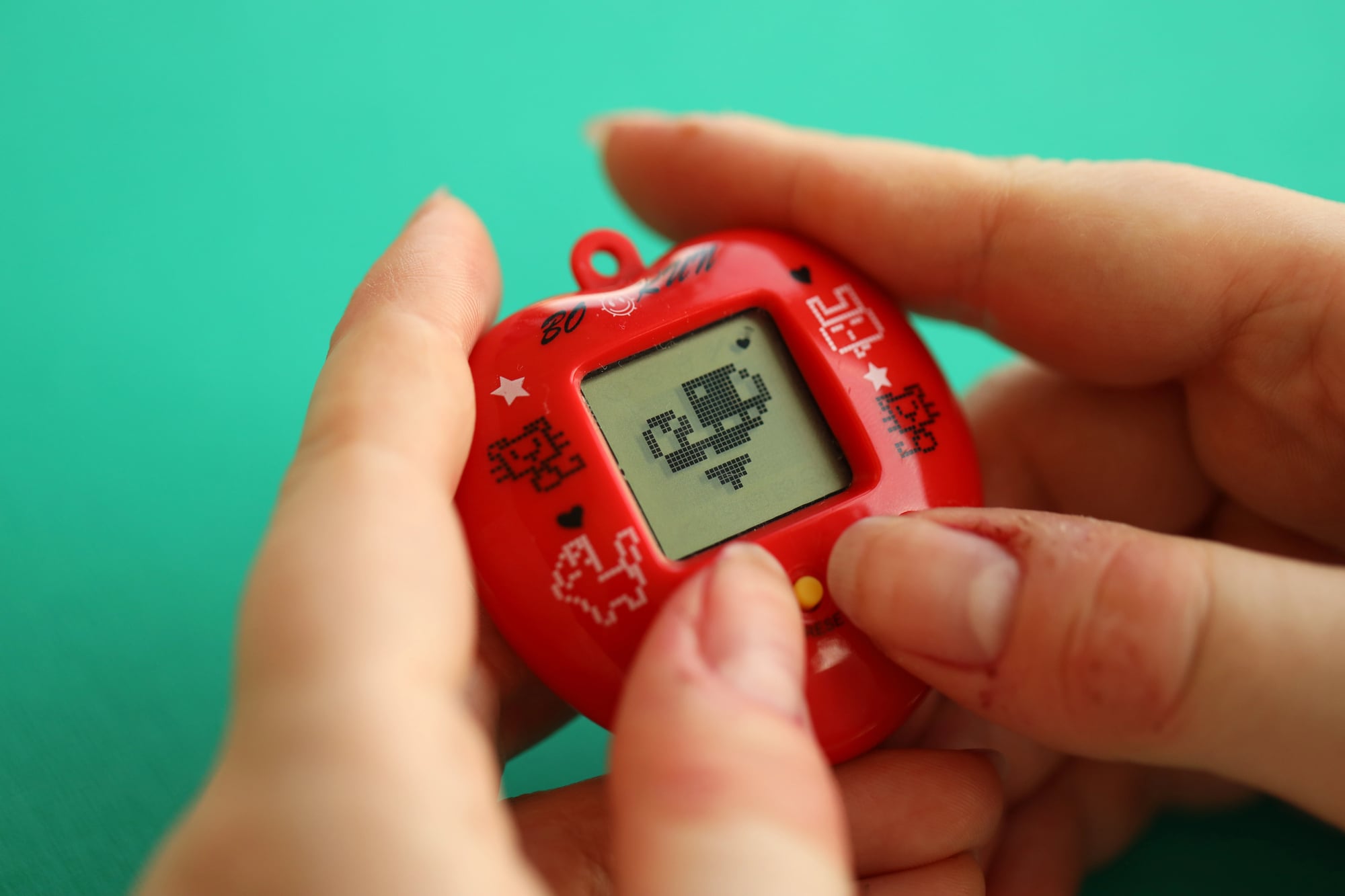
Tamagotchi was a tiny egg-shaped digital pet that needed feeding, playing with, and cleaning up after — basically a child demanding a smaller, more annoying child. Bandai sold 82 million of them globally, but the first wave in 1997 hit North American shores with nowhere near enough supply to meet demand.
Teachers eventually banned them from classrooms because kids were sneaking them out to prevent their digital pets from dying, which is a remarkable level of emotional investment in a keychain. Getting one for Christmas felt like winning something.
Transformers Optimus Prime
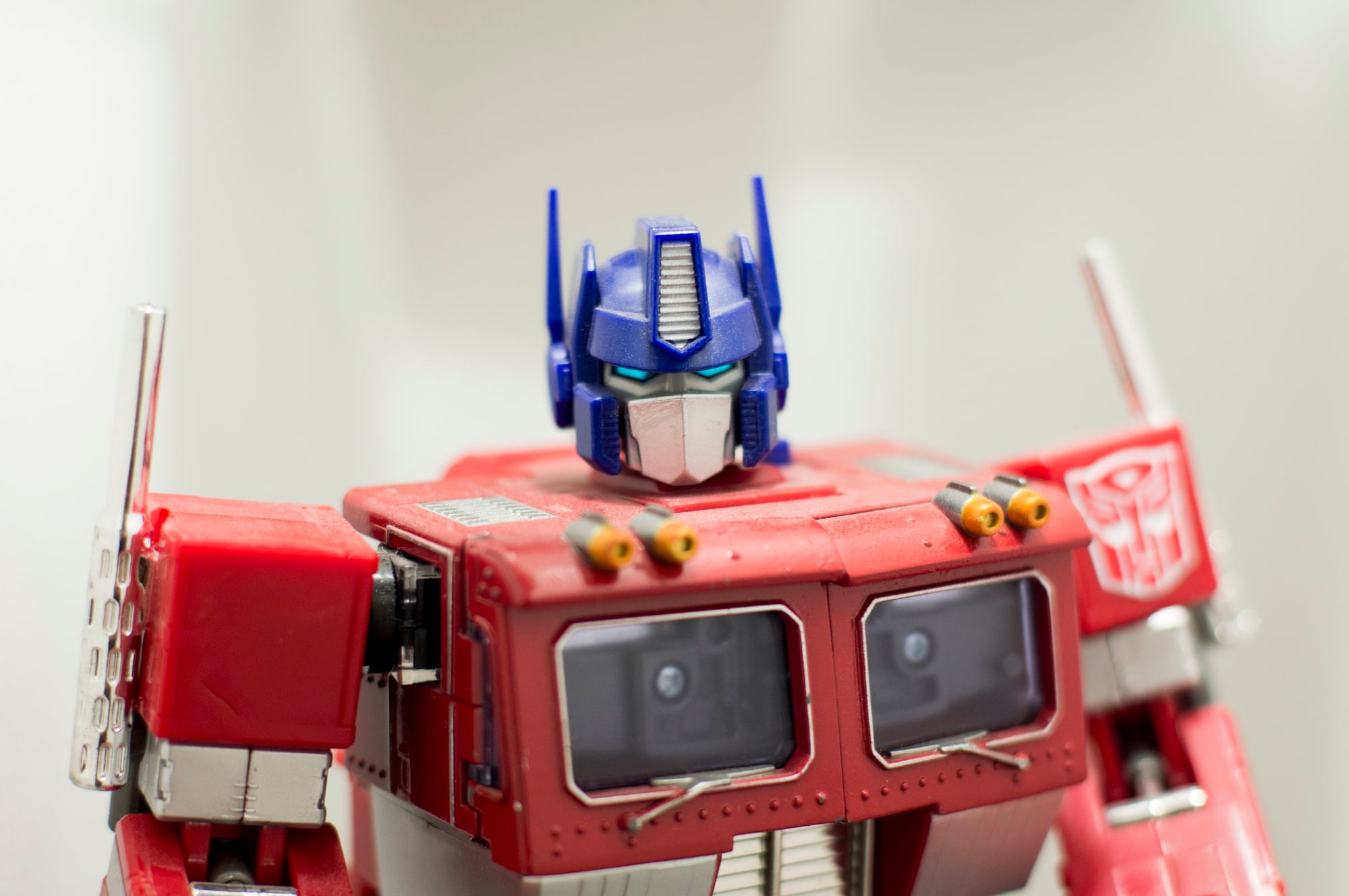
Not just any Transformer — Optimus Prime specifically, the big one, the leader of the Autobots, the one with the trailer that became a combat deck. He retailed for around $25 in 1984, which was steep for a single action figure, and he sold out relentlessly through the mid-’80s.
There’s a reason he appeared on so many Christmas lists year after year: kids who got a smaller Transformer first understood that they’d received something good but not quite the real thing. Optimus was the destination.
A lot of kids took years to arrive.
G.I. Joe Aircraft Carrier
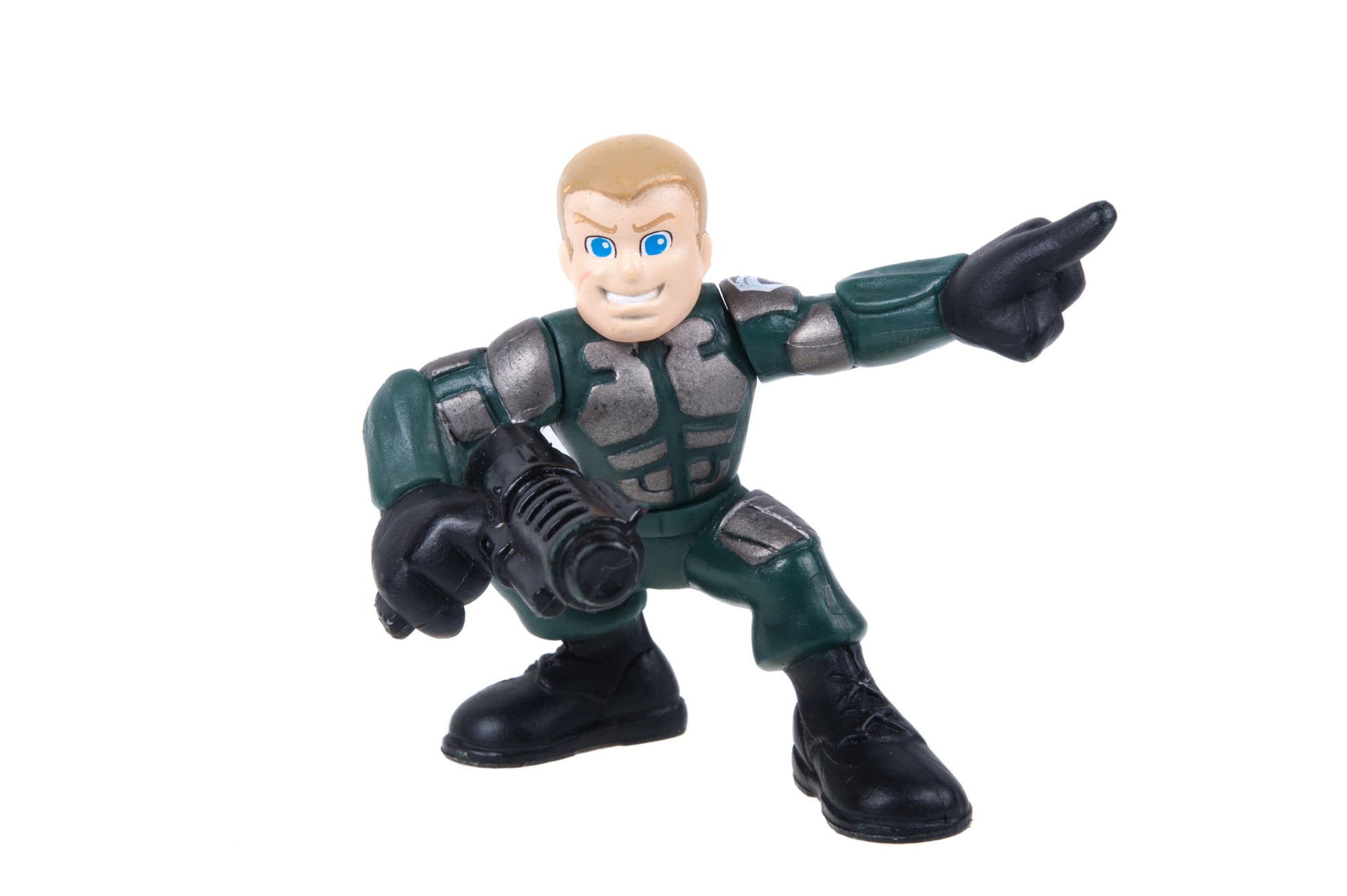
The U.S.S. Flagg was seven and a half feet long. That’s not hyperbole — the largest G.I. Joe vehicle ever made stretched over seven feet when assembled, came with 187 parts, and retailed for $110 in 1985.
It was less a toy than a piece of infrastructure, something that required floor space most families didn’t have. Most parents looked at the box, looked at the price, and quietly redirected expectations toward a smaller vehicle.
The kids who actually got one almost certainly had to reorganize their entire bedroom to accommodate it.
Barbie Dream House
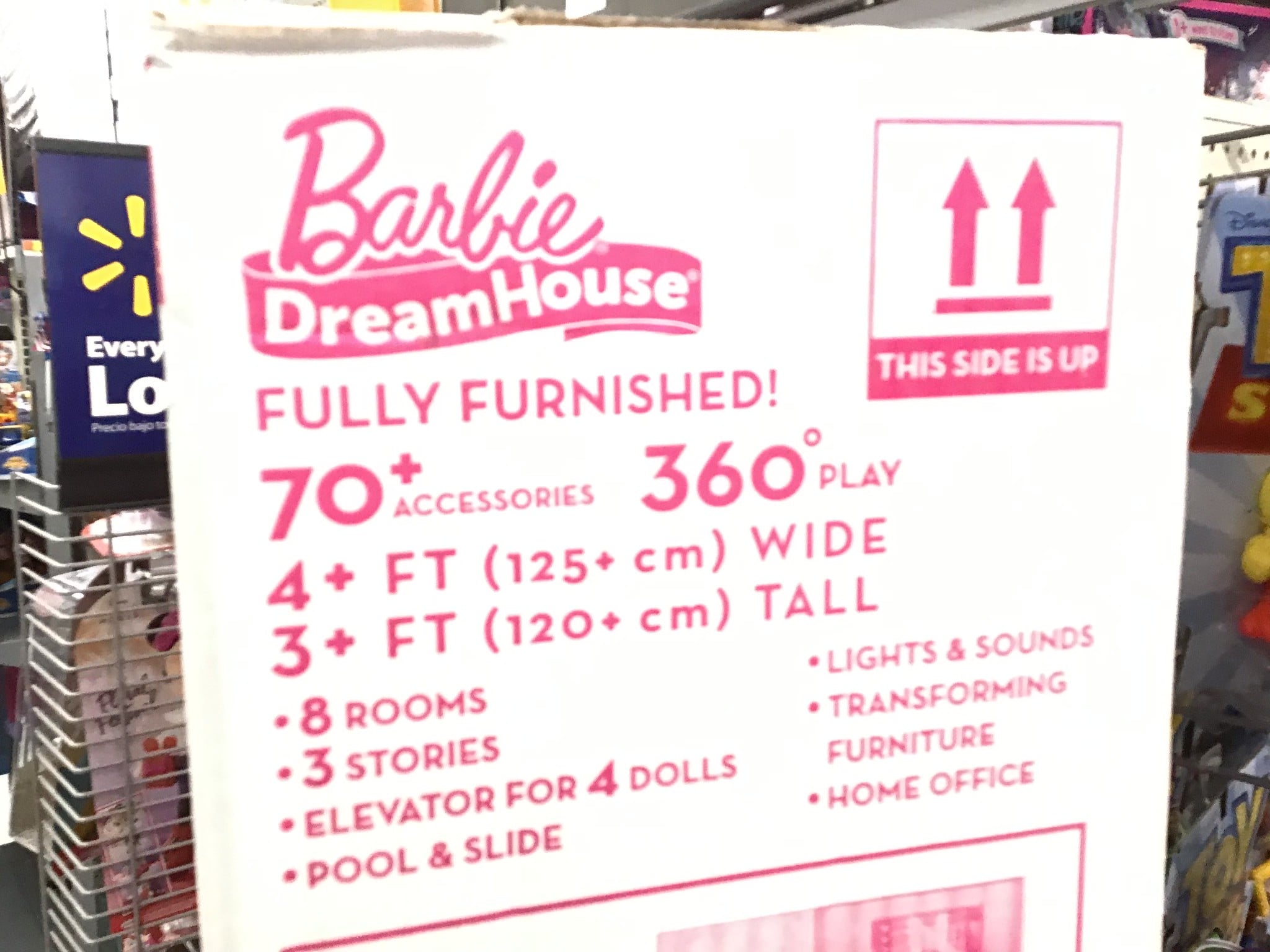
The Barbie Dream House has been through many iterations since 1962, but the versions of the ’70s and ’80s — multi-story, with the elevator, with the furniture — were the ones that made girls stare at the Sears catalog for long, reverent minutes. It wasn’t just about Barbie.
It was about having a house where things could happen, where there was a kitchen and a bedroom and somewhere for Ken to stand awkwardly in the doorway. The price varied by year but consistently landed in the range that made parents suggest a smaller Barbie accessory instead.
Turns out a single pink car is not the same thing.
Sega Genesis
The Sega Genesis launched in North America in 1989 at $189, and Sega’s entire marketing strategy was basically “Nintendo is for babies.” It worked spectacularly on the exact demographic Nintendo had built — slightly older kids who wanted to feel like they’d graduated to something edgier.
But $189 was still $189, and most households with a Nintendo already weren’t replacing it with a competitor their parents had never heard of. The kids who got one that Christmas were treated with a specific mixture of envy and respect on January 2nd.
Mighty Morphin Power Rangers Action Figures
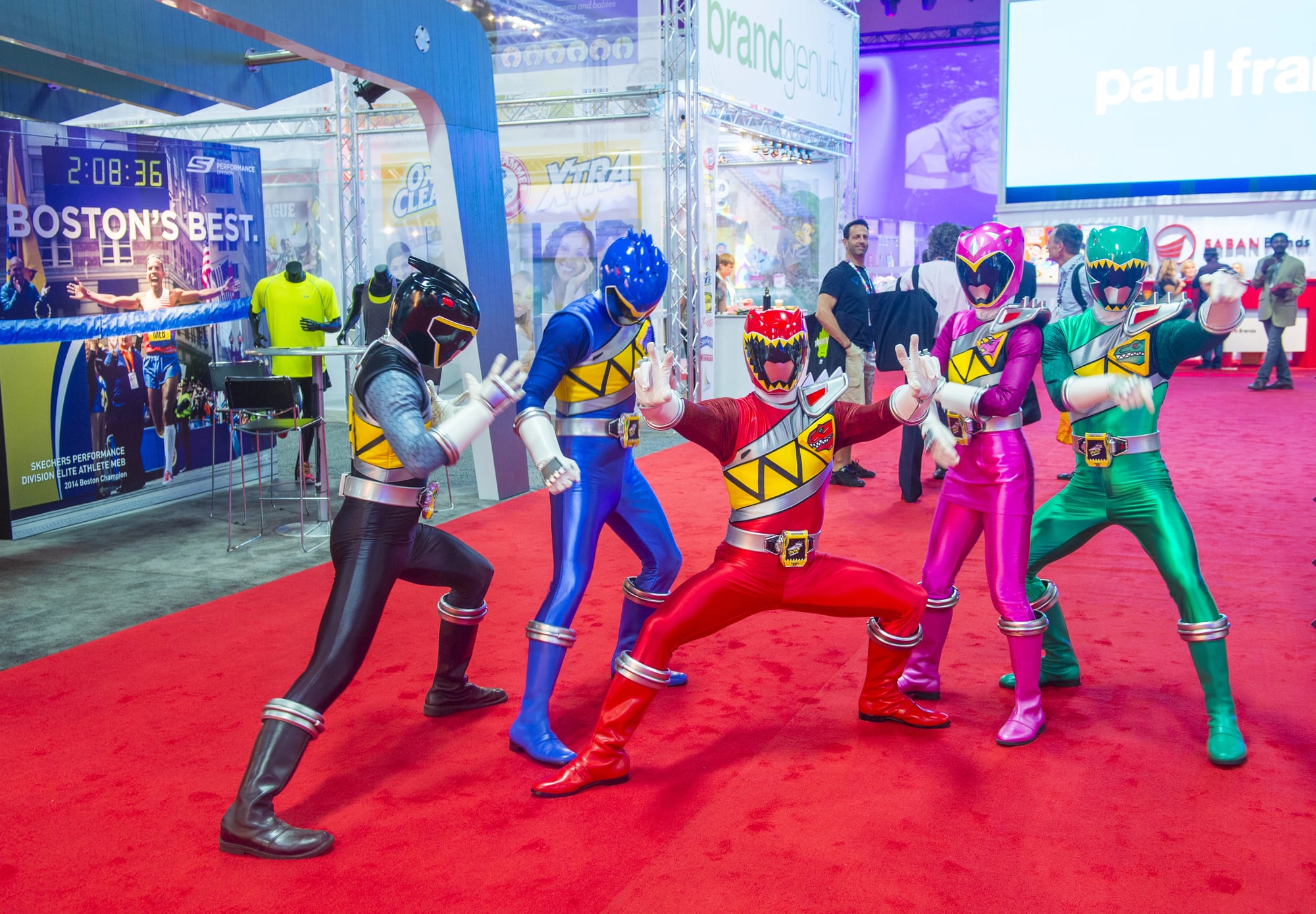
When the Power Rangers hit in 1993, the demand for the action figures — specifically the Megazord, the combining robot — was something toy retailers were completely unprepared for. Bandai hadn’t anticipated the show becoming a cultural phenomenon that quickly, and by November the shelves were bare in most major markets.
The Megazord was five separate Zords that combined into one giant robot, which meant you needed all five to get the full effect, which meant the toy was essentially designed to be impossible to complete in a single Christmas. Diabolical, and brilliant.
Easy-Bake Oven

The Easy-Bake Oven is the rare toy that has appeared on Christmas lists for six consecutive decades, which is not something many objects can claim. Kenner introduced it in 1963, and it operated on the heat from a light bulb — technically a cooking appliance for children, which parents were either charmed by or quietly anxious about.
It sold a million units in its first year, but in peak seasons it was consistently hard to find, and the refill mixes were often just as scarce as the oven itself. To a seven-year-old who wanted to bake tiny cakes independently, that absence was a specific kind of loss.
Razor Scooter
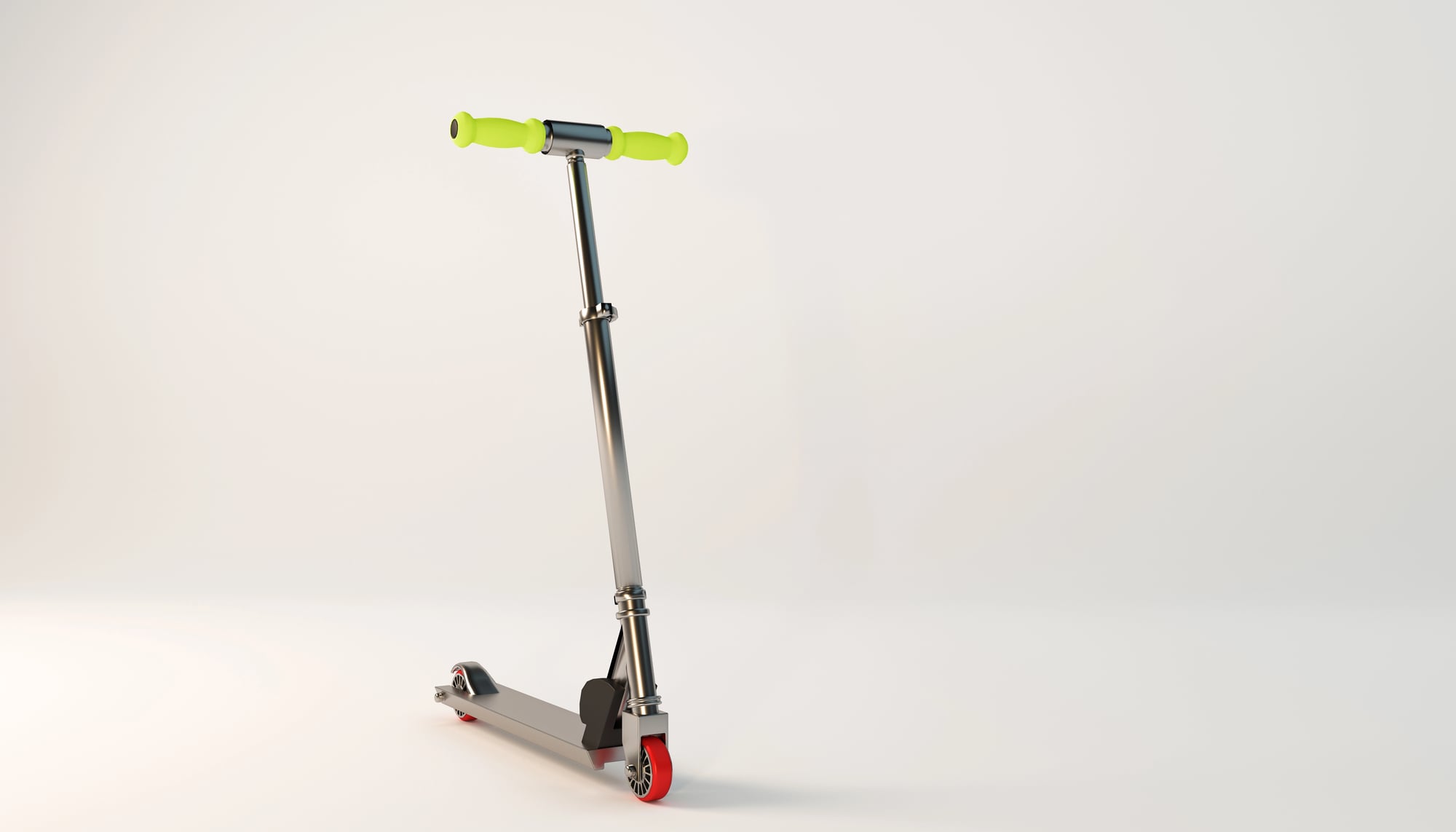
The Razor scooter arrived in 2000 and immediately became the thing every kid in America had to own or feel acutely behind the times. It was foldable aluminum, it went fast, and it was the kind of toy that seemed made for performing in front of the neighbors — which is, if you’re honest about it, the highest possible endorsement from a ten-year-old’s perspective.
Demand in the first holiday season was catastrophic for retailers; Razor sold 5 million units in six months but still couldn’t keep pace. Kids who got one spent the winter outside.
Kids who didn’t spent the winter watching.
Cabbage Patch Cornsilk Kids
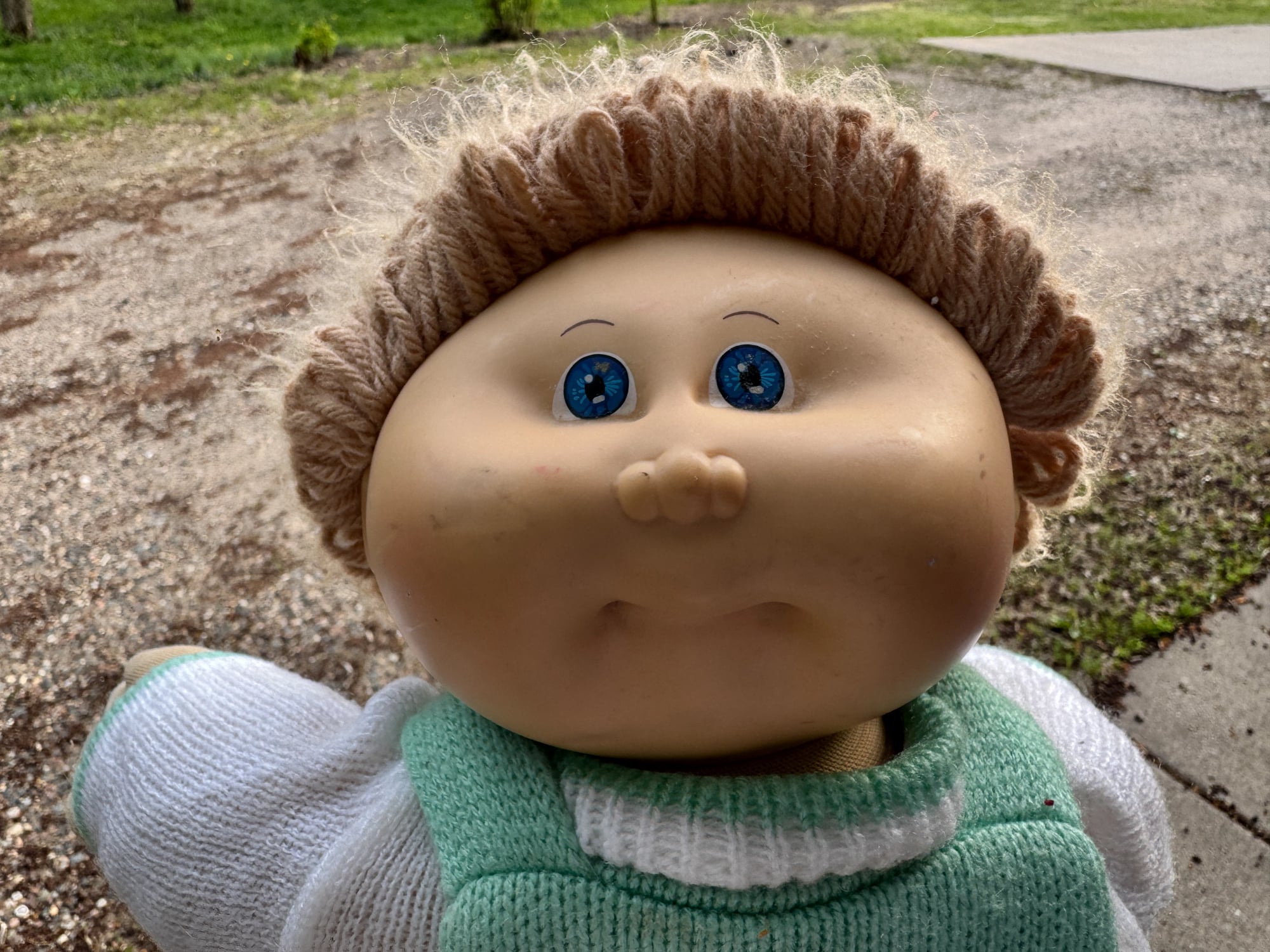
Just when parents thought they’d survived the original Cabbage Patch craze, Mattel relaunched the concept in 1992 with the Cornsilk Kids — dolls with actual combable yarn hair, which was apparently the feature the original was missing. The combination of nostalgia from older kids (now requesting them for younger siblings) and genuine new demand created another shortage situation, quieter than 1983 but no less frustrating for the parents standing in empty toy aisles in December.
The hair was genuinely better. That almost made it worse.
PlayStation
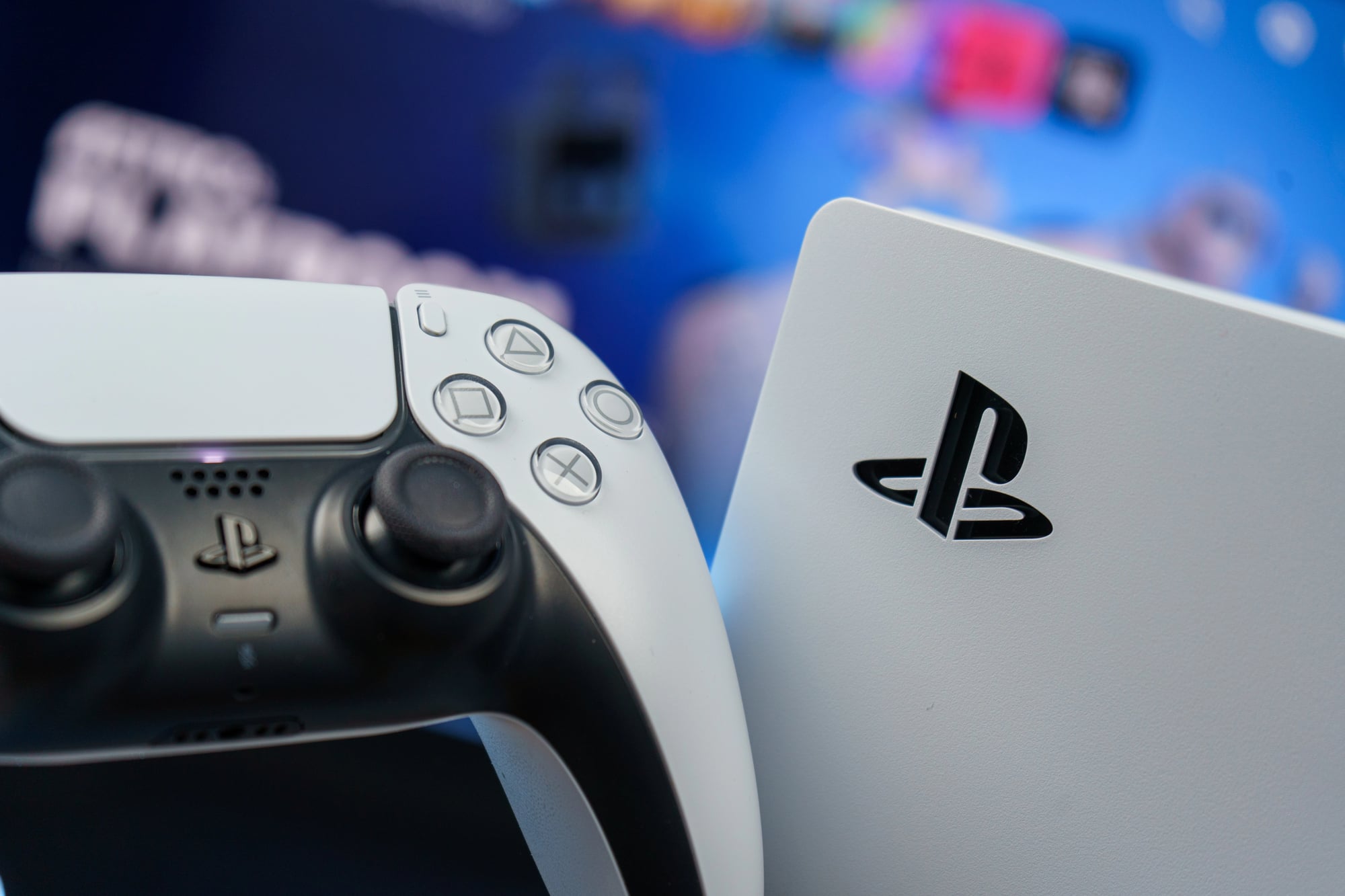
The original PlayStation launched in North America in September 1995 at $299 — and by Christmas, it was already a ghost. Sony had positioned it as the serious gamer’s console, with CD-based games and graphics that made the SNES look ancestral, and the combination of genuine quality and aggressive marketing meant every gaming household had it on the list.
Parents who waited until December found nothing. The kids who got one had parents who’d either moved fast or gotten lucky, and they knew it.
Laser Tag
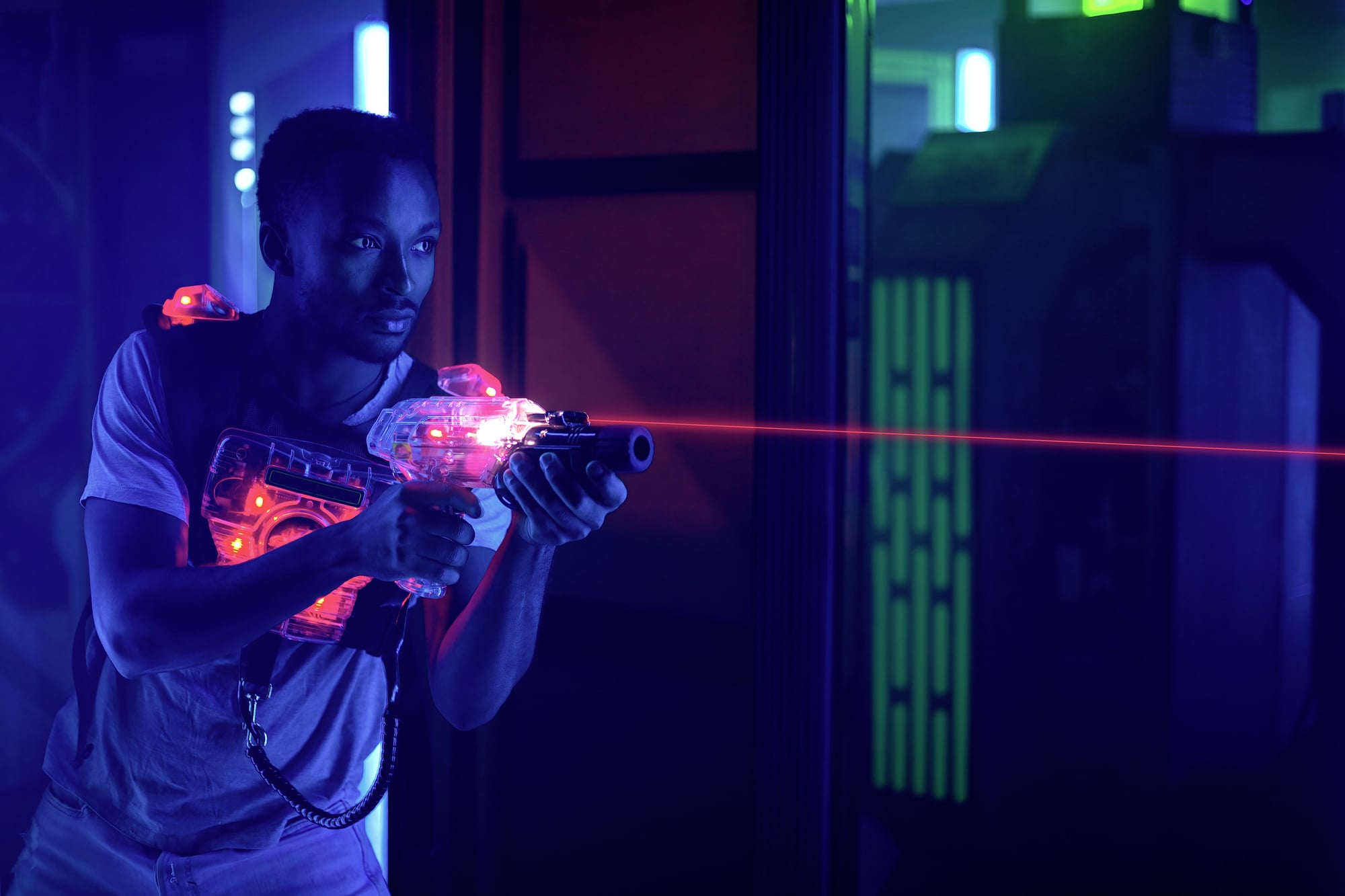
Laser Tag from Worlds of Wonder hit in 1987 and sold the idea of bringing the arcade into the backyard with sensors and infrared guns that lit up when you scored a hit. The sets weren’t cheap — a two-player starter set ran around $60 — and they sold out in most markets before December was halfway through.
There’s something specific about Laser Tag’s appeal that’s hard to replicate: it was a game that required your friends to also have it, which meant getting the set was only half the victory. The other half depended on your neighbors’ parents.
Stretch Armstrong
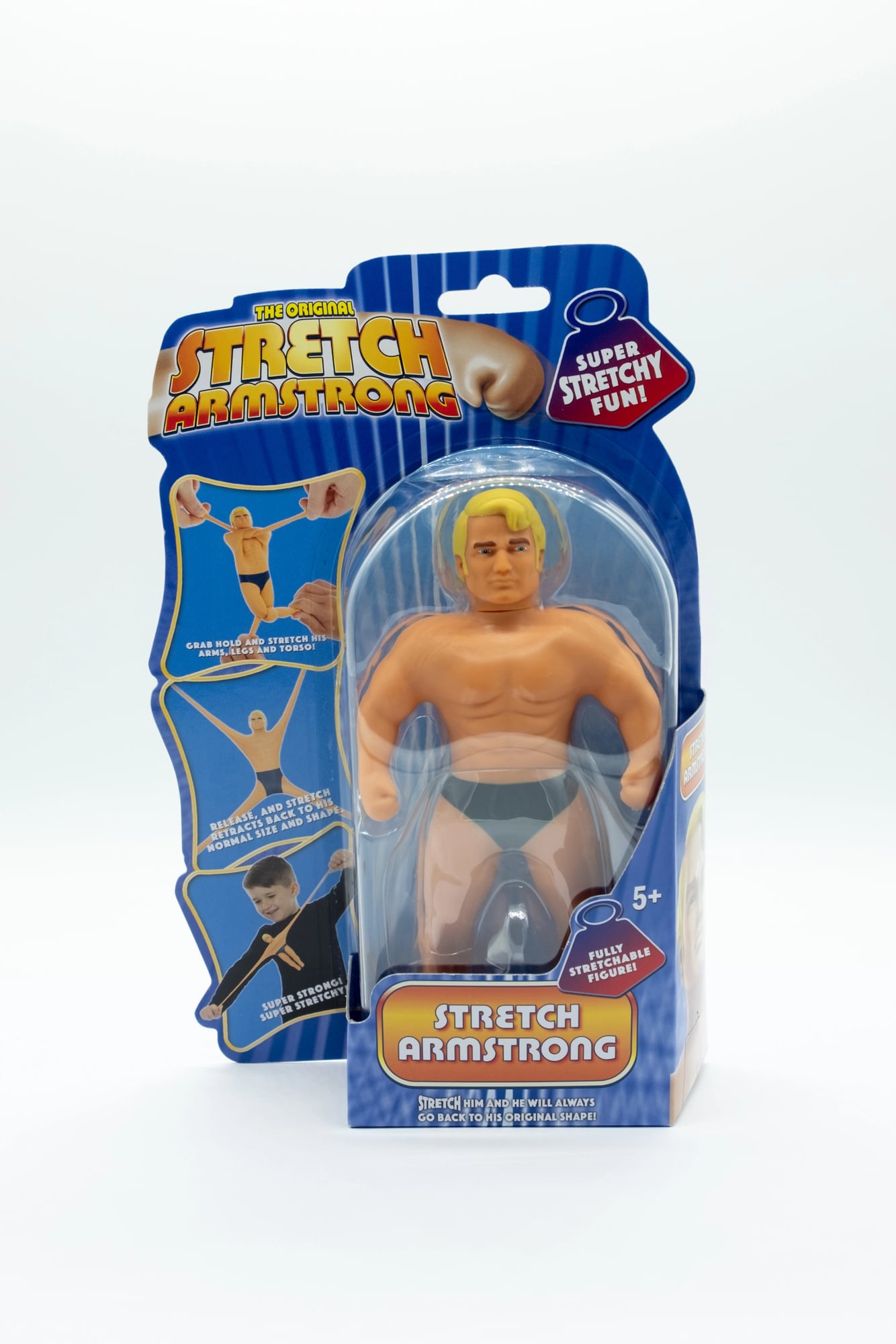
Stretch Armstrong was a gel-filled action figure you could pull to four times his normal length and watch slowly return to shape, which sounds unremarkable until you remember that it was 1976 and this was genuinely impressive. He retailed for around $13, which wasn’t prohibitive, but Kenner’s production couldn’t keep up with the response, and he became one of those toys that was everywhere in advertising and nowhere on the shelf.
The inevitable fate of every Stretch Armstrong — eventual puncture, followed by the discovery of the corn syrup gel inside — was a secondary disappointment most kids never got to experience firsthand.
Hot Wheels Super Charger Sets
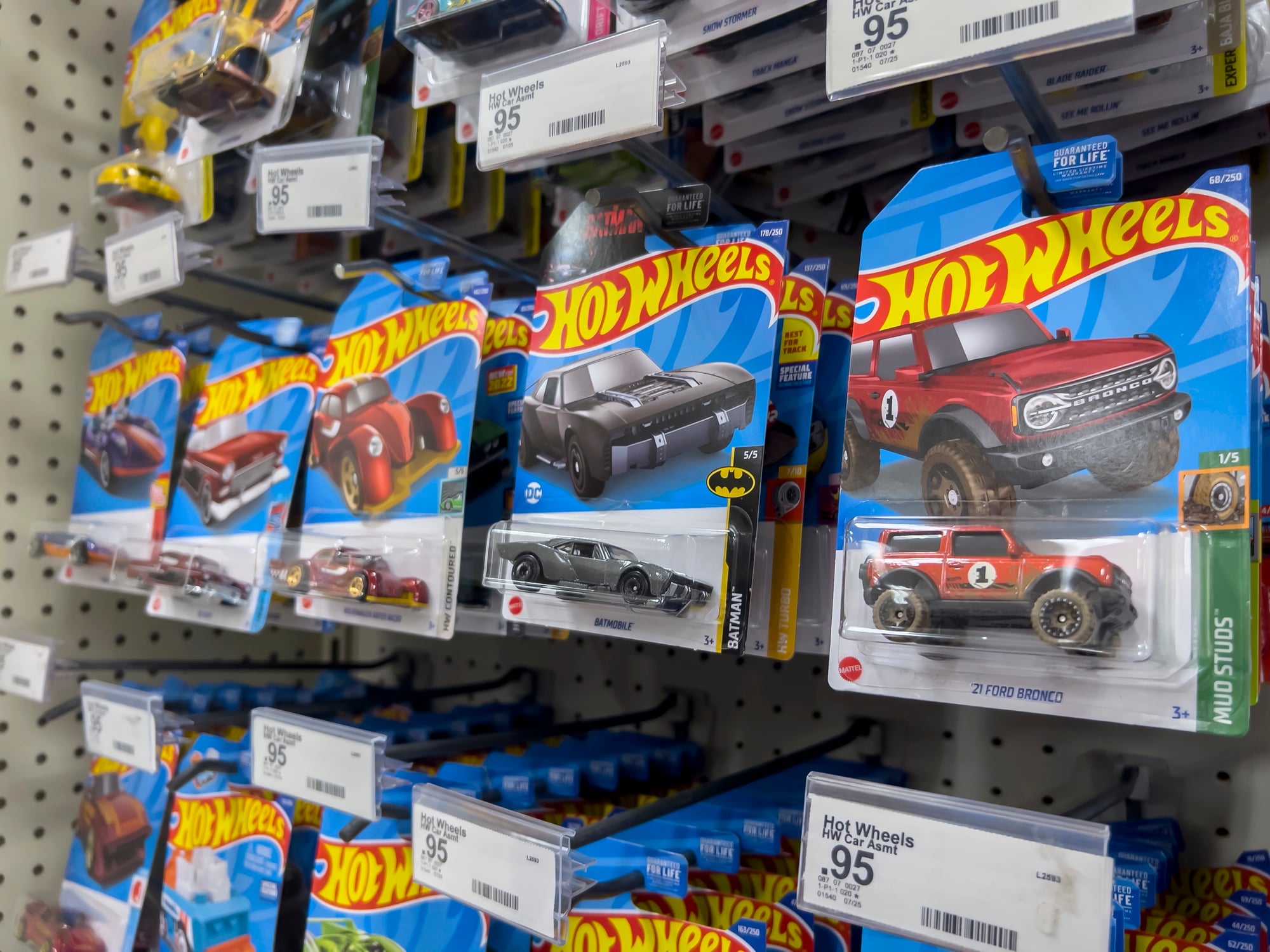
Individual Hot Wheels cars were affordable and everywhere. The multi-track Super Charger sets — the ones with the motorized boosters and the loop-the-loops and enough track to cover a living room floor — were something else entirely.
Those sets ran $40 to $80 in the late ’70s and early ’80s, and the box art showed something so elaborate it looked like an engineering project. Most kids got a few extra cars and a straight section of track.
The dream lived in the catalog.
My Little Pony Castle
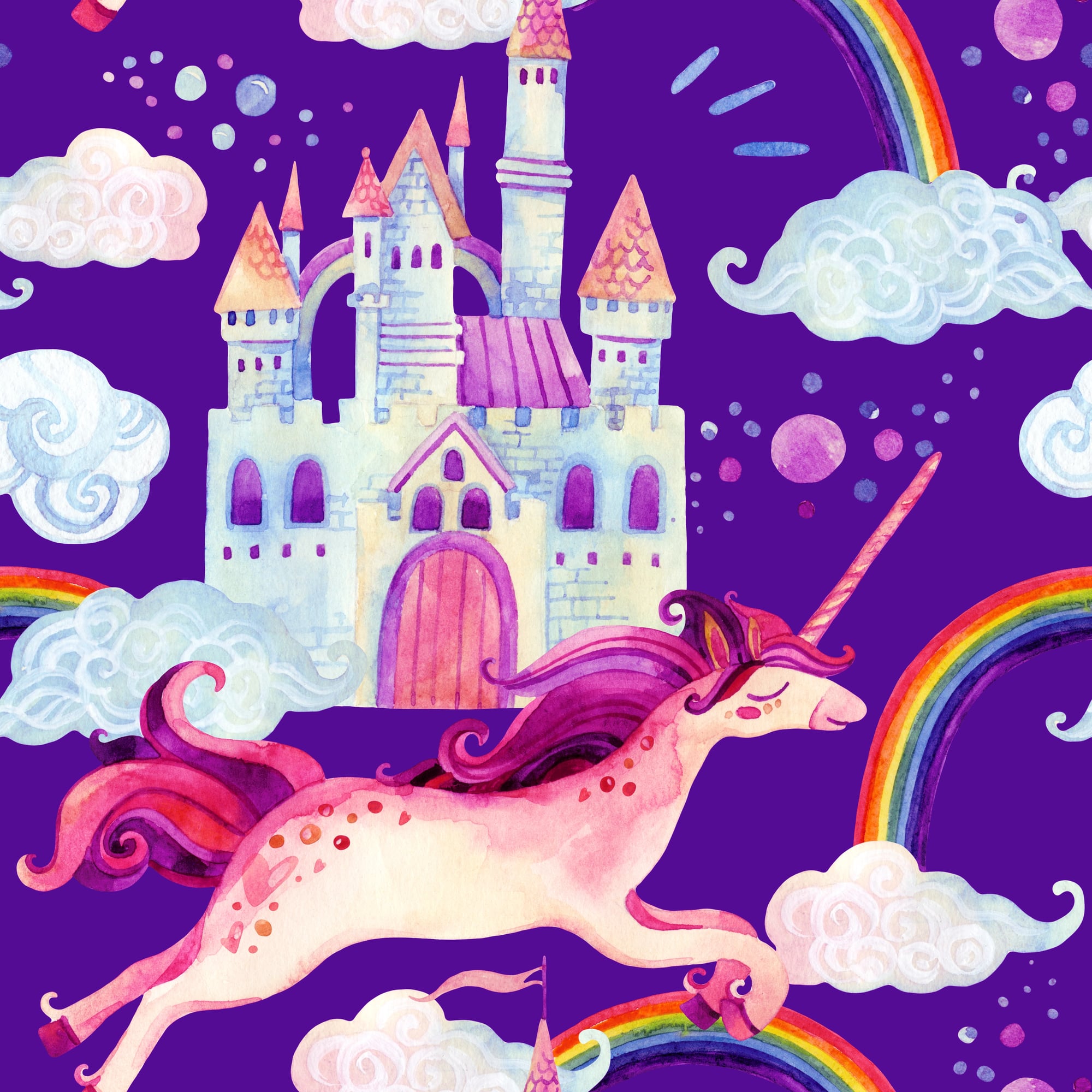
The My Little Pony Dream Castle from Hasbro arrived in 1984 and was the centerpiece of the entire toy line — a proper castle with a working drawbridge and a comb and a little purple flag. The ponies themselves were collectible and relatively affordable, but the castle was the destination, the architectural anchor around which the whole world was meant to be arranged.
It was consistently out of stock through the mid-’80s holiday seasons, and the kids who received a collection of ponies without the castle spent years arranging them hopefully around a shoebox. Some things just need the right setting.
Nintendo 64
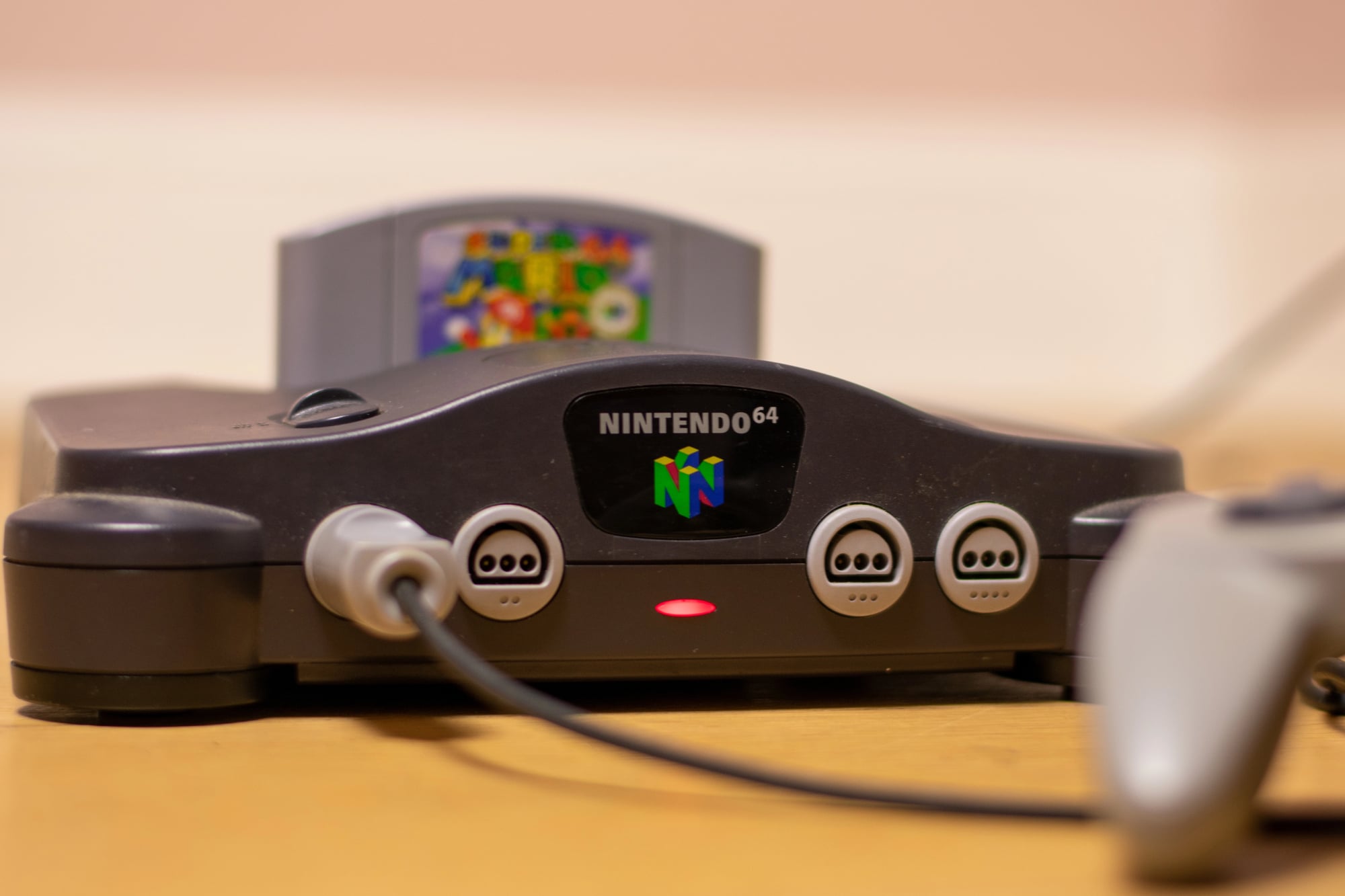
The N64 launched in North America in June 1996 at $199 with Super Mario 64 bundled in, and it was, without exaggeration, a genuinely different kind of video game — three-dimensional in a way that made every prior console feel flat and finished. Nintendo shipped 500,000 units to North America for launch and sold them in hours, then spent the rest of the year barely keeping pace with demand.
So Christmas 1996 was another year of Nintendo scarcity, a tradition the company had accidentally perfected. The kids who got one that year had parents who’d essentially treated toy shopping like a military operation.
Pogo

The Pogo — a rubber orb locked inside a plastic platform that you stood on and hopped around — arrived in 1987 and was one of those toys that looked dangerous enough to be exciting and achievable enough to seem worth practicing. It required no batteries, no accessories, nothing but a flat surface and a reasonable tolerance for falling off.
What it required was availability, which it didn’t have: it sold out repeatedly in the first two holiday seasons, partly because it was cheap enough that demand was enormous. Kids who got one figured out how to use it.
Kids who didn’t hopped in place for a few weeks and moved on.
Coleco Head to Head Football
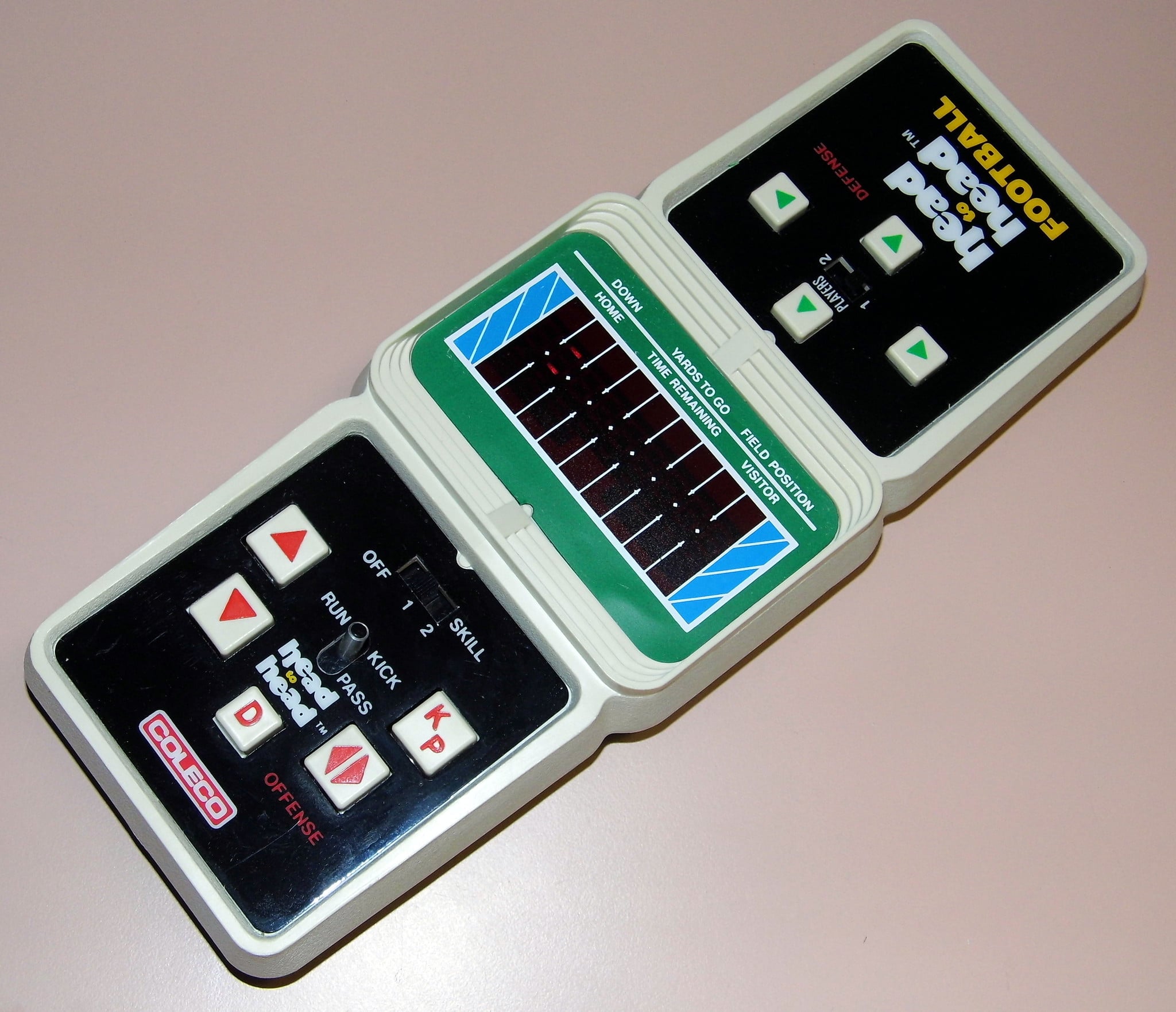
Before the Game Boy, before the Nintendo DS, before any of it — there was the Coleco Head to Head Football handheld, a flat red rectangle with blinking LED dots that represented football players in the loosest possible sense. It launched in 1978 at around $25 and became one of the defining gifts of that Christmas, the thing every kid at school seemed to be playing between classes in January.
The “graphics” were four red dashes. None of that mattered — the game was addictive in a way that’s hard to explain to anyone who didn’t grow up holding one.
Scarcity made it more mythologized, not less.
Pound Puppies
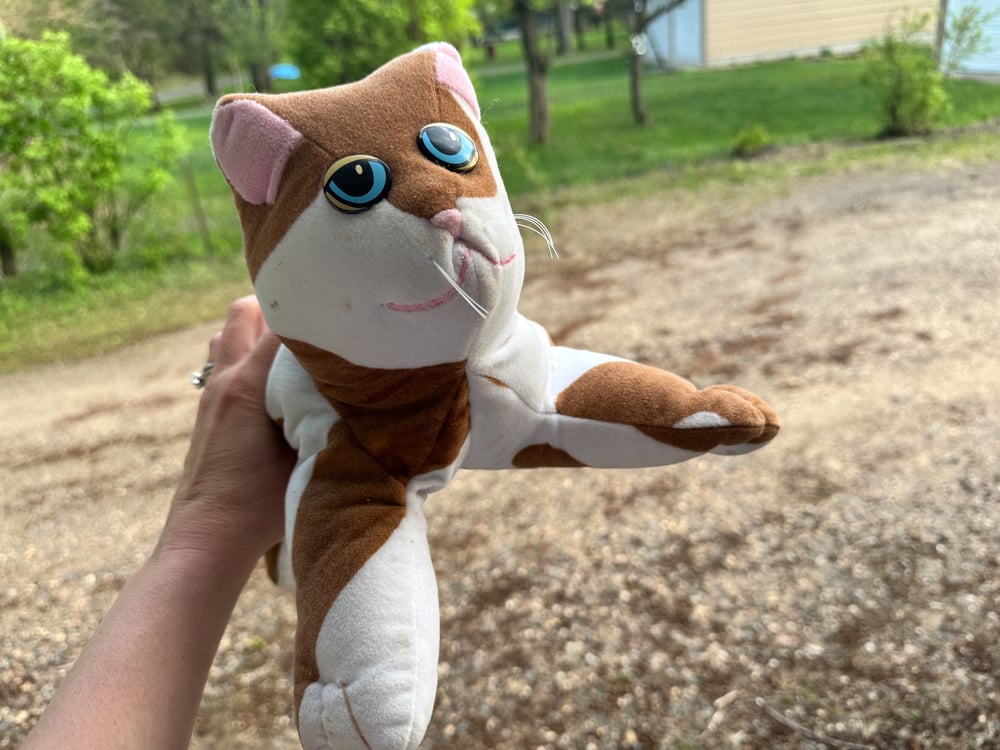
Pound Puppies arrived in 1985 from Tonka, and their entire premise — stuffed dogs that came in an adoption box, complete with papers — was a masterclass in making children emotionally complicit in a toy purchase. You weren’t buying a stuffed animal.
You were rescuing one, which meant refusing to buy it carried moral weight that no seven-year-old was equipped to resist. They sold out almost immediately in their first holiday season, with Tonka scrambling to produce enough to meet demand that no one had fully anticipated.
The adoption angle worked almost too well.
The Gift That Got Away
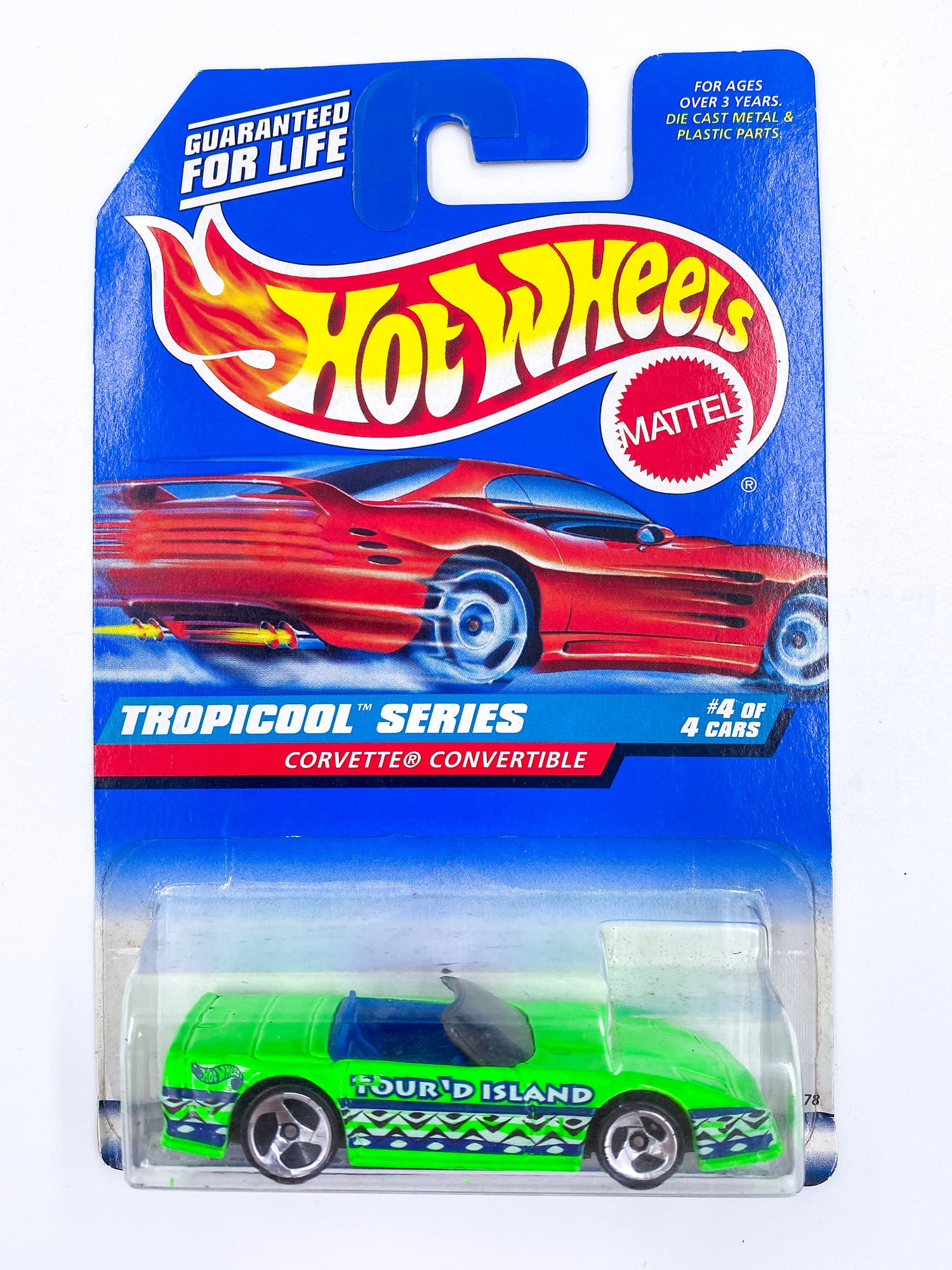
There’s a through line connecting all of these toys, and it isn’t just scarcity or marketing or the particular fever of a Christmas shopping season. It’s the way certain objects, at certain moments in childhood, become the container for everything you believe is possible.
The kids who got these toys remember getting them. The kids who didn’t remember that too — sometimes more vividly, because wanting something you never received has a longer shelf life than satisfaction does.
Go figure. The Sears Wish Book is long gone, but the feeling of circling something on a page and hoping hard enough is the kind of thing you carry for a long time.
More from Go2Tutors!

- The Romanov Crown Jewels and Their Tragic Fate
- 13 Historical Mysteries That Science Still Can’t Solve
- Famous Hoaxes That Fooled the World for Years
- 15 Child Stars with Tragic Adult Lives
- 16 Famous Jewelry Pieces in History
Like Go2Tutors’s content? Follow us on MSN.