Luxury Objects Gifted to Royals
When you’re shopping for someone who literally has everything, the gift-giving bar tends to rise.
For royals throughout history, the presents they’ve received have ranged from breathtaking to bizarre, from the monumentally expensive to the charmingly absurd.
These weren’t your average birthday gifts wrapped in drugstore paper.
They were elephants.
Diamond necklaces worth millions. Entire yachts. And yes, occasionally, a thousand-pound wheel of cheese.
The tradition of gifting royals reflects more than generosity or good taste.
It’s diplomacy wrapped in silk, alliances forged in gemstones, and sometimes just pure spectacle.
Here’s a closer look at some of the most extravagant, unusual, and downright unforgettable luxury objects ever presented to the crowned heads of state.
Diamonds That Made History
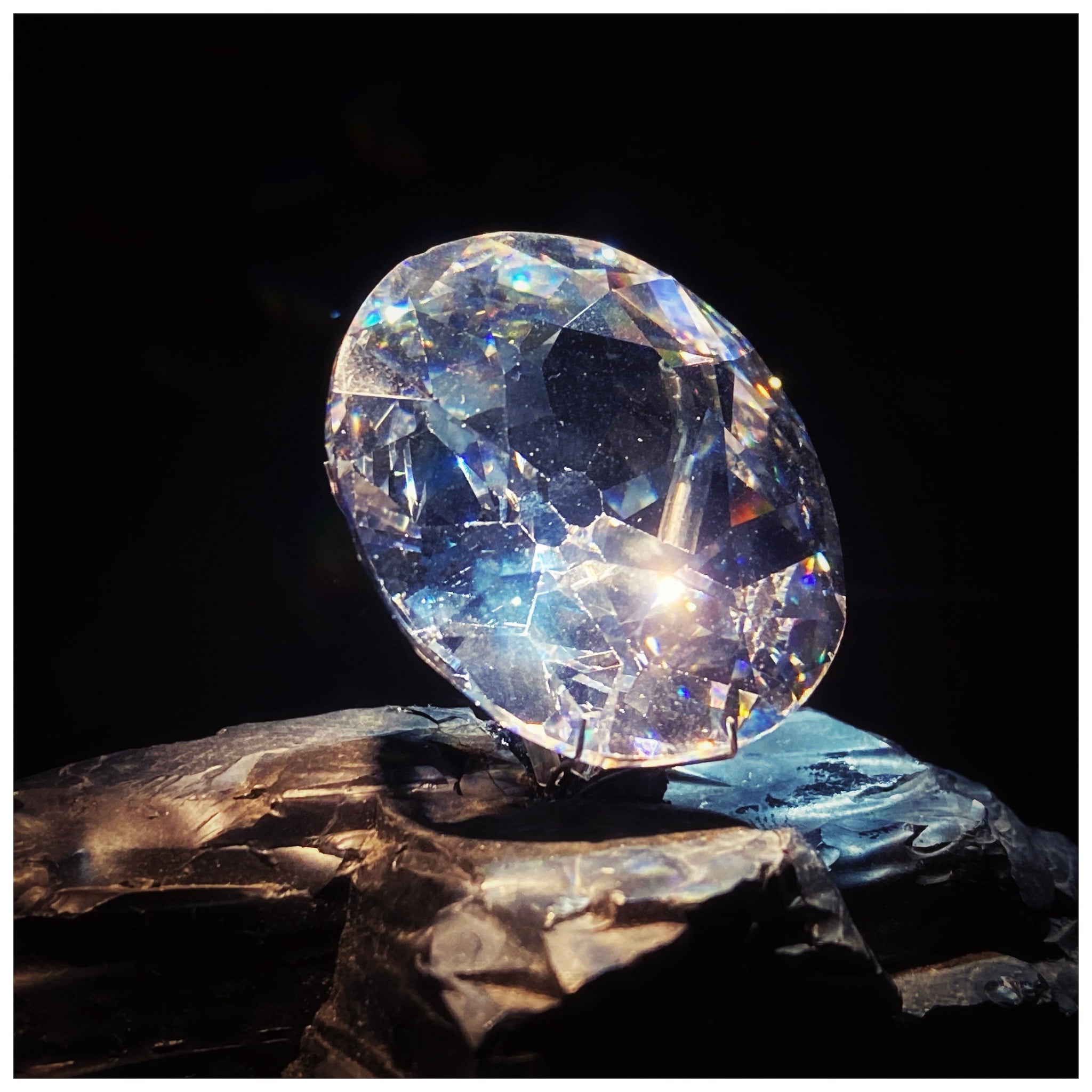
Few gifts carry the weight of history quite like the Koh-i-Noor diamond.
This 105.6-carat stone—recut from its original 186 carats—whose name translates to ‘Mountain of Light’ in Persian, has passed through the hands of Mughal emperors, Persian shahs, Afghan emirs, and Sikh maharajas before landing in the British Crown Jewels.
The diamond was acquired after the Treaty of Lahore in 1849, marking the end of the Anglo-Sikh Wars, and presented to Queen Victoria.
The stone was recut in 1852 to improve its brilliance and conform to European tastes.
Today it’s set in the Queen Mother’s Crown, though the piece wasn’t worn at King Charles III’s coronation due to ongoing ownership disputes with India, Pakistan, Afghanistan, and Iran.
The Cullinan Diamond tells an even more staggering story.
Discovered at the Premier Mine in South Africa in 1905, the uncut stone weighed an almost incomprehensible 3,106 carats.
The Transvaal government gifted it to King Edward VII on his 66th birthday in 1907 as a gesture of goodwill after the South African War.
The massive gem was cut by Asscher Brothers of Amsterdam in 1908 into nine major stones and 96 smaller brilliants.
The largest piece, Cullinan I at 530.2 carats, now sits in the Sovereign’s Sceptre with Cross, while Cullinan II at 317.4 carats adorns the Imperial State Crown.
Then there’s the Faisal Necklace, designed by legendary jeweler Harry Winston.
King Faisal of Saudi Arabia presented this 84-carat diamond necklace to Queen Elizabeth II in 1967 during a state visit.
Featuring baguette, brilliant, and pear-shaped diamonds set in platinum, the piece became one of the most valuable items in the royal collection.
Princess Diana wore it during a 1983 tour of Australia.
When Royals Received Living Gifts
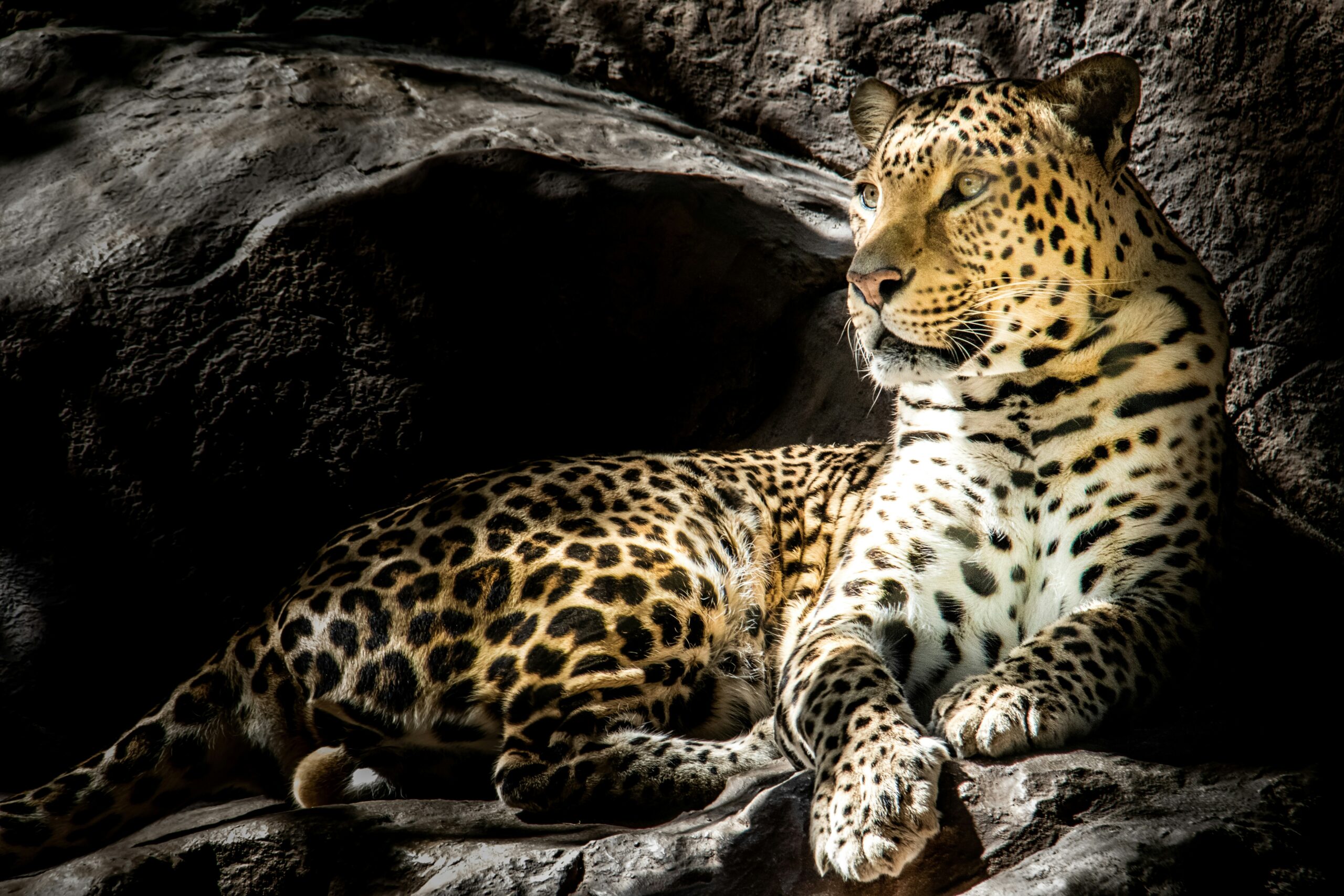
Royal menageries weren’t just displays of wealth.
They were walking, roaring symbols of global reach and diplomatic connections.
King Henry III of England kept one of the most famous collections at the Tower of London starting in the 13th century.
In 1235, he received three leopards from Holy Roman Emperor Frederick II of Germany.
Norwegian king Haakon IV sent him a polar bear in 1252, which was allowed to fish in the River Thames on a chain for exercise.
Louis IX of France sent an African elephant in 1255.
Queen Elizabeth II received an extraordinary parade of creatures during her reign.
In 1961, she was gifted two pygmy hippos from the president of Liberia and two young Nile crocodiles from the people of Gambia.
During a 1968 trip to Brazil, she received two sloths and two jaguars she named Marques and Aizita.
An African elephant named Jumbo arrived in 1972 from the president of Cameroon.
The Seychelles government sent her two Aldabra giant tortoises the same year, creatures capable of living up to 250 years.
None of these exotic animals were kept as palace pets.
They were transferred to the London Zoo, where they could receive proper care.
By the 1990s, the practice of gifting live animals had largely been discontinued, with symbolic adoptions and conservation donations preferred instead.
Floating Palaces and Four-Wheeled Icons
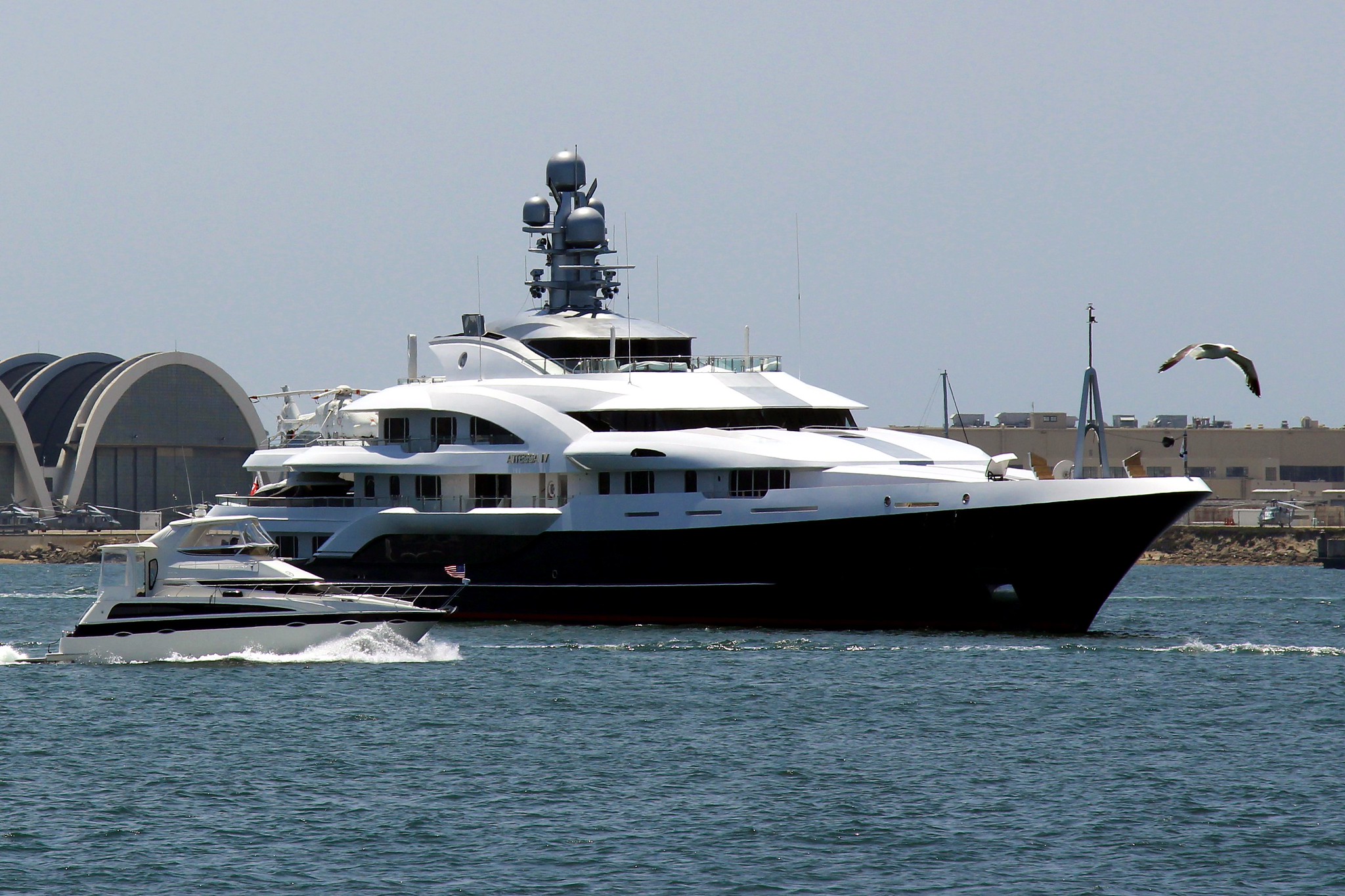
Some luxury gifts came with engines.
When Greek shipping magnate Aristotle Onassis wanted to celebrate the 1956 wedding of Prince Rainier of Monaco and American actress Grace Kelly, he gifted the couple the Deo Juvante II, a 147-foot yacht built in 1948.
The floating palace became the couple’s honeymoon vessel and operates today as the M/Y Grace, a luxury charter yacht in the Galápagos Islands.
Prince William and Kate Middleton received a Land Rover for their 2011 wedding.
The couple held a charitable raffle at Clarence House, with the vehicle eventually going to the Patterdale Mountain Rescue Team.
Queen Elizabeth II received a black mare named Burmese from the Royal Canadian Mounted Police in 1969.
The queen rode Burmese during the annual Trooping the Colour ceremony from 1969 to 1986, creating one of the most iconic images of her reign.
Treasures From the East
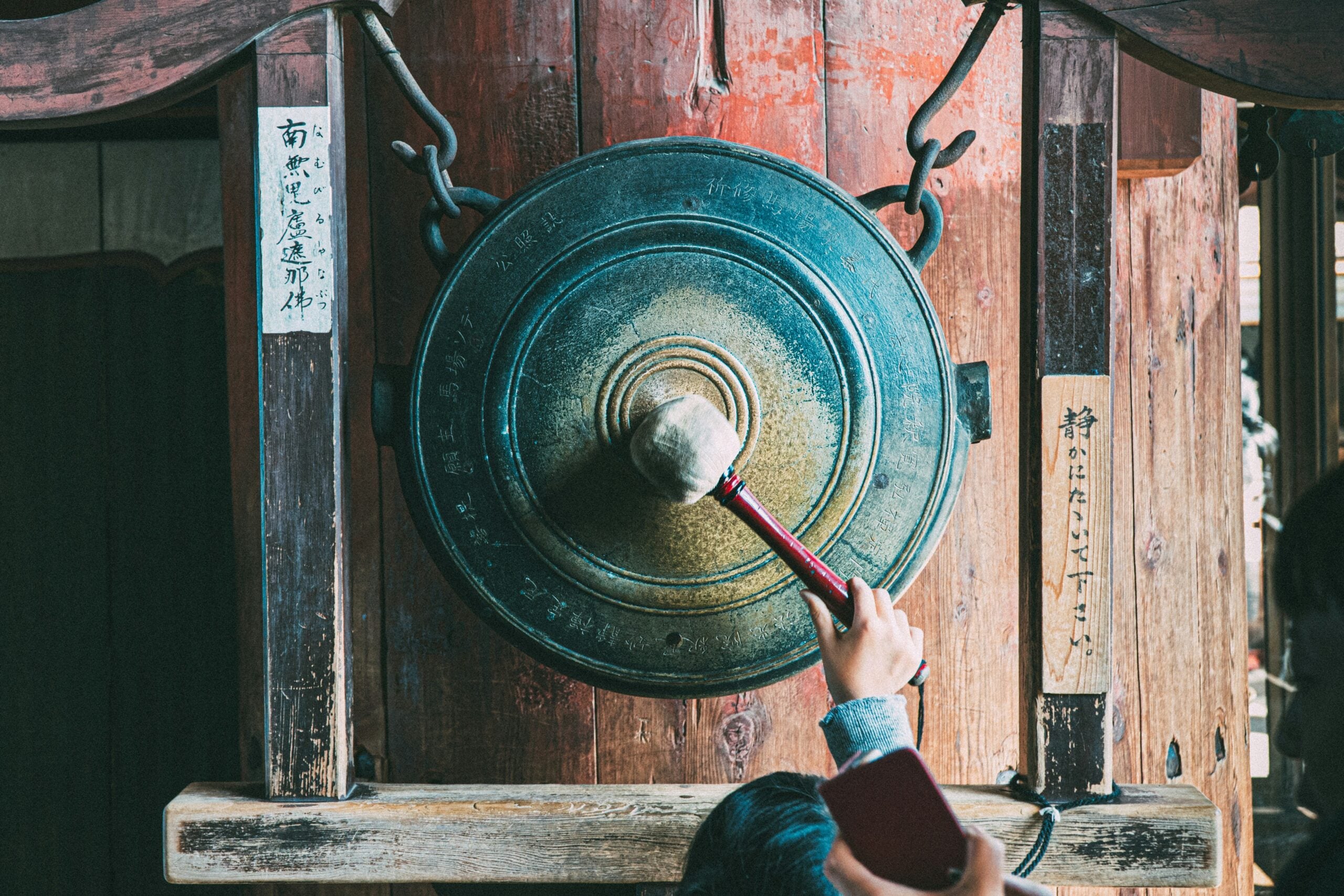
Asian leaders have long understood the art of the meaningful diplomatic gift.
In 2015, Chinese President Xi Jinping presented Queen Elizabeth II with a bronze and gold model replica of a treasure ship that once belonged to Ming Dynasty navigator Zheng He.
The vessel featured a dove and olive branch on its bow, ancient Chinese symbols of peace and friendship.
Emperor Showa of Japan likely sent Queen Elizabeth a deep rectangular lacquer box in 1953, though the exact date remains uncertain according to Royal Collection Trust records.
The box featured an elegant image of a heron standing on one leg.
In 1995, the Yang di-Pertuan Agong of Malaysia gifted her a gong made of white gold and buffalo horn, decorated with Malaysia’s coat of arms.
King Mahendra of Nepal presented the queen with a small replica of the Pashupatinath Temple in 1960, crafted in Kathmandu by Nepali artisans.
Complete with pagoda-style roofing and lions guarding each doorway, the piece transformed a gift into miniature sacred art.
The Weird, The Wonderful, The Cheese
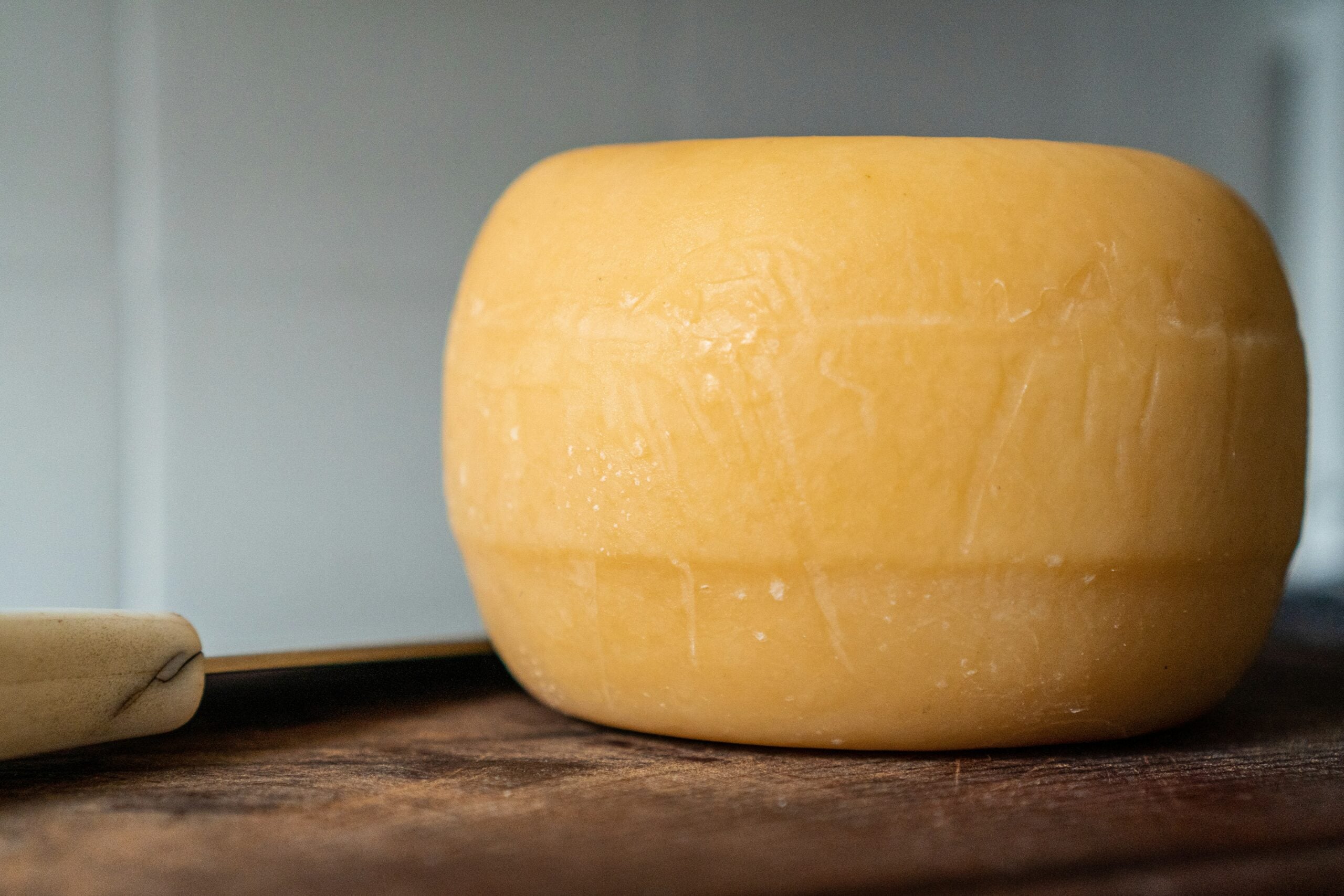
Not every royal gift came wrapped in prestige.
When Queen Victoria married Prince Albert in 1840, one of their wedding presents was the Cheddar Parish Cheese, a wheel measuring nine feet across and weighing 1,200 pounds.
Made from the milk of 750 cows from villages in Somerset, the mammoth dairy product inspired a commemorative song proclaiming it was ‘the like was never seen.’
President Joachim Gauck of Germany gave Queen Elizabeth a recreation of the Brandenburg Gate during a 2015 state visit, crafted entirely from marzipan.
In 2009, President Obama and First Lady Michelle Obama presented the queen with an iPod preloaded with presidential speeches, videos, and show tunes.
She already owned an iPod, but presumably not one filled with American political content.
According to tabloid reports, Prince Harry once gave his grandmother a shower cap emblazoned with the phrase ‘Ain’t Life a Bitch’ for Christmas.
Family anecdotes suggest Princess Anne gifted her brother Charles a white leather toilet seat as a joke.
The royal family has a running tradition of giving each other funny gifts at Christmas.
According to royal biographers, Princess Diana didn’t get the memo during her first Christmas with the family and gave everyone cashmere sweaters and mohair scarves, a sincere gesture that apparently missed the mark.
When Gifts Became Statements

Royal gifts have never been just about the object itself.
When Prince Philip proposed to then-Princess Elizabeth, he gave her a diamond bracelet made from stones taken from his mother Princess Alice of Battenberg’s tiara. The same tiara provided diamonds for the engagement ring.
The recycling wasn’t about frugality but about weaving family history into new chapters.
The Saudi royal family gifted Princess Diana a five-piece suite of sapphire and diamond jewelry valued at approximately £1 million as a wedding present in 1981.
When Prince Harry gave Meghan Markle an aquamarine and diamond ring created by Asprey that once belonged to Princess Diana, he was connecting his mother’s memory to his future.
Queen Elizabeth commissioned beauty brand Clarins to create a custom lipstick shade called ‘The Queen’s Red’ to match her coronation robes in 1953. She wore variations of that punchy color for decades.
Where History Meets the Present
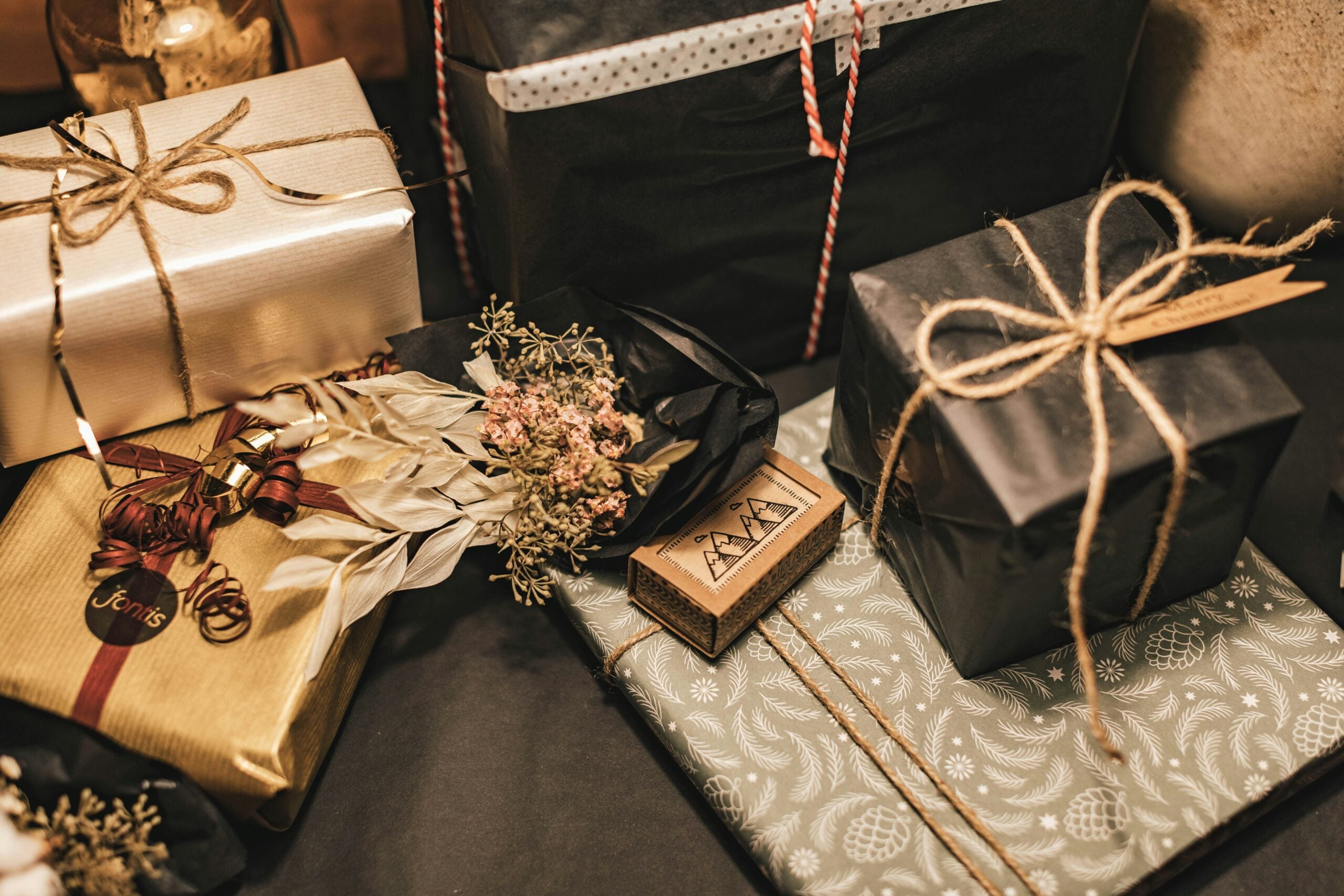
The tradition of gifting royals continues to evolve, though modern sensibilities have shifted what’s acceptable.
Foreign gifts to UK royals are now owned by the state and recorded in the Royal Collection Gift Register.
Live animal gifting has been discontinued entirely, with symbolic adoptions preferred instead.
Priceless artifacts face increasing scrutiny about their origins and rightful ownership.
Still, the impulse remains the same.
Whether it’s a president presenting a symbolic sculpture or a child offering a handmade card, gifts to royals reflect our desire to honor, impress, or connect with figures who occupy a unique space in public life.
The difference between a thousand-pound cheese wheel and an 84-carat diamond necklace might seem vast, but both say the same thing: we wanted you to remember this moment, and we wanted to give you something worthy of it.
In the end, that’s what makes these objects more than just luxury.
They’re fragments of history, frozen in gold, wrapped in silk, or occasionally, swimming in the Thames.
More from Go2Tutors!

- The Romanov Crown Jewels and Their Tragic Fate
- 13 Historical Mysteries That Science Still Can’t Solve
- Famous Hoaxes That Fooled the World for Years
- 15 Child Stars with Tragic Adult Lives
- 16 Famous Jewelry Pieces in History
Like Go2Tutors’s content? Follow us on MSN.



