16 Naval Disasters That Could Have Been Avoided
Maritime disasters often stem from preventable human errors rather than uncontrollable forces of nature. History reveals countless naval tragedies where simple protocol adherence, better communication, or proper equipment maintenance could’ve saved thousands of lives.
The ocean doesn’t forgive mistakes, yet many catastrophic losses resulted from avoidable circumstances that modern safety standards would never permit. Naval operations involve complex systems where small failures can cascade into massive disasters within minutes.
Weather conditions, mechanical breakdowns, and enemy action certainly cause ship losses, though human negligence remains the leading factor in preventable maritime catastrophes. Understanding these historical failures provides crucial lessons about the importance of rigorous safety protocols, effective leadership, and proper crisis management.
Here is a list of 16 naval disasters that could have been prevented through better decision-making, improved procedures, or enhanced safety measures.
Titanic Sinking

The Titanic disaster resulted from excessive speed through ice-infested waters, insufficient lifeboat capacity, and ignored ice warnings from other vessels. Proper safety protocols would’ve required reducing speed in hazardous conditions, while adequate lifeboat provisions could’ve saved most passengers when a collision became unavoidable.
Lusitania Torpedoing

The Lusitania sailed directly into known submarine-patrolled waters without a naval escort, despite specific German warnings about attacking passenger vessels. British Admiralty’s negligence in providing a protective convoy, combined with the captain’s failure to follow evasive maneuvering instructions, created unnecessary vulnerability to submarine attack.
Like Go2Tutors’s content? Follow us on MSN.
USS Arizona Pearl Harbor

The Arizona’s massive explosion resulted from armor-piercing bomb penetration into the forward ammunition magazine, a catastrophic chain reaction that could’ve been prevented through better magazine protection. Dispersed ammunition storage and improved damage control procedures might’ve contained the blast that killed over 1,100 sailors instantly.
HMS Hood Battle Damage

The Hood’s destruction during the Denmark Strait battle stemmed from inadequate deck armor that allowed German shells to penetrate ammunition storage areas. Proper armor upgrades were planned before the war, yet never completed due to resource constraints, leaving Britain’s pride vulnerable to plunging fire from enemy battleships.
USS Indianapolis Shark Attacks
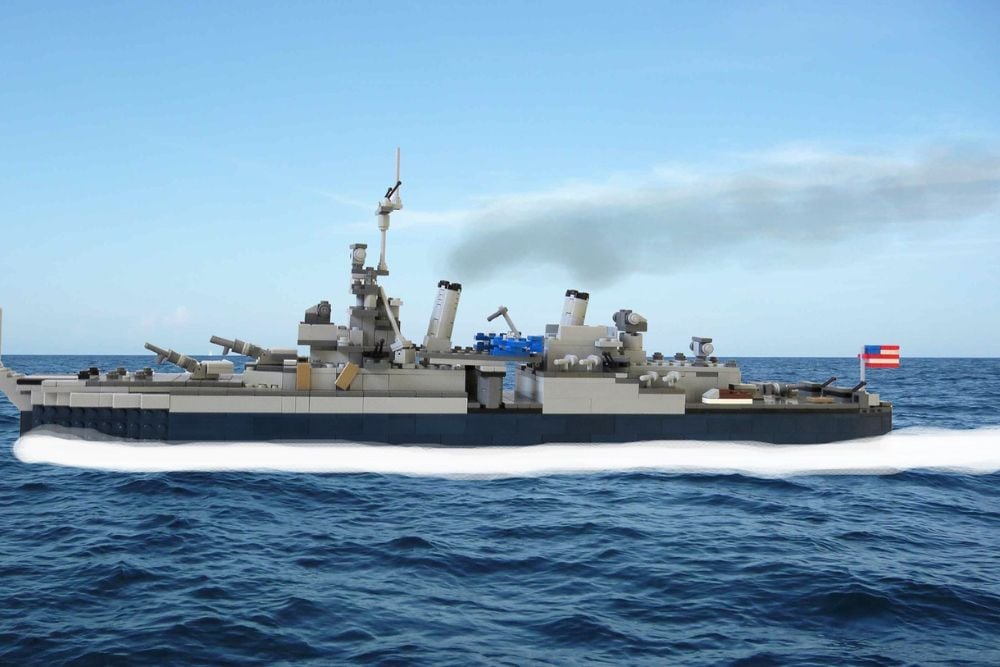
The Indianapolis tragedy involved a delayed rescue response after the ship’s torpedoing, leaving survivors in shark-infested waters for days without assistance. Proper communication protocols and accurate ship tracking would’ve triggered immediate search operations when the vessel failed to reach its scheduled destination.
Like Go2Tutors’s content? Follow us on MSN.
Andrea Doria Collision
The Andrea Doria collision occurred when both ships failed to follow proper navigation rules during foggy conditions off Nantucket. Radar misinterpretation and improper course corrections caused two experienced captains to guide their vessels directly into each other despite having modern navigation equipment.
HMS Victoria Ramming

The Victoria disaster happened when Admiral Tryon ordered a dangerous fleet maneuver that positioned ships on collision courses during Mediterranean exercises. Clear communication failures and reluctance to question superior officers resulted in the flagship being rammed by HMS Camperdown, sinking with significant loss of life.
MV Wilhelm Gustloff Evacuation

The Wilhelm Gustloff became the deadliest maritime disaster when Soviet submarines torpedoed the overcrowded evacuation ship carrying German civilians. Proper convoy protection and adherence to passenger capacity limits could’ve prevented the loss of over 9,000 lives during the chaotic Baltic evacuation.
Like Go2Tutors’s content? Follow us on MSN.
USS Thresher Nuclear Accident

The Thresher’s loss during deep-sea trials resulted from flooding that caused power loss and prevented emergency surfacing procedures. Improved quality control in shipyard maintenance, plus better emergency ballast systems, might’ve allowed the submarine to surface despite catastrophic flooding.
HMS Captain Design Flaws

The Captain sank during its maiden voyage due to inherent design instability that made the ironclad top-heavy in rough seas. Naval architects ignored stability warnings from experienced designers, prioritizing innovative turret arrangements over basic seaworthiness principles that doomed the vessel.
Costa Concordia Grounding

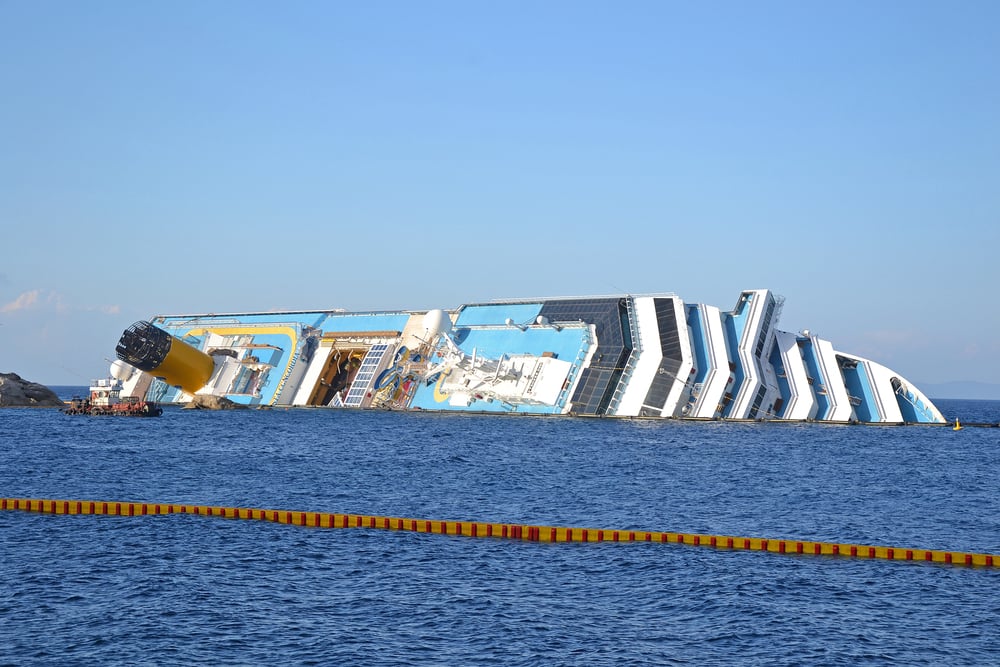
The Concordia disaster occurred when Captain Schettino deviated from approved routes to perform unauthorized close-to-shore maneuvering for passenger entertainment. Proper adherence to navigation protocols and immediate evacuation orders could’ve prevented the chaotic abandonment that cost 32 lives during the preventable grounding.
Like Go2Tutors’s content? Follow us on MSN.
USS Forrestal Fire

The Forrestal carrier fire started with an accidental rocket discharge that ignited fuel and ammunition on the flight deck. Better ordnance handling procedures and improved firefighting equipment might’ve contained the initial blast before it spread throughout the ship, killing 134 sailors.
Estonian Ferry Sinking

The Estonia ferry disaster resulted from bow visor failure during Baltic storms, allowing massive water ingress that caused rapid capsizing. Proper maintenance of critical safety equipment and improved watertight compartmentalization could’ve prevented or slowed the sinking process.
USS Cyclops Disappearance

The Cyclops vanishing likely resulted from structural failure due to overloading with manganese ore cargo that exceeded safe weight distribution limits. Proper cargo loading procedures and adherence to tonnage restrictions might’ve prevented the mysterious disappearance resulting in the loss of all 306 crew members.
Like Go2Tutors’s content? Follow us on MSN.
HMS Birkenhead Troop Transport

The Birkenhead disaster occurred when the troop transport struck uncharted rocks off South Africa, breaking apart due to inadequate hull reinforcement. Better hydrographic surveying and improved ship construction standards could’ve prevented the loss that established the “women and children first” maritime tradition.
MV Sewol Student Ferry
The Sewol tragedy happened when illegal cargo modifications reduced stability while inexperienced crew members provided an inadequate emergency response during capsizing. Proper safety inspections and crew training requirements could’ve prevented the disaster that claimed 304 people, most of them high school students.
Lessons Written in Salt Water

These maritime disasters demonstrate that human factors remain the primary cause of preventable naval tragedies throughout history. Technology advances and safety improvements often emerge from studying catastrophic failures, yet many lessons get forgotten as new generations of mariners repeat similar mistakes.
The ocean’s unforgiving nature demands constant vigilance, rigorous training, and unwavering adherence to safety protocols that exist because previous disasters taught these lessons through tremendous human cost.
More from Go2Tutors!

- 16 Restaurant Chains That Went Too Fast
- 12 Things Sold in the 80s That Are Now Illegal
- 15 VHS Tapes That Could Be Worth Thousands
- 17 Historical “What Ifs” That Would Have Changed Everything
- 18 TV Shows That Vanished Without a Finale
Like Go2Tutors’s content? Follow us on MSN.



