29 Mistranslations That Caused Diplomatic Incidents Nobody Saw Coming
Language is a knife. Handled carefully, it builds alliances, seals treaties, and opens doors.
Handed to the wrong person at the wrong moment — or just typed carelessly into an early translation machine — it starts fires that take years to put out. The incidents collected here aren’t the stuff of spy thrillers or grand geopolitical chess matches.
They’re embarrassing, occasionally hilarious, and almost always avoidable. A single word swapped for another, a phrase stripped of its cultural context, a speech rendered into something its speaker absolutely did not mean — and suddenly you have a full-blown international incident where there wasn’t one before.
The world’s most consequential misunderstandings have often been linguistic. And the most revealing thing about them is that they happened to trained diplomats, heads of state, and professional interpreters — people who, by all reasonable standards, should have known better.
Khrushchev’s “We Will Bury You”
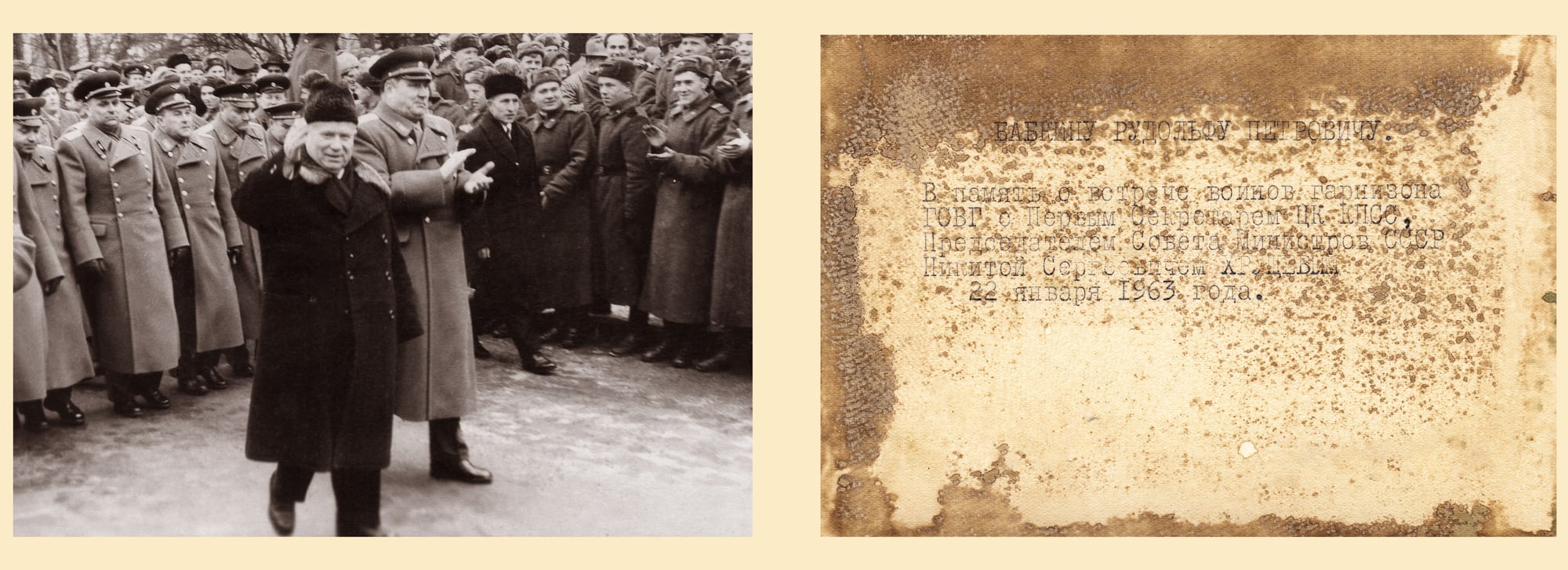
Nikita Khrushchev said it in 1956. The West heard a nuclear threat.
He almost certainly meant something closer to “we will outlast you” — a reference to Marxist ideology outliving capitalism, not a promise of literal burial. The Russian idiom carried no menace in its original context, but stripped of that context and handed to Cold War audiences already primed for the worst, it became one of the most alarming phrases of the twentieth century.
It took decades for the fuller meaning to gain traction in Western coverage.
Carter’s “Desires” for Poland
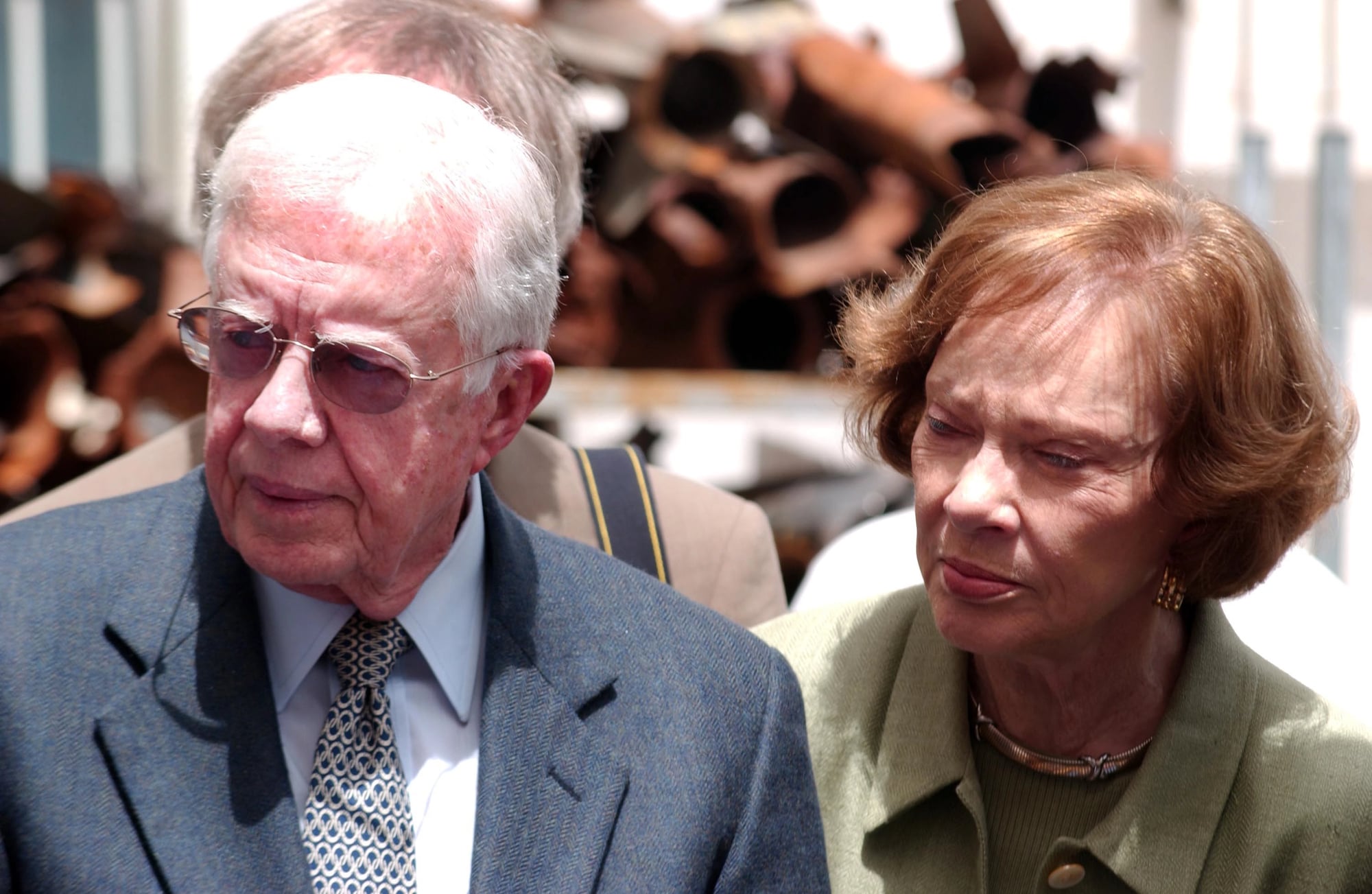
During a 1977 state visit to Poland, President Jimmy Carter’s interpreter rendered “I left the United States this morning” as “I left the United States, never to return” — which was strange enough.
But the interpreter also translated Carter’s expressed “desires for the future” as his “lusts for the Poles,” a word choice that landed somewhere between mortifying and surreal. The Polish press covered it politely. The American press did not.
Kennedy’s “Ich Bin Ein Berliner”
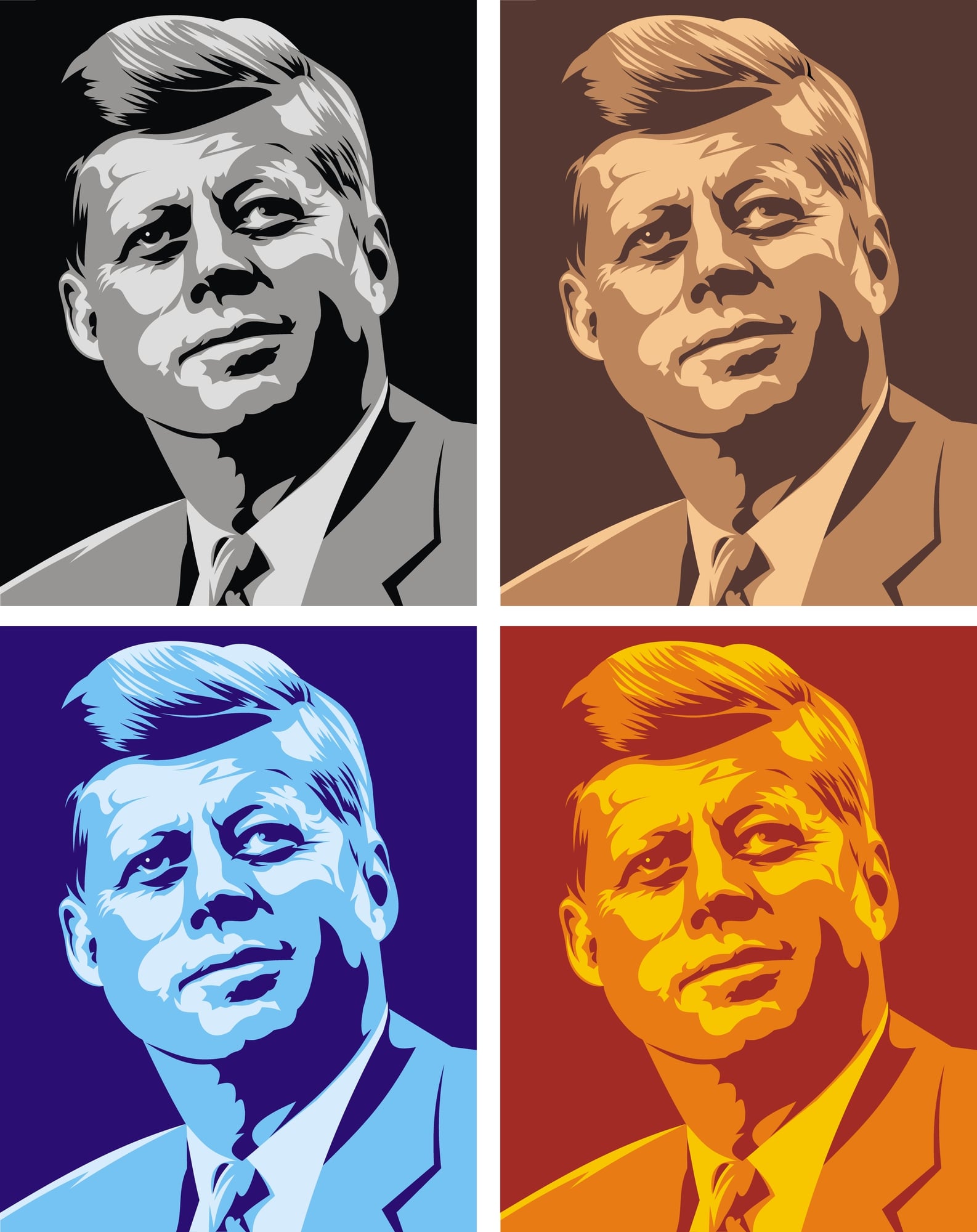
This one gets cited constantly, usually incorrectly. The popular myth insists Kennedy accidentally called himself a jelly doughnut — because “ein Berliner” can refer to a pastry in some parts of Germany.
But in Berlin itself, “Berliner” means a person from Berlin, full stop, and the crowd understood him perfectly. The doughnut interpretation was a later invention, probably a joke that hardened into legend. Still, the story refuses to die, which is its own small commentary on how much people enjoy a diplomatic stumble, real or imagined.
“Spontaneous Overflow” at the UN
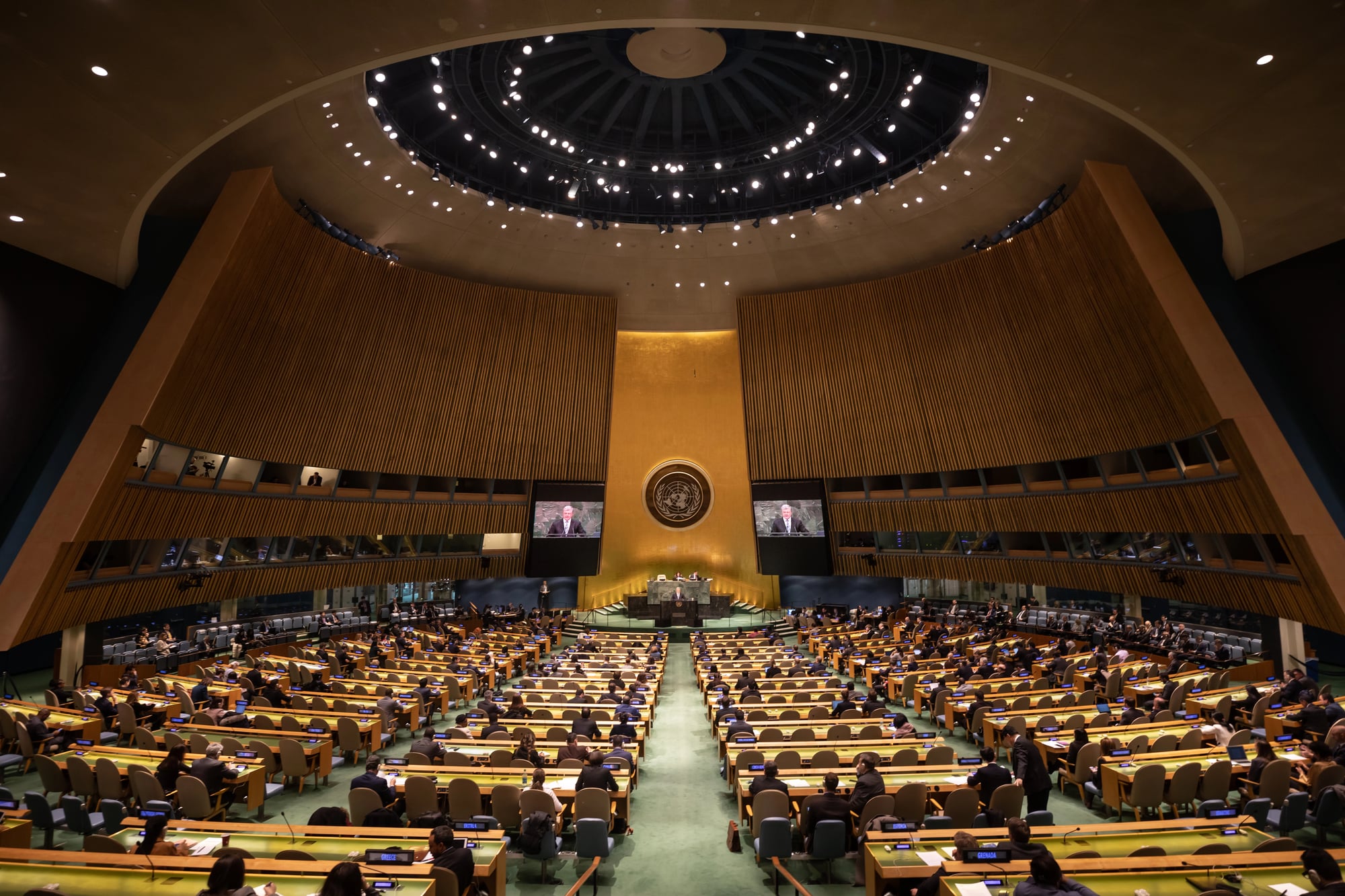
In 1956, during a heated UN session about the Suez Crisis, a Soviet delegate’s speech was translated with a phrase describing popular Egyptian sentiment as “spontaneous overflow” — a translation that, in the English-speaking delegates’ ears, conjured plumbing rather than revolution.
The French-speaking delegates got a different rendering entirely. The result was a brief, confusing moment where three separate groups of diplomats thought they were responding to three different speeches, none of which was quite the one delivered.
The Italian “Preservativo” Problem
When American pharmaceutical companies began distributing health literature across Italy in the 1980s, several pamphlets used the word “preservativo” — intending it as a direct borrowing of “preservative.”
In Italian, “preservativo” means condom. The pamphlets, meant to discuss food safety and additives, became unintentionally explicit in ways that required a fairly urgent recall and a round of apologies to the Italian Ministry of Health.
Japan’s “Mokusatsu”
In July 1945, the Japanese government issued a response to the Potsdam Declaration that used the word “mokusatsu.” The word carries two possible meanings: “to treat with silent contempt” or “to withhold comment while considering.”
Prime Minister Kantaro Suzuki almost certainly intended the second — a diplomatic holding pattern, not a rejection. Western translators chose the first interpretation, which read as a flat refusal. The subsequent sequence of events — and how much the translation contributed to it — remains one of the most debated linguistic questions of the twentieth century.
Mexico’s “No Estamos Embarazados”

A mid-level Mexican diplomat once attempted to reassure a counterpart that his government was “not embarrassed” by a particular trade dispute. He reached for a direct Spanish cognate and told them, confidently, “No estamos embarazados.”
He had, in fact, just announced that his government was not pregnant. “Embarazada” means pregnant in Spanish. “Embarrassed” does not translate this way. The counterpart kept a straight face. The interpreter did not.
The Pepsi Slogan in Chinese
Pepsi’s “Come Alive With the Pepsi Generation” campaign hit a wall when translated into Mandarin for Chinese markets in the 1960s. The rendering that circulated reportedly conveyed something along the lines of “Pepsi brings your ancestors back from the dead.”
This is a genuinely different marketing proposition — one with significant theological implications and, to be fair, a more dramatic promise than carbonated water typically delivers. The campaign was revised.
Reagan’s Polish Toast
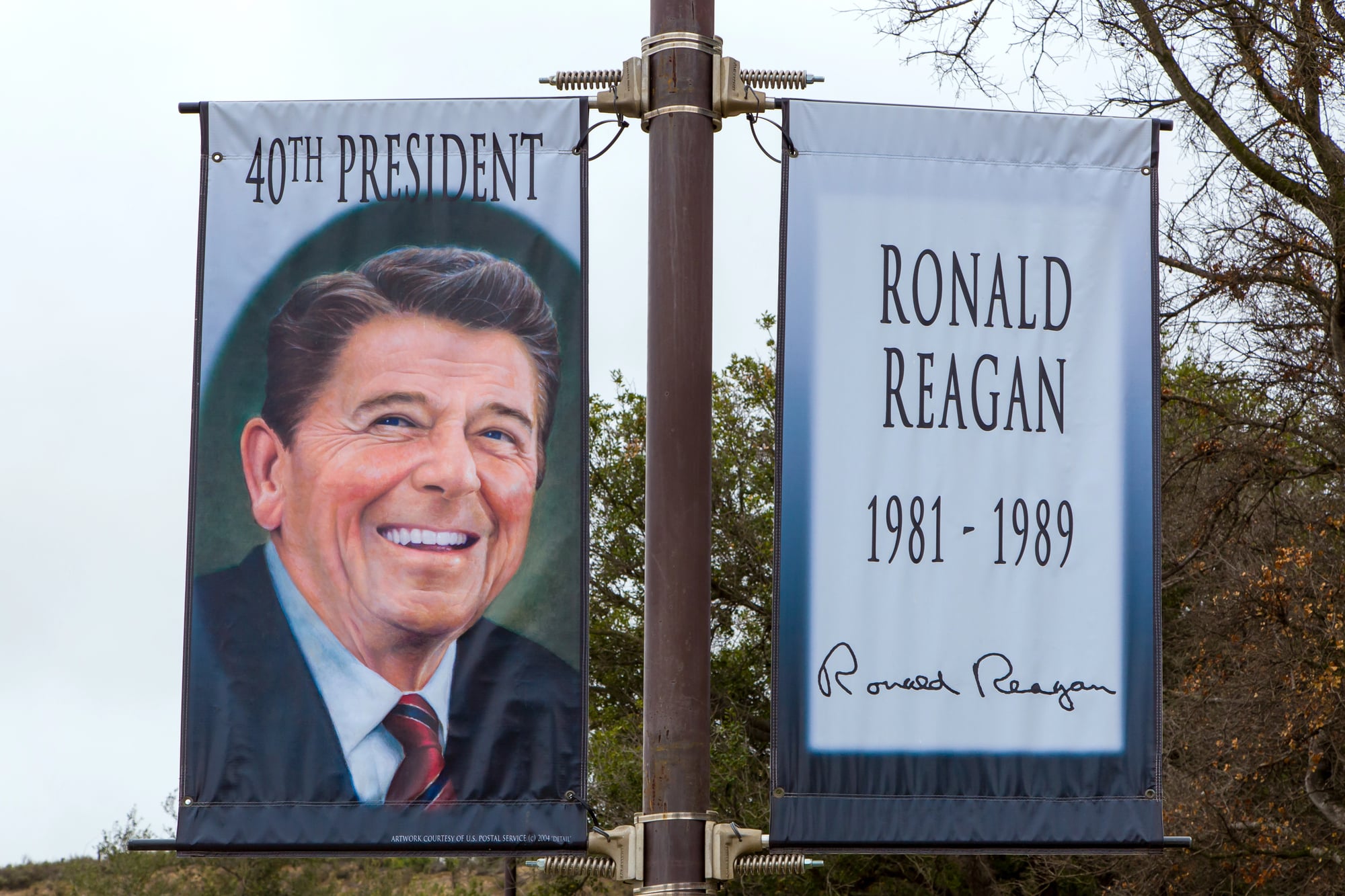
Ronald Reagan visited Poland in 1984 and his interpreter, during a formal dinner toast, rendered Reagan’s expression of “desires” for the Polish people in a way that carried a mildly inappropriate double meaning in Polish — not quite as spectacular as the Carter incident seven years earlier, but enough to generate uncomfortable laughter at a table where uncomfortable laughter was unwelcome.
American diplomatic staff in Warsaw reportedly spent the following morning doing damage control. The interpreter was not invited to the next trip.
The European Union’s “Butter Mountains”

During a 1970s European Economic Community negotiation over agricultural subsidies, a French delegate referred to “montagnes de beurre” — butter mountains, a common French idiom for surplus stockpiles.
The English interpreter, apparently unfamiliar with the idiom, translated it literally: mountains of butter. British delegates spent a confused few minutes trying to understand what geographic feature was being proposed as a storage solution before someone clarified. It’s a small incident by diplomatic standards, but it stalled a meeting for nearly forty minutes.
Coca-Cola’s Chinese Debut
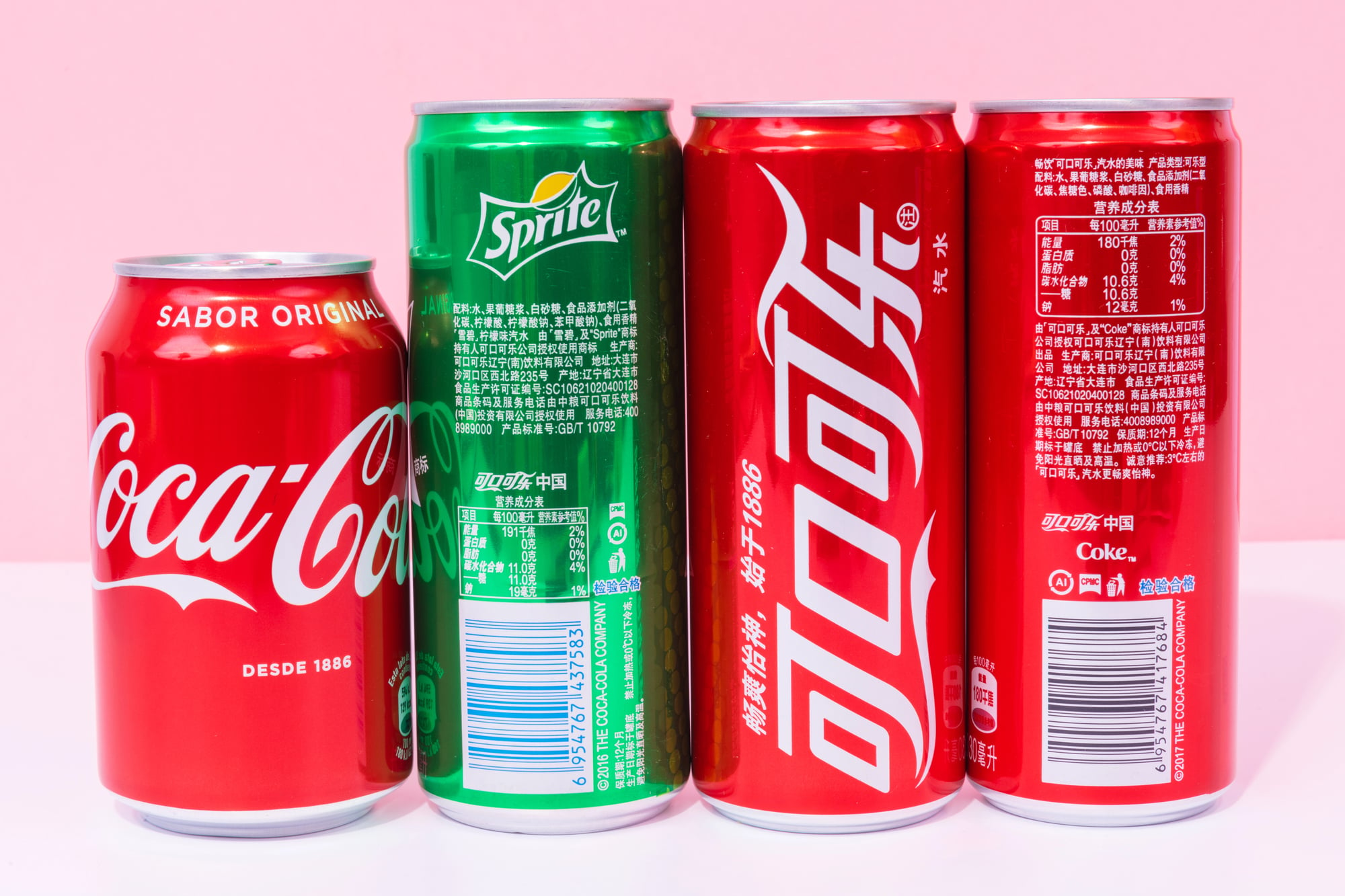
When Coca-Cola first entered the Chinese market in the late 1920s, shopkeepers created their own character-based approximations of the brand name. Some of those approximations translated as “bite the wax tadpole” or, alternatively, “female horse stuffed with wax.”
Neither conveys refreshment. Coca-Cola eventually settled on “Kekoukele,” which translates roughly as “tasty fun” — a considerably stronger pitch than anything involving wax tadpoles, which is saying something.
Mao’s “We Will Not Attack Unless Attacked”
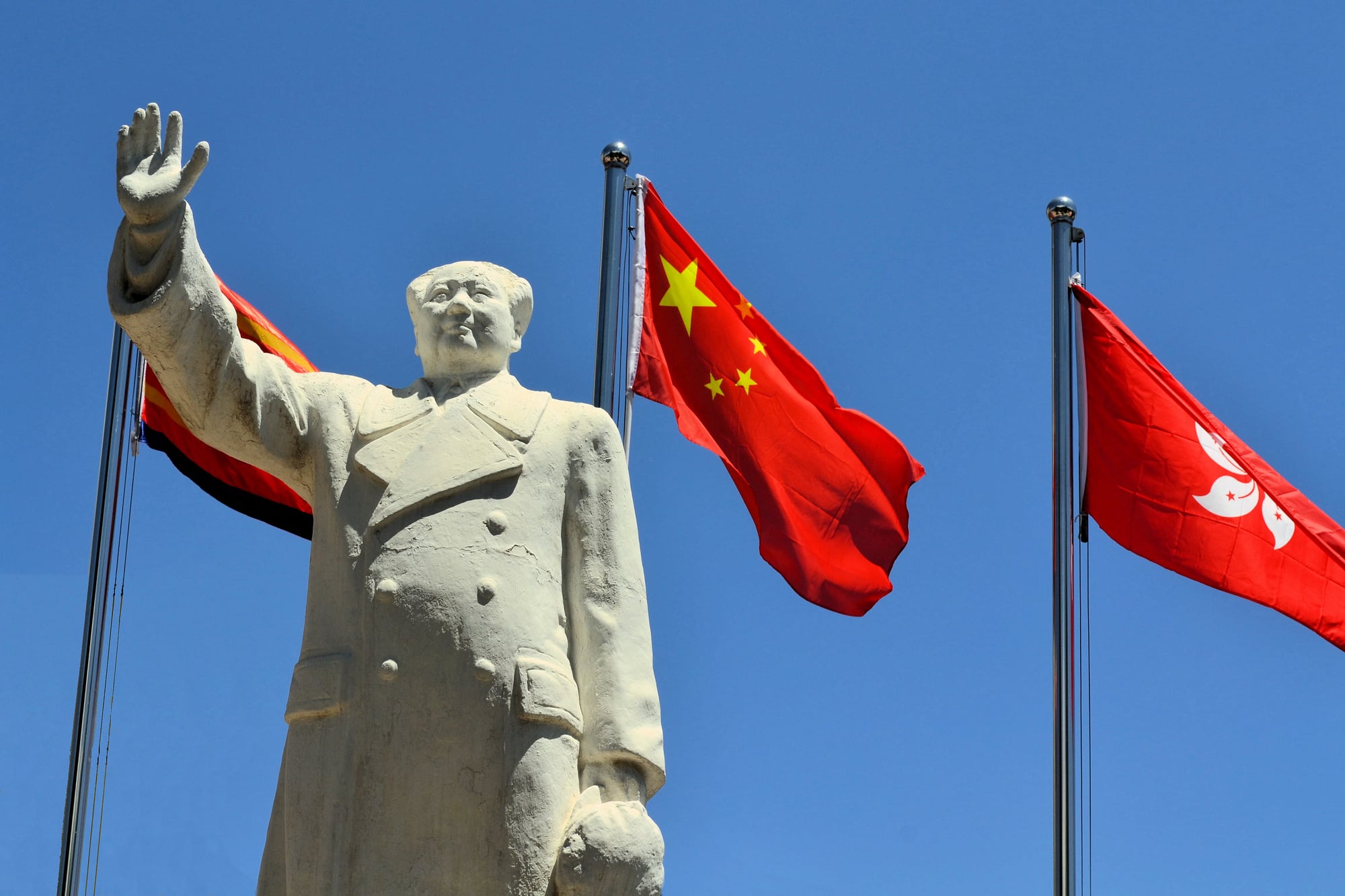
During a 1950s diplomatic exchange relayed through multiple interpreter chains, a statement from Chinese leadership about defensive military posture was translated through Russian and then into English. Somewhere in that relay, a phrase meaning “we will not be the first to use force” became something closer to “we will not strike first, but we will strike.”
The difference is subtle in translation and enormous in strategic implication. American defense planners flagged it. It took three weeks to trace the error back to its source.
The Italian Prime Minister’s “Piano” Speech
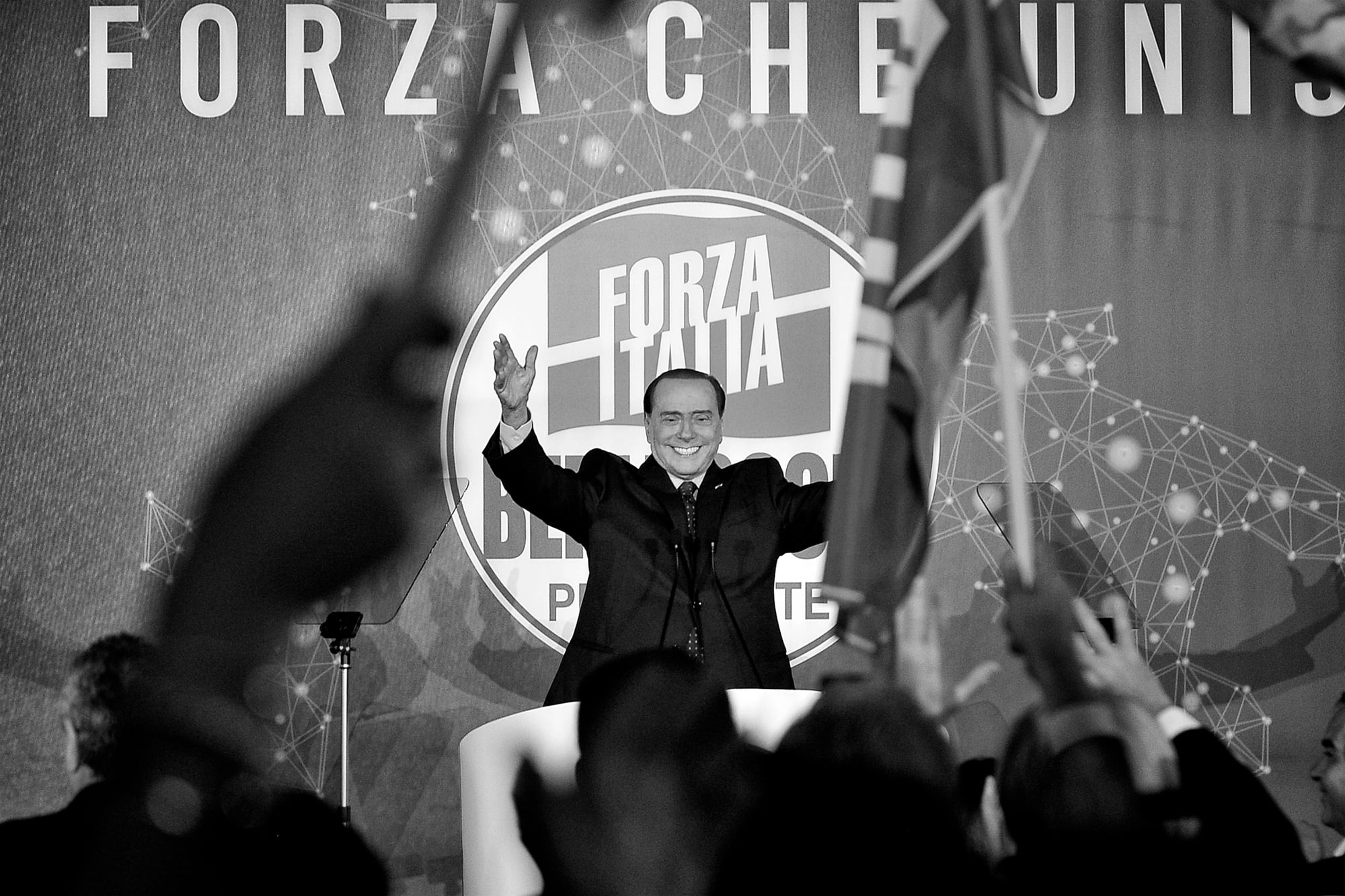
Italian Prime Minister Silvio Berlusconi — a man with a documented complicated relationship with prepared remarks — delivered a speech in 2003 that included a pledge to “go piano piano” on a particular economic reform, meaning slowly and carefully. His English interpreter, apparently reasoning that “piano” was a musical instrument somehow, produced a transcript that referred to pursuing the reform “in a piano manner.”
The European press used it. Corrections were issued.
Nobody was entirely sure what a piano manner would even look like in fiscal policy.
The German “Gift” Problem

The word “gift” in German means poison. In English, it means a present.
This false cognate has caused its share of confusion in diplomatic gift-giving contexts, most notably during a 1960s cultural exchange where German-language press coverage of a presented diplomatic offering described it using the word “Gift,” and English-language wire services picked up the word without realizing the semantic gap. The resulting story, briefly, suggested a world leader had been handed poison. The correction ran smaller than the original story, as corrections always do.
The Spanish “Embarras” Chain

During a 1992 trade summit, a Spanish-language interpreter working across a chain that moved from French to Spanish to English produced a transcript in which the French word “embarras” — meaning obstacle or difficulty — traveled through Spanish cognate territory and arrived in English as something closer to “pregnant situation.” The phrase appeared in official minutes.
A British delegate who noticed it requested clarification. The clarification required its own separate document.
NASA and the Metric Confusion With ESA
Not strictly a translation error but a unit conversion failure — which is a type of translation — the 1999 Mars Climate Orbiter was lost because one engineering team used imperial measurements and another used metric, and nobody caught the mismatch. The European Space Agency and NASA had a formal agreement about unit standards that was simply not followed.
The spacecraft was destroyed. The cost was $327 million.
The word “translation” covers more ground than most people account for.
Portugal’s Trade Agreement Mishap

In the 1980s, a Portuguese trade document submitted to the European Economic Community contained a translated clause that had originally described a “free trade zone” in a fairly standard way.Through translation from Portuguese to French and then to English, the phrase “zona franca” — free zone — became “frank zone” in an intermediate draft, and the English summary described the proposed area as a region for “frank exchange.”
Several British delegates assumed this was a diplomatic euphemism for something contentious and requested a full briefing. The zone was eventually and correctly described.
The briefing happened anyway.
The “Superfluous” State Dinner Menu

At a 1970s state dinner hosted in Tokyo for a visiting American delegation, the menu cards were translated into English by a junior staffer. The dish described in Japanese as a delicate seasonal arrangement — a phrase implying careful, intentional simplicity — arrived in English as “superfluous seasonal vegetables.”
The American guests were intrigued. The kitchen was offended.
A senior interpreter spent twenty minutes explaining that the chef had not, in fact, described his own cooking as unnecessary.
Hungary’s Constitutional Phrasing
During Hungary’s 1989 constitutional revision process — a genuinely historic moment — one clause’s translation into English for international legal review rendered the phrase “the right to personal liberty” as “the right to personal freedom from the body.” This is a phrase with very different implications depending on whether you are a constitutional lawyer or a theologian.
The revision was caught before publication, but not before it had circulated to three separate human rights monitoring bodies, each of which sent a query.
The Finnish “Please” Problem
Finnish has no direct equivalent for the English word “please” — politeness is embedded grammatically rather than expressed through a stand-alone word. During a 1990s EU negotiation, a Finnish delegate’s remarks were translated into English, and the interpreter, finding no “please” in the source material, rendered several requests in a manner that struck English-speaking delegates as unusually blunt, even aggressive.
The delegate was described in one British diplomatic cable as “curt to the point of rudeness.” He was, apparently, saying please the whole time.
Just not in any way the English-speaking room could hear it.
Schweppes Tonic Water in Italy

When Schweppes introduced its tonic water to the Italian market, an early advertising run used a translation that rendered “tonic water” as “il water tonico.” In Italian, “il water” is a colloquial term for a toilet.
The campaign advertised, with some enthusiasm, a sophisticated bathroom product. Schweppes revised the branding before the campaign achieved full distribution, which was the correct call.
The Korean Summit Transcript
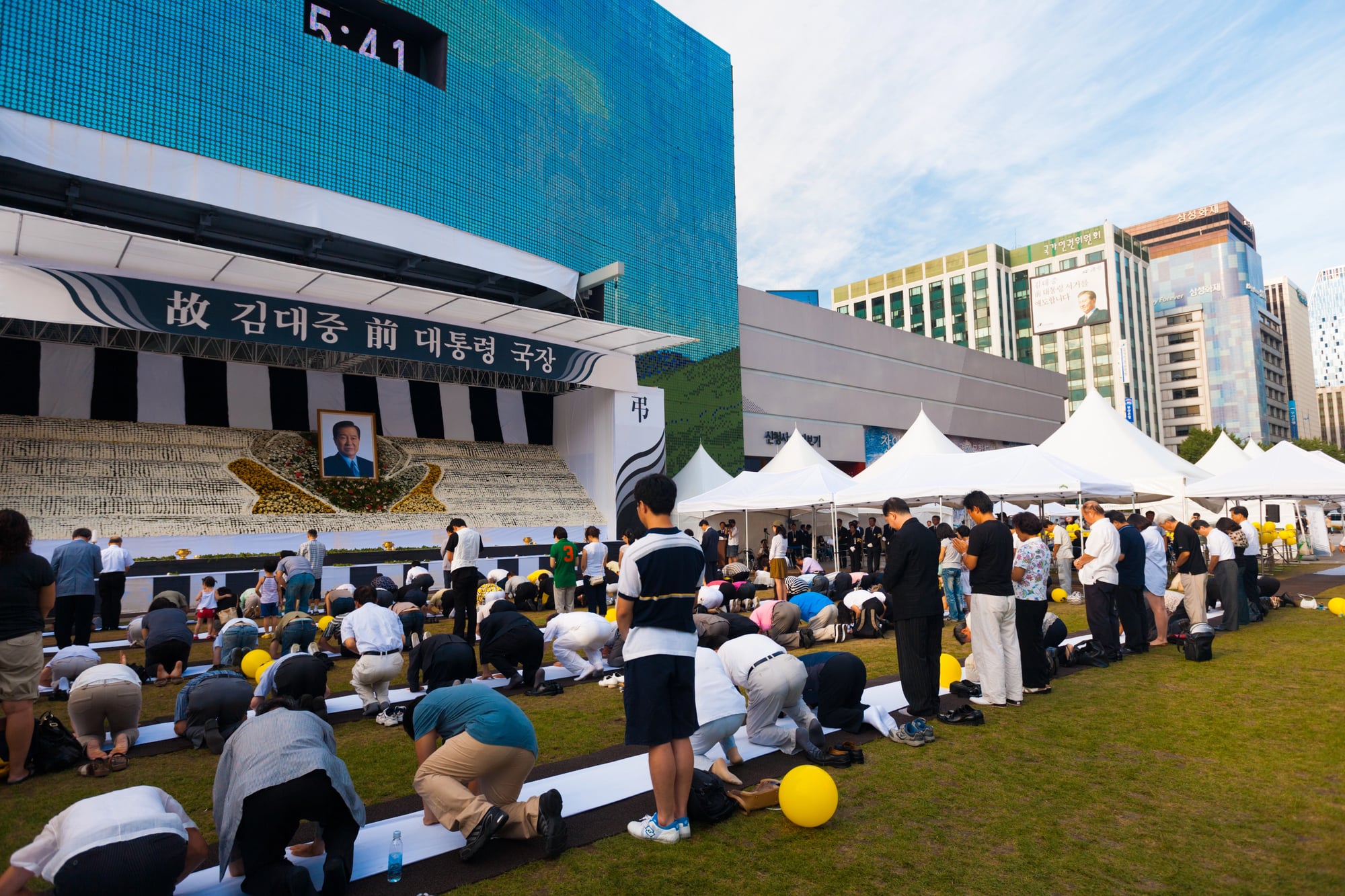
During a 2000 inter-Korean summit meeting, a phrasing used by South Korean President Kim Dae-jung — an expression of hope for gradual progress, idiomatic and soft — was rendered into the working translation document in a way that suggested a firmer commitment than he had made.
North Korean officials cited the translated version in subsequent communications. South Korean officials cited the original. The two sides spent several weeks in productive disagreement about what had been promised, referring to transcripts that were, in the relevant clause, not quite the same document.
The “Formal Protest” That Wasn’t

In the 1960s, a Latin American nation submitted what its government considered a formal expression of concern about a border matter — carefully worded, moderate in tone, designed to open dialogue. The document was translated into English by a State Department contractor who rendered the diplomatic register of the original as something considerably more strident.
The United States government responded to what it had received, not what had been sent. The originating country was confused by the severity of the reply.
It took two months to untangle, and the border issue itself was secondary to the argument about the argument.
Sri Lanka’s Cement Procurement Notice

During a 1980s infrastructure procurement process, a Sri Lankan government tender document was translated from Sinhala into English for international bidding purposes.
A clause describing the required cement grade — specific, technical, and consequential — was mistranslated in a way that specified a significantly lower-grade material. Several international firms submitted bids based on the incorrect specification. The discrepancy was caught during review, but not before three firms had already priced jobs they would have had to redo from scratch.
The Belgian Interpreter Walkout

In 1963, during a NATO session conducted with simultaneous interpretation, a Belgian interpreter working from French into Dutch encountered a phrase used by a French general that was — in the interpreter’s assessment — untranslatable without losing either the meaning or the dignity of the room.
The interpreter paused, stated through the earpiece that he was unable to continue, and stepped away from the booth. The incident required a recess. The phrase in question was a military idiom involving a particularly colorful assessment of a proposed strategy. The interpreter later described it as a matter of professional principle. Most people in the room respected that.
The Farsi “Nuclear” Debate

During IAEA negotiations in the mid-2000s, a Farsi-language statement from Iranian officials was translated — through an intermediate English rendering — into French for European negotiating partners. A phrase that carried a specific technical limitation in Farsi, referring to enrichment capacity in a narrow sense, arrived in French with a somewhat broader implication.
Each party walked out of the meeting believing the other had conceded a point the other did not believe they had conceded. The disagreement resurfaced three sessions later when someone compared transcripts.
The “Frozen Conflict” That Got Colder

In a 2008 EU diplomatic briefing on a post-Soviet territorial dispute, the phrase “frozen conflict” — a standard diplomatic term meaning a dispute in stasis, neither resolved nor actively violent — was translated into the local language of one delegation as something closer to “conflict that has been made cold,” which in context implied deliberate suppression by an outside party.
The delegation in question filed a formal objection to characterizations that, in the original English, had not been made. The chair of the meeting spent the better part of an afternoon explaining what “frozen” meant in this particular diplomatic grammar.
The Saudi Arabian Gift Labels

During a state visit exchange in the 1990s, a set of gifts presented by an American delegation arrived with attached cards that had been translated — apparently by someone with a general-use dictionary and not much else — into Arabic. One card, meant to describe a “handcrafted decorative piece,” rendered the phrase in a way that described the item as “a handmade ornamental object of no practical use.”
The Saudi hosts read the cards before the ceremony. The American delegation was informed of the translation after.
A great deal of graciousness was deployed by everyone present.
The “Aggressive” Peace Plan
A 1970s Middle East peace proposal drafted in English was translated into Arabic for distribution to regional stakeholders. The translator, working quickly under deadline pressure, chose an Arabic word for “assertive” — describing the proposal’s approach to negotiations — that in the regional diplomatic register carried overtones of hostility.
Several Arab League members received what they understood to be a description of the proposal as “aggressive.” The word in English had been chosen deliberately to mean the opposite of aggressive: confident, not combative.
The proposal required a formal restatement before it could be discussed.
The Weight Words Still Carry
Diplomatic language has always been a performance of precision — every word chosen, weighed, and placed like something fragile. And yet the errors keep coming, because translation is not arithmetic.
There is no formula that carries meaning cleanly from one language into another; there is only a person, in a room, making a judgment call under pressure, usually without enough time and sometimes without enough context. The incidents in this list range from faintly amusing to genuinely consequential, but they share one quality: they all happened at the exact moment someone assumed the words had arrived intact.
They hadn’t. They almost never do, entirely. That’s not a reason to mistrust language — it’s a reason to take it more seriously than most people do, which is quite a bit more seriously than most people do.
More from Go2Tutors!

- The Romanov Crown Jewels and Their Tragic Fate
- 13 Historical Mysteries That Science Still Can’t Solve
- Famous Hoaxes That Fooled the World for Years
- 15 Child Stars with Tragic Adult Lives
- 16 Famous Jewelry Pieces in History
Like Go2Tutors’s content? Follow us on MSN.