Rare champagnes and why they’re pricey
Champagne has always carried a certain mystique. It’s the drink that marks life’s biggest moments, but some bottles take luxury to an entirely different dimension.
These aren’t just beverages you pop open at midnight on New Year’s Eve. They’re liquid investments, historical artifacts, and status symbols rolled into one fizzy package.
The champagnes on this list command astronomical prices for reasons that go far beyond taste. Some spent centuries underwater in shipwrecks, others come from vineyards smaller than a suburban backyard, and a few are adorned with enough precious metals and gems to fund a small car.
Here is a list of rare champagnes that represent the absolute pinnacle of what money can buy in the world of bubbly.
Champagne Avenue Foch 2017

This bottle holds the current record as the world’s most expensive champagne at $2.5 million, and the liquid inside is almost beside the point. What drives the price is the presentation: the bottle features an NFT of the Bored Mutant Ape on its label, merging old-world luxury with cryptocurrency culture.
Italian crypto investors Giovanni and Piero Buono purchased this bottle from a family-owned estate in Chamery, making it as much a tech statement as a wine purchase.
Taste of Diamonds

The $1.6 to $2.07 million price tag makes this one of the priciest champagnes ever created, and designer Shammi Shinh made sure the packaging justified every penny. An 18-carat white gold label sits on the bottle adorned with a 19-carat diamond at its center.
The champagne itself blends Grand Cru grapes from a family estate in Oger and even won ‘Best Taste’ honors in 2012, though most buyers are probably more interested in what’s on the outside than what’s inside.
1907 Heidsieck

This $275,000 champagne has one of the wildest backstories in the wine world. The bottles spent nearly a century at the bottom of the ocean after their ship sank while heading to Russia’s Imperial family in 1916.
Divers discovered the shipwreck in the Baltic Sea in 1997, and the cold, dark underwater conditions actually preserved the champagne remarkably well. Each bottle represents a literal taste of history from before the Russian Revolution.
Armand de Brignac Rosé Midas

Standing over four feet tall and weighing more than 40 pounds, this $200,000-plus bottle is impossible to miss in any room. The Midas holds the equivalent of 40 standard bottles, making it less of a champagne and more of a centerpiece for events where subtlety isn’t the goal.
Jay-Z helped popularize the Armand de Brignac brand, and this salmon-hued giant with its distinctive gold bottle screams excess in the best possible way.
Krug 1928

When this bottle sold at auction in Hong Kong in 2009 for $22,670, it shattered records and set a new benchmark for what collectors would pay. The 1928 vintage is widely considered one of the finest years in champagne history, and the conditions that year created near-perfect grapes.
Krug’s meticulous aging process and the rarity of finding bottles from this era in excellent condition drive prices into the stratosphere for serious collectors.
1874 Perrier-Jouët

At around $50,000 to $55,738, this bottle from Charles Perrier himself carries the weight of 150 years of history. It set an auction record way back in 1888 and then did it again in December 2021 at Christie’s.
The scarcity factor is off the charts since only a handful of bottles from this vintage still exist, and each one offers a glimpse into winemaking from an era when Ulysses S. Grant was still president.
1996 Dom Pérignon Rosé Gold Methuselah

Only 35 of these $49,000 bottles were ever made, and each six-liter Methuselah comes wrapped in rose gold plating that catches light like a trophy. The 1996 vintage was exceptional for Dom Pérignon, producing champagne with remarkable balance and aging potential.
Collectors value these not just for the liquid inside but for the jaw-dropping presentation that makes them centerpieces in any serious wine cellar.
1820 Juglar Cuvée

This $43,500 champagne shares the same shipwreck origin story as the Heidsieck, having spent over a century submerged in the Baltic Sea. What makes these bottles so valuable is the combination of their age, the romantic backstory of being recovered from a 1840s shipwreck, and the mystery of how underwater conditions affected the wine.
Only a limited number of bottles were recovered, making each one a rare piece of maritime and wine history combined.
1841 Veuve Clicquot

Found alongside the Juglar bottles in the same Baltic shipwreck, this $34,000 champagne represents one of the oldest drinkable champagnes ever discovered. Veuve Clicquot’s reputation as a prestigious house adds significant value, but the real draw is owning something that was bottled when Queen Victoria was still a young monarch.
The underwater aging gave these bottles characteristics that can never be replicated under normal conditions.
1959 Dom Pérignon

Prices for this legendary vintage range from $25,000 to $42,000 depending on condition and provenance. The 1959 release came during a pivotal time when Dom Pérignon was establishing itself as the premium luxury champagne brand.
This vintage is exceptionally rare because relatively few bottles were produced compared to modern production runs, and even fewer have survived in drinkable condition after more than six decades.
Dom Pérignon P3 Plénitude Brut Rosé
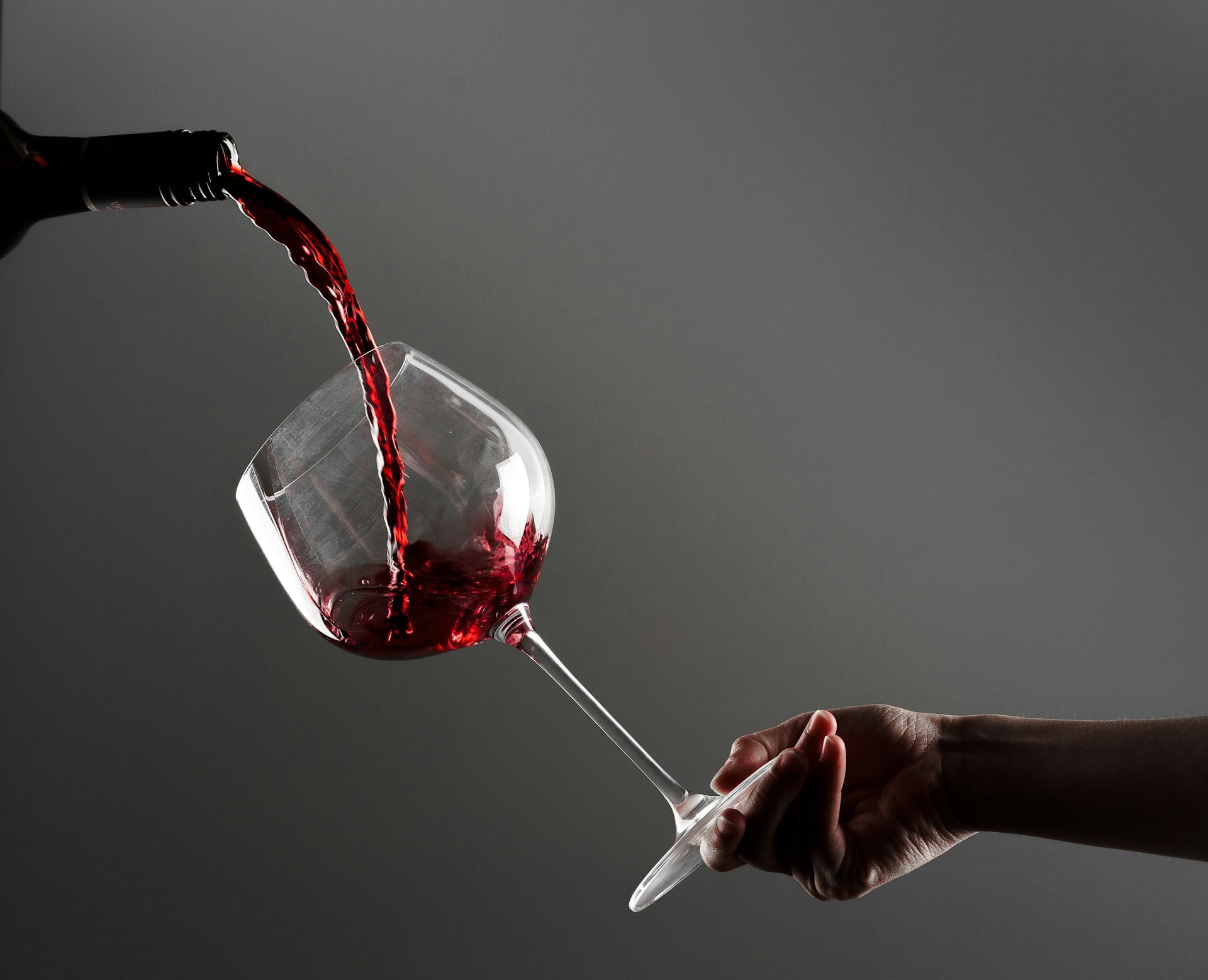
At $4,831, this bottle represents Dom Pérignon’s most extreme aging philosophy taken to its logical conclusion. The P3 designation means the champagne has aged for 30 to 40 years on its lees before release, creating layers of complexity that simply can’t exist in younger wines.
The cellar master waits decades to release these bottles, and only exceptional vintages receive this treatment, making them both rare and extraordinarily nuanced.
Dom Pérignon P2 Plénitude

This $3,000-plus champagne sits in the middle of Dom Pérignon’s Plénitude series, having aged for around 20 years on the lees. The extended aging transforms the wine completely from its P1 release, developing deeper, richer flavors that evolve continuously in the glass.
Wine critics consistently award these bottles scores in the mid-90s, and the limited quantities available make them highly sought after by collectors who understand the difference aging makes.
Krug Clos d’Ambonnay
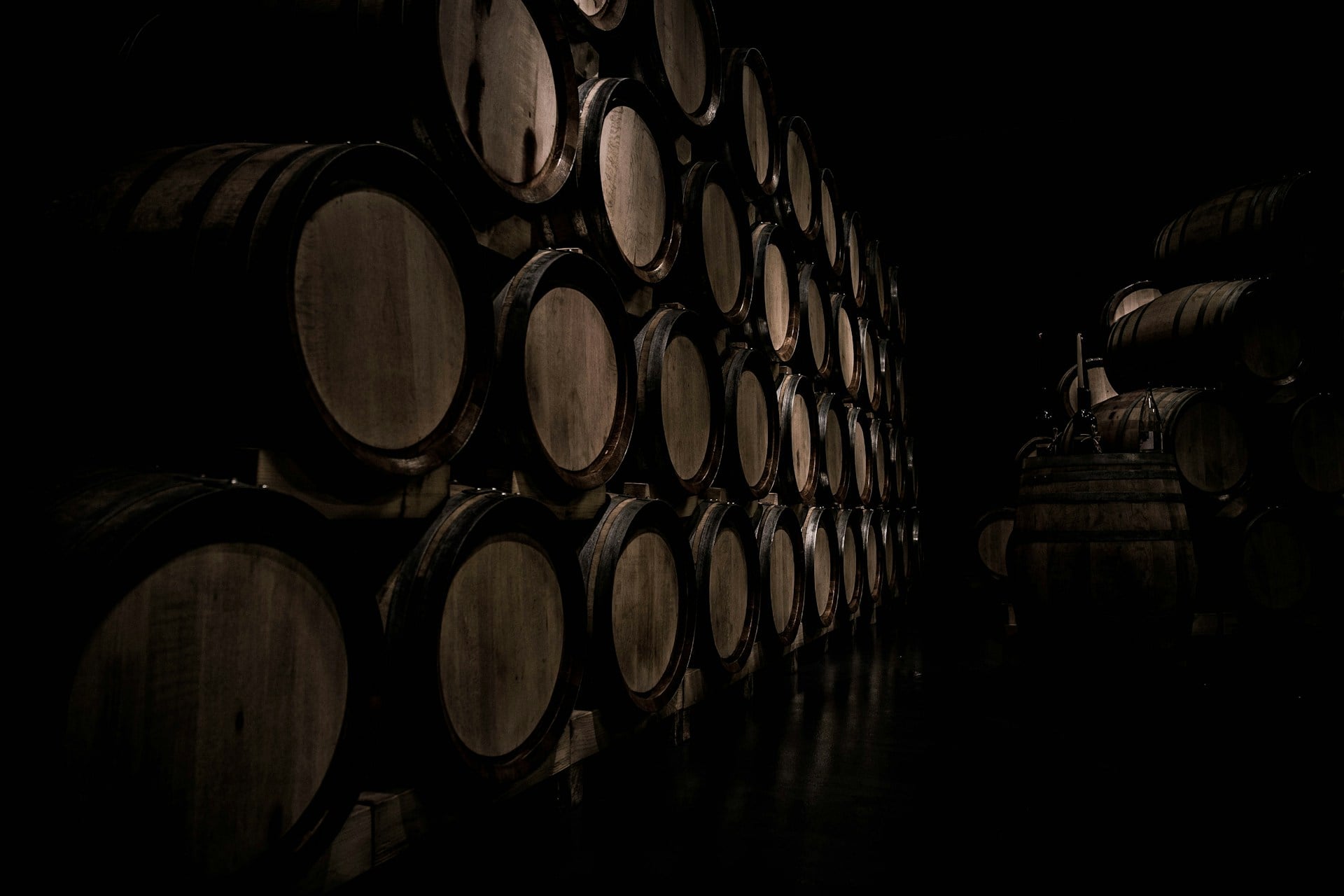
This $3,389 bottle comes from a tiny walled vineyard plot that Krug keeps for their most exclusive releases. Made entirely from Pinot Noir grapes, it’s incredibly rare because Krug only produces around 3,000 bottles when they deem a vintage worthy of the Clos d’Ambonnay name.
The price reflects both the minuscule production and the fact that this champagne sells out almost immediately upon release to a devoted following of Krug enthusiasts.
Dom Pérignon Oenotheque Rosé

Priced between $2,927 and $3,358, this rosé represents champagne aged to its peak potential before release. The Oenotheque line means the cellar master has held back bottles for extended aging beyond the normal release schedule, sometimes keeping them for decades.
This patience allows the champagne to develop incredible depth and complexity, though you’re also paying for the opportunity cost of Moët Hennessy storing these bottles for years instead of selling them.
Jacques Selosse Millésime

At around $2,573 per bottle, this champagne comes from a producer with an almost cult-like following among serious collectors. Anselme Selosse revolutionized grower champagne by applying Burgundian winemaking philosophy to the Champagne region, and his vintage releases are produced in quantities of just 4,000 bottles.
The combination of revolutionary techniques, microscopic production, and critical acclaim makes these bottles notoriously difficult to find even if you have the money.
Krug Clos du Mesnil

This $2,136 to $2,472 champagne comes from a 1.84-hectare walled vineyard in Le Mesnil-sur-Oger that’s been protected since 1698. Made entirely from Chardonnay grapes, it showcases the purity of this single site with remarkable precision.
Krug only releases Clos du Mesnil in exceptional years, producing around 12,000 to 14,000 bottles when they do, and the champagne consistently receives scores of 96 or higher from critics who appreciate its crystalline minerality.
Louis Roederer Cristal Vinothèque Rosé

This $2,208 to $2,285 rosé takes Cristal, already one of the most famous champagnes in the world, and ages it significantly longer before release. The Vinothèque designation means the house has cellared the bottles for extended periods to develop additional complexity.
While regular Cristal is expensive enough, the Vinothèque versions command premium prices because of their limited availability and the extra years of aging that transform their character completely.
Why Bubbles Cost So Much

The champagnes on this list prove that price has surprisingly little to do with what’s actually in the glass. Rarity, history, presentation, and the stories behind these bottles matter just as much as the liquid itself.
Whether it’s a diamond-studded bottle, a century underwater, or grapes from a vineyard smaller than a tennis court, each of these champagnes offers something beyond taste. They’re trophies, conversation pieces, and investments that happen to be drinkable, assuming anyone actually opens them.
More from Go2Tutors!

- The Romanov Crown Jewels and Their Tragic Fate
- 13 Historical Mysteries That Science Still Can’t Solve
- Famous Hoaxes That Fooled the World for Years
- 15 Child Stars with Tragic Adult Lives
- 16 Famous Jewelry Pieces in History
Like Go2Tutors’s content? Follow us on MSN.



