Slowest Animals in Nature
Quick movement usually grabs notice out here in the wild. Creatures that sprint, dart through water, or zip across skies often stand out – seen as powerful or built to last.
Still, life doesn’t run only on speed. In truth, taking it slow helps plenty of beings survive, not because they must, but because it works – saving fuel, matching steady surroundings, balancing what evolution asks for.
Sometimes moving slowly saves fuel. When danger rarely shows up, rushing hardly helps.
Certain places stay cool all year, meandering through seasons without change. Food hiding in sparse patches rewards those who wait.
Quickness fades in importance under such calm conditions. Life finds ways to stretch time instead of burning it.
Creatures shaped by ages now drift like thoughts. Their muscles learn stillness.
Action happens only when needed. Evolution prefers pause buttons over sprints.
Still waters run deep – so do their instincts. Given this backdrop, take a moment to explore creatures moving at the lowest speeds in the wild – each one shaped by evolution to thrive without haste.
Their deliberate pace isn’t laziness; it’s survival fine-tuned over ages.
Three-Toed Sloth
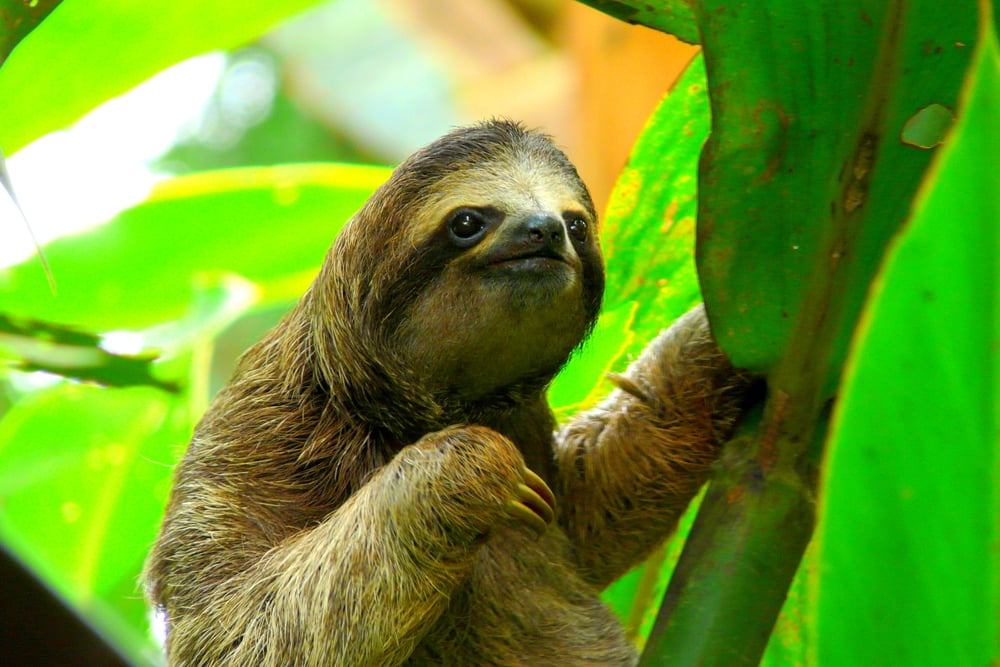
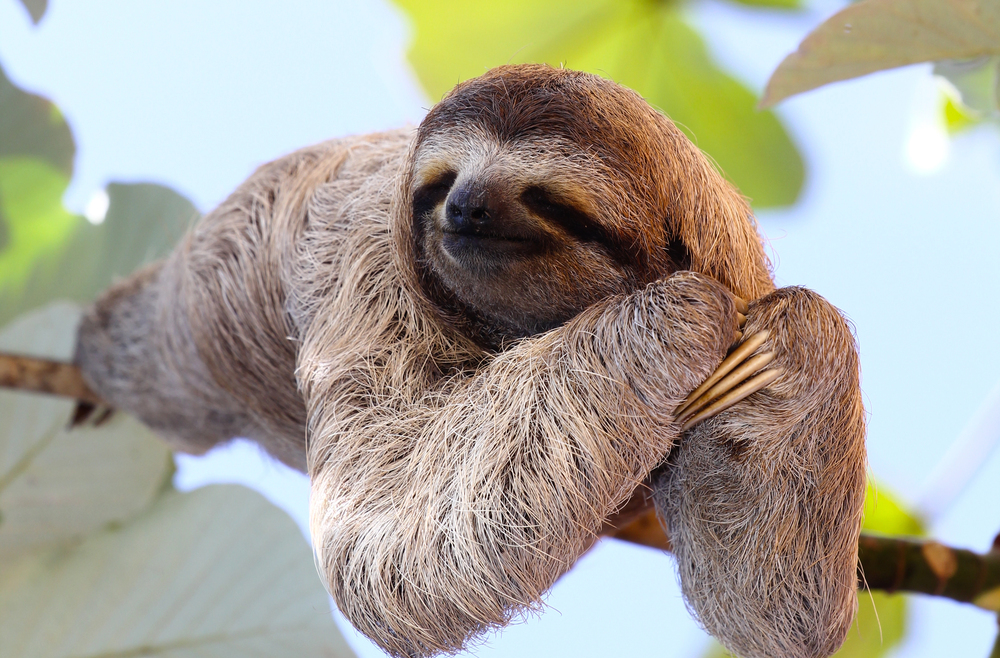
Three-toed sloths are often considered the slowest mammals on Earth, and their reputation is well deserved. On the ground, their top speed reaches only a fraction of a mile per hour, and even in trees, their movements remain deliberate and measured.
This slowness is directly tied to their diet. Sloths feed primarily on leaves, which provide very little energy.
Digesting this food can take weeks, leaving little fuel for rapid movement. As a result, their metabolism runs at an unusually low rate, shaping every aspect of their behavior.
Moving slowly also helps sloths avoid detection. Their stillness allows algae to grow in their fur, blending them into the forest canopy.
What appears to be laziness is, in reality, a finely tuned survival strategy.
Galápagos Giant Tortoise
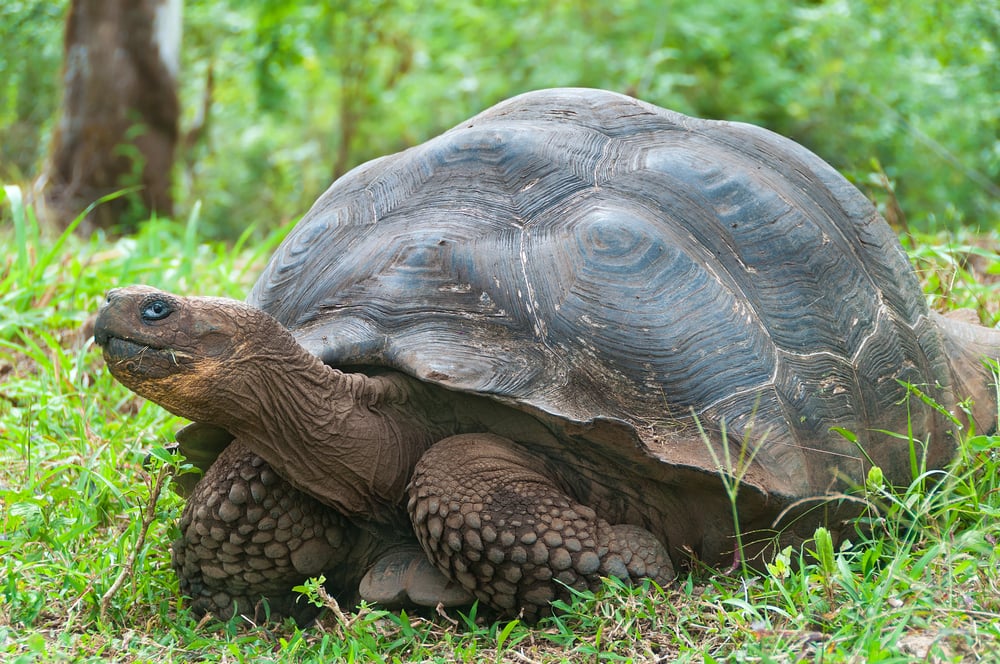
The Galápagos giant tortoise is one of the most iconic slow animals in the world. These massive reptiles move at a pace that can appear almost frozen in time, often traveling only short distances over the course of an entire day.
Their slow movement reflects an energy-conserving lifestyle adapted to island environments where food availability can fluctuate. Giant tortoises can go long periods without eating or drinking, relying on stored reserves rather than constant foraging.
Longevity plays a role as well. With lifespans that can exceed a century, there is no evolutionary pressure to rush.
Their steady pace mirrors a life strategy built around endurance rather than urgency.
Garden Snail
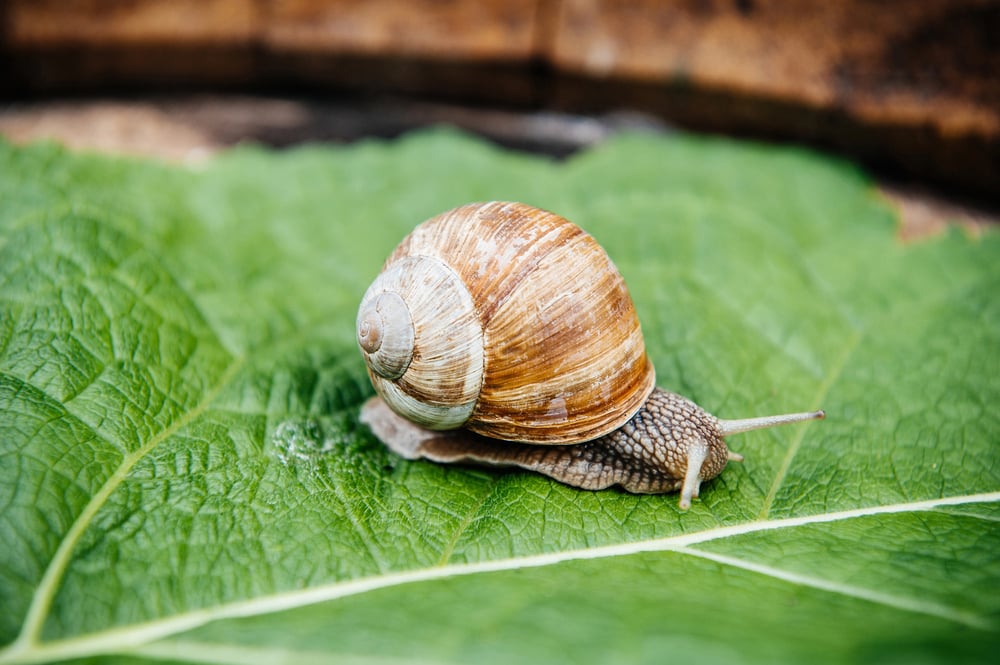
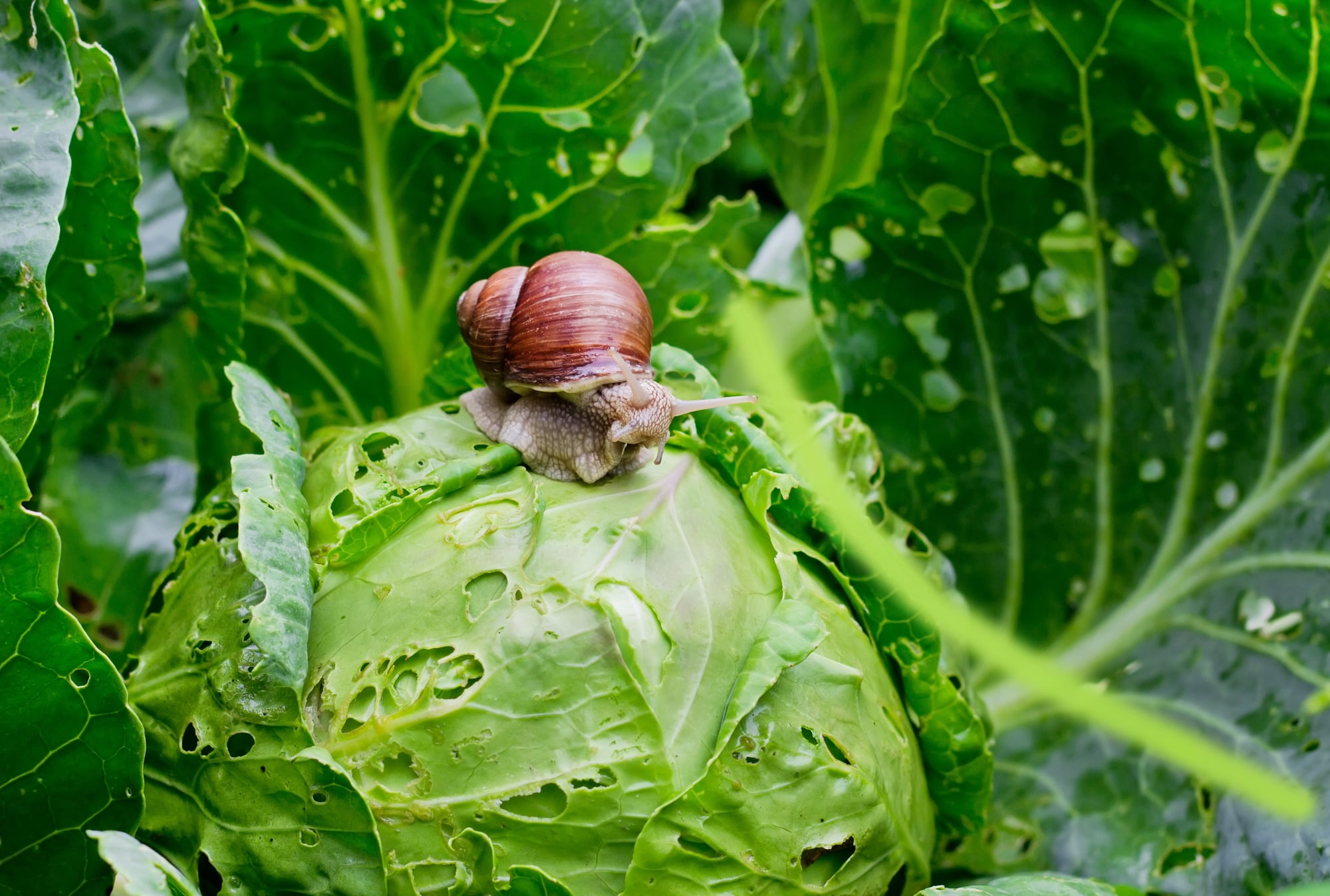
Snails are often used as shorthand for slowness, and garden snails live up to the comparison. Their movement is driven by muscular contractions along their underside, producing gradual forward progress measured in inches per minute.
This slow pace is partly mechanical and partly protective. Moving slowly reduces energy expenditure and minimizes attention from predators.
The mucus they produce also helps them traverse rough surfaces without injury. In damp, stable environments, speed offers little benefit.
For snails, patience and persistence are far more effective than haste.
Starfish
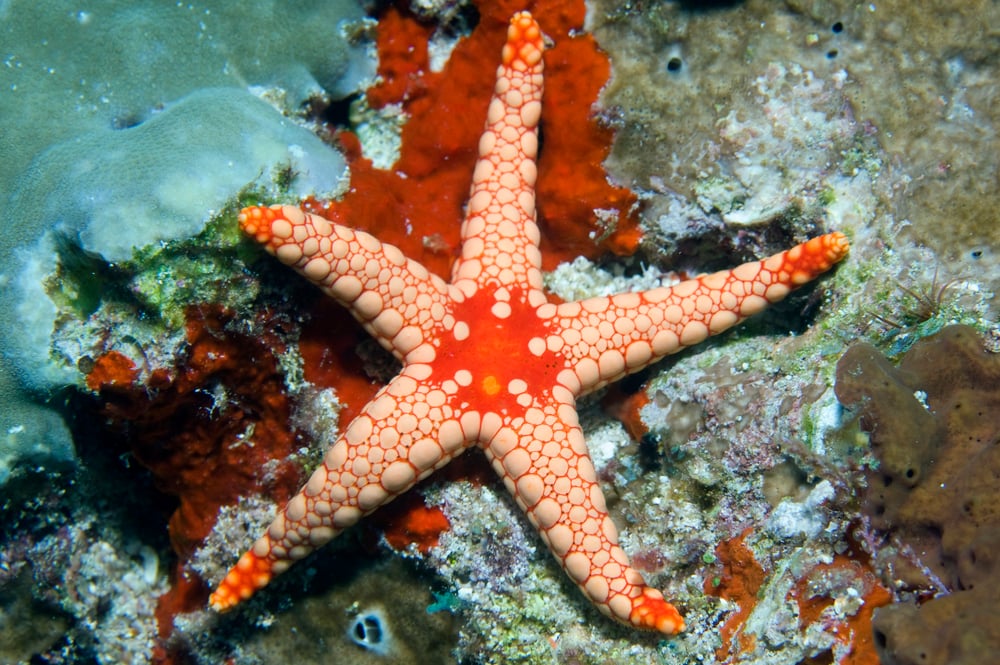
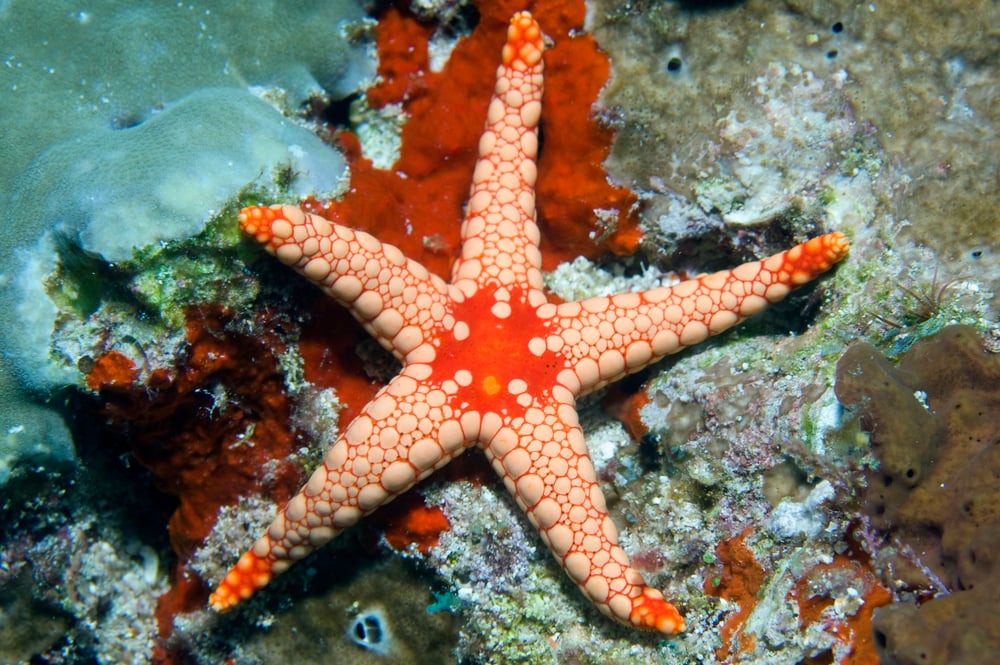
Starfish, or sea stars, move using hundreds of tiny tube feet that operate through a hydraulic system. This method allows for strong grip and control, but it is not built for speed.
Their slow movement suits their feeding strategy. Starfish prey on stationary or slow-moving organisms, making rapid pursuit unnecessary.
Their pace allows them to apply steady pressure over time rather than quick force. In the ocean, where currents and tides play a major role, deliberate movement often proves more reliable than speed alone.
Seahorse
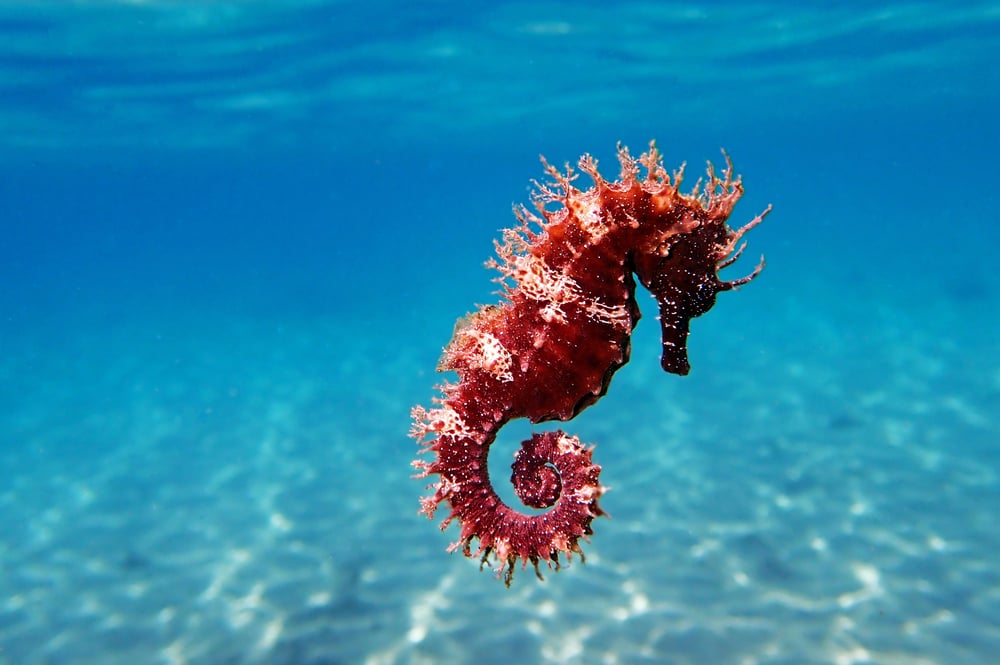
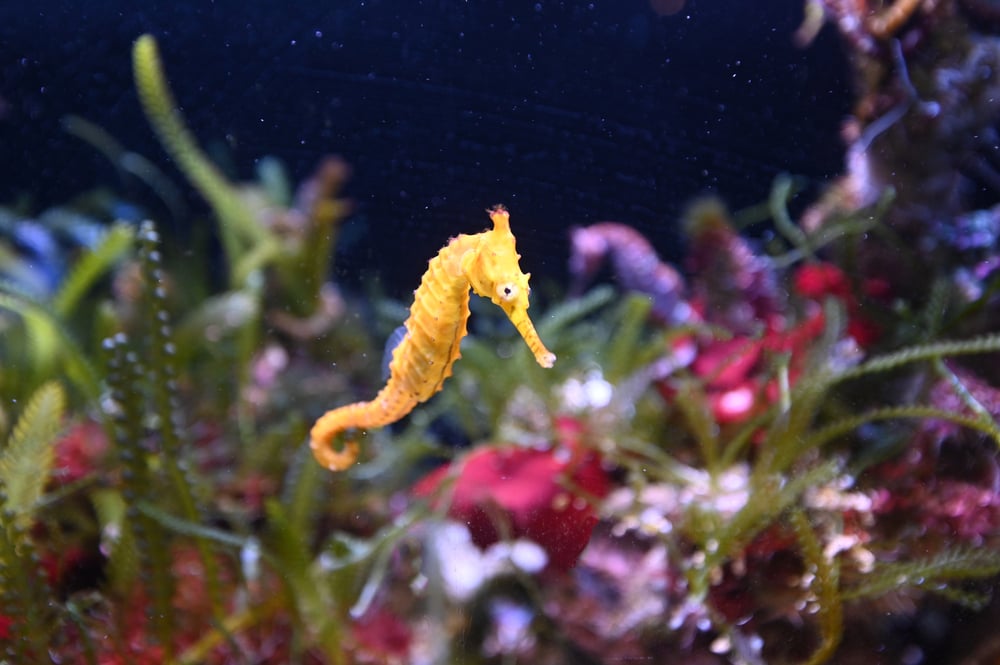
Seahorses are among the slowest swimmers in the sea. Their upright posture and small fins limit propulsion, resulting in movement that is gentle and unhurried.
Rather than chasing prey, seahorses rely on ambush tactics. They anchor themselves to vegetation using their tails and wait for small organisms to drift close enough to capture.
This eliminates the need for speed altogether. Their slow swimming also reduces energy use, which is crucial for animals living in environments where food availability can be unpredictable.
Koala
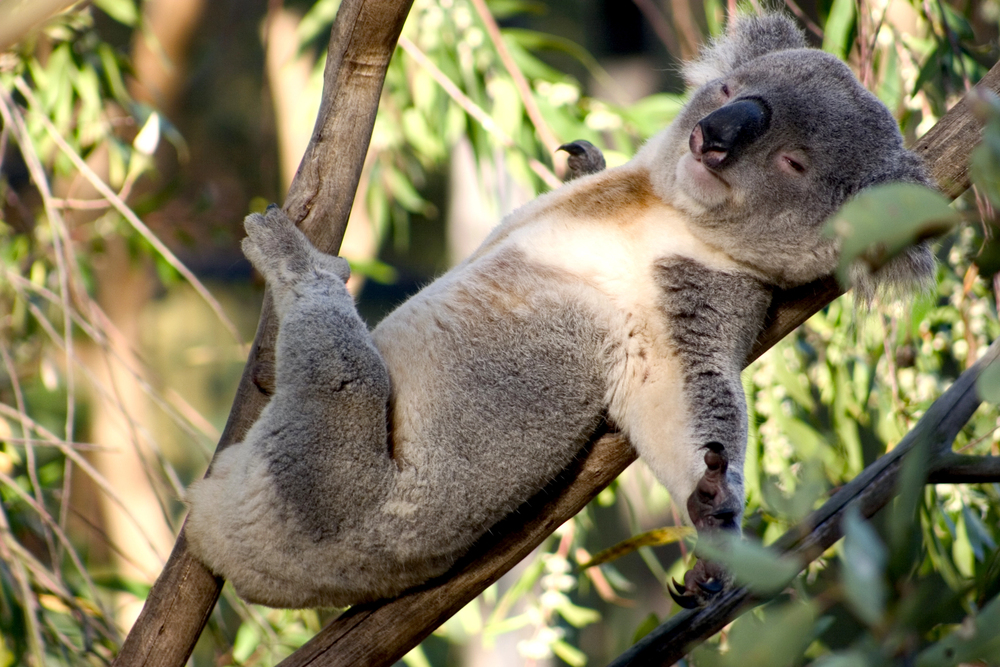
Koalas are not physically incapable of movement, but they choose slowness as a default state. Spending most of their time resting, they move only when necessary, often at a relaxed, careful pace.
Like sloths, koalas consume a diet that is low in energy. Eucalyptus leaves provide limited nutritional value and require significant effort to digest.
Conserving energy becomes essential for survival. Their slow movement also reduces heat production, helping them regulate body temperature in warm climates.
What looks like inactivity is actually efficient energy management.
Sea Anemone
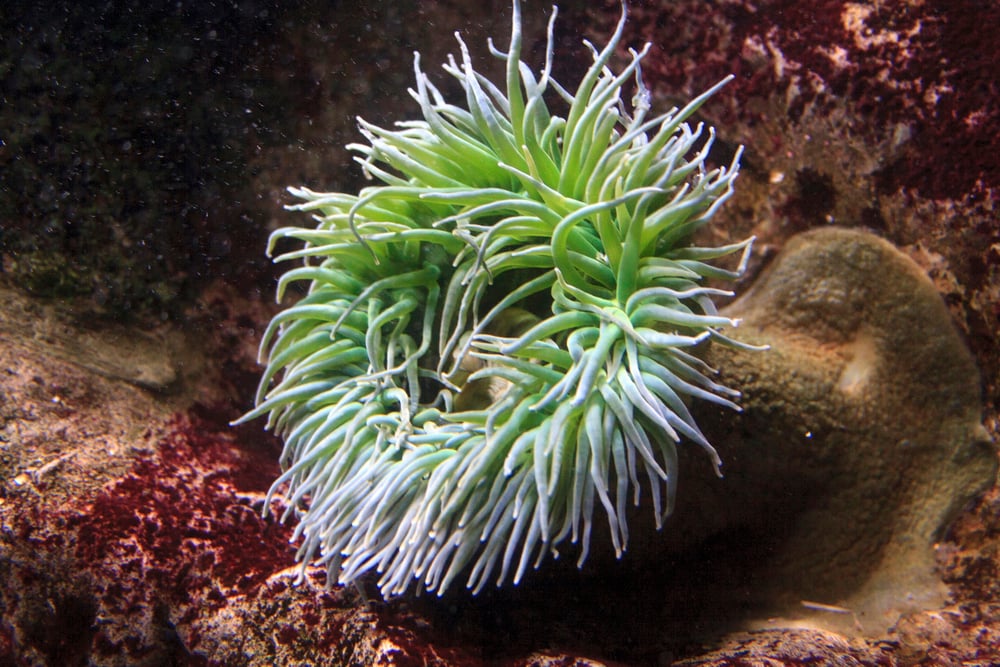
Sea anemones appear stationary, but they are capable of movement under certain conditions. When they do move, it happens at an extremely slow rate, often imperceptible to the human eye.
Rather than traveling to find food, sea anemones rely on currents to bring nourishment to them. Their tentacles capture passing organisms, eliminating the need for pursuit.
Remaining largely immobile allows them to conserve energy and maintain stability in environments shaped by waves and tides.
American Woodcock
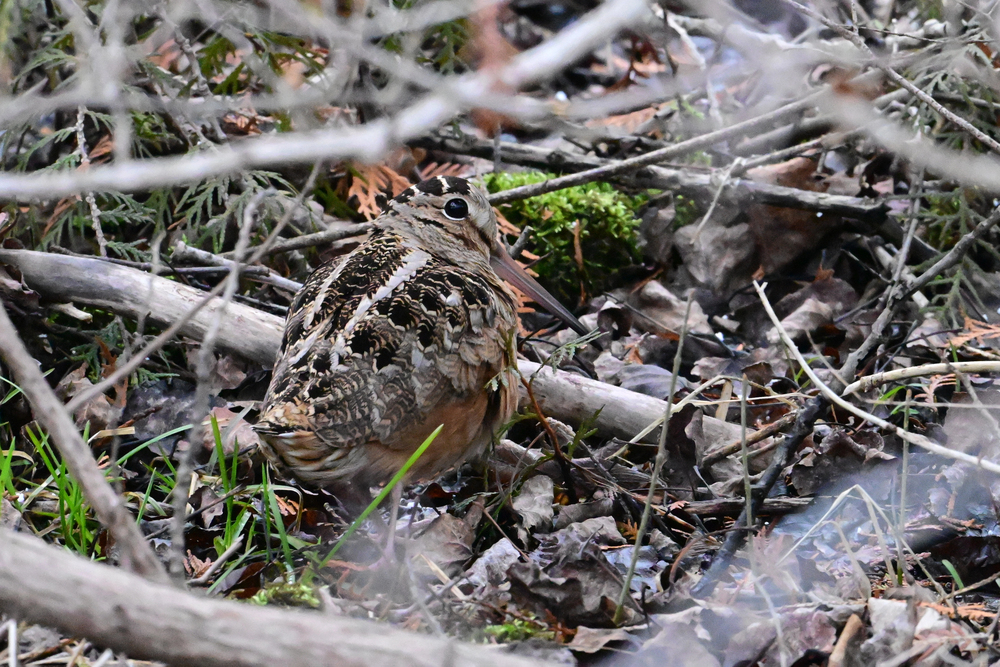
The American woodcock holds a unique distinction among birds. During courtship displays, it flies at speeds slower than any other bird, sometimes drifting downward at a pace that seems almost suspended.
This slow flight is deliberate. It enhances visual display and vocal performance, increasing mating success.
Outside of these moments, woodcocks are capable of faster movement, but they remain grounded birds overall. Their slow, bobbing walk on land reflects a feeding strategy based on sensing movement underground rather than chasing prey.
Slow Loris
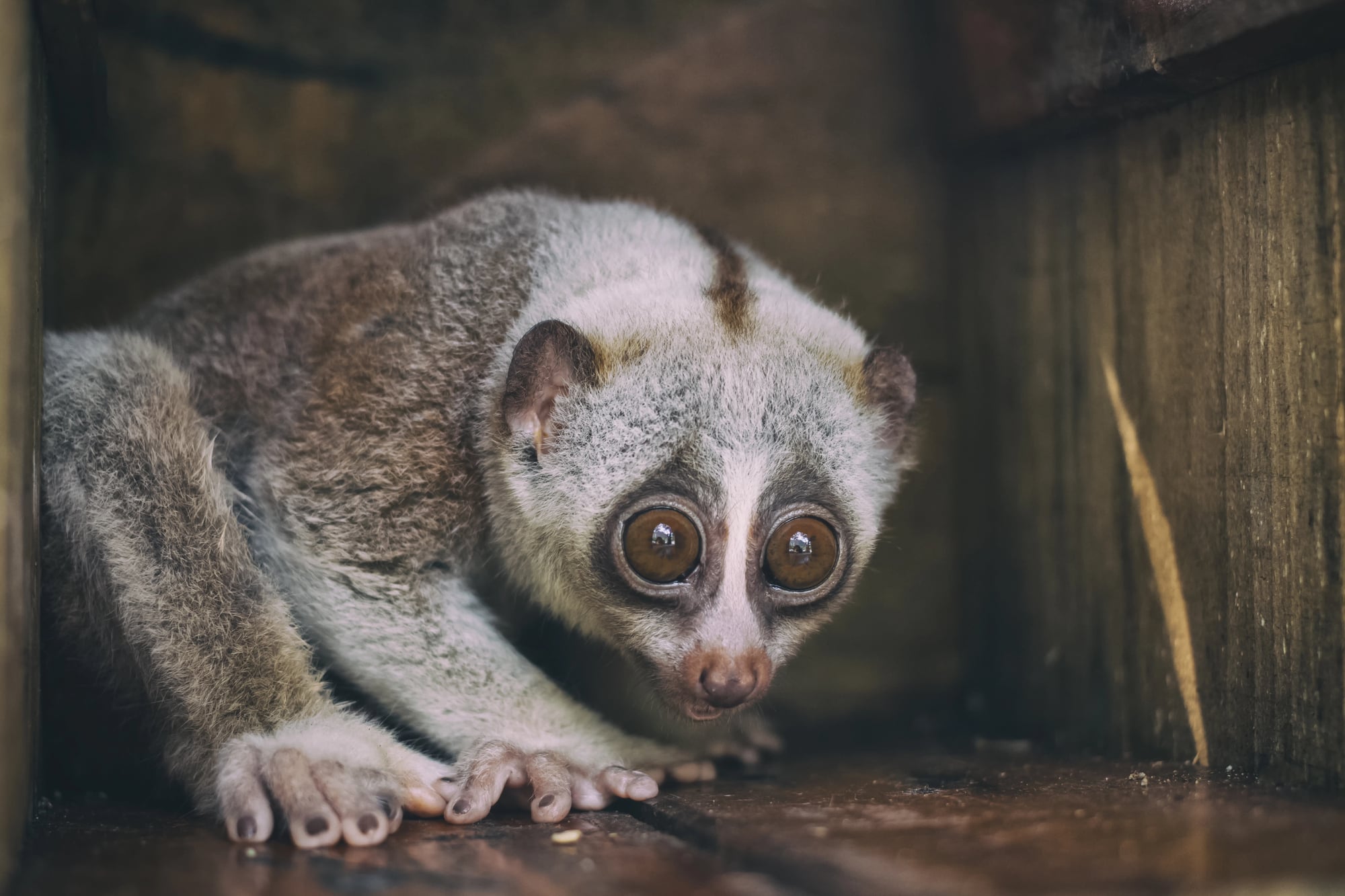
Slow lorises are small primates known for their cautious, creeping movement through trees. Their pace is among the slowest observed in primates, with deliberate limb placement and controlled motion.
This behavior reduces noise and visual cues that could attract predators. It also supports their ability to move across thin branches without causing vibration.
Their slowness is paired with strong grip strength, allowing them to remain stable while navigating complex forest environments.
Banana Slug
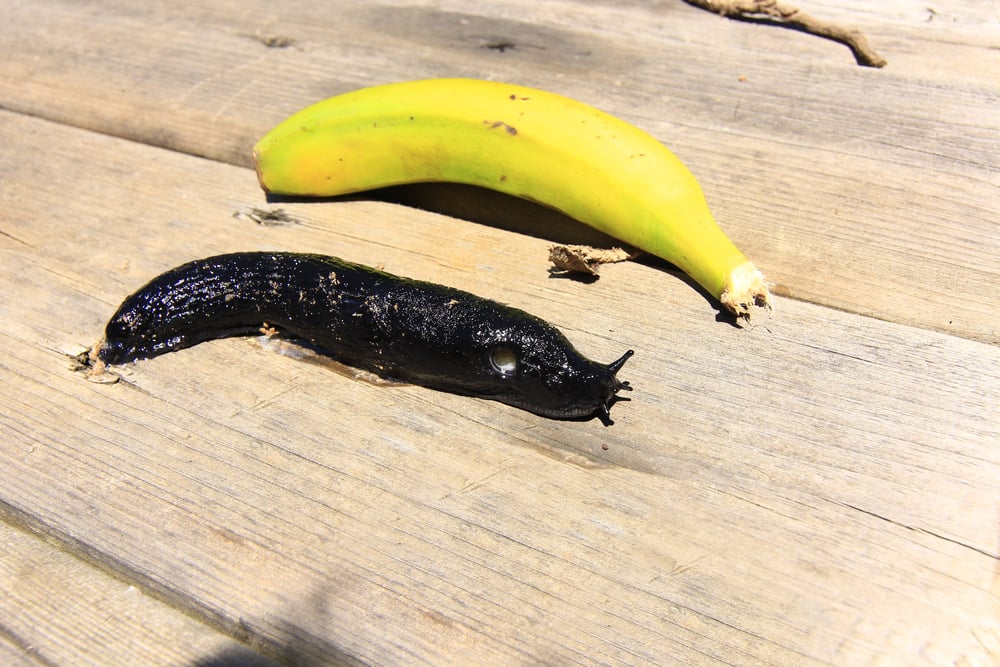
Banana slugs are among the slowest land animals in North America. Their movement relies on muscular waves similar to other slugs, producing steady but minimal progress.
Their bright coloration serves as a warning to predators, reducing the need for rapid escape. Moving slowly also helps them retain moisture in forest environments where dehydration can be a threat.
In ecosystems defined by damp conditions and low competition, speed provides little advantage.
Manatee
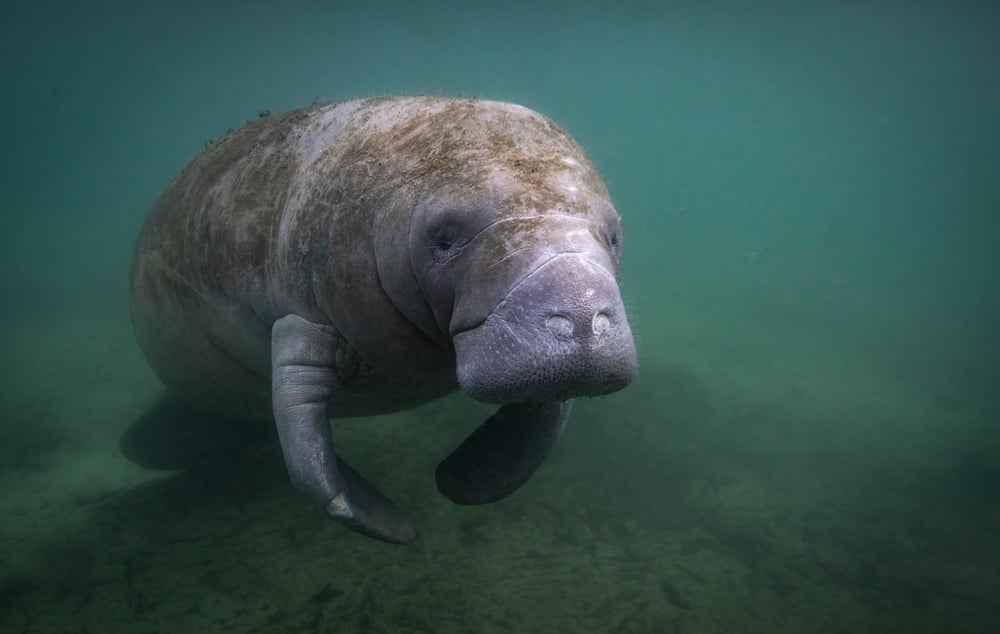
Manatees, often called sea cows, move at a relaxed pace through shallow coastal waters and rivers. While they are capable of brief bursts of speed, their typical movement is slow and steady.
Their large size and lack of natural predators allow them to prioritize energy conservation. Feeding on aquatic vegetation requires long hours of grazing rather than pursuit.
Slow movement also minimizes disturbance to their environment, allowing them to feed efficiently without unnecessary exertion.
Why Slowness Works
Across all these animals, slowness emerges as a deliberate evolutionary choice rather than a limitation. In many cases, slow movement reduces energy demands, extends lifespan, and lowers risk.
Speed is valuable in environments filled with constant threat or competition. In stable habitats, however, efficiency often matters more than reaction time.
Slower animals frequently rely on camouflage, chemical defenses, size, or environmental positioning instead of escape. This balance highlights an important truth about nature.
Survival is not about being the fastest, but about being well matched to surroundings.
Slowness and Metabolism
One of the strongest links between slowness and survival is metabolism. Animals with lower metabolic rates require less food and can function on limited resources.
This allows them to thrive in environments where high-energy diets are unavailable. Lower metabolism also reduces wear on the body over time.
Many slow animals are notable for their long lifespans relative to size. Their pace supports longevity as much as survival.
In this way, slowness becomes a long-term investment rather than a short-term disadvantage.
Rethinking Speed as Success
Human culture often equates speed with productivity and strength. Nature offers a different perspective.
Many of the slowest animals have persisted for millions of years with minimal change, suggesting their strategies are remarkably effective. Slowness allows for precision, conservation, and stability.
It reduces waste and aligns movement with necessity rather than impulse. In ecosystems shaped by balance rather than competition, slow movement can be the most successful option available.
These animals remind us that efficiency does not always mean doing more faster. Sometimes it means doing less, better.
Why Slow Animals Still Matter
The slowest animals in nature play vital roles in their ecosystems. They regulate vegetation, recycle nutrients, and maintain environmental stability.
Their presence often supports countless other species. Protecting these animals requires understanding that their pace makes them vulnerable to rapid environmental change.
Habitat disruption, climate shifts, and human interference affect slow species more severely because adaptation takes time. Recognizing the value of slowness encourages conservation strategies built around patience, preservation, and respect for natural rhythms.
A Quiet Lesson from Nature
Sometimes stillness teaches more than speed ever could. Moving little means less need to rush when danger nears.
Tuning into surroundings matters far beyond how fast feet can carry you. Balance comes not from doing more, but from using only what is needed.
Purpose shapes pace, not pressure. Survival isn’t about speed for them – it’s built on staying unseen.
Step by step, their existence follows patterns carved by time, where lasting balance matters more than quick fixes. Out of all things, lasting matters more than fast.
Not quick wins – endurance earns nature’s favor.
More from Go2Tutors!

- The Romanov Crown Jewels and Their Tragic Fate
- 13 Historical Mysteries That Science Still Can’t Solve
- Famous Hoaxes That Fooled the World for Years
- 15 Child Stars with Tragic Adult Lives
- 16 Famous Jewelry Pieces in History
Like Go2Tutors’s content? Follow us on MSN.