How the Discovery of a Single Tomb Upended a Century of Archaeological Assumptions
There’s something almost embarrassing about being wrong for a hundred years. Not quietly wrong, not wrong in some footnote-sized corner of academic debate — but wrong in the way that generations of textbooks, museum placards, and university lectures were wrong, confidently and in unison.
That’s what happened when a single tomb, buried under dirt and time and everyone’s reasonable expectations, came back up and refused to behave. Archaeology, like most sciences, prefers a tidy story.
And every so often, the ground has other ideas.
The Tomb That Wasn’t Supposed to Be There
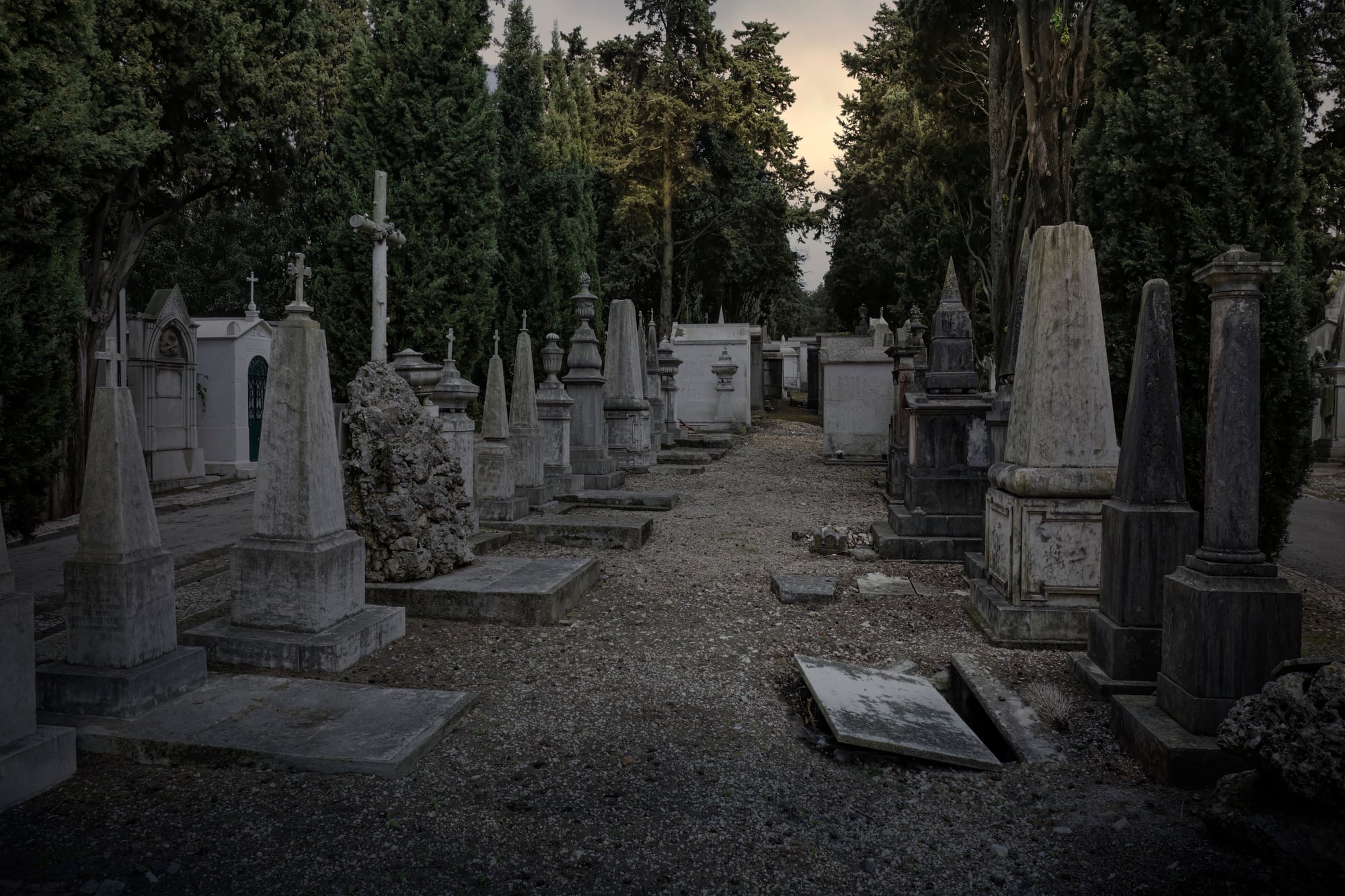
Nobody expected to find it. The site had been surveyed, catalogued, and largely dismissed as unremarkable — one of those patches of earth that experts walk past with their equipment and their assumptions and declare resolved.
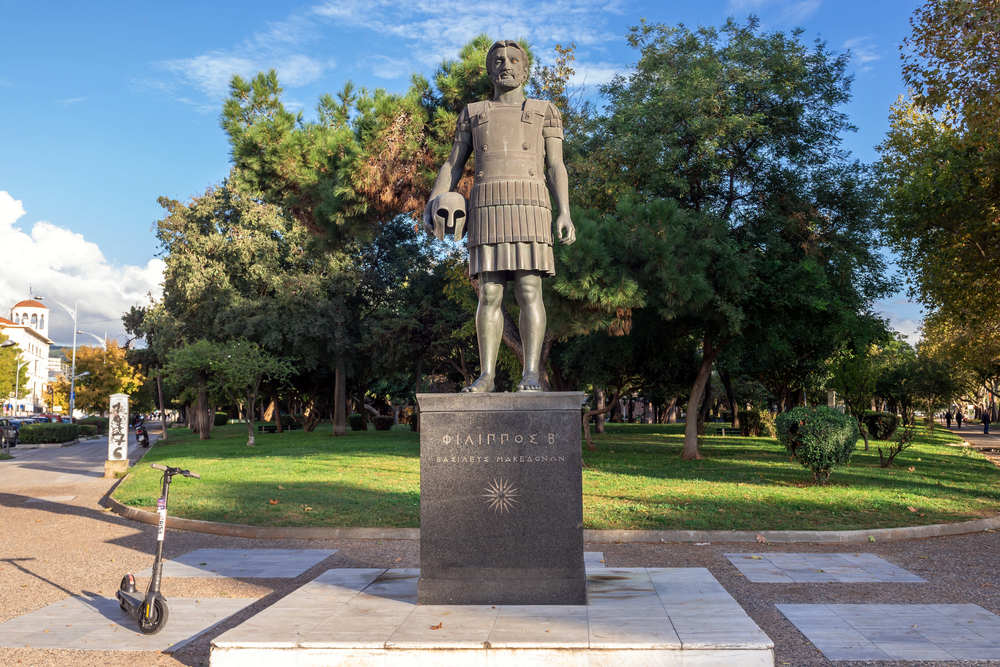
So when workers near Vergina in northern Greece struck something solid in 1977, and Manolis Andronikos refused to stop digging, the field hadn’t prepared itself for what came next.
What Was Found Inside
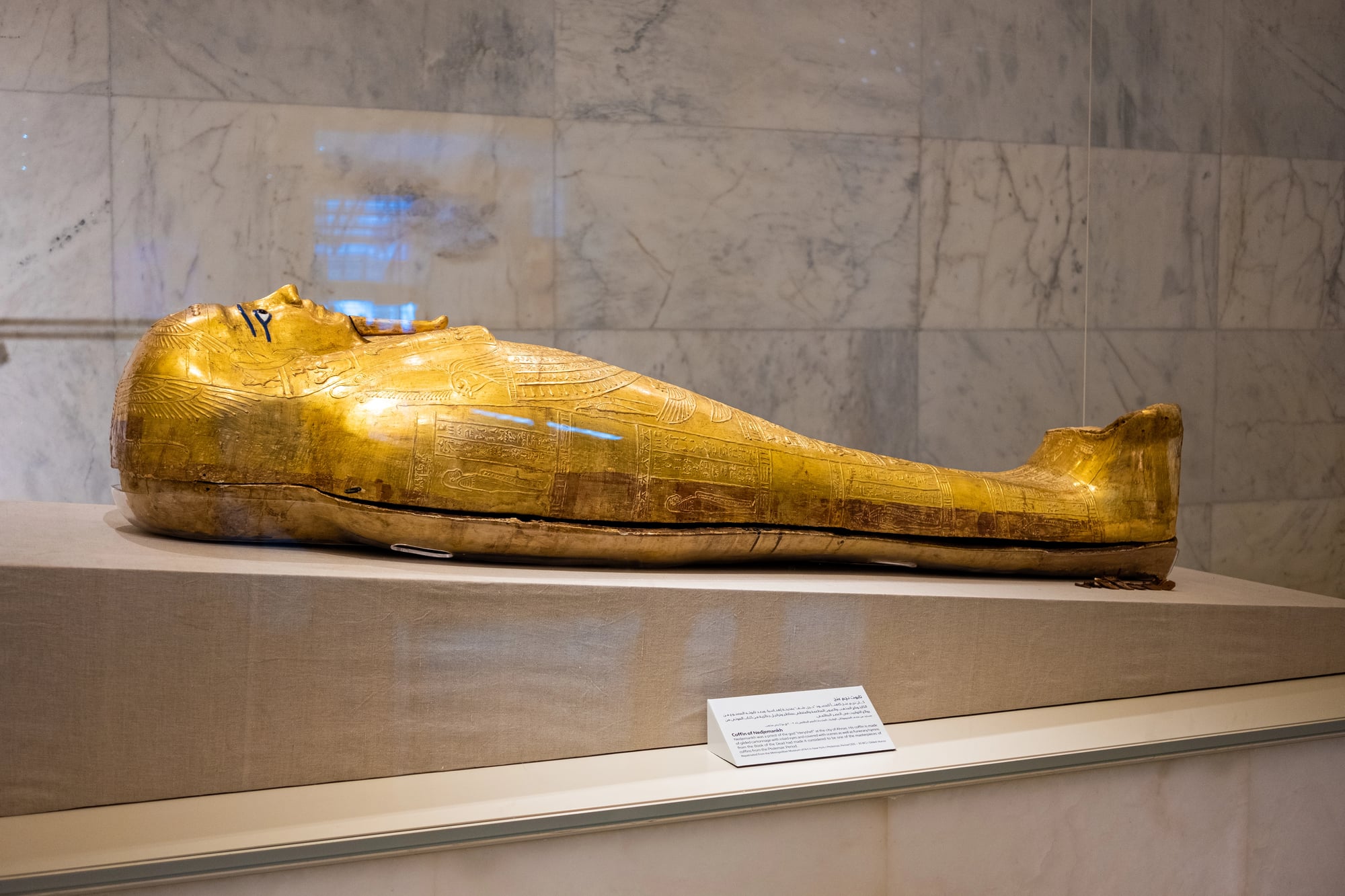
Intact royal burial goods. Gold larnax. Weapons, diadems, ivory carvings — none of it disturbed, none of it looted.
The bones inside had been cremated and wrapped in purple cloth, the kind of detail that doesn’t survive in ordinary graves. Andronikos believed, from the moment he saw it, that he was standing in the tomb of Philip II of Macedon, father of Alexander the Great, and the bones bore asymmetrical eye socket damage consistent with a recorded arrow wound Philip sustained during his lifetime.
Why Scholars Had Assumed Otherwise
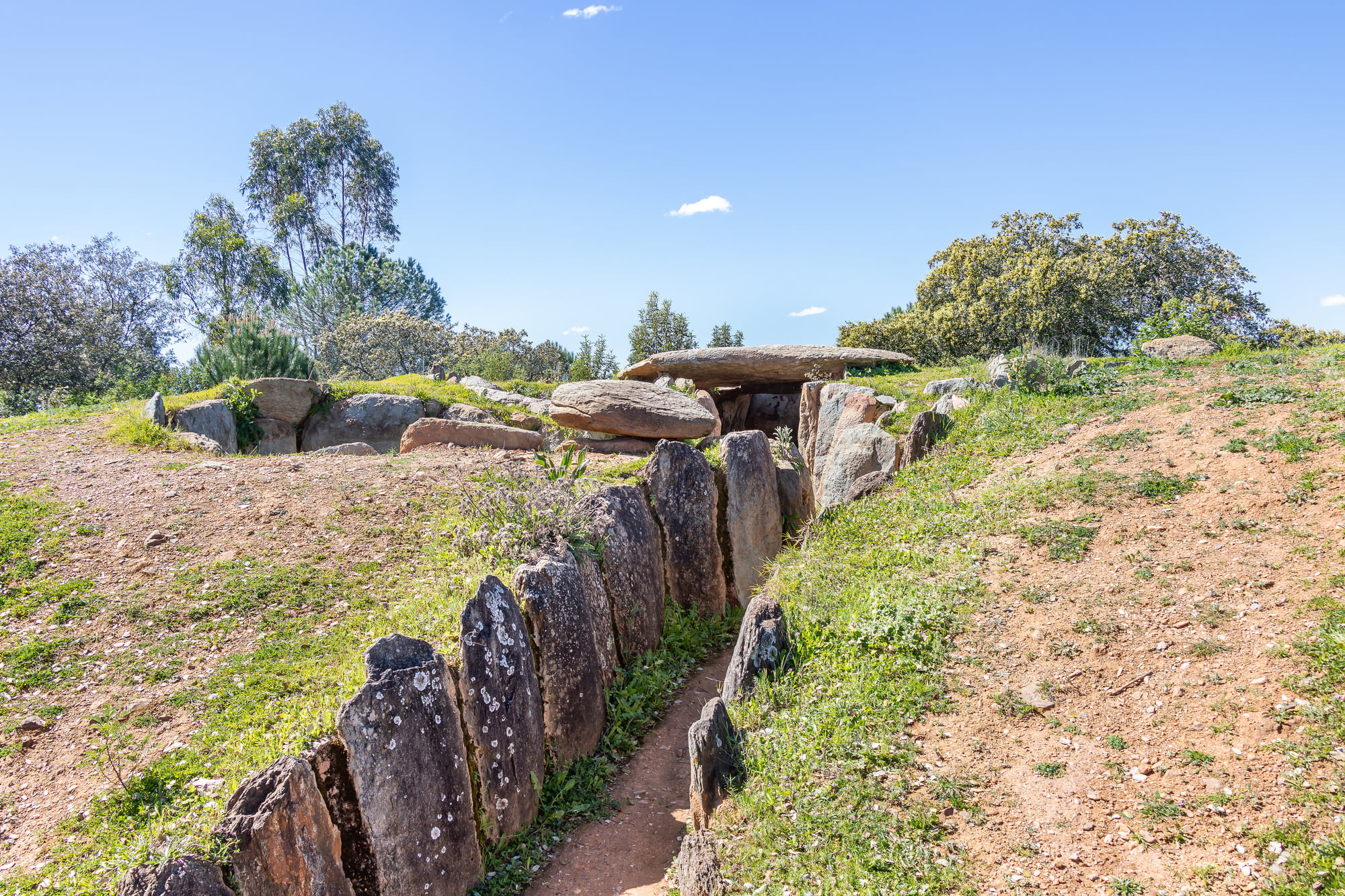
For most of the twentieth century, the prevailing theory held that the Macedonian royal necropolis — if it existed at all — lay elsewhere entirely, probably deeper into the Greek interior or closer to known ancient population centers. The assumption wasn’t careless; it was built on decades of survey data, comparative site analysis, and a reasonable reading of ancient sources that were themselves ambiguous on the geography.
Turns out ambiguous ancient sources and reasonable readings are not the same thing as correct ones.
The Problem With “Settled” Archaeology
Archaeology has a strange relationship with certainty — it pursues it obsessively and achieves it almost never, and yet entire generations of scholars treat established consensus like load-bearing architecture, something you don’t disturb without risking the whole structure coming down.
Vergina was not the first time a confident consensus had been wrong, and it won’t be the last, but it was bracing in its scale: the tomb didn’t just correct a minor misidentification, it relocated the heart of Macedonian royal culture by miles in the wrong direction from where everyone had been looking.
How One Find Changes the Map
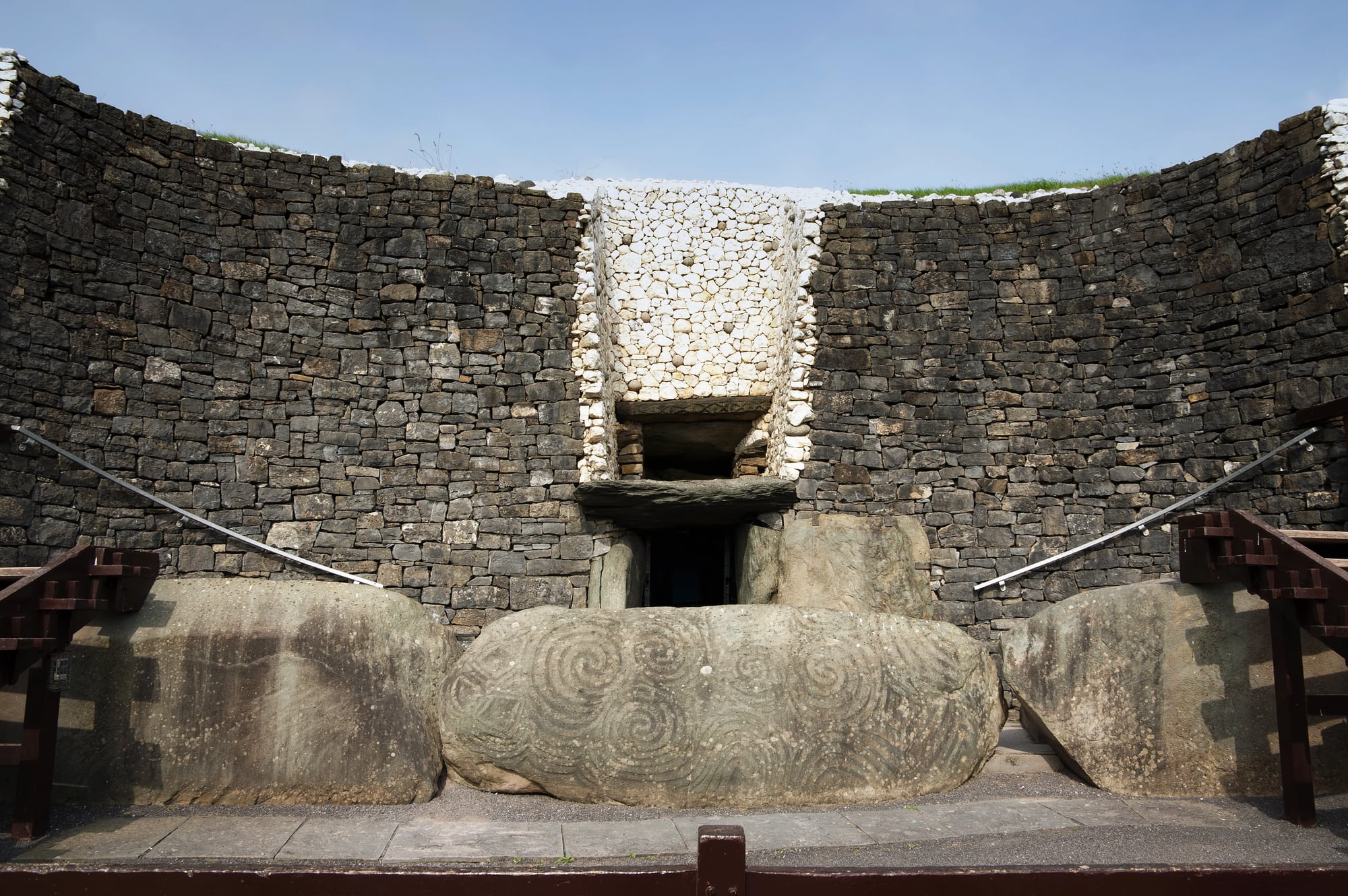
Literally. After Vergina, cartographic reconstructions of ancient Macedonia had to be revised, and the ripple effects touched not just the geography but the entire spatial logic that historians had used to interpret troop movements, trade routes, and diplomatic relationships in the fourth century BCE.
A battle site makes different sense when the capital is where you didn’t expect it. A marriage alliance reads differently when the roads connecting the parties run in a different direction than assumed.
The Bones and the Argument
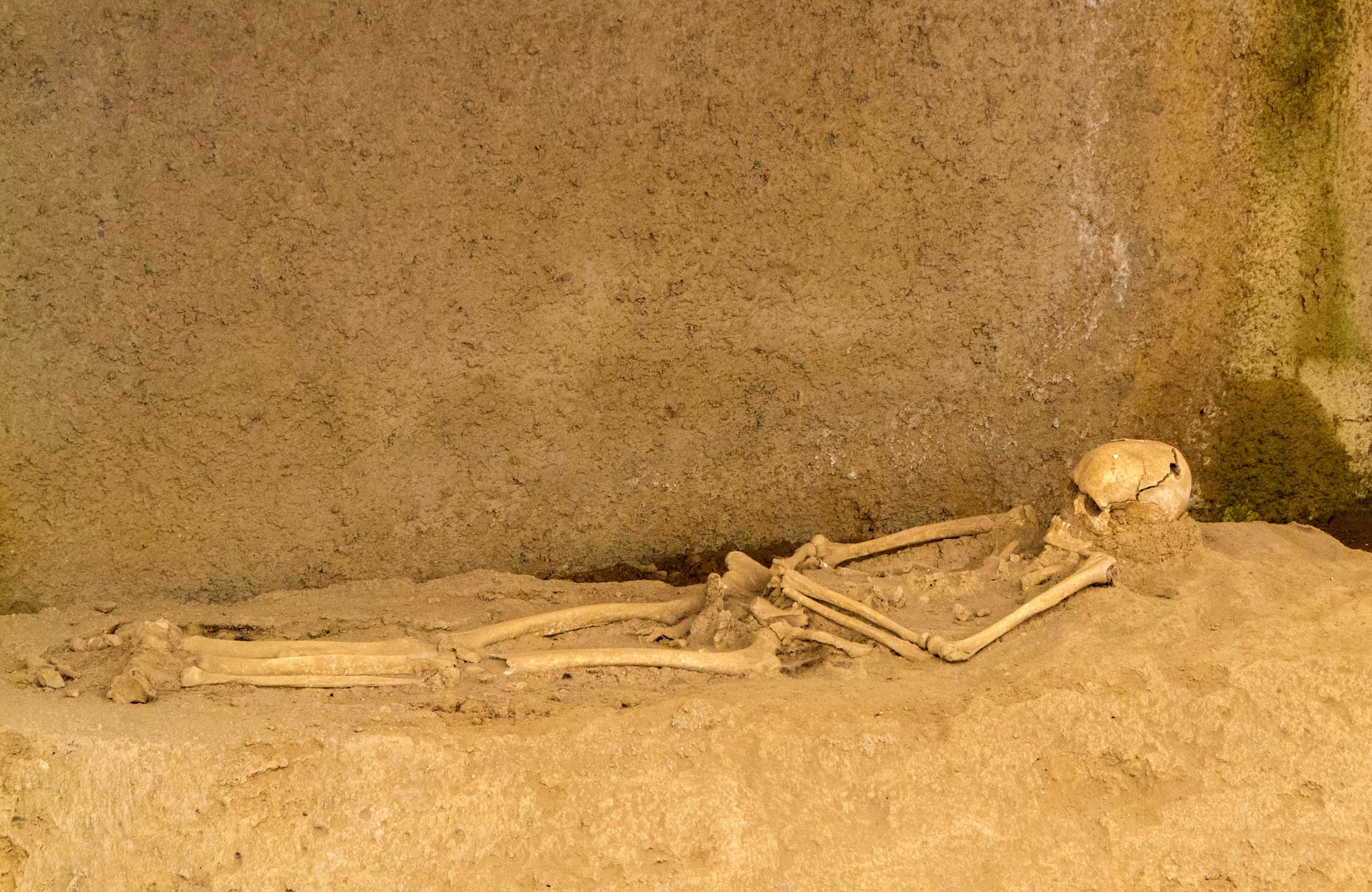
The identification of Philip II has never been entirely uncontested — which is either a sign of healthy academic skepticism or a stubborn refusal to accept an uncomfortable answer, depending on which scholar you ask. Bone analysts who examined the skeletal remains noted the orbital damage, the age at death, the physical stature.
A separate school argued the bones belonged to Philip III Arrhidaeus, Alexander’s half-brother, and the debate has sharpened rather than softened over the decades. But the weight of evidence — and the weight of scholarly opinion, which are not always the same thing — has leaned toward Philip II, and even the dissenters concede the tomb is royal.
What Alexander Had to Do With It
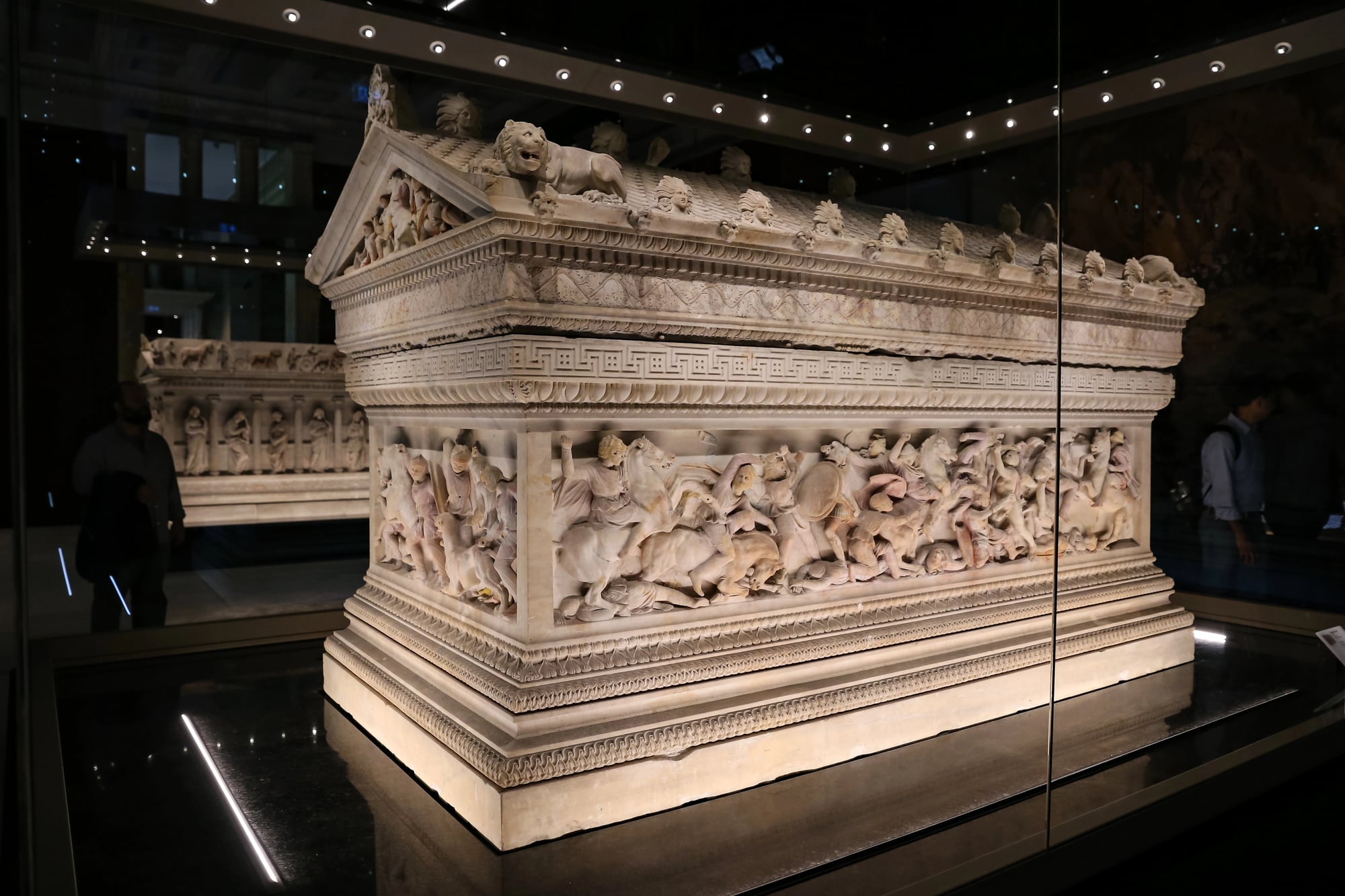
Alexander the Great casts a shadow across all of this, not because he was buried at Vergina — he wasn’t — but because his father’s burial site defines the starting point of a dynasty that reshaped the ancient world from Greece to the borders of India. Finding Philip II’s tomb is a bit like finding the desk where a particular document was signed: the document matters more than the desk, but the desk tells you things about the document that nothing else can.
The funerary objects, the rituals encoded in the burial, the women interred nearby — all of it reframes who Alexander was before he became what history made him.
The Women in the Antechamber
Two individuals were buried in the antechamber of the main tomb, and their identities remain more contested than Philip’s. One set of remains — a young woman, possibly a Scythian princess named Meda, based on the style of her burial goods and associated weapons — offered a portrait of Macedonian royal marriage alliances that written sources had only sketched.
The presence of female burial goods of that quality, in that configuration, had not previously been documented at any comparable Macedonian site. It shifted what researchers thought they knew about how Macedonian royalty treated its women in death, and probably in life.
The Ivory Portraits

Among the objects recovered, a set of small ivory heads caused particular excitement — and particular argument. Several appear to represent identifiable individuals, including one face that scholars compared to surviving coin portraits of Philip II and another that plausibly resembles Alexander.
They are the closest thing to portraits of these people produced during or near their own lifetimes. Before Vergina, the visual record of the Macedonian royal family was almost entirely posthumous reconstruction. After Vergina, it wasn’t.
How the Find Changed Dating Methods
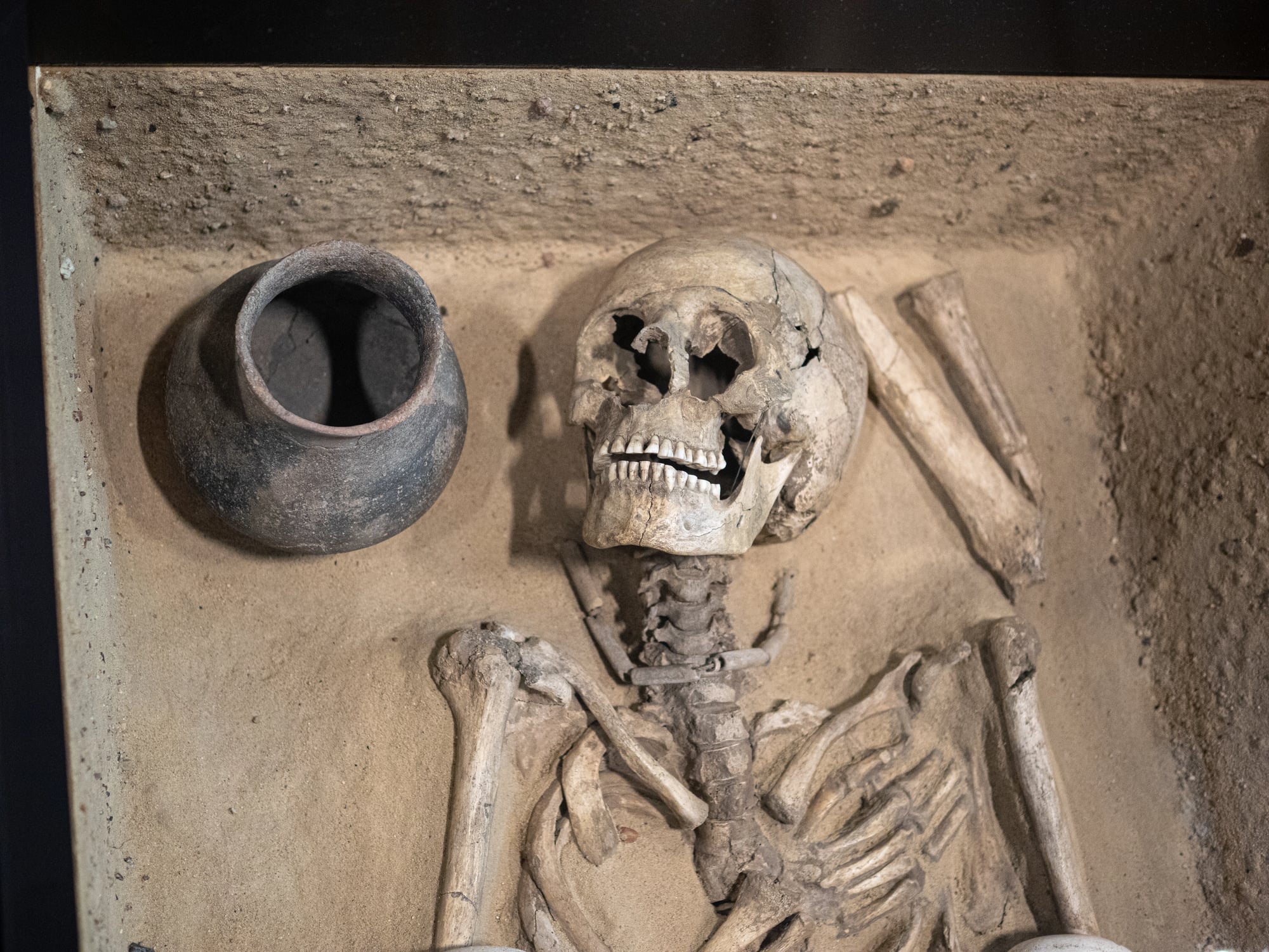
The artifacts inside the tomb were so well-preserved and so clearly datable through their own internal logic — style, manufacture technique, material sourcing — that they became calibration points for Macedonian chronology across the region. Ceramic typologies were adjusted.
The dating of similar objects at other sites, previously anchored to assumed timelines, got quietly revised in the years following the excavation. This is the unglamorous part of a major discovery: the way it reorganizes the smaller certainties that surround it, one corrected assumption at a time.
The Political Dimension Nobody Mentions
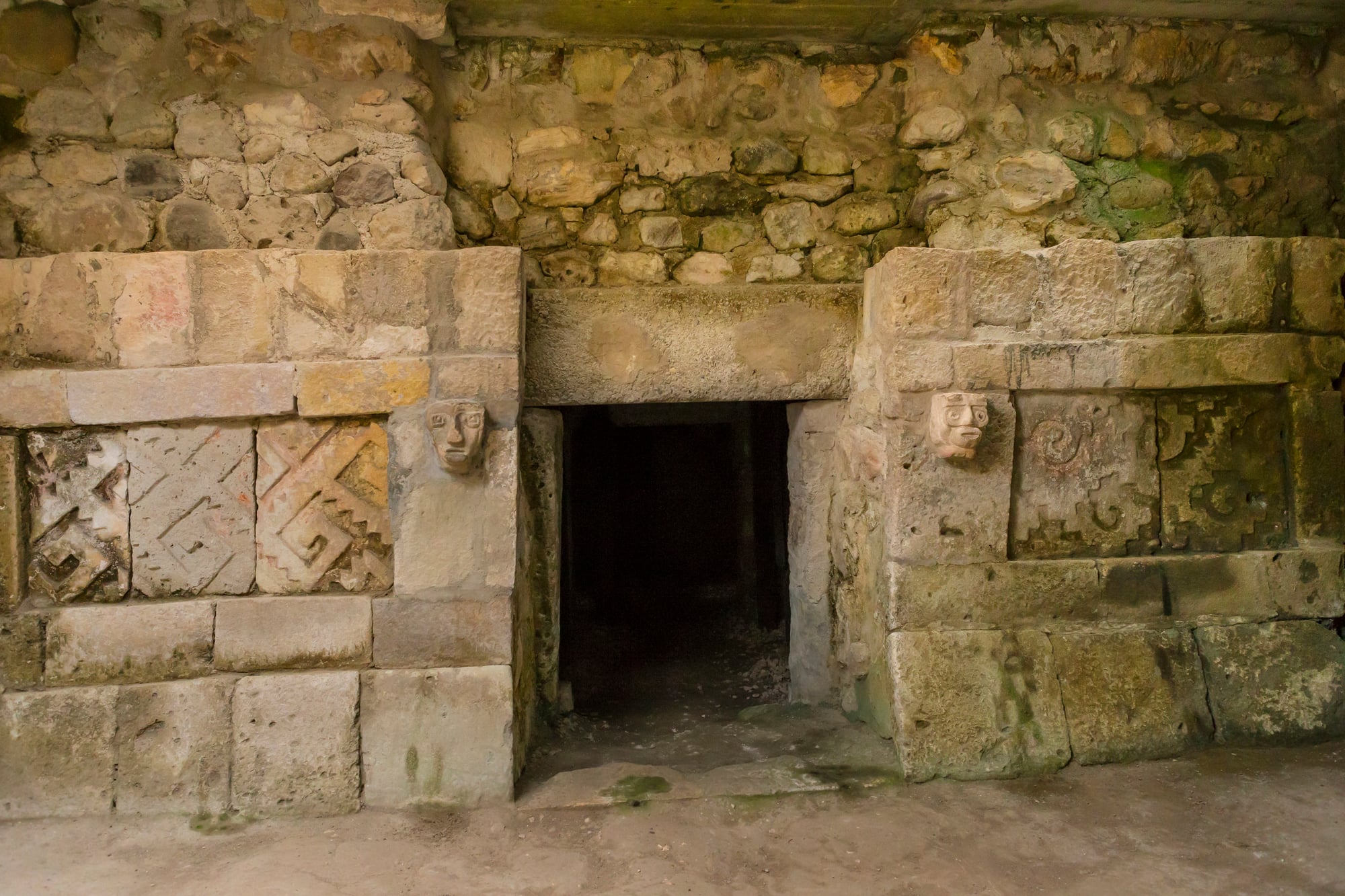
The 1977 excavation occurred during a period of active Greek-Macedonian political tension — the modern kind, involving the Republic of Macedonia (now North Macedonia) and Greece’s competing claims over the name, heritage, and history of ancient Macedonia. Finding an incontrovertibly Greek royal tomb of this magnitude in Greek territory was not a politically neutral event.
This doesn’t make the discovery any less real or any less significant. But it does mean the find was received inside a particular nationalist atmosphere that colored how quickly and how loudly the news traveled, which is worth keeping in mind when you encounter the more triumphal versions of the story.
What Was Missing
No inscription. That’s the detail that keeps the debate alive — there is no label inside the tomb, no dedicatory text, no written identification of who was placed there. Everything that points to Philip II points there through inference: the physical evidence, the objects, the date, the location, the correspondence with ancient written accounts.
Inference is how most historical conclusions are reached, and good inference built from good evidence is not a lesser form of knowing. But the absence of an inscription is a permanent open door for those who want to walk back through it.
The Museum That Grew Around It
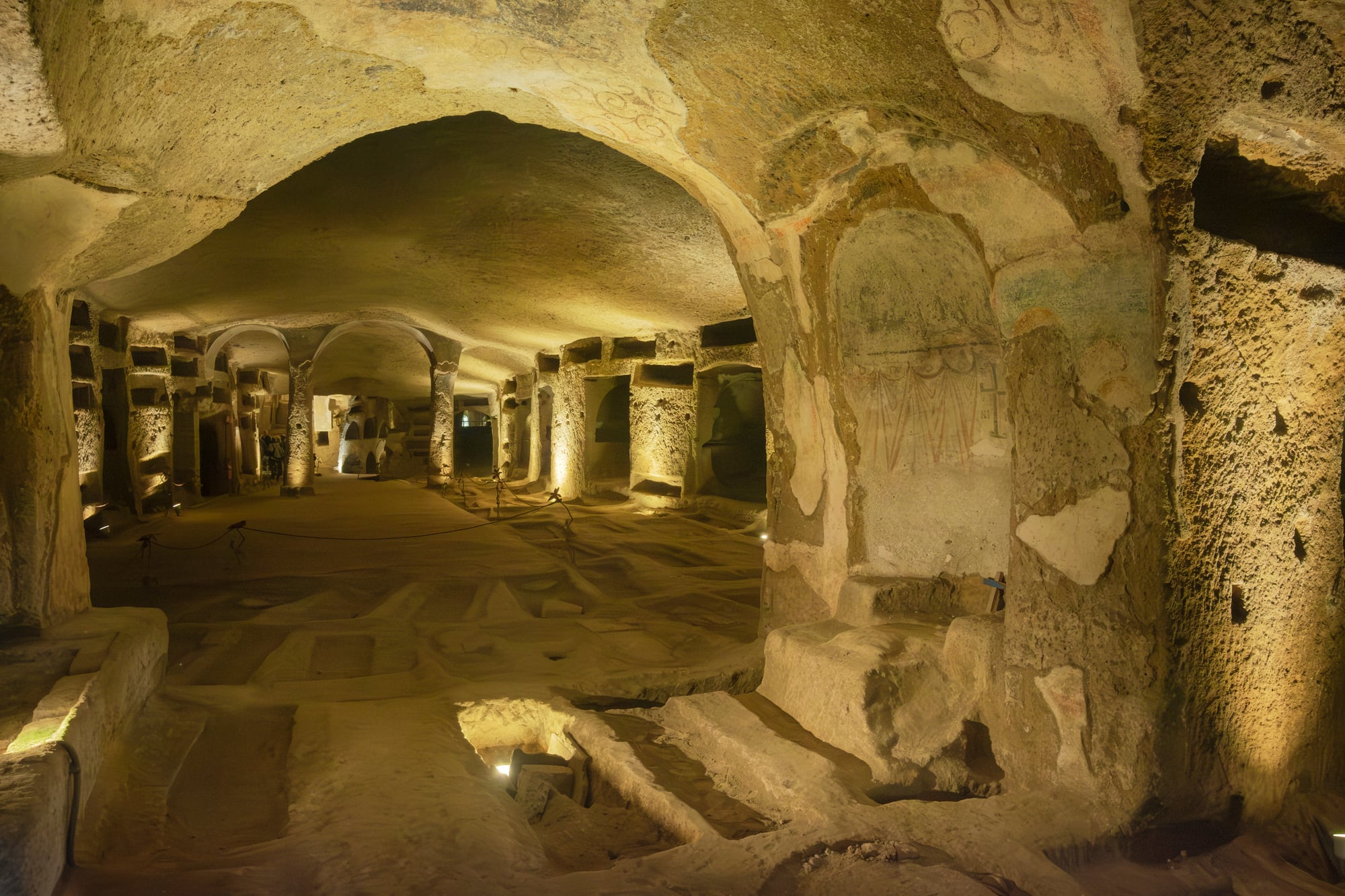
Vergina now hosts the Museum of the Royal Tombs of Aigai, built directly over the burial mounds so that visitors walk through a reconstruction of the site in something close to its original spatial context. It is, to be fair, one of the more intelligently conceived archaeological museums in Europe — the objects are displayed where they were found, or as close to it as preservation allows, and the experience of moving through the space carries a weight that a conventional gallery display wouldn’t.
The museum became a destination that drew researchers and tourists in roughly equal numbers, which is not something most archaeological sites manage.
The Ripple Into Textbooks
Within a decade of the excavation, the Vergina discovery had worked its way into university archaeology curricula not just as a historical event but as a methodological case study — an example of what happens when fieldwork is pursued past the point where convention says to stop. Andronikos had been warned, informally, that the site was unlikely to yield anything of significance. He disagreed.
The excavation became a standard reference in discussions of archaeological persistence and the danger of pre-emptive conclusions, the kind of story professors tell to students who are a little too confident in their survey data.
What It Says About What Else Is Out There
This is the part that should quietly unsettle anyone who thinks the ancient world has been adequately mapped. If a tomb of this quality, this significance, and this preservation could sit unrecognized beneath surveyed ground for decades — undisturbed, unlisted, categorized as unremarkable — then the honest position is that there are other things like it.
Not necessarily royal burials. Not necessarily Greek. But significant finds, in places that have already been assessed and filed away as resolved, waiting for someone stubborn enough to keep digging past the consensus.
The Weight of a Hundred Years
A century of assumptions is not a small thing to revise. The scholars who had placed Macedonian royal culture elsewhere weren’t incompetent — they were working from the available evidence, which is all anyone can do, and they reached logical conclusions from incomplete data.
The corrective isn’t embarrassing; it’s how the discipline is supposed to work. And yet there’s something almost elegiac about the sight of a whole intellectual structure — the articles, the textbooks, the conference papers, the confident footnotes — quietly becoming obsolete in the time it takes one man to open a sealed chamber and look inside.
The Dirt Beneath Every Assumption
The Vergina tomb is, in the end, a story about the gap between what is known and what is knowable — that stubborn, irreducible distance between the evidence in hand and the truth underneath it. Every field has that gap.
Archaeology just makes it visible in a way that’s hard to argue with: the answer was always there, buried at a specific depth, at a specific coordinate, three feet below where everyone had stopped looking. The ground doesn’t revise its records. It just waits.
More from Go2Tutors!

- The Romanov Crown Jewels and Their Tragic Fate
- 13 Historical Mysteries That Science Still Can’t Solve
- Famous Hoaxes That Fooled the World for Years
- 15 Child Stars with Tragic Adult Lives
- 16 Famous Jewelry Pieces in History
Like Go2Tutors’s content? Follow us on MSN.