Real Names of Famous Mascots
Out of nowhere, mascots show up where you least expect them. Cereal boxes carry their grins, shop windows frame their shapes, commercials flash their moves – familiarity builds before curiosity ever kicks in.
Slowly, bits of history stick to them: traits emerge, voices form, names surface now and then, though most people remember the outfit more than the story behind it. Beneath the costumes, a few well-known mascots hide their actual names.
Peek behind the image, you will find what they are really called.
Ronald McDonald
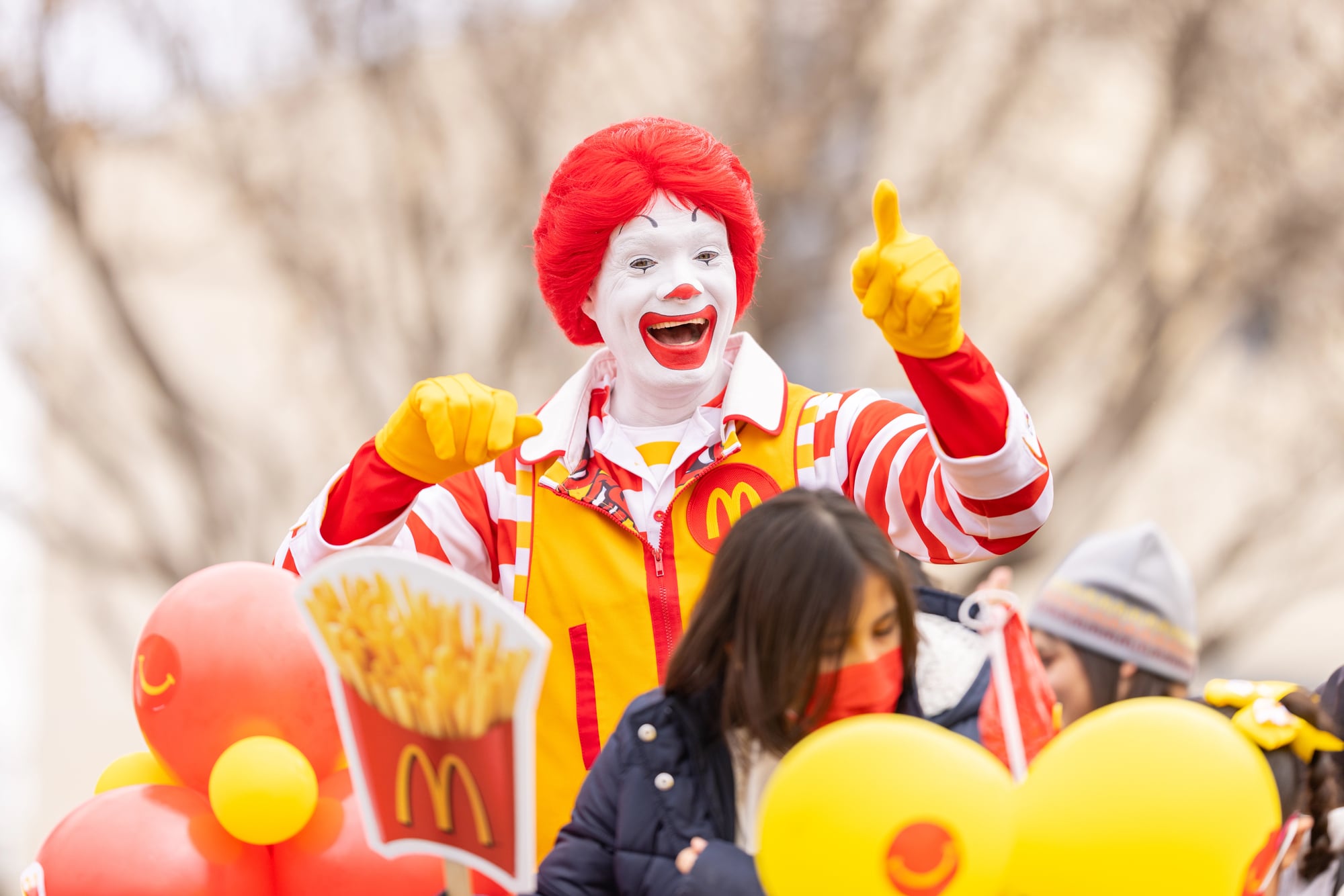
Ronald McDonald has been the face of McDonald’s for decades, instantly recognizable in his red-and-yellow outfit. His name has always been front and center, yet the character’s identity is more layered than many realize.
Ronald was introduced in the early 1960s as a friendly, clown-like figure meant to appeal to families and children, embodying the brand’s cheerful, approachable image. Over the years, Ronald evolved with changing advertising styles, shifting from a television-heavy presence to a more symbolic role.
While some mascots fade as trends change, Ronald’s name and image became inseparable from the brand itself, turning him into less of a character and more of a cultural shorthand for fast food.
Colonel Harland Sanders
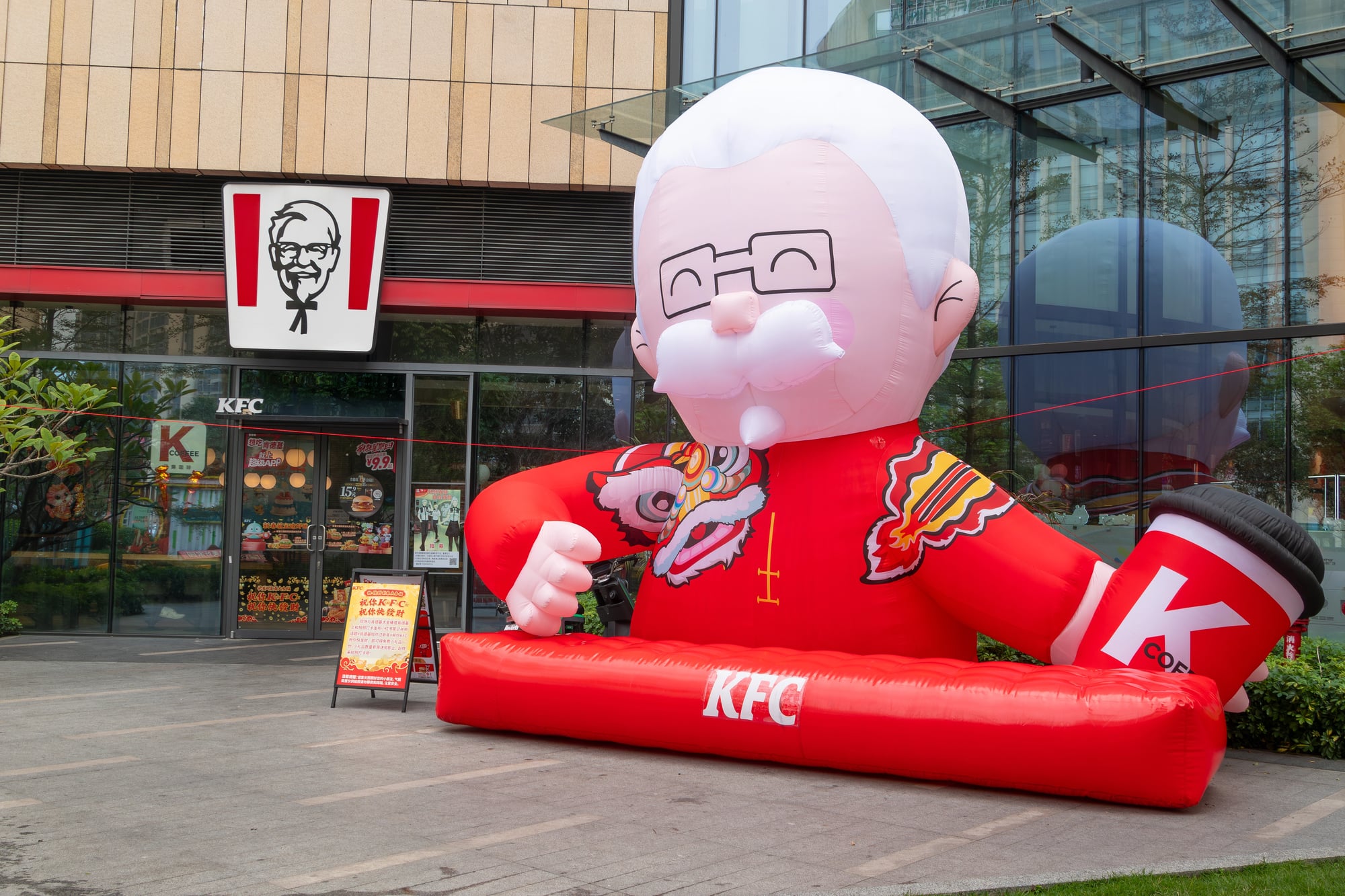
The white suit, string tie, and neatly trimmed beard belong to Colonel Harland Sanders, the real person behind the KFC mascot. Unlike many brand characters, Sanders was not invented by a marketing team.
He was a real entrepreneur whose image was later stylized and immortalized as the face of Kentucky Fried Chicken. Using his actual name gave the brand a sense of authenticity, suggesting tradition and personal pride in the recipe.
Even as actors and illustrations replaced the living man, the name stayed the same. It anchored the brand in a specific personality, one rooted in Southern hospitality and old-fashioned cooking.
Tony the Tiger
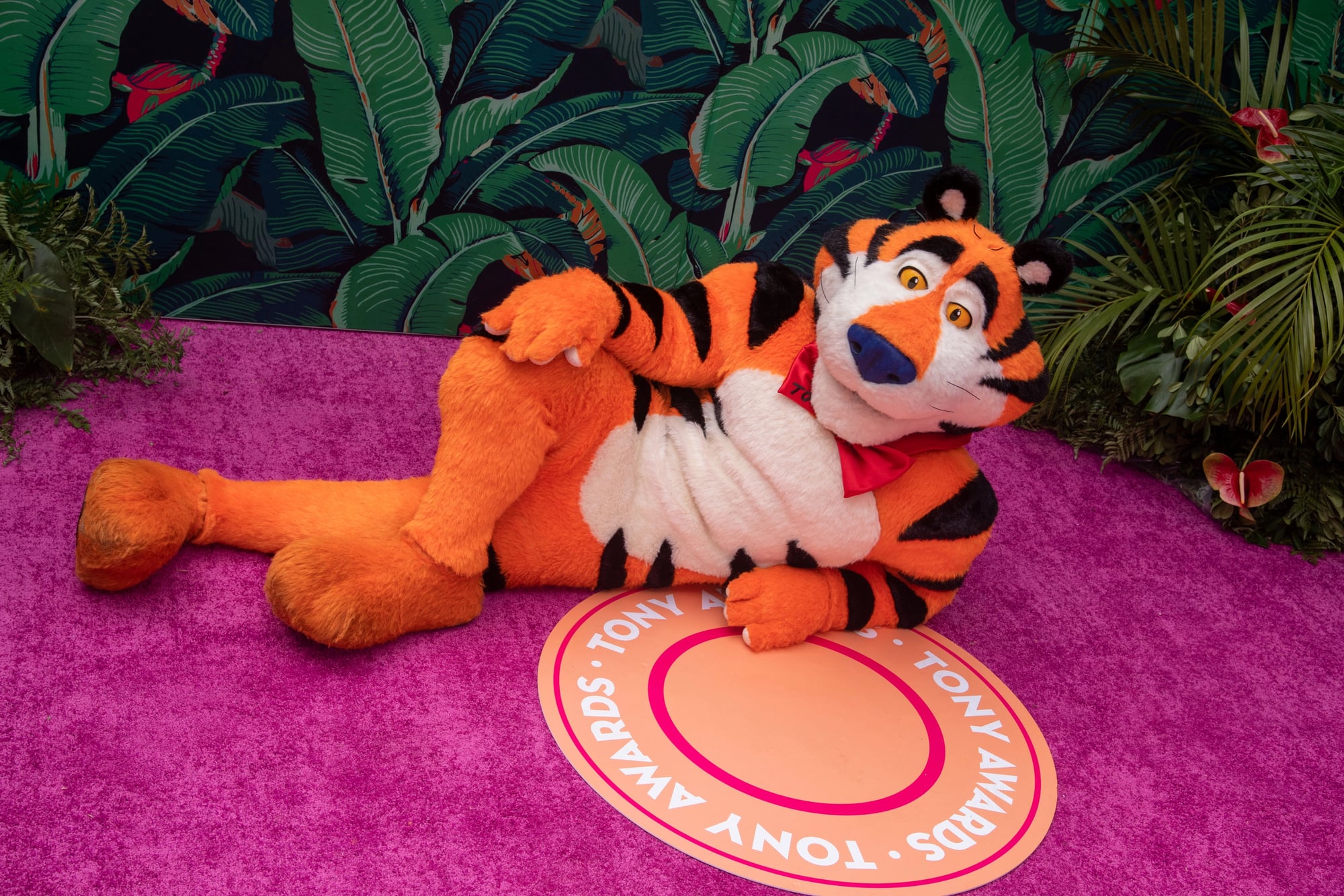
Tony the Tiger has been boosting breakfast confidence since the 1950s, famously declaring cereal to be ‘grrreat’. What is less widely known is that Tony has a full name: Anthony the Tiger.
This detail surfaced through brand materials and character backstories developed over time. Giving Tony a proper name helped humanize the character, even though he remained a cartoon tiger.
Anthony sounds friendly and familiar, reinforcing the idea that Tony is not just a mascot but a supportive presence at the breakfast table, cheering people on before the day begins.
The Pillsbury Doughboy
The Pillsbury Doughboy is often referred to simply as ‘the Doughboy’, but his real name is Poppin’ Fresh. Introduced in the 1960s, the character was designed to represent fresh dough, which explains both his soft appearance and playful giggle.
Poppin’ Fresh became a household name through repetition rather than explanation. His real name reflects the brand’s emphasis on freshness, quietly reinforcing the product promise every time he appeared.
It is a subtle example of how naming can carry meaning without drawing attention to itself.
Mr. Peanut
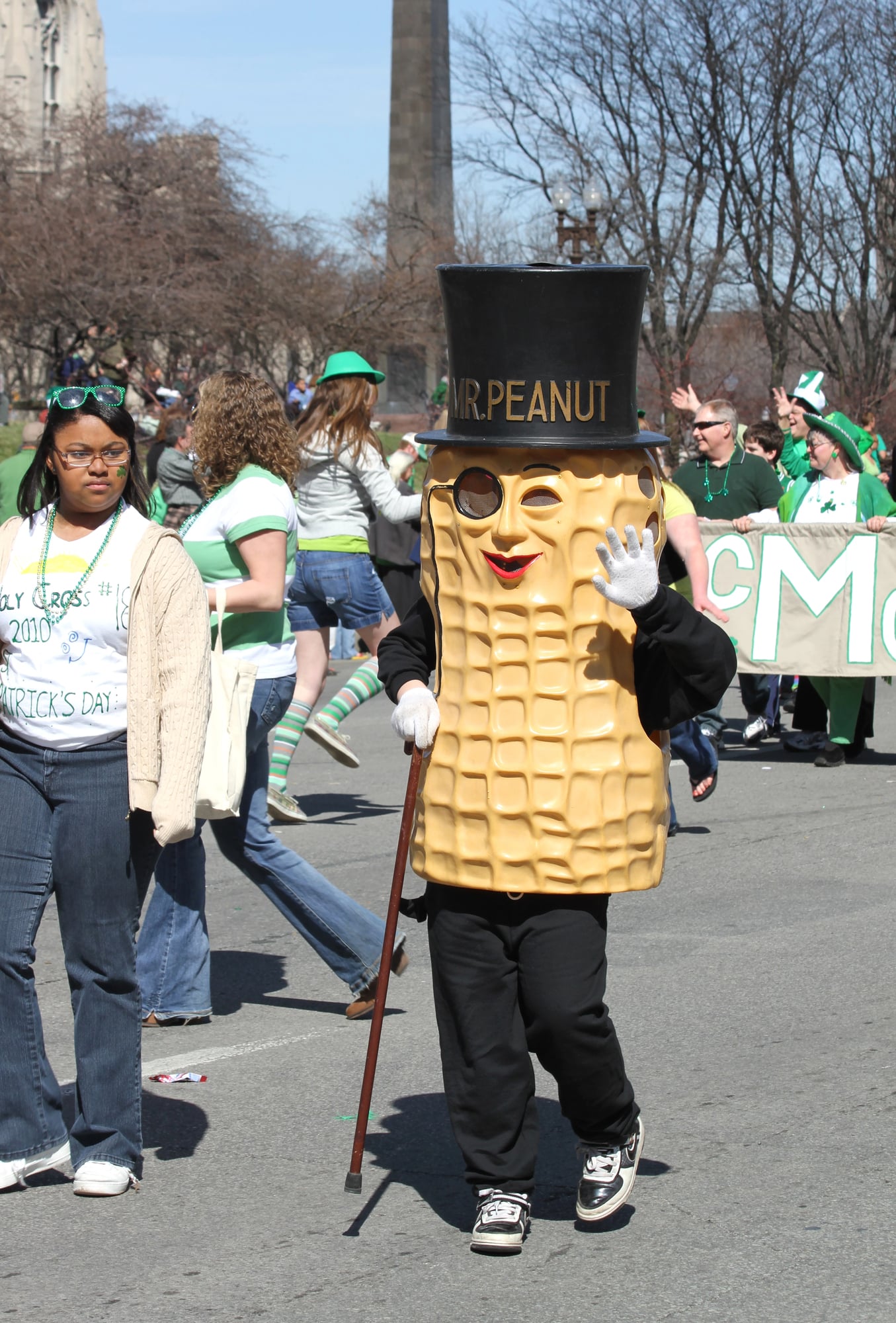
Mr. Peanut, the monocle-wearing peanut associated with Planters, has one of the more distinctive identities in mascot history. His full name is Bartholomew Richard Fitzgerald-Smythe, a deliberately elaborate choice that adds humor and personality to the character.
This long, formal name contrasts with the simplicity of a peanut, creating a memorable joke that reinforces the brand’s playful sophistication. While most people know him as Mr. Peanut, the full name exists as a piece of brand lore.
It adds depth to a character that has been around for more than a century.
The Michelin Man
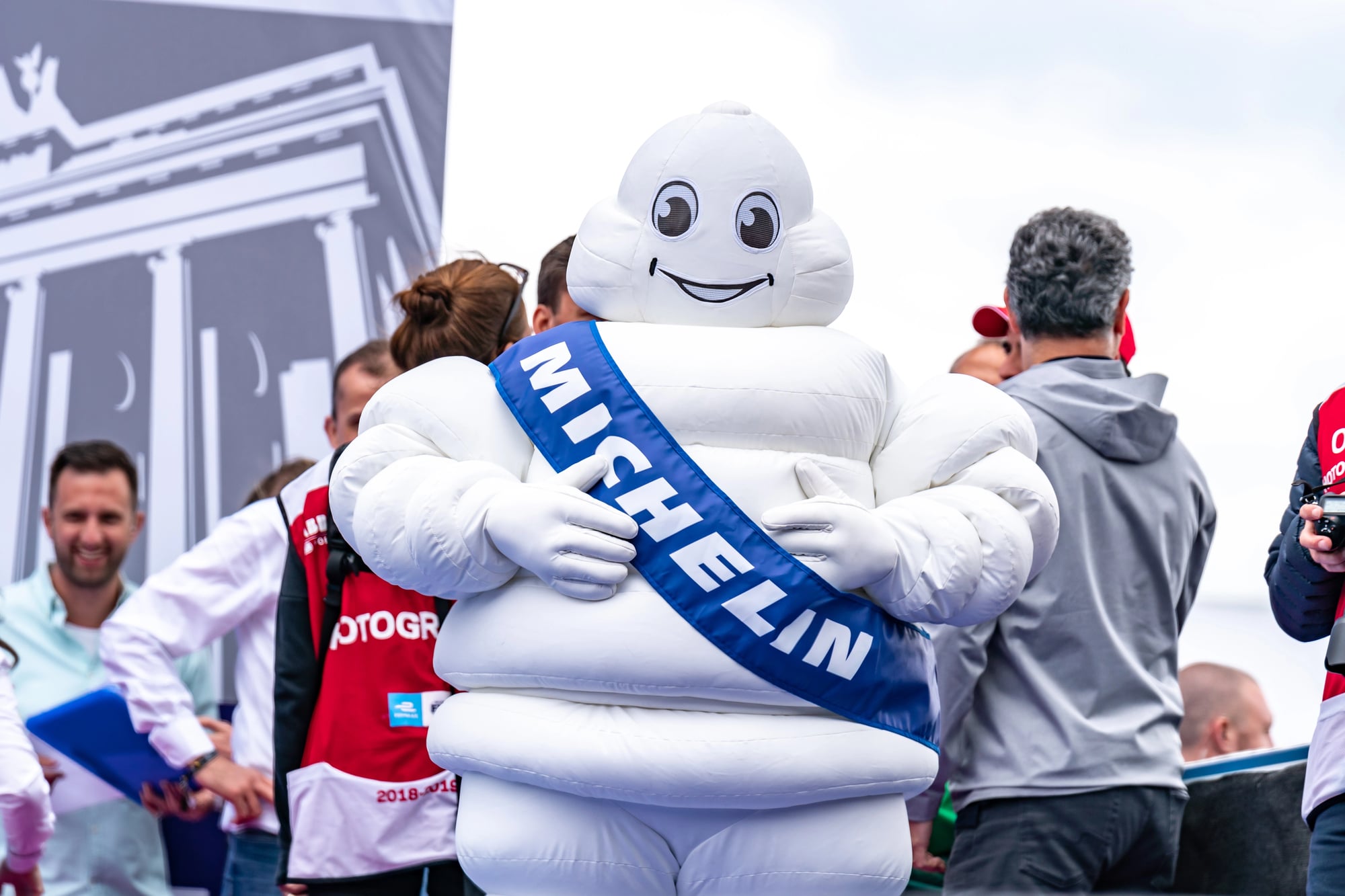
The Michelin Man is commonly known by his nickname, but his official name is Bibendum. Created in the late 1800s, the character is made of stacked tires, symbolizing durability and reliability.
The name Bibendum comes from a Latin phrase used in early advertising, meaning ‘now is the time to drink’. Over time, the nickname Michelin Man took over in everyday language.
Bibendum remains the character’s formal identity. The name reflects the era in which he was created, when advertising leaned heavily on classical references and visual wordplay.
Chester Cheetah
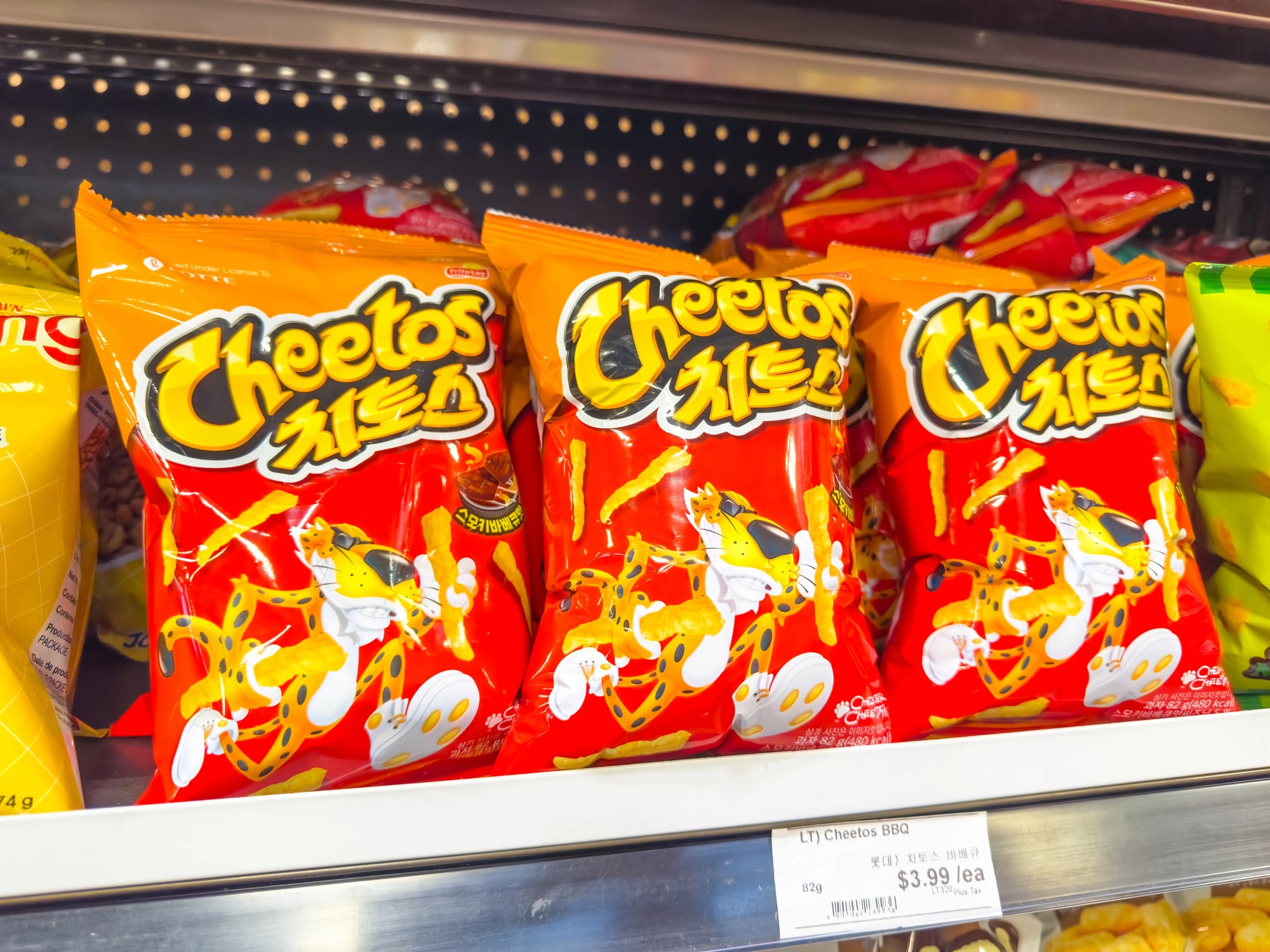
Chester Cheetah, the sunglasses-wearing face of Cheetos, is more than just a cool cartoon animal. His full name is Chester Cheetah, which may sound obvious, but it was intentionally chosen to mirror the product name and reinforce brand recall.
Chester’s personality was carefully crafted to feel edgy and playful, matching the snack’s image. While some mascots rely on mystery, Chester thrives on attitude.
His name anchors that personality, making him feel like a character with a consistent voice rather than a generic logo.
The Energizer Bunny
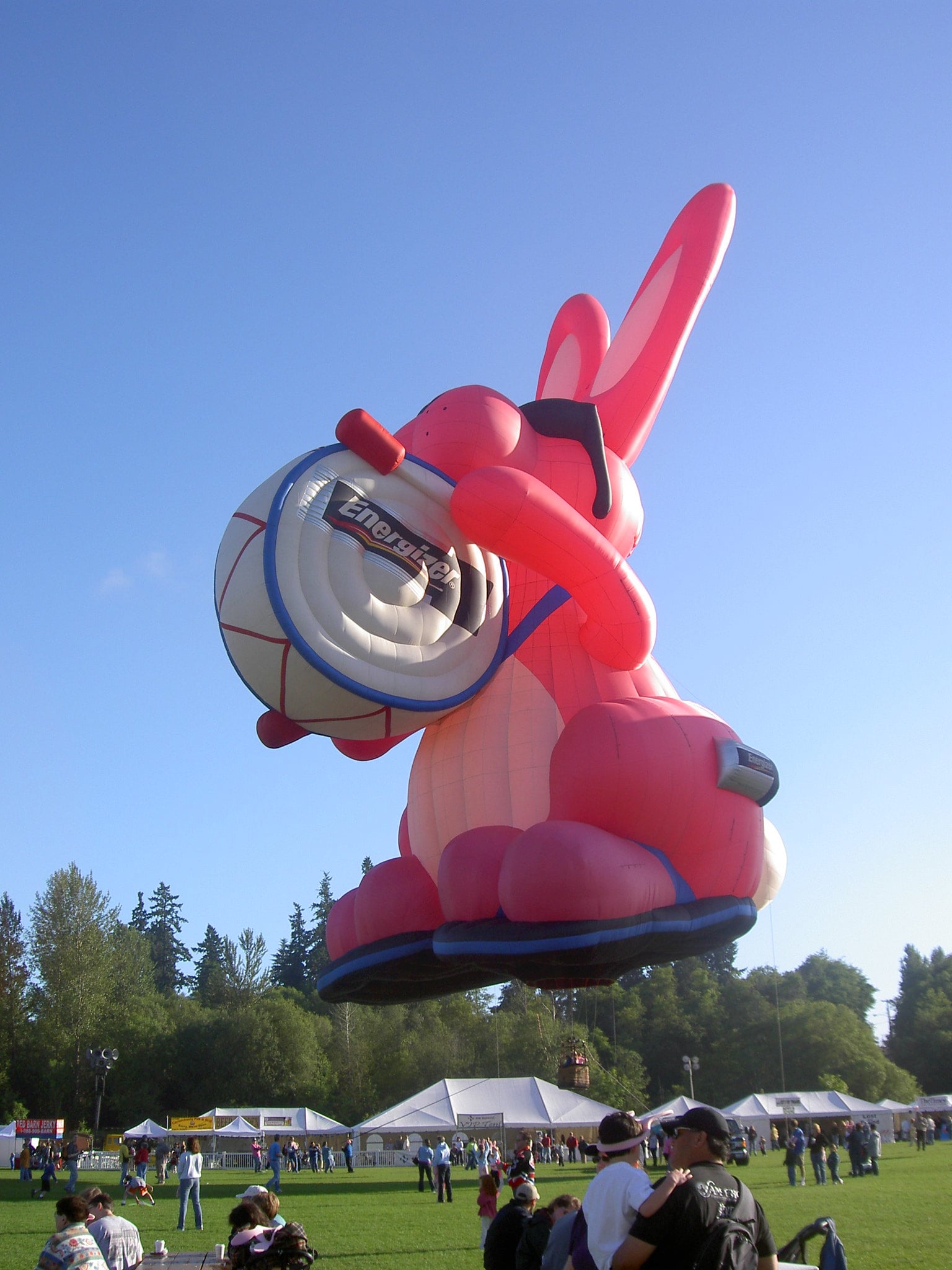
The Energizer Bunny is known for keeping going and going, but his real name is less commonly discussed. While often referred to simply by the brand name, the character has been given the identity of the Energizer Bunny in official materials.
He has a consistent personality tied to endurance and persistence. The simplicity of the name works in the character’s favor.
It turns the mascot into a walking metaphor for the product itself. The lack of a more personal name reinforces the idea that this bunny exists solely to demonstrate stamina.
Smokey Bear
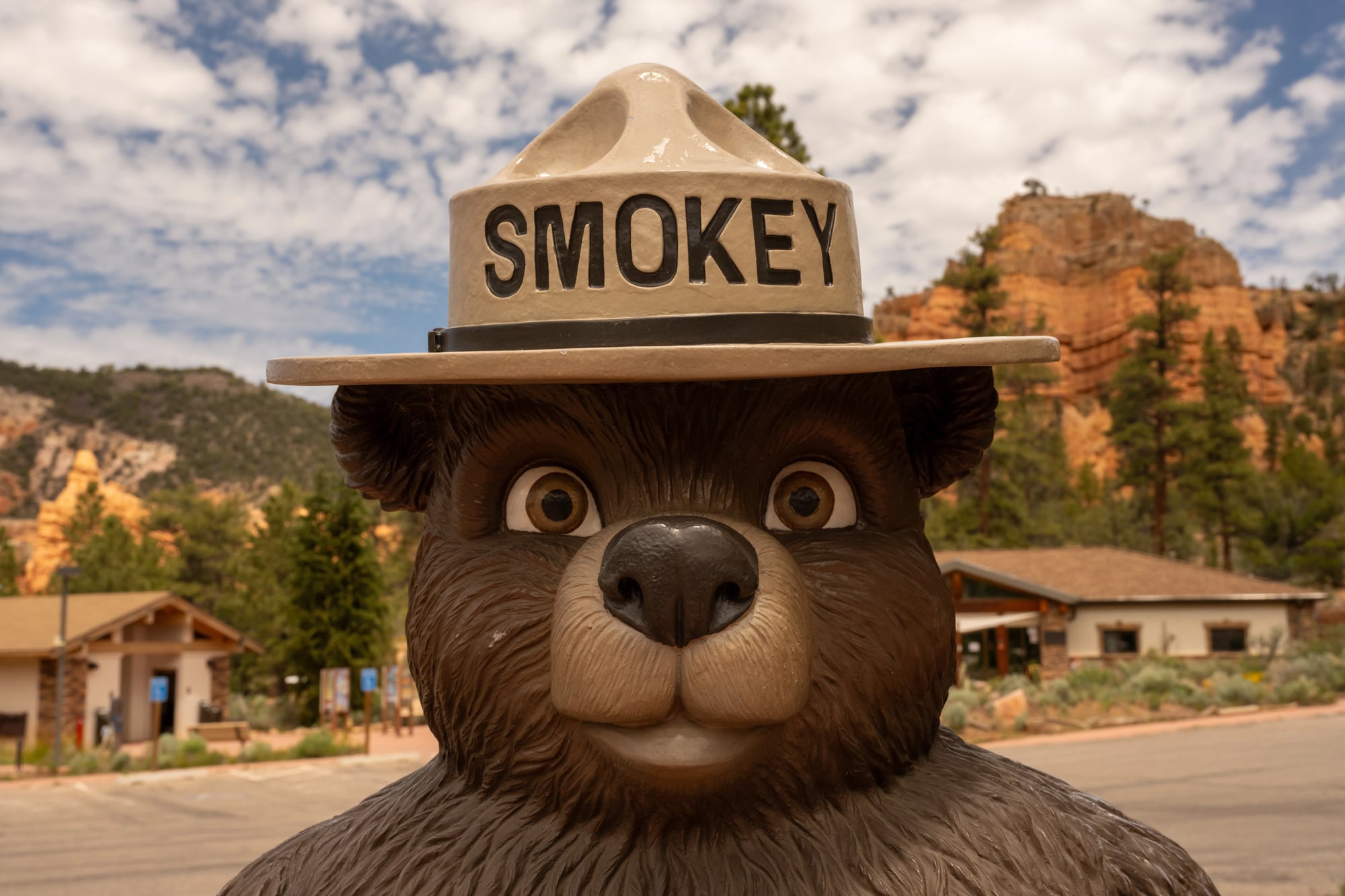
Smokey Bear is a rare example of a mascot created not to sell a product, but to promote public awareness. His name is officially Smokey Bear, not Smokey the Bear.
This distinction has been emphasized by the U.S. Forest Service over the years. Smokey was introduced during the 1940s to educate the public about wildfire prevention.
His straightforward name helped establish authority and trust, making him feel more like a real figure than a cartoon. Over time, Smokey became one of the most enduring public service mascots in American history.
The Burger King
The Burger King mascot is often called ‘the King’, but his official title is simply the Burger King. Unlike mascots with personal names, this character embodies the brand itself.
He acts as a literal personification of the restaurant. The absence of a traditional name adds to the character’s surreal presence.
He exists as a symbol rather than an individual, which has allowed the brand to reinterpret him across different advertising eras. His identity shifts, but the title remains constant.
The Geico Gecko
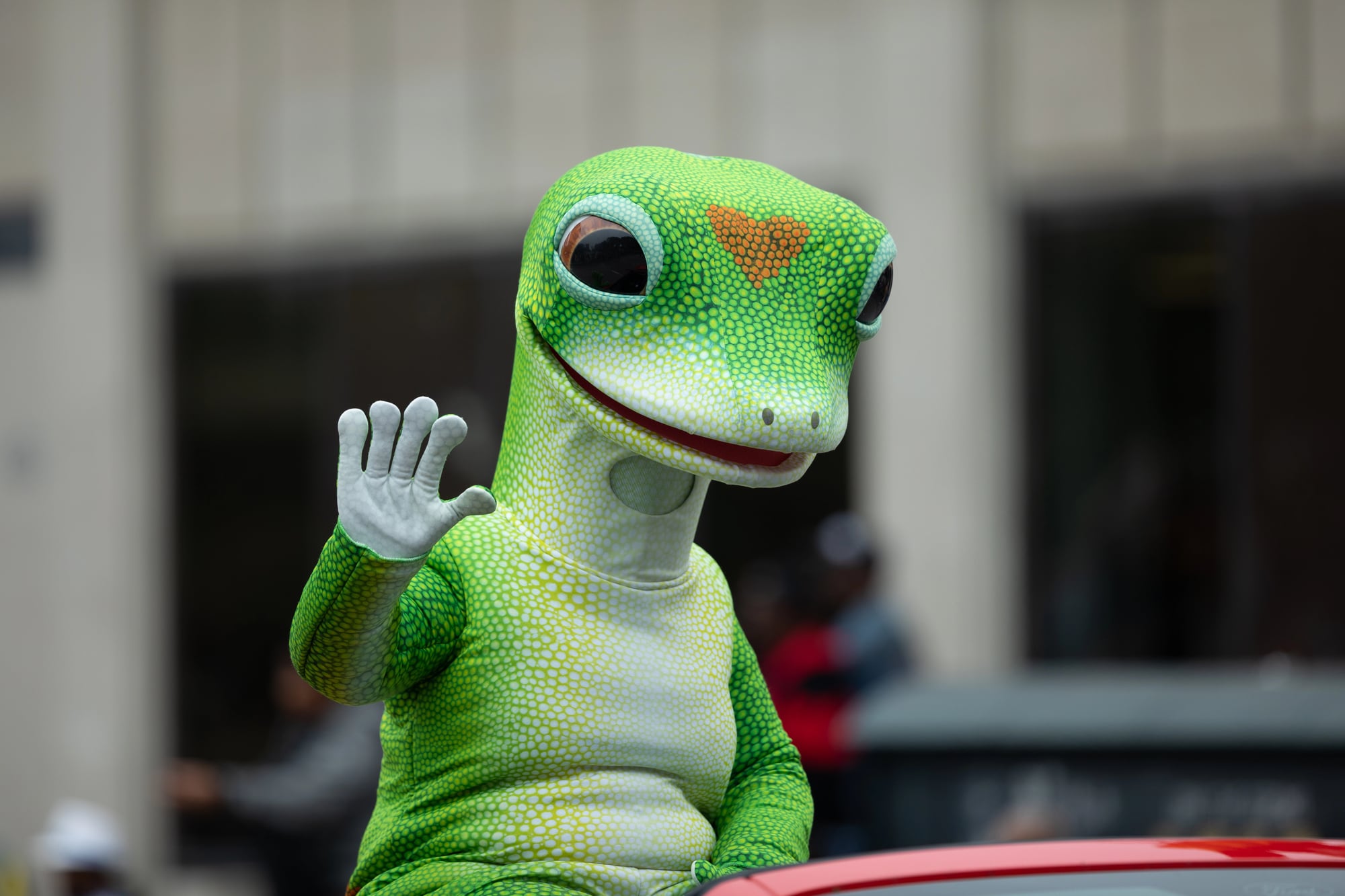
Starting with just one word – Gecko – it sticks because it feels familiar. Not given some long title, he shows up as someone you recognize right away.
What builds him isn’t paperwork or labels, but how he speaks and acts. A clear presence forms, even without extra names getting in the way.
What makes it work is how clear his job really is. To break down insurance stuff without sounding stiff, he needs to feel approachable.
A messy name would mess up the whole point of who he is supposed to be. Holding back on flashiness actually helps people remember him better – strange but true.
Why These Names Still Matter
Behind every familiar face, a name was chosen with care. Not by accident do these figures stick around – each one shaped by what the company stands for, or even a quiet joke only some catch at first.
When people think of them, it is the look they recall immediately; yet the title keeps them grounded, giving shape to something that might otherwise fade. Time passes, but the label holds steady.
It lets old favorites live on without losing their place. Mascots still feel like an old friend in our shifting brand world.
Names bridge earlier efforts with now, showing how characters outlast trends without shouting. Staying around isn’t luck.
Begins when a label carries its purpose plainly. Quiet strength lives there.
More from Go2Tutors!

- The Romanov Crown Jewels and Their Tragic Fate
- 13 Historical Mysteries That Science Still Can’t Solve
- Famous Hoaxes That Fooled the World for Years
- 15 Child Stars with Tragic Adult Lives
- 16 Famous Jewelry Pieces in History
Like Go2Tutors’s content? Follow us on MSN.



