33 Historical Events That Happened on the Same Day Purely by Coincidence
History has a strange habit of doubling up. Not through cause and effect, not through design — just two completely unrelated things landing on the same date as if the calendar itself had a dark sense of humor.
These aren’t events that influenced each other or shared a common cause. They just happened to fall on the same day, centuries apart or sometimes within the same year, with no awareness of each other whatsoever.
The more you dig into these coincidences, the harder it gets to dismiss them as ordinary. Some are eerie.
Some are almost funny. All of them are real.
Abraham Lincoln and Charles Darwin
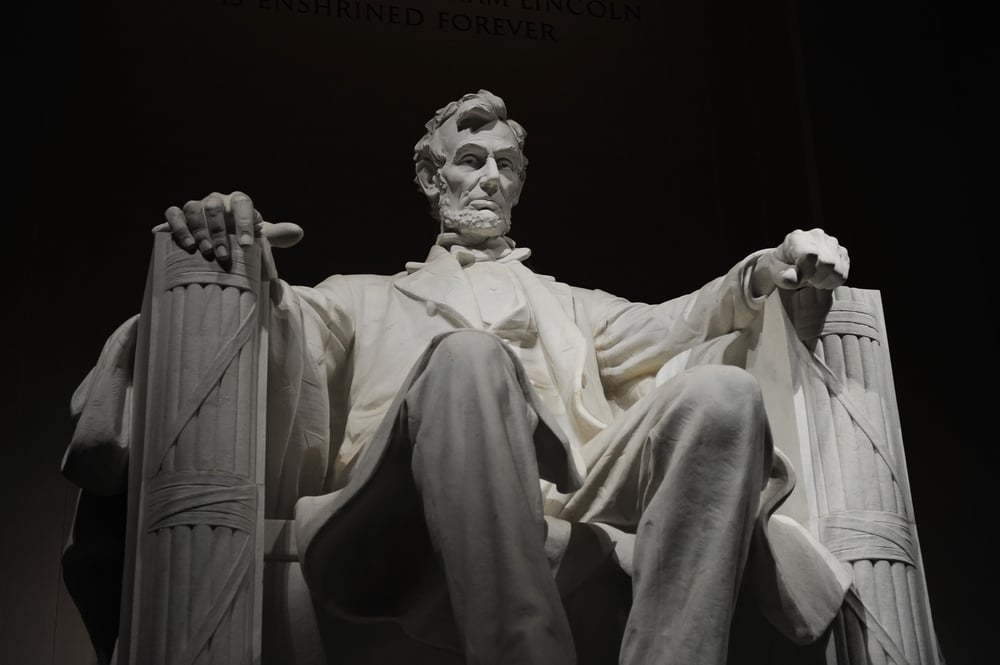
February 12, 1809 is one of the stranger dates in the historical record. Abraham Lincoln and Charles Darwin were born on the exact same day — not just the same year, but the same day — one in a log cabin in Kentucky, the other in a country house in Shrewsbury, England.
Two men who would each, in their own corner of the world, permanently fracture how humanity understood itself.
The Death of Aldous Huxley, C.S. Lewis, and John F. Kennedy
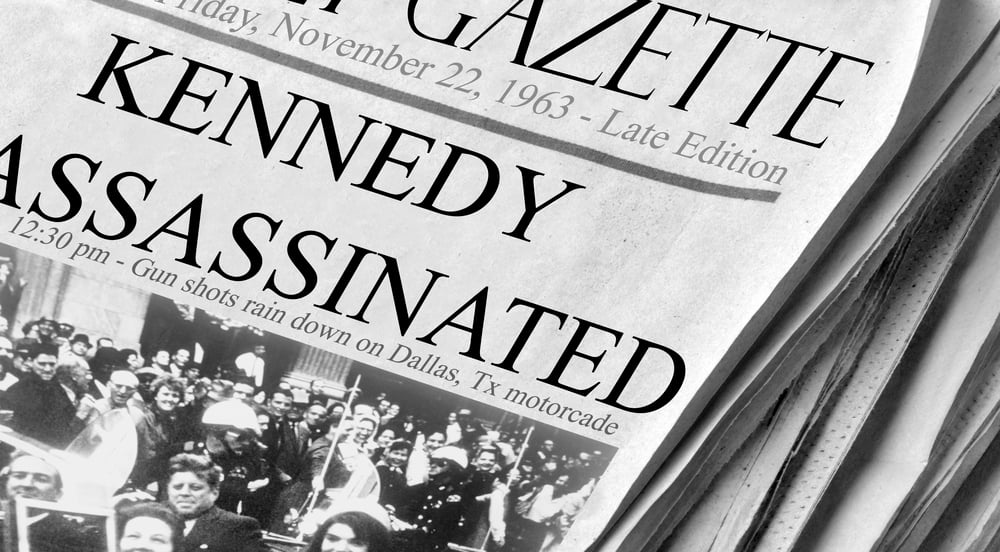
November 22, 1963 swallowed three of the twentieth century’s most significant figures at once. John F. Kennedy was assassinated in Dallas.
Aldous Huxley, who wrote Brave New World, died in Los Angeles after asking his wife to inject him with LSD. C.S. Lewis collapsed and died at his home in Oxford, just one week shy of his sixty-fifth birthday.
Kennedy’s death was so loud it buried the other two almost entirely — Huxley and Lewis barely made the news that week, which feels like something Huxley himself might have written into a novel.
The Titanic Sinks and Harriet Beecher Stowe’s Birthday
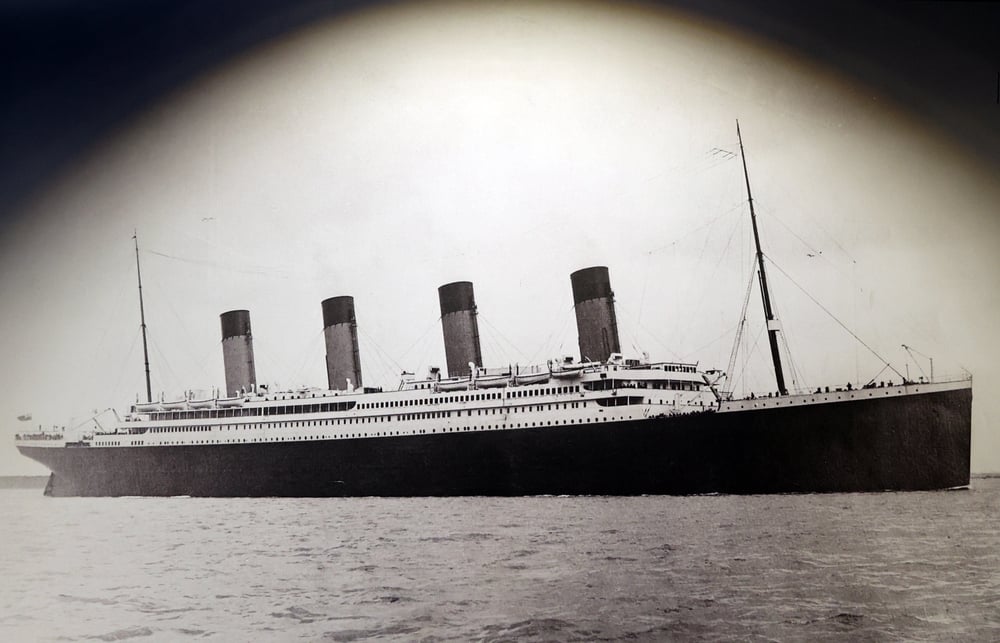
April 15 carries a particular weight. The Titanic sank in the early hours of April 15, 1912, taking more than 1,500 people with it.
Harriet Beecher Stowe, whose novel Uncle Tom’s Cabin helped accelerate the American abolitionist movement, was born on April 14, 1811 — the same calendar date the Titanic struck the iceberg. The ship went down on the 15th.
Stowe and the iceberg, separated by exactly 101 years.
Napoleon and the Duke of Wellington
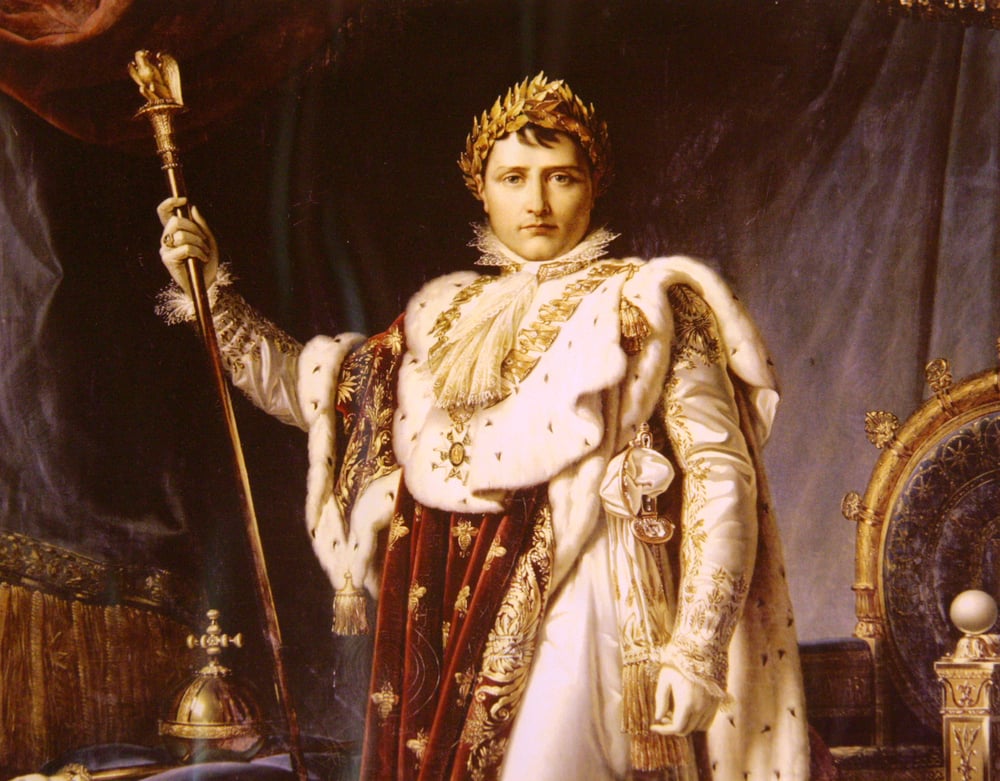
The two men who spent years trying to destroy each other were born exactly one year apart — Napoleon Bonaparte on August 15, 1769, and Arthur Wellesley, the Duke of Wellington, on May 1, 1769. They died within two years of each other as well, Napoleon in 1821 and Wellington in 1852, but the birth dates carry a different kind of weight: both men arrived on the planet in the same twelve-month window, as if the era had ordered them in pairs.
Wellington outlived his rival by thirty-one years, which, to be fair, he probably enjoyed.
The Opening of the Eiffel Tower and the Birth of Adolf Hitler

The Eiffel Tower opened to the public on March 31, 1889. Adolf Hitler was born on April 20, 1889 — the same month, separated by exactly twenty days.
The tower was built as a symbol of industrial optimism, a celebration of the centenary of the French Revolution. Fifty years later, Hitler would occupy Paris and famously visit the tower as a conqueror.
The gap between those two April dates is just small enough to feel deliberate, even though nothing about it was.
Mozart and the Eruption of Vesuvius
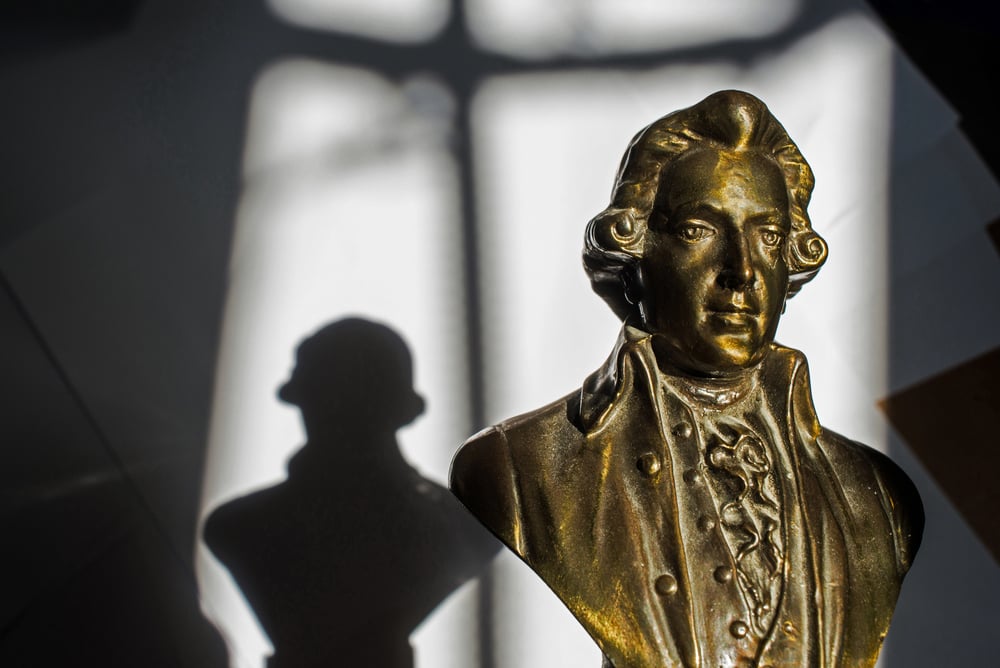
Wolfgang Amadeus Mozart was born on January 27, 1756. Mount Vesuvius erupted on January 27, 1944 — his 188th birthday, and the last significant eruption the volcano has produced to date.
The eruption destroyed dozens of American B-25 bombers parked at the Pompeii Airfield and buried the nearby town of San Sebastiano. Mozart composed some of the most precisely ordered music in history.
Vesuvius is indifferent to order entirely. And yet: January 27.
The Deaths of Sigmund Freud and William Butler Yeats
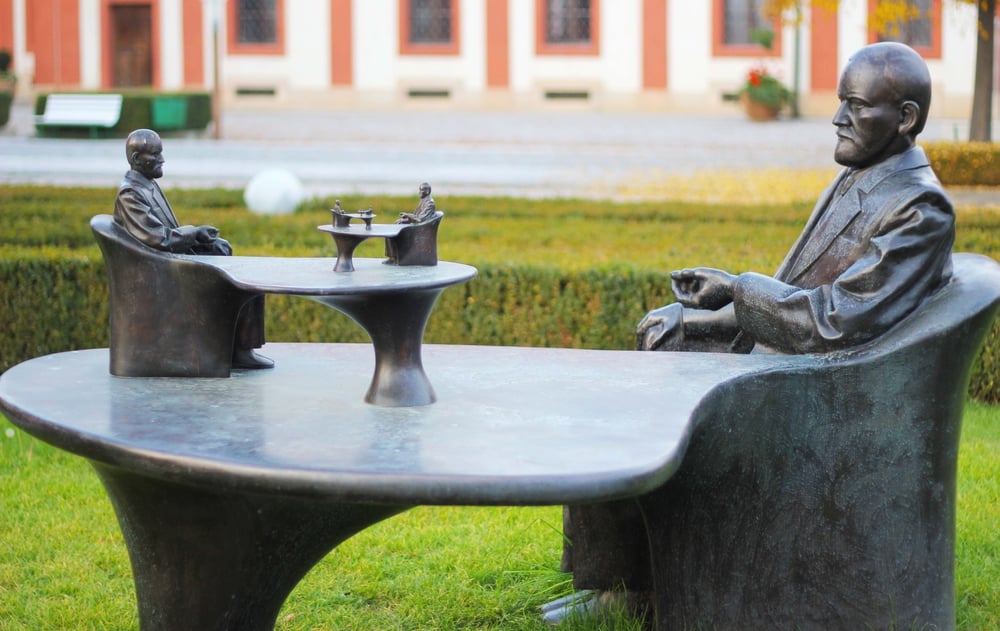
Sigmund Freud died on September 23, 1939. William Butler Yeats died on January 28, 1939.
Different days — but both in 1939, the year the Second World War began, and both in exile: Freud in London, having fled Vienna after the Nazi annexation of Austria; Yeats in the south of France, where he’d gone for his health. Two of the twentieth century’s most restless minds, both extinguished in the same calendar year, both far from home.
The world they’d spent their careers trying to interpret had stopped making sense around them.
The Boston Tea Party and Beethoven’s Birthday

Ludwig van Beethoven was born on December 17, 1770. The Boston Tea Party took place on December 16, 1773 — one day before what would have been Beethoven’s third birthday.
One event involved a group of colonists hurling tea into a harbor under cover of night. The other was a small German child turning three, entirely unaware of harbors or colonial grievances.
History rarely lines up with this kind of dry precision.
Apollo 11 Lands on the Moon and the Chappaquiddick Incident

On July 20, 1969, Neil Armstrong and Buzz Aldrin landed on the moon. It remains one of the most watched events in television history.
That same day, Senator Edward Kennedy drove his car off a bridge on Chappaquiddick Island in Massachusetts; his passenger, Mary Jo Kopechne, drowned. The moon landing consumed the world’s attention so completely that Kopechne’s death was initially underreported.
Two events on the same July day — one of them a triumph that still gets cited as proof of human potential, the other a tragedy that derailed a political career and was never fully resolved.
The Deaths of Thomas Jefferson and John Adams
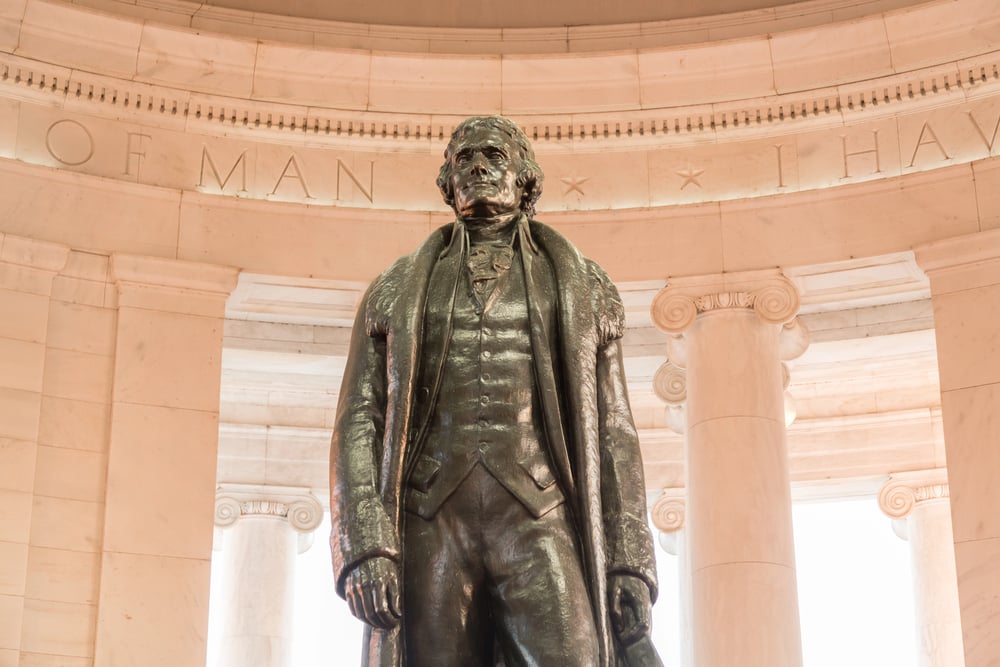
John Adams and Thomas Jefferson — the second and third presidents of the United States, men who had been rivals, then estranged, then late-in-life correspondents — both died on July 4, 1826. The exact fiftieth anniversary of the Declaration of Independence.
Adams, reportedly unaware that Jefferson had already died, is said to have spoken Jefferson’s name in his final hours. The odds of this are absurd.
The fact that it happened is simply true.
Harry Houdini’s Death and the Birth of Roberto Bolaño
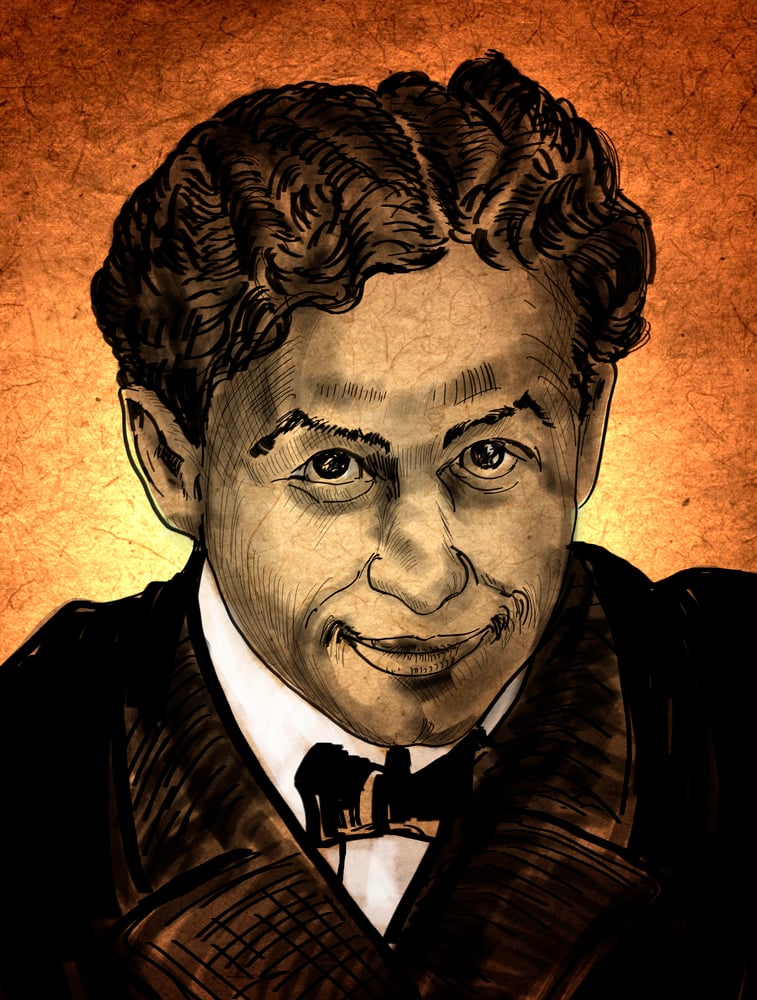
Harry Houdini died on October 31, 1926 — Halloween, which felt perfectly scripted for a man who built his career on illusions and escapes. Roberto Bolaño, the Chilean novelist whose work trafficked heavily in death, mystery, and things that resist explanation, was born on April 28, 1953.
Different dates — but both men are inextricably tangled with the idea of mortality performed in public. Houdini died of peritonitis following a punch to the abdomen, and Bolaño died of liver failure while awaiting a transplant in 2003, both deaths undercutting the invincibility each man had, in different ways, projected.
They both went out human.
Isaac Newton and Stephen Hawking
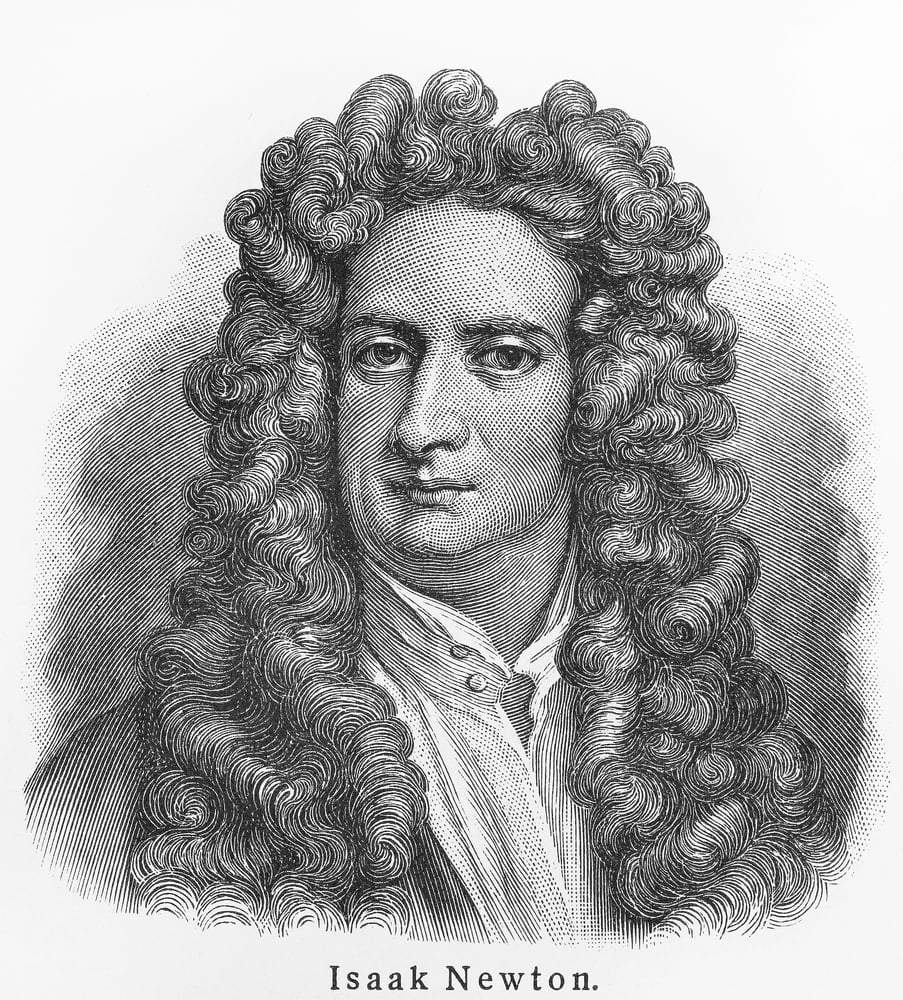
Isaac Newton was born on January 4, 1643 (using the Gregorian calendar). Stephen Hawking died on March 14, 2018 — which also happened to be Albert Einstein’s birthday.
But the Newton-Hawking connection is the stranger one: Hawking was born on January 8, 1942, exactly 300 years after Galileo died. The chain of dates linking Galileo, Newton, Einstein, and Hawking — each one dying or being born on a date connected to another — reads like something an overly ambitious screenwriter invented and then couldn’t use because no one would believe it.
Krakatoa and Coco Chanel

Krakatoa erupted on August 27, 1883, killing more than 36,000 people and generating a pressure wave that circled the globe multiple times. Coco Chanel was born on August 19, 1883 — eight days before the eruption.
Both events belong to the same late-August fortnight in the same year. Krakatoa’s ash cloud altered global temperatures for years afterward.
Chanel would go on to alter what women wore for decades. The scale is incomparable.
The proximity on the calendar is just strange.
The Sinking of the Lusitania and the Birth of Frank Sinatra

The RMS Lusitania was torpedoed on May 7, 1915, killing 1,198 people and helping draw the United States toward involvement in World War I. Frank Sinatra was born on December 12, 1915 — same year.
The Lusitania’s sinking is one of those events whose consequences kept unspooling for years; Sinatra, born into a Hoboken tenement seven months later, would spend his career singing about longing and loss with a precision that felt almost archival. The same calendar year produced both.
The Fall of the Berlin Wall and the Resignation of Bob Hawke

The Berlin Wall fell on November 9, 1989 — a night that consumed international media and rewrote the political map of Europe. On the same day, Australian Prime Minister Bob Hawke was replaced as Labor Party leader by Paul Keating in an internal ballot, ending one of the more consequential tenures in Australian political history.
It was not a minor event in Australia. The rest of the world simply had other things on its mind that evening.
Edgar Allan Poe’s Death and Mahatma Gandhi’s Birthday
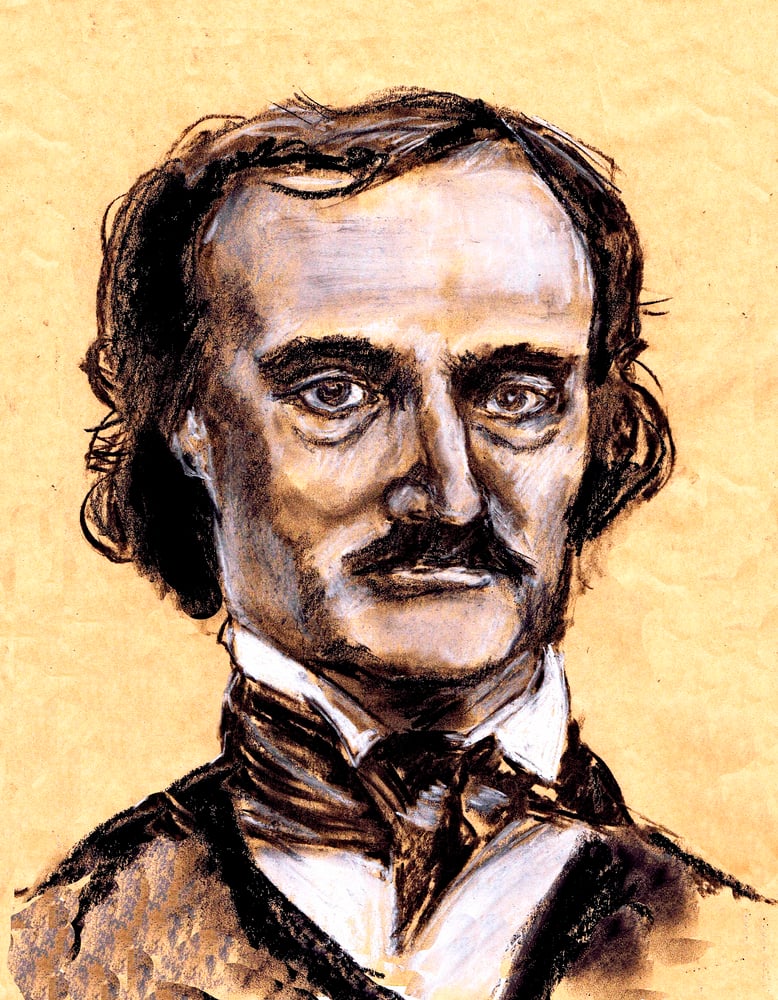
Edgar Allan Poe died on October 7, 1849, under circumstances that remain genuinely unresolved — found delirious in a gutter in Baltimore, not wearing his own clothes, dead four days later without ever explaining what had happened to him. Mahatma Gandhi was born on October 2, 1869.
Different dates, different years — but both men are permanently associated with the idea of dying quietly and mysteriously or living in deliberate austerity, as if comfort itself were beside the point. The October proximity between their dates feels like it belongs in a Poe story.
The Hindenburg Disaster and the Coronation of King George VI
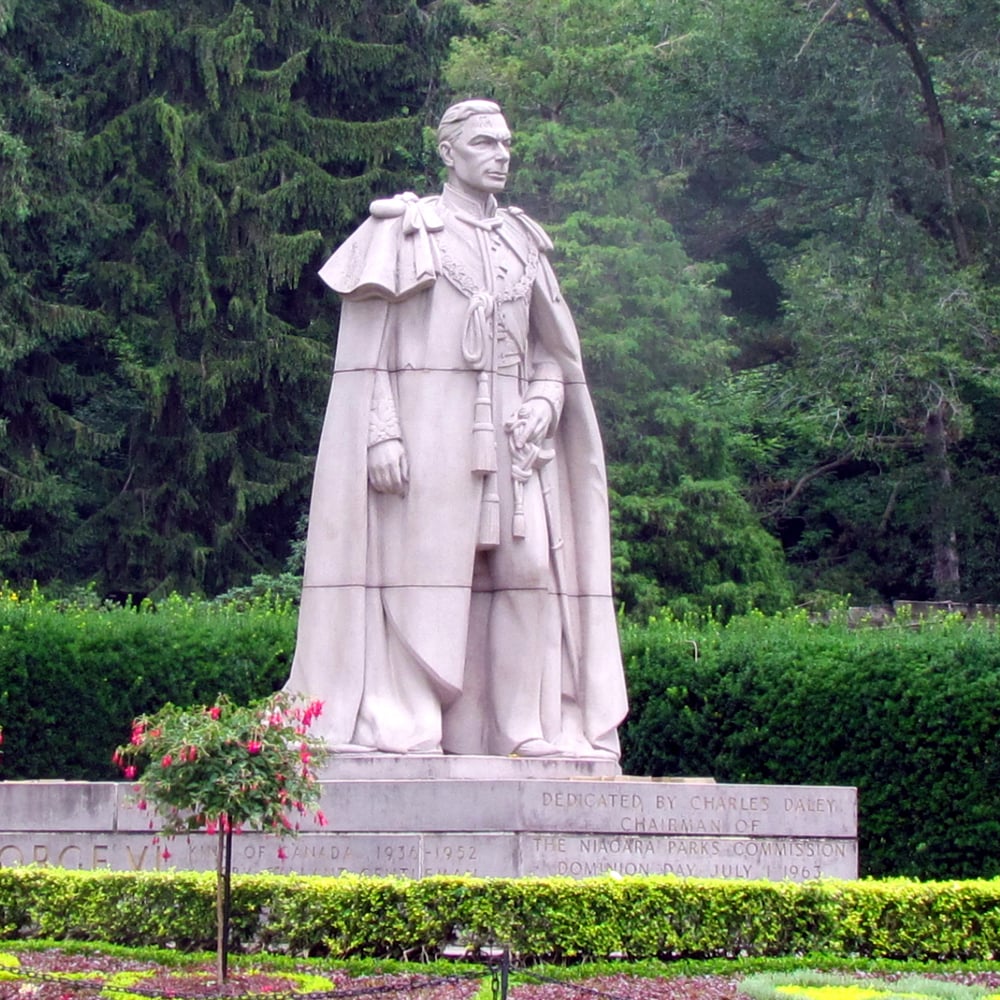
The Hindenburg airship burst into flames on May 6, 1937, in Lakehurst, New Jersey — killing 36 people and ending the era of commercial airship travel essentially overnight. King George VI was crowned at Westminster Abbey on May 12, 1937, six days later.
The BBC broadcast both events within the same fortnight, and British audiences who had just absorbed footage of the Hindenburg burning were then asked to celebrate a coronation. That’s a strange emotional range for a single week in May.
Alexander Graham Bell and the Patent Office
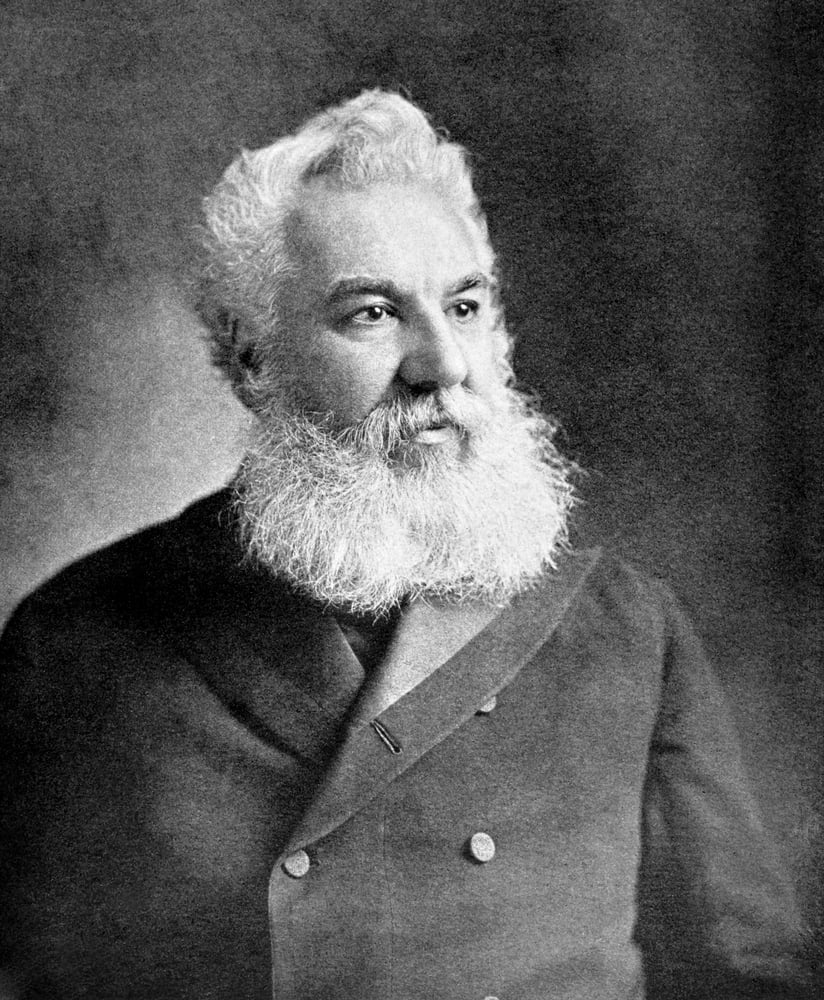
Alexander Graham Bell filed his patent for the telephone on February 14, 1876. Elisha Gray filed a competing patent application for a nearly identical device on the exact same day, within hours of Bell.
Two strangers, the same Tuesday morning, the same patent office. Bell’s application was registered first, and the telephone became his.
Had Gray arrived earlier, the entire subsequent history of telecommunications might carry a different name. The most consequential two hours in the history of modern communication were decided by the order in which two men walked through the same door.
The Death of Elvis Presley and the Birth of Belinda Carlisle
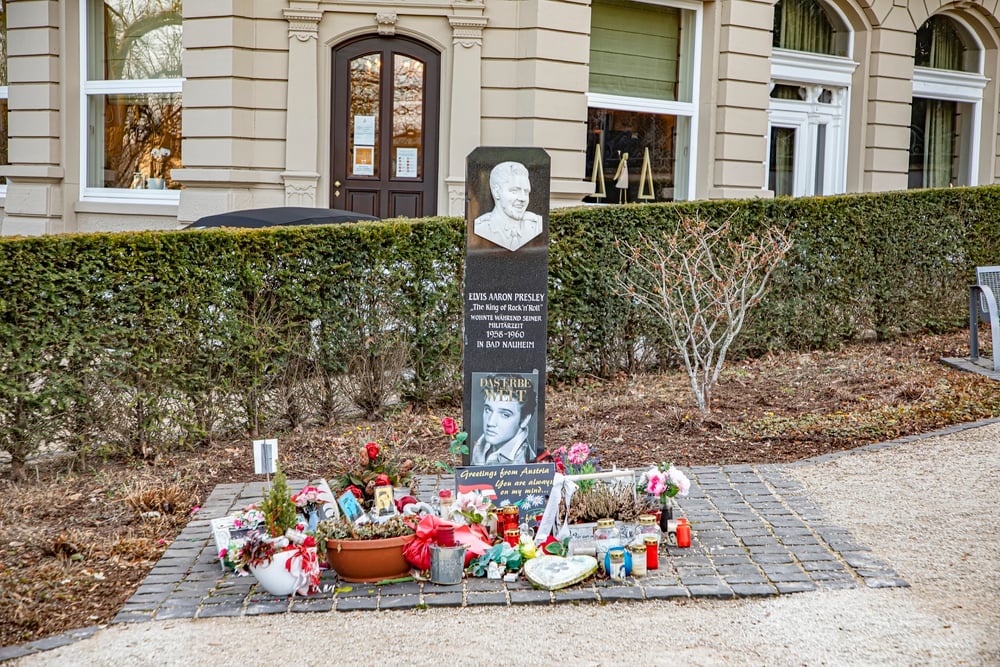
Elvis Presley died on August 16, 1977. Belinda Carlisle, lead singer of the Go-Go’s, was born on August 17, 1958 — meaning she turned nineteen the day after Elvis died.
That’s not a meaningful coincidence on its face. What makes it stranger is that the Go-Go’s became one of the defining acts of the early 1980s pop sound that filled some of the commercial space left by the artists — Elvis included — who had defined the previous era.
The calendar didn’t plan this. It just set it up and walked away.
The Publication of Darwin’s “On the Origin of Species” and John Brown’s Execution

Charles Darwin published On the Origin of Species on November 24, 1859. John Brown — the abolitionist who had raided Harpers Ferry in an attempt to trigger a slave uprising — was executed by hanging on December 2, 1859.
Both events happened within eight days of each other in the same autumn, and both, in entirely different ways, cracked open arguments that American and Western society had been trying to avoid having. Darwin’s book said humans were not what religion had claimed.
Brown’s execution said America was not what its founding documents had claimed. November and December 1859 were a lot.
Mark Twain and Halley’s Comet

Mark Twain was born on November 30, 1835 — two weeks after Halley’s Comet made its closest approach to Earth that year. Twain himself noted the connection, predicting he would die when the comet returned.
He was right: he died on April 21, 1910, one day after Halley’s Comet reached perihelion again. The man essentially bracketed his own life with a celestial object’s 75-year orbit and then had the audacity to be correct about it.
Whether that’s coincidence or something else is a question worth sitting with for a while.
D-Day and Frederick the Great
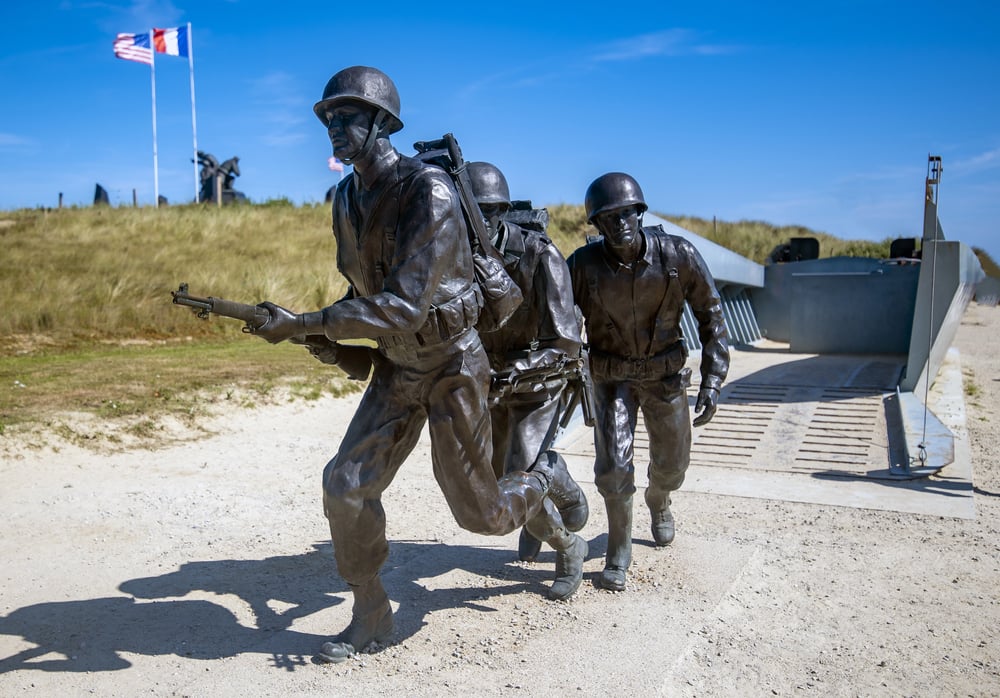
Frederick the Great of Prussia died on August 17, 1786. D-Day was launched on June 6, 1944 — no calendar connection between the two dates.
The coincidence is contextual: Hitler kept a portrait of Frederick in his Berlin bunker and found personal meaning in the parallel between their campaigns. On the night of June 5–6, 1944, German commanders failed to wake Hitler to authorize the release of panzer reserves — partly because he had taken sleeping medication and no one wanted to disturb him — and that hesitation cost Germany a critical response window.
Frederick the Great’s ghost hovered over D-Day without doing anything useful.
Orville Wright and the Transcontinental Railroad
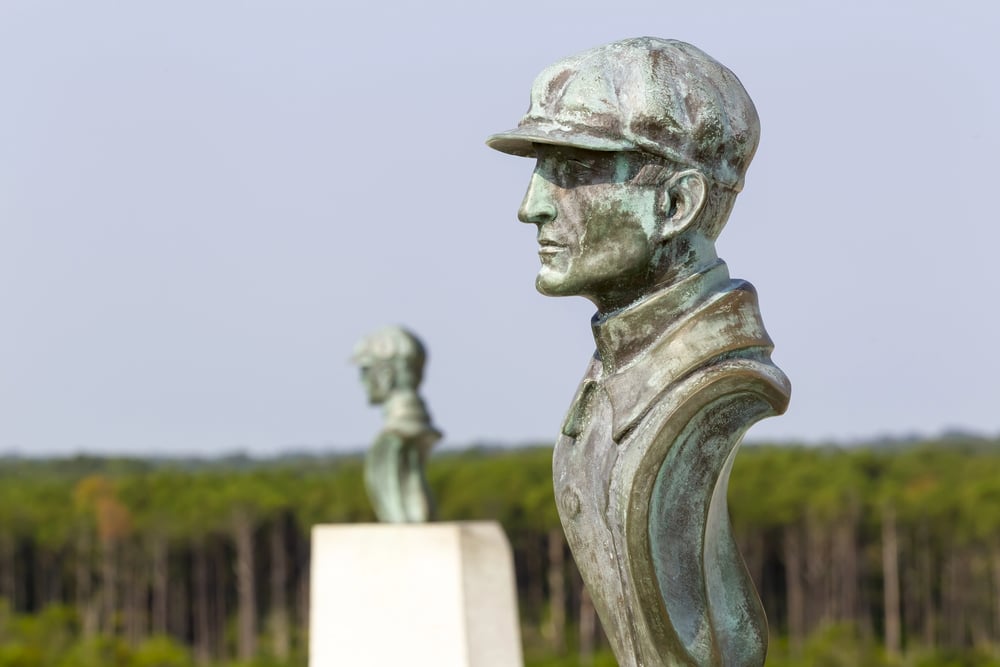
Orville Wright was born on August 19, 1871. The First Transcontinental Railroad was completed on May 10, 1869 — two years before Wright’s birth.
The coincidence is structural: by the time Orville Wright and his brother Wilbur made the first powered flight at Kitty Hawk in 1903, the transcontinental railroad was barely 34 years old. Orville lived until 1948, long enough to see commercial transatlantic air travel begin.
The full arc from horse-drawn travel to sustained powered flight happened inside a single human lifetime. That’s a timeline coincidence, and it’s more disorienting than most date ones.
Che Guevara and Haile Selassie
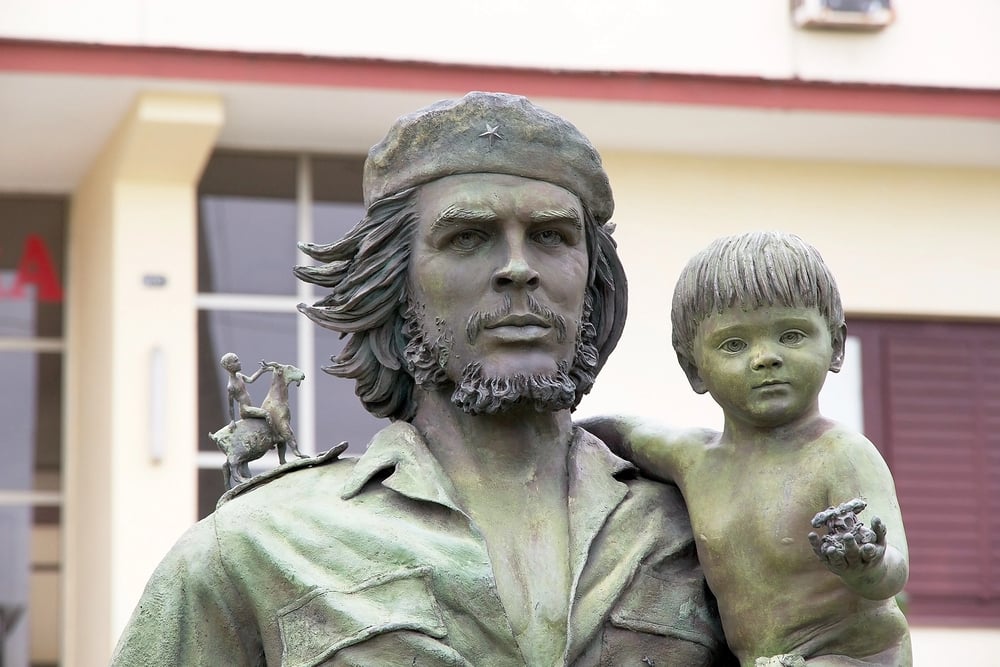
Che Guevara was executed in Bolivia on October 9, 1967. Haile Selassie of Ethiopia — venerated as a messianic figure by the Rastafari movement — was crowned on November 2, 1930.
Different dates entirely. The coincidence lives elsewhere: both men became more powerful as symbols after their deaths than they ever were as living people, and both of those transformations unfolded during decades of political upheaval that neither could have controlled or predicted.
Guevara’s face appeared on more walls than his ideas ever reached. Selassie’s divinity survived his deposition and imprisonment.
The calendar had nothing to do with it. The mythology did everything.
Vladimir Putin and the Cuban Missile Crisis

Vladimir Putin was born on October 7, 1952. The Cuban Missile Crisis began on October 16, 1962 — nine days after Putin’s tenth birthday — and ended on October 28.
Putin was ten years old, living in Leningrad, during the thirteen days the world genuinely came closest to nuclear war during the Cold War. He has said publicly that the collapse of the Soviet Union was the greatest geopolitical catastrophe of the twentieth century.
The missile crisis was the event that most dramatically previewed that collapse’s underlying tensions. He was ten.
The calendar was already setting up the next fifty years around him.
Nikola Tesla and Janis Joplin
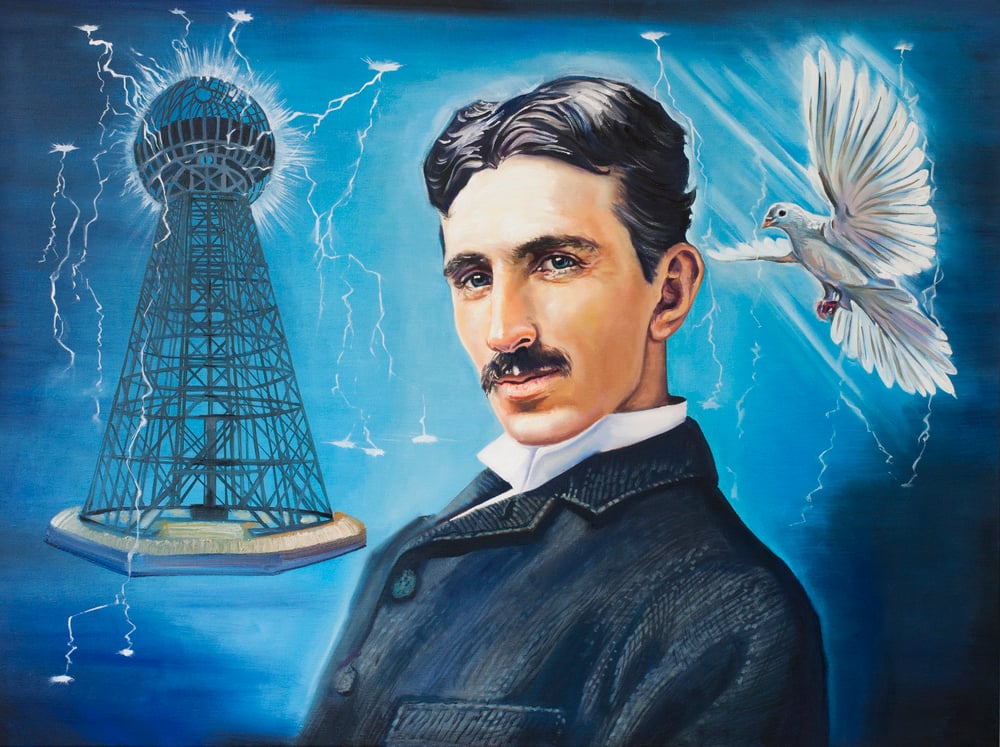
Nikola Tesla died alone in a New York hotel room on January 7, 1943. Janis Joplin was born on January 19, 1943 — twelve days later, in Port Arthur, Texas.
Tesla died largely unrecognized for the scale of his contributions to modern electrical systems. Joplin would spend her career singing about being misunderstood, about loving things that didn’t love her back, about wanting more than the world was prepared to give.
The twelve-day gap between their dates doesn’t mean anything. And yet it sits there, specific and unmovable, like a footnote nobody asked for.
The Statue of Liberty and the Berne Convention
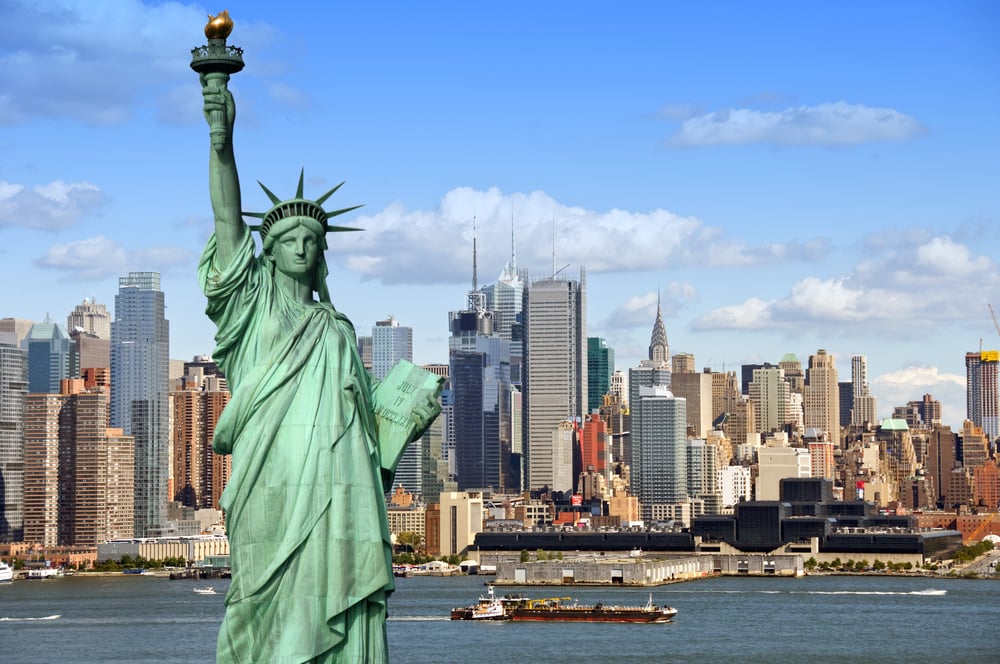
The Statue of Liberty was formally dedicated on October 28, 1886. The Berne Convention for the Protection of Literary and Artistic Works was signed on September 9, 1886 — roughly seven weeks earlier in the same year.
One event gave the world a symbol of freedom so recognizable it became shorthand for the idea itself. The other established the international framework for protecting creative work — a different kind of freedom, quieter and more procedural, but one whose consequences have touched every book published, every song recorded, and every film distributed in the 140 years since.
Both arrived in 1886, one in September and one in October, without knowing the other existed.
The Birth of Voltaire and the Death of John Locke
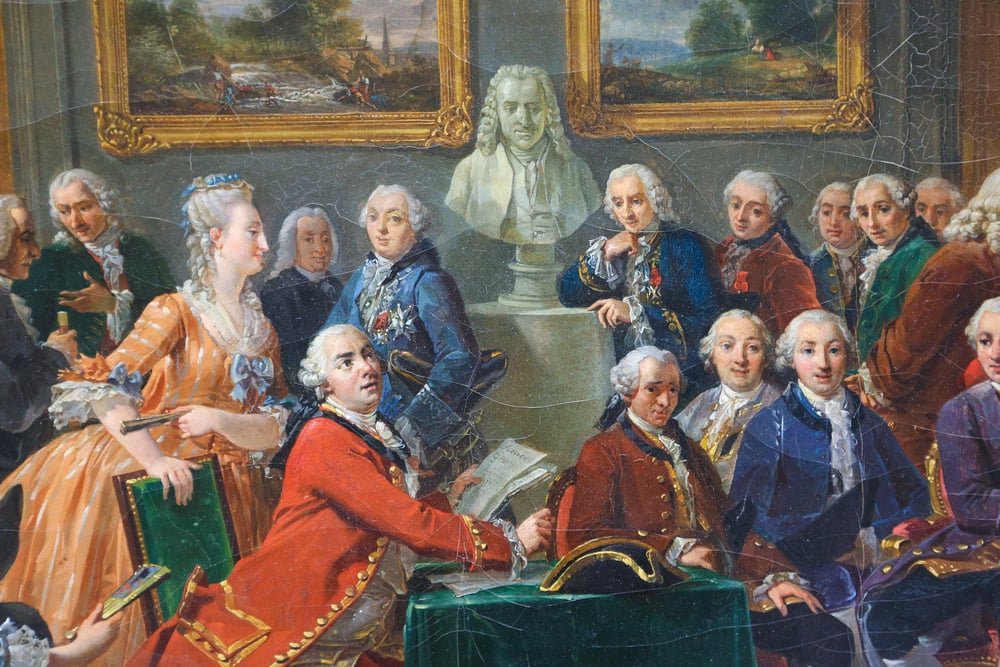
John Locke, whose political philosophy helped lay the groundwork for the Enlightenment and for modern democratic governance, died on October 28, 1704. Voltaire — who would carry that Enlightenment project forward with considerably more theatrical energy — was born on November 21, 1694, ten years before Locke’s death.
The two men were alive simultaneously for a decade, overlapping in a way that history rarely marks because Voltaire was still a child when Locke died. The torch passed without ceremony, ten years before it was needed.
The San Francisco Earthquake and the Birth of Samuel Beckett
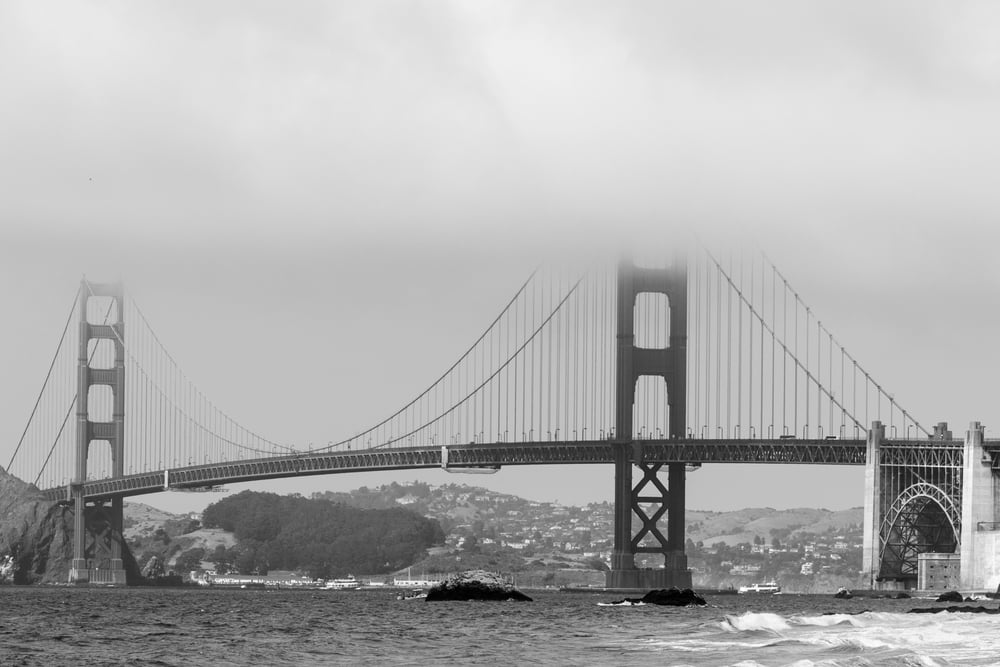
The San Francisco earthquake and fire of April 18, 1906 killed an estimated 3,000 people and destroyed most of the city. Samuel Beckett was born on April 13, 1906 — five days earlier, in Dublin.
Beckett would spend his career writing about waiting, about endurance, about the stubborn persistence of human beings who have no particular reason to keep going and keep going anyway. The city of San Francisco, reduced to rubble in 1906, was largely rebuilt within a decade.
Beckett’s characters never quite manage that. The five-day gap between his birth and the earthquake is meaningless.
The thematic overlap is just the universe being arch.
The Deaths of Marx and Wagner
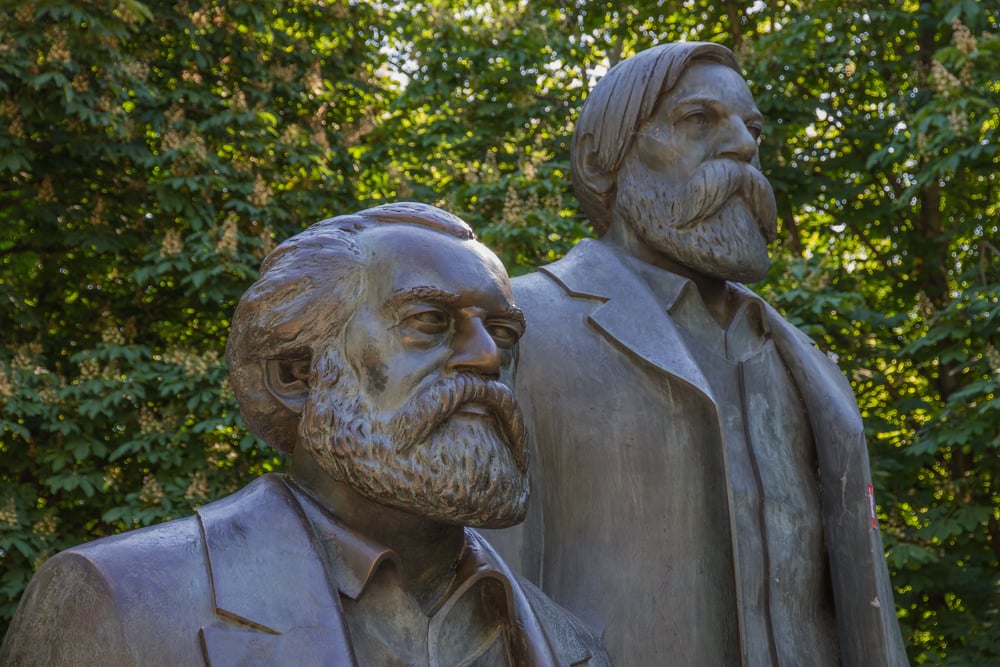
Karl Marx died on March 14, 1883. Richard Wagner died on February 13, 1883 — less than a month earlier, in the same calendar year.
Two men who fundamentally reshaped how the Western world thought about power, labor, art, and identity, both gone within thirty days of each other in the same European winter. Marx’s ideas would animate revolutions for the next century.
Wagner’s music would be appropriated by movements that would have appalled him and probably pleased him in equal measure. February and March 1883 were quieter than what they set in motion.
The First Moon Walk and the Woodstock Festival

Neil Armstrong and Buzz Aldrin walked on the moon in July 1969. Woodstock took place on August 15–18, 1969 — less than four weeks later.
Two events that defined the same cultural moment from completely opposite directions: one a triumph of institutional precision and cold-war technological ambition, the other a celebration of everything that stood against institutions. Half a million people in a muddy field in upstate New York, one month after humanity left its footprints on another world.
The summer of 1969 was, by any measure, a great deal to absorb.
The Signing of the Magna Carta and Genghis Khan’s Death
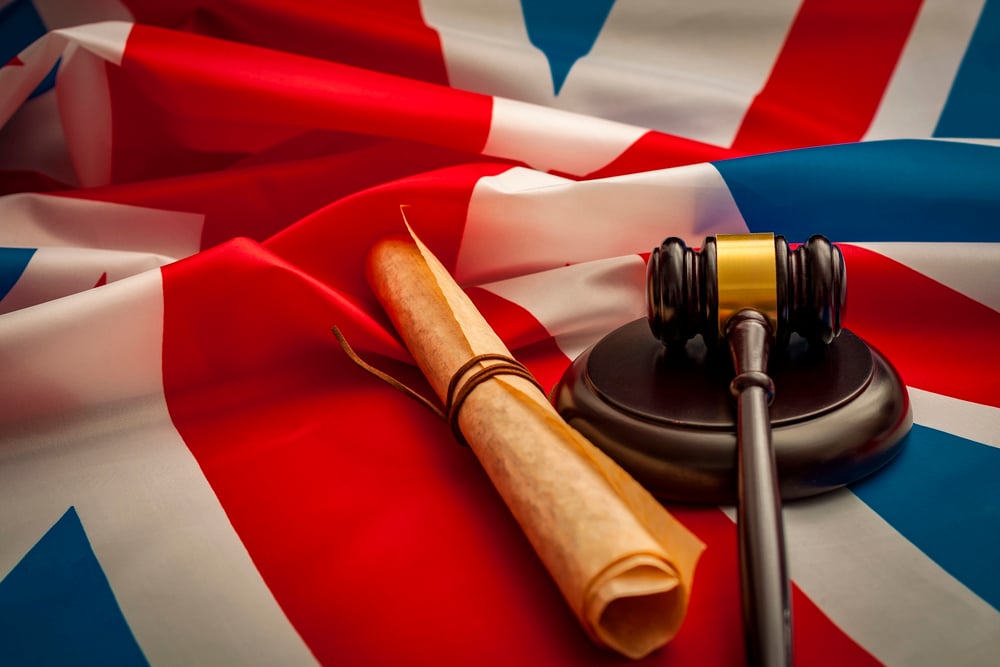
The Magna Carta was signed on June 15, 1215, establishing in English law for the first time that the king was subject to the rule of law. Genghis Khan died on August 18, 1227 — twelve years later, in a world where no such principle had any purchase whatsoever.
The two events are not concurrent, but their proximity in historical time is striking: the foundational document of constitutional limitation appeared at almost exactly the same moment that the largest land empire in history was being assembled by a man for whom limitations were a foreign concept. The thirteenth century was arguing with itself about what power was for.
The Completion of the Suez Canal and the Birth of Mahatma Gandhi

The Suez Canal opened on November 17, 1869 — a feat of engineering that connected the Mediterranean to the Red Sea and permanently altered global trade routes, strengthening European colonial access to Asia and Africa. Mahatma Gandhi was born on October 2, 1869, six weeks earlier in the same year.
The canal was the most consequential symbol of the imperial infrastructure that Gandhi would spend his life opposing. He was born in the same year it opened, grew up under the system it served, and died in 1948, the year after India finally exited it.
The canal and the man who resisted what the canal represented arrived in the world within weeks of each other. The calendar, as usual, had no comment.
When the Calendar Gets Strange

What makes these coincidences worth dwelling on isn’t any mystical implication — the calendar doesn’t plan, dates don’t conspire, and the universe is not taking notes on Jefferson and Adams to set up a punchline. What makes them interesting is something more mundane and more unsettling: that historical events we think of as isolated and sequential are actually happening simultaneously and continuously, in parallel timelines that mostly ignore each other, sometimes colliding by pure chance into the same week or the same hour.
The dates are just the moments when two streams cross. The streams were always running.
We’re just better at noticing them when they meet.
More from Go2Tutors!

- The Romanov Crown Jewels and Their Tragic Fate
- 13 Historical Mysteries That Science Still Can’t Solve
- Famous Hoaxes That Fooled the World for Years
- 15 Child Stars with Tragic Adult Lives
- 16 Famous Jewelry Pieces in History
Like Go2Tutors’s content? Follow us on MSN.