29 True Stories So Bizarre They Sound Completely Made Up
Every so often you stumble across a piece of history that feels like it must be a joke, a chain email exaggeration, or something someone made up after one too many drinks at a party. And then you look it up, and it turns out to be documented, footnoted, sometimes even photographed.
History is full of these moments — the kind where reality just refuses to behave the way reality is supposed to. Here are 29 of them, all real, all verified, and all deeply, wonderfully strange.
The Great Molasses Flood

Boston, January 1919. A storage tank ruptured and sent a wave of molasses nearly 25 feet high crashing through the North End at an estimated 35 miles per hour.
Twenty-one people died and buildings were flattened, with horses and pedestrians caught like they’d stepped into wet cement. Locals swore for decades afterward that you could still catch a whiff of molasses on a hot summer day.
The Dancing Plague
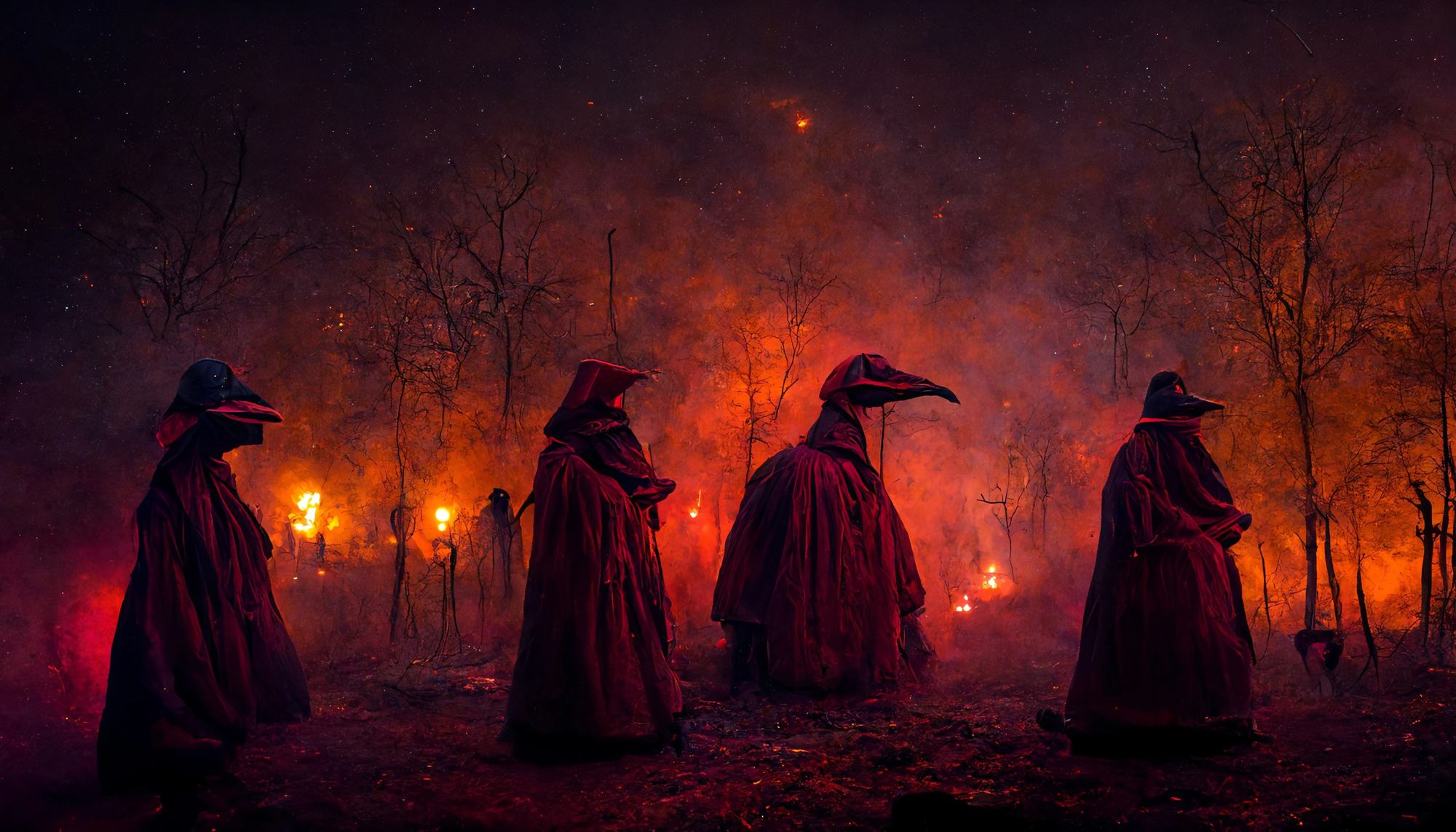
In the summer of 1518, a woman named Frau Troffea stepped into a Strasbourg street and began to dance — no music, no explanation, just movement that would not stop, and within a week dozens had joined her, some dancing until their shoes fell apart at the seams (though physicians of the era blamed it on overheated blood, which tells you plenty about medicine at the time).
It got worse. So authorities, in what has to be one of history’s worst decisions, actually built a stage and hired musicians, assuming the dancers needed to move it out of their systems, and the affliction spread instead of stopping until by some accounts four hundred people were dancing themselves into exhaustion.
Historians now lean toward mass psychogenic illness brought on by famine and stress: a fitting, if unsettling, explanation for an event nobody at the time could make sense of.
Operation Mincemeat
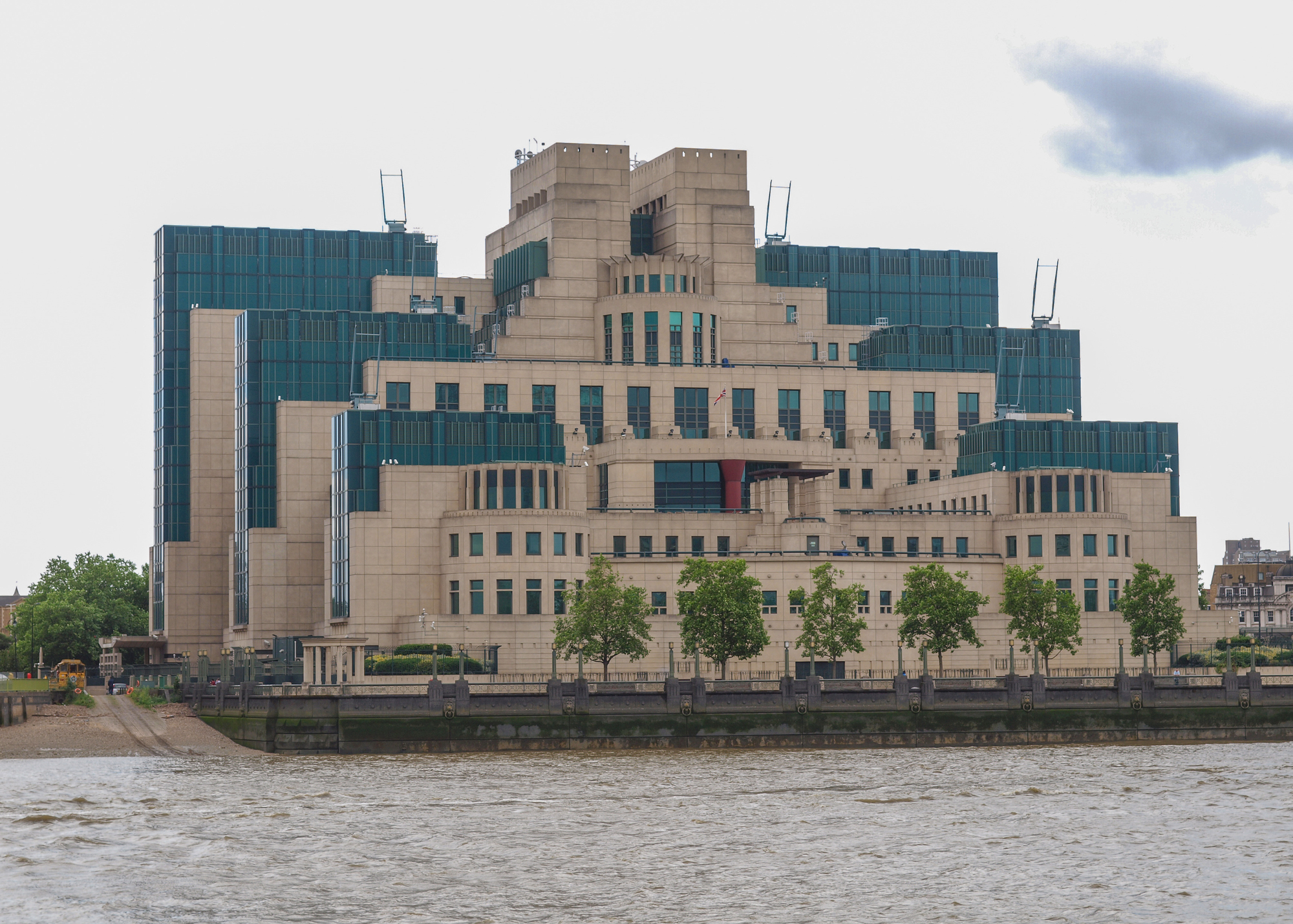
A dead body dressed as a fictional British officer, dropped off the coast of Spain with a case full of forged invasion plans chained to its wrist, sounds like the setup for a spy novel someone abandoned halfway through. It wasn’t fiction.
British intelligence orchestrated the whole thing in 1943 to convince Germany the Allies would invade Greece instead of Sicily, and the ruse worked so well that German forces shifted troops away from the actual target.
The corpse belonged to a homeless Welshman who never volunteered for anything, and yet he arguably saved thousands of lives.
The Emu War
Australia lost a war to birds, and no, that is not an exaggeration. In 1932, soldiers armed with machine guns were sent to Western Australia to cull an emu population destroying crops, and the emus simply refused to cooperate with military strategy.
They scattered, absorbed bullets without dying in tidy numbers, and generally made the entire operation look foolish, which is saying something for an army with actual artillery.
The Tanganyika Laughter Epidemic

Three girls at a boarding school in Kashasha started laughing in 1962 and could not stop. Within days the laughter had spread through the school, forcing it to close, and then it kept spreading to nearby villages and schools for months.
No virus, no toxin, nothing anyone could point to — just an outbreak of uncontrollable laughter that affected an estimated thousand people before it finally burned itself out.
The Cadaver Synod
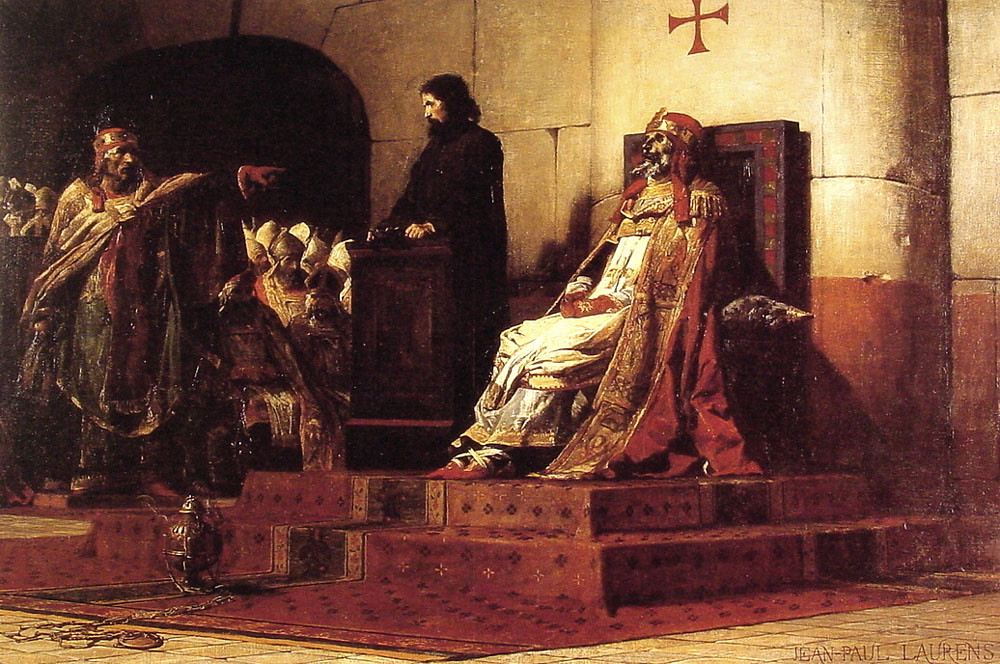
In 897, Pope Stephen VI had the corpse of his predecessor, Pope Formosus, exhumed, dressed in papal robes, and propped up on a throne to stand trial for various offenses (a deacon was assigned to answer questions on the corpse’s behalf, which cannot have been a comfortable job).
The verdict, unsurprisingly, was guilty: the body was stripped, mutilated, and thrown into the Tiber River. So thoroughly did this backfire on public opinion that Stephen VI was strangled in prison within the year, and posthumous Church trials were eventually banned altogether.
The London Beer Flood
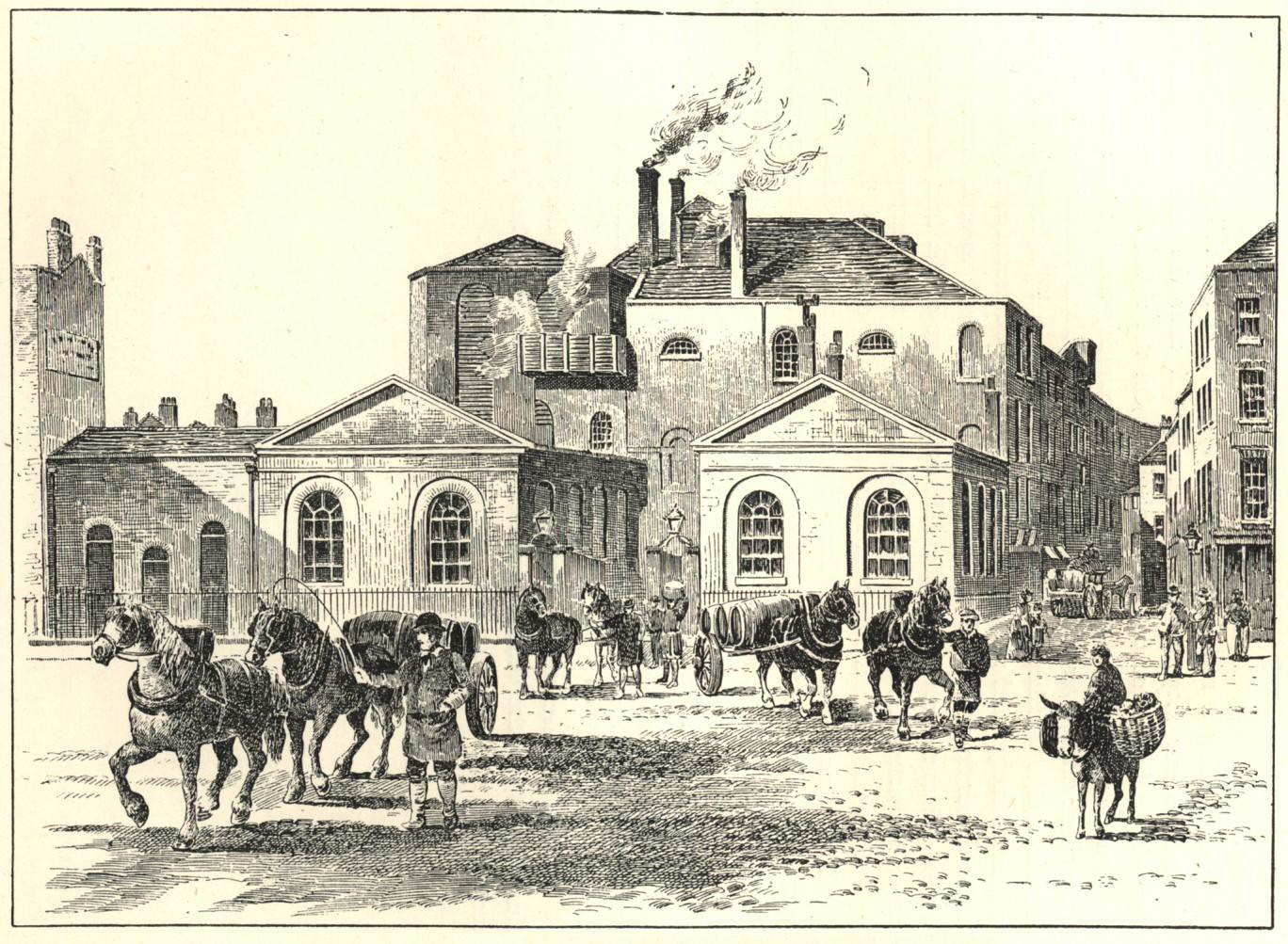
A 22-foot vat holding over 3,500 barrels of beer burst at Meux’s Brewery in 1814, sending a wave through the poor neighborhood of St Giles that demolished houses and killed eight people.
The flood was so sudden and strange that some residents at the inquest were accused of drunkenness rather than believed about what actually happened. Brewery owners, in a final indignity, were not held liable, since the courts ruled the whole thing an act of God.
The Pig War

A single pig wandering into a farmer’s garden on San Juan Island in 1859 nearly triggered a war between the United States and Britain. Tensions had already been simmering over an unclear border, and shooting the pig was apparently the last straw, escalating into a standoff with warships and thousands of troops on both sides.
Nobody died except the pig, and the whole dispute was eventually settled by arbitration, which is a strangely calm ending for something that started with a vegetable garden.
The Great Toilet Paper Panic

Johnny Carson made a joke on his late-night show in 1973 about a supposed toilet paper shortage, and the American public did not treat it as a joke.
Grocery stores were stripped bare within days as people bought carts full of it, manufacturers ran their factories overtime, and the actual shortage that resulted was one entirely manufactured by the panic itself. There had been no shortage before the joke. There absolutely was one after it.
Vesna Vulović’s Fall

In 1972, a Yugoslav Airlines flight exploded mid-air over Czechoslovakia at an altitude of roughly 33,000 feet, and flight attendant Vesna Vulović was the sole survivor of the wreckage — a fact that reads less like an accident report and more like something scripted for disbelief.
She spent 27 days in a coma and months in recovery, walking again despite injuries that should have ended far worse than they did. Investigators and historians still debate exact details of the explosion, but her survival remains one of the most extraordinary documented in aviation history.
The Radium Girls

Factory workers in the early 1900s painted watch dials with radium-laced paint, and their employers told them to lick their brushes into fine points for precision.
The workers began developing horrifying bone deterioration, jaw decay, and cancers years later, while the companies insisted for as long as they could that radium was harmless. Their eventual lawsuits reshaped labor law in the United States, establishing protections that workers today rarely think to thank them for.
Dagen H

Sweden had driven on the left side of the road for centuries, and then on September 3, 1967, at exactly 5:00 a.m., the entire country switched to driving on the right — all at once, overnight, by government decree.
Every vehicle on every road had to stop, shift over, and continue, an act of coordinated inconvenience that somehow went off with remarkably few accidents. The reasoning was mostly practical, since neighboring countries drove on the right and most Swedish cars were already built for it, but the sheer logistics of flipping an entire nation’s traffic pattern in one morning still sound like an idea someone should have talked them out of.
Wojtek The Soldier Bear
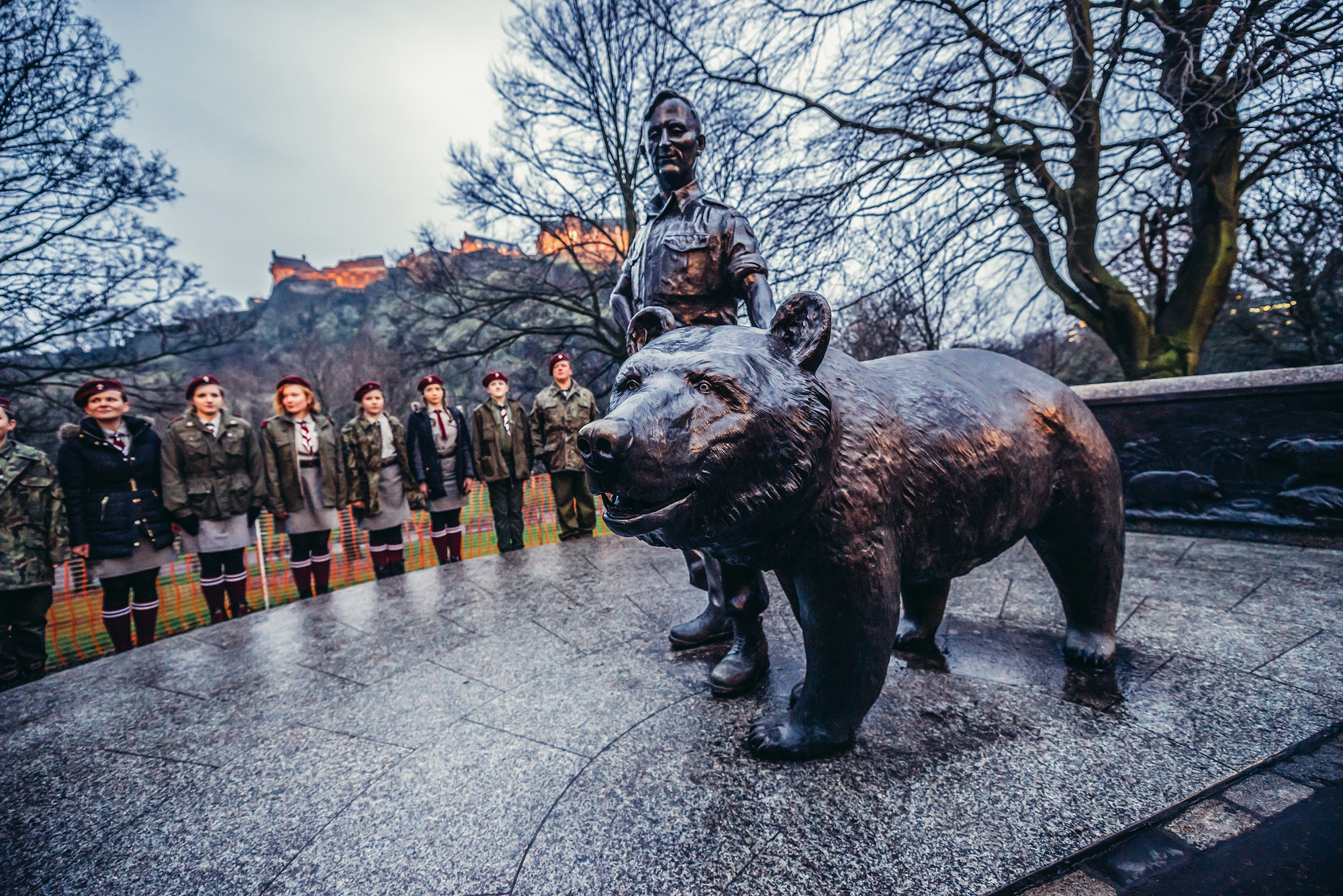
A Syrian brown bear cub was adopted by Polish soldiers during World War II and given the name Wojtek. He traveled with the unit, drank beer, wrestled with soldiers for fun, and was eventually enlisted as an official member of the army so he could be legally transported with the troops.
At the Battle of Monte Cassino, he reportedly helped carry ammunition crates, a detail so absurd it has its own memorial statue in Scotland today.
The Turk

A chess-playing machine unveiled in 1770 traveled Europe defeating some of the era’s sharpest minds, including Benjamin Franklin, and audiences genuinely believed clockwork alone could produce that kind of strategy.
It couldn’t. A skilled human chess player was hidden inside the cabinet the entire time, folded into a compartment while gears and levers created the illusion of an autonomous machine.
The deception lasted decades before it was finally exposed, which says less about 18th-century gullibility and more about how good the hiding spot really was.
The Exploding Whale Of Oregon

A dead sperm whale washed ashore near Florence, Oregon, in 1970, and officials decided the cleanest solution was dynamite. It was not the cleanest solution.
Chunks of whale rained down over a quarter mile, crushing a car parked well outside what anyone had assumed was the danger zone, and the footage of the explosion remains one of the most-watched clips of government decision-making gone wrong ever recorded.
The Voynich Manuscript
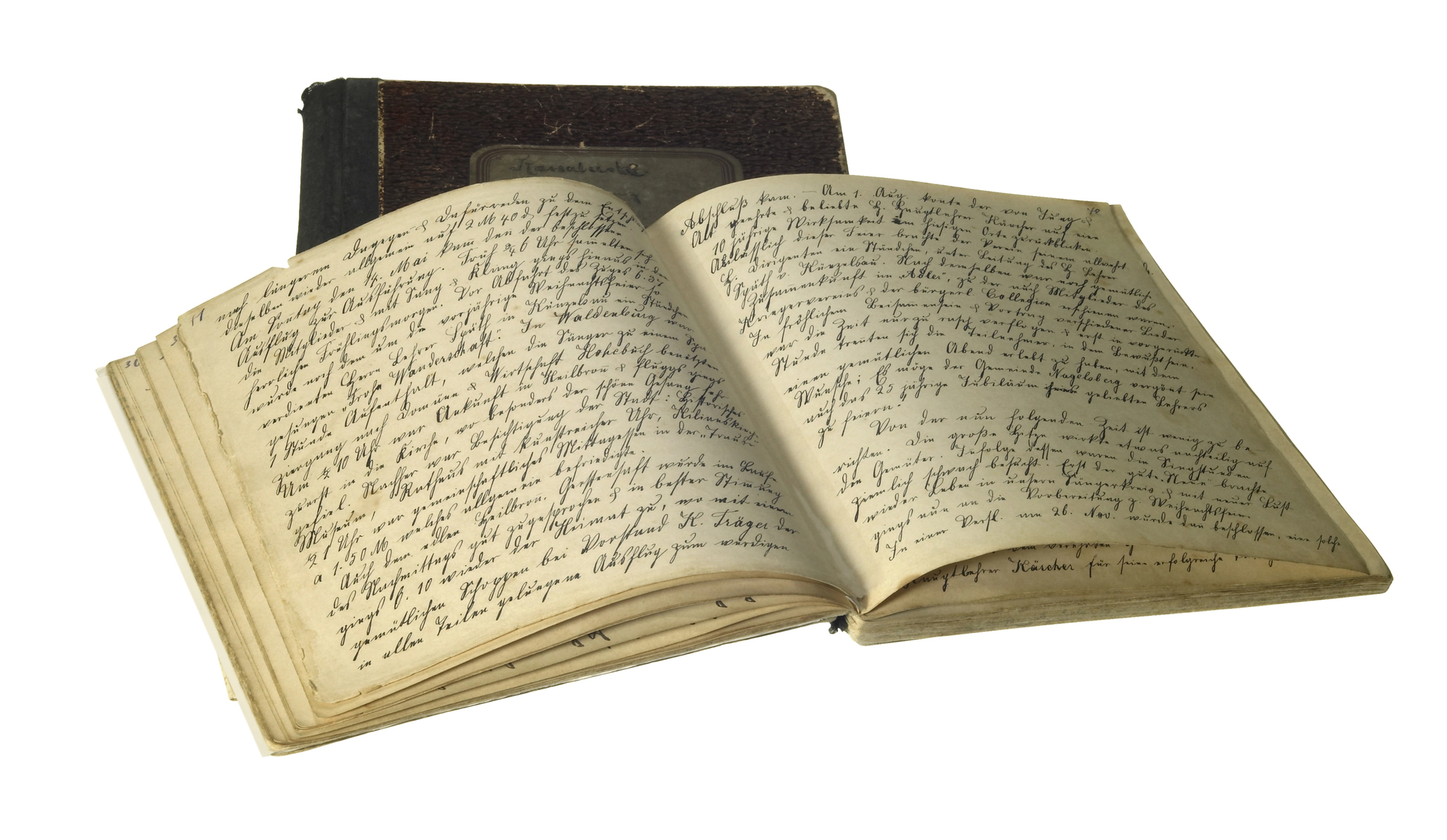
Somewhere in a Yale library sits a book nobody can read, written in a script that matches no known language, illustrated with plants that don’t exist in nature.
Carbon dating places its creation in the early 1400s, ruling out modern hoax theories that once seemed plausible, and cryptographers who cracked Nazi codes have taken a swing at it and walked away empty-handed.
It sits there still, patient and indifferent, refusing every attempt to make it make sense.
Kaspar Hauser

A teenager appeared in the streets of Nuremberg in 1828 barely able to speak, claiming he had spent his entire life alone in a darkened cell with no human contact.
Locals and scholars became obsessed with him, some convinced he was royalty hidden away for political reasons, and he became something of a celebrity mystery before he was fatally stabbed under circumstances just as murky as his origin.
Nobody has ever definitively explained who he was, where he came from, or why someone wanted him dead.
The Cottingley Fairies

Two young cousins in England photographed themselves in 1917 alongside what appeared to be tiny winged fairies dancing near a stream, and the images fooled a surprising number of adults who should have known better — including Sir Arthur Conan Doyle, creator of Sherlock Holmes, who championed the photos as genuine evidence of the supernatural.
The girls eventually admitted decades later that the fairies were simply illustrations cut from a children’s book, propped up with hatpins. And yet Doyle went to his grave defending them as real.
The Battle Of Karánsebes
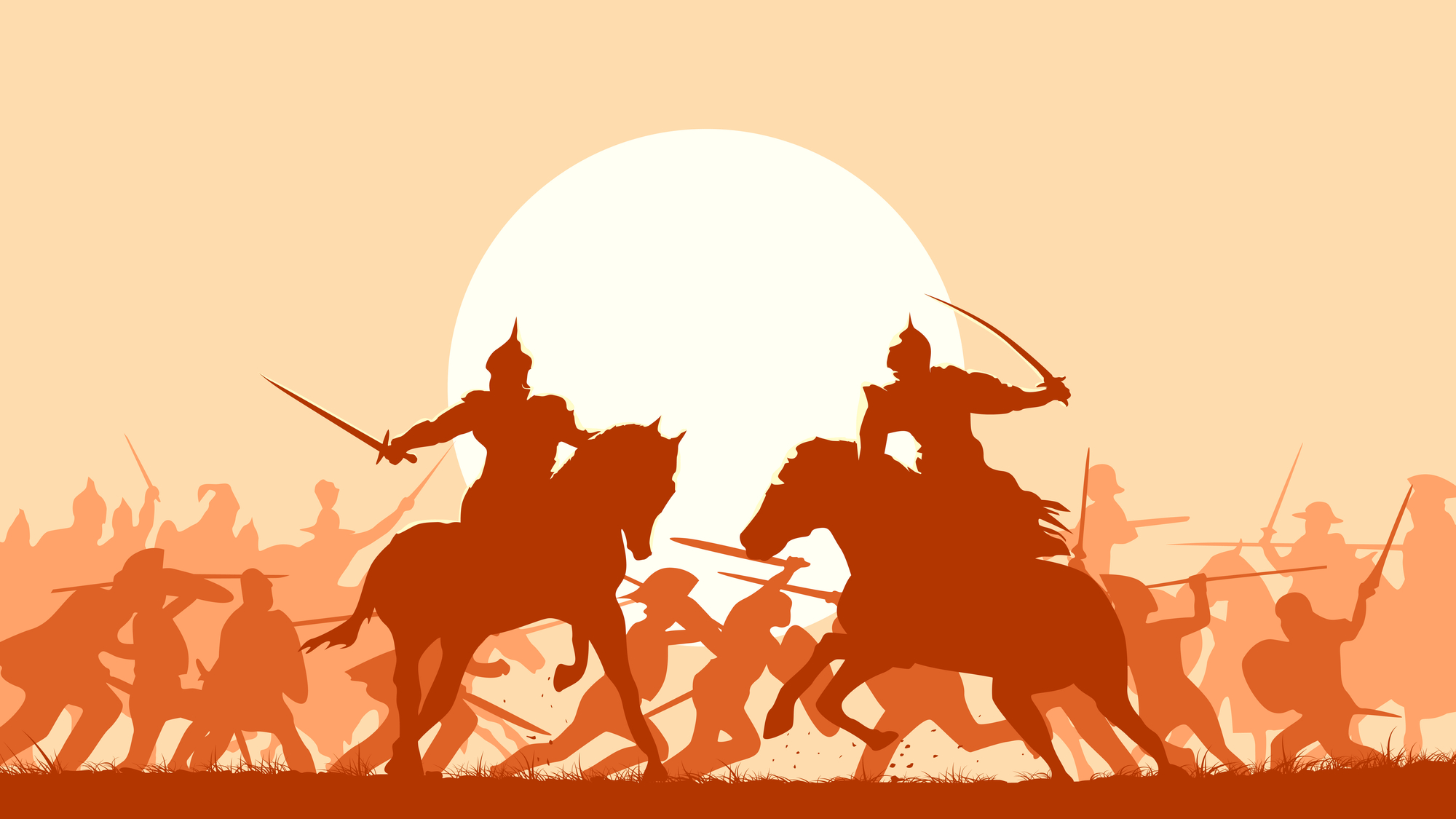
An Austrian army supposedly attacked itself in the dark in 1788, mistaking its own soldiers for Ottoman enemies after confusion and, depending on the account, no small amount of alcohol spread through the ranks.
Shouting turned to shooting, shooting turned to chaos, and by morning the army had suffered casualties without an actual enemy soldier in sight.
Historians still debate how exaggerated the story became in the retelling, but contemporary accounts from the period back up the basic, humiliating shape of it.
The Isdal Woman

A woman’s burned body was discovered in a remote Norwegian valley in 1970, her identity scrubbed clean: labels cut from her clothes, fingerprints unreadable, teeth altered by dental work from multiple countries.
Investigators found she had traveled under at least eight false identities before her death, suggesting a life built entirely on concealment. Decades of forensic advances later, nobody has ever confirmed who she really was.
Operation Acoustic Kitty
The CIA spent millions of dollars in the 1960s attempting to surgically transform a cat into a listening device, implanting a microphone and antenna to eavesdrop on Soviet conversations from park benches.
Cats, as anyone who has ever owned one could have predicted for free, do not take direction well, and the program was reportedly scrapped after the first field test ended badly for the cat.
Declassified documents confirm the project existed, which is somehow both hilarious and a genuinely unsettling use of taxpayer money.
Codex Gigas

Legend holds that a monk sentenced to be sealed alive within a wall offered to create the world’s largest manuscript in a single night in exchange for his life, and when he realized it was impossible, he prayed to the devil for help finishing it.
The result, known today as the Devil’s Bible, contains a full-page illustration of the devil himself and remains one of the largest medieval manuscripts in existence.
Nobody claims the legend is literally true, but the book’s real, physical existence — massive, strange, oddly beautiful — is enough on its own.
The Curse Of The Colonel

Fans celebrating the Hanshin Tigers’ 1985 championship win threw a life-sized statue of Colonel Sanders into Osaka’s Dotonbori River, and the team subsequently went 18 years without a single championship.
Superstition grew around the idea that the Colonel himself was cursing the franchise, and when divers eventually recovered pieces of the statue in 2009 — missing its hands, glasses, and lower half — fans treated it as genuine, meaningful news.
The team finally won again in 2023, and yes, people noticed the timing.
The Berners Street Hoax

A London prankster named Theodore Hook sent out thousands of fake orders in 1810, all directing tradespeople, deliveries, and officials to converge on a single unsuspecting house on Berners Street at the same time.
Coal carts, wedding cakes, undertakers, and even the Lord Mayor of London all showed up throughout the day, jamming the street into total chaos, while Hook reportedly watched the whole thing unfold from a rented room across the way.
It remains one of the most elaborate pranks ever documented, executed entirely with pen, paper, and remarkable patience.
Mary The Elephant

A circus elephant named Mary killed a handler in Tennessee in 1916 after what witnesses described as mistreatment, and the town’s response was to execute her by hanging from an industrial crane.
The first attempt failed when the chain snapped, and the second attempt, grim and public, drew a crowd that treated the spectacle as entertainment.
It stands today as one of the stranger and more uncomfortable footnotes in American circus history.
The Toynbee Tiles

Mysterious tiles started appearing embedded in asphalt roads across American cities and parts of South America in the 1980s, bearing cryptic messages about resurrecting the dead on Jupiter and referencing historian Arnold Toynbee and Stanley Kubrick’s “2001.”
Hundreds have been documented, always laid flush into the road surface itself, never explained by the person or people responsible.
Theories point toward a specific individual, but nobody has ever proven who installed them, or why Jupiter kept coming up.
Roy Sullivan

A park ranger in Virginia was struck by lightning seven separate times between 1942 and 1977, and survived every single one, which earns him a spot in the Guinness World Records for a reason nobody envies.
Coworkers reportedly avoided standing near him during storms, which seems like a reasonable policy.
He eventually died of unrelated causes, having outlasted odds that statisticians would call essentially impossible.
The Great Stork Derby

A Toronto lawyer named Charles Vance Millar died in 1926 and left a will stating that his fortune would go to whichever woman in the city had given birth to the most children within the following decade.
The resulting scramble, dubbed the Great Stork Derby by local newspapers, became a genuine public spectacle with families competing openly for a fortune riding on childbirth.
Four women eventually tied with nine children each and split the winnings, a resolution nobody could have scripted more strangely.
The Man Who Sued Himself

A Virginia inmate named Robert Lee Brock filed a lawsuit in 1995 against himself for five million dollars, arguing that he had violated his own civil rights by getting drunk and committing the crimes that landed him in prison.
He then requested the state pay the settlement on his behalf, since he was, as he pointed out, a ward of the state with no personal assets.
The case was dismissed, but not before it made headlines for being possibly the strangest legal filing anyone had seen that year.
Where Truth Keeps Outrunning Fiction

None of these stories needed embellishment to earn their place here, and that’s really the point worth sitting with. Reality has a habit of producing scenarios too strange, too specific, or too oddly detailed for anyone to have simply invented them.
A dancing plague, a bear enlisted as a soldier, a cat wired for espionage — fiction usually has the decency to make sense. History, evidently, does not owe anyone that courtesy.
More from Go2Tutors!

- The Romanov Crown Jewels and Their Tragic Fate
- 13 Historical Mysteries That Science Still Can’t Solve
- Famous Hoaxes That Fooled the World for Years
- 15 Child Stars with Tragic Adult Lives
- 16 Famous Jewelry Pieces in History
Like Go2Tutors’s content? Follow us on MSN.



