27 Childhood Games That Kept Entire Neighborhoods Busy Until Dark
There was a time when a summer evening didn’t need a screen to fill it. A patch of grass, a chalk-drawn line, a handful of kids who showed up because word got around — that was the entire recipe.
Streetlights were the real curfew back then, and until they flickered on, the whole block belonged to whatever game someone decided to start.
Freeze Tag

Freeze tag needed no equipment and no adults. One kid was “it,” everyone else scattered, and the game ended when the last frozen statue finally got tagged loose.
It ran on pure momentum — no rules committee required.
Hide And Seek

What made hide and seek last so long wasn’t the counting or the finding — it was the waiting, that stretched-out silence behind a shed or under a porch where your own heartbeat felt loud enough to give you away.
Kids picked spots with the seriousness of someone hiding from actual danger, tucking themselves into gaps between fences or behind trash cans that smelled faintly of cut grass and old rubber.
And somehow, even after the tenth round, getting found still landed like a small betrayal.
So the game reset itself immediately, because nobody wanted to be the one who quit first.
Red Light, Green Light

Red Light, Green Light rewards patience more than speed, which is why the twitchy kids always lost first.
Anyone caught moving on “red” got sent back — no negotiation, no do-overs.
It’s less a race and more a lesson in restraint, dressed up as a children’s game.
Kick The Can

There’s something almost theatrical about kick the can, the way an old dented can becomes the entire stakes of the evening.
Whoever got tagged and locked up in “jail” wasn’t really out of the game — they were bait, dangling there until some braver kid darted in and sent that can flying, freeing everyone in one loud, clattering swing.
The can itself didn’t matter.
What mattered was the noise it made when the rules broke open.
Capture The Flag
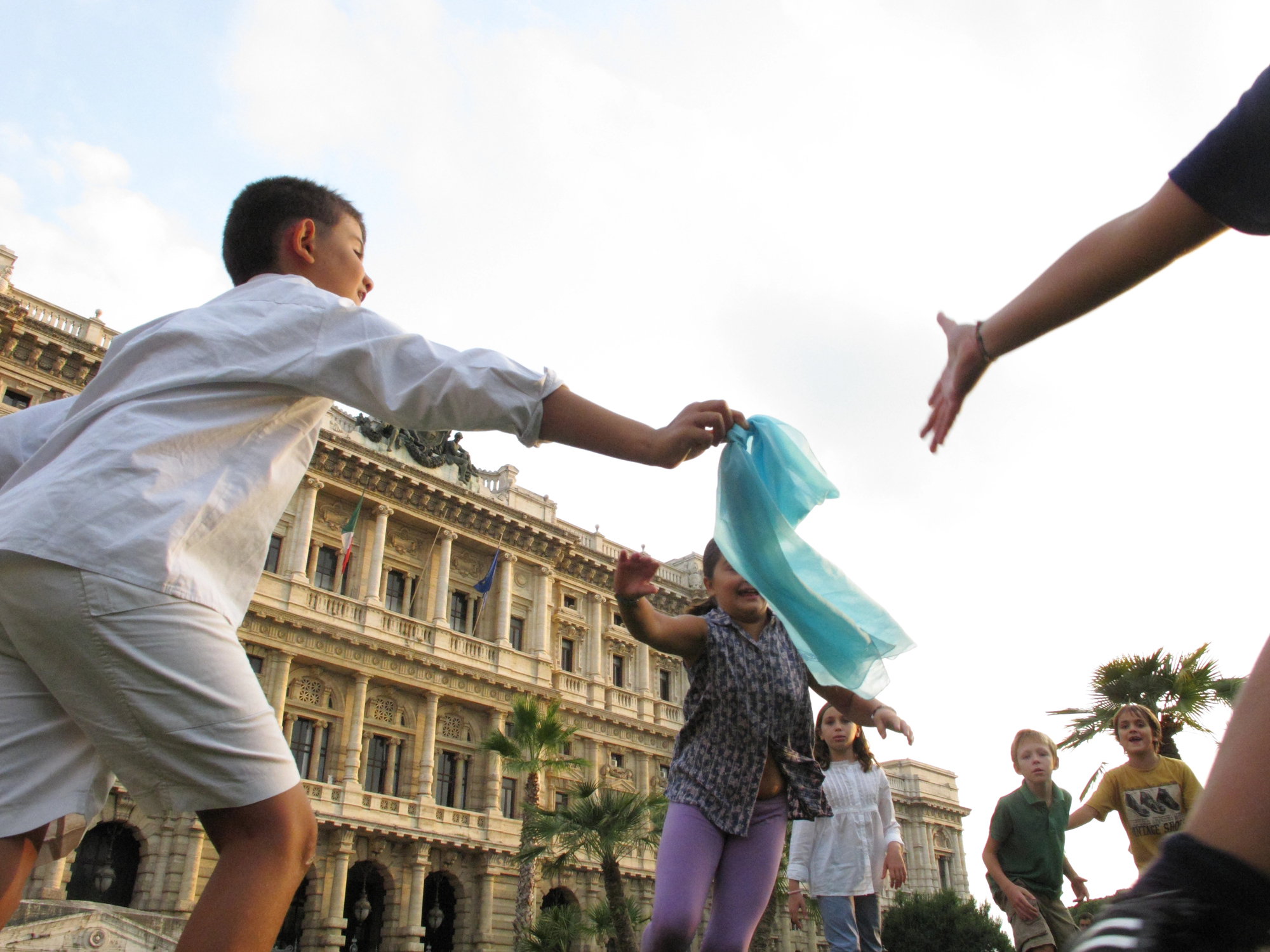
Capture the flag turned an ordinary yard into contested territory, and every kid took it far too seriously.
Two teams, two flags, one invisible line down the middle that everyone respected like it was drawn in law rather than dirt.
Strategy mattered here — somebody always got assigned to guard duty and hated it, which, to be fair, was usually the correct call.
Four Square
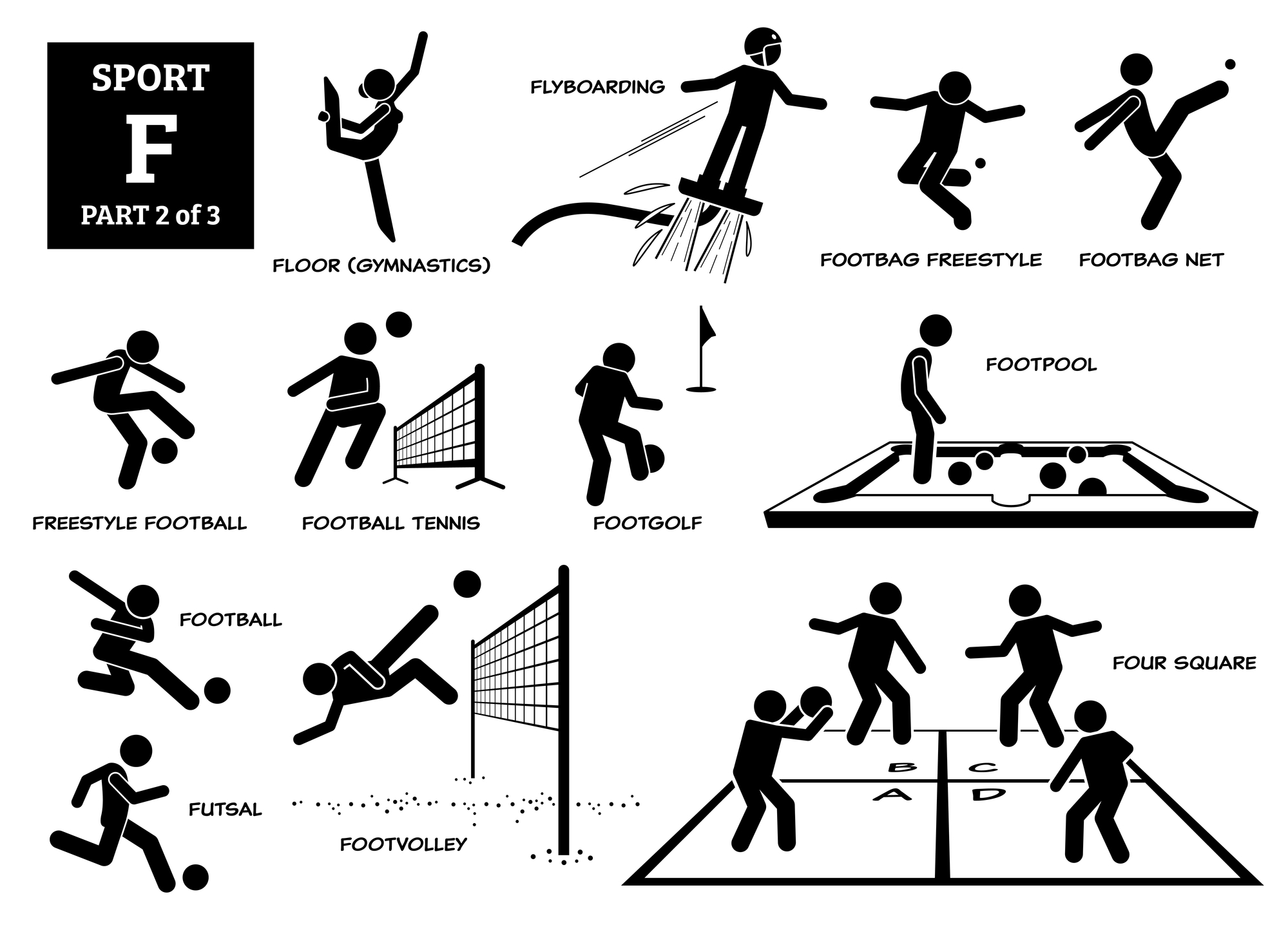
Four square lived on driveways and required exactly one thing: an orb with just enough bounce to survive concrete.
Kids ranked themselves by square, with the top spot earning a strange, temporary authority over house rules nobody wrote down.
Losing your spot stung more than it should have — which is probably why the game never got old.
Hopscotch

A hopscotch grid is a small ritual chalked into the sidewalk, numbers fading a little more with every rain until someone redrew them.
There’s a quiet discipline to it — one foot, two feet, the careful toss of a stone that has to land just right or the whole turn is wasted.
It looks like child’s play from a distance, but up close it’s balance, memory, and stubborn precision stacked on top of each other.
Jump Rope

Jump rope earns its reputation as the most demanding game on this list, and nobody who’s tried Double Dutch at speed would argue otherwise.
Two ropes turning in opposite directions look chaotic until you realize the rhythm holds everything together.
Kids who could jump in without missing a beat had a kind of playground celebrity status, which — let’s be honest — they absolutely earned.
Red Rover
Red Rover called kids across a field by name, arms linked, daring someone to break through.
Nobody remembers who invented the rule that you had to aim for the weakest link — that part just showed up on its own.
It ended more evenings in grass stains and mild grudges than almost any other game, and somehow that never stopped anyone from playing again the next night.
Ghost In The Graveyard

Ghost in the Graveyard needed darkness to work properly, which is exactly why it showed up right as the sun started giving out.
One kid crept off alone into the shadows while the rest counted, and there was a real, if slightly silly, dread in not knowing which shape moving near the fence was a ghost and which was just a bush — the kind of fear that felt enormous at eight years old and completely forgettable by breakfast.
And when the ghost finally sprinted out yelling, the whole group scattered like the sound itself was dangerous.
That scream-and-run sequence, repeated a dozen times a night, was basically the entire point.
Manhunt

Manhunt is Hide and Seek’s older, meaner cousin, and it deserves more credit for that.
Bigger boundaries, real teams, and a hunt that could stretch across several yards instead of one — kids treated it with the seriousness of a small military operation.
Whoever got caught last became a minor legend for at least a week.
Marco Polo

There’s something almost tender about Marco Polo’s blindness — the way it forces kids to trust sound over sight, calling out into a pool full of splashing and half-truths.
“Marco” gets answered with “Polo” whether it’s honest or not, and that small dishonesty is baked right into the rules, which is a strange thing to teach children and somehow works out fine.
The seeker flails toward a voice that might already be gone, arms sweeping water that holds no answers.
It’s a game built entirely on faith in an echo.
Tag

Tag doesn’t need explaining, and that’s exactly why it’s lasted this long.
No boundaries, no equipment, no age limit — just one kid chasing another until the chaser becomes the chased.
It’s the purest game on this list, and honestly, it might be the only one that requires zero setup whatsoever.
Simon Says

Simon Says punishes overthinking, which is a strange thing for a children’s game to do.
The command has to start with “Simon says” or the move doesn’t count, and kids dropped out constantly by moving on instinct rather than instruction.
What made it stick around wasn’t the trick itself — it was watching a friend’s face fall the second they realized they’d been fooled again.
Duck, Duck, Goose

There’s a specific, electric stillness in the moment before “goose” gets shouted, everyone sitting cross-legged in a circle pretending not to care while secretly bracing for it.
The tapping hand moves slow, almost cruel about it, dragging out the suspense longer than it needs to.
And when it finally lands, the whole circle explodes into motion, chasing a kid around a ring that suddenly feels much bigger than it did thirty seconds earlier.
Wiffle

Wiffle orb existed because real baseball needed a yard nobody had.
The plastic bat and hollow orb turned any backyard into a stadium, dents and all, and the wild, unpredictable curve of that orb made every pitcher briefly feel unhittable.
Broken windows happened anyway, because they always do.
Stickball
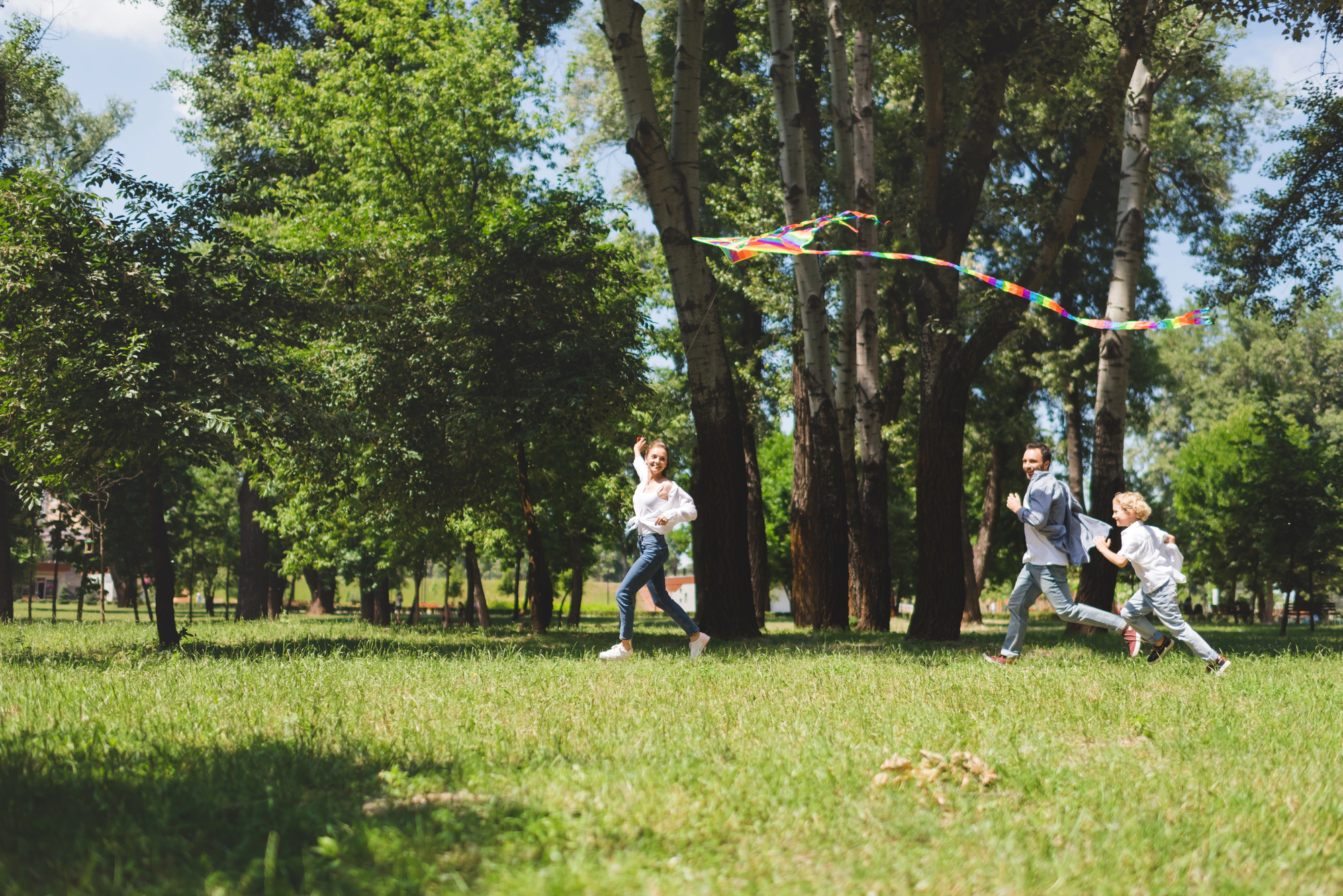
Stickball is what happened when city kids wanted baseball but had a street instead of a diamond, and honestly, the improvisation is the best part.
Manhole covers became bases, a broom handle became a bat, and a pink rubber orb did more work than it had any right to.
Cars occasionally interrupted the game entirely, and everyone just paused until the street was theirs again.
Marbles
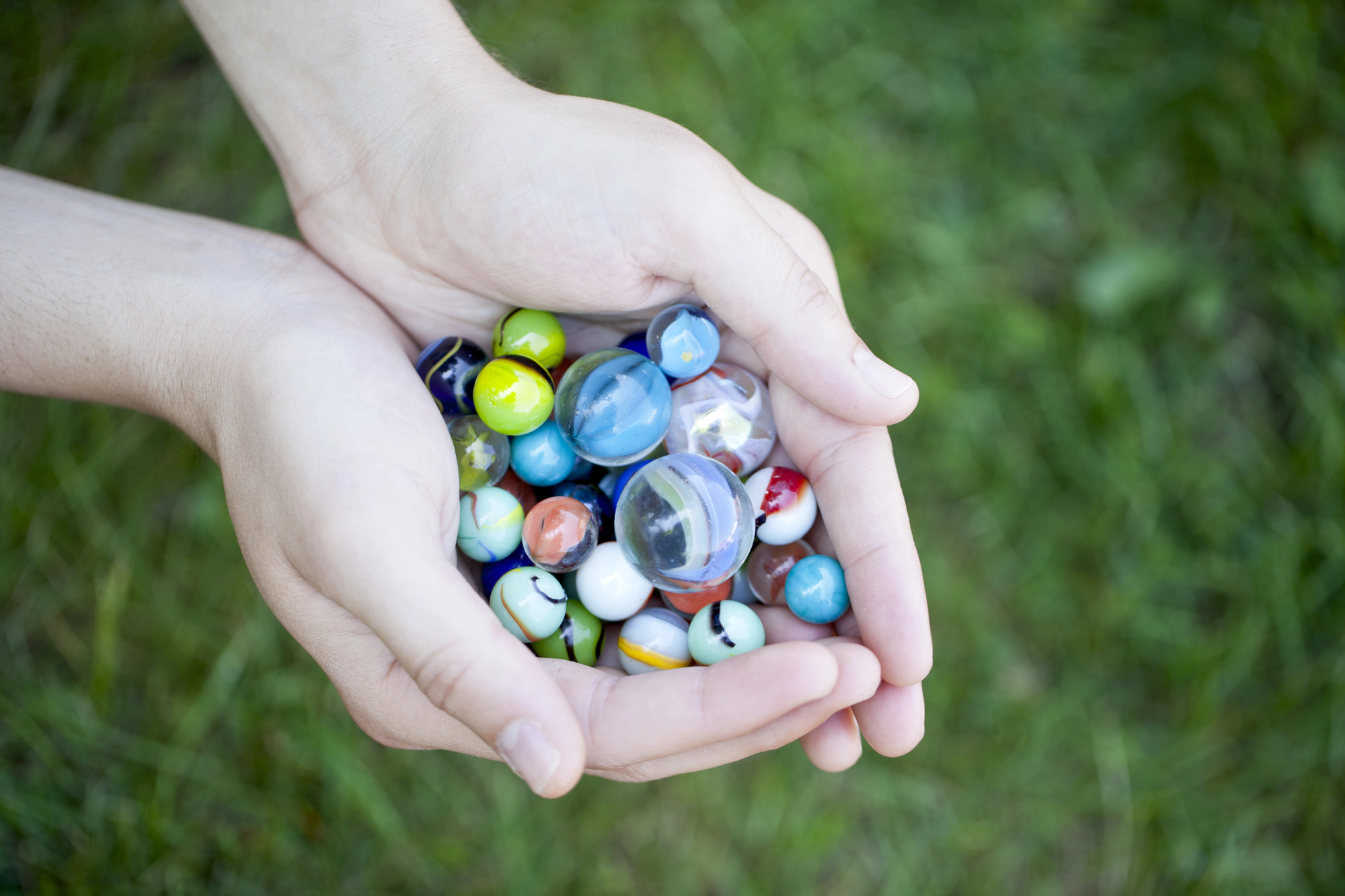
There’s a quiet, almost jeweler’s focus to a good game of marbles — the way a kid squints down at a shooter, calculating an angle that has nothing to do with math class and everything to do with instinct.
Winning meant walking home with a pocket heavier than it started, and losing meant explaining to a sibling why your favorite cat’s-eye was suddenly gone.
The whole game lived in that small, tense flick of a thumb.
Jacks

Jacks is deceptively brutal for something played sitting down.
You bounce the orb, scoop up jacks in increasing numbers, and the margin for error shrinks every single round — one fumble and the turn passes, no mercy involved.
It’s proof that a game doesn’t need to be loud or physical to wreck a kid’s patience.
Tetherball
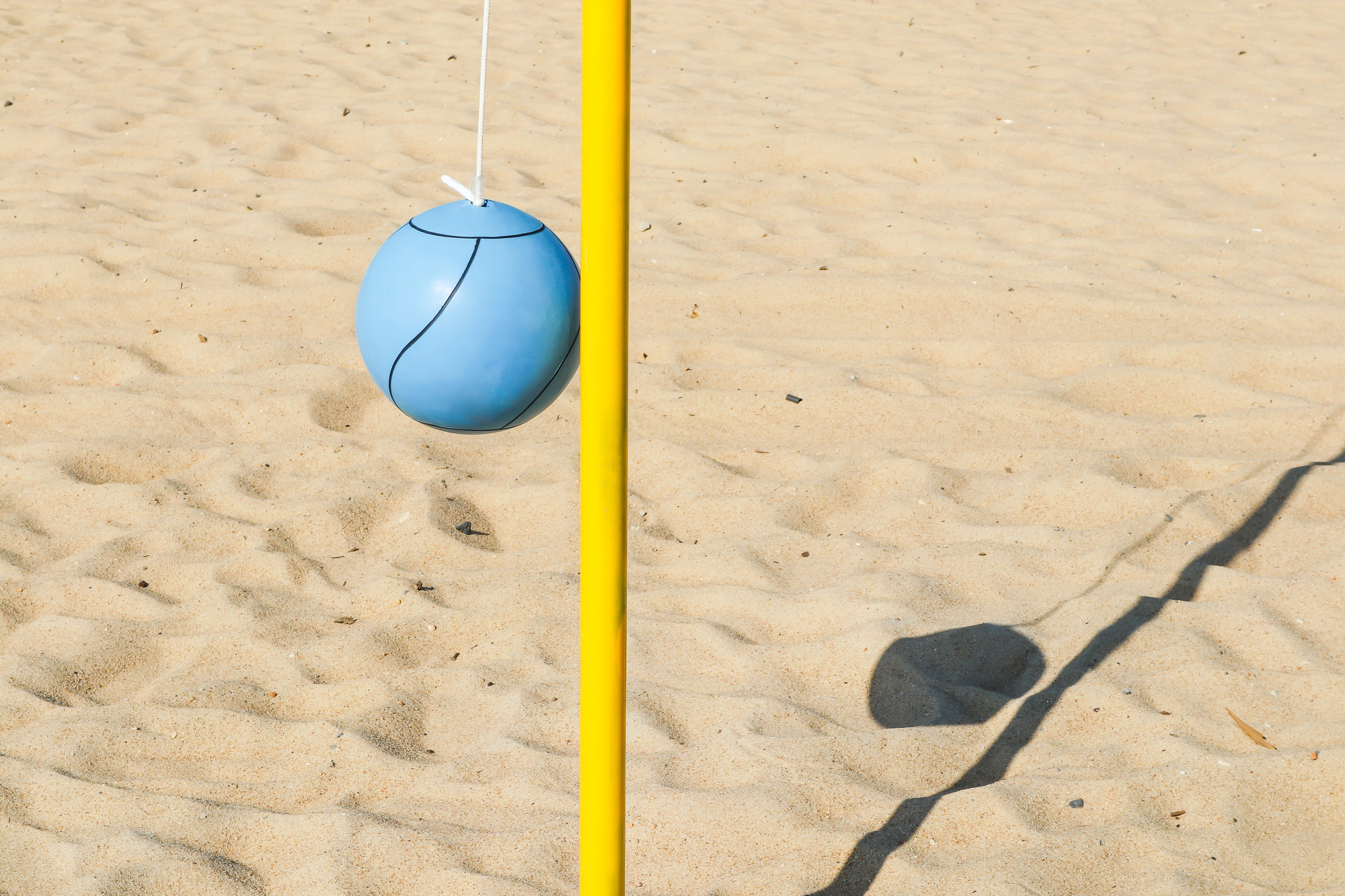
Tetherball turned one pole and one rope into a genuine rivalry generator.
Whoever hit harder usually won, though a clever kid could out-angle a stronger one if they timed it right.
Recess arguments over “that didn’t count” outlasted the actual games by a wide margin.
Double Dutch
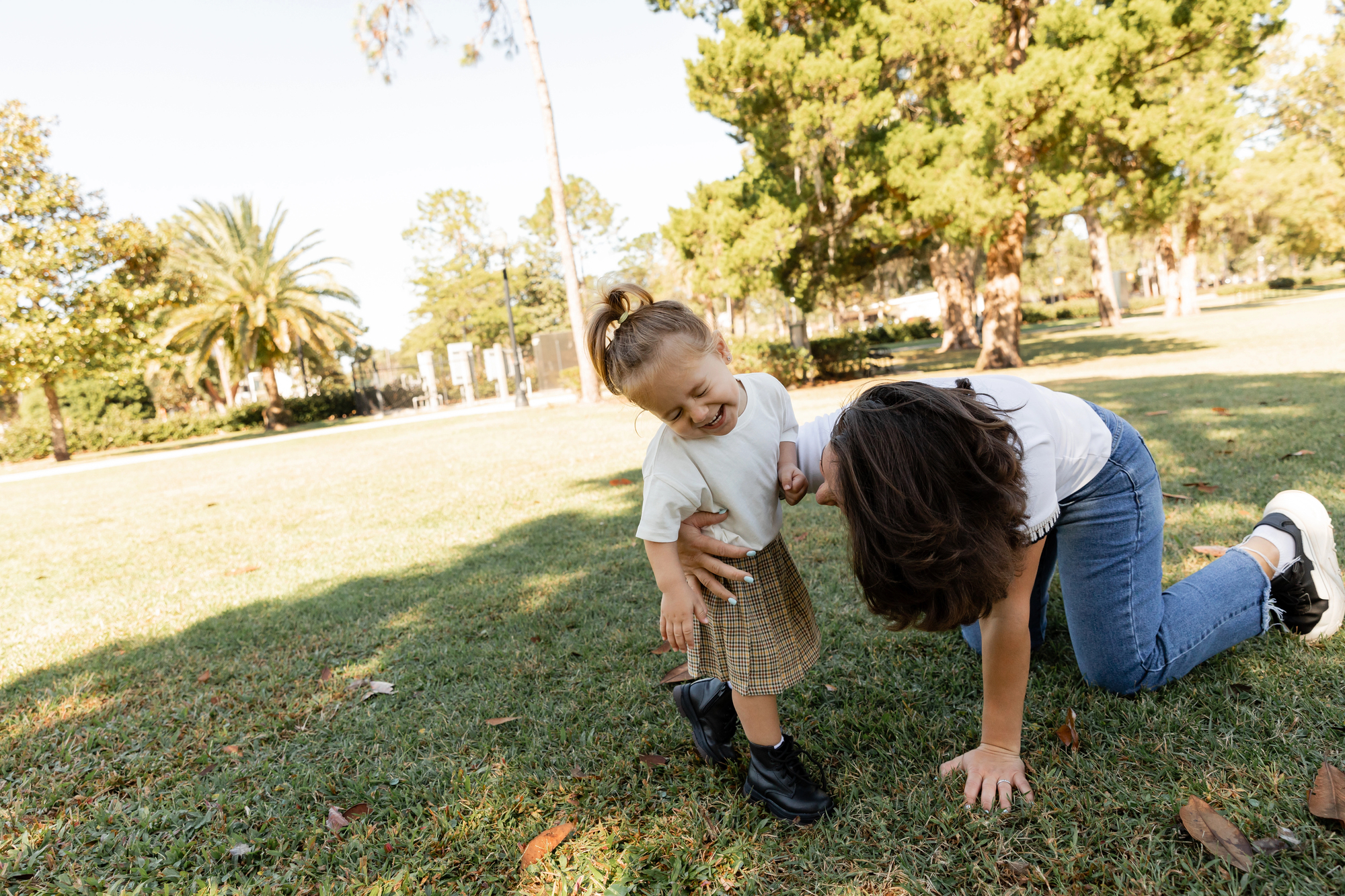
Double Dutch deserves its own entry separate from regular jump rope, because it’s a different discipline entirely.
Two ropes, opposite directions, and a jumper who has to read the rhythm like sheet music instead of counting beats — miss the timing and the whole thing collapses instantly.
It rewarded the kids who practiced quietly for hours nobody saw, which is probably the most honest kind of skill there is.
Mother May I

Mother May I turned simple steps into a small negotiation, since forgetting to ask “Mother, may I?” sent you straight back to the start line regardless of how close you’d gotten.
Kids picked outlandish moves on purpose — giant leaps, spinning steps — just to make the walk back sting more if it got denied.
It was less about winning and more about who could sound the most polite while being the most ruthless.
Truth Or Dare

Truth or Dare earns its spot on this list because it never once needed rules written down, only a group willing to sit in a circle and risk it.
Someone always picked truth to play it safe, and someone always regretted picking dare five seconds too late.
The game barely changed across decades of kids, which says something about how little actually needs updating when the stakes are just embarrassment.
Spud

Spud turned an ordinary rubber orb into a countdown clock.
Someone got named, everyone else ran, and the moment “Spud!” rang out, the whole yard had to freeze exactly where they stood.
Getting hit meant a letter added to your score, and nobody wanted to be the one who spelled the whole word first.
Sardines

Sardines flipped Hide and Seek inside out, and the reversal is what made it strange in a good way.
One kid hid, and instead of being found and eliminated, every seeker who found them just squeezed into the same hiding spot, packed together like — well, like the name suggests.
By the end, an entire crowd of giggling kids crammed into a closet meant for one, and the last person to find them became the joke of the night.
Statues

Statues, sometimes called Freeze Dance depending on which block you grew up on, worked on a simple threat: move after the music stopped, and you were out.
Kids struck the most ridiculous poses on purpose, betting that a friend would crack up mid-freeze and blow their own cover.
It rewarded stillness in a way most childhood games never bothered to.
Flashlight Tag

Flashlight Tag is Tag’s after-dark upgrade, and it’s arguably scarier than anything on this list that actually tried to be scary.
Getting caught in the beam counted the same as a tag, so kids developed genuine tactics — crouching behind cars, timing their sprints between sweeps of light.
The dark did half the work; the flashlight just made it official.
The Streetlights Always Won Eventually

No neighborhood ever ran out of games — it ran out of daylight, and even that took some convincing.
Kids negotiated for five more minutes constantly, certain that the next round of whatever was being played would be the best one yet.
Nothing about these games required much: an orb, a rope, a patch of grass, and a group of kids willing to make up rules on the spot and argue about them just as fast.
That was the whole trick, really — not the games themselves, but the sheer number of kids willing to show up and keep them going until somebody’s mother called them in for the night.
More from Go2Tutors!

- The Romanov Crown Jewels and Their Tragic Fate
- 13 Historical Mysteries That Science Still Can’t Solve
- Famous Hoaxes That Fooled the World for Years
- 15 Child Stars with Tragic Adult Lives
- 16 Famous Jewelry Pieces in History
Like Go2Tutors’s content? Follow us on MSN.