Old Rotary Phones in Working Condition Have Become Surprisingly Sought After
There’s a particular kind of person who stops mid-scroll at a garage sale listing that says “vintage rotary phone, tested, works.” Not because they need a phone.
They have five in their pocket already, technically. But something about a heavy plastic handset with a coiled cord and a dial that clicks back into place has started pulling people in, and the demand for ones that actually function has quietly outpaced almost anyone’s expectations.
The Nostalgia Pull
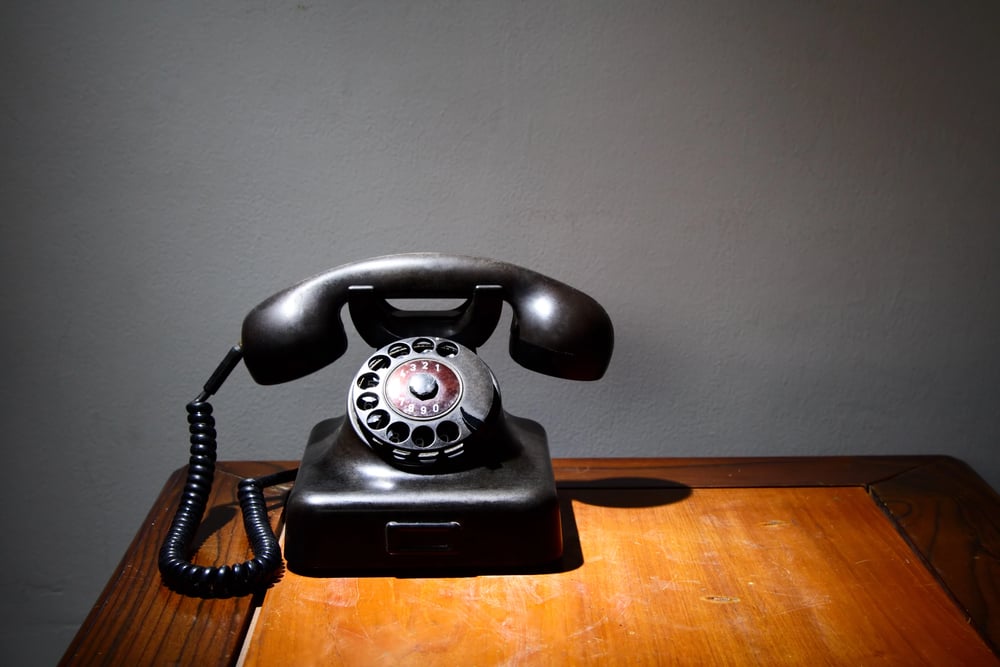
Nostalgia sells, but it usually sells cheap reproductions. This is different.
People aren’t buying a phone-shaped object — they’re buying the actual machine their grandmother used to call the pharmacy. That distinction is the whole reason the market exists.
Where They Turn Up

You find them in the places you’d expect and a few you wouldn’t: estate sales, church basement rummage events, the back corner of an antique mall where nobody’s dusted since spring. And then there’s the odd barn find — someone clearing out a relative’s house discovers one still wired into the wall, untouched since 1974, dial tone included.
Online, they surface on Etsy and eBay in batches, usually photographed on a kitchen table with a handwritten note about condition. The good ones — the ones that still dial and still ring — don’t sit in a listing for long.
What They’re Selling For
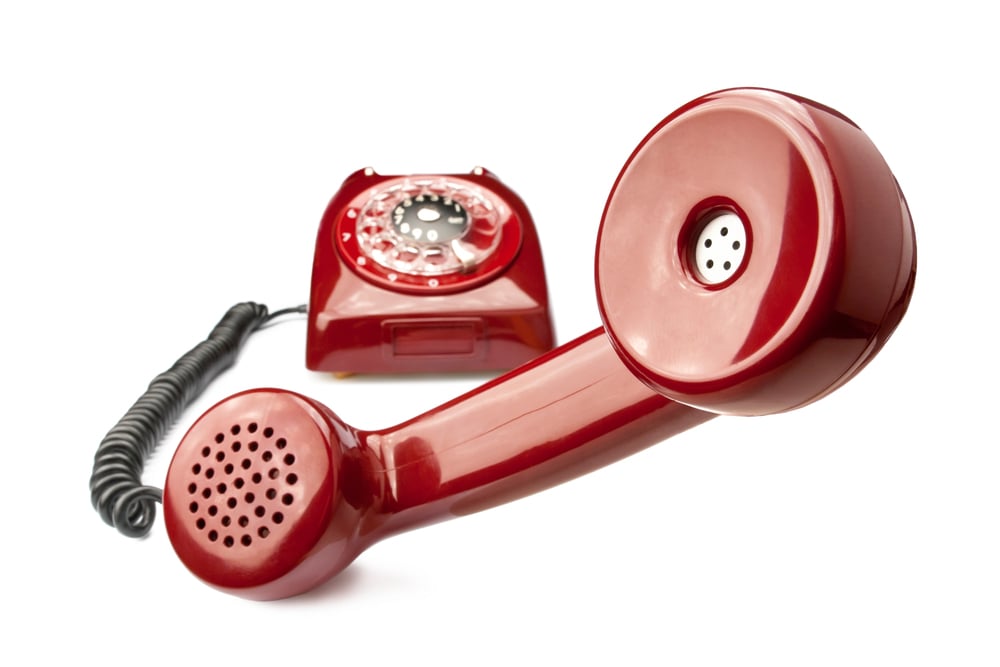
A rotary phone that doesn’t work is decor. One that does is a different category entirely, and the price gap reflects that: non-functional units often sell for twenty to forty dollars, while verified working models — especially with original cords and no cracked housing — can climb past a hundred, sometimes well beyond it for rare colors or desk models with a good story attached.
Buyers ask pointed questions before committing: does the dial return properly, is there static on the line, has it been rewired. Sellers who can answer those questions get better offers, plain and simple.
The Western Electric Name

Western Electric built the phones most Americans grew up dialing, and that name still carries weight in this market. Their Model 500, introduced in the 1950s, is the one people picture when they picture a rotary phone at all — sturdy, boxy, built by the millions and somehow still the benchmark decades later.
Which is a little funny, considering how disposable everything made after it has turned out to be.
Working Order Matters
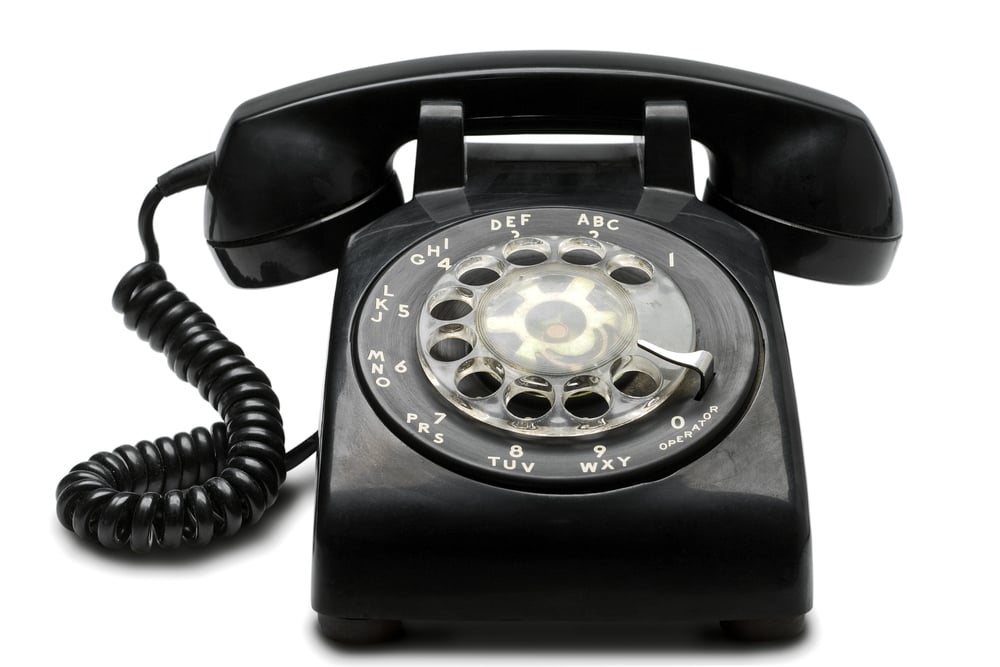
A rotary phone that just sits on a shelf is a prop. One that rings when someone calls, that carries a real conversation start to finish, is something else — proof that a piece of 1960s engineering can still do its one job without complaint.
That gap between decoration and function is exactly what’s driving prices up. Buyers aren’t paying for the look anymore.
They’re paying for the machine to actually behave like a phone.
That Dial Sound

There’s a sound a rotary dial makes when it spins back to zero, a mechanical whir with a soft clatter at the end, like a small gear settling into place after doing its job. Nothing about a touchscreen replicates it, and nothing about a touch-tone phone quite matches it either — those just click.
The rotary sound is patient in a way modern devices aren’t built to be, because dialing seven digits the old way takes actual seconds, and you feel every one of them. It’s a small thing.
It’s also apparently the thing people miss most.
Landlines and Adapters
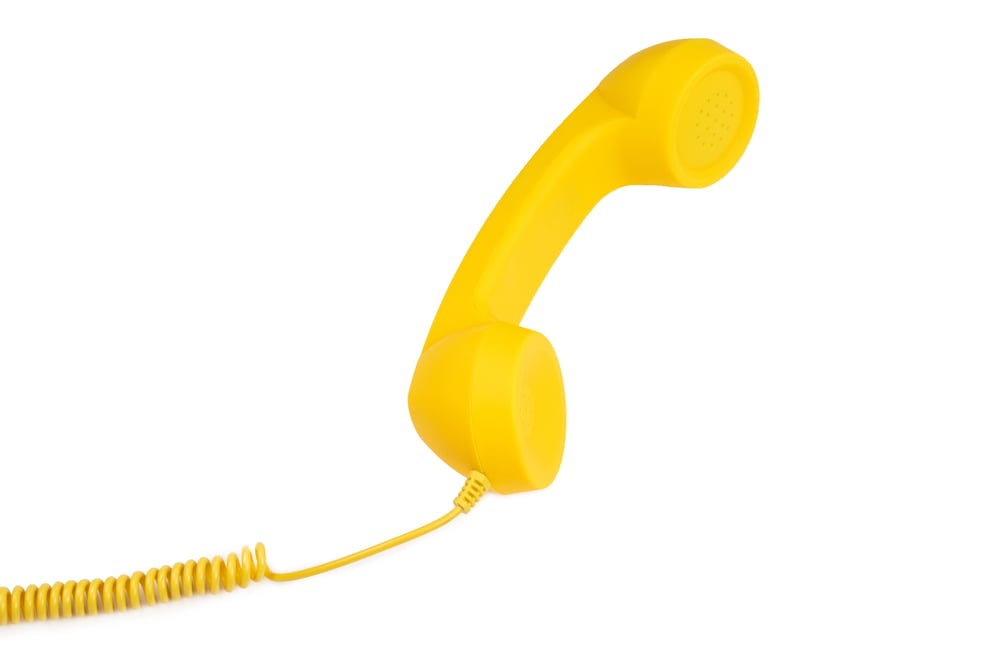
Here’s the catch nobody mentions in the nostalgic listings: most homes don’t have a traditional landline anymore, and rotary phones need pulse dialing to work the way they’re supposed to. VoIP services and most modern phone systems are built for tone dialing, so a rotary phone plugged straight into a VoIP adapter often won’t dial out correctly without an additional pulse-to-tone converter.
It’s not a dealbreaker — those converters exist and aren’t expensive — but it’s a step buyers frequently discover only after the phone’s already on the shelf. The workaround is simple.
The surprise is not.
The Restoration Crowd
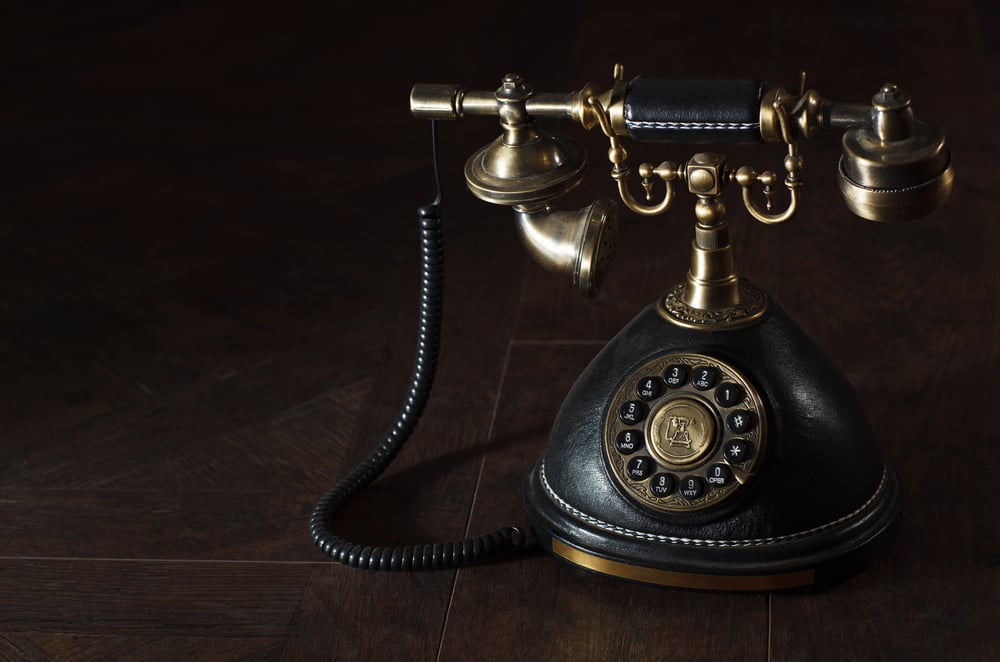
There’s a real community of people who repair these phones the way others rebuild engines, and they don’t take it lightly. Forums and small online groups trade advice on cleaning corroded contacts, replacing brittle cords, and sourcing the exact bell chime that came standard on certain models — because a restored phone with the wrong bell is, to this crowd, basically cheating.
Some of these hobbyists have taken apart hundreds of units at this point, which is either an impressive skill or a mild personal problem, depending on who you ask. Either way, working rotary phones exist in decent supply today largely because of them.
A Design Statement
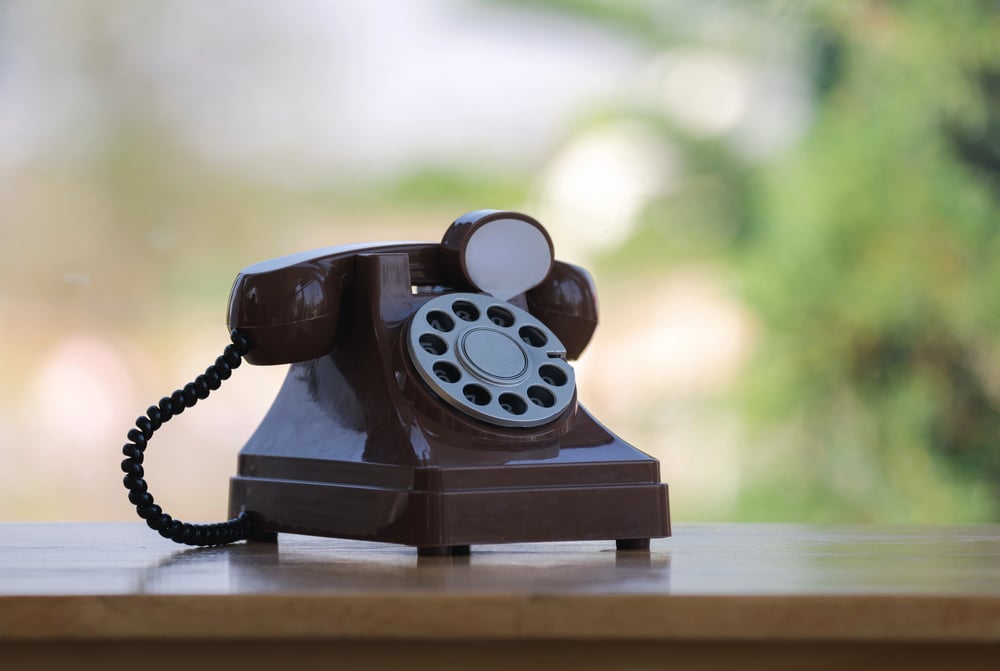
Interior designers keep circling back to these phones for the same reason people keep hanging vinyl records on walls that don’t have record players. A rotary phone sitting on a console table says something a smartphone charger never could — it suggests a slower house, a more deliberate one.
Function isn’t really the point in these setups, though when the phone actually rings, that’s when guests notice it. The best-designed rooms lately seem to know exactly when a little friction is worth more than convenience.
Built Like a Tank
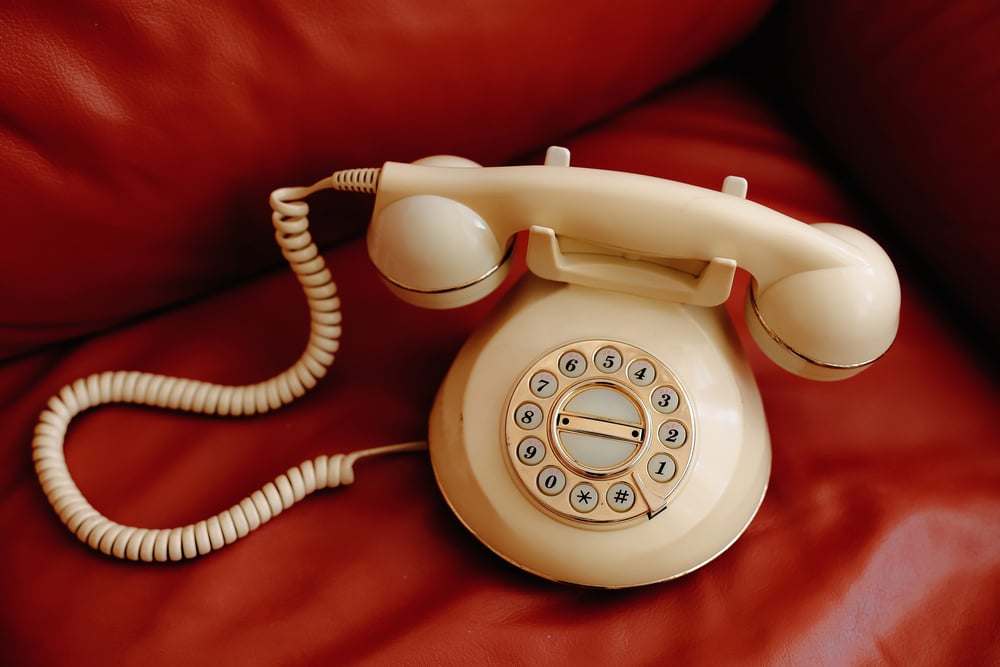
Nobody drops a rotary phone and worries about the screen. There’s no screen.
The housing is thick, the internal parts are metal, and the whole thing was engineered under the assumption it would outlast the household it sat in, which — going by how many still work sixty years later — it did exactly what it was built to do. Compare that to a phone you replace every two years because the battery gave out, and the math starts to feel a little insulting.
Gen Z Discovers the Dial

Younger buyers are a growing part of this market, and their reasons circle back to something older generations take for granted: they’ve simply never used one. Watching a nineteen-year-old figure out how to dial a rotary phone for the first time — pushing the numbers instead of spinning them, then correcting course — has become its own small genre of online content.
There’s genuine curiosity in it, not irony, which surprises people who assumed this whole trend was a costume. So the appeal isn’t nostalgia for them at all.
It’s discovery, which might explain why it’s sticking.
Hollywood’s Fingerprints

Every decade-specific film needs a phone that instantly places the scene, and rotary phones have done that job in period pieces for as long as period pieces have existed. A character dialing frantically, finger catching in the wrong pit of the dial, cord stretched to its limit across a kitchen — audiences read the era instantly, no subtitle required.
That kind of visual shorthand keeps the object in public memory long after it left daily use. Set decorators know this, and their steady demand for working props has quietly kept a small supply chain alive.
Chasing a Color
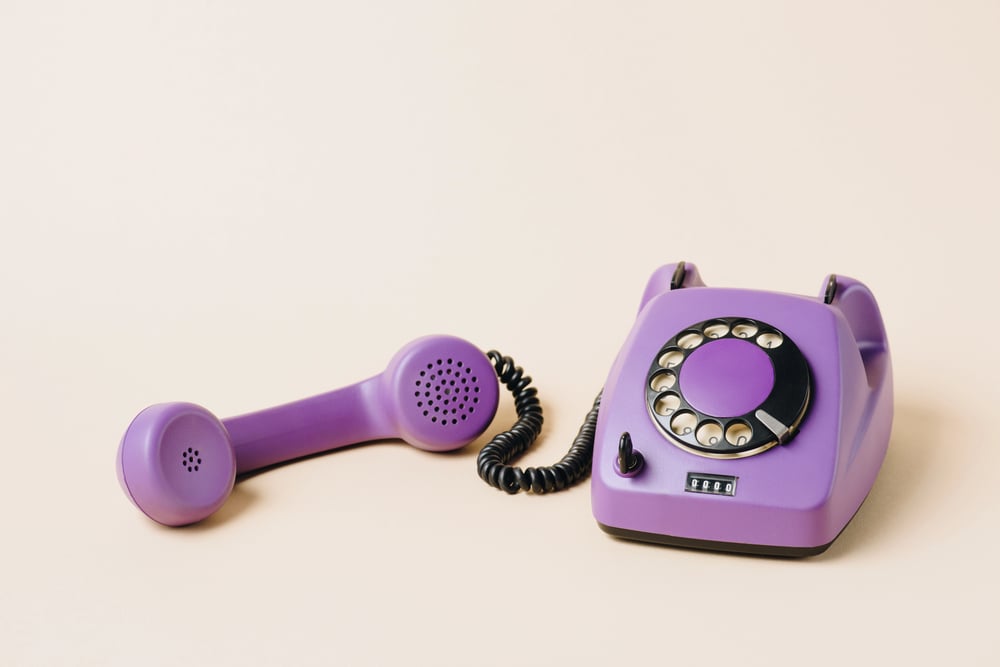
Avocado green and harvest gold aren’t just paint colors from someone’s memory of a 1970s kitchen — they’re specific, collectible finishes that command a premium over standard black or beige units. Certain color runs were limited, others simply didn’t survive well because the plastic used yellows or cracks with age, and collectors know which shades are genuinely scarce versus which just feel that way.
A mint-condition avocado rotary phone with working internals sits at the intersection of two very particular obsessions: retro color palettes and functioning vintage tech. That combination doesn’t come along often, and the price tags reflect exactly how rarely it does.
The Weight of Dialing

Pick one up and the first thing you notice is the weight of the handset — heavier than it looks, solid in a way that makes a modern phone feel like a toy by comparison. Dialing takes coordination: finger in the opening, pull to the stop, release, wait for the spring to carry it back before moving to the next number.
There’s no rushing it, no way to fake efficiency, and somewhere in that forced patience is exactly what people say they’re chasing when they buy one of these. It corrects you, gently, every single time you use it.
A Quiet Kind of Rebellion

Buying a working rotary phone in 2024 is a small, deliberate refusal — not of technology exactly, but of the constant demand to upgrade, scroll, and respond immediately that comes with it. Nobody buys one because it’s more convenient than a smartphone.
That would be absurd, and everyone involved knows it. They buy it because using one, for even a few calls a month, forces a kind of attention that nothing else in the house requires anymore.
Why the Dial Still Turns

Maybe it comes down to the fact that a rotary phone can’t multitask, can’t notify, can’t do anything except the one thing it was built for decades ago — and in a strange way, that limitation has become the whole appeal. People aren’t chasing an old object for its age.
They’re chasing the feeling of something that still works exactly as intended, without asking anything more of you than a phone number and a little patience. That’s a rarer thing to find than the phones themselves.
More from Go2Tutors!

- The Romanov Crown Jewels and Their Tragic Fate
- 13 Historical Mysteries That Science Still Can’t Solve
- Famous Hoaxes That Fooled the World for Years
- 15 Child Stars with Tragic Adult Lives
- 16 Famous Jewelry Pieces in History
Like Go2Tutors’s content? Follow us on MSN.