15 Popular Tourist Spots With Dark Historical Secrets
Millions of travelers visit the world’s most famous destinations each year, capturing perfect Instagram shots at places that seem straight out of a postcard. Behind those polished tourist facades and upbeat guidebook descriptions, however, lie stories that would make even the most adventurous traveler think twice.
These aren’t just minor historical footnotes or ancient grudges. They’re tales of genuine tragedy, systematic oppression, and human suffering that literally shaped the ground visitors walk on today.
Here are 15 popular tourist spots where the past casts a much darker shadow than most people realize.
The Tower of London

This medieval fortress might look like something from a Disney movie today, but it earned its reputation as one of history’s most brutal prisons. Over nearly 900 years, the Tower witnessed countless executions — victims ranging from petty criminals to actual royalty.
Anne Boleyn, Catherine Howard, and Lady Jane Grey all met their end within these walls, while the infamous Bloody Tower allegedly saw the mysterious disappearance of two young princes in 1483. The torture chambers housed devices like the rack and the scavenger’s daughter, contraptions specifically designed to extract confessions through unimaginable pain.
Alcatraz Island
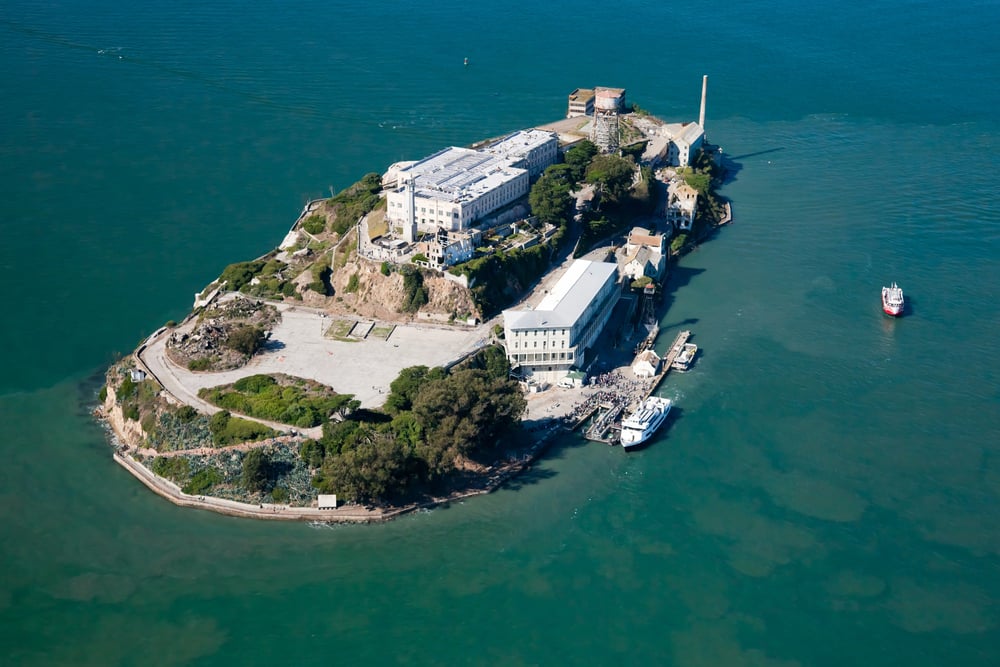
Most visitors know Alcatraz as America’s most famous federal prison, yet few learn about its earlier role as a military fortress that imprisoned Native Americans during the Indian Wars. Before Al Capone and Machine Gun Kelly called it home, the island held hundreds of Native American prisoners — including members of the Hopi tribe who refused to send their children to government boarding schools.
The isolation that made it perfect for containing criminals also made it a place of cultural genocide, where indigenous people were cut off from their families and traditions for years at a time.
Like Go2Tutors’s content? Follow us on MSN.
Château de Versailles
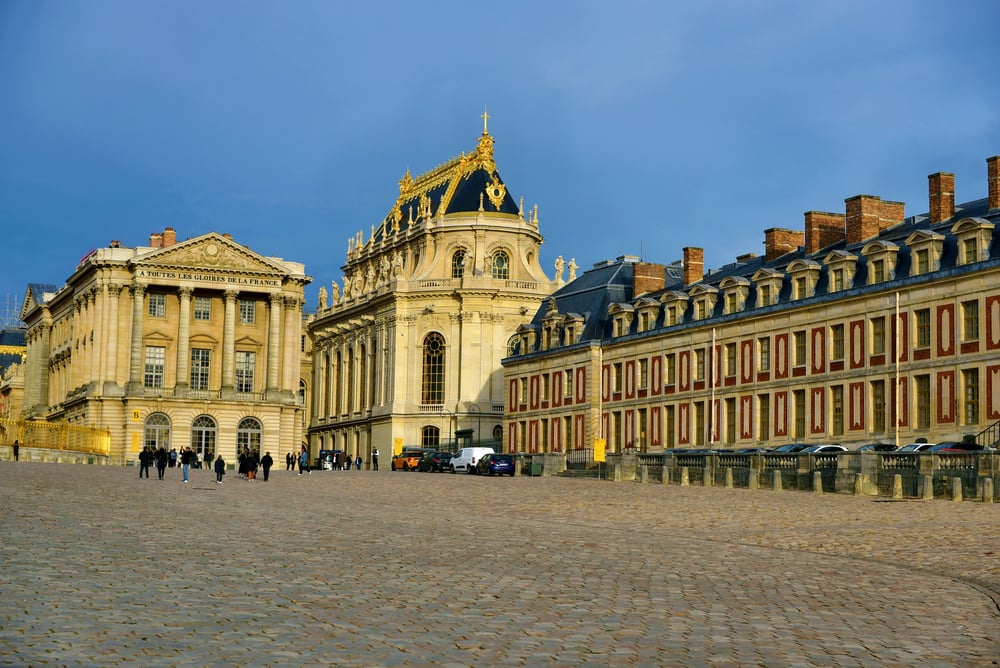
The opulent palace that symbolizes French royal excess was built on the backs of thousands of workers who died during its construction. Those glamorous halls and manicured gardens came at a tremendous human cost — laborers working in dangerous conditions for minimal pay.
The palace’s extravagance directly contributed to the economic inequality that sparked the French Revolution, and many nobles who once danced in these very rooms would later face the guillotine. Even today, visitors walking through the gold-leafed chambers are treading on a monument to the inequality that eventually toppled a monarchy.
Easter Island

The giant stone statues that make Easter Island famous tell only part of the story of Rapa Nui culture. What most tourists don’t learn is that the island’s population crashed from around 15,000 to just 3,000 people due to ecological collapse, warfare, and disease.
The statue-building obsession may have contributed to deforestation that destroyed the island’s ecosystem — while slave raids by Peruvian traders in the 1860s decimated the remaining population. The peaceful, mysterious image presented to tourists masks a tale of environmental disaster and cultural near-extinction.
Neuschwanstein Castle

Disney’s inspiration for Sleeping Beauty’s castle has a disturbing connection to one of history’s most troubled monarchs. King Ludwig II of Bavaria, who commissioned this fairy-tale fortress, was declared mentally ill and died under mysterious circumstances just days after being deposed.
The castle’s construction bankrupted the Bavarian treasury and drove workers to exhaustion — with several dying during the building process. Ludwig’s obsession with creating fantasy worlds while his kingdom struggled financially mirrors the disconnect between royal dreams and harsh reality that defined much of 19th-century Europe.
Like Go2Tutors’s content? Follow us on MSN.
Colosseum

Rome’s most famous amphitheater was essentially a massive execution ground disguised as entertainment. Over its 400-year history, hundreds of thousands of gladiators, criminals, and wild animals died in its arena to satisfy the Roman public’s appetite for blood sport.
The underground chambers held terrified prisoners and exotic animals waiting for their turn to die — while the elaborate drainage system was designed to wash away the constant flow of blood. Modern visitors cheering for gladiator reenactments are standing in what was once history’s most efficient killing machine.
Machu Picchu

This breathtaking Incan citadel represents the peak of a civilization that practiced human sacrifice and maintained power through brutal conquest. Archaeological evidence suggests that ritual killings took place at sacred sites throughout the complex — with victims often being children chosen for their supposed purity.
The site’s abandonment coincided with the Spanish conquest that decimated native populations through disease and violence, making Machu Picchu a monument to a lost world destroyed by colonialism. The terraced beauty that attracts modern hikers was carved by people whose descendants would face centuries of oppression.
Angkor Wat
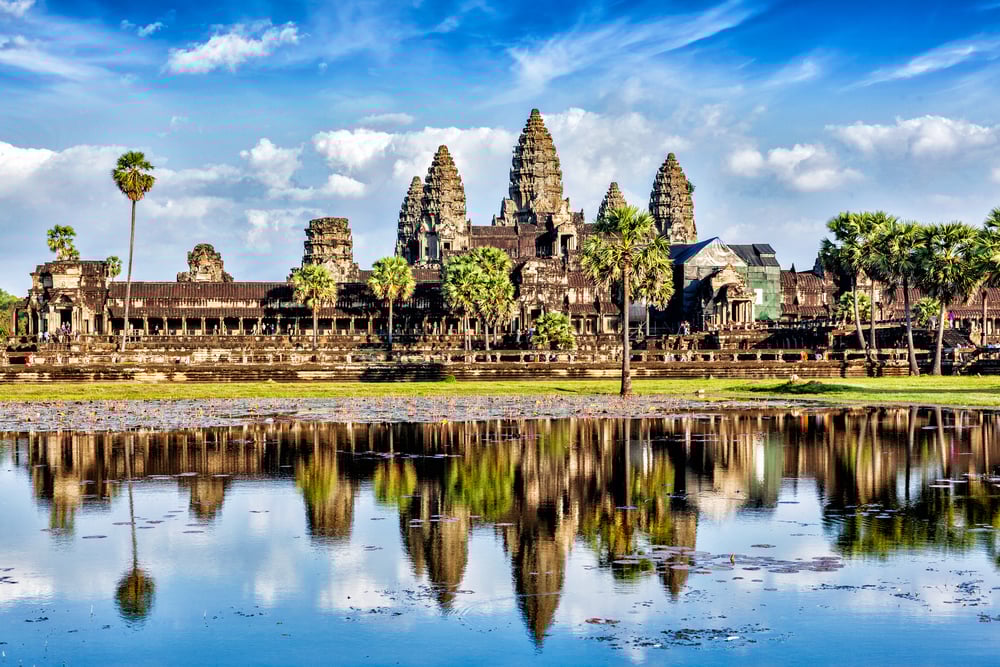
Cambodia’s crown jewel was built by the Khmer Empire using forced labor on a massive scale. Hundreds of thousands of workers, including prisoners of war and slaves, died constructing this temple complex under brutal conditions.
The empire that created these architectural marvels also engaged in constant warfare with neighboring kingdoms — using the temple’s wealth to fund military campaigns that left entire regions depopulated. The intricate carvings that tourists admire today were created by artisans working under a system that valued monumental architecture over human life.
Like Go2Tutors’s content? Follow us on MSN.
Stonehenge

While New Age enthusiasts celebrate Stonehenge as a place of peace and cosmic harmony, archaeological evidence suggests it was a site of human sacrifice and ritualistic violence. Cremated remains found at the site include individuals who showed signs of violent death — while the surrounding landscape is littered with burial mounds containing victims of Bronze Age conflicts.
The massive stones themselves were moved using techniques that likely required forced labor and resulted in numerous worker casualties. This ancient monument to astronomical knowledge was built on a foundation of blood and bone.
Taj Mahal

The world’s most famous monument to love was constructed using forced labor under conditions that killed thousands of workers. Shah Jahan’s tribute to his deceased wife Mumtaz required 20,000 laborers working for over 20 years — with many dying from exhaustion, accidents, and disease.
Legend claims the emperor ordered the hands of the chief architects cut off to prevent them from creating anything more beautiful, though historians debate this story’s accuracy. The white marble beauty that symbolizes eternal love was built through temporal suffering on an industrial scale.
Palace of Versailles Gardens
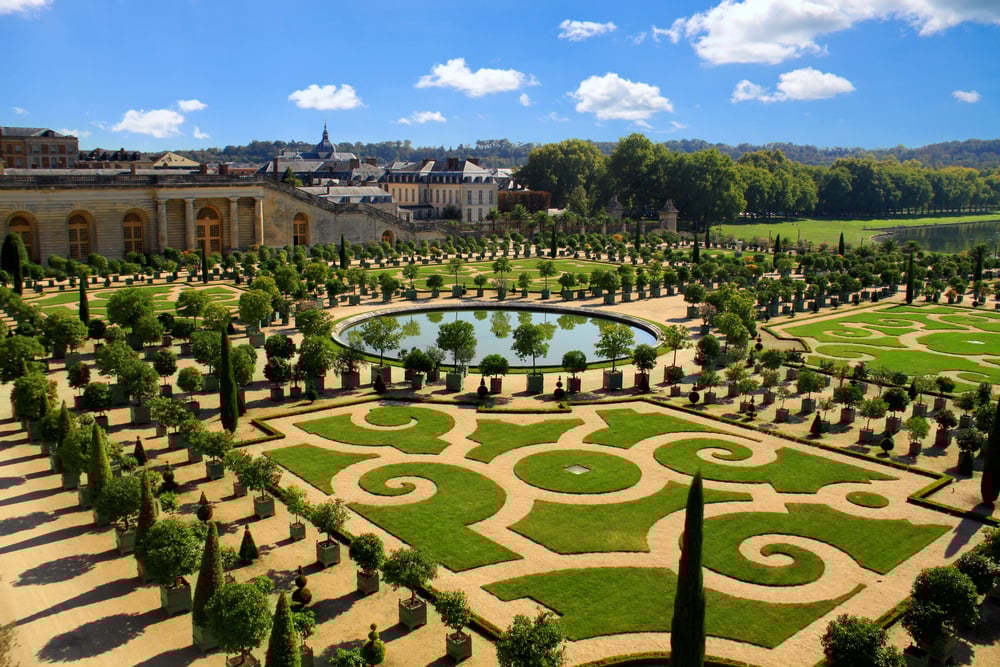
The magnificent gardens that complement the palace required an army of workers who labored in conditions that would shock modern visitors. The elaborate fountains and water features were maintained by workers who often died from exposure to the chemicals used in the hydraulic systems.
The perfectly manicured lawns and hedges were shaped by groundskeepers working 16-hour days for subsistence wages, while the exotic plants were often tended by slaves brought from French colonies. Every carefully sculpted bush and precisely placed flower bed represents hours of human misery disguised as natural beauty.
Like Go2Tutors’s content? Follow us on MSN.
Mont Saint-Michel

This medieval abbey rising from the sea served as both a place of worship and a notorious prison for political dissidents. During the French Revolution, the abbey’s cells held opponents of the new regime, with many prisoners dying in the damp, cold conditions.
The causeway that now allows easy access was once a dangerous route that claimed countless lives when travelers were caught by rapidly rising tides. The abbey’s construction itself required workers to build in treacherous conditions, with many falling to their deaths from the towering walls or drowning in the surrounding waters.
Edinburgh Castle

Scotland’s most visited attraction sits atop an extinct volcano that has witnessed centuries of siege, torture, and execution. The castle’s dungeons held prisoners of war under horrific conditions, while the Crown Square regularly hosted public executions that drew crowds of spectators.
During the Wars of Scottish Independence, the castle changed hands multiple times through bloody battles that left hundreds dead within its walls. The Great Hall where tourists now admire medieval architecture once echoed with the screams of prisoners being interrogated in the chambers below.
Chichen Itza

This Maya archaeological site attracts visitors with its impressive pyramid and ancient court, though the civilization that built it practiced human sacrifice on a massive scale. The sacred cenote (natural sinkhole) contains the remains of hundreds of victims thrown into its depths as offerings to the gods, including many children.
The famous court wasn’t just for sport — losing players were often sacrificed in elaborate rituals that the Maya believed necessary for cosmic balance. The intricate calendar system that modern visitors admire was used partly to determine the most auspicious times for these ritualistic killings.
Like Go2Tutors’s content? Follow us on MSN.
Forbidden City
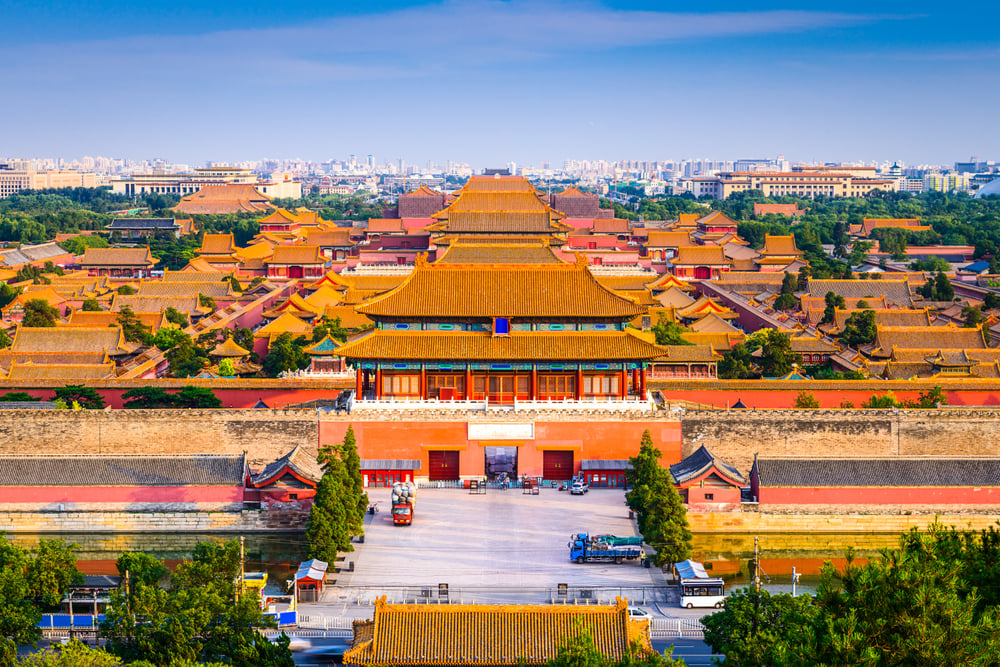
Beijing’s imperial palace complex was built using forced labor that killed an estimated 100,000 workers during its construction. The emperors who lived within its vermillion walls ruled through absolute power, ordering executions for minor infractions and maintaining harems of concubines who were essentially prisoners.
The palace’s isolation from the outside world enabled centuries of court intrigue, political purges, and systematic oppression of the Chinese people. The golden roofs and marble terraces that tourists photograph today were polished by servants who could be executed for the slightest mistake.
When Beauty Masks Brutality

These destinations remind us that history’s most beautiful creations often emerged from humanity’s darkest impulses. The same ambition that built magnificent palaces also crushed the lives of those who constructed them, while the power that created lasting monuments frequently destroyed entire cultures.
Understanding these hidden histories doesn’t diminish the architectural achievements or artistic value of these sites, but it does provide crucial context for comprehending how beauty and brutality have always been intertwined in human civilization. The next time you visit one of these places, remember that every stone was laid by human hands, and many of those hands belonged to people whose stories deserve to be remembered alongside the glory of their creations.
More from Go2Tutors!

- 16 Historical Figures Who Were Nothing Like You Think
- 12 Things Sold in the 80s That Are Now Illegal
- 15 VHS Tapes That Could Be Worth Thousands
- 17 Historical “What Ifs” That Would Have Changed Everything
- 18 TV Shows That Vanished Without a Finale
Like Go2Tutors’s content? Follow us on MSN.