31 Failed Arctic Expeditions That Left Behind Haunting Evidence
There’s something about the Arctic that swallows people whole and then, decades later, hands back a piece of what it took. A boot. A journal. A ship’s bell resting on the seafloor as if it just settled there yesterday.
The far north doesn’t forgive mistakes, and history is littered with ambitious men who sailed north certain of glory and came back as footnotes, or didn’t come back at all. What follows are 31 expeditions that ended in failure, and the eerie, specific traces they left for the rest of us to find.
Sir John Franklin’s Lost Expedition
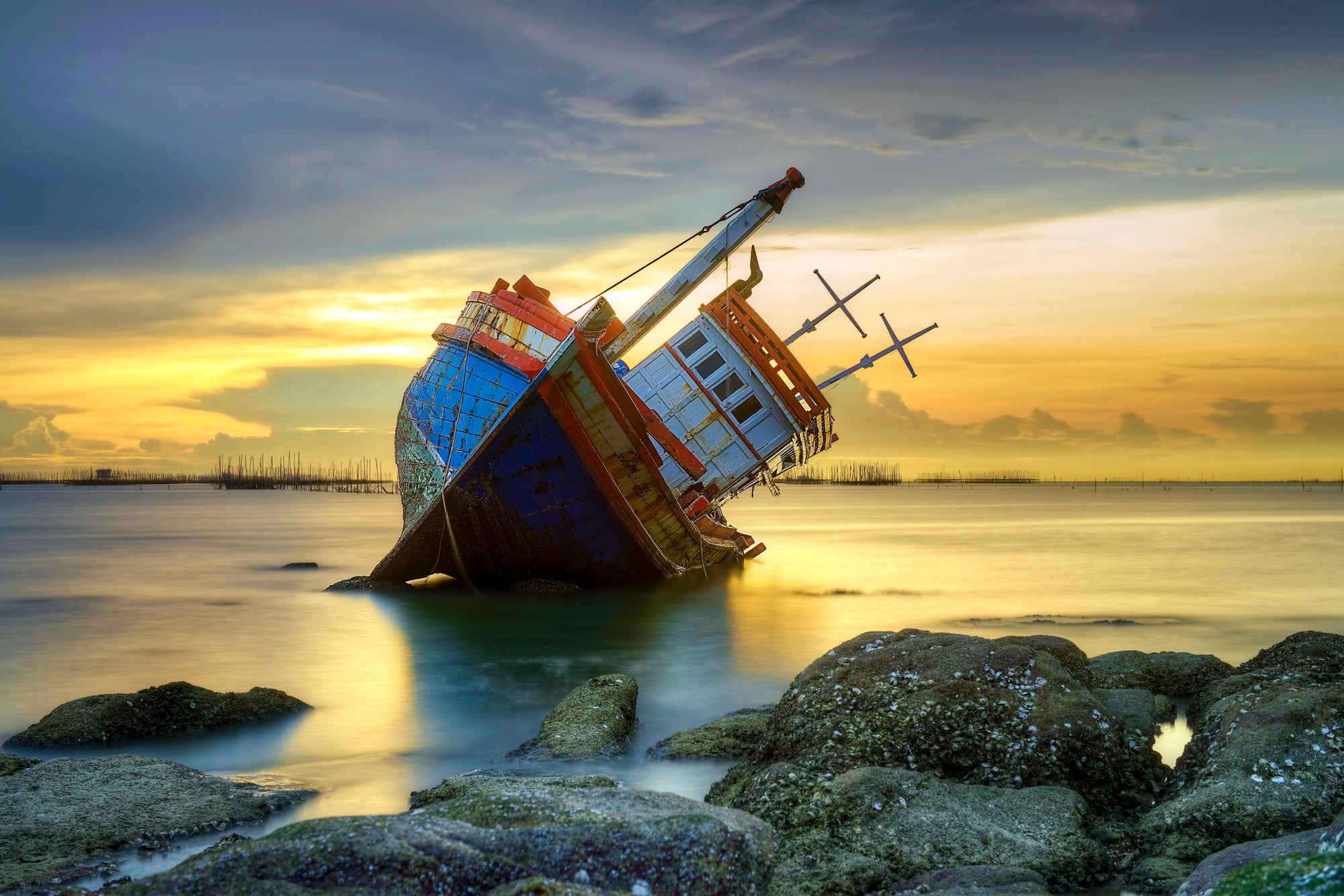
Two ships. One hundred twenty-nine men. Zero survivors.
Franklin sailed in 1845 to finish the Northwest Passage and instead became the reason a hundred search parties would comb the Arctic for the next fifteen decades.
HMS Erebus
Found in 2014 in Wilmot and Crampton Bay, sitting upright in about thirty-six feet of water like it had simply decided to stop moving, HMS Erebus turned out to be shockingly intact for a wreck that had waited a hundred sixty-nine years to be noticed. Divers pulled plates, a leather shoe, even a ship’s bell from inside the hull, and none of it looked like it belonged to a disaster at all.
That’s the strange part: the objects are ordinary, a dinner service, a boot sole — it’s the silence around them that unsettles. So the ship waited, patient in a way people rarely are, until Inuit oral history finally pointed searchers to the right bay.
HMS Terror
Terror was found two years after her sister ship, in 2016, and she was in even better shape, resting in Terror Bay with windows still sealed and desk drawers still shut. A wreck like a held breath.
Bottles of preserved specimens sat exactly where a scientist last placed them, waiting for a return that never came.
Beechey Island Graves
Nobody should have to look this closely at a face from 1846, and yet the exhumations of the 1980s did exactly that. The permafrost preserved John Torrington, John Hartnell, and William Braine so well that pathologists could examine skin, hair, and even the linings of their coffins.
High lead levels in their remains reshaped how historians understood Franklin’s final winter, which is either a triumph of forensic science or a genuinely unsettling way to meet three men who died in 1846.
The Boat at Erebus Bay
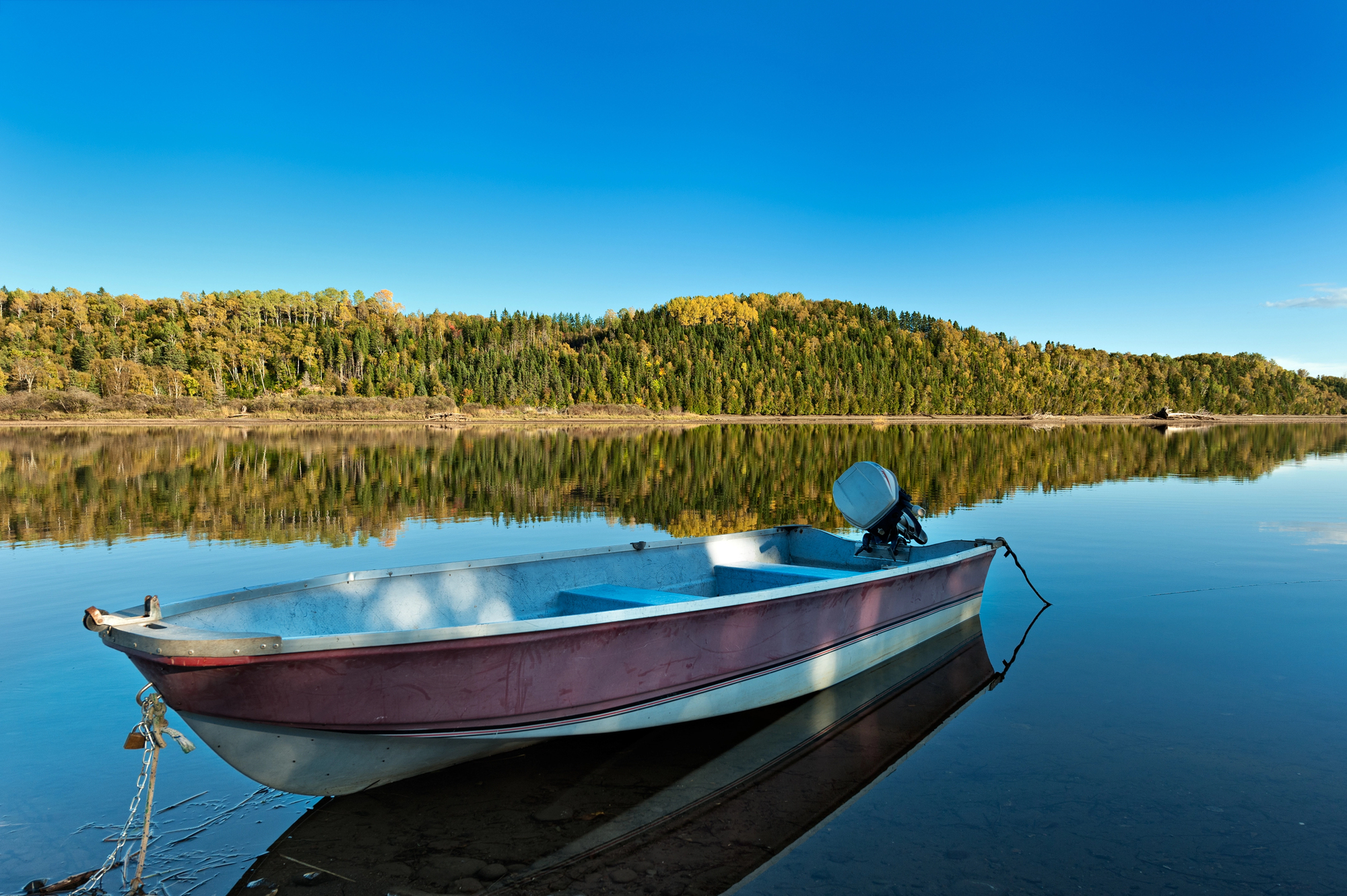
A search party in 1859 stumbled onto a lifeboat mounted on a sledge, dragged inland by men clearly dying as they hauled it. Inside were two skeletons, a stash of chocolate, silver cutlery engraved with officers’ initials, and books nobody had strength left to read.
The sledge was pointed back toward the ships they’d abandoned, not toward safety, and no one has ever fully explained why.
The Greely Expedition
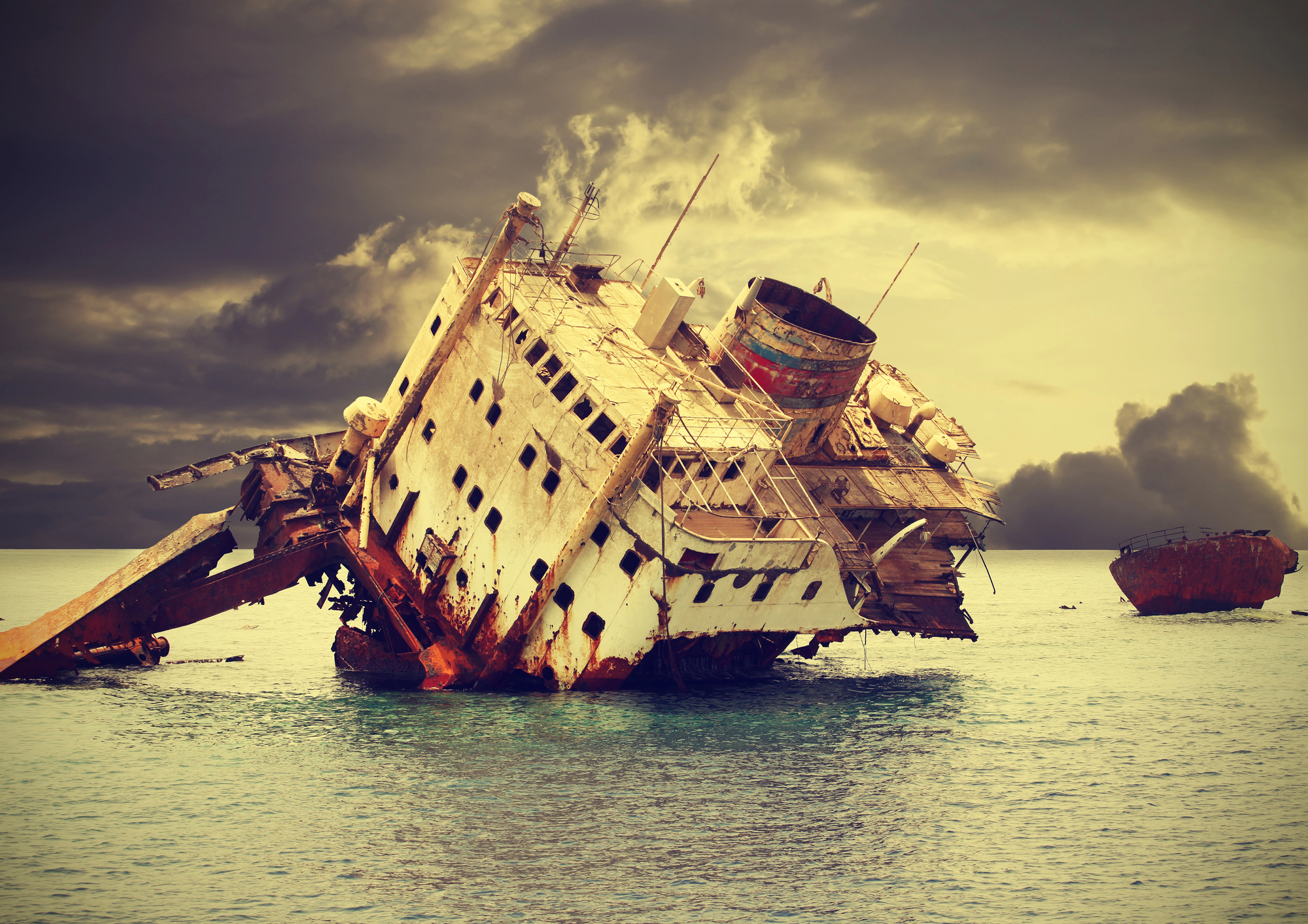
Twenty-five men went north with Adolphus Greely in 1881 to build a scientific station near Fort Conger, and only six came home. The survivors were found half-starved on a gravel spit, and evidence on some remains suggested the living had resorted to eating the dead.
It remains one of the grimmest rescues in American polar history, which is saying something given the competition.
USS Jeannette
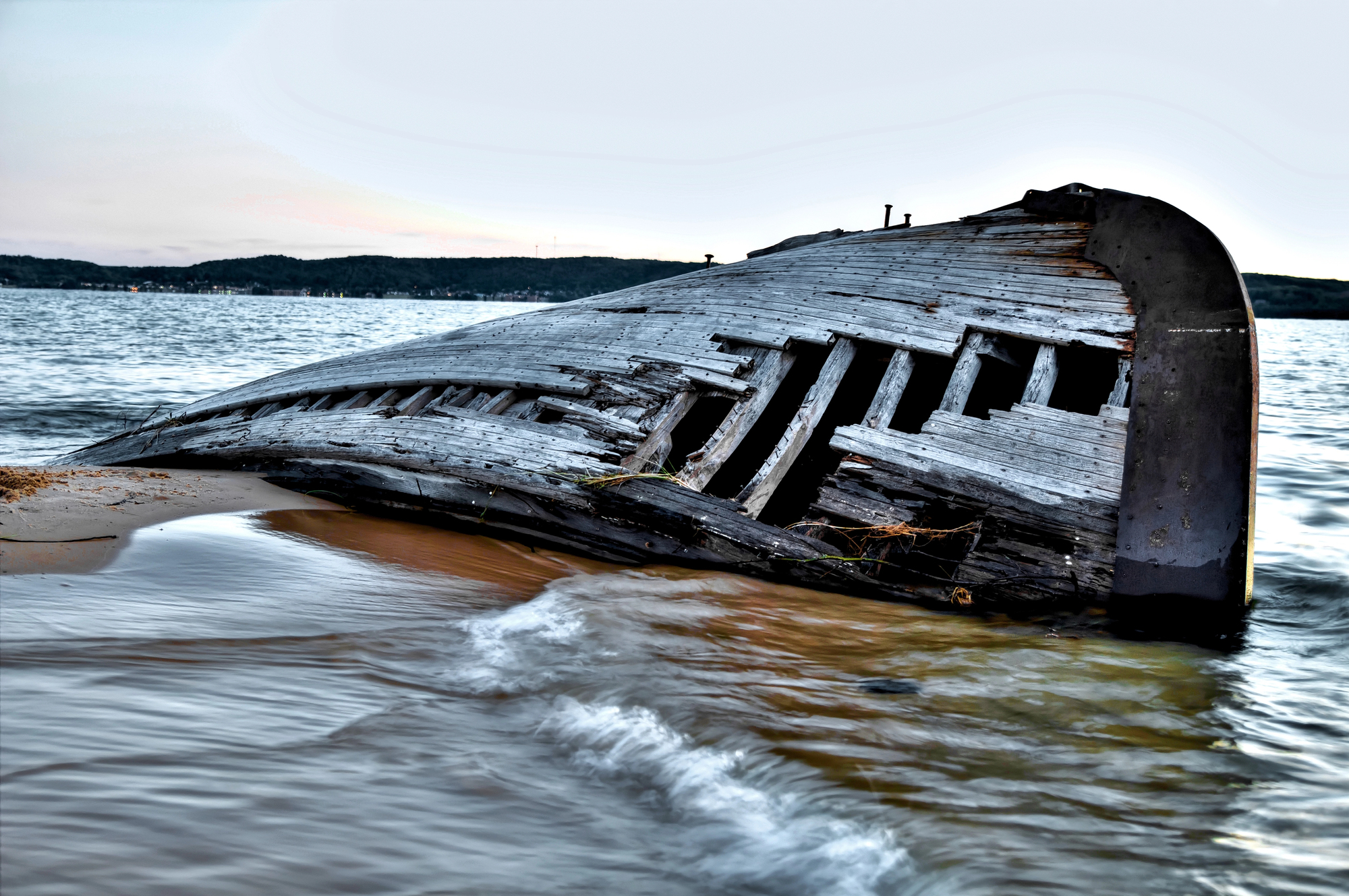
The Jeannette got crushed by pack ice in 1881 and her crew, including commander George De Long, dragged small boats across the frozen Siberian coast hoping to reach civilization. Most didn’t make it — and yet, years later, wreckage from the ship turned up off the coast of Greenland, thousands of miles from where she sank, drifting the whole time on a current nobody had proven existed.
So a doomed expedition ended up handing Fridtjof Nansen the evidence he needed for his own famous ice drift theory.
The Karluk
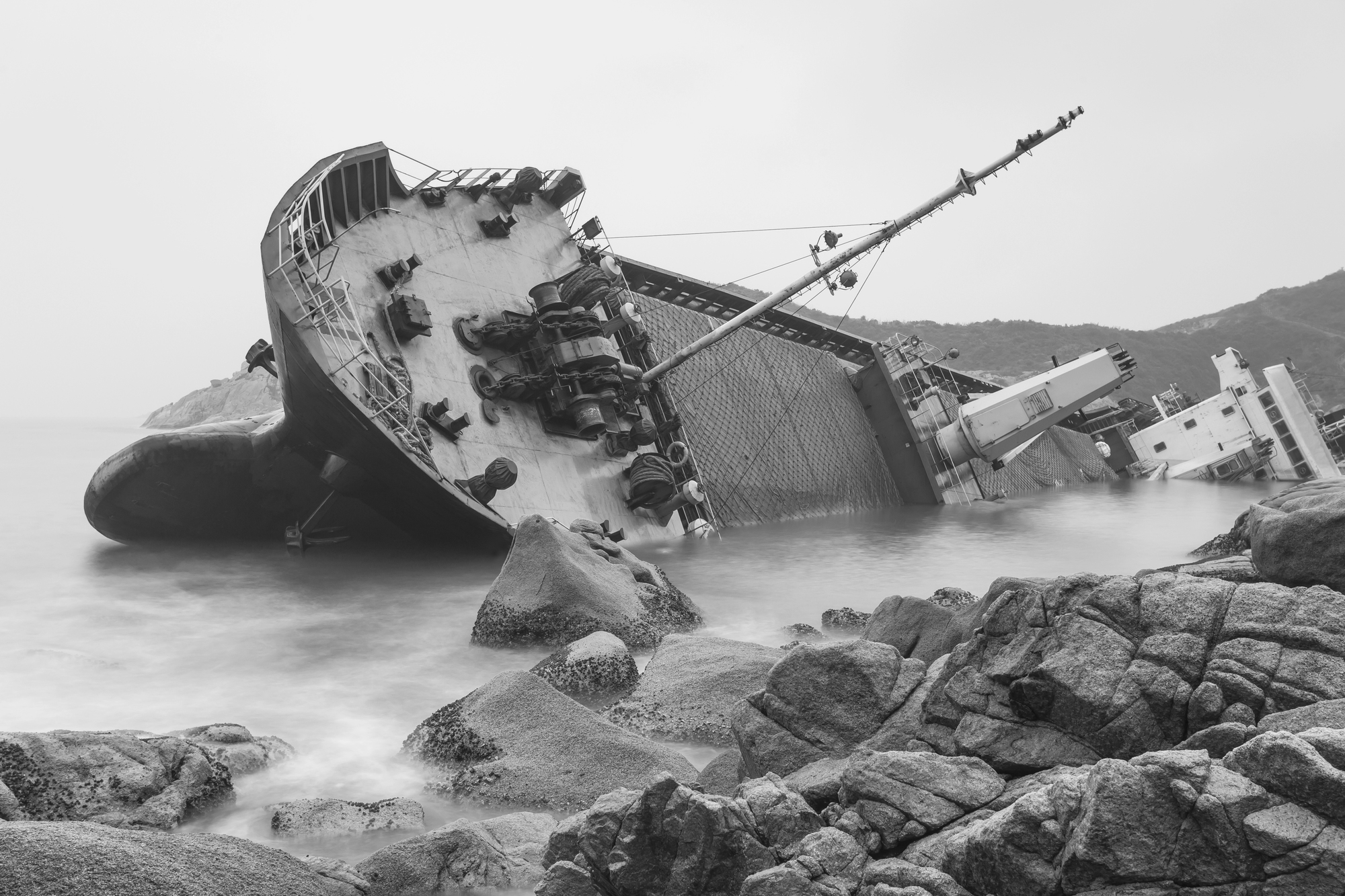
Trapped and crushed off Siberia in early 1914, the Karluk forced her crew onto the sea ice with Captain Robert Bartlett leading a desperate march toward Wrangel Island. Several men died along the way, including some who simply walked off alone into the whiteout and were never seen again.
Personal belongings, cameras, and expedition records later recovered told the story in pieces nobody wanted to read all at once.
Salomon Andrée’s Balloon Expedition
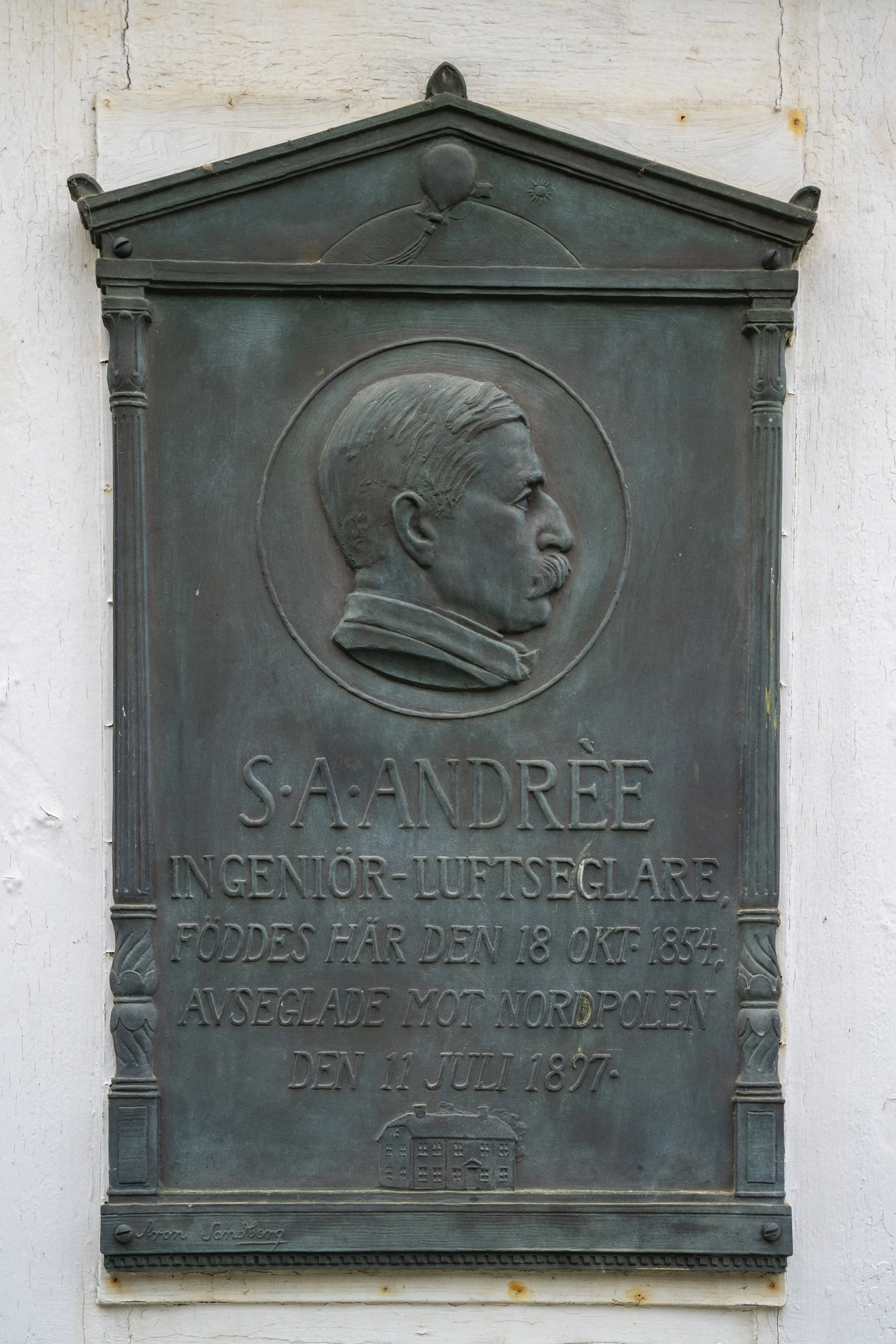
Andrée believed a hydrogen balloon could carry three men over the North Pole in 1897, and the balloon came down on the ice after just three days. All three died on the retreat across the pack, and their final camp on the island of Kvitøya sat undisturbed for thirty-three years.
When a Norwegian sealing ship finally found it in 1930, undeveloped photographic film was still inside the camera, and it developed almost perfectly.
Willem Barentsz and the Novaya Zemlya Winter
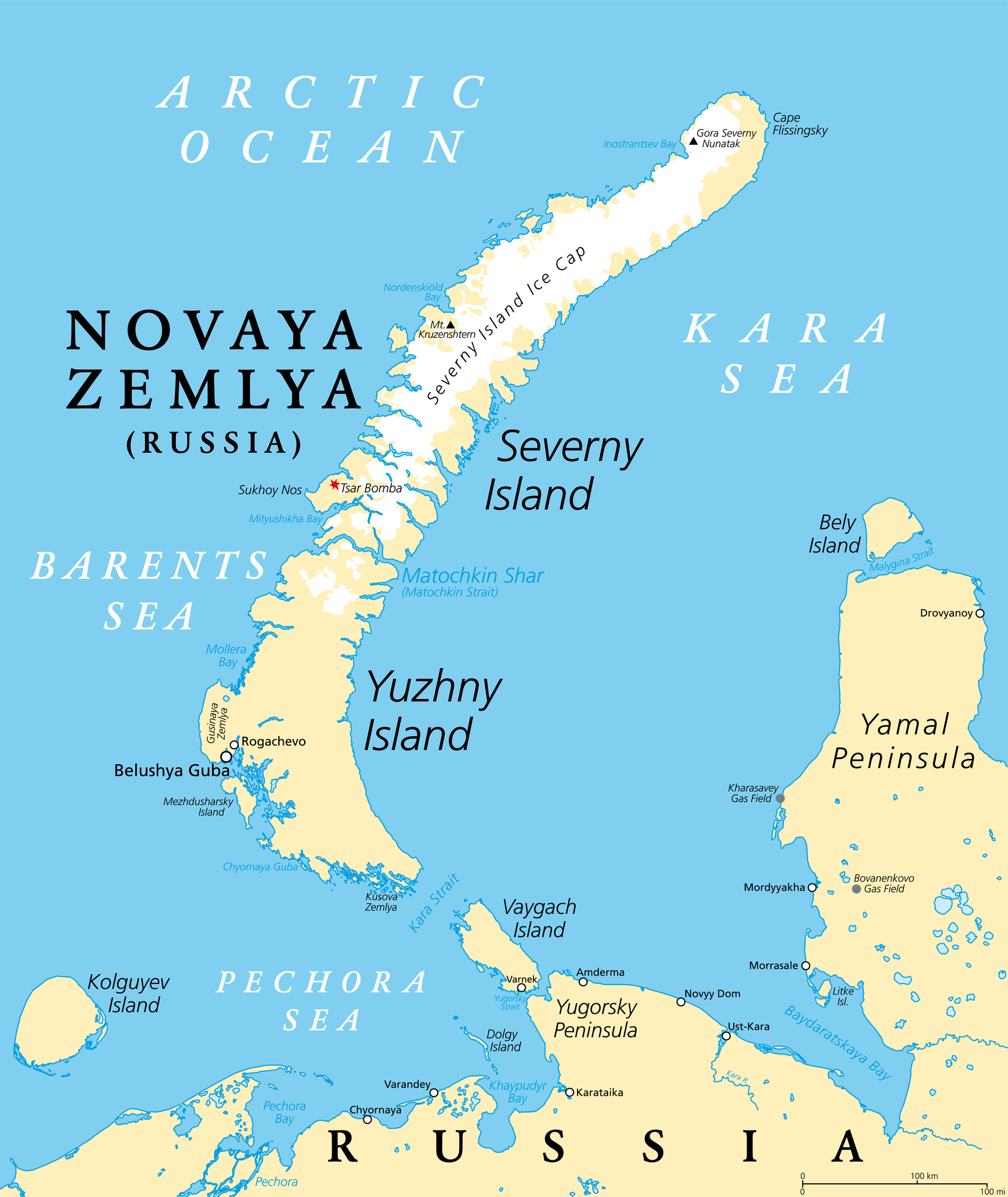
Barentsz and his crew got iced in off Novaya Zemlya in 1596, built a driftwood cabin they called Het Behouden Huys, and somehow survived an Arctic winter nobody thought Europeans could survive. Barentsz himself died on the retreat south the following spring, never learning whether his men made it home.
And here’s the detail that gets people: the cabin was found intact 275 years later, in 1871, with tools, shoes, and a clock still sitting inside as though the crew had only just stepped out.
Henry Hudson’s Final Voyage
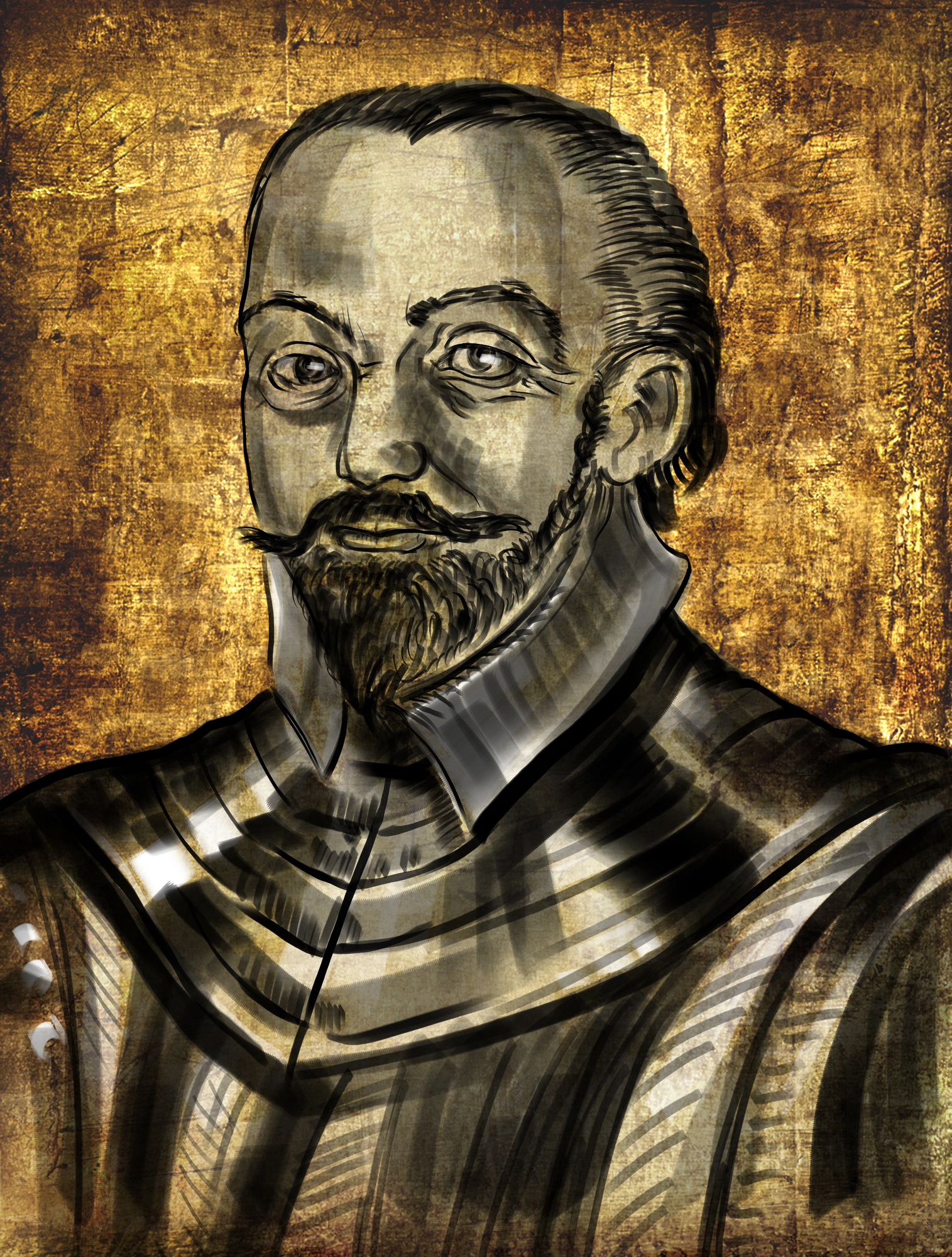
Hudson pushed his ship Discovery deep into the bay that now bears his name during the brutal winter of 1610, and his crew mutinied come spring. They set Hudson adrift in a small open boat with his son and a handful of loyal men, provisions unclear, fate never confirmed.
No trace of any of them has ever surfaced.
Sir Hugh Willoughby’s Frozen Crew
Willoughby set out in 1553 hunting a Northeast Passage and got his ships frozen into the coast of the Kola Peninsula for winter. Fishermen found the vessels the following year with the entire crew dead at their posts.
Willoughby’s own log showed the men had survived, barely, into January before the cold finally finished the job.
Vitus Bering and the Great Northern Expedition
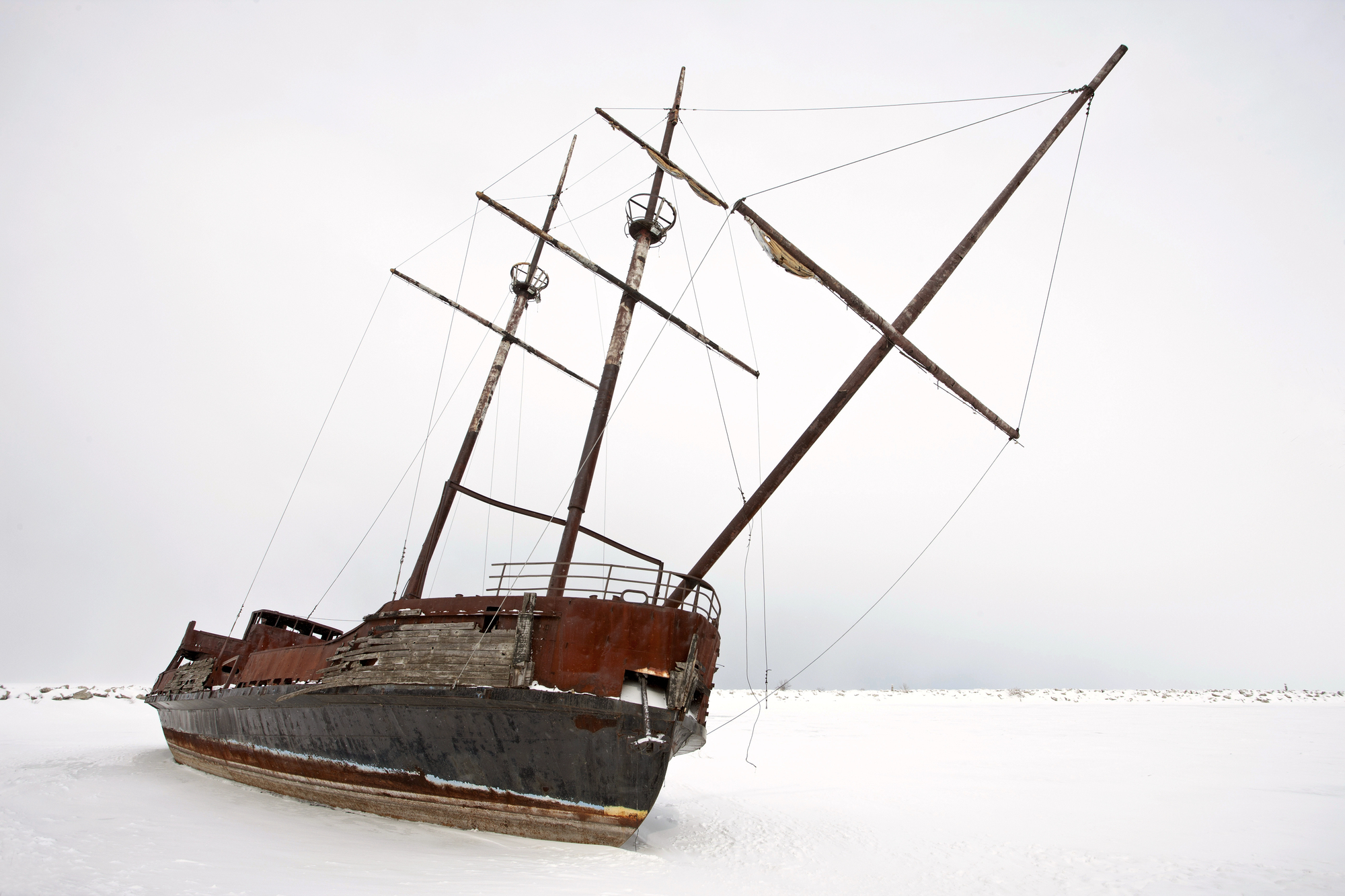
Bering’s ship wrecked in 1741 on a barren island that would later carry his name, and the commander himself died there before spring. The survivors made it through winter by hunting sea otters and arctic foxes, scurvy killing several along the way.
Graves dug into the frozen ground marked a season nobody involved expected to live through.
The Italia Airship Disaster
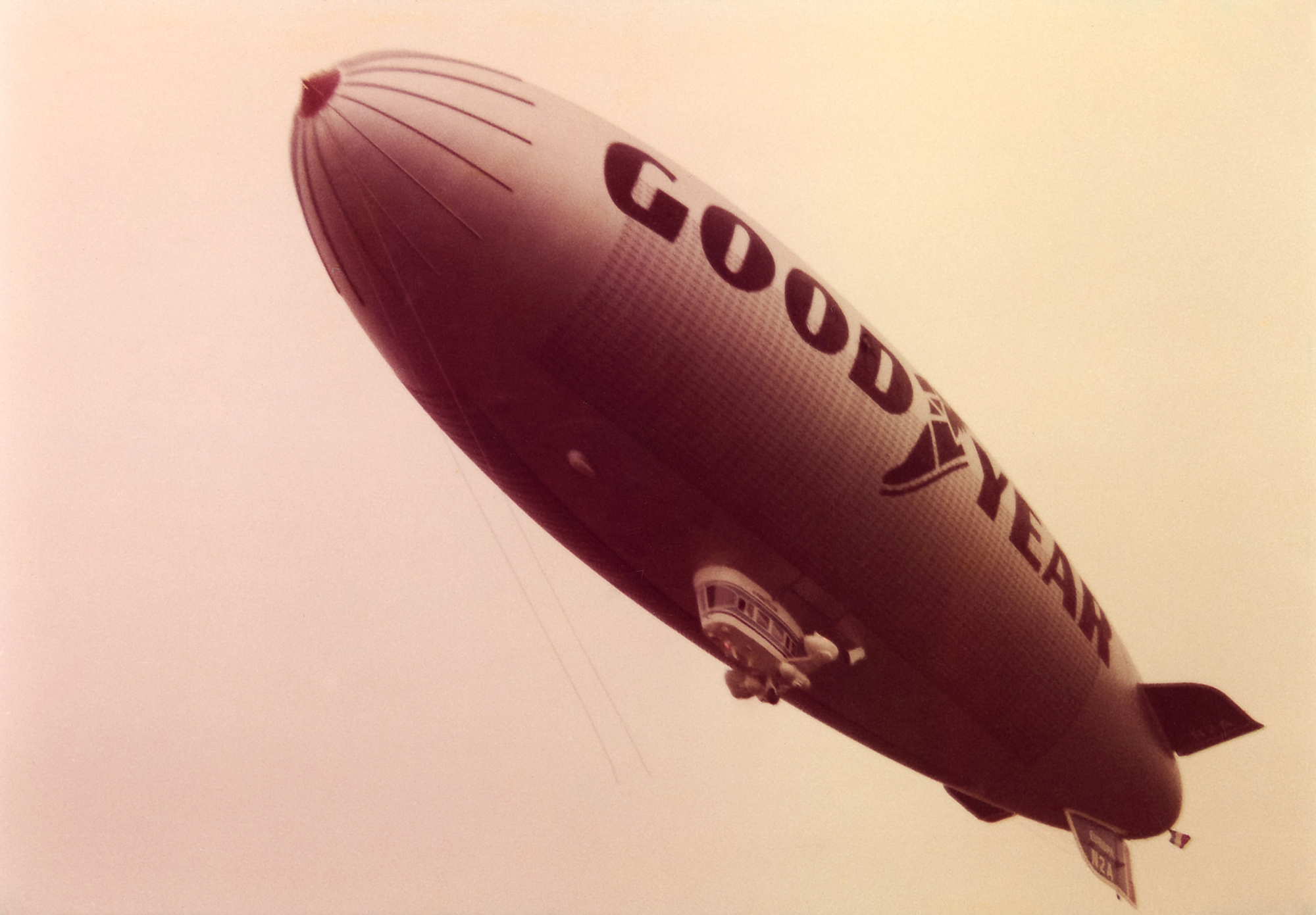
Umberto Nobile’s airship crashed on the pack ice in 1928 while returning from the North Pole, scattering survivors across the ice in what became known as the Red Tent camp. Some crew members left to seek help on foot and simply vanished, their fate never resolved — and the wreckage of the airship itself, along with several men still aboard when it broke free and drifted off, was never recovered at all.
It turned one of aviation’s proudest Arctic achievements into a rescue operation that consumed international headlines for weeks.
Roald Amundsen’s Final Flight
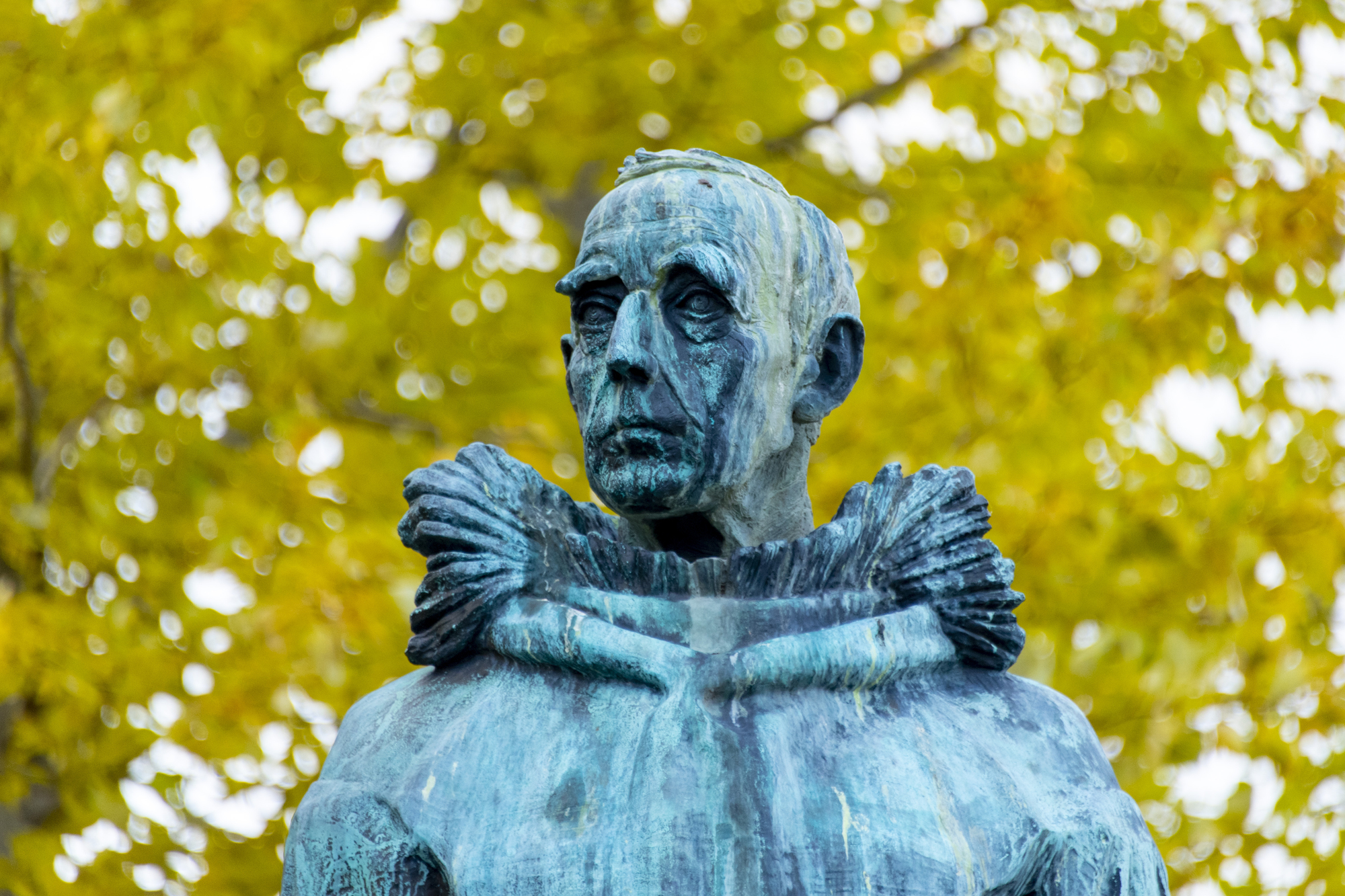
Amundsen, the man who’d already conquered the South Pole and the Northwest Passage, disappeared in 1928 while flying north to search for Nobile’s stranded crew. Pieces of his seaplane surfaced off the Norwegian coast decades later, a pontoon here, a fuel tank there, confirming the crash without ever explaining it.
His body has never been found, an unresolved ending for a man who’d made a career out of finishing things.
The Chelyuskin
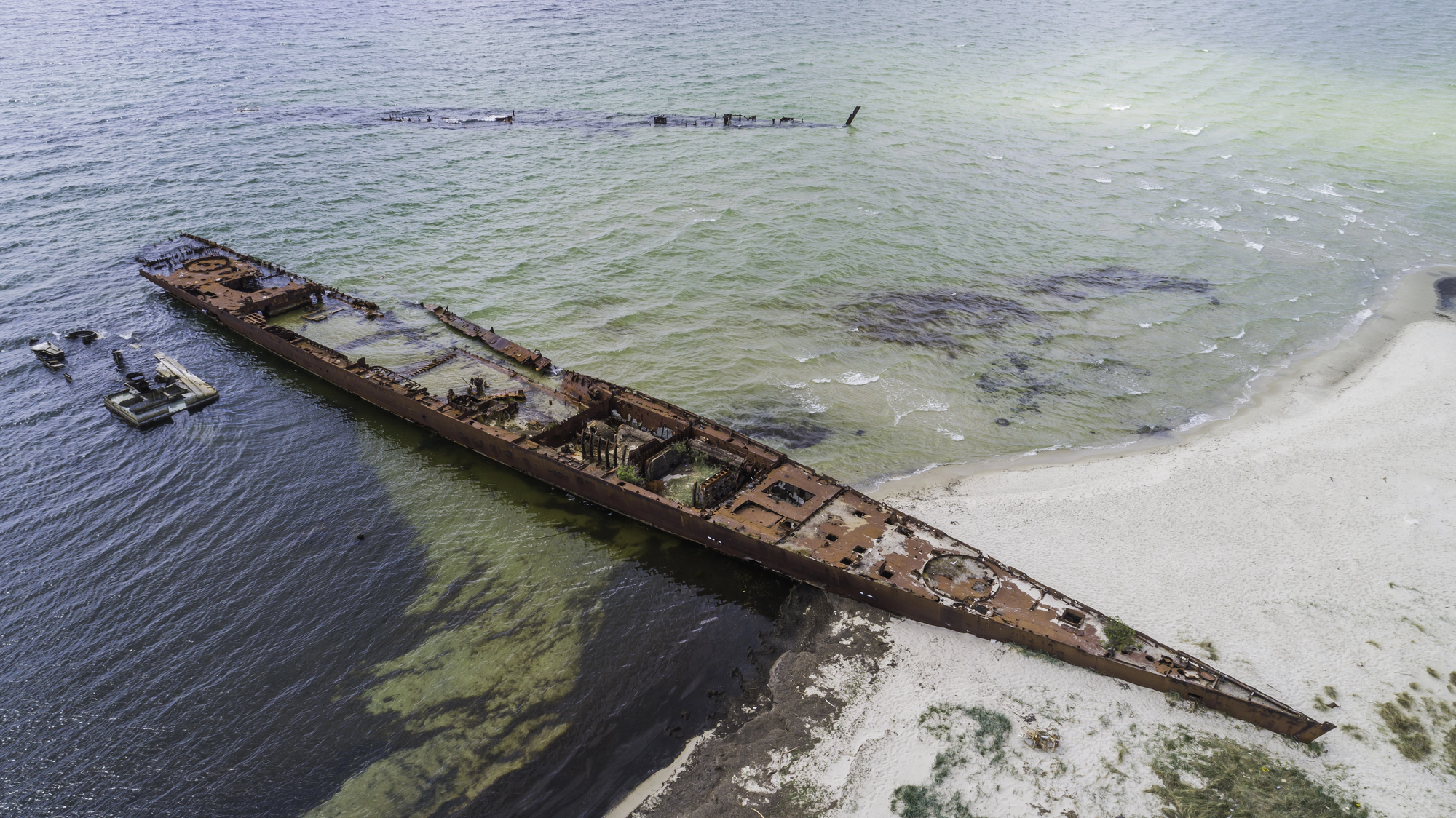
The Soviet steamship Chelyuskin got crushed by ice in the Chukchi Sea in February 1934, and her crew of over a hundred camped on a drifting ice floe for nearly two months while pilots flew a spectacular series of rescues. The ship’s bell went down with the wreck and stayed missing until divers finally located it in 2006.
The whole saga became Soviet propaganda gold, which doesn’t make the underlying disaster any less real.
The Polaris Expedition

Charles Francis Hall led the Polaris north in 1871 and died under circumstances suspicious enough that later exhumation of his remains revealed lethal levels of arsenic. His ship was later crushed by ice, and part of the crew spent six harrowing months drifting on a floe before rescue.
Nobody has ever definitively proven Hall was poisoned, but the evidence sits there in his bones, refusing to settle the question either way.
HMS Investigator
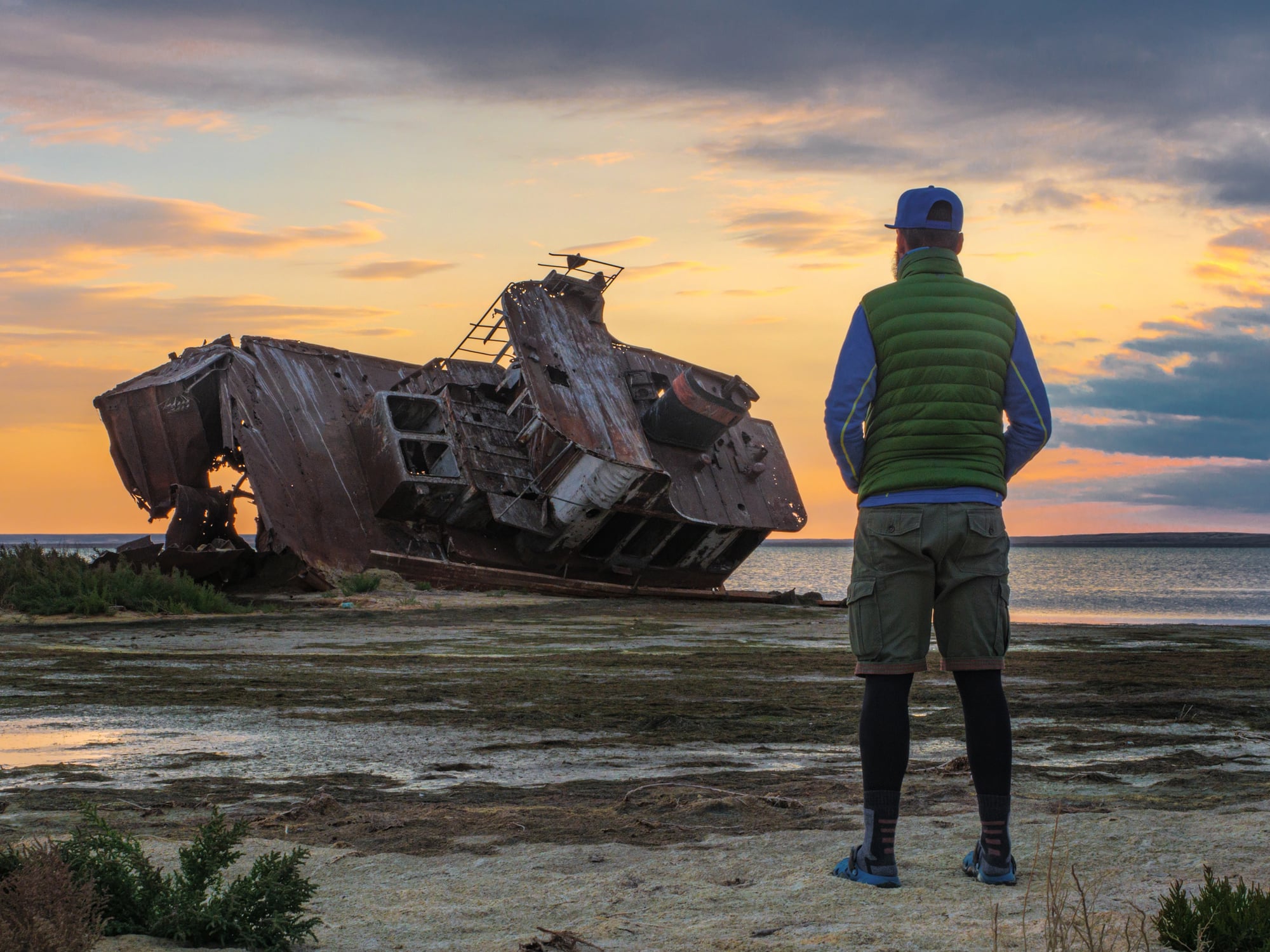
Captain Robert McClure sailed the Investigator into the Arctic in 1850 searching for Franklin and got trapped himself, eventually abandoning ship at Mercy Bay in 1853. The wreck sat undisturbed until Parks Canada archaeologists found her in 2010, sitting upright in shallow water with rigging, tools, and supplies scattered across the seabed around her.
It’s a strange kind of monument: a rescue mission that needed rescuing itself.
The Denmark Expedition
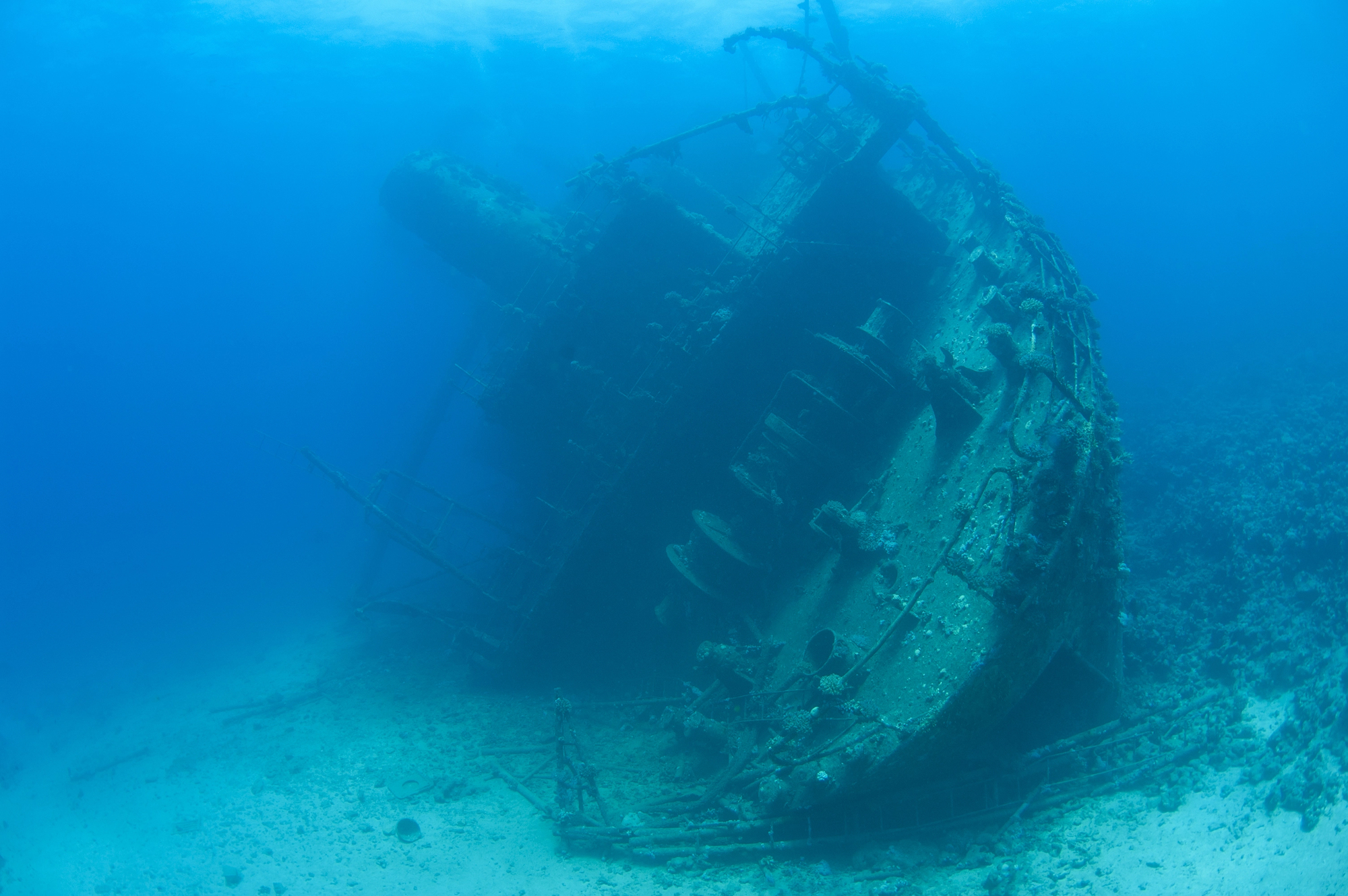
Danish explorer Ludvig Mylius-Erichsen led a mapping expedition into northeast Greenland in 1906, and he and two companions died on a sledging trip the following year, caught by starvation and brutal weather. Their bodies and a partial diary were found the next season, the final entries describing hunger and failing strength in plain, unflinching language.
The expedition still managed to correct maps of the region that had been wrong for a century, a strange kind of legacy for men who never made it home.
Fury Beach

Parry’s ship HMS Fury got crushed by ice in Prince Regent Inlet in 1825, and the crew piled her supplies onshore before abandoning her entirely. That depot, tents, food, tools left stacked on a gravel beach, became a lifeline for other expeditions passing through for years afterward, including Sir John Ross’s crew, who survived a winter there in the 1830s using Fury’s leftover stores.
A failed mission, in this one strange case, ended up saving several others.
Franklin’s Overland Expedition

Franklin’s first Arctic command, back in 1819, went so badly that survivors nicknamed it “the expedition that ate its boots.” Starvation forced the men to boil lichen scraped off rocks and chew leather from their own footwear, and at least one death along the way carried the ugly suspicion of murder.
Franklin returned to Britain a celebrated hero anyway, which tells you something about how differently failure and fame get measured.
The Baldwin-Ziegler Polar Expedition
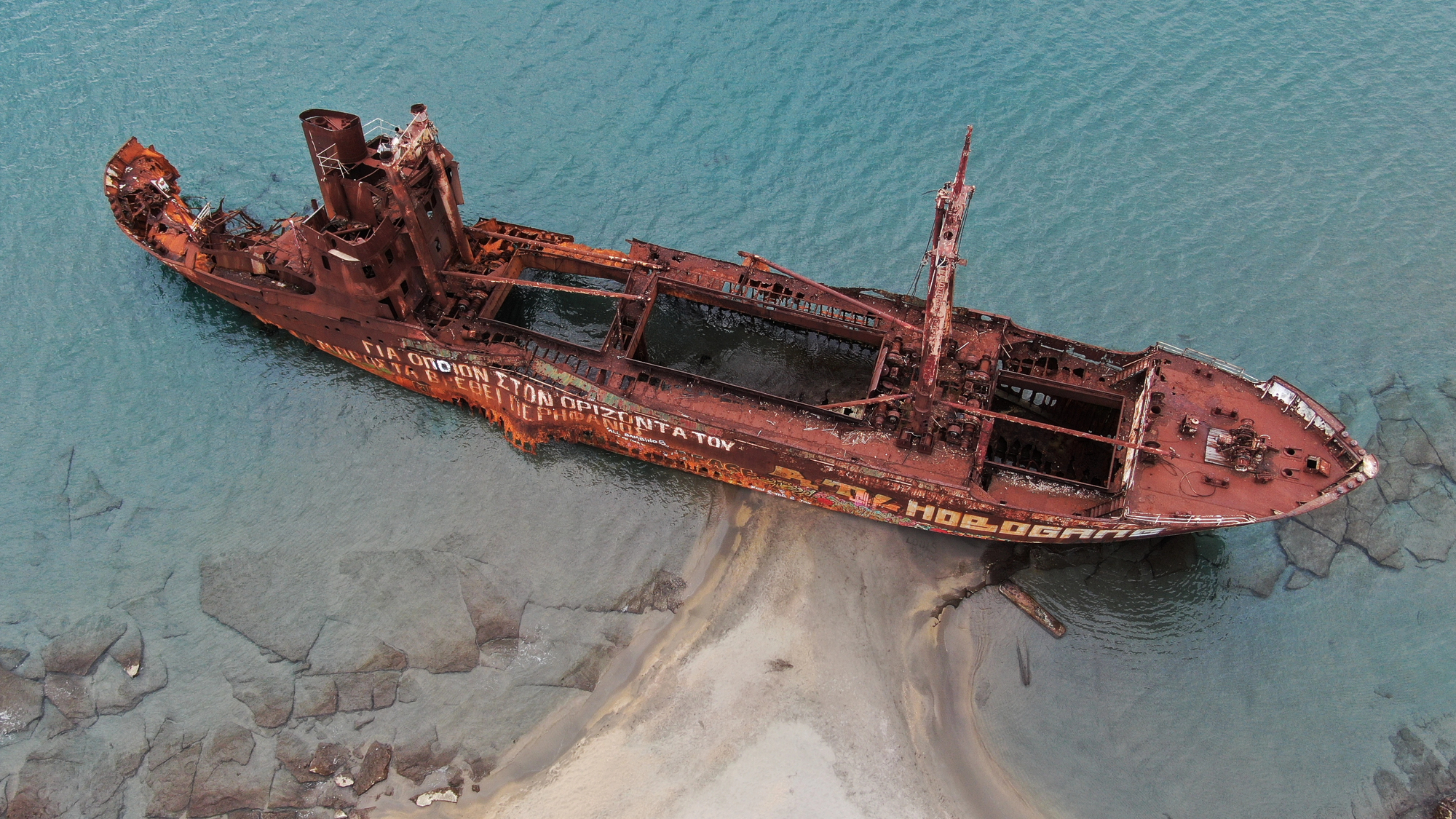
Evelyn Baldwin’s 1901 attempt to reach the North Pole from Franz Josef Land collapsed under infighting long before it collapsed under the weather, and the whole enterprise limped home having gained almost nothing. Supplies were abandoned at what crews called Camp Ziegler, crates and tools left behind in the rush to retreat — and later expeditions passing through the same islands kept stumbling onto the remnants for years afterward.
So the mission’s biggest legacy turned out to be scattered debris other explorers used to survive their own failures.
The Wellman Polar Expedition
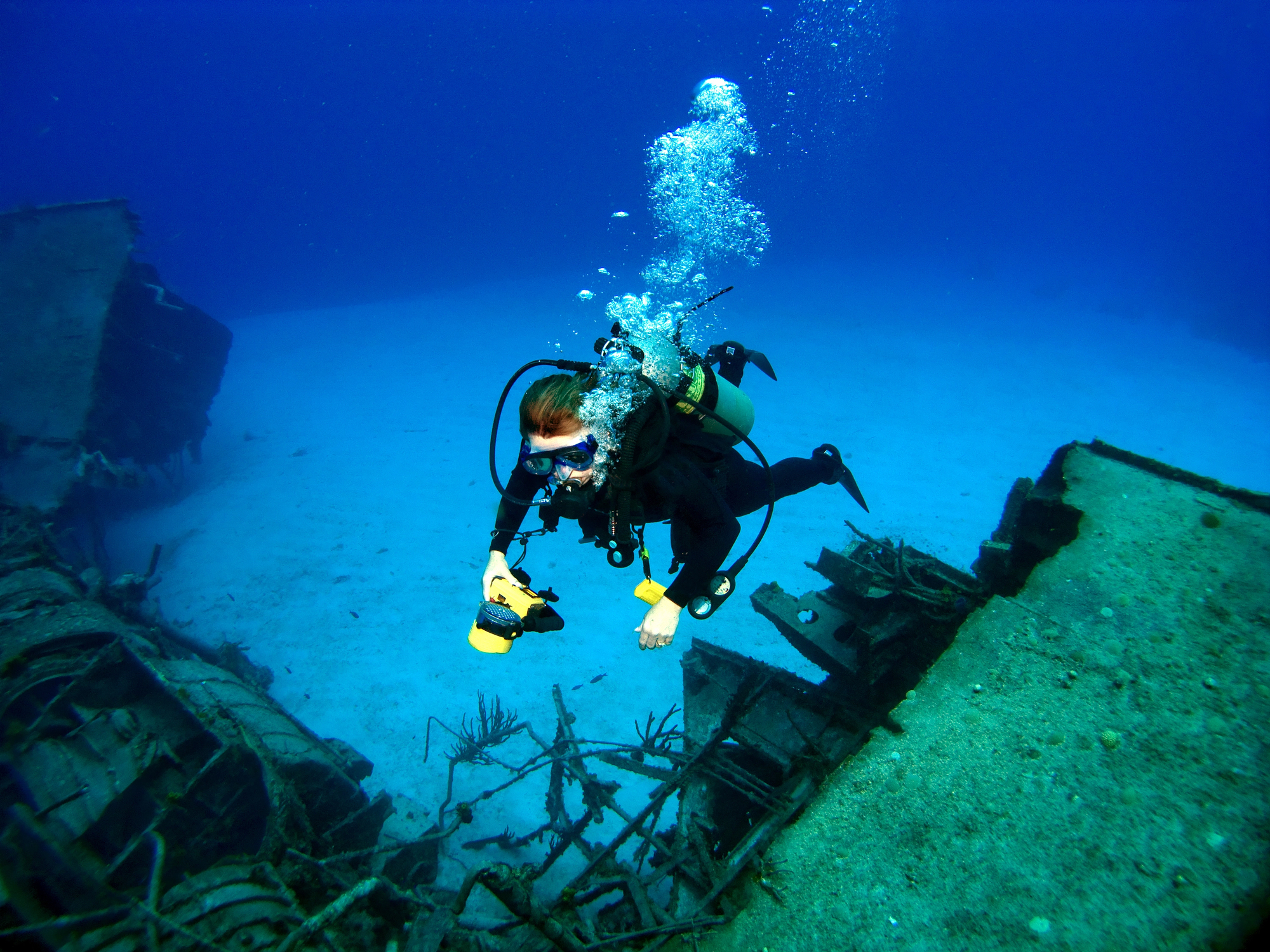
Walter Wellman tried, more than once in the early 1900s, to reach the North Pole by airship, launching his attempts from a hangar built on Danes Island, Spitsbergen. The polar wind mocked him every time, tearing his craft apart before it ever got close to its goal.
Remnants of that hangar structure lingered on the island for decades afterward, a rusted monument to ambition that never once got airborne the way it was supposed to.
The Fiala-Ziegler Expedition
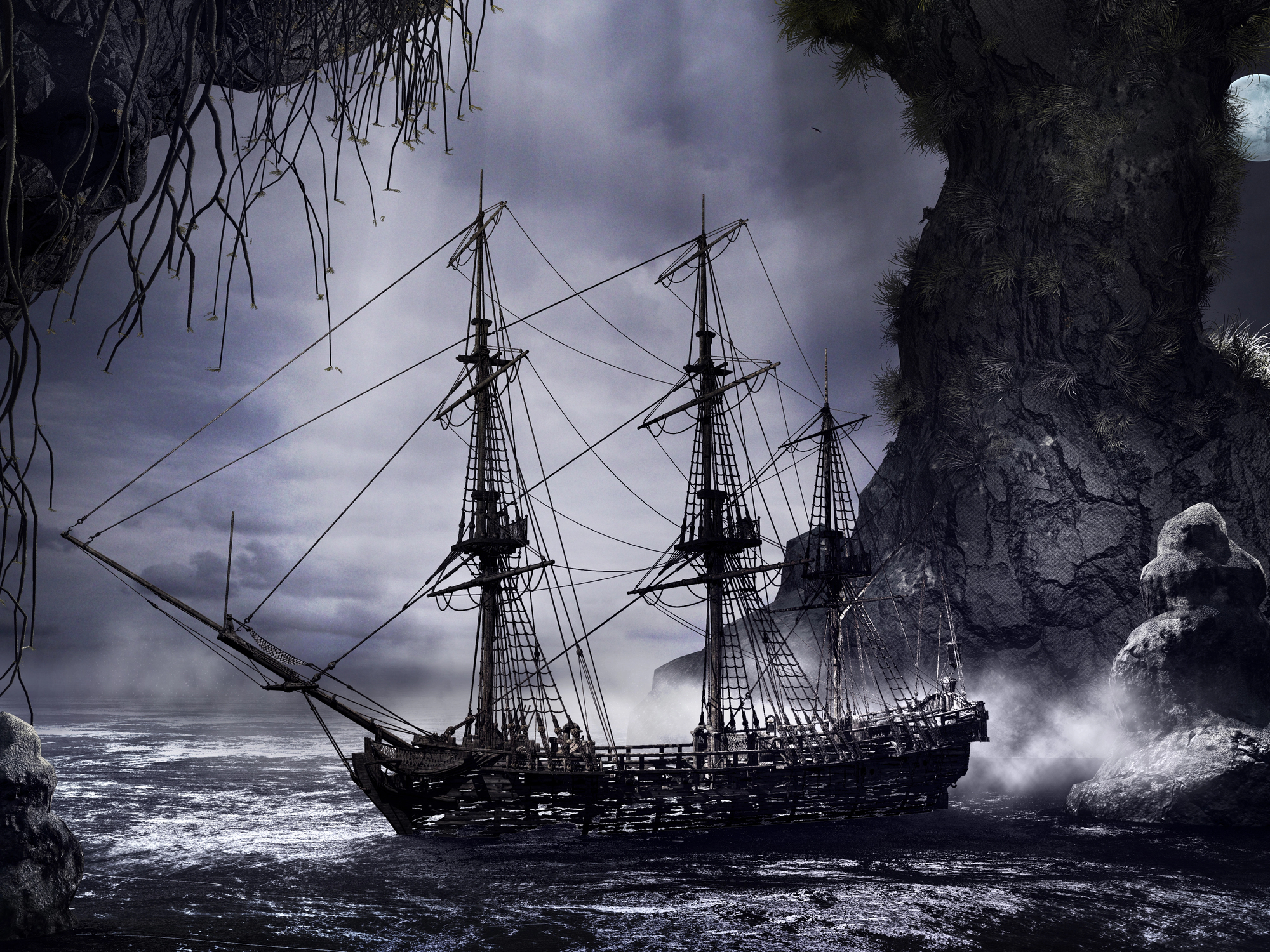
c’s ship America got crushed by ice off Franz Josef Land in 1903, stranding his crew on the archipelago for two full years before rescue arrived. Supplies meant to sustain a short mission had to stretch impossibly thin, and the depot they left behind, rotted crates, rusted tins, torn canvas, was found by later expeditions still scattered across the same frozen ground.
Two years is a long time to wait on an island that isn’t expecting company.
Jens Munk’s Northwest Passage Voyage
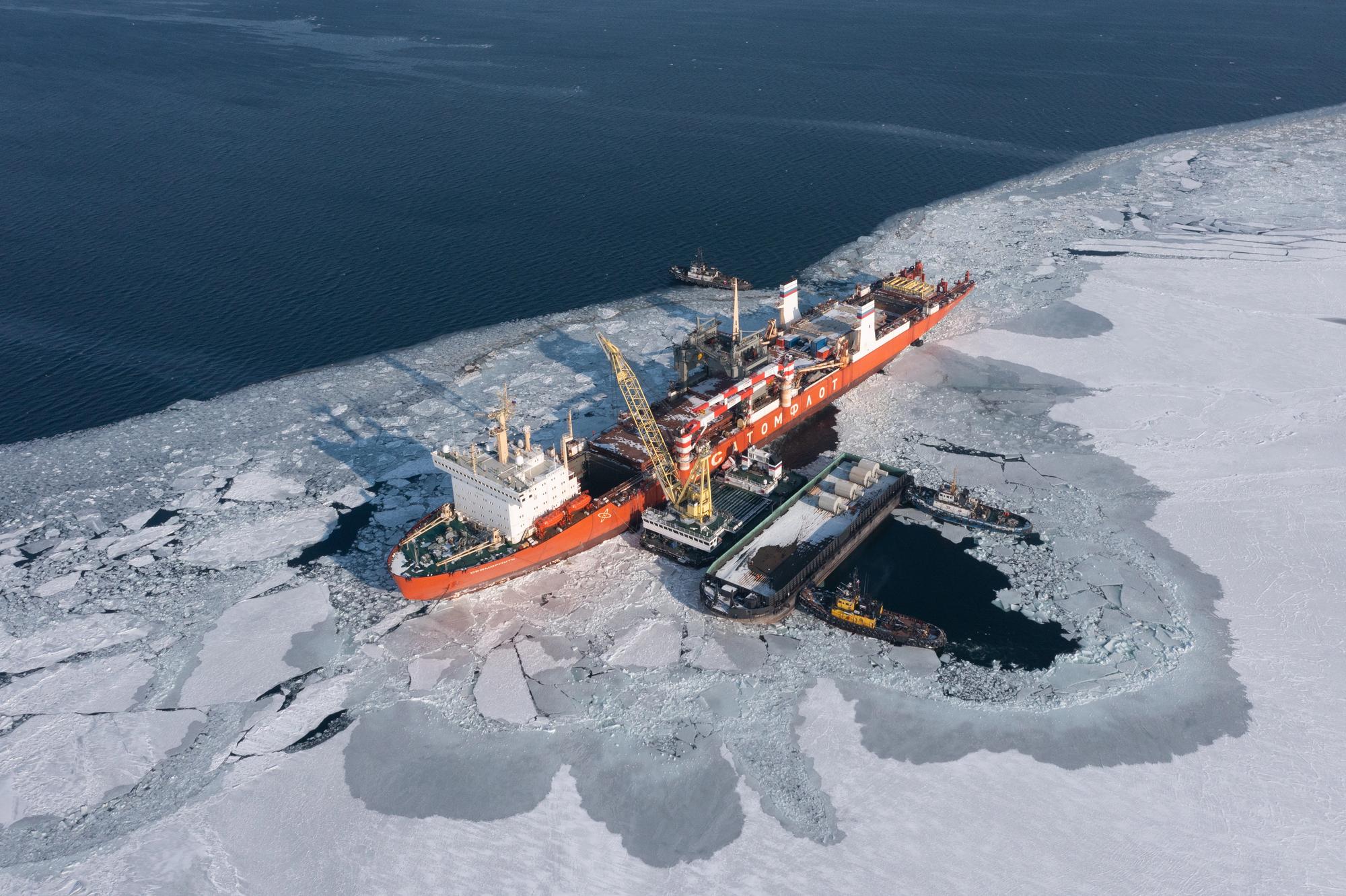
Munk sailed for Denmark in 1619 with sixty-five men and two ships, determined to find a route through Hudson Bay. Scurvy tore through the crew over that winter with a cruelty that’s hard to overstate: only three men, Munk included, survived to sail one ship back home the following spring.
Graves scattered near the wintering site marked a season that broke almost everyone who lived through it.
Elisha Kent Kane’s Second Grinnell Expedition
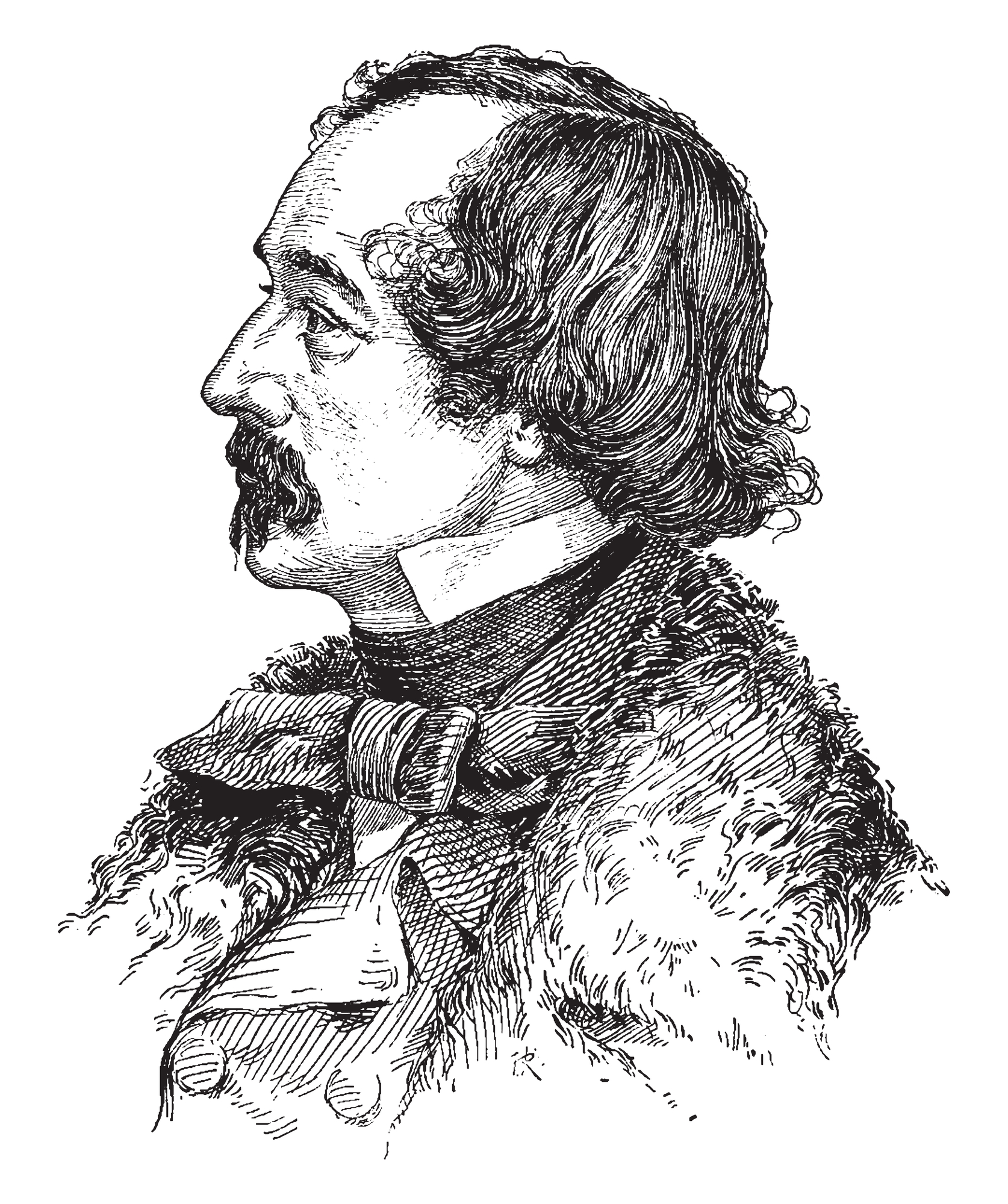
Kane sailed north in 1853 hunting for traces of Franklin, and his ship Advance ended up trapped in ice so thoroughly that the crew eventually abandoned her entirely. What followed was an eighty-three-day overland trek to reach safety, men hauling boats across ice and open water with supplies dwindling by the day.
The ship herself was left behind for good, swallowed eventually by the pack she’d been fighting for two winters straight.
Frederick Cook’s Disputed Claim
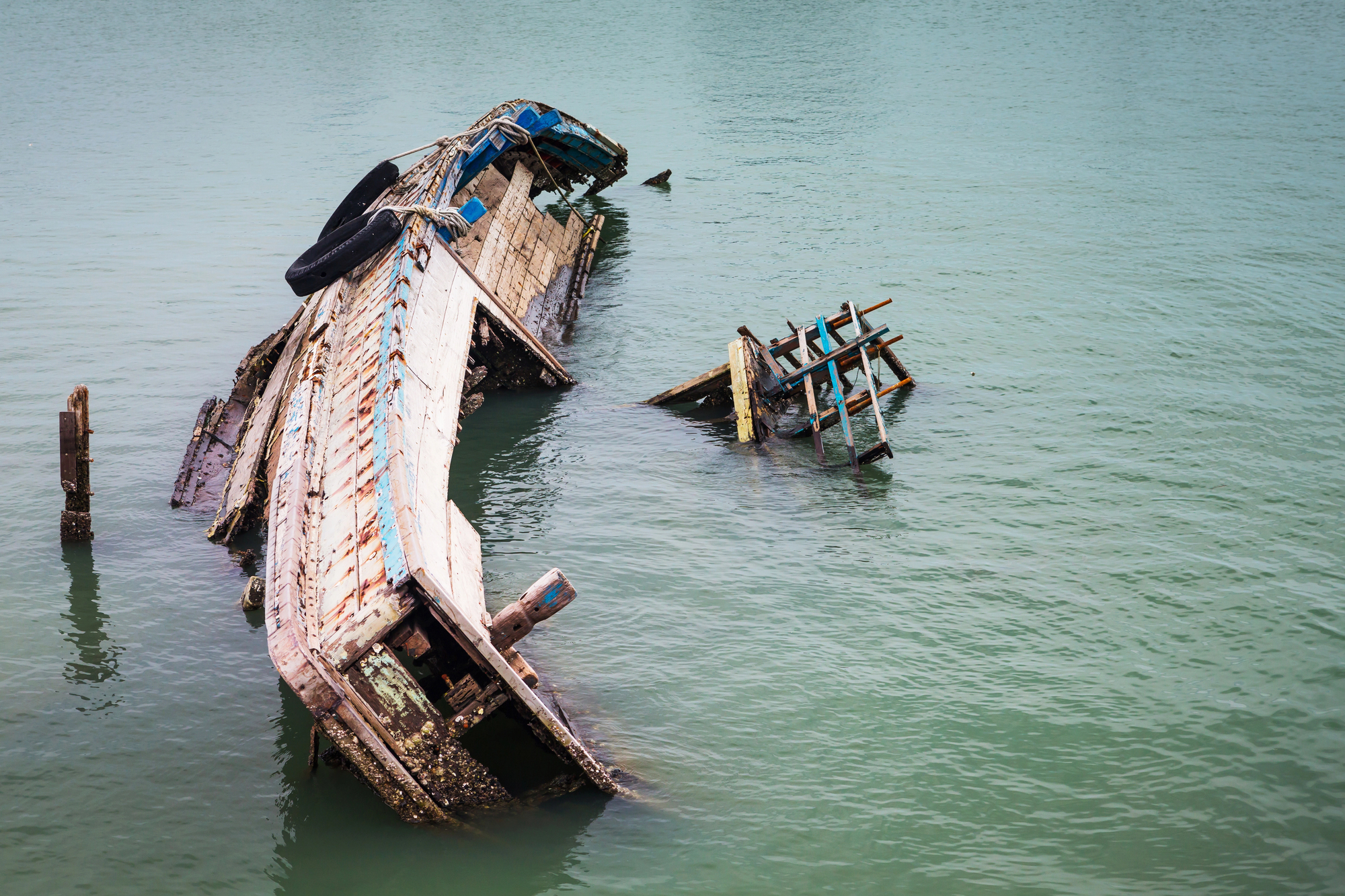
Cook claimed in 1908 to have reached the North Pole a full year before Robert Peary, and the claim fell apart almost as fast as it was made. His notebooks, when finally reviewed, showed inconsistencies serious enough that most historians now dismiss the achievement entirely.
Equipment and records he left behind in the Arctic became less a monument to discovery and more a case study in how badly a reputation can unravel.
The Bratvaag Discovery
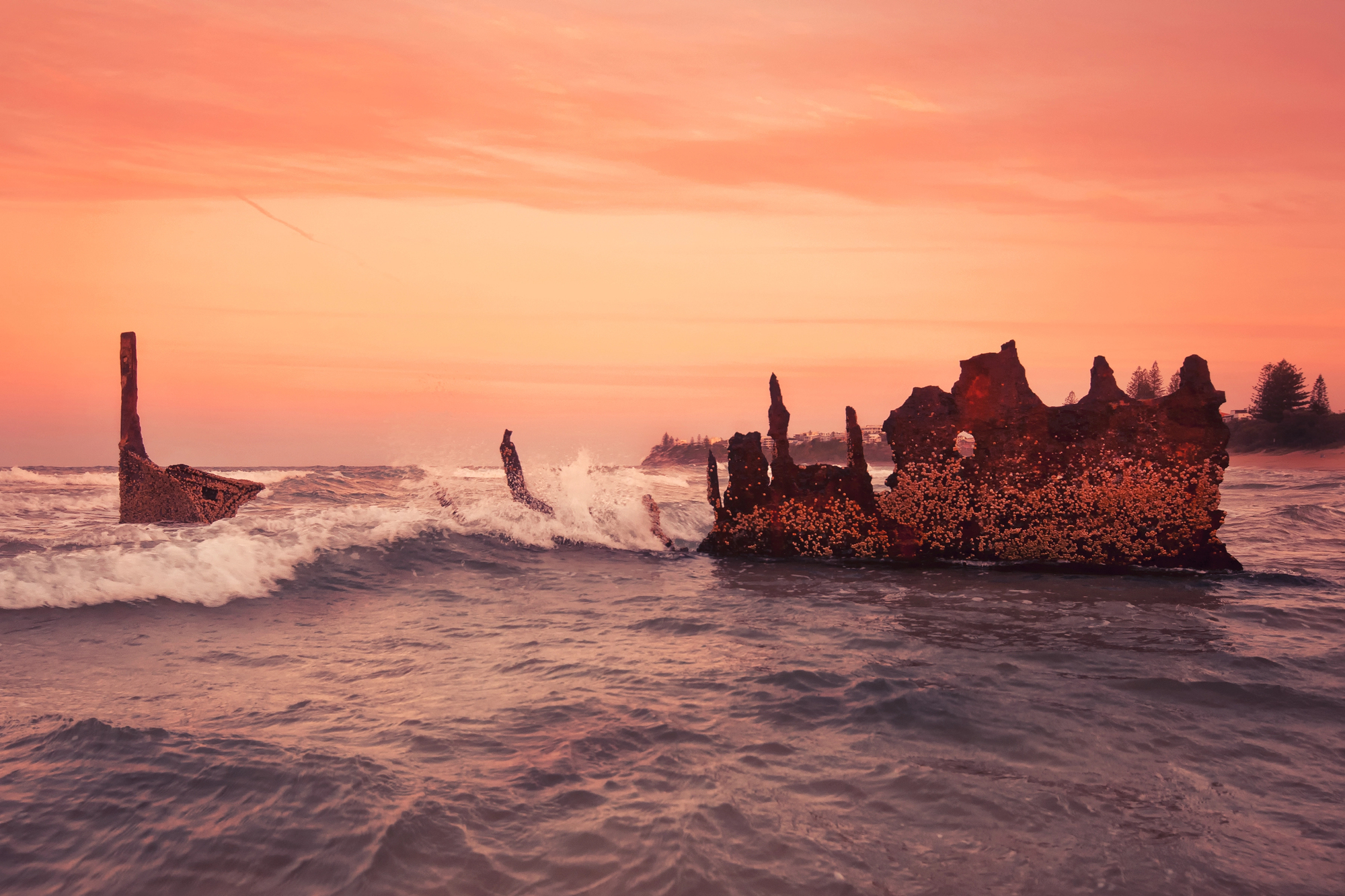
A Norwegian sealing ship called the Bratvaag stumbled onto Andrée’s abandoned camp on Kvitøya in 1930, more than three decades after the balloon expedition vanished. Crew members found diaries, human remains, and rolls of film so degraded they seemed useless, and yet a lab in Stockholm managed to develop the images anyway.
The photographs that emerged, grainy but unmistakable, showed the balloon crumpled on the ice exactly as its final crew had left it.
Sir John Ross’s First Arctic Voyage
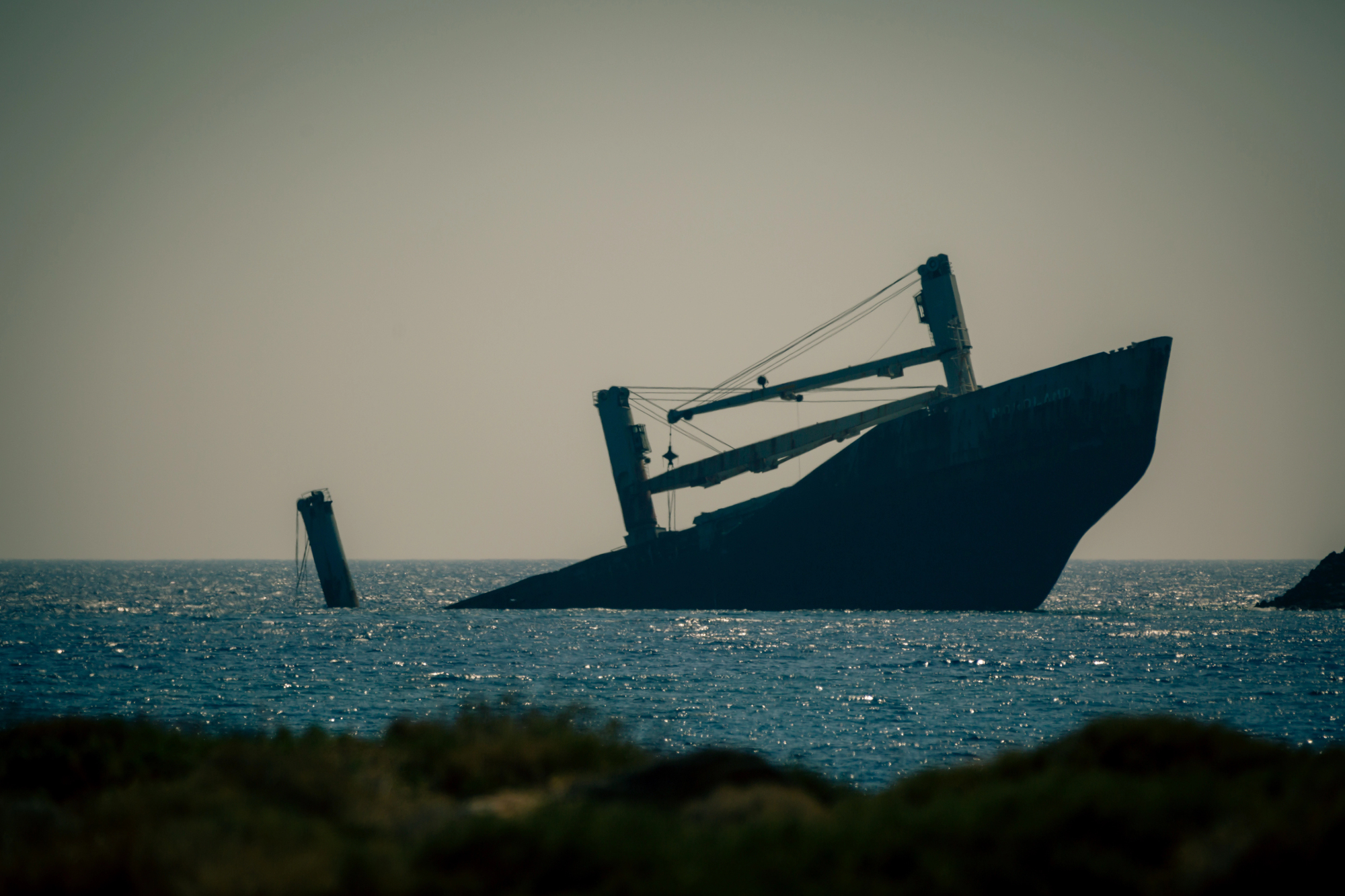
Ross turned his 1818 expedition around early, convinced a mountain range called the Croker Mountains blocked any path west through Lancaster Sound. Turns out there were no mountains at all.
His own officers doubted him at the time, and later expeditions sailed straight through the empty water where Ross swore an entire range had stood.
The Corte-Real Brothers
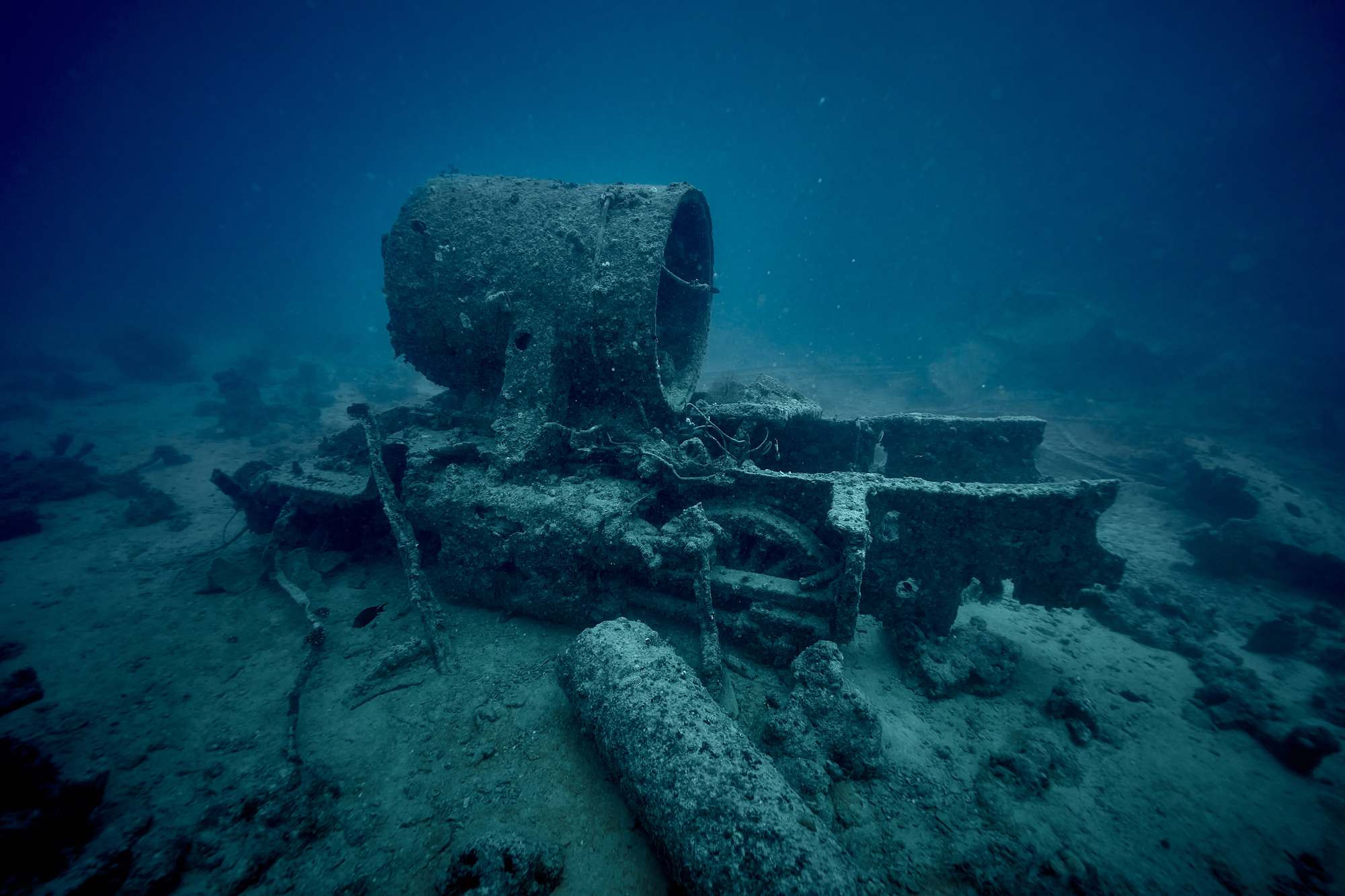
Gaspar Corte-Real sailed from Portugal in 1501 searching for a passage to Asia and never returned, and his brother Miguel sailed the following year to search for him, only to vanish just as completely. No wreckage from either voyage has ever been found, no camp, no relic, nothing washed ashore to mark where they ended.
It’s one of the oldest Arctic mysteries on record, and also one of the most stubbornly, completely unsolved.
George Washington De Long’s Diary
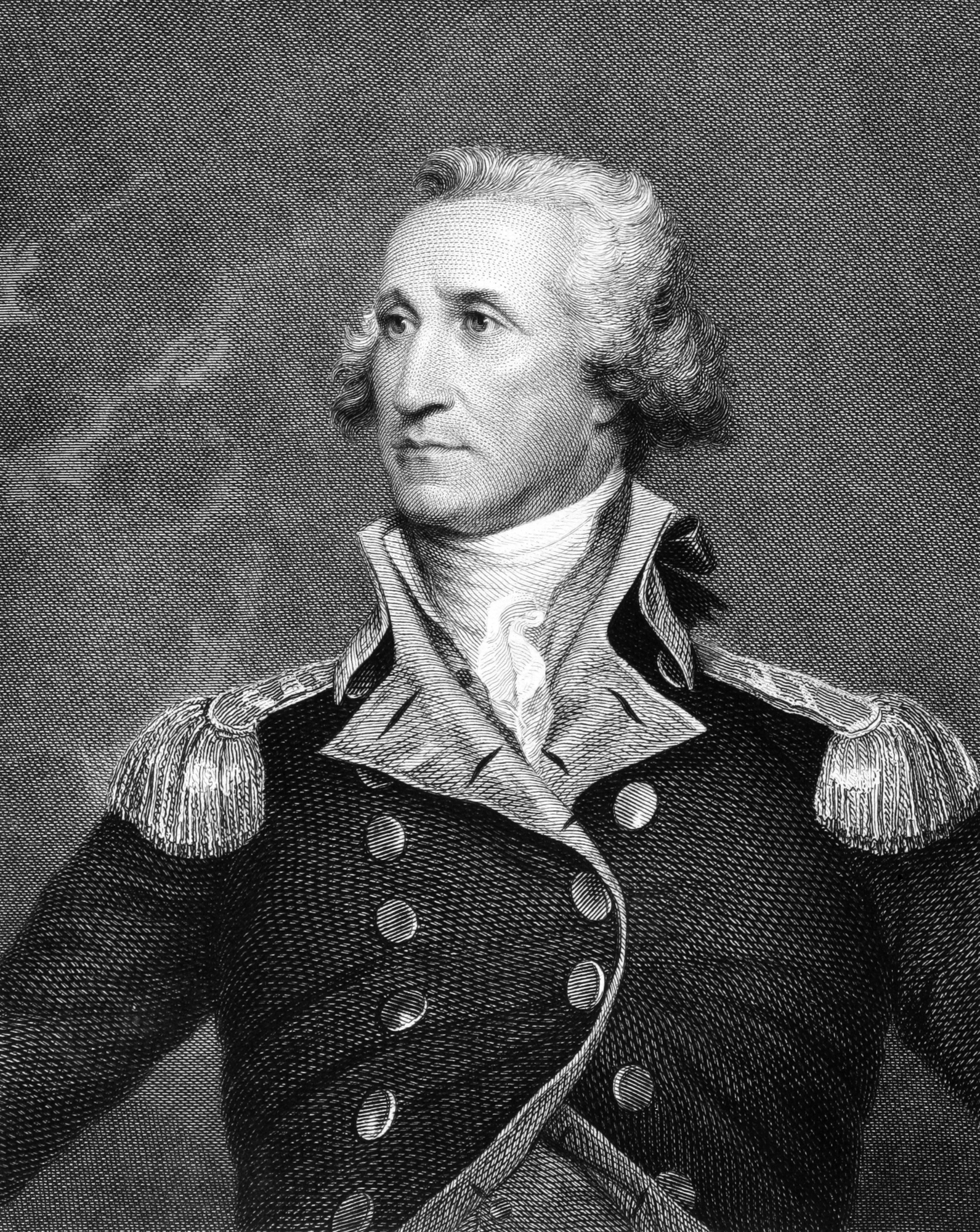
De Long’s body was found in the Lena Delta in 1882, months after the Jeannette went down, and beside him lay a journal that had somehow survived the same brutal trek that killed him. The final entries grow shorter as starvation set in, dates marked almost mechanically as though the act of writing was the last discipline he had left.
It reads less like an adventure log by the end and more like a countdown, which is precisely what it was.
What the Ice Keeps
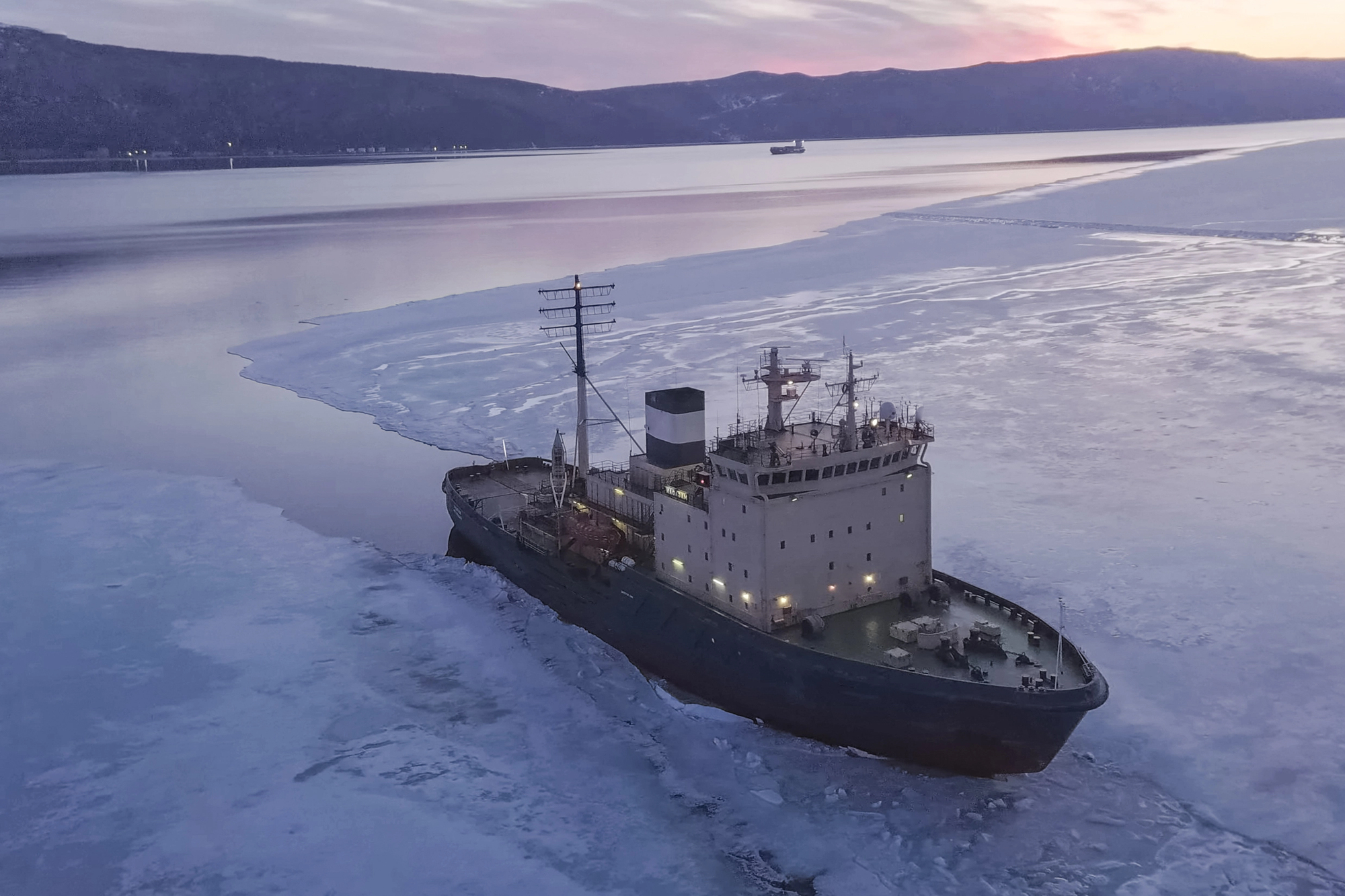
The Arctic doesn’t lose things so much as it holds onto them, unwilling to let go until it decides the moment is right. A diary surfaces after a century. A ship rises out of the dark exactly where an old story said it would be.
There’s a kind of patience in all that ice that people never quite match, and maybe that’s the real lesson buried under all these frozen expeditions: the north was never in a hurry, and it never had to be.
More from Go2Tutors!

- The Romanov Crown Jewels and Their Tragic Fate
- 13 Historical Mysteries That Science Still Can’t Solve
- Famous Hoaxes That Fooled the World for Years
- 15 Child Stars with Tragic Adult Lives
- 16 Famous Jewelry Pieces in History
Like Go2Tutors’s content? Follow us on MSN.