25 Translation Errors That Changed the Course of History
There’s something unsettling about watching an animal do something it has no business doing. A crow that seems to grieve. An octopus that appears to dream. A elephant that returns, year after year, to the bones of a relative long gone.
Trail cameras and phone footage have given the world a front-row seat to moments that used to vanish the second they happened, unwitnessed and unrecorded. And what’s turned up in that footage has left plenty of researchers scratching their heads, because the tidy explanations don’t always hold.
Some of these clips have circulated for years, picked apart frame by frame by people with actual credentials, and still nobody has landed on an answer that satisfies everyone. What follows is a look at those moments — the ones caught on camera that keep raising more questions than they answer.
Mokusatsu and the Atomic Bomb, 1945
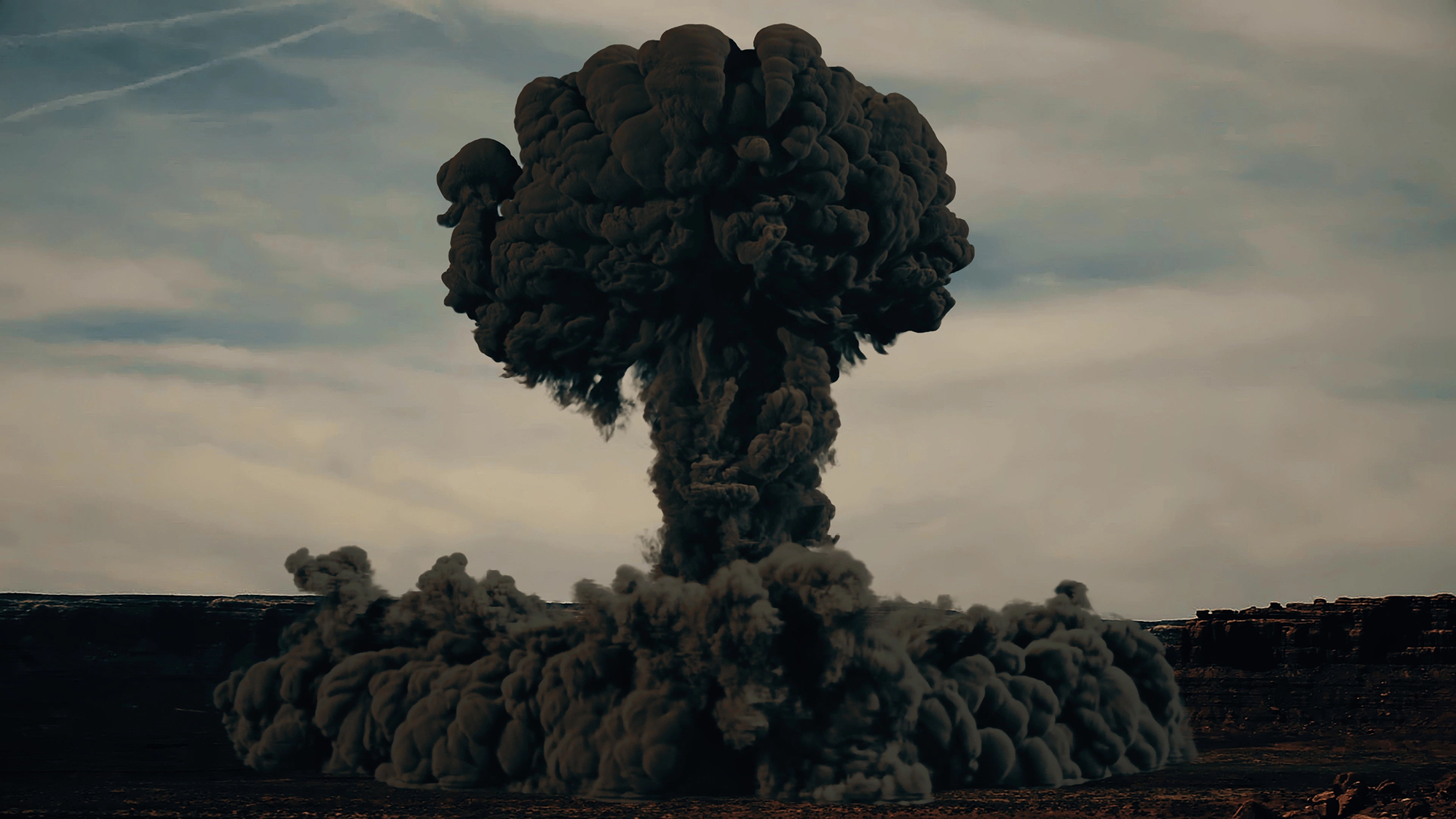
In late July 1945, Japan’s Prime Minister Kantaro Suzuki faced reporters asking about the Allies’ surrender ultimatum. No formal decision had been reached, so he used the word mokusatsu — a Japanese term meaning, roughly, to remain silently non-committal, to withhold comment while a matter is still under consideration.
The Domei News Agency translated it as “ignore.” American wire services took it further: “Japan officially turns down Allied surrender ultimatum” ran on the New York Times front page on July 30. Suzuki later told his son he had meant “no comment.” What Washington read was a categorical rejection. The bomb fell on Hiroshima six days later. Modern historians argue the decision was already politically locked in, but the translation closed whatever diplomatic window remained.
“We Will Bury You,” 1956

At a reception in the Polish Embassy in Moscow, Soviet First Secretary Nikita Khrushchev told Western ambassadors: “My vas pokhoronim.” His interpreter rendered it as “We will bury you” — a phrase that traveled instantly to Western headlines as a direct military threat.
What Khrushchev almost certainly meant was something like “we will outlast you” or “we will be present at your burial” — a boast about historical inevitability, the kind Soviet leaders made constantly about capitalism’s eventual collapse. The idiom carried no military implication in Russian. In English, it sounded like a declaration of war. Khrushchev spent years insisting he had been misunderstood. The clarification never traveled as far as the threat had.
The Treaty of Waitangi, 1840

New Zealand’s founding document existed in two versions — English and te reo Māori — and they didn’t say the same thing. The English version established full British sovereignty. The Māori version used the word kawanatanga, which conveyed governance or administration, while separately preserving rangatiratanga — chiefly authority over Māori people and their land.
The chiefs who signed believed they were accepting British governance while retaining authority over their own affairs. The British understood they had acquired full sovereignty. Both sides later felt the other had broken a clear promise. The gap between those two words has shaped land disputes, legal arguments, and protest movements in New Zealand for nearly two centuries.
The Uccialli Treaty and the Battle of Adwa, 1889
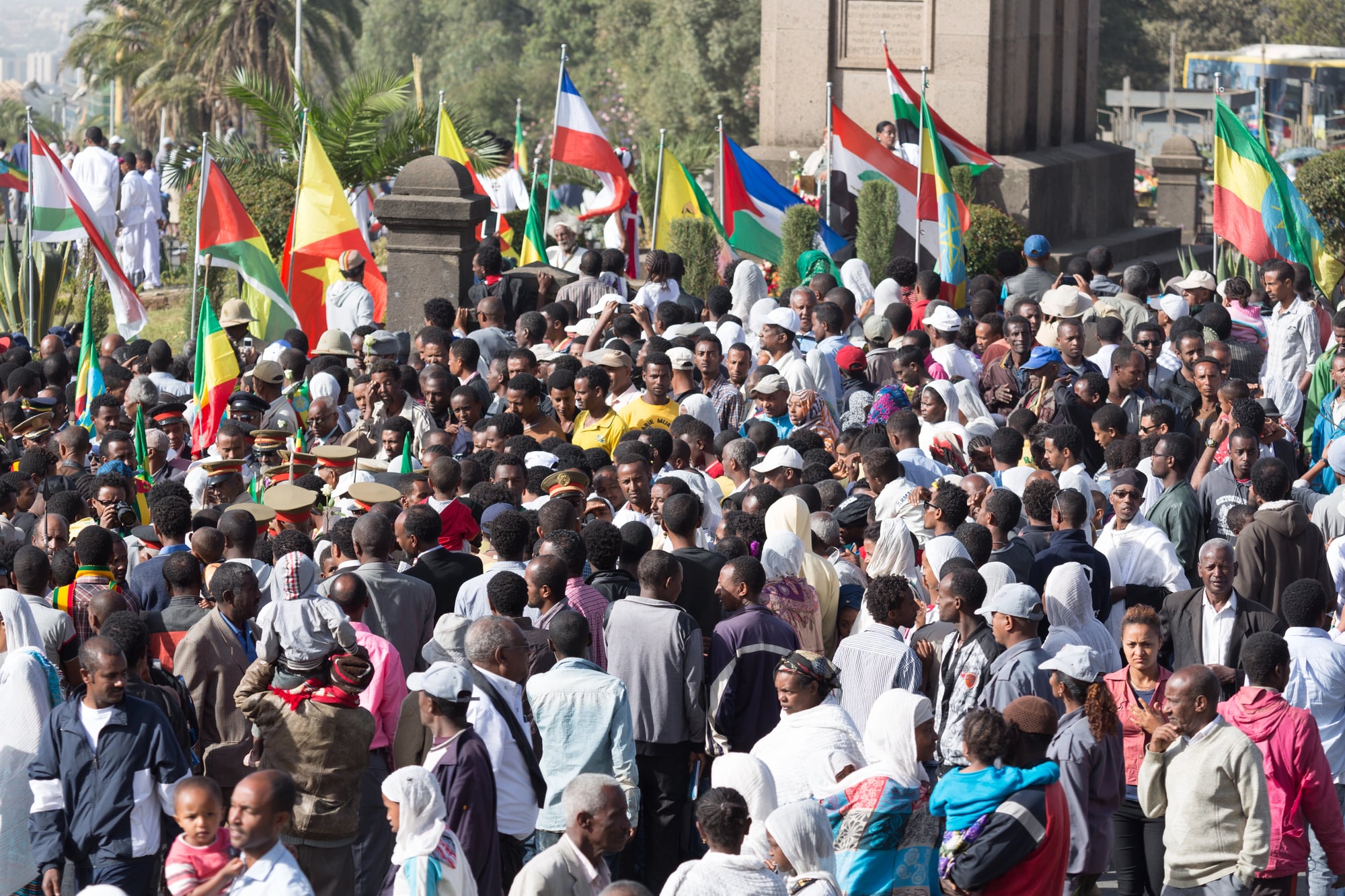
Emperor Menelik II of Ethiopia signed the Treaty of Uccialli with Italy in 1889. Article XVII, in the Amharic version, stated that Ethiopia could use Italian diplomatic channels for foreign affairs if it chose to.
The Italian version stated that Ethiopia must do so — making Ethiopia an Italian protectorate. Italy ratified the treaty and immediately informed other European powers of its new protectorate. Menelik, reading his own version, rejected the claim entirely. Years of failed negotiation followed. In 1895, Italy invaded. At the Battle of Adwa in March 1896, Ethiopian forces killed approximately 7,000 Italian soldiers and captured 1,500 more — one of the most decisive anti-colonial victories of the 19th century. The clause was “must” in one language and “may” in the other. Those two words started a war.
Canali on Mars, 1877

Italian astronomer Giovanni Schiaparelli observed what he described as canali on the surface of Mars — a word meaning channels or grooves, the kind of thing geology produces. When his reports were translated into English, canali became “canals” — a word implying construction, intent, intelligence.
American astronomer Percival Lowell seized on the mistranslation, spent decades mapping what he believed were irrigation channels built by a dying Martian civilization, and published three influential books promoting the idea. The resulting public fascination with Martian life shaped science fiction for generations and sent research priorities in directions that took decades to correct.
Jimmy Carter in Warsaw, 1977
President Carter arrived in Poland for a diplomatic visit and was assigned an interpreter hired on short notice who was, by most accounts, not up to the task. Carter’s remark that he had “left the United States that morning” became “he had abandoned the United States forever.”
His statement about wanting to learn Polish people’s views was rendered in a way that suggested he desired them in a distinctly personal sense. The Polish press covered the visit with visible bewilderment. A different interpreter was brought in immediately. No lasting diplomatic damage resulted — Polish officials handled the situation graciously — but the episode became a case study in what happens when institutional shortcuts in translation land at a state visit.
UN Resolution 242 and the Missing Article, 1967

After the 1967 Six-Day War, the UN Security Council passed Resolution 242 calling for Israeli withdrawal. The English text read “withdrawal of Israeli armed forces from territories occupied in the recent conflict.”
The French version — equally legally binding under UN rules — read “des territoires occupés”: “from the territories.” Two missing letters in English — “the” — changed the meaning entirely. The English version implied possible partial withdrawal. The French version implied complete withdrawal from all occupied territories. Diplomats have argued ever since whether the ambiguity was deliberate. The gap between “territories” and “the territories” has been cited in negotiations, legal briefs, and international disputes for more than fifty years.
The Russian-Georgian Ceasefire, 2008
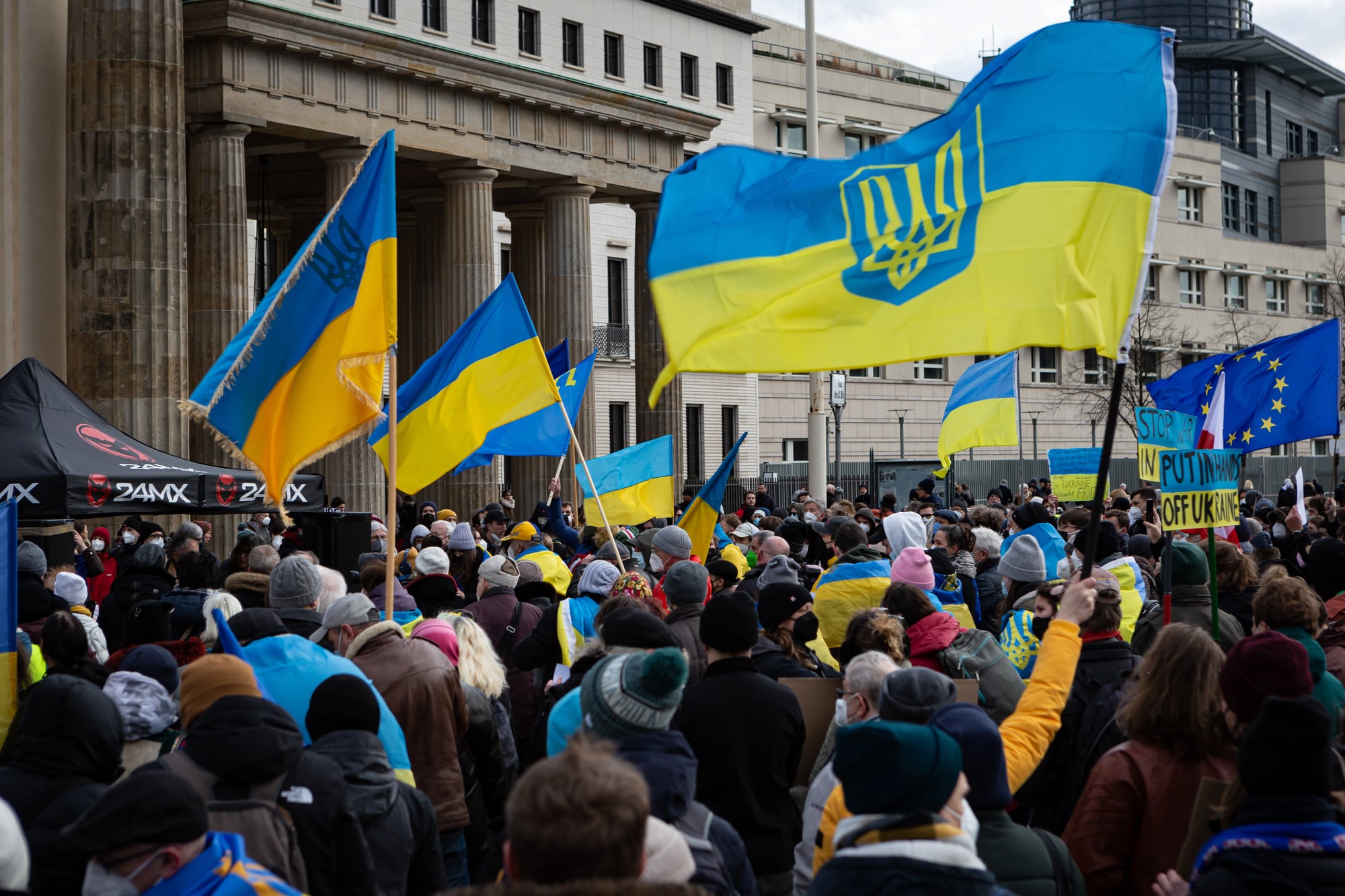
When France brokered a ceasefire between Russia and Georgia following the 2008 conflict over South Ossetia, French Foreign Minister Bernard Kouchner later acknowledged that the peace document contained translation errors with real consequences. The Russian version referred to “the security of Abkhazia and South Ossetia” while the English version sent to Georgian President Mikheil Saakashvili read “security in Abkhazia and South Ossetia.”
The difference between “of” and “in” affected who was responsible for whose security — a distinction with direct implications for the ceasefire’s interpretation. Russia was accused of violating the agreement partly because the two sides were reading different versions of what they had agreed to.
The Black Hills Treaty, 1868
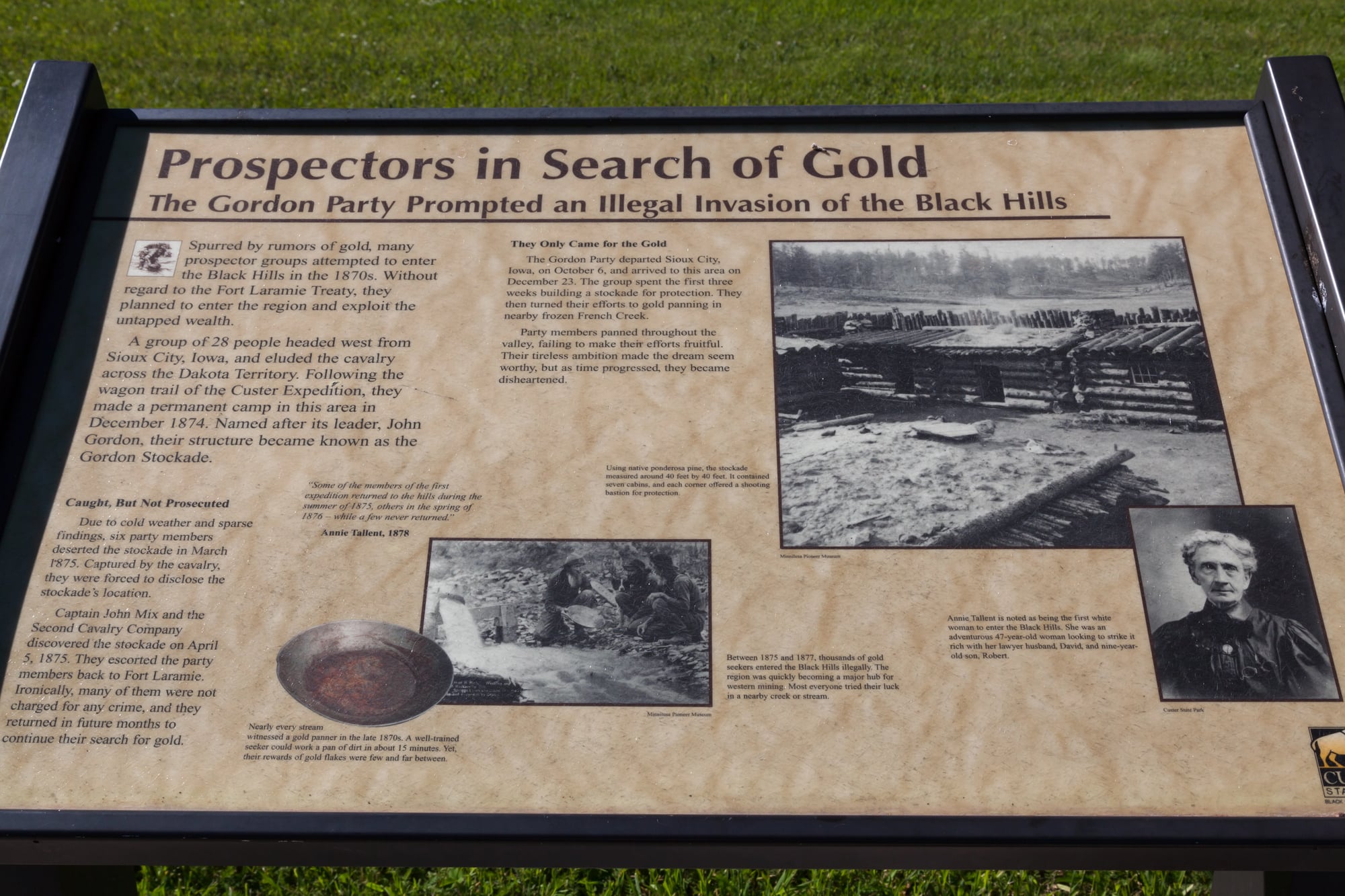
The 1868 Treaty of Fort Laramie established the Black Hills as part of the Great Sioux Reservation, but the agreement was negotiated and written almost entirely in English, across two very different legal and cultural frameworks. Lakota signatories understood land agreements through a framework where land was held collectively and use rights could be shared — not permanently transferred.
The English legal concept of cession, which the treaty employed, meant something far more absolute. When gold was discovered in the Black Hills in 1874 and the U.S. government sought to acquire the territory, the two sides discovered they had signed documents that meant fundamentally different things to each of them. The legal dispute over the Black Hills has never been fully resolved.
The Zimmermann Telegram’s Translation, 1917

When British intelligence decoded the Zimmermann Telegram — a German proposal to Mexico offering to help reclaim Texas, New Mexico, and Arizona in exchange for attacking the United States — the British faced a problem. Revealing the decoded contents would expose to Germany that their diplomatic cipher had been broken.
So British intelligence presented the telegram as if it had been obtained from a Mexican telegraph office. The translation and presentation were carefully managed to protect the source. German Foreign Secretary Arthur Zimmermann then made a spectacular error by publicly confirming the telegram was genuine when asked by a reporter. Within two months, the United States had declared war on Germany. The translation work that cracked the cipher was among the most consequential codebreaking of the war.
The Septuagint’s Young Woman, 3rd Century BCE
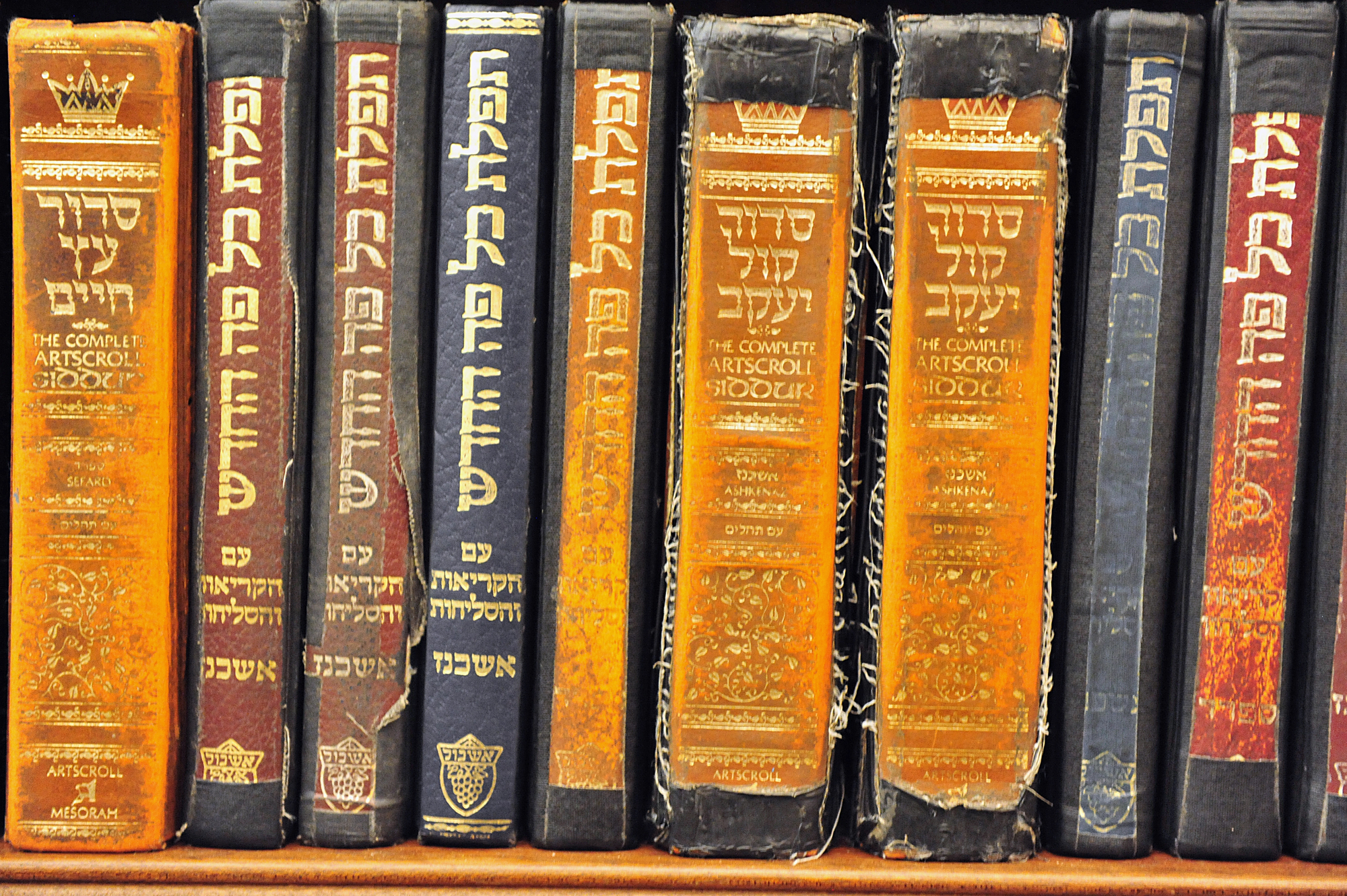
When Jewish scholars translated the Hebrew Bible into Greek — producing the Septuagint — they rendered the Hebrew word almah, meaning “young woman,” as parthenos, the Greek word for virgin. The original Hebrew term carried no implication of virginity — it simply described a young woman.
The Greek translation added a meaning that wasn’t there. Centuries later, when the Gospel of Matthew cited the prophecy from Isaiah, it used the Greek Septuagint text rather than the original Hebrew. The word “virgin” was now scripture. The theological consequences of that single translation choice have been argued about for two millennia.
The Korean-EU Trade Agreement, 2011

South Korea’s free trade agreement with the European Union, signed in 2011 after years of negotiation, turned out to contain 207 translation errors. Korean Trade Minister Kim Jong-hoon issued a public apology after the errors were discovered.
The government withdrew the document, worked through several rounds of correction with law firms and legal translation experts, discovered an additional 128 mistranslated words and 16 typos in the revised version, and had to produce an entirely new document. No military consequences. But the case became a standard reference point in discussions about what happens when speed overtakes accuracy in the translation of binding legal documents.
The Mutapa Treaty and Portuguese Claims, 1629

Portuguese colonial authorities in southern Africa signed a treaty with Mavura, a claimant to the Mutapa throne, which they had helped install. The 1629 treaty was drafted in Portuguese and understood very differently by the African signatories, who had no tradition of the absolute territorial sovereignty the document implied.
The Portuguese treated the treaty as giving them authority over the Mutapa kingdom’s gold mines and trade routes. Mavura and subsequent Mutapa rulers understood it as a political alliance. The gap between those interpretations produced decades of conflict over resources and authority in what is now Zimbabwe.
The Fatwa Translation and Salman Rushdie, 1989

When Ayatollah Khomeini issued his 1989 fatwa concerning Salman Rushdie and The Satanic Verses, the word fatwa was translated into Western press coverage primarily as a “death sentence” or “death warrant.” In Islamic legal tradition, a fatwa is a religious opinion or ruling — not inherently a sentence of any kind.
The specific content of Khomeini’s fatwa was indeed a call for Rushdie’s death, but the translation of the term itself into Western coverage stripped it of its legal context and made it sound like a universally binding order from a head of state. This contributed to confusion about whether ordinary Muslims were religiously obligated to act on it. Most were not, and most didn’t — but the mistranslation of the term shaped Western public understanding of what the fatwa was and meant.
Ahmadinejad and the Map, 2005

In 2005, Iranian President Mahmoud Ahmadinejad gave a speech in which he quoted a statement by Ayatollah Khomeini. The phrase, in Farsi, referred to the “regime occupying Jerusalem” vanishing “from the page of time” — a political statement about the end of a government, not a call for destruction.
Western news agencies translated it as Israel should be “wiped off the map.” The map phrase had no equivalent in the original Farsi. The translation circulated globally, was cited in UN Security Council debates, and became one of the most-quoted pieces of evidence in arguments about Iranian intentions. Multiple subsequent translations by Farsi scholars confirmed the “wiped off the map” version was not what was said, but the correction traveled considerably less far than the original mistranslation.
The Italian Astronaut’s “Sabotage” Accusation, 2023

When Italian astronaut Samantha Cristoforetti posted a quote on social media during the Russian invasion of Ukraine, the original Italian phrase she used expressed the idea of “undermining” or “sabotaging” a ceasefire — a common political metaphor. In some translations into Ukrainian and Polish, it was rendered in ways that made it appear she was accusing Ukraine of sabotaging peace efforts.
The backlash was immediate. Cristoforetti had to clarify that the translation had reversed her meaning. The episode illustrated how quickly a single translated post can become an international incident in the social media era.
The Balfour Declaration’s Deliberate Ambiguity, 1917

The Balfour Declaration, in which Britain expressed support for “the establishment in Palestine of a national home for the Jewish people,” was drafted in English but immediately required translation into Arabic, Hebrew, French, and other languages. The phrase “national home” had no established equivalent in international law — it was deliberately chosen to be ambiguous in English, and that ambiguity multiplied in translation.
In Arabic, the closest equivalents carried stronger implications of statehood than the English drafters intended. In Hebrew, the phrase resonated with specific Zionist political terminology. Each translation created a slightly different document, and each version’s readers understood the promise differently. The gap between those understandings has never closed.
The North Korean “Dear Leader” Titles
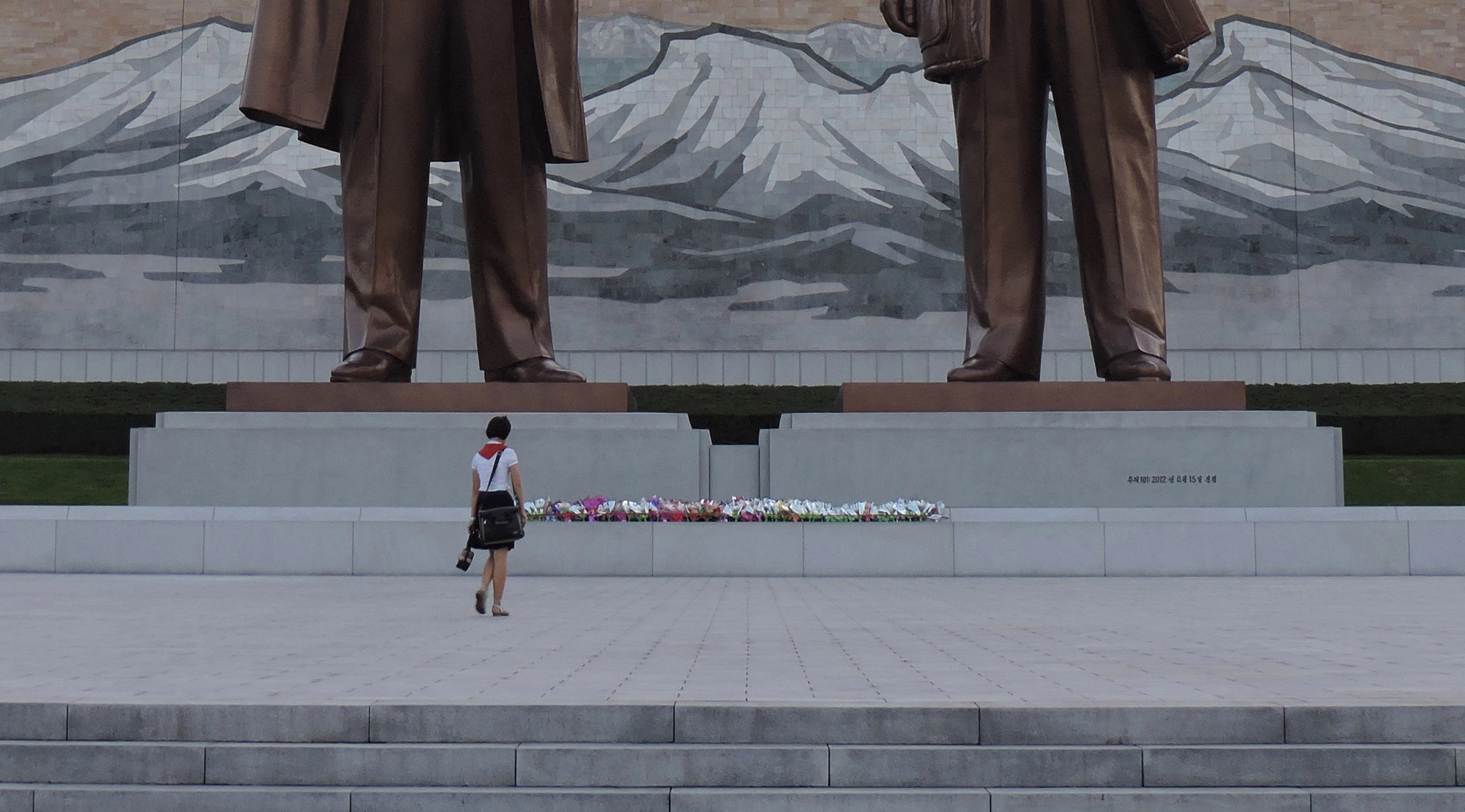
North Korean leadership titles have been systematically mistranslated by Western media in ways that obscure the specific gradations of the original Korean. “Suryong” — the title held by Kim Il-sung — translates more accurately as something like “supreme leader” or “great helmsman,” carrying specific connotations of founding-era authority.
Kim Jong-il’s title “Changgun” is more accurately “general” or “the general” than the “Dear Leader” label that stuck in English. The cumulative effect of these imprecise translations has been to flatten distinct political roles into interchangeable terms, making the succession dynamics of North Korean leadership harder for Western audiences to understand accurately.
The Japanese Surrender Broadcast, 1945

When Emperor Hirohito broadcast Japan’s acceptance of the Potsdam terms on August 15, 1945, the speech was delivered in classical Japanese so formal and elevated that most ordinary Japanese citizens couldn’t fully understand it. The broadcast contained deliberate ambiguity — the Emperor described Japan’s situation as having “developed not necessarily to Japan’s advantage,” a phrase requiring considerable interpretation.
When translated into English for Allied consumption, various translators made different choices about how to render the elaborate verbal indirection. The official translation presented a more direct statement of surrender than the original Japanese conveyed, which was partly intentional — the language needed to be legible to the Japanese public as a face-saving act while unambiguous to the Allies as an actual surrender.
The Mars Climate Orbiter, 1999

This case involved units rather than languages, but the mechanism was identical: one party using one system, another using a different system, with no flag in the gap. Lockheed Martin sent thruster data to NASA in imperial units — pound-force seconds. NASA’s navigation software expected metric — newton-seconds.
Nobody caught the mismatch. The Mars Climate Orbiter entered the Martian atmosphere at the wrong angle on September 23, 1999, and was destroyed. The mission had cost $327 million. The investigation report noted that the error should have been caught by standard verification procedures that weren’t applied consistently across the project’s two teams.
The Nuremberg Trials’ Simultaneous Interpretation, 1945–46

The Nuremberg Trials were the first major international proceedings to use simultaneous interpretation — translating in real time across four languages: English, French, Russian, and German. The system worked, mostly, but specific terms created sustained problems.
The German word Vernichtung can mean annihilation, destruction, or extermination depending on context, and choosing the wrong English equivalent in a specific legal passage could mean the difference between a charge of killing and a charge of genocide. Interpreters flagged ambiguities during testimony. Judges occasionally stopped proceedings to verify translations. The trials essentially built modern simultaneous interpretation practice while using it for some of the most consequential legal proceedings of the 20th century.
The Fort Laramie “As Long As” Clause, 1851
The 1851 Fort Laramie Treaty contained a phrase granting various Native American nations rights to their territories “as long as the buffalo may range.” In the spoken negotiations conducted through interpreters, what was conveyed to the signatories was closer to a permanent grant — a promise as durable as the land itself.
The English legal text, with its conditional phrase, created a time-limited right that could be argued away once the buffalo disappeared, which they did, through deliberate mass slaughter beginning in the 1870s. Whether this was a translation error or a deliberate deception is a question historians still debate. The outcome for the affected nations was the same either way.
The Spanish Inquisition’s Relying on Testimony, 15th Century

During the Spanish Inquisition, testimony was taken in Castilian Spanish and translated into Latin for the official record. The translation process introduced two layers of interpretive risk: first, between the spoken testimony and the written Spanish record, and second, between Spanish and Latin.
Words describing spiritual experiences, mystical states, or religious practices often had no clean Latin equivalent, and the translator’s choice of which Latin term to use could shift a description of orthodox practice into something that sounded heretical. Defendants who couldn’t read Latin had no way to verify whether the record reflected what they had actually said. Some historians have documented specific cases where the Latin record of testimony bore only a loose resemblance to what the original Spanish testimony described.
The EU-Israel Association Agreement, 2013

A dispute over a single preposition in the EU-Israel Association Agreement led to a sustained diplomatic standoff. The agreement granted preferential trade terms to Israeli goods, but the question of which Israeli goods — specifically whether goods produced in West Bank settlements qualified — turned on how the agreement’s territorial scope clause was translated and interpreted in different official EU languages.
Different member states’ versions of the agreement supported different readings. The resulting legal uncertainty produced years of contested trade decisions and political friction between the EU and Israel over labeling requirements for settlement products.
The Maastricht Treaty’s “Subsidiarity,” 1992

The Maastricht Treaty, which established the European Union, introduced the principle of “subsidiarity” — the idea that decisions should be made at the lowest effective level of governance. The word came from Latin via Catholic social teaching, and it had reasonably clear implications in French and German legal traditions.
In English, it had no established meaning at all. British politicians and commentators spent years arguing about what subsidiarity actually meant, with interpretations ranging from “the EU should do less” to “decisions should be decentralized within member states.” The confusion was genuine and consequential, contributing to British Euroscepticism in ways that played out over the following three decades.
What a Single Word Can Cost

Every entry on this list follows the same basic shape. A word exists in one language carrying a range of meaning, nuance, and cultural context.
That word gets handed to someone who has to find its equivalent in another language, under time pressure, without the luxury of extended deliberation. A choice gets made. That choice becomes the official record. And the range of meaning in the original word collapses into the single meaning of the chosen translation.
The damage doesn’t always come from choosing wrong. Sometimes it comes from the structure of the situation itself: two parties to an agreement who read a document in their own language and understand it differently, each convinced the other has violated something clear.
The Treaty of Waitangi. The Uccialli treaty. The Black Hills agreement. Nobody mistranslated those documents carelessly. They were translated across genuinely different conceptual systems, and the gap between those systems was bigger than any single translator could bridge in an afternoon.
The best argument for taking translation seriously isn’t the disasters on this list. It’s the disasters that didn’t make the list because someone in a translation booth paused, checked, flagged an ambiguity, and gave the negotiators a chance to resolve it before it became history.
More from Go2Tutors!

- The Romanov Crown Jewels and Their Tragic Fate
- 13 Historical Mysteries That Science Still Can’t Solve
- Famous Hoaxes That Fooled the World for Years
- 15 Child Stars with Tragic Adult Lives
- 16 Famous Jewelry Pieces in History
Like Go2Tutors’s content? Follow us on MSN.